Persian Melon
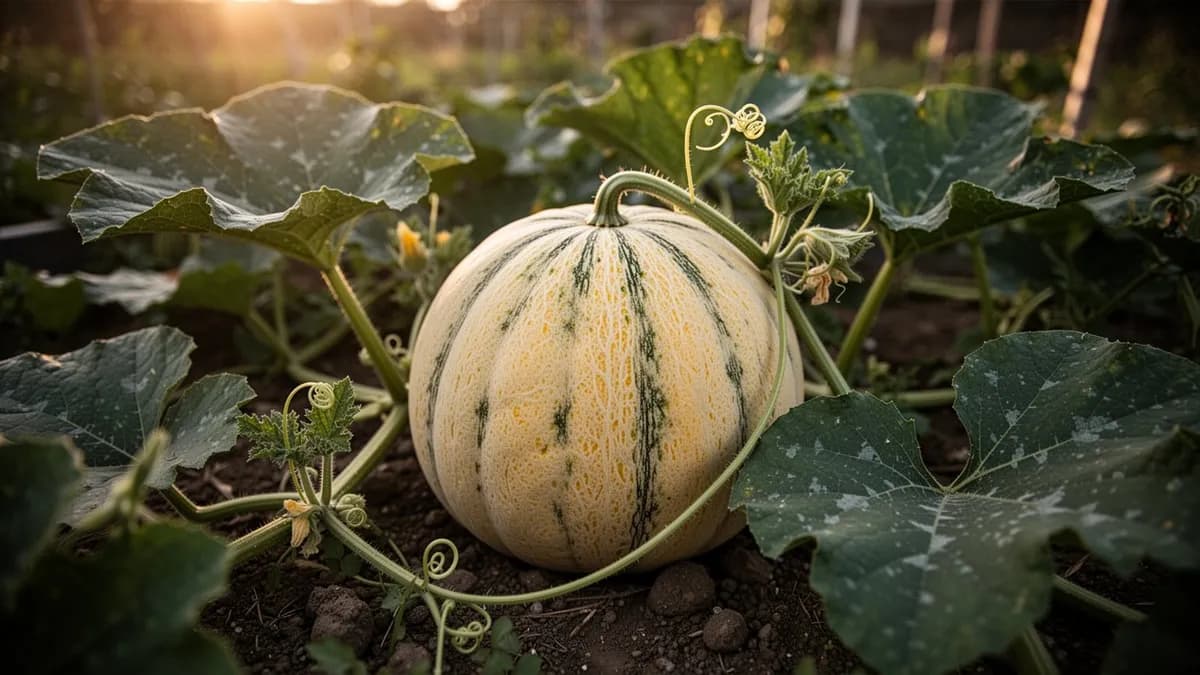
A large, oval melon with smooth green skin and thick, salmon-colored flesh that is sweeter and more aromatic than standard cantaloupe.





On this pageOverview
Meet Persian Melon
A large, oval melon with smooth green skin and thick, salmon-colored flesh that is sweeter and more aromatic than standard cantaloupe. Fruits can weigh up to 10 pounds and have a longer shelf life than netted melon varieties. Plants need a long, hot growing season and perform best in arid climates with dry summers. The thick, dense flesh holds up well in fruit salads and can be wrapped with prosciutto for an elegant appetizer.
When to plant Persian Melon
Start seeds indoors four to five weeks before the last expected frost. Plant two seeds per four-inch peat pot, one inch deep in pre-moistened seed-starting mix. Use a heat mat set to 85 degrees Fahrenheit for germination in five to seven days. Provide 14 to 16 hours of light daily with grow lights positioned three to four inches above seedlings. Thin to the strongest seedling after the first true leaves appear. Harden off gradually over ten days before transplanting into prepared hills. In zones 8 and above, direct sow after soil reaches 70 degrees Fahrenheit, spacing seeds 36 inches apart.
Your Persian Melon Year
Composed for Zone 7 · typical seasons · frost passes Apr 2, returns Nov 1
Plant Persian Melon May – Jun, pick Aug – Sep. Check the planting methods below and set your climate to personalize these windows.
How to grow Persian Melon
Start Persian melon seeds indoors four to five weeks before the last frost date, as these melons require a long growing season of 90 to 100 days. Plant seeds one inch deep in large peat pots with warm, moist seed-starting mix. Maintain soil temperature around 85 degrees Fahrenheit using a heat mat for optimal germination in five to seven days. Persian melons are especially frost-sensitive and should not be transplanted until nighttime temperatures stay above 55 degrees.
Prepare rich, well-drained planting mounds spaced five to six feet apart. Mix generous amounts of aged compost and well-rotted manure into each hill to provide sustained nutrition throughout the long growing period. Transplant seedlings carefully into the centers of prepared hills after thorough hardening off. Apply black plastic mulch to maximize soil warmth, which is critical for this heat-loving variety, and install drip irrigation for consistent moisture delivery.
During the growing season, provide one to two inches of water weekly through drip irrigation. Train vines to grow in a single direction to manage garden space. As fruits develop to softball size, place each one on a small board or thick straw pad to prevent soil contact and bottom rot. Limit each vine to two or three fruits for maximum size and sweetness. Reduce watering as fruits approach maturity to concentrate sugars and develop the characteristic dense, aromatic flesh.
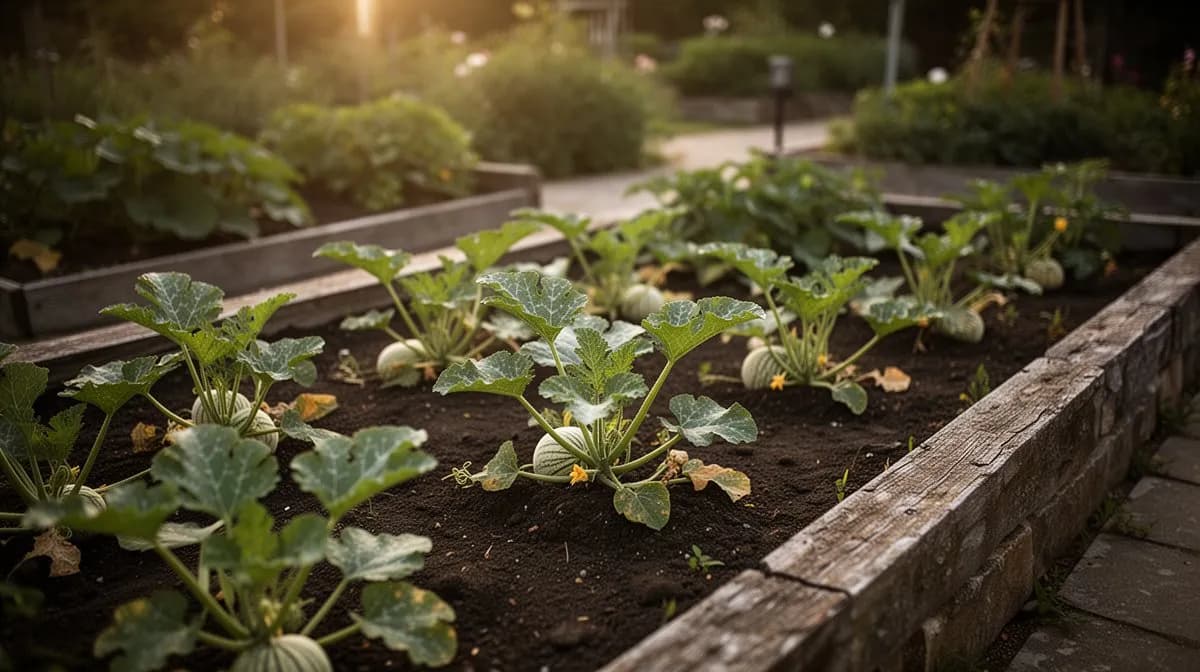
2 plants fit a 4 × 8 ft bed
Each Persian Melon wants 90 cm of elbow room. The planner keeps that spacing for you — every plant, every bed.
Persian Melon's best neighbours
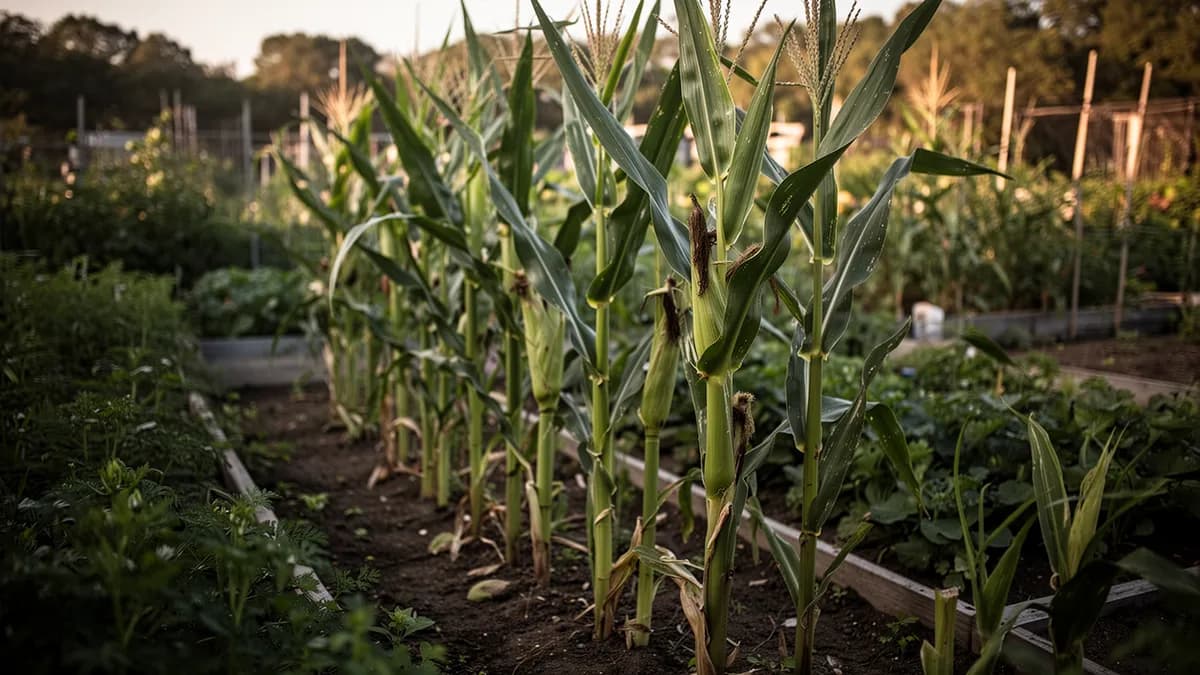
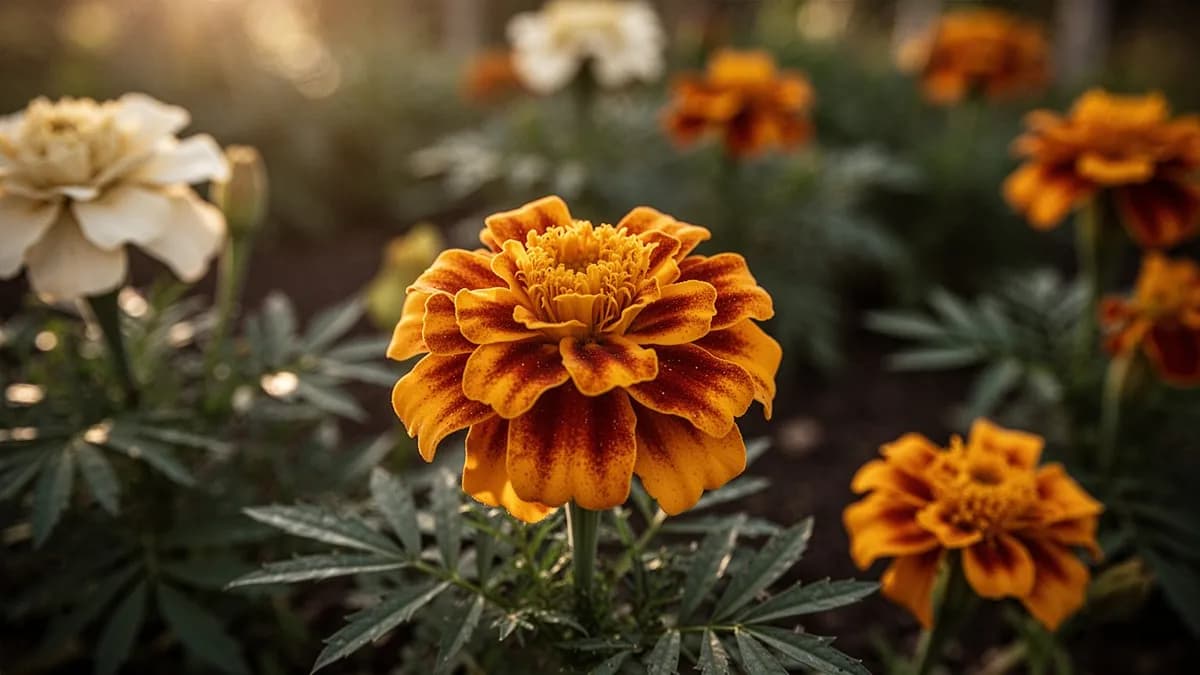
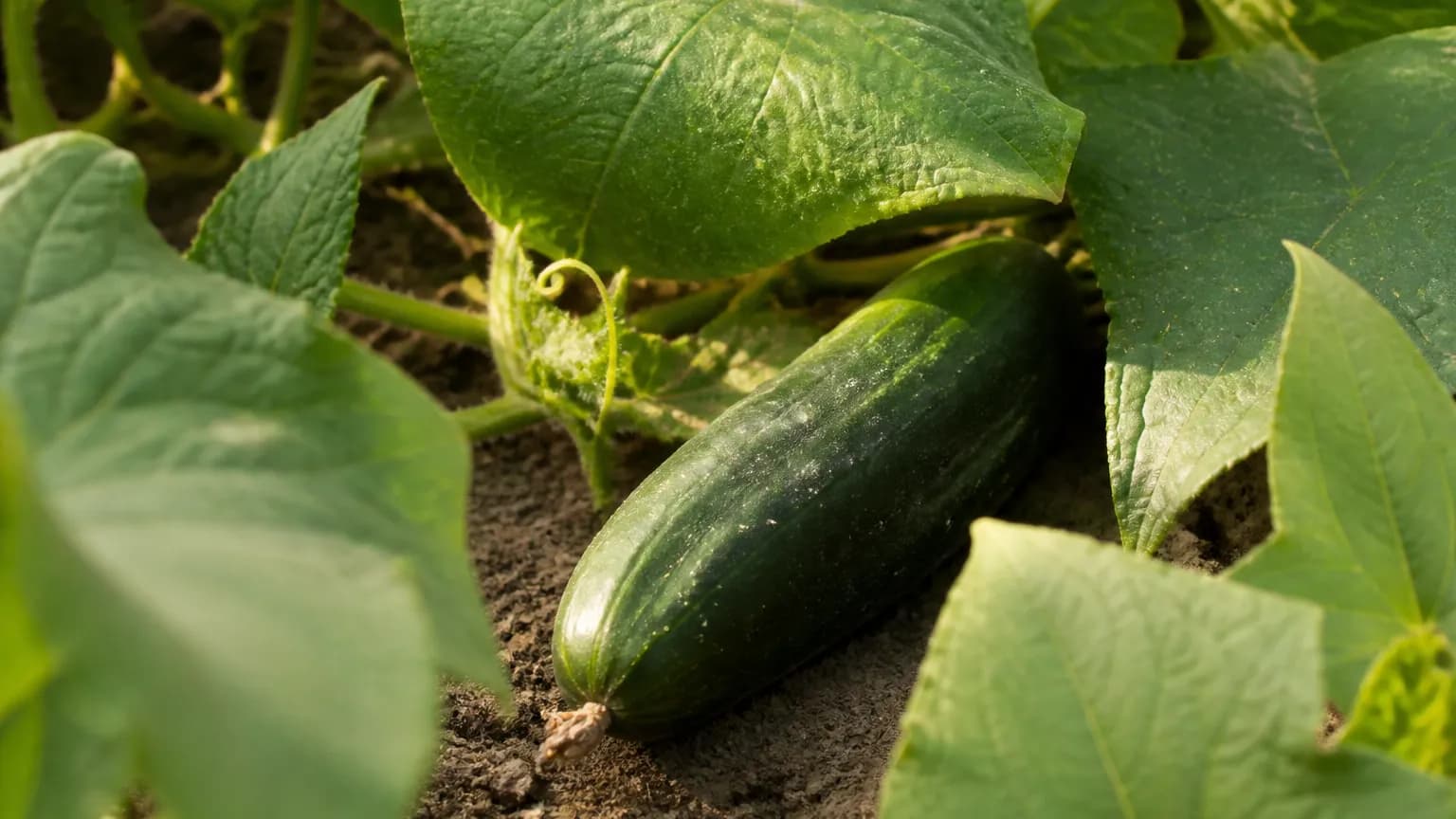
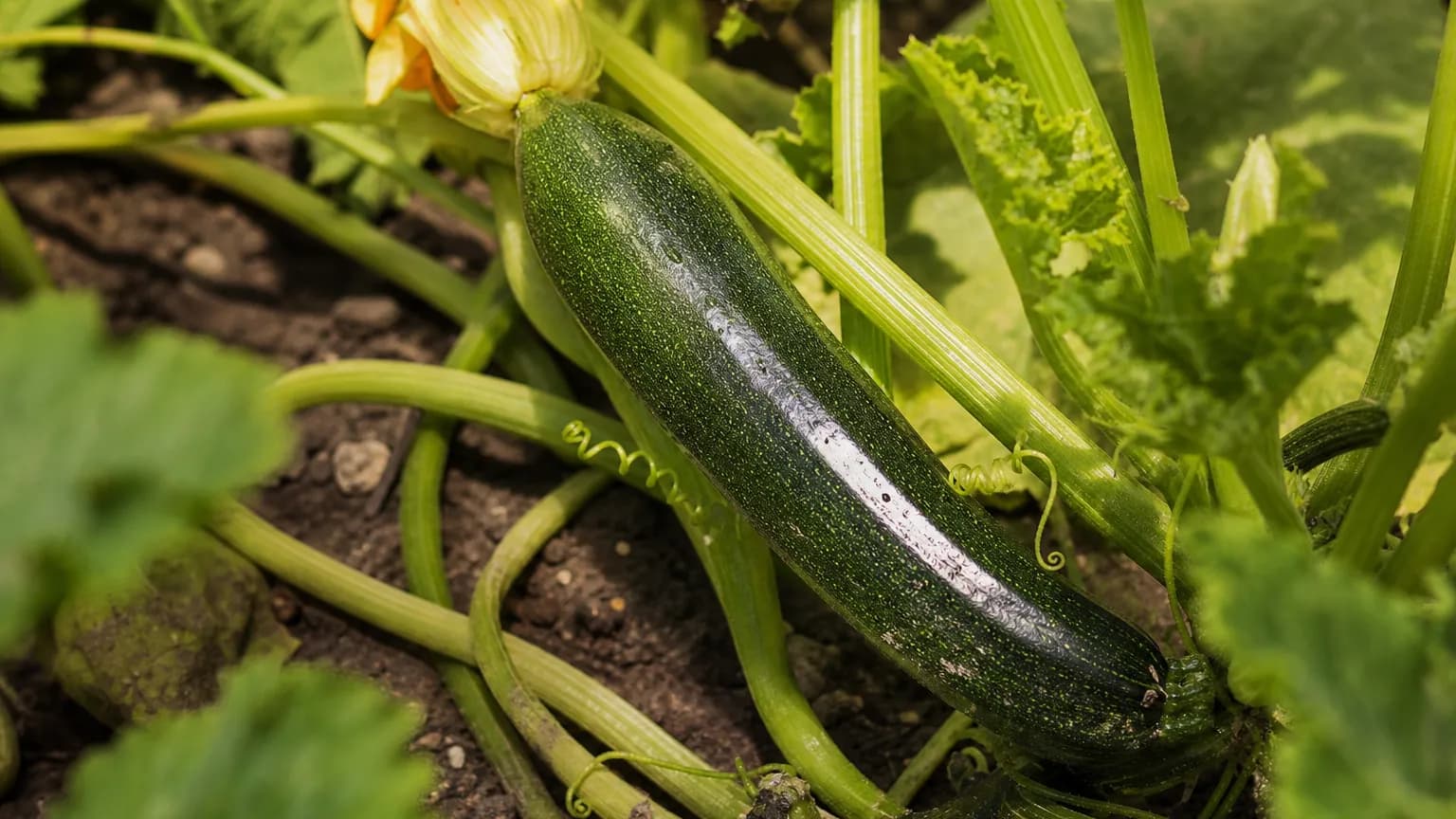
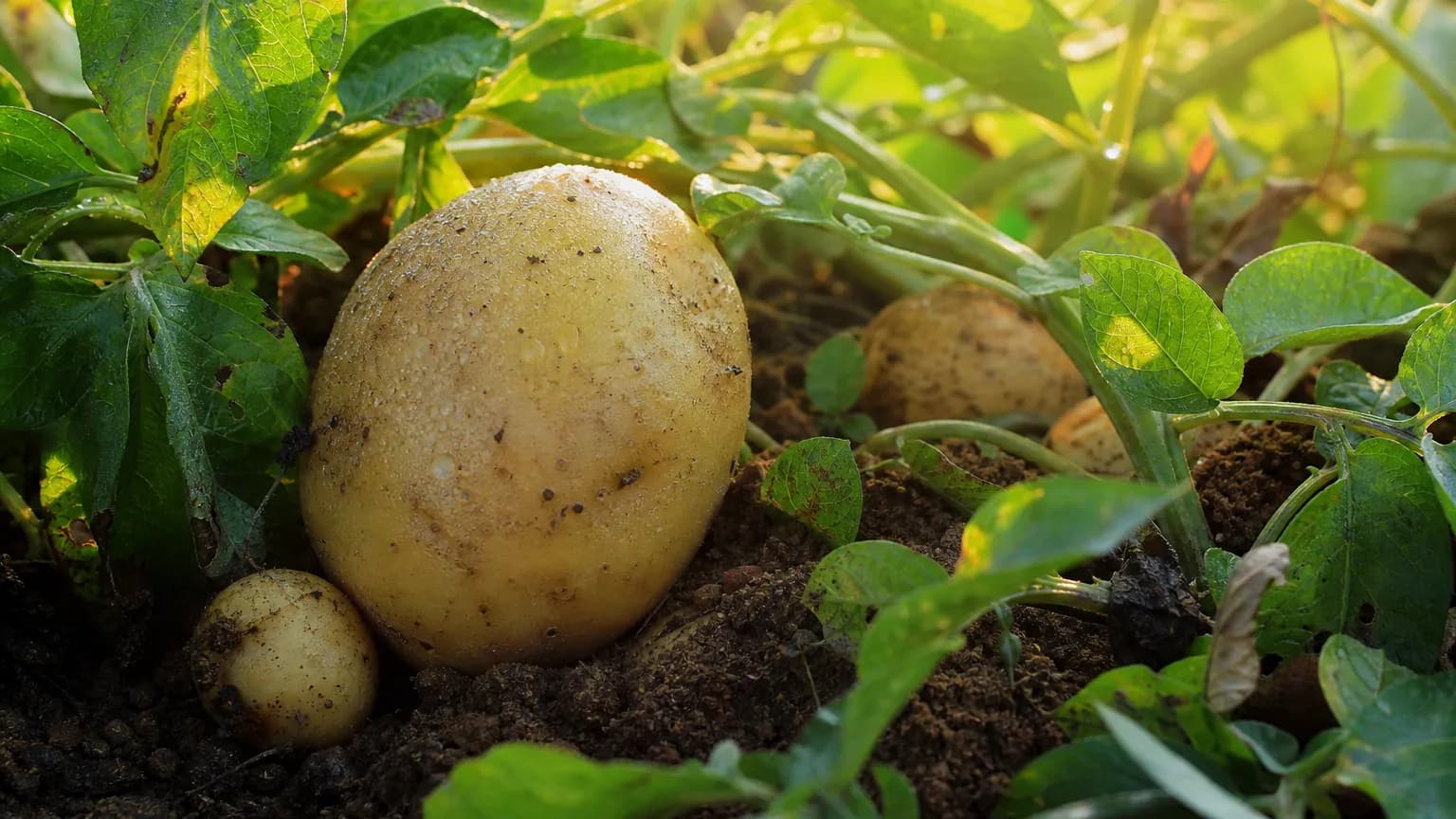
Plant Persian melons alongside corn to provide wind protection and light afternoon shade during peak summer heat. Sunflowers attract pollinators critical for fruit set while providing vertical interest. Marigolds and basil planted around the border deter aphids and whiteflies. Oregano and tansy help repel cucumber beetles. Avoid planting near potatoes or brassicas which compete for nutrients. Keep other cucurbit family members at a distance to reduce cross-pollination and shared disease transmission between related crops.
Corn belongs beside it. Potato doesn't.
Old growers' knowledge, checked against Persian Melon's real companion table below — test any plant you're growing.
Try Persian Melon in a bed — right here
A real planner bed with Persian Melon already in it. Tap a companion to place it and watch the pairing checks answer — green for good neighbours, red for a clash.


Related growing guides
Feed it well
Persian melons demand rich, well-drained soil with a pH of 6.0 to 7.0, ideally sandy loam amended with generous organic matter. Incorporate four to six inches of aged compost and a slow-release granular fertilizer into planting hills before transplanting. Feed every two to three weeks with a balanced liquid fertilizer during vine growth, then switch to a high-potassium formula once fruits begin to set. These heavy feeders benefit from side-dressing with compost or aged manure at mid-season. Ensure adequate calcium availability to prevent blossom end rot on developing fruits.
Ideal Temperature
Hardiness Zone Compatibility
From seed to harvest, stage by stage
Seed Starting
Seeds germinate in warm soil, sending down a taproot before pushing rounded cotyledon leaves through the surface. Persian melon seeds require consistently warm soil temperatures of at least 21°C (70°F) and germinate best at 27-32°C (80-90°F). Germination takes 7-10 days under ideal conditions.
Seedling Growth
True leaves emerge with a rough, hairy texture and heart-to-kidney shape. The seedling develops a robust root system and begins producing short internodes. Growth is slow until daytime temperatures consistently exceed 24°C (75°F).
Vine Development
The plant shifts into vigorous vegetative growth, producing long trailing vines with large lobed leaves and curling tendrils. Vines can extend 2-3 meters in all directions. The plant builds the leaf canopy needed to photosynthesize enough sugar for its future fruit.
Flowering
Small yellow flowers appear in the leaf axils — male flowers arrive first in clusters, followed 7-10 days later by female flowers distinguished by a miniature melon swelling at their base. Pollination depends on bees transferring pollen from male to female flowers.
Fruit Development
Pollinated female flowers develop into rapidly swelling fruit. The Persian melon grows to 15-20 cm in diameter and develops its distinctive netted rind pattern as the outer skin expands. The flesh thickens and begins accumulating sugars during this critical phase.
Ripening and Harvest
The melon enters its final ripening phase as sugars concentrate and the flesh softens to its characteristic buttery texture. The rind transitions from green to golden-tan, the netting becomes raised and corky, and a crack forms around the stem attachment. A sweet, musky aroma develops at the blossom end.
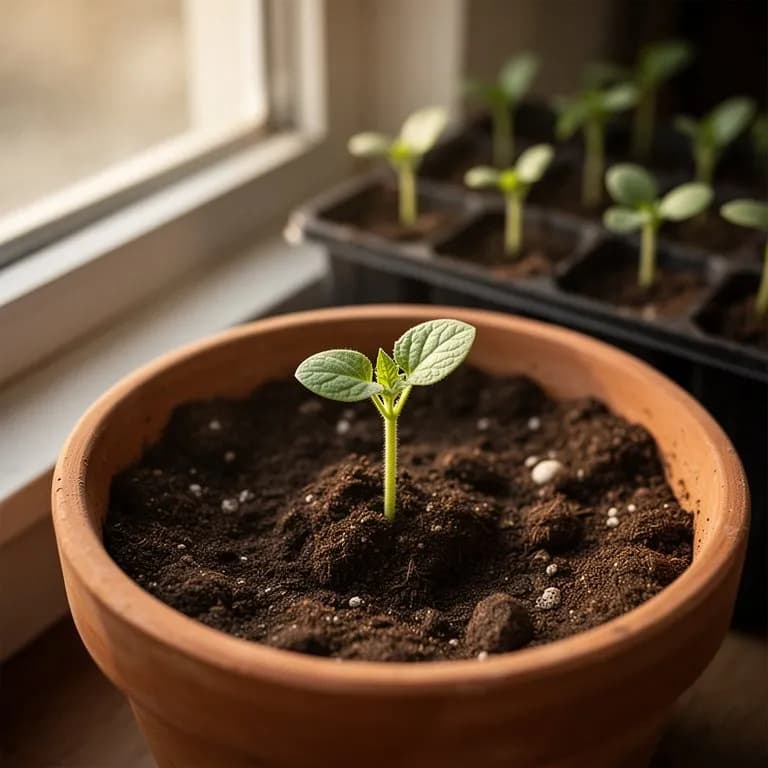
Start seeds indoors 3-4 weeks before last frost in peat pots to avoid root disturbance at transplant. Use a heat mat to maintain 27°C (80°F) soil temperature. Sow seeds 2 cm deep, two per pot, and thin to the strongest seedling.
Caring for Persian Melon month by month
What to do each month for your Persian Melon
October
You are hereFinal harvests in most zones. Remove any immature fruit that will not ripen before frost. Pull spent vines and compost healthy plant material. Note which varieties performed best for future planning.
Know exactly what to do in your garden — every month
One email at the start of each month: what to sow, plant, and tackle right now — for your Persian Melon and everything growing around it. Plus a short starter course that helps you dodge the classic mistakes.
- What to do, right now
- Matched to your season
- Starter course included
Harvesting Persian Melon
Persian melons are ready to harvest 85 to 100 days after transplanting when the skin turns from green to a warm golden hue and the blossom end yields slightly to gentle pressure. Unlike cantaloupes, Persian melons do not slip from the vine at maturity, so cut the stem with sharp pruners leaving two inches of stem attached. The melon should feel heavy for its size and produce a deep, resonant sound when thumped. A subtle sweet fragrance at the blossom end confirms ripeness. Harvest in the morning for the best post-harvest shelf life.
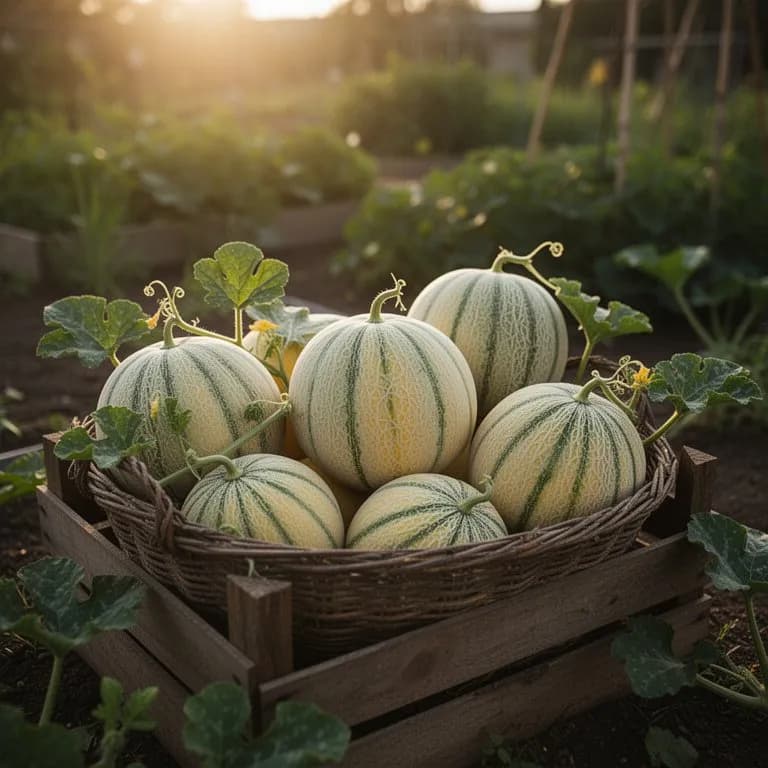
assuming you plant when the window opens — set your real date
Pick Persian Melon promptly and the plant keeps producing.
Storage & Preservation
Persian melons have an excellent shelf life compared to other melons. Store whole uncut melons at room temperature for up to a week or refrigerate for up to three weeks. The thick flesh resists deterioration longer than thin-skinned varieties. Once cut, wrap tightly in plastic and refrigerate for up to five days. For freezing, cube the flesh and freeze on a parchment-lined tray before transferring to freezer bags for smoothies and desserts. The dense flesh also dehydrates well, producing sweet chewy melon chips in a food dehydrator at 135 degrees Fahrenheit.
What goes wrong — and the fix
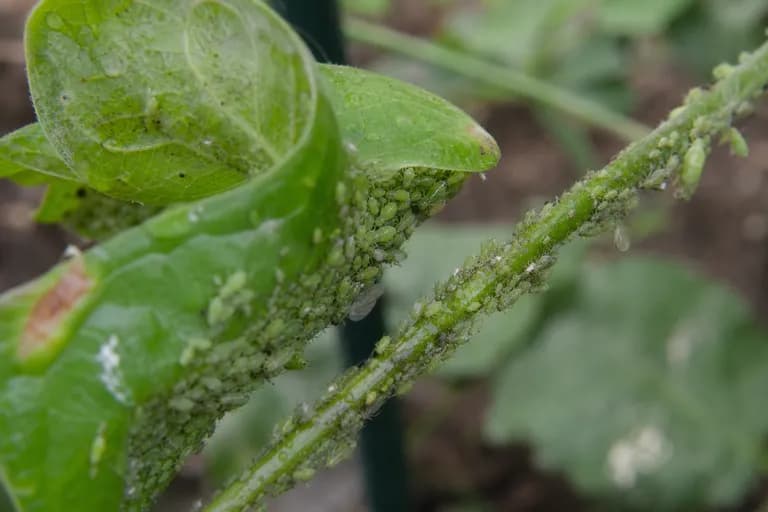
Aphids
PestClusters of small insects on leaf undersides, curling foliage, sticky honeydew deposits, and sooty mold growth.
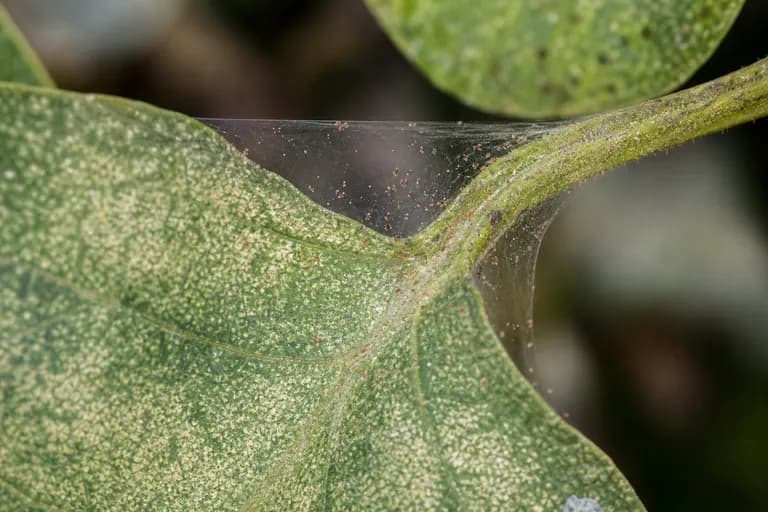
Spider Mites
PestFine webbing on leaf undersides, stippled yellow leaves, leaf drop, and reduced plant vigor in hot, dry conditions.
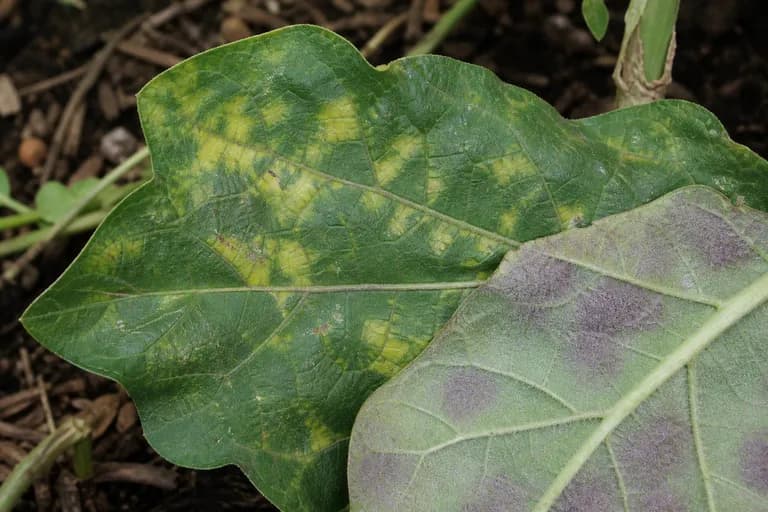
Downy Mildew
DiseaseAngular yellow patches on upper leaf surfaces with purplish-gray fuzzy growth on undersides, leading to leaf death.
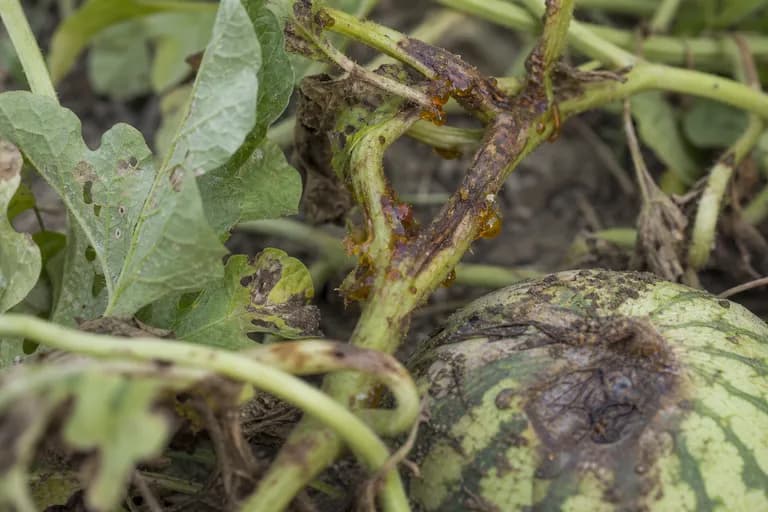
Gummy Stem Blight
DiseaseBrown to black lesions on stems oozing amber gummy sap, cracked stems, and leaf spots with concentric ring patterns.
Troubleshooting Common Problems
The long growing season required by Persian melons makes them challenging in northern climates with short summers. Use season-extending techniques like black plastic mulch, row covers, and wall-of-water cloches to gain extra warmth. Poor sweetness results from overwatering near harvest or insufficient heat during fruit development. Cracking occurs from irregular watering cycles, so maintain consistent drip irrigation. Large fruits may need support from fabric slings when grown on trellises to prevent vine damage from the weight.
Growing Tips
- Soil warmth is everything for Persian melons. Do not transplant or direct-sow until soil temperature is at least 21°C (70°F) and nights stay above 15°C (60°F). Use black plastic mulch or IRT film to pre-warm beds 2-3 weeks before planting — this alone can advance your harvest by 10-14 days.
- Build raised planting mounds 20-30 cm high and 60 cm across, spacing them 2 meters apart. Mounds warm faster than flat beds, drain better after rain, and give roots the aeration they need. Plant 2-3 seeds per mound and thin to the strongest seedling.
- Consistent watering during vine growth and fruit development is critical — 2.5-3 cm per week via drip irrigation, never overhead sprinklers. Wet foliage invites powdery mildew and downy mildew, the two most common melon diseases.
- Reduce watering dramatically in the final 7-10 days before harvest. This controlled water stress concentrates sugars in the fruit and can increase Brix readings by 2-3 points — the difference between a good melon and an extraordinary one.
- Limit each plant to 3-4 fruit by removing excess developing melons when they are golf-ball sized. This is counterintuitive but essential — fewer fruit means the plant puts all its energy into making each one larger and sweeter.
- Place straw, cardboard, or a melon cradle under each developing fruit to prevent soil contact, which causes bottom rot and off-flavors. This is especially important in humid climates or after heavy rain.
- Learn to read the signs of ripeness: the background rind color shifts from green to golden-tan, the netting becomes raised and corky, a crack forms around the stem, and a sweet musky aroma develops at the blossom end. A ripe Persian melon will 'slip' cleanly from the vine with gentle thumb pressure on the stem.
- Grow Persian melons on a sturdy trellis in small gardens to save space. Support developing fruit with mesh slings tied to the structure. Trellised melons get better air circulation, fewer disease problems, and more even sun exposure for uniform ripening.
Grow your best Persian Melon yet — and everything around it.
Start a free plan today. Lay out your beds, drop in your Persian Melon, and let PlotMyGarden handle the timing, spacing, companions and reminders from seed to harvest basket.
Pick your Persian Melon
Shahabi
Traditional Persian variety with dark green skin and intensely sweet orange flesh, prized in Middle Eastern cuisine.
Torpeda
Elongated melon with yellow-green skin and pale, honeyed flesh, popular in Central Asian markets.
Canary
Bright yellow-skinned melon with white to pale green flesh and a mild, sweet flavor with crisp texture.
Crenshaw
Large pear-shaped melon with yellow-green skin and exceptionally sweet, spicy-flavored salmon-pink flesh.
Casaba Golden Beauty
Round melon with wrinkled golden skin and mildly sweet white flesh that stores exceptionally well.
A single Persian melon plant grown from a $3-4 seed packet (containing 15-25 seeds) can produce 4-8 melons, with premium Persian melons selling for $5-10 each at grocery stores and $8-15 each at farmers markets. Growing just 2-3 plants can yield 10-20 melons worth $50-150 at retail prices — all from a few dollars in seeds. The flavor difference between a vine-ripened homegrown Persian melon and a commercially picked one is dramatic, making the garden-grown version an incomparably better product.
Quick recipes
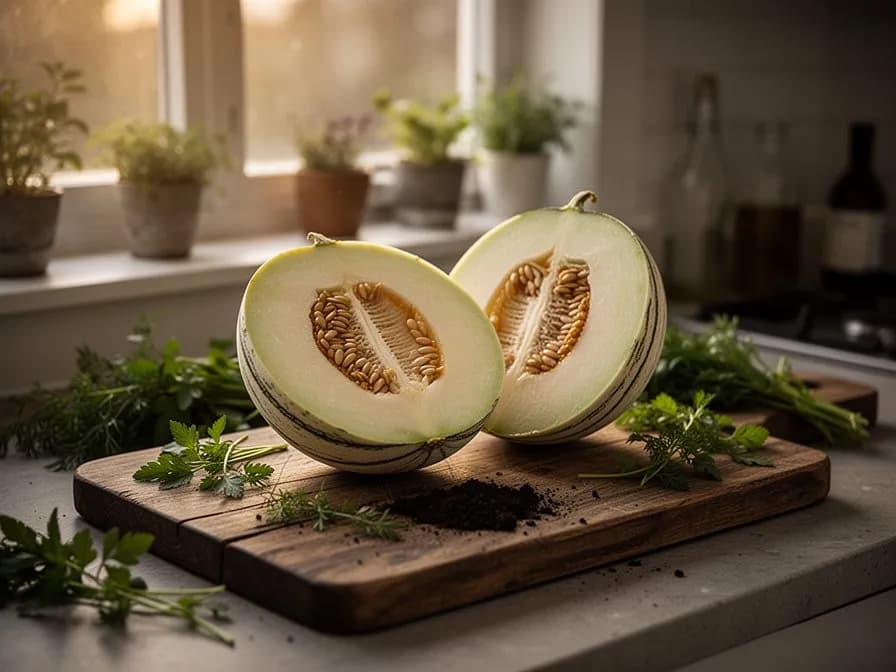
Persian Melon and Prosciutto Platter
10 minThe classic pairing of sweet melon and salty cured ham reaches its peak with Persian melon's intensely fragrant, honey-sweet flesh. The melon's musky complexity plays beautifully against the savoury depth of thinly sliced prosciutto.
6 ingredients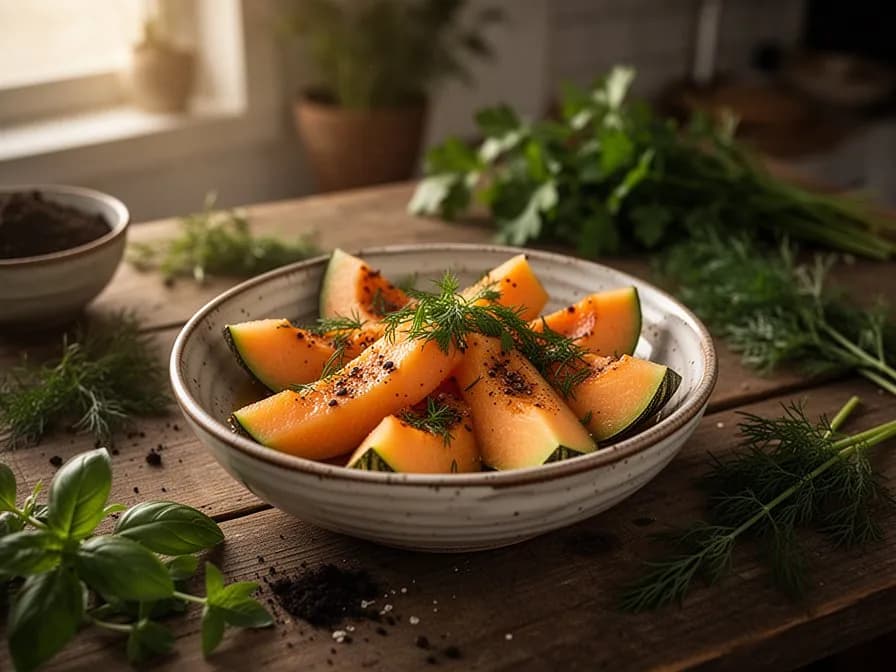
Chilled Persian Melon Smoothie
5 minPersian melon's dense, creamy flesh blends into a naturally thick and sweet smoothie that needs no added sugar. Freeze melon chunks ahead of time for an icy, sherbet-like consistency that tastes like pure summer.
6 ingredientsPersian Melon Salad with Feta and Mint
15 minA refreshing summer salad that balances the honeyed sweetness of Persian melon with salty feta, peppery arugula, and bright lime dressing. The contrasting flavours and textures create an elegant side dish or light lunch.
8 ingredientsCulinary Uses
Persian melons excel in fresh preparations where their dense, aromatic flesh can be fully appreciated. Slice and serve with prosciutto or Serrano ham for a classic appetizer. Cube for fruit salads, blend into smoothies, or puree for chilled summer soups. The firm flesh holds up beautifully in kebabs alternated with grilled halloumi cheese. Persian melon pairs well with lime, cardamom, rosewater, and pistachios in Middle Eastern-inspired desserts and drinks.
What's inside
Health Benefits
- Exceptionally high in beta-carotene, which the body converts to vitamin A — essential for maintaining healthy vision, supporting immune cell production, and protecting skin from UV damage.
- Rich in vitamin C, providing 41% of the daily value per 100g, a powerful antioxidant that neutralizes free radicals, supports collagen synthesis, and enhances iron absorption from plant foods.
- High water content of approximately 90% makes Persian melon an effective hydrating food, helping to maintain fluid balance and support kidney function during hot summer months.
- Contains anti-inflammatory compounds including cucurbitacins and phenolic acids that may help reduce chronic inflammation associated with cardiovascular disease and metabolic disorders.
- Good source of potassium, an electrolyte that helps regulate blood pressure by counteracting the effects of sodium, supporting heart health and reducing the risk of stroke.
- Provides dietary fiber and natural enzymes that support healthy digestion, and the high water and potassium content makes melon a gentle natural diuretic that supports kidney and urinary tract health.
Where Persian Melon comes from
The Persian melon (Cucumis melo var. reticulatus) traces its origins to the hot, arid regions of ancient Persia — modern-day Iran and Central Asia — where wild melon ancestors grew along river valleys and in oasis gardens. Archaeological evidence from Persia, Egypt, and Mesopotamia suggests that melons were cultivated as early as 2000-3000 BCE, making them one of humanity's oldest domesticated fruits. The Persian plateau, with its extreme temperature swings between scorching days and cool nights, proved ideal for developing intensely sweet melons, and Persian farmers selectively bred their melons for centuries to maximize sugar content, aroma, and flesh thickness.
Persian traders and the ancient Silk Road were instrumental in spreading melon cultivation across the known world. Melons traveled eastward to India and China, where they were documented by the 3rd century CE, and westward to Greece and Rome, where writers like Pliny the Elder described fragrant melons arriving from the East. The Arab conquests of the 7th-8th centuries further disseminated Persian melon varieties across North Africa and into Spain, establishing melon as a prized crop throughout the Islamic world. During the Renaissance, Italian and French horticulturists developed their own melon varieties from Persian stock — the Charentais melon of France and the netted cantaloupes of Italy both descend from Persian melon genetics.
Persian melons arrived in the Americas with European colonists in the 16th-17th centuries and thrived in the warm climates of the southern colonies. Today, Iran remains one of the world's top melon producers and consumers, with melon culture deeply embedded in Persian cuisine and social customs. The varieties available in Western markets are often labeled as 'Persian melon' or 'large cantaloupe' and are distinguished from standard cantaloupe by their larger size (typically 15-20 cm in diameter), denser flesh, higher sugar content, and more complex musky-floral aroma. California's Central Valley and Arizona have become major production regions, where the hot, dry climate closely mirrors the ancestral Persian growing conditions.
Persian Melon: did you know?
Fascinating facts about Persian Melon
Persian melon is one of the oldest cultivated melon varieties, with archaeological evidence suggesting melon cultivation in ancient Persia (modern-day Iran) dating back over 3,000 years. Persian traders spread melon seeds along the Silk Road to China, India, and eventually the Mediterranean.
Persian Melon questions, answered
When should I plant Persian Melon?
What are good companion plants for Persian Melon?
What hardiness zones can Persian Melon grow in?
How much sun does Persian Melon need?
How far apart should I space Persian Melon?
What pests and diseases affect Persian Melon?
How do I store Persian Melon after harvest?
What are the best Persian Melon varieties to grow?
What soil does Persian Melon need?
What is the difference between Persian melon and regular cantaloupe?
How do I know when a Persian melon is ripe?
Why are my Persian melon flowers falling off without producing fruit?
Can I grow Persian melon in a short-season climate?
How should I store harvested Persian melons?
What are the best companion plants for Persian melon?
You just read the theory. Now grow it on autopilot.
Everything that makes Persian Melon fiddly — the timing, the spacing, the companions, the harvest window — is exactly what PlotMyGarden handles for you, for every plant in your garden.
A plan that knows your weather
Set your location once. Get sow, feed and harvest dates built around your real last-frost date and live forecast — no more guessing from a generic seed packet.
From the “When to plant” sectionDrag-and-drop bed planner
Design beds on a grid. Every plant snaps to its proper spacing, and you can see your whole season laid out before you spend a cent on seed.
From the “Growing guide” sectionCompanion conflicts, caught early
200+ good-and-bad pairings checked live as you plant — so a season-wrecking mistake never makes it into the ground.
From the “Companions” sectionReminders you'll actually act on
“Water the beans.” “Pick today before it turns.” Timely, specific, and tied to the plants you're really growing.
From the “Harvest” sectionSuccession, scheduled
Want a harvest for six weeks, not six days? It spaces your sowings automatically and reminds you when each new block is due.
From the “When to plant” sectionA record that gets smarter
Every harvest you log teaches it your garden. Next year's plan starts from what actually worked in your soil, not a textbook's.
From the “Overview” sectionPlant these alongside Persian Melon
More Cucurbits
Keep Persian Melon away from these
Grow your best Persian Melon yet — and everything around it.
Start a free plan today. Lay out your beds, drop in your Persian Melon, and let PlotMyGarden handle the timing, spacing, companions and reminders from seed to harvest basket.