Gold Pearl Onion
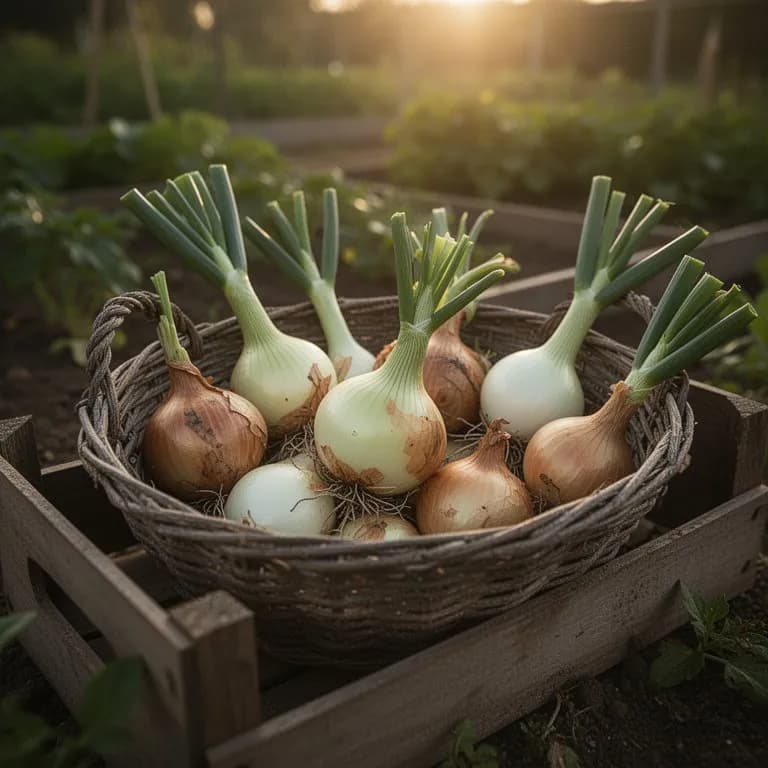
Tiny golden onions about one inch in diameter, grown densely and harvested for pickling, roasting, and adding whole to stews and braises.





On this pageOverview
Meet Gold Pearl Onion
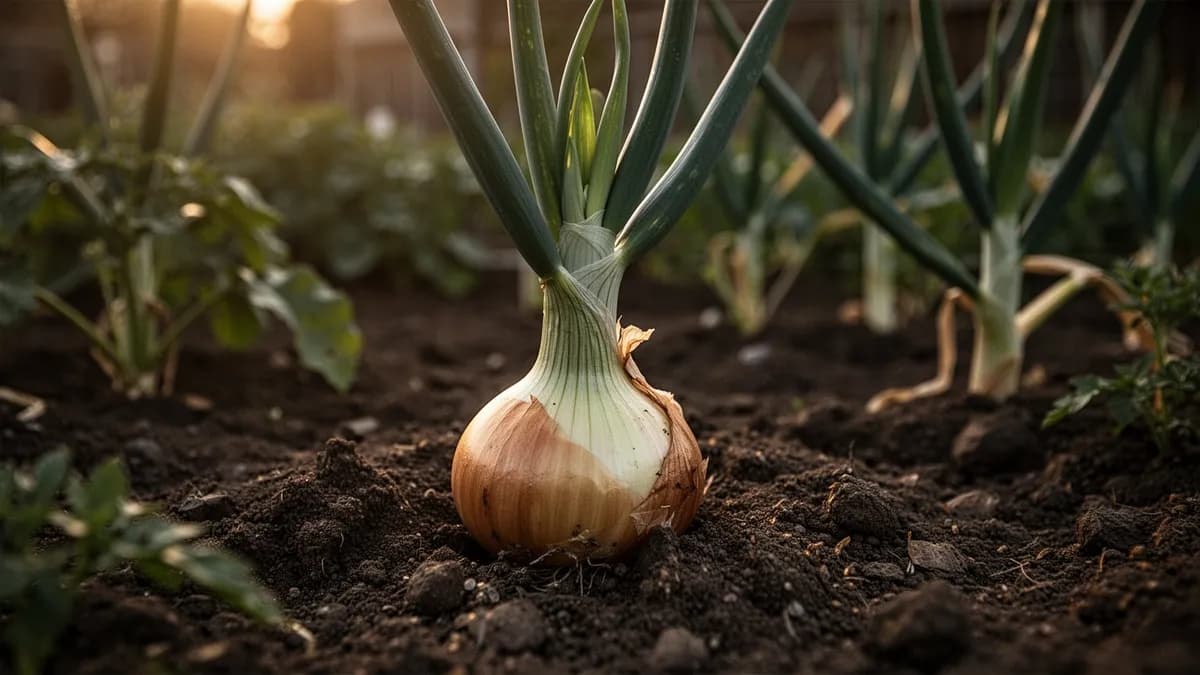
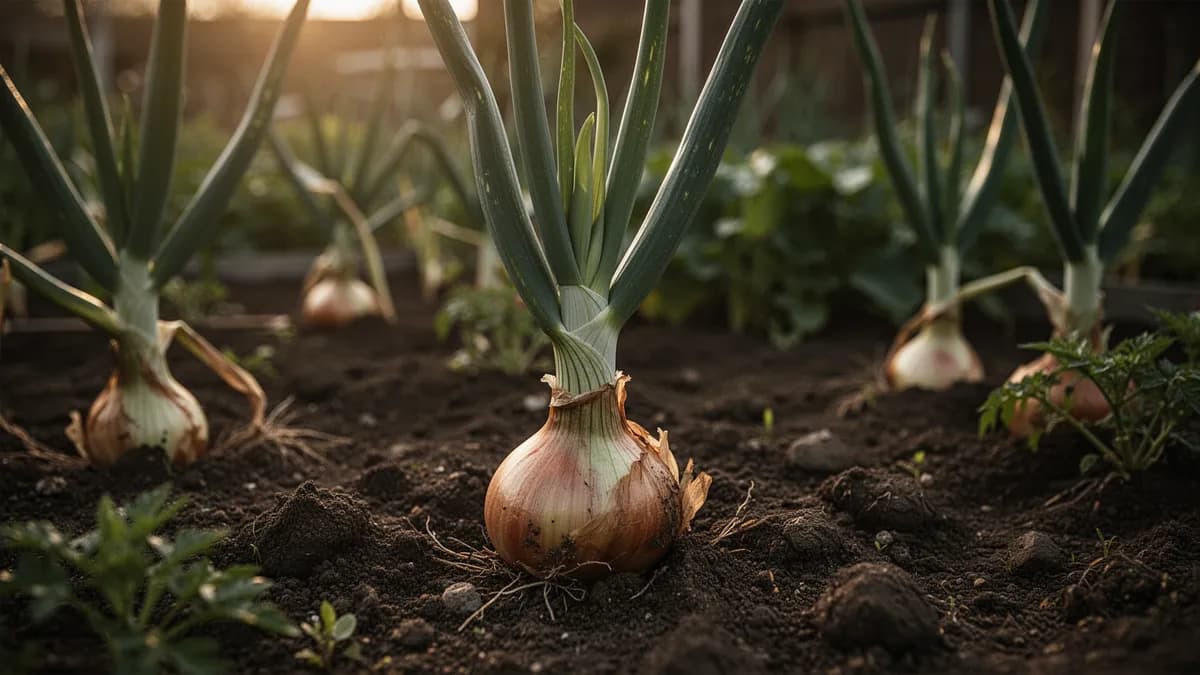
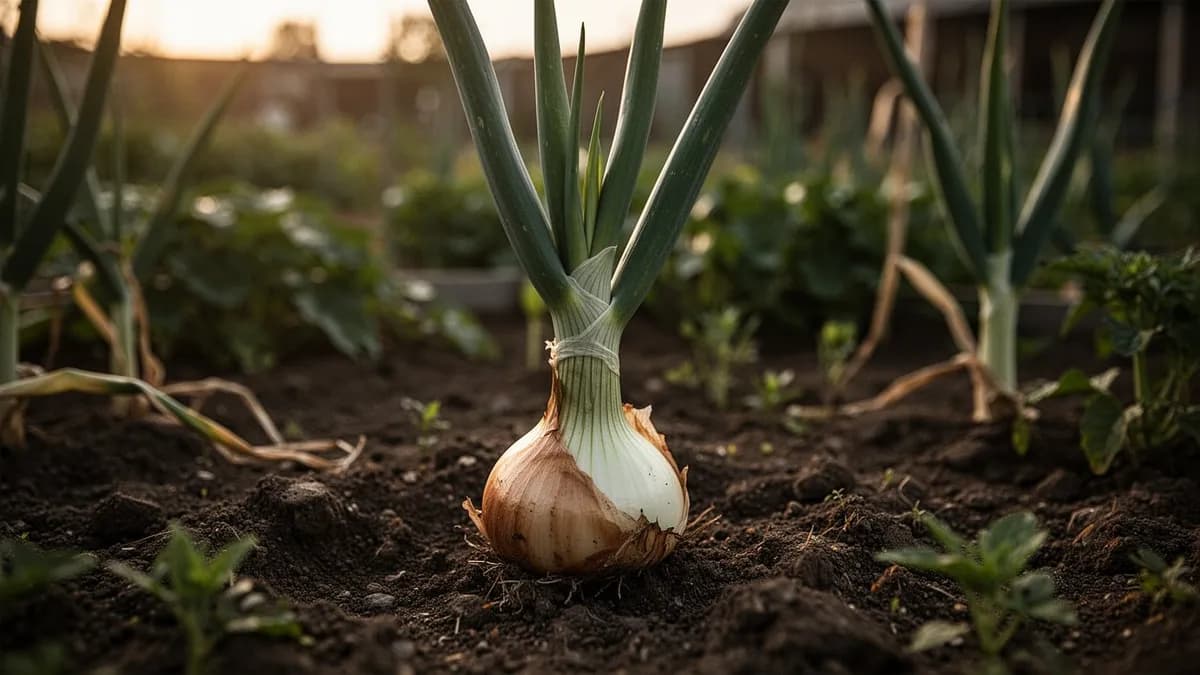
Tiny golden onions about one inch in diameter, grown densely and harvested for pickling, roasting, and adding whole to stews and braises. Plant sets or seeds very closely together to restrict bulb growth and produce marble-sized onions. The sweet, mild flavor intensifies beautifully when caramelized or roasted whole with root vegetables. A classic ingredient in coq au vin, beef bourguignon, and holiday creamed onion dishes.
When to plant Gold Pearl Onion
Sow pearl onion seeds directly outdoors in early spring, two to four weeks before the last frost, as soon as soil can be worked. Scatter seeds thickly in broad bands, aiming for about one seed per centimeter. Cover with 0.5 cm of fine soil and water gently. Seeds germinate in ten to fourteen days in cool soil. Do not thin seedlings, as the dense planting is what produces small bulbs. Alternatively, plant onion sets about 2 cm apart in early spring for a slightly faster crop. For the earliest harvest, start seeds indoors six weeks before transplanting and set out as clumps of three to four seedlings per plug.
Your Gold Pearl Onion Year
Composed for Zone 7 · typical seasons · frost passes Apr 2, returns Nov 1
Plant Gold Pearl Onion Mar – Apr, pick Jul – Aug. Check the planting methods below and set your climate to personalize these windows.
How to grow Gold Pearl Onion
Gold pearl onions are grown by planting seeds or sets very densely to deliberately restrict bulb growth to a small, uniform size. Sow seeds directly outdoors in early spring as soon as the soil can be worked, scattering them thickly in bands about 10 cm wide with 20 cm between bands. Cover lightly with 0.5 cm of fine soil and keep evenly moist until germination occurs in ten to fourteen days.
The key to producing small, round pearl onions is dense planting and minimal thinning. Allow seedlings to grow without thinning, as the competition naturally restricts bulb size. Keep beds weed-free by hand, being careful not to disturb the closely spaced onions. Water regularly but reduce irrigation as tops begin to yellow and fall over, signaling that bulbs are maturing.
Harvest when the majority of tops have fallen over, about 80 days after sowing. Gently lift the entire cluster with a fork and shake off loose soil. Cure in a warm, dry, well-ventilated location for one to two weeks until skins are dry and papery. Sort by size, saving the smallest for pickling and the largest for roasting whole. Pearl onions can also be grown from sets planted in spring for a slightly quicker crop.
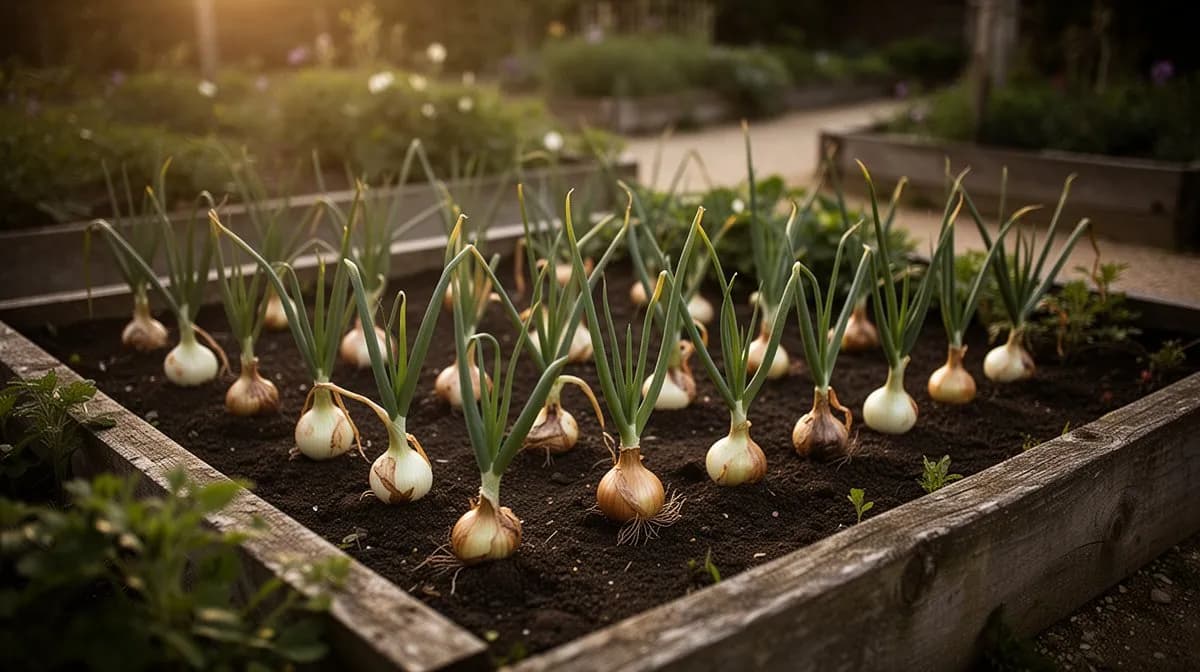
1152 plants fit a 4 × 8 ft bed
Each Gold Pearl Onion wants 5 cm of elbow room. The planner keeps that spacing for you — every plant, every bed.
Gold Pearl Onion's best neighbours
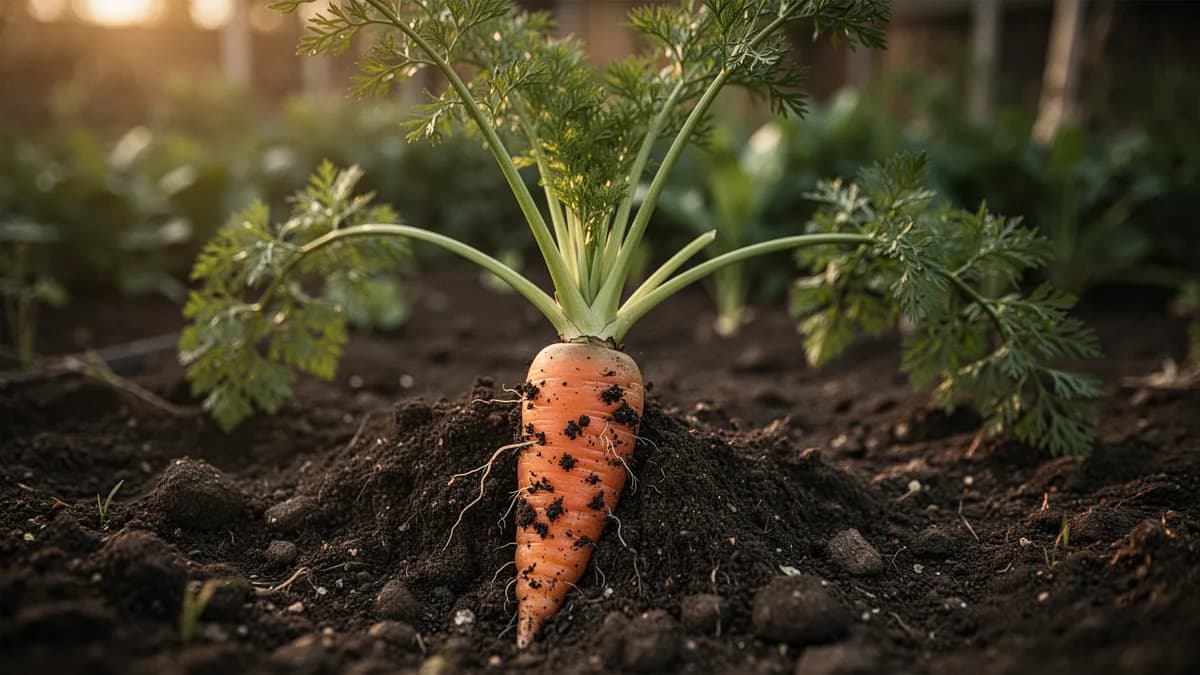
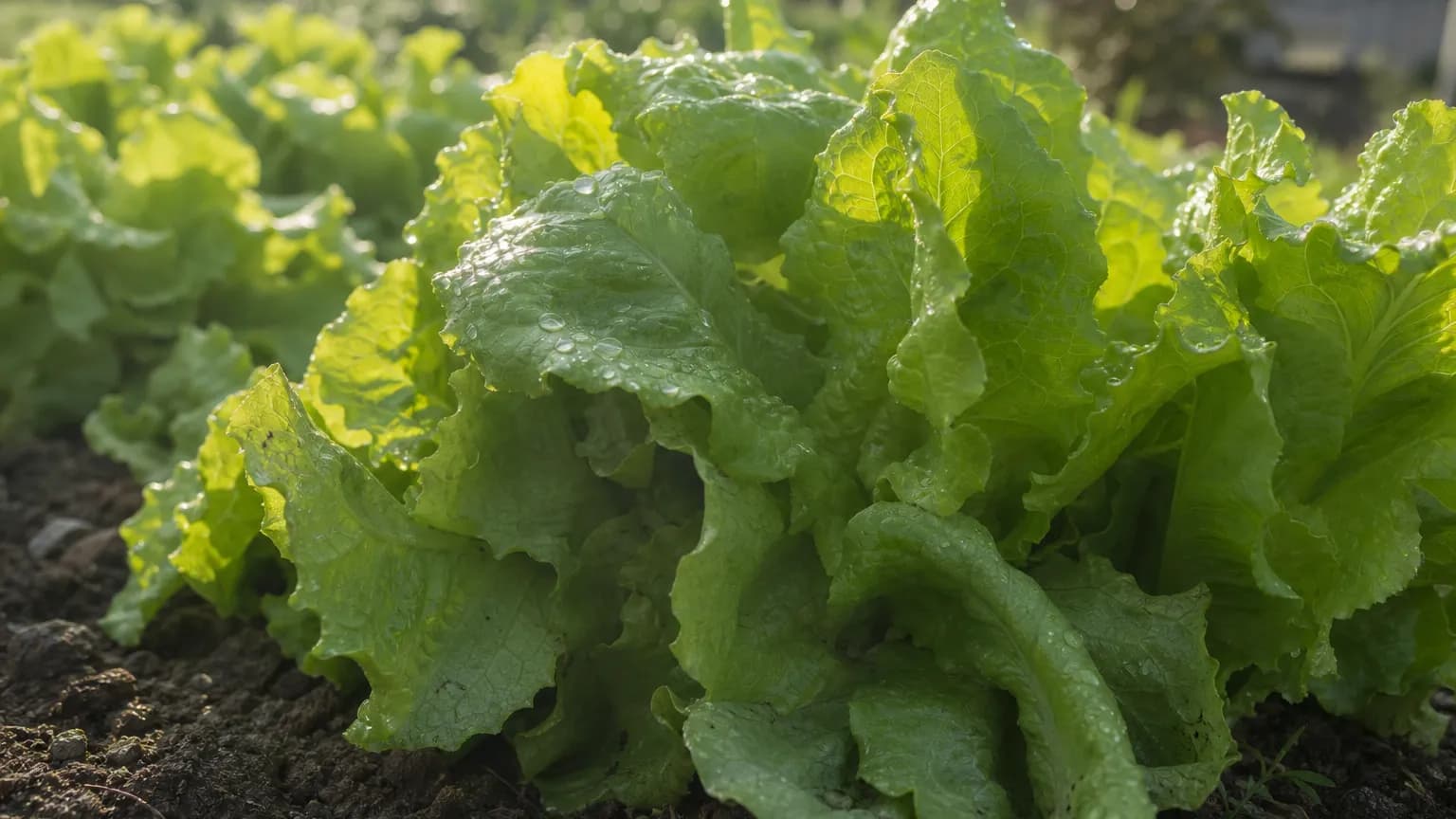
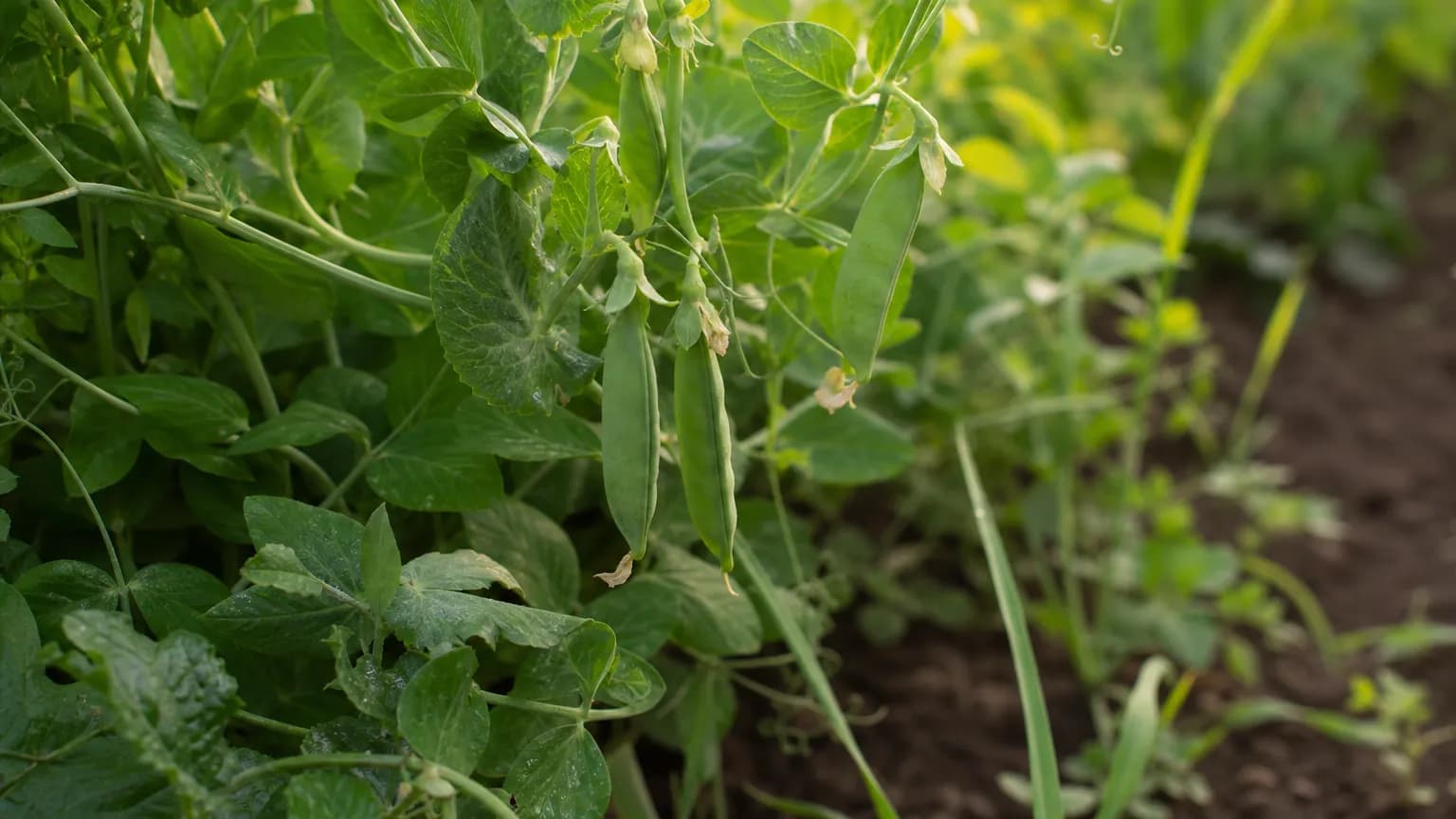
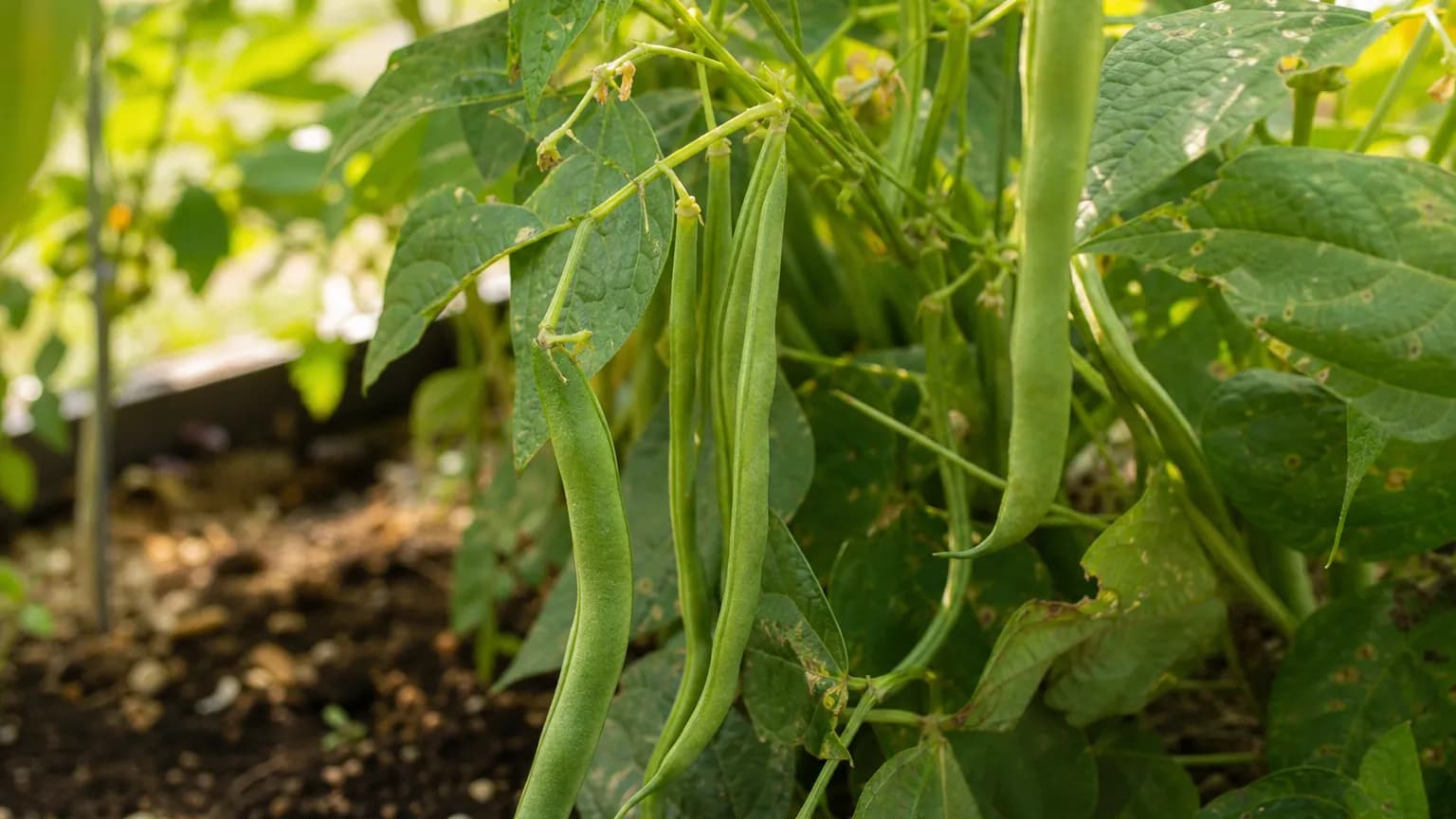
Pearl onions follow standard allium companion planting guidelines. Plant near carrots to help repel carrot fly with their onion scent. Beets and lettuce make good row companions as they utilize different soil levels and mature at complementary times. Chamomile planted nearby is said to improve the flavor of onions. Summer savory can help deter onion pests while attracting beneficial pollinators. Avoid planting near peas, beans, and asparagus, all of which can be negatively affected by proximity to alliums.
Carrot belongs beside it. Peas doesn't.
Old growers' knowledge, checked against Gold Pearl Onion's real companion table below — test any plant you're growing.
Try Gold Pearl Onion in a bed — right here
A real planner bed with Gold Pearl Onion already in it. Tap a companion to place it and watch the pairing checks answer — green for good neighbours, red for a clash.


Related growing guides
Feed it well
Pearl onions grow best in light, well-drained soil with a pH of 6.0 to 6.8. Sandy loam is ideal as it allows easy lifting of the densely planted small bulbs. Work in a moderate amount of well-rotted compost before planting but avoid excessive fertility, which encourages oversized bulbs that defeat the purpose of pearl onion production. A light application of balanced fertilizer at sowing is sufficient. Avoid heavy nitrogen feeding, which promotes leaf growth over bulb formation. Phosphorus and potassium from bone meal and wood ash support bulb quality and storage life.
Ideal Temperature
Hardiness Zone Compatibility
From seed to harvest, stage by stage
Seed Sowing
Seeds are sown directly outdoors in early spring as soon as the soil can be worked, typically 2-4 weeks before the last frost. Pearl onion seeds are scattered thickly in broad bands rather than precise rows, aiming for roughly one seed per centimeter. The fine, black seeds are covered with just 0.5 cm of soil. Germination takes 10-14 days in cool spring soil at 10-16°C (50-60°F).
Seedling Establishment
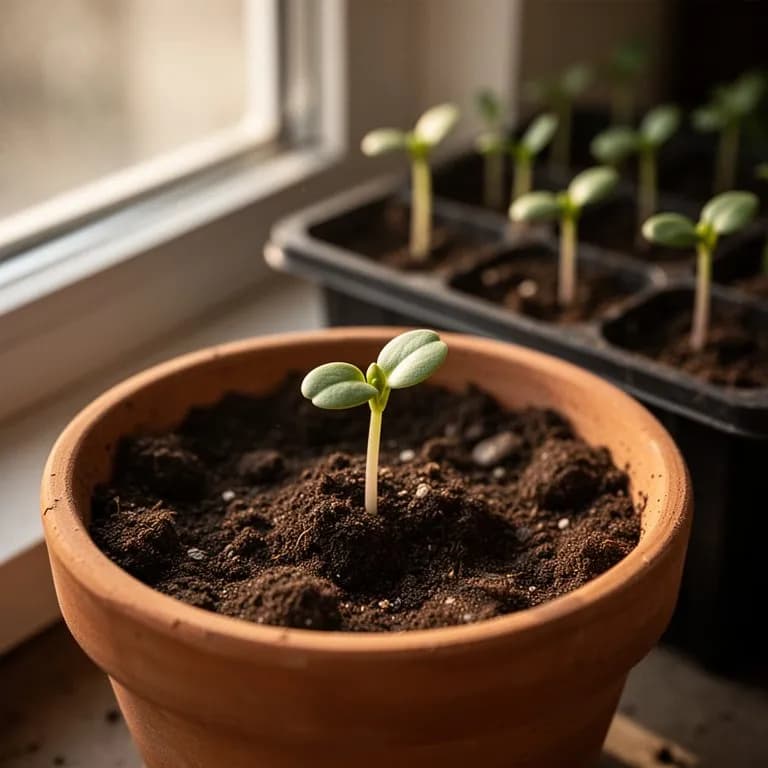
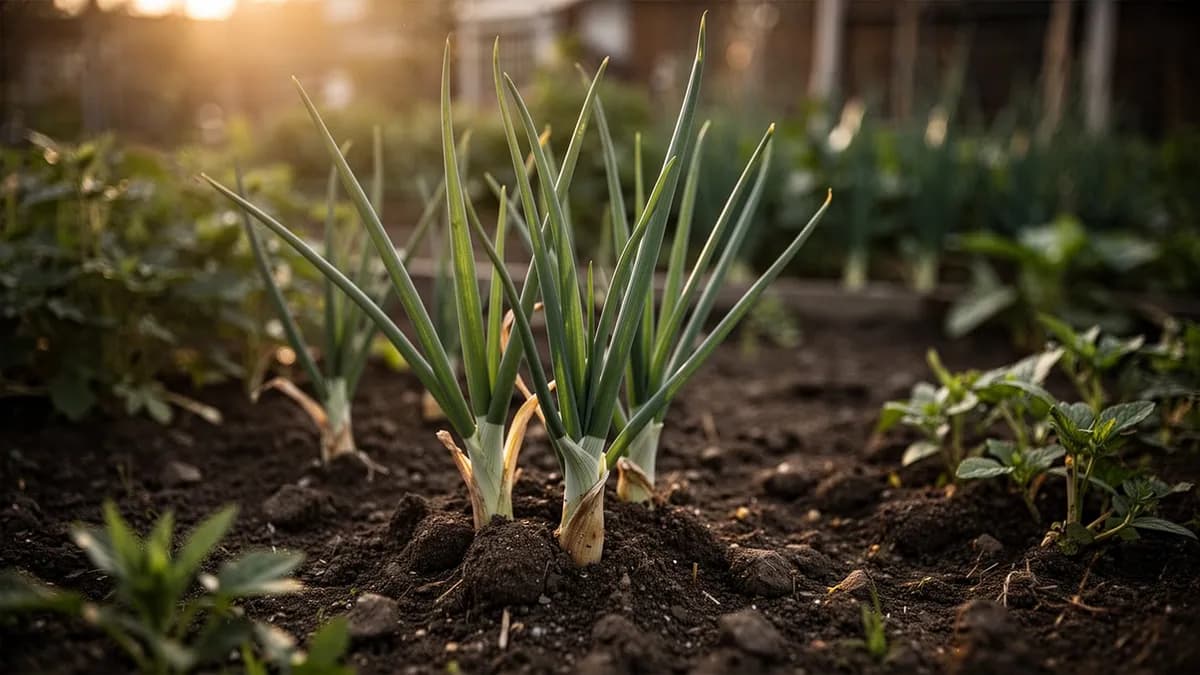
Thin, grass-like shoots emerge and slowly straighten. Each seedling produces a single hollow leaf initially, followed by additional leaves over the next few weeks. The root system is shallow and fibrous at this stage. Do not thin the seedlings — the dense competition is what restricts bulb size to the desired pearl onion dimensions.
Vegetative Growth
Plants develop 4-6 hollow, tubular leaves and begin to build the energy reserves needed for bulb formation. The leaf canopy gradually fills in and shades the soil between plants. This is the main feeding period when the plant photosynthesizes aggressively to prepare for bulbing. Growth is steady but not dramatic — pearl onions remain compact.
Bulb Formation
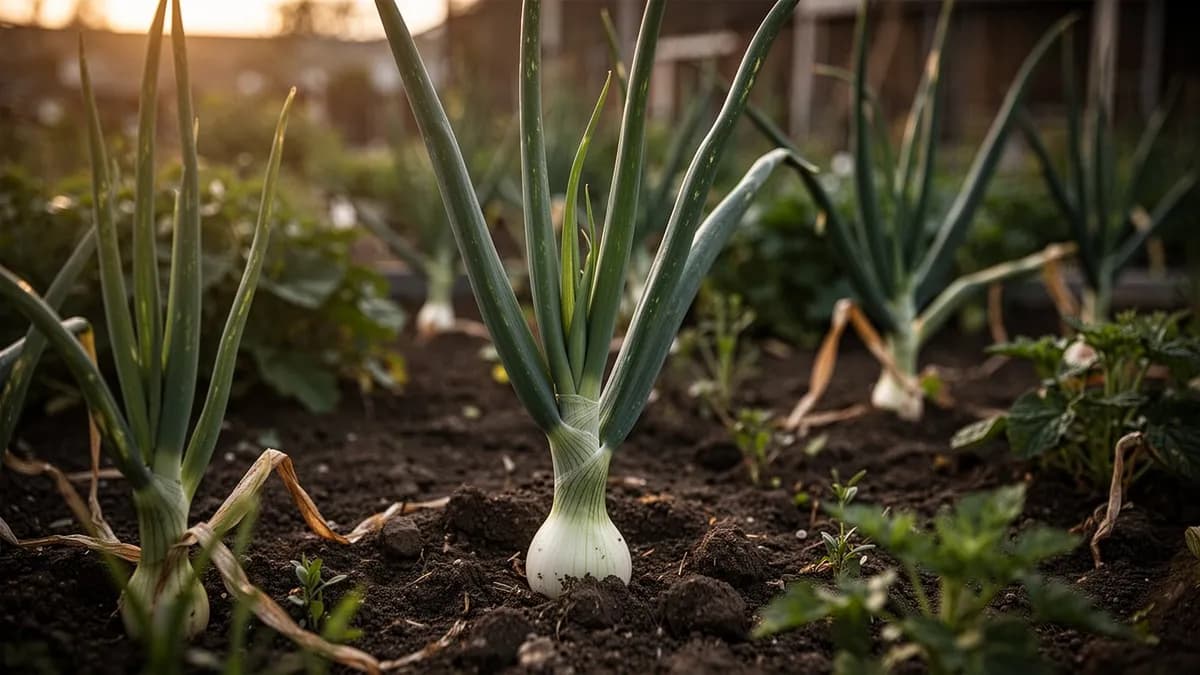
Triggered by increasing day length (pearl onions are typically long-day types), the base of each plant begins to swell as carbohydrates are redirected from leaves into bulb scales. The golden outer skin starts forming. Because of the dense planting, each bulb is physically constrained by its neighbors, naturally limiting growth to the 1-3 cm pearl onion size. The bulbs push slightly above the soil surface as they expand.
Maturation and Top-Down
The green tops begin to yellow, soften at the neck, and gradually fall over as the plant redirects its remaining energy into the bulb. This natural 'top-down' is the signal that the onions are approaching harvest readiness. The outer bulb skin turns from pale straw to a rich golden color and becomes increasingly papery. Wait until at least 50-80% of tops have fallen naturally before harvesting.
Keep the seedbed consistently moist with gentle watering or a mist nozzle — the shallow-sown seeds dry out quickly. A thin layer of vermiculite over the seed band helps retain moisture without crusting. Mark your rows clearly, as the tiny seedlings are easily lost among weeds.
Caring for Gold Pearl Onion month by month
What to do each month for your Gold Pearl Onion
October
You are hereContinue monitoring stored pearl onions. Ideal storage conditions are 5-10°C (40-50°F) with good air circulation. Prepare beds for next spring by adding compost and testing soil pH. Pearl onions prefer pH 6.0-6.8.
Know exactly what to do in your garden — every month
One email at the start of each month: what to sow, plant, and tackle right now — for your Gold Pearl Onion and everything growing around it. Plus a short starter course that helps you dodge the classic mistakes.
- What to do, right now
- Matched to your season
- Starter course included
Harvesting Gold Pearl Onion
Harvest gold pearl onions when the majority of tops have yellowed and fallen over, usually about 80 days after sowing. Gently lift the entire dense cluster using a garden fork, being careful not to puncture the small bulbs. Shake off excess soil and spread onions in a single layer in a warm, dry, ventilated area to cure for one to two weeks. Once skins are papery and dry, sort by size. Ideal pearl onions are 1-3 cm in diameter. Trim roots and tops close to the bulb for a clean appearance. Handle gently as small bulbs bruise easily.
assuming you plant when the window opens — set your real date
Pick Gold Pearl Onion promptly and the plant keeps producing.
Storage & Preservation
Cured gold pearl onions store for two to four months in a cool, dry location with good air circulation at 5-10 degrees Celsius. Store in mesh bags or shallow trays, never in sealed containers where moisture buildup promotes rot. For classic pickled pearl onions, blanch to loosen skins, peel, and pack in spiced vinegar. Freeze peeled pearl onions on trays before bagging for convenient addition to stews. Pearl onions are traditional in sweet-and-sour preserves and Italian agrodolce preparations. Roast and preserve in olive oil with herbs for an elegant antipasto.
What goes wrong — and the fix
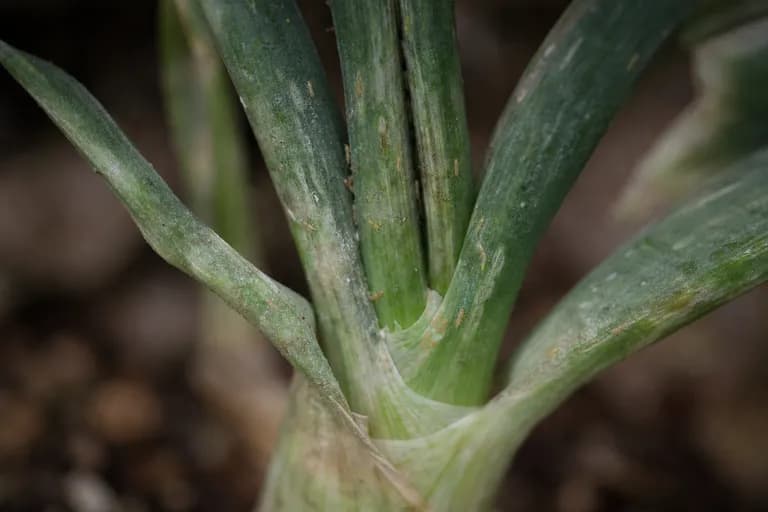
Onion Thrips
PestSilvery streaks on leaves, distorted growth, and browning leaf tips. Dense plantings are especially vulnerable as thrips thrive in sheltered leaf bases.
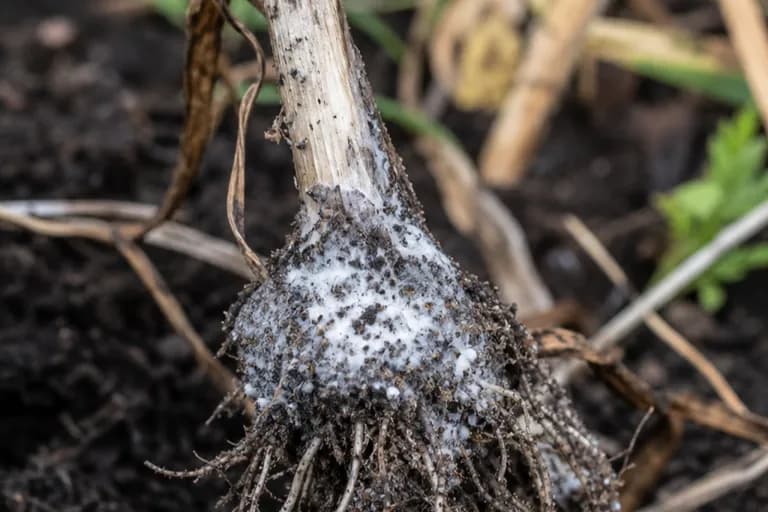
White Rot
DiseaseYellowing and wilting of leaves, white fluffy mycelium around the bulb base, and small black sclerotia embedded in decaying tissue.
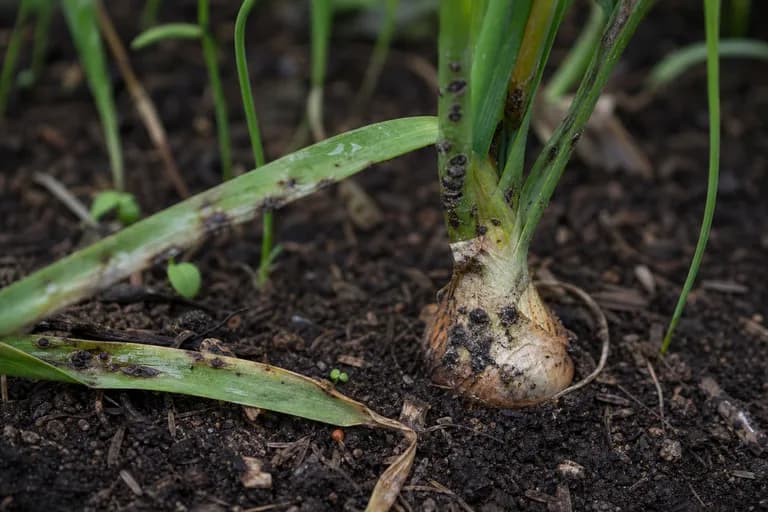
Smut
DiseaseDark, raised blisters on leaves and bulb scales that rupture to release black powdery spores. Seedlings are most susceptible during the first few weeks of growth.
Troubleshooting Common Problems
The most common problem is producing bulbs that are too large, caused by insufficient planting density or excessive fertilization. Plant thickly and avoid thinning for consistently small bulbs. Uneven sizing occurs when some seedlings germinate later than others. Poor germination in cold, wet soil leads to patchy stands. Neck rot during storage indicates insufficient curing or damage during harvest. Bolting before bulb formation occurs when plants experience a cold period followed by warming, which signals them to flower. Peeling difficulty is eased by a brief blanch in boiling water.
Growing Tips
- Sow thickly and never thin. The entire secret to producing pearl-sized onions is dense planting. Scatter seed at roughly one seed per centimeter in broad bands and let the plants compete with each other — this natural crowding restricts each bulb to 1-3 cm diameter.
- Use light, sandy soil or raised beds for the easiest harvest. Pearl onions grown in heavy clay are difficult to lift without damage, and the tightly packed bulbs are nearly impossible to separate cleanly from sticky clay soil. Amend heavy soil with sharp sand or grit before planting.
- Weed by hand and weed early. Pearl onion seedlings are tiny and grow slowly, making them extremely vulnerable to weed competition in the first 4-6 weeks. Once the onion canopy fills in, weed pressure decreases dramatically. A sharp hoe used carefully is faster than pulling each weed individually.
- Stop watering and fertilizing once bulbs begin to form. Continued moisture and nutrients during bulbing encourage the plant to keep growing larger rather than maturing at pearl size. Let the soil dry out gradually to signal the plant to finish bulbing and begin curing the outer skins.
- Harvest on a dry day and cure thoroughly. Lift the entire cluster with a fork, shake off soil, and spread onions in a single layer in a warm, dry, ventilated location for 1-2 weeks. Inadequate curing is the number one cause of storage rot — the neck tissue must be completely dry before storage.
- For the easiest peeling, blanch pearl onions in boiling water for 30 seconds, then plunge into ice water. The skins slip off effortlessly. Cut a small X in the root end before blanching for even easier removal.
- Plant onion sets instead of seed for a faster and more reliable crop. Place small sets (under 1 cm diameter) just 2 cm apart in rows. They establish faster, compete better with weeds, and produce a more uniform crop of pearl-sized bulbs about 2-3 weeks earlier than seed-sown onions.
- Grow a mix of gold, white, and red pearl onion varieties for a visually stunning pickled onion collection. The gold, ivory, and deep purple bulbs look spectacular together in jars and make impressive homemade gifts.
Grow your best Gold Pearl Onion yet — and everything around it.
Start a free plan today. Lay out your beds, drop in your Gold Pearl Onion, and let PlotMyGarden handle the timing, spacing, companions and reminders from seed to harvest basket.
Pick your Gold Pearl Onion
Gold Coin
A reliable gold pearl onion with uniform marble-sized bulbs, mild sweet flavor, and excellent golden-brown skin after curing.
Purplette
A stunning pearl onion with deep purple skin and pink-tinged flesh that retains color when pickled, adding visual appeal to preserves.
Crystal White
Classic white pearl onion with clean, crisp flavor ideal for traditional pickling and creamed onion dishes.
Barletta
An Italian heirloom white pearl onion that matures quickly and produces very uniform small bulbs perfect for cocktail onions.
Fresh pearl onions command premium prices at grocery stores, typically $4-6 per pound (450g) when available, and peeled frozen pearl onions cost $3-5 per 300g bag. Pickled cocktail onions sell for $4-8 per small jar. A single $3-4 packet of pearl onion seed sows several square meters and can produce 5-10 kg of pearl onions — easily $50-120 worth at retail prices. The savings are particularly dramatic for pickled pearl onions, where a home batch costs pennies per jar compared to artisan pickle prices of $8-12. Growing your own also guarantees freshness and the ability to harvest at the perfect tiny size that commercial growers often exceed.
Quick recipes
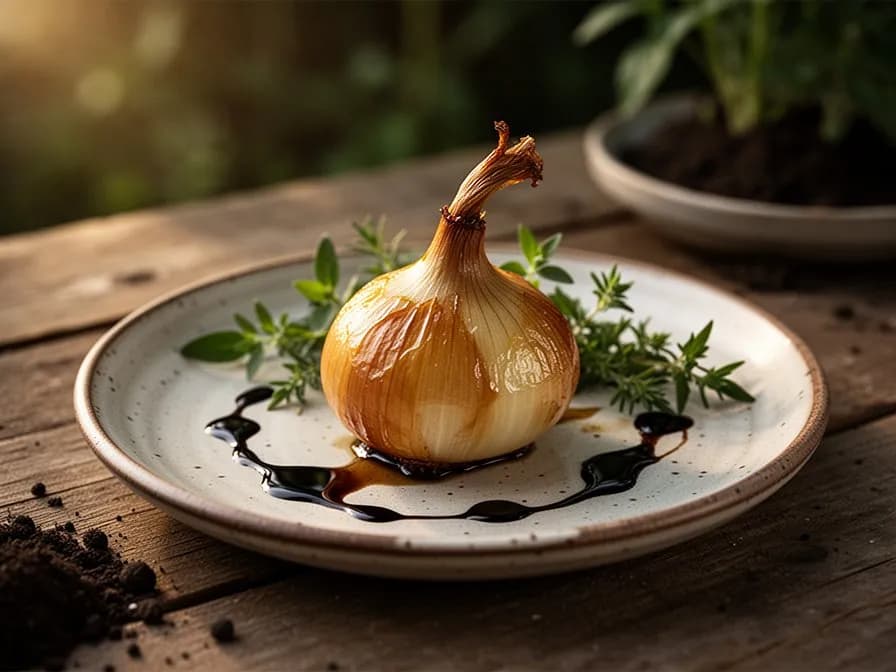
Balsamic-Glazed Roasted Pearl Onions
35 minWhole peeled gold pearl onions roasted in butter, balsamic vinegar, and a touch of brown sugar until deeply caramelized and glossy. The natural sweetness of pearl onions concentrates in the oven, creating an elegant side dish that pairs beautifully with roasted meats and holiday feasts.
7 ingredientsClassic Pickled Pearl Onions
45 minA timeless preserve that transforms pearl onions into tangy, crunchy gems perfect for charcuterie boards, Gibson cocktails, ploughman's lunches, and cheese platters. The spiced vinegar brine infuses the onions with warm aromatics over a few weeks of aging.
9 ingredientsCreamed Pearl Onions with Gruyere
30 minA rich, comforting side dish where tender pearl onions are simmered in a velvety cream sauce enriched with nutmeg and topped with melted Gruyere. A classic holiday accompaniment that transforms humble pearl onions into something truly luxurious.
8 ingredientsCulinary Uses
Gold pearl onions are essential in classic French dishes like coq au vin and beef bourguignon, where they cook whole in braising liquid. Roast with butter and herbs until caramelized and golden for an elegant side dish. Pickle in spiced vinegar for Gibson cocktails and charcuterie boards. Glaze with balsamic vinegar and brown sugar for a sweet-savory accompaniment. Thread onto skewers between meat for grilling. Add whole to creamy gratins and holiday side dishes where their intact shape adds visual appeal.
What's inside
Health Benefits
- Rich in quercetin, a powerful flavonoid antioxidant most concentrated in yellow and gold onion varieties. Research has linked quercetin intake to reduced risk of cardiovascular disease, lower blood pressure, and anti-inflammatory effects throughout the body.
- Contains organosulfur compounds including allicin, diallyl disulfide, and S-allyl cysteine, which have been extensively studied for their potential to reduce LDL cholesterol, inhibit platelet aggregation, and support cardiovascular health.
- Provides prebiotic fructo-oligosaccharides (FOS) and inulin that selectively feed beneficial Bifidobacteria and Lactobacilli in the gut, promoting a healthy microbiome, improved mineral absorption, and stronger immune function.
- Contains chromium, a trace mineral that enhances insulin sensitivity and helps cells respond more effectively to blood sugar signals — particularly valuable for people managing blood glucose levels.
- The sulfur compounds in onions support the body's production of glutathione, often called the master antioxidant, which plays a critical role in detoxification, immune defense, and cellular protection against oxidative damage.
- Regular onion consumption has been associated in epidemiological studies with reduced risk of certain cancers, particularly stomach and colorectal cancers, attributed to the combined effects of organosulfur compounds, quercetin, and other flavonoids.
Where Gold Pearl Onion comes from
Pearl onions are a size class rather than a distinct species, produced by growing common onions (Allium cepa) at extremely dense spacing to restrict bulb development. The practice of growing deliberately small onions has roots in European kitchen gardens dating back centuries, particularly in France, England, and the Low Countries where small onions were valued for pickling, preserving, and as elegant whole garnishes in refined dishes.
The gold pearl onion specifically descends from yellow onion cultivars selected for their mild, sweet flavor and attractive golden-brown skin. In France, the tradition of using tiny whole onions (oignons grelots) in braises, stews, and garnishes became codified in classical French cuisine during the 18th and 19th centuries. Auguste Escoffier's foundational recipes for bourguignon dishes specified pearl onions as an essential component, cementing their place in European gastronomy. English and Dutch growers simultaneously developed a strong tradition of pickling pearl onions in malt or white vinegar, producing the cocktail onions and pickled onions that became staples of British pub culture and American cocktail bars.
Today, commercial pearl onion production is concentrated in the Netherlands, Germany, and the United States (particularly Texas, California, and the Pacific Northwest). Modern cultivars like Gold Coin and Babetta have been bred specifically for uniformity at small sizes, consistent golden color, and mild sweetness. Despite the availability of commercially peeled frozen pearl onions, home gardeners continue to grow them for the superior flavor of freshly harvested bulbs and the satisfaction of producing a gourmet ingredient from a simple, dense sowing of ordinary onion seed.
Gold Pearl Onion: did you know?
Fascinating facts about Gold Pearl Onion
Pearl onions are not a separate species but regular onions (Allium cepa) grown at extremely high density, which physically restricts bulb growth to marble size — the same seed planted at normal spacing would produce a full-sized onion.
Gold Pearl Onion questions, answered
When should I plant Gold Pearl Onion?
What are good companion plants for Gold Pearl Onion?
What hardiness zones can Gold Pearl Onion grow in?
How much sun does Gold Pearl Onion need?
How far apart should I space Gold Pearl Onion?
What pests and diseases affect Gold Pearl Onion?
How do I store Gold Pearl Onion after harvest?
What are the best Gold Pearl Onion varieties to grow?
What soil does Gold Pearl Onion need?
How do I peel pearl onions without losing my mind?
Why are my pearl onions growing too large?
Can I grow pearl onions from store-bought onion sets?
How long do pearl onions store, and what is the best method?
What is the difference between pearl onions and shallots?
Do pearl onions grow well in containers?
You just read the theory. Now grow it on autopilot.
Everything that makes Gold Pearl Onion fiddly — the timing, the spacing, the companions, the harvest window — is exactly what PlotMyGarden handles for you, for every plant in your garden.
A plan that knows your weather
Set your location once. Get sow, feed and harvest dates built around your real last-frost date and live forecast — no more guessing from a generic seed packet.
From the “When to plant” sectionDrag-and-drop bed planner
Design beds on a grid. Every plant snaps to its proper spacing, and you can see your whole season laid out before you spend a cent on seed.
From the “Growing guide” sectionCompanion conflicts, caught early
200+ good-and-bad pairings checked live as you plant — so a season-wrecking mistake never makes it into the ground.
From the “Companions” sectionReminders you'll actually act on
“Water the beans.” “Pick today before it turns.” Timely, specific, and tied to the plants you're really growing.
From the “Harvest” sectionSuccession, scheduled
Want a harvest for six weeks, not six days? It spaces your sowings automatically and reminds you when each new block is due.
From the “When to plant” sectionA record that gets smarter
Every harvest you log teaches it your garden. Next year's plan starts from what actually worked in your soil, not a textbook's.
From the “Overview” sectionPlant these alongside Gold Pearl Onion
More Alliums
Keep Gold Pearl Onion away from these
Grow your best Gold Pearl Onion yet — and everything around it.
Start a free plan today. Lay out your beds, drop in your Gold Pearl Onion, and let PlotMyGarden handle the timing, spacing, companions and reminders from seed to harvest basket.