Forelle Pear
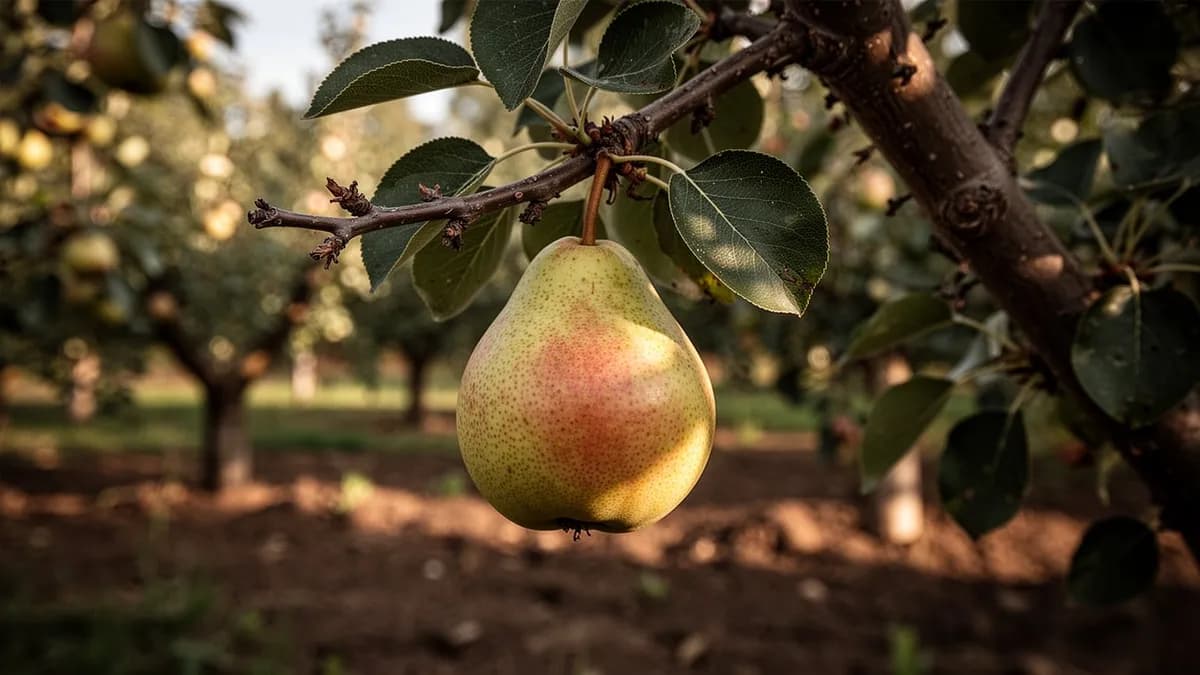
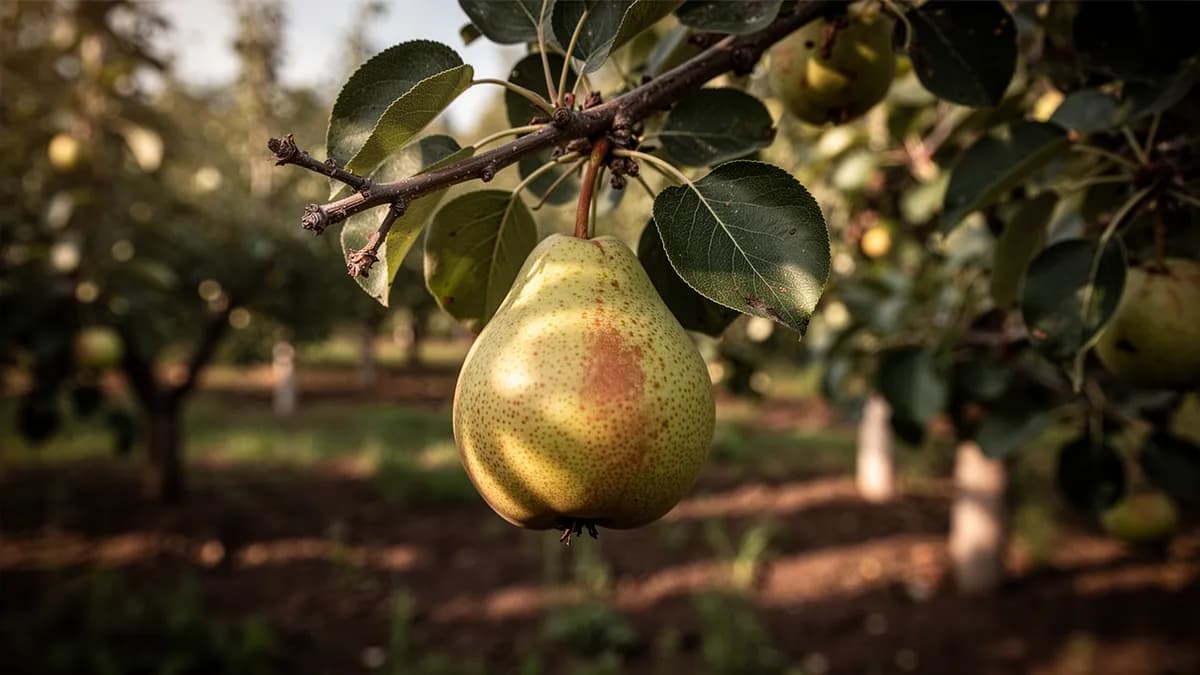
A beautiful German heirloom pear named for its distinctive red-speckled skin resembling trout spots, with sweet, slightly spicy flesh and a crisp texture.





On this pageOverview
Meet Forelle Pear
A beautiful German heirloom pear named for its distinctive red-speckled skin resembling trout spots, with sweet, slightly spicy flesh and a crisp texture. Forelle is one of the most visually striking pear varieties, making it popular for gift baskets and fresh eating. The small to medium fruits store well and develop their best flavor after a few weeks of cold storage.
When to plant Forelle Pear
Pear seeds require cold stratification for 60 to 90 days before they will germinate. However, seedlings will not produce true Forelle pears. Purchase grafted trees to ensure the distinctive speckled appearance and sweet flavor. For rootstock production, clean seeds from ripe fruit and stratify in moist peat at 33 to 40 degrees Fahrenheit. Plant in spring and expect germination in three to four weeks.
Your Forelle Pear Year
Composed for Zone 7 · typical seasons · frost passes Apr 2, returns Nov 1
Plant Forelle Pear Feb – Mar, pick Oct – Nov. Check the planting methods below and set your climate to personalize these windows.
How to grow Forelle Pear
Plant Forelle pear trees in late winter while dormant, in full sun with well-drained soil. Forelle requires cross-pollination from another compatible pear variety such as Bartlett, Anjou, or Bosc for reliable fruit set. Space standard trees 18 to 20 feet apart, semi-dwarf on Quince rootstock 10 to 12 feet. Choose a site with good air circulation to reduce disease pressure.
Water regularly during establishment, then provide deep irrigation during dry spells and fruit development. Forelle is well-adapted to moderate climates in zones 5 through 8. The tree has a compact, upright growth habit suitable for smaller gardens and trained forms like espalier and cordon.
Prune in late winter to maintain an open center with good light penetration. Remove water sprouts and crossing branches. Thin fruit clusters in early summer to two pears per cluster for best size and coloring. Forelle produces small to medium fruit, so adequate thinning allows the remaining pears to develop their characteristic red-speckled coloring and sweet flavor.
Forelle Pear needs more room than a 4 × 8 ft bed gives
Each Forelle Pear wants 350 cm of elbow room. The planner keeps that spacing for you — every plant, every bed.
Forelle Pear's best neighbours
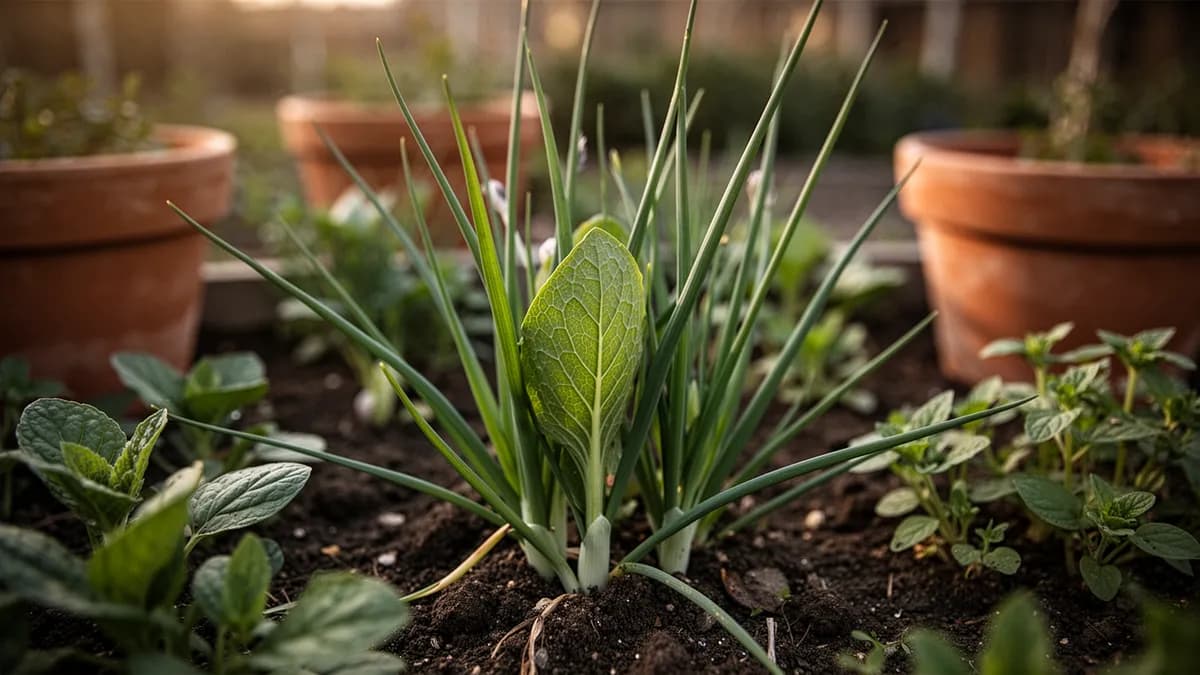
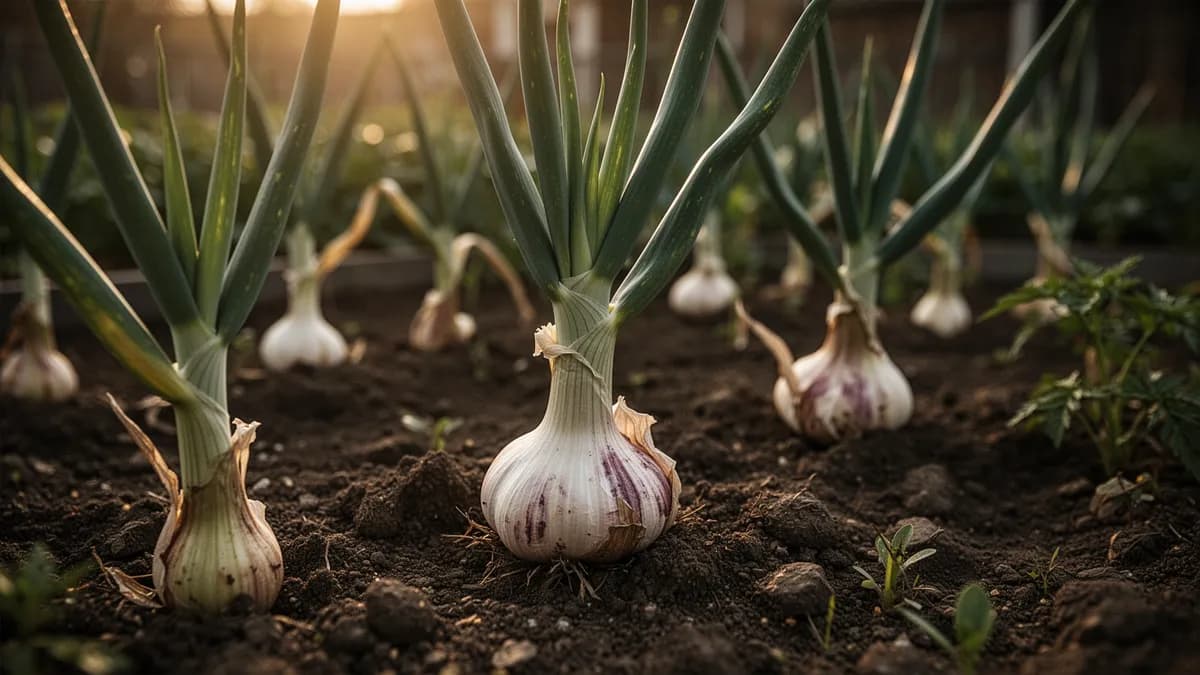
Plant a compatible pollinizer variety within 50 feet, such as Bartlett, Anjou, or Bosc. Chives, garlic, and tansy planted nearby may help deter pests and suppress disease. Clover or vetch ground covers attract pollinators and fix nitrogen. Comfrey accumulates nutrients when grown around the drip line. Avoid planting near walnut trees, quince bushes with fire blight, or Eastern red cedar.
Chives belongs beside it. Walnut Tree doesn't.
Old growers' knowledge, checked against Forelle Pear's real companion table below — test any plant you're growing.
Try Forelle Pear in a bed — right here
A real planner bed with Forelle Pear already in it. Tap a companion to place it and watch the pairing checks answer — green for good neighbours, red for a clash.


Related growing guides
Feed it well
Forelle grows best in well-drained, loamy soil with a pH of 6.0 to 7.0. Avoid heavy clay that retains too much moisture around the roots. Apply a balanced fertilizer in early spring before bud break, keeping nitrogen applications moderate to reduce fire blight susceptibility. Annual compost mulching provides slow-release nutrition and improves soil structure. Boron and calcium supplementation based on soil tests supports good fruit development.
Ideal Temperature
Hardiness Zone Compatibility
From seed to harvest, stage by stage
Dormancy and Planting
Forelle pear trees enter full dormancy in winter, shedding all foliage and directing energy reserves into roots and woody tissue. This rest period is essential for the tree to accumulate the 600 to 900 chill hours below 7°C that Forelle requires for proper bud differentiation and uniform bud break in spring. Bare-root trees are best planted during this dormant window, typically from late December through February in the Northern Hemisphere.
Bud Break and Flowering
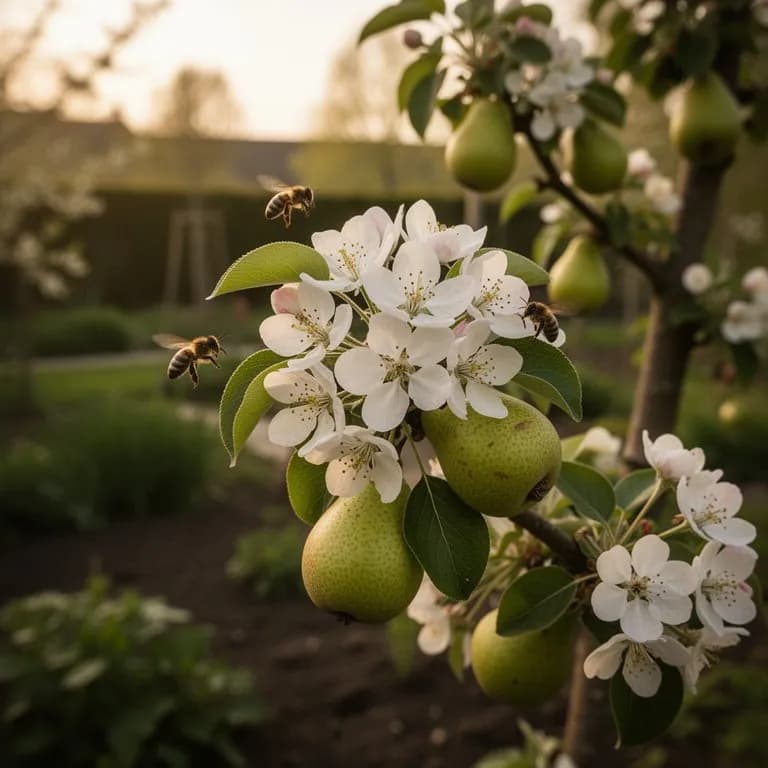
As spring temperatures consistently reach 10 to 15°C, dormant buds on the Forelle pear swell and burst open to reveal tightly packed flower clusters. Each cluster produces five to seven white blossoms with delicate pink-tinged anthers. Forelle is not self-fertile, so cross-pollination by honeybees or other insects from a compatible variety such as Bartlett, Bosc, or Anjou within 30 meters is essential for successful fruit set during the 7 to 14 day bloom period.
Fruit Set and Early Development
Following successful pollination, tiny Forelle fruitlets begin to form at the base of each fertilized blossom. The tree naturally abscises a portion of developing fruit in a process known as June drop, shedding excess fruitlets to balance its crop load with available resources. Remaining fruitlets grow rapidly and begin to develop the small lenticels that will later become the distinctive red-speckled markings characteristic of the Forelle variety.
Fruit Sizing and Color Development
Through the warm summer months Forelle pears undergo rapid cell expansion, increasing in size from small marbles to their mature petite dimensions of roughly 5 to 7 cm in length. The skin transitions from solid green to a greenish-gold base overlaid with the variety's hallmark crimson freckles and a pronounced red blush on the sun-exposed cheek. Internal sugar levels rise steadily as starch converts to fructose and sucrose during the final weeks of this stage.
Harvest and Ripening
Forelle pears are typically harvested in late September to mid-October in the Northern Hemisphere. Unlike many pear varieties, Forelle should be picked when the base color shifts from green to yellow-green and the fruit separates from the spur with a gentle upward lift and twist. Forelle pears require a post-harvest cold conditioning period of two to four weeks at 0 to 2°C to trigger proper ripening, after which they soften at room temperature over five to seven days to a smooth, juicy, sweet flesh.
Post-Harvest and Dormancy Preparation
After harvest, the Forelle pear tree redirects energy into strengthening root systems and storing carbohydrate reserves in woody tissue for the following season. Leaves change color and drop naturally as day length shortens and temperatures decline. This period is important for canopy management, disease prevention, and preparing the tree for winter dormancy. Fallen leaves and mummified fruit left on the ground can harbor overwintering pest and disease organisms.
Plant bare-root Forelle pear trees in late winter while fully dormant. Dig a hole twice as wide as the root spread and deep enough so the graft union sits 10 cm above the soil line. Backfill with native soil, water thoroughly to eliminate air pockets, and apply a 10 cm layer of organic mulch in a wide ring around the trunk, keeping it 15 cm away from the bark to prevent crown rot.
Caring for Forelle Pear month by month
What to do each month for your Forelle Pear
October
You are hereComplete the harvest of any remaining fruit. Clean up all fallen fruit and debris from beneath the tree to reduce disease carryover. Apply a final deep watering before the ground freezes to help roots through winter dormancy. Note the overall health and yield of the tree to plan next year's care strategy.
Know exactly what to do in your garden — every month
One email at the start of each month: what to sow, plant, and tackle right now — for your Forelle Pear and everything growing around it. Plus a short starter course that helps you dodge the classic mistakes.
- What to do, right now
- Matched to your season
- Starter course included
Harvesting Forelle Pear
Forelle pears ripen in late October to November. Like all European pears, harvest while still firm and ripen off the tree. Test readiness by lifting the fruit to horizontal; if it separates easily from the spur, it is ready to pick. The characteristic red speckles should be well-developed at harvest. Refrigerate harvested pears for two to four weeks before ripening at room temperature for five to seven days. The flesh should be juicy and sweet with a slightly crisp texture when ripe.
assuming you plant when the window opens — set your real date
Pick Forelle Pear promptly and the plant keeps producing.
Storage & Preservation
Forelle stores well in cold storage at 30 to 32 degrees Fahrenheit for up to three months. The beautiful appearance makes them a premium fresh eating and gift basket pear. Allow to ripen at room temperature after cold storage. Forelle makes attractive canned or preserved pears due to their small, uniform size and lovely speckled skin. They dry well and make beautiful additions to fruit arrangements and cheese platters.
What goes wrong — and the fix
Pear Scab
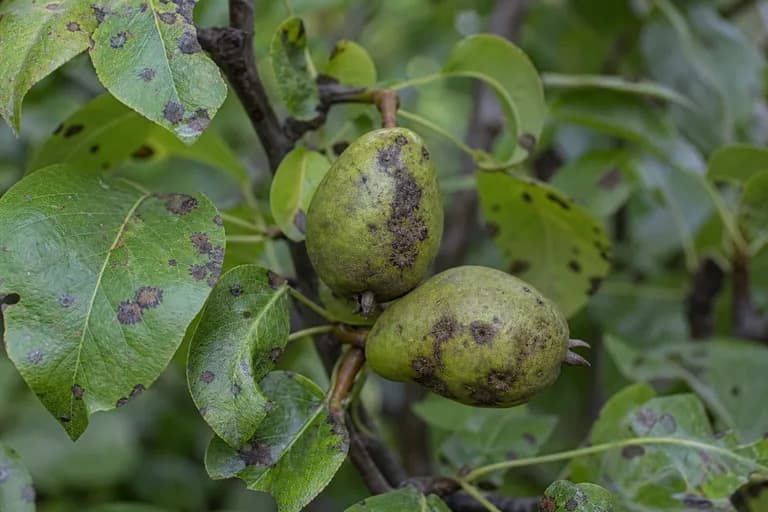
DiseaseDark olive spots on leaves and fruit skin; severe cases cause cracking and deformation of the fruit.
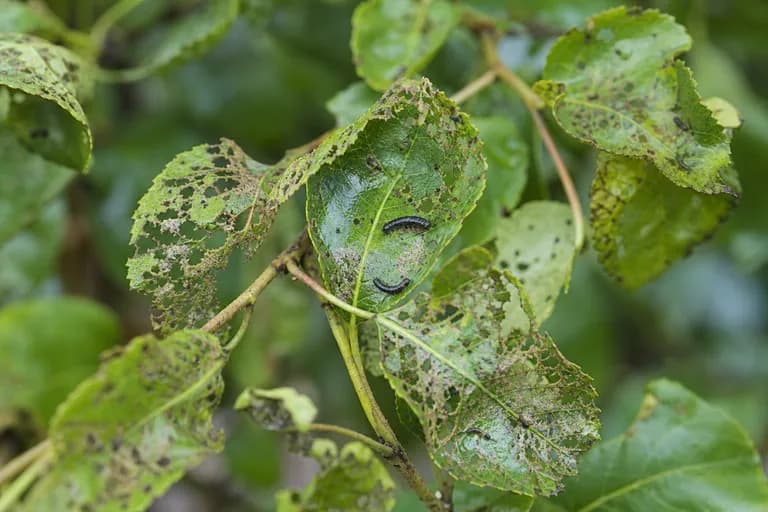
Pear Slug (Sawfly Larva)
PestDark, slug-like larvae skeletonize leaves, eating the upper surface and leaving a lace-like pattern of veins.
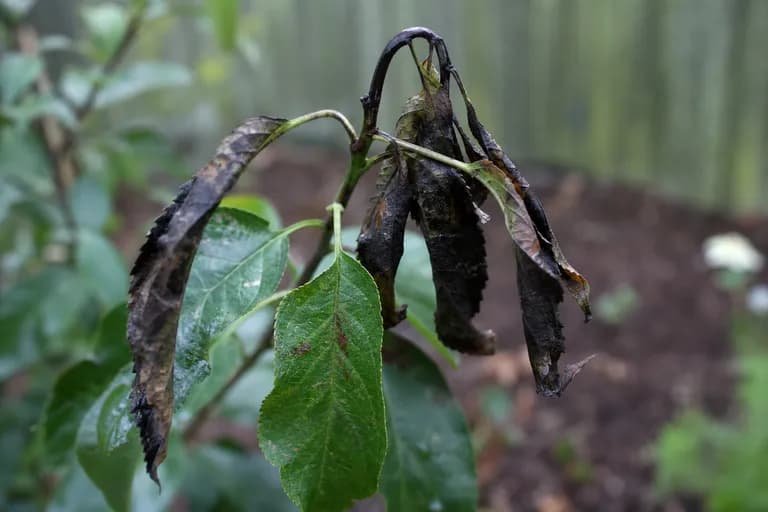
Fire Blight
DiseaseBlackened shoots with shepherd's crook tips; oozing amber cankers on branches; wilted, scorched blossoms.
Troubleshooting Common Problems
Forelle produces smaller fruit than many pear varieties, which some growers find disappointing. Adequate thinning is essential for developing the red speckled coloring that makes this variety distinctive. Without cold storage followed by room temperature ripening, the flesh may remain gritty. Fire blight can be devastating in warm, humid springs. The tree may be slow to begin bearing, sometimes taking four to five years on standard rootstock.
Growing Tips
- Plant at least one compatible pollinator variety such as Bartlett, Bosc, Anjou, or Comice within 30 meters of your Forelle tree, as this variety is not self-fertile and requires cross-pollination for fruit production.
- Train young Forelle trees to a central leader form rather than an open vase shape, as the natural upright growth habit responds well to this structure and produces the strongest scaffold framework for heavy crop loads.
- Apply a 10 to 15 cm layer of organic mulch such as wood chips or composted bark in a wide ring from 15 cm away from the trunk out to beyond the drip line to conserve soil moisture, suppress weeds, and moderate root zone temperatures.
- Water deeply and consistently throughout the growing season, providing 25 to 40 liters per tree per week depending on soil type and rainfall, as irregular moisture causes fruit cracking, poor sizing, and premature drop.
- Thin fruit clusters to one or two fruitlets per cluster when they reach thumbnail size to improve individual pear size, color development, and sweetness while reducing the risk of biennial bearing patterns.
- Harvest Forelle pears when the base skin color transitions from dark green to lighter yellow-green and the fruit separates easily from the spur with a gentle upward lift, typically in late September to mid-October.
- Cold-condition harvested Forelle pears at 0 to 2°C for a minimum of two weeks before bringing them to room temperature to ripen, as this chilling period is essential for triggering the enzymatic ripening process unique to this variety.
- Prune annually during late winter dormancy to remove crossing branches, water sprouts, and dead wood, maintaining an open canopy that allows sunlight penetration and air circulation to reduce disease pressure.
- Monitor closely for fire blight during warm, humid spring weather, removing any infected shoots by cutting at least 30 cm below the visible margin of infection and sterilizing pruning tools with a 10 percent bleach solution between each cut.
- Apply dormant oil spray after leaf fall in autumn to control overwintering populations of scale insects, pear psylla eggs, and mite eggs, reducing pest pressure before the next growing season begins.
Grow your best Forelle Pear yet — and everything around it.
Start a free plan today. Lay out your beds, drop in your Forelle Pear, and let PlotMyGarden handle the timing, spacing, companions and reminders from seed to harvest basket.
Pick your Forelle Pear
Forelle (standard)
The classic German heirloom dating to at least the 1600s, prized for its distinctive trout-spotted appearance and sweet flavor.
Forelle on Quince A
Semi-dwarf form suitable for smaller gardens, producing full-sized fruit on a more manageable tree.
Forelle on OHxF 87
A fire-blight-resistant rootstock option for areas where this disease is prevalent.
A single mature Forelle pear tree on semi-dwarf rootstock can produce 30 to 60 kg of fruit per season once established, equivalent to approximately 200 to 400 individual pears. At typical retail prices of 4 to 7 dollars per kilogram for specialty Forelle pears, a home tree can yield 120 to 420 dollars worth of fruit annually. The petite size and natural beauty of Forelle pears also make them ideal for gift giving and holiday preserves, further increasing their value. With a productive lifespan of 50 years or more, a single well-maintained Forelle pear tree represents an exceptional long-term investment for the home garden.
Quick recipes
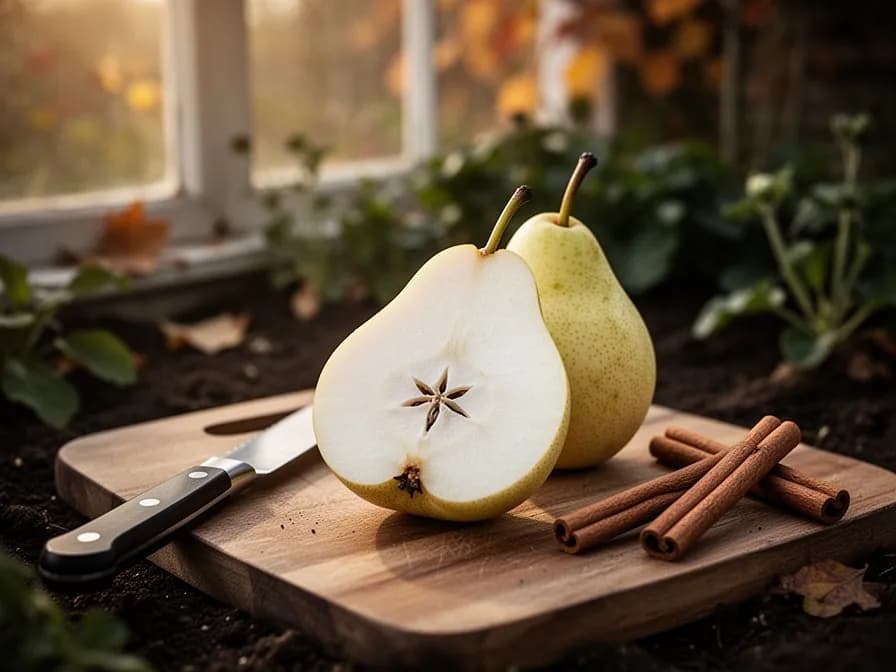
Poached Forelle Pears in Spiced Red Wine
45 minutesWhole Forelle pears gently simmered in a fragrant red wine reduction infused with cinnamon, star anise, and vanilla. The petite size of Forelle pears makes them ideal for elegant individual servings. The flesh absorbs the deep ruby color of the wine while maintaining a tender yet firm texture that holds its shape beautifully on the plate.
8 ingredients
Forelle Pear and Gorgonzola Salad with Candied Walnuts
20 minutesA sophisticated autumn salad combining thinly sliced ripe Forelle pears with creamy Gorgonzola cheese, peppery arugula, and crunchy candied walnuts dressed in a light honey-lemon vinaigrette. The natural sweetness and firm texture of Forelle pears complement the bold blue cheese and bitter greens for a perfectly balanced starter or light meal.
8 ingredientsForelle Pear Butter with Vanilla and Cardamom
2 hoursA slow-cooked fruit butter that concentrates the naturally high sugar content of Forelle pears into a silky, spiced spread. The long simmering process caramelizes the fruit sugars, creating deep amber color and complex flavor. Perfect for spreading on toast, swirling into yogurt, or gifting in decorative jars during the holiday season.
7 ingredientsCulinary Uses
Forelle is primarily a fresh eating pear, valued for its attractive appearance and sweet, slightly spicy flavor. The small, uniform size makes it perfect for individual servings, lunch boxes, and elegant presentations. It pairs beautifully with blue cheese, prosciutto, and arugula in salads. Forelle makes lovely poached pears and attractive additions to cheese boards and fruit baskets.
What's inside
Health Benefits
- Rich in soluble and insoluble dietary fiber that supports healthy digestion, promotes regular bowel movements, and feeds beneficial gut microbiota for improved intestinal health.
- Contains significant levels of antioxidant flavonoids including quercetin, catechins, and epicatechin, which help neutralize free radicals and may reduce oxidative stress linked to chronic disease.
- Provides a low glycemic index source of natural energy, making Forelle pears a suitable fruit choice for individuals managing blood sugar levels or following a diabetic-friendly diet.
- Supplies vitamin C and copper, both essential cofactors for collagen synthesis, supporting skin elasticity, wound healing, and the maintenance of healthy connective tissue throughout the body.
- Contains boron, a trace mineral that aids calcium absorption, supports bone mineral density, and may contribute to the prevention of osteoporosis when consumed as part of a balanced diet.
- The high water content of approximately 84 percent combined with natural electrolytes makes Forelle pears an effective hydrating snack that supports fluid balance and kidney function.
Where Forelle Pear comes from
The Forelle pear traces its origins to the Saxony region of northern Germany, where it was first documented around 1670. Its German name, meaning trout, was inspired by the distinctive red-speckled freckling on its golden-green skin, a pattern strikingly similar to the markings on freshwater trout. The variety gained popularity across Central Europe during the eighteenth century, prized both as an ornamental garden tree for its prolific spring blossoms and as a dessert fruit for its exceptionally sweet, aromatic flesh and attractive appearance. During the nineteenth century, European settlers and colonial-era agricultural exchange programs introduced Forelle to South Africa, where the variety found ideal growing conditions in the Western Cape province. The Mediterranean climate of Stellenbosch, Ceres, and the Elgin Valley provided the necessary winter chill hours, warm summer temperatures, and well-drained soils that Forelle demands. By the mid-twentieth century South Africa had established itself as the dominant global producer and exporter of Forelle pears, shipping fruit to markets across Europe, Asia, and the Americas. The variety remains relatively uncommon in North American orchards, though specialty growers in the Pacific Northwest and parts of the northeastern United States have cultivated it successfully. In home gardens, Forelle is valued for its manageable petite fruit size, stunning ornamental qualities throughout the seasons, and distinctive flavor profile that sets it apart from more widely planted varieties like Bartlett and Bosc. Today Forelle is recognized as a heritage variety of significant horticultural and cultural importance, maintained in germplasm collections worldwide.
Forelle Pear: did you know?
Fascinating facts about Forelle Pear
The name Forelle comes from the German word for trout, referencing the red-speckled skin pattern that resembles the markings on a brook trout.
Forelle Pear questions, answered
When should I plant Forelle Pear?
What are good companion plants for Forelle Pear?
What hardiness zones can Forelle Pear grow in?
How much sun does Forelle Pear need?
How far apart should I space Forelle Pear?
What pests and diseases affect Forelle Pear?
How do I store Forelle Pear after harvest?
What are the best Forelle Pear varieties to grow?
What soil does Forelle Pear need?
Why are my Forelle pears not ripening properly after picking?
What are the best pollinator varieties to plant alongside Forelle pears?
How do I know when Forelle pears are ready to harvest from the tree?
Why does my Forelle pear tree produce fruit only every other year?
Can I grow Forelle pears in containers on a patio or balcony?
How do I prevent fire blight on my Forelle pear tree?
You just read the theory. Now grow it on autopilot.
Everything that makes Forelle Pear fiddly — the timing, the spacing, the companions, the harvest window — is exactly what PlotMyGarden handles for you, for every plant in your garden.
A plan that knows your weather
Set your location once. Get sow, feed and harvest dates built around your real last-frost date and live forecast — no more guessing from a generic seed packet.
From the “When to plant” sectionDrag-and-drop bed planner
Design beds on a grid. Every plant snaps to its proper spacing, and you can see your whole season laid out before you spend a cent on seed.
From the “Growing guide” sectionCompanion conflicts, caught early
200+ good-and-bad pairings checked live as you plant — so a season-wrecking mistake never makes it into the ground.
From the “Companions” sectionReminders you'll actually act on
“Water the beans.” “Pick today before it turns.” Timely, specific, and tied to the plants you're really growing.
From the “Harvest” sectionSuccession, scheduled
Want a harvest for six weeks, not six days? It spaces your sowings automatically and reminds you when each new block is due.
From the “When to plant” sectionA record that gets smarter
Every harvest you log teaches it your garden. Next year's plan starts from what actually worked in your soil, not a textbook's.
From the “Overview” sectionPlant these alongside Forelle Pear
More Pome Fruits
Keep Forelle Pear away from these
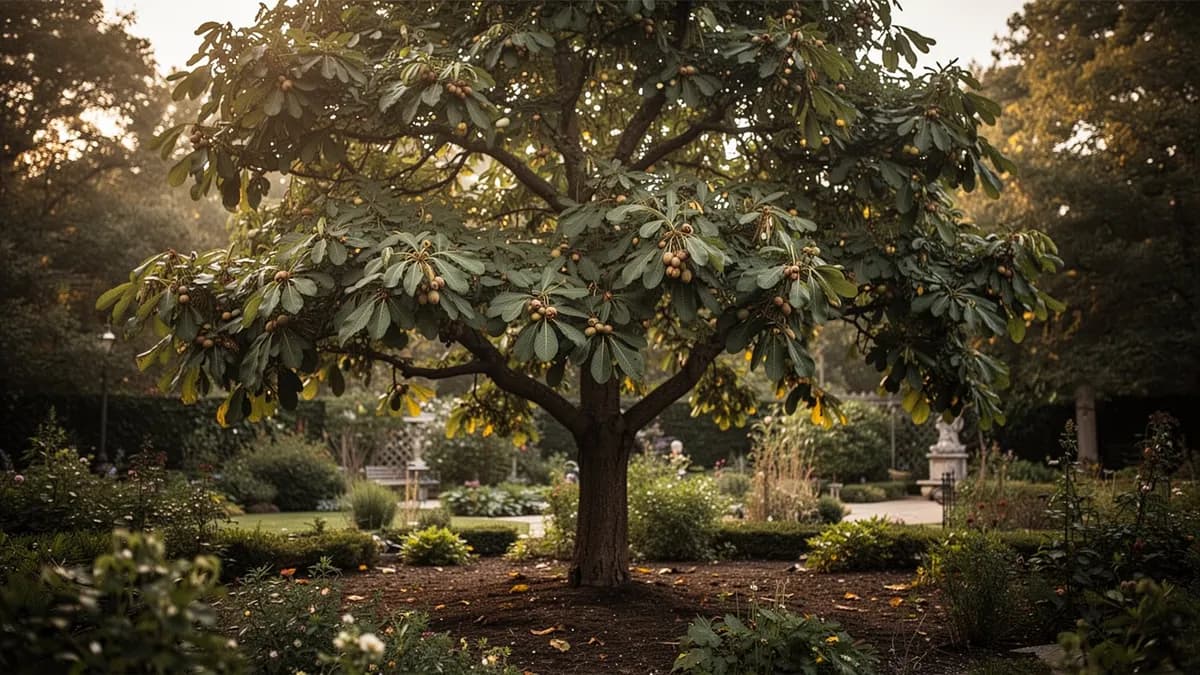
Grow your best Forelle Pear yet — and everything around it.
Start a free plan today. Lay out your beds, drop in your Forelle Pear, and let PlotMyGarden handle the timing, spacing, companions and reminders from seed to harvest basket.