Comice-Birne
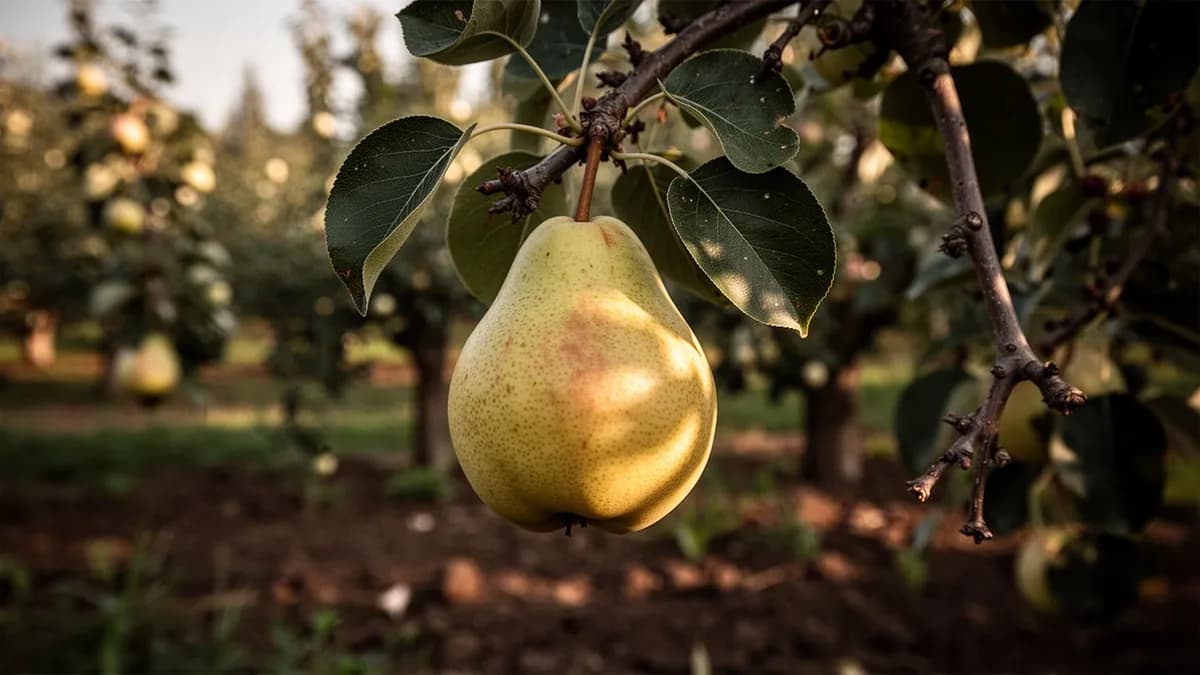
Oft als Weihnachtsbirne bezeichnet, wird sie von vielen als die geschmacklich beste Birnensorte angesehen, mit unglaublich süßem, buttrigem, auf der Zunge zergehendem Fruchtfleisch.





Auf dieser SeiteÜberblick
Comice-Birne im Überblick
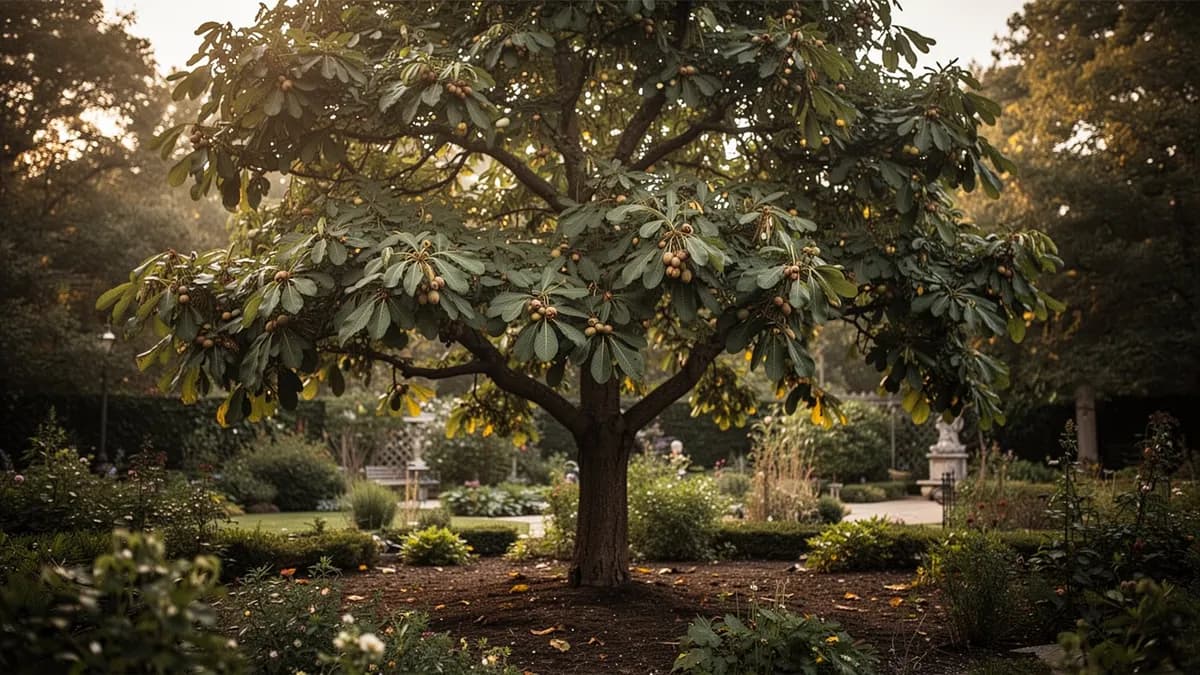
Oft als Weihnachtsbirne bezeichnet, wird sie von vielen als die geschmacklich beste Birnensorte angesehen, mit unglaublich süßem, buttrigem, auf der Zunge zergehendem Fruchtfleisch. Comice-Birnen werden traditionell mit Käse kombiniert und sind die Sorte, die in luxuriösen Obstgeschenkboxen verwendet wird. Die Bäume sind weniger wüchsig und ertragreich als andere Sorten, aber die überlegene Fruchtqualität ist das Warten wert.
Wann Comice-Birne pflanzen
Comice-Birnen werden ausschließlich durch Veredelung vermehrt, da Sämlinge die geschätzten Fruchteigenschaften nicht reproduzieren. Für die Unterlagenproduktion stratifizieren Sie Birnensamen bei 1 bis 4 Grad Celsius für 60 bis 90 Tage in feuchtem Sand oder Torf kalt. Säen Sie stratifizierte Samen im Frühjahr einen halben Zentimeter tief in tiefe Gefäße. Veredeln Sie Comice-Edelreiser auf kompatible Unterlagen wie OHxF 87 oder OHxF 333 in der folgenden Ruheperiode. Beachten Sie, dass Comice eine Zwischenveredelung benötigt, wenn sie auf Quittenunterlage veredelt wird.
Dein Comice-Birne-Jahr
Abgestimmt auf Zone 7 · typische Saison · Frost geht um den 2. Apr. und kehrt um den 1. Nov. zurück
Comice-Birne Mär – Apr pflanzen, Sep – Okt ernten. Beachte die Pflanzmethoden unten und wähle dein Klima für passende Zeiträume.
So baust du Comice-Birne an
Comice-Birnen erfordern einen geschützten Standort mit voller Sonne und Schutz vor starkem Wind, da die schweren Früchte leicht Druckstellen bekommen, wenn sie von den Ästen geschlagen werden. Pflanzen Sie in tiefem, fruchtbarem, gut durchlässigem Lehmboden mit einem pH-Wert von 6,0 bis 7,0. Setzen Sie Hochstämme in einem Abstand von 5,5 bis 6 Metern und Halbstämme in einem Abstand von 3,5 bis 4,5 Metern. Setzen Sie die Veredelungsstelle über die Bodenlinie und stützen Sie junge Bäume in den ersten zwei bis drei Jahren, während sie sich etablieren.
Comice-Birnen benötigen Fremdbestäubung, und Williams Christ ist der zuverlässigste Partner. Die Bäume blühen in der Mittelsaison und haben ein kürzeres Blühfenster als andere Sorten, stellen Sie also sicher, dass Bestäuber aktiv sind. Schneiden Sie zu einer modifizierten Mittelleiterzieherform mit gut verteilten Leitästen. Comice wächst weniger stark als Williams Christ oder Anjou, sodass der Schnitt leichter ausfallen kann.
Dünnen Sie die Früchte auf ein bis zwei pro Fruchtbüschel aus, wenn die Fruchtansätze daumennnagelgroß sind, um große, hochwertige Früchte zu fördern. Bewässern Sie gleichmäßig während der Wachstumsperiode mit 2,5 bis 5 cm pro Woche und erhöhen Sie die Menge leicht während der Fruchtgrößenphase. Bringen Sie eine moderate Menge ausgewogenen Düngers im Frühjahr aus und halten Sie den Stickstoff gering, um das Feuerbrandrisiko zu minimieren und den kompakten Wuchs beizubehalten.
Für Comice-Birne ist ein Beet von 120 × 240 cm zu klein
Comice-Birne braucht 300 cm Platz pro Pflanze. Der Planer hält diesen Abstand für dich ein — jede Pflanze, jedes Beet.
Die besten Nachbarn für Comice-Birne
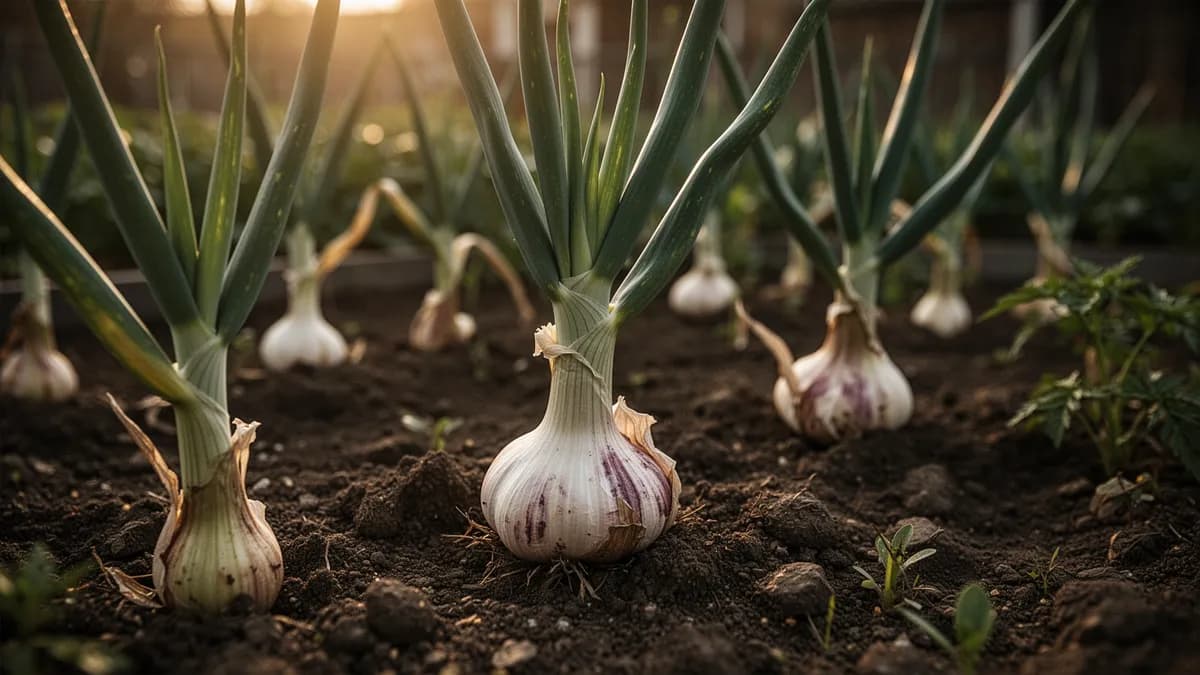
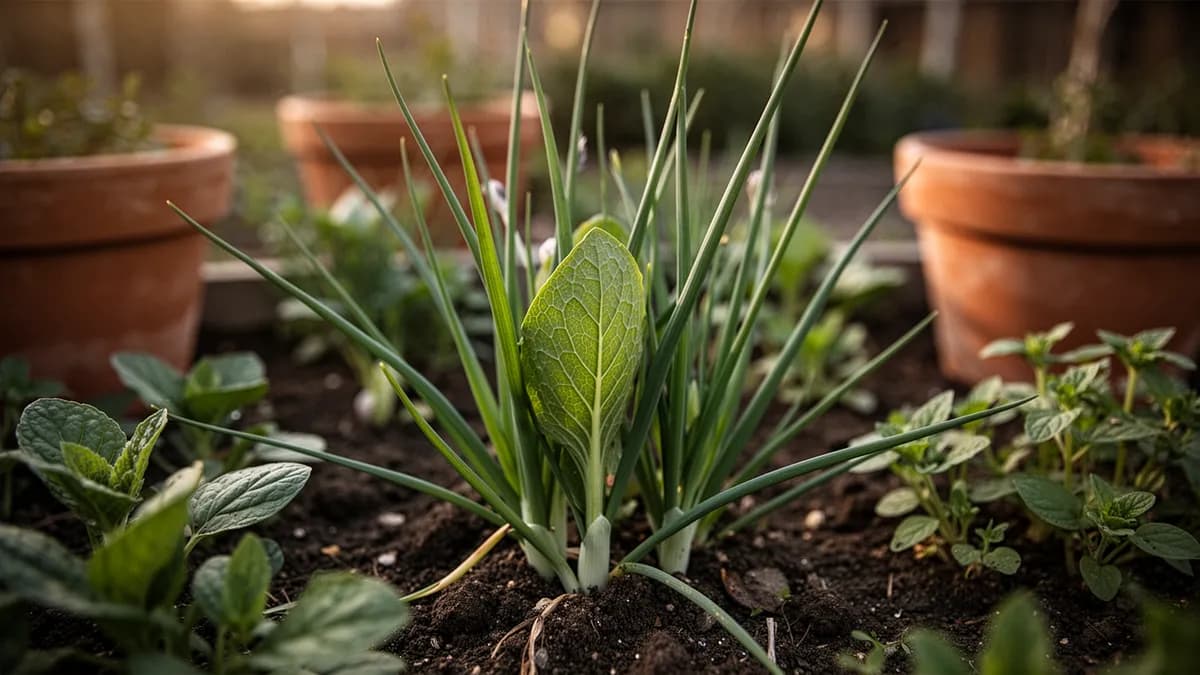
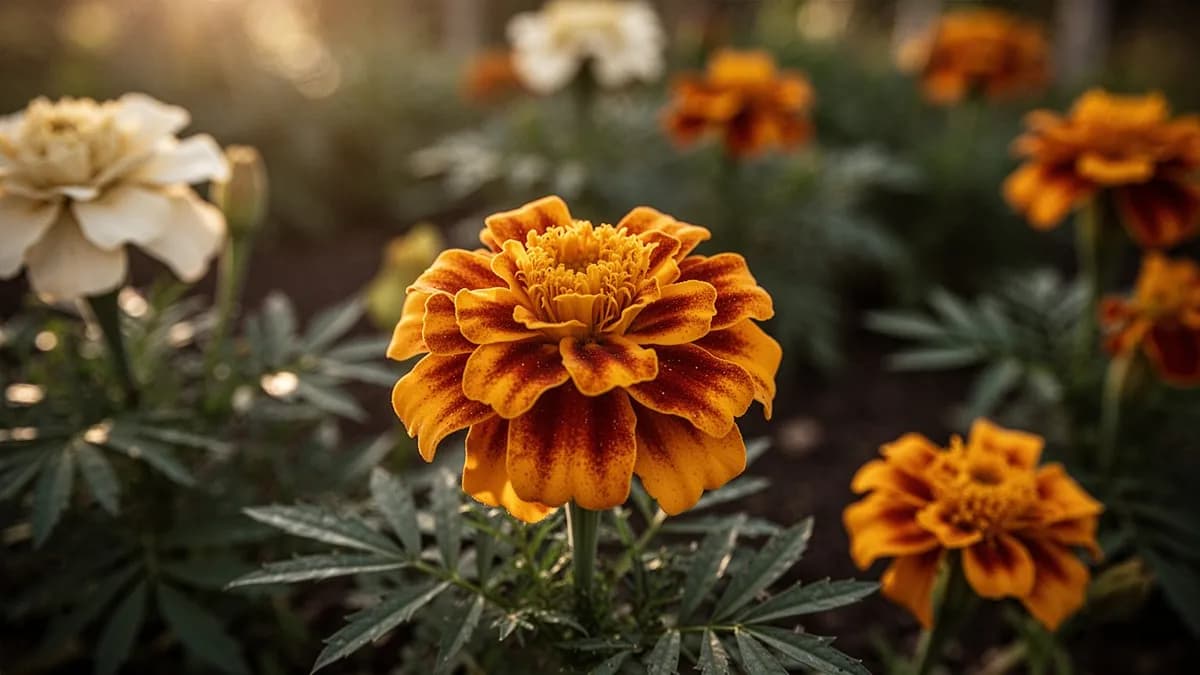
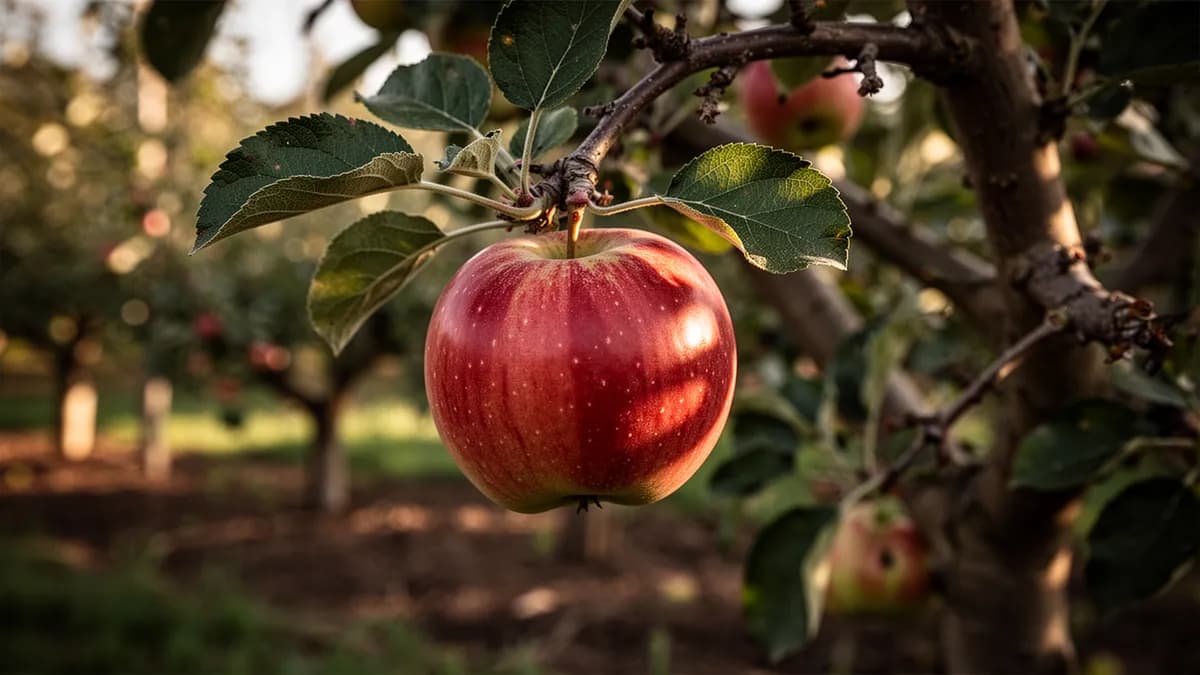
Pflanzen Sie Knoblauch, Schnittlauch und Tagetes rund um Comice-Birnbäume, um Bohrer und Blattläuse abzuwehren. Beinwell als Tiefenwurzler liefert ausgezeichnetes Mulchmaterial, das reich an Kalium ist. Niedrig wachsende Kräuter wie Thymian und Oregano können als aromatische Bodendecker dienen, die Bestäuber anlocken. Klee oder Luzerne zwischen den Reihen binden natürlich Stickstoff. Vermeiden Sie das Pflanzen in der Nähe von Walnussbäumen wegen der Juglon-Toxizität und in der Nähe von Wacholderarten, die Birnenrost beherbergen können.
Knoblauch gehört daneben. Walnussbaum nicht.
Altes Gärtnerwissen, geprüft an der echten Nachbartabelle von Comice-Birne — teste jede Pflanze, die du anbaust.
Probiere Comice-Birne direkt hier im Beet
Ein echtes Planer-Beet, Comice-Birne steht schon drin. Tippe einen Begleiter an, platziere ihn und sieh, wie die Nachbarschaftsprüfung antwortet — grün für gute Nachbarn, rot bei Streit.


Passende Anbau-Ratgeber
Richtig düngen
Comice-Birnen benötigen reichen, tiefen, gut durchlässigen Boden mit einem pH-Wert von 6,0 bis 7,0 und gleichmäßiger Feuchtigkeitsversorgung. Sie sind weniger tolerant gegenüber schlechten Böden als Williams Christ oder Anjou und reagieren gut auf jährliche Kompostgaben. Düngen Sie im zeitigen Frühjahr zurückhaltend mit einer ausgewogenen Rezeptur, da Comice-Bäume von Natur aus weniger wüchsig sind und überschüssiger Stickstoff die Feuerbrandanfälligkeit fördert. Bringen Sie kaliumreiche Ergänzungen auf, wenn die Fruchtqualität nachlässt. Halten Sie eine tiefe organische Mulchschicht aufrecht, um die Feuchtigkeit zu bewahren und die Bodentemperatur zu regulieren.
Ideale Temperatur
Winterhärtezone-Kompatibilität
Von der Saat zur Ernte, Schritt für Schritt
Winterruhe
Der Baum ruht während der Wintermonate und spart Energie für die kommende Saison. Die Knospen bleiben fest geschlossen und der Baum zeigt kein aktives Wachstum. Diese Phase ist entscheidend für die Erfüllung der Kältestundenanforderungen, die eine ordnungsgemäße Frühlingsblüte auslösen.
Knospenschwellung und Blüte
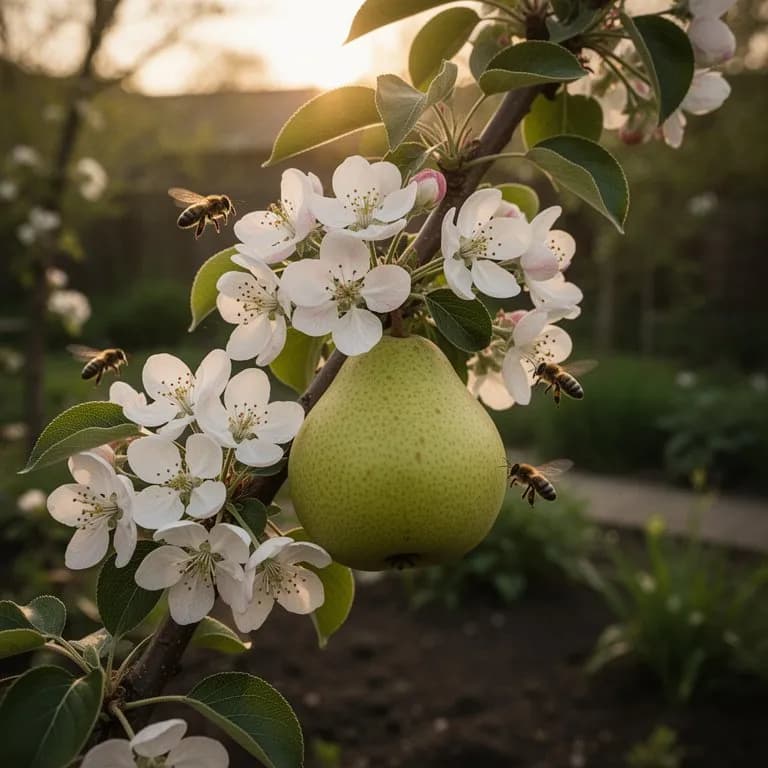
Wenn die Temperaturen steigen, schwellen die Knospen an und brechen auf, um Büschel zarter weißer fünfblättriger Blüten freizugeben. Comice-Birnenblüten werden an Fruchtsporen gebildet und müssen innerhalb weniger Tage nach dem Öffnen von einer kompatiblen Sorte wie Bosc oder Anjou fremdbestäubt werden.
Fruchtansatz und frühe Entwicklung
Befruchtete Blüten verlieren ihre Blütenblätter und kleine Fruchtansätze beginnen an der Basis zu schwellen. Der Baum kann im Junifall, einem natürlichen Selbstausdünnungsprozess, einige Fruchtansätze abwerfen. Verbliebene Früchte entwickeln sich schnell und ziehen Kohlenhydrate und Nährstoffe aus den Blättern.
Fruchtgrößenphase
Comice-Birnen durchlaufen während des Sommers ihre schnellste Größenzunahme. Die charakteristische rundliche Form mit kurzem Hals wird sichtbar. Die Schale wechselt von hellgrün zu einem gedämpfteren Gelbgrün. Zuckereinlagerung und Zellvergrößerung erfolgen in dieser Phase gleichzeitig.
Reifung und Ernte
Die Frucht nähert sich Ende September bis Oktober der physiologischen Reife. Comice-Birnen müssen geerntet werden, bevor sie am Baum vollständig reif sind, da sie von innen nach außen reifen und mehlig werden, wenn sie zu lange hängen bleiben. Der Stiel löst sich sauber, wenn die Frucht angehoben und gedreht wird.
Nachernte und Laubfall
Nach der Ernte leitet der Baum die Energie in die Wurzelentwicklung und Kohlenhydratspeicherung im Holz um. Blätter vergilben und fallen, während der Baum in die Seneszenz eintritt. Diese Phase ist entscheidend für den Aufbau von Reserven, die die Blüte und das frühe Wachstum des folgenden Jahres antreiben.
Sprühen Sie an einem milden Tag Paraffinöl, um überwinternde Schädlinge und Pilzsporen abzutöten. Schließen Sie jetzt alle strukturellen Schnittarbeiten ab, bevor der Knospenaustrieb beginnt.
Comice-Birne Monat für Monat pflegen
Was du jeden Monat für deine Comice-Birne tun solltest
Oktober
Aktueller MonatSchließen Sie die Ernte aller verbliebenen Früchte ab. Entfernen Sie Fruchtmumien und krankes Holz aus der Krone. Bringen Sie einen Nachernte-Dünger aus, um die Wurzelaktivität zu unterstützen.
Immer wissen, was jetzt im Garten zu tun ist
Eine E-Mail zum Monatsanfang: was du jetzt säen, pflanzen und anpacken solltest — für deine Comice-Birne und alles, was drumherum wächst. Dazu ein kurzer Startkurs, der dich vor den klassischen Fehlern bewahrt.
- Was jetzt zu tun ist
- Passend zu deiner Saison
- Startkurs inklusive
Comice-Birne ernten
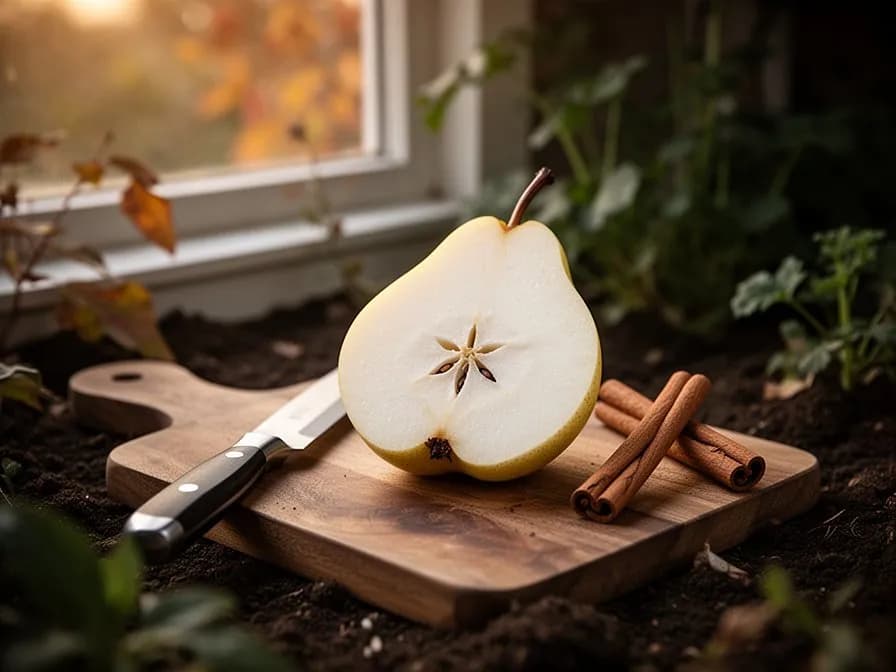
Comice-Birnen sollten geerntet werden, wenn sie reif aber noch fest sind, typischerweise Mitte bis Ende Oktober. Prüfen Sie die Erntereife, indem Sie sanft am Stielende drücken; die Frucht sollte sich mit leichtem Aufwärtskippen vom Fruchtsporn lösen. Die Schale kann eine gelbe Tönung oder leichte Erweichung nahe dem Stiel entwickeln, wenn sie bereit ist. Nach der Ernte benötigen Comice-Birnen zwei bis vier Wochen Kühllagerung bei -1 bis 0 Grad Celsius, bevor sie bei Raumtemperatur fünf bis sieben Tage nachreifen. Behandeln Sie sie mit äußerster Sorgfalt, da die empfindliche Schale leicht Druckstellen bekommt.
angenommen, du pflanzt zu Beginn des Zeitraums — trage dein tatsächliches Datum ein
Ernte Comice-Birne zügig, dann trägt die Pflanze weiter.
Lagerung & Konservierung
Comice-Birnen lagern zwei bis drei Monate bei -1 bis 0 Grad Celsius und 90 Prozent Luftfeuchtigkeit. Sie sind aufgrund ihrer außergewöhnlich butterweichen Textur hauptsächlich eine Frischverzehr-Birne. Zur Konservierung eignet sich Birnenmus oder das Einmachen in leichtem Sirup. Comice-Birnen sind im reifen Zustand zu weich zum Trocknen, können aber in Siruppackung eingefroren werden, um sie später in Smoothies und Desserts zu verwenden. Ihr exquisiter Geschmack wird am besten frisch geschätzt, kombiniert mit feinem Käse und Wein.
Was schiefgeht — und die Lösung
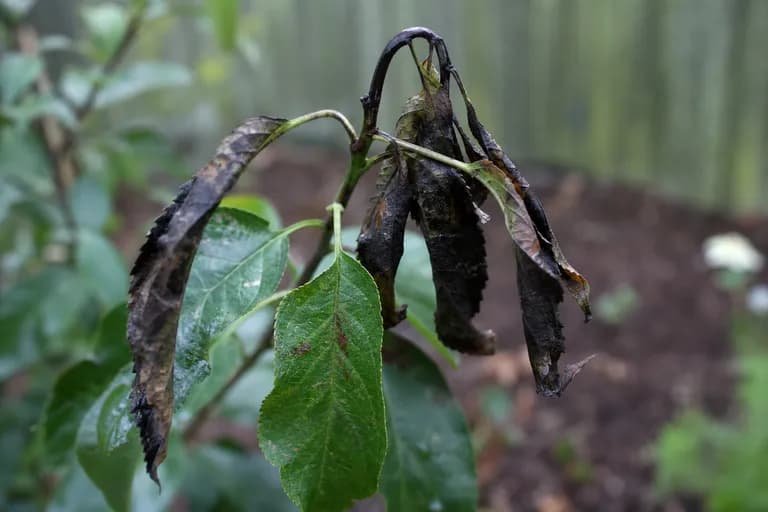
Feuerbrand
KrankheitBlütenbüschel werden braun und sterben ab; Triebspitzen schwärzen sich und krümmen sich; Rindenkrebs sondert bernsteinfarbenen bakteriellen Schleim ab.
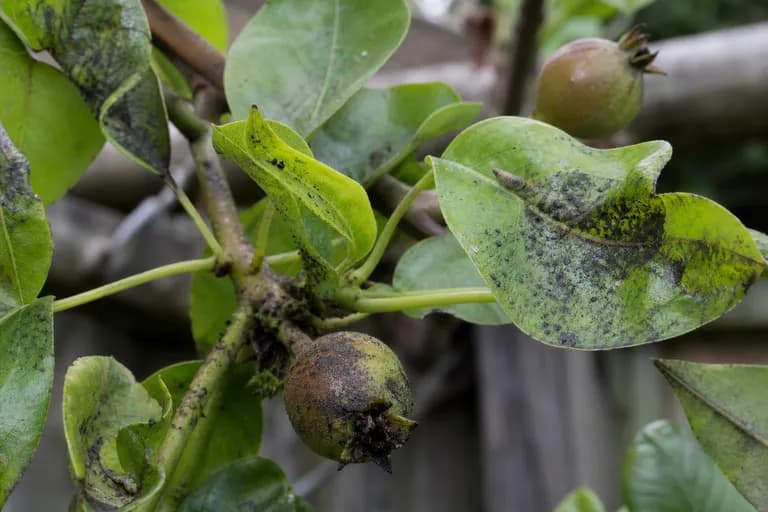
Birnenblattsauger
SchädlingHonigtauablagerungen verursachen Rußtau auf Blättern und Früchten; Blattkräuselung und Vergilbung; reduzierte Fruchtgröße und -qualität.
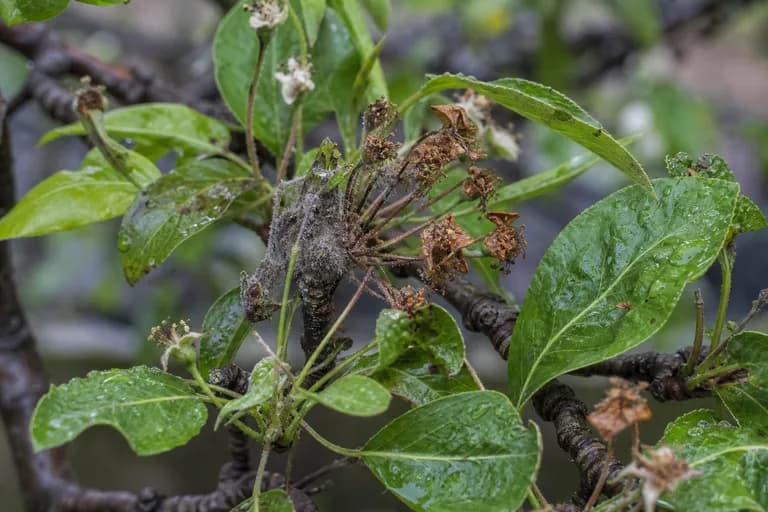
Botrytis-Blütenfäule
KrankheitBlüten werden braun und entwickeln einen pelzigen grauen Schimmel; befallene Blüten setzen keine Früchte an; die Krankheit breitet sich bei kühlen, feuchten Bedingungen aus.
Fehlerbehebung bei häufigen Problemen
Comice-Birnen sind im Vergleich zu anderen Birnensorten bekanntermaßen schwieriger anzubauen. Die Bäume sind weniger produktiv, beginnen später zu tragen und sind anfälliger für Feuerbrand als widerstandsfähigere Sorten. Der Fruchtansatz kann durch das enge Blühfenster und die Empfindlichkeit gegenüber schlechtem Wetter während der Bestäubung unbeständig sein. Die empfindliche Schale bekommt bei Ernte und Handhabung extrem leicht Druckstellen und erfordert sehr vorsichtigen Umgang. Comice auf bestimmten Unterlagen kann Veredelungsunverträglichkeit entwickeln, wählen Sie daher bewährte Kombinationen wie die OHxF-Serie.
Anbautipps
- Comice-Birne ist selbststeril und wird ohne eine kompatible Bestäubersorte innerhalb von 15 Metern keine Früchte ansetzen. Pflanzen Sie mindestens eine Bosc-, Anjou- oder Conference-Birne in der Nähe und stellen Sie sicher, dass beide zur gleichen Zeit blühen.
- Wählen Sie einen Pflanzstandort mit ausgezeichnetem Kaltluftabfluss, um das Frostrisiko während der Blüte zu reduzieren. Frostmulden, die durch tiefliegendes Gelände oder Mauern entstehen, die Kaltluft stauen, können die gesamte Ernte bei einem einzigen Spätfrostereignis vernichten.
- Comice ist besonders anfällig für Feuerbrand, eine bakterielle Krankheit, die bei warmen, feuchten Frühjahrsbedingungen schnell Triebe und sogar ganze Äste abtöten kann. Verwenden Sie kupferbasierte Präventivspritzungen zur Blüte und schneiden Sie alle befallenen Triebe sofort heraus, wobei die Schnitte mit einer 10-prozentigen Bleichlösung sterilisiert werden.
- Ernten Sie Comice-Birnen, bevor sie am Baum reif sind. Der richtige Erntezeitpunkt ist, wenn sich die Frucht mit einer sanften Aufwärtsdrehung sauber vom Sporn löst und das Fruchtfleisch nahe dem Stiel bei festem Daumendruck sehr leicht nachgibt. Früchte, die am Baum gelassen werden, bis sie reif aussehen, ergeben mehliges, unangenehmes Fruchtfleisch.
- Nach dem Pflücken benötigen Comice-Birnen eine Kühllagerphase von mindestens zwei bis vier Wochen bei 0 bis 1 °C, bevor sie bei Raumtemperatur gut nachreifen. Birnen, die sofort ohne Kühlung bei Raumtemperatur gereift werden, entwickeln oft nicht ihre volle buttrige Textur und ihr volles Aroma.
- Spaliererziehung an einer südseitigen Wand in kühleren Klimazonen konzentriert Wärme und Licht auf die Frucht und verbessert die Aromaentwicklung und Zuckereinlagerung dramatisch in Regionen, die sonst für diese Sorte grenzwertig wären.
- Das Ausdünnen ist bei Comice keine Option — es ist unerlässlich. Ohne aggressives Ausdünnen auf eine einzelne Frucht pro Sporn wird der Baum kleine, geschmacksarme Früchte produzieren und oft alternierend tragen, mit einer großen Ernte in einem Jahr und fast nichts im nächsten.
- Der Birnenblattsauger ist einer der schädlichsten Schädlinge der Comice und kann erhebliche Rußtaubildung und Fruchtberostung verursachen. Beobachten Sie im Frühjahr Honigtauablagerungen auf Blättern und wenden Sie Paraffinöl oder Kaliseife an, bevor die Populationen zunehmen.
- Comice auf Quittenunterlage ist frühertragender und kompakter als auf Birnensämling-Unterlage und beginnt nach 3 bis 4 Jahren zu tragen gegenüber 6 bis 8, ist aber empfindlicher gegenüber nassen Böden und kalkbedingter Chlorose. Verbessern Sie schwere Tonböden vor der Pflanzung und stellen Sie eine ausgezeichnete Drainage sicher.
- Das Mulchen mit einer 10 cm dicken Schicht aus Holzhackschnitzeln oder Stroh rund um die Baumbasis, deutlich vom Stamm entfernt gehalten, bewahrt Bodenfeuchtigkeit, reguliert die Bodentemperatur und reduziert die Konkurrenz durch Gras und Unkraut — all das verbessert direkt Fruchtgröße und -qualität.
Bau deine beste Comice-Birne an — und alles drumherum.
Starte heute kostenlos. Lege deine Beete an, setze deine Comice-Birne ein und lass PlotMyGarden Timing, Abstände, Begleiter und Erinnerungen von der Saat bis zum Erntekorb übernehmen.
Finde deine Comice-Birne
Doyenné du Comice
Die ursprüngliche französische Sorte mit außergewöhnlich buttriger Textur und komplexem süßem Geschmack; der Maßstab, an dem Dessertbirnen gemessen werden.
Red Comice
Eine rotbackige Mutation mit der gleichen hervorragenden Essqualität und etwas attraktiverem Aussehen zum Verschenken.
Comice auf Quitte C
Eine schwach wachsende Unterlage-Kombination, die einen kompakten 2,5 bis 3 Meter hohen Baum ergibt, ideal für kleine Gärten; benötigt eine Zwischenveredelung.
Comice auf OHxF 333
Eine halbstarke Kombination mit guter Feuerbrandresistenz in der Unterlage und verbesserter Frühertragsfähigkeit.
Ein ausgewachsener Comice-Birnbaum im Hausgarten kann 40 bis 100 kg Obst pro Jahr produzieren, was einem Haushalt jährlich potenziell mehrere hundert Euro im Vergleich zum Kauf von Premium-Comice-Birnen im Einzelhandel einsparen kann, wo sie typischerweise für 4 bis 8 € pro Kilogramm oder mehr verkauft werden. Geschenkqualitäts-Comice-Birnen, die über Spezial-Versandunternehmen verkauft werden, kosten oft 50 bis 80 € pro Kiste, was bedeutet, dass selbst eine bescheidene Ernte einen erheblichen Wert für den Hobbygärtner darstellt.
Schnelle Rezepte
Comice-Birnen-Gorgonzola-Crostini
15 Min.Eine elegante Vorspeise, die die klassische Kombination von süßer Comice-Birne mit cremigem, würzigem Gorgonzola auf geröstetem Sauerteigbrot feiert. Verfeinert mit einem Schuss Honig und gerösteten Walnüssen lässt diese einfache Zubereitung den buttrigen Geschmack der Birne in den Mittelpunkt rücken.
7 ZutatenIn Rotwein pochierte Comice-Birnen
45 Min.Ganze Comice-Birnen, sanft in gewürztem Rotwein pochiert, bis sie zart und tiefrot gefärbt sind, serviert mit einem reduzierten Sirup. Diese klassische französische Zubereitung unterstreicht die Fähigkeit der Sorte, ihre Form zu behalten und dabei komplexe aromatische Aromen aufzunehmen.
8 ZutatenComice-Birnen-Mandel-Tarte
30 Min. Vorbereitung, 40 Min. BackenEine klassische französisch inspirierte Frangipane-Tarte, gefüllt mit reichhaltiger Mandelcreme und belegt mit Comice-Birnenscheiben. Die buttrige Süße der Birne verschmilzt perfekt mit der nussigen, duftenden Füllung zu einem beeindruckenden Dessert, das einfacher herzustellen ist, als es aussieht.
9 ZutatenKulinarische Verwendung
Comice-Birnen gelten als die ultimative Dessertbirne, am besten frisch auf dem Höhepunkt der Reife genossen, wenn das Fruchtfleisch unglaublich glatt und buttrig ist. Sie sind die klassische Kombination mit Blauschimmelkäse, Brie oder gereiftem Gouda auf Käseplatten. Servieren Sie sie in Scheiben mit Prosciutto und beträufelt mit Honig für eine elegante Vorspeise. Comice-Birnen ergeben luxuriöse Birnen-Tartes und sind hervorragend in frischen Obstsalaten, wo ihre auf der Zunge zergehende Textur voll zur Geltung kommt.
Was drinsteckt
Gesundheitsvorteile
- Der hohe Gehalt an löslichen Ballaststoffen in Comice-Birnen, hauptsächlich Pektin, hilft, das LDL-Cholesterin zu senken, indem Gallensäuren im Verdauungstrakt gebunden und deren Ausscheidung gefördert wird.
- Comice-Birnen liefern eine bedeutende Dosis antioxidativer Flavonoide und Hydroxyzimtsäuren, die helfen, freie Radikale zu neutralisieren und den mit chronischen Krankheiten verbundenen oxidativen Stress zu reduzieren.
- Der natürliche Gehalt an präbiotischen Ballaststoffen und Sorbitol unterstützt ein gesundes und vielfältiges Darmmikrobiom und trägt zu verbesserter Immunfunktion und reduzierter Entzündung bei.
- Mit einem moderaten glykämischen Index und hohem Wassergehalt fördern Comice-Birnen das Sättigungsgefühl, ohne starke Blutzuckerspitzen zu verursachen, was sie zu einem klugen Snack für das Blutzuckermanagement macht.
- Das Vitamin C und Kupfer in Comice-Birnen unterstützen beide die Kollagensynthese und tragen zu gesunder Haut, Knorpel und Wundheilung bei.
- Der regelmäßige Verzehr von Birnen wurde in epidemiologischen Studien mit einem reduzierten Risiko für Typ-2-Diabetes in Verbindung gebracht, wahrscheinlich aufgrund der kombinierten Wirkung von Ballaststoffen, Antioxidantien und entzündungshemmenden Phytonährstoffen.
Woher Comice-Birne stammt
Die Comice-Birne, formell als Doyenné du Comice bekannt, ist eine französische Sorte mit Wurzeln in der Gartenbaukultur des Loire-Tals Mitte des neunzehnten Jahrhunderts. Sie wurde als Sämling am Comice Horticole de Maine-et-Loire in Angers, Frankreich, gezogen und erstmals um 1849 beschrieben und verbreitet. Der Comice Horticole war eine landwirtschaftliche Gesellschaft, die sich der Verbesserung des regionalen Gartenbaus widmete, und die Birne, die seinen Namen trug, wurde schnell zu einer der gefeiertsten Früchte jener Ära der systematischen pomologischen Erforschung. Innerhalb von Jahrzehnten nach ihrer Einführung wurde sie von Anbauern in ganz Westeuropa übernommen und galt als Referenzsorte für Dessertqualität.
Die Sorte gelangte Ende des neunzehnten Jahrhunderts in den pazifischen Nordwesten der Vereinigten Staaten, wo sie in den vulkanischen Böden und dem kontinentalen Klima des Rogue River Valley in Süd-Oregon eine außergewöhnliche Entsprechung fand. Die warmen, sonnigen Tage und kühlen Nächte der Region während der Fruchtentwicklungsphase erwiesen sich als ideal für die Konzentration der Zucker und aromatischen Verbindungen, die den Comice-Charakter ausmachen. Im frühen zwanzigsten Jahrhundert produzierten Anbauer in Oregon Comice-Birnen von außergewöhnlicher Qualität, und in den 1930er Jahren begann das Obstunternehmen Harry and David, Geschenkboxen dieser Birnen landesweit unter dem markenrechtlich geschützten Namen Royal Riviera Pears zu versenden, was die Comice von einer regionalen Spezialität zu einem Luxus-Lebensmittel verwandelte, das in ganz Nordamerika bekannt war.
In Frankreich blieb die Sorte ein fester Bestandteil der feinen Fruchtkultur und war im gesamten zwanzigsten Jahrhundert häufig in hochwertigen Patisserien und Käseläden zu finden, wo sie mit Roquefort, Brie und anderen handwerklich hergestellten Käsesorten kombiniert wurde. Auch die Briten übernahmen die Comice begeistert, und sie bleibt bis heute eine der beliebtesten Gartenbirnensorten im Vereinigten Königreich.
Das moderne Interesse an alten und historischen Obstsorten hat die Wertschätzung für die Comice erneuert. Obwohl sie über 170 Jahre alt ist, hat kein Hybrid- oder modernes Zuchtprogramm eine Dessertbirne hervorgebracht, die sie in Geschmack und Textur konsequent übertrifft. Sie bleibt der Maßstab, an dem andere Birnensorten von Pomologen und Lebensmittelfachleuten gemessen werden.
Comice-Birne: Schon gewusst?
Faszinierende Fakten über Comice-Birne
Die Comice-Birne entstand um 1849 in Angers, Frankreich, am Comice Horticole, einer Gartenbaugesellschaft, deren Namen die Sorte bis heute trägt.
Comice-Birne: Fragen & Antworten
Wann sollte ich Comice-Birne pflanzen?
Was sind gute Begleitpflanzen für Comice-Birne?
In welchen Winterhärtezonen kann Comice-Birne wachsen?
Wie viel Sonne braucht Comice-Birne?
Welchen Abstand sollte ich zwischen Comice-Birne lassen?
Welche Schädlinge und Krankheiten befallen Comice-Birne?
Wie lagere ich Comice-Birne nach der Ernte?
Was sind die besten Comice-Birne-Sorten zum Anbauen?
Welchen Boden braucht Comice-Birne?
Warum sind meine Comice-Birnen mehlig und fade, obwohl sie reif aussehen?
Mein Comice-Birnbaum blüht jedes Jahr, setzt aber nie Früchte an. Was ist falsch?
Wie erkenne ich am besten, wann Comice-Birnen erntereif sind?
Wie lange dauert es, bis ein Comice-Birnbaum Früchte trägt?
Kann ich Comice-Birne in einem kleinen Garten oder in einem Kübel anbauen?
Warum trägt mein Comice-Baum in einem Jahr eine große Ernte und im nächsten fast keine Früchte?
Du hast die Theorie gelesen. Jetzt baue sie auf Autopilot an.
Alles, was Comice-Birne knifflig macht — das Timing, die Abstände, die Begleiter, das Erntefenster — genau das übernimmt PlotMyGarden für dich, für jede Pflanze im Garten.
Ein Plan, der dein Wetter kennt
Standort einmal festlegen. Aussaat-, Dünge- und Erntedaten rund um deinen echten letzten Frosttermin und die Live-Vorhersage — kein Raten mehr nach Saattüte.
Aus dem Abschnitt „Pflanzzeit“Beetplaner per Drag & Drop
Beete auf einem Raster gestalten. Jede Pflanze rastet im richtigen Abstand ein, und du siehst die ganze Saison, bevor du einen Cent für Saatgut ausgibst.
Aus dem Abschnitt „Anbau“Begleiter-Konflikte früh erkannt
Über 200 gute und schlechte Kombinationen werden beim Pflanzen live geprüft — so landet ein saisonruinierender Fehler nie in der Erde.
Aus dem Abschnitt „Begleiter“Erinnerungen, nach denen du wirklich handelst
„Gieß die Bohnen.“ „Heute ernten, bevor's umschlägt.“ Pünktlich, konkret und auf deine echten Pflanzen bezogen.
Aus dem Abschnitt „Ernte“Staffel-Aussaat, geplant
Sechs Wochen ernten statt sechs Tage? Die App verteilt deine Aussaaten automatisch und erinnert dich, wenn der nächste Satz fällig ist.
Aus dem Abschnitt „Pflanzzeit“Ein Verlauf, der schlauer wird
Jede protokollierte Ernte bringt der App deinen Garten bei. Der Plan fürs nächste Jahr startet bei dem, was in deinem Boden wirklich funktioniert hat.
Aus dem Abschnitt „Überblick“Pflanze diese neben Comice-Birne
Weitere Kernobst
Halte Comice-Birne von diesen fern
Bau deine beste Comice-Birne an — und alles drumherum.
Starte heute kostenlos. Lege deine Beete an, setze deine Comice-Birne ein und lass PlotMyGarden Timing, Abstände, Begleiter und Erinnerungen von der Saat bis zum Erntekorb übernehmen.