Pera Bartlett
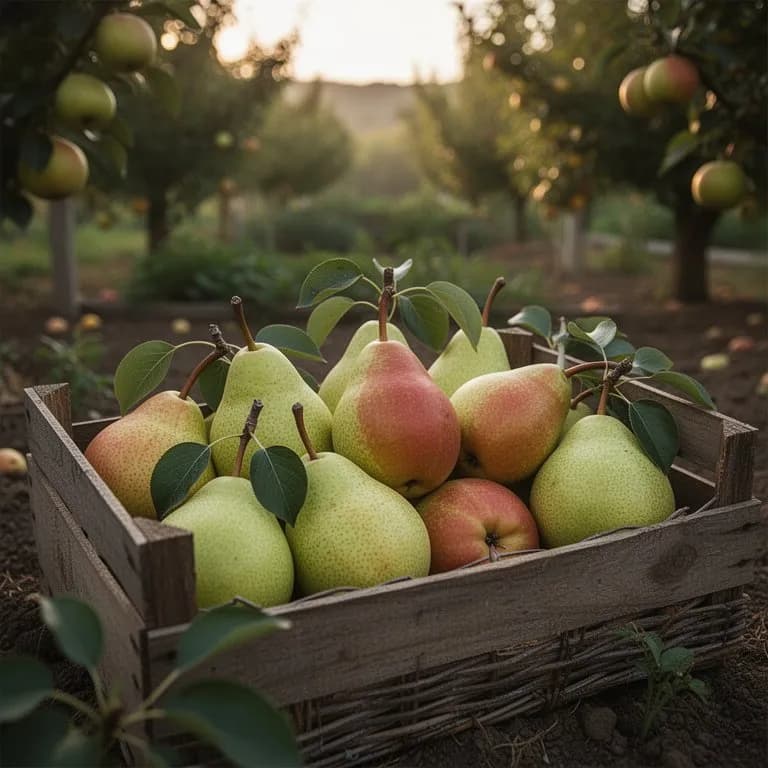
La variedad de pera más cultivada en Norteamérica, conocida por su forma clásica de pera, su textura suave y su sabor dulce y almizclado.





En esta páginaResumen
Conoce Pera Bartlett
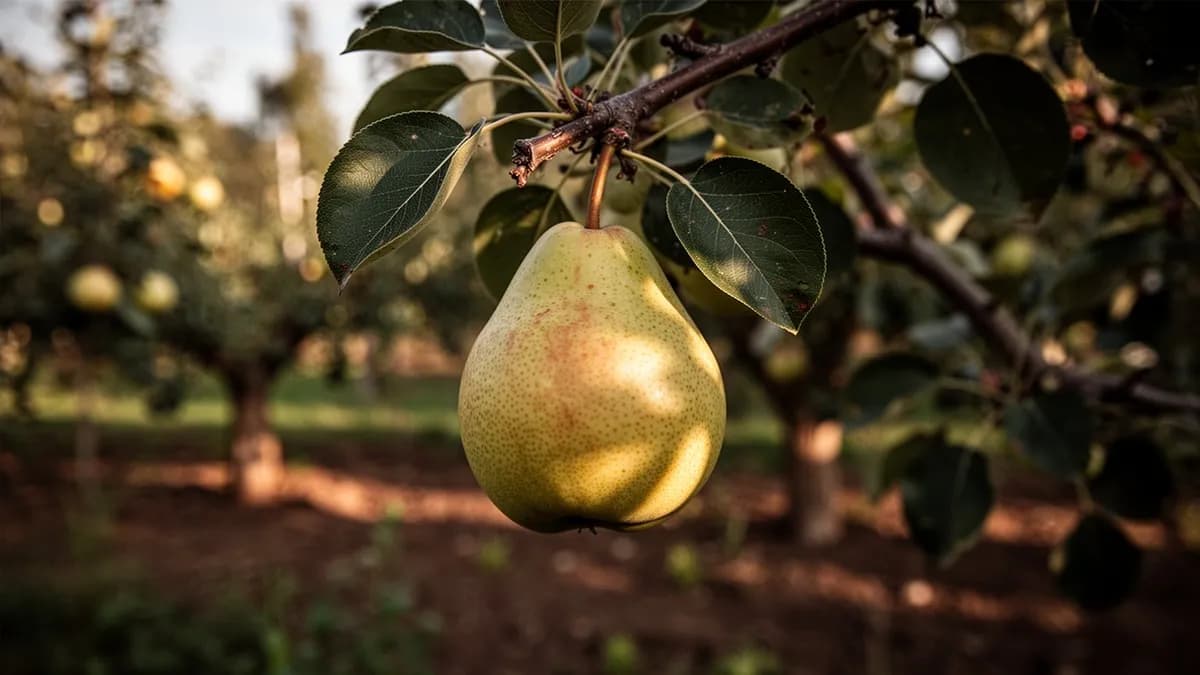
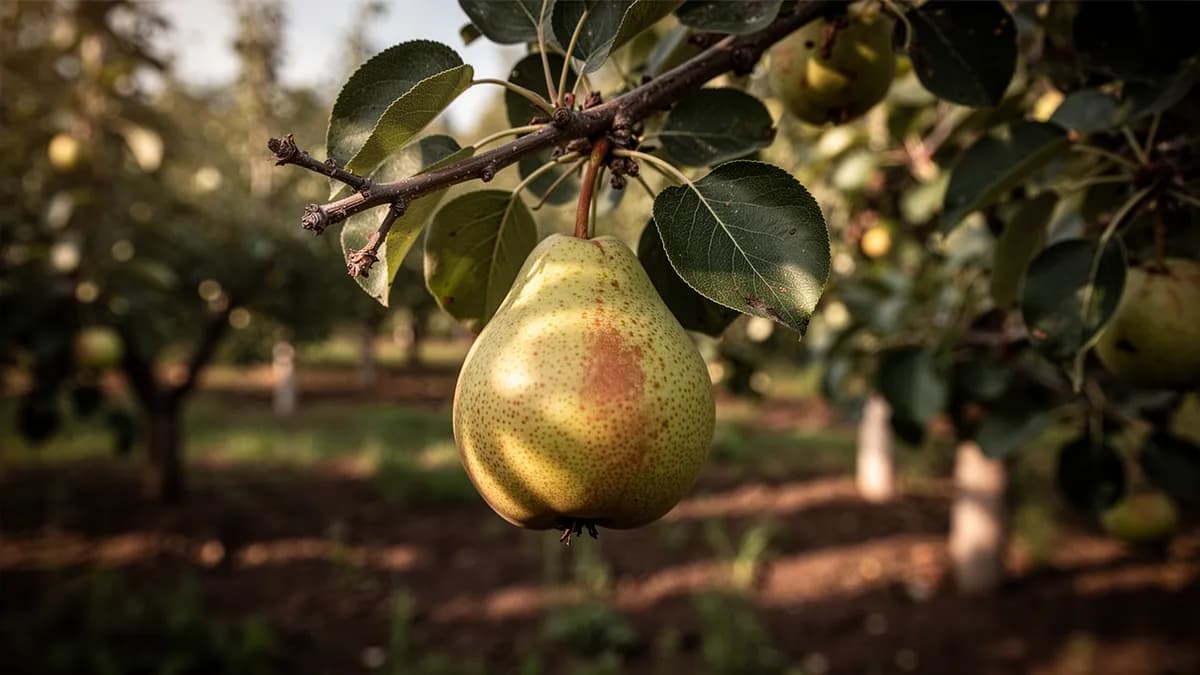
La variedad de pera más cultivada en Norteamérica, conocida por su forma clásica de pera, su textura suave y su sabor dulce y almizclado. Las peras Bartlett pasan de verde a amarillo dorado al madurar y son la variedad estándar para conserva. Recoja los frutos cuando aún estén firmes y deje que maduren a temperatura ambiente para obtener la mejor textura, suave y mantequillosa.
Cuándo plantar Pera Bartlett
Las semillas de pera Bartlett pueden cultivarse, pero no producirán árboles fieles al tipo. Extraiga las semillas de frutos maduros, límpielas a fondo y estratifíquelas en turba húmeda a entre 0 y 4 °C durante 60 a 90 días. Siembre a 1.5 cm de profundidad en sustrato de germinación bajo luz intensa. La germinación tarda de dos a cuatro semanas a 18–24 °C. Las plántulas de pera crecen despacio durante el primer año y se usan con frecuencia como portainjerto. Los árboles nacidos de semilla pueden tardar entre ocho y doce años en dar su primera fruta.
Tu año de Pera Bartlett
Ajustado a Zona 7 · temporada típica · la helada se va hacia el 2 abr y vuelve hacia el 1 nov
Planta Pera Bartlett Mar – Abr y cosecha Ago – Sep. Consulta los métodos de plantación y elige tu clima para adaptar los periodos.
Cómo cultivar Pera Bartlett
Plante perales Bartlett a comienzos de la primavera, a pleno sol y en un suelo profundo y bien drenado. Los Bartlett son árboles vigorosos y de porte erguido que se benefician de una formación en centro abierto o eje central modificado. Separe los árboles estándar entre 6 y 7.5 metros, o los enanizados sobre portainjerto de membrillero entre 3.5 y 4.5 metros. Los árboles se establecen rápido y pueden empezar a fructificar en tres o cuatro años.
Bartlett necesita un polinizador, ya que no es autofértil. Los polinizadores excelentes incluyen Bosc, Anjou y Comice, pero evite combinarlo con Seckel, ya que son cruzadamente incompatibles. Bartlett florece a mitad de temporada con una producción floral abundante y fiable. Aclare los frutitos a uno o dos por racimo cuando alcancen el tamaño de una canica para mejorar el tamaño del fruto y evitar que las ramas se rompan por una cosecha excesiva.
Los perales suelen requerir menos mantenimiento que los manzanos, pero son muy susceptibles al fuego bacteriano, que es la principal preocupación de manejo. Evite el exceso de nitrógeno, que favorece el crecimiento tierno al que apuntan las bacterias del fuego bacteriano. Riegue de forma constante, aportando entre 2.5 y 5 cm de agua por semana durante la temporada de crecimiento. Pode en invierno para mantener la estructura y la circulación del aire. Los Bartlett pueden vivir y producir durante más de 100 años con los cuidados adecuados.
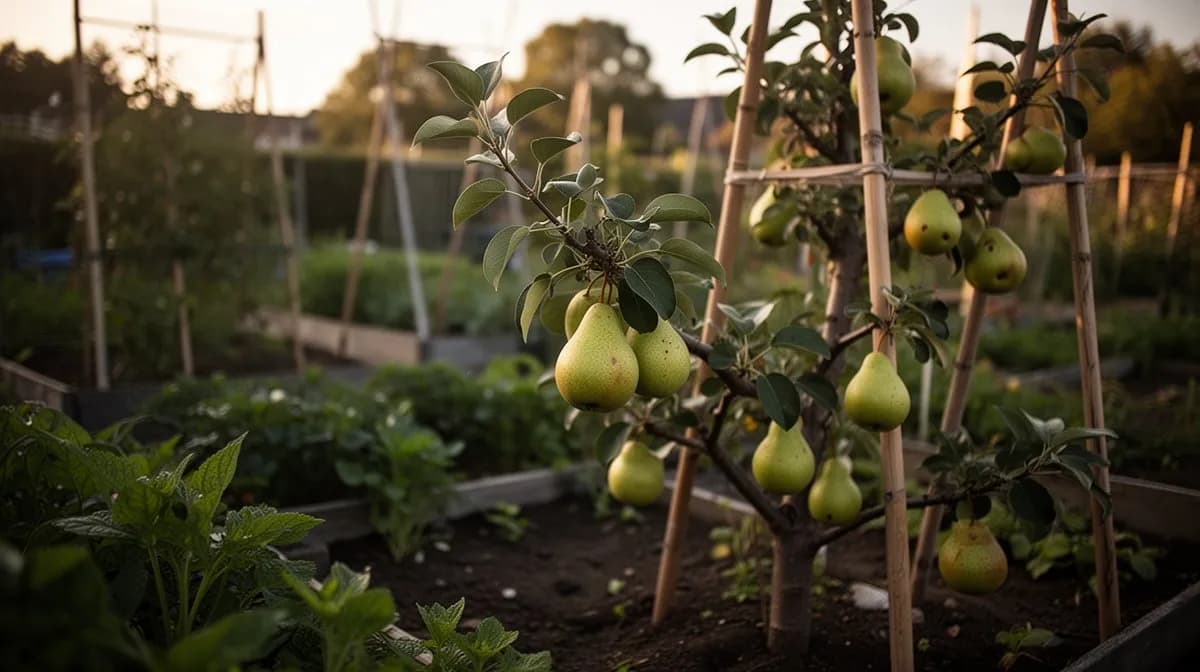
Para Pera Bartlett un bancal de 120 × 240 cm se queda corto
Cada Pera Bartlett pide 300 cm de margen. El planificador guarda ese marco por ti — cada planta, cada bancal.
Los mejores vecinos de Pera Bartlett
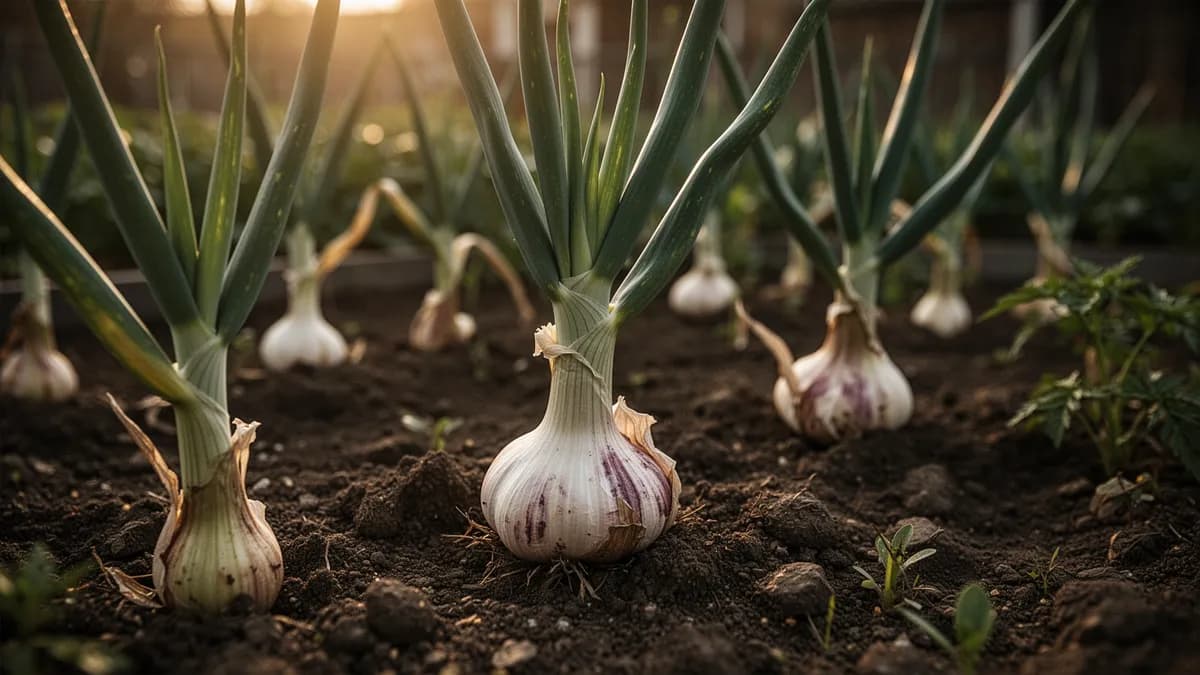
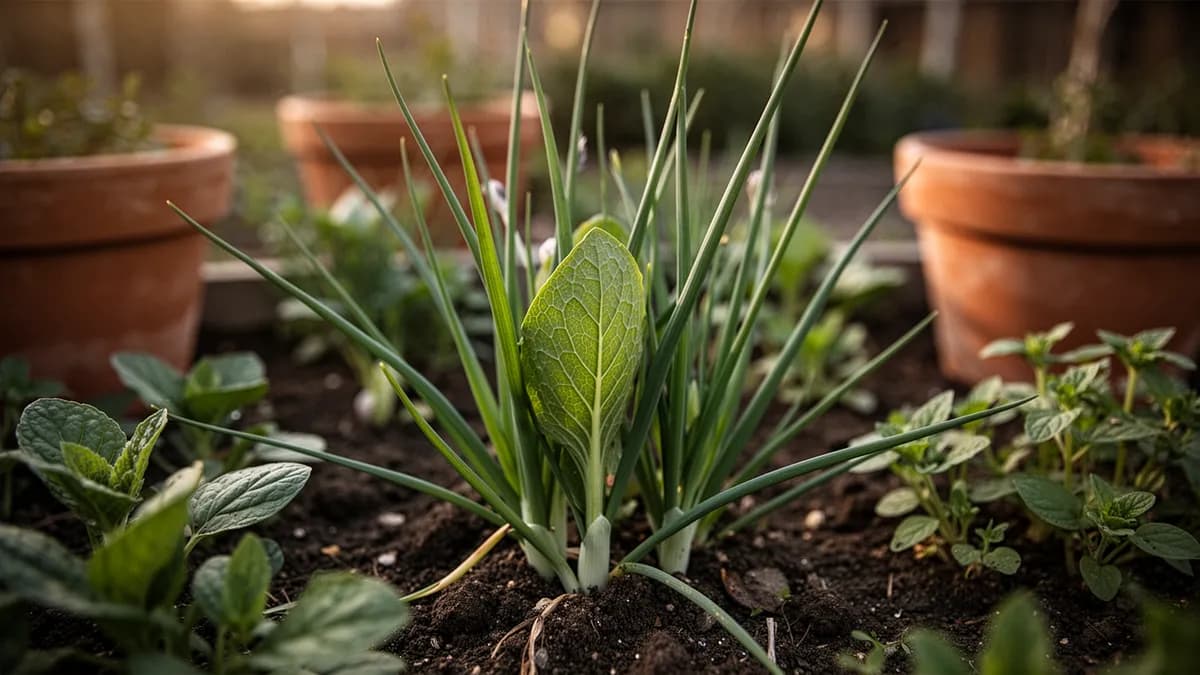
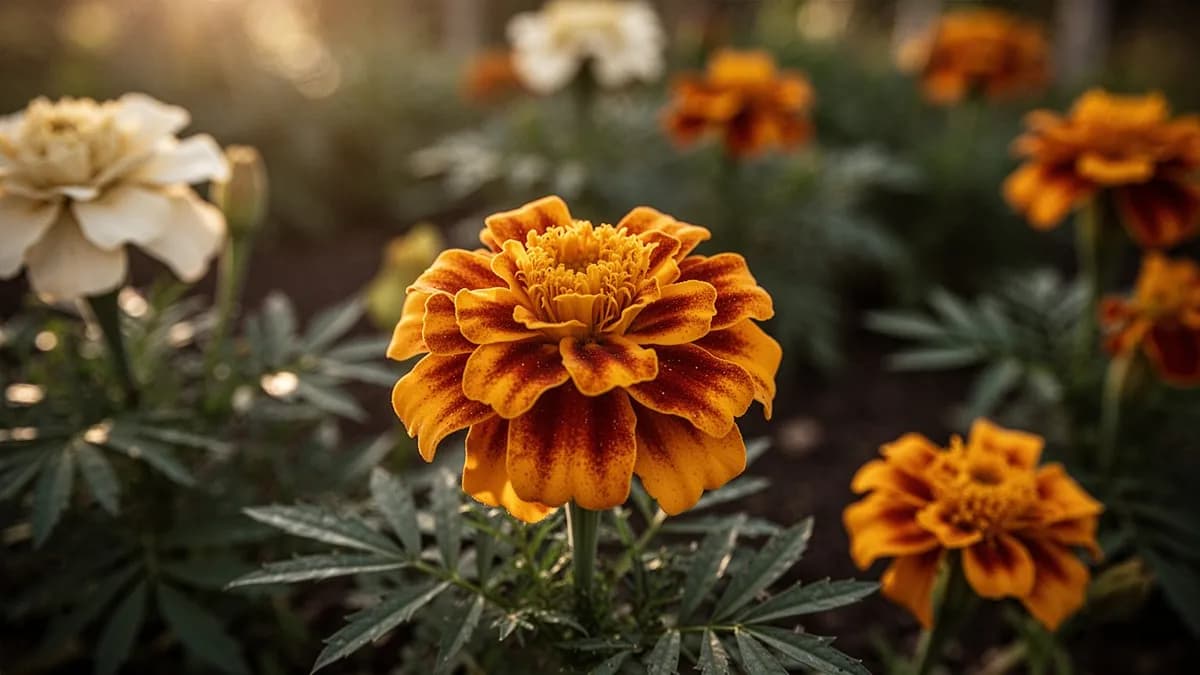
Plante ajo y cebollino alrededor de los perales Bartlett para ayudar a disuadir a la psila del peral y a los barrenadores. Las caléndulas atraen insectos beneficiosos y repelen nematodos. El trébol blanco plantado entre las filas fija nitrógeno y favorece a las poblaciones de polinizadores. Evite plantar cerca de especies de enebro que puedan albergar roya del peral. La consuelda es un excelente acumulador dinámico para acolchado bajo los perales, ya que extrae potasio y calcio de las capas profundas del suelo.
Ajo va a su lado. Nogal no.
Saber de huerto de siempre, cotejado con la tabla real de Pera Bartlett — prueba cualquier planta que cultives.
Prueba Pera Bartlett en un bancal, aquí mismo
Un bancal real del planificador con Pera Bartlett ya plantado. Toca una planta compañera para colocarla y mira cómo responde la comprobación de vecinos: verde para buenos vecinos, rojo si hay conflicto.


Guías de cultivo relacionadas
Abónalo bien
Las peras Bartlett crecen mejor en un suelo franco profundo y bien drenado con un pH de 6.0 a 7.0. Toleran peor la arcilla pesada que los manzanos y requieren un buen drenaje para prevenir enfermedades radiculares. Aplique en primavera una cantidad moderada de fertilizante equilibrado, pero mantenga el nitrógeno en niveles conservadores para minimizar el riesgo de fuego bacteriano. Un vigor excesivo hace que los árboles sean más susceptibles a enfermedades bacterianas. Acolche con compost para mantener la humedad y la fertilidad del suelo.
Temperatura ideal
Compatibilidad de zonas de rusticidad
De la semilla a la cosecha, etapa por etapa
Dormancia invernal y acumulación de frío
El peral Bartlett permanece sin hojas y en plena dormancia durante el invierno. En este periodo acumula horas de frío, temperaturas constantes entre 0 °C y 7 °C, para satisfacer su requisito biológico antes de reanudar el crecimiento y florecer de forma fiable. Bartlett necesita aproximadamente 800 a 1.000 horas de frío, lo que la hace muy adecuada para regiones templadas con inviernos fríos bien definidos. Las raíces siguen metabólicamente activas durante los periodos suaves, almacenando carbohidratos y absorbiendo humedad del suelo para prepararse para la temporada siguiente.
Hinchazón de yemas y floración
Cuando se satisfacen las horas de frío acumuladas y las temperaturas del suelo empiezan a subir, las yemas apretadas de Bartlett se hinchan y abren en racimos de flores blancas puras de cinco pétalos con un dulce perfume ligeramente almizclado. La ventana de floración dura unos siete a diez días y es muy vulnerable a las heladas tardías de primavera: los daños en las flores abiertas por debajo de -2 °C pueden eliminar toda la cosecha de la temporada. Bartlett es parcialmente autofértil, pero cuaja cosechas mucho más abundantes y fiables cuando se planta cerca un polinizador compatible como Bosc, Anjou o Comice.
Cuajado y caída de junio
Las flores polinizadas se desarrollan rápidamente en pequeños frutos verdes. Aproximadamente entre cuatro y seis semanas después de la caída de pétalos, el árbol suelta de forma natural una proporción de frutitos, la llamada caída de junio, como mecanismo de autorregulación para equilibrar la carga de cosecha con los recursos disponibles. Esto es normal y esperado. Los frutitos que quedan tras la caída natural aún deben aclararse manualmente para que la energía del árbol se concentre en menos frutos, más grandes y de mayor calidad, y para evitar el agotamiento que provoca la producción alternante.
Desarrollo rápido del fruto
Los frutitos que quedan entran en una fase de rápida expansión celular durante el inicio y la mitad del verano, acumulando azúcares, ácidos orgánicos y almidones a medida que crecen. La silueta característica en forma de pera se vuelve pronunciada. La piel permanece verde, mientras el contenido de azúcar y los niveles internos de almidón cambian conforme se acerca la cosecha. La humedad y la nutrición constantes durante esta fase son críticas: el estrés hídrico causa agrietamiento y pardeamiento interno, mientras que el riego irregular produce frutos deformes.
Madurez previa a la cosecha
A medida que se acerca la cosecha, las peras Bartlett pasan internamente de almidonadas a azucaradas, y el color de la piel cambia de verde césped a un suave verde amarillento. La pulpa cercana al tallo se ablanda ligeramente, aunque el fruto aún puede sentirse firme por fuera. Bartlett es una variedad de temporada temprana, normalmente lista para cosechar desde finales de julio hasta agosto en la mayoría de las regiones templadas del hemisferio norte, una de las primeras peras en madurar cada temporada. Dejarla demasiado tiempo en el árbol hace que el corazón se degrade antes de que la piel muestre signos externos de sobremaduración.
Cosecha
Las peras Bartlett se cosechan maduras pero firmes y luego se dejan madurar fuera del árbol a temperatura ambiente durante tres a cinco días. La fruta recién cosechada y almacenada de inmediato a 0 °C se conservará entre seis y ocho semanas antes de sacarla para que madure. El característico aroma dulce y almizclado de Bartlett se intensifica enormemente cuando el fruto alcanza su punto de madurez suave y mantequillosa. Una Bartlett madura cede perceptiblemente a una presión suave cerca del extremo del tallo y desprende un perfume intensamente dulce en el cáliz.
Poscosecha y regreso a la dormancia
Una vez finalizada la cosecha, el árbol redirige los carbohidratos almacenados a las reservas de las raíces y a la formación de las yemas frutales de la temporada siguiente, que ya se están diferenciando en las axilas del crecimiento de brotes de este año. Las hojas empiezan a amarillear y caer a medida que bajan las temperaturas y se acorta la duración del día en otoño. Esta fase es crítica para la productividad del año siguiente: una nutrición y una humedad adecuadas en este punto influyen directamente en la calidad del desarrollo de las yemas florales que ocurre invisiblemente bajo la corteza.
Realice la poda en dormancia en un día seco y sin heladas, entre mitad del invierno y comienzos de la primavera, antes de que las yemas empiecen a hincharse. Elimine las ramas muertas, enfermas, cruzadas y las que crecen hacia dentro. Aplique aceite hortícola en reposo para sofocar cochinillas invernantes, huevos de ácaros y esporas de hongos adheridas a la corteza. Inspeccione el tronco y las ramas principales en busca de chancros de fuego bacteriano y heridas de poda de la temporada anterior.
Cuidar Pera Bartlett mes a mes
Qué hacer cada mes para tu Pera Bartlett
Octubre
Mes actualRetire enseguida las hojas caídas y deséchelas lejos del árbol para reducir las esporas de sarna que pasarán el invierno. Aplique alrededor de la línea de goteo un fertilizante otoñal de uso general, más rico en potasio y fósforo y bajo en nitrógeno, para apoyar las reservas radiculares y el endurecimiento de las yemas frutales. Coloque protectores en los troncos de los árboles jóvenes para protegerlos de los conejos y roedores cuando otras fuentes de alimento empiecen a escasear en el paisaje.
Ten claro qué hacer en tu huerto, cada mes
Un correo al empezar cada mes: qué sembrar, plantar y hacer ahora mismo — para tu Pera Bartlett y todo lo que crece alrededor. Más un breve curso inicial para esquivar los errores clásicos.
- Qué hacer ahora mismo
- Ajustado a tu temporada
- Curso inicial incluido
Cosechar Pera Bartlett
Las peras Bartlett deben recogerse cuando están maduras pero aún firmes y verdes, y luego dejarse madurar fuera del árbol para obtener la mejor calidad. Coseche cuando el pedúnculo se separe limpiamente del espolón con un suave levantamiento. Si se dejan madurar en el árbol, la pulpa se vuelve arenosa y harinosa desde dentro hacia fuera. Después de recogerlas, refrigérelas durante dos o tres semanas para iniciar el proceso de maduración y luego llévelas a temperatura ambiente, donde se ablandarán y pasarán a amarillo dorado en cuatro a siete días.
se supone que plantas al comenzar el periodo — indica tu fecha real
Cosecha Pera Bartlett a tiempo y la planta sigue produciendo.
Almacenamiento y conservación
Las peras Bartlett se conservan entre uno y dos meses en el refrigerador a entre 0 y 2 °C. Son la pera por excelencia para conserva, ya que mantienen una textura excelente y un sabor dulce durante el proceso. También dan un puré de pera excepcional, rodajas deshidratadas y compota de pera. Para congelarlas, pélelas y córtelas en una solución de sirope de azúcar o ácido ascórbico antes de envasarlas.
Qué falla — y cómo solucionarlo
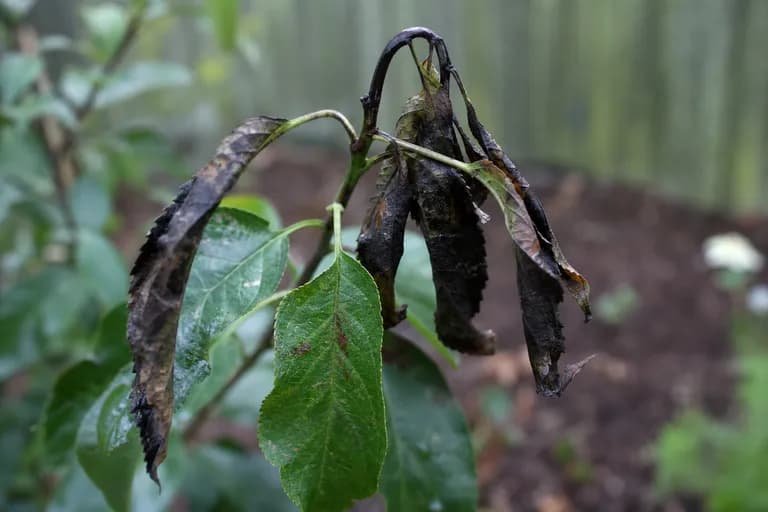
Fuego bacteriano
EnfermedadLas flores, los brotes y las ramas se vuelven negros y se marchitan como si estuvieran chamuscados; los chancros supuran una baba bacteriana en tiempo cálido y húmedo.
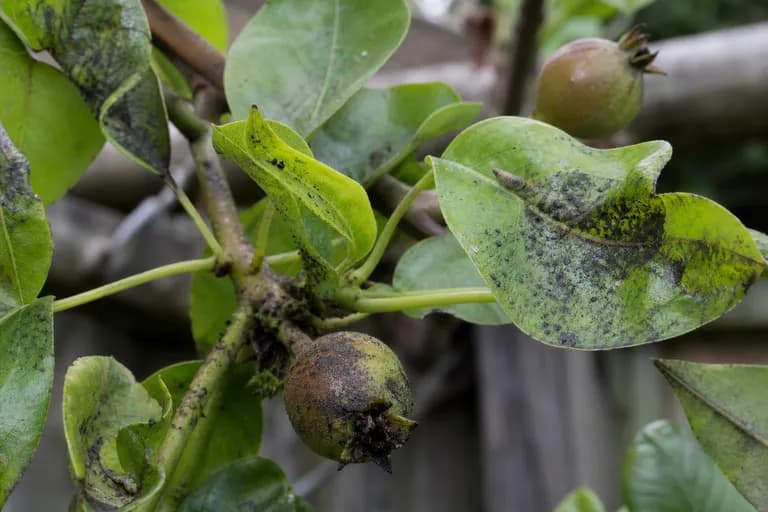
Psila del peral
PlagaGoteo de melaza desde las hojas, fumagina en frutos y follaje, y hojas amarillentas por la alimentación de las ninfas.
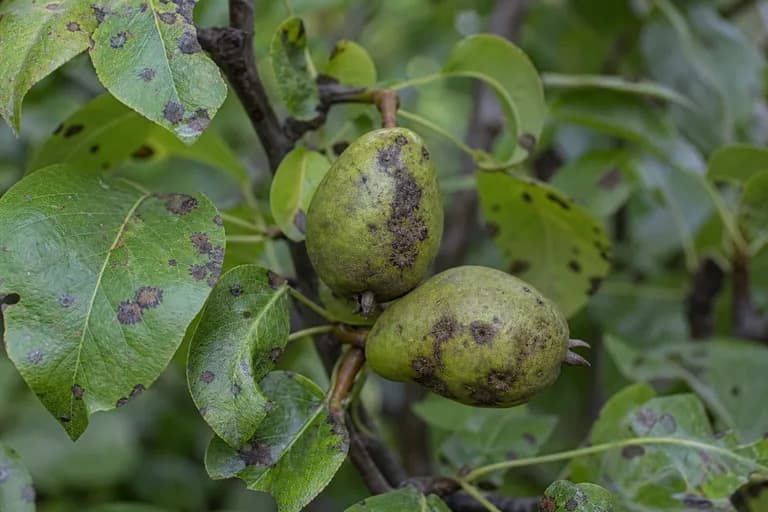
Sarna del peral
EnfermedadManchas oscuras y aterciopeladas en hojas y frutos, similares a la sarna del manzano; los frutos infectados desarrollan grietas y deformaciones.
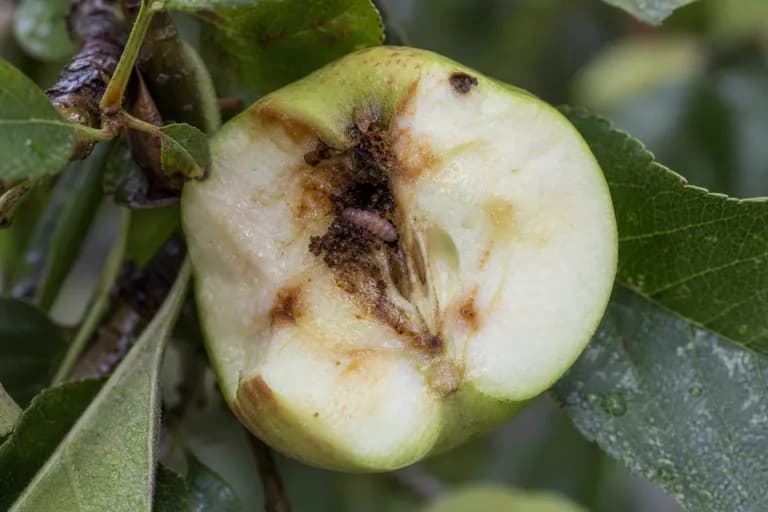
Polilla del manzano
PlagaOrificios de entrada en el fruto con galerías llenas de excrementos a través de la pulpa; las larvas se alimentan en la zona del corazón.
Solución de problemas comunes
El fuego bacteriano es la amenaza más seria para los perales Bartlett y puede matar ramas enteras o el árbol completo en brotes graves. La variedad es muy susceptible y requiere un manejo cuidadoso de la fertilización y la poda. La psila del peral es una plaga insectil persistente que provoca goteo de melaza y fumagina. El fruto que madura en el árbol desarrolla células pétreas y arenosas, por lo que el momento correcto de cosecha es crítico. Bartlett es incompatible con Seckel para la polinización cruzada.
Consejos de cultivo
- Plante Bosc en el lugar más cálido, resguardado y orientado al sur que tenga disponible: esta variedad necesita de verdad el calor del verano para desarrollar todo su contenido de azúcar y su característico color berostado canela. En climas más frescos o nubosos, se recomienda encarecidamente entrenarla contra una pared orientada al sur como espaldera o abanico, lo que puede marcar la diferencia entre una cosecha mediocre y una excepcional.
- Bosc no es fiablemente autofértil y funciona mucho mejor con un polinizador cruzado compatible plantado a menos de 50 metros. Los mejores acompañantes son Bartlett (Williams), Anjou (Beurré d'Anjou) y Comice, todos ellos con buen solapamiento respecto al periodo de floración de mitad de temporada de Bosc. Evite plantarla junto a Seckel, que en la mayoría de los datos de ensayo resulta incompatible como polinizador para Bosc.
- Las peras Bosc exigen un drenaje excelente. La variedad es relativamente susceptible a la pudrición de raíces por Phytophthora en suelos encharcados, lo que puede matar árboles en pocas temporadas. Si su suelo es pesado o drena despacio, plante sobre un pequeño montículo elevado, incorpore grava gruesa en profundidad en el hoyo de plantación y elija un portainjerto injertado sobre una base con cierta resistencia a las condiciones húmedas.
- Esta variedad es moderadamente susceptible al fuego bacteriano, así que las buenas prácticas culturales son esenciales. Evite fertilizantes muy nitrogenados que estimulen las puntas de brote exuberantes y de rápido crecimiento, las más vulnerables a la infección. Durante la floración, no use riego por aspersión que mantenga húmedos los pétalos. Si aparecen síntomas — el marchitamiento, pardeamiento y curvatura en cayado de las puntas infectadas — actúe de inmediato y corte la madera infectada 30 a 45 cm por debajo del margen visible, esterilizando las herramientas entre cada corte.
- Las Bosc cultivadas en climas continentales o semiáridos con veranos calurosos y secos e inviernos fríos producen frutos con un sabor mucho más intenso, mayor contenido de azúcar y una berostación más completa que las cultivadas en climas marítimos frescos y húmedos. Si cultiva en un clima más fresco, maximice el calor reflejado situando el árbol junto a una pared de mampostería orientada al sur y cubriendo la zona radicular con grava de color claro para aumentar el calor irradiado alrededor del fruto en desarrollo.
- El momento crítico de la cosecha de la pera Bosc suele entenderse mal. El fruto debe recogerse firme y en gran parte verde parduzco, con la berostación plenamente desarrollada pero la pulpa todavía muy firme al presionarla. Use la prueba de levantar y girar: si la pera gira con suavidad y se separa limpiamente del espolón con un leve levantamiento hacia arriba, está lista. Esperar a que el fruto se ablande en el árbol da como resultado un interior harinoso y sin sabor, aunque por fuera todavía parezca perfecto.
- Bosc se conserva excepcionalmente bien en comparación con la mayoría de las variedades de pera de mesa. Después de la cosecha, acondicione el fruto durante 3 a 4 semanas a 0-2 °C antes de llevarlo a temperatura ambiente durante 4 a 7 días para completar la maduración. El periodo prolongado de acondicionamiento en frío no es estrictamente necesario para un uso inmediato, pero mejora de forma espectacular el desarrollo del sabor y amplía la ventana en la que el fruto puede disfrutarse. Una Bosc bien acondicionada y llevada lentamente a temperatura ambiente debe desarrollar un aroma reconocible de vainilla y especias y una nota de miel dorada bajo la piel berostada.
- La medida de la cosecha es tan importante como la fecha. Si deja demasiados frutos en el árbol, la calidad baja notablemente y aumenta la probabilidad de que el árbol entre en alternancia productiva al año siguiente. Aclare de forma firme y temprana para conseguir peras más grandes, con mejor textura y más uniformes.
- Las peras Bartlett, Anjou y Comice son los mejores polinizadores para Bosc, pero la sincronía de floración cambia según el clima. Si vive en una región ventosa o fría, conviene colocar más de una variedad compatible a distancia cercana para asegurarse un cuajado constante.
- La madera de Bosc es dura y el árbol puede cargar fruta pesada, así que los soportes para ramas y una estructura abierta en los primeros años ayudan mucho. Una copa bien formada mejora la luz, reduce enfermedades y facilita una cosecha limpia en otoño.
Cultiva tu mejor Pera Bartlett — y todo lo que la rodea.
Empieza un plan gratis hoy. Diseña tus bancales, coloca tu Pera Bartlett y deja que PlotMyGarden gestione el momento, el espaciado, las asociaciones y los recordatorios de la semilla a la cesta.
Elige tu Pera Bartlett
Red Bartlett (Max Red)
Un deporte de piel roja con el mismo sabor dulce y la misma textura suave, pero con un atractivo color carmesí.
Bartlett (Williams)
La Bartlett amarilla estándar, conocida en Europa como Williams; base de famosos aguardientes y eaux-de-vie de pera.
Sensation Red Bartlett
Un deporte rojo de coloración temprana que desarrolla color completo antes de la cosecha con el sabor clásico de Bartlett.
Rosired Bartlett
Un deporte rojo muy vivo, seleccionado por su intensa cobertura de color y su producción anual fiable.
Las peras Bosc premium se venden en supermercados por entre 2 y 4 libras por kg y bastante más en mercados de agricultores o fruterías especializadas, donde su sabor superior y su mayor vida de almacenamiento justifican un precio claramente superior al de las peras corrientes. Un Bosc bien establecido sobre portainjerto semienanizante Quince A produce aproximadamente 25 a 50 kg de fruta por temporada a partir del quinto año, lo que equivale a entre 50 y 200 libras de fruta fresca al año a precios minoristas medios. Dada la excepcional vida de almacenamiento de cinco meses de la variedad en frío, el horticultor doméstico puede disfrutar de peras Bosc frescas del jardín desde octubre hasta febrero o marzo sin más esfuerzo de conservación que una balda fresca o un frigorífico. A lo largo de los 40 a 60 años productivos de un Bosc bien gestionado, el valor acumulado de la fruta cosechada asciende a miles de libras, todo a partir de una inversión inicial de 25 a 60 libras por un árbol injertado.
Recetas rápidas
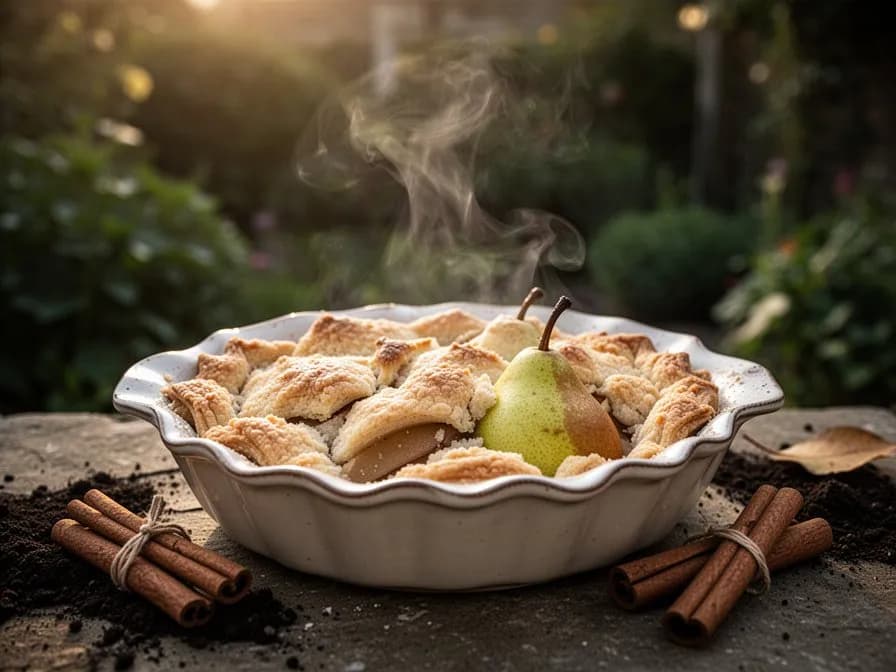
Peras Bosc escalfadas en vino tinto
40 minutosPeras Bosc enteras escalfadas lentamente en un jarabe de vino tinto intensamente especiado con canela, clavo, anís estrellado y ralladura de naranja hasta que la pulpa queda tierna y la piel ha absorbido el profundo color granate del vino. La Bosc conserva su elegante forma alargada y su textura firme durante el largo proceso de escalfado mejor que ninguna otra variedad. Sírvalas a temperatura ambiente o frías con una cucharada de mascarpone y un hilo del jarabe reducido. Un postre impresionante y sencillo que mejora si se prepara con un día de antelación.
8 ingredientesTarta rústica de pera Bosc y gorgonzola
45 minutosUna tarta rústica de masa quebrada mantecosa cubierta con láminas de pera Bosc asadas y caramelizadas, gorgonzola intenso, nueces tostadas, tomillo fresco y un acabado de miel oscura. La densidad de la Bosc hace que las láminas se asen en lugar de deshacerse, creando un juego irresistible entre masa crujiente, fruta dulce y queso salado. Funciona igual de bien como entrante, almuerzo ligero con hojas aliñadas o postre de queso poco convencional. Se prepara en menos de una hora y requiere muy poca habilidad.
9 ingredientesPastel de pera Bosc y cardamomo
1 hora 15 minutosUn pastel húmedo y tierno de harina de almendra, perfumado con cardamomo molido y vainilla, salpicado de trozos de pera Bosc madura que se ablandan en la masa durante el horneado y mantienen la miga excepcionalmente húmeda durante días. La especia floral sutil del cardamomo evoca las notas naturales de vainilla y especias de una Bosc plenamente madura, creando una combinación que parece diseñada por un pastelero y no surgida por feliz casualidad. Espolvoree con azúcar glas y sirva con nata ligeramente montada para un postre protagonista sin esfuerzo.
10 ingredientesUsos culinarios
Las peras Bartlett son el estándar de oro para conserva, ya que producen mitades bellamente suaves y dulces que mantienen su forma. Las Bartlett maduras frescas son jugosas, aromáticas y excelentes para comer al natural o en ensaladas. Dan un puré de pera, una mantequilla de pera y conservas de pera extraordinarias. En Europa, las Bartlett son la base de famosos aguardientes y licores de pera. Combinan muy bien con queso azul y jamón curado.
Qué contiene
Beneficios para la salud
- Su alto contenido de fibra dietética, 3.1 g por 100 g, incluyendo la fibra prebiótica soluble pectina, favorece la regularidad digestiva, alimenta especies beneficiosas de Bifidobacterium y Lactobacillus en el microbioma intestinal y se ha asociado en estudios prospectivos con un menor riesgo de diabetes tipo 2 y cáncer colorrectal.
- La piel berostada de las peras Bosc es excepcionalmente rica en ácido clorogénico, un antioxidante polifenólico que ha demostrado en varios estudios de laboratorio y clínicos reducir los picos de glucosa posprandiales, mejorar la sensibilidad a la insulina y ejercer efectos antiinflamatorios sobre el endotelio vascular, lo que convierte a Bosc en una de las peras con mayor potencia funcional cuando se consume con piel.
- El consumo regular de peras y otras frutas de pulpa blanca, especialmente las ricas en quercetina y catequina, se ha asociado en grandes estudios epidemiológicos, incluida la cohorte EPIC de Países Bajos, con un riesgo notablemente menor de accidente cerebrovascular isquémico, un beneficio atribuido específicamente a estos compuestos flavonoides y no al consumo total de fruta.
- Las peras Bosc ofrecen una fuente de azúcares naturales baja en calorías, 57 kcal por 100 g, con alto contenido de agua y un índice glucémico bajo de aproximadamente 38, lo que las convierte en una elección nutricionalmente inteligente para quienes controlan el peso corporal, el azúcar en sangre o los niveles de insulina dentro de un plan alimentario estructurado.
- La combinación de vitamina C, cobre, zinc y antioxidantes polifenólicos en las peras Bosc apoya múltiples aspectos de la función inmunitaria, entre ellos el mantenimiento de las barreras mucosas, la actividad de las células inmunes fagocíticas y la protección de las membranas de las células inmunes frente al daño oxidativo durante periodos de infección o estrés fisiológico.
- Las peras Bosc aportan cantidades útiles de vitamina K, potasio y magnesio, un trío de micronutrientes que, juntos, favorecen la salud cardiovascular a largo plazo por sus funciones en la regulación de la presión arterial, la elasticidad arterial, la función del músculo liso vascular y la prevención de la calcificación arterial asociada a proteínas dependientes de la vitamina K2.
De dónde viene Pera Bartlett
La pera Bartlett se convirtió en una de las variedades de pera más famosas del mundo a través de una cadena de distribución y renombre algo enmarañada. La variedad se originó en Inglaterra como 'Williams' o 'Williams Bon Chrétien' a finales del siglo XVIII y comenzó a difundirse por Europa continental. A comienzos del siglo XIX llegó a Estados Unidos, donde fue distribuida por Enoch Bartlett, propietario de una finca en Massachusetts. Bartlett desconocía que el árbol ya tenía un nombre europeo establecido, y el nombre Bartlett acabó afianzándose en Norteamérica. En Europa, sin embargo, la variedad siguió conociéndose ampliamente como Williams.
La Williams/Bartlett ganó popularidad rápidamente gracias a su sabor dulce, su forma elegante y su capacidad para madurar fuera del árbol con una textura suave y mantecosa. Se convirtió en la pera preferida para conserva a medida que la industria de enlatado se expandía en Norteamérica en el siglo XIX y principios del XX. Su pulpa firme pero delicada mantenía bien la forma al procesarla, mientras que su dulzor natural requería poca adición de azúcar. Eso la convirtió en la pera de referencia para mitades en almíbar, peras en lata y conservas caseras.
A medida que la fruticultura comercial se expandió por el interior y el noroeste del Pacífico de Estados Unidos, Bartlett encontró condiciones ideales en muchos huertos templados. La variedad también se plantó ampliamente en Europa, Sudamérica, Australia y Nueva Zelanda. Hoy sigue siendo la pera comercial dominante en Norteamérica y una de las variedades más reconocidas en todo el mundo. Su larga historia, su excelente sabor y su utilidad tanto en fresco como en conserva la han mantenido en cultivo durante más de dos siglos.
Pera Bartlett: ¿sabías que?
Datos fascinantes sobre Pera Bartlett
La pera Bartlett debe su nombre a Enoch Bartlett, un horticultor de Massachusetts que la distribuyó en Estados Unidos a comienzos del siglo XIX. Curiosamente, Enoch no sabía que la variedad ya tenía otro nombre en Europa hasta después de que se hubiera popularizado.
Pera Bartlett: preguntas frecuentes
¿Cuándo debo plantar Pera Bartlett?
¿Cuáles son buenas plantas acompañantes para Pera Bartlett?
¿En qué zonas de rusticidad puede crecer Pera Bartlett?
¿Cuánto sol necesita Pera Bartlett?
¿A qué distancia debo espaciar Pera Bartlett?
¿Qué plagas y enfermedades afectan a Pera Bartlett?
¿Cómo almaceno Pera Bartlett después de la cosecha?
¿Cuáles son las mejores variedades de Pera Bartlett para cultivar?
¿Qué suelo necesita Pera Bartlett?
¿Por qué mis peras Bartlett se ponen harinosas si las dejo en el árbol?
¿Cómo sé cuándo están listas para recoger?
¿Bartlett necesita otro árbol para dar fruto?
¿Qué hago si veo fuego bacteriano?
¿Bartlett sirve para conserva y para comer fresca?
Acabas de leer la teoría. Ahora cultívala en piloto automático.
Todo lo que hace que Pera Bartlett sea delicado — el momento, el espaciado, las asociaciones, la ventana de cosecha — es justo lo que PlotMyGarden resuelve por ti, para cada planta de tu huerto.
Un plan que conoce tu clima
Indica tu ubicación una vez. Recibe fechas de siembra, abonado y cosecha basadas en tu última helada real y el pronóstico en vivo — sin adivinar con un sobre genérico.
De la sección “Cuándo plantar”Planificador de bancales de arrastrar y soltar
Diseña bancales sobre una cuadrícula. Cada planta encaja con su espaciado correcto y ves toda la temporada antes de gastar un céntimo en semillas.
De la sección “Cultivo”Conflictos de asociación, detectados a tiempo
Más de 200 buenas y malas combinaciones comprobadas en vivo mientras plantas — para que un error que arruine la temporada nunca llegue a la tierra.
De la sección “Asociaciones”Recordatorios que sí vas a seguir
“Riega las judías.” “Recoge hoy antes de que se pase.” Oportunos, concretos y ligados a las plantas que de verdad cultivas.
De la sección “Cosecha”Escalonado, programado
¿Quieres cosechar seis semanas en vez de seis días? Reparte tus siembras automáticamente y te avisa cuando toca el siguiente lote.
De la sección “Cuándo plantar”Un registro que se vuelve más listo
Cada cosecha que registras le enseña tu huerto. El plan del año que viene parte de lo que de verdad funcionó en tu suelo, no en un manual.
De la sección “Resumen”Planta estos junto a Pera Bartlett
Más Frutas de pepita
Mantén Pera Bartlett lejos de estos
Cultiva tu mejor Pera Bartlett — y todo lo que la rodea.
Empieza un plan gratis hoy. Diseña tus bancales, coloca tu Pera Bartlett y deja que PlotMyGarden gestione el momento, el espaciado, las asociaciones y los recordatorios de la semilla a la cesta.