Pawpaw Tree
North America's largest native fruit tree, producing tropical-flavored custard-like fruits in temperate climates.





On this pageOverview
Meet Pawpaw Tree
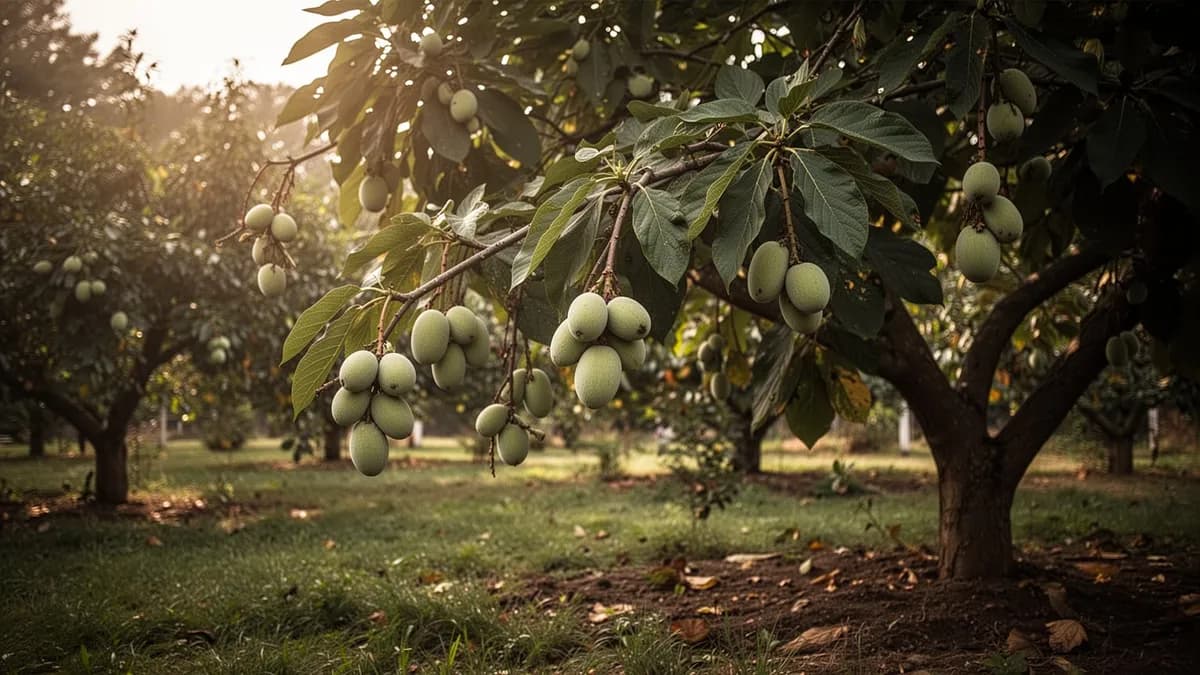
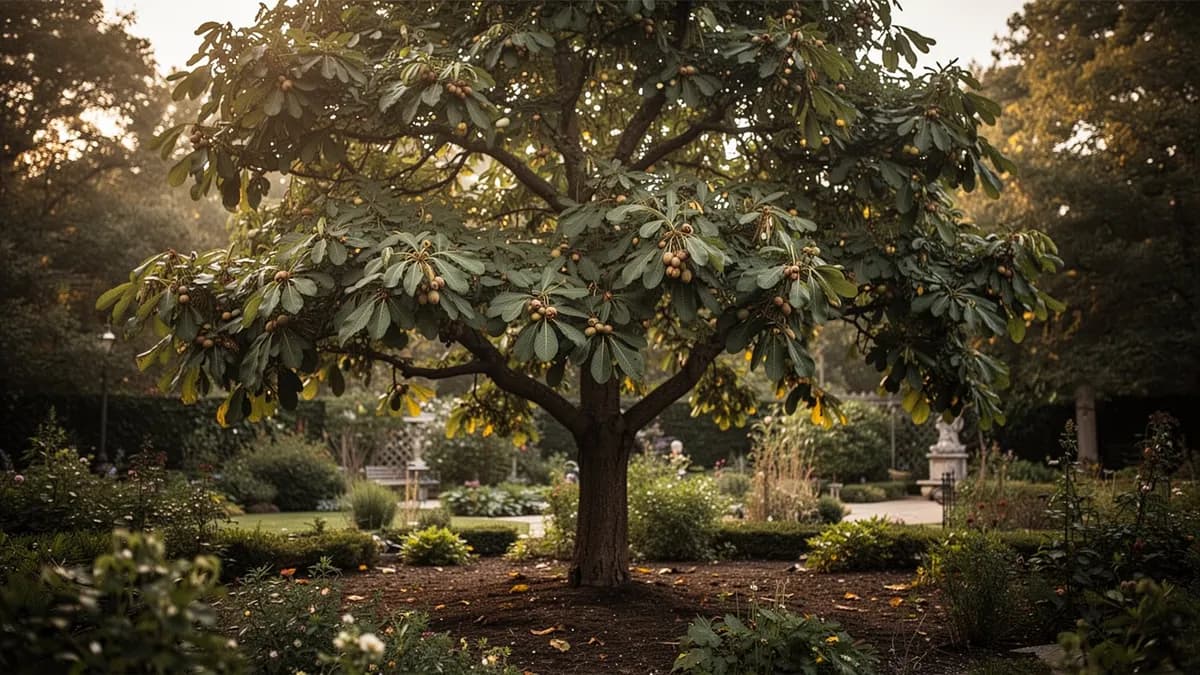
North America's largest native fruit tree, producing tropical-flavored custard-like fruits in temperate climates. Pawpaws grow naturally as understory trees and tolerate partial shade, though they fruit better with more sun once established. Plant at least two genetically different trees for cross-pollination, as individual trees are self-incompatible. The fruits have a very short shelf life and bruise easily, which is why they are rarely found in grocery stores despite their exceptional flavor.
When to plant Pawpaw Tree
Pawpaw seeds require 90 to 120 days of cold moist stratification to break dormancy. Plant fresh seeds in fall outdoors for natural stratification, or refrigerate in moist peat moss and plant in spring. Seeds must not be allowed to dry out, as viability drops rapidly. Start in deep pots to accommodate the long taproot, and transplant carefully to minimize root disturbance. Named varieties are propagated by chip budding or whip-and-tongue grafting onto seedling rootstock in late summer. Grafted trees fruit 3 to 5 years earlier than seedlings.
Your Pawpaw Tree Year
Composed for Zone 7 · typical seasons · frost passes Apr 2, returns Nov 1
Plant Pawpaw Tree Mar – Apr, pick Sep – Oct. Check the planting methods below and set your climate to personalize these windows.
How to grow Pawpaw Tree
Pawpaw trees grow naturally in the understory of eastern North American forests along riverbanks and rich bottomlands. They prefer deep, fertile, well-drained soil with a pH of 5.5 to 7.0 and consistent moisture. Young pawpaw seedlings require shade protection for their first year or two, as full sun can scorch the delicate leaves. Gradually transition to more sunlight as the tree establishes, since mature trees fruit best with at least 6 hours of direct sun daily.
Plant at least two genetically distinct trees within 30 feet of each other for cross-pollination, as pawpaws are self-incompatible. Avoid planting two trees from the same clonal rootstock, as they are genetically identical and will not cross-pollinate. Space trees 15 to 20 feet apart. Water consistently during the first 3 years to establish the deep taproot, providing 1 to 2 inches per week during the growing season.
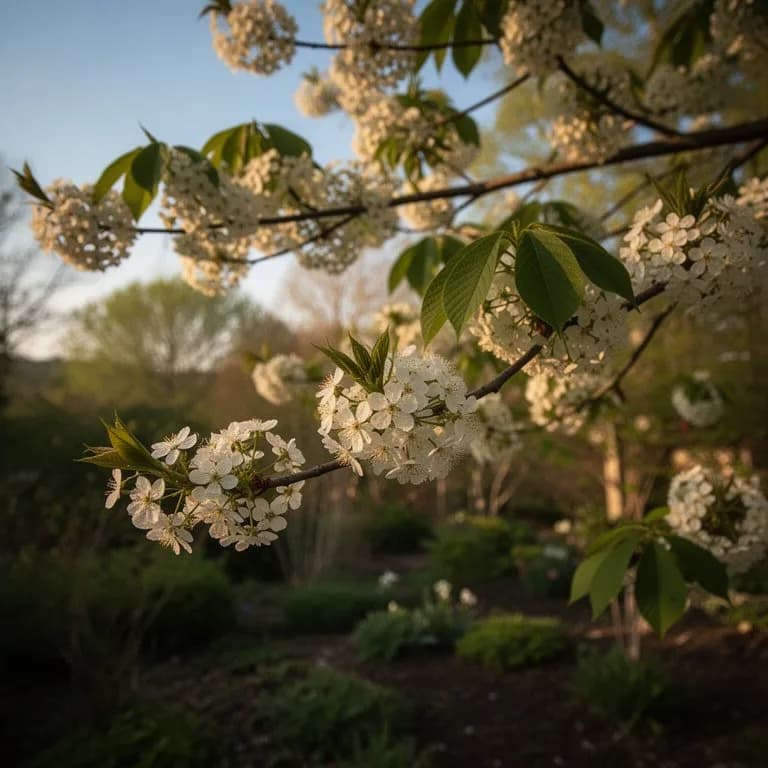
Pawpaw flowers are pollinated primarily by flies and beetles rather than bees, which means pollination can be unreliable. Some growers hang roadkill or rotting meat near blooming trees to attract fly pollinators, or hand-pollinate using a small paintbrush. The trees have few pest problems and require minimal pruning beyond removing dead or crossing branches. Pawpaws spread by root suckers and will form a clonal colony over time; remove unwanted suckers to maintain individual tree form.
Pawpaw Tree needs more room than a 4 × 8 ft bed gives
Each Pawpaw Tree wants 500 cm of elbow room. The planner keeps that spacing for you — every plant, every bed.
Pawpaw Tree's best neighbours
Pawpaws grow naturally alongside species found in rich bottomland forests. Spicebush, elderberry, and native viburnums make excellent shrub-layer companions. Shade-tolerant ground covers like wild ginger, violets, and native ferns create an attractive understory. Comfrey planted nearby accumulates nutrients and provides mulch material. Since pawpaws tolerate shade when young, they can be established beneath existing canopy trees and gradually exposed to more light as they grow.
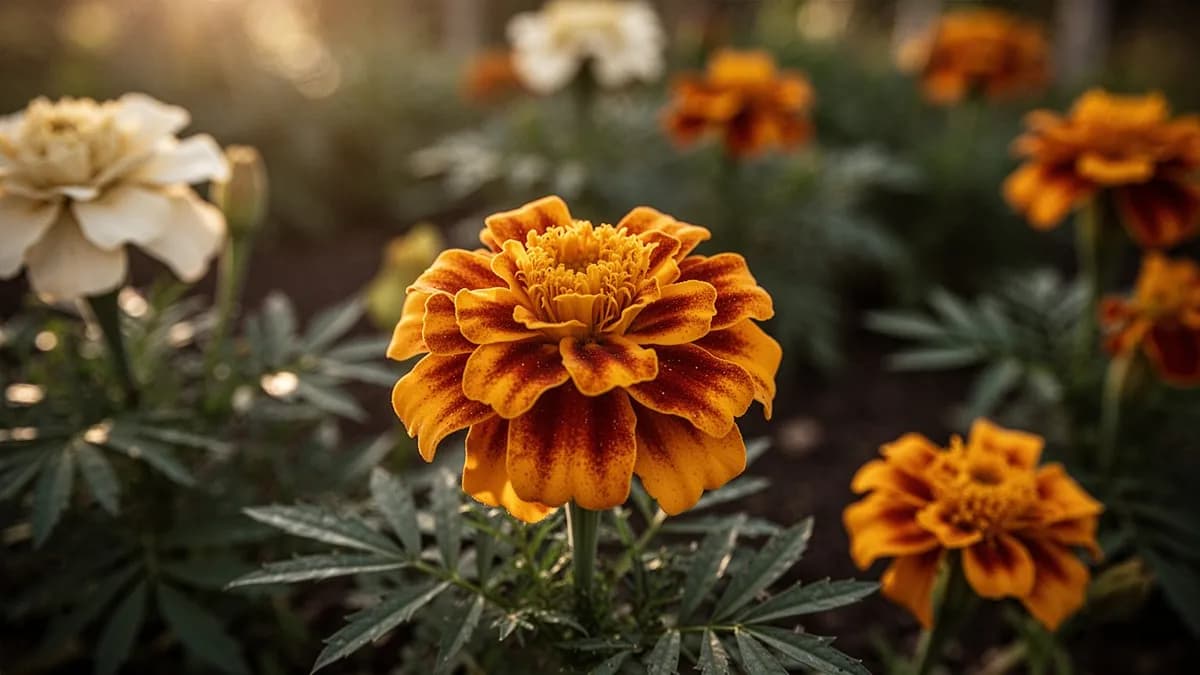
Marigold belongs beside it. Walnut Tree doesn't.
Old growers' knowledge, checked against Pawpaw Tree's real companion table below — test any plant you're growing.
Try Pawpaw Tree in a bed — right here
A real planner bed with Pawpaw Tree already in it. Tap a companion to place it and watch the pairing checks answer — green for good neighbours, red for a clash.


Related growing guides
Feed it well
Pawpaws prefer deep, fertile, well-drained loamy soil similar to their native bottomland habitat. They thrive in slightly acidic to neutral pH of 5.5 to 7.0 and benefit from high organic matter content. Apply compost as a topdressing annually in spring. A light application of balanced organic fertilizer in early spring supports healthy growth. Avoid heavy synthetic fertilizers that can burn the sensitive root system. Maintain a 3 to 4 inch layer of leaf mold or wood chip mulch to mimic forest floor conditions.
Ideal Temperature
Hardiness Zone Compatibility
From seed to harvest, stage by stage
Seed Stratification & Germination
Pawpaw seeds require 90 to 120 days of cold moist stratification at 32-40°F (0-4°C) to break dormancy. Without this chilling period, germination rates are extremely low. Seeds should never be allowed to dry out completely during this process.
Seedling Establishment
After germination, seedlings develop a deep taproot before producing significant top growth. Young pawpaw seedlings are highly sensitive to direct sunlight and require shade protection during their first one to two growing seasons. Growth is slow during this stage, typically reaching only 6 to 12 inches in the first year.
Juvenile Growth
During years two through four, pawpaw trees gradually increase their growth rate and develop a more robust root system. Trees can be slowly acclimated to more sunlight during this phase. By the end of this stage, trees typically reach 4 to 6 feet in height with a well-formed canopy structure.
Pre-Fruiting Maturity
Between years four and six, pawpaw trees approach reproductive maturity. Trees develop stronger branch structure and may begin producing flowers. Cross-pollination from a genetically distinct tree is essential for fruit set. Trees from seed may take longer to fruit than grafted cultivar selections.
First Fruiting
Grafted pawpaw trees typically begin bearing fruit in years four to six, while seedling-grown trees may take six to eight years. Initial harvests are usually modest, with yields increasing substantially each year as the tree matures. Fruits ripen from late August through October depending on cultivar and climate.
Mature Production
Fully mature pawpaw trees can reach 15 to 30 feet in height and produce 25 to 60 pounds of fruit per season under ideal conditions. Trees continue to spread through root suckers, forming a naturalized grove over time. With proper care, pawpaw trees can remain productive for several decades.
Store seeds in moist sphagnum peat moss inside a sealed plastic bag in the refrigerator. Check weekly to ensure the medium stays damp but not waterlogged.
Caring for Pawpaw Tree month by month
What to do each month for your Pawpaw Tree
October
You are hereHarvest late-season cultivars and process remaining fruit. Begin cold stratification of collected seeds in the refrigerator. Apply a final layer of compost mulch before winter
Know exactly what to do in your garden — every month
One email at the start of each month: what to sow, plant, and tackle right now — for your Pawpaw Tree and everything growing around it. Plus a short starter course that helps you dodge the classic mistakes.
- What to do, right now
- Matched to your season
- Starter course included
Harvesting Pawpaw Tree
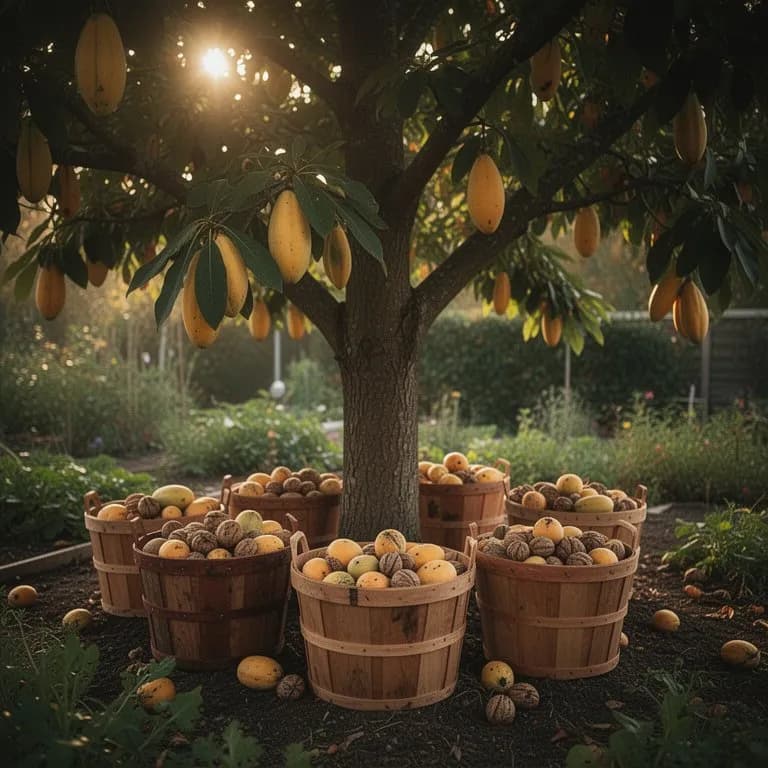
Pawpaw fruit ripens in September and October when it yields to gentle pressure and develops a strong tropical fragrance. Ripe fruit drops from the tree naturally and can be collected daily during harvest season. The skin may develop brown spots or remain green depending on variety. Give fruit a gentle squeeze; ripe pawpaws feel like a ripe avocado. Harvest carefully as the soft fruit bruises extremely easily. Eat within 2 to 3 days of picking for best quality.
assuming you plant when the window opens — set your real date
Pick Pawpaw Tree promptly and the plant keeps producing.
Storage & Preservation
Pawpaws are highly perishable, keeping only 2 to 3 days at room temperature and up to a week refrigerated. This extremely short shelf life is the primary reason they are absent from commercial markets. The pulp freezes beautifully for up to a year and retains its tropical flavor well. Scoop out the custard-like flesh, remove seeds, and freeze in measured portions for baking and smoothies. Pawpaw pulp can also be dehydrated into fruit leather or used to make ice cream, custard, and baked goods.
What goes wrong — and the fix
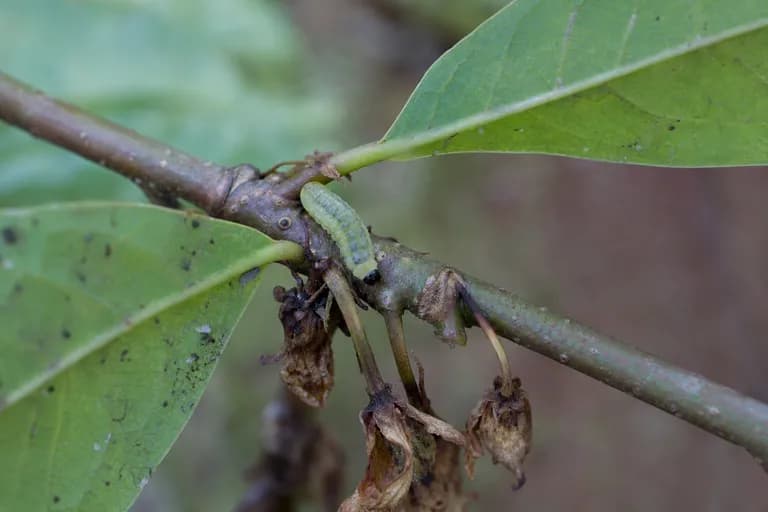
Pawpaw Peduncle Borer
PestSmall moth larvae bore into flower stems, causing blossoms to drop before they can be pollinated. Reduced fruit set despite healthy bloom.
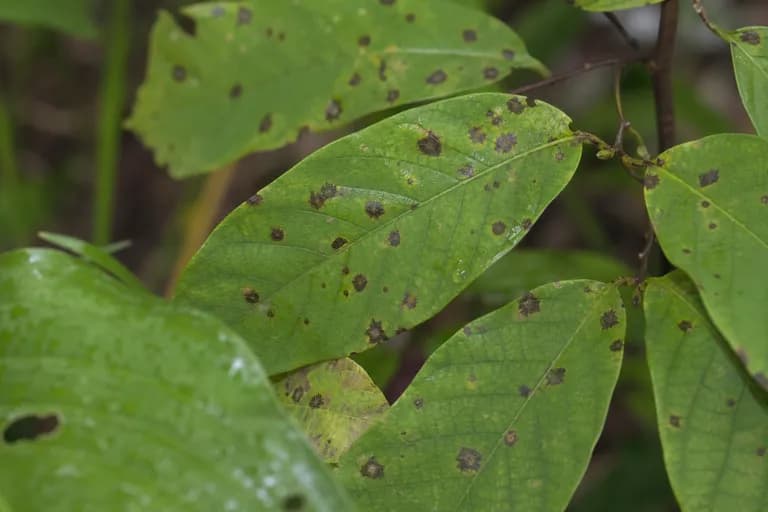
Phyllosticta Leaf Spot
DiseaseSmall, dark spots with light centers appear on leaves during humid weather. Heavy infections cause premature leaf drop and reduced tree vigor.
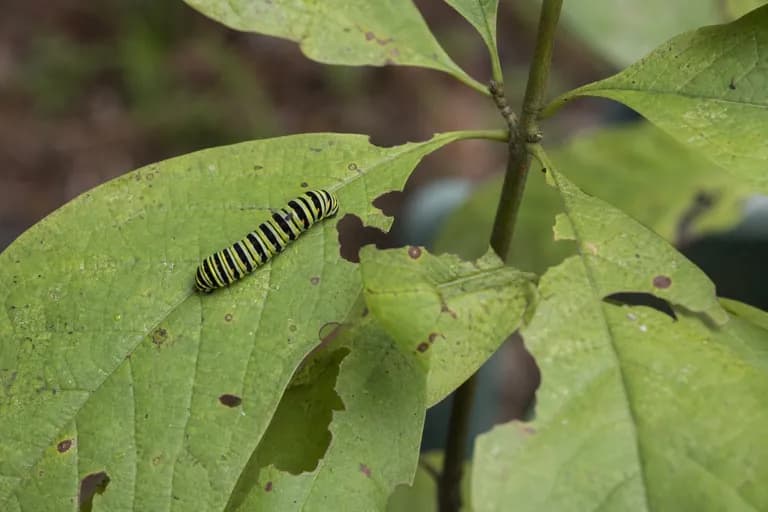
Zebra Swallowtail Caterpillar
PestCaterpillars feed on leaves, creating holes and ragged edges. Pawpaw is the sole host plant for this butterfly species. Damage is usually cosmetic on established trees.
Troubleshooting Common Problems
Poor fruit set is the most common frustration and usually results from inadequate cross-pollination. Ensure genetically distinct trees are planted together and consider hand pollination for improved yields. Young trees are very sensitive to transplant shock, so plant container-grown trees carefully and provide shade protection for the first year. Sunscald on young trunks and leaves occurs when trees grown in shade are suddenly exposed to full sun. Pawpaw fruit bruises at the slightest touch, making commercial handling virtually impossible.
Growing Tips
- Plant at least two genetically distinct pawpaw trees within 30 feet of each other to ensure cross-pollination, as individual trees cannot self-pollinate reliably.
- Provide 60 to 80 percent shade for seedlings during their first two growing seasons, then gradually increase sun exposure over the following years.
- Hand-pollinate flowers using a small artist's paintbrush by transferring pollen from one tree's flowers to another, as natural pollinators are often insufficient for good fruit set.
- Hang pieces of raw meat or roadkill near blooming trees to attract flies and carrion beetles, which are the primary natural pollinators of pawpaw flowers.
- Maintain a 3 to 4 inch layer of organic mulch extending to the drip line to mimic the forest floor conditions that pawpaw roots prefer.
- Avoid disturbing the soil around established trees, as pawpaw roots are shallow and sensitive to cultivation and compaction.
- Water young trees deeply once per week during dry periods, but reduce watering for established trees which are surprisingly drought-tolerant once their root systems are well developed.
- Select named cultivars such as Shenandoah, Susquehanna, or Potomac for the best fruit quality, size, and flavor rather than growing from wild-collected seed.
- Protect developing fruit from raccoons, opossums, and squirrels by using mesh bags or bird netting as fruits approach ripeness in late summer.
- Plant pawpaw trees on the north or east side of buildings or under a high canopy to provide the light afternoon shade that benefits young trees in hot climates.
Grow your best Pawpaw Tree yet — and everything around it.
Start a free plan today. Lay out your beds, drop in your Pawpaw Tree, and let PlotMyGarden handle the timing, spacing, companions and reminders from seed to harvest basket.
Pick your Pawpaw Tree
Sunflower
One of the few self-fertile pawpaw varieties, though cross-pollination still improves yields. Large fruit with sweet, rich flavor and good production.
Shenandoah
Developed by Neal Peterson, this variety produces large fruit with excellent sweet flavor and smooth texture. Consistent bearer and vigorous grower.
Allegheny
Another Peterson selection with smaller but exceptionally flavored fruit. Rich, complex taste considered among the best of named pawpaw varieties.
Wabash
Large-fruited variety with excellent flavor balance between sweetness and tropical notes. Good disease resistance and reliable production.
A single mature pawpaw tree can produce 25 to 60 pounds of fruit annually. With specialty pawpaw fruit selling for $8 to $15 per pound at farmers markets and online retailers, one productive tree could yield $200 to $900 worth of fruit each season. Since pawpaw trees require minimal spraying, no irrigation once established, and very little pruning, ongoing maintenance costs are extremely low compared to other fruit trees. Trees also spread via root suckers, naturally expanding your grove at no additional cost.
Quick recipes
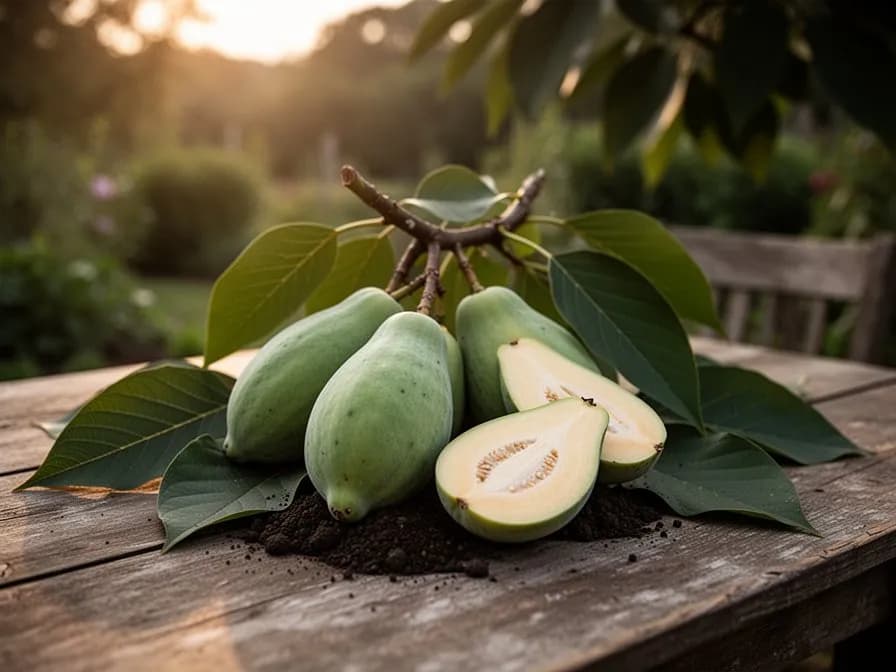
Classic Pawpaw Custard Ice Cream
30 minutes plus churning timeA rich and creamy frozen dessert that highlights the pawpaw's natural custard-like flavor. The tropical notes of banana, mango, and vanilla shine through in this simple yet indulgent treat that requires no cooking.
7 ingredients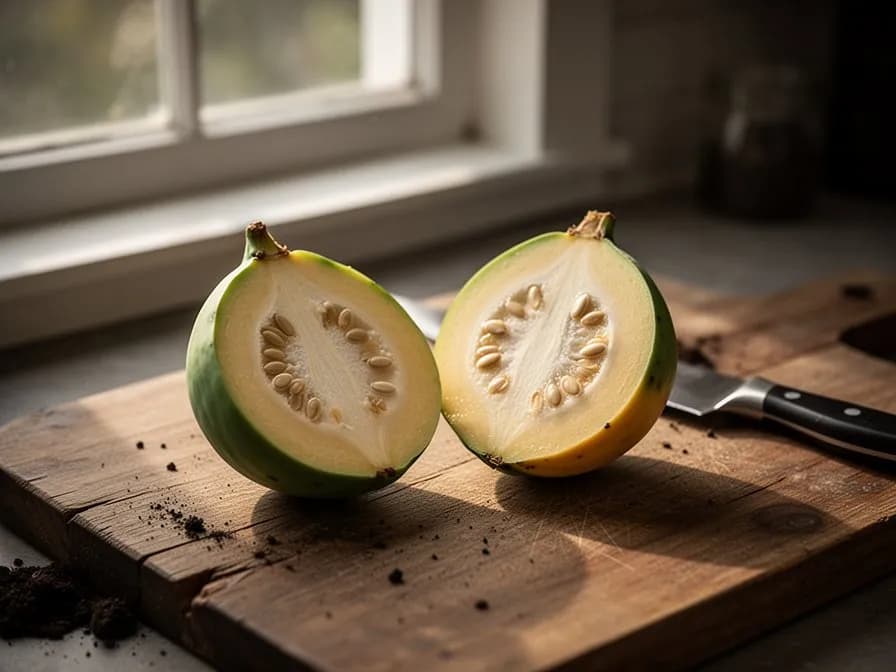
Pawpaw Banana Bread
20 minutes prep, 55 minutes bakingA moist and flavorful quick bread that substitutes pawpaw pulp for part of the banana, adding a complex tropical dimension to the classic recipe. The natural creaminess of pawpaw keeps this bread exceptionally tender.
10 ingredientsPawpaw Tropical Smoothie
5 minutesA quick and refreshing smoothie that pairs pawpaw's natural custard flavor with complementary tropical fruits. This nutrient-dense drink makes an excellent breakfast or post-workout recovery beverage.
6 ingredientsCulinary Uses
Pawpaw flesh has a unique custard-like texture with a flavor reminiscent of banana, mango, and vanilla combined. The pulp is outstanding in ice cream, custards, smoothies, and baked goods like bread, muffins, and pies. It can substitute for banana in most recipes. Pawpaw beer and wine are traditional Appalachian beverages. The fruit is best eaten fresh and raw at peak ripeness for the most intense tropical flavor experience.
What's inside
Health Benefits
- Rich in antioxidants including phenolic compounds that help neutralize free radicals and may reduce oxidative stress in the body.
- Excellent source of dietary fiber that supports healthy digestion, promotes regular bowel movements, and feeds beneficial gut bacteria.
- High potassium content supports cardiovascular health by helping regulate blood pressure and maintaining proper fluid balance.
- Contains significant levels of magnesium and manganese, minerals essential for bone health, nerve function, and energy metabolism.
- Provides a broad spectrum of B-vitamins including riboflavin and niacin, which play critical roles in cellular energy production and nervous system function.
- Naturally high in vitamin C, supporting immune function, collagen synthesis, and enhanced iron absorption from plant-based foods.
Where Pawpaw Tree comes from
The pawpaw (Asimina triloba) is the only temperate member of the tropical Annonaceae family, which includes custard apples, cherimoyas, and soursops. Native to the eastern United States and southern Ontario, the pawpaw's range extends from northern Florida westward to eastern Nebraska and as far north as southern Michigan and New York. Archaeological evidence suggests that Indigenous peoples cultivated and deliberately spread pawpaw trees well beyond their original range for thousands of years, carrying seeds along trade routes and planting them near settlements. The Shawnee, Cherokee, Iroquois, and many other tribes valued the fruit as an important late-summer food source and used the bark for medicinal and utilitarian purposes. European explorers first documented the pawpaw in 1541 when members of Hernando de Soto's expedition observed Native Americans cultivating the fruit in the Mississippi River valley. Thomas Jefferson grew pawpaw trees at Monticello and shipped seeds to friends in France, hoping to introduce the fruit to European gardens. Despite this long history, the pawpaw remained largely a foraged wild fruit throughout the 19th and early 20th centuries. Serious breeding and selection efforts did not begin until the 1950s when Neal Peterson and later Kentucky State University launched dedicated cultivar development programs. Named cultivars such as Sunflower, Shenandoah, Susquehanna, and Potomac have since been released, offering improved fruit size, flavor, and consistency. Today, the pawpaw is experiencing a renaissance among permaculture enthusiasts, native plant advocates, and specialty fruit growers who recognize its potential as a sustainable, low-input fruit crop uniquely adapted to the eastern North American climate.
Pawpaw Tree: did you know?
Fascinating facts about Pawpaw Tree
The pawpaw is the largest edible fruit native to North America, with individual fruits sometimes weighing over one pound.
Pawpaw Tree questions, answered
When should I plant Pawpaw Tree?
What are good companion plants for Pawpaw Tree?
What hardiness zones can Pawpaw Tree grow in?
How much sun does Pawpaw Tree need?
How far apart should I space Pawpaw Tree?
What pests and diseases affect Pawpaw Tree?
How do I store Pawpaw Tree after harvest?
What are the best Pawpaw Tree varieties to grow?
What soil does Pawpaw Tree need?
Why is my pawpaw tree not producing fruit even though it flowers every year?
How do I know when pawpaw fruits are ripe and ready to harvest?
Can I grow a pawpaw tree in a container or in a small yard?
Do pawpaw trees need full sun or shade to grow well?
How should I store pawpaw fruit after harvesting?
Are any parts of the pawpaw tree toxic or dangerous?
You just read the theory. Now grow it on autopilot.
Everything that makes Pawpaw Tree fiddly — the timing, the spacing, the companions, the harvest window — is exactly what PlotMyGarden handles for you, for every plant in your garden.
A plan that knows your weather
Set your location once. Get sow, feed and harvest dates built around your real last-frost date and live forecast — no more guessing from a generic seed packet.
From the “When to plant” sectionDrag-and-drop bed planner
Design beds on a grid. Every plant snaps to its proper spacing, and you can see your whole season laid out before you spend a cent on seed.
From the “Growing guide” sectionCompanion conflicts, caught early
200+ good-and-bad pairings checked live as you plant — so a season-wrecking mistake never makes it into the ground.
From the “Companions” sectionReminders you'll actually act on
“Water the beans.” “Pick today before it turns.” Timely, specific, and tied to the plants you're really growing.
From the “Harvest” sectionSuccession, scheduled
Want a harvest for six weeks, not six days? It spaces your sowings automatically and reminds you when each new block is due.
From the “When to plant” sectionA record that gets smarter
Every harvest you log teaches it your garden. Next year's plan starts from what actually worked in your soil, not a textbook's.
From the “Overview” sectionPlant these alongside Pawpaw Tree
More Fruit Trees
Keep Pawpaw Tree away from these
Grow your best Pawpaw Tree yet — and everything around it.
Start a free plan today. Lay out your beds, drop in your Pawpaw Tree, and let PlotMyGarden handle the timing, spacing, companions and reminders from seed to harvest basket.