Patschuli
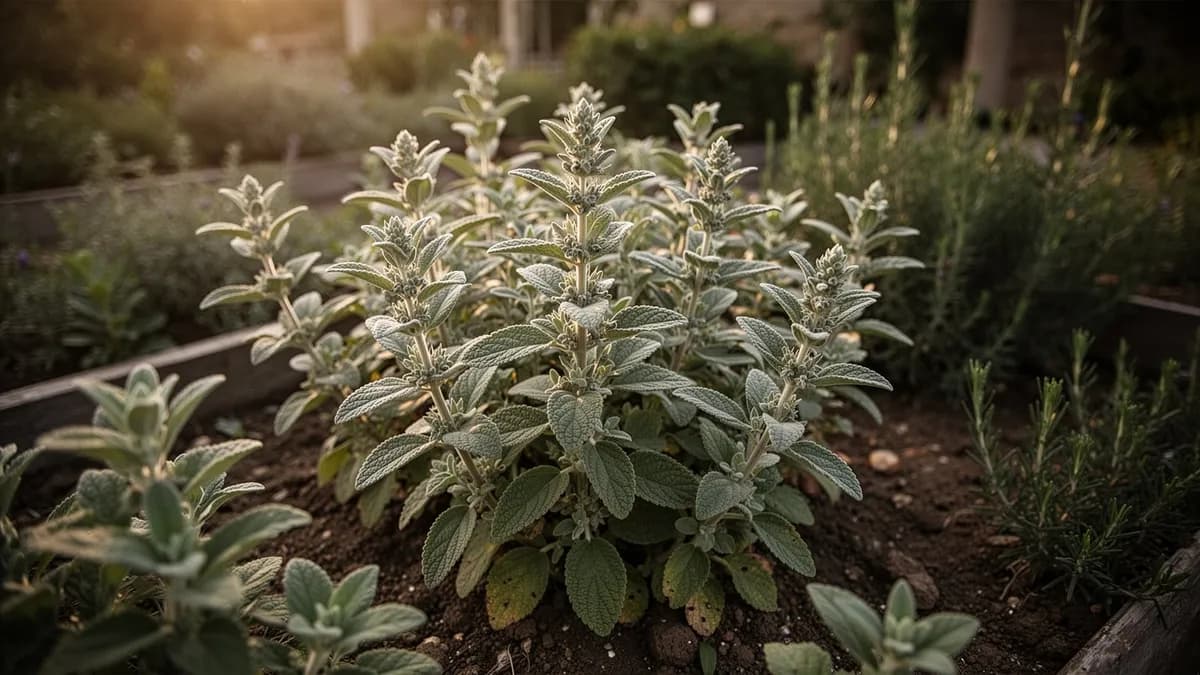
Ein tropisches Kraut mit großen, duftenden Blättern, die das ikonische moschusartig-erdige ätherische Öl produzieren, das in der Parfümerie und als Räucherwerk verwendet wird.





Auf dieser SeiteÜberblick
Patschuli im Überblick
Ein tropisches Kraut mit großen, duftenden Blättern, die das ikonische moschusartig-erdige ätherische Öl produzieren, das in der Parfümerie und als Räucherwerk verwendet wird. Patschuliblätter werden beim Trocknen und Reifen immer duftender, wobei sich der Duft über Monate der Lagerung vertieft. Anbauen in warmen, feuchten Bedingungen mit nährstoffreichem Boden und Halbschatten, Container vor dem Unterschreiten von 15 Grad ins Haus bringen.
Wann Patschuli pflanzen
Patschuli wird fast ausschließlich durch Stecklinge vermehrt, da Saatgut selten erhältlich ist und die Keimung unzuverlässig ist. 10–15 cm lange Stängelstecklinge von gesundem Wachstum nehmen, untere Blätter entfernen und in ein Glas mit warmem Wasser stellen. Wurzeln entwickeln sich in 1–2 Wochen. Sobald die Wurzeln 2–3 cm lang sind, in feuchte, nährstoffreiche Komposterde topfen und warm (über 20 °C) und feucht halten. Stecklinge können auch direkt in feuchtem Perlit oder Vermiculit bewurzelt werden. Bodenwärme beschleunigt die Bewurzelung erheblich.
Dein Patschuli-Jahr
Abgestimmt auf Zone 7 · typische Saison · Frost geht um den 2. Apr. und kehrt um den 1. Nov. zurück
Patschuli Mai – Jun pflanzen, Aug – Okt ernten. Beachte die Pflanzmethoden unten und wähle dein Klima für passende Zeiträume.
So baust du Patschuli an
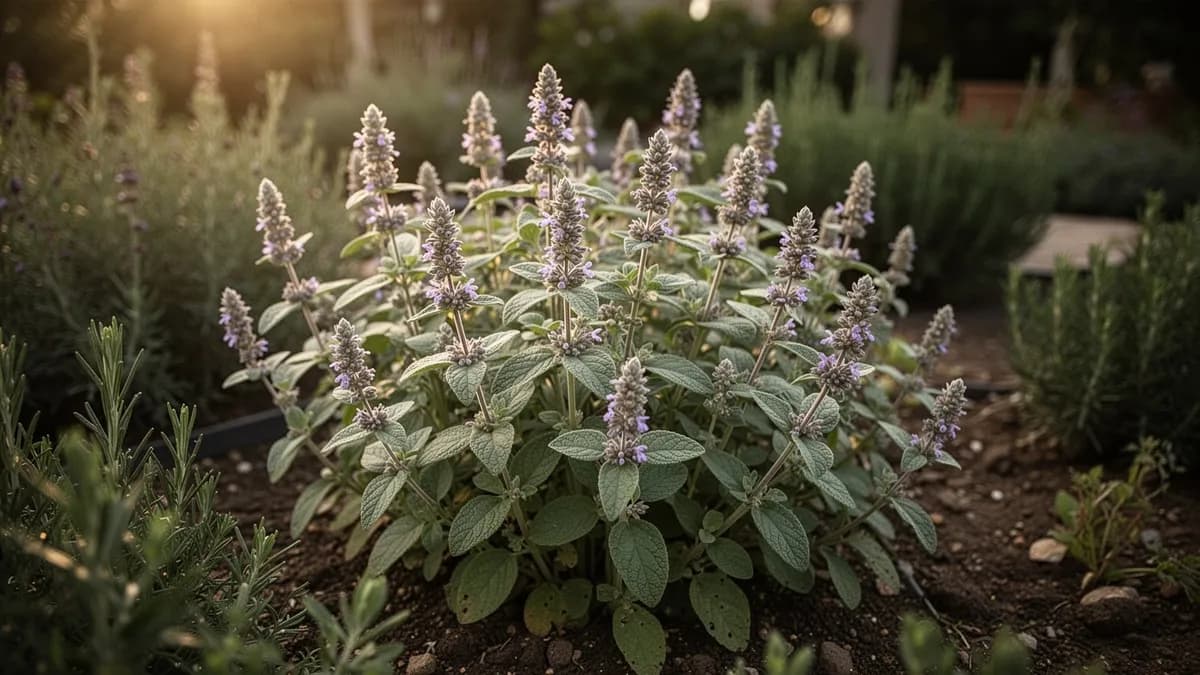
Patschuli ist ein frostempfindliches tropisches Kraut aus Südostasien, das 60–90 cm hoch wird und große, weiche, aromatische Blätter an vierkantigen Stängeln trägt – ein Mitglied der Lippenblütlerfamilie. Die tief geäderten, leicht behaarten Blätter produzieren das ikonische moschusartige, erdige ätherische Öl, das seit Jahrhunderten in der Parfümerie, als Räucherwerk und in der Aromatherapie verwendet wird. In gemäßigten Klimazonen ausschließlich in Kübeln anbauen, die ins Haus gebracht werden können.
In nährstoffreiche, organische Erde mit gleichmäßiger Feuchtigkeit und Halbschatten pflanzen. Anders als die meisten aromatischen Kräuter mag Patschuli keine volle Sonne und trockene Bedingungen – es ist eine tropische Unterwuchspflanze, die in warmer Luftfeuchtigkeit mit gefiltertem Licht gedeiht. Die Temperaturen jederzeit über 15 °C halten. Regelmäßig besprühen oder eine Feuchtigkeitsschale verwenden, besonders beim Anbau im Haus.
Alle 2 Wochen während der Wachstumsperiode mit einem ausgewogenen organischen Flüssigdünger düngen. Wachstumsspitzen regelmäßig entspitzen, um buschiges Wachstum zu fördern und Vergeilen zu verhindern. Patschuli kann als Zimmerpflanze ganzjährig bei hellem indirektem Licht mit regelmäßigem Besprühen angebaut werden. Der charakteristische moschusartig-erdige Duft verstärkt sich, wenn die Blätter reifen und besonders nach dem Trocknen – frischer Patschuli hat einen leichteren, grüneren Duft als das tiefe, komplexe Aroma des getrockneten Materials.
10 Pflanzen passen in ein Beet von 120 × 240 cm
Patschuli braucht 45 cm Platz pro Pflanze. Der Planer hält diesen Abstand für dich ein — jede Pflanze, jedes Beet.
Die besten Nachbarn für Patschuli
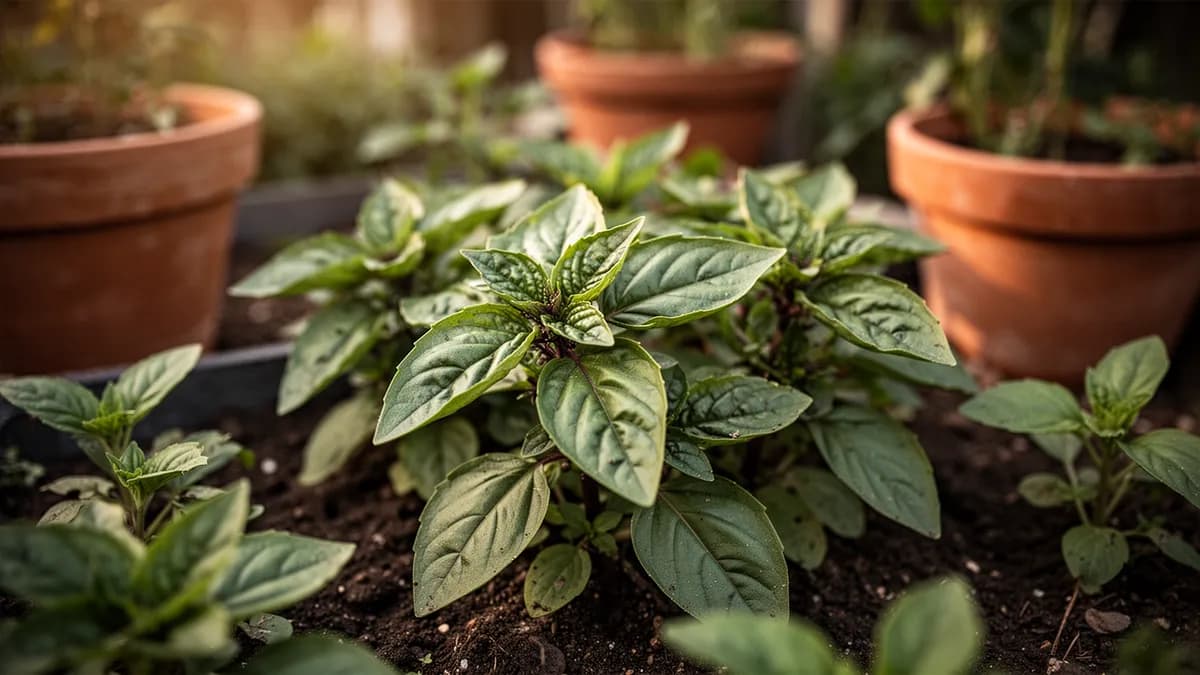
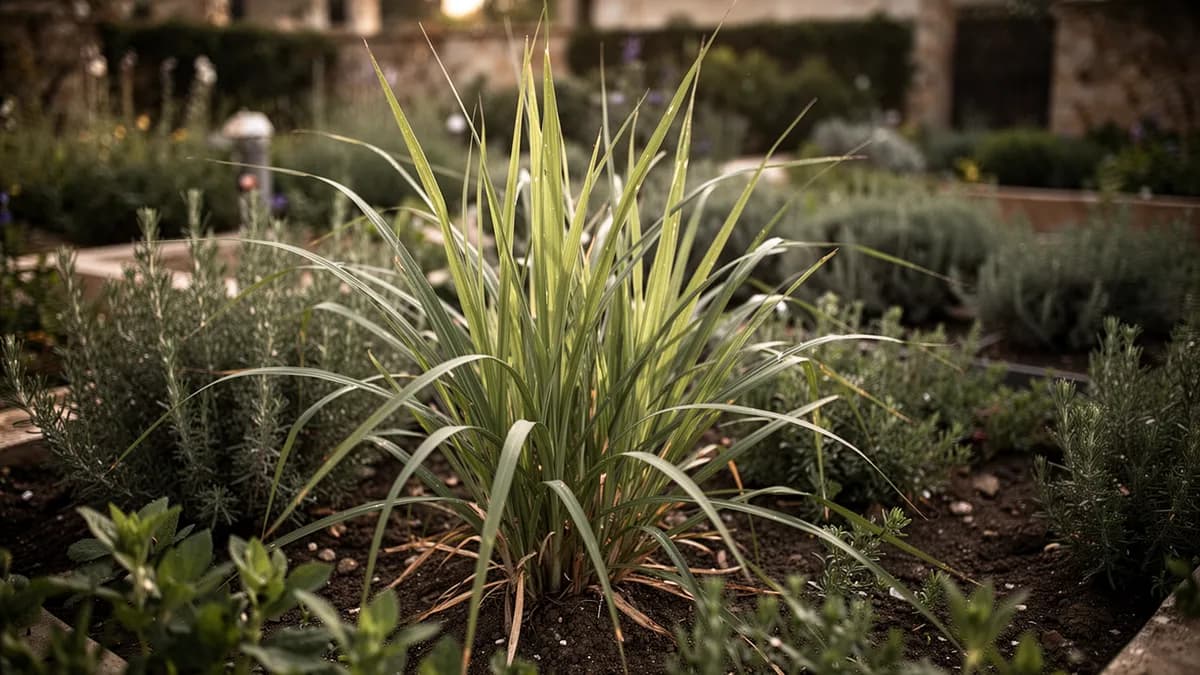
In tropischen Gärten wächst Patschuli gut neben anderen schattenliebenden tropischen Kräutern wie Ingwer, Kurkuma und Zitronengras. In Kübelsammlungen mit anderen tropischen Aromapflanzen für einen duftenden Kräutergarten im Haus gruppieren. Patschuli passt gut zu Pflanzen, die ähnliche warme, feuchte Halbschattenbedingungen schätzen. In südostasiatischen Gärten wächst er natürlich im Unterwuchs von Obstbäumen.
Thailändisches Basilikum gehört daneben.
Altes Gärtnerwissen, geprüft an der echten Nachbartabelle von Patschuli — teste jede Pflanze, die du anbaust.
Probiere Patschuli direkt hier im Beet
Ein echtes Planer-Beet, Patschuli steht schon drin. Tippe einen Begleiter an, platziere ihn und sieh, wie die Nachbarschaftsprüfung antwortet — grün für gute Nachbarn, rot bei Streit.


Passende Anbau-Ratgeber
Richtig düngen
Nährstoffreiche, organische Blumenerde mit guter Drainage verwenden – eine paradoxe Kombination, die für Patschuli essentiell ist. Qualitätskompost mit 20 % Perlit mischen. Der pH-Wert sollte leicht sauer bis neutral sein, 5,5–7,0. Alle 2 Wochen während des aktiven Wachstums mit einem ausgewogenen organischen Flüssigdünger düngen. Im Frühjahr mit Kompost mulchen. Patschuli ist im Vergleich zu den meisten aromatischen Kräutern ein Starkzehrer und belohnt großzügige Nährstoffversorgung.
Ideale Temperatur
Winterhärtezone-Kompatibilität
Von der Saat zur Ernte, Schritt für Schritt
Stecklingsvermehrung
Patschuli wird fast ausschließlich durch Stängelstecklinge vermehrt, da Samen kommerziell selten erhältlich sind und sehr niedrige Keimraten aufweisen. 10–15 cm lange Stecklinge werden von gesunden, halbverholzten Stängeln mit mindestens zwei bis drei Blattknoten genommen. Unter warmen, feuchten Bedingungen bilden die Schnittenden Kallusgewebe, bevor Wurzeln austreiben.
Wurzelbildung
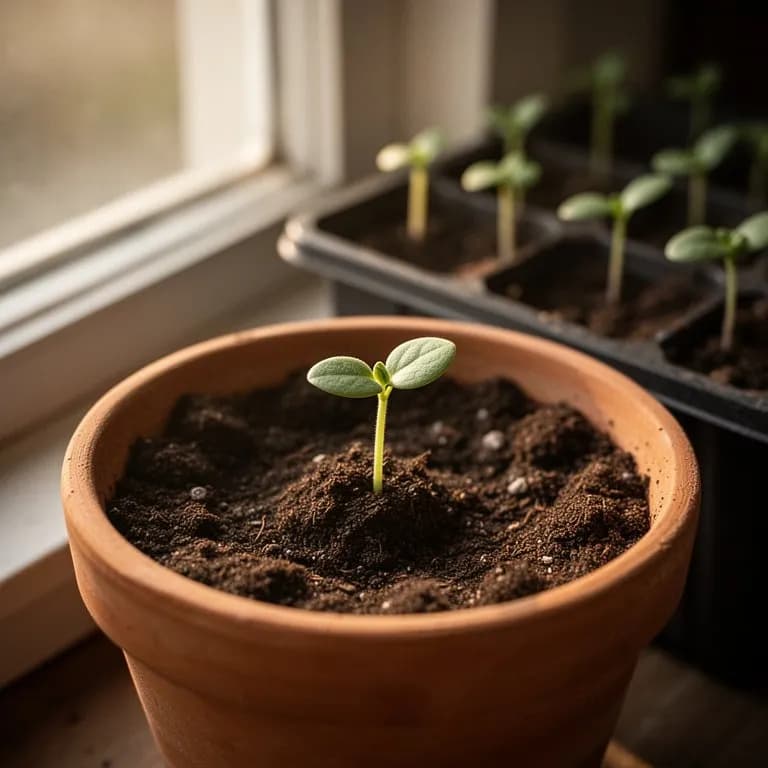
Wurzeln entwickeln sich an den vergrabenen Knoten des Stecklings und bilden ein faseriges Wurzelsystem. Kleine neue Blätter beginnen an der Spitze auszutreiben, was auf erfolgreiche Bewurzelung hinweist. Die junge Pflanze ist noch empfindlich und benötigt in dieser kritischen Etablierungsphase gleichmäßige Feuchtigkeit und Wärme zum Gedeihen.
Vegetatives Wachstum
Die Patschulipflanze tritt in eine schnelle Wachstumsphase ein und bildet Paare großer, gegenständiger, eiförmiger Blätter mit tief gesägten Rändern. Die Stängel werden vierkantig und an der Basis leicht verholzt. Die Pflanze entwickelt ihren charakteristischen buschigen, verzweigten Habitus, und die Blätter beginnen die aromatischen ätherischen Öle zu produzieren, die Patschuli seinen typischen Duft verleihen.
Reifes Erntestadium
Die Pflanze erreicht ihre volle Größe von 60–90 cm Höhe und Breite mit dichtem, aromatischem Laub. Die Konzentration an ätherischem Öl in den Blättern ist auf ihrem Höhepunkt, und die Blätter entwickeln eine tiefere Grünfärbung mit ausgeprägter Aderung. Die Stängel werden halbverholzt, und die Pflanze kann beginnen, mit verlängerten Endtrieben Vorblüten-Wachstum zu zeigen.
Blütephase
Im Spätsommer oder Herbst bildet Patschuli endständige Ährenblütenstände mit kleinen, röhrenförmigen weißen bis blass lavendelfarbenen Blüten in Quirlen. Die Blüten sind leicht duftend und attraktiv für Bienen und Schmetterlinge. Die Blüte signalisiert eine Verlagerung der Pflanzenenergie von der Blattproduktion hin zur Fortpflanzung.
Ruhephase und Überwinterung
In gemäßigten Klimazonen verlangsamt sich das Patschuliwachstum drastisch, wenn die Temperaturen sinken und die Tageslänge abnimmt. Obwohl Patschuli eine frostempfindliche Staude ist, die keinen Frost überleben kann, kann er drinnen an einem hellen Standort überwintert werden. In tropischen Klimazonen kann die Pflanze ganzjährig weiterwachsen, mit periodischen Ruhephasen während trockenerer Jahreszeiten.
Stecklinge von kräftigen, nicht blühenden Trieben im Frühjahr oder Frühsommer nehmen. Die unteren Blätter entfernen, das Schnittende in Bewurzelungshormon tauchen und in feuchtes Perlit oder eine gut durchlässige Anzuchterde stecken. Mit einer Feuchtigkeitshaube oder durchsichtiger Plastiktüte abdecken und bei 24–28 °C halten. Täglich besprühen, um eine hohe Luftfeuchtigkeit um die Stecklinge aufrechtzuerhalten.
Patschuli Monat für Monat pflegen
Was du jeden Monat für deine Patschuli tun solltest
Oktober
Aktueller MonatAlle Patschulipflanzen vor dem ersten Frost ins Haus bringen. Pflanzen um ein Drittel zurückschneiden, um die Größe zu kontrollieren und sparriges oder beschädigtes Wachstum zu entfernen. Wurzelgebundene Pflanzen in etwas größere Gefäße mit frischer Blumenerde umtopfen. An den hellsten verfügbaren Innenstandort stellen.
Immer wissen, was jetzt im Garten zu tun ist
Eine E-Mail zum Monatsanfang: was du jetzt säen, pflanzen und anpacken solltest — für deine Patschuli und alles, was drumherum wächst. Dazu ein kurzer Startkurs, der dich vor den klassischen Fehlern bewahrt.
- Was jetzt zu tun ist
- Passend zu deiner Saison
- Startkurs inklusive
Patschuli ernten
Patschuliblätter ernten, wenn sie vollständig ausgereift und tiefgrün sind – dann ist der Gehalt an ätherischem Öl am höchsten. Einzelne Blätter pflücken oder ganze Zweige schneiden. Die Blätter sind unter den aromatischen Kräutern einzigartig, da sich ihr Duft beim Trocknen und Reifen tatsächlich verbessert. Für den reichsten, tiefsten Patschuliduft die geernteten Blätter 1–2 Tage in einer warmen, feuchten Umgebung leicht fermentieren lassen, bevor sie zum Trocknen ausgebreitet werden. Dieser Fermentationsprozess entwickelt das charakteristische tiefe, moschusartige Aroma.
angenommen, du pflanzt zu Beginn des Zeitraums — trage dein tatsächliches Datum ein
Ernte Patschuli zügig, dann trägt die Pflanze weiter.
Lagerung & Konservierung
Nach der optionalen kurzen Fermentation die Blätter auf Gittern in einem warmen, gut belüfteten Bereich vollständig trocknen lassen. Getrocknete Patschuliblätter in Papiertüten oder locker abgedeckten Behältern lagern – anders als die meisten Kräuter profitiert Patschuli von etwas Luftkontakt während der Lagerung, da sich der Duft über Monate hinweg weiterentwickelt und vertieft. Gereifter Patschuli ist wertvoller als frisch getrockneter. An einem kühlen, dunklen Ort lagern, wo die Blätter 2–3 Jahre lang duftend bleiben und sich wie edler Wein mit der Zeit verbessern.
Was schiefgeht — und die Lösung
Wurzelfäule
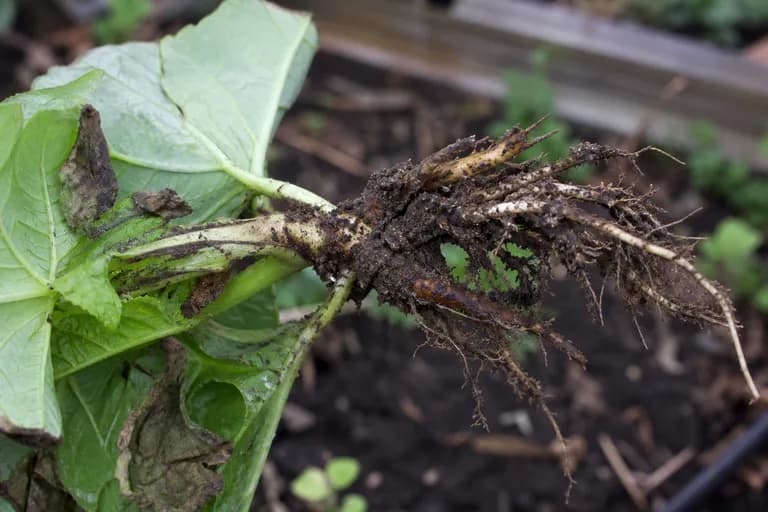
KrankheitWelken trotz nasser Erde, vergilbende Blätter, matschige braune Wurzeln. Verursacht durch schlechte Drainage und Überwässerung.
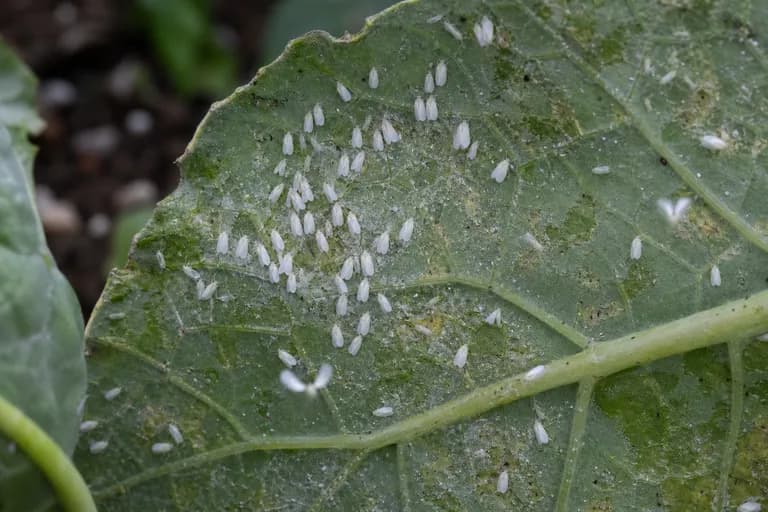
Weiße Fliegen
SchädlingWolken winziger weißer fliegender Insekten, wenn die Pflanze gestört wird. Klebriger Honigtau auf den Blättern und möglicher Rußtaupilz.
Fehlerbehebung bei häufigen Problemen
Kalte Temperaturen unter 15 °C verursachen Blattfall und Verkümmern – dies ist ausschließlich eine Warmwetterpflanze. Trockene Luft lässt Blattränder braun werden und sich einrollen; Luftfeuchtigkeit durch Besprühen oder Verwendung einer Kieselschale aufrechterhalten. Sparriges, dünnes Wachstum deutet auf unzureichendes Licht oder fehlendes Entspitzen hin – Spitzen regelmäßig für buschige Form einkürzen. Die frische Pflanze hat einen leichteren, grüneren Duft als von denen erwartet, die nur getrockneten Patschuli oder das ätherische Öl kennen.
Anbautipps
- Patschuli durch Stängelstecklinge statt durch Samen vermehren, da Samen selten erhältlich sind und extrem niedrige Keimraten aufweisen. 10–15 cm lange Stecklinge von gesunden, nicht blühenden Trieben nehmen und in feuchtem Perlit oder Vermiculit unter einer Feuchtigkeitshaube bei 24–28 °C bewurzeln.
- Helles indirektes Licht oder gefiltertes Sonnenlicht für beste Ergebnisse bereitstellen. Patschuli wächst natürlich als Unterwuchspflanze in tropischen Wäldern und kann bei direkter Nachmittagssonne Blattverbrennungen erleiden, besonders in heißen Klimazonen über 32 °C.
- Während der gesamten Wachstumsperiode gleichmäßig feuchte, aber gut durchlässige Erde aufrechterhalten. Patschuli verträgt Trockenheit nicht gut und welkt bei Durst dramatisch, aber staunasse Wurzeln führen schnell zu Fäulnis und Pilzproblemen.
- Die Luftfeuchtigkeit beim Anbau im Haus über 60 Prozent halten, indem täglich besprüht wird, eine mit Wasser gefüllte Kieselschale unter den Topf gestellt wird oder ein kleiner Luftbefeuchter in der Nähe platziert wird. Niedrige Luftfeuchtigkeit verursacht braune Blattränder und kümmerliches Wachstum.
- Die Wachstumsspitzen regelmäßig einkürzen, sobald die Pflanze 20–25 cm erreicht, um einen kompakten, buschigen Habitus mit mehreren seitlichen Zweigen zu fördern. Nicht eingekürzte Pflanzen neigen dazu, groß und sparrig zu werden mit weniger erntebaren Blättern.
- Alle zwei Wochen während der aktiven Wachstumsperiode mit einem ausgewogenen Flüssigdünger in halber Konzentration düngen. Patschuli ist ein mäßiger Zehrer und reagiert gut auf gleichmäßige Nährstoffversorgung ohne das Risiko von Salzansammlungen durch Überdüngung.
- Pflanzen rechtzeitig vor dem ersten Frost ins Haus bringen, da Patschuli bei Temperaturen unter 13 °C Kälteschäden erleidet und beim ersten Frosthauch abstirbt. Über eine Woche schrittweise umgewöhnen, um den Schock durch den Wechsel von Licht und Luftfeuchtigkeit zu reduzieren.
- Blätter zum Trocknen ernten, indem ganze Stängel bis zu einem Knoten zurückgeschnitten werden, dann die Blätter abstreifen und in einer einzelnen Schicht in einem warmen, schattigen, gut belüfteten Bereich ausbreiten. Richtiges Schattentrocknen über 3–5 Tage bewahrt den Gehalt an ätherischem Öl weit besser als Sonnen- oder Ofentrocknung.
- Auf häufige Schädlinge achten, darunter Spinnmilben, Weiße Fliegen und Wollläuse, besonders bei Zimmerpflanzen während des Winters. Blattunterseiten wöchentlich kontrollieren und Befall frühzeitig mit Schmierseifenlösung oder Neemöl-Spray behandeln.
- Kübel-Patschuli jährlich im Frühjahr umtopfen, eine Topfgröße höher wählen und die Erde auffrischen. Eine nährstoffreiche, torffreie Blumenerde verwenden, die mit Perlit für Drainage und Kompost für Fruchtbarkeit angereichert ist, um kräftiges Wachstum während der gesamten Saison zu unterstützen.
Bau deine beste Patschuli an — und alles drumherum.
Starte heute kostenlos. Lege deine Beete an, setze deine Patschuli ein und lass PlotMyGarden Timing, Abstände, Begleiter und Erinnerungen von der Saat bis zum Erntekorb übernehmen.
Finde deine Patschuli
Pogostemon cablin (Standard)
Der echte Patschuli, der in der Parfümerie und Räucherwerk-Herstellung verwendet wird. Große Blätter mit dem charakteristischen tiefen, moschusartig-erdigen Duft.
Pogostemon cablin (Indonesisch)
Indonesische Auslesen, die als die beste Qualität für ätherisches Öl gelten. Der Standard für die kommerzielle Patschuliöl-Produktion.
Eine einzelne Patschulipflanze, die für 5–10 € in einer Gärtnerei gekauft wird, kann unbegrenzt durch Stängelstecklinge vermehrt werden und bietet eine erneuerbare Versorgung mit aromatischen Blättern ohne zusätzliche Kosten. Kommerziell werden getrocknete Patschuliblätter für 15–30 € pro Pfund verkauft, und reines ätherisches Patschuliöl kostet im Einzelhandel 12–25 € pro 10-ml-Flasche. Eine ausgewachsene selbst angebaute Pflanze kann jährlich den Gegenwert von 30–60 € an getrockneten Blättern liefern, und der eigene Anbau garantiert ein pestizidfreies, nachhaltig gewonnenes Produkt für Duftsäckchen, Tees und Raumdüfte.
Schnelle Rezepte
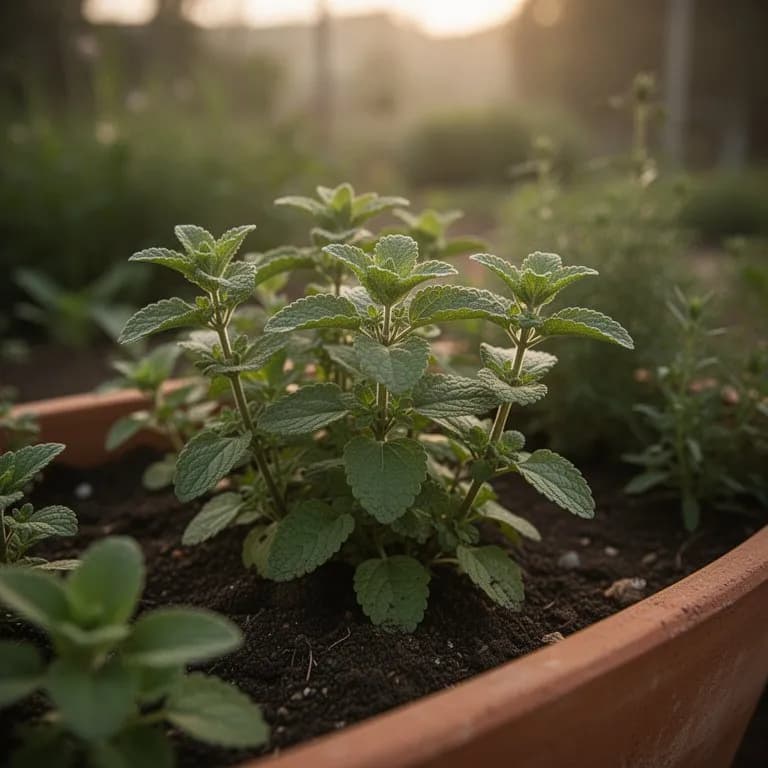
Patschuli-Kräuter-Duftsäckchen
20 Min.Handgefertigte aromatische Duftsäckchen, gefüllt mit getrockneten Patschuliblättern, perfekt zum Platzieren in Schubladen, Schränken und Wäscheschränken, um einen reichen, erdigen Duft zu verbreiten und gleichzeitig Motten und Insekten auf natürliche Weise abzuwehren. Diese Duftsäckchen sind durchdachte handgemachte Geschenke und behalten ihren Duft sechs Monate oder länger.
6 Zutaten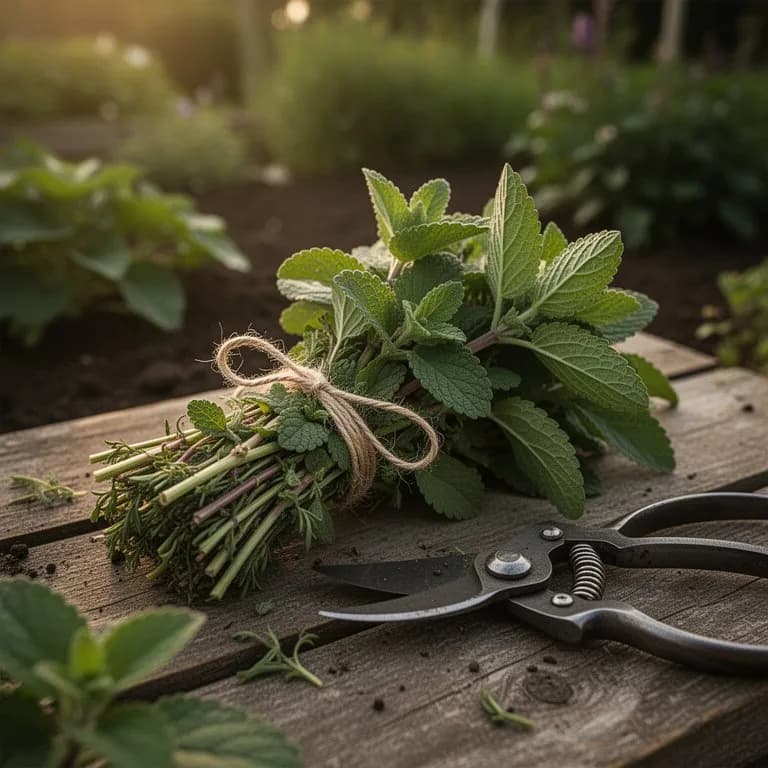
Patschuli-Minze-Kräutertee
10 Min.Ein wohltuender und aromatischer Kräuteraufguss, der die erdige Tiefe des Patschuli mit der hellen Frische der Minze verbindet. Dieser koffeinfreie Tee wird in südostasiatischen Kulturen traditionell für Verdauungskomfort und Entspannung genossen. Am besten mit einem Hauch rohem Honig gesüßt.
6 Zutaten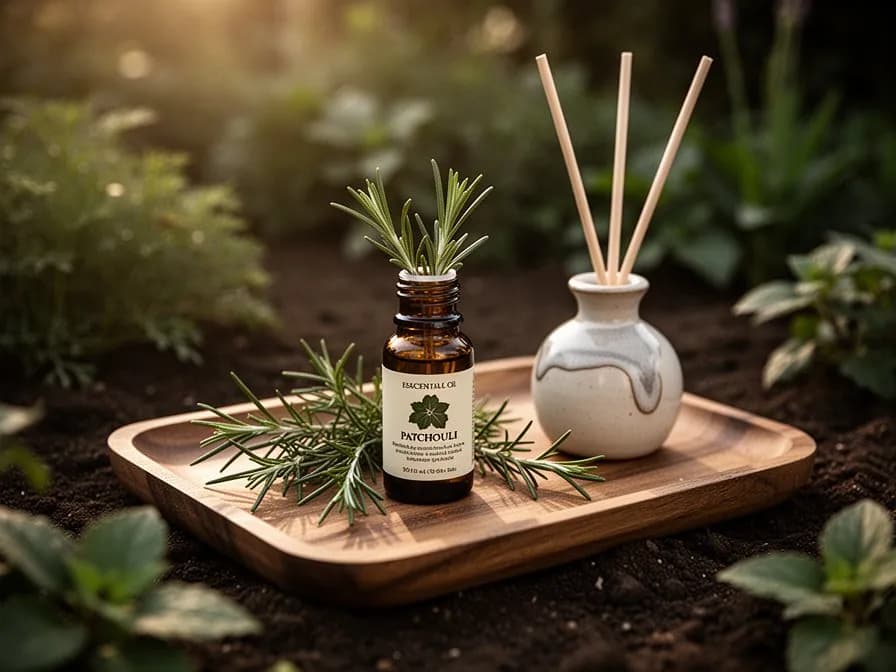
Patschuli-Körperöl
15 Min. plus 2 Wochen ZiehzeitEin luxuriöses Körperöl, durchzogen mit dem wärmenden, erdenden Duft von selbst angebauten Patschuliblättern. Diese Langzeit-Infusionsmethode extrahiert die aromatischen Verbindungen sanft und erzeugt ein tief duftendes Öl für Massage, Hautpflege oder als Badezusatz. Das fertige Öl entwickelt mit der Zeit ein reicheres Aroma.
6 ZutatenWas drinsteckt
Gesundheitsvorteile
- Enthält Patchoulol und andere Sesquiterpenalkohole mit nachgewiesenen entzündungshemmenden Eigenschaften, die bei topischer Anwendung als verdünntes ätherisches Öl Hautreizungen lindern, Rötungen reduzieren und die Heilung kleinerer Wunden und Insektenstiche unterstützen können
- Zeigt starke antimikrobielle und antimykotische Aktivität gegen eine Reihe häufiger Krankheitserreger, was Patschuli-Blattextrakte und ätherisches Öl wertvoll für natürliche Hautpflegeformulierungen und Haushaltsreinigungsprodukte macht
- Wird in der Aromatherapie traditionell für seine erdende und beruhigende Wirkung auf das Nervensystem verwendet; das erdige Aroma des Patschuli kann helfen, Gefühle von Angst, Stress und geistiger Erschöpfung beim Diffundieren oder Inhalieren zu reduzieren
- Wird seit Jahrhunderten in der traditionellen chinesischen und ayurvedischen Medizin zur Unterstützung der Verdauungsgesundheit, zur Linderung von Übelkeit, Blähungen und zur Appetitanregung durch seine karminativen und magenstärkenden Eigenschaften eingesetzt
- Enthält Beta-Caryophyllen, ein Sesquiterpen, das als diätetisches Cannabinoid wirkt und in präklinischen Studien potenzielle entzündungshemmende und schmerzlindernde Wirkungen durch Bindung an CB2-Rezeptoren im Körper gezeigt hat
- Das ätherische Öl hat insektenabweisende Eigenschaften gegen Mücken, Fliegen und Motten gezeigt und bietet eine natürliche und angenehm riechende Alternative zu synthetischen chemischen Repellents für den persönlichen und häuslichen Gebrauch
Woher Patschuli stammt
Patschuli (Pogostemon cablin) ist ein tropisches aromatisches Kraut, das in den feuchten Tieflandwäldern Südostasiens beheimatet ist, mit Ursprung auf den Philippinen, in Malaysia und Indonesien. Die Pflanze wird seit Jahrhunderten in dieser Region kultiviert, geschätzt für ihre intensiv duftenden Blätter, die eines der unverwechselbarsten ätherischen Öle der botanischen Welt liefern. Alte tamilische und chinesische Händler erkannten früh den Wert des Patschuli und integrierten ihn in die traditionelle Medizin und zeremonielle Praktiken. In der traditionellen chinesischen Medizin wird Patschuli (bekannt als Guang Huo Xiang) seit über tausend Jahren bei Verdauungsbeschwerden, Fieber und Kopfschmerzen eingesetzt und ist nach wie vor ein wichtiger Bestandteil klassischer Kräuterrezepturen. Die internationale Reise des Krauts begann ernsthaft im 18. und 19. Jahrhundert, als indische Händler feine Seiden- und Kaschmirtextilien nach Europa verschifften, verpackt mit getrockneten Patschuliblättern, um die Stoffe während der langen Seereisen vor Motten und Insekten zu schützen. Europäische Käufer verbanden bald das reiche, erdige Aroma des Patschuli mit den feinsten Importwaren, und der Duft wurde zum Synonym für orientalischen Luxus und exotischen Handel. Mitte des 19. Jahrhunderts hatten europäische Parfümeure begonnen, ätherisches Patschuliöl in ihre Kreationen einzuarbeiten, und es wurde zu einem grundlegenden Bestandteil vieler klassischer Düfte. Das Kraut erlebte in den 1960er und 1970er Jahren ein dramatisches kulturelles Wiederaufleben, als es von der westlichen Gegenkultur als persönlicher Duft, Räucherwerkzutat und Symbol des freigeistigen Lebens angenommen wurde. Diese Assoziation machte Patschuli bei Millionen neuer Bewunderer weltweit bekannt. Heute wird Patschuli kommerziell in tropischen Regionen wie Indonesien, Indien, China und Brasilien angebaut, wobei die indonesische Produktion den Weltmarkt dominiert. Moderne Parfümeure betrachten Patschuli weiterhin als unverzichtbare Basisnote, und die traditionellen medizinischen Anwendungen des Krauts erfahren erneutes wissenschaftliches Interesse, da Forscher seine antimikrobiellen, entzündungshemmenden und insektenabweisenden Eigenschaften untersuchen.
Patschuli: Schon gewusst?
Faszinierende Fakten über Patschuli
Patschuli ist eines der wenigen ätherischen Öle, deren Duft sich mit dem Alter tatsächlich verbessert und vertieft, ähnlich wie edler Wein. Gereiftes Patschuliöl kann nach mehrjähriger Lagerung in Glasgefäßen Premiumpreise von Parfümeuren erzielen.
Patschuli: Fragen & Antworten
Wann sollte ich Patschuli pflanzen?
Was sind gute Begleitpflanzen für Patschuli?
In welchen Winterhärtezonen kann Patschuli wachsen?
Wie viel Sonne braucht Patschuli?
Welchen Abstand sollte ich zwischen Patschuli lassen?
Welche Schädlinge und Krankheiten befallen Patschuli?
Wie lagere ich Patschuli nach der Ernte?
Was sind die besten Patschuli-Sorten zum Anbauen?
Welchen Boden braucht Patschuli?
Kann Patschuli in gemäßigten Klimazonen im Freien angebaut werden?
Warum welken meine Patschuliblätter, obwohl die Erde feucht ist?
Wie trockne ich Patschuliblätter, um ihren Duft zu maximieren?
Ist Patschuli sicher für die Verwendung in der Nähe von Haustieren?
Wie oft sollte ich Patschuliblätter ernten?
Was sind die besten Begleitpflanzen für Patschuli?
Du hast die Theorie gelesen. Jetzt baue sie auf Autopilot an.
Alles, was Patschuli knifflig macht — das Timing, die Abstände, die Begleiter, das Erntefenster — genau das übernimmt PlotMyGarden für dich, für jede Pflanze im Garten.
Ein Plan, der dein Wetter kennt
Standort einmal festlegen. Aussaat-, Dünge- und Erntedaten rund um deinen echten letzten Frosttermin und die Live-Vorhersage — kein Raten mehr nach Saattüte.
Aus dem Abschnitt „Pflanzzeit“Beetplaner per Drag & Drop
Beete auf einem Raster gestalten. Jede Pflanze rastet im richtigen Abstand ein, und du siehst die ganze Saison, bevor du einen Cent für Saatgut ausgibst.
Aus dem Abschnitt „Anbau“Begleiter-Konflikte früh erkannt
Über 200 gute und schlechte Kombinationen werden beim Pflanzen live geprüft — so landet ein saisonruinierender Fehler nie in der Erde.
Aus dem Abschnitt „Begleiter“Erinnerungen, nach denen du wirklich handelst
„Gieß die Bohnen.“ „Heute ernten, bevor's umschlägt.“ Pünktlich, konkret und auf deine echten Pflanzen bezogen.
Aus dem Abschnitt „Ernte“Staffel-Aussaat, geplant
Sechs Wochen ernten statt sechs Tage? Die App verteilt deine Aussaaten automatisch und erinnert dich, wenn der nächste Satz fällig ist.
Aus dem Abschnitt „Pflanzzeit“Ein Verlauf, der schlauer wird
Jede protokollierte Ernte bringt der App deinen Garten bei. Der Plan fürs nächste Jahr startet bei dem, was in deinem Boden wirklich funktioniert hat.
Aus dem Abschnitt „Überblick“Pflanze diese neben Patschuli
Weitere Duftkräuter
Bau deine beste Patschuli an — und alles drumherum.
Starte heute kostenlos. Lege deine Beete an, setze deine Patschuli ein und lass PlotMyGarden Timing, Abstände, Begleiter und Erinnerungen von der Saat bis zum Erntekorb übernehmen.