Armuelle
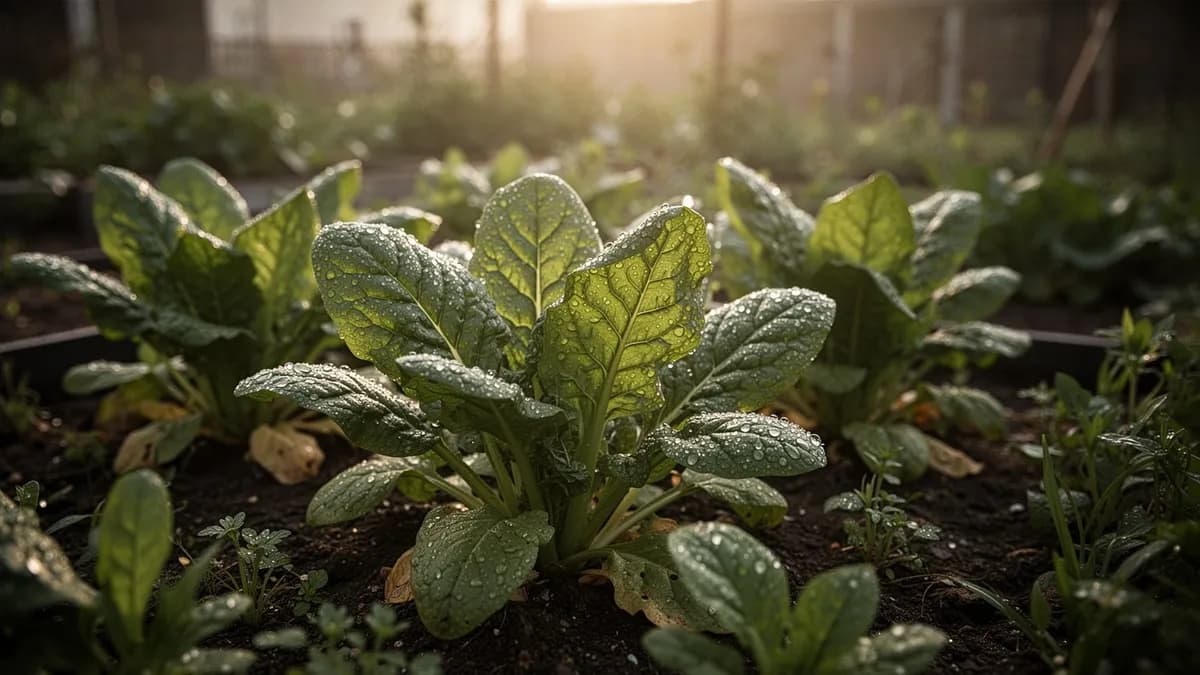
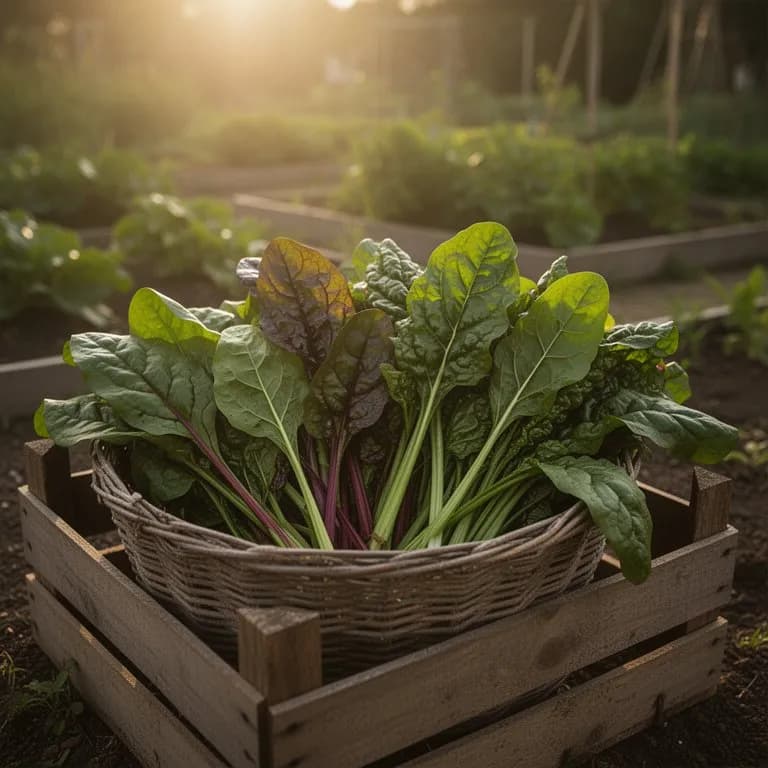
El armuelle (Atriplex hortensis) es una antigua verdura de hoja de la familia Chenopodiaceae, cultivada en Europa y Asia Central desde la antigüedad como alternativa a la espinaca.





En esta páginaResumen
Conoce Armuelle
El armuelle (Atriplex hortensis) es una antigua verdura de hoja de la familia Chenopodiaceae, cultivada en Europa y Asia Central desde la antigüedad como alternativa a la espinaca. Se distingue por la variedad de colores de su follaje, que va desde el verde hasta el rojo intenso, púrpura y dorado, aportando valor ornamental además de alimentario. Alcanza hasta 2 metros de altura, tolera el calor mucho mejor que la espinaca y es notablemente resistente a suelos salinos y condiciones difíciles.
Cuándo plantar Armuelle
La siembra directa en el terreno es el método más eficaz, esparciendo las semillas en surcos de 0,5-1 cm de profundidad a partir de principios de primavera. Las semillas germinan en 7-14 días a temperaturas de 5-20 °C y no necesitan estratificación ni tratamiento previo. Para adelantar la cosecha, se pueden sembrar en bandejas de alvéolos 4-6 semanas antes del trasplante, aunque las plantas de siembra directa suelen ser más vigorosas y resistentes.
Tu año de Armuelle
Ajustado a Zona 7 · temporada típica · la helada se va hacia el 2 abr y vuelve hacia el 1 nov
Planta Armuelle Mar – May y cosecha May – Jul. Consulta los métodos de plantación y elige tu clima para adaptar los periodos.
Cómo cultivar Armuelle
El armuelle se siembra directamente en el terreno en primavera temprana, tan pronto como se pueda trabajar la tierra, ya que germina bien en suelo fresco (5-10 °C). Distribuir las semillas en surcos poco profundos (0,5-1 cm) con 30-40 cm de separación entre hileras, y aclarar las plántulas dejando 20-30 cm entre plantas cuando tengan 5-8 cm de altura. Las plántulas arrancadas durante el aclareo son comestibles y se pueden consumir en ensalada.
A diferencia de la espinaca, el armuelle tolera bien el calor veraniego y tarda más en espigarse, aunque las hojas pueden volverse más duras y amargas en pleno verano. Regar regularmente para mantener el suelo húmedo y favorecer un crecimiento foliar tierno y abundante. Las siembras escalonadas cada 3-4 semanas desde principios de primavera hasta mediados de verano aseguran un suministro continuo de hojas tiernas.
El armuelle es una planta vigorosa que requiere poco mantenimiento. Pellizcar los brotes terminales cuando la planta alcance 30-40 cm de altura para estimular la ramificación y la producción de hojas laterales. Si se deja florecer y producir semillas, se auto-siembra abundantemente, por lo que conviene cortar las espigas florales antes de la maduración de las semillas si no se desea su naturalización en el huerto.
32 plantas caben en un bancal de 120 × 240 cm
Cada Armuelle pide 30 cm de margen. El planificador guarda ese marco por ti — cada planta, cada bancal.
Los mejores vecinos de Armuelle
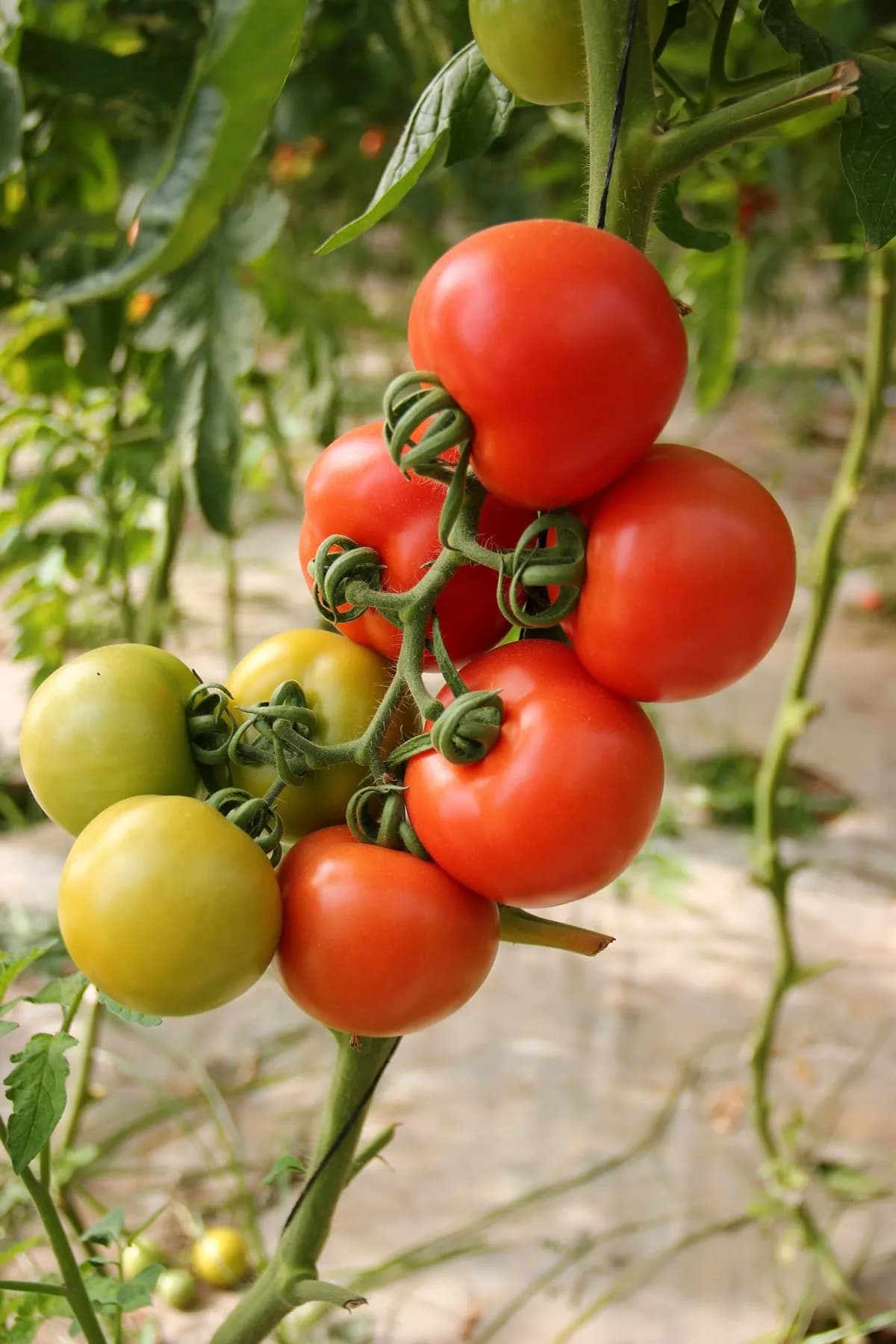
El armuelle se asocia bien con tomates, pimientos y berenjenas, a los que puede proporcionar sombra parcial beneficiosa en su base durante el verano. Su altura considerable lo hace útil como cortavientos natural para proteger cultivos más bajos y delicados. Evitar plantar junto a otras quenopodiáceas como la remolacha y la acelga para reducir la presión de plagas y enfermedades compartidas.
Tomate va a su lado.
Saber de huerto de siempre, cotejado con la tabla real de Armuelle — prueba cualquier planta que cultives.
Prueba Armuelle en un bancal, aquí mismo
Un bancal real del planificador con Armuelle ya plantado. Toca una planta compañera para colocarla y mira cómo responde la comprobación de vecinos: verde para buenos vecinos, rojo si hay conflicto.


Guías de cultivo relacionadas
Abónalo bien
El armuelle es notablemente adaptable y crece en casi cualquier tipo de suelo, desde arcilloso hasta arenoso, con un pH entre 6,0 y 8,0. Tolera suelos salinos donde otras verduras de hoja fracasarían, lo que lo hace valioso para huertos costeros o con problemas de salinidad. Para maximizar la producción foliar, incorporar compost antes de la siembra y aplicar un fertilizante rico en nitrógeno cada 3-4 semanas durante la temporada de crecimiento.
Temperatura ideal
Compatibilidad de zonas de rusticidad
De la semilla a la cosecha, etapa por etapa
Germinación
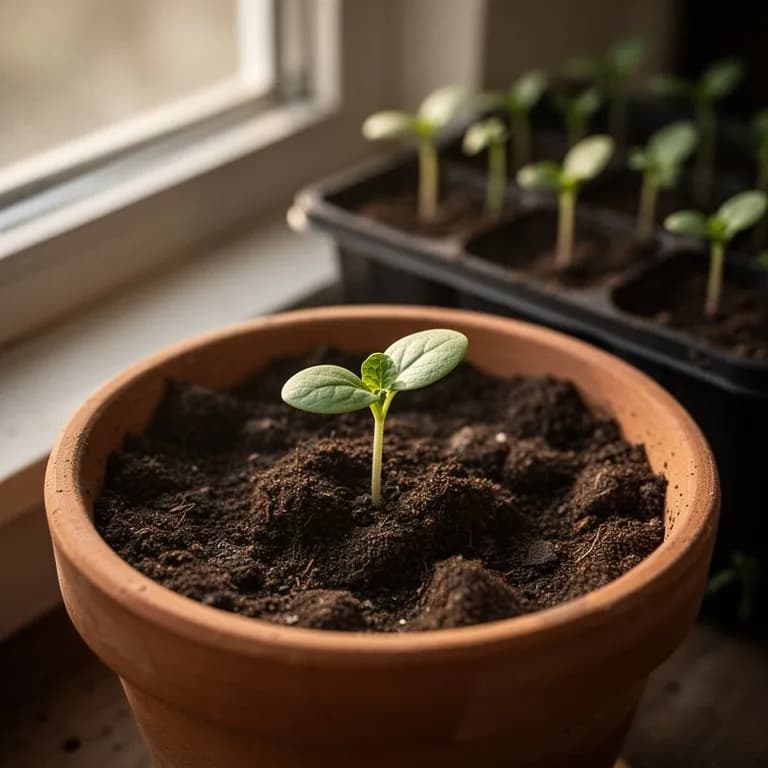
Las semillas germinan con facilidad en suelo fresco a templado y emiten un par de cotiledones estrechos. A diferencia de muchas hojas verdes, la oracha germina bien en suelos tan fríos como 5°C (41°F), lo que la convierte en uno de los cultivos más tempranos para sembrar en primavera.
Desarrollo de plántula
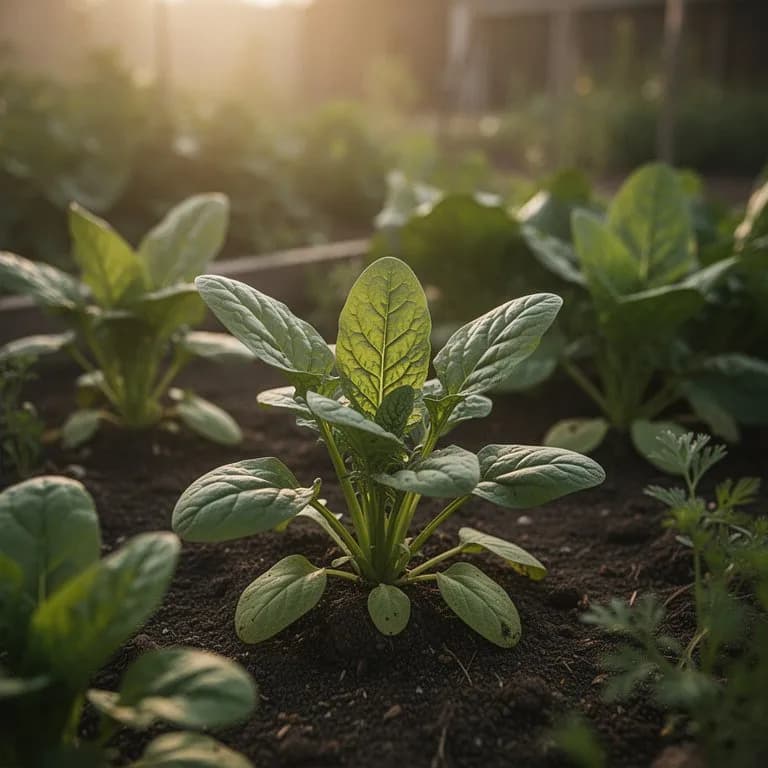
Las hojas verdaderas aparecen con la característica forma triangular y puntiaguda. Las variedades de color empiezan a mostrar su pigmentación: la oracha roja desarrolla tonos magenta y las variedades doradas muestran matices chartreuse. Las plántulas crecen rápido en clima fresco y forman un tallo central fuerte.
Producción de hojas
La planta entra en su fase principal de cosecha y produce hojas grandes, anchas y triangulares sobre un tallo erguido y robusto. Durante esta etapa, las hojas son más tiernas y de sabor más suave. Las plantas alcanzan 30-60 cm de altura y se ramifican libremente si se pinza la punta de crecimiento.
Crecimiento rápido
Las plantas crecen con vigor y alcanzan 90-150 cm de altura. El tallo se engrosa y se vuelve algo leñoso en la base. Las hojas siguen siendo comestibles, pero desarrollan un sabor más intenso y mineral a medida que la planta madura. Las ramas laterales producen abundantes hojas secundarias para seguir cosechando.
Floración y formación de semillas
La planta emite espigas florales altas con pequeñas flores verdosas o rojizas poco llamativas dispuestas en racimos densos. Una vez que comienza la floración, el sabor de las hojas se vuelve más intenso y algo amargo. A lo largo de las espigas se desarrollan brácteas papiráceas en forma de disco que maduran de verde a color canela.
Madurez de la semilla
Las semillas maduran dentro de brácteas papiráceas que pasan de verde a color canela o marrón. Cada planta produce miles de semillas que siguen siendo viables durante 3-5 años. Cuando están secas, las semillas se abren con facilidad y se dispersan en el suelo para formar una colonia autosiembrada en el jardín.
Siembra las semillas a no más de 5 mm de profundidad, presionándolas suavemente sobre el suelo húmedo. Mantén la superficie uniformemente húmeda hasta la germinación. Las siembras sucesivas cada 2-3 semanas prolongan la temporada de cosecha hasta bien entrado el verano.
Cuidar Armuelle mes a mes
Qué hacer cada mes para tu Armuelle
Octubre
Mes actualContinue harvesting autumn orach until hard frost. Orach tolerates light frosts down to -5°C (23°F), extending the season well past the first fall frosts. Mulch plants lightly to protect from early freezes.
Ten claro qué hacer en tu huerto, cada mes
Un correo al empezar cada mes: qué sembrar, plantar y hacer ahora mismo — para tu Armuelle y todo lo que crece alrededor. Más un breve curso inicial para esquivar los errores clásicos.
- Qué hacer ahora mismo
- Ajustado a tu temporada
- Curso inicial incluido
Cosechar Armuelle
Las hojas del armuelle se cosechan individualmente cortándolas de las ramas exteriores a partir de los 40-50 días después de la siembra, cuando alcanzan un tamaño de 10-15 cm. La cosecha continua estimula la producción de nuevos brotes laterales y prolonga el período productivo durante varios meses. Las hojas más jóvenes y tiernas son preferibles para ensaladas crudas, mientras que las hojas más maduras son mejores para cocinar al vapor o salteadas.
se supone que plantas al comenzar el periodo — indica tu fecha real
Deja que una o dos plantas florezcan y produzcan semillas si quieres plantas voluntarias el año siguiente.
Almacenamiento y conservación
Las hojas frescas del armuelle se conservan en el refrigerador envueltas en papel húmedo dentro de una bolsa perforada durante 3-5 días. Para conservación a largo plazo, escaldar las hojas durante 1-2 minutos, enfriar en agua helada, escurrir completamente y congelar en bolsas herméticas, donde mantienen su calidad hasta 6-8 meses. Las variedades rojas y púrpura pierden parte de su coloración al cocerse, pero mantienen su sabor y valor nutricional.
Qué falla — y cómo solucionarlo
Pulgón verde
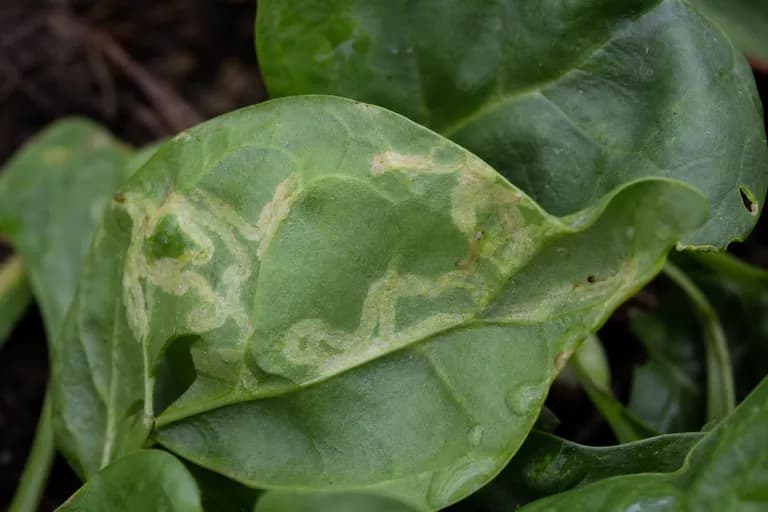
PlagaColonias en los brotes tiernos y en el envés de las hojas jóvenes que provocan enrollamiento foliar, deformación de los nuevos brotes y secreción de melaza que atrae hormigas.
Minador de hojas
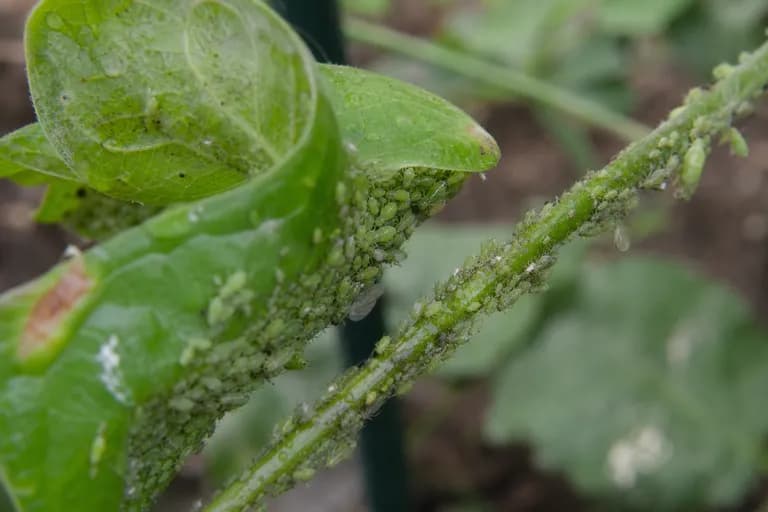
PlagaGalerías sinuosas de color blanco-plateado visibles en el interior de las hojas, creadas por las larvas que se alimentan del mesófilo, reduciendo la superficie fotosintética y el valor estético de las hojas.
Mildiu (Peronospora farinosa)
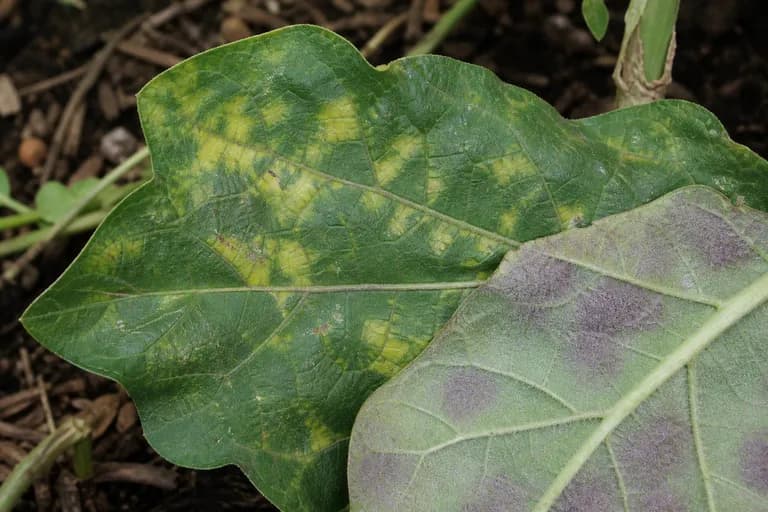
EnfermedadManchas amarillentas en el haz de las hojas que corresponden con un moho grisáceo-violáceo en el envés, expansión progresiva de las lesiones y eventual desecación del follaje afectado.
Solución de problemas comunes
La auto-siembra agresiva es el problema más reportado: si se permite que las plantas produzcan semillas, el armuelle puede aparecer en todo el huerto como una mala hierba persistente durante años. La espigadura eventual en verano reduce la calidad de las hojas, aunque es menos problemática que en la espinaca. Las variedades rojas y púrpura pueden perder intensidad de color si reciben demasiada sombra o exceso de fertilización nitrogenada.
Consejos de cultivo
- Sow seeds directly outdoors rather than starting indoors — orach has a delicate taproot that resents transplanting. Scatter seeds on the soil surface and press gently without covering, as orach seeds need light to germinate reliably.
- Practice succession sowing every 2-3 weeks from early spring through late spring for a continuous harvest. Each planting provides 6-8 weeks of good leaf production before plants begin to bolt and flower.
- Pinch the central growing tip when plants reach 30 cm tall. This simple step is the single most effective way to extend your leaf harvest — it forces bushy lateral branching and delays flowering by 2-3 weeks.
- Grow all three color varieties (red, green, and golden) together for a visually stunning edible garden feature. The mixed colors are spectacular in both the garden and on the plate, and each variety has a slightly different flavor profile.
- Allow at least one or two plants to flower and set seed each year. Orach self-sows prolifically, and once established it will return reliably each spring as a free, low-maintenance crop. Thin unwanted volunteers as they appear.
- Water consistently but avoid waterlogging — orach is tolerant of brief dry spells once established but produces the sweetest, most tender leaves with even moisture. Mulch lightly to retain soil moisture and suppress weeds.
- Harvest in the morning when leaves are most turgid and flavorful. Pick outer leaves regularly, leaving the central growing point intact for continued production. Young leaves under 10 cm are sweetest for salads; larger mature leaves are best cooked.
- Orach grows well in slightly alkaline or even mildly saline soils where spinach and lettuce struggle. If you have hard water, salty soil, or coastal conditions, orach is an excellent alternative to conventional salad greens.
Cultiva tu mejor Armuelle — y todo lo que la rodea.
Empieza un plan gratis hoy. Diseña tus bancales, coloca tu Armuelle y deja que PlotMyGarden gestione el momento, el espaciado, las asociaciones y los recordatorios de la semilla a la cesta.
Elige tu Armuelle
Red Orach (Armuelle Rojo)
La variedad más popular y decorativa, con hojas grandes de color rojo-púrpura intenso que aportan un color espectacular a ensaladas y al huerto, sabor suave similar a la espinaca, madura en 40-50 días.
Gold Orach (Armuelle Dorado)
Variedad de hojas verde-amarillento a dorado brillante, con sabor suave y ligeramente dulce, excelente para mezclas de ensaladas coloridas, madura en 40-50 días.
Green Orach (Armuelle Verde)
La forma tradicional con hojas verdes grandes y triangulares, sabor más pronunciado y ligeramente salino, la más productiva y vigorosa de las variedades, madura en 35-45 días.
Magenta Magic
Selección moderna con follaje de color magenta vibrante y porte más compacto, ideal para huertos pequeños y cultivo en contenedores, combina valor ornamental con excelente calidad culinaria.
Orach seed is inexpensive ($2-4 per packet of 200+ seeds), and once established, plants self-sow reliably to provide free crops in subsequent years. Specialty red and golden orach leaves sell for $12-20 per pound at farmers markets and upscale grocery stores when available — growing your own provides significant savings on what is otherwise a premium, hard-to-find green. A single packet of seeds can establish a self-perpetuating colony that provides greens for years with minimal effort.
Recetas rápidas
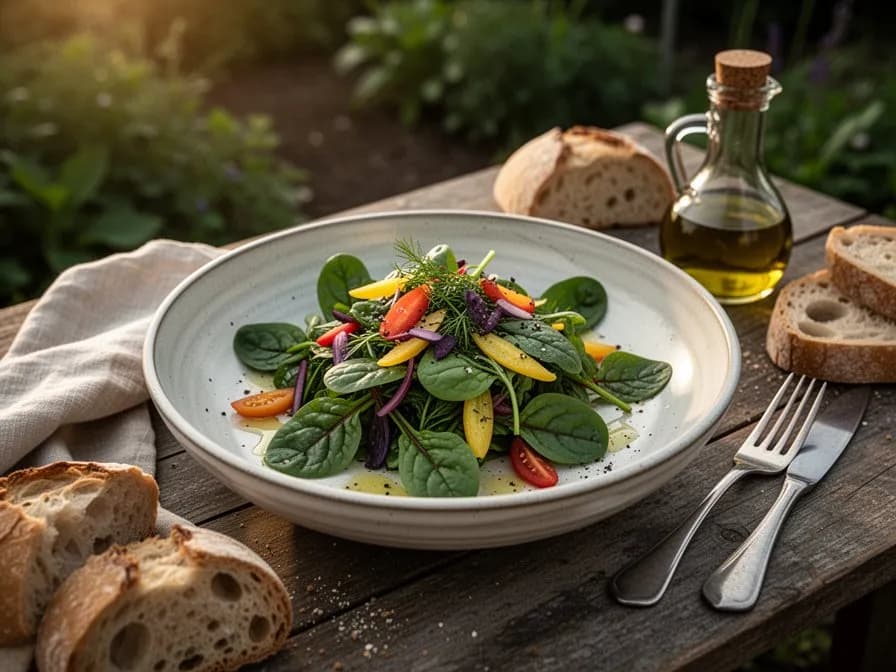
Orach and Feta Spanakopita Filling
30 minA colorful twist on the classic Greek spinach pie filling — orach's mild flavor and sturdy leaves work beautifully with salty feta, fresh dill, and flaky phyllo pastry. Red orach adds a stunning magenta swirl to the filling.
8 ingredientesRainbow Orach Salad with Lemon Vinaigrette
10 minA vibrant raw salad that showcases the stunning color range of orach varieties. Young leaves are tender and sweet with a mild spinach-like flavor that pairs perfectly with a bright citrus dressing and toasted seeds.
8 ingredientesSauteed Orach with Garlic and Pine Nuts
12 minThe simplest and most satisfying way to cook orach — a quick sauté that wilts the leaves to silky tenderness while keeping their color vivid. Works identically to sauteed spinach but with a milder, less acidic flavor.
7 ingredientesUsos culinarios
El armuelle se utiliza exactamente como la espinaca: las hojas tiernas se añaden crudas a ensaladas mixtas, donde las variedades rojas aportan un color espectacular. Las hojas más grandes se cocinan al vapor, se saltean con ajo y aceite de oliva, se incorporan a sopas, quiches, tortillas y rellenos de pasta. En la cocina histórica europea se utilizaba ampliamente en potajes, empanadas y como envoltorio para carnes y pescados, y está experimentando un resurgimiento en la cocina de autor contemporánea.
Qué contiene
Beneficios para la salud
- Extremely rich in beta-carotene and vitamin A — red and purple varieties contain anthocyanin pigments that provide additional antioxidant protection beyond what standard green leafy vegetables offer.
- Contains significantly less oxalic acid than spinach, allowing the body to absorb more of the calcium, iron, and magnesium present in the leaves. This makes orach a superior mineral source for people concerned about oxalate intake.
- Good source of vitamin C, supporting immune function and enhancing iron absorption from the same meal — particularly valuable for plant-based diets where non-heme iron absorption is a concern.
- The anthocyanins in red and purple orach varieties have been studied for their anti-inflammatory and cardiovascular protective properties, including support for healthy blood pressure and vascular function.
- High in dietary fiber relative to its very low calorie count, supporting digestive regularity and promoting satiety. The gentle fiber content makes orach well-tolerated even by those with sensitive digestive systems.
- Provides folate (vitamin B9), essential for DNA synthesis, cell division, and healthy pregnancy outcomes. Leafy greens like orach are among the best dietary sources of this critical nutrient.
De dónde viene Armuelle
Orach (Atriplex hortensis) is native to Central Asia, with its center of origin in the region spanning from the Caucasus Mountains through Siberia and into western China. Wild orach still grows abundantly across the steppes and semi-arid landscapes of Kazakhstan, Uzbekistan, and Mongolia, where it thrives in alkaline soils that would defeat most cultivated crops. The plant was likely first domesticated in the temperate zones of Central Asia and spread westward along ancient trade routes long before the Silk Road was formally established.
Orach reached Europe well before the Roman era and quickly became one of the most important potherbs of the ancient and medieval world. Greek and Roman writers including Pliny the Elder documented its cultivation and culinary uses. Throughout the Middle Ages, orach — known as 'mountain spinach' or 'garden orache' — was the primary cooked green across much of Northern Europe, where it grew more reliably than the heat-loving spinach that had not yet arrived from Persia. Charlemagne's capitulary De Villis of 812 AD specifically listed orach among the plants required to be grown in every imperial garden, underscoring its importance in early European agriculture.
Spinach gradually displaced orach in European gardens after the 11th century, and by the 1700s orach had become a minor crop grown mainly by cottage gardeners and in ornamental kitchen gardens. However, it never entirely disappeared. French potager gardens maintained red and golden varieties for their beauty, and seed savers across Northern Europe kept traditional strains alive. Today, orach is experiencing a renaissance among specialty growers, farmers market vendors, and home gardeners who value its heat tolerance, bolt resistance, low oxalate content, and stunning ornamental colors. It remains an important wild-harvested green in parts of Central Asia and is increasingly recognized as a climate-resilient alternative to spinach in warming growing regions.
Armuelle: ¿sabías que?
Datos fascinantes sobre Armuelle
Orach (Atriplex hortensis) was the dominant leafy green in European kitchens for over a thousand years before spinach arrived from Persia in the 11th century. Medieval cooks called it 'mountain spinach' and considered it superior to the newcomer in both flavor and ease of growing.
Armuelle: preguntas frecuentes
¿Cuándo debo plantar Armuelle?
¿Cuáles son buenas plantas acompañantes para Armuelle?
¿En qué zonas de rusticidad puede crecer Armuelle?
¿Cuánto sol necesita Armuelle?
¿A qué distancia debo espaciar Armuelle?
¿Qué plagas y enfermedades afectan a Armuelle?
¿Cómo almaceno Armuelle después de la cosecha?
¿Cuáles son las mejores variedades de Armuelle para cultivar?
¿Qué suelo necesita Armuelle?
What does orach taste like compared to spinach?
Why does my orach bolt so quickly?
Is orach safe to eat raw?
Will orach take over my garden if I let it self-sow?
Can I grow orach in containers?
What are the best companion plants for orach?
Acabas de leer la teoría. Ahora cultívala en piloto automático.
Todo lo que hace que Armuelle sea delicado — el momento, el espaciado, las asociaciones, la ventana de cosecha — es justo lo que PlotMyGarden resuelve por ti, para cada planta de tu huerto.
Un plan que conoce tu clima
Indica tu ubicación una vez. Recibe fechas de siembra, abonado y cosecha basadas en tu última helada real y el pronóstico en vivo — sin adivinar con un sobre genérico.
De la sección “Cuándo plantar”Planificador de bancales de arrastrar y soltar
Diseña bancales sobre una cuadrícula. Cada planta encaja con su espaciado correcto y ves toda la temporada antes de gastar un céntimo en semillas.
De la sección “Cultivo”Conflictos de asociación, detectados a tiempo
Más de 200 buenas y malas combinaciones comprobadas en vivo mientras plantas — para que un error que arruine la temporada nunca llegue a la tierra.
De la sección “Asociaciones”Recordatorios que sí vas a seguir
“Riega las judías.” “Recoge hoy antes de que se pase.” Oportunos, concretos y ligados a las plantas que de verdad cultivas.
De la sección “Cosecha”Escalonado, programado
¿Quieres cosechar seis semanas en vez de seis días? Reparte tus siembras automáticamente y te avisa cuando toca el siguiente lote.
De la sección “Cuándo plantar”Un registro que se vuelve más listo
Cada cosecha que registras le enseña tu huerto. El plan del año que viene parte de lo que de verdad funcionó en tu suelo, no en un manual.
De la sección “Resumen”Planta estos junto a Armuelle
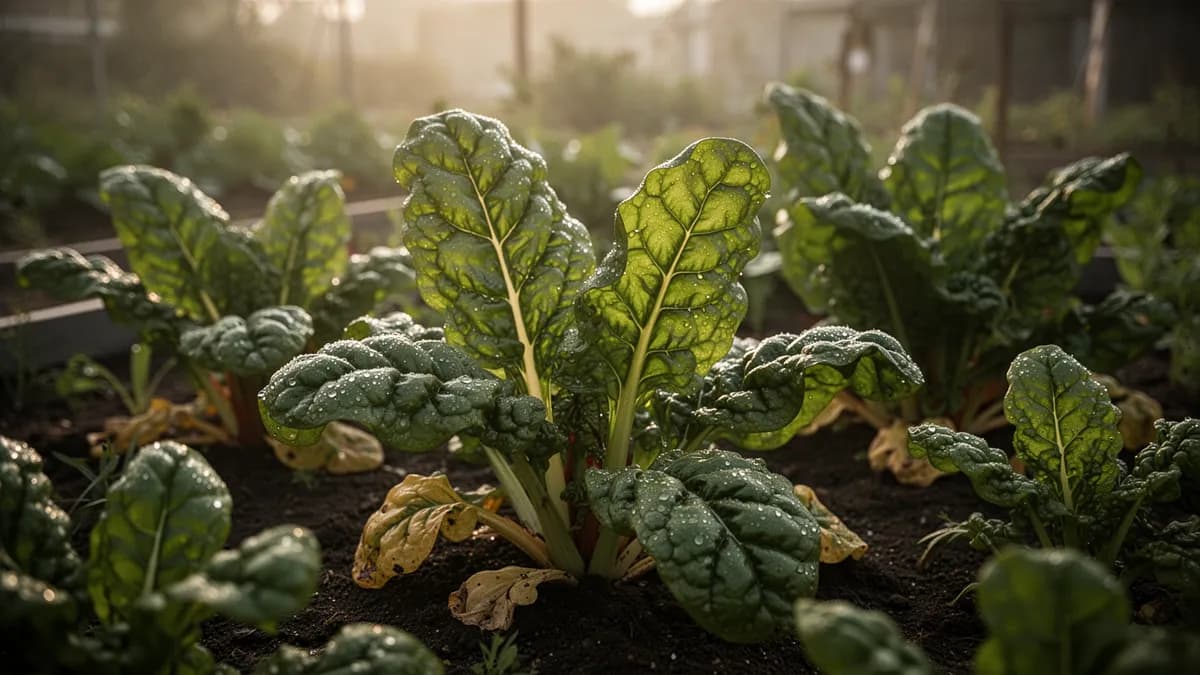
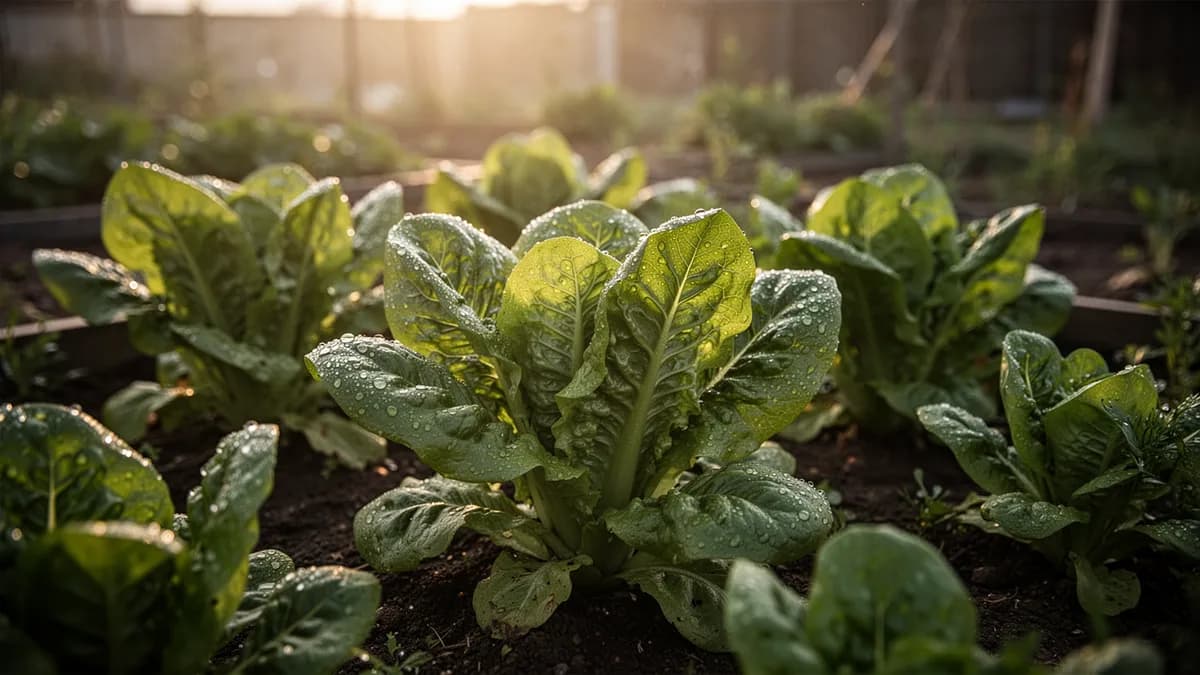
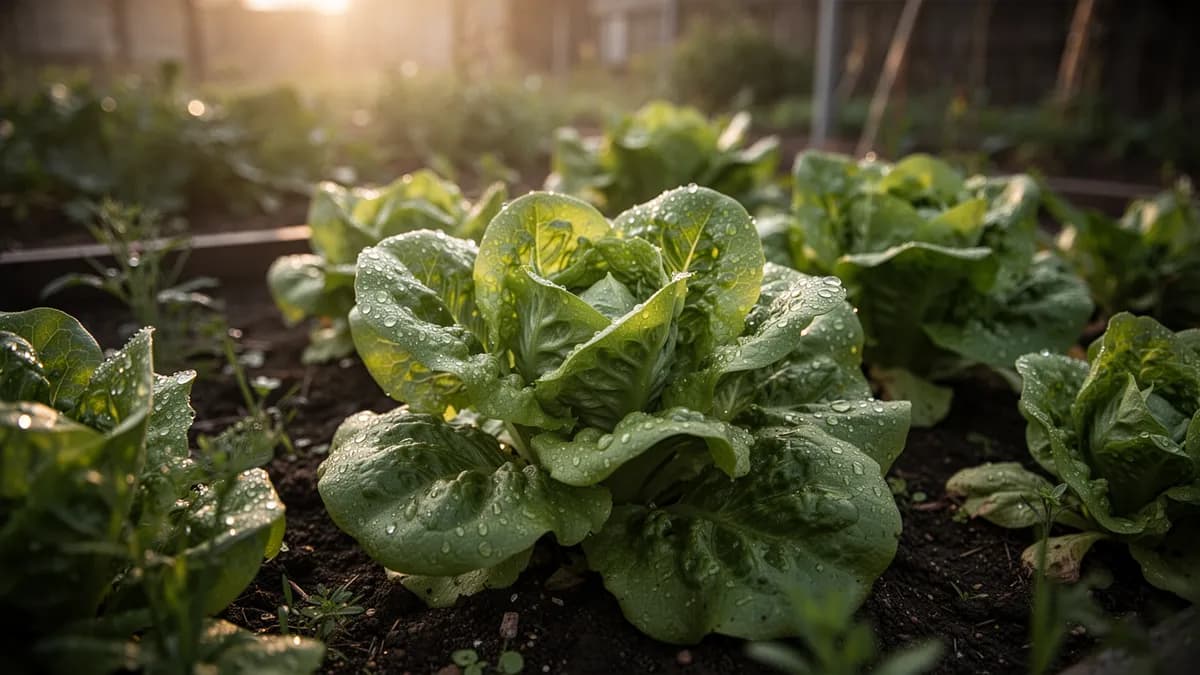
Más Hortalizas de hoja
Cultiva tu mejor Armuelle — y todo lo que la rodea.
Empieza un plan gratis hoy. Diseña tus bancales, coloca tu Armuelle y deja que PlotMyGarden gestione el momento, el espaciado, las asociaciones y los recordatorios de la semilla a la cesta.