Nepeta
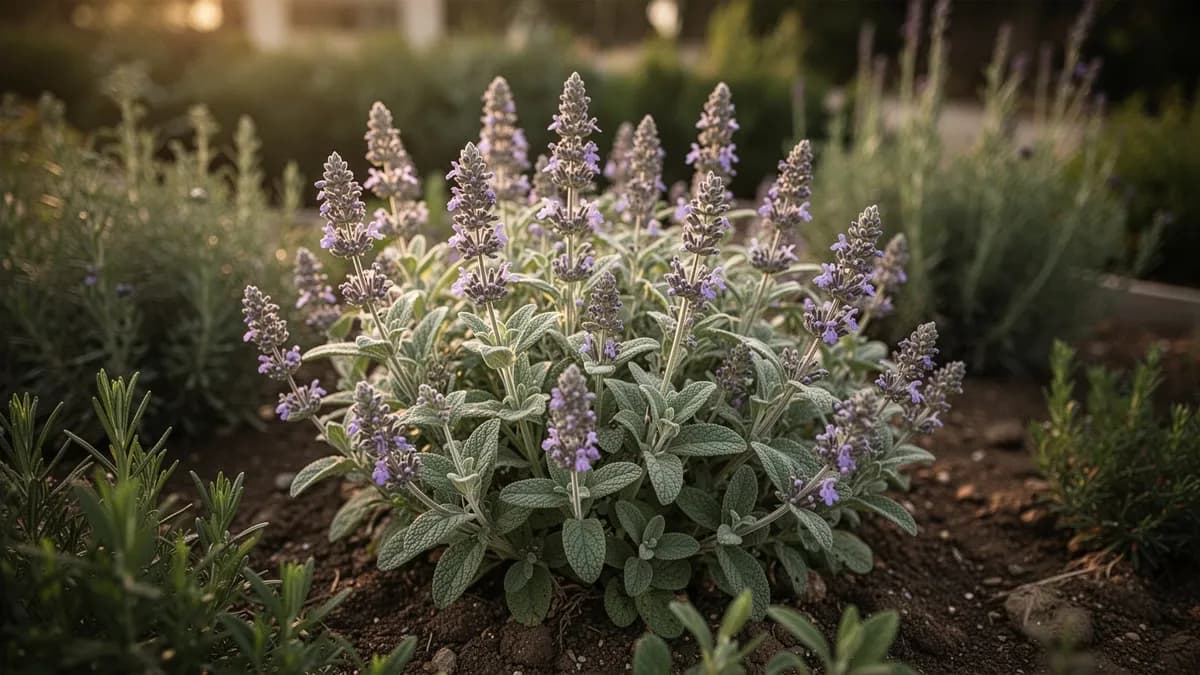
A prolific-blooming perennial catmint with dense spikes of violet-blue flowers and a minty-herbal fragrance throughout summer.





On this pageOverview
Meet Nepeta
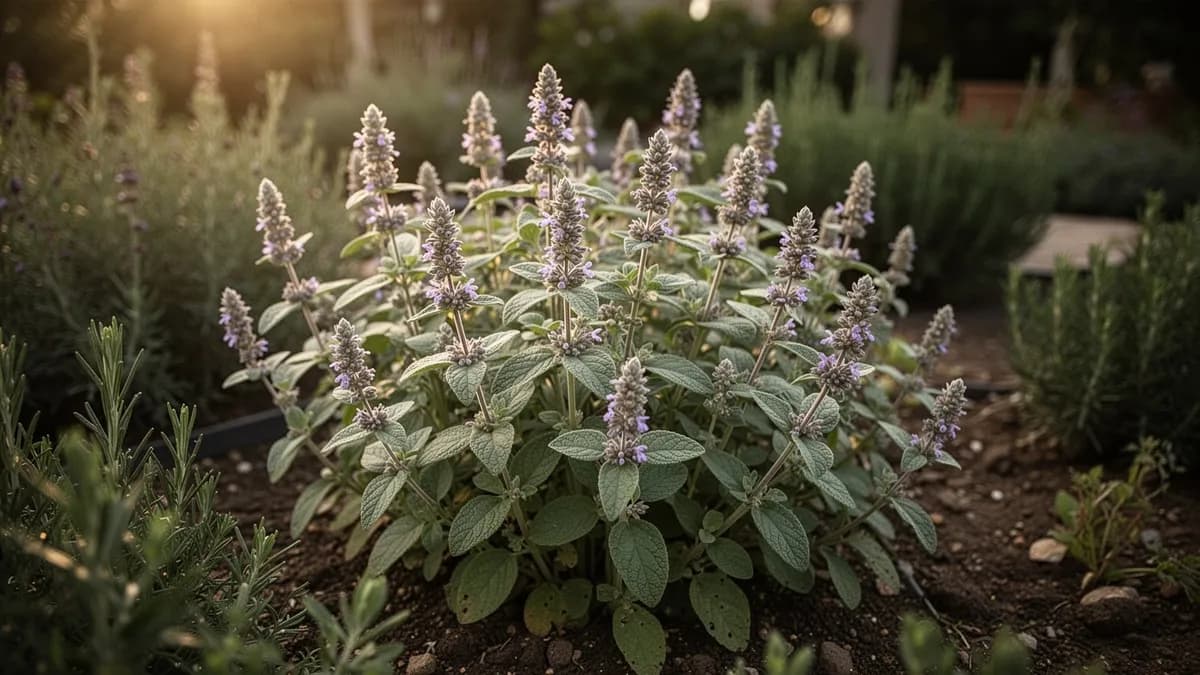
A prolific-blooming perennial catmint with dense spikes of violet-blue flowers and a minty-herbal fragrance throughout summer. Nepeta is one of the most reliable low-maintenance perennials for dry gardens and pairs beautifully with ornamental grasses and roses. Shear plants by one-third after the first bloom flush for a strong repeat performance.
When to plant Nepeta
Nepeta racemosa can be grown from seed sown indoors 8-10 weeks before last frost. Surface-sow on moist compost—seeds need light for germination. Keep at 18-22°C and expect germination in 7-14 days. Named cultivars do not come true from seed and must be propagated by division in spring or stem cuttings in early summer. Division is the fastest method for increasing stock of named varieties.
Your Nepeta Year
Composed for Zone 7 · typical seasons · frost passes Apr 2, returns Nov 1
Plant Nepeta Mar – May, pick May – Sep. Check the planting methods below and set your climate to personalize these windows.
How to grow Nepeta
Nepeta racemosa is the species behind many of the best garden catmints, producing dense spikes of violet-blue flowers on aromatic, grey-green foliage from late spring through autumn. Plants form neat mounds 30-45cm tall and 45-60cm wide, making them ideal for border edging, path lining, and mass planting in gravel gardens.
Plant in full sun with lean, well-drained soil. Like its cousin catmint (N. x faassenii), this species thrives on neglect—rich soil and excessive water produce floppy, weak plants. Sandy, gravelly, or chalky soils are ideal. Space plants 40cm apart for a continuous edging effect.
The essential technique for maximum flowering is mid-season shearing. After the first bloom flush fades (usually late June), shear the entire plant back by one-third. Fresh growth and a second flush of flowers will appear within 2-3 weeks, continuing into autumn. Without shearing, plants look untidy and bloom is sporadic. Cut to ground level in late autumn after frost and divide every 4-5 years.
18 plants fit a 4 × 8 ft bed
Each Nepeta wants 40 cm of elbow room. The planner keeps that spacing for you — every plant, every bed.
Nepeta's best neighbours
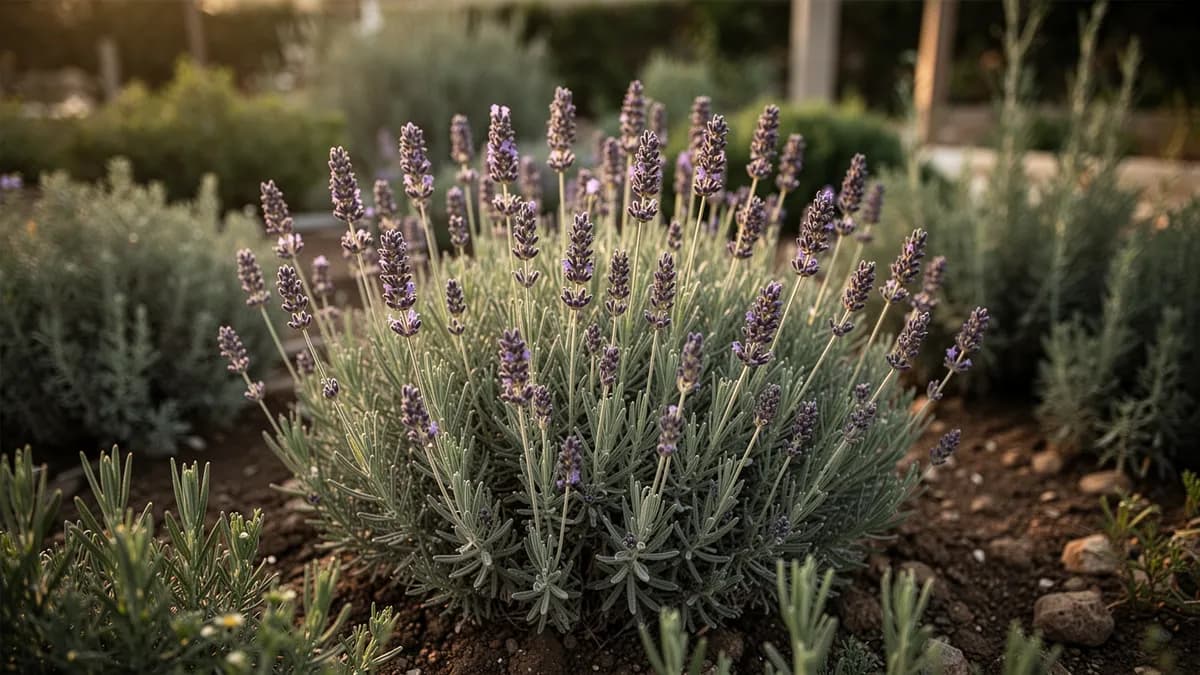
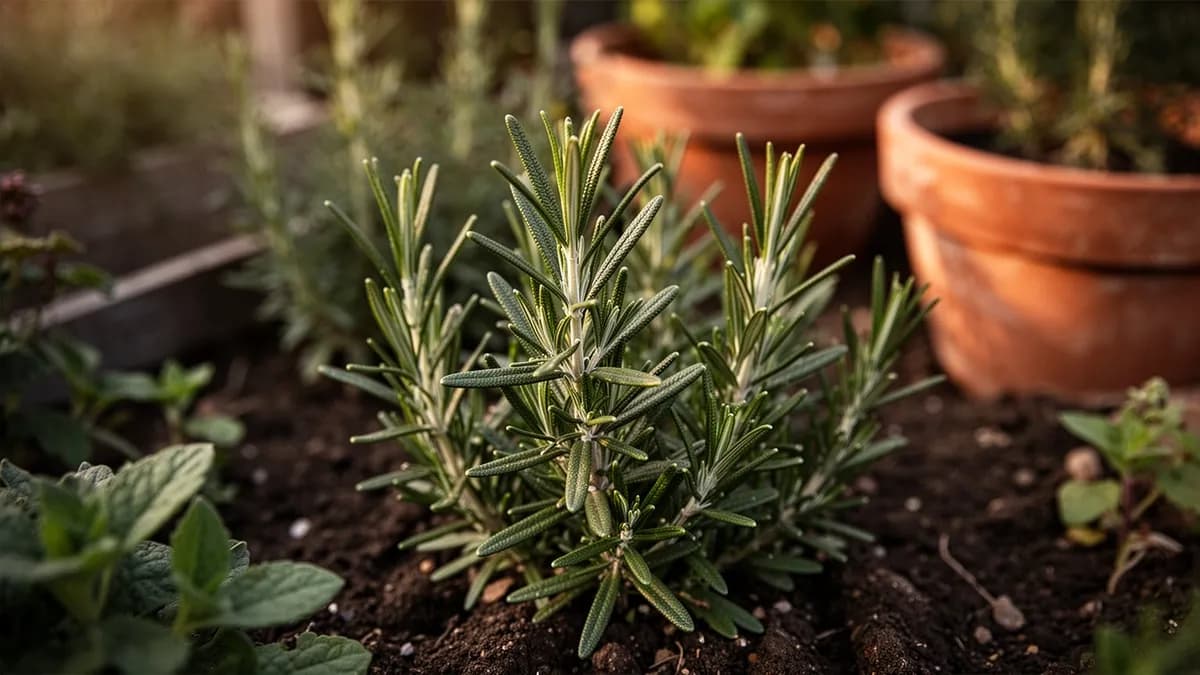
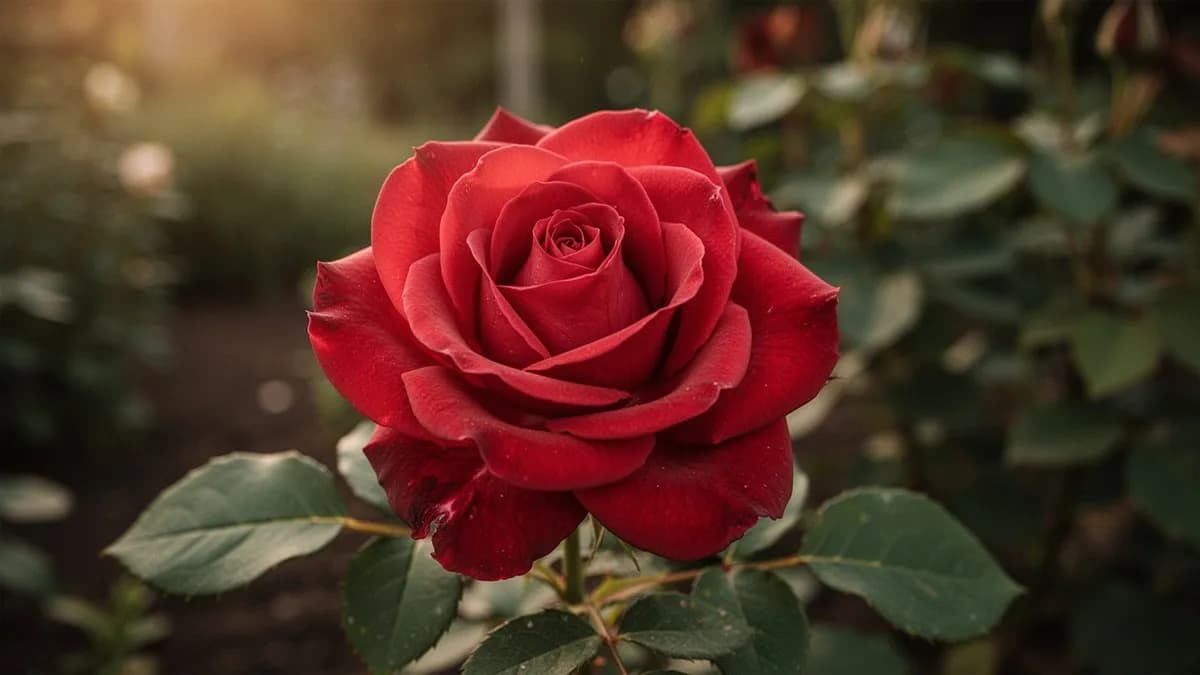
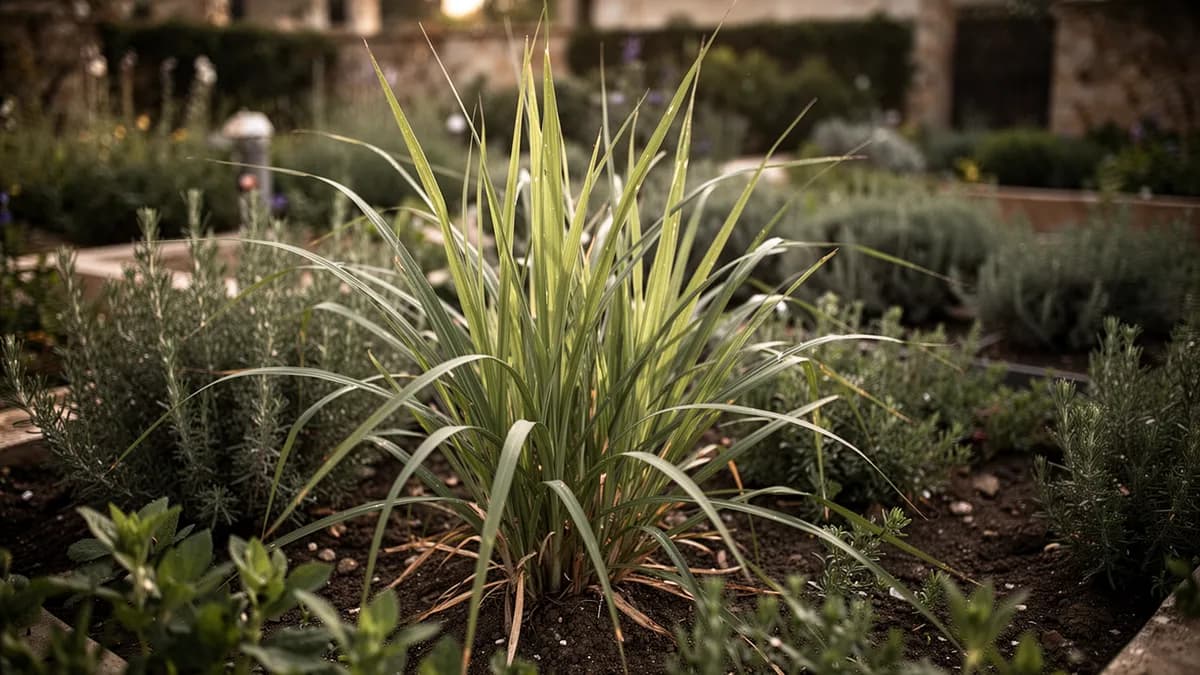
Nepeta is the quintessential rose companion, creating a billowing blue-violet underplanting that perfectly complements roses of any color. It also pairs beautifully with ornamental grasses, alliums, hardy geraniums, and penstemon in mixed borders. The flowers are excellent bee and butterfly plants. In the herb garden, it provides a beautiful aromatic edge alongside lavender and thyme.
Lavender belongs beside it.
Old growers' knowledge, checked against Nepeta's real companion table below — test any plant you're growing.
Try Nepeta in a bed — right here
A real planner bed with Nepeta already in it. Tap a companion to place it and watch the pairing checks answer — green for good neighbours, red for a clash.


Related growing guides
Feed it well
Thrives in lean, well-drained soil with a pH of 6.0-8.0. Sandy, gravelly, or chalky soils are ideal. Avoid rich soil and heavy feeding, which produce floppy growth. No fertilizer is typically needed for garden-grown plants. A thin gravel mulch helps with drainage, reflects heat, and sets off the grey-green foliage beautifully.
Ideal Temperature
Hardiness Zone Compatibility
From seed to harvest, stage by stage
Seed Germination
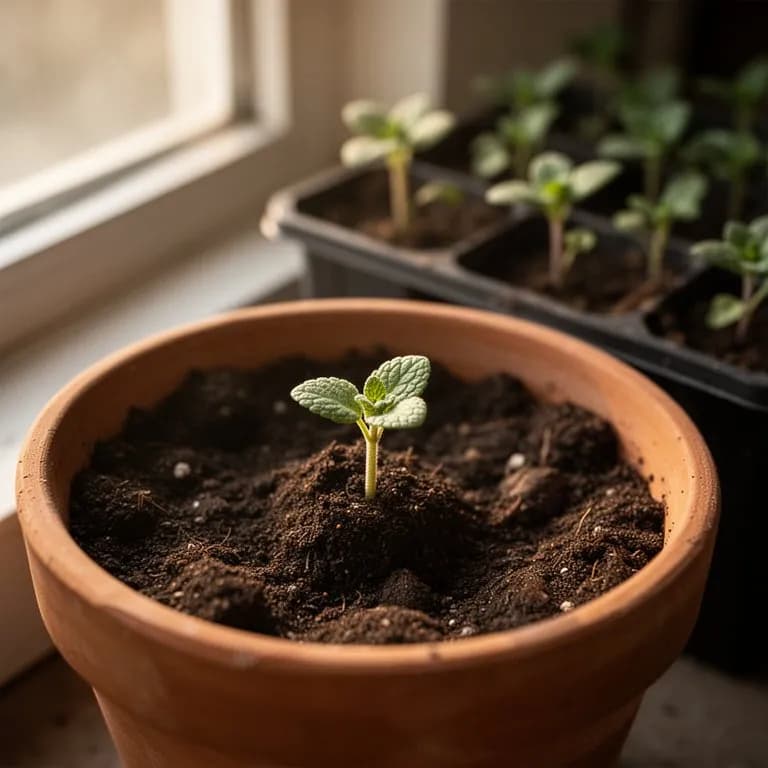
Nepeta seeds require light to germinate, so sow them on the surface of moist seed-starting mix and press gently without covering. Maintain consistent moisture and temperatures around 18-22°C. Cold stratification for 1-2 weeks in the refrigerator before sowing can improve germination rates significantly.
Seedling Development
Small seedlings emerge with rounded cotyledons followed by the first true leaves, which already show the characteristic veined texture and mild minty scent. Growth is steady but seedlings remain compact at this stage.
Vegetative Growth
Plants develop a bushy, mounding habit with vigorous branching. The aromatic foliage becomes denser and the stems strengthen. The root system expands rapidly during this phase, establishing the foundation for years of growth.
Bud Formation
Flower buds begin forming at the tips of stems, developing into the tight, conical spikes characteristic of Nepeta nervosa. The buds are initially green and compact, gradually showing hints of blue-purple color as they mature.
Full Bloom
Dense spikes of lavender-blue tubular flowers open from the bottom up, creating a spectacular display that can last for several weeks. The plant is at peak attractiveness to pollinators, with bees and butterflies visiting constantly throughout the day.
Post-Bloom Regrowth
After the first flush of flowers, the plant can be cut back by one-third to stimulate a second and sometimes third wave of blooms. Fresh growth emerges quickly from the base and along cut stems, often producing flowers within 3-4 weeks of pruning.
Winter Dormancy
As temperatures drop, the foliage dies back to the ground. The crown and root system remain alive beneath the soil surface, ready to produce vigorous new growth the following spring. Nepeta nervosa is reliably hardy to USDA zones 3-8.
Keep the seed tray in bright indirect light and mist regularly to prevent the surface from drying out. A clear humidity dome accelerates germination.
Caring for Nepeta month by month
What to do each month for your Nepeta
October
You are hereAllow seed heads to mature and self-sow if desired, or collect seeds for storage. Stop all fertilizing. The foliage will begin to decline as temperatures cool. Leave the plant intact to provide winter interest and wildlife habitat.
Know exactly what to do in your garden — every month
One email at the start of each month: what to sow, plant, and tackle right now — for your Nepeta and everything growing around it. Plus a short starter course that helps you dodge the classic mistakes.
- What to do, right now
- Matched to your season
- Starter course included
Harvesting Nepeta
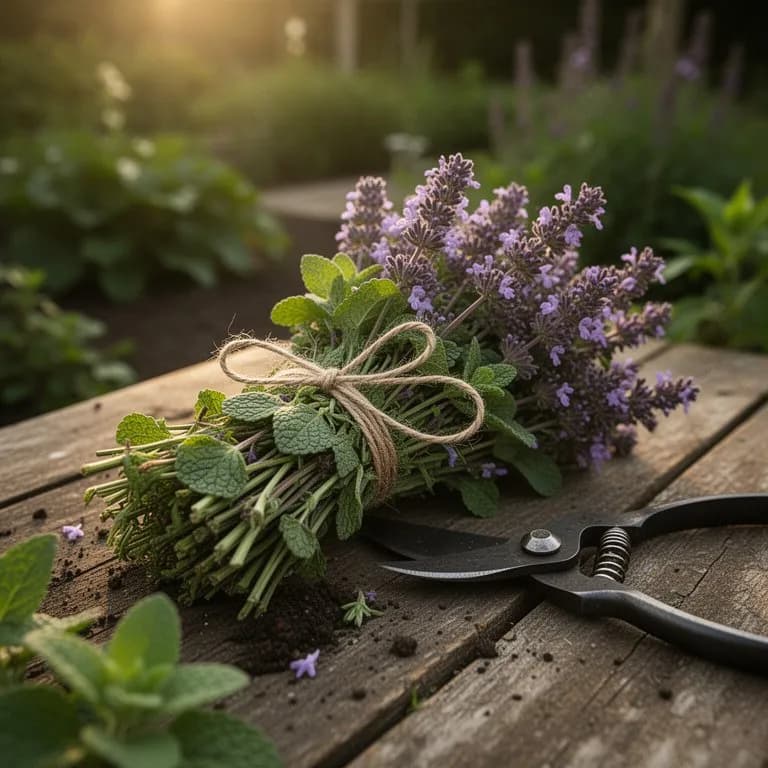
Harvest nepeta stems during the growing season for fresh arrangements or drying. The mid-season shearing produces a large quantity of aromatic material that can be dried for sachets and potpourri. For the most aromatic dried material, harvest when flowers are at peak bloom. The aromatic foliage has a pleasant minty-herbal scent that is less intense than true catnip.
assuming you plant when the window opens — set your real date
Pick Nepeta promptly and the plant keeps producing.
Storage & Preservation
Bundle stems and hang in a warm, dark, well-ventilated space to dry. The dried foliage and flowers retain their color and fragrance well, making attractive additions to dried arrangements and potpourri. Store in paper bags or loose containers for aromatic use. While not as attractive to cats as true catnip (N. cataria), the dried material can be used in cat toys. Dried flowers retain their blue-violet color beautifully.
What goes wrong — and the fix
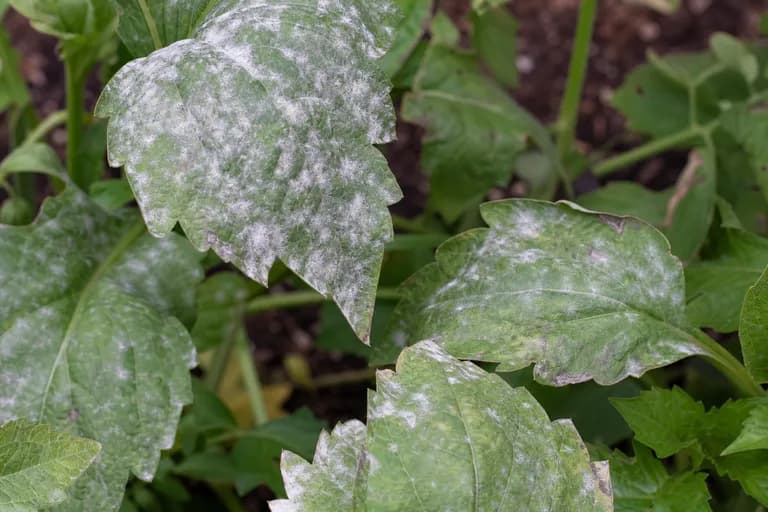
Powdery Mildew
DiseaseWhite powdery coating on leaves, usually appearing in late summer during humid weather. Primarily cosmetic.
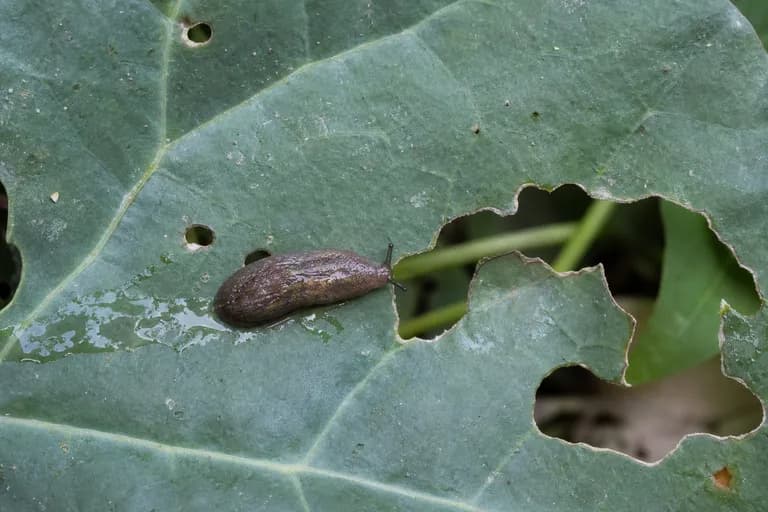
Slugs
PestIrregular holes in young spring growth emerging from the crown. More common in wet seasons.
Troubleshooting Common Problems
Floppy, open mounds indicate too-rich soil or insufficient sun. The mid-season shearing resolves cosmetic issues. If plants do not rebloom after shearing, the cut was too timid—shear harder. Center die-out in older plants means it is time to divide. Confusion with N. x faassenii and N. cataria is common in the nursery trade; all make good garden plants regardless of exact species.
Growing Tips
- Plant nepeta in full sun to light partial shade. At least 6 hours of direct sunlight produces the densest flower spikes and strongest aromatic foliage, though the plant tolerates afternoon shade in hot climates.
- Excellent drainage is essential for nepeta. Amend heavy clay soils with coarse sand, gravel, or perlite before planting. Nepeta thrives in lean, average garden soil and actually performs worse in overly rich conditions.
- Water young plants regularly until established, then reduce watering significantly. Mature nepeta is highly drought-tolerant and prefers to dry out between waterings. Overwatering leads to floppy growth and root rot.
- Cut the entire plant back by one-third to one-half after the first flowering flush to stimulate a vigorous second bloom. This simple technique can extend the total flowering period by 6-8 weeks.
- Divide established clumps every 3-4 years in early spring to maintain plant vigor and increase your stock. Lift the entire plant, split the root ball into sections with a sharp spade, and replant immediately.
- Avoid high-nitrogen fertilizers which produce lush foliage at the expense of flowers. A single light application of balanced organic fertilizer in early spring is sufficient for the entire growing season.
- Space plants 30-40 cm apart for a dense border planting or 45-60 cm apart for individual specimens. Good air circulation between plants helps prevent powdery mildew in humid climates.
- Propagate nepeta easily from stem cuttings taken in early summer. Snip 10 cm non-flowering shoots, remove the lower leaves, and root in moist perlite or vermiculite. Cuttings typically root within 2-3 weeks.
- Leave dried stems standing through winter to protect the crown from freeze-thaw cycles and provide shelter for beneficial insects. Clean up old growth in early spring just as new shoots begin to emerge.
- Pair nepeta with roses, salvias, or ornamental grasses for stunning garden combinations. Its soft blue-purple flowers complement warm tones beautifully and the aromatic foliage helps deter aphids from neighboring plants.
Grow your best Nepeta yet — and everything around it.
Start a free plan today. Lay out your beds, drop in your Nepeta, and let PlotMyGarden handle the timing, spacing, companions and reminders from seed to harvest basket.
Pick your Nepeta
Nepeta racemosa 'Walker's Low'
The most widely grown selection, forming 60cm mounds of violet-blue flowers. Named Perennial Plant of the Year despite being commonly attributed to N. x faassenii.
Nepeta racemosa 'Snowflake'
White-flowered form that glows in evening light. Useful for white-themed gardens and contrasting with blue-purple companions.
Nepeta racemosa 'Blue Wonder'
Compact selection reaching just 30cm tall with intense blue flowers. Excellent for containers and small garden edges.
A single nepeta plant typically costs $3-7 at a nursery and, being a hardy perennial, will return year after year for 5-10 years or more with minimal care. Dried catmint herbal tea blends retail for $6-12 per ounce, while a well-established nepeta plant can produce enough dried leaves and flowers for dozens of cups of tea each season. The plant also divides easily every 3-4 years, giving you free new plants to expand your border or share with fellow gardeners. As a potent pollinator attractor, nepeta provides indirect savings by boosting fruit and vegetable yields in nearby garden beds, and its natural insect-repelling properties reduce the need for commercial pest deterrents.
Quick recipes
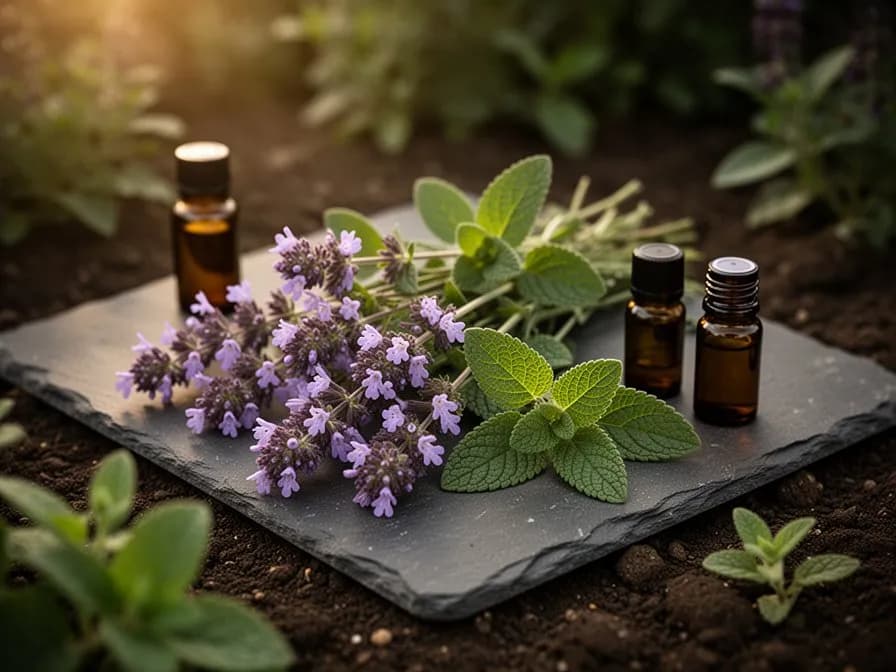
Nepeta Mint Herbal Tea
10 minutesA calming, gently minty herbal infusion made from fresh or dried nepeta leaves and flowers. This traditional Kashmiri-inspired tea has a softer, more complex flavor than common mint tea, with subtle floral undertones and a mild relaxing effect that makes it ideal for evening enjoyment.
5 ingredientsNepeta and Lemon Balm Iced Infusion
15 minutes + 2 hours chillingA refreshing cold-brewed herbal drink that combines the gentle minty notes of nepeta with the citrusy brightness of lemon balm. This caffeine-free cooler is perfect for hot summer days in the garden and makes excellent use of two easy-to-grow herbs.
6 ingredients
Herbal Nepeta Butter
10 minutes + 1 hour chillingA fragrant compound butter infused with finely chopped fresh nepeta leaves that adds a sophisticated minty-herbal note to grilled vegetables, roasted potatoes, fresh bread, or simply cooked fish. The delicate flavor of nepeta is milder than common mint, making it versatile in savory applications.
6 ingredientsWhat's inside
Health Benefits
- Nepeta tea has been used traditionally as a mild sedative and calming agent, with nepetalactone compounds showing anxiolytic effects in preliminary studies that may help ease stress and promote restful sleep.
- The rosmarinic acid found abundantly in nepeta leaves acts as a potent antioxidant and anti-inflammatory, potentially helping to reduce oxidative damage and support the body's natural defense systems.
- Drinking nepeta infusions has a long history in folk medicine as a digestive aid, helping to relieve bloating, intestinal gas, nausea, and mild stomach cramps through its carminative properties.
- Nepeta contains flavonoids such as luteolin and apigenin that have demonstrated anti-inflammatory activity in laboratory studies, suggesting potential benefits for reducing chronic low-grade inflammation.
- The natural insect-repellent properties of nepetalactone in nepeta may provide a plant-based alternative for deterring mosquitoes and other biting insects when the herb is crushed and applied to exposed skin.
- Traditional herbal medicine systems have used nepeta preparations to support respiratory health, using the aromatic steam from nepeta tea to help clear nasal congestion and soothe irritated airways.
Where Nepeta comes from
Nepeta nervosa, commonly known as veined nepeta or Kashmiri nepeta, is native to the mountainous regions of Kashmir in the western Himalayas, where it grows wild on rocky slopes, alpine meadows, and stream banks at elevations ranging from 2,400 to 3,600 meters. In its native habitat, it thrives in well-drained, gravelly soils with cool summers and cold winters, conditions that have shaped its remarkable hardiness and drought tolerance. The genus name Nepeta is believed to derive from the ancient Etruscan city of Nepete (modern Nepi in central Italy), where aromatic plants in this genus were once cultivated extensively. The species name nervosa refers to the conspicuously raised veins on the leaf undersides, a distinctive botanical feature that sets it apart from other catmint species. For centuries, indigenous communities in the Kashmir Valley have gathered wild nepeta for use in traditional medicine, brewing the dried leaves and flowers into teas to treat fevers, respiratory ailments, and stomach complaints. European plant explorers first collected specimens of Nepeta nervosa during botanical expeditions to the Himalayas in the mid-19th century, and the species was formally described and introduced to Western horticulture in the decades that followed. By the early 20th century, nepeta had gained recognition in European gardens as an exceptionally reliable, long-blooming perennial for borders and rockeries. Its compact growth habit, dense flower spikes, and extraordinary appeal to pollinators made it a favorite among garden designers, particularly in the naturalistic planting movement pioneered by designers like Gertrude Jekyll and later Piet Oudolf. Today, Nepeta nervosa is cultivated worldwide in temperate gardens, valued not only for its ornamental beauty but also for its ecological benefits as a pollinator plant, its use in herbal teas, and its natural insect-repelling properties that make it a useful companion in organic gardens.
Nepeta: did you know?
Fascinating facts about Nepeta
Nepeta nervosa gets its species name from the prominently raised veins (nerves) on the undersides of its leaves, giving them a distinctly textured appearance unlike most other catmint species.
Nepeta questions, answered
When should I plant Nepeta?
What are good companion plants for Nepeta?
What hardiness zones can Nepeta grow in?
How much sun does Nepeta need?
How far apart should I space Nepeta?
What pests and diseases affect Nepeta?
How do I store Nepeta after harvest?
What are the best Nepeta varieties to grow?
What soil does Nepeta need?
Is Nepeta nervosa the same as catnip?
How do I prevent nepeta from becoming floppy and sprawling?
Can I make tea from Nepeta nervosa?
Does nepeta really repel mosquitoes and other insects?
When and how should I divide nepeta plants?
Is nepeta deer and rabbit resistant?
You just read the theory. Now grow it on autopilot.
Everything that makes Nepeta fiddly — the timing, the spacing, the companions, the harvest window — is exactly what PlotMyGarden handles for you, for every plant in your garden.
A plan that knows your weather
Set your location once. Get sow, feed and harvest dates built around your real last-frost date and live forecast — no more guessing from a generic seed packet.
From the “When to plant” sectionDrag-and-drop bed planner
Design beds on a grid. Every plant snaps to its proper spacing, and you can see your whole season laid out before you spend a cent on seed.
From the “Growing guide” sectionCompanion conflicts, caught early
200+ good-and-bad pairings checked live as you plant — so a season-wrecking mistake never makes it into the ground.
From the “Companions” sectionReminders you'll actually act on
“Water the beans.” “Pick today before it turns.” Timely, specific, and tied to the plants you're really growing.
From the “Harvest” sectionSuccession, scheduled
Want a harvest for six weeks, not six days? It spaces your sowings automatically and reminds you when each new block is due.
From the “When to plant” sectionA record that gets smarter
Every harvest you log teaches it your garden. Next year's plan starts from what actually worked in your soil, not a textbook's.
From the “Overview” sectionPlant these alongside Nepeta
More Aromatic Herbs
Grow your best Nepeta yet — and everything around it.
Start a free plan today. Lay out your beds, drop in your Nepeta, and let PlotMyGarden handle the timing, spacing, companions and reminders from seed to harvest basket.