Chinakohl
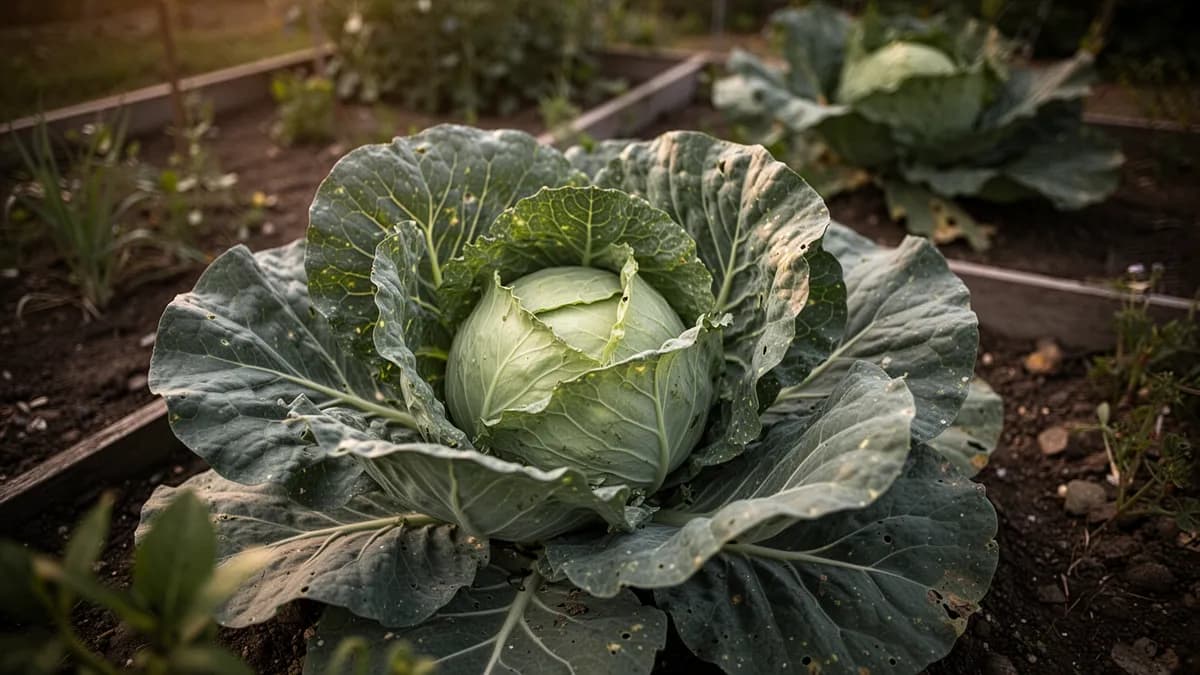
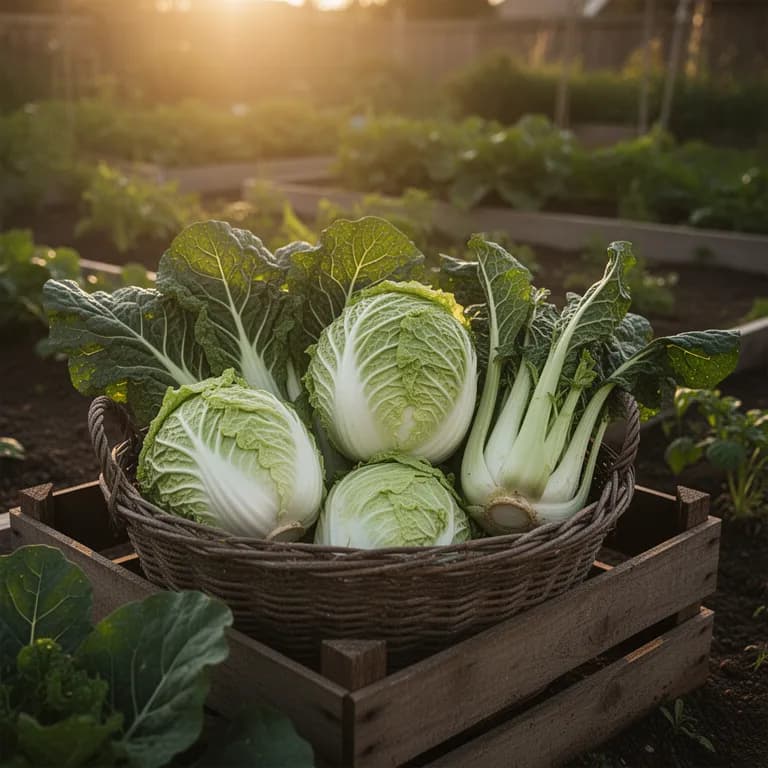
Ein hoher, zylindrischer chinesischer Kohl mit gekräuselten Blättern und einem milden, süßen Geschmack, der für Kimchi und asiatische Salate unverzichtbar ist.





Auf dieser SeiteÜberblick
Chinakohl im Überblick
Ein hoher, zylindrischer chinesischer Kohl mit gekräuselten Blättern und einem milden, süßen Geschmack, der für Kimchi und asiatische Salate unverzichtbar ist. Chinakohl bildet einen lockeren, aufrechten Kopf und wächst am besten unter kühlen Bedingungen mit gleichmäßiger Feuchtigkeit. Herbstpflanzungen bringen oft die besten Köpfe hervor, da die sinkenden Temperaturen die Süße und feste Textur fördern. Binden Sie die Köpfe locker mit Schnur zusammen, um eine feste Kopfbildung zu fördern, und ernten Sie, wenn sich der Kopf beim sanften Drücken fest anfühlt.
Wann Chinakohl pflanzen
Säen Sie Chinakohlsamen vier bis sechs Wochen vor dem gewünschten Umpflanzdatum in Innenräumen, indem Sie die Samen 6 mm tief in Zellschalen mit Anzuchterde setzen. Halten Sie 18 bis 24°C für die Keimung, die in 4 bis 10 Tagen erfolgt. Bieten Sie 14 Stunden täglich helles Licht, um spindelige Keimlinge zu verhindern. Pflanzen Sie um, wenn die Setzlinge drei bis vier echte Blätter haben, nach gründlichem Abhärten über 7 bis 10 Tage. Für Herbstkulturen säen Sie im Spätsommer direkt aus. Behandeln Sie die Setzlinge vorsichtig, da Wurzelstörungen das Schossen auslösen können. Samen bleiben bei kühler, trockener Lagerung vier bis fünf Jahre keimfähig.
Dein Chinakohl-Jahr
Abgestimmt auf Zone 7 · typische Saison · Frost geht um den 2. Apr. und kehrt um den 1. Nov. zurück
Chinakohl Mär – Apr, Jul – Aug pflanzen, Jun – Jul, Okt – Nov ernten. Beachte die Pflanzmethoden unten und wähle dein Klima für passende Zeiträume.
So baust du Chinakohl an
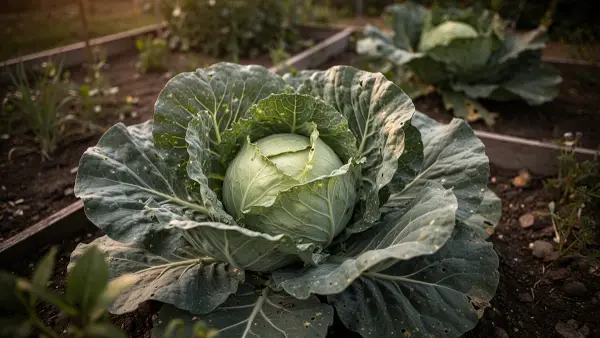
Chinakohl ist eine Kühle-Jahreszeit-Kultur, die am besten bei Tagestemperaturen zwischen 15 und 21°C gedeiht. Herbstpflanzungen übertreffen Frühjahrssaaten durchgehend, da abnehmende Tageslänge und sinkende Temperaturen das Schossen verhindern und einen süßeren Geschmack entwickeln. Starten Sie die Samen vier bis sechs Wochen vor dem Umpflanzen in Innenräumen, oder säen Sie im Spätsommer direkt ins Freiland, etwa 10 bis 12 Wochen vor dem ersten erwarteten Frost.
Setzen Sie die Setzlinge im Abstand von 35 bis 45 cm in Reihen mit 60 cm Abstand um. Chinakohl hat flache Wurzeln und benötigt gleichmäßige Feuchtigkeit, mulchen Sie daher reichlich und gießen Sie zweimal pro Woche durchdringend. Bieten Sie in wärmeren Zonen Nachmittagsschatten mit Schattiergewebe oder höheren Begleitpflanzen. Vermeiden Sie Verpflanzungsschock, indem Sie die Setzlinge gründlich abhärten.
Wenn sich die Köpfe zu bilden beginnen, binden Sie ein lockeres Band aus Schnur um die äußeren Blätter, um eine feste Kopfentwicklung zu fördern. Überwachen Sie das Schossen, wenn die Temperaturen über 24°C steigen. Chinakohl reift je nach Sorte in 60 bis 80 Tagen. Die inneren Blätter bleichen sich natürlich, wenn sich der Kopf verdichtet, und entwickeln eine zarte, fast butterartige Textur, die diesen Kohl in der asiatischen Küche so geschätzt macht.
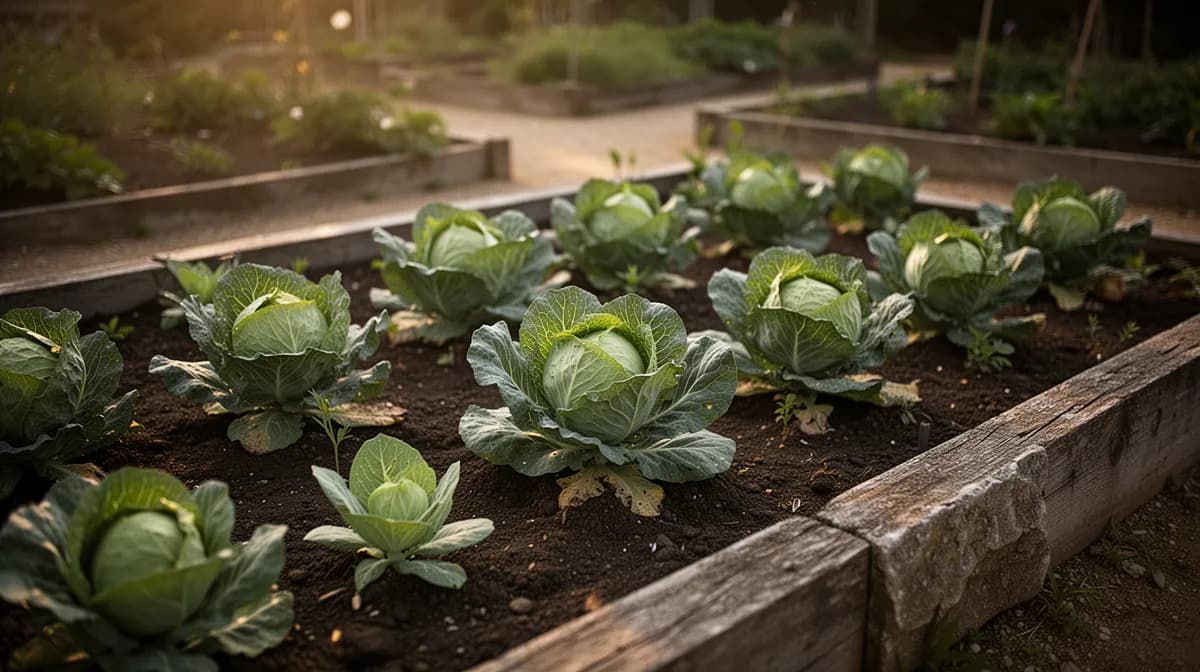
18 Pflanzen passen in ein Beet von 120 × 240 cm
Chinakohl braucht 35 cm Platz pro Pflanze. Der Planer hält diesen Abstand für dich ein — jede Pflanze, jedes Beet.
Die besten Nachbarn für Chinakohl
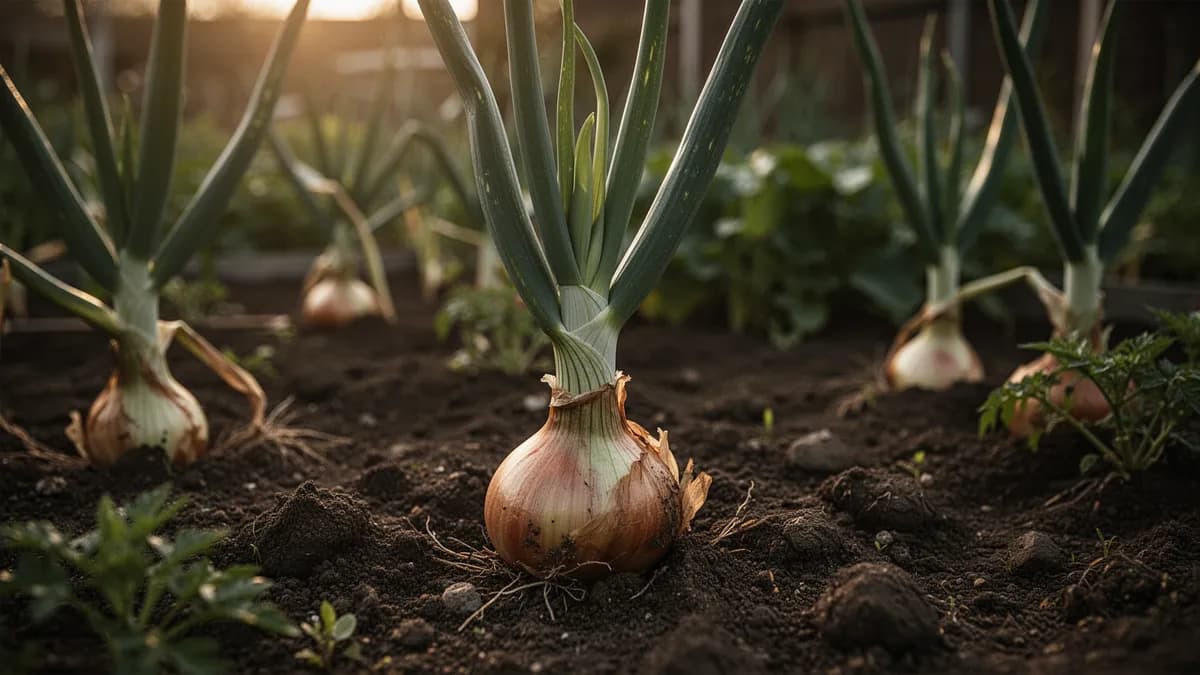
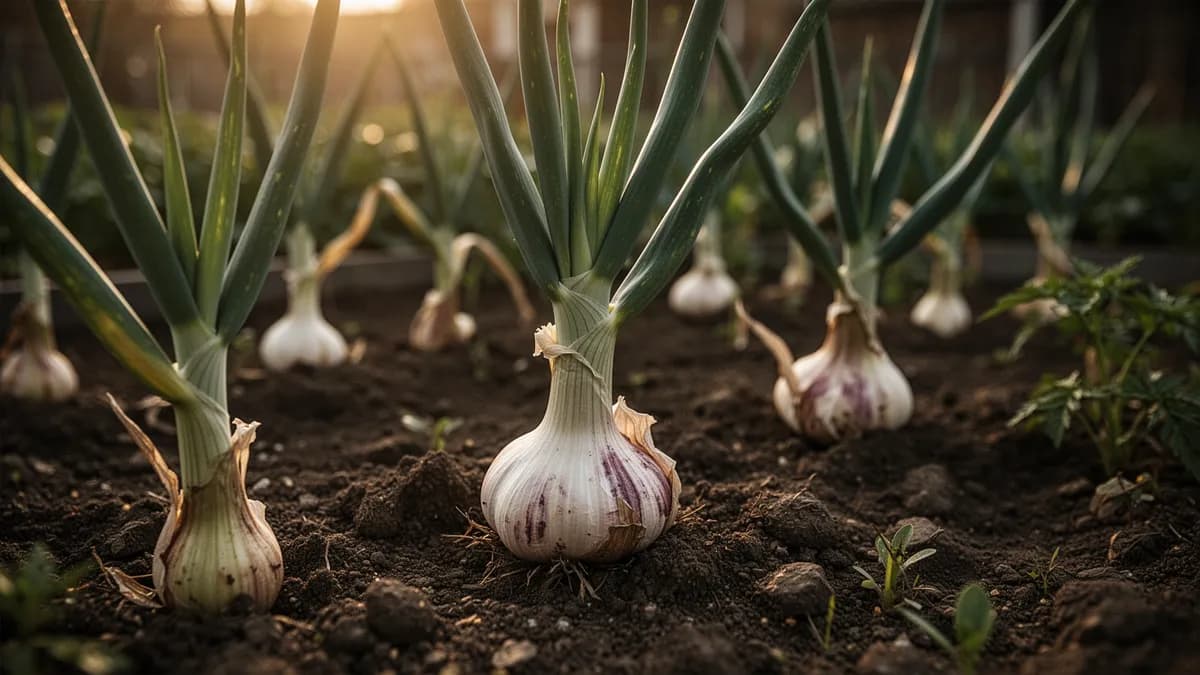
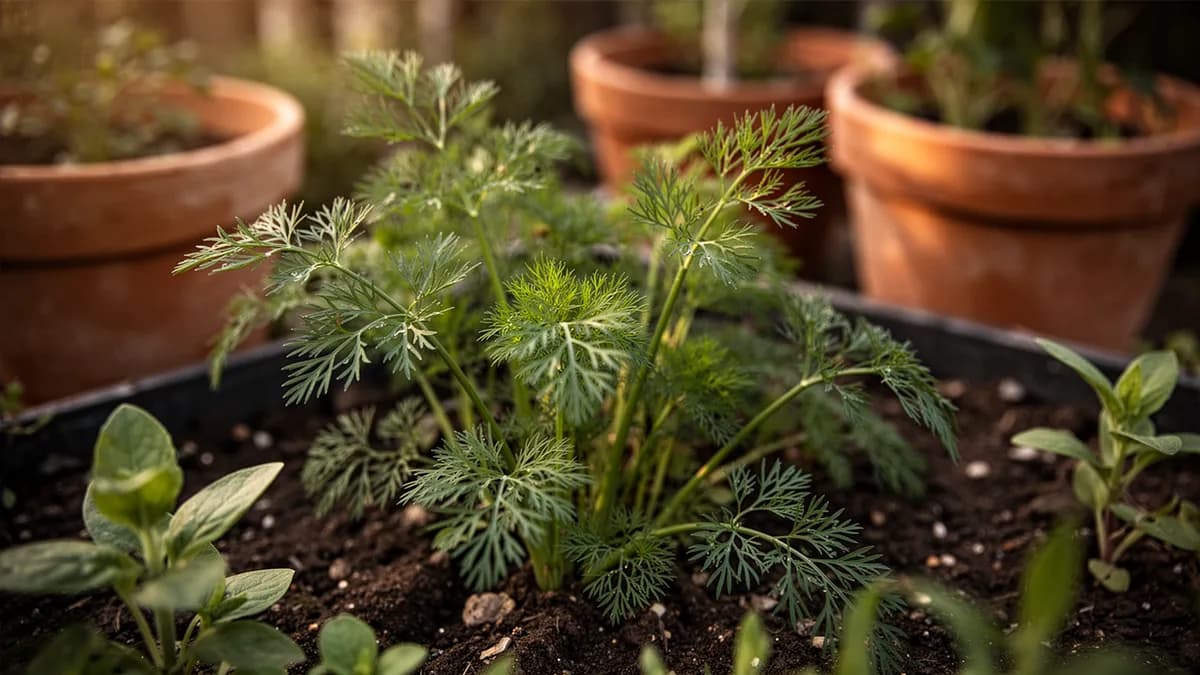
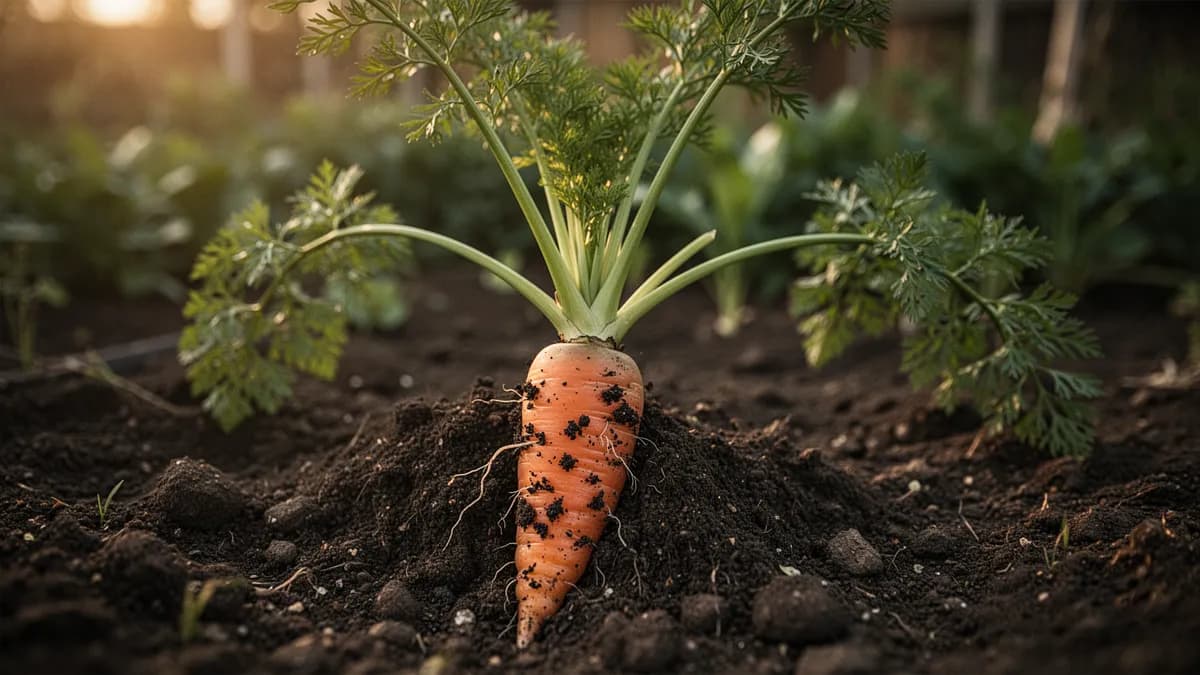
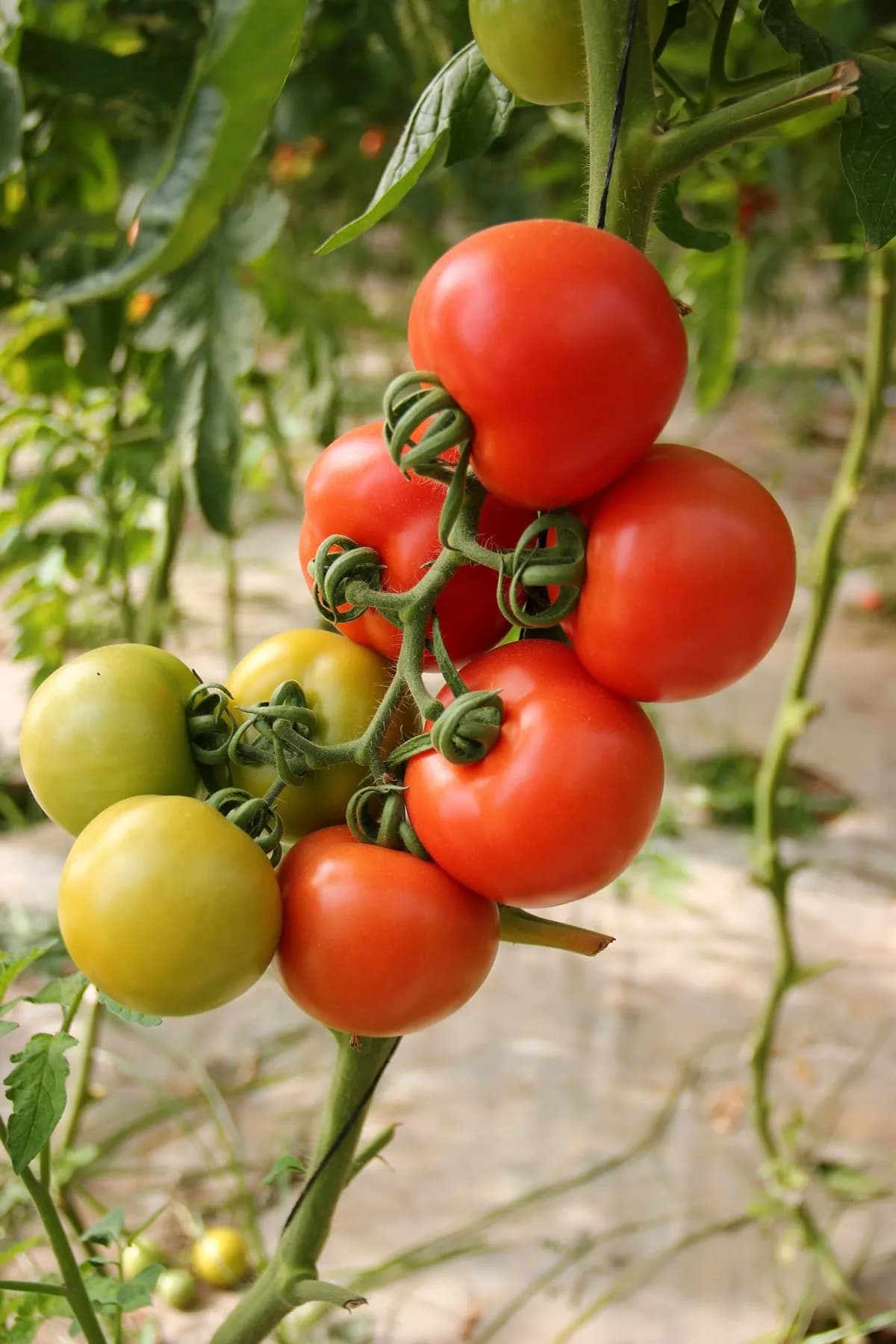
Pflanzen Sie Chinakohl zusammen mit aromatischen Kräutern wie Dill und Koriander, die Nützlinge anlocken. Zwiebeln und Knoblauch in der Nähe helfen, Kohlschädlinge mit ihrem starken Duft zu verwirren. Sellerie ist ein traditioneller Begleiter, der das Wachstum verbessern kann. Vermeiden Sie das Pflanzen in der Nähe von Erdbeeren, Tomaten oder anderen Kohlgewächsen, die gemeinsame Schädlinge teilen. Tagetes vertreiben einige schädliche Nematoden. Klee, der zwischen den Reihen gepflanzt wird, dient als lebender Mulch, der Feuchtigkeit speichert und Unkraut unterdrückt.
Zwiebel gehört daneben. Tomate nicht.
Altes Gärtnerwissen, geprüft an der echten Nachbartabelle von Chinakohl — teste jede Pflanze, die du anbaust.
Probiere Chinakohl direkt hier im Beet
Ein echtes Planer-Beet, Chinakohl steht schon drin. Tippe einen Begleiter an, platziere ihn und sieh, wie die Nachbarschaftsprüfung antwortet — grün für gute Nachbarn, rot bei Streit.


Passende Anbau-Ratgeber
Richtig düngen
Chinakohl benötigt nährstoffreichen, feuchtigkeitsspeichernden Boden mit einem pH-Wert zwischen 6,5 und 7,0. Arbeiten Sie vor dem Pflanzen 8 bis 10 cm reifen Kompost ein und bringen Sie bei der Pflanzung einen ausgewogenen 10-10-10-Dünger aus. Düngen Sie mit stickstoffreichem Dünger nach, wenn sich die Köpfe zu bilden beginnen, etwa vier Wochen nach dem Umpflanzen. Kalzium ist entscheidend, um Blattrandnekrose zu verhindern, daher sollten Sie Gips ausbringen, wenn Bodenanalysen einen Mangel zeigen. Halten Sie gleichmäßige Bodenfeuchtigkeit durch reichliches Mulchen aufrecht, da schwankende Bedingungen innere Blattrandnekrose und Aufplatzen verursachen.
Ideale Temperatur
Winterhärtezone-Kompatibilität
Von der Saat zur Ernte, Schritt für Schritt
Aussaat
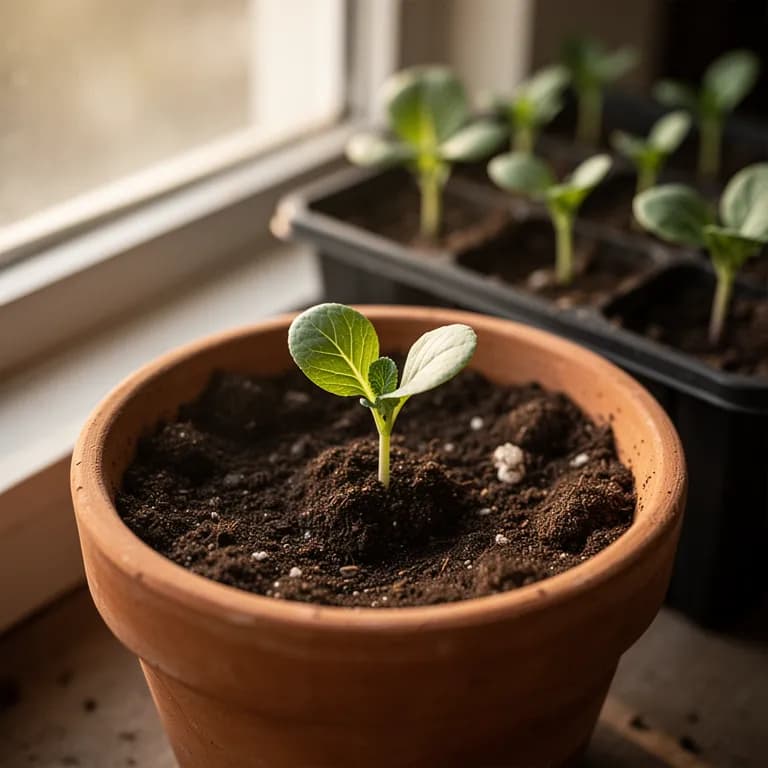
Die Samen keimen in 4 bis 10 Tagen in warmer, feuchter Anzuchterde. Das erste Paar runder Keimblätter erscheint und die winzige Pfahlwurzel beginnt nach unten zu wachsen. Chinakohl-Setzlinge sind in diesem Stadium empfindlich und benötigen gleichmäßige Feuchtigkeit ohne Staunässe.
Setzlingswachstum
Echte Blätter entwickeln sich mit ihrer charakteristischen gekräuselten Textur und hellgrünen Farbe. Die Setzlinge wachsen auf 8-10 cm Höhe und entwickeln 3-4 Sätze echter Blätter. Das Wurzelsystem dehnt sich aus und die Pflanze baut Energiereserven für die spätere Kopfbildung auf.
Umpflanzen und Eingewöhnung
Die Setzlinge werden in den Garten umgesetzt und bilden neue Wurzelsysteme an ihrem endgültigen Standort. Die Pflanzen können ein bis zwei Tage leicht welken, erholen sich aber bei kühlen Bedingungen schnell. Die äußeren Blätter beginnen sich rasch auszubreiten, während die Wurzeln im nährstoffreichen Gartenboden Fuß fassen.
Schnelles Blattwachstum
Die Pflanze tritt in eine Phase kräftiger Blattproduktion ein und erzeugt große, gekräuselte äußere Blätter, die Regenwasser zum Ansatz leiten. Die Blätter wachsen bei günstigen Bedingungen täglich sichtbar. Die Pflanze beginnt, die inneren Blätter nach oben zu richten, als Vorbereitung auf die Kopfbildung.
Kopfbildung
Die inneren Blätter falten sich nach innen und oben, überlappen sich und bilden den charakteristischen hohen, zylindrischen Kopf. Der Kopf verdichtet sich zunehmend, während neue Blätter nach innen drängen. Die äußeren Hüllblätter bleiben offen zur Photosynthese, während sich das Innere natürlich zu einem blassen Gelbweiß bleicht.
Ernte
Der Kopf erreicht eine Höhe von 30-45 cm und fühlt sich beim sanften Drücken fest an. Die äußeren Blätter können leichte Insektenschäden aufweisen, aber das geschützte Innere ist makellos. Leichte Frosteinwirkung in diesem Stadium versüßt den Geschmack, da Stärke in Zucker umgewandelt wird.
Halten Sie 18-24°C Bodentemperatur für beste Keimung. Verwenden Sie eine Feuchtigkeitshaube bis die Sprösslinge erscheinen. Bieten Sie täglich 14 Stunden helles Licht, um schwache, spindelige Stängel zu verhindern.
Chinakohl Monat für Monat pflegen
Was du jeden Monat für deine Chinakohl tun solltest
Oktober
Aktueller MonatDie Köpfe verdichten und reifen in den kühlen Herbstwochen. Leichter Frost versüßt den Geschmack — es besteht kein Schutzbedarf bis strenger Frost unter -4°C droht. Beginnen Sie mit der Ernte, wenn sich die Köpfe beim Drücken fest anfühlen.
Immer wissen, was jetzt im Garten zu tun ist
Eine E-Mail zum Monatsanfang: was du jetzt säen, pflanzen und anpacken solltest — für deine Chinakohl und alles, was drumherum wächst. Dazu ein kurzer Startkurs, der dich vor den klassischen Fehlern bewahrt.
- Was jetzt zu tun ist
- Passend zu deiner Saison
- Startkurs inklusive
Chinakohl ernten
Chinakohl ist erntereif, wenn sich der Kopf beim Drücken fest anfühlt und eine Höhe von 30 bis 45 cm erreicht hat, in der Regel 60 bis 80 Tage nach dem Umpflanzen. Schneiden Sie am Ansatz mit einem scharfen Messer ab und lassen Sie einen kurzen Strunk stehen, der möglicherweise kleinere Nebenköpfe bildet. Ernten Sie morgens für die knackigste Textur. Herbstgeerntete Köpfe haben einen überlegenen Geschmack, der durch leichte Frosteinwirkung entsteht. Wenn Temperaturen unter -4°C prognostiziert werden, ernten Sie alle verbleibenden Köpfe, um Frostschäden am wasserreichen Inneren zu verhindern.
angenommen, du pflanzt zu Beginn des Zeitraums — trage dein tatsächliches Datum ein
Ernte Chinakohl zügig, dann trägt die Pflanze weiter.
Lagerung & Konservierung
Chinakohl hält sich im Kühlschrank zwei bis drei Wochen, locker in Plastik eingewickelt. Für längere Lagerung bewahren Sie ganze Köpfe in einem Erdkeller bei 0 bis 4°C mit 90 Prozent Luftfeuchtigkeit auf, wo sie zwei bis drei Monate halten. Die klassische Konservierungsmethode ist die Kimchi-Fermentation, die Chinakohl in ein probiotisches Würzmittel verwandelt, das sich gekühlt monatelang hält. Chinakohl kann blanchiert und eingefroren werden, um ihn in Suppen zu verwenden, verliert dabei jedoch seine knackige Textur. Schnelles Einlegen in Reisessig ergibt eine knusprige, würzige Beilage.
Was schiefgeht — und die Lösung
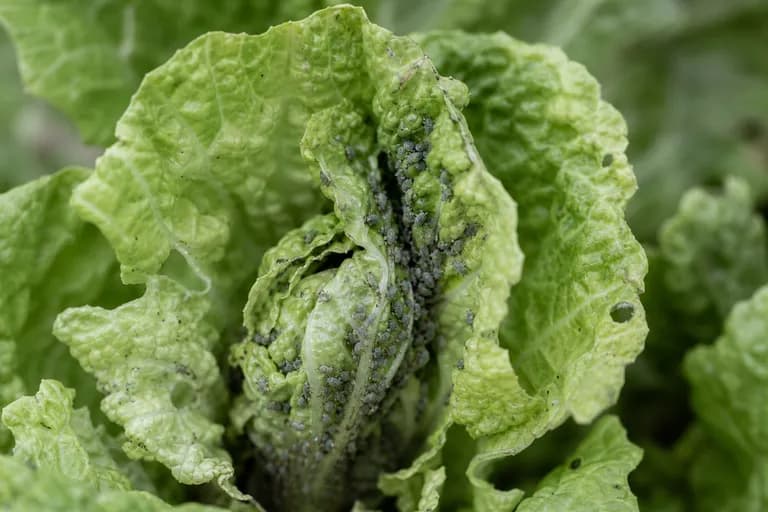
Kohlblattläuse
SchädlingDichte Kolonien wachsartig graugrüner Blattläuse an inneren Blättern und Wachstumspunkten, die Blattkräuselung und Wachstumshemmung verursachen.
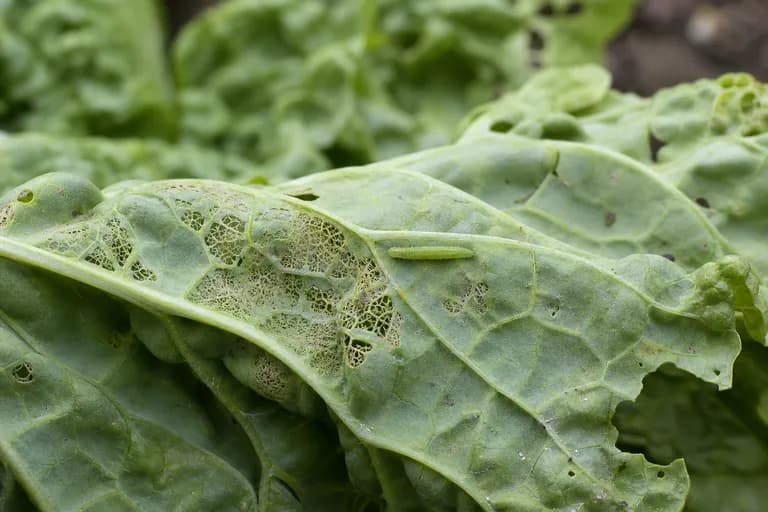
Kohlmotte (Diamondback)
SchädlingKleine grüne Raupen erzeugen fensterartige Fraßschäden an den Blättern, indem sie das Gewebe von einer Seite abfressen und eine durchscheinende Membran hinterlassen.
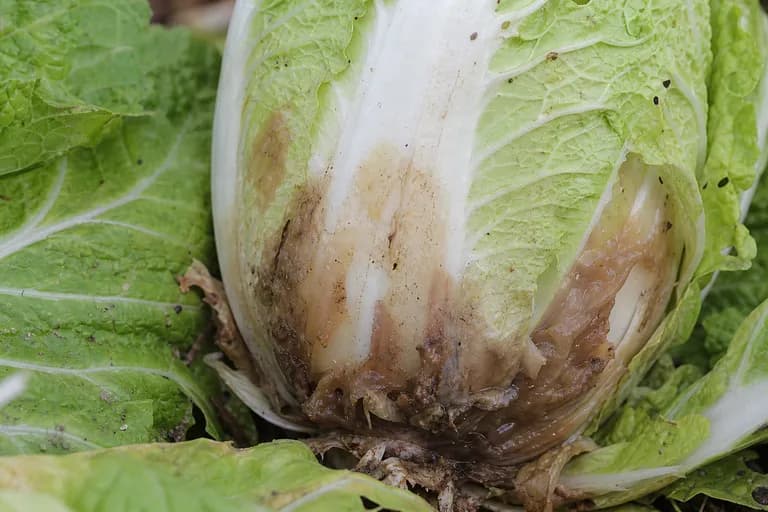
Nassfäule
KrankheitDurchnässte, matschige Stellen an den äußeren Blättern und am Kopfansatz mit üblem Geruch. Breitet sich bei warmen, feuchten Bedingungen schnell aus.
Schwarzfäule
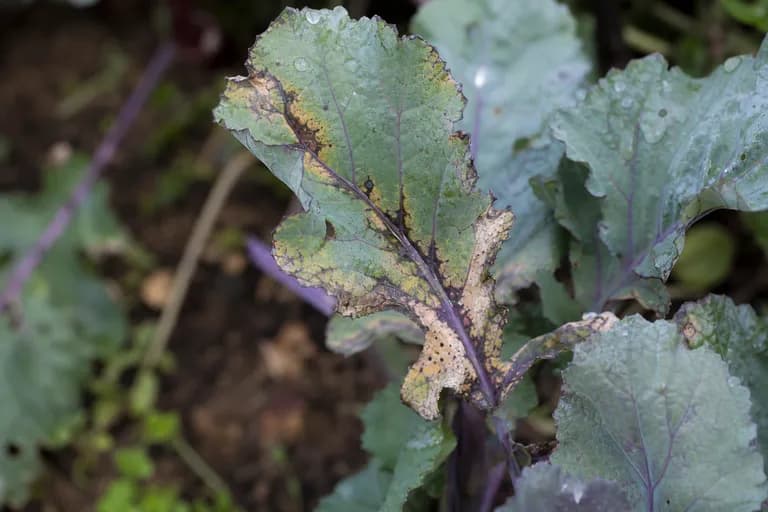
KrankheitV-förmige gelbe Läsionen an den Blatträndern, die nach innen fortschreiten, mit geschwärzten Adern, die sichtbar werden, wenn man die Blätter gegen das Licht hält.
Fehlerbehebung bei häufigen Problemen
Vorzeitiges Schossen ist das frustrierendste Problem, verursacht durch Temperaturen über 24°C, Verpflanzungsstress oder Vernalisation durch Kälteeinwirkung während des frühen Wachstums. Innere Blattrandnekrose zeigt sich als Bräunung an den inneren Blatträndern aufgrund von Kalziummangel oder ungleichmäßiger Bewässerung. Kopfaufplatzen tritt auf, wenn reife Köpfe nach trockenen Bedingungen übermäßig viel Wasser erhalten. Lockere, offene Köpfe entstehen durch zu viel Hitze oder unzureichende Nährstoffe während der Kopfbildung. Schnecken- und Nacktschneckenschäden sind bei den kühlen, feuchten Bedingungen, die Chinakohl bevorzugt, häufig.
Anbautipps
- Die Herbstpflanzung ist für Chinakohl weitaus zuverlässiger als die Frühjahrspflanzung. Abnehmende Tageslänge und sinkende Temperaturen verhindern auf natürliche Weise das Schossen und produzieren süßere, dichtere Köpfe. Planen Sie Ihre Herbstpflanzung so, dass die Köpfe in den kühlsten Herbstwochen reifen.
- Chinakohl hat flache Wurzeln, die schnell austrocknen. Mulchen Sie sofort nach dem Umpflanzen mit 8-10 cm Stroh oder gehäckseltem Laub, um Feuchtigkeit zu bewahren, die Bodentemperatur zu regulieren und Unkrautkonkurrenz zu unterdrücken.
- Vermeiden Sie Verpflanzungsschock um jeden Preis — Wurzelstörung ist einer der Hauptauslöser für vorzeitiges Schossen. Verwenden Sie biologisch abbaubare Torftöpfe oder Erdpresstöpfe für die Aussaat, damit die Wurzeln beim Umpflanzen nie gestört werden.
- Bieten Sie in Zonen 7 und wärmer Nachmittagsschatten mit 30-50% Schattiergewebe oder pflanzen Sie auf der Ostseite höherer Kulturen wie Tomaten oder Mais. Schon wenige Stunden Schatten während des heißesten Tagesabschnitts können das Schossen verhindern.
- Binden Sie die äußeren Blätter locker mit weicher Schnur oder einem Gummiband zusammen, wenn sich die Köpfe zu bilden beginnen. Dies fördert eine festere Kopfentwicklung und bleicht die inneren Blätter zu einem blassen, zarten Gelbweiß mit milderem Geschmack.
- Säen Sie während des Herbstfensters alle zwei Wochen nach, um Ihre Ernte über mehrere Wochen zu verlängern, anstatt alle Köpfe gleichzeitig reifen zu lassen. Staffeln Sie die Umpflanzdaten von Mitte Juli bis Mitte August für einen kontinuierlichen Vorrat.
- Mischen Sie stark duftende Begleitpflanzen wie Dill, Koriander und Schnittknoblauch unter. Ihre ätherischen Öle helfen, den Duft der Kohlgewächse für Kohlmotten, Flohkäfer und Blattläuse zu überdecken, die ihre Wirtspflanzen am Geruch erkennen.
- Bringen Sie vorbeugend Kalzium (Gips oder Calciumchlorid-Spray) aus, wenn sich die Köpfe zu bilden beginnen, um innere Blattrandnekrose zu vermeiden — eine Bräunung der inneren Blattränder durch Kalziummangel während des schnellen Wachstums der Kopfbildung.
Bau deine beste Chinakohl an — und alles drumherum.
Starte heute kostenlos. Lege deine Beete an, setze deine Chinakohl ein und lass PlotMyGarden Timing, Abstände, Begleiter und Erinnerungen von der Saat bis zum Erntekorb übernehmen.
Finde deine Chinakohl
Blues
Eine zuverlässige Sorte mit ausgezeichneter Krankheitsresistenz, die dichte, 1,8 kg schwere tonnenförmige Köpfe in 57 Tagen mit guter Schosstoleranz bildet.
Rubicon
Eine Herbstsorte mit außergewöhnlicher Kältetoleranz und festen, schweren Köpfen, die sich gut bis in den Winter lagern lassen.
Bilko
Ein kräftiger Wachser, der hohe, zylindrische Köpfe mit ausgezeichnetem Geschmack und starker Resistenz gegen Kohlhernie und Blattrandnekrose bildet.
Minuet
Ein kompakter Mini-Chinakohl, ideal für kleine Gärten, der dichte 0,9 kg schwere Köpfe bildet, perfekt für den Einmalgebrauch.
Ein Päckchen Chinakohlsamen kostet 2-4 € und enthält 200-400 Samen — genug für Jahre des Anbaus. Jeder selbst gezogene Kopf ersetzt einen Einkauf von 3-5 € im Supermarkt, und Bio-Chinakohl kostet oft 5-7 € pro Kopf. Der Anbau von nur 6-8 Pflanzen in einem Herbstgarten ergibt 10-15 kg Kohl im Wert von 30-50 € zu Einzelhandelspreisen. Die wirklichen Ersparnisse vervielfachen sich, wenn Sie bedenken, dass eine einzige Herbsternte genug Kimchi für einen ganzen Winter produzieren kann und Dutzende teure Gläser aus dem Laden zu je 8-12 € ersetzt.
Schnelle Rezepte
Klassisches Chinakohl-Kimchi
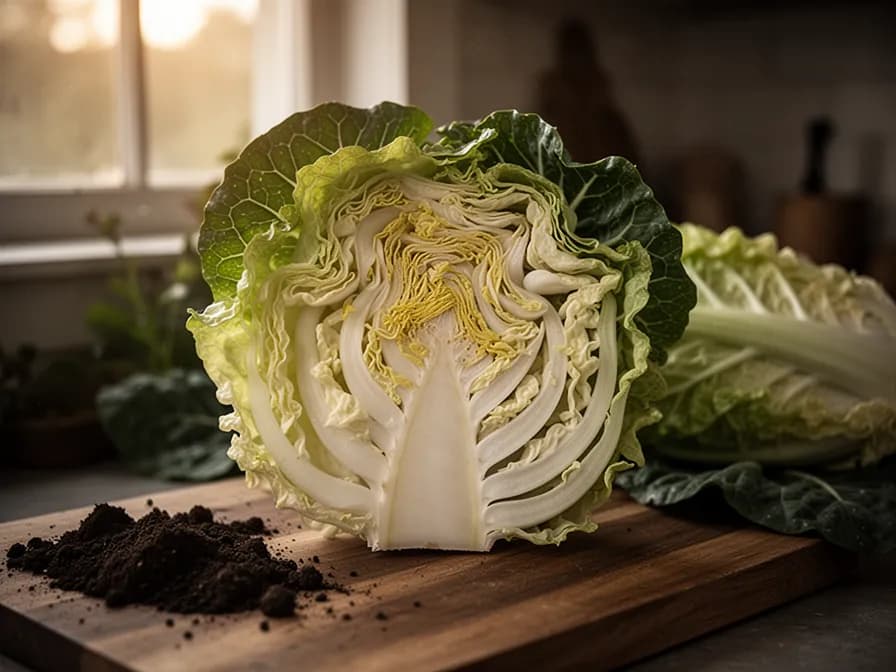
45 Min. + 2-5 Tage FermentationDas klassische koreanische fermentierte Beilagengericht, das einfachen Chinakohl in ein komplexes, probiotisches Würzmittel verwandelt. Salzgewelkte Blätter werden mit einer feurigen Paste aus Gochugaru, Knoblauch, Ingwer und Fischsauce bestrichen und dann in Gläser gepackt, um bei Raumtemperatur zu fermentieren.
8 ZutatenChinakohl-Pfanne mit Knoblauch
15 Min.Ein schnelles Feierabendgericht, das die natürliche Süße des Chinakohls hervorhebt. Durch starkes Erhitzen im Wok entstehen leicht angekohlte Ränder, während das Innere knackig-zart bleibt. Ein Schuss Sojasauce und Sesamöl runden dieses einfache, aber befriedigende Gericht ab.
7 ZutatenChinakohl-Schweinefleisch-Teigtaschenfüllung
30 Min.Fein gehackter Chinakohl, gemischt mit gewürztem Schweinehack, ergibt die klassische Füllung für chinesische Jiaozi-Teigtaschen. Das vorherige Salzen und Auspressen des Kohls entfernt überschüssige Feuchtigkeit für eine saftige, aber nicht matschige Füllung, die perfekt zusammenhält.
8 ZutatenKulinarische Verwendung
Chinakohl ist die unverzichtbare Zutat für traditionelles koreanisches Kimchi und japanische Hakusai-Gerichte. Seine zarten Blätter eignen sich hervorragend für Pfannengerichte, Hot Pot und Teigtaschenfüllungen. Verwenden Sie ihn roh in asiatischen Krautsalaten und frischen Frühlingsrollen. Der milde, süße Geschmack macht ihn ausgezeichnet für Suppen und Eintopf-Schmorgerichte. Grillen Sie halbierte Baby-Köpfe mit Sesamöl für eine rauchige Beilage.
Was drinsteckt
Gesundheitsvorteile
- Reich an Glucosinolaten, schwefelhaltigen Verbindungen, die bei der Verdauung in Isothiocyanate umgewandelt werden — Moleküle, die aktiv auf ihre Fähigkeit untersucht werden, die natürlichen Entgiftungsenzyme des Körpers zu unterstützen und möglicherweise das Krebszellwachstum zu hemmen.
- Ausgezeichnete Folsäurequelle, die etwa 12% des Tageswertes pro Tasse liefert, essenziell für die DNA-Synthese, die Bildung roter Blutkörperchen und besonders wichtig in der frühen Schwangerschaft zur Vorbeugung von Neuralrohrdefekten.
- Reich an Vitamin C, einem starken Antioxidans, das die Immunfunktion unterstützt, die Kollagensynthese für gesunde Haut und Wundheilung fördert und die Eisenaufnahme aus pflanzlichen Lebensmitteln verbessert.
- Enthält bedeutende Mengen Kalzium in einer Form mit hoher Bioverfügbarkeit — Kreuzblütler wie Chinakohl haben niedrigere Oxalatwerte als Spinat, was bedeutet, dass der Körper einen größeren Anteil des vorhandenen Kalziums aufnimmt.
- Wenn er zu Kimchi fermentiert wird, wird Chinakohl zu einer potenten Quelle von Lactobacillus-Probiotika, die die Vielfalt des Darmmikrobioms unterstützen, die Verdauungsgesundheit verbessern und die Immunabwehr stärken können.
- Kalorienarm und mit hohem Wassergehalt (etwa 95%), was ihn zu einem ausgezeichneten Nahrungsmittel für die Aufrechterhaltung der Hydratation und die Unterstützung des Gewichtsmanagements macht, ohne die Nährstoffdichte zu opfern.
Woher Chinakohl stammt
Chinakohl stammt aus China, wo er vor über 1.500 Jahren während der Ming-Dynastie erstmals in der Nähe von Peking angebaut wurde. Er entstand als natürliche Kreuzung zwischen Pak Choi (Brassica rapa subsp. chinensis) und Rübe (Brassica rapa subsp. rapifera) und entwickelte sich durch jahrhundertelange selektive Kultivierung allmählich zu der hohen, tonnenförmigen Kopfform, die wir heute kennen. Das Gemüse wurde ein Grundnahrungsmittel der nordchinesischen Küche, besonders geschätzt für seine Lagerfähigkeit über strenge Winter in Erdkellern.
Von China gelangte Chinakohl mindestens im 13. Jahrhundert nach Korea, wo er zur unverzichtbaren Grundlage für Kimchi wurde — eine fermentierte Zubereitung, die zu einem der bedeutendsten Lebensmittel der koreanischen Esskultur heranwachsen sollte. Koreanische Bauern entwickelten eigene Sorten, die für die Kimchi-Produktion optimiert wurden, wobei sie auf dichte Köpfe mit dicken, saftigen Rippen und zarten Blättern selektierten, die sich hervorragend fermentieren lassen.
Chinakohl erreichte Japan im späten 19. Jahrhundert, wo er als Hakusai bekannt wurde und für Eintopfgerichte, Pickles und Pfannengerichte Verwendung fand. Er kam mit asiatischen Einwanderern im frühen 20. Jahrhundert nach Nordamerika, blieb aber in der westlichen Küche relativ unbekannt, bis das wachsende Interesse an asiatischen Küchen in den 1980er Jahren ihn in die Supermärkte brachte. Heute wird er weltweit angebaut und ist zu einer Brückenzutat geworden, die ostasiatische Kochtraditionen mit der globalen Fusionsküche verbindet.
Chinakohl: Schon gewusst?
Faszinierende Fakten über Chinakohl
Chinakohl ist die Hauptzutat für Kimchi, von dem Koreaner durchschnittlich 18 kg pro Person und Jahr verzehren — damit ist es eines der meistkonsumierten fermentierten Lebensmittel der Welt.
Chinakohl: Fragen & Antworten
Wann sollte ich Chinakohl pflanzen?
Was sind gute Begleitpflanzen für Chinakohl?
In welchen Winterhärtezonen kann Chinakohl wachsen?
Wie viel Sonne braucht Chinakohl?
Welchen Abstand sollte ich zwischen Chinakohl lassen?
Welche Schädlinge und Krankheiten befallen Chinakohl?
Wie lagere ich Chinakohl nach der Ernte?
Was sind die besten Chinakohl-Sorten zum Anbauen?
Welchen Boden braucht Chinakohl?
Warum schosst mein Chinakohl immer, bevor er einen Kopf bildet?
Was verursacht braune Ränder an den inneren Blättern meines Chinakohls?
Kann ich Chinakohl in Kübeln anbauen?
Wann ist der beste Zeitpunkt, Chinakohl für die Kimchi-Herstellung zu ernten?
Wie lagere ich Chinakohl langfristig, ohne ihn zu fermentieren?
Ist Chinakohl dasselbe wie normaler Weißkohl?
Du hast die Theorie gelesen. Jetzt baue sie auf Autopilot an.
Alles, was Chinakohl knifflig macht — das Timing, die Abstände, die Begleiter, das Erntefenster — genau das übernimmt PlotMyGarden für dich, für jede Pflanze im Garten.
Ein Plan, der dein Wetter kennt
Standort einmal festlegen. Aussaat-, Dünge- und Erntedaten rund um deinen echten letzten Frosttermin und die Live-Vorhersage — kein Raten mehr nach Saattüte.
Aus dem Abschnitt „Pflanzzeit“Beetplaner per Drag & Drop
Beete auf einem Raster gestalten. Jede Pflanze rastet im richtigen Abstand ein, und du siehst die ganze Saison, bevor du einen Cent für Saatgut ausgibst.
Aus dem Abschnitt „Anbau“Begleiter-Konflikte früh erkannt
Über 200 gute und schlechte Kombinationen werden beim Pflanzen live geprüft — so landet ein saisonruinierender Fehler nie in der Erde.
Aus dem Abschnitt „Begleiter“Erinnerungen, nach denen du wirklich handelst
„Gieß die Bohnen.“ „Heute ernten, bevor's umschlägt.“ Pünktlich, konkret und auf deine echten Pflanzen bezogen.
Aus dem Abschnitt „Ernte“Staffel-Aussaat, geplant
Sechs Wochen ernten statt sechs Tage? Die App verteilt deine Aussaaten automatisch und erinnert dich, wenn der nächste Satz fällig ist.
Aus dem Abschnitt „Pflanzzeit“Ein Verlauf, der schlauer wird
Jede protokollierte Ernte bringt der App deinen Garten bei. Der Plan fürs nächste Jahr startet bei dem, was in deinem Boden wirklich funktioniert hat.
Aus dem Abschnitt „Überblick“Pflanze diese neben Chinakohl
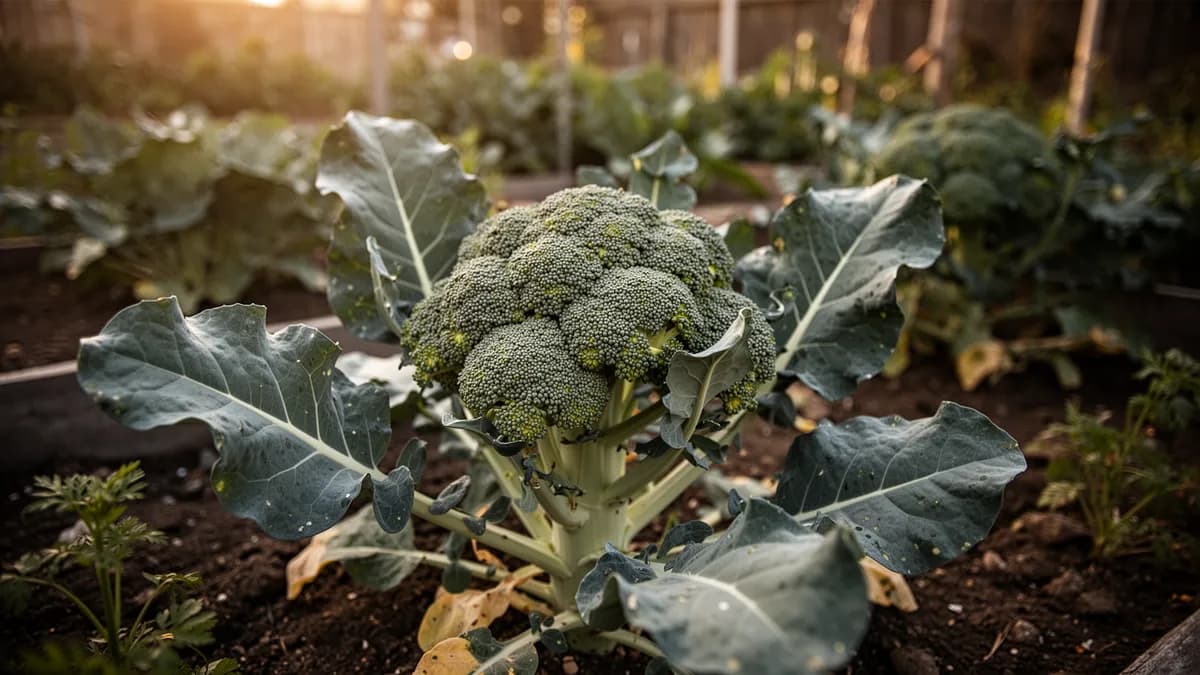
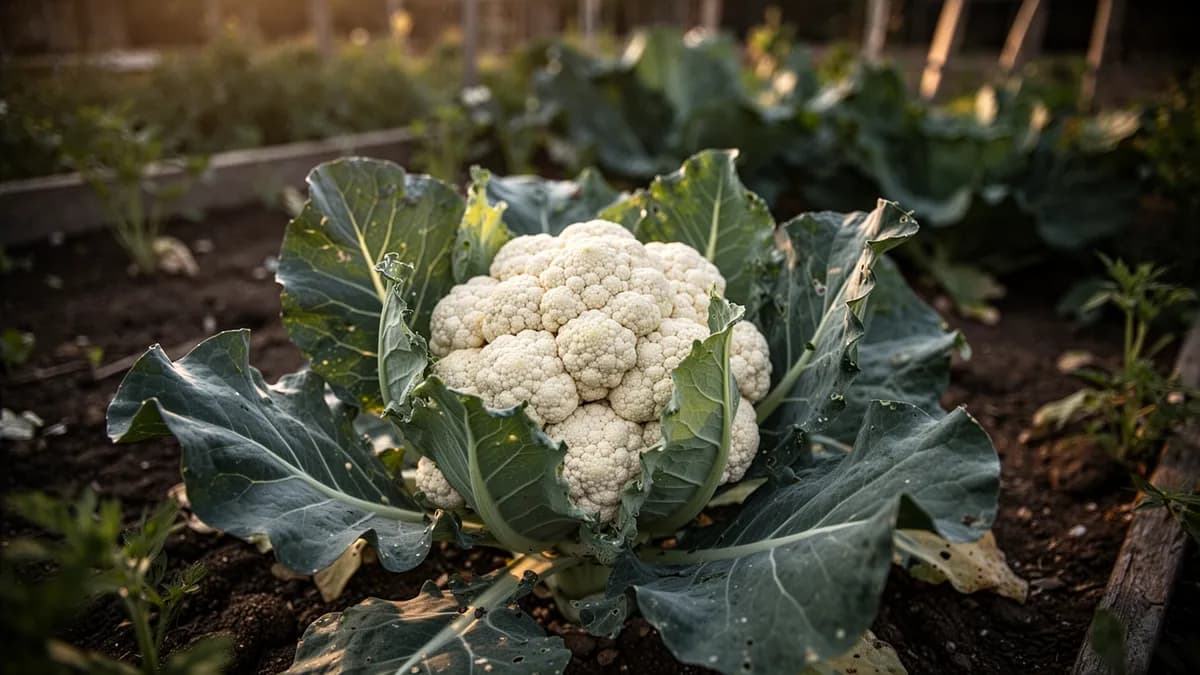
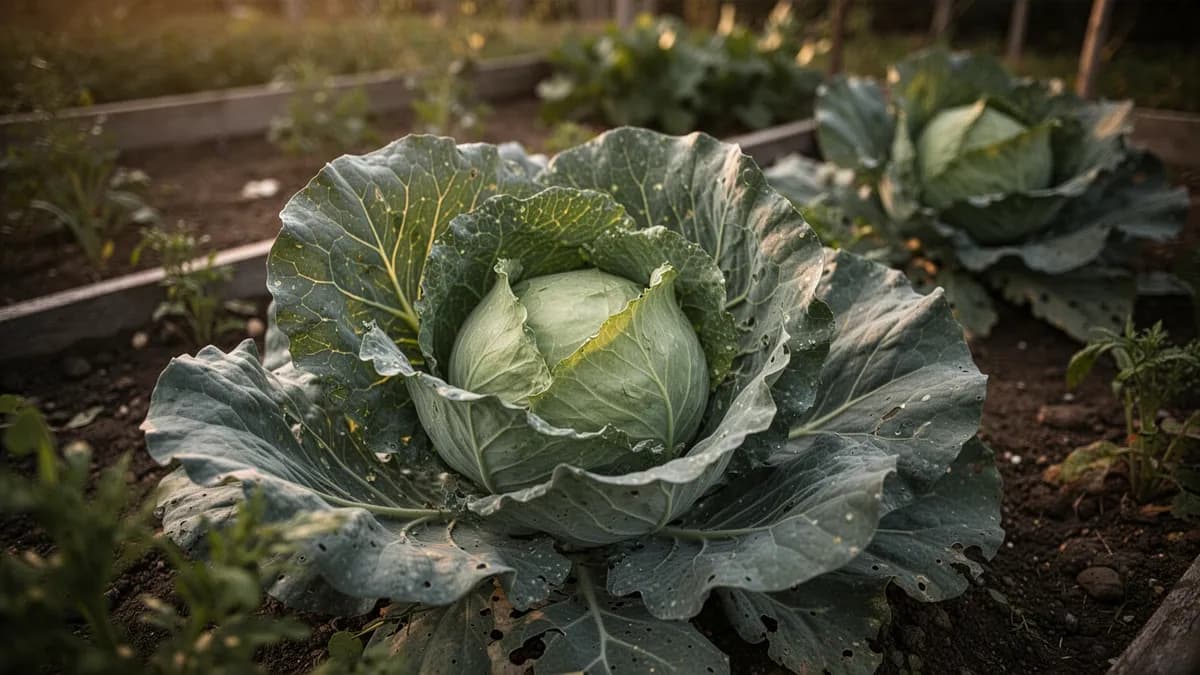
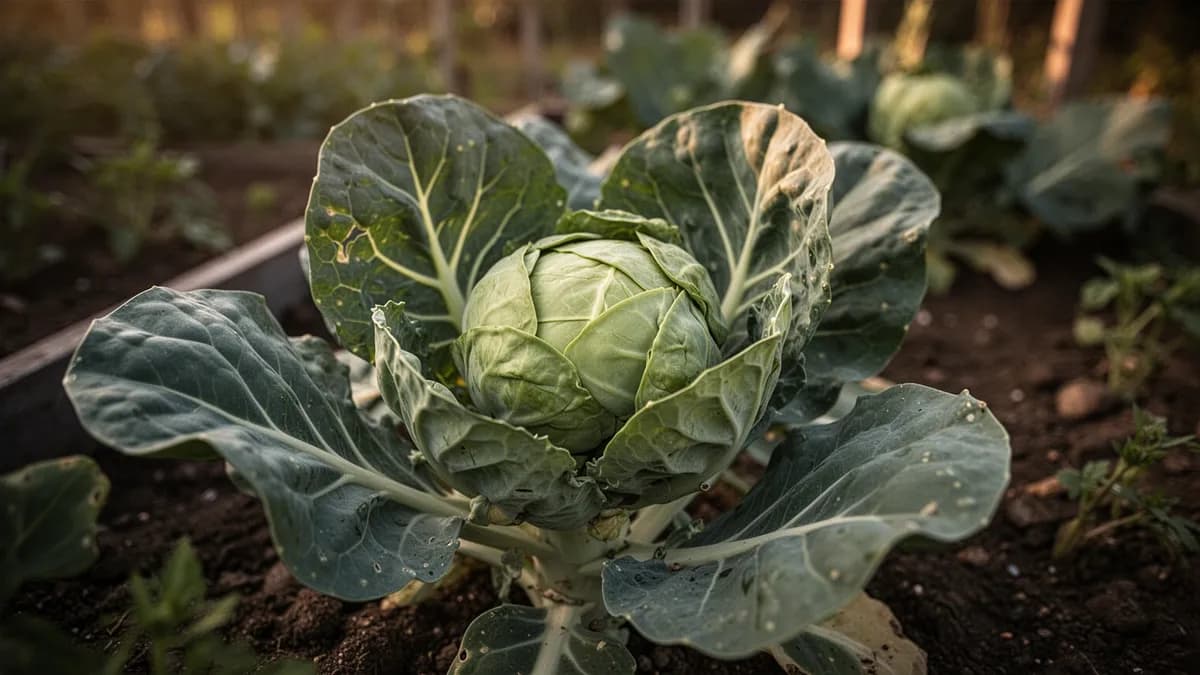
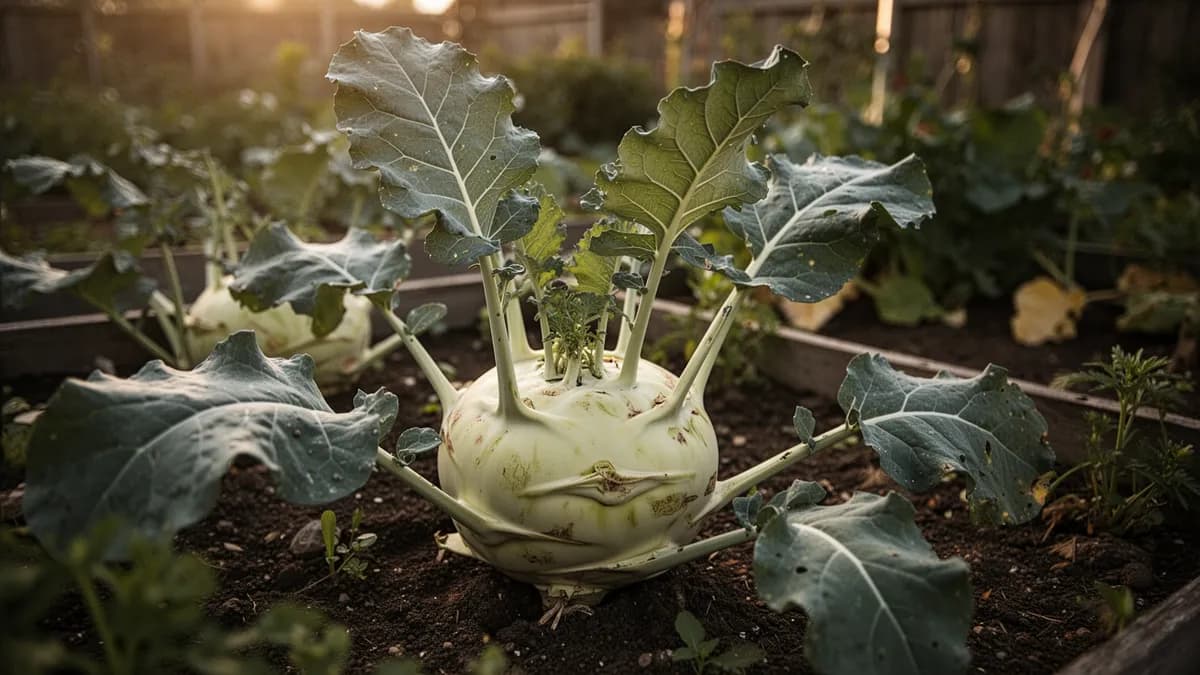
Weitere Kreuzblütler
Halte Chinakohl von diesen fern
Gartenpläne mit Chinakohl
Bau deine beste Chinakohl an — und alles drumherum.
Starte heute kostenlos. Lege deine Beete an, setze deine Chinakohl ein und lass PlotMyGarden Timing, Abstände, Begleiter und Erinnerungen von der Saat bis zum Erntekorb übernehmen.