Mostaza Roja Gigante
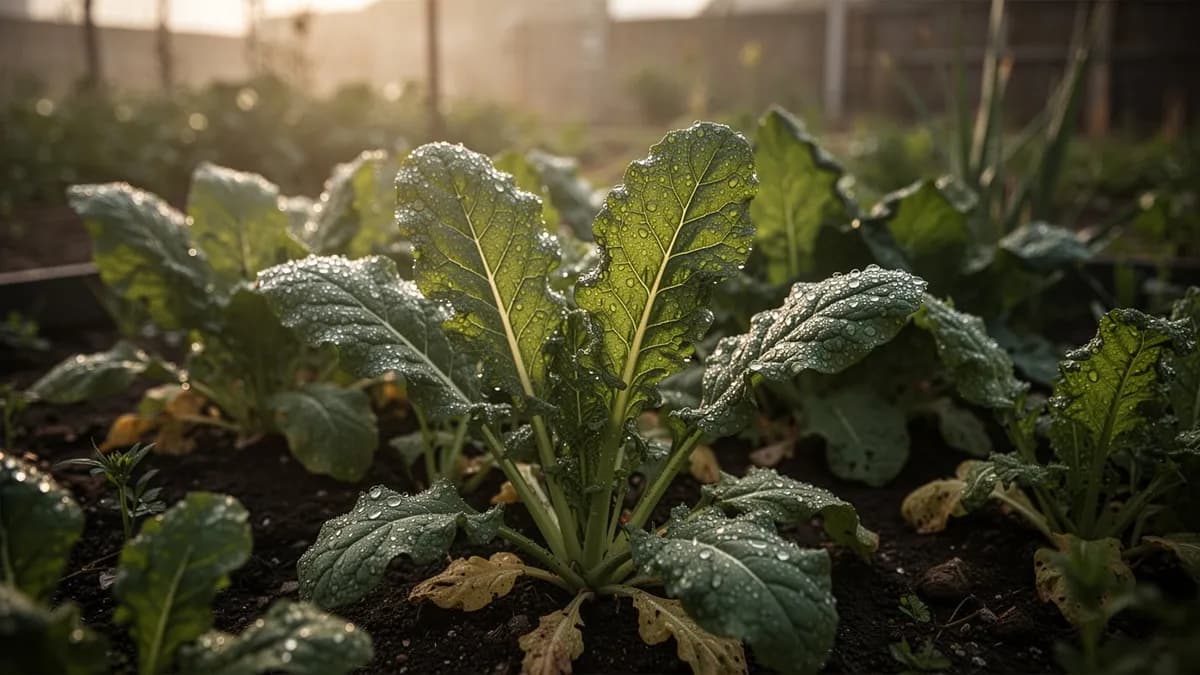
La mostaza roja gigante (Brassica juncea 'Red Giant') es una variedad oriental de mostaza de hojas grandes, anchas y de color rojo-púrpura intenso con nervaduras verdes, originaria de Asia.





En esta páginaResumen
Conoce Mostaza Roja Gigante
La mostaza roja gigante (Brassica juncea 'Red Giant') es una variedad oriental de mostaza de hojas grandes, anchas y de color rojo-púrpura intenso con nervaduras verdes, originaria de Asia. Combina un atractivo valor ornamental con un sabor picante y ligeramente amargo que se intensifica con la madurez de las hojas. Es una de las variedades de mostaza más populares en huertos domésticos por su rápido crecimiento y su resistencia moderada al calor.
Cuándo plantar Mostaza Roja Gigante
La siembra directa es el método más sencillo y recomendable: esparcir las semillas en surcos poco profundos (0,5 cm) y cubrir ligeramente con tierra fina o vermiculita. Las semillas germinan en 4-7 días a temperaturas de 10-20 °C. Para producción de baby leaf, aumentar la densidad de siembra a 2-3 cm entre semillas; para hojas maduras, aclarar a 15-20 cm. En interior, se pueden iniciar en bandejas de alvéolos 4-6 semanas antes del trasplante, aunque la siembra directa da mejores resultados.
Tu año de Mostaza Roja Gigante
Ajustado a Zona 7 · temporada típica · la helada se va hacia el 2 abr y vuelve hacia el 1 nov
Planta Mostaza Roja Gigante Mar – Abr, Ago – Sep y cosecha May – Jun, Oct – Nov. Consulta los métodos de plantación y elige tu clima para adaptar los periodos.
Cómo cultivar Mostaza Roja Gigante
La mostaza roja gigante se siembra directamente en el terreno en primavera temprana (4-6 semanas antes de la última helada) o a finales de verano para cosecha otoñal. Depositar las semillas a 0,5-1 cm de profundidad en surcos separados 30-40 cm, con una densidad de siembra de 1 semilla cada 2-3 cm. Cuando las plántulas tengan 5-7 cm de altura, aclarar dejando 15-20 cm entre plantas para permitir el desarrollo completo de las hojas.
Esta mostaza prefiere temperaturas frescas entre 10 y 20 °C y tolera heladas ligeras, lo que intensifica su coloración rojiza. Regar regularmente para mantener el suelo uniformemente húmedo, ya que la sequía provoca un sabor excesivamente picante y acelera la espigadura. Aplicar un acolchado orgánico de paja o hojas trituradas para conservar la humedad y mantener frescas las raíces.
En climas cálidos, cultivar en semisombra o bajo malla de sombreo al 30-50 % para retrasar la floración prematura. Las siembras escalonadas cada 2-3 semanas aseguran una cosecha continua durante toda la temporada. Las hojas jóvenes (baby leaf) se pueden cosechar a partir de los 21 días, mientras que las hojas maduras alcanzan su tamaño completo de 30-45 cm en 45-60 días.
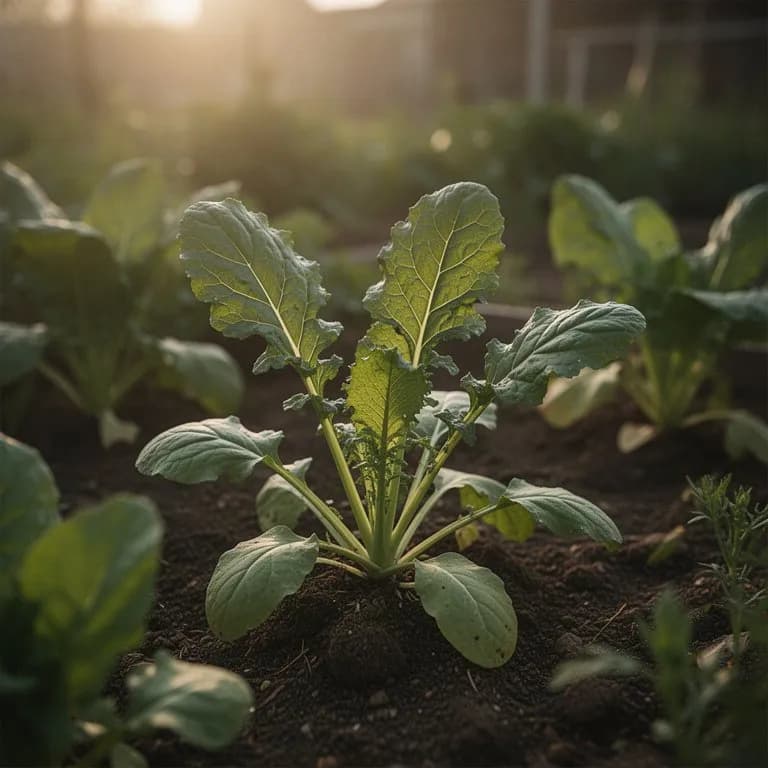
32 plantas caben en un bancal de 120 × 240 cm
Cada Mostaza Roja Gigante pide 30 cm de margen. El planificador guarda ese marco por ti — cada planta, cada bancal.
Los mejores vecinos de Mostaza Roja Gigante
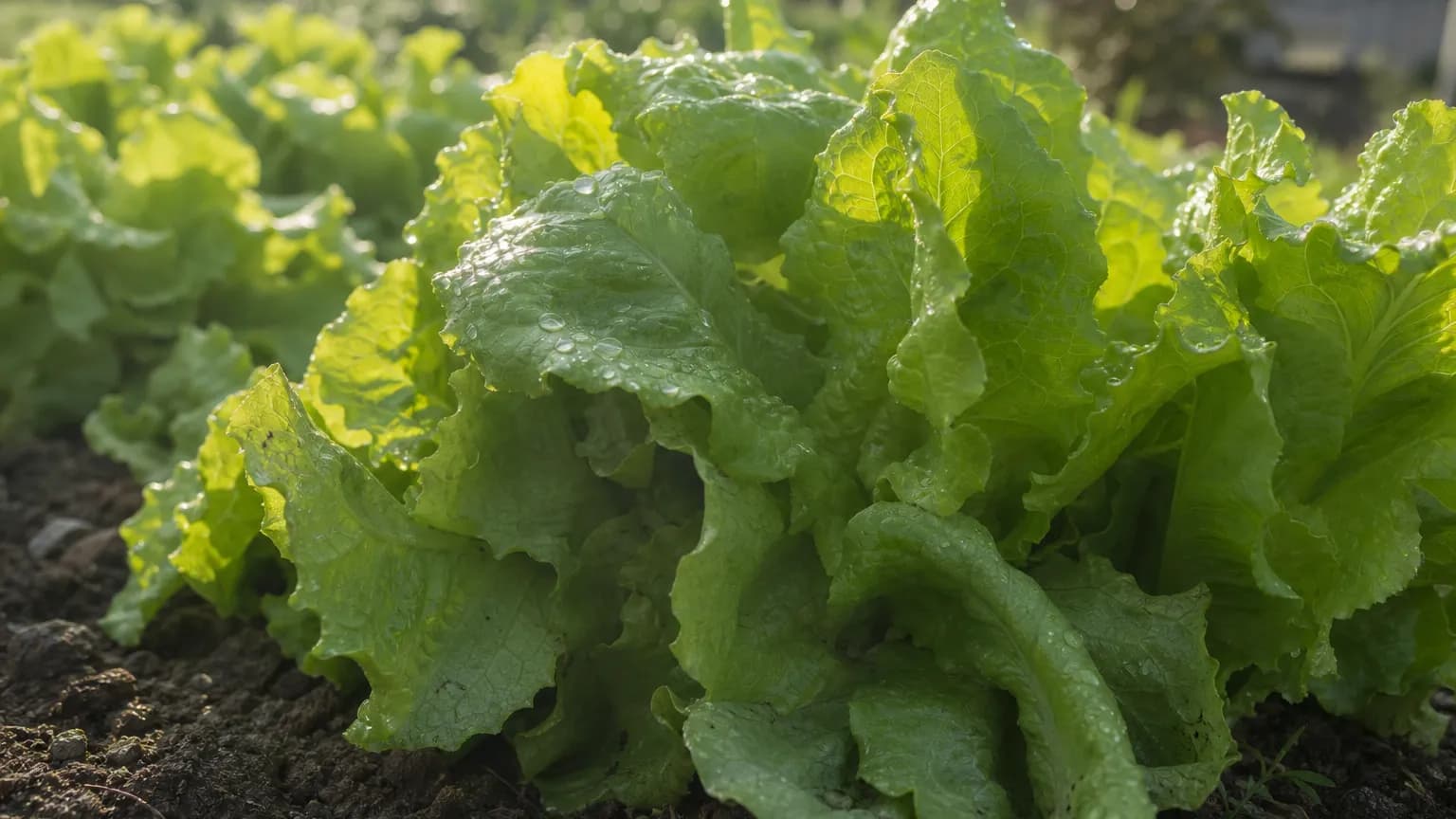
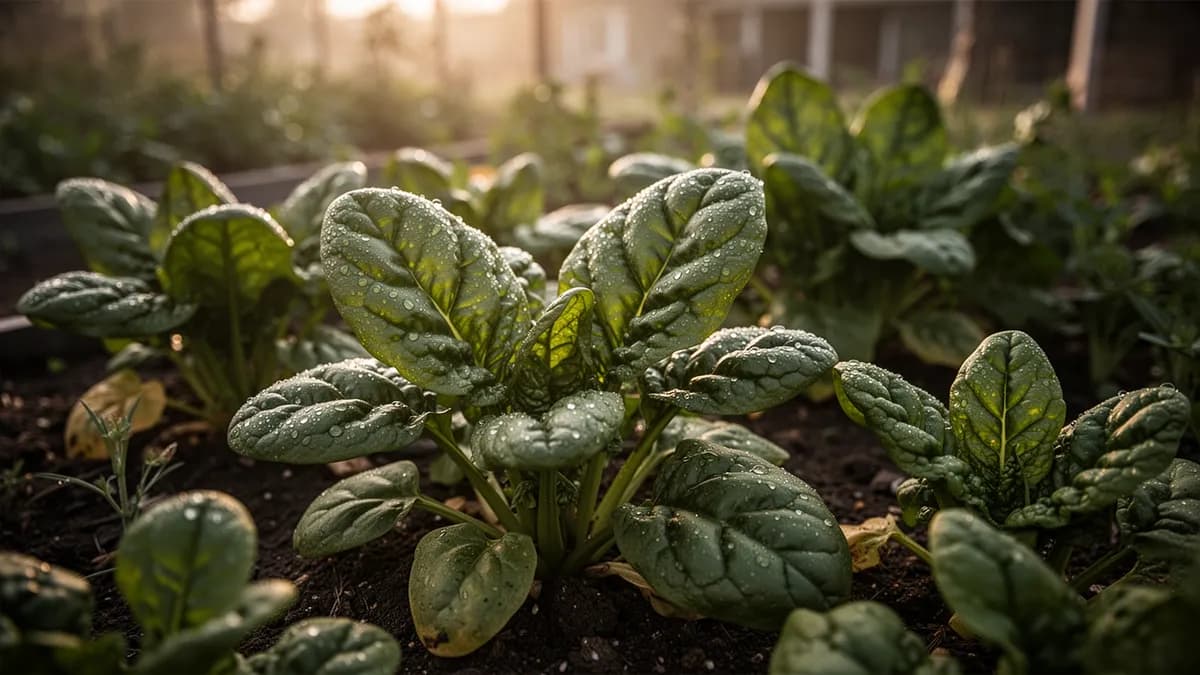
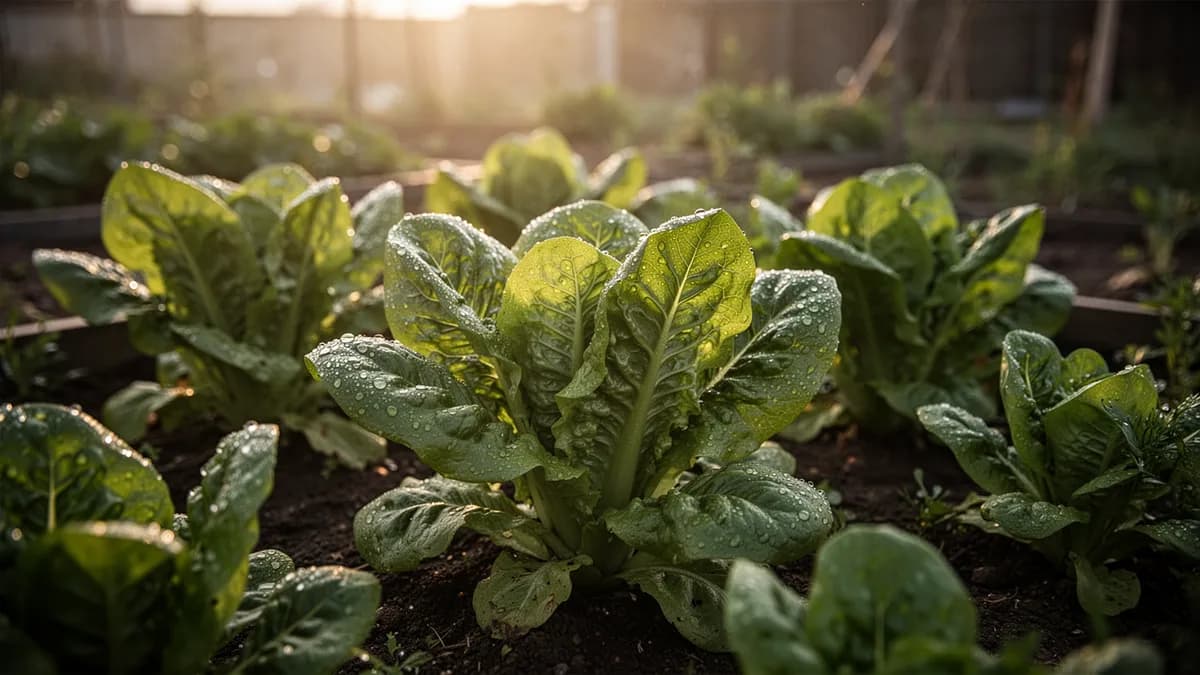
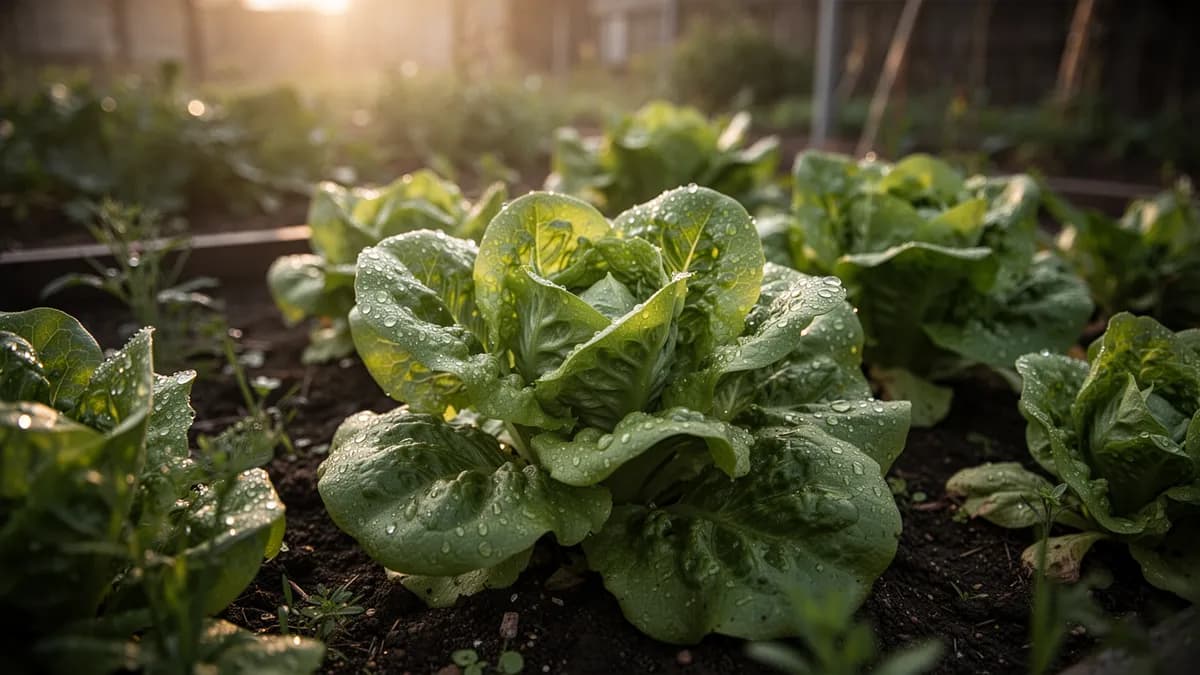
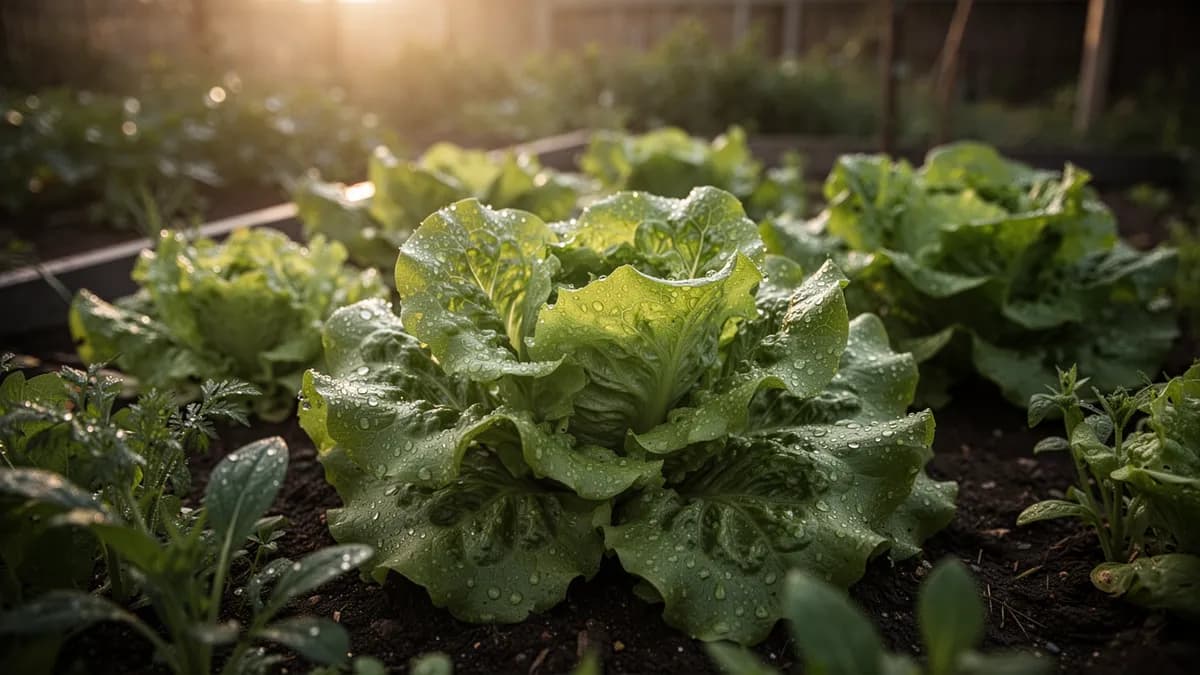
La mostaza roja gigante se beneficia de la cercanía de lechugas y espinacas, que comparten requisitos de cultivo similares y crean un microclima húmedo favorable. Las hierbas aromáticas como el tomillo y la menta ayudan a repeler plagas de las crucíferas. Evitar plantar junto a otras brasicáceas (col, brócoli, coliflor) para reducir la presión de plagas y enfermedades compartidas.
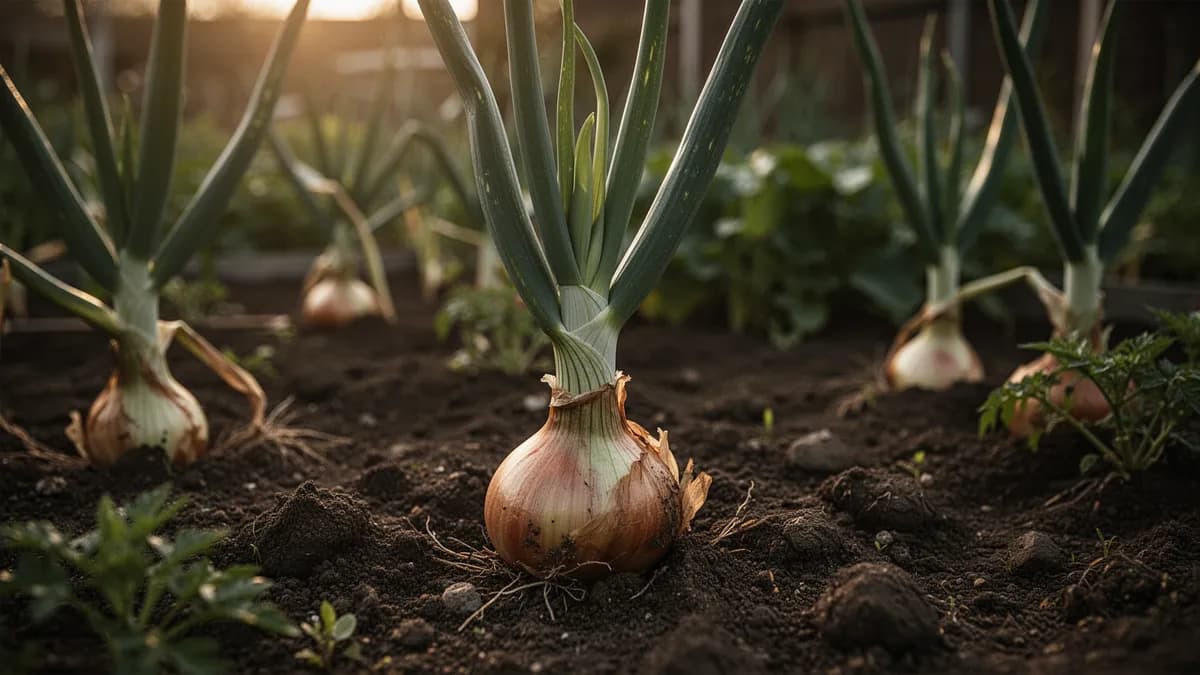
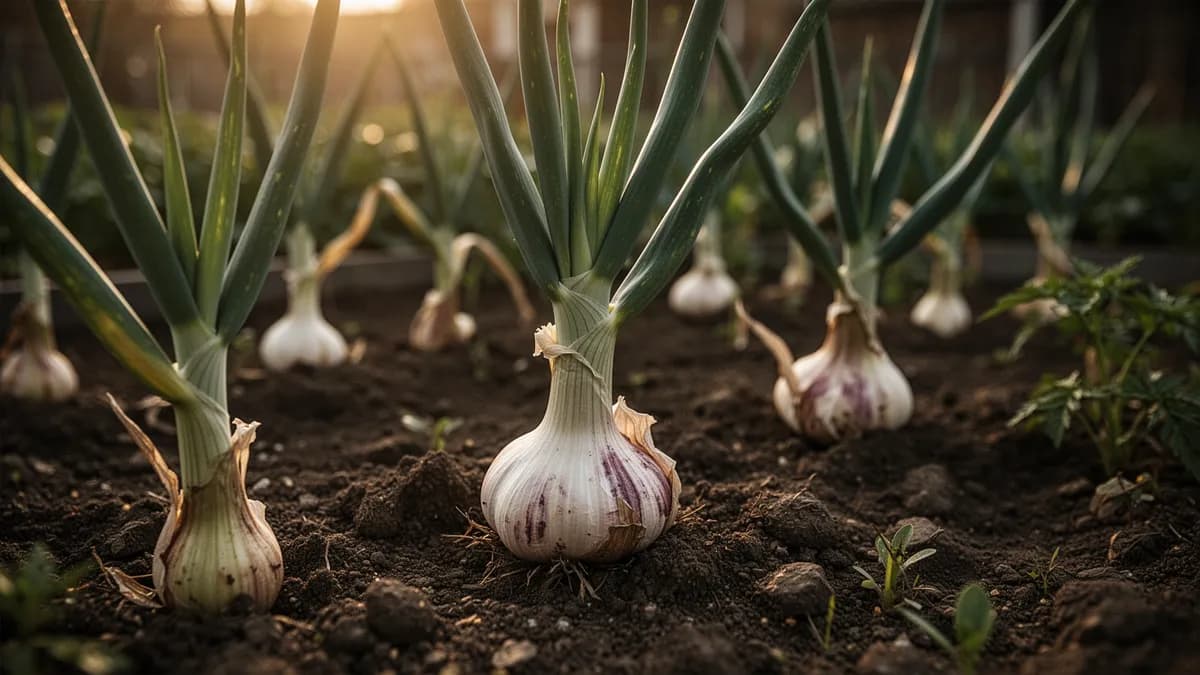
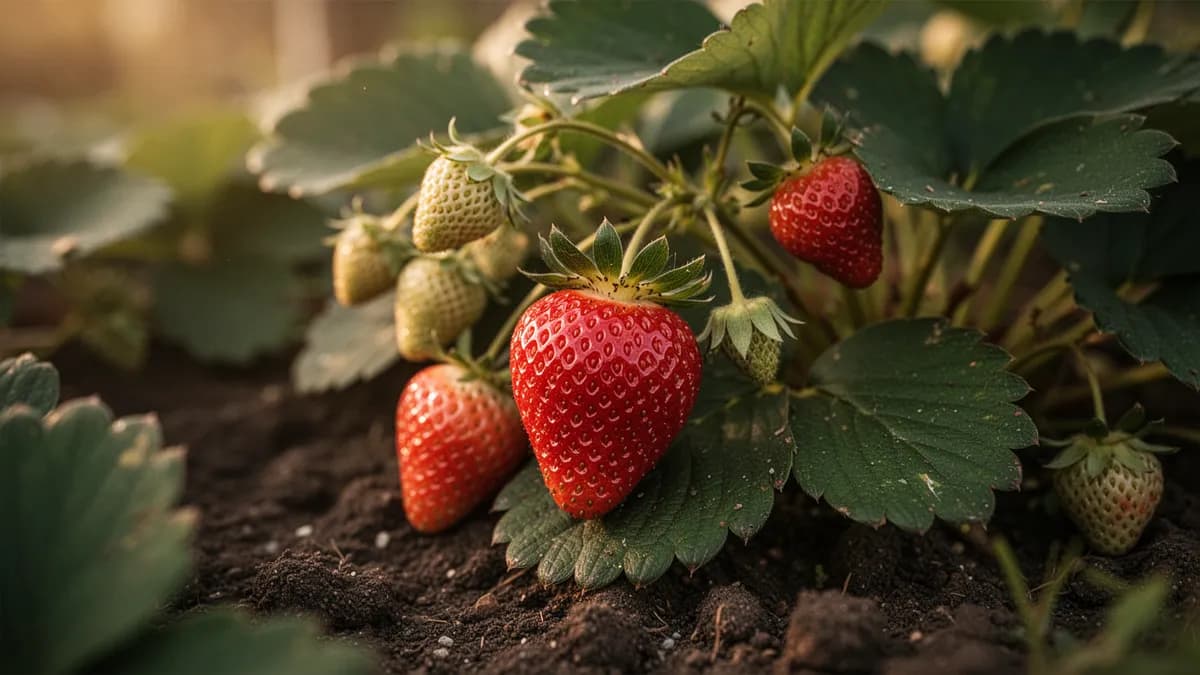
Cebolla va a su lado. Fresa no.
Saber de huerto de siempre, cotejado con la tabla real de Mostaza Roja Gigante — prueba cualquier planta que cultives.
Prueba Mostaza Roja Gigante en un bancal, aquí mismo
Un bancal real del planificador con Mostaza Roja Gigante ya plantado. Toca una planta compañera para colocarla y mira cómo responde la comprobación de vecinos: verde para buenos vecinos, rojo si hay conflicto.


Guías de cultivo relacionadas
Abónalo bien
La mostaza roja gigante prospera en suelos fértiles, bien drenados y ricos en materia orgánica, con un pH entre 6,0 y 7,5. Incorporar compost bien descompuesto antes de la siembra y aplicar un fertilizante equilibrado rico en nitrógeno cada 3-4 semanas para promover un crecimiento foliar abundante y vigoroso. Evitar suelos compactados o encharcados que favorecen las enfermedades radiculares.
Temperatura ideal
Compatibilidad de zonas de rusticidad
De la semilla a la cosecha, etapa por etapa
Germinación
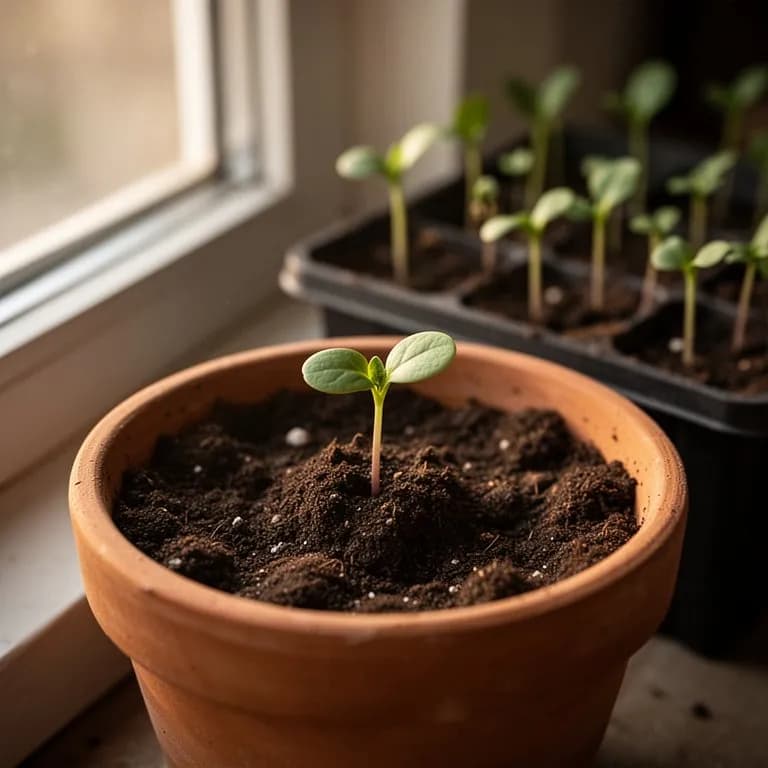
Las semillas pequeñas y redondas germinan rápidamente en temperaturas de suelo frescas a moderadas. Los cotiledones de color verde brillante emergen en 4-7 días, a menudo mostrando ya un leve tono púrpura en la base del tallo. La germinación es fiable incluso en condiciones frescas de hasta 4°C, aunque lo ideal es 10-20°C.
Desarrollo de plántulas
Las primeras hojas verdaderas aparecen con bordes dentados y comienzan a desarrollar la pigmentación púrpura rojiza característica. El crecimiento es vigoroso en clima fresco, y las hojas jóvenes ya son comestibles como baby greens con un sabor suave y picante. El sistema radicular se establece rápidamente en suelo suelto y fértil.
Formación de roseta
Las plantas forman una roseta amplia y abierta de hojas grandes y muy rizadas. El característico color rojo burdeos intenso se acentúa con temperaturas más frescas y mayor exposición al sol. Las hojas desarrollan una textura arrugada prominente con nervaduras centrales que contrastan en verde a pálido. Cada hoja puede alcanzar 25-40 cm de largo al madurar.
Cosecha en madurez
Las plantas alcanzan su tamaño completo con hojas de hasta 45 cm y una coloración rojo púrpura intensa. El sabor se vuelve más robusto y picante a medida que maduran las hojas. En este punto se puede cosechar toda la planta o seguir recogiendo hojas exteriores individuales. Las temperaturas frescas de otoño producen el color más profundo y el mejor equilibrio de sabor.
Espigado y floración
Cuando las temperaturas superan los 24°C o aumenta la duración del día a finales de primavera, la planta emite un tallo floral central con racimos de pequeñas flores amarillas brillantes típicas de la familia Brassica. El sabor de las hojas se vuelve cada vez más amargo y picante cuando comienza el espigado. Las flores atraen polinizadores y se pueden comer como adorno comestible.
Producción de semillas
Los tallos florales desarrollan vainas largas y delgadas (silicuas) que se secan y se vuelven marrones en la planta. Cada vaina contiene 10-20 semillas pequeñas, redondas y de color marrón oscuro. Son las mismas semillas de mostaza usadas en la cocina y en la preparación de condimentos. Las plantas pueden alcanzar 90-150 cm de altura durante esta etapa final.
Siembre las semillas a solo 3-6 mm de profundidad: necesitan algo de luz para germinar. Mantenga el suelo constantemente húmedo, pero no encharcado. Aclare a 15-20 cm de distancia cuando las plántulas tengan dos hojas verdaderas.
Cuidar Mostaza Roja Gigante mes a mes
Qué hacer cada mes para tu Mostaza Roja Gigante
Octubre
Mes actualPeak harvest season for autumn-sown crops. Leaves reach maximum size and deepest color as temperatures drop. Light frosts actually improve flavor by converting starches to sugars. Begin protecting plants with row cover or cold frames to extend the harvest season.
Ten claro qué hacer en tu huerto, cada mes
Un correo al empezar cada mes: qué sembrar, plantar y hacer ahora mismo — para tu Mostaza Roja Gigante y todo lo que crece alrededor. Más un breve curso inicial para esquivar los errores clásicos.
- Qué hacer ahora mismo
- Ajustado a tu temporada
- Curso inicial incluido
Cosechar Mostaza Roja Gigante
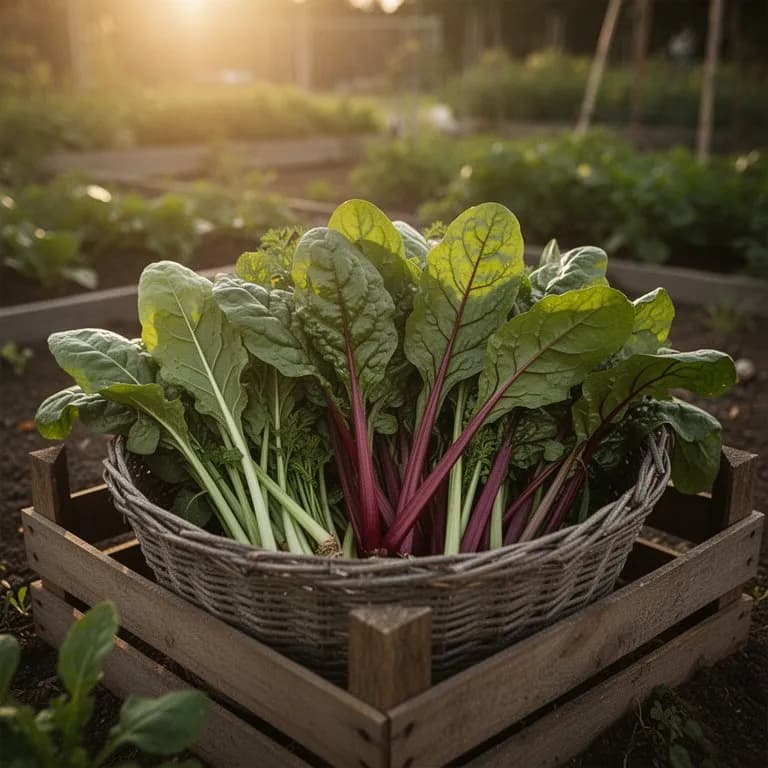
Las hojas exteriores se pueden cosechar individualmente a partir de los 30 días después de la siembra, cortándolas con un cuchillo afilado a 2-3 cm de la base para permitir el rebrote continuo. Las hojas baby para ensaladas se recogen con 10-15 cm de longitud, mientras que para cocinar se prefieren hojas más maduras de 25-40 cm. La planta completa se puede cortar a nivel del suelo a los 45-60 días, y frecuentemente rebrota para una segunda cosecha si se deja intacto el cogollo central.
se supone que plantas al comenzar el periodo — indica tu fecha real
A los 21 a 28 días para hojas tiernas, o cuando las hojas exteriores alcancen 8 a 12 pulgadas.
Almacenamiento y conservación
Las hojas frescas se conservan en el refrigerador envueltas en papel húmedo dentro de una bolsa perforada durante 5-7 días. Para conservación a largo plazo, escaldar las hojas durante 2 minutos, enfriar en agua helada, escurrir bien y congelar en bolsas herméticas, donde se mantienen hasta 8 meses. También se pueden fermentar al estilo kimchi o encurtir en vinagre para conservar durante varios meses.
Qué falla — y cómo solucionarlo
Pulgón de las crucíferas
PlagaColonias de pequeños insectos verdes grisáceos en el envés de las hojas y en los brotes tiernos, provocando enrollamiento, amarillamiento y debilitamiento general de la planta.
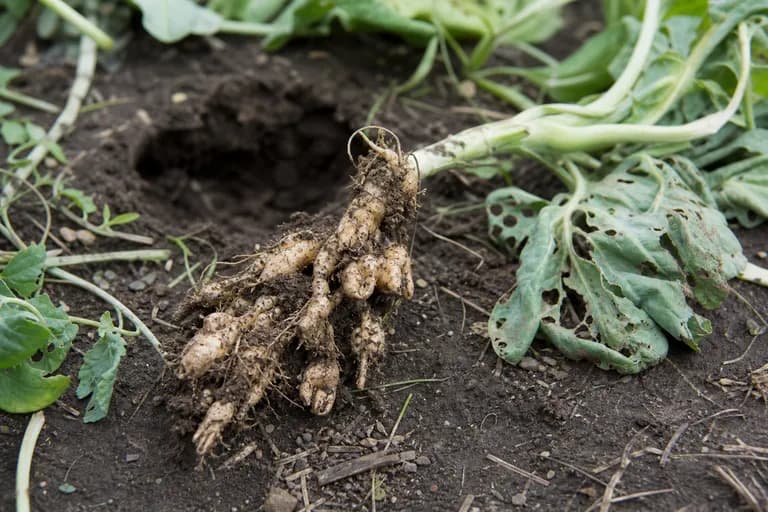
Hernia de la col (Plasmodiophora brassicae)
EnfermedadEngrosamiento anormal y deformación de las raíces formando agallas, marchitez durante las horas calurosas del día y enanismo general de la planta con hojas amarillentas.
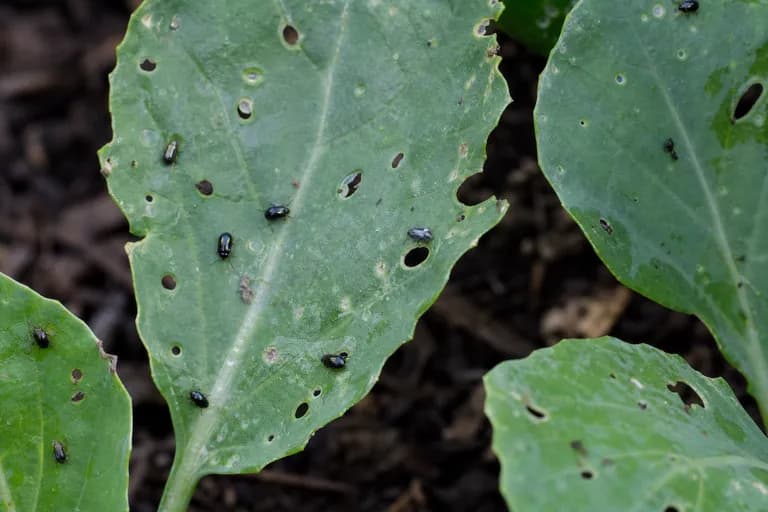
Pulguilla de las crucíferas
PlagaPequeños agujeros redondos en las hojas causados por diminutos escarabajos saltadores de color negro brillante, que pueden devastar las plántulas jóvenes y reducir significativamente la superficie foliar.
Solución de problemas comunes
La espigadura prematura (subida a flor) es el problema principal, provocada por temperaturas superiores a 25 °C o días largos de verano; se previene eligiendo épocas de siembra adecuadas y proporcionando sombra parcial. Las plántulas jóvenes son muy susceptibles al ataque de la pulguilla, que puede destruir un semillero completo en pocos días si no se protege con malla. El sabor de las hojas se vuelve excesivamente picante y amargo cuando la planta sufre estrés hídrico o por calor.
Consejos de cultivo
- Treat Red Giant Mustard as an autumn-first crop. While it grows in spring, autumn plantings consistently produce deeper color, sweeter flavor, and much slower bolting. Sow 8-10 weeks before your first expected frost for the finest quality leaves.
- Embrace cut-and-come-again harvesting. Never pull the entire plant when you can pick outer leaves and let the center continue producing. A single plant harvested this way will yield greens for 6-8 weeks rather than a one-time harvest.
- Succession sow every 2-3 weeks throughout the cool season. Mustard greens go from seed to baby salad leaves in just 21 days, making it one of the easiest crops to keep in continuous production with minimal planning.
- Control flea beetles, the primary pest, with fine mesh insect netting immediately after sowing. These tiny jumping beetles riddle mustard leaves with small holes and can devastate young seedlings overnight. Prevention is far easier than treatment.
- Water consistently to moderate the spicy heat level. Drought-stressed mustard becomes intensely pungent — sometimes unpleasantly so. Even, consistent moisture produces leaves with a pleasant peppery warmth rather than an aggressive burn.
- Grow as microgreens for the fastest return. Red Giant Mustard microgreens are ready to harvest in just 8-12 days and deliver concentrated flavor with a wasabi-like kick. Simply scatter seeds densely on moist potting mix and harvest with scissors when cotyledons are fully open.
- Use as a living mulch and trap crop among brassica relatives. Red Giant Mustard grows so quickly that it suppresses weeds, and flea beetles often prefer it over slower-growing cabbage and broccoli, protecting your main crop.
- Interplant with lettuce and other mild salad greens for a ready-made mesclun mix straight from the garden. The dramatic red-purple leaves provide both color contrast and a spicy counterpoint to mild butterhead or romaine varieties.
Cultiva tu mejor Mostaza Roja Gigante — y todo lo que la rodea.
Empieza un plan gratis hoy. Diseña tus bancales, coloca tu Mostaza Roja Gigante y deja que PlotMyGarden gestione el momento, el espaciado, las asociaciones y los recordatorios de la semilla a la cesta.
Elige tu Mostaza Roja Gigante
Red Giant
La variedad estándar con hojas grandes de color rojo-púrpura intenso y sabor picante pronunciado, alcanza 40-50 cm de altura y madura en 40-45 días, muy resistente al frío.
Osaka Purple
Variedad japonesa compacta con hojas redondeadas de color púrpura intenso, sabor más suave que Red Giant, excelente para ensaladas baby y madura en 35-40 días.
Ruby Streaks
Cultivar de hojas profundamente laciniadas (recortadas) de color rojo-púrpura con un sabor picante pero elegante, muy decorativa en el huerto y en el plato, madura en 40-55 días.
Mizuna Red
Mostaza japonesa de hojas finamente dentadas con tonalidades rojas y púrpuras, sabor suave y ligeramente picante, ideal para mezclas de ensaladas baby, madura en 35-40 días.
A packet of Red Giant Mustard seeds costs $2-4 and contains 200-500 seeds — enough for an entire season of succession plantings. Organic mustard greens sell for $4-7 per bunch at farmers markets and $3-5 per small clamshell at grocery stores. Growing just a 3-meter row can produce 30-50 harvests of mixed greens over a season, easily saving $60-120 on salad greens alone. As microgreens, the same seeds yield a premium product that retails for $25-50 per kilogram at specialty markets.
Recetas rápidas
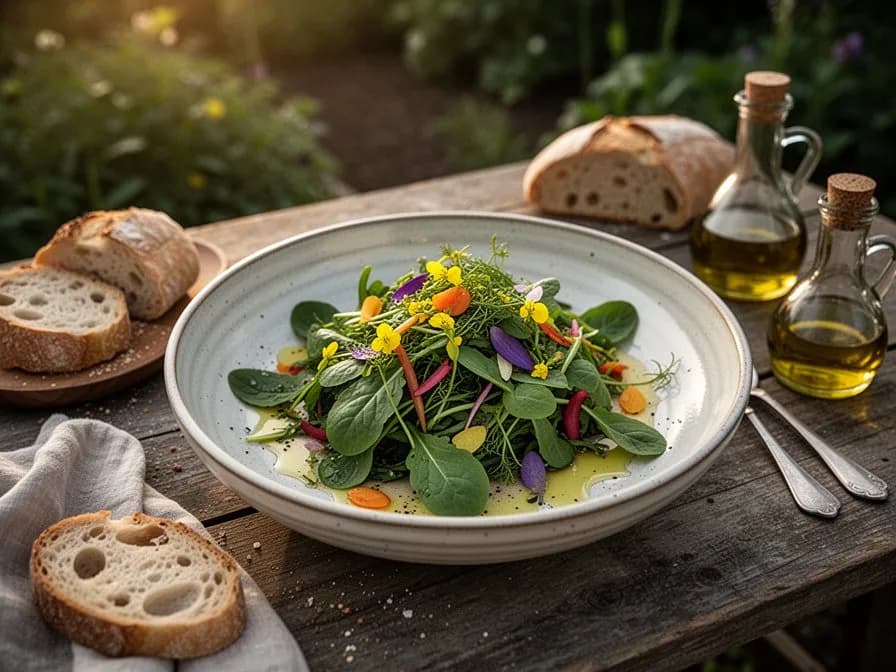
Spicy Mustard Green Stir-Fry with Garlic and Sesame
15 minA quick, high-heat stir-fry that tames the peppery bite of Red Giant Mustard while preserving its vibrant color. The combination of garlic, ginger, and toasted sesame oil transforms the bold greens into an addictive Asian-inspired side dish.
9 ingredientesRed Giant Mustard and White Bean Soup
35 minA hearty, nourishing soup where the peppery greens wilt into a savory broth with creamy white beans. The mustard leaves add a gentle warmth that builds with each spoonful — comfort food with a kick.
9 ingredientesBaby Mustard Greens Salad with Warm Bacon Vinaigrette
15 minYoung Red Giant Mustard leaves are the star of this classic warm salad. The hot bacon vinaigrette slightly wilts the tender greens and mellows their spicy edge, while the smoky-sweet dressing complements the peppery bite perfectly.
8 ingredientesUsos culinarios
Las hojas jóvenes y tiernas de la mostaza roja gigante aportan un toque picante y un color vibrante a las ensaladas mixtas y mesclun. Las hojas maduras se utilizan en salteados asiáticos, sopas, guisos y son un ingrediente tradicional del kimchi coreano y otros encurtidos fermentados. También se pueden cocinar al vapor, gratinar con queso o añadir a platos de pasta y pizza como alternativa picante a la espinaca o la rúcula.
Qué contiene
Beneficios para la salud
- Extremely high in vitamin A as beta-carotene — 100g of mustard greens provides over 200% of the daily value, supporting vision health, immune function, and skin cell renewal.
- Outstanding source of vitamin C at 78% of the daily value per 100g, a potent antioxidant that supports immune defense, collagen production, and enhances absorption of non-heme iron from plant foods.
- Rich in glucosinolates that convert to isothiocyanates during digestion — these bioactive compounds have been extensively studied for their ability to support the body's natural detoxification pathways and inhibit cancer cell growth in laboratory studies.
- The anthocyanin pigments responsible for the red-purple leaf color are powerful antioxidants associated with reduced inflammation, improved cardiovascular health, and enhanced cognitive function in epidemiological research.
- Provides exceptional vitamin K levels (over 300% of the daily value per 100g), essential for proper blood clotting, bone mineralization, and calcium regulation throughout the body.
- Contains significant dietary calcium (115mg per 100g) with superior bioavailability compared to spinach, since mustard greens have much lower oxalate levels that would otherwise bind calcium and prevent absorption.
De dónde viene Mostaza Roja Gigante
Red Giant Mustard (Brassica juncea var. rugosa) traces its ancestry to the broader species Brassica juncea, which originated through a natural hybridization between Brassica rapa (turnip/field mustard) and Brassica nigra (black mustard) somewhere in the region spanning Central Asia to the Himalayan foothills. Archaeological evidence places mustard cultivation in the Indus Valley civilization as early as 3000 BCE, making it one of the oldest spice and vegetable crops known to humanity. From its Central Asian origins, mustard spread eastward into China, where records of its cultivation for both greens and seeds date back over 5,000 years.
The large-leaved, rugosa varieties — the group that includes Red Giant Mustard — were primarily developed in East and Southeast Asia, where mustard greens became a fundamental ingredient in Chinese, Japanese, Korean, and Vietnamese cuisines. In China, different regional varieties of leaf mustard evolved for pickling (zha cai), stir-frying, and soup making. Japanese takana mustard and Korean gat (mustard leaf kimchi) represent centuries of selective breeding for specific culinary purposes. The Red Giant variety specifically was developed in Japan, where it was valued both as an ornamental garden plant and as a culinary green with its dramatic purple-red foliage.
Red Giant Mustard arrived in Western gardens primarily through seed exchanges and Asian immigrant communities in the 20th century, gaining popularity first among adventurous home gardeners and later in the farm-to-table restaurant movement. Its combination of striking visual appeal, bold flavor, and extreme ease of cultivation made it a favorite of chefs and market gardeners. Today, Red Giant Mustard is grown worldwide as a cool-season crop, prized equally for baby salad mixes, mature cooking greens, and microgreen production. It remains one of the most accessible entry points into growing Asian greens for gardeners of all experience levels.
Mostaza Roja Gigante: ¿sabías que?
Datos fascinantes sobre Mostaza Roja Gigante
Red Giant Mustard belongs to the species Brassica juncea, the same plant that gives us brown mustard seeds, mustard oil, and the yellow mustard condiment on your hot dog — the leaves, seeds, and oil are all different products of this incredibly versatile crop.
Mostaza Roja Gigante: preguntas frecuentes
¿Cuándo debo plantar Mostaza Roja Gigante?
¿Cuáles son buenas plantas acompañantes para Mostaza Roja Gigante?
¿En qué zonas de rusticidad puede crecer Mostaza Roja Gigante?
¿Cuánto sol necesita Mostaza Roja Gigante?
¿A qué distancia debo espaciar Mostaza Roja Gigante?
¿Qué plagas y enfermedades afectan a Mostaza Roja Gigante?
¿Cómo almaceno Mostaza Roja Gigante después de la cosecha?
¿Cuáles son las mejores variedades de Mostaza Roja Gigante para cultivar?
¿Qué suelo necesita Mostaza Roja Gigante?
Why are my Red Giant Mustard leaves green instead of red-purple?
How do I prevent Red Giant Mustard from bolting so quickly?
Is Red Giant Mustard too spicy to eat raw in salads?
Can Red Giant Mustard survive frost and winter conditions?
How do I save seeds from Red Giant Mustard?
What is the best way to cook Red Giant Mustard to reduce the bitterness?
Acabas de leer la teoría. Ahora cultívala en piloto automático.
Todo lo que hace que Mostaza Roja Gigante sea delicado — el momento, el espaciado, las asociaciones, la ventana de cosecha — es justo lo que PlotMyGarden resuelve por ti, para cada planta de tu huerto.
Un plan que conoce tu clima
Indica tu ubicación una vez. Recibe fechas de siembra, abonado y cosecha basadas en tu última helada real y el pronóstico en vivo — sin adivinar con un sobre genérico.
De la sección “Cuándo plantar”Planificador de bancales de arrastrar y soltar
Diseña bancales sobre una cuadrícula. Cada planta encaja con su espaciado correcto y ves toda la temporada antes de gastar un céntimo en semillas.
De la sección “Cultivo”Conflictos de asociación, detectados a tiempo
Más de 200 buenas y malas combinaciones comprobadas en vivo mientras plantas — para que un error que arruine la temporada nunca llegue a la tierra.
De la sección “Asociaciones”Recordatorios que sí vas a seguir
“Riega las judías.” “Recoge hoy antes de que se pase.” Oportunos, concretos y ligados a las plantas que de verdad cultivas.
De la sección “Cosecha”Escalonado, programado
¿Quieres cosechar seis semanas en vez de seis días? Reparte tus siembras automáticamente y te avisa cuando toca el siguiente lote.
De la sección “Cuándo plantar”Un registro que se vuelve más listo
Cada cosecha que registras le enseña tu huerto. El plan del año que viene parte de lo que de verdad funcionó en tu suelo, no en un manual.
De la sección “Resumen”Planta estos junto a Mostaza Roja Gigante
Más Hortalizas de hoja
Mantén Mostaza Roja Gigante lejos de estos
Cultiva tu mejor Mostaza Roja Gigante — y todo lo que la rodea.
Empieza un plan gratis hoy. Diseña tus bancales, coloca tu Mostaza Roja Gigante y deja que PlotMyGarden gestione el momento, el espaciado, las asociaciones y los recordatorios de la semilla a la cesta.