Maulbeerbaum
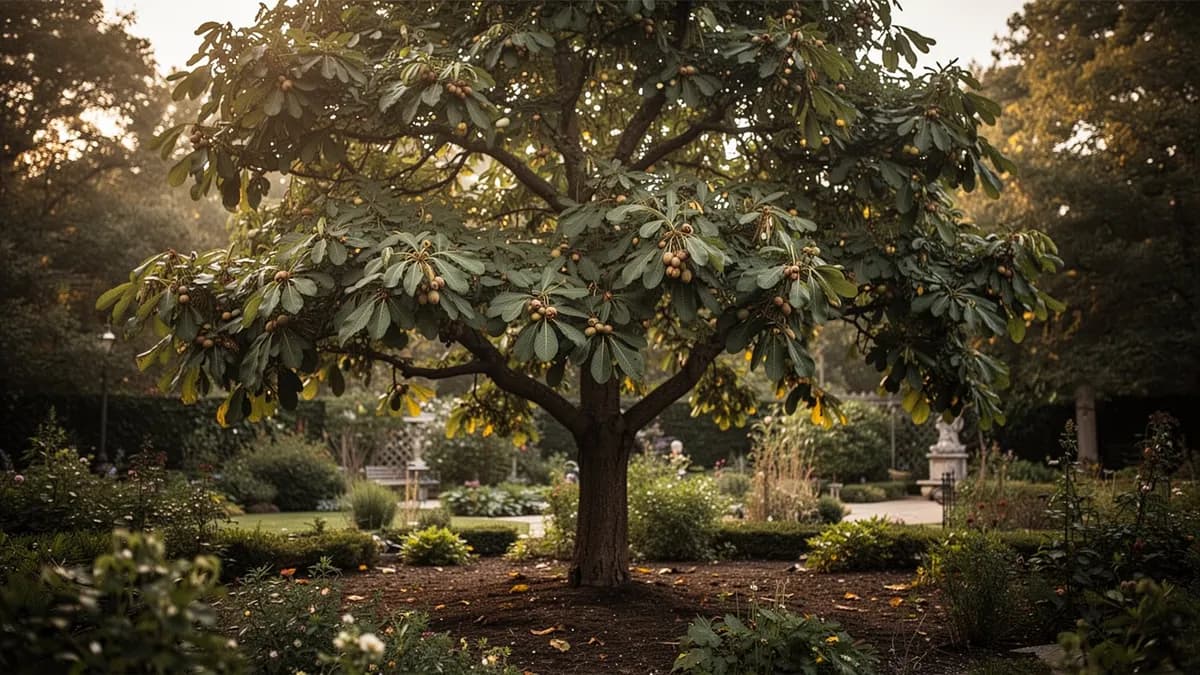
Ein kräftiger und anpassungsfähiger Baum, der reichlich dunkle Beeren hervorbringt, die bei Vögeln und Menschen gleichermaßen beliebt sind.





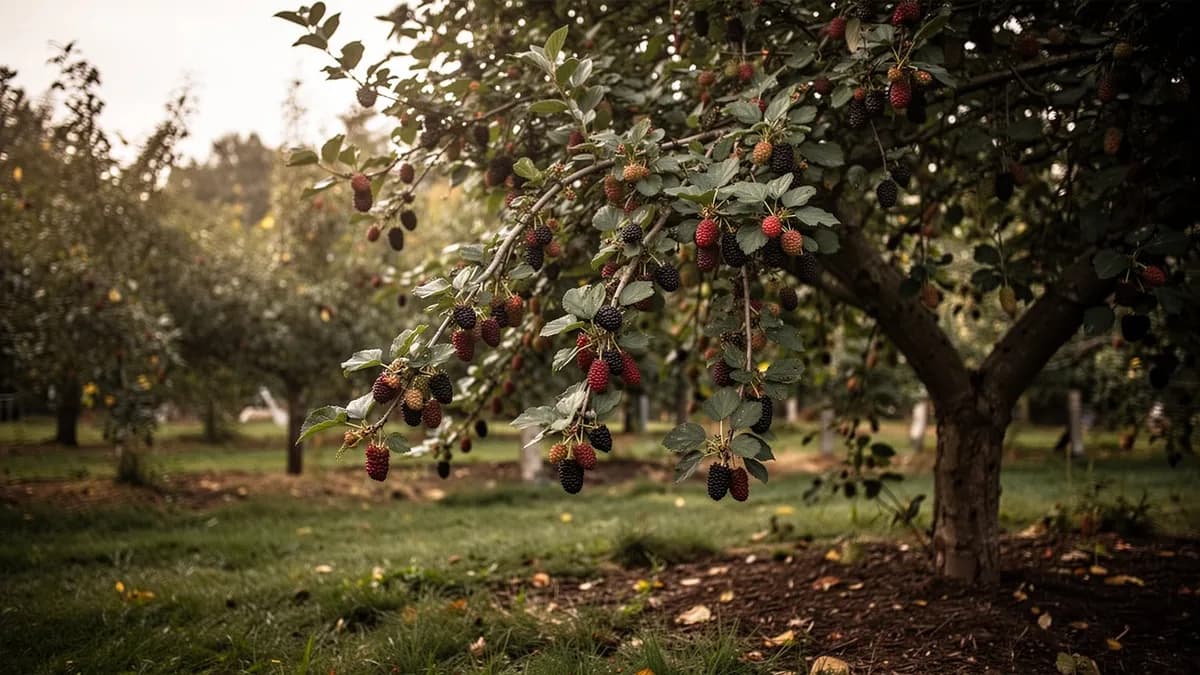
Auf dieser SeiteÜberblick
Maulbeerbaum im Überblick
Ein kräftiger und anpassungsfähiger Baum, der reichlich dunkle Beeren hervorbringt, die bei Vögeln und Menschen gleichermaßen beliebt sind. Maulbeeren reifen über mehrere Wochen und färben alles, was sie berühren – pflanzen Sie den Baum daher abseits von Gehwegen und Wäscheleinen. Die Bäume wachsen schnell, vertragen schlechte Böden und beginnen innerhalb weniger Jahre zu tragen. Schwarze Maulbeeren haben den reichhaltigsten Geschmack, während weiße und rote Sorten winterhärter und breiter angepasst sind.
Wann Maulbeerbaum pflanzen
Maulbeerbäume lassen sich leicht durch Hartholzstecklinge vermehren, die im Winter genommen werden und in feuchter Blumenerde bereitwillig bewurzeln. Wählen Sie bleistiftdicke Stecklinge von 20 bis 25 cm Länge vom Vorjahreswuchs. Tauchen Sie in Bewurzelungshormon und stecken Sie sie in ein gut durchlässiges Substrat. Schwarze Maulbeeren sind schwieriger zu bewurzeln als rote oder weiße Sorten. Benannte Sorten können auch auf Sämlings-Unterlagen veredelt werden. Samen keimen leicht nach Kältestratifikation, bringen aber variable Nachkommen hervor, die möglicherweise mehrere Jahre bis zur Fruchtbildung benötigen.
Dein Maulbeerbaum-Jahr
Abgestimmt auf Zone 7 · typische Saison · Frost geht um den 2. Apr. und kehrt um den 1. Nov. zurück
Maulbeerbaum Mär – Apr, Nov pflanzen, Jun – Aug ernten. Beachte die Pflanzmethoden unten und wähle dein Klima für passende Zeiträume.
So baust du Maulbeerbaum an
Maulbeerbäume gehören zu den anpassungsfähigsten und am einfachsten zu ziehenden Obstbäumen und vertragen eine Vielzahl von Bodenarten, Trockenbedingungen und Klimazonen. Pflanzen Sie in voller Sonne für die beste Fruchtproduktion, obwohl sie auch Halbschatten vertragen. Halten Sie bei Standardsorten einen Abstand von 7,5 bis 9 Metern ein, da Maulbeeren schnell wachsen und breite, ausladende Kronen entwickeln. Jeder gut durchlässige Boden mit einem pH-Wert von 5,5 bis 7,5 ist geeignet, und Maulbeeren gedeihen sogar in armen, verdichteten Stadtböden.
Gießen Sie junge Bäume während der ersten Vegetationsperiode regelmäßig, um die Wurzeln zu etablieren, und reduzieren Sie dann die Bewässerung, wenn der Baum heranreift. Etablierte Maulbeerbäume sind bemerkenswert trockenheitstolerant und benötigen selten zusätzliche Bewässerung, außer bei extremer Hitze. Düngen Sie im Frühjahr leicht mit einem ausgewogenen Dünger; übermäßiger Stickstoff fördert vegetatives Wachstum auf Kosten der Fruchtbildung. Mulchen Sie rund um den Stamm, um Feuchtigkeit zu bewahren und Unkraut zu unterdrücken.
Schneiden Sie Maulbeerbäume im Spätwinter während der Ruhephase, um eine handhabbare Größe und Form beizubehalten. Die Bäume reagieren gut auf starken Rückschnitt und können mit jährlichen Kopfschnitten auf 4,5 Meter oder weniger gehalten werden. Beachten Sie, dass Maulbeerfrüchte Gehwege, Terrassen und alles unter der Krone verfärben – wählen Sie den Standort entsprechend. Vögel werden einen großen Teil der Ernte verzehren, sofern kein Netz verwendet wird. Maulbeeren reifen über einen Zeitraum von mehreren Wochen, wobei die Früchte bei voller Reife abfallen. Das Ausbreiten einer Plane unter dem Baum vereinfacht die Ernte.
Für Maulbeerbaum ist ein Beet von 120 × 240 cm zu klein
Maulbeerbaum braucht 700 cm Platz pro Pflanze. Der Planer hält diesen Abstand für dich ein — jede Pflanze, jedes Beet.
Die besten Nachbarn für Maulbeerbaum
Maulbeerbäume werfen im ausgewachsenen Zustand dichten Schatten, sodass Begleitpflanzungen schattenverträglich sein sollten. Funkien, Farne und Waldwildblumen gedeihen unter Maulbeerkronen. Beinwell, der entlang der Trauflinie gepflanzt wird, sammelt mit seinen tiefen Wurzeln Nährstoffe an und liefert nach dem Schnitt ausgezeichnetes Mulchmaterial. Vermeiden Sie den Anbau von Gemüsegärten direkt unter Maulbeerbäumen aufgrund des Schattens und der Verschmutzung durch herabfallende Früchte. Klee und andere Bodendecker helfen, die färbenden Früchte zu bewältigen, indem sie einen lebenden Teppich bilden.
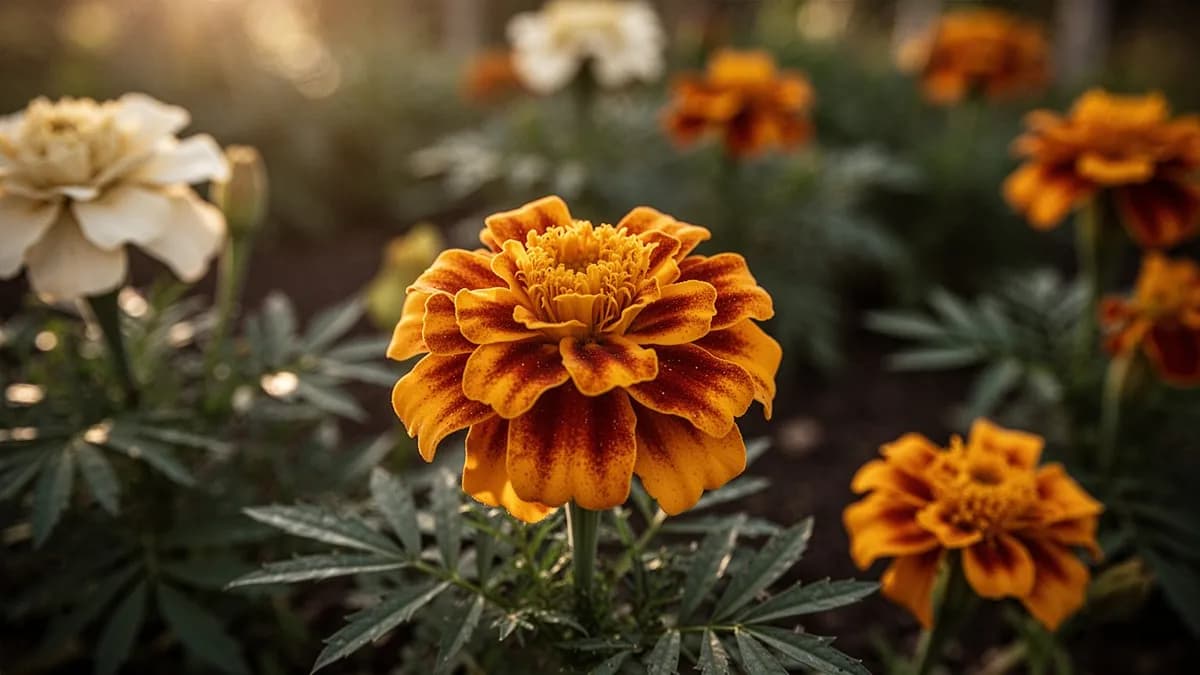
Studentenblume gehört daneben. Walnussbaum nicht.
Altes Gärtnerwissen, geprüft an der echten Nachbartabelle von Maulbeerbaum — teste jede Pflanze, die du anbaust.
Probiere Maulbeerbaum direkt hier im Beet
Ein echtes Planer-Beet, Maulbeerbaum steht schon drin. Tippe einen Begleiter an, platziere ihn und sieh, wie die Nachbarschaftsprüfung antwortet — grün für gute Nachbarn, rot bei Streit.


Passende Anbau-Ratgeber
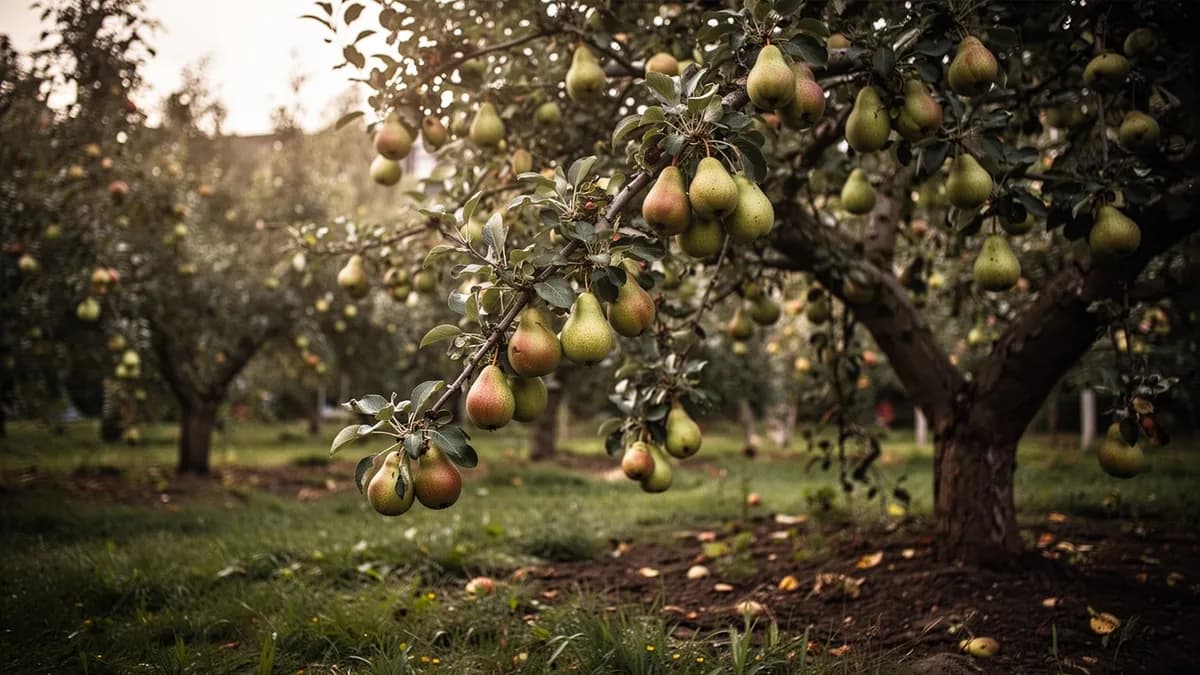
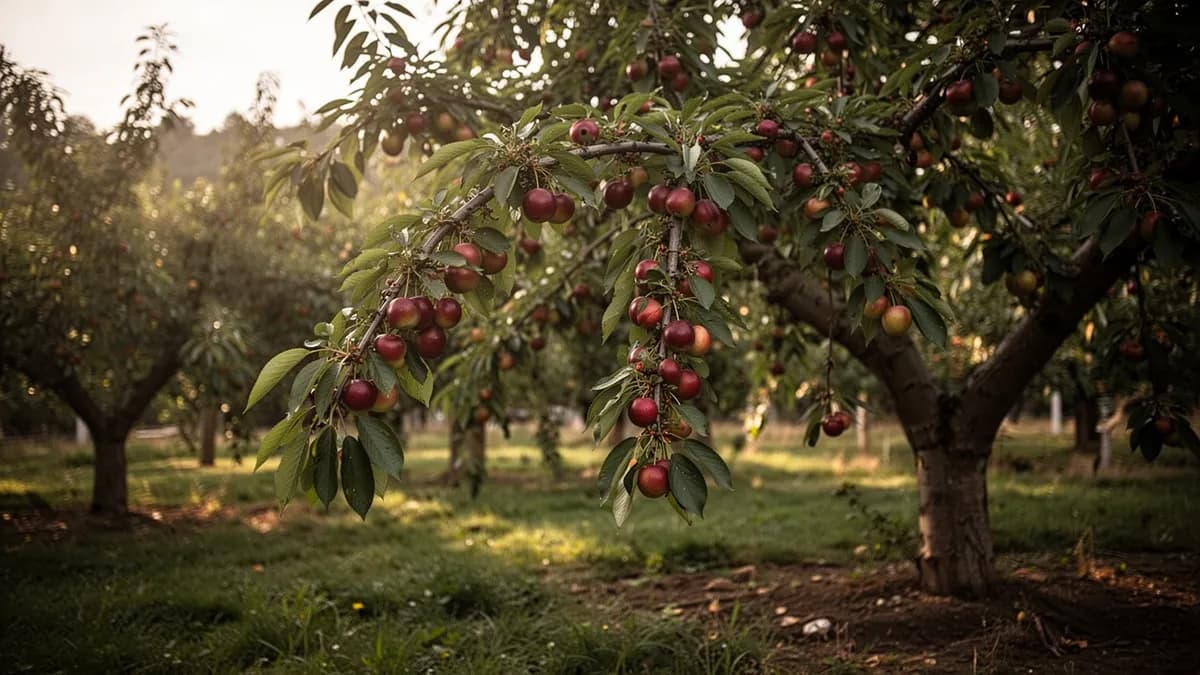
Richtig düngen
Maulbeerbäume gedeihen in fast jedem Bodentyp von sandig bis schwer tonig, mit einem bevorzugten pH-Wert von 5,5 bis 7,5. Sie vertragen arme, verdichtete und sogar leicht alkalische Böden, die andere Obstbäume belasten würden. Düngen Sie sparsam mit einem ausgewogenen Dünger im zeitigen Frühjahr, da übermäßige Düngung üppiges Wachstum mit weniger Früchten erzeugt. Junge Bäume profitieren von einer Kompostabdeckung. Etablierte Bäume auf vernünftigem Boden benötigen oft überhaupt keine zusätzliche Düngung.
Ideale Temperatur
Winterhärtezone-Kompatibilität
Von der Saat zur Ernte, Schritt für Schritt
Ruhephase / Wurzelnackt
Der Maulbeerbaum befindet sich im Winter in der Ruhephase ohne Blätter. Wurzelnackte Bäume werden am besten in dieser Zeit gepflanzt, typischerweise von Ende Dezember bis Februar, solange der Baum nicht aktiv wächst.
Knospenaufbruch und Blattaustrieb
Im frühen bis mittleren Frühling schwellen die Knospen an und brechen auf, wobei frische grüne Blätter erscheinen. Maulbeerbäume gehören zu den letzten Laubbäumen, die austreiben, und warten oft, bis die Gefahr von Spätfrösten vorüber ist. Kätzchen-ähnliche Blütentrauben erscheinen zusammen mit dem neuen Laub.
Blüte und Fruchtansatz
Kleine, unscheinbare Kätzchenblüten erscheinen und werden windbestäubt. Viele Maulbeersorten sind selbstfruchtbar. Nach der Bestäubung beginnen sich winzige grüne Früchte entlang der Kätzchenstruktur zu entwickeln, die die charakteristische längliche Beerenform bilden.
Fruchtreife
Die Früchte durchlaufen eine auffällige Farbveränderung: von grün zu weiß, dann rot und schließlich tief purpur-schwarz bei voller Reife. Reife Beeren sind weich, süß und fallen leicht vom Baum. Das Erntefenster erstreckt sich über mehrere Wochen, da die Früchte fortschreitend reifen.
Wachstum nach der Ernte
Nach dem Ende der Fruchtzeit konzentriert der Baum seine Energie auf vegetatives Wachstum und den Aufbau von Reserven für die nächste Saison. Neues Holz reift und härtet aus. Die Blätter bleiben den Sommer über und bis in den frühen Herbst hinein grün und produktiv, bevor sie sich gelb verfärben und abfallen.
Herbstliche Seneszenz
Die Blätter verfärben sich goldgelb, bevor sie abfallen. Der Baum beginnt in die Ruhephase einzutreten und leitet Nährstoffe von den Blättern in Wurzeln und Holzgewebe zur Wintereinlagerung um. Das Wachstum verlangsamt sich und stoppt schließlich, wenn die Temperaturen sinken.
Winterruhe
Der Baum befindet sich in vollständiger Ruhephase mit kahlen Ästen. Dies ist die beste Zeit für Strukturschnitt und Planung für die nächste Saison. Maulbeerbäume benötigen etwa 400 Kältestunden unter 7°C, um im Frühjahr ordnungsgemäß aus der Ruhephase auszutreten.
Pflanzen Sie wurzelnackte Bäume in ein Pflanzloch, das doppelt so breit wie die Wurzelausbreitung ist. Gießen Sie bei der Pflanzung tief und bringen Sie 8-10 cm Mulch um den Stamm herum auf, halten Sie ihn aber vom Stamm fern.
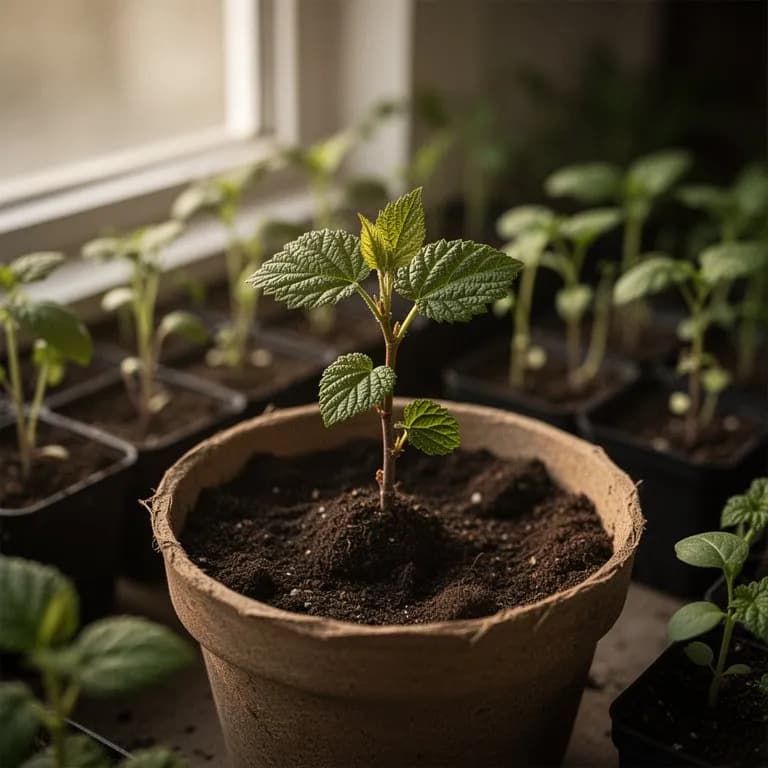
Maulbeerbaum Monat für Monat pflegen
Was du jeden Monat für deine Maulbeerbaum tun solltest
Oktober
Aktueller MonatBringen Sie eine 8-10 cm dicke Schicht organischen Mulch um die Wurzelzone als Winterisolierung auf. Harken Sie abgefallenes Laub und kompostieren Sie es. Untersuchen Sie Stamm und Hauptäste auf Krebs oder Beschädigungen.
Immer wissen, was jetzt im Garten zu tun ist
Eine E-Mail zum Monatsanfang: was du jetzt säen, pflanzen und anpacken solltest — für deine Maulbeerbaum und alles, was drumherum wächst. Dazu ein kurzer Startkurs, der dich vor den klassischen Fehlern bewahrt.
- Was jetzt zu tun ist
- Passend zu deiner Saison
- Startkurs inklusive
Maulbeerbaum ernten
Maulbeeren reifen über einen Zeitraum von 2 bis 4 Wochen im Frühsommer bis Hochsommer. Reife Früchte sind weich, tieffarben und lösen sich mit einem sanften Zug vom Stiel. Die einfachste Erntemethode besteht darin, eine saubere Plane oder ein Tuch unter dem Baum auszubreiten und die Äste vorsichtig zu schütteln, damit reife Beeren herunterfallen. Behandeln Sie geerntete Früchte sehr vorsichtig, da Maulbeeren extrem weich sind und leicht färben. Schwarze Maulbeeren haben den reichhaltigsten Geschmack und werden von rot zu tief purpur-schwarz, wenn sie vollreif sind.
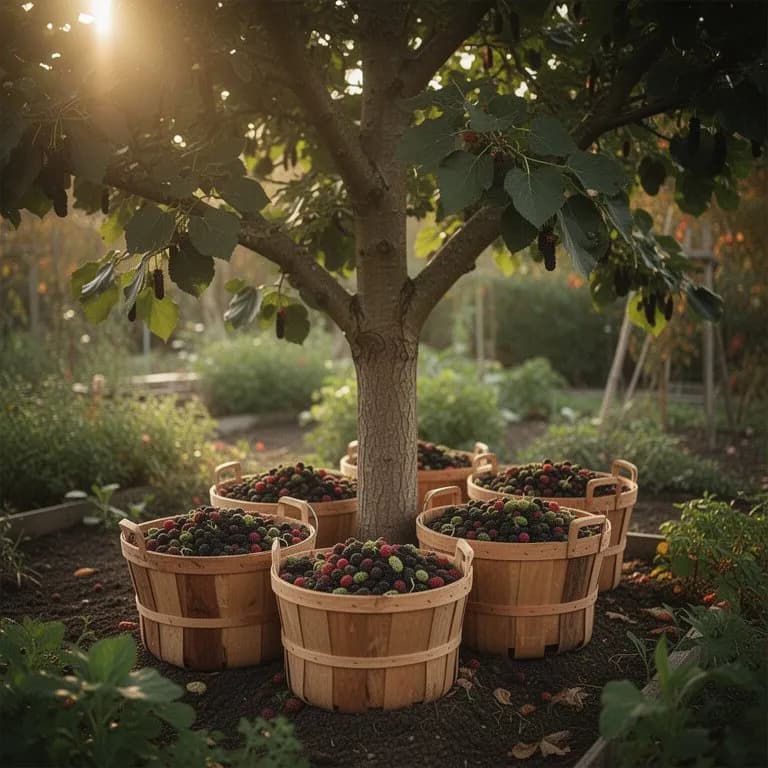
angenommen, du pflanzt zu Beginn des Zeitraums — trage dein tatsächliches Datum ein
Ernte Maulbeerbaum zügig, dann trägt die Pflanze weiter.
Lagerung & Konservierung
Frische Maulbeeren sind extrem verderblich und sollten innerhalb von ein bis zwei Tagen nach der Ernte gegessen oder verarbeitet werden. Lagern Sie ungewaschene Beeren in einer einzigen Schicht im Kühlschrank bis zu 3 Tage. Maulbeeren lassen sich hervorragend einfrieren, indem man sie auf einem Backblech ausbreitet und dann in Gefrierbeutel umfüllt. Sie eignen sich ausgezeichnet für Marmelade, Kuchenfüllung, Wein und Sirup. Getrocknete Maulbeeren sind als gesunder Snack mit rosinenartiger Textur und süßem Geschmack beliebt geworden. Maulbeersaft kann zu einem melasseartigen Sirup eingedickt werden.
Was schiefgeht — und die Lösung
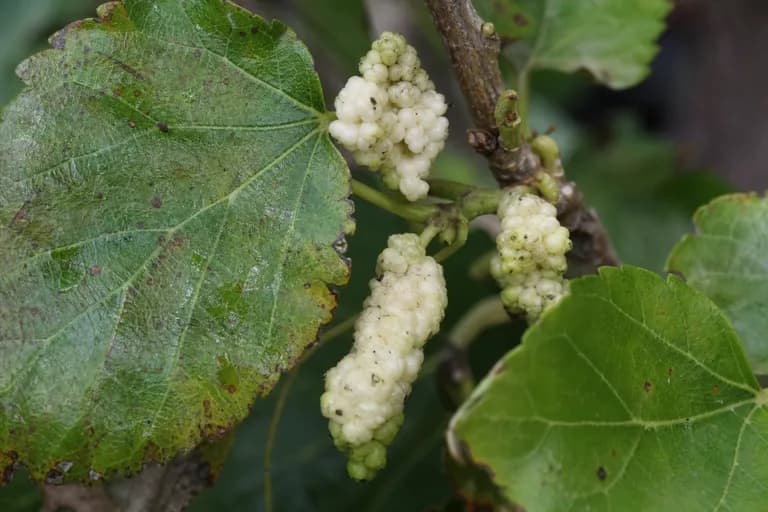
Popcorn-Krankheit
KrankheitSich entwickelnde Früchte schwellen abnormal an und werden weiß und aufgebläht, anstatt normal zu reifen. Befallene Beeren ähneln gepoppten Maiskörnern und sind ungenießbar.
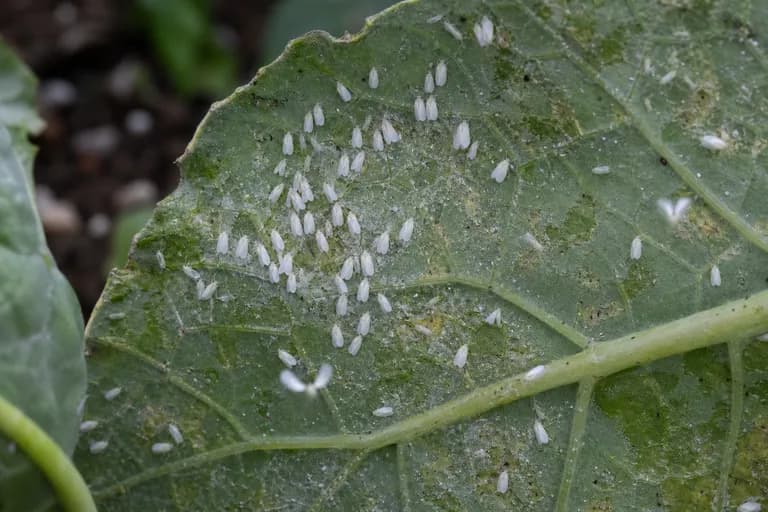
Weiße Fliegen
SchädlingWinzige weiß-geflügelte Insekten auf den Blattunterseiten, die in Wolken auffliegen, wenn das Laub berührt wird. Honigtauausscheidungen führen zu Rußtau auf den Blättern.
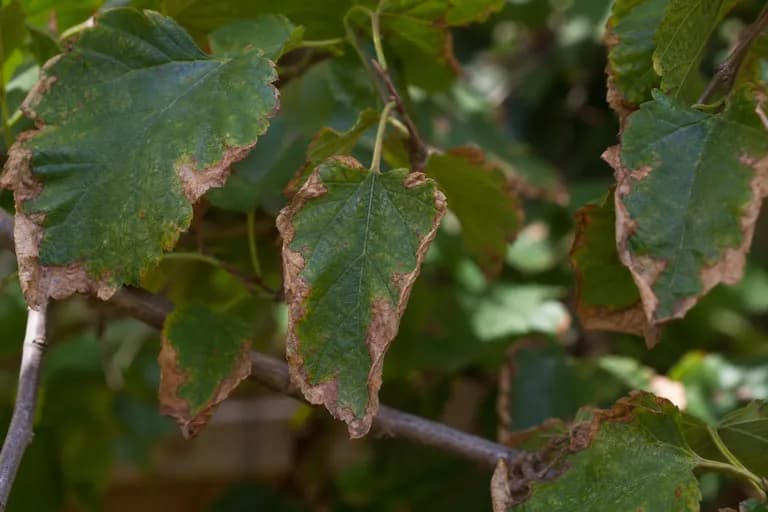
Bakterielle Blattbräune
KrankheitBlattränder werden braun und knusprig, wobei sich die Verfärbung nach innen ausbreitet. Die Symptome breiten sich über mehrere Jahre in der Krone aus. Auf die Blattschäden folgt ein Absterben der Äste.
Fehlerbehebung bei häufigen Problemen
Die häufigste Beschwerde über Maulbeerbäume ist die Unordnung durch herabfallende Früchte, die alles verfärben, womit sie in Kontakt kommen. Pflanzen Sie Bäume abseits von Terrassen, Gehwegen, Einfahrten und Gebäuden. Oberflächenwurzeln können aggressiv sein und Gehwege und Fundamente beschädigen, wenn zu nah gepflanzt wird. Vögel verzehren große Mengen an Früchten, was für Wildtiergärtner wünschenswert, für ernteorientierte Gärtner jedoch frustrierend sein kann. Einige Städte haben fruchtlose männliche Maulbeerkultivare wegen extremer Pollenproduktion verboten.
Anbautipps
- Pflanzen Sie Maulbeerbäume in voller Sonne mit mindestens 6-8 Stunden direktem Sonnenlicht täglich für maximale Fruchtproduktion. Bäume vertragen Halbschatten, produzieren aber deutlich weniger Früchte.
- Halten Sie bei Standard-Maulbeerbäumen einen Abstand von 7,5-9 Metern ein, um ihrer breiten, ausladenden Krone Platz zu geben. Zwergsorten können in 3-4,5 Meter Abstand gepflanzt werden.
- Gießen Sie junge Bäume während der ersten zwei Vegetationsperioden ein- bis zweimal pro Woche tief, um ein starkes Wurzelsystem zu etablieren. Ausgewachsene Bäume sind recht trockenheitstolerant.
- Vermeiden Sie das Pflanzen in der Nähe von Einfahrten, Terrassen oder Gehwegen, da herabfallende reife Früchte Beton und Pflaster tief violett verfärben, was extrem schwer zu entfernen ist.
- Schneiden Sie während der Winterruhe, um die Form zu erhalten und totes Holz zu entfernen. Maulbeerbäume bluten stark, wenn sie während der Vegetationsperiode geschnitten werden – vermeiden Sie daher Schnitt im Frühjahr und Sommer.
- Düngen Sie einmal im zeitigen Frühjahr mit einem ausgewogenen 10-10-10-Dünger in einer Menge von 0,5 Kilogramm pro 2,5 cm Stammdurchmesser. Überdüngung fördert übermäßiges Blattwachstum auf Kosten der Früchte.
- Breiten Sie während der Erntezeit eine Plane unter dem Baum aus und schütteln Sie die Äste sanft, um reife Beeren effizient zu sammeln. Reife Früchte fallen leicht und diese Methode minimiert die Zeit für das Handpflücken.
- Installieren Sie zwei bis drei Wochen vor Beginn der Fruchtreife Vogelnetze über der Krone, wenn der Vogelwettbewerb erheblich ist. Vögel können einen Baum an einem einzigen Tag von reifen Früchten befreien.
- Erwägen Sie Kübelkultur für Zwerg-Maulbeersorten auf Terrassen oder Balkonen, mit einem Topf von mindestens 50 cm Durchmesser und gut durchlässiger Blumenerde.
- Vermehren Sie Maulbeerbäume einfach durch Hartholzstecklinge im Spätwinter. Schneiden Sie 20-25 cm lange Abschnitte vom Vorjahreswuchs, tauchen Sie in Bewurzelungshormon und pflanzen Sie in feuchte Blumenerde.
Bau deine beste Maulbeerbaum an — und alles drumherum.
Starte heute kostenlos. Lege deine Beete an, setze deine Maulbeerbaum ein und lass PlotMyGarden Timing, Abstände, Begleiter und Erinnerungen von der Saat bis zum Erntekorb übernehmen.
Finde deine Maulbeerbaum
Illinois Everbearing
Eine Rotmaulbeer-Hybride, die über eine verlängerte Saison große, süße Früchte produziert. Sehr winterhart und eine der beliebtesten benannten Sorten für Hausgärten.
Black Beauty
Eine Schwarzmaulbeer-Auslese mit großen, intensiv aromatischen Früchten, die als die wohlschmeckendsten aller Maulbeeren gelten. Langsamer wachsend und kompakter als andere Sorten.
Pakistan
Produziert außergewöhnlich lange, fingerförmige Früchte bis zu 7,5 cm mit süßem, komplexem Geschmack. Weniger winterhart als andere Maulbeeren, am besten geeignet für Zonen 7 bis 10.
Shangri La
Eine kräftige Weißmaulbeer-Hybride mit großen, süßen schwarzen Früchten. Angepasst an heiße südliche Klimazonen und sehr ertragreich nach der Etablierung.
Ein einzelner ausgewachsener Maulbeerbaum kann jahrzehntelang 27-45 Kilogramm Früchte jährlich mit minimaler Pflege produzieren. Bei typischen Marktpreisen von 3-7 € pro Schale für frische Maulbeeren (wenn verfügbar) könnte ein Baum Früchte im Wert von 250-670 € pro Saison liefern. Maulbeerbäume sind nach der Etablierung äußerst pflegeleicht, benötigen keine Pestizide, minimalen Dünger und nur gelegentlichen Schnitt, was sie zu einem der kosteneffektivsten Obstbäume für Hobbygärtner macht.
Schnelle Rezepte
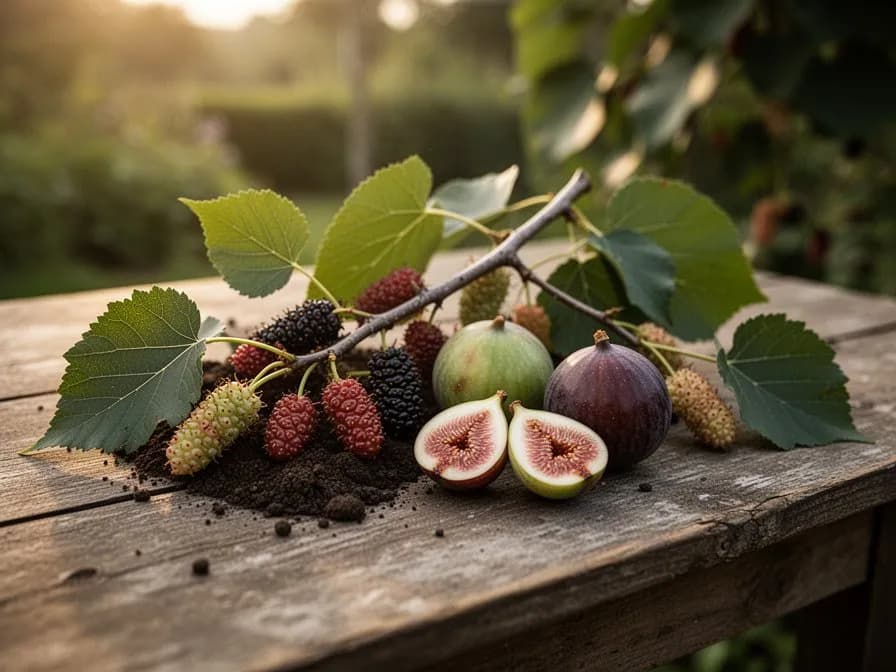
Maulbeermarmelade
45 Min.Eine klassische selbstgemachte Marmelade, die den tiefen, süßen Geschmack reifer Maulbeeren einfängt. Dieses Rezept verwendet wenig Zucker, damit der natürliche Beerengeschmack zur Geltung kommt, mit einem Hauch Zitronensaft für Balance und richtige Gelierung.
5 Zutaten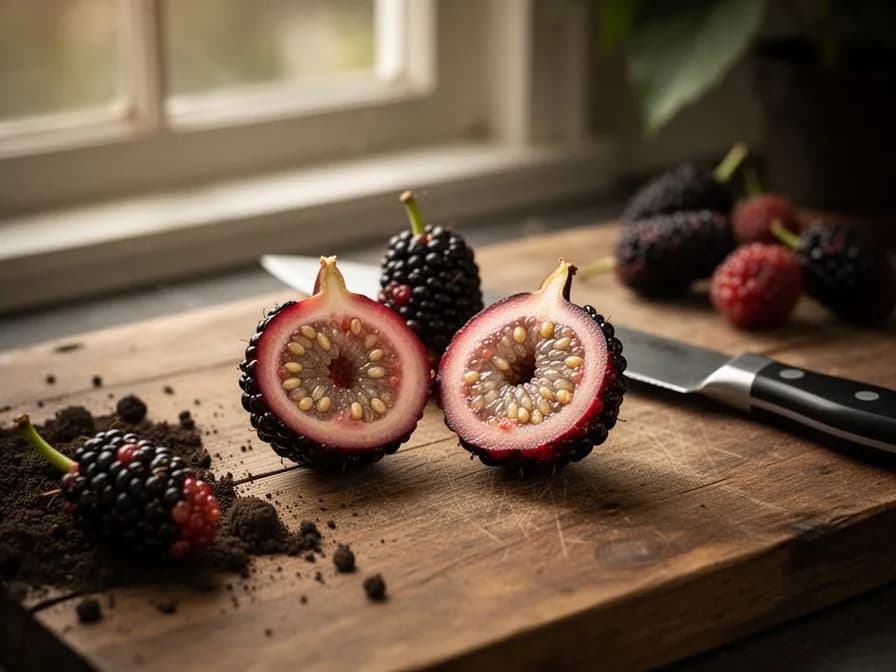
Maulbeer-Crumble
50 Min.Ein warmes, behagliches Dessert mit saftigen Maulbeeren unter einem knusprigen, buttrigen Haferbelag. Die Beeren zerfallen zu einer köstlichen Füllung, während der Crumble goldbraun und knusprig wird. Servieren Sie mit Vanilleeis oder frischer Schlagsahne.
8 ZutatenMaulbeer-Smoothie-Bowl
10 Min.Eine lebhafte, nährstoffreiche Frühstücksschale, die gefrorene Maulbeeren mit Banane und Joghurt zu einer dickflüssigen, löffelbaren Basis mixt. Garniert mit Granola, frischem Obst und Samen für eine sättigende und gesunde Morgenmahlzeit voller Antioxidantien.
6 ZutatenKulinarische Verwendung
Maulbeeren haben einen süßen, milden Beerengeschmack, der sich hervorragend für Kuchen, Aufläufe und Crumbles eignet. Sie ergeben ausgezeichnete Marmelade, Gelee und Wein. Frische Maulbeeren sind wunderbar in Smoothies, über Joghurt oder in Eiscreme gemischt. Getrocknete Maulbeeren werden zunehmend als nährstoffreicher Snack mit hohem Eisen- und Vitamin-C-Gehalt geschätzt. Maulbeersirup ist ein traditionelles Gewürzmittel in der nahöstlichen und zentralasiatischen Küche, das über Pfannkuchen und Desserts geträufelt wird.
Was drinsteckt
Gesundheitsvorteile
- Reich an Anthocyanen und Resveratrol, die die Herz-Kreislauf-Gesundheit unterstützen, indem sie die Blutgefäßfunktion verbessern und die LDL-Cholesterin-Oxidation reduzieren.
- Enthält Verbindungen, die in der Forschung nachweislich zur Regulierung des Blutzuckerspiegels beitragen, wobei Maulbeerblattextrakt traditionell zur Unterstützung der glykämischen Kontrolle verwendet wird.
- Der hohe Eisengehalt (1,85 mg pro 100 g) unterstützt die gesunde Produktion roter Blutkörperchen und kann helfen, Eisenmangelanämie vorzubeugen.
- Liefert Zeaxanthin und Lutein, Carotinoide, die sich in der Netzhaut anreichern und zum Schutz vor altersbedingter Makuladegeneration und Grauem Star beitragen.
- Natürliche entzündungshemmende Eigenschaften durch Flavonoide und Polyphenole können chronische Entzündungen reduzieren, die mit Arthritis und metabolischem Syndrom verbunden sind.
- Hervorragende Vitamin-C-Quelle, die die Immunfunktion, die Kollagensynthese für gesunde Haut unterstützt und als starkes Antioxidans im gesamten Körper wirkt.
Woher Maulbeerbaum stammt
Der Maulbeerbaum (Morus) hat eine reiche Geschichte, die sich über Tausende von Jahren und mehrere Kontinente erstreckt. Die Gattung umfasst drei Hauptarten: die Weiße Maulbeere (Morus alba), heimisch in China, die Rote Maulbeere (Morus rubra), heimisch im östlichen Nordamerika, und die Schwarze Maulbeere (Morus nigra), heimisch in Südwestasien und dem Iranischen Hochland. Der Anbau der Weißen Maulbeere begann in China um 3000 v. Chr., untrennbar verbunden mit der Entwicklung der Serikultur, der Herstellung von Seide aus Seidenraupen-Kokons. Maulbeerplantagen wurden zur unverzichtbaren landwirtschaftlichen Infrastruktur entlang der antiken Seidenstraßen-Handelsrouten. Der Baum verbreitete sich westwärts über Persien in den Mittelmeerraum, wo die Griechen und Römer die Schwarze Maulbeere wegen ihres überlegenen Fruchtgeschmacks schätzten. Im ersten Jahrhundert n. Chr. verwendete der römische Dichter Ovid die Maulbeere in seiner Nacherzählung der Legende von Pyramus und Thisbe und erklärte die dunkle Farbe der Frucht durch das vergossene Blut der Liebenden. Europäische Kolonisatoren brachten die Maulbeere in den frühen 1600er Jahren nach Amerika, wobei König James I. von England Weiße-Maulbeer-Plantagen in Virginia förderte, um eine Seidenindustrie in der Neuen Welt zu etablieren. Das Unterfangen scheiterte teilweise, weil die Kolonisten die einheimische Rote Maulbeere pflanzten, deren Blätter die Seidenraupen ablehnten. Trotz des Seidenversagens gediehen Maulbeerbäume in ganz Nordamerika und wurden wegen ihrer reichlichen Früchte, ihres schnellen Wachstums und ihres dichten Schattens geschätzt. In Japan wird Maulbeerrinde seit Jahrhunderten zur Herstellung von traditionellem Washi-Papier verwendet. Heute werden Maulbeerbäume weltweit in gemäßigten und subtropischen Regionen angebaut, geschätzt als dekorative Schattenbäume, Fruchtproduzenten und in laufenden Serikultur-Betrieben in ganz Asien. Moderne Zuchtprogramme konzentrieren sich auf die Entwicklung fruchtloser Sorten für die städtische Landschaftsgestaltung und ertragreicher Fruchtsorten für die kommerzielle Beerenproduktion.
Maulbeerbaum: Schon gewusst?
Faszinierende Fakten über Maulbeerbaum
Maulbeerblätter sind die einzige Nahrungsquelle für Seidenraupen (Bombyx mori), und die Seidenproduktion ist seit über 5.000 Jahren in China auf den Maulbeeranbau angewiesen.
Maulbeerbaum: Fragen & Antworten
Wann sollte ich Maulbeerbaum pflanzen?
Was sind gute Begleitpflanzen für Maulbeerbaum?
In welchen Winterhärtezonen kann Maulbeerbaum wachsen?
Wie viel Sonne braucht Maulbeerbaum?
Welchen Abstand sollte ich zwischen Maulbeerbaum lassen?
Welche Schädlinge und Krankheiten befallen Maulbeerbaum?
Wie lagere ich Maulbeerbaum nach der Ernte?
Was sind die besten Maulbeerbaum-Sorten zum Anbauen?
Welchen Boden braucht Maulbeerbaum?
Wie lange dauert es, bis ein Maulbeerbaum Früchte trägt?
Sind Maulbeerbäume unordentlich, und sollte ich mir Sorgen wegen Verfärbungen machen?
Was ist der Unterschied zwischen Weißer, Roter und Schwarzer Maulbeere?
Brauche ich zwei Maulbeerbäume für die Bestäubung und den Fruchtansatz?
Kann ich einen Maulbeerbaum im Kübel auf einer Terrasse oder einem Balkon anbauen?
Wie konserviere ich Maulbeeren nach der Ernte?
Du hast die Theorie gelesen. Jetzt baue sie auf Autopilot an.
Alles, was Maulbeerbaum knifflig macht — das Timing, die Abstände, die Begleiter, das Erntefenster — genau das übernimmt PlotMyGarden für dich, für jede Pflanze im Garten.
Ein Plan, der dein Wetter kennt
Standort einmal festlegen. Aussaat-, Dünge- und Erntedaten rund um deinen echten letzten Frosttermin und die Live-Vorhersage — kein Raten mehr nach Saattüte.
Aus dem Abschnitt „Pflanzzeit“Beetplaner per Drag & Drop
Beete auf einem Raster gestalten. Jede Pflanze rastet im richtigen Abstand ein, und du siehst die ganze Saison, bevor du einen Cent für Saatgut ausgibst.
Aus dem Abschnitt „Anbau“Begleiter-Konflikte früh erkannt
Über 200 gute und schlechte Kombinationen werden beim Pflanzen live geprüft — so landet ein saisonruinierender Fehler nie in der Erde.
Aus dem Abschnitt „Begleiter“Erinnerungen, nach denen du wirklich handelst
„Gieß die Bohnen.“ „Heute ernten, bevor's umschlägt.“ Pünktlich, konkret und auf deine echten Pflanzen bezogen.
Aus dem Abschnitt „Ernte“Staffel-Aussaat, geplant
Sechs Wochen ernten statt sechs Tage? Die App verteilt deine Aussaaten automatisch und erinnert dich, wenn der nächste Satz fällig ist.
Aus dem Abschnitt „Pflanzzeit“Ein Verlauf, der schlauer wird
Jede protokollierte Ernte bringt der App deinen Garten bei. Der Plan fürs nächste Jahr startet bei dem, was in deinem Boden wirklich funktioniert hat.
Aus dem Abschnitt „Überblick“Pflanze diese neben Maulbeerbaum
Weitere Obstbäume
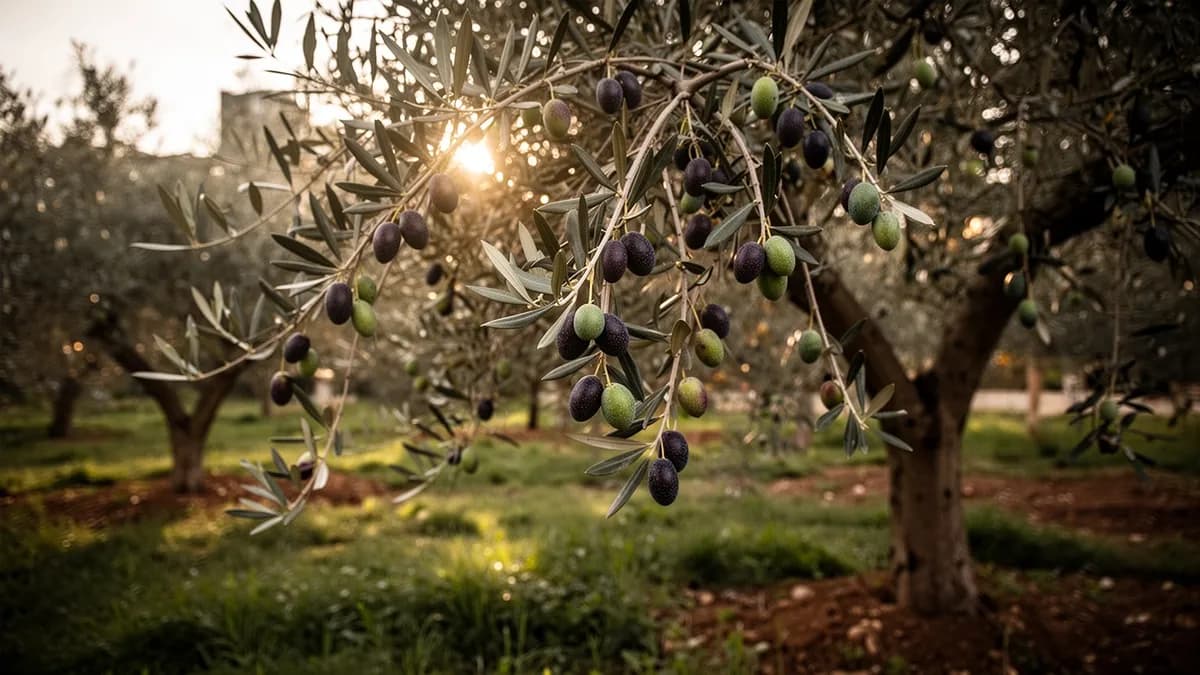
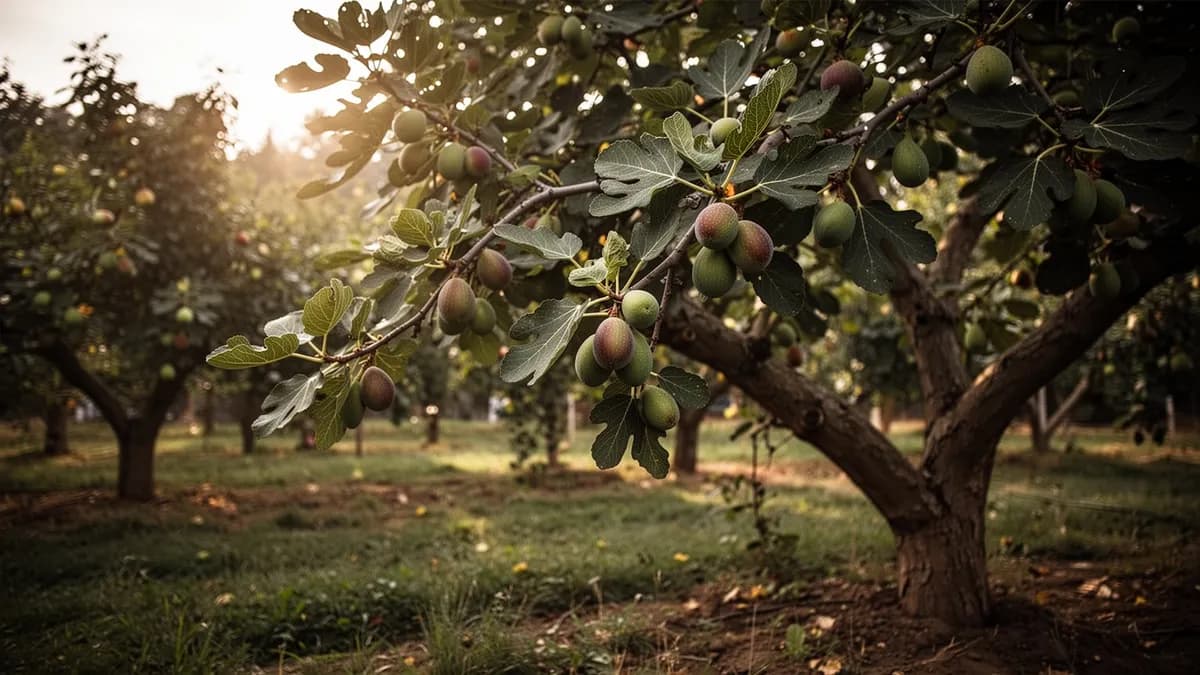
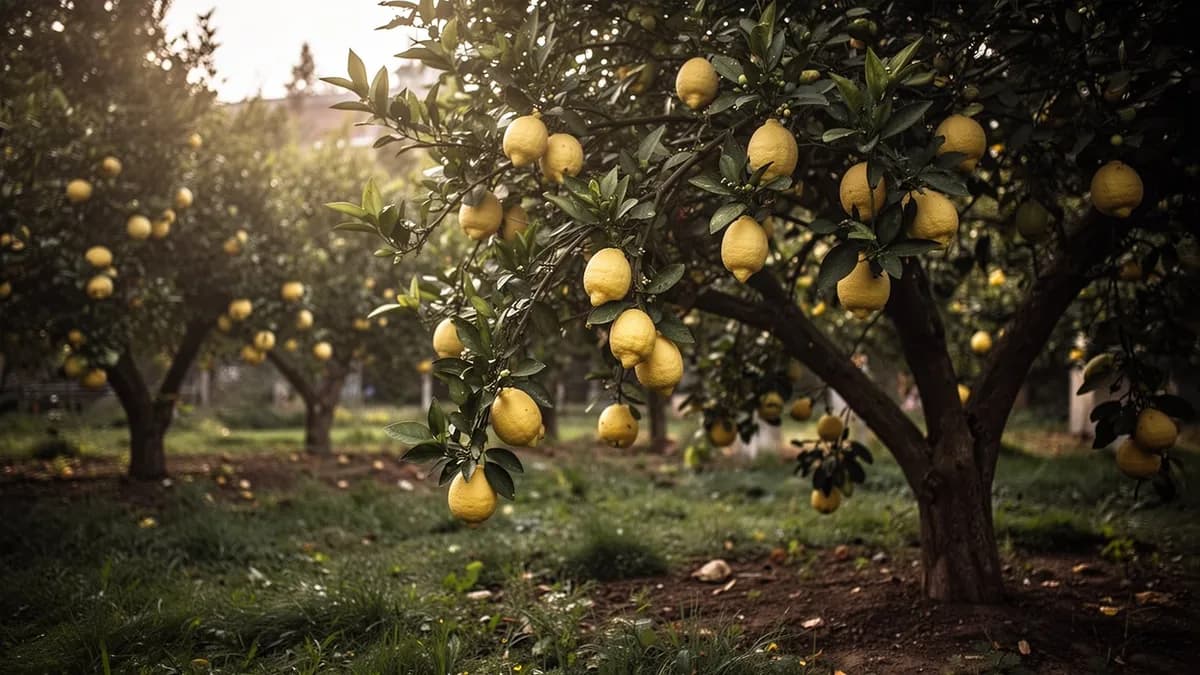
Halte Maulbeerbaum von diesen fern
Bau deine beste Maulbeerbaum an — und alles drumherum.
Starte heute kostenlos. Lege deine Beete an, setze deine Maulbeerbaum ein und lass PlotMyGarden Timing, Abstände, Begleiter und Erinnerungen von der Saat bis zum Erntekorb übernehmen.