Eau de Cologne Minze
Eine besondere Minzsorte mit bronzefarbenen Blättern und einem komplexen zitrus-blumigen Duft, der an klassisches Kölnisch Wasser erinnert.





Auf dieser SeiteÜberblick
Eau de Cologne Minze im Überblick
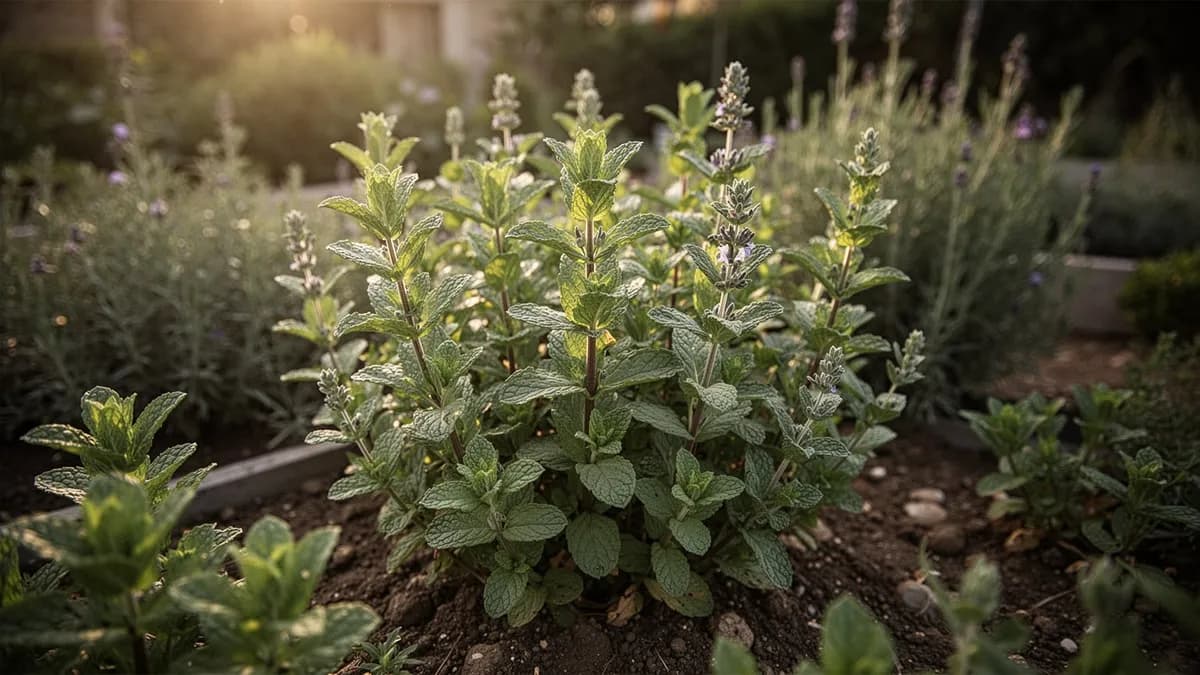
Eine besondere Minzsorte mit bronzefarbenen Blättern und einem komplexen zitrus-blumigen Duft, der an klassisches Kölnisch Wasser erinnert. Die stark aromatischen Blätter werden eher für Potpourris und Badezusätze getrocknet als für kulinarische Zwecke verwendet, obwohl sie einen interessanten Tee ergeben. Wie alle Minzen in Töpfen halten und häufig ernten, um frisches, duftendes Nachwachsen zu fördern.
Wann Eau de Cologne Minze pflanzen
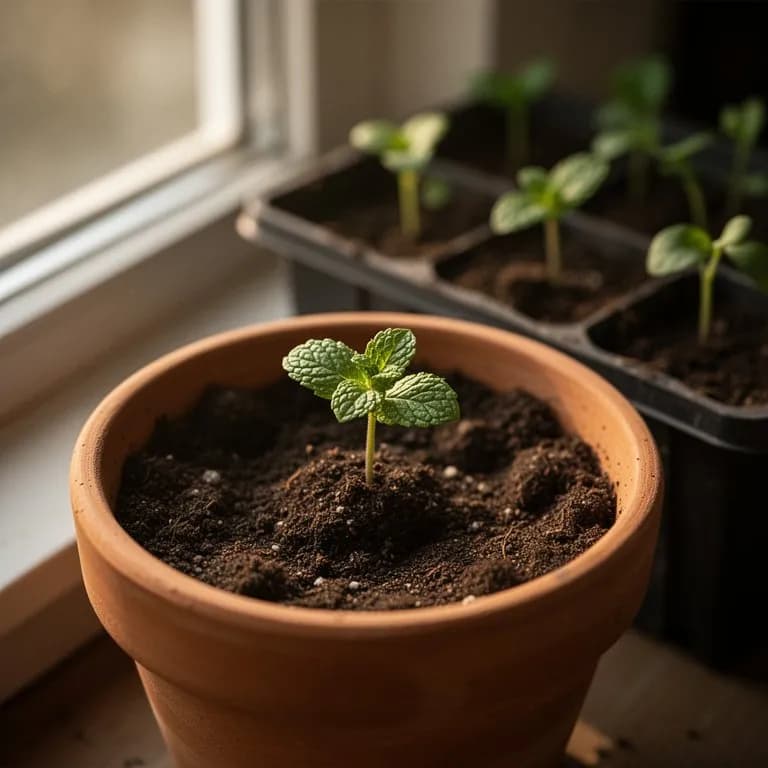
Eau de Cologne Minze ist ein steriler Hybrid, der keine keimfähigen Samen produziert. Vermehren Sie durch Teilung oder Stängelstecklinge. Teilung ist die einfachste Methode: Heben Sie im Frühjahr einen Horst an, trennen Sie Abschnitte mit Wurzeln und Trieben und pflanzen Sie sie sofort wieder ein. Stängelstecklinge bewurzeln sich leicht – nehmen Sie 10 cm lange Spitzen, stellen Sie sie in ein Glas Wasser, und Wurzeln entwickeln sich innerhalb einer Woche. Pflanzen Sie bewurzelte Stecklinge in feuchte Erde und kultivieren Sie sie weiter. Diese Minze etabliert sich und breitet sich nach dem Pflanzen schnell aus.
Dein Eau de Cologne Minze-Jahr
Abgestimmt auf Zone 7 · typische Saison · Frost geht um den 2. Apr. und kehrt um den 1. Nov. zurück
Eau de Cologne Minze Mär – Mai pflanzen, Mai – Okt ernten. Beachte die Pflanzmethoden unten und wähle dein Klima für passende Zeiträume.
So baust du Eau de Cologne Minze an
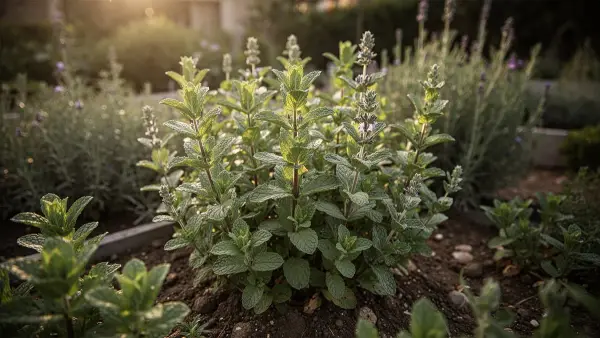
Eau de Cologne Minze ist eine der am markantesten duftenden Minzen und produziert glatte, bronzefarbene dunkelgrüne Blätter mit einem komplexen zitrus-blumigen Duft, der an klassisches Parfüm erinnert. Sie wird 45–60 cm hoch mit dunklen Stängeln und kleinen lavendelfarbenen Blüten. Wie alle Minzen breitet sie sich aggressiv durch unterirdische Ausläufer aus und muss in Töpfen oder mit vergrabenen Barrieren eingedämmt werden.
Pflanzen Sie sie im Halbschatten bis zur vollen Sonne in nährstoffreichen, feuchtigkeitsspeichernden Boden. Diese Minze verträgt feuchtere Bedingungen als viele Kräuter und gedeiht tatsächlich am besten bei gleichmäßiger Feuchtigkeit. Kultivieren Sie sie in Behältern von mindestens 30 cm Breite und Tiefe, oder versenken Sie bodenlose Eimer in den Boden, um die Wurzeln einzudämmen. Gießen Sie regelmäßig und lassen Sie den Boden nie vollständig austrocknen.
Ernten Sie häufig, indem Sie die Stängel bis auf wenige Zentimeter über dem Bodenniveau zurückschneiden – dies fördert frisches, aromatisches Nachwachsen und verhindert, dass die Pflanze lang und verholzt wird. Düngen Sie Kübelpflanzen monatlich während der Vegetationsperiode mit einem ausgewogenen Flüssigdünger. Teilen und topfen Sie alle 2–3 Jahre um, wenn das Wurzelsystem topfgebunden wird.
10 Pflanzen passen in ein Beet von 120 × 240 cm
Eau de Cologne Minze braucht 45 cm Platz pro Pflanze. Der Planer hält diesen Abstand für dich ein — jede Pflanze, jedes Beet.
Die besten Nachbarn für Eau de Cologne Minze
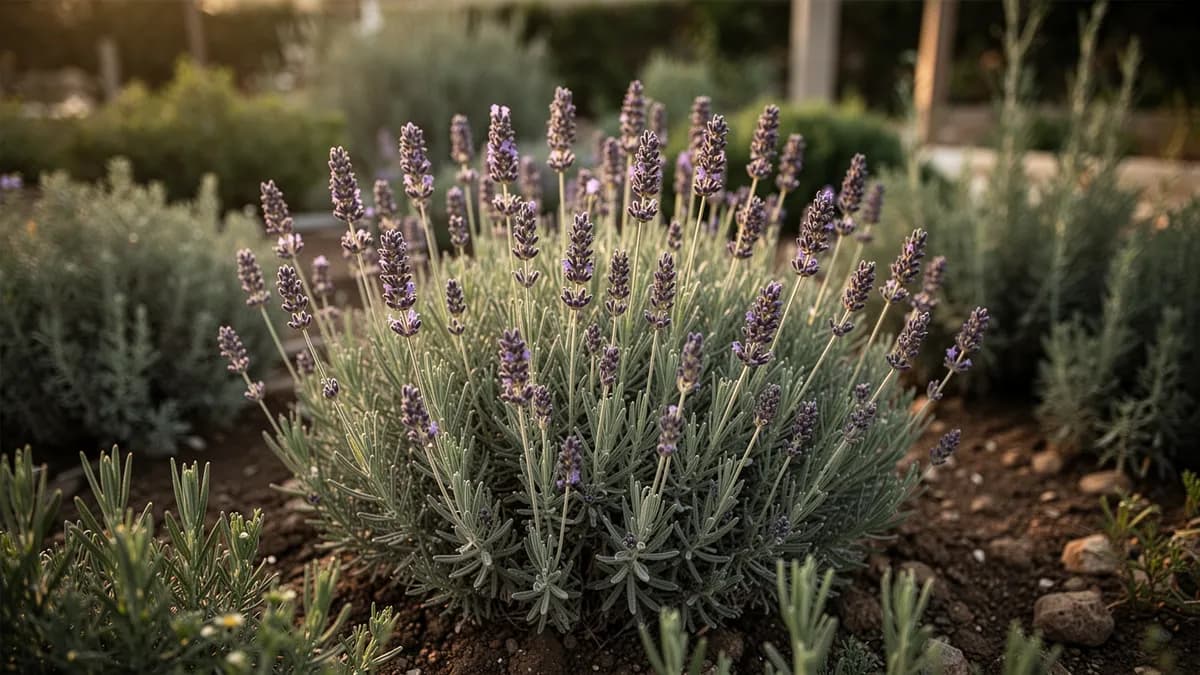
Kultivieren Sie Eau de Cologne Minze in Behältern in der Nähe von Sitzplätzen im Freien, Wegen und Eingängen, wo das Berühren der Pflanze ihren charakteristischen Kölnisch-Wasser-Duft freisetzt. Wie andere Minzen hilft das aromatische Laub, bestimmte Insektenschädlinge abzuwehren. Kombinieren Sie sie mit anderen Duftpflanzen wie Lavendel und Rosengeranie für einen vielschichtigen Duftgarten. Immer eindämmen, um zu verhindern, dass sie Nachbarpflanzen überwuchert.
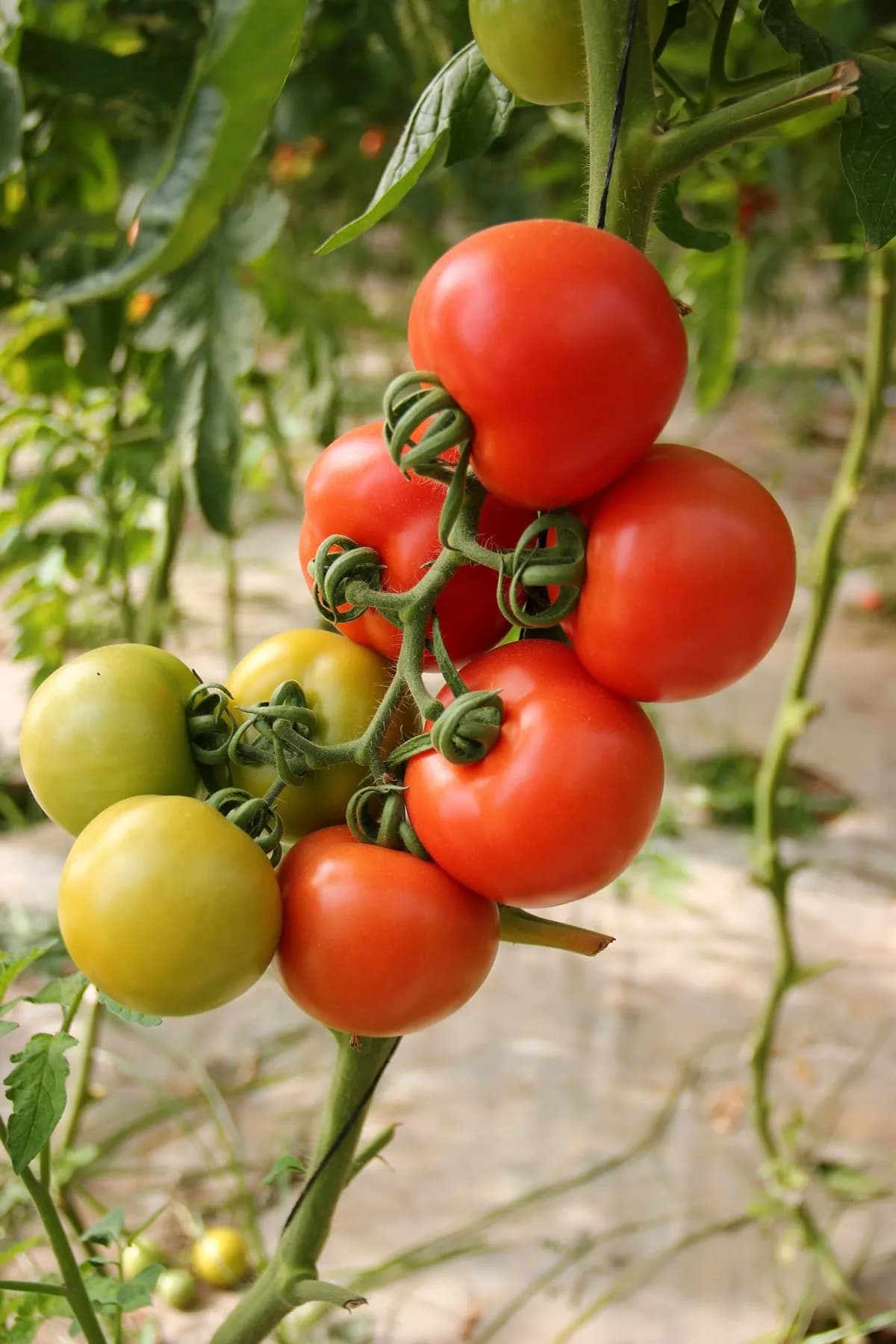
Tomate gehört daneben. Petersilie nicht.
Altes Gärtnerwissen, geprüft an der echten Nachbartabelle von Eau de Cologne Minze — teste jede Pflanze, die du anbaust.
Probiere Eau de Cologne Minze direkt hier im Beet
Ein echtes Planer-Beet, Eau de Cologne Minze steht schon drin. Tippe einen Begleiter an, platziere ihn und sieh, wie die Nachbarschaftsprüfung antwortet — grün für gute Nachbarn, rot bei Streit.


Passende Anbau-Ratgeber
Richtig düngen
Kultivieren Sie in nährstoffreichem, feuchtigkeitsspeicherndem Boden mit einem pH-Wert von 6,0–7,0. Fügen Sie reichlich Kompost zur Pflanzmischung hinzu. Düngen Sie Kübelpflanzen monatlich während der Vegetationsperiode mit einem ausgewogenen Flüssigdünger. Im Frühjahr mit Kompost nachdüngen. Anders als mediterrane aromatische Kräuter gedeiht diese Minze am besten unter nährstoffreichen, feuchten Bedingungen. Mulchen Sie, um die Feuchtigkeit bei Gartenanpflanzungen zu bewahren.
Ideale Temperatur
Winterhärtezone-Kompatibilität
Von der Saat zur Ernte, Schritt für Schritt
Vermehrung
Eau de Cologne Minze wird fast ausschließlich durch Stängelstecklinge oder Wurzelteilungen vermehrt, da Samen selten gebildet werden und nicht sortenecht keimen. Stellen Sie 10–15 cm lange Stängelstecklinge in Wasser oder stecken Sie sie direkt in feuchtes Substrat. Wurzelteilungen von etablierten Pflanzen wachsen schnell an, wenn sie im Frühjahr umgepflanzt werden.
Etablierung
Bewurzelte Stecklinge und Teilungen entwickeln neue Blattpaare und beginnen ein starkes Wurzelsystem aufzubauen. Der charakteristische Zitrus-Bergamotte-Duft wird selbst an jungen Blättern wahrnehmbar. Die Stängel zeigen den für die Familie der Lippenblütler typischen quadratischen Querschnitt mit einem dezenten violetten Schimmer.
Vegetatives Wachstum
Die Pflanze tritt in eine Phase kräftigen Aufwärts- und Seitwärtswachstums ein und produziert reichlich glatte, abgerundete Blätter mit charakteristischen bronze-violetten Untertönen. Unterirdische Ausläufer beginnen sich nach außen auszudehnen, und der buschige Wuchs füllt sich rasch auf. Die Konzentration ätherischer Öle steigt in diesem Stadium stetig an.
Reifes Wachstum
Die Pflanzen erreichen ihre volle Höhe von 45–60 cm mit dichtem, aromatischem Laub. Ausläufer breiten sich aggressiv aus und treiben neue Triebe weit über den ursprünglichen Pflanzbereich hinaus. Die Blätter haben die höchste Ölkonzentration und Duftintensität, was dies zum idealen Zeitraum für größere Ernten macht.
Blütezeit
Endständige Blütenähren erscheinen mit Quirlen aus kleinen lila bis rosa Blüten. Die Blüten sind reich an Nektar und ziehen Bienen, Schmetterlinge und andere nützliche Bestäuber an. Der Blattgeschmack und -duft beginnt sich mit Einsetzen der Blüte zu verändern und wird leicht bitterer.
Winterruhe
Mit dem Einsetzen des Frosts stirbt der oberirdische Wuchs vollständig ab. Das ausgedehnte Wurzelsystem und Ausläufernetzwerk bleibt unterirdisch lebendig und speichert Energie für das Frühjahrsaustreiben. In milden oder mediterranen Klimazonen kann die Pflanze über den Winter etwas halbimmergrünes Laub behalten.
Halten Sie Stecklinge in hellem, indirektem Licht und wechseln Sie das Wasser alle zwei Tage, wenn Sie in Wasser bewurzeln. Halten Sie die Bodenfeuchtigkeit für Teilungen aufrecht, ohne Staunässe zu verursachen.
Eau de Cologne Minze Monat für Monat pflegen
Was du jeden Monat für deine Eau de Cologne Minze tun solltest
Oktober
Aktueller MonatSchneiden Sie verblühtes Wachstum auf etwa 5 cm über dem Bodenniveau zurück. Bringen Sie eine großzügige Mulchschicht aus Stroh, zerkleinerten Blättern oder Rindenmulch auf, um die Wurzelzone zu isolieren. Stellen Sie Kübelpflanzen an einen geschützten Standort nahe einer Mauer.
Immer wissen, was jetzt im Garten zu tun ist
Eine E-Mail zum Monatsanfang: was du jetzt säen, pflanzen und anpacken solltest — für deine Eau de Cologne Minze und alles, was drumherum wächst. Dazu ein kurzer Startkurs, der dich vor den klassischen Fehlern bewahrt.
- Was jetzt zu tun ist
- Passend zu deiner Saison
- Startkurs inklusive
Eau de Cologne Minze ernten
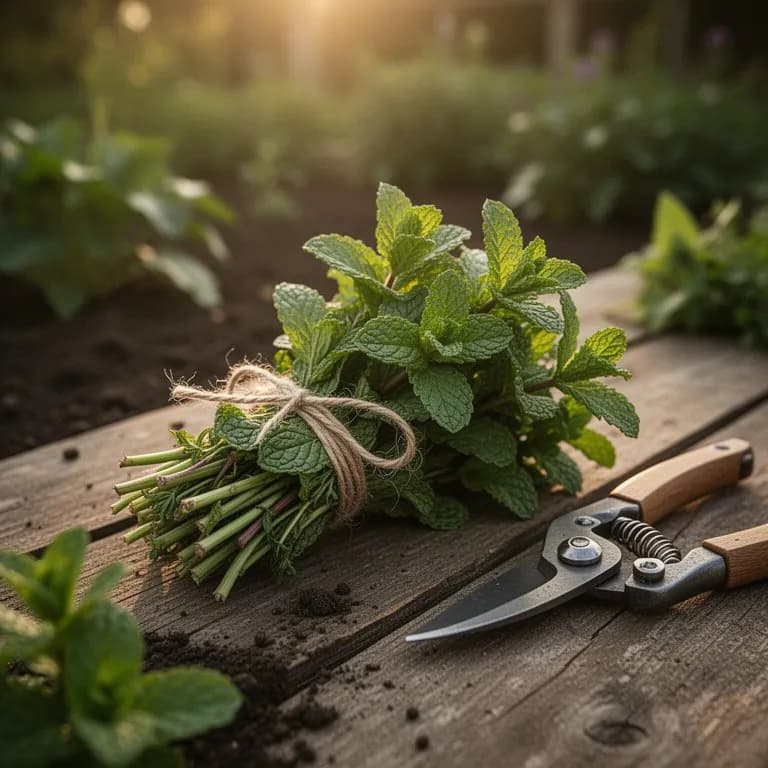
Ernten Sie die Stängel jederzeit während der Vegetationsperiode, indem Sie 2–3 cm über dem Bodenniveau schneiden. Das aromatischste Laub ist junger Nachwuchs, der nach dem Rückschnitt entsteht. Für getrocknete Duftsäckchen und Potpourri ernten Sie Stängel, wenn die Blüten gerade aufzugehen beginnen. Die bronzefarbenen Blätter sind bei kühlem Wetter am attraktivsten und duftendsten. Ernten Sie häufig, um kräftiges, duftendes Nachwachsen während der gesamten Saison aufrechtzuerhalten.
angenommen, du pflanzt zu Beginn des Zeitraums — trage dein tatsächliches Datum ein
Ernte Eau de Cologne Minze zügig, dann trägt die Pflanze weiter.
Lagerung & Konservierung
Bündeln Sie die Stängel und hängen Sie sie kopfüber in einem warmen, dunklen, gut belüfteten Bereich auf. Der charakteristische kölnischwasserartige Duft bleibt beim Trocknen gut erhalten. Streifen Sie die getrockneten Blätter von den Stängeln und lagern Sie sie in luftdichten Glasgefäßen für Potpourri, Duftsäckchen und Badeprodukte. Die getrockneten Blätter behalten ihren komplexen zitrus-blumigen Duft 6–12 Monate lang. Frische Blätter können in warmem Wasser für ein duftendes Fußbad eingeweicht oder dem Badewasser hinzugefügt werden.
Was schiefgeht — und die Lösung
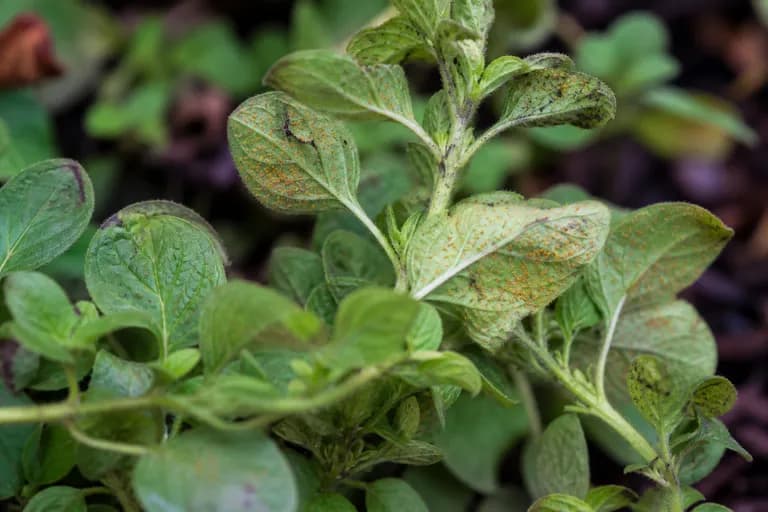
Minzrost
KrankheitKleine orange-braune Pusteln auf den Blattunterseiten, mit gelben Flecken auf der Oberseite. Blätter können sich verformen und abfallen.
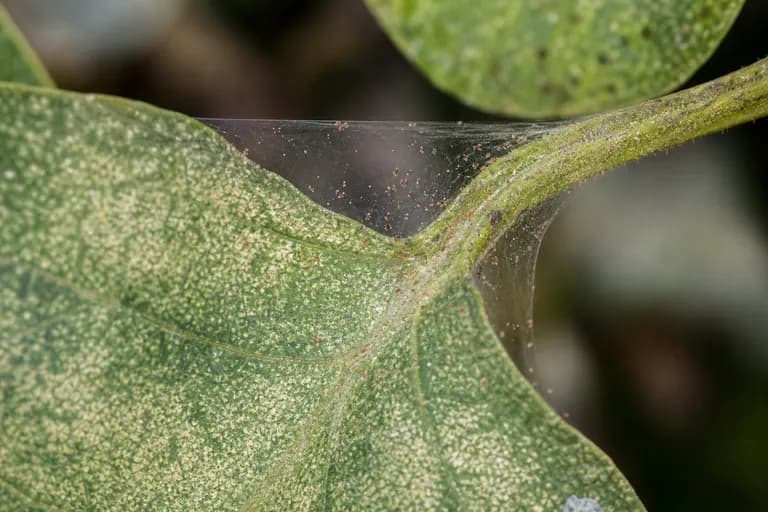
Spinnmilben
SchädlingFeine Sprenkelung auf den Blättern, winzige Gespinste zwischen den Stängeln. Häufiger bei Pflanzen, die durch Hitze oder Wassermangel gestresst sind.
Fehlerbehebung bei häufigen Problemen
Invasive Ausbreitung ist das Hauptproblem – immer mit Töpfen oder Barrieren eindämmen. Langbeiniger, verholzter Wuchs mit schwachem Duft bedeutet, dass die Pflanze kräftig zurückgeschnitten werden muss; neuer Wuchs wird aromatischer sein. Minzrost kann hartnäckig sein; schneiden Sie den gesamten Wuchs auf Bodenniveau zurück und entsorgen Sie das infizierte Material. Gelbe Blätter deuten in der Regel entweder auf Staunässe oder Nährstoffmangel hin; sorgen Sie für Drainage und düngen Sie regelmäßig.
Anbautipps
- Kultivieren Sie Eau de Cologne Minze immer in Behältern oder hinter vergrabenen Wurzelbarrieren von mindestens 30 cm Tiefe, da sie sich wie andere Minzsorten kräftig über unterirdische Ausläufer ausbreitet.
- Pflanzen Sie im Halbschatten für die beste Duftentwicklung, da intensive direkte Sonne die empfindlichen Zitrus-Bergamotte-ätherischen Öle verflüchtigen und die aromatische Qualität verringern kann.
- Ernten Sie morgens, nachdem der Tau getrocknet ist, aber vor der Mittagshitze, wenn die Konzentration ätherischer Öle in den Blättern ihren täglichen Höhepunkt erreicht.
- Knipsen Sie während der gesamten Saison regelmäßig die Triebspitzen, um dichtes, buschiges Wachstum zu fördern und zu verhindern, dass die Pflanze langbeinig und kahl wird.
- Halten Sie den Boden gleichmäßig feucht, aber gut durchlässig, da Eau de Cologne Minze mehr Feuchtigkeit bevorzugt als die meisten Kräuter, bei Staunässe jedoch Wurzelfäule entwickelt.
- Schneiden Sie die gesamte Pflanze zwei- bis dreimal während der Vegetationsperiode auf 5 cm über dem Bodenniveau zurück, um Schübe von intensiv duftendem Neuwuchs zu stimulieren.
- Kultivieren Sie diese Sorte in einem separaten Behälter von anderen Minzen, um ihren einzigartigen Zitrus-Bergamotte-Duft zu bewahren, da Kreuzbestäubung Nachkommen mit vermindertem Duft hervorbringen kann.
- Trocknen Sie geerntete Stängel, indem Sie kleine Bündel kopfüber in einem warmen, dunklen, gut belüfteten Raum 5–7 Tage lang aufhängen, um maximale Farbe und Duft für Potpourri zu erhalten.
- Erneuern Sie Kübelpflanzungen alle zwei bis drei Jahre, indem Sie den Wurzelballen teilen, das verdichtete verholzte Zentrum entsorgen und kräftige äußere Abschnitte in frischen Kompost pflanzen.
- Platzieren Sie Pflanzen entlang von Gartenwegen, in der Nähe von Sitzplätzen oder neben Eingängen, wo Passanten das Laub streifen und das wunderbare kölnischwasserartige Parfüm in die Luft freisetzen.
Bau deine beste Eau de Cologne Minze an — und alles drumherum.
Starte heute kostenlos. Lege deine Beete an, setze deine Eau de Cologne Minze ein und lass PlotMyGarden Timing, Abstände, Begleiter und Erinnerungen von der Saat bis zum Erntekorb übernehmen.
Finde deine Eau de Cologne Minze
Mentha x piperita 'Citrata' (Standard)
Die klassische Eau de Cologne Minze mit bronzefarbenen Blättern und komplexem zitrus-blumigem Duft. Die am weitesten verbreitete Form.
Mentha x piperita 'Chocolate'
Verwandte Sorte mit einem Schokoladen-Minz-Duft. Dunklere Bronzefärbung auf den Blättern mit einem wärmeren, süßeren Duft.
Mentha x piperita 'Lime'
Zitrusduftende Sorte mit einer hellen Limettennote. Grüne Blätter ohne die Bronzetönung, aber ausgezeichneter Duft.
Eine einzelne Eau de Cologne Minzpflanze kostet etwa 4–7 € und liefert einen endlosen Vorrat an duftenden Blättern für Potpourri, Duftsäckchen, Badezusätze und Infusionswasser. Handelsübliche getrocknete Minz-Potpourri-Mischungen kosten 8–15 € pro Beutel, und kleine Duftsäckchen werden für 3–6 € pro Stück verkauft. Eine etablierte Pflanze produziert pro Saison genug Laub, um Dutzende von Duftsäckchen und Potpourri-Schalen herzustellen, was im Vergleich zum Kauf kommerzieller Duftprodukte leicht 60–100 € jährlich einspart. Da sich die Pflanze kräftig ausbreitet, können Sie Teilungen großzügig mit Nachbarn und Freunden teilen.
Schnelle Rezepte
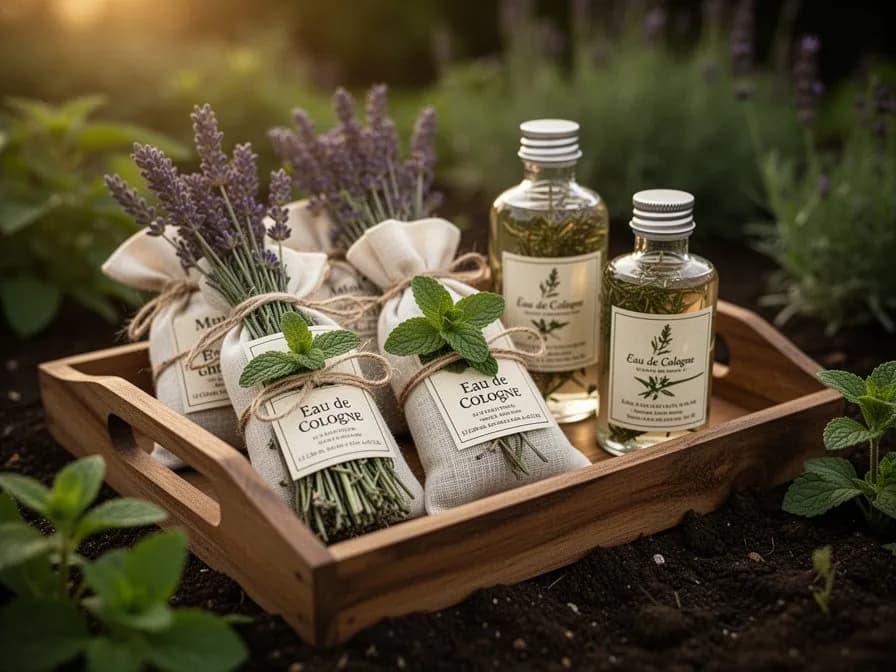
Eau de Cologne Minze Kräuter-Badesäckchen
15 Min.Duftende Badesäckchen aus getrockneten Eau de Cologne Minzblättern und ergänzenden Pflanzenstoffen. Geben Sie eines in ein warmes Bad für ein luxuriös duftendes, spaähnliches Badeerlebnis, das die Sinne beruhigt und die Haut weich macht.
5 Zutaten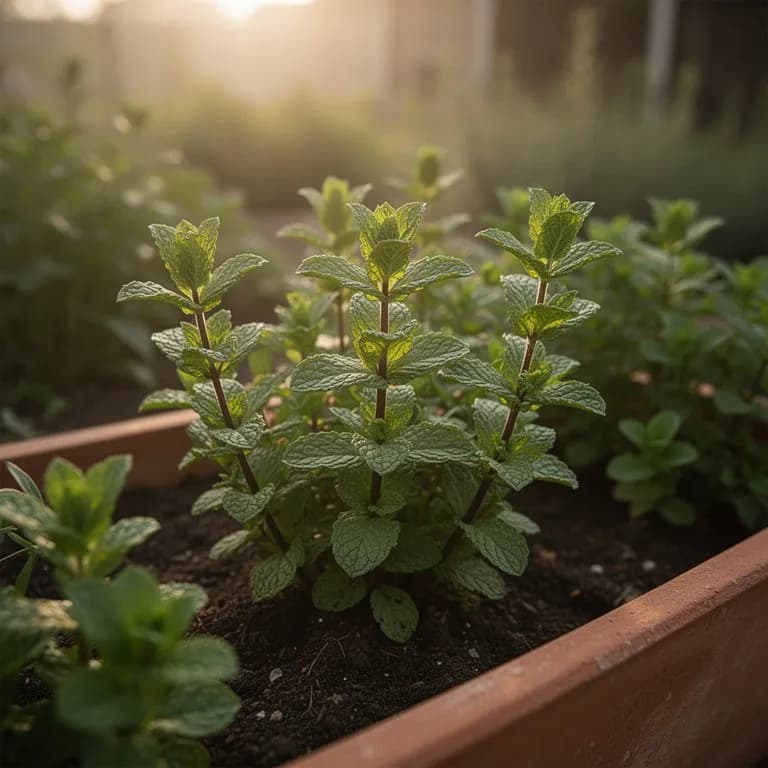
Zitrus-Minz-Infusionswasser
5 Min.Ein wunderbar duftendes Infusionswasser, das die einzigartigen Bergamotte-Zitrus-Noten der Eau de Cologne Minze zur Geltung bringt. Erfrischend, elegant und perfekt für sommerliche Bewirtung oder ein tägliches Hydrations-Upgrade.
5 ZutatenDuftende Minz-Potpourri-Mischung
20 Min.Ein reichhaltig aromatisches Potpourri mit dem parfümartigen Duft der Eau de Cologne Minze, kombiniert mit ergänzenden getrockneten Blumen und Gewürzen. Eignet sich wunderbar als selbstgemachtes Geschenk oder natürlicher Raumlufterfrischer.
6 ZutatenKulinarische Verwendung
Obwohl sie hauptsächlich als Duftkraut angebaut wird, ergibt Eau de Cologne Minze einen einzigartigen und angenehmen Kräutertee mit komplexen zitrus-blumigen Noten, die keiner anderen Minze ähneln. Die Blätter verleihen Obstsalaten, Cocktails und Sommergetränken eine faszinierende parfümierte Qualität. Sparsam verwenden, da der kölnischwasserartige Geschmack überwältigend sein kann. Einige Barkeeper verwenden sie, um unverwechselbare botanische Cocktails zu kreieren.
Was drinsteckt
Gesundheitsvorteile
- Die ätherischen Öle, insbesondere Linalool und Linalylacetat, haben nachgewiesene beruhigende Eigenschaften, die bei der Aromatherapie helfen können, Stress und Angst zu reduzieren.
- Enthält Rosmarinsäure und andere polyphenolische Verbindungen mit entzündungshemmender und antioxidativer Wirkung, die Zellen vor oxidativem Schaden schützen.
- Äußerlich als verdünnter Aufguss angewendet, können die Blätter helfen, leichte Hautirritationen, Insektenstiche und Spannungskopfschmerzen zu lindern.
- Der Mentholgehalt, obwohl niedriger als bei normaler Pfefferminze, bietet dennoch natürliche abschwellende Wirkungen, die bei verstopfter Nase das Atmen erleichtern können.
- Traditionell als Verdauungshilfe verwendet, wobei die aromatischen Verbindungen helfen, die glatte Muskulatur des Magen-Darm-Trakts zu entspannen und Blähungen und Beschwerden zu lindern.
- Bei der Verwendung in Badezusätzen fördern die duftenden ätherischen Öle die Entspannung und können als Teil einer beruhigenden Abendroutine die Schlafqualität verbessern.
Woher Eau de Cologne Minze stammt
Eau de Cologne Minze (Mentha × piperita f. citrata) ist eine natürlich vorkommende zitrusduftende Form der Pfefferminze, die selbst eine Hybride aus Grüner Minze (Mentha spicata) und Wasserminze (Mentha aquatica) ist. Ihr genauer geografischer Ursprung ist schwer zu bestimmen, aber wie ihre Elternarten ist sie vermutlich in Europa entstanden, höchstwahrscheinlich in den mediterranen oder westeuropäischen Regionen, wo beide Elternarten natürlich vorkommen. Der gebräuchliche Name der Pflanze bezieht sich auf das berühmte Eau de Cologne Parfüm, das ursprünglich 1709 in der deutschen Stadt Köln vom italienischen Parfümeur Giovanni Maria Farina formuliert wurde, da der zitrusartige, bergamotteähnliche Duft der Blätter eine auffällige Ähnlichkeit mit diesem klassischen Duft aufweist. Die Form wurde spätestens im 18. Jahrhundert von Botanikern und Kräuterkundigen anerkannt und fand schnell Anklang in der aufstrebenden europäischen Parfüm- und Toilettenartikelindustrie. Englische Bauerngärtner übernahmen sie begeistert während der georgianischen und viktorianischen Ära und pflanzten sie entlang von Wegen und in Knotengärten, wo ihr aromatisches Laub von Passanten geschätzt werden konnte. Im 19. Jahrhundert war das aus den Blättern destillierte ätherische Öl ein geschätzter Bestandteil von Seifen, Kölnisch Wasser und Kosmetikprodukten in ganz Europa und Nordamerika. Kräuterkundige empfahlen es auch bei Kopfschmerzen, nervöser Anspannung und Verdauungsbeschwerden, obwohl es immer mehr für seinen Duft als für medizinische Zwecke berühmt war. Die Pflanze verbreitete sich leicht mit europäischen Siedlern und Händlern und etablierte sich in Kräutergärten in der gesamten gemäßigten Welt. Heute bleibt Eau de Cologne Minze eine geschätzte Sorte unter Duftliebhabern, Kräuterkundigen und Ziergärtnern. Sie wird weithin für die Potpourri-Herstellung, Duftsäckchen, aromatische Badezusätze und als Zierlicher Bodendecker in Sinnesgärten für Sehbehinderte und therapeutische Einrichtungen angebaut.
Eau de Cologne Minze: Schon gewusst?
Faszinierende Fakten über Eau de Cologne Minze
Eau de Cologne Minze verdankt ihren gebräuchlichen Namen ihrer bemerkenswerten Ähnlichkeit mit dem Duft des traditionellen Eau de Cologne Parfüms, das erstmals im frühen 18. Jahrhundert in Köln hergestellt wurde.
Eau de Cologne Minze: Fragen & Antworten
Wann sollte ich Eau de Cologne Minze pflanzen?
Was sind gute Begleitpflanzen für Eau de Cologne Minze?
In welchen Winterhärtezonen kann Eau de Cologne Minze wachsen?
Wie viel Sonne braucht Eau de Cologne Minze?
Welchen Abstand sollte ich zwischen Eau de Cologne Minze lassen?
Welche Schädlinge und Krankheiten befallen Eau de Cologne Minze?
Wie lagere ich Eau de Cologne Minze nach der Ernte?
Was sind die besten Eau de Cologne Minze-Sorten zum Anbauen?
Welchen Boden braucht Eau de Cologne Minze?
Ist Eau de Cologne Minze essbar oder wird sie nur für Duft verwendet?
Wie unterscheidet sich Eau de Cologne Minze von normaler Pfefferminze?
Kann ich Eau de Cologne Minze drinnen anbauen?
Warum riecht meine Eau de Cologne Minze weniger duftend als erwartet?
Wie trockne ich Eau de Cologne Minzblätter, um ihren Duft zu bewahren?
Zieht Eau de Cologne Minze Insekten an oder wehrt sie diese ab?
Du hast die Theorie gelesen. Jetzt baue sie auf Autopilot an.
Alles, was Eau de Cologne Minze knifflig macht — das Timing, die Abstände, die Begleiter, das Erntefenster — genau das übernimmt PlotMyGarden für dich, für jede Pflanze im Garten.
Ein Plan, der dein Wetter kennt
Standort einmal festlegen. Aussaat-, Dünge- und Erntedaten rund um deinen echten letzten Frosttermin und die Live-Vorhersage — kein Raten mehr nach Saattüte.
Aus dem Abschnitt „Pflanzzeit“Beetplaner per Drag & Drop
Beete auf einem Raster gestalten. Jede Pflanze rastet im richtigen Abstand ein, und du siehst die ganze Saison, bevor du einen Cent für Saatgut ausgibst.
Aus dem Abschnitt „Anbau“Begleiter-Konflikte früh erkannt
Über 200 gute und schlechte Kombinationen werden beim Pflanzen live geprüft — so landet ein saisonruinierender Fehler nie in der Erde.
Aus dem Abschnitt „Begleiter“Erinnerungen, nach denen du wirklich handelst
„Gieß die Bohnen.“ „Heute ernten, bevor's umschlägt.“ Pünktlich, konkret und auf deine echten Pflanzen bezogen.
Aus dem Abschnitt „Ernte“Staffel-Aussaat, geplant
Sechs Wochen ernten statt sechs Tage? Die App verteilt deine Aussaaten automatisch und erinnert dich, wenn der nächste Satz fällig ist.
Aus dem Abschnitt „Pflanzzeit“Ein Verlauf, der schlauer wird
Jede protokollierte Ernte bringt der App deinen Garten bei. Der Plan fürs nächste Jahr startet bei dem, was in deinem Boden wirklich funktioniert hat.
Aus dem Abschnitt „Überblick“Pflanze diese neben Eau de Cologne Minze
Weitere Duftkräuter
Halte Eau de Cologne Minze von diesen fern
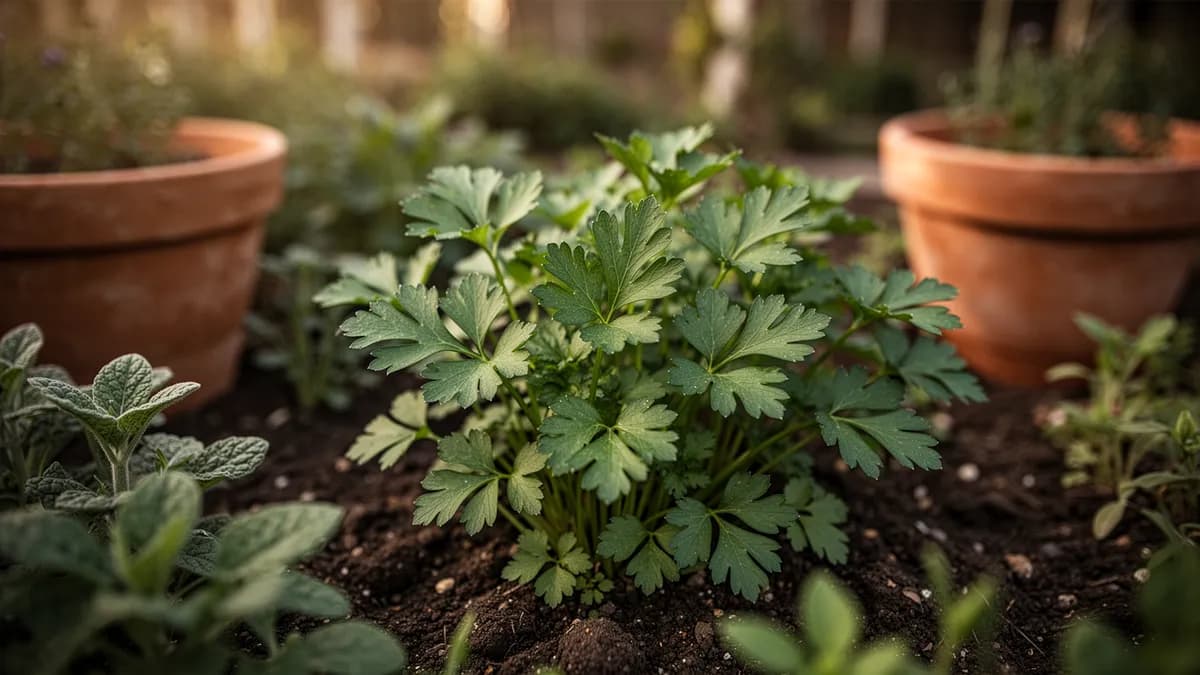
Bau deine beste Eau de Cologne Minze an — und alles drumherum.
Starte heute kostenlos. Lege deine Beete an, setze deine Eau de Cologne Minze ein und lass PlotMyGarden Timing, Abstände, Begleiter und Erinnerungen von der Saat bis zum Erntekorb übernehmen.