Lechuga de Minero
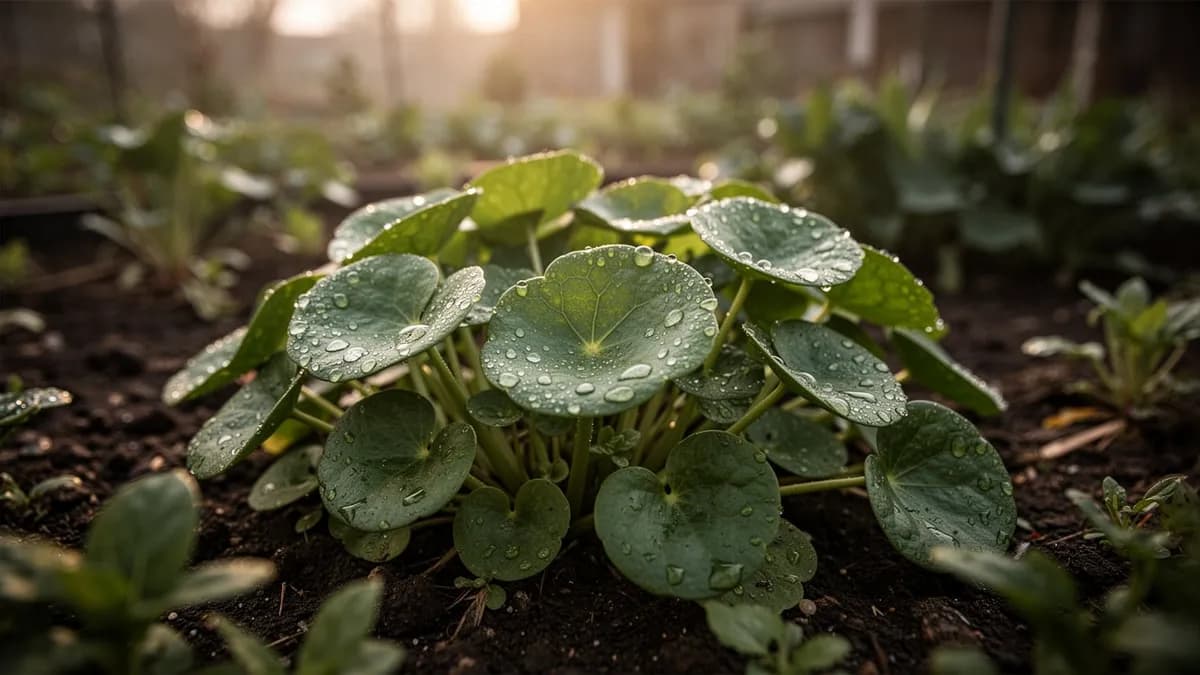
La lechuga de minero (Claytonia perfoliata), también conocida como claytonia o verdolaga de invierno, es una planta anual nativa del oeste de Norteamérica con hojas carnosas y suculentas de aspecto único.





En esta páginaResumen
Conoce Lechuga de Minero
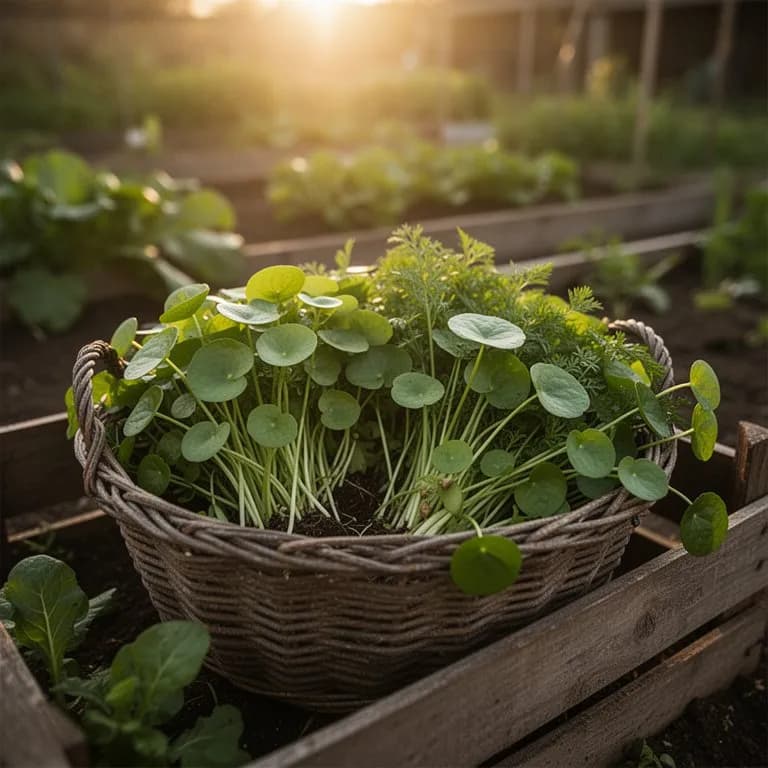
La lechuga de minero (Claytonia perfoliata), también conocida como claytonia o verdolaga de invierno, es una planta anual nativa del oeste de Norteamérica con hojas carnosas y suculentas de aspecto único. Su nombre proviene de los mineros de la fiebre del oro de California, que la consumían para prevenir el escorbuto. Las hojas maduras forman un disco circular perforado por el tallo floral, creando una apariencia inconfundible.
Cuándo plantar Lechuga de Minero
Siembra directamente en el terreno entre agosto y octubre para cosecha invernal. Esparce las semillas en la superficie y cúbrelas ligeramente con 0,5 cm de tierra fina. Si el suelo está caliente (más de 18°C), refrigera las semillas 2 semanas antes de sembrar para romper la dormancia. La germinación es lenta e irregular, tardando 14-28 días. Mantén el suelo constantemente húmedo durante este período.
Tu año de Lechuga de Minero
Ajustado a Zona 7 · temporada típica · la helada se va hacia el 2 abr y vuelve hacia el 1 nov
Planta Lechuga de Minero Feb – Mar, Sep – Oct y cosecha Ene – Abr, Nov – Dic. Consulta los métodos de plantación y elige tu clima para adaptar los periodos.
Cómo cultivar Lechuga de Minero
La lechuga de minero es una planta de clima frío que prospera en condiciones que la mayoría de las hortalizas no toleran. Siembra las semillas a finales de verano u otoño, esparciendo a voleo o en surcos poco profundos de apenas 0,5 cm, ya que las semillas necesitan algo de luz para germinar. La germinación es errática y puede tardar 2-4 semanas a temperaturas de 10-12°C.
La claytonia prefiere sombra parcial y suelos frescos y húmedos. En ubicaciones muy soleadas, las plantas se estresan y espigan rápidamente. Espacía las plántulas a 10-15 cm o déjalas crecer en grupos densos como cobertura del suelo. Riega regularmente para mantener el suelo uniformemente húmedo, ya que el estrés hídrico reduce la calidad de las hojas.
Es extraordinariamente resistente al frío, sobreviviendo a heladas de hasta -15°C bajo una simple protección de hojas secas o campana. Crece activamente durante todo el invierno en climas templados. Se autosiembra fácilmente y puede naturalizarse en el jardín, reapareciendo año tras año. En primavera produce pequeñas flores blancas o rosadas antes de completar su ciclo.
128 plantas caben en un bancal de 120 × 240 cm
Cada Lechuga de Minero pide 15 cm de margen. El planificador guarda ese marco por ti — cada planta, cada bancal.
Los mejores vecinos de Lechuga de Minero
Crece perfectamente como cobertura del suelo entre cultivos más altos que le proporcionan la sombra parcial que necesita. Se asocia bien con espinacas, canónigos y otras verduras de invierno. Excelente para plantar bajo arbustos de frutas como groselleros y frambuesos, aprovechando la sombra parcial.
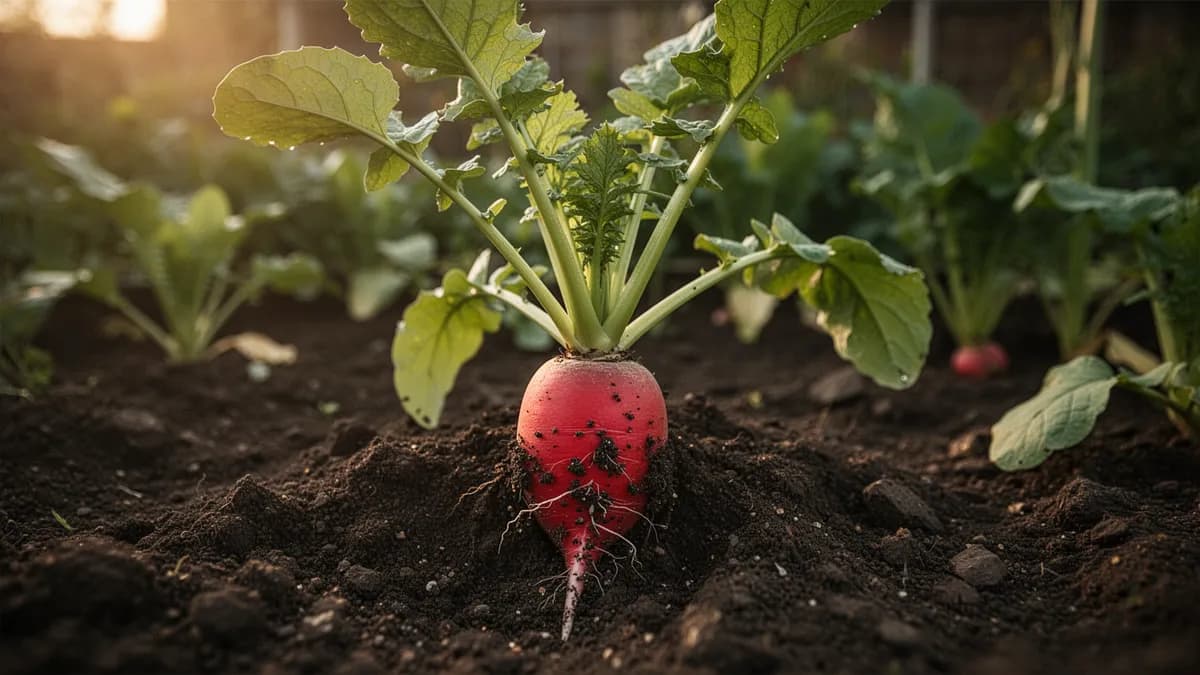
Rábano va a su lado.
Saber de huerto de siempre, cotejado con la tabla real de Lechuga de Minero — prueba cualquier planta que cultives.
Prueba Lechuga de Minero en un bancal, aquí mismo
Un bancal real del planificador con Lechuga de Minero ya plantado. Toca una planta compañera para colocarla y mira cómo responde la comprobación de vecinos: verde para buenos vecinos, rojo si hay conflicto.


Guías de cultivo relacionadas
Abónalo bien
Prefiere suelos húmedos, ricos en humus y materia orgánica con pH entre 6,0 y 7,0. Prospera en suelos de bosque con buena retención de humedad. No necesita fertilización intensa; una ligera incorporación de compost antes de la siembra es suficiente. El exceso de nitrógeno produce hojas blandas y propensas a enfermedades.
Temperatura ideal
Compatibilidad de zonas de rusticidad
De la semilla a la cosecha, etapa por etapa
Germinación de semillas
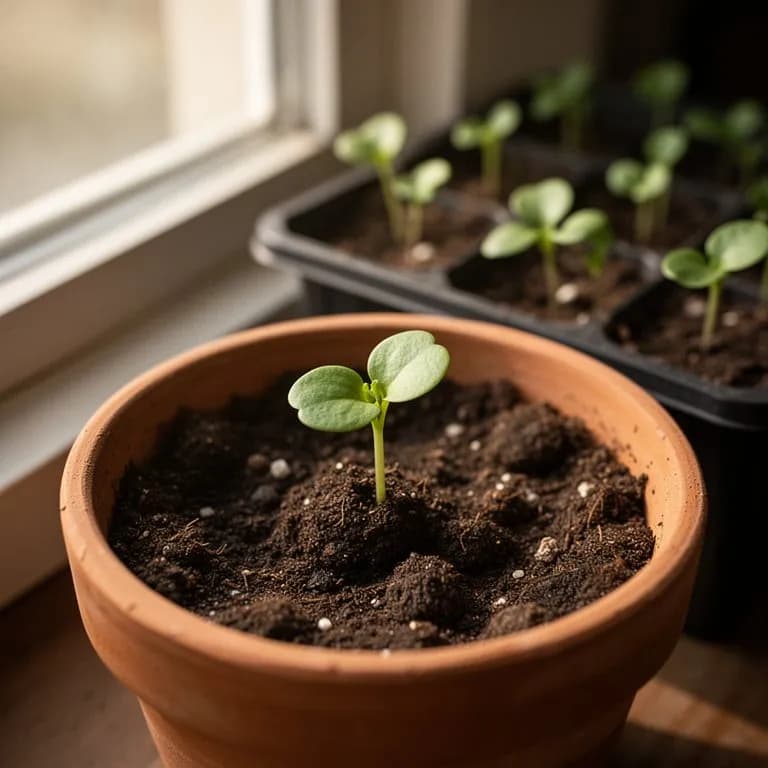
Las diminutas semillas negras germinan en suelo fresco y húmedo. Necesitan un período de estratificación en frío o temperaturas frescas constantes para romper la dormancia, y los primeros cotiledones son finos y parecidos a la hierba.
Roseta basal
La planta desarrolla una roseta baja de hojas basales en forma de cuchara a rombo, sobre pecíolos largos y delgados. Estas hojas tempranas son tiernas y suaves, excelentes para cosechas de hojas baby.
Etapa de hoja perfoliada
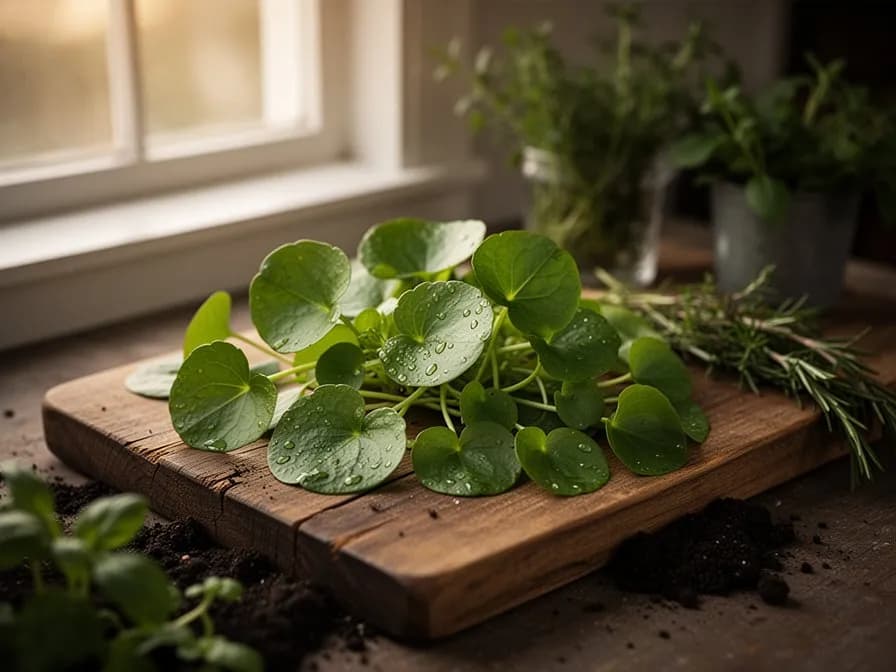
En esta etapa aparece la característica hoja redonda en forma de disco. Estos discos, parecidos a nenúfares, son la etapa ideal de cosecha para usar en ensaladas.
Floración
Pequeños racimos de diminutas flores blancas a rosadas emergen del centro de cada hoja en forma de disco. Las flores son comestibles y ligeramente dulces, y la planta comienza a estirarse hacia arriba.
Formación de semillas y declive
Después de la polinización, se desarrollan diminutas semillas negras y brillantes que caen libremente alrededor de la planta madre. Las hojas se vuelven más pequeñas y duras mientras la planta concentra su energía en la reproducción.
Refrigera las semillas durante 2 semanas antes de sembrar para simular la estratificación invernal. Siembra en la superficie o cubre apenas con 0,3 cm de tierra fina; las semillas necesitan algo de luz para germinar. Mantén el suelo constantemente húmedo, pero nunca encharcado.
Cuidar Lechuga de Minero mes a mes
Qué hacer cada mes para tu Lechuga de Minero
Octubre
Mes actualAutumn-sown seedlings emerge and begin forming basal rosettes. Keep soil moist as plants establish. In mild climates, early-sown plants may be large enough for first light harvests. Mulch lightly around seedlings to maintain soil moisture and moderate temperature swings.
Ten claro qué hacer en tu huerto, cada mes
Un correo al empezar cada mes: qué sembrar, plantar y hacer ahora mismo — para tu Lechuga de Minero y todo lo que crece alrededor. Más un breve curso inicial para esquivar los errores clásicos.
- Qué hacer ahora mismo
- Ajustado a tu temporada
- Curso inicial incluido
Cosechar Lechuga de Minero
Cosecha las hojas y rosetas completas a partir de 40-60 días después de la siembra. Las hojas jóvenes son las más tiernas y de sabor más delicado. Corta las rosetas a nivel del suelo o recoge hojas individuales externas para permitir la regeneración. Las hojas circulares perforadas por el tallo son las más características y decorativas para ensaladas.
se supone que plantas al comenzar el periodo — indica tu fecha real
Cosecha cuando las hojas redondas en forma de disco estén completamente desarrolladas, aproximadamente 40 a 50 días después de la siembra.
Almacenamiento y conservación
Las hojas frescas son muy delicadas y se marchitan rápidamente. Conserva en el refrigerador envueltas en papel húmedo dentro de una bolsa perforada durante 2-3 días como máximo. Es mejor cosechar lo justo para consumo inmediato. No es apta para congelación ni deshidratación por su alto contenido de agua.
Qué falla — y cómo solucionarlo
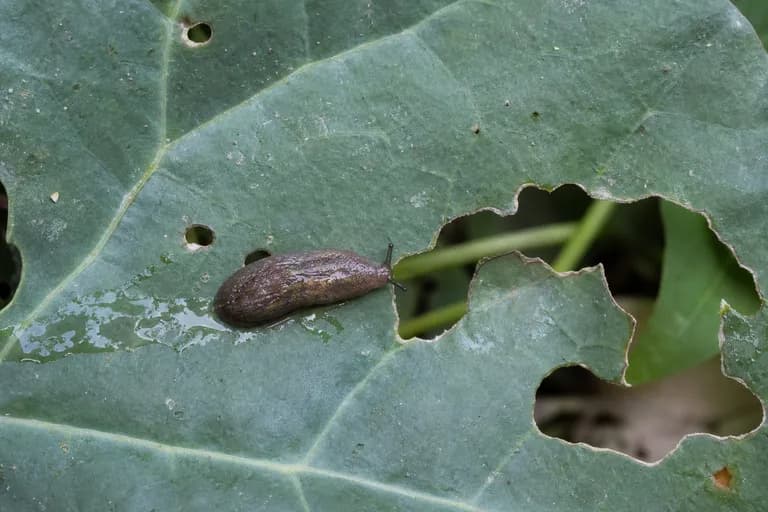
Caracoles y babosas
PlagaMordeduras irregulares en las hojas carnosas, especialmente durante noches húmedas de otoño e invierno. Las plántulas jóvenes pueden ser completamente devoradas.
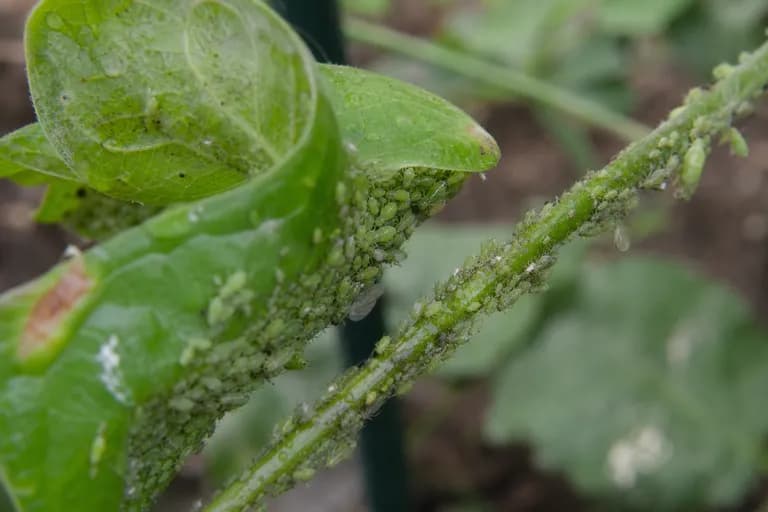
Pudrición por Botrytis
EnfermedadManchas pardas blandas cubiertas de moho gris aterciopelado en las hojas y tallos, especialmente en condiciones de humedad excesiva y poca ventilación.
Solución de problemas comunes
El calor es su principal enemigo: temperaturas superiores a 20°C provocan espigadura rápida y las hojas se vuelven amargas y fibrosas. El cultivo exitoso requiere temperaturas frescas y humedad constante. La germinación puede ser errática y lenta; ten paciencia y no dejes que el suelo se seque durante este período crítico.
Consejos de cultivo
- Embrace shade as an advantage, not a limitation. Miner's lettuce genuinely prefers partial to full shade and will scorch and bolt prematurely in direct sun. Plant it under deciduous trees, on north-facing slopes, or against north-facing walls where other crops fail.
- Cold-stratify seeds for the best germination. Store seeds in a damp paper towel inside a sealed bag in the refrigerator for 2 weeks before sowing. Without this cold treatment, germination can be sporadic and frustratingly slow.
- Sow seeds on the surface and press gently — do not bury them. Miner's lettuce seeds are tiny and need some light to trigger germination. Simply scatter on moist soil and press with your palm or the back of a rake.
- Water consistently during establishment but avoid overhead irrigation once plants are growing. Miner's lettuce needs steady moisture but its fleshy, succulent leaves are prone to fungal problems in persistently wet conditions. Drip irrigation or gentle ground-level watering is ideal.
- Harvest by cutting entire stems with disc leaves attached rather than picking individual leaves. This gives you the most attractive presentation for salads, encourages new growth from the base, and is far faster than leaf-by-leaf picking.
- Let some plants go to seed every season and resist the urge to clean up completely. Miner's lettuce is a self-sowing champion — seeds that drop in late spring germinate automatically with autumn rains, creating a perennial patch with zero replanting effort year after year.
- Grow miner's lettuce as a living mulch and edible ground cover beneath taller crops. It makes an excellent understory plant beneath tomatoes, peppers, and fruit trees, suppressing weeds, retaining soil moisture, and providing bonus harvests from otherwise wasted space.
- Pair miner's lettuce with your cool-season garden calendar. It fills the gap when warm-season crops are absent — sow in early autumn for winter and spring greens, and let it die back naturally as your tomatoes and squash take over in summer.
Cultiva tu mejor Lechuga de Minero — y todo lo que la rodea.
Empieza un plan gratis hoy. Diseña tus bancales, coloca tu Lechuga de Minero y deja que PlotMyGarden gestione el momento, el espaciado, las asociaciones y los recordatorios de la semilla a la cesta.
Elige tu Lechuga de Minero
Claytonia perfoliata (silvestre)
La especie tipo con hojas redondeadas y suculentas de sabor suave y ligeramente dulce. Muy resistente al frío y se autosiembra con facilidad. 40-50 días.
Claytonia sibirica (belleza de primavera)
Especie emparentada de Siberia con hojas más alargadas y flores rosadas vistosas. Mayor tolerancia al frío extremo y sabor ligeramente más intenso. 45-55 días.
Alba
Selección cultivada con hojas más grandes y uniformes, ideal para producción comercial. Crecimiento más vigoroso y cosechas más abundantes que el tipo silvestre. 40-50 días.
Miner's lettuce is virtually free once established. A single packet of seeds ($3-5) sows a large patch that self-sows perpetually, producing fresh salad greens every cool season for years with no replanting, fertilizing, or significant watering beyond natural rainfall. With specialty and foraged greens selling for $15-30 per pound at farmers markets and gourmet grocers, a productive self-sowing patch can easily replace $50-150 worth of purchased salad greens per year. Because it grows in shade where nothing else will, it adds food production to garden space that would otherwise be unproductive.
Recetas rápidas
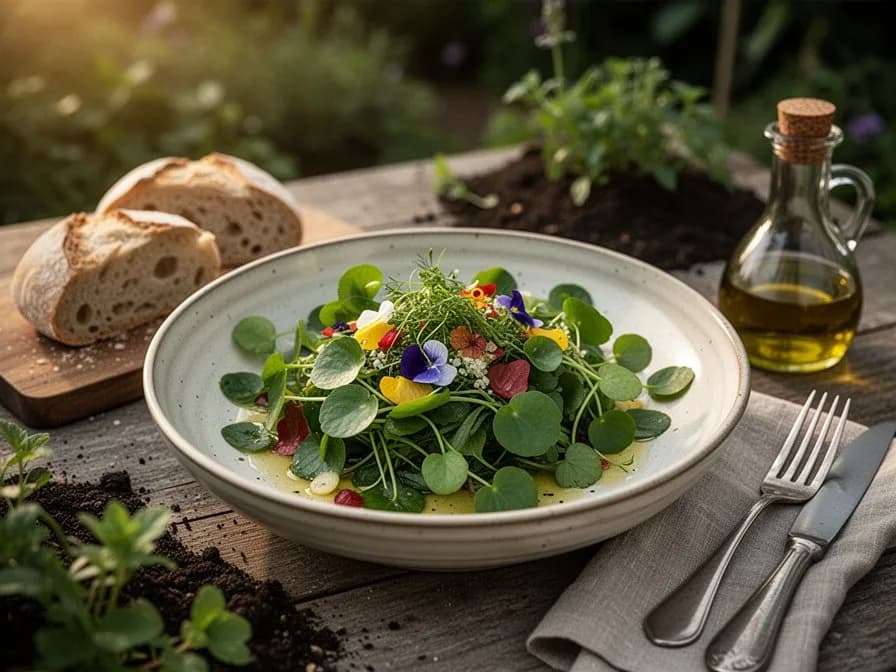
Miner's Lettuce Spring Salad with Citrus Vinaigrette
10 minA refreshing raw salad that showcases the delicate, mildly sweet flavor of miner's lettuce. The succulent disc leaves and tender stems pair beautifully with a bright citrus dressing and toasted nuts for a truly seasonal wild green experience.
7 ingredientesMiner's Lettuce Pesto
15 minA mild, vibrant green pesto that uses miner's lettuce as the base instead of basil. The subtle, lettuce-like flavor produces a lighter, more delicate pesto perfect for spring pasta, bruschetta, or drizzled over grilled fish.
7 ingredientesWilted Miner's Lettuce with Garlic and Sesame
10 minA quick warm side dish that lightly wilts miner's lettuce just like spinach, bringing out a mild, slightly earthy sweetness. The sesame and garlic add depth without overpowering the green's gentle flavor.
7 ingredientesUsos culinarios
La lechuga de minero se consume cruda en ensaladas, donde su textura suculenta y sabor suave y ligeramente dulce son muy apreciados. Las hojas circulares perforadas son especialmente decorativas como plato de presentación. También se puede añadir a sándwiches, smoothies verdes y como guarnición fresca. Las flores y tallos tiernos también son comestibles.
Qué contiene
Beneficios para la salud
- Exceptionally high in vitamin C for a leafy green — historically proven to prevent and cure scurvy, and providing roughly 33% of the daily value per 100g to support immune function, collagen synthesis, and iron absorption.
- Contains omega-3 fatty acids (alpha-linolenic acid) in unusually high concentrations for a land plant, supporting cardiovascular health, reducing inflammation, and promoting healthy brain function.
- Rich in vitamin A as beta-carotene, providing antioxidant protection for cells and supporting healthy vision, skin integrity, and immune system regulation.
- Provides bioavailable iron paired with its own vitamin C content, which enhances absorption — making it a particularly effective plant source of iron for preventing anemia.
- The mucilaginous quality of the leaves has a soothing effect on the digestive tract, traditionally used by Indigenous peoples to ease stomach complaints and support gentle digestion.
- Very low in oxalates compared to spinach and other dark leafy greens, meaning its calcium and mineral content is more bioavailable and better suited for people prone to kidney stones.
De dónde viene Lechuga de Minero
Miner's lettuce (Claytonia perfoliata) is native to western North America, ranging from southern Alaska through British Columbia, down the Pacific Coast to Baja California, and east into the Rocky Mountain states. It grows naturally in moist, shaded habitats — forest understories, stream banks, north-facing slopes, and the edges of meadows from sea level to around 2,400 meters elevation. The plant is a true winter annual, germinating with autumn rains, growing through cool wet months, and completing its lifecycle by early summer as temperatures rise.
Indigenous peoples across western North America harvested miner's lettuce as an important early spring green long before European contact. The Ohlone, Miwok, Chumash, and many other groups ate the leaves, stems, and flowers raw or lightly cooked, and some nations used the plant medicinally. When Spanish missionaries and later Gold Rush settlers arrived in California, they quickly learned the value of this wild green. During the California Gold Rush of 1849, miners working in remote Sierra Nevada camps suffered terribly from scurvy until they discovered that eating large quantities of this abundant local plant — rich in vitamin C — could prevent and even cure the disease. The plant became so closely associated with mining communities that it earned the permanent common name 'miner's lettuce.'
The plant was introduced to Europe in the early 1800s, initially as a botanical curiosity. It quickly escaped cultivation and naturalized in parts of England, Scotland, Ireland, France, and other Western European countries, where it now grows wild in parks, gardens, and woodlands. In recent decades, miner's lettuce has experienced a renaissance among chefs, foragers, and home gardeners who value it as a gourmet salad green, a shade-tolerant edible ground cover, and one of the easiest wild greens to cultivate. It remains largely unknown in mainstream agriculture but is increasingly featured at farmers markets and in restaurant kitchens across North America and Europe.
Lechuga de Minero: ¿sabías que?
Datos fascinantes sobre Lechuga de Minero
Miner's lettuce gets its common name from the California Gold Rush of 1849, when miners and settlers ate it in large quantities to prevent scurvy — its high vitamin C content made it one of the few reliable cures available in remote mining camps.
Lechuga de Minero: preguntas frecuentes
¿Cuándo debo plantar Lechuga de Minero?
¿Cuáles son buenas plantas acompañantes para Lechuga de Minero?
¿En qué zonas de rusticidad puede crecer Lechuga de Minero?
¿Cuánto sol necesita Lechuga de Minero?
¿A qué distancia debo espaciar Lechuga de Minero?
¿Qué plagas y enfermedades afectan a Lechuga de Minero?
¿Cómo almaceno Lechuga de Minero después de la cosecha?
¿Cuáles son las mejores variedades de Lechuga de Minero para cultivar?
¿Qué suelo necesita Lechuga de Minero?
Is miner's lettuce safe to eat raw, and what does it taste like?
Why won't my miner's lettuce seeds germinate?
Can I grow miner's lettuce in full sun?
Will miner's lettuce come back every year on its own?
When is the best time to harvest miner's lettuce?
Is miner's lettuce the same as purslane or chickweed?
Acabas de leer la teoría. Ahora cultívala en piloto automático.
Todo lo que hace que Lechuga de Minero sea delicado — el momento, el espaciado, las asociaciones, la ventana de cosecha — es justo lo que PlotMyGarden resuelve por ti, para cada planta de tu huerto.
Un plan que conoce tu clima
Indica tu ubicación una vez. Recibe fechas de siembra, abonado y cosecha basadas en tu última helada real y el pronóstico en vivo — sin adivinar con un sobre genérico.
De la sección “Cuándo plantar”Planificador de bancales de arrastrar y soltar
Diseña bancales sobre una cuadrícula. Cada planta encaja con su espaciado correcto y ves toda la temporada antes de gastar un céntimo en semillas.
De la sección “Cultivo”Conflictos de asociación, detectados a tiempo
Más de 200 buenas y malas combinaciones comprobadas en vivo mientras plantas — para que un error que arruine la temporada nunca llegue a la tierra.
De la sección “Asociaciones”Recordatorios que sí vas a seguir
“Riega las judías.” “Recoge hoy antes de que se pase.” Oportunos, concretos y ligados a las plantas que de verdad cultivas.
De la sección “Cosecha”Escalonado, programado
¿Quieres cosechar seis semanas en vez de seis días? Reparte tus siembras automáticamente y te avisa cuando toca el siguiente lote.
De la sección “Cuándo plantar”Un registro que se vuelve más listo
Cada cosecha que registras le enseña tu huerto. El plan del año que viene parte de lo que de verdad funcionó en tu suelo, no en un manual.
De la sección “Resumen”Planta estos junto a Lechuga de Minero
Más Hortalizas de hoja
Cultiva tu mejor Lechuga de Minero — y todo lo que la rodea.
Empieza un plan gratis hoy. Diseña tus bancales, coloca tu Lechuga de Minero y deja que PlotMyGarden gestione el momento, el espaciado, las asociaciones y los recordatorios de la semilla a la cesta.