Mispelbaum
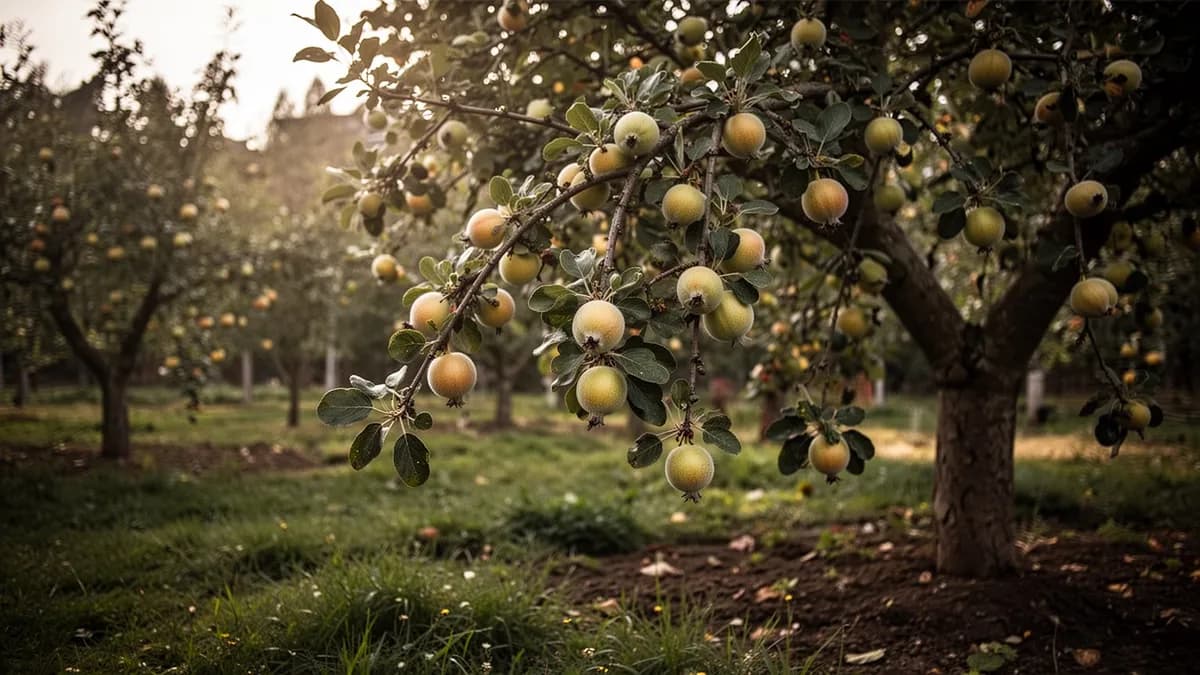
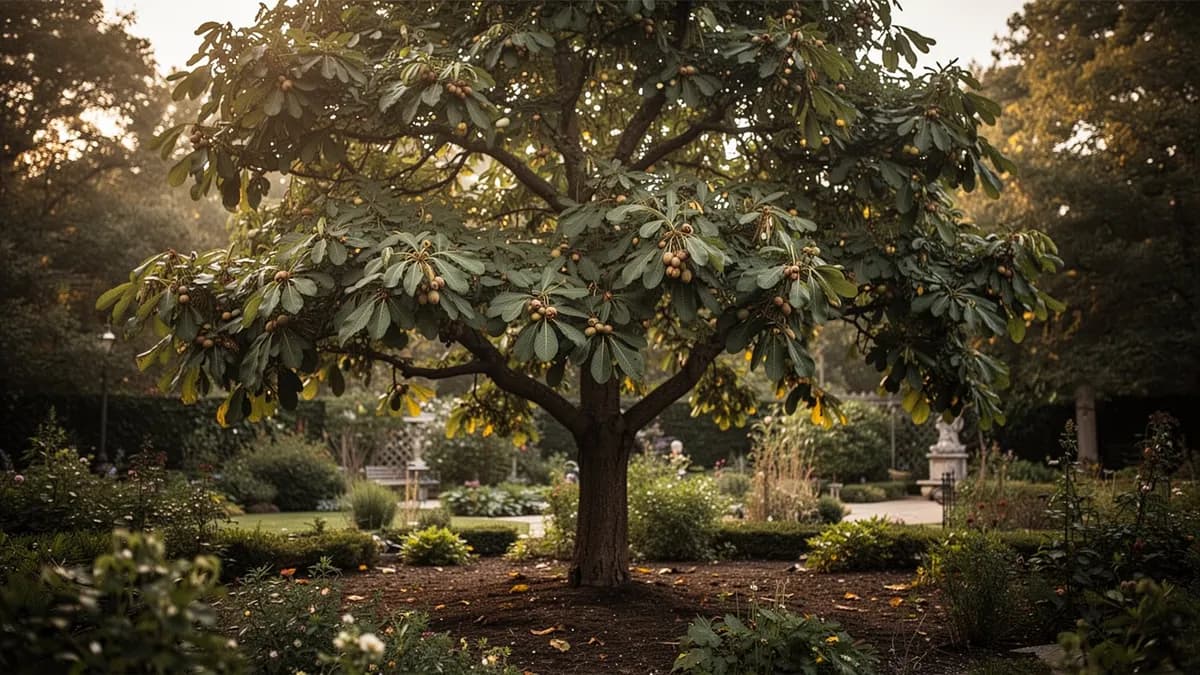
Ein alter Obstbaum mit attraktiver, ausladender Form und großen weißen Frühlingsblüten, der apfelförmige Früchte hervorbringt, die nach der Ernte nachreifen müssen.





Auf dieser SeiteÜberblick
Mispelbaum im Überblick
Ein alter Obstbaum mit attraktiver, ausladender Form und großen weißen Frühlingsblüten, der apfelförmige Früchte hervorbringt, die nach der Ernte nachreifen müssen. Pflücken Sie die Mispeln nach dem ersten Frost und lagern Sie sie mit dem Stiel nach unten an einem kühlen Ort, bis das Fruchtfleisch weich wird und sich braun verfärbt, wodurch sich das reichhaltige, dattelige Aroma entwickelt. Mispelbäume sind selbstfruchtbar, pflegeleicht und praktisch schädlingsfrei, was sie zu einer ausgezeichneten Wahl für traditionelle Obstgärten macht. Sie gedeihen in jedem vernünftigen Gartenboden und benötigen kaum Schnitt über die Formgebung hinaus.
Wann Mispelbaum pflanzen
Mispelbäume werden durch Veredelung benannter Sorten auf Quitten-, Weißdorn- oder Mispelsämlings-Unterlagen vermehrt. Quittenunterlage ergibt einen etwas kleineren, früher tragenden Baum und ist die häufigste Wahl. Weißdornunterlage wird für schwere Lehmböden oder schwierige Standorte verwendet. Kaufen Sie veredelte Bäume bei spezialisierten Obstbaumschulen. Samen benötigen 3 bis 4 Monate Kältestratifikation zum Keimen, und Sämlinge können 5 bis 6 Jahre bis zur Fruchtbildung brauchen, bei variabler Qualität. Das Okulieren im Spätsommer auf etablierte Unterlagen ist die bevorzugte Veredelungstechnik.
Dein Mispelbaum-Jahr
Abgestimmt auf Zone 7 · typische Saison · Frost geht um den 2. Apr. und kehrt um den 1. Nov. zurück
Mispelbaum Mär – Apr, Nov pflanzen, Okt – Nov ernten. Beachte die Pflanzmethoden unten und wähle dein Klima für passende Zeiträume.
So baust du Mispelbaum an
Mispelbäume sind laubabwerfende, selbstfruchtbare Obstbäume, die seit der Antike in Europa kultiviert werden. Sie werden 4,5 bis 6 Meter hoch mit einem anmutigen, ausladenden Wuchs und großen weißen Blüten im späten Frühling. Pflanzen Sie sie in voller Sonne bis Halbschatten in jedem gut durchlässigen Gartenboden mit einem pH-Wert von 6,0 bis 7,5. Mispeln sind äußerst pflegeleicht und anpassungsfähig und vertragen Lehm-, Sand- und Kalkböden. Halten Sie einen Abstand von 4,5 bis 6 Metern zwischen den Bäumen ein.
Gießen Sie frisch gepflanzte Bäume während der ersten Vegetationsperiode regelmäßig und reduzieren Sie dann auf gelegentliches tiefes Gießen bei längerer Trockenheit. Etablierte Mispeln sind mäßig trockenheitstolerant und benötigen selten zusätzliche Bewässerung. Düngen Sie im zeitigen Frühjahr leicht mit einem ausgewogenen organischen Dünger oder mulchen Sie mit Kompost. Mispeln sind Schwachzehrer, und übermäßige Düngung führt zu üppigem Blattwachstum auf Kosten der Fruchtbildung.
Schneiden Sie Mispelbäume im Winter, um eine offene, kelchförmige Krone zu erhalten, die die attraktive Verzweigungsstruktur zur Geltung bringt. Entfernen Sie sich kreuzende Äste, Wasserschosse und Totholz. Die Bäume entwickeln natürlich eine malerische, ausladende Form, die nur minimalen korrigierenden Schnitt erfordert. Mispeln sind bemerkenswert schädlings- und krankheitsresistent, was sie zu einem der am einfachsten biologisch anzubauenden Obstbäume macht. Die Früchte reifen von Ende Oktober bis November und müssen vor dem Verzehr einen Prozess namens Nachreifen (Blettierung) durchlaufen.
Für Mispelbaum ist ein Beet von 120 × 240 cm zu klein
Mispelbaum braucht 500 cm Platz pro Pflanze. Der Planer hält diesen Abstand für dich ein — jede Pflanze, jedes Beet.
Die besten Nachbarn für Mispelbaum
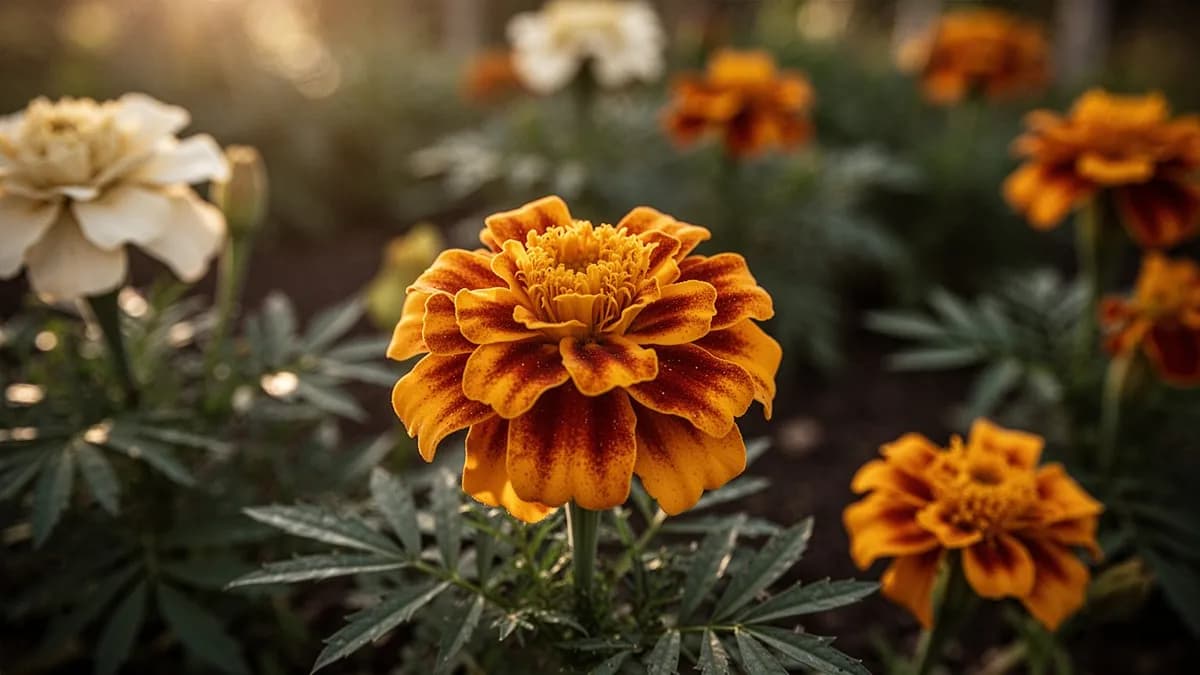
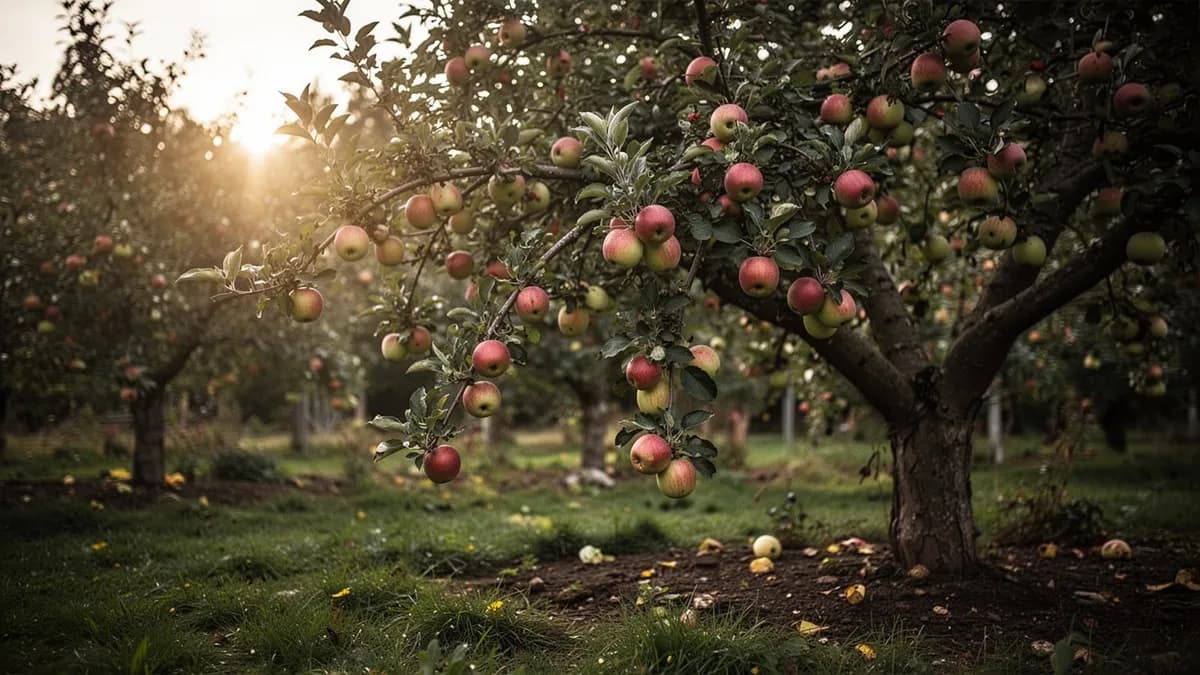
Mispelbäume fügen sich wunderschön in gemischte traditionelle Obstgärten neben Quitten, Zieräpfeln und klassischen Apfel- und Birnensorten ein. Die ausladende Krone spendet gefleckten Schatten für schattenverträgliche Unterpflanzungen wie Walderdbeeren, Veilchen und Primeln. Beinwell, am Kronenrand gepflanzt, liefert nährstoffreichen Mulch beim Schnitt. Frühlingsblühende Zwiebelpflanzen wie Narzissen und Krokusse verwildern gut unter Mispelbäumen und bieten frühsaisonales Interesse, bevor die Krone austreibt.
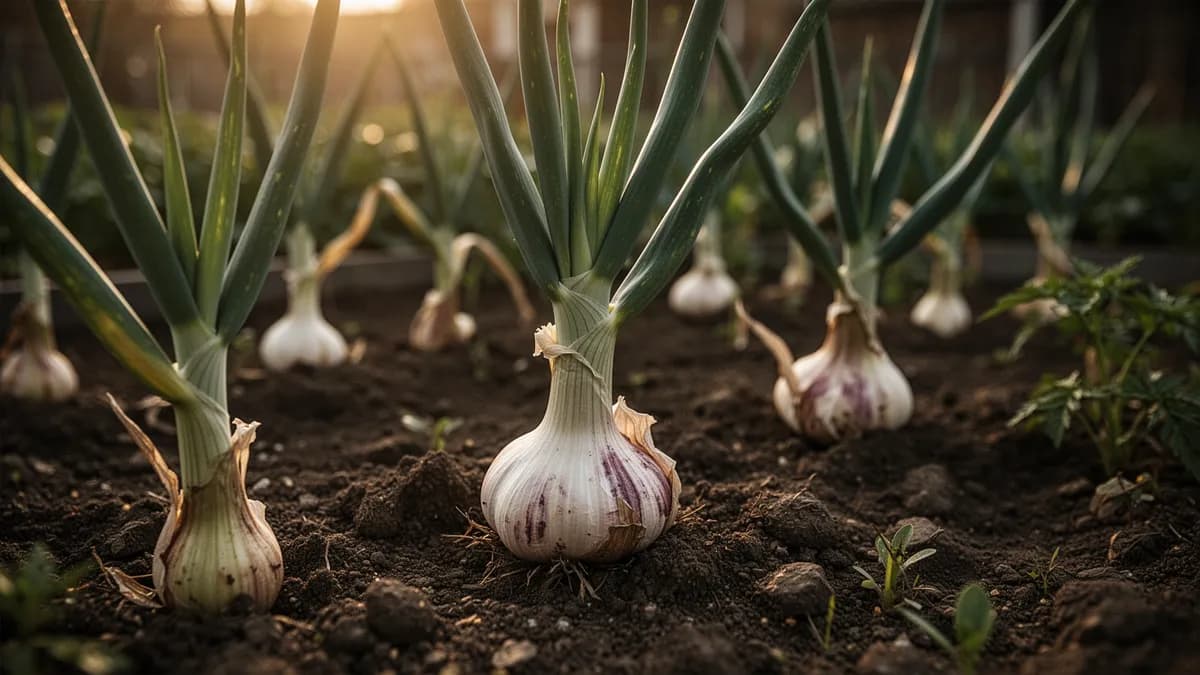
Knoblauch gehört daneben. Walnussbaum nicht.
Altes Gärtnerwissen, geprüft an der echten Nachbartabelle von Mispelbaum — teste jede Pflanze, die du anbaust.
Probiere Mispelbaum direkt hier im Beet
Ein echtes Planer-Beet, Mispelbaum steht schon drin. Tippe einen Begleiter an, platziere ihn und sieh, wie die Nachbarschaftsprüfung antwortet — grün für gute Nachbarn, rot bei Streit.


Passende Anbau-Ratgeber
Richtig düngen
Mispelbäume sind bemerkenswert anpassungsfähig an Bodenbedingungen und gedeihen in Lehm-, Ton-, Sand- oder Kalkböden mit einem pH-Wert von 5,5 bis 7,5. Sie bevorzugen feuchten, aber gut durchlässigen Boden und vertragen sowohl saure als auch leicht alkalische Bedingungen. Bringen Sie im Spätwinter eine leichte Schicht Kompost oder gut verrotteten Mist auf. Zusätzliche Düngung ist selten nötig und kann die Fruchtqualität sogar verringern. Auf sehr armen Böden reicht eine einzige Frühjahrsgabe eines ausgewogenen organischen Düngers aus.
Ideale Temperatur
Winterhärtezone-Kompatibilität
Von der Saat zur Ernte, Schritt für Schritt
Winterruhe & Knospenschwellen
Während des Spätwinters befindet sich der Mispelbaum in der Winterruhe und speichert Energie in seinem Wurzelsystem und Holzgerüst. Wenn die Temperaturen im zeitigen Frühling zu steigen beginnen, schwellen die Knospen allmählich an und bereiten sich auf den Blattaustrieb vor. Dies ist das ideale Zeitfenster für Strukturschnitt und das Auftragen von Ruheölsprays zur Bekämpfung überwinternder Schädlinge.
Blattaustrieb & Blüte
Große, lanzenförmige Blätter entfalten sich im mittleren Frühling, gefolgt von einzelnen weißen Blüten, die an den Spitzen kurzer Triebe von Ende Mai bis Anfang Juni erscheinen. Jede Blüte ist etwa 3 bis 5 Zentimeter breit und selbstfruchtbar, obwohl Fremdbestäubung durch Insekten den Fruchtansatz verbessert. Die Blüten sind attraktiv für Bienen und andere Bestäuber.
Fruchtentwicklung
Nach erfolgreicher Bestäubung beginnen kleine grüne Früchte den ganzen Sommer über zu wachsen, vergrößern sich langsam und nehmen die charakteristische offene Kelchform an. Die Früchte bleiben in dieser Phase hart und grün und speichern Stärke, Tannine und organische Säuren. Der Baum investiert erhebliche Energie in das Fruchtwachstum, daher sind ausreichende Feuchtigkeit und Nährstoffe entscheidend.
Reifung & Ernte
Bis zum Mittherbst erreichen die Früchte ihre volle Größe von etwa 3 bis 5 Zentimetern Durchmesser und beginnen, sich von grün nach gelbbraun zu verfärben. Die Ernte erfolgt typischerweise Ende Oktober oder November, idealerweise nach dem ersten leichten Frost, der die frühen Stadien der Nachreife einleitet. Bei der Ernte sind die Früchte noch fest und aufgrund des hohen Tanningehalts noch nicht genießbar.
Nachreife & Verzehr
Das Nachreifen (Blettierung) ist der wesentliche Nachernteprozess, der einzigartig für Mispeln ist und bei dem die Frucht einen enzymatischen Abbau von Tanninen und Stärke durchläuft. Die Früchte werden in einer einzelnen Schicht mit der Kelchseite nach unten an einem kühlen, trockenen Ort für zwei bis vier Wochen ausgelegt. Das Fruchtfleisch wird von hart und weiß zu einer dunkelbraunen, pastenartigen Konsistenz mit einem komplexen Aroma, das an Apfelbutter, Datteln und Wein erinnert.
Vorbereitung auf die Winterruhe
Nach dem Fruchtfall und Laubfall im Spätherbst geht der Mispelbaum allmählich in die Winterruhe über. Der Baum härtet sein Holz ab und leitet Nährstoffe zur Wintereinlagerung in sein Wurzelsystem um. Diese Ruhephase ist für den Baum unerlässlich, um in der folgenden Saison kräftiges Wachstum und einen starken Fruchtansatz zu erzielen.
Schneiden Sie totes, krankes oder sich kreuzendes Holz heraus, solange der Baum noch in der Winterruhe ist. Bringen Sie einen ausgewogenen organischen Dünger im Bereich der Kronentraufe aus, wenn die Knospen zu schwellen beginnen.
Mispelbaum Monat für Monat pflegen
Was du jeden Monat für deine Mispelbaum tun solltest
Oktober
Aktueller MonatMispelfrüchte nach dem ersten leichten Frost ernten, wenn die Schale gelbbraun wird, und mit Stiel pflücken.. Geerntete Früchte mit der Kelchseite nach unten in einer einzelnen Schicht auf Stroh oder Zeitungspapier an einem kühlen, frostfreien Ort zum Nachreifen auslegen.. Herabgefallenes Laub zusammenharken und kompostieren, um überwinternde Krankheitserreger zu reduzieren.
Immer wissen, was jetzt im Garten zu tun ist
Eine E-Mail zum Monatsanfang: was du jetzt säen, pflanzen und anpacken solltest — für deine Mispelbaum und alles, was drumherum wächst. Dazu ein kurzer Startkurs, der dich vor den klassischen Fehlern bewahrt.
- Was jetzt zu tun ist
- Passend zu deiner Saison
- Startkurs inklusive
Mispelbaum ernten
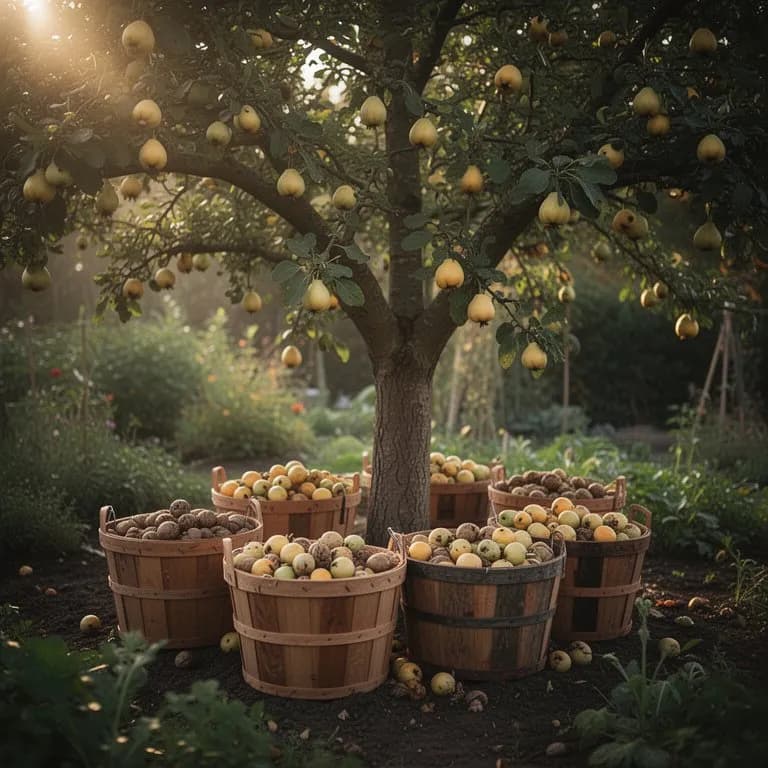
Ernten Sie Mispeln Ende Oktober oder November nach dem ersten Frost, der den Erweichungsprozess einleitet. Pflücken Sie die Früchte, wenn sie hart und vollständig braun gefärbt sind, und lassen Sie den Kelch (das offene Ende) intakt. Die Früchte sind frisch gepflückt ungenießbar und müssen nachreifen (blettieren), einem kontrollierten Zersetzungsprozess. Legen Sie die Früchte mit dem Stielende nach unten an einen kühlen, trockenen Ort und warten Sie 2 bis 3 Wochen, bis das Fruchtfleisch braun und weich wird. Richtig nachgereifte Mispeln haben ein reichhaltiges, dattelähnliches Aroma mit Noten von Apfelbutter.
angenommen, du pflanzt zu Beginn des Zeitraums — trage dein tatsächliches Datum ein
Ernte Mispelbaum zügig, dann trägt die Pflanze weiter.
Lagerung & Konservierung
Ungereifte Mispeln können mehrere Wochen an einem kühlen Ort gelagert werden, während sie natürlich weich werden. Nach dem Nachreifen sollten die Früchte innerhalb weniger Tage gegessen oder verarbeitet werden. Mispelgelee ist die beliebteste Konservierungsform mit einer wunderschönen bernsteinfarbenen Farbe und komplexem süß-saurem Geschmack. Mispelkäse, ähnlich dem spanischen Quittenpaste (Membrillo), ist eine traditionelle englische Konserve. Die Früchte können auch zu Wein, Sirup verarbeitet oder dem Apfelmost für einen unverwechselbaren Geschmack hinzugefügt werden. Mispelbutter ergibt einen ungewöhnlichen und köstlichen Aufstrich.
Was schiefgeht — und die Lösung
Braunfäule
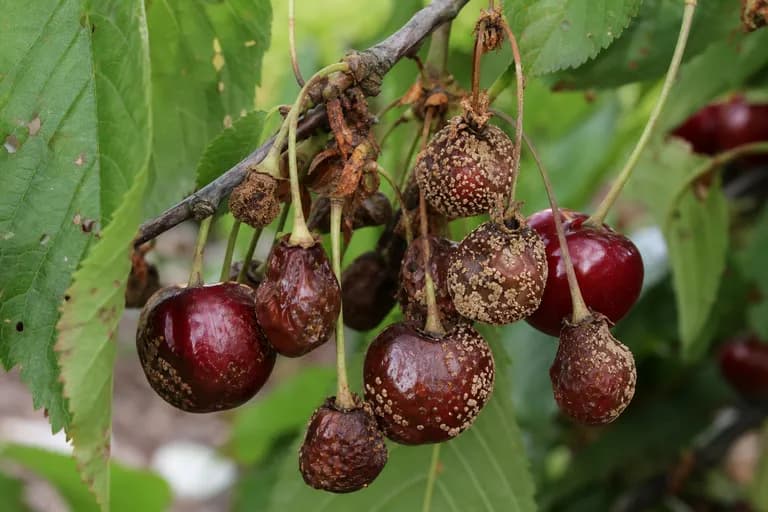
KrankheitPelziger brauner Schimmel entwickelt sich auf Früchten, besonders bei nassem Herbstwetter. Befallene Früchte mumifizieren am Baum oder auf dem Boden.
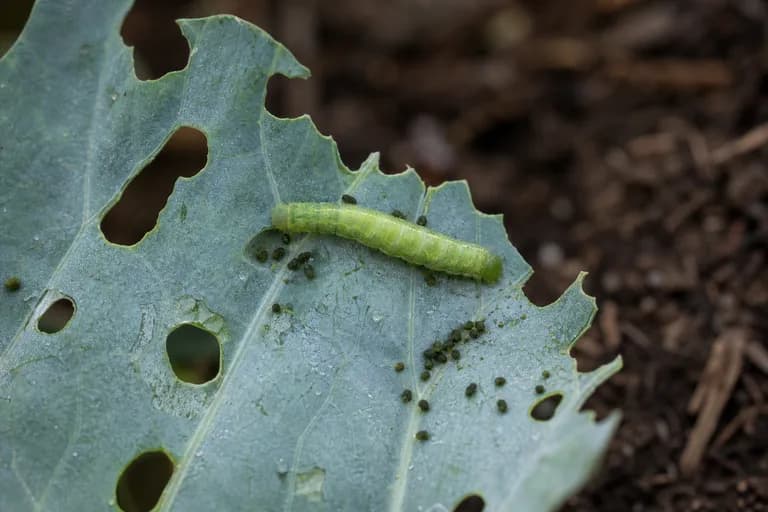
Raupen
SchädlingVerschiedene Raupenarten können im Frühling und Sommer an Blättern fressen und Löcher sowie skelettiertes Laub verursachen.
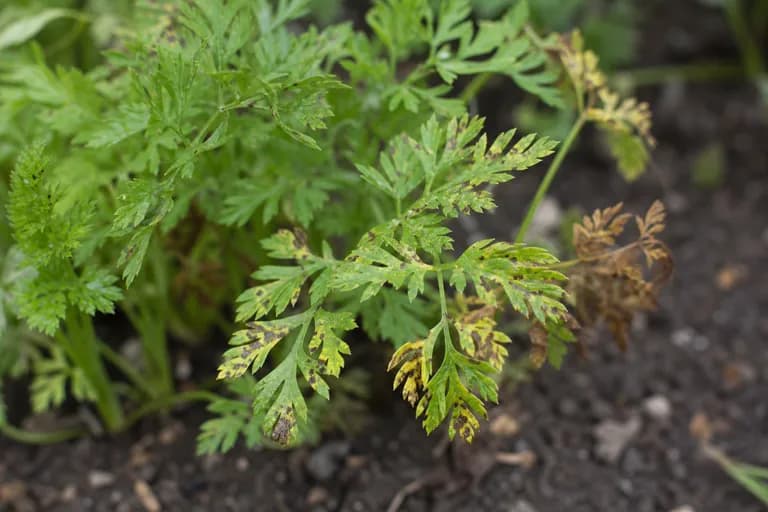
Blattbrand
KrankheitBraune Flecken auf Blättern, die bei nassem Wetter zu größeren abgestorbenen Gewebeflächen verschmelzen können. Vorzeitiger Blattfall in schweren Fällen.
Fehlerbehebung bei häufigen Problemen
Die häufigste Verwirrung besteht darin, den Nachreifeprozess nicht zu verstehen und einwandfreie Früchte wegzuwerfen, weil sie verfault aussehen. Nachgereifte Mispeln sollten braun und weich sein, aber nicht vergoren oder schimmelig. Manche Gärtner finden das Aussehen nachgereifter Früchte unappetitlich, obwohl der Geschmack reichhaltig und köstlich ist. Die begrenzte Verfügbarkeit von Baumschulware kann den Kauf benannter Sorten erschweren. Mispeln können 3 bis 4 Jahre brauchen, bis sie nach dem Pflanzen Früchte tragen.
Anbautipps
- Pflanzen Sie Mispelbäume an einem geschützten, sonnigen Standort mit gut durchlässigem Lehmboden für die beste Fruchtproduktion. Sie vertragen Halbschatten, tragen aber deutlich weniger Früchte ohne mindestens sechs Stunden direkte Sonneneinstrahlung.
- Wählen Sie eine veredelte benannte Sorte wie Nottingham, Dutch oder Royal für zuverlässigen Fruchtansatz, anstatt aus Samen zu ziehen, was zu variabler und oft minderer Fruchtqualität führt.
- Gießen Sie junge Bäume während ihrer ersten zwei bis drei Vegetationsperioden regelmäßig, um ein starkes Wurzelsystem aufzubauen, und reduzieren Sie dann die Bewässerung, da ausgewachsene Bäume bemerkenswert trockenheitstolerant sind.
- Bringen Sie im zeitigen Frühjahr einen ausgewogenen organischen Dünger und im Frühsommer eine kaliumreiche Düngung aus, um gesundes Wachstum und optimale Fruchtentwicklung ohne übermäßigen Blattwuchs zu fördern.
- Schneiden Sie Mispelbäume im Winter leicht, wobei Sie sich auf das Entfernen von Totholz, sich kreuzenden Ästen und Wasserschossen konzentrieren und die natürlich attraktive, ausladende Kronenform erhalten.
- Ernten Sie die Früchte für beste Ergebnisse nach dem ersten Herbstfrost, pflücken Sie sie mit Stiel und behandeln Sie sie vorsichtig, um Druckstellen zu vermeiden, die eher zu Fäulnis als zur richtigen Nachreife führen können.
- Lassen Sie geerntete Früchte nachreifen, indem Sie sie mit dem Kelchende nach unten in einer einzelnen Schicht auf Stroh oder Zeitungspapier an einem kühlen, trockenen, frostfreien Ort bei 5 bis 10 Grad Celsius für zwei bis vier Wochen lagern, bis sie weich sind.
- Schützen Sie junge Bäume vor Spätfrösten im Frühling, indem Sie sie mit Gartenvlies abdecken, wenn die Temperaturen während der Blüte unter minus 2 Grad Celsius zu fallen drohen.
- Ziehen Sie Mispeln auf Quittenunterlage wie Quitte A für einen halbzwergenden Effekt, der den Baum bei handlichen 3 bis 4 Metern hält, ideal für kleinere Gärten und leichteres Ernten.
- Unterpflanzen Sie Mispelbäume mit schattenverträglichen Begleitpflanzen wie Beinwell, der als dynamischer Nährstoffsammler wirkt, oder pflanzen Sie Frühlingszwiebeln darunter, um den Platz produktiv zu nutzen.
Bau deine beste Mispelbaum an — und alles drumherum.
Starte heute kostenlos. Lege deine Beete an, setze deine Mispelbaum ein und lass PlotMyGarden Timing, Abstände, Begleiter und Erinnerungen von der Saat bis zum Erntekorb übernehmen.
Finde deine Mispelbaum
Royal
Die am weitesten verbreitete Mispelsorte mit großen, attraktiven Früchten und kräftigem Wuchs. Zuverlässiger Ertrag mit guter Reifungsqualität und Geschmack.
Nottingham
Eine alte englische Sorte mit kleineren, aber intensiver schmeckenden Früchten als Royal. Kompakter Baum, gut geeignet für kleinere Gärten.
Breda Giant
Die großfrüchtigste Mispelsorte mit Früchten bis zu 7,5 Zentimetern Durchmesser. Niederländischer Herkunft mit kräftigem Wuchs und guter Krankheitsresistenz.
Westerveld
Eine moderne niederländische Auslese mit gut dimensionierten Früchten, zuverlässigem Ertrag und attraktiver Baumform. Gewinnt an Beliebtheit unter Liebhabern historischer Obstsorten.
Ein einzelner ausgewachsener Mispelbaum kann jährlich 20 bis 40 Kilogramm Früchte über Jahrzehnte bei minimalen Pflegekosten produzieren. Da nachgereifte Mispeln und Mispelkonserven selten kommerziell erhältlich sind und auf Spezialmärkten Premiumpreise von 8 bis 15 € pro Kilogramm erzielen, kann ein selbst angebauter Baum leicht 200 bis 500 € an Früchten pro Jahr liefern. Der Baum erfordert keine teuren Spritzprogramme, minimalen Schnitt und gedeiht bei Vernachlässigung, sobald er etabliert ist, was ihn zu einem der kosteneffektivsten Obstbäume für den Hausgarten macht.
Schnelle Rezepte
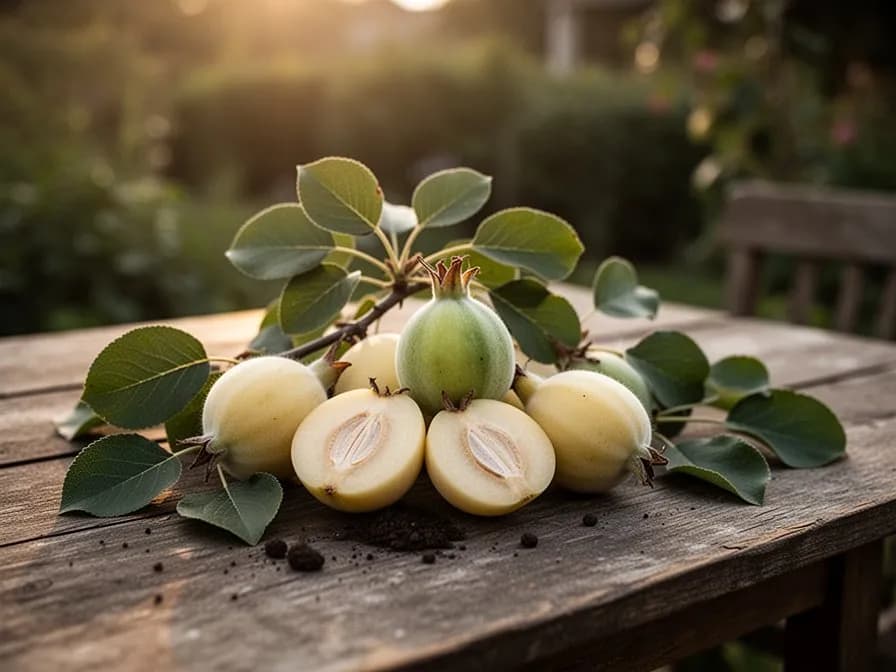
Traditionelles Mispelgelee
45 Min. aktiv, plus Abtropfen über NachtEin wunderschön klares, bernsteinfarbenes Gelee mit einem zarten Geschmack nach Honig, Apfel und Wein. Diese klassische britische Konserve passt hervorragend zu kräftigem Käse, kaltem Aufschnitt und frisch gebackenen Scones. Verwenden Sie vollständig nachgereifte Früchte für den reichsten Geschmack und die beste Pektinausbeute.
5 Zutaten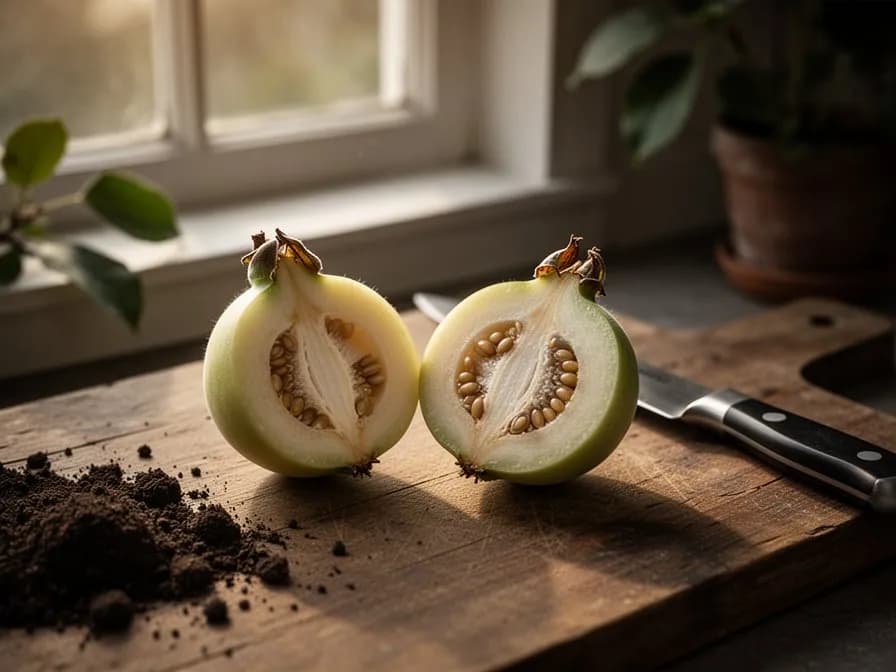
Mispelkäse (Fruchtpaste)
60 Min. aktiv, plus AushärtezeitEine dicke, schneidbare Fruchtpaste in der Tradition der spanischen Quittenpaste. Mispelkäse hat eine tiefe, toffeeartige Süße und kann monatelang gelagert werden. Servieren Sie ihn in Scheiben neben gereiftem Cheddar, Manchego oder Blauschimmelkäse als elegante Beilage.
6 ZutatenGewürzte Mispelbutter
40 Min.Eine glatte, streichfähige Fruchtbutter mit warmen Herbstgewürzen, die die Essenz des komplexen Mispelgeschmacks einfängt. Streichen Sie sie auf Toast, rühren Sie sie in Haferbrei oder verwenden Sie sie als Füllung für Gebäck und Tartes. Dieses Rezept funktioniert am besten mit vollständig nachgereiften, sehr weichen Früchten.
7 ZutatenKulinarische Verwendung
Mispeln sind eine der wenigen Früchte, die vor dem Verzehr nachreifen müssen. Das nachgereifte Fruchtfleisch hat ein reichhaltiges Aroma, das an Datteln, Apfelbutter und Wein erinnert. Mispelgelee ist eine geschätzte englische Konserve mit einer wunderschönen bernsteinfarbenen Farbe und komplexem Geschmack. Mispelkäse ist eine dicke Paste ähnlich der Quittenpaste. Die Früchte passen hervorragend zu kräftigem Käse und Portwein. Mittelalterliche Rezepte verwenden Mispeln in Pasteten, Tartes und Soßen zu Fleischgerichten.
Was drinsteckt
Gesundheitsvorteile
- Der hohe Tanningehalt der Mispelfrucht, besonders vor der vollständigen Nachreife, wird traditionell zur Unterstützung einer regelmäßigen Verdauung und zur Linderung leichter Magen-Darm-Beschwerden eingesetzt.
- Mispeln liefern eine bedeutende Menge an Vitamin C, das die Immunfunktion unterstützt, die Kollagensynthese fördert und als starkes Antioxidans gegen Schäden durch freie Radikale wirkt.
- Die löslichen Ballaststoffe im nachgereiften Mispelfruchtfleisch helfen bei der Regulierung des Blutzuckerspiegels, indem sie die Kohlenhydrataufnahme im Verdauungstrakt verlangsamen.
- Polyphenolische Verbindungen in Mispelfrüchten und -blättern haben in vorläufigen Studien entzündungshemmende Eigenschaften gezeigt, die möglicherweise Gelenk- und Herz-Kreislauf-Gesundheit fördern.
- Der Kaliumgehalt in Mispeln unterstützt eine gesunde Blutdruckregulierung und den richtigen Elektrolythaushalt und trägt zum allgemeinen kardiovaskulären Wohlbefinden bei.
- Die traditionelle Kräutermedizin verwendet seit langem Mispelblatttee als mildes Diuretikum und zur Unterstützung der Nierenfunktion, obwohl moderne klinische Belege begrenzt bleiben.
Woher Mispelbaum stammt
Die Mispel (Mespilus germanica) stammt aus den Bergwäldern Südwestasiens und Südosteuropas, insbesondere aus den Regionen des heutigen Iran, der Türkei und des Kaukasus. Trotz ihres Artnamens ‚germanica', der von Linné vergeben wurde, stammt der Baum ursprünglich nicht aus Deutschland, war aber zur Zeit seiner botanischen Klassifikation im achtzehnten Jahrhundert bereits in ganz Mitteleuropa weit verbreitet. Archäologische Funde deuten darauf hin, dass Mispeln bereits um 1000 v. Chr. in der Kaspischen Region angebaut wurden. Die alten Griechen kannten die Frucht gut, und Theophrast beschrieb sie um 300 v. Chr. in seinen botanischen Schriften. Die Römer übernahmen die Mispel begeistert und verbreiteten ihren Anbau im gesamten Reich, von Hispanien bis Britannien. Plinius der Ältere dokumentierte mehrere Kultursorten und bemerkte, dass römische Gärtner bereits verbesserte Auslesen entwickelt hatten. Während des Mittelalters wurde die Mispel zu einer der wichtigsten Obstbaumarten Europas, geschätzt für ihre Fähigkeit, in den kargen Wintermonaten nach der Haupterntezeit Nahrung zu liefern. Klöster und Herrenhäuser pflegten üblicherweise Mispelbäume in ihren Gärten, und die Früchte wurden sowohl frisch nach dem Nachreifen verzehrt als auch als dicke Paste, bekannt als Mispelkäse, konserviert. Die Renaissance erlebte die Mispel auf dem Höhepunkt ihrer kulturellen Bedeutung, häufig in literarischen Werken erwähnt. Die Einführung von Früchten aus der Neuen Welt und die Entwicklung verbesserter Apfel- und Birnensorten drängten die Mispel jedoch bis zum neunzehnten Jahrhundert in die Vergessenheit. Heute erlebt die Mispel eine Renaissance unter Liebhabern historischer Obstsorten, Permakultur-Praktizierenden und abenteuerlustigen Gärtnern, die ihr einzigartiges Geschmacksprofil, ihren Zierwert und ihre faszinierende Verbindung zu Jahrhunderten europäischer Gartenbautradition schätzen.
Mispelbaum: Schon gewusst?
Faszinierende Fakten über Mispelbaum
Mispeln wurden bereits von den Römern weit verbreitet angebaut und waren im gesamten mittelalterlichen Europa eine wichtige Frucht, die häufig in den Schriften von Chaucer und Shakespeare erwähnt wurde.
Mispelbaum: Fragen & Antworten
Wann sollte ich Mispelbaum pflanzen?
Was sind gute Begleitpflanzen für Mispelbaum?
In welchen Winterhärtezonen kann Mispelbaum wachsen?
Wie viel Sonne braucht Mispelbaum?
Welchen Abstand sollte ich zwischen Mispelbaum lassen?
Welche Schädlinge und Krankheiten befallen Mispelbaum?
Wie lagere ich Mispelbaum nach der Ernte?
Was sind die besten Mispelbaum-Sorten zum Anbauen?
Welchen Boden braucht Mispelbaum?
Was genau ist Nachreifen (Blettierung), und warum müssen Mispeln diesen Prozess vor dem Verzehr durchlaufen?
Wie lange dauert es, bis ein Mispelbaum Früchte trägt?
Können Mispelbäume in Kübeln oder kleinen Gärten wachsen?
Welche Schädlinge und Krankheiten befallen Mispelbäume häufig?
Wie lassen sich Mispelfrüchte am besten für die Langzeitlagerung konservieren?
Sind Mispelbäume selbstfruchtbar, oder brauche ich mehr als einen Baum?
Du hast die Theorie gelesen. Jetzt baue sie auf Autopilot an.
Alles, was Mispelbaum knifflig macht — das Timing, die Abstände, die Begleiter, das Erntefenster — genau das übernimmt PlotMyGarden für dich, für jede Pflanze im Garten.
Ein Plan, der dein Wetter kennt
Standort einmal festlegen. Aussaat-, Dünge- und Erntedaten rund um deinen echten letzten Frosttermin und die Live-Vorhersage — kein Raten mehr nach Saattüte.
Aus dem Abschnitt „Pflanzzeit“Beetplaner per Drag & Drop
Beete auf einem Raster gestalten. Jede Pflanze rastet im richtigen Abstand ein, und du siehst die ganze Saison, bevor du einen Cent für Saatgut ausgibst.
Aus dem Abschnitt „Anbau“Begleiter-Konflikte früh erkannt
Über 200 gute und schlechte Kombinationen werden beim Pflanzen live geprüft — so landet ein saisonruinierender Fehler nie in der Erde.
Aus dem Abschnitt „Begleiter“Erinnerungen, nach denen du wirklich handelst
„Gieß die Bohnen.“ „Heute ernten, bevor's umschlägt.“ Pünktlich, konkret und auf deine echten Pflanzen bezogen.
Aus dem Abschnitt „Ernte“Staffel-Aussaat, geplant
Sechs Wochen ernten statt sechs Tage? Die App verteilt deine Aussaaten automatisch und erinnert dich, wenn der nächste Satz fällig ist.
Aus dem Abschnitt „Pflanzzeit“Ein Verlauf, der schlauer wird
Jede protokollierte Ernte bringt der App deinen Garten bei. Der Plan fürs nächste Jahr startet bei dem, was in deinem Boden wirklich funktioniert hat.
Aus dem Abschnitt „Überblick“Pflanze diese neben Mispelbaum
Weitere Obstbäume
Halte Mispelbaum von diesen fern
Bau deine beste Mispelbaum an — und alles drumherum.
Starte heute kostenlos. Lege deine Beete an, setze deine Mispelbaum ein und lass PlotMyGarden Timing, Abstände, Begleiter und Erinnerungen von der Saat bis zum Erntekorb übernehmen.