Medlar
A medieval fruit tree producing unusual open-ended fruits that must undergo bletting, a controlled decomposition process, before eating.





On this pageOverview
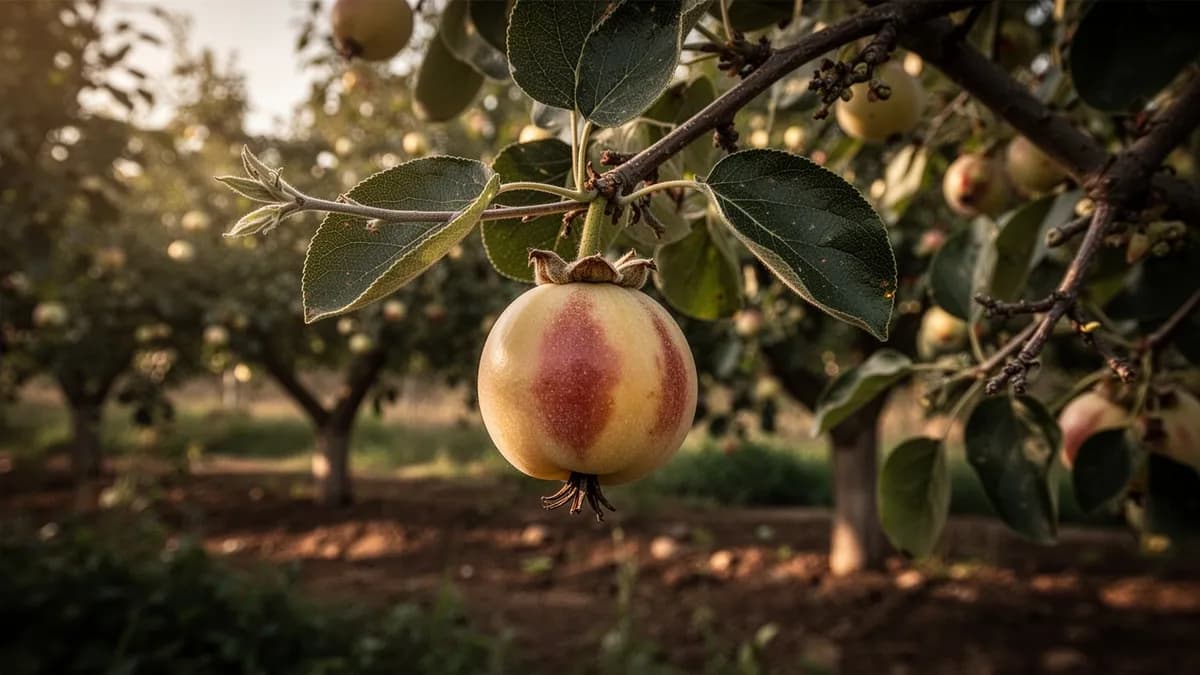
Meet Medlar
A medieval fruit tree producing unusual open-ended fruits that must undergo bletting, a controlled decomposition process, before eating. After frost, the hard fruits are stored indoors until the flesh turns brown and soft with a flavor like spiced applesauce. Medlars are attractive ornamental trees with large white flowers and spectacular autumn color.
When to plant Medlar
Medlar seeds require extended cold stratification of 90 to 120 days at 33 to 40 degrees Fahrenheit in moist sand before germination. Extract seeds from bletted fruit, clean thoroughly, and place in stratification immediately. Sow stratified seeds one inch deep in well-draining potting mix in spring. Germination can be slow and erratic, taking several weeks to months. Seedlings are slow-growing in their first year. Named varieties are propagated by grafting onto hawthorn, quince, or pear rootstock using whip-and-tongue grafting during the dormant season.
Your Medlar Year
Composed for Zone 7 · typical seasons · frost passes Apr 2, returns Nov 1
Plant Medlar Mar – Apr, pick Oct – Nov. Check the planting methods below and set your climate to personalize these windows.
How to grow Medlar
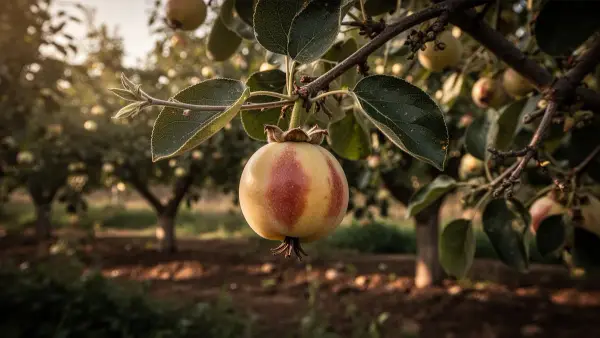
Medlars grow best in full sun with well-drained, moderately fertile soil at a pH of 6.0 to 7.0. Plant bare-root or container-grown trees in early spring, spacing 12 to 15 feet apart. The trees develop a naturally attractive spreading, somewhat weeping form that requires little pruning. Stake young trees for the first year and water deeply at planting with a generous mulch ring.
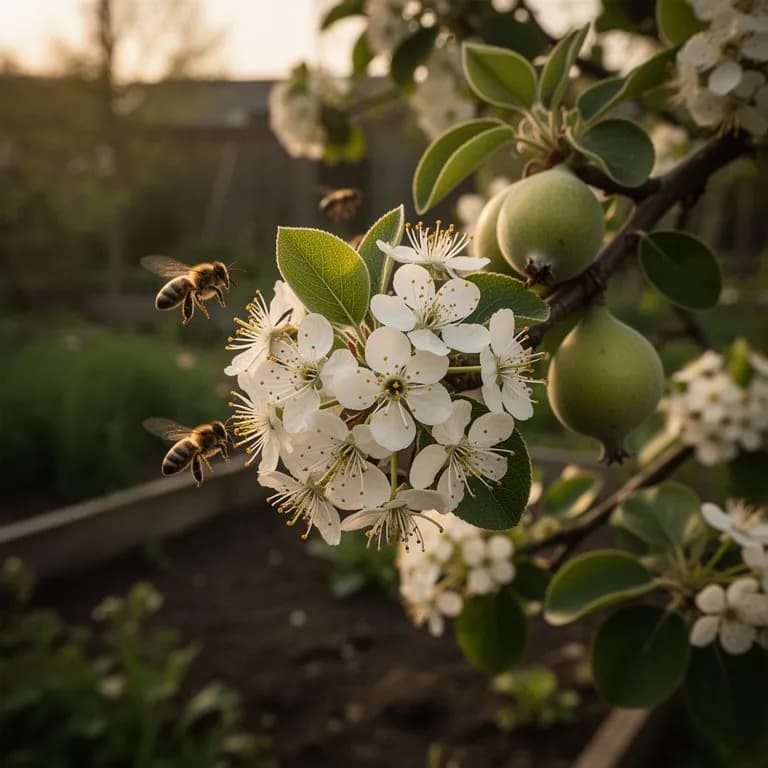
Medlars are self-fertile and produce reliable crops without a pollinator tree. The large, showy white or pink-tinged flowers appear in late spring after the risk of frost has passed, making fruit set very reliable. Prune in late winter only to remove dead wood, crossing branches, and any water sprouts. The naturally open growth habit provides good air circulation and rarely needs corrective pruning.
Once established after two to three years, medlars are remarkably low-maintenance trees. They tolerate drought, poor soils, and exposed sites better than most fruit trees. Water weekly during the first two growing seasons, then only during extended dry periods. Apply a balanced fertilizer in early spring and top-dress with compost annually. The trees are long-lived and can produce for decades with minimal care.
Medlar needs more room than a 4 × 8 ft bed gives
Each Medlar wants 300 cm of elbow room. The planner keeps that spacing for you — every plant, every bed.
Medlar's best neighbours
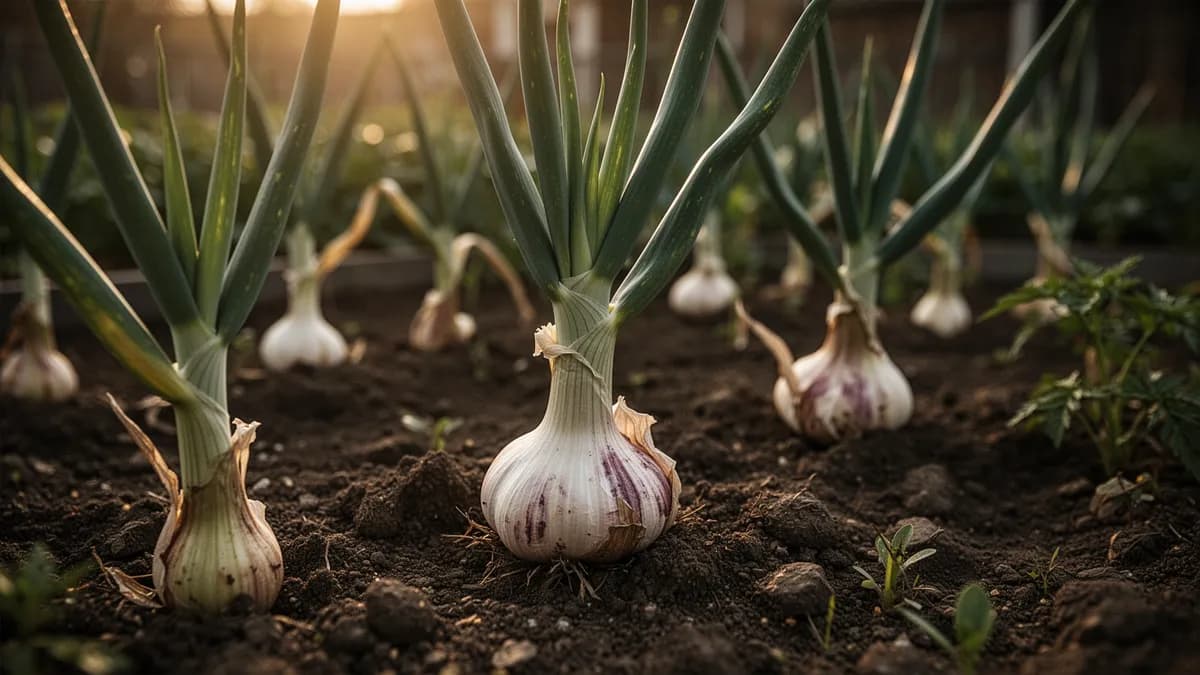
Medlars grow well in mixed fruit plantings alongside apples, pears, and plums. Their late bloom avoids competition with earlier-flowering trees for pollinator attention. Underplant with shade-tolerant herbs like sweet woodruff and wild garlic. The attractive tree form makes medlar suitable as a specimen tree in ornamental borders, surrounded by perennials and shrubs. Comfrey provides excellent mulch material when grown beneath the canopy. Avoid planting near junipers to reduce rust disease risk.
Garlic belongs beside it.
Old growers' knowledge, checked against Medlar's real companion table below — test any plant you're growing.
Try Medlar in a bed — right here
A real planner bed with Medlar already in it. Tap a companion to place it and watch the pairing checks answer — green for good neighbours, red for a clash.


Related growing guides
Feed it well
Medlars are adaptable to a range of soil types, from sandy loam to moderate clay, provided drainage is adequate. Ideal pH is 6.0 to 7.0, but they tolerate mildly acidic to slightly alkaline conditions. Apply a light dressing of balanced fertilizer in early spring. Medlars are not heavy feeders and excessive fertility promotes vegetative growth over fruiting. Annual compost mulching provides sufficient nutrition for most garden situations. The trees develop deep root systems that access subsoil nutrients effectively.
Ideal Temperature
Hardiness Zone Compatibility
From seed to harvest, stage by stage
Dormancy
The medlar tree is fully dormant through winter. Buds remain tightly closed on bare, twisting branches. This is the best window for planting bare-root trees and performing structural pruning.
Bud Break and Leafing Out
As temperatures rise in spring, buds swell and unfurl into large, lance-shaped leaves. The tree gradually fills out its distinctive wide-spreading canopy.
Flowering
In late spring, the medlar produces large solitary white flowers up to 4 cm across at the tips of short shoots. The flowers have a delicate fragrance and are attractive to bees and other pollinators.
Fruit Development
After pollination, small green fruitlets develop through summer. The fruits grow slowly, developing their characteristic apple-like shape with a prominent open calyx at one end. By late autumn they turn from green to russet-brown.
Harvest and Bletting
Fruits are harvested after the first frosts, typically in November, when they have turned fully brown and are firm but just starting to soften at the calyx. They must then undergo bletting — a period of post-harvest softening — before they are palatable.
Autumn Leaf Color and Full Dormancy
After harvest, the medlar tree puts on a spectacular autumn display of red, orange, and yellow foliage before leaf fall. The tree then re-enters full dormancy, completing its annual cycle.
Plant bare-root medlar trees between late autumn and early spring while the tree is dormant. Ensure the graft union sits above soil level.
Caring for Medlar month by month
What to do each month for your Medlar
October
You are hereFruits should be fully colored brown by late October. After the first light frost, which helps to initiate the bletting process, prepare for harvest. Test a fruit — it is ready to pick when it comes away cleanly with a gentle twist.
Know exactly what to do in your garden — every month
One email at the start of each month: what to sow, plant, and tackle right now — for your Medlar and everything growing around it. Plus a short starter course that helps you dodge the classic mistakes.
- What to do, right now
- Matched to your season
- Starter course included
Harvesting Medlar
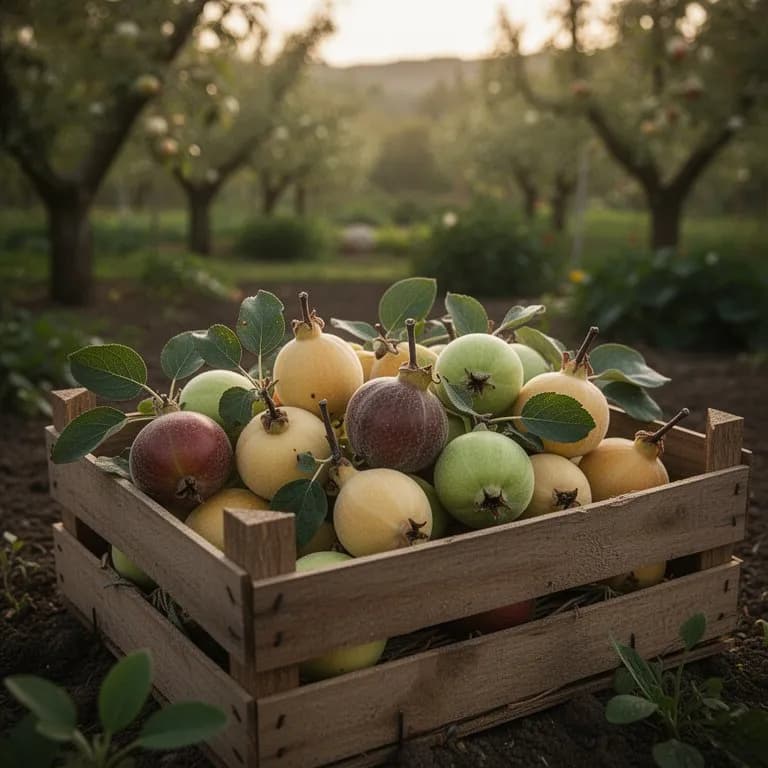
Medlar fruit is harvested in late October to November, ideally after the first hard frost, which begins the bletting process. Pick fruit when it detaches easily from the branch. At harvest, the fruit is hard, green-brown, and completely inedible. Bletting is essential: place picked fruit calyx-end down on a tray in a cool, frost-free location and wait two to four weeks until the flesh turns brown, soft, and pudding-like. The bletting process converts starches and tannins into sugars, creating the characteristic rich, spiced-apple flavor.
assuming you plant when the window opens — set your real date
Pick Medlar promptly and the plant keeps producing.
Storage & Preservation
Unbletted medlar fruit stores for several weeks in a cool location while slowly softening. Once bletted, the fruit should be used within a few days as it continues to decompose. Traditional medlar jelly is made by simmering bletted fruit and straining the juice, producing a clear, amber preserve with a complex wine-like flavor. Medlar cheese is a thick paste similar to membrillo, excellent with strong cheeses. The bletted pulp can be frozen for later use in baking or preserves.
What goes wrong — and the fix
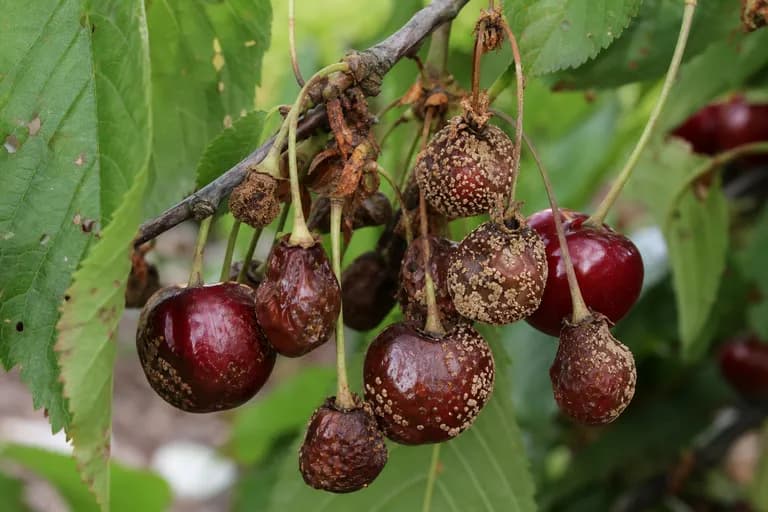
Brown Rot
DiseaseFruit develops brown soft spots with concentric rings of gray-buff spores during bletting; infected fruit becomes mummified.
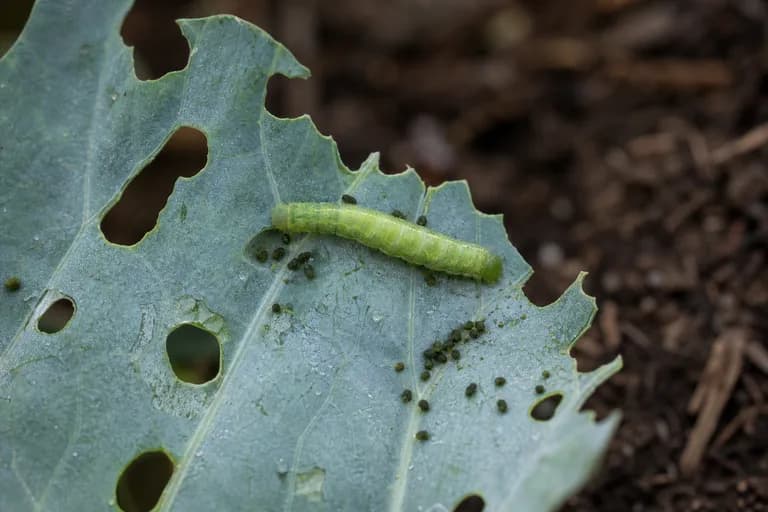
Caterpillars
PestHoles chewed in leaves; silk webbing on branches; defoliation in severe infestations from winter moth or tent caterpillars.
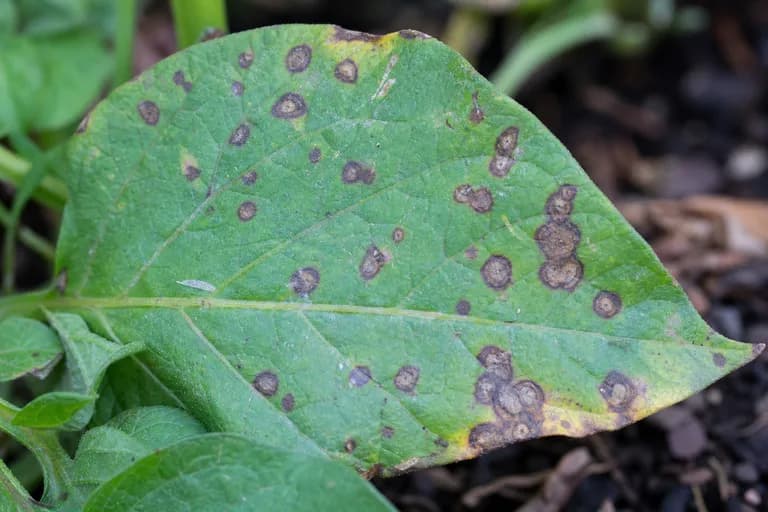
Leaf Spot
DiseaseBrown or black spots on leaves that may cause premature defoliation in wet weather; mostly cosmetic damage.
Troubleshooting Common Problems
The biggest challenge with medlars is the bletting process, which can seem unappealing to those unfamiliar with the fruit. Getting the timing right requires experience; under-bletted fruit is tannic and astringent, while over-bletted fruit becomes watery and fermented. Birds and wasps may damage fruit before harvest if it softens early on the tree. The trees can be slow to begin bearing, taking three to five years from planting. In very mild climates without adequate frost, bletting may need to be initiated artificially by freezing fruit overnight.
Growing Tips
- Choose your planting site carefully — medlars prefer a warm, sheltered position in full sun or very light partial shade, protected from strong winds that can damage blossom and reduce pollination success.
- Plant in well-drained, moderately fertile soil with a pH between 6.0 and 6.5. Medlars tolerate a range of soil types including clay, provided drainage is adequate, but they will not thrive in waterlogged conditions.
- When planting a bare-root tree, soak the roots in water for an hour beforehand, dig a hole wider than the root spread, and firm the soil well around the roots to eliminate air pockets. Stake securely for the first two to three years.
- Medlars require very little pruning once their basic framework is established. Aim for an open goblet shape to allow good light penetration, and limit annual pruning to removing dead, diseased, or crossing branches in winter.
- Do not be alarmed by the unusual harvest and storage requirements — bletting is straightforward. Simply pick the fruits after the first frost, arrange them calyx-end down on trays in a cool outhouse or shed, and check weekly. They are ready when the flesh yields to gentle pressure.
- The variety 'Nottingham' is widely considered the best choice for UK and northern European gardens, producing medium-sized fruits with excellent flavor on a compact, manageable tree. 'Royal' is another excellent choice, producing larger fruits with a richer taste.
- Medlars make superb small ornamental trees for mixed borders and cottage garden schemes. Their spreading habit, large white spring flowers, ornamental fruit, and spectacular autumn foliage provide year-round interest beyond just the harvest.
- If your garden is small, consider grafting the medlar onto a quince rootstock (Quince A or Quince C), which will produce a much more compact tree suitable for restricted spaces while still giving a generous crop.
- Mulching annually in spring with well-rotted compost or manure is the single most beneficial maintenance task you can perform for your medlar tree, improving soil fertility, moisture retention, and suppressing competing weeds all at once.
- Medlars are largely free from serious pest and disease problems, making them one of the lowest-maintenance fruit trees available to the home grower. Occasional issues with leaf spot or fireblight can occur but rarely affect the overall health of an established tree.
Grow your best Medlar yet — and everything around it.
Start a free plan today. Lay out your beds, drop in your Medlar, and let PlotMyGarden handle the timing, spacing, companions and reminders from seed to harvest basket.
Pick your Medlar
Nottingham
The most widely grown variety with small to medium fruit of excellent flavor when fully bletted; compact tree form.
Dutch
A larger-fruited variety with a more spreading habit; the bigger fruit blets more slowly but has good flavor.
Royal
Large fruit on a vigorous tree; the biggest-fruited medlar variety with a slightly milder flavor.
Westerveld
A Dutch selection with large, attractive fruit and good disease resistance; ornamental tree form.
A mature medlar tree can yield 15–30 kg of fruit per season, which would cost well over £60–£120 to purchase at farmers' market or specialty grocer prices, where medlars typically sell for £4–£6 per kilogram when available at all. Beyond fresh fruit, a productive tree supplies enough raw material to produce dozens of jars of jelly, chutney, or fruit cheese — artisan preserves that retail for £5–£10 each. Over its productive life of 50 years or more, a single medlar tree represents exceptional value for the garden, providing not only food but also outstanding ornamental interest across all four seasons.
Quick recipes
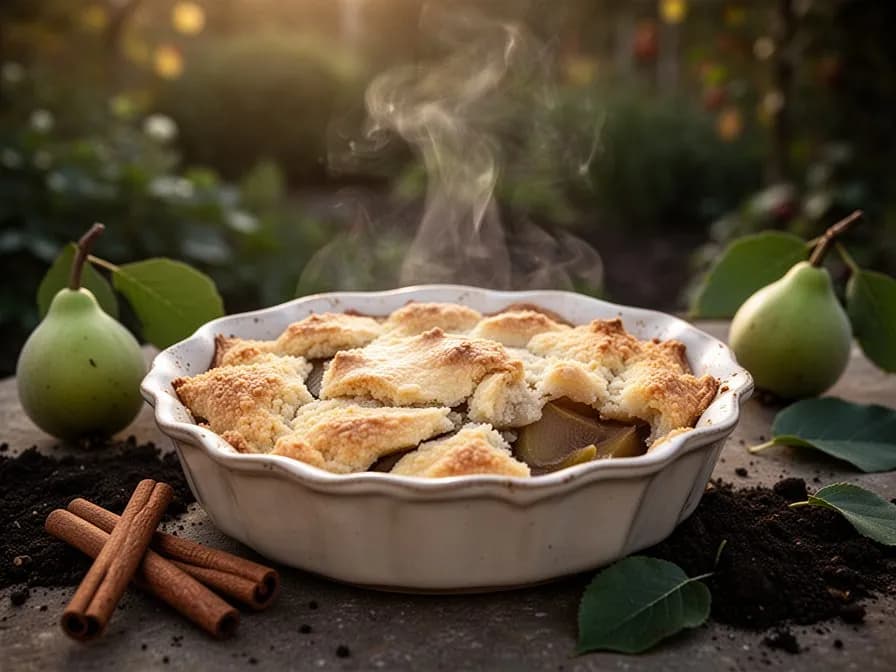
Classic Medlar Jelly
2 hoursA gorgeous amber-colored jelly with a rich, spiced flavor reminiscent of apple and quince. Perfect spread on toast, scones, or served alongside cheese and cold meats. This recipe makes excellent use of the medlar's naturally high pectin content.
4 ingredients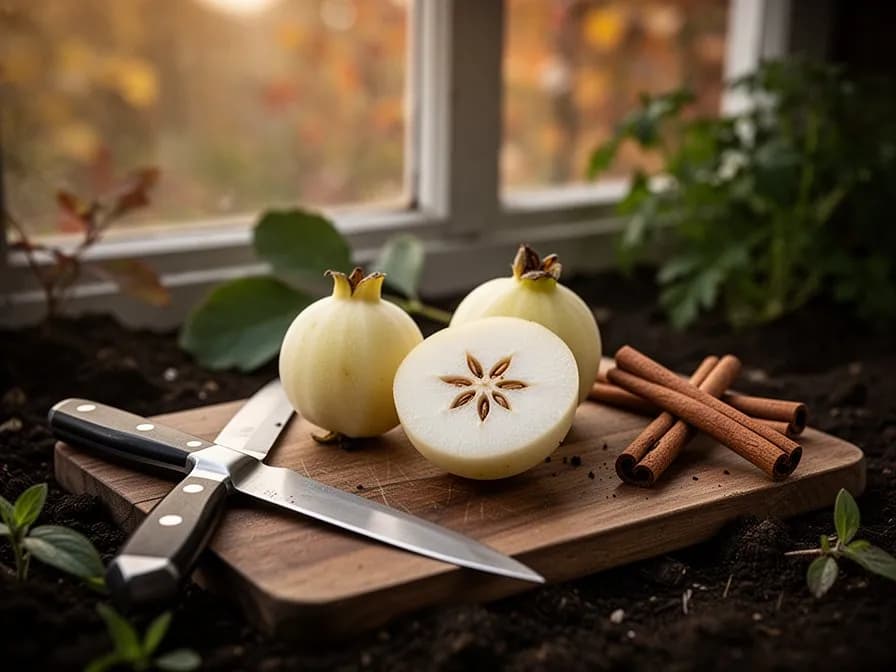
Medlar Cheese (Fruit Paste)
3 hoursA thick, sliceable fruit paste in the tradition of quince cheese or membrillo. Rich, deeply flavored, and absolutely stunning on a cheese board alongside strong aged cheddar or stilton. Makes a wonderful homemade gift when set in small terracotta pots.
5 ingredientsSpiced Medlar and Apple Chutney
90 minutesA warming, deeply aromatic chutney that combines the unique flavor of medlar with tart cooking apples, warming spices, and cider vinegar. This chutney mellows beautifully after a few weeks in the jar and pairs wonderfully with cold meats, curries, and strong cheeses.
9 ingredientsCulinary Uses
Bletted medlar has a unique flavor often described as spiced applesauce with notes of wine, dates, and cinnamon. Scoop the soft brown pulp directly from the skin and eat with cream and sugar for a simple medieval-inspired dessert. Make medlar jelly, which has a beautiful amber color and a complex, wine-like character that pairs superbly with game meats and cheese. Medlar cheese is a thick paste similar to membrillo. The pulp can be incorporated into cakes, tarts, and crumbles.
What's inside
Health Benefits
- The high tannin content in medlar fruits has traditionally been used to support digestive health, soothe inflammation in the gut lining, and relieve mild diarrhea — uses well-documented in historical herbalism across Europe and the Middle East.
- Medlar fruits are a natural source of dietary fiber, which supports regular bowel movements, feeds beneficial gut bacteria, and contributes to sustained feelings of fullness after eating.
- Research into the polyphenolic compounds found in medlar fruits suggests they may help moderate post-meal blood glucose spikes, potentially offering benefits for those managing blood sugar levels.
- The antioxidant compounds present in medlar — including flavonoids and tannins — help to neutralize harmful free radicals in the body, supporting cellular health and reducing oxidative stress.
- Medlar fruits provide a useful source of potassium, an essential mineral that plays a key role in regulating blood pressure, supporting heart muscle function, and maintaining proper fluid balance in the body.
- Traditionally used in folk medicine across Iran, Turkey, and the Caucasus as a remedy for kidney stones and urinary tract discomfort, with modern research beginning to investigate the biological basis for these historical uses.
Where Medlar comes from
The medlar (Mespilus germanica) has one of the longest and most fascinating histories of any European fruit tree. Its origins lie in the region spanning present-day southwestern Asia, the Caucasus, and southeastern Europe, where it grew wild in the forests and hedgerows of Turkey, Iran, and northern Greece. Archaeological evidence and ancient texts confirm that the medlar was being cultivated and prized as a food source well before the rise of classical civilization, with references appearing in ancient Assyrian records dating back thousands of years.
The ancient Greeks were among the first to actively cultivate the medlar, incorporating it into their agricultural practices around 700 BCE. From Greece, the fruit spread rapidly throughout the Mediterranean world following the expansion of trade and the Roman Empire. The Romans were particularly enthusiastic cultivators, and the agronomist Columella described several named varieties in his agricultural writings of the first century CE, indicating that considerable horticultural knowledge had already developed around the plant.
Following the fall of the Roman Empire, the medlar became a staple of medieval European gardens and orchards, particularly in France, England, Germany, and the Low Countries. Monastic gardens were important centers for preserving medlar cultivation, and monks relied on the fruit as a valuable late-season food source that could be stored through the early winter months. By the fourteenth and fifteenth centuries, the medlar had become a fashionable fruit among the European aristocracy, featuring prominently in illuminated manuscripts, tapestries, and cookery books of the period.
Despite its long history of popularity, the medlar fell dramatically out of fashion during the eighteenth and nineteenth centuries, largely displaced by newer exotic fruits arriving from the Americas and Asia, as well as improvements in the storage of more familiar fruits like apples and pears. Its unusual appearance and the necessity of bletting before consumption made it seem old-fashioned and awkward in an era that valued convenience.
Today, the medlar is experiencing a quiet but passionate revival among heritage fruit enthusiasts, foragers, and gardeners who appreciate its extraordinary history, ornamental beauty, and unique culinary character. Heritage varieties such as 'Nottingham', 'Royal', and 'Dutch' are once again being planted in gardens across Europe and North America, ensuring that this ancient fruit continues its remarkable journey through human history.
Medlar: did you know?
Fascinating facts about Medlar
The medlar is one of the oldest cultivated fruits in Europe, having been grown by the ancient Greeks and Romans over 3,000 years ago — yet today it remains largely unknown to most gardeners.
Medlar questions, answered
When should I plant Medlar?
What are good companion plants for Medlar?
What hardiness zones can Medlar grow in?
How much sun does Medlar need?
How far apart should I space Medlar?
What pests and diseases affect Medlar?
How do I store Medlar after harvest?
What are the best Medlar varieties to grow?
What soil does Medlar need?
What does bletting mean and is it really necessary before eating medlars?
How long does it take for a medlar tree to produce its first fruits?
Do I need more than one medlar tree for pollination?
Can I grow a medlar tree in a container or a small garden?
What is the best way to use medlars in the kitchen beyond eating them fresh?
Are medlar trees prone to any significant diseases or pests?
You just read the theory. Now grow it on autopilot.
Everything that makes Medlar fiddly — the timing, the spacing, the companions, the harvest window — is exactly what PlotMyGarden handles for you, for every plant in your garden.
A plan that knows your weather
Set your location once. Get sow, feed and harvest dates built around your real last-frost date and live forecast — no more guessing from a generic seed packet.
From the “When to plant” sectionDrag-and-drop bed planner
Design beds on a grid. Every plant snaps to its proper spacing, and you can see your whole season laid out before you spend a cent on seed.
From the “Growing guide” sectionCompanion conflicts, caught early
200+ good-and-bad pairings checked live as you plant — so a season-wrecking mistake never makes it into the ground.
From the “Companions” sectionReminders you'll actually act on
“Water the beans.” “Pick today before it turns.” Timely, specific, and tied to the plants you're really growing.
From the “Harvest” sectionSuccession, scheduled
Want a harvest for six weeks, not six days? It spaces your sowings automatically and reminds you when each new block is due.
From the “When to plant” sectionA record that gets smarter
Every harvest you log teaches it your garden. Next year's plan starts from what actually worked in your soil, not a textbook's.
From the “Overview” sectionPlant these alongside Medlar
More Pome Fruits
Grow your best Medlar yet — and everything around it.
Start a free plan today. Lay out your beds, drop in your Medlar, and let PlotMyGarden handle the timing, spacing, companions and reminders from seed to harvest basket.