Maypop
Die winterhärteste Passionsfruchtart, heimisch im Südosten der Vereinigten Staaten, die eigroße gelbgrüne Früchte mit süßem, aromatischem Fruchtfleisch hervorbringt.





Auf dieser SeiteÜberblick
Maypop im Überblick
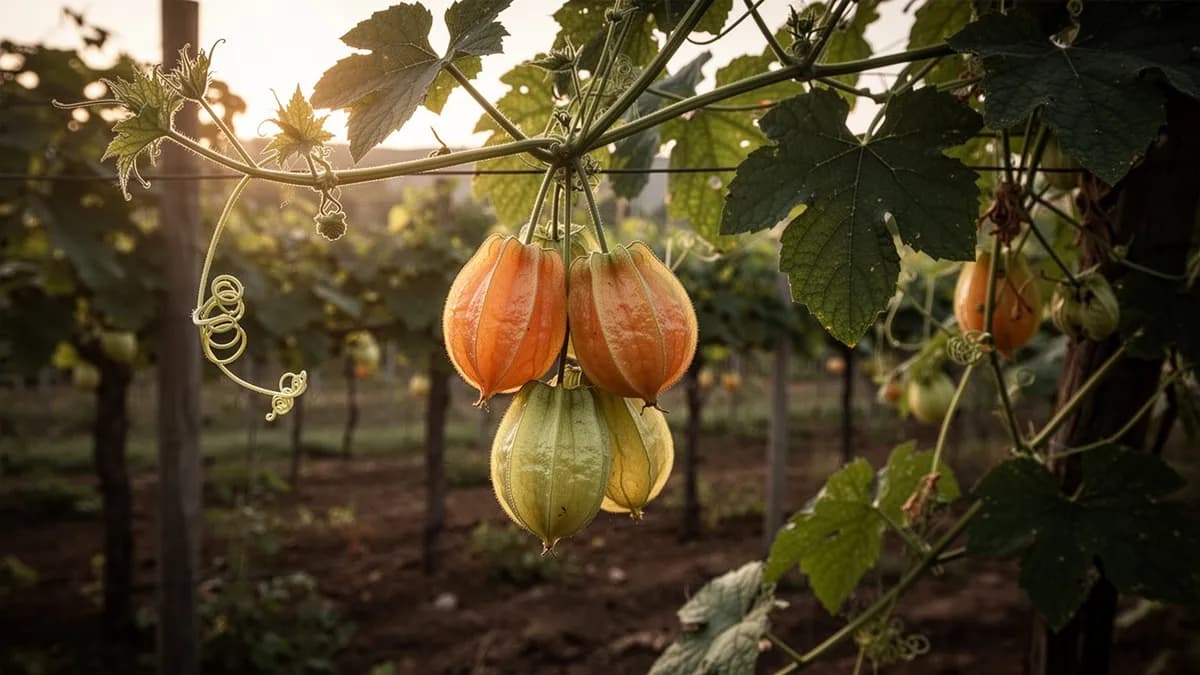
Die winterhärteste Passionsfruchtart, heimisch im Südosten der Vereinigten Staaten, die eigroße gelbgrüne Früchte mit süßem, aromatischem Fruchtfleisch hervorbringt. Maypop ist krautig, stirbt jeden Winter bis zum Boden ab und treibt im späten Frühling aus sich ausbreitenden unterirdischen Wurzeln erneut aus. Die spektakulären gefransten lila-weißen Blüten gehören zu den dekorativsten aller fruchttragenden Kletterpflanzen.
Wann Maypop pflanzen
Maypop-Samen benötigen Skarifizierung und Kältestratifikation für zuverlässige Keimung. Ritzen Sie die harte Samenschale mit einer Feile an oder weichen Sie sie 24 Stunden in warmem Wasser ein, dann stratifizieren Sie in feuchtem Sand bei 4 Grad Celsius für 60 bis 90 Tage. Säen Sie stratifiziertes Saatgut in warmes, feuchtes Substrat bei 25 bis 30 Grad Celsius. Die Keimung ist oft langsam und ungleichmäßig und dauert 2 bis 12 Wochen. Die Teilung etablierter Rhizome im frühen Frühling ist eine schnellere und zuverlässigere Vermehrungsmethode, die in derselben Vegetationsperiode fruchttragende Reben hervorbringt. Wurzelstecklinge von 10 cm, die im Spätwinter genommen werden, bewurzeln sich ebenfalls gut.
Dein Maypop-Jahr
Abgestimmt auf Zone 7 · typische Saison · Frost geht um den 2. Apr. und kehrt um den 1. Nov. zurück
Maypop Apr – Mai pflanzen, Aug – Okt ernten. Beachte die Pflanzmethoden unten und wähle dein Klima für passende Zeiträume.
So baust du Maypop an
Maypop ist einzigartig für gemäßigte Gärten geeignet, da sie vollständig krautig ist, jeden Winter komplett bis zum Boden abstirbt und sich im folgenden Frühling aus kräftigen unterirdischen Rhizomen regeneriert. Das bedeutet, dass sie Wintertemperaturen bis minus 20 Grad Celsius in Zone 5 überstehen kann, was sie zur einzigen Passionsfruchtart macht, die für Gärten in kalten Klimazonen geeignet ist. Pflanzen Sie Rhizomteilungen oder Setzlinge im Frühling, nachdem sich der Boden erwärmt hat, mit einem Abstand von 2 bis 3 Metern entlang eines stabilen Spaliers, Zauns oder einer Laube.
Die Rebe treibt im späten Frühling aus, typischerweise im Mai, und wächst bis Hochsommer rasch auf 5 bis 6 Meter. Stellen Sie eine stabile Stützstruktur aus Drähten, Netzen oder Gitter bereit, da die Rebe bis zum Spätsommer durch Laub und Früchte schwer wird. Maypop breitet sich aggressiv über unterirdische Rhizome aus und kann in Gartenbeeten invasiv werden. Erwägen Sie das Pflanzen innerhalb einer Wurzelsperre aus vergrabenem Blech oder dickem Kunststoff, die 60 cm tief reicht, um die sich ausbreitenden Wurzeln einzudämmen.
Blüten erscheinen von Juni bis September an neuem Wachstum, wobei jede spektakuläre Blüte nur einen Tag hält. Die meisten Maypop-Auslesen benötigen Fremdbestäubung von einer genetisch unterschiedlichen Rebe für guten Fruchtansatz, pflanzen Sie also mindestens zwei verschiedene Sämlinge oder benannte Sorten. Große Holzbienen sind die effektivsten Bestäuber, da sie schwer genug sind, um die Blütenstrukturen herabzudrücken und an den Pollen zu gelangen. Handbestäubung mit einem kleinen Pinsel kann die natürliche Bestäubung ergänzen und den Fruchtansatz deutlich verbessern.
Für Maypop ist ein Beet von 120 × 240 cm zu klein
Maypop braucht 200 cm Platz pro Pflanze. Der Planer hält diesen Abstand für dich ein — jede Pflanze, jedes Beet.
Die besten Nachbarn für Maypop
Maypop wächst gut neben anderen einheimischen südöstlichen Pflanzen wie Seidenpflanze, Indianernessel und Sonnenhut, die die großen Bestäuber anlocken, die für den Fruchtansatz benötigt werden. Pflanzen Sie in der Nähe von blühenden Kräutern, um Holzbienenpopulationen zu fördern. Vermeiden Sie das Pflanzen von Maypop in der Nähe von Gemüsegärten, da die sich ausbreitenden Rhizome in Hochbeete eindringen und mit den Kulturen konkurrieren können. Bodendecker aus Klee oder Kriechthymian unter dem Spalier unterdrücken Unkraut und binden Stickstoff. Die Rebe bietet hervorragenden lebenden Schatten für eine nach Süden ausgerichtete Terrasse oder Laube im Sommer.
Passionsfrucht gehört daneben.
Altes Gärtnerwissen, geprüft an der echten Nachbartabelle von Maypop — teste jede Pflanze, die du anbaust.
Probiere Maypop direkt hier im Beet
Ein echtes Planer-Beet, Maypop steht schon drin. Tippe einen Begleiter an, platziere ihn und sieh, wie die Nachbarschaftsprüfung antwortet — grün für gute Nachbarn, rot bei Streit.


Passende Anbau-Ratgeber
Richtig düngen
Maypop passt sich einer Vielzahl von Bodentypen an, von sandig bis tonig, was ihren natürlichen Lebensraum auf den vielfältigen Böden des südöstlichen Nordamerikas widerspiegelt. Die Rebe wächst am kräftigsten in fruchtbarem, gut durchlässigem Lehm mit einem pH-Wert von 6,0 bis 7,0. Bringen Sie im späten Frühling bei Austrieb des neuen Wachstums einen ausgewogenen Dünger aus und geben Sie im Hochsommer eine Kompostgabe. Vermeiden Sie übermäßigen Stickstoff, der üppiges Rebenwachstum auf Kosten der Blüten- und Fruchtproduktion fördert. Das sich ausbreitende Rhizomsystem profitiert von einer tiefen organischen Mulchschicht, die die Bodentemperatur ausgleicht und Feuchtigkeit speichert.
Ideale Temperatur
Winterhärtezone-Kompatibilität
Von der Saat zur Ernte, Schritt für Schritt
Samenkeimung
Maypop-Samen haben eine harte äußere Schale und erfordern Skarifizierung oder Kältestratifikation, um die Keimruhe zu brechen. Die Samen sollten 24 Stunden in warmem Wasser eingeweicht und dann mit einer Feile angeritzt werden, bevor sie 1 cm tief in warmes, feuchtes Anzuchtsubstrat gesät werden. Die Keimung ist notorisch langsam und ungleichmäßig und dauert selbst unter idealen Bedingungen bei einer Bodentemperatur von 27–30 °C oft 2–4 Wochen.
Sämlingsetablierung
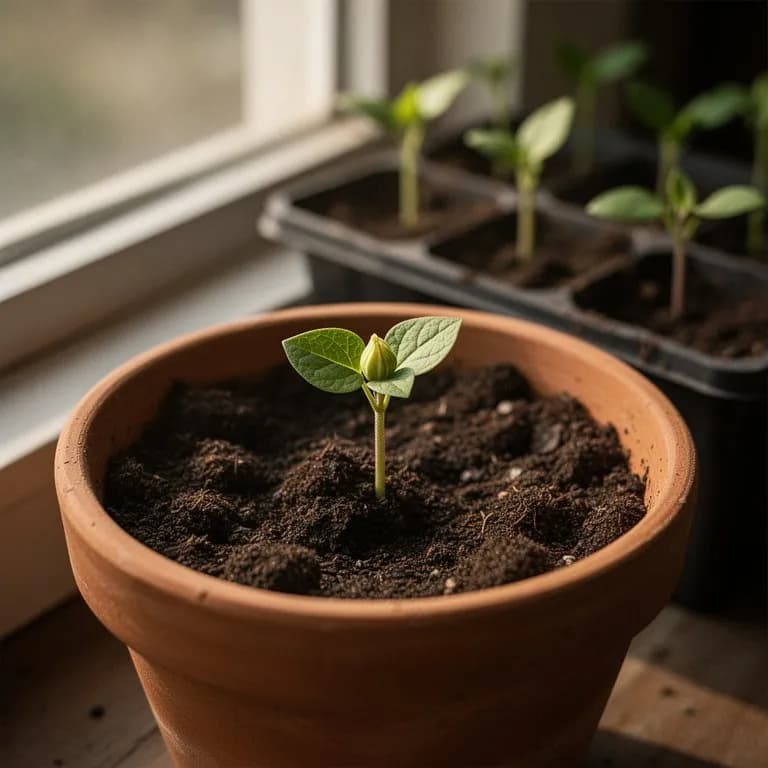
Sämlinge entwickeln ihren ersten Satz einfacher, ungelappter Blätter, bevor sie zum charakteristischen tief dreilappigen Laub übergehen. In dieser Phase etablieren sich die Wurzeln, und die Pflanze beginnt, ihre ersten Ranken zu produzieren. Das Wachstum ist in diesem Stadium relativ langsam, da die Energie auf die Wurzelentwicklung gerichtet ist.
Rebenwachstum und Spalierführung
Schnelles vegetatives Wachstum beginnt, wenn steigende Temperaturen kräftige Rebenproduktion auslösen. Die Triebe verlängern sich schnell und produzieren Ranken, die aktiv nach Stützstrukturen suchen. Die Blätter werden vollständig dreilappig und können 15 cm Breite erreichen. Die Rebe kann unter optimalen Sommerbedingungen 3–5 cm pro Tag wachsen und eine Gesamtlänge von 4–6 Metern erreichen.
Blüte
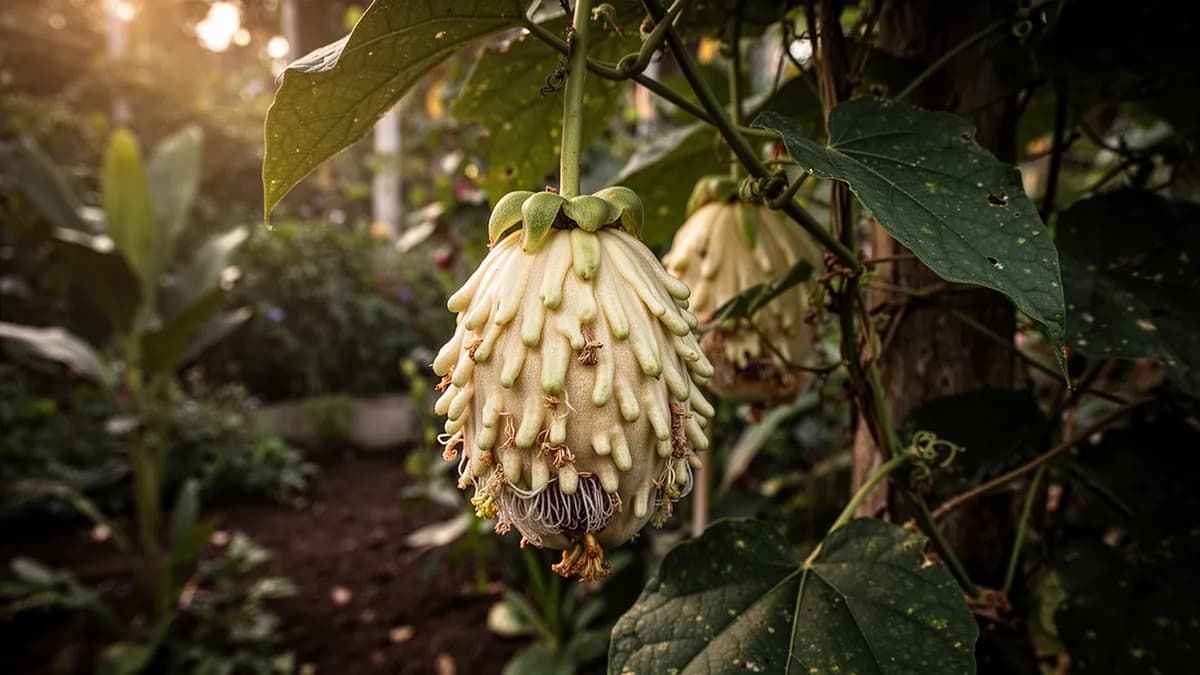
Spektakuläre Blüten erscheinen von Juni bis September an neuem Wachstum. Jede Blüte ist 7–9 cm breit mit fünf weißen Blütenblättern, fünf Kelchblättern und einer dramatischen lila-weißen gefransten Corona. Einzelne Blüten halten nur einen Tag, aber die Rebe produziert über die Saison Dutzende. Fremdbestäubung zwischen genetisch unterschiedlichen Pflanzen ist für den Fruchtansatz erforderlich, da Maypop selbstinkompatibel ist.
Fruchtentwicklung
Erfolgreich bestäubte Blüten entwickeln sich zu glatten, eiförmigen grünen Früchten von etwa der Größe eines Hühnereis (5–8 cm lang). Die Früchte brauchen 60–80 Tage nach der Bestäubung zum Reifen und wechseln allmählich von grün zu gelb oder gelbgrün. Das aromatische Fruchtfleisch im Inneren umgibt zahlreiche dunkle Samen und entwickelt seinen süß-sauren tropischen Geschmack, wenn die Frucht reift.
Winterruhe und Absterben
Nach dem ersten starken Frost stirbt das oberirdische Wachstum vollständig bis zum Boden ab. Das ausgedehnte Wurzelsystem bleibt unterirdisch lebendig und in Winterruhe und übersteht Temperaturen bis zu -20 °C (USDA-Zone 5). Die Wurzeln speichern Energiereserven, die im folgenden Frühling das rasche Nachwachsen antreiben. Ausläufer können mehrere Meter von der Mutterpflanze entfernt erscheinen.
Stratifizieren Sie die Samen 8–12 Wochen im Kühlschrank, um die Keimrate zu verbessern. Verwenden Sie eine Heizmatte, um eine konstante Bodenwärme von 27 °C oder höher aufrechtzuerhalten. Haben Sie Geduld – einige Samen können bis zu 12 Wochen zum Keimen brauchen. Halten Sie das Substrat gleichmäßig feucht, aber nicht nass.
Maypop Monat für Monat pflegen
Was du jeden Monat für deine Maypop tun solltest
Oktober
Aktueller MonatSetzen Sie die Ernte verbleibender reifer Früchte vor dem Frost fort. Lassen Sie die Rebe ihre natürliche Seneszenz beginnen, wenn die Temperaturen sinken. Stellen Sie die Düngung ein. Sammeln und reinigen Sie Samen für Lagerung oder Stratifikation. Bereiten Sie Mulchmaterial für den Winterschutz vor.
Immer wissen, was jetzt im Garten zu tun ist
Eine E-Mail zum Monatsanfang: was du jetzt säen, pflanzen und anpacken solltest — für deine Maypop und alles, was drumherum wächst. Dazu ein kurzer Startkurs, der dich vor den klassischen Fehlern bewahrt.
- Was jetzt zu tun ist
- Passend zu deiner Saison
- Startkurs inklusive
Maypop ernten
Maypop-Früchte reifen von August bis Oktober, wobei sie sich von grün zu gelbgrün verfärben und schließlich eine faltige, leicht weiche Schale entwickeln, wenn sie vollständig reif sind. Die Frucht fällt bei Reife von der Rebe, sodass das Auslegen eines weichen Mulchs oder Auffangnetzes unter dem Spalier die Ernte vereinfacht. Reife Früchte haben ein starkes, süßes tropisches Aroma und das die Samen umgebende Fruchtfleisch ist intensiv aromatisch. Jede Rebe kann je nach Bestäubungserfolg 20 bis 50 Früchte pro Saison produzieren. Unreife grüne Früchte sind ungenießbar und möglicherweise leicht giftig, ernten Sie daher nur vollständig reife Exemplare.
angenommen, du pflanzt zu Beginn des Zeitraums — trage dein tatsächliches Datum ein
Ernte Maypop zügig, dann trägt die Pflanze weiter.
Lagerung & Konservierung
Frische Maypop-Früchte halten sich nach vollständiger Reife nur wenige Tage bei Raumtemperatur, da die dünne Schale einen schnellen Feuchtigkeitsverlust ermöglicht. Kühlung verlängert die Haltbarkeit auf etwa eine Woche. Das aromatische Fruchtfleisch kann durch Passieren durch ein Sieb von den Samen getrennt und in kleinen Portionen für die Verwendung während des Winters eingefroren werden. Maypop-Fruchtfleisch ergibt ein ausgezeichnetes Gelee mit einem einzigartigen tropischen Passionsfruchtgeschmack. Der abgeseihte Saft kann zu einem Sirup für Cocktails und Desserts eingekocht werden. Die Samen sind essbar und knackig und verleihen dem frisch gegessenen Fruchtfleisch Textur.
Was schiefgeht — und die Lösung
Passionsblumenfalter-Raupe
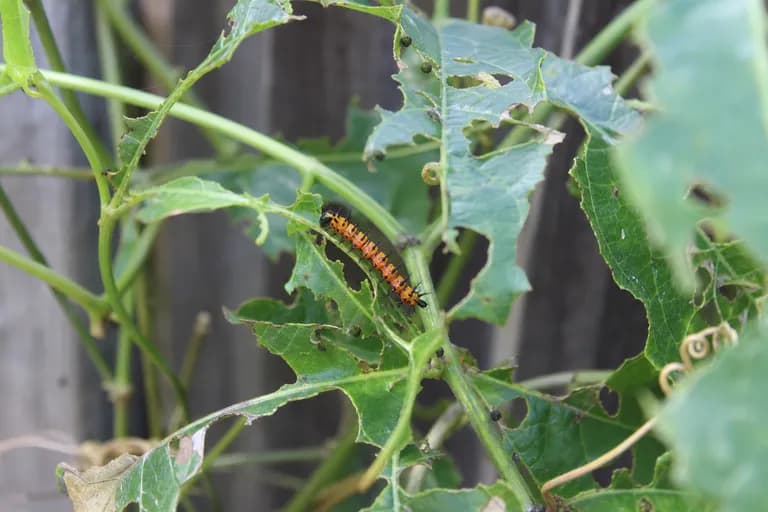
SchädlingLeuchtend orange-schwarze stachelige Raupen fressen gierig an den Blättern und können bei starkem Befall im Spätsommer ganze Reben kahl fressen.
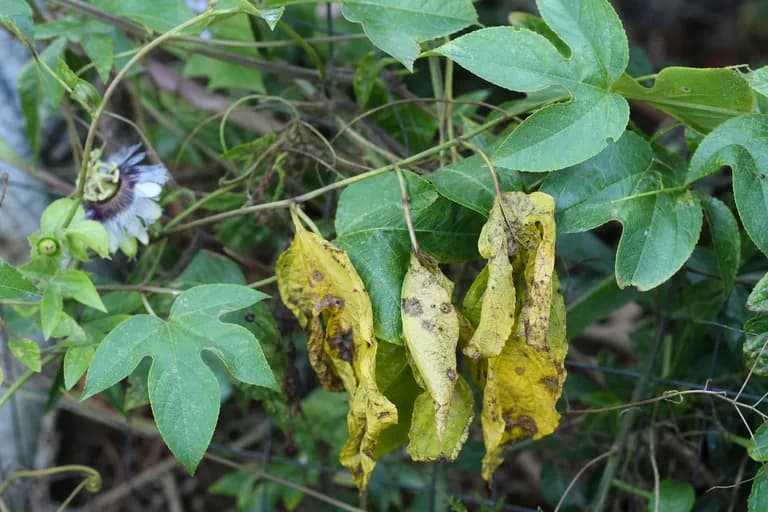
Fusarium-Wurzelfäule
KrankheitVergilbung und Welken der Reben bei warmem Wetter, oft zunächst auf einer Seite. Die Wurzeln zeigen bei Untersuchung braune Verfärbung und Fäulnis.
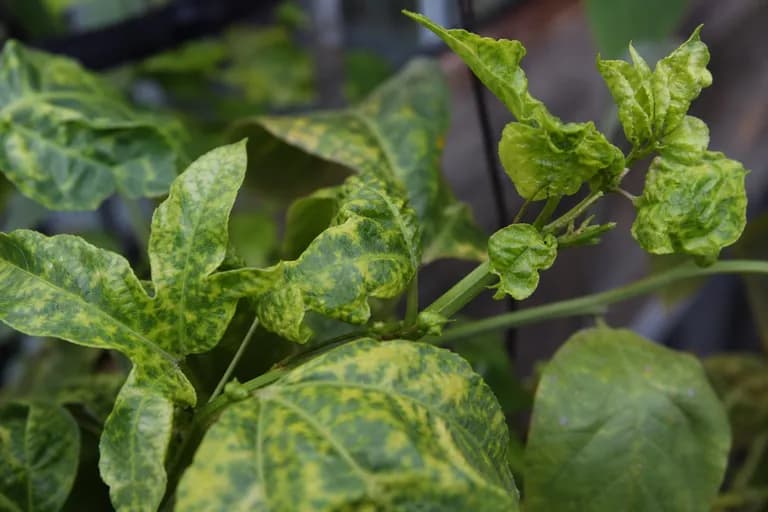
Gurkenmosaikvirus
KrankheitBlätter entwickeln gelbe Mosaikmuster und können sich verformen. Die Fruchtproduktion nimmt ab und die Früchte können missgebildet sein.
Fehlerbehebung bei häufigen Problemen
Aggressive Ausbreitung über unterirdische Rhizome ist die größte Herausforderung bei Maypop. Die Rebe kann mehrere Meter vom ursprünglichen Standort entfernt auftauchen und ist in Gartenbeeten schwer zu beseitigen, sobald sie sich etabliert hat. Spätes Austreiben im Frühling, oft erst im Mai oder Juni, kann Gärtner beunruhigen, die befürchten, die Rebe sei über den Winter eingegangen. Schlechter Fruchtansatz ist häufig, wenn nur ein einzelner Klon gepflanzt wird, da viele Auslesen selbstinkompatibel sind. Die Passionsblumenfalter-Raupe kann Reben im Spätsommer kahl fressen, obwohl viele Gärtner diese willkommen heißen, da sie zu wunderschönen Schmetterlingen werden.
Anbautipps
- Pflanzen Sie mindestens zwei genetisch unterschiedliche Maypop-Reben in unmittelbarer Nähe, um Fremdbestäubung sicherzustellen, da die Art selbstinkompatibel ist und eine einzelne Pflanze selbst bei reichlicher Bestäuberaktivität keine Früchte ansetzen kann.
- Installieren Sie ein starkes, dauerhaftes Spalier- oder Zaunsystem vor dem Pflanzen, da ausgewachsene Reben schwer werden und leichte Strukturen umwerfen können. Ein stabiles Holz- oder Metallspalier von mindestens 2 Metern Höhe ist ideal für optimales Wachstum und einfache Ernte.
- Begrenzen Sie das sich ausbreitende Wurzelsystem, indem Sie innerhalb einer vergrabenen Wurzelsperre aus schwerer Kunststoffkante pflanzen, die mindestens 45 cm tief um den Pflanzbereich herum eingelassen wird, oder ziehen Sie die Pflanze in einem großen Hochbeet mit festem Boden, um zu verhindern, dass Ausläufer Ihren gesamten Garten besiedeln.
- Starten Sie Samen mit einer Kombination aus Kältestratifikation (8–12 Wochen im Kühlschrank), gefolgt von Skarifizierung (Anritzen der Samenschale mit einer Feile oder Schleifpapier), um den doppelten Ruhemechanismus zu brechen und die Keimrate dramatisch von unter 5 % auf über 50 % zu verbessern.
- Bieten Sie volle Sonneneinstrahlung von mindestens 6–8 Stunden täglich für maximale Blüte und Fruchtproduktion. Maypop wächst im Halbschatten, produziert aber im Vergleich zu vollsonnigen Pflanzungen deutlich weniger Blüten und Früchte.
- Gießen Sie während der Fruchtentwicklungsphase von Juli bis September tiefgründig und gleichmäßig und geben Sie 2,5–5 cm Wasser pro Woche. Ungleichmäßiges Gießen in dieser kritischen Phase kann dazu führen, dass sich entwickelnde Früchte vorzeitig von der Rebe fallen.
- Begrüßen Sie die Passionsblumenfalter-Raupen, die unweigerlich an Ihren Reben erscheinen werden, anstatt sie als Schädlinge zu behandeln. Gesunde Maypop-Reben wachsen schnell genug, um erheblichen Raupenfraß zu tolerieren, und die wunderschönen orangefarbenen Schmetterlinge, zu denen sie werden, sind wirksame Bestäuber und eine Freude zum Beobachten.
- Ernten Sie Früchte erst, wenn sie sich vollständig gelb verfärbt haben und sich bei sanftem Druck leicht weich anfühlen, oder sammeln Sie sie noch besser vom Boden auf, nachdem sie natürlich von der Rebe gefallen sind. Grüne Maypop-Früchte reifen nach dem Pflücken nicht nach und haben einen unangenehm herben Geschmack.
- Vermehren Sie neue Pflanzen einfach aus 15 cm langen Triebstecklingen im späten Frühling, Wurzelausläufern, die im frühen Frühling von der Mutterpflanze getrennt werden, oder durch Absenken tief wachsender Triebe in Kontakt mit feuchtem Boden, wo sie innerhalb weniger Wochen an den Knoten wurzeln.
- Bringen Sie nach dem ersten tödlichen Frost einen dicken Wintermulch von 10–15 cm über der Wurzelzone auf, besonders wenn Sie in USDA-Zonen 5 oder 6 gärtnern, wo extreme Kälteeinbrüche den Wurzelstock beschädigen könnten. Stroh, gehäckseltes Laub oder Kiefernnadeln eignen sich alle gut als isolierendes Wintermulchmaterial.
Bau deine beste Maypop an — und alles drumherum.
Starte heute kostenlos. Lege deine Beete an, setze deine Maypop ein und lass PlotMyGarden Timing, Abstände, Begleiter und Erinnerungen von der Saat bis zum Erntekorb übernehmen.
Finde deine Maypop
Incense
Eine beliebte Sorte, ausgewählt für große, duftende Früchte mit reichlich süßem Fruchtfleisch. Kräftiger Wuchs mit besonders prächtigen Blüten. Weithin in Baumschulen erhältlich.
Byron Beauty
Ausgewählt für dekorativen Wert mit besonders großen, tief gefransten Blüten in Lila und Weiß. Gute Fruchtproduktion bei Fremdbestäubung mit einer anderen Sorte.
Maypop Native Selections
Aus Wildsammlungen stammende Samenherkünfte verschiedener Populationen im Südosten der USA. Variabel in Fruchtgröße, Geschmack und Winterhärte, aber gut an lokale Bedingungen angepasst.
Eine einzelne etablierte Maypop-Rebe kann 30–50 reife Früchte pro Saison produzieren, wobei jede Frucht etwa 2–3 Esslöffel Fruchtfleisch ergibt. Bio-Passionsfrüchte kosten in Spezialitätengeschäften typischerweise 4–8 € pro Frucht, was bedeutet, dass eine produktive Rebe jährlich Früchte im Wert von 120–400 € liefern könnte. Zusätzlich können die Blätter für Passionsblumentee getrocknet werden, der für 12–25 € pro 100-g-Packung im Handel erhältlich ist. Da Maypop eine Staude ist, die jedes Jahr aus ihren Wurzeln zurückkehrt und sich oft über Ausläufer ausbreitet, kann eine einmalige Investition von 8–15 € für eine Pflanze ein Jahrzehnt oder mehr an Ernten einbringen, praktisch ohne laufende Kosten außer den grundlegenden Gartenbedarfsartikeln.
Schnelle Rezepte
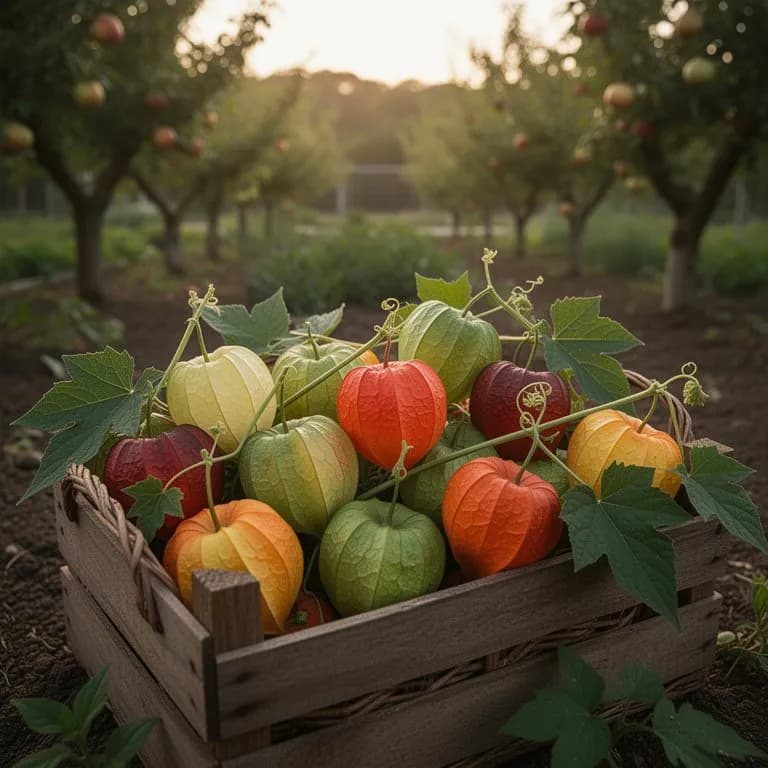
Frischer Maypop-Passionsfruchtsaft
10 Min.Ein erfrischender tropisch schmeckender Saft aus reifem Maypop-Fruchtfleisch. Der süß-saure Geschmack frischer Maypop harmoniert wunderbar mit einem Hauch Honig für ein einzigartiges selbst angebautes Getränk, das die Essenz eines südlichen Sommergartens einfängt.
5 ZutatenMaypop-Fruchtfleisch-Joghurt-Parfait
10 Min.Ein wunderschönes geschichtetes Parfait, das das aromatische Fruchtfleisch frischer Maypops über cremigem Joghurt und knusprigem Müsli präsentiert. Die Samen verleihen einen angenehmen Biss und das säuerlich-süße Fruchtfleisch bildet einen perfekten Kontrast zur kühlen Joghurtbasis.
5 ZutatenMaypop-Passionsfrucht-Curd
25 Min.Ein seidiger, intensiv aromatischer Frucht-Curd aus abgeseihtem Maypop-Saft. Dieser vielseitige Aufstrich eignet sich für Toast, als Tortenfüllung oder über Eiscreme gelöffelt. Der konzentrierte Maypop-Geschmack ist hell, tropisch und unter selbst hergestellten Konfitüren absolut einzigartig.
6 ZutatenKulinarische Verwendung
Maypop hat einen echten Passionsfruchtgeschmack, süß und intensiv aromatisch mit tropischen Noten von Guave und Zitrus. Das Fruchtfleisch ist köstlich, wenn es frisch aus der Frucht mit einem Löffel gegessen wird, Samen und alles. Es ergibt ein hervorragendes Gelee, Saft und Aroma für Eiscreme und Joghurt. Das Fruchtfleisch kann als Ersatz für gewöhnliche Passionsfrucht in jedem Rezept verwendet werden. Maypop-Blätter und -Blüten werden auch in Kräutertees verwendet, die traditionell wegen ihrer beruhigenden Eigenschaften geschätzt werden.
Was drinsteckt
Gesundheitsvorteile
- Passionsblumenblättertee wurde klinisch untersucht und es wurde gezeigt, dass er Symptome generalisierter Angst reduziert, wobei die Europäische Arzneimittel-Agentur Passiflora-incarnata-Kräuterpräparate zur Linderung von leichtem psychischem Stress und als Schlafhilfe zugelassen hat.
- Die Flavonoidverbindungen Chrysin und Vitexin, die in Maypop-Blättern und -Blüten vorkommen, binden an GABA-A-Rezeptoren im Gehirn und erzeugen leichte sedierende und angstlösende Wirkungen, die die Schlafqualität verbessern können, ohne die Benommenheit, die mit pharmazeutischen Schlafmitteln verbunden ist.
- Maypop-Fruchtfleisch ist eine hervorragende Quelle für Ballaststoffe mit über 10 Gramm pro 100-Gramm-Portion und fördert eine gesunde Verdauung, unterstützt nützliche Darmbakterien und trägt zum Sättigungsgefühl bei, das beim Gewichtsmanagement helfen kann.
- Der hohe Vitamin-C-Gehalt in Maypop-Früchten unterstützt die Immunfunktion, fördert die Kollagensynthese für gesunde Haut und Bindegewebe und wirkt als starkes Antioxidans, das Zellen vor oxidativem Schaden durch freie Radikale schützt.
- Forschungen deuten darauf hin, dass Passionsblumenextrakte entzündungshemmende Eigenschaften besitzen, wobei Studien reduzierte Entzündungsmarker in Tiermodellen zeigen, was auf potenzielle Vorteile bei Erkrankungen wie Arthritis und entzündlichen Darmerkrankungen hindeutet.
- Der Kaliumgehalt in Maypop-Früchten (348 mg pro 100 g) unterstützt die Herz-Kreislauf-Gesundheit, indem er zur Regulierung des Blutdrucks beiträgt, den Flüssigkeitshaushalt aufrechterhält und eine gesunde Nerven- und Muskelfunktion im gesamten Körper unterstützt.
Woher Maypop stammt
Passiflora incarnata, allgemein bekannt als Maypop, Purpur-Passionsblume oder Wilde Aprikose, ist eine mehrjährige Kletterpflanze, die im Südosten der Vereinigten Staaten beheimatet ist. Ihr natürliches Verbreitungsgebiet erstreckt sich von Texas und Florida nordwärts durch die Ausläufer der Appalachen bis ins südliche Pennsylvania, Illinois und Kansas, was sie zur kältetolerantesten Art der gesamten Gattung Passiflora macht. Archäologische Funde deuten darauf hin, dass indigene Völker Maypop Tausende von Jahren vor dem europäischen Kontakt kultivierten und nutzten. Die Cherokee, Chickasaw, Houma und andere südöstliche Stämme ernteten die reifen Früchte als saisonale Nahrungsquelle, brauten die Blätter und Wurzeln zu medizinischen Tees gegen Angstzustände, Schlaflosigkeit und Schmerzen und legten Wurzelumschläge auf Wunden und Hautentzündungen. Als spanische Entdecker und Missionare die auffälligen Blüten im 16. Jahrhundert entdeckten, interpretierten sie die komplexe Blütenanatomie als göttliche Darstellung der Passion Christi – daher der Name Passionsblume. Diese religiöse Symbolik trug dazu bei, die Pflanze bis zum frühen 17. Jahrhundert in europäischen Botanischen Gärten populär zu machen, wo sie als dekorative Kuriosität gezüchtet und wegen ihrer medizinischen Eigenschaften erforscht wurde. Europäische Kräuterkundige übernahmen schnell Passionsblumenpräparate für Nervenleiden, und bis zum 19. Jahrhundert war sie zu einem der am weitesten verbreiteten Beruhigungskräuter der westlichen Kräutermedizin geworden. Heute ist Passiflora-incarnata-Extrakt im Europäischen Arzneibuch zur Linderung von leichten Angstzuständen und Schlafstörungen zugelassen und erscheint in zahlreichen frei verkäuflichen Nahrungsergänzungsmitteln weltweit. In modernen amerikanischen Gärten erlebt Maypop ein Wiederaufleben des Interesses, da Gärtner einheimische Pflanzen suchen, die Nahrung, Medizin und wichtigen Lebensraum für Bestäuber und Schmetterlinge bieten, insbesondere für den Passionsblumenfalter. Ihr kräftiger Wuchs, die spektakulären Blüten und die essbaren Früchte machen sie zu einer einzigartig vielseitigen Ergänzung für Permakultur-Systeme, essbare Landschaften und Renaturierungsprojekte mit einheimischen Pflanzen in ihrem ausgedehnten natürlichen Verbreitungsgebiet.
Maypop: Schon gewusst?
Faszinierende Fakten über Maypop
Maypop hat seinen gebräuchlichen Namen von dem lauten Knallgeräusch, das die hohlen Früchte beim Drauftreten machen – ein Spiel, das bei Kindern im ländlichen amerikanischen Süden beliebt war.
Maypop: Fragen & Antworten
Wann sollte ich Maypop pflanzen?
Was sind gute Begleitpflanzen für Maypop?
In welchen Winterhärtezonen kann Maypop wachsen?
Wie viel Sonne braucht Maypop?
Welchen Abstand sollte ich zwischen Maypop lassen?
Welche Schädlinge und Krankheiten befallen Maypop?
Wie lagere ich Maypop nach der Ernte?
Was sind die besten Maypop-Sorten zum Anbauen?
Welchen Boden braucht Maypop?
Warum produziert meine Maypop-Rebe Blüten, aber keine Früchte?
Wie verhindere ich, dass Maypop sich ausbreitet und meinen Garten übernimmt?
Wann ist der richtige Zeitpunkt, Maypop-Früchte zu ernten, und wie erkenne ich, dass sie reif sind?
Kann ich Maypop aus Samen ziehen, und wie lange dauert es bis zur Fruchtproduktion?
Ist Maypop-Passionsblume als Kräutertee sicher und welche Vorteile hat sie?
Überlebt Maypop den Winter in kalten Klimazonen, und wie schütze ich sie?
Du hast die Theorie gelesen. Jetzt baue sie auf Autopilot an.
Alles, was Maypop knifflig macht — das Timing, die Abstände, die Begleiter, das Erntefenster — genau das übernimmt PlotMyGarden für dich, für jede Pflanze im Garten.
Ein Plan, der dein Wetter kennt
Standort einmal festlegen. Aussaat-, Dünge- und Erntedaten rund um deinen echten letzten Frosttermin und die Live-Vorhersage — kein Raten mehr nach Saattüte.
Aus dem Abschnitt „Pflanzzeit“Beetplaner per Drag & Drop
Beete auf einem Raster gestalten. Jede Pflanze rastet im richtigen Abstand ein, und du siehst die ganze Saison, bevor du einen Cent für Saatgut ausgibst.
Aus dem Abschnitt „Anbau“Begleiter-Konflikte früh erkannt
Über 200 gute und schlechte Kombinationen werden beim Pflanzen live geprüft — so landet ein saisonruinierender Fehler nie in der Erde.
Aus dem Abschnitt „Begleiter“Erinnerungen, nach denen du wirklich handelst
„Gieß die Bohnen.“ „Heute ernten, bevor's umschlägt.“ Pünktlich, konkret und auf deine echten Pflanzen bezogen.
Aus dem Abschnitt „Ernte“Staffel-Aussaat, geplant
Sechs Wochen ernten statt sechs Tage? Die App verteilt deine Aussaaten automatisch und erinnert dich, wenn der nächste Satz fällig ist.
Aus dem Abschnitt „Pflanzzeit“Ein Verlauf, der schlauer wird
Jede protokollierte Ernte bringt der App deinen Garten bei. Der Plan fürs nächste Jahr startet bei dem, was in deinem Boden wirklich funktioniert hat.
Aus dem Abschnitt „Überblick“Pflanze diese neben Maypop
Weitere Rankfrüchte
Bau deine beste Maypop an — und alles drumherum.
Starte heute kostenlos. Lege deine Beete an, setze deine Maypop ein und lass PlotMyGarden Timing, Abstände, Begleiter und Erinnerungen von der Saat bis zum Erntekorb übernehmen.