Mangobaum
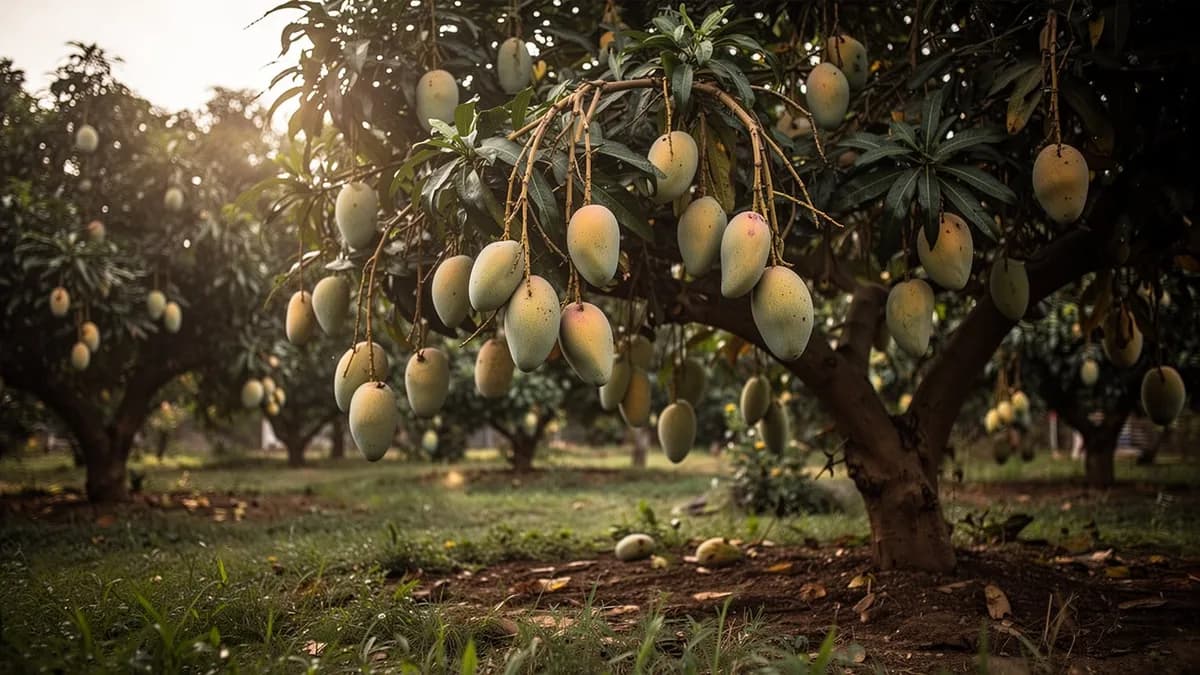
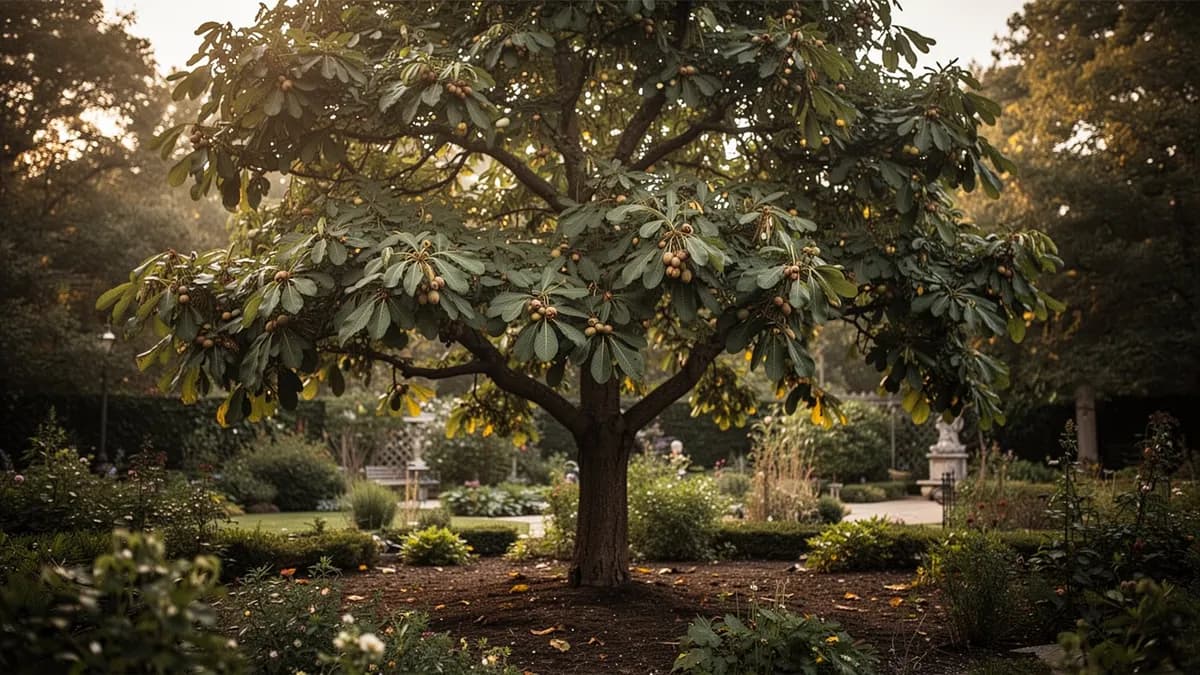
Ein tropischer immergrüner Baum, der sich zu einem prächtigen Exemplar mit dichter, abgerundeter Krone entwickelt und eine der beliebtesten Früchte der Welt hervorbringt.





Auf dieser SeiteÜberblick
Mangobaum im Überblick
Ein tropischer immergrüner Baum, der sich zu einem prächtigen Exemplar mit dichter, abgerundeter Krone entwickelt und eine der beliebtesten Früchte der Welt hervorbringt. Mangos benötigen das ganze Jahr über warme Temperaturen und vertragen keinerlei Frost, weshalb sie nur für tropische und subtropische Regionen geeignet sind. Wählen Sie Zwerg- oder Halbzwergsorten für kleinere Flächen und eine einfachere Ernte. Reduzieren Sie die Bewässerung zwei Monate vor der erwarteten Blüte, um den Baum durch Stress zur Blütenbildung anzuregen, und nehmen Sie nach dem Fruchtansatz die regelmäßige Bewässerung wieder auf.
Wann Mangobaum pflanzen
Mangobäume sollten als veredelte Baumschulbäume gekauft werden, um eine zuverlässige Fruchtqualität und frühes Tragen zu gewährleisten. Sämlingsbäume können 6 bis 10 Jahre bis zur Fruchtbildung benötigen und produzieren oft faseriges, minderwertiges Obst im Vergleich zum Mutterbaum. Polyembryonische Sorten wie Manila produzieren Sämlinge, die größtenteils sortenecht sind, während monoembryonische Sorten wie Hass eine Veredelung erfordern. Veredelte Bäume tragen in der Regel innerhalb von 3 bis 5 Jahren Früchte. Für die Kübelkultur wählen Sie Zwergsorten wie Pickering oder Ice Cream.
Dein Mangobaum-Jahr
Abgestimmt auf Zone 7 · typische Saison · Frost geht um den 2. Apr. und kehrt um den 1. Nov. zurück
Mangobaum Apr – Jun pflanzen, Mai – Aug ernten. Beachte die Pflanzmethoden unten und wähle dein Klima für passende Zeiträume.
So baust du Mangobaum an
Mangobäume benötigen ein tropisches oder warm-subtropisches Klima ohne Frost und mit deutlich ausgeprägten Regen- und Trockenzeiten. Wählen Sie einen Standort mit voller Sonne, Windschutz und gut durchlässigem Boden. Mangos gedeihen am besten auf leicht saurem bis neutralem Boden und vertragen verschiedene Bodenarten von sandig bis tonig, solange die Drainage ausreichend ist. Setzen Sie Standardbäume im Abstand von 9 bis 10 Metern und Zwergsorten im Abstand von 3,5 bis 4,5 Metern.
Pflanzen Sie veredelte Mangobäume zu Beginn der warmen Regenzeit. Graben Sie ein Pflanzloch, das zwei- bis dreimal breiter ist als der Wurzelballen, und pflanzen Sie in derselben Tiefe, in der der Baum im Container gewachsen ist. Wässern Sie nach dem Pflanzen gründlich und bringen Sie eine dicke Mulchschicht auf. Wässern Sie in den ersten zwei Jahren regelmäßig und schützen Sie den Baum vor Kälteeinbrüchen. Junge Bäume profitieren bei extremer Hitze von leichtem Schatten.
Um die Blüten- und Fruchtbildung zu fördern, reduzieren Sie die Bewässerung 2 bis 3 Monate während der kühlen, trockenen Jahreszeit vor der erwarteten Blüte. Dieser Trockenstress löst die Bildung von Blütenrispen aus. Nehmen Sie die regelmäßige Bewässerung wieder auf, sobald der Fruchtansatz gesichert ist. Schneiden Sie nach der Ernte, um Höhe und Form zu kontrollieren, da unbeschnittene Mangobäume über 12 Meter hoch werden können. Entspitzen Sie junge Bäume, um die Verzweigung und eine kompakte, handhabbare Krone zu fördern.
Für Mangobaum ist ein Beet von 120 × 240 cm zu klein
Mangobaum braucht 900 cm Platz pro Pflanze. Der Planer hält diesen Abstand für dich ein — jede Pflanze, jedes Beet.
Die besten Nachbarn für Mangobaum
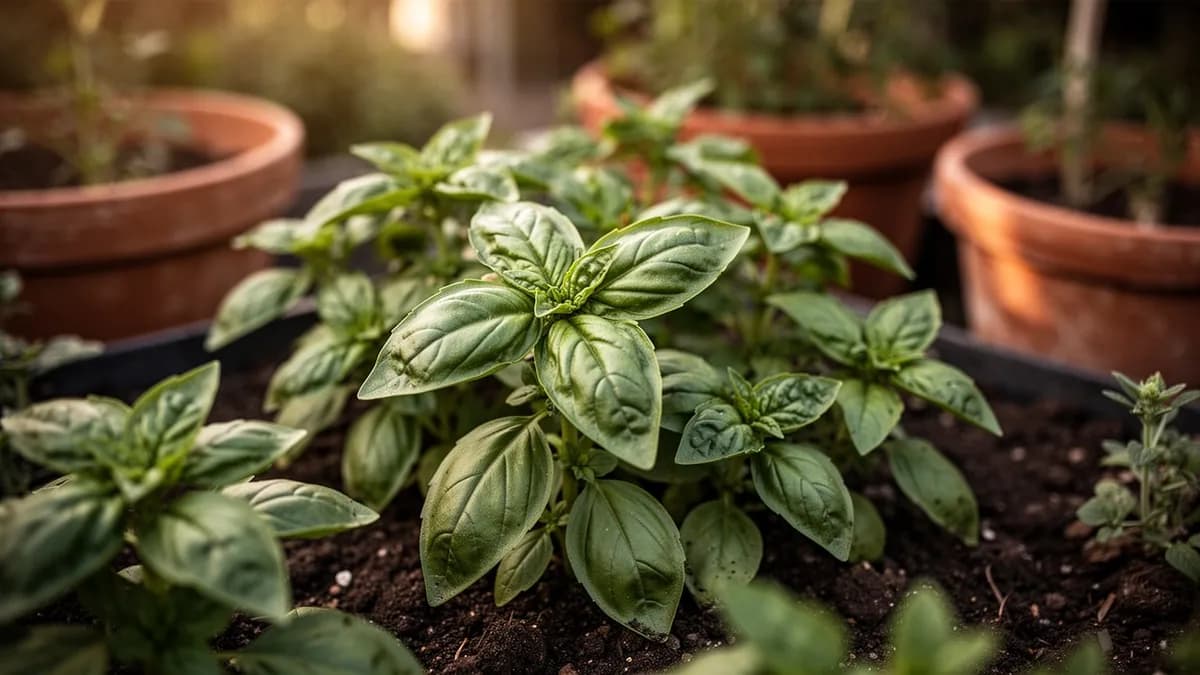
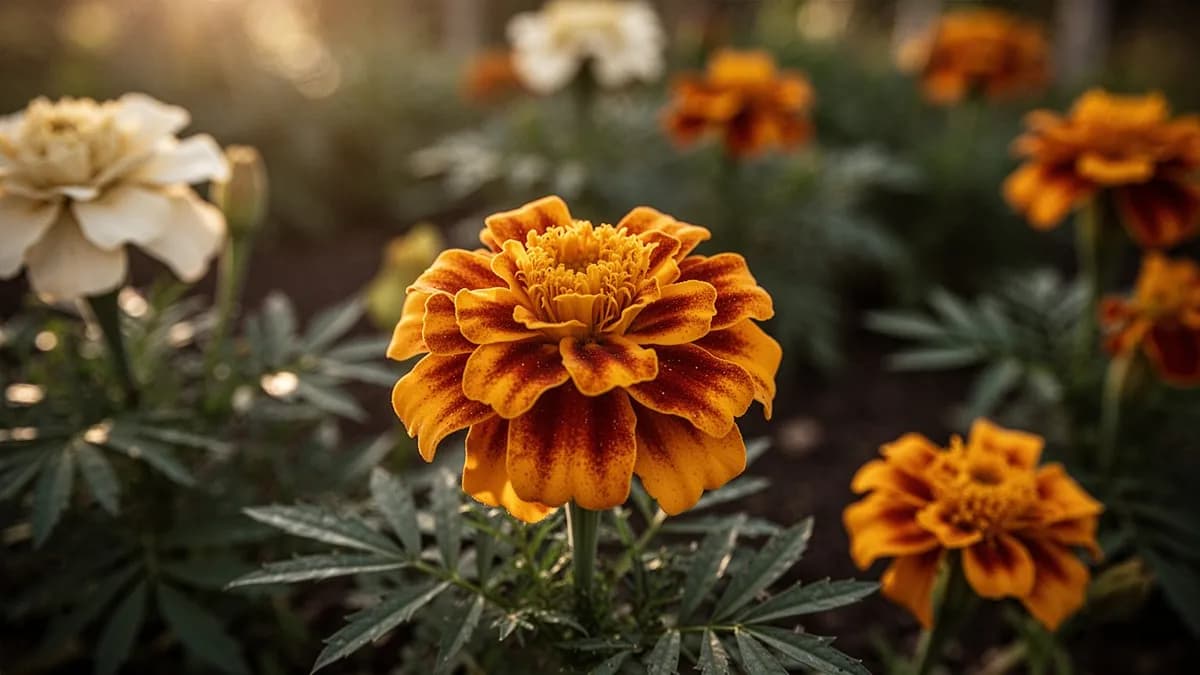
Pflanzen Sie Basilikum und Tagetes unter Mangobäumen, um Bestäuber anzulocken und Schädlinge abzuschrecken. Straucherbse und andere stickstofffixierende tropische Hülsenfrüchte sind gute Zwischenkulturen in jungen Mangoplantagen. Ingwer und Kurkuma gedeihen gut im Unterwuchs reifer Mangobäume. Vermeiden Sie das Pflanzen konkurrierender großer Bäume in der Nähe, die die Mangokrone beschatten und die Fruchtproduktion verringern würden.
Basilikum gehört daneben. Walnussbaum nicht.
Altes Gärtnerwissen, geprüft an der echten Nachbartabelle von Mangobaum — teste jede Pflanze, die du anbaust.
Probiere Mangobaum direkt hier im Beet
Ein echtes Planer-Beet, Mangobaum steht schon drin. Tippe einen Begleiter an, platziere ihn und sieh, wie die Nachbarschaftsprüfung antwortet — grün für gute Nachbarn, rot bei Streit.


Passende Anbau-Ratgeber
Richtig düngen
Mangobäume wachsen in verschiedenen Böden von sandig bis tonig, mit einem bevorzugten pH-Wert von 5,5 bis 7,0. Gute Drainage ist unerlässlich, da Staunässe Wurzelfäule fördert. Düngen Sie junge Bäume während der Wachstumsperiode monatlich mit einem ausgewogenen Dünger. Sobald die Bäume Früchte tragen, wechseln Sie zu einem stickstoffärmeren Dünger, um die Blütenbildung anstelle von vegetativem Wachstum zu fördern. Ergänzen Sie bei Bedarf Mikronährstoffe wie Zink, Mangan und Eisen, wie durch Bodenuntersuchungen oder Blattanalysen empfohlen.
Ideale Temperatur
Winterhärtezone-Kompatibilität
Von der Saat zur Ernte, Schritt für Schritt
Keimung
Der große polyembryonische oder monoembryonische Samen schwillt an und spaltet seine Hülle. Zuerst erscheint eine Pfahlwurzel, gefolgt von einem oder mehreren Trieben. Die Keimung ist hypogäisch, was bedeutet, dass die Keimblätter unter der Bodenoberfläche bleiben. Samen verlieren schnell ihre Keimfähigkeit und sollten innerhalb einer Woche nach der Entnahme aus der Frucht gepflanzt werden.
Sämling
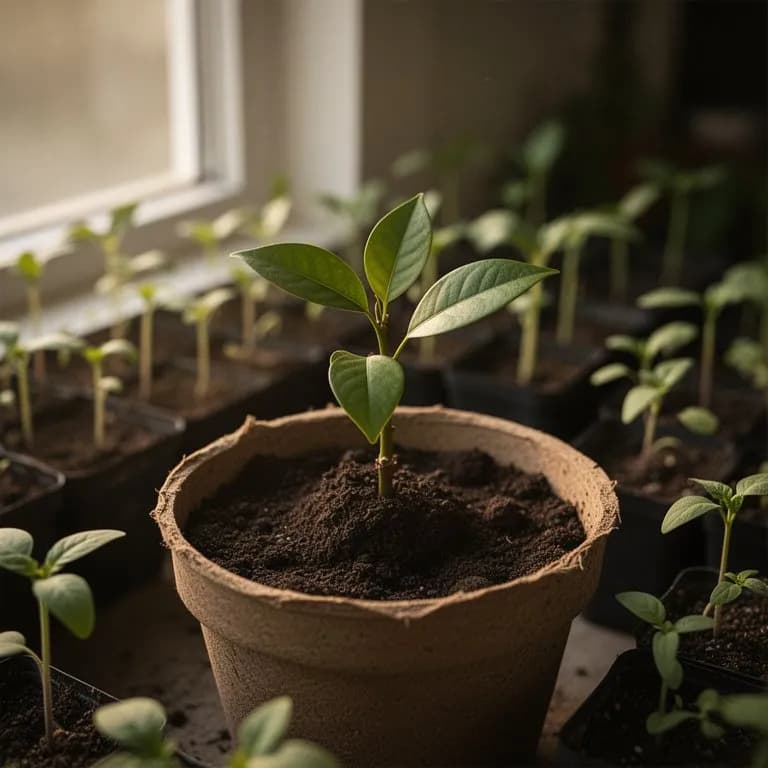
Die junge Pflanze produziert mehrere Schübe neuer Blätter, die bronzefarben oder rötlich erscheinen, bevor sie zu dunkelgrün aushärten. Der Sämling entwickelt einen kräftigen Haupttrieb und beginnt, sein Wurzelsystem aufzubauen. Das Wachstum ist bei warmen Bedingungen mit ausreichend Feuchtigkeit und Nährstoffen schnell.
Jungbaum
Der Baum entwickelt über zwei bis fünf Jahre einen verholzten Stamm und eine verzweigte Kronenstruktur. Er wächst unter idealen Bedingungen ein bis zwei Meter pro Jahr. Das Wurzelsystem dehnt sich erheblich aus, wobei die Pfahlwurzel mehrere Meter tief reicht. Veredelte Bäume können am Ende dieser Phase mit der Blüte beginnen.
Blüte und Bestäubung
Endständige Rispen erscheinen an reifen Astspitzen, die jeweils Tausende kleiner, duftender Blüten tragen. Die Blüten sind eine Mischung aus männlichen und zwittrigen Typen. Die Bestäubung erfolgt hauptsächlich durch Fliegen, Wespen und andere kleine Insekten statt durch Bienen. Kühle, trockene Nächte gefolgt von warmen Tagen fördern die beste Blüteninduktion.
Fruchtentwicklung
Bestäubte Blüten entwickeln sich zu kleinen Fruchtansätzen, die eine natürliche Abwurfphase durchlaufen, in der der Baum überschüssige Früchte abstößt, die er nicht versorgen kann. Die verbleibenden Früchte wachsen schnell und reichern Zucker, Säuren und Carotinoid-Pigmente an. Die Frucht durchläuft Phasen der Zellteilung und Zellstreckung, bevor sie je nach Sorte und Klima in 90 bis 160 Tagen die Reife erreicht.
Ernte und Ruhephase
Reife Früchte werden geerntet, wenn sie einen leichten Farbumschlag zeigen und das Fruchtfleisch nahe dem Stiel ein fruchtiges Aroma verströmt. Nach der Ernte tritt der Baum in eine Ruhephase ein, in der vegetative Wachstumsschübe auftreten können. Der Baum konsolidiert seine Energiereserven für den nächsten Blühzyklus. Der Rückschnitt erfolgt am besten während dieser Ruhephase.
Halten Sie den Boden gleichmäßig feucht, aber nicht staunass. Halten Sie Temperaturen über 25 °C für eine optimale Keimung aufrecht. Entfernen Sie die äußere Hülle vorsichtig vor dem Pflanzen, um die Keimung um einige Tage zu beschleunigen.
Mangobaum Monat für Monat pflegen
Was du jeden Monat für deine Mangobaum tun solltest
Oktober
Aktueller MonatReduzieren Sie die Bewässerung, um den Baum leicht zu stressen und die Blütenknospen-Differenzierung zu fördern. Entfernen Sie späte vegetative Austriebe, die mit der Blüteninitiierung konkurrieren könnten. Bringen Sie Kaliumsulfat aus, um die Blütenbildung zu fördern.
Immer wissen, was jetzt im Garten zu tun ist
Eine E-Mail zum Monatsanfang: was du jetzt säen, pflanzen und anpacken solltest — für deine Mangobaum und alles, was drumherum wächst. Dazu ein kurzer Startkurs, der dich vor den klassischen Fehlern bewahrt.
- Was jetzt zu tun ist
- Passend zu deiner Saison
- Startkurs inklusive
Mangobaum ernten
Mangos sind erntereif, wenn das Stielende einen fruchtigen Duft entwickelt und die Frucht bei sanftem Druck leicht nachgibt. Die Veränderung der Schalenfarbe variiert je nach Sorte und ist nicht immer ein zuverlässiger Indikator. Schneiden Sie die Frucht mit einem kurzen Stielstück mithilfe einer Gartenschere vom Baum. Lassen Sie den Saft vom Schnittstiel von der Frucht weg ablaufen, um Saftverbrennungen auf der Schale zu vermeiden. Grün geerntete reife Mangos können bei Raumtemperatur innerhalb von 5 bis 10 Tagen nachreifen.
angenommen, du pflanzt zu Beginn des Zeitraums — trage dein tatsächliches Datum ein
Ernte Mangobaum zügig, dann trägt die Pflanze weiter.
Lagerung & Konservierung
Reife Mangos halten sich gekühlt 5 bis 7 Tage. Unreife Mangos nicht kühlen, da niedrige Temperaturen den Reifeprozess unterbrechen. Frieren Sie Mangostücke oder -püree für Smoothies, Sorbets und zum Backen ein. Getrocknete Mangostreifen sind ein beliebter Snack mit konzentrierter Süße. Mango-Chutney ist eine klassische Konservierungsmethode. In tropischen Regionen werden grüne Mangos eingelegt oder zu Amchoor-Pulver verarbeitet. Mangopüree kann im Wasserbadverfahren eingemacht werden.
Was schiefgeht — und die Lösung
Anthraknose
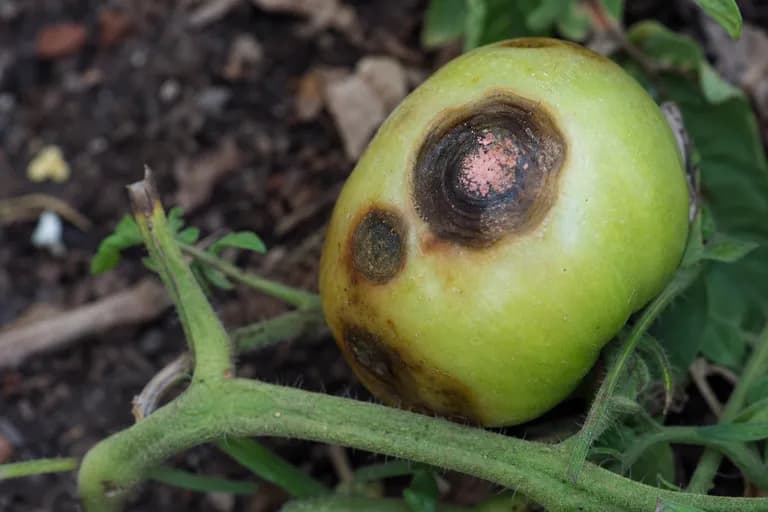
KrankheitSchwarze Flecken auf Blüten, Blättern und Früchten. Blütenrispen werden schwarz und fallen ab. Nach der Ernte Fruchtfäule mit dunklen, eingesunkenen Läsionen.
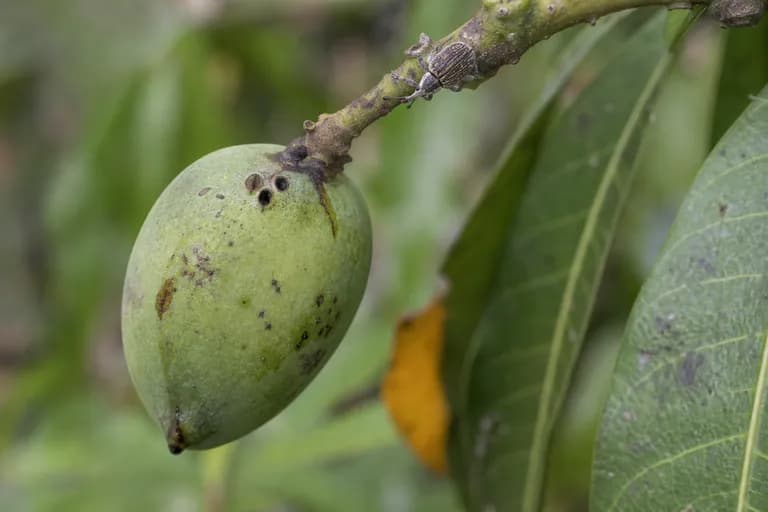
Mango-Samenrüssler
SchädlingErwachsene Käfer durchstechen sich entwickelnde Früchte, um Eier im Samen abzulegen. Larven entwickeln sich im Samen und schwächen ihn. Ausbohrlöcher sind an reifen Früchten sichtbar.
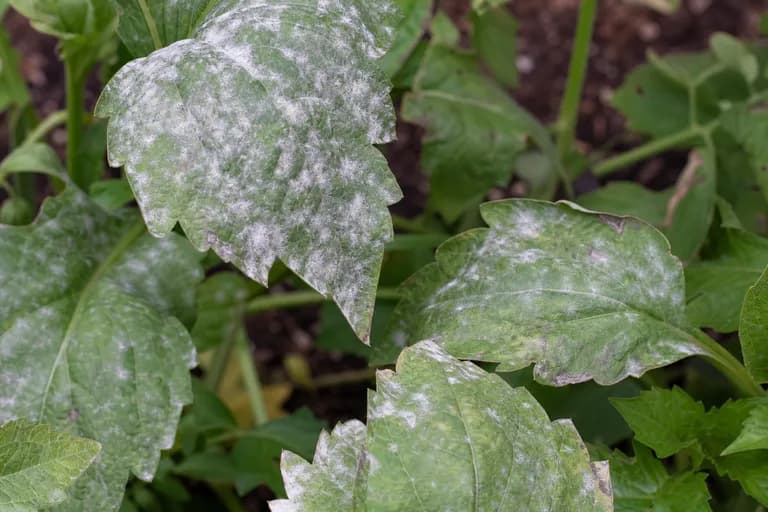
Echter Mehltau
KrankheitWeißer, pudriger Belag auf Blütenrispen, jungen Früchten und neuen Blättern. Befallene Blüten fallen ab und der Fruchtansatz wird stark reduziert.
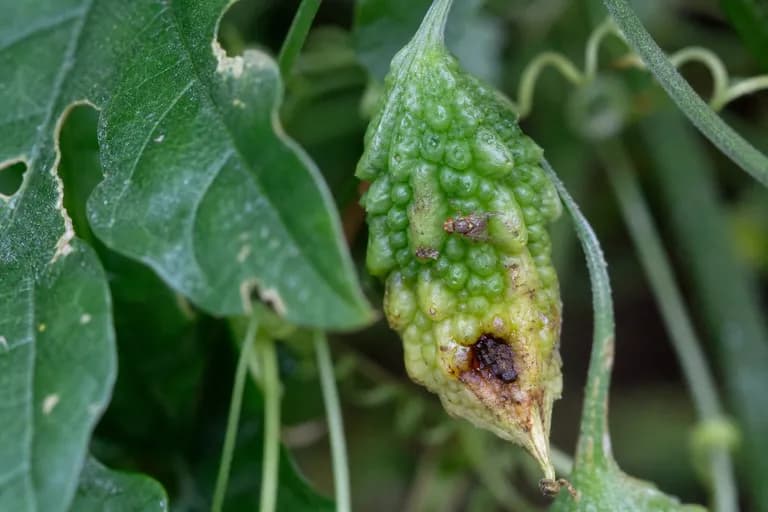
Fruchtfliege
SchädlingEinstiche an reifenden Früchten, an denen Eier abgelegt werden. Larven fressen im Fruchtfleisch und verursachen weiche, faulende Stellen und vorzeitigen Fruchtfall.
Fehlerbehebung bei häufigen Problemen
Fehlende Blütenbildung wird meist durch übermäßige Stickstoffdüngung oder das Fehlen einer ausgeprägten Trockenperiode vor der Blüte verursacht. Reduzieren Sie Bewässerung und Düngung 2 bis 3 Monate vor dem erwarteten Blühzeitpunkt. Anthraknose kann in feuchten Klimazonen ganze Blütenrispen zerstören und erfordert vorbeugende Fungizidspritzungen. Fruchtfall während der Entwicklung ist teilweise natürliche Ausdünnung, kann aber durch Trockenstress verstärkt werden. Alternierende Tragfähigkeit mit ertragreichen und ertragsarmen Jahren ist häufig und schwer zu kontrollieren.
Anbautipps
- Kaufen Sie einen veredelten Baum einer benannten Sorte, anstatt aus Samen zu ziehen. Veredelte Bäume tragen in drei bis fünf Jahren Früchte im Vergleich zu fünf bis acht Jahren bei Sämlingen und produzieren sortenechte Früchte mit bekannten Qualitätseigenschaften.
- Pflanzen Sie im wärmsten, geschütztesten Mikroklima, das verfügbar ist, idealerweise an einem Südhang mit Schutz vor kalten Winden. Reflektierte Wärme von nahegelegenen Wänden oder Gebäuden kann die lokale Temperatur um einige Grad erhöhen.
- Stellen Sie eine ausgezeichnete Bodendrainage sicher, da Mangobäume sehr anfällig für Wurzelfäule bei Staunässe sind. Hochbeete oder Aufhügelungen können die Drainage in schweren Tonböden verbessern. Ein leicht saurer pH-Wert von 5,5 bis 7,5 ist ideal.
- Bewässern Sie nach dem Anwachsen gründlich, aber selten und lassen Sie den Boden zwischen den Bewässerungen teilweise abtrocknen. Reduzieren Sie die Bewässerung im Spätherbst und Winter, um die Blüteninduktion zu fördern. Nehmen Sie die regelmäßige Bewässerung wieder auf, sobald der Fruchtansatz bestätigt ist.
- Düngen Sie dreimal jährlich: nach dem Ernteschnitt, während des vegetativen Wachstums und kurz vor der Blüte. Verwenden Sie eine Formulierung mit Mikronährstoffen wie Zink, Bor und Mangan, die in Mango-Anbauböden häufig Mangelerscheinungen zeigen.
- Schneiden Sie jährlich nach der Ernte, um die Baumhöhe unter vier bis fünf Metern zu halten, damit das Pflücken und die Schädlingsbekämpfung einfacher sind. Entfernen Sie nach innen wachsende Äste, Wasserschosser und Totholz, um die Luftzirkulation und Lichtdurchlässigkeit zu verbessern.
- Schützen Sie junge Bäume vor Frost mit Frostschutzvlies, Lichterketten für Strahlungswärme oder provisorischen Folienabdeckungen. Selbst kurzzeitige Frosteinwirkung kann junge Mangobäume vollständig abtöten.
- Bekämpfen Sie Anthraknose, die häufigste Mangokrankheit, mit vorbeugenden kupferbasierten Fungizidspritzungen beim Erscheinen der Rispen und Wiederholung in zweiwöchigen Abständen bis zum Fruchtansatz. Vermeiden Sie Überkopfbewässerung während der Blüte.
- Dünnen Sie Fruchtbüschel auf zwei bis drei Früchte pro Rispe aus, wenn die Bäume stark beladen sind. Dies verbessert die einzelne Fruchtgröße, reduziert Astbruch und minimiert alternierende Tragzyklen, bei denen Bäume ein Jahr stark und das nächste schwach tragen.
- Tüten Sie einzelne sich entwickelnde Früchte mit Papier- oder Netzschutzbeuteln ein, wenn sie Golfballgröße erreichen. Das Eintüten schützt Früchte vor Fruchtfliegen, Vögeln, Fledermäusen und kosmetischen Makeln und reduziert gleichzeitig den Bedarf an Pflanzenschutzmittelanwendungen.
Bau deine beste Mangobaum an — und alles drumherum.
Starte heute kostenlos. Lege deine Beete an, setze deine Mangobaum ein und lass PlotMyGarden Timing, Abstände, Begleiter und Erinnerungen von der Saat bis zum Erntekorb übernehmen.
Finde deine Mangobaum
Haden
Eine der am weitesten verbreiteten Sorten mit faserfreiem, reichhaltig aromatischem orangefarbenem Fruchtfleisch. Wunderschöne rot-gelbe Schale. Die Stammsorte vieler moderner Züchtungen.
Tommy Atkins
Die weltweit am meisten kommerziell angebaute Mangsorte aufgrund ihrer langen Haltbarkeit und Krankheitsresistenz. Festes, mild-süßes Fruchtfleisch, gut für den Transport geeignet.
Alphonso
Wird oft als König der Mangos bezeichnet, geschätzt für ihre intensive Süße, ihr reiches Aroma und ihre cremige Textur. Wird hauptsächlich in Indien angebaut.
Nam Doc Mai
Thailändische Sorte mit schlanken, länglichen Früchten und faserfreiem, zart-süßem Fruchtfleisch. Kompakter Baum, gut geeignet für kleinere Gärten.
Pickering
Echte Zwergsorte, die nur 1,8 bis 2,4 Meter erreicht, ideal für die Kübelkultur. Produziert vollgroße, faserfreie Früchte mit ausgezeichnetem Kokosnuss-Mango-Aroma.
Ein einzelner veredelter Mangobaum kann nach dem Erreichen der Reife jährlich 100 bis 200 Früchte produzieren, wobei jede Frucht im Einzelhandel einen Wert von 1 € bis 3 € hat. Bei einer konservativen Schätzung von 150 Früchten pro Jahr liefert ein selbst angebauter Mangobaum Früchte im Wert von 150 € bis 450 € jährlich. Veredelte Bäume beginnen innerhalb von drei bis fünf Jahren zu tragen und können jahrzehntelang produktiv bleiben, was eine lebenslange Rendite auf eine bescheidene Anfangsinvestition von 30 € bis 80 € für einen veredelten Baumschulbaum bietet.
Schnelle Rezepte
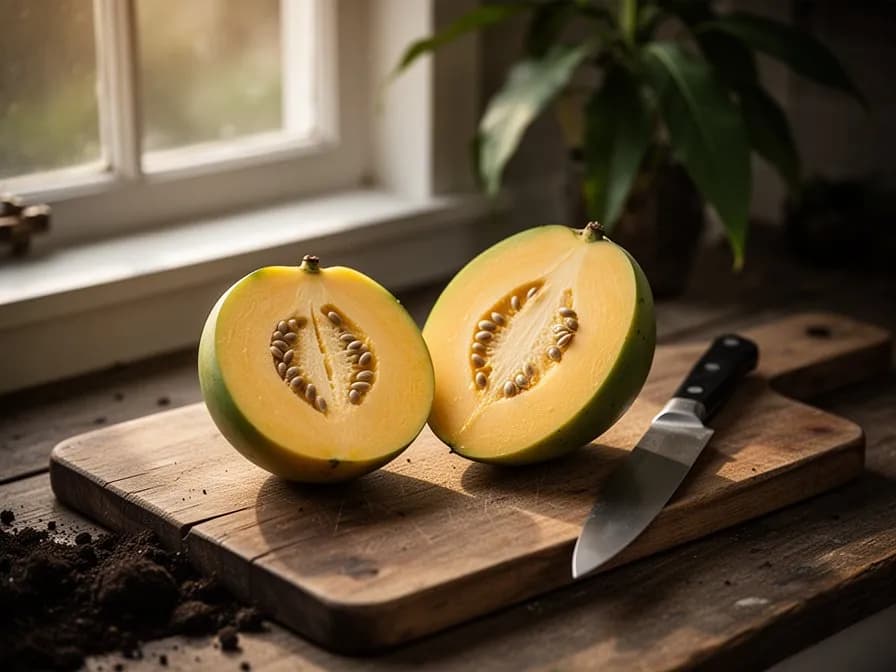
Klassischer Mango-Lassi
5 Min.Ein cremiges traditionelles indisches Joghurtgetränk, das die Süße reifer Mango mit säuerlichem Joghurt und aromatischem Kardamom ausbalanciert. Gekühlt servieren als erfrischende Beilage zu würzigen Gerichten oder als sättigender Snack.
6 ZutatenThailändischer Mango-Klebreis
45 Min.Ein beliebtes thailändisches Dessert, das süßen Klebreis in reichhaltiger Kokosmilch mit Scheiben perfekt reifer Mango kombiniert. Der Kontrast von warmem, kokosgetränktem Reis und kühler, frischer Mango ergibt eine unwiderstehliche Kombination aus Texturen und Aromen.
6 ZutatenScharfe Mango-Salsa
15 Min.Eine lebhafte, frische Salsa, die die tropische Süße der Mango mit der Schärfe von Jalapeño und der Frische von Limette und Koriander kombiniert. Perfekt als Topping für gegrillten Fisch oder Hähnchen oder mit Tortilla-Chips als beliebte Vorspeise serviert.
7 ZutatenKulinarische Verwendung
Mangos gehören zu den beliebtesten Früchten der Welt und werden frisch, in Smoothies, Salsas und Currys verzehrt. Reife Mangos werden in Desserts, Eiscreme und tropischen Obstsalaten verwendet. Grüne, unreife Mangos werden in der thailändischen und indischen Küche für saure Gerichte, Chutneys und das Gewürz Amchoor-Pulver verwendet. Mangos harmonieren hervorragend mit Chili, Limette, Kokosnuss und Koriander. Sie sind reich an Vitamin A und C, Ballaststoffen und Antioxidantien. Mango-Lassi ist ein klassisches indisches Joghurtgetränk.
Was drinsteckt
Gesundheitsvorteile
- Reich an Vitamin C und Beta-Carotin, die die Immunfunktion unterstützen und Zellen vor oxidativen Schäden durch freie Radikale schützen.
- Enthält Mangiferin, ein starkes Polyphenol, das einzigartig für Mangos ist und in klinischen Studien entzündungshemmende, antidiabetische und neuroprotektive Wirkungen gezeigt hat.
- Liefert Ballaststoffe und natürliche Verdauungsenzyme, die eine gesunde Darmmotilität unterstützen, Blähungen reduzieren und die allgemeine Verdauungseffizienz verbessern.
- Die hohe Konzentration an Carotinoiden, insbesondere Lutein und Zeaxanthin, trägt zur Augengesundheit bei und kann das Risiko einer altersbedingten Makuladegeneration verringern.
- Enthält Folsäure und Vitamin B6, die für eine gesunde Bildung roter Blutkörperchen, neurologische Funktionen und die Senkung des Homocysteinspiegels, der mit Herz-Kreislauf-Erkrankungen in Verbindung steht, unerlässlich sind.
- Die Kombination aus Kalium, Magnesium und niedrigem Natriumgehalt unterstützt eine gesunde Blutdruckregulierung und Herz-Kreislauf-Funktion bei Verzehr im Rahmen einer ausgewogenen Ernährung.
Woher Mangobaum stammt
Die Mango (Mangifera indica) stammt aus der indo-burmesischen Region, wobei ihr Diversitätszentrum sich von Nordostindien über Bangladesch bis Myanmar erstreckt. Archäologische Funde und alte Sanskrit-Texte deuten darauf hin, dass Mangos seit über 4.000 Jahren auf dem indischen Subkontinent kultiviert werden, was sie zu einer der ältesten domestizierten Obstarten der Welt macht. Buddhistische Mönche sollen die Frucht im vierten und fünften Jahrhundert v. Chr. nach Südostasien gebracht haben, wo sie sich als Grundnahrungsmittel in der gesamten Region etablierte.
Persische Händler brachten Mangos bis zum zehnten Jahrhundert nach Ostafrika und in den Nahen Osten, und portugiesische Entdecker führten die Frucht im sechzehnten Jahrhundert in Westafrika und Brasilien ein. Spanische Kolonialshandelsrouten brachten Mangos um 1600 von den Philippinen nach Mexiko. Die Frucht erreichte Florida in den 1830er Jahren und wurde bis zum Ende des neunzehnten Jahrhunderts in Kalifornien, Hawaii und anderen subtropischen Regionen der Vereinigten Staaten angepflanzt.
Heute wird die Mango in über 100 Ländern in tropischen und subtropischen Zonen kommerziell angebaut. Indien bleibt der dominierende Produzent, gefolgt von China, Thailand, Indonesien und Mexiko. Die Entwicklung überlegener veredelter Sorten wie Alphonso, Tommy Atkins, Kent, Haden und Nam Doc Mai hat die Mango von einer saisonalen Delikatesse zu einem weltweit gehandelten Gut verwandelt, das ganzjährig verfügbar ist. Moderne Zuchtprogramme entwickeln weiterhin kompakte, krankheitsresistente und ertragreiche Sorten, die für verschiedene Klimazonen und Anbausysteme einschließlich Kübelkultur und Dichtpflanzungen geeignet sind.
Mangobaum: Schon gewusst?
Faszinierende Fakten über Mangobaum
Die Mango ist die Nationalfrucht Indiens, Pakistans und der Philippinen sowie der Nationalbaum von Bangladesch, was ihre tiefe kulturelle Bedeutung in Süd- und Südostasien widerspiegelt.
Mangobaum: Fragen & Antworten
Wann sollte ich Mangobaum pflanzen?
Was sind gute Begleitpflanzen für Mangobaum?
In welchen Winterhärtezonen kann Mangobaum wachsen?
Wie viel Sonne braucht Mangobaum?
Welchen Abstand sollte ich zwischen Mangobaum lassen?
Welche Schädlinge und Krankheiten befallen Mangobaum?
Wie lagere ich Mangobaum nach der Ernte?
Was sind die besten Mangobaum-Sorten zum Anbauen?
Welchen Boden braucht Mangobaum?
Wie lange dauert es, bis ein Mangobaum Früchte trägt?
Kann ich einen Mangobaum im Kübel anbauen?
Warum blüht mein Mangobaum, setzt aber keine Früchte an?
Was verursacht schwarze Flecken auf Mangofrüchten und -blättern?
Woran erkenne ich, dass Mangos reif und erntereif sind?
Ist der Saft eines Mangobaums gefährlich?
Du hast die Theorie gelesen. Jetzt baue sie auf Autopilot an.
Alles, was Mangobaum knifflig macht — das Timing, die Abstände, die Begleiter, das Erntefenster — genau das übernimmt PlotMyGarden für dich, für jede Pflanze im Garten.
Ein Plan, der dein Wetter kennt
Standort einmal festlegen. Aussaat-, Dünge- und Erntedaten rund um deinen echten letzten Frosttermin und die Live-Vorhersage — kein Raten mehr nach Saattüte.
Aus dem Abschnitt „Pflanzzeit“Beetplaner per Drag & Drop
Beete auf einem Raster gestalten. Jede Pflanze rastet im richtigen Abstand ein, und du siehst die ganze Saison, bevor du einen Cent für Saatgut ausgibst.
Aus dem Abschnitt „Anbau“Begleiter-Konflikte früh erkannt
Über 200 gute und schlechte Kombinationen werden beim Pflanzen live geprüft — so landet ein saisonruinierender Fehler nie in der Erde.
Aus dem Abschnitt „Begleiter“Erinnerungen, nach denen du wirklich handelst
„Gieß die Bohnen.“ „Heute ernten, bevor's umschlägt.“ Pünktlich, konkret und auf deine echten Pflanzen bezogen.
Aus dem Abschnitt „Ernte“Staffel-Aussaat, geplant
Sechs Wochen ernten statt sechs Tage? Die App verteilt deine Aussaaten automatisch und erinnert dich, wenn der nächste Satz fällig ist.
Aus dem Abschnitt „Pflanzzeit“Ein Verlauf, der schlauer wird
Jede protokollierte Ernte bringt der App deinen Garten bei. Der Plan fürs nächste Jahr startet bei dem, was in deinem Boden wirklich funktioniert hat.
Aus dem Abschnitt „Überblick“Pflanze diese neben Mangobaum
Weitere Obstbäume
Halte Mangobaum von diesen fern
Bau deine beste Mangobaum an — und alles drumherum.
Starte heute kostenlos. Lege deine Beete an, setze deine Mangobaum ein und lass PlotMyGarden Timing, Abstände, Begleiter und Erinnerungen von der Saat bis zum Erntekorb übernehmen.