Luffa
A dual-purpose cucurbit that produces edible young fruits similar to zucchini and mature fruits that dry into natural sponges.





On this pageOverview
Meet Luffa
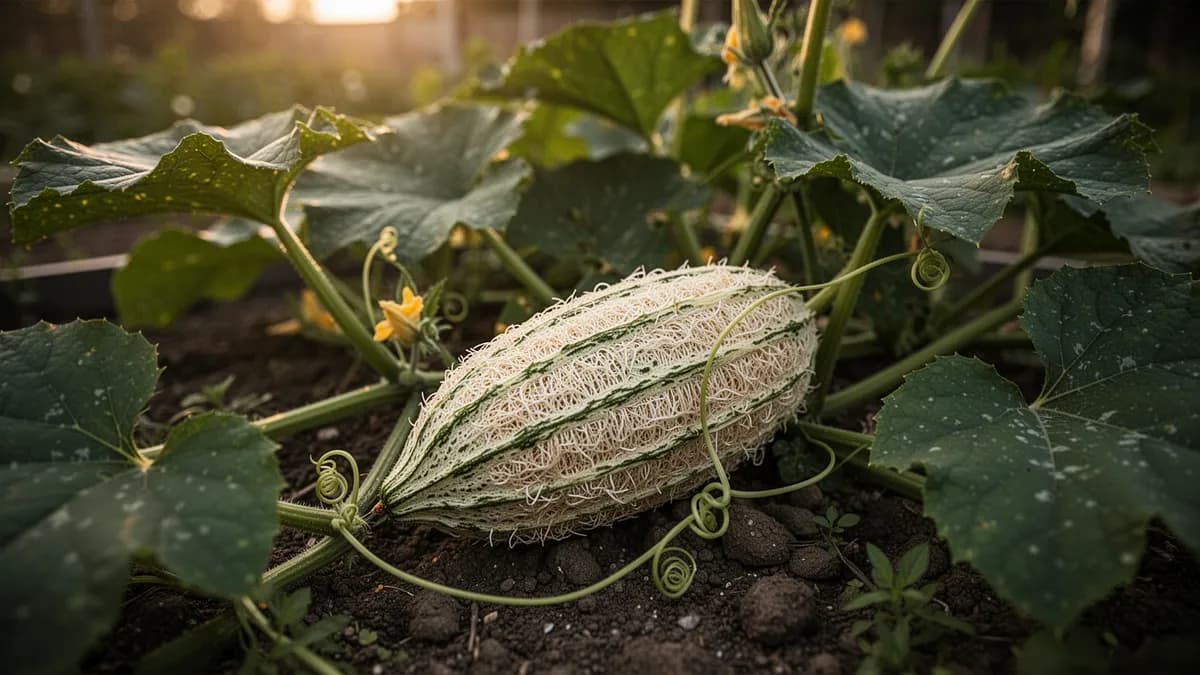
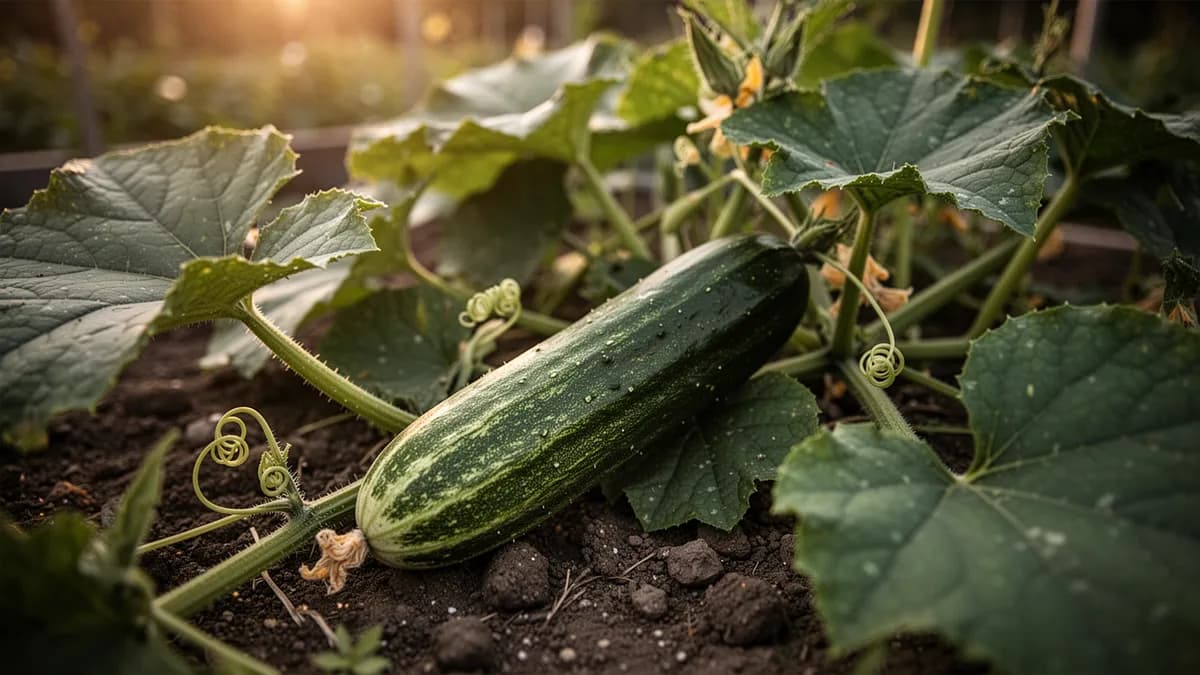
A dual-purpose cucurbit that produces edible young fruits similar to zucchini and mature fruits that dry into natural sponges. Luffa needs a very long, hot growing season of at least four months to mature fruits for sponge production. Harvest young fruits at six to eight inches for eating, or let them dry on the vine until the skin turns brown and papery for sponges. The vigorous vines need strong trellising and produce beautiful yellow flowers that attract pollinators to the garden.
When to plant Luffa
Luffa seeds have hard coats requiring scarification for reliable germination. Nick seed coats with a file or soak in warm water for 24-48 hours until seeds swell. Start indoors 6-8 weeks before the last frost, planting seeds 1 inch deep at 80-90°F. Germination takes 10-21 days and can be irregular. Use a heat mat for consistent warmth. Transplant after all frost danger passes and nighttime temperatures remain above 60°F. Direct sowing is only practical in tropical and subtropical climates with very long growing seasons.
Your Luffa Year
Composed for Zone 7 · typical seasons · frost passes Apr 2, returns Nov 1
Plant Luffa Apr – May, pick Aug – Oct. Check the planting methods below and set your climate to personalize these windows.
How to grow Luffa
Luffa is a dual-purpose cucurbit that produces edible young fruits similar to zucchini when harvested at 6-8 inches, and natural sponges when allowed to mature fully on the vine. These vigorous tropical vines need a very long growing season of 150-200 days and thrive in hot, humid conditions. Start seeds indoors 6-8 weeks before the last frost to ensure adequate growing time.
Provide a very sturdy trellis or arbor at least 8-10 feet tall as luffa vines are extremely vigorous climbers that can reach 20-30 feet. The heavy mature fruits need strong support. Water deeply and consistently with 1.5-2 inches per week, as luffa is a heavy drinker. These plants need full sun and temperatures above 75°F for optimal growth.
Luffa produces bright yellow flowers that require bee pollination. Female flowers open in the evening and close by morning, so hand pollination may be necessary. For eating, harvest young fruits at 6-8 inches. For sponges, leave fruits on the vine until they turn brown and dry, the skin becomes papery, and the fruit feels lightweight. Each vine can produce 5-10 mature sponge fruits with good care and a long enough growing season.
2 plants fit a 4 × 8 ft bed
Each Luffa wants 90 cm of elbow room. The planner keeps that spacing for you — every plant, every bed.
Luffa's best neighbours
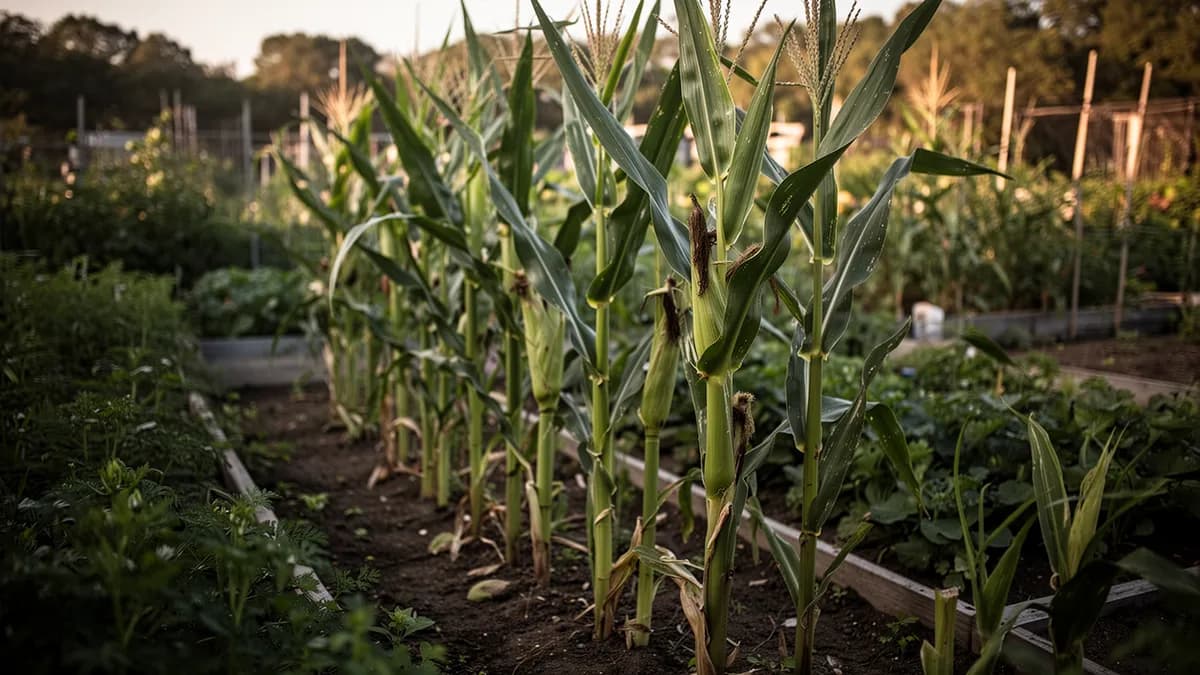
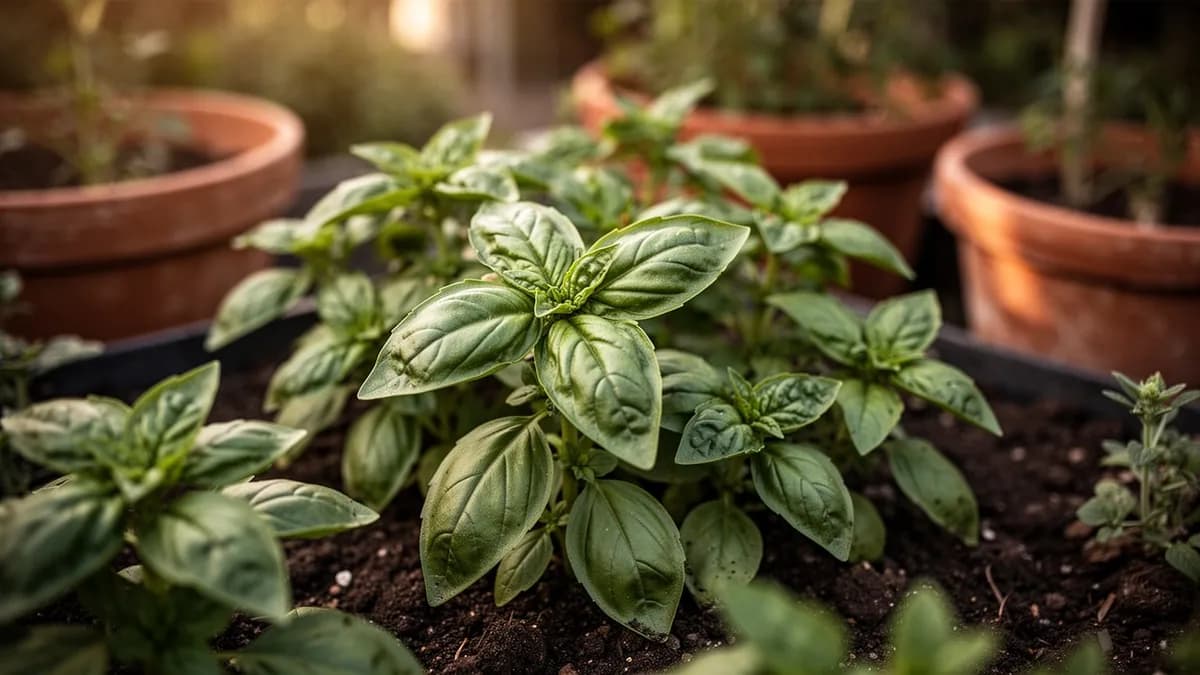
Luffa grows well alongside other heat-loving crops like bitter melon, yard-long beans, and hot peppers. Corn provides a windbreak while sunflowers attract pollinators. The vigorous vines can share large trellis structures with other climbing crops. Marigolds and basil planted at the base deter pests. Avoid planting near other cucurbits if space is limited as luffa vines are extremely vigorous and will overwhelm smaller neighbors. Borage attracts bees that are essential for fruit set.
Corn belongs beside it.
Old growers' knowledge, checked against Luffa's real companion table below — test any plant you're growing.
Try Luffa in a bed — right here
A real planner bed with Luffa already in it. Tap a companion to place it and watch the pairing checks answer — green for good neighbours, red for a clash.


Related growing guides
Feed it well
Luffa requires very rich, well-drained soil with a pH of 6.0-6.8. These heavy-feeding vines benefit from generous compost and aged manure worked deeply into the soil before planting. Apply balanced fertilizer at planting and side-dress monthly throughout the growing season. Switch to a phosphorus-rich fertilizer when flowering begins. The extensive root system benefits from deep, loose soil. In containers, use the largest pot possible with rich potting mix and supplement with liquid fertilizer weekly during active growth.
Ideal Temperature
Hardiness Zone Compatibility
From seed to harvest, stage by stage
Seed Starting
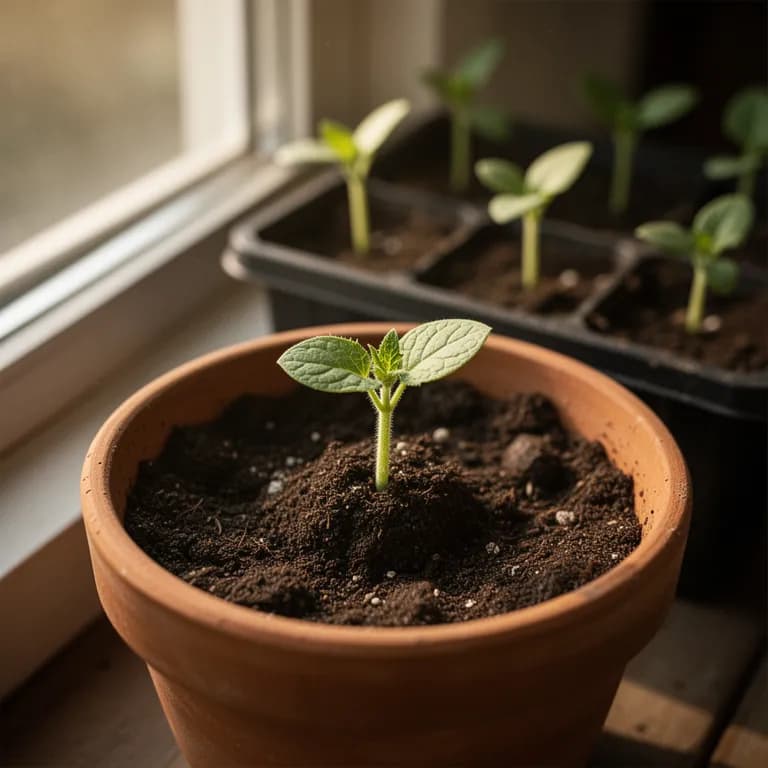
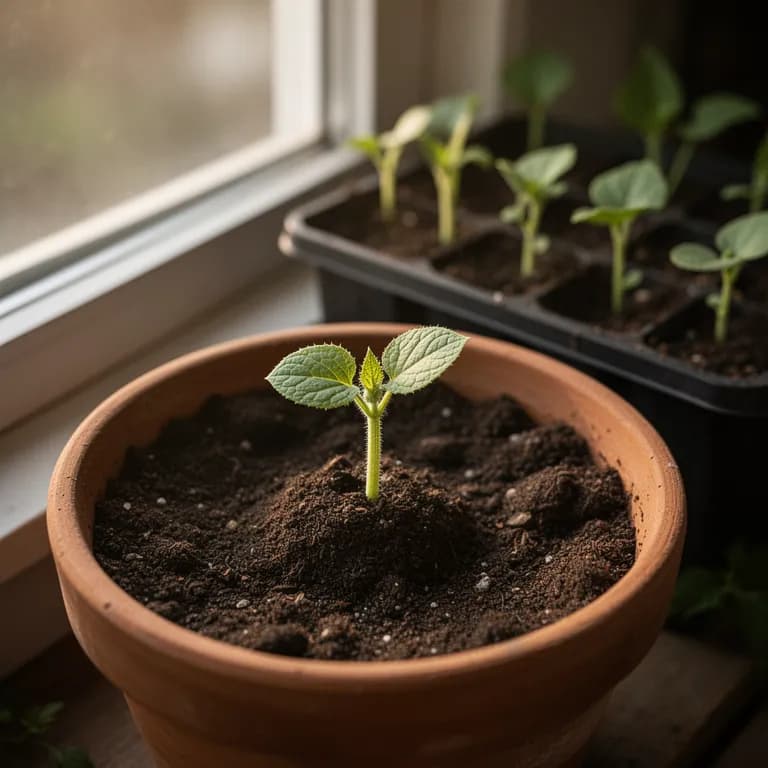
Luffa seeds have a very hard coat and germinate slowly without preparation. After soaking or scarification, the radicle emerges in 7-14 days under warm conditions. Broad, heart-shaped cotyledon leaves push through the soil surface, followed quickly by the first true leaves with their characteristic lobed shape. Soil temperatures must be at least 21°C (70°F) for reliable germination.
Vine Establishment
True leaves develop rapidly with deep lobes resembling maple leaves. Tendrils appear and the vine begins seeking support. Root systems expand aggressively underground. Growth is slow until temperatures consistently exceed 24°C (75°F), then vines accelerate dramatically, producing new leaves and branching tendrils daily.
Rapid Vine Growth
Vines enter explosive growth phase, climbing 15-30 cm per day in hot weather. Large lobed leaves form a dense canopy. Lateral branches spread in all directions, and tendrils grip any available support with surprising strength. The vine can reach 4-9 meters in total length during this stage.
Flowering and Pollination
Bright yellow five-petaled flowers appear — male flowers on long stems in clusters open first, followed by female flowers identifiable by the miniature gourd at their base. Flowers open in the morning and close by afternoon. Pollination by bees is essential for fruit set. In areas with few pollinators, hand-pollination dramatically improves yields.
Fruit Development
Pollinated female flowers develop into rapidly growing cylindrical gourds. Fruits hang vertically from the trellis, which encourages straight, uniform growth. Young fruits at 15-20 cm are edible with tender, zucchini-like flesh. Left to mature, gourds reach 30-60 cm long and the interior flesh transforms into the distinctive fibrous sponge network.
Sponge Maturation and Harvest
Gourds left on the vine continue to mature as the flesh dries and transforms into a dense network of natural fibers. The outer skin turns from green to yellow to brown, and the gourd becomes progressively lighter. Seeds rattle inside when fully dry. In regions with shorter growing seasons, gourds can be harvested when the skin begins yellowing and dried indoors.
Soak seeds in warm water for 24 hours, or nick the pointed end with nail clippers to speed germination. Start indoors 4-6 weeks before last frost using a heat mat at 27°C (80°F). Use deep 10 cm pots to accommodate the developing taproot.
Caring for Luffa month by month
What to do each month for your Luffa
October
You are hereAllow gourds to remain on the vine as long as possible — they continue developing their fiber network even as the vine declines. Mature gourds turn brown and feel lightweight. Harvest before hard frost and bring indoors if the skin has started yellowing but gourds are not fully dry.
Know exactly what to do in your garden — every month
One email at the start of each month: what to sow, plant, and tackle right now — for your Luffa and everything growing around it. Plus a short starter course that helps you dodge the classic mistakes.
- What to do, right now
- Matched to your season
- Starter course included
Harvesting Luffa
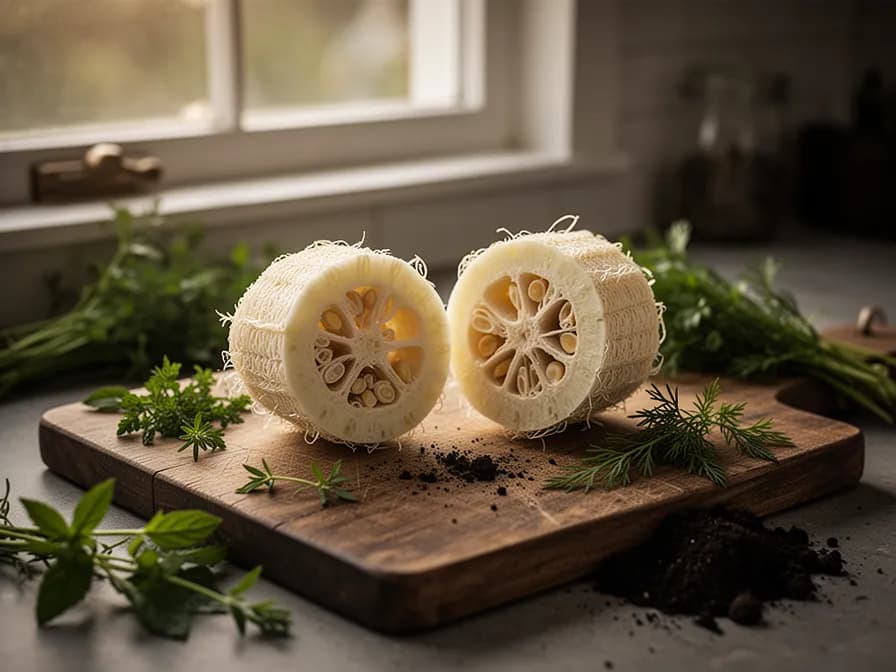
For eating, harvest luffa fruits when they are 6-8 inches long, firm, and dark green with tender skin that can be peeled easily. At this stage they taste similar to zucchini. For sponges, leave fruits on the vine as long as possible until they turn brown, dry, and lightweight. In frost-prone areas, harvest mature green fruits before freeze and hang indoors to finish drying. Peel away the dried skin, shake out seeds, and rinse the sponge fiber thoroughly. Soak in a mild bleach solution to whiten.
assuming you plant when the window opens — set your real date
Pick Luffa promptly and the plant keeps producing.
Storage & Preservation
Young edible luffa keeps in the refrigerator for 3-5 days in a plastic bag. For sponge preservation, dry thoroughly after cleaning and store in a dry location indefinitely. Dried luffa sponges can be cut into various sizes for kitchen, bath, and cleaning use. Young luffa can be sliced and frozen after blanching for use in stir-fries and soups. In Asian markets, dried luffa strips are sold for reconstitution in cooking. Seeds saved from mature sponge fruits store well for several years in a cool, dry place.
What goes wrong — and the fix
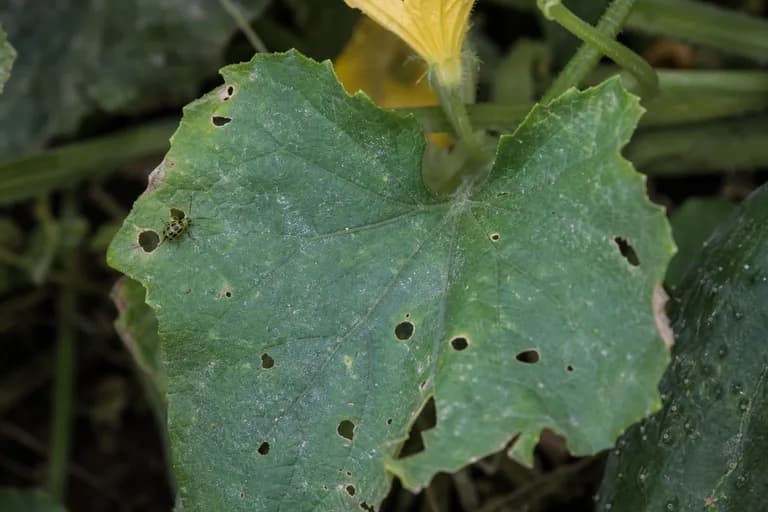
Cucumber Beetle
PestStriped or spotted beetles feeding on leaves, flowers, and young fruits, potentially spreading disease.
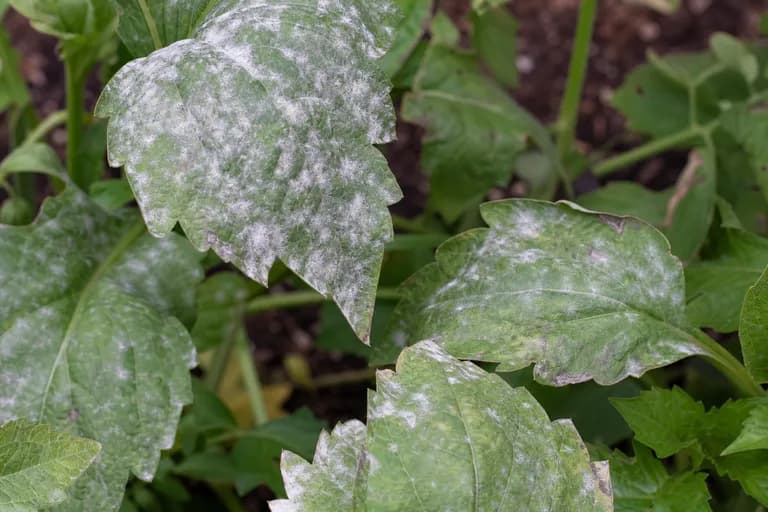
Powdery Mildew
DiseaseWhite powdery coating on leaves reducing photosynthesis and plant vigor, especially in late season.
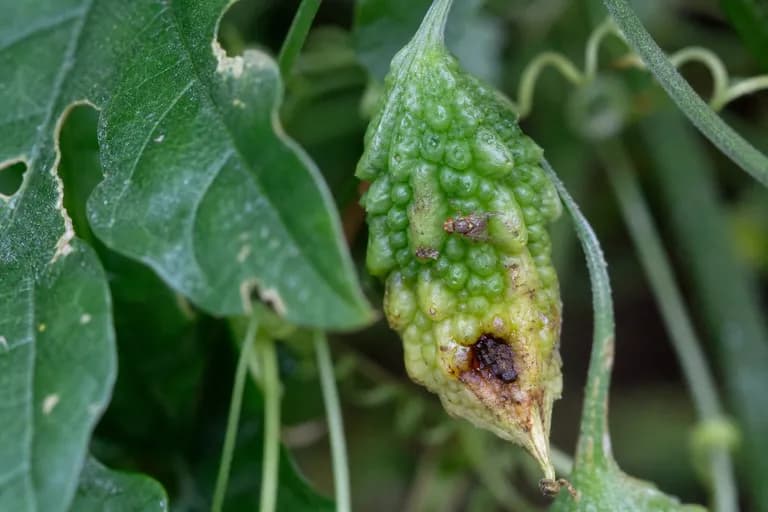
Fruit Fly
PestPuncture marks on developing fruits with larvae feeding inside, causing premature decay.
Troubleshooting Common Problems
Insufficient growing season is the primary challenge in temperate climates. Start seeds very early indoors and provide the warmest, sunniest spot in the garden. Inadequate trellis strength causes collapsed vines when heavy mature fruits develop; build supports stronger than you think necessary. Poor fruit set often results from insufficient pollination of the evening-opening female flowers; hand-pollinate in the early evening. Immature sponges lack the fiber structure needed for good sponges; patience is essential.
Growing Tips
- A strong trellis is the single most important factor for successful luffa growing. Luffa vines can weigh 25 kg or more when laden with fruit. Use cattle panels, heavy-gauge wire fencing, or thick wooden pergola structures — lightweight tomato cages will collapse under the weight.
- Start seeds indoors in all but the warmest climates (zones 10-12). Luffa requires 150-200 frost-free days to produce mature sponges. Starting 4-6 weeks early indoors gives you a critical head start that can make the difference between mature gourds and green ones killed by frost.
- Grow luffa vertically, never on the ground. Gourds that develop hanging from an overhead trellis grow straighter, stay cleaner, dry more evenly, and are far less prone to rot and pest damage than those resting on soil.
- Hand-pollinate for maximum yields. Male flowers (on thin stems in clusters) open before female flowers (which have a tiny gourd behind the blossom). In the morning, pick a male flower, peel back petals, and dab the pollen directly onto the stigma of an open female flower.
- Water deeply and consistently — 5 cm per week minimum during active growth, and more during fruit development. Luffa's massive leaf canopy transpires enormous amounts of water. Mulch heavily to retain soil moisture and reduce watering frequency.
- For sponge production, leave gourds on the vine until the skin turns brown and the gourd feels light when you shake it — you should hear seeds rattling inside. Harvesting too early produces weak, underdeveloped fiber networks.
- If frost threatens before gourds are fully dry on the vine, harvest any gourd whose skin has started turning yellow. Hang in a warm, dry location with good air circulation to finish the drying process indoors. The sponge quality will be nearly as good as vine-dried gourds.
- Save seeds from your largest, best-formed gourds for next year. Luffa seeds remain viable for 4-5 years when stored in a cool, dry place. Each mature gourd contains 50-100 seeds — more than enough to share with fellow gardeners.
Grow your best Luffa yet — and everything around it.
Start a free plan today. Lay out your beds, drop in your Luffa, and let PlotMyGarden handle the timing, spacing, companions and reminders from seed to harvest basket.
Pick your Luffa
Smooth Luffa (Luffa aegyptiaca)
The standard sponge luffa with smooth skin and cylindrical fruits reaching 12-24 inches when mature. Best for sponge production.
Angled Luffa (Luffa acutangula)
Ridged fruits preferred for eating in Asian cuisines. Harvested young at 6-12 inches when ridges are tender. Also called Chinese okra.
Luffa Long
Selected for longer, more uniform sponge fruits. Vigorous vines that produce well in areas with long growing seasons.
A single luffa vine grown from a $2-3 seed packet can produce 15-25 natural sponges, replacing store-bought luffa sponges that sell for $5-12 each. Growing just one productive vine can save $75-200 per year on bath and kitchen sponges alone. Additional savings come from not purchasing synthetic kitchen scrubbers, exfoliating pads, and cleaning sponges — all of which luffa replaces naturally. If you also harvest young gourds for eating, the value increases further, as fresh luffa sells for $3-6 per pound in Asian grocery stores.
Quick recipes
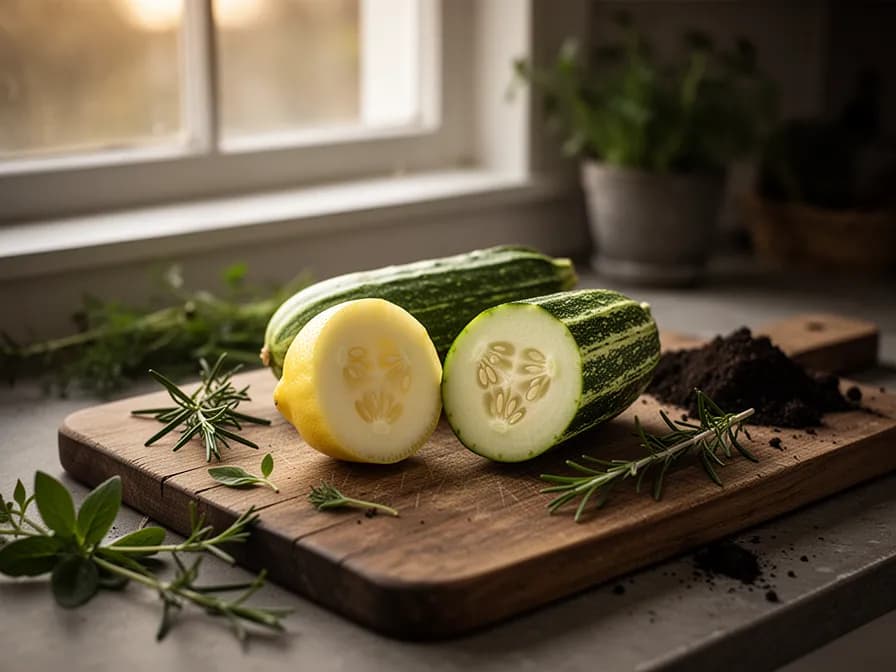
Garlic Luffa Stir-Fry with Shrimp
15 minA classic Chinese home-cooking dish where young luffa is sliced and stir-fried until it melts into a silky, almost custard-like texture. The natural sweetness of luffa pairs beautifully with garlic and tender shrimp in this simple, fast weeknight dish.
7 ingredientsLuffa and Egg Drop Soup
20 minA light and nourishing Chinese soup where tender slices of luffa are simmered in broth until melt-in-your-mouth soft, then swirled with beaten egg for silky ribbons. This is classic comfort food — simple, gentle, and deeply soothing.
8 ingredientsStuffed Luffa Rings with Pork
35 minYoung luffa cut into thick rings, hollowed out and stuffed with a savory pork filling, then steamed until the luffa is tender and the meat is juicy. A beautiful and elegant dim sum-style dish that showcases luffa as the star ingredient.
8 ingredientsCulinary Uses
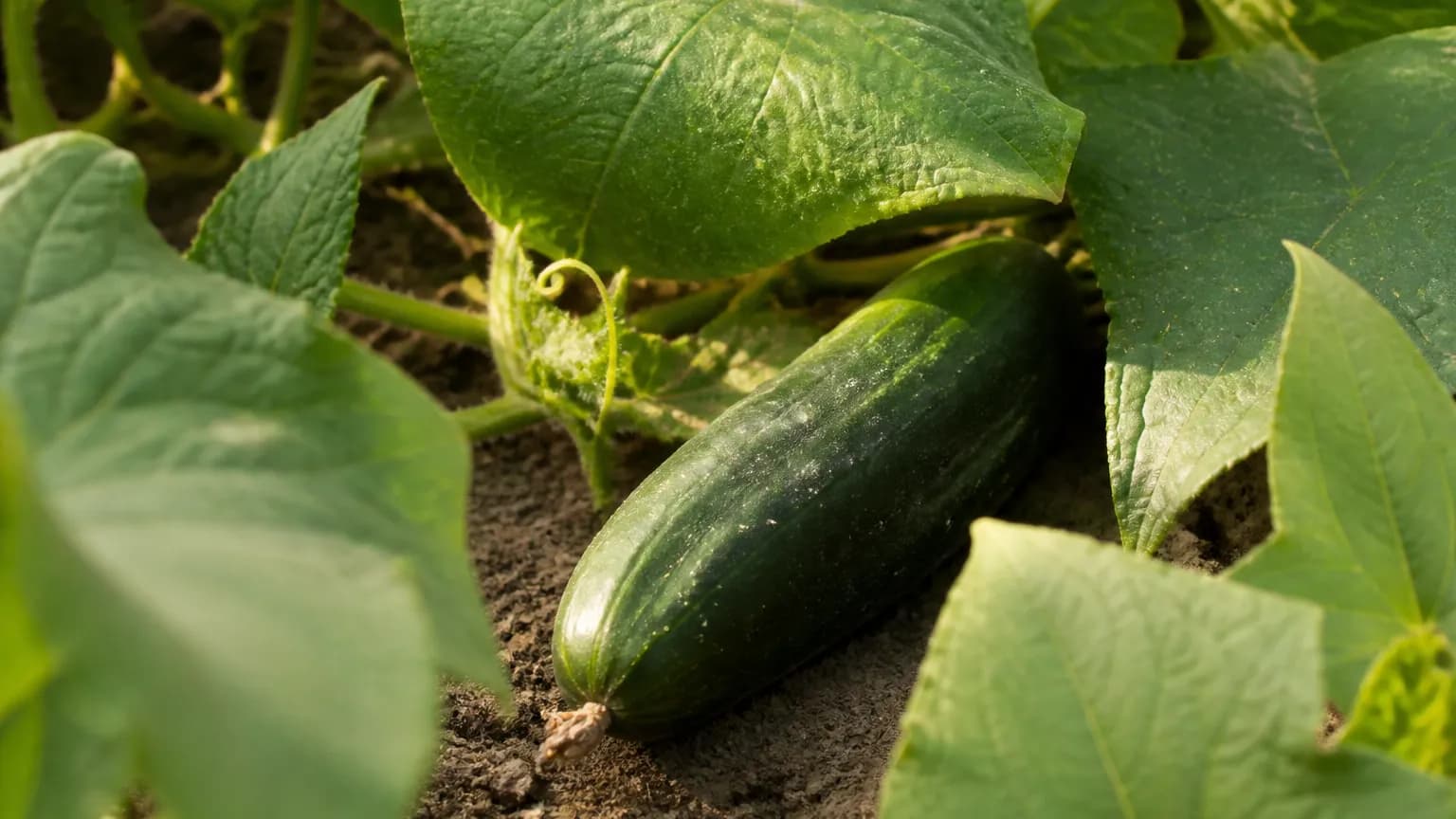
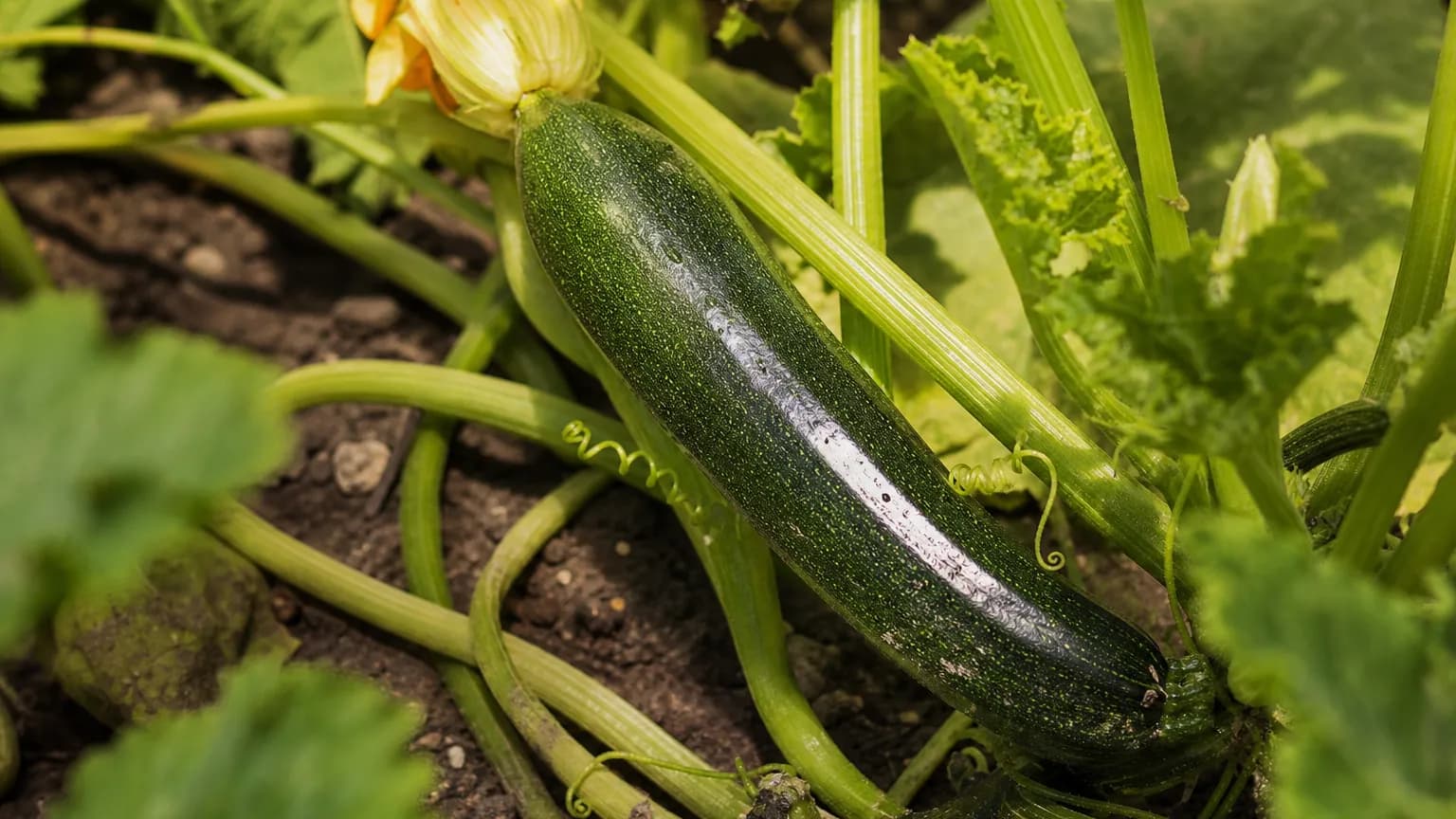
Young luffa is popular in Asian cuisines, particularly Chinese, Vietnamese, and Indian cooking. Peel the skin and slice for stir-fries with garlic and shrimp. Add to soups and curry dishes where the soft, spongy texture absorbs flavorful sauces beautifully. In Indian cooking, young luffa features in chana dal preparations and vegetable curries. Steam and serve with oyster sauce. The angled luffa variety is preferred for eating, with a more pronounced flavor than smooth types. Tastes similar to a cross between zucchini and cucumber.
What's inside
Health Benefits
- Young luffa is extremely low in calories (just 20 per 100g) with high water content, making it an excellent hydrating vegetable for weight management and hot weather diets.
- Contains vitamin C that supports immune function and acts as an antioxidant to protect cells from oxidative damage caused by free radicals.
- Provides vitamin A as beta-carotene, which is essential for maintaining healthy vision, supporting immune cell production, and keeping skin and mucous membranes in good condition.
- The dietary fiber in luffa supports digestive regularity and helps feed beneficial gut bacteria, contributing to a healthy intestinal microbiome.
- Rich in B vitamins including riboflavin and thiamine that are essential for converting food into energy and maintaining proper nervous system function.
- In traditional medicine systems across Asia, luffa has been used to support respiratory health, reduce inflammation, and promote healthy circulation — modern research is beginning to validate some of these traditional uses with studies on the bioactive compounds in luffa seeds and fibers.
Where Luffa comes from
Luffa (Luffa aegyptiaca, also known as Luffa cylindrica) is believed to have originated in tropical South or Southeast Asia, with wild relatives still found in India and Myanmar. Despite its scientific name suggesting Egyptian origins, this naming reflected early European botanical confusion rather than the plant's actual homeland. Archaeological evidence and historical texts indicate that luffa was cultivated in India and China for thousands of years, prized both as a food crop and for its unique fibrous sponge.
Luffa spread along ancient trade routes from Asia to Africa, arriving in Egypt and sub-Saharan Africa well before European contact. Arab traders carried it across the Indian Ocean, and by the medieval period it was grown throughout tropical Africa and the Middle East. Portuguese and Spanish explorers then introduced luffa to the Americas in the 16th and 17th centuries, where it found ideal growing conditions in the tropical and subtropical regions of Central and South America, the Caribbean, and the southern United States.
Today, China and India are the world's largest producers of luffa, where it remains an important vegetable crop sold fresh in markets under names like si gua (Chinese) and turai (Hindi). In Western countries, luffa is better known as a natural sponge product than as food. Commercial luffa sponge farming has expanded in recent decades in Paraguay, Colombia, and parts of the southern United States, driven by growing consumer demand for sustainable, biodegradable alternatives to synthetic bath and kitchen sponges. The plant's dual identity — as a delicious vegetable when young and a useful household tool when mature — makes it uniquely versatile among garden crops.
Luffa: did you know?
Fascinating facts about Luffa
Luffa is the only plant in the world commercially grown to produce a bath sponge. Despite looking and feeling like a sea sponge, luffa sponges are entirely plant-based — they are the dried vascular network of a mature gourd, not a marine organism.
Luffa questions, answered
When should I plant Luffa?
What are good companion plants for Luffa?
What hardiness zones can Luffa grow in?
How much sun does Luffa need?
How far apart should I space Luffa?
What pests and diseases affect Luffa?
How do I store Luffa after harvest?
What are the best Luffa varieties to grow?
What soil does Luffa need?
How long does luffa take to grow mature sponges?
Can I eat luffa and also use it as a sponge from the same plant?
Why are my luffa flowers dropping without forming fruit?
How do I process a luffa gourd into a usable sponge?
Can I grow luffa in a short-season climate (zones 5-7)?
What kind of trellis works best for luffa?
You just read the theory. Now grow it on autopilot.
Everything that makes Luffa fiddly — the timing, the spacing, the companions, the harvest window — is exactly what PlotMyGarden handles for you, for every plant in your garden.
A plan that knows your weather
Set your location once. Get sow, feed and harvest dates built around your real last-frost date and live forecast — no more guessing from a generic seed packet.
From the “When to plant” sectionDrag-and-drop bed planner
Design beds on a grid. Every plant snaps to its proper spacing, and you can see your whole season laid out before you spend a cent on seed.
From the “Growing guide” sectionCompanion conflicts, caught early
200+ good-and-bad pairings checked live as you plant — so a season-wrecking mistake never makes it into the ground.
From the “Companions” sectionReminders you'll actually act on
“Water the beans.” “Pick today before it turns.” Timely, specific, and tied to the plants you're really growing.
From the “Harvest” sectionSuccession, scheduled
Want a harvest for six weeks, not six days? It spaces your sowings automatically and reminds you when each new block is due.
From the “When to plant” sectionA record that gets smarter
Every harvest you log teaches it your garden. Next year's plan starts from what actually worked in your soil, not a textbook's.
From the “Overview” sectionPlant these alongside Luffa
More Cucurbits
Grow your best Luffa yet — and everything around it.
Start a free plan today. Lay out your beds, drop in your Luffa, and let PlotMyGarden handle the timing, spacing, companions and reminders from seed to harvest basket.