Platanero de Sombra
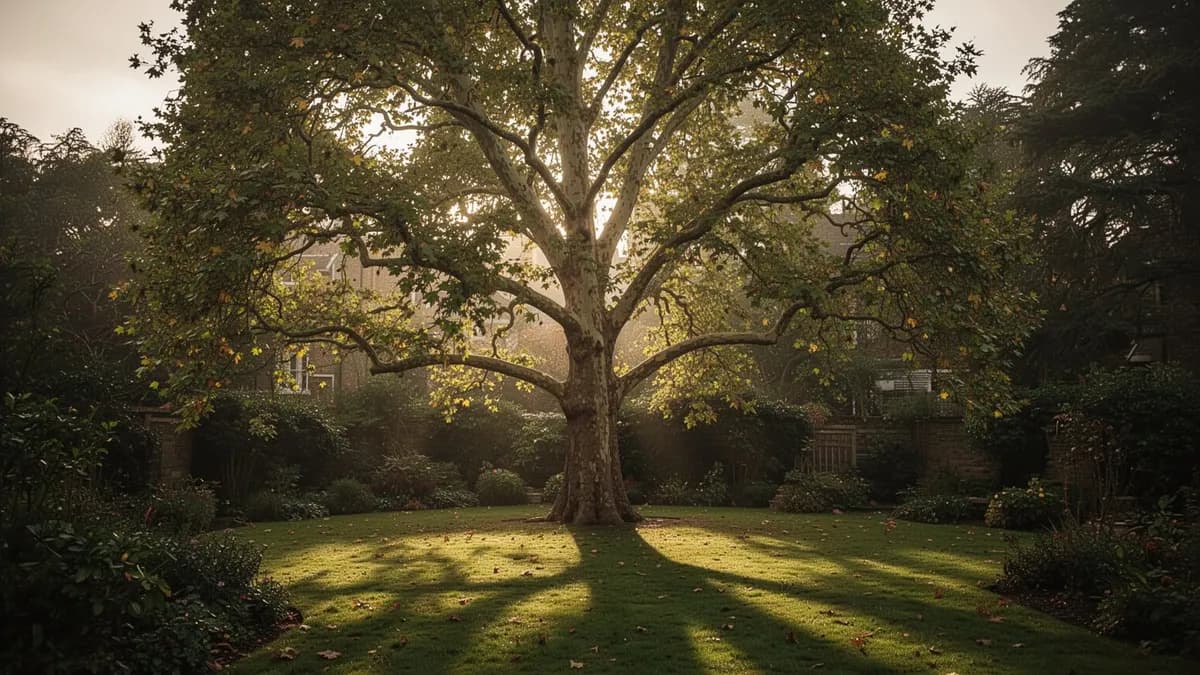
El árbol urbano por excelencia, con una corteza exfoliante de patrón atigrado y una notable tolerancia a la contaminación, los suelos compactados y la restricción radicular.





En esta páginaResumen
Conoce Platanero de Sombra
El árbol urbano por excelencia, con una corteza exfoliante de patrón atigrado y una notable tolerancia a la contaminación, los suelos compactados y la restricción radicular. Los plataneros de sombra son híbridos del sicomoro americano y el plátano oriental, combinando la mejor adaptación urbana de ambos progenitores. Soportan podas severas y el desmochado, y son el árbol predilecto para los paisajes urbanos de todo el mundo. Las grandes hojas parecidas a las del arce y los globos de semillas colgantes generan algo de suciedad, pero la resistencia y elegancia del árbol compensan con creces las labores de limpieza.
Cuándo plantar Platanero de Sombra
Los plataneros de sombra se propagan más comúnmente por esquejes de madera dura tomados a finales de invierno, que enraízan con facilidad y producen árboles fieles al cultivar parental. Para la propagación por semilla, desmenuce los globos de semillas colgantes a finales de otoño y separe los aquenios individuales. Estratifique las semillas en frío en arena húmeda a 2–4 °C durante 60 días y luego siémbelas a medio centímetro de profundidad en contenedores. La germinación suele ser errática y puede tardar desde varias semanas hasta meses. Las plántulas crecen con rapidez una vez establecidas, alcanzando entre 60 y 90 centímetros en el primer año con humedad y fertilidad adecuadas.
Tu año de Platanero de Sombra
Ajustado a Zona 7 · temporada típica · la helada se va hacia el 2 abr y vuelve hacia el 1 nov
Planta Platanero de Sombra Mar – Abr, Oct – Nov y cosecha —. Consulta los métodos de plantación y elige tu clima para adaptar los periodos.
Cómo cultivar Platanero de Sombra
Los plataneros de sombra necesitan plena exposición solar y un suelo profundo y bien drenado para alcanzar todo su potencial, aunque son famosos por tolerar las peores condiciones urbanas, incluidos suelos compactados, contaminación atmosférica, calor reflejado y restricción radicular bajo el pavimento. Espacie los árboles al menos 12 metros entre sí en parques y zonas abiertas, o entre 8 y 9 metros para plantaciones de alineación donde las copas se mantienen mediante poda. Son idóneos para paisajes de gran escala, parques, bulevares y terrenos institucionales donde pueda acomodarse su tamaño final de 20 a 30 metros.
Plante ejemplares con cepellón en primavera u otoño. Cave un hoyo de plantación ancho y poco profundo y sitúe la zona del cuello radicular a nivel del suelo. Riegue en profundidad una vez por semana durante las dos primeras temporadas. Los plataneros de sombra toleran la sequía una vez establecidos, pero rinden mejor con una humedad constante. Aplique un anillo de mantillo de 7 a 8 centímetros de espesor para conservar la humedad y reducir la compactación por el tránsito peatonal en entornos urbanos.
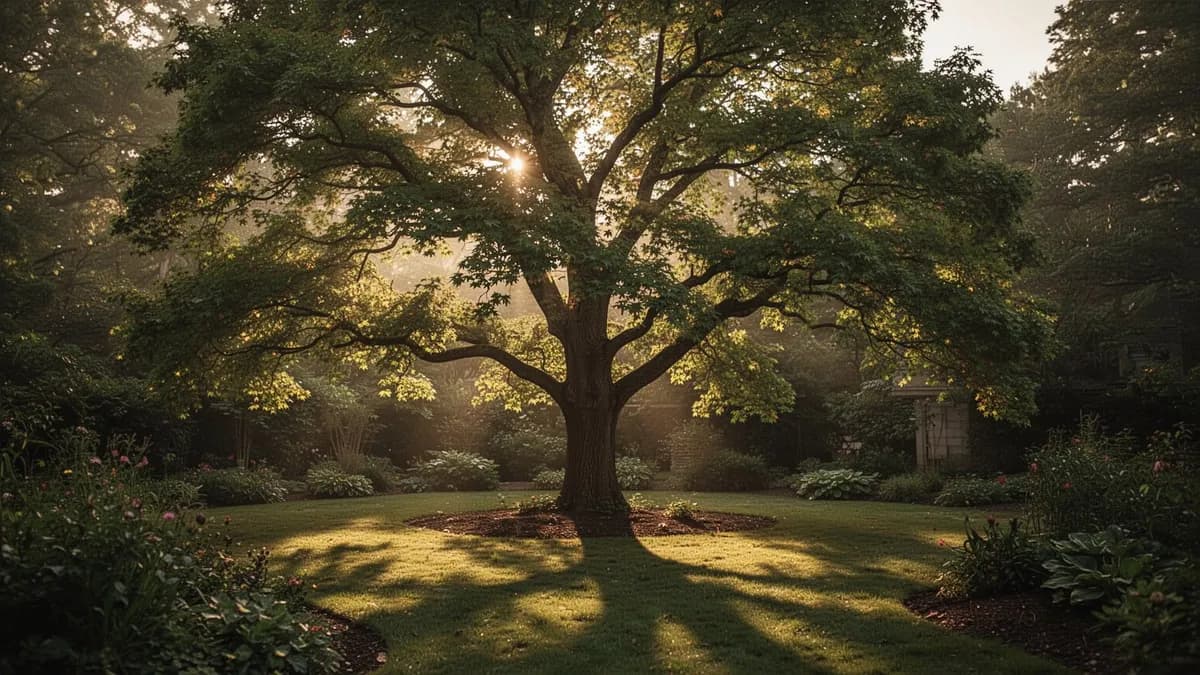
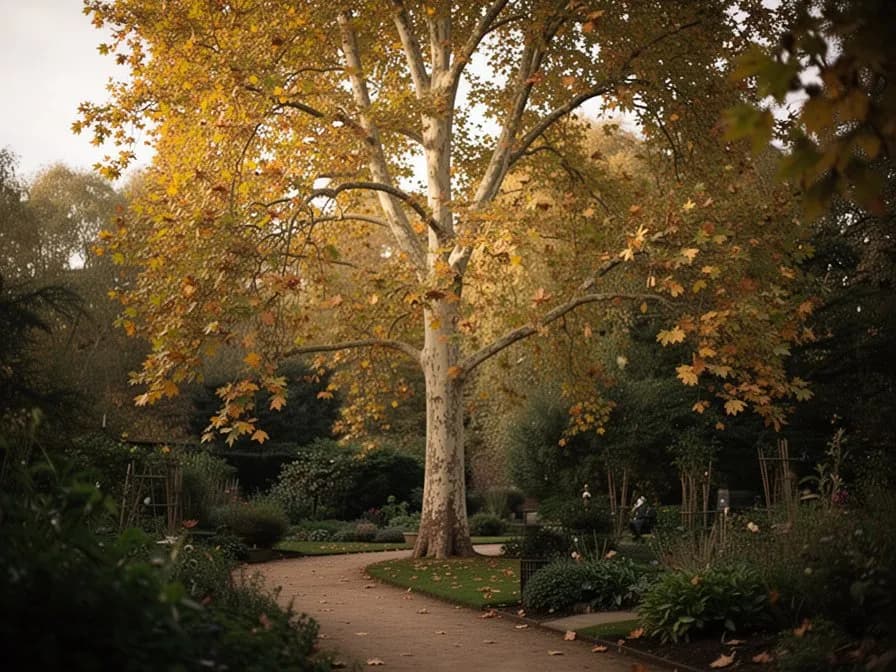
Los plataneros de sombra responden muy bien al desmochado, la técnica de poda severa anual que se practica en los bulevares europeos para mantener los árboles en un tamaño manejable. Sin desmochado, permita que el árbol desarrolle su forma natural abierta y extendida eliminando únicamente la madera muerta y las ramas que se cruzan. La característica corteza exfoliante, que crea un mosaico de manchas color crema, oliva y tostado, es uno de los rasgos ornamentales más destacados del árbol y no requiere ningún mantenimiento para desarrollarse.
Para Platanero de Sombra un bancal de 120 × 240 cm se queda corto
Cada Platanero de Sombra pide 1000 cm de margen. El planificador guarda ese marco por ti — cada planta, cada bancal.
Los mejores vecinos de Platanero de Sombra
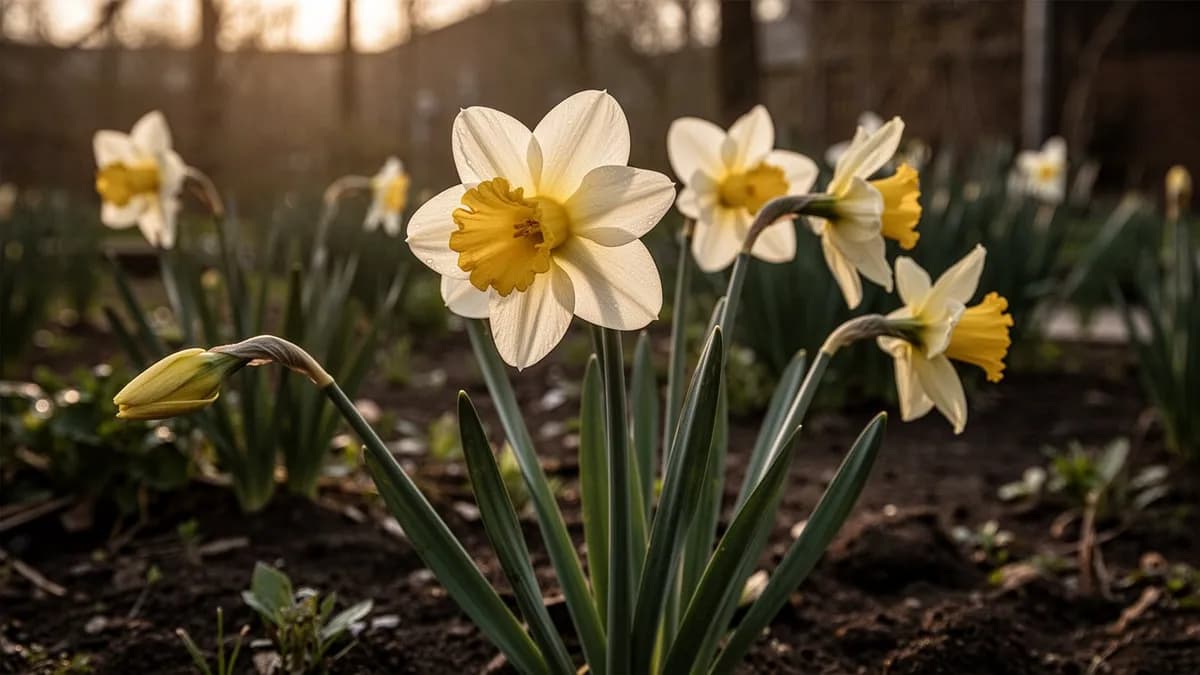
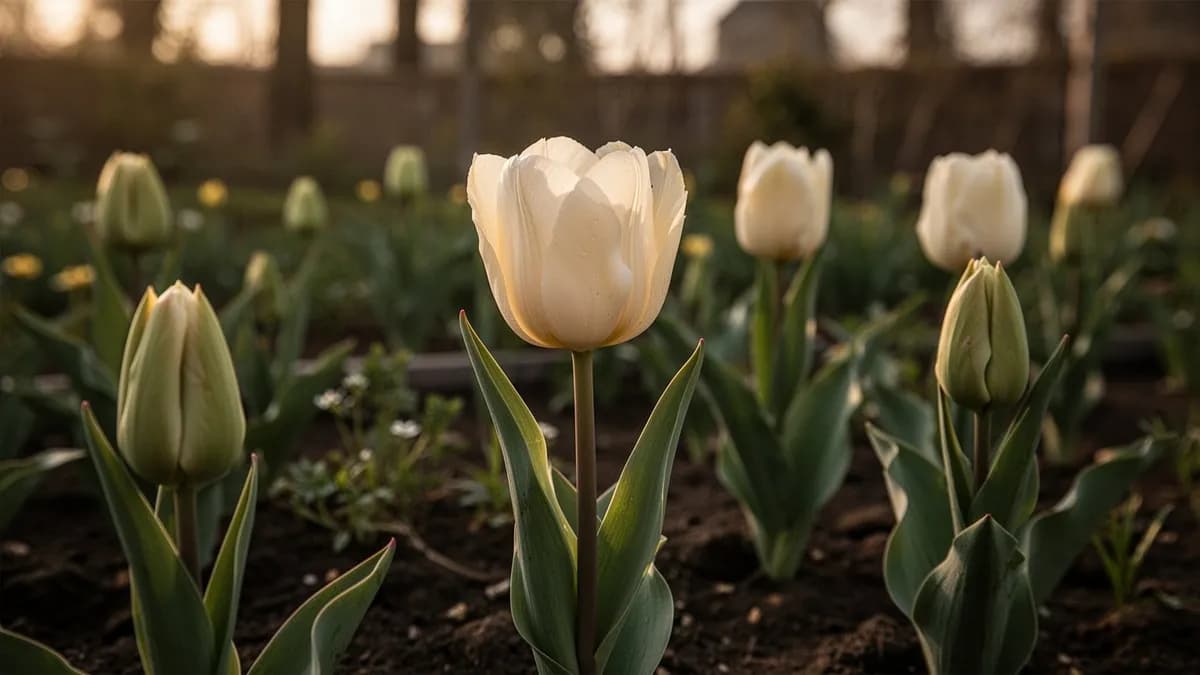
La densa copa extendida del platanero de sombra proyecta una sombra intensa que limita las opciones de sotobosque. Seleccione coberturas del suelo tolerantes a la sombra profunda como la paquísandra, la hiedra inglesa o la vincapervinca para cubrir el suelo bajo ejemplares maduros. Los bulbos de floración primaveral como la escila, las campanillas de invierno y el crocus funcionan bien con la luz de principios de temporada antes de que broten las hojas. En entornos urbanos, las instalaciones de suelo estructural que se extienden bajo el pavimento permiten la expansión radicular al tiempo que sostienen perennes resistentes y arbustos en los parterres de plantación adyacentes. Evite las plantas con alta demanda de humedad cerca del tronco, donde la competencia radicular es más intensa.
Narciso va a su lado. Nogal no.
Saber de huerto de siempre, cotejado con la tabla real de Platanero de Sombra — prueba cualquier planta que cultives.
Prueba Platanero de Sombra en un bancal, aquí mismo
Un bancal real del planificador con Platanero de Sombra ya plantado. Toca una planta compañera para colocarla y mira cómo responde la comprobación de vecinos: verde para buenos vecinos, rojo si hay conflicto.


Guías de cultivo relacionadas
Abónalo bien
Los plataneros de sombra se encuentran entre los grandes árboles de sombra más tolerantes en cuanto a suelos, prosperando en arcilla, franco, suelo arenoso e incluso rellenos urbanos muy compactados. Toleran un rango de pH de 5.0 a 8.0 y se desenvuelven bien tanto en condiciones ácidas como alcalinas. Los árboles jóvenes se benefician de una fertilización equilibrada a principios de primavera durante los primeros años. Los árboles establecidos en suelos razonables no necesitan aporte suplementario de nutrientes. En alcorques urbanos muy restringidos, el recebo anual con compost y las enmiendas con suelo estructural pueden mejorar la salud a largo plazo del árbol y la expansión radicular.
Temperatura ideal
Compatibilidad de zonas de rusticidad
De la semilla a la cosecha, etapa por etapa
Germinación y Plántula
Las semillas del platanero de sombra requieren un período de estratificación fría de 60 a 90 días antes de germinar. Una vez sembradas en un sustrato húmedo y bien drenado en primavera, las plántulas emergen en un plazo de dos a cuatro semanas y desarrollan su primer par de hojas verdaderas palmeadas al final de esta etapa.
Establecimiento del Arbolillo
Durante los años uno y dos, el arbolillo desarrolla un robusto líder central y comienza a formar su característica estructura de ramificación. Las tasas de crecimiento de 30 a 60 centímetros por año son habituales. La corteza lisa de color verde grisáceo propia de la juventud comienza a aparecer, y el sistema radicular se expande rápidamente para anclar al joven árbol.
Crecimiento Juvenil
Desde el tercer año hasta aproximadamente el séptimo, el árbol entra en una fase de crecimiento juvenil vigoroso, añadiendo de 60 a 90 centímetros de altura anualmente. La copa se ensancha considerablemente y la corteza comienza su distintivo patrón de exfoliación, desprendiendo las capas exteriores para revelar la corteza interior más clara. El árbol empieza a proporcionar una cobertura de sombra significativa.
Árbol Maduro Joven
Entre los años siete y veinte, el platanero de sombra alcanza la madurez funcional. La copa se torna amplia y redondeada, proporcionando una sombra sustancial. El patrón moteado de la corteza está ahora plenamente desarrollado con el característico aspecto de rompecabezas. El árbol comienza a producir globos de semillas de forma regular cada otoño y tolera las tensiones urbanas, incluidos los suelos compactados y la contaminación atmosférica.
Plena Madurez y Etapa Patrimonial
A partir de los veinte años aproximadamente, el platanero de sombra continúa creciendo lentamente en grosor de tronco y extensión de copa, y algunos ejemplares superan ampliamente los 300 años de vida. Los árboles maduros pueden alcanzar 30 metros o más de altura con diámetros de tronco superiores a un metro. La copa proporciona un importante efecto de refrigeración urbana y hábitat para aves que anidan en cavidades.
Etapa Veterana y Ancestral
Ejemplares excepcionales de platanero de sombra pueden sobrevivir durante varios siglos, convirtiéndose en árboles veteranos de gran valor ecológico y patrimonial. El tronco puede desarrollar oquedades que proporcionan hábitat a murciélagos, búhos e invertebrados. El crecimiento se ralentiza considerablemente, pero el árbol continúa contribuyendo a la cubierta arbórea urbana y a la biodiversidad.
Mantenga el lecho de siembra constantemente húmedo pero no encharcado. Proteja las plántulas jóvenes de la luz solar directa intensa con una malla de sombreo parcial durante las primeras semanas tras la emergencia.
Cuidar Platanero de Sombra mes a mes
Qué hacer cada mes para tu Platanero de Sombra
Octubre
Mes actualRastrille y composte las hojas caídas con regularidad para reducir los refugios invernales de esporas del hongo de la antracnosis.. Plante nuevos plataneros de sombra a raíz desnuda o en contenedor mientras el suelo aún esté lo suficientemente templado para el establecimiento radicular.. Aplique un último riego profundo antes de que el suelo se hiele en las regiones más frías.
Ten claro qué hacer en tu huerto, cada mes
Un correo al empezar cada mes: qué sembrar, plantar y hacer ahora mismo — para tu Platanero de Sombra y todo lo que crece alrededor. Más un breve curso inicial para esquivar los errores clásicos.
- Qué hacer ahora mismo
- Ajustado a tu temporada
- Curso inicial incluido
Cosechar Platanero de Sombra
Los plataneros de sombra son estrictamente ornamentales y no producen ninguna cosecha comestible. Los globos de semillas esféricos y colgantes que persisten durante el invierno no se consumen. Estas bolas espinosas pueden recogerse a finales de otoño para arreglos de flores secas o proyectos de manualidades. El principal atractivo ornamental para disfrutar durante todo el año es la extraordinaria corteza exfoliante, que se desprende continuamente en placas irregulares revelando una corteza interna fresca de color crema y oliva, creando uno de los despliegues de tronco más bellos del mundo arbóreo.
se supone que plantas al comenzar el periodo — indica tu fecha real
Cosecha Platanero de Sombra a tiempo y la planta sigue produciendo.
Almacenamiento y conservación
Las semillas del platanero de sombra pueden recogerse de los globos de semillas colgantes a finales de otoño para su propagación. Desmenuce los globos y separe los aquenios individuales. Almacene las semillas secas en recipientes herméticos en el frigorífico para la siembra primaveral. Los decorativos globos de semillas pueden rociarse con laca transparente o fijador de pelo para su uso en arreglos secos. La madera del platanero de sombra se conoce como lacewood cuando se asierra al cuarto, revelando un atractivo veteado moteado que se emplea en ebanistería y chapas decorativas. Las ramas podadas constituyen una excelente leña con buena producción de calor.
Qué falla — y cómo solucionarlo
Antracnosis
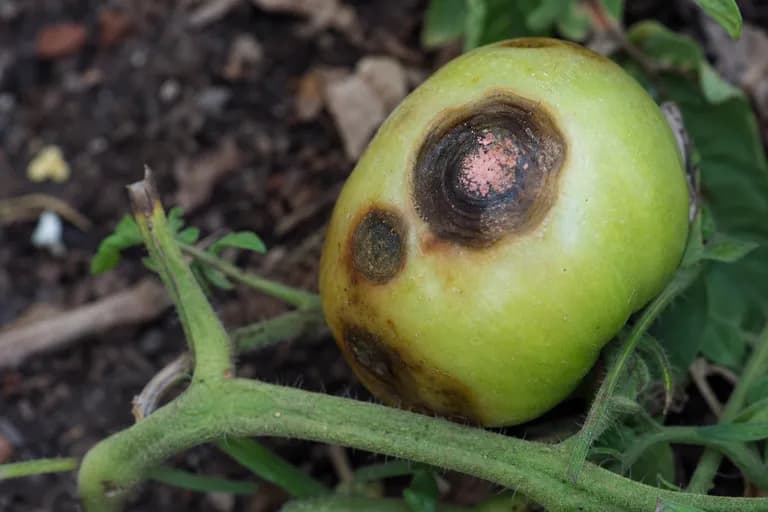
EnfermedadManchas irregulares de color pardo en las hojas durante primaveras frescas y húmedas. La muerte regresiva de brotes crea un aspecto de escoba de bruja. Las infecciones severas provocan una defoliación temprana seguida de una segunda brotación foliar.
Chinche de Encaje del Plátano (Sycamore Lace Bug)
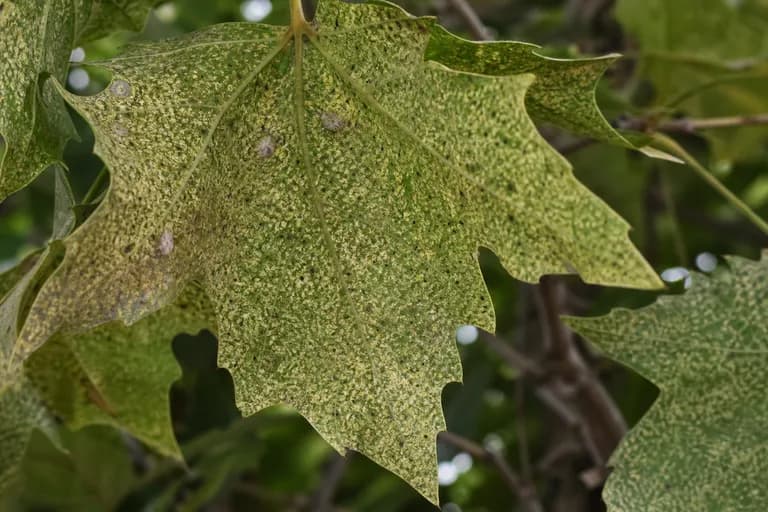
PlagaSuperficies superiores de las hojas punteadas y decoloradas, con manchas oscuras de excremento en el envés. Las infestaciones fuertes provocan un pardeamiento prematuro de las hojas y una defoliación anticipada a finales de verano.
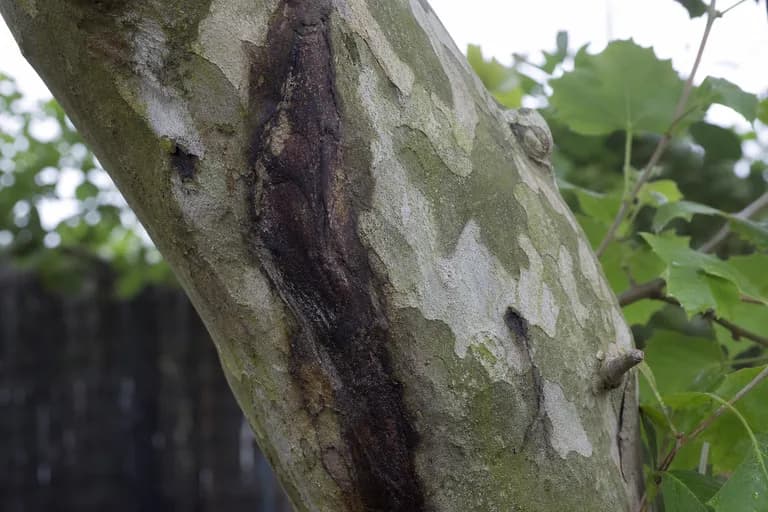
Chancro Coloreado (Canker Stain)
EnfermedadChancros alargados y hundidos en el tronco y las ramas principales con una coloración azul-negruzca visible bajo la corteza. Los árboles decaen y mueren en el plazo de varios años tras la infección.
Solución de problemas comunes
La abundante generación de residuos es la queja paisajística principal. Los plataneros de sombra desprenden corteza, hojas de gran tamaño, globos de semillas y restos de ramillas durante todo el año, lo que exige una limpieza periódica. La antracnosis afea el follaje la mayoría de las primaveras, pero rara vez causa daños permanentes en árboles sanos. La densa copa puede crear una sombra profunda que dificulta el cultivo de césped debajo del árbol. Las raíces agresivas pueden levantar el pavimento adyacente si se plantan demasiado cerca de las aceras. Los fragmentos de los globos de semillas cubiertos de tricomas pueden irritar la piel y las vías respiratorias cuando se remueven durante las labores de limpieza.
Consejos de cultivo
- Seleccione un emplazamiento de plantación con espacio suficiente para la copa madura, dejando al menos de 8 a 10 metros desde edificios, líneas eléctricas aéreas y otros árboles de gran porte para acomodar la envergadura final de 20 a 30 metros.
- Plante ejemplares a raíz desnuda durante el período de dormancia, de noviembre a marzo, para un mejor establecimiento, asegurándose de que el cuello radicular quede a nivel o ligeramente por encima del suelo para prevenir la podredumbre del cuello.
- Proporcione un volumen mínimo de suelo de 15 a 20 metros cúbicos por árbol en entornos urbanos para favorecer un desarrollo radicular saludable y un crecimiento a largo plazo. Considere sistemas de suelo estructural o pavimento suspendido donde el espacio sea limitado.
- Riegue en profundidad los árboles recién plantados una vez por semana durante las dos o tres primeras temporadas de crecimiento, aplicando de 40 a 60 litros por sesión para fomentar la penetración radicular profunda en lugar del enraizamiento superficial.
- Aplique una capa de 7 a 10 centímetros de corteza compostada o astillas de madera en un anillo que se extienda hasta la proyección de la copa, manteniendo el mantillo al menos a 15 centímetros del tronco para prevenir enfermedades de la corteza relacionadas con la humedad.
- Realice la poda de formación durante los primeros cinco a diez años para establecer un líder central fuerte y ramas principales bien espaciadas. Elimine los tallos codominantes tempranamente para prevenir fallos estructurales en el futuro.
- Vigile la antracnosis (Apiognomonia veneta) durante las primaveras frescas y húmedas. Aunque rara vez es mortal, las infecciones severas pueden causar una defoliación significativa. Mejore la circulación del aire mediante el aclareo de copa para reducir la presión de la enfermedad.
- Evite plantar plataneros de sombra en zonas con suelo crónicamente encharcado o drenaje deficiente. Aunque toleran inundaciones ocasionales, las condiciones de humedad persistente favorecen la pudrición radicular causada por especies de Phytophthora.
- Tenga en cuenta que los finos tricomas que se desprenden de las hojas jóvenes y los globos de semillas pueden causar irritación respiratoria en personas sensibles. Considere esto al plantar cerca de zonas de descanso al aire libre, tomas de ventilación de hospitales o patios de recreo escolares.
- Si gestiona el árbol mediante desmochado, establezca la estructura de desmochado mientras el árbol sea joven y repita la operación a intervalos regulares de dos a cinco años. Nunca desmoche un árbol maduro que no haya sido gestionado previamente de este modo, ya que las grandes heridas podrían no compartimentalizarse eficazmente.
Cultiva tu mejor Platanero de Sombra — y todo lo que la rodea.
Empieza un plan gratis hoy. Diseña tus bancales, coloca tu Platanero de Sombra y deja que PlotMyGarden gestione el momento, el espaciado, las asociaciones y los recordatorios de la semilla a la cesta.
Elige tu Platanero de Sombra
Bloodgood
El cultivar más ampliamente plantado, con una resistencia superior a la antracnosis y buena tolerancia al oídio. Desarrolla la clásica copa amplia y corteza exfoliante con un crecimiento vigoroso.
Columbia
Una selección resistente a la antracnosis y al oídio procedente del Arboreto Nacional de los Estados Unidos. Porte piramidal fuerte en su juventud que madura hacia una copa amplia y redondeada. Excelente comportamiento urbano.
Exclamation
Un cultivar estrecho y erguido ideal para plantaciones de alineación donde el espacio es limitado. Alcanza 17 metros de altura pero solo 9 metros de ancho, con buena resistencia a enfermedades.
Ovation
Un cultivar compacto que alcanza 15 metros de altura con copa redondeada y excelente resistencia a enfermedades. Su robusta estructura de ramas resiste mejor los daños por tormentas que la especie tipo.
Aunque el platanero de sombra no es un árbol productor de alimentos, aporta un valor económico significativo a través de los servicios ecosistémicos. Un ejemplar maduro puede reducir los costes de refrigeración residencial entre un 15 y un 35 por ciento mediante la provisión de sombra, incrementar el valor de las propiedades cercanas entre un 5 y un 15 por ciento y generar un valor anual estimado de servicios ecosistémicos de 100 a 500 dólares por árbol, combinando la mejora de la calidad del aire, la gestión de aguas pluviales, el secuestro de carbono y el ahorro energético. Los estudios municipales clasifican de manera consistente al platanero de sombra entre los árboles urbanos con mayor retorno de la inversión, con relaciones beneficio-coste a lo largo de su vida útil que superan la proporción de 5 a 1.
Recetas rápidas
Baño de Tinte Natural con Corteza de Platanero
2 horasUtilice trozos de corteza desprendida del platanero de sombra para crear un tinte natural que va del tostado cálido al oliva suave para textiles. La corteza exfoliada contiene taninos que producen colores terrosos y resistentes a la luz sobre fibras naturales sin necesidad de mordientes químicos agresivos.
5 ingredientesPosavasos Artísticos de Hojas Prensadas de Platanero
30 minutos más 2 semanas de secadoPrense las grandes y arquitectónicas hojas palmeadas del platanero de sombra para crear posavasos decorativos de arte botánico. La forma lobulada distintiva y el prominente patrón de nervaduras las hacen particularmente llamativas cuando se conservan y montan bajo resina transparente.
5 ingredientesCorona Comedero para Aves con Globos de Semillas de Platanero
45 minutosCombine los erizados globos de semillas del platanero de sombra con sebo y alpiste para crear una corona invernal natural que proporcione alimento a las aves del jardín. Los espinosos globos de semillas sirven como base estructural y también ofrecen semillas que los jilgueros aprecian especialmente.
6 ingredientesQué contiene
Beneficios para la salud
- Los plataneros de sombra maduros mejoran significativamente la calidad del aire urbano al atrapar partículas finas (PM2,5 y PM10) en sus grandes hojas pilosas; los estudios demuestran que un solo árbol puede eliminar hasta 60 gramos de partículas atmosféricas al año.
- La densa copa proporciona una sombra sustancial que reduce la temperatura ambiente hasta 5 grados Celsius bajo el árbol, disminuyendo los riesgos para la salud relacionados con el calor en las zonas urbanas durante las olas de calor estivales.
- Los plataneros de sombra contribuyen a la salud mental y el bienestar a través de efectos biofílicos; las investigaciones indican que las vistas de árboles urbanos maduros reducen las hormonas del estrés, bajan la presión arterial y mejoran el estado de ánimo.
- Los árboles reducen la contaminación acústica en los entornos urbanos en hasta 6 a 8 decibelios cuando se plantan en filas densas, lo que ayuda a disminuir los niveles de estrés y mejorar la calidad del sueño de los residentes cercanos.
- Al interceptar la lluvia y ralentizar la escorrentía de aguas pluviales, los plataneros de sombra reducen el riesgo de inundaciones y mejoran la calidad del agua, protegiendo indirectamente la salud pública en zonas urbanas propensas a inundaciones.
- La producción de oxígeno de un platanero de sombra maduro es suficiente para cubrir las necesidades respiratorias de aproximadamente dos a cuatro personas, lo que lo convierte en uno de los generadores de oxígeno urbano más productivos entre los árboles de alineación comúnmente plantados.
De dónde viene Platanero de Sombra
El platanero de sombra (Platanus x acerifolia) es una especie híbrida que se cree originada en el siglo XVII a partir de un cruce entre el sicomoro americano (Platanus occidentalis) y el plátano oriental (Platanus orientalis). Las circunstancias exactas de su origen siguen siendo objeto de debate entre los botánicos. Algunas evidencias sugieren que la hibridación se produjo por primera vez hacia 1650 en el jardín de John Tradescant el Joven en Vauxhall, Londres, donde ambas especies progenitoras se cultivaban en estrecha proximidad. Otros argumentan que el cruce pudo haberse dado de manera independiente en España, donde ambas especies también crecían juntas en jardines botánicos. Independientemente de su lugar de nacimiento exacto, el híbrido demostró rápidamente un vigor, una tolerancia a la contaminación y una adaptabilidad a las condiciones urbanas superiores a las de cualquiera de sus progenitores. Ya en el siglo XVIII, el platanero de sombra se había convertido en el árbol predilecto para flanquear los grandes bulevares y plazas públicas de las ciudades europeas en rápida industrialización. Su notable capacidad para prosperar en un aire cargado de humo y hollín lo hizo indispensable durante la Revolución Industrial, cuando la mayoría de las demás especies arbóreas luchaban por sobrevivir en los centros urbanos. La especie se plantó extensamente por todo Londres durante la era victoriana, dando origen a su nombre común en inglés. Posteriormente se introdujo en ciudades de todo el mundo templado, desde Nueva York y Buenos Aires hasta Sídney y Shanghái. En París, Napoleón III ordenó la plantación de plataneros de sombra a lo largo de los Campos Elíseos y en todo el sistema de bulevares rediseñado por Haussmann. Hoy en día, el platanero de sombra sigue siendo uno de los árboles urbanos más ampliamente plantados de la Tierra, valorado no solo por su importancia patrimonial, sino también por su capacidad probada para reducir el efecto de isla de calor urbano, filtrar la contaminación atmosférica, gestionar las aguas pluviales y proporcionar una infraestructura verde esencial en entornos metropolitanos densos.
Platanero de Sombra: ¿sabías que?
Datos fascinantes sobre Platanero de Sombra
El platanero de sombra es un híbrido entre el sicomoro americano (Platanus occidentalis) y el plátano oriental (Platanus orientalis), que probablemente surgió por primera vez en el siglo XVII, ya sea en España o en Londres.
Platanero de Sombra: preguntas frecuentes
¿Cuándo debo plantar Platanero de Sombra?
¿Cuáles son buenas plantas acompañantes para Platanero de Sombra?
¿En qué zonas de rusticidad puede crecer Platanero de Sombra?
¿Cuánto sol necesita Platanero de Sombra?
¿A qué distancia debo espaciar Platanero de Sombra?
¿Qué plagas y enfermedades afectan a Platanero de Sombra?
¿Cómo almaceno Platanero de Sombra después de la cosecha?
¿Cuáles son las mejores variedades de Platanero de Sombra para cultivar?
¿Qué suelo necesita Platanero de Sombra?
¿El platanero de sombra ensucia mucho?
¿Qué rapidez de crecimiento tiene el platanero de sombra?
¿Son problemáticos los plataneros de sombra para las alergias?
¿Se puede mantener pequeño un platanero de sombra mediante la poda?
¿Qué enfermedades afectan a los plataneros de sombra?
¿Por qué se le cae la corteza a mi platanero de sombra?
Acabas de leer la teoría. Ahora cultívala en piloto automático.
Todo lo que hace que Platanero de Sombra sea delicado — el momento, el espaciado, las asociaciones, la ventana de cosecha — es justo lo que PlotMyGarden resuelve por ti, para cada planta de tu huerto.
Un plan que conoce tu clima
Indica tu ubicación una vez. Recibe fechas de siembra, abonado y cosecha basadas en tu última helada real y el pronóstico en vivo — sin adivinar con un sobre genérico.
De la sección “Cuándo plantar”Planificador de bancales de arrastrar y soltar
Diseña bancales sobre una cuadrícula. Cada planta encaja con su espaciado correcto y ves toda la temporada antes de gastar un céntimo en semillas.
De la sección “Cultivo”Conflictos de asociación, detectados a tiempo
Más de 200 buenas y malas combinaciones comprobadas en vivo mientras plantas — para que un error que arruine la temporada nunca llegue a la tierra.
De la sección “Asociaciones”Recordatorios que sí vas a seguir
“Riega las judías.” “Recoge hoy antes de que se pase.” Oportunos, concretos y ligados a las plantas que de verdad cultivas.
De la sección “Cosecha”Escalonado, programado
¿Quieres cosechar seis semanas en vez de seis días? Reparte tus siembras automáticamente y te avisa cuando toca el siguiente lote.
De la sección “Cuándo plantar”Un registro que se vuelve más listo
Cada cosecha que registras le enseña tu huerto. El plan del año que viene parte de lo que de verdad funcionó en tu suelo, no en un manual.
De la sección “Resumen”Planta estos junto a Platanero de Sombra
Más Árboles de sombra
Mantén Platanero de Sombra lejos de estos
Cultiva tu mejor Platanero de Sombra — y todo lo que la rodea.
Empieza un plan gratis hoy. Diseña tus bancales, coloca tu Platanero de Sombra y deja que PlotMyGarden gestione el momento, el espaciado, las asociaciones y los recordatorios de la semilla a la cesta.