Lobelia
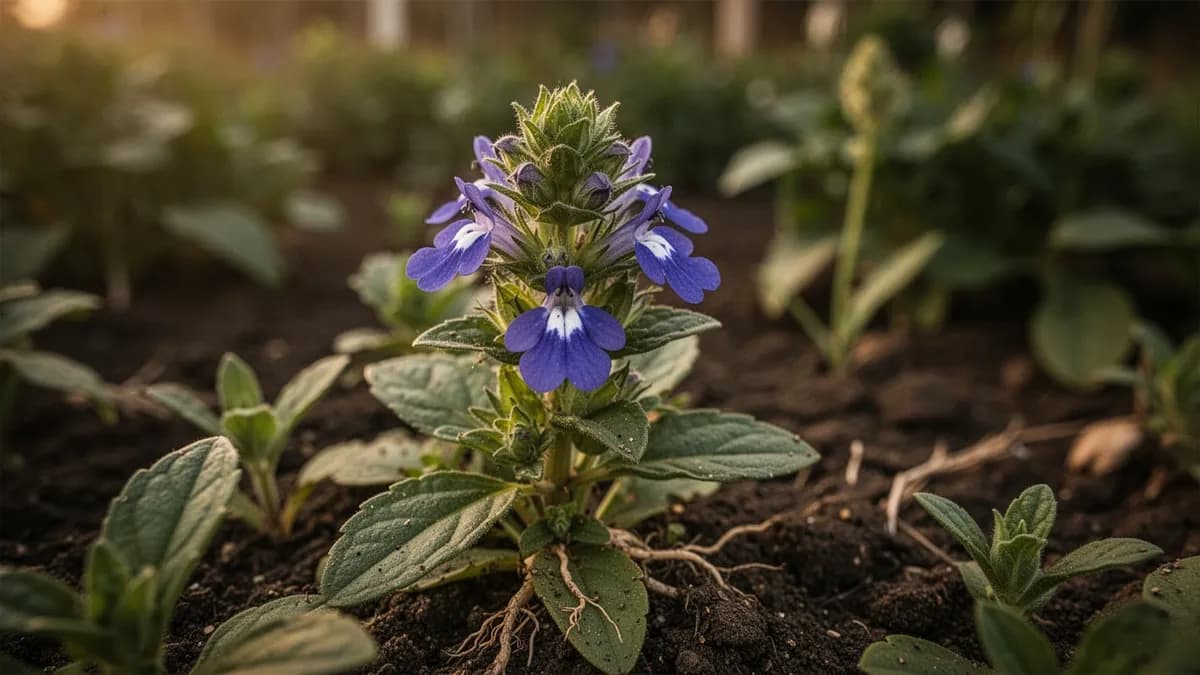
Planta silvestre anual nativa con pequeñas flores azules y cápsulas de semillas infladas, utilizada en la medicina herbal tradicional de los Apalaches para el apoyo respiratorio.





En esta páginaResumen
Conoce Lobelia
Planta silvestre anual nativa con pequeñas flores azules y cápsulas de semillas infladas, utilizada en la medicina herbal tradicional de los Apalaches para el apoyo respiratorio. La lobelia es una hierba muy potente que solo debe usarse bajo supervisión profesional debido a su elevado contenido en alcaloides. Cultívela a media sombra con suelo húmedo y recoja las partes aéreas durante la floración.
Cuándo plantar Lobelia
Siembre las semillas de lobelia en la superficie del sustrato de siembra húmedo a principios de primavera; las diminutas semillas necesitan luz para germinar. La germinación tarda 2-4 semanas a 18-22 °C. Las semillas también pueden someterse a estratificación en frío durante 4 semanas para mejorar las tasas de germinación. Realice la siembra directa al exterior a principios de primavera donde se deseen las plantas. Aclare los plantones a 25 cm de separación. Se autosembran moderadamente donde las condiciones son favorables. Las semillas tan finas se pierden con facilidad: siémbrelas en superficie y presione suavemente sin cubrirlas.
Tu año de Lobelia
Ajustado a Zona 7 · temporada típica · la helada se va hacia el 2 abr y vuelve hacia el 1 nov
Planta Lobelia Abr – May y cosecha Jul – Sep. Consulta los métodos de plantación y elige tu clima para adaptar los periodos.
Cómo cultivar Lobelia
La lobelia, también llamada tabaco indio o hierba del vómito, es una planta silvestre anual nativa que crece entre 30 y 60 cm de altura, con pequeñas flores de color azul pálido a blanco y cápsulas seminales infladas muy características que dan a la especie su nombre inflata. Esta potente hierba fue fundamental en el sistema médico Thomsoniano de la América del siglo XIX y fue utilizada por pueblos indígenas para aliviar problemas respiratorios. Plántela a media sombra en suelo húmedo y de fertilidad media, con una separación de 25 cm entre plantas.
La lobelia prospera en las condiciones de humedad y semisombra de su hábitat nativo en los bordes de bosques y praderas. Proporcione suelo consistentemente húmedo y protección del sol intenso de la tarde. La planta tolera distintos tipos de suelo, pero se desarrolla mejor en suelos ricos en materia orgánica. Riegue con regularidad, ya que la lobelia no tolera bien la sequía.
Esta es una planta que exige respeto: todas sus partes contienen alcaloides muy potentes (principalmente lobelina) que pueden causar náuseas, vómitos y efectos más graves en dosis excesivas. Solo debe usarse bajo orientación profesional. En el jardín, la lobelia es una planta silvestre nativa atractiva que se integra de forma natural en plantaciones de bosque y pradera. Las cápsulas infladas son una curiosidad encantadora que divierte a los niños.
36 plantas caben en un bancal de 120 × 240 cm
Cada Lobelia pide 25 cm de margen. El planificador guarda ese marco por ti — cada planta, cada bancal.
Los mejores vecinos de Lobelia
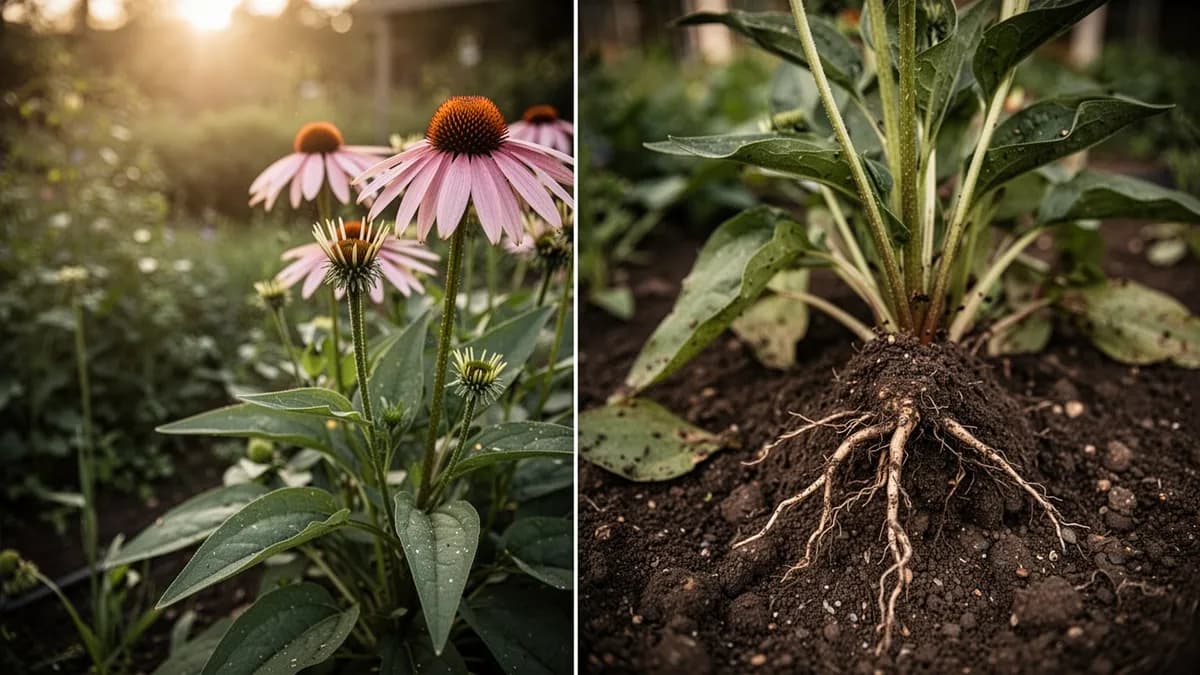
La lobelia crece de forma natural en los bordes de bosques, praderas húmedas y claros parcialmente sombreados junto a otras plantas autóctonas. En el jardín, plántela junto a otras hierbas medicinales nativas como equinácea, sello de oro y ginseng en un jardín de hierbas de bosque con sombra parcial. Las flores de color azul pálido añaden color a los arriates semisombreados. La planta atrae pequeños polinizadores y forma parte de la comunidad vegetal nativa que favorece la biodiversidad.
Equinácea va a su lado.
Saber de huerto de siempre, cotejado con la tabla real de Lobelia — prueba cualquier planta que cultives.
Prueba Lobelia en un bancal, aquí mismo
Un bancal real del planificador con Lobelia ya plantado. Toca una planta compañera para colocarla y mira cómo responde la comprobación de vecinos: verde para buenos vecinos, rojo si hay conflicto.


Guías de cultivo relacionadas
Abónalo bien
Cultive en suelo húmedo, de fertilidad media a rica, con pH 5.5-7.0. Incorpore compost para favorecer la retención de humedad. Mantenga el suelo consistentemente húmedo durante toda la temporada de crecimiento. No se necesita una fertilización intensa: una fertilidad moderada produce plantas sanas con buen contenido en alcaloides. En macetas, use sustrato estándar mantenido uniformemente húmedo. La lobelia no es una planta exigente en cuanto a nutrientes, pero sí requiere humedad constante.
Temperatura ideal
Compatibilidad de zonas de rusticidad
De la semilla a la cosecha, etapa por etapa
Germinación
Las semillas de Lobelia inflata son excepcionalmente pequeñas, casi polvorientas, y necesitan luz para germinar. Deben sembrarse en superficie sin cubrirlas y mantenerse constantemente húmedas. La germinación es lenta e irregular y suele producirse entre los 10 y 18 días cuando las temperaturas se mantienen entre 18 y 22 °C. Los cotiledones que emergen son minúsculos y apenas visibles a simple vista, lo que convierte esta fase en la más exigente del cultivo.
Formación de la roseta
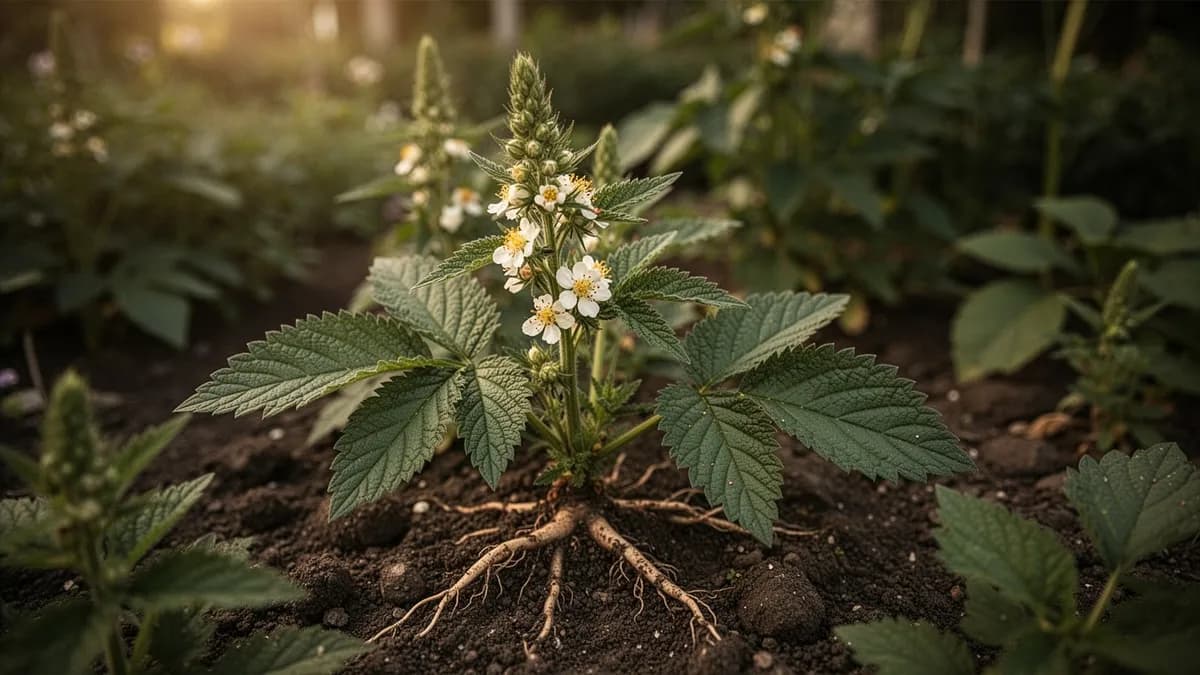
El plantón desarrolla una roseta basal baja de hojas ovadas a oblongas con márgenes finamente dentados o crenados. Las hojas son de color verde claro, ligeramente pubescentes por ambas caras y típicamente de 3-7 cm de longitud en esta fase. La planta desarrolla un sistema radicular fibroso cerca de la superficie del suelo mientras la roseta se expande lentamente hacia los lados. El crecimiento es deliberado durante esta fase, ya que la planta acumula energía para su eventual tallo floral.
Elongación del tallo
Un tallo erguido único (que ocasionalmente ramifica) emerge del centro de la roseta y crece hasta 30-60 cm de altura. El tallo es pubescente, anguloso y ligeramente estriado, y lleva hojas alternas que se van haciendo progresivamente más pequeñas hacia arriba. Las hojas superiores son sésiles, mientras que las inferiores tienen pecíolos cortos. La planta canaliza su energía hacia el crecimiento vertical, produciendo el porte erguido característico que la distingue de las especies de lobelia ornamental.
Floración
Pequeñas flores tubulares bilabiadas aparecen en racimos terminales y axilares poco densos. Cada flor mide 6-8 mm de longitud, es de color violeta pálido a casi blanco, y tiene un labio inferior característico dividido en tres lóbulos apuntados. Las flores se abren progresivamente desde la base del racimo hacia arriba a lo largo de varias semanas. Esta es la ventana de cosecha óptima para uso medicinal, ya que las concentraciones de lobelina y otros alcaloides están en su punto máximo durante la floración activa.
Desarrollo de las cápsulas
Tras la polinización, el cáliz se hincha drásticamente para formar las características cápsulas de semillas infladas y vesiculosas que dan nombre a la especie. Estas cápsulas papiráceas con forma de globo miden 6-10 mm de diámetro y contienen cientos de minúsculas semillas marrones. Las cápsulas maduran pasando del verde al color paja a medida que las semillas se desarrollan. Las cápsulas infladas son la característica de identificación más distintiva de la especie y persisten en los tallos secos bien entrado el invierno.
Senescencia y dormancia
Al ser una planta anual o bienal de vida corta, Lobelia inflata completa su ciclo vital tras la producción de semillas. La planta amarillea y muere por completo tras la primera helada fuerte. A diferencia de las especies de lobelia perenne, la planta no inverna desde la raíz. Sin embargo, se perpetúa mediante una abundante autosiembre. Los tallos secos con sus características cápsulas infladas pueden persistir durante el invierno, aportando interés visual y siendo una característica de identificación fiable.
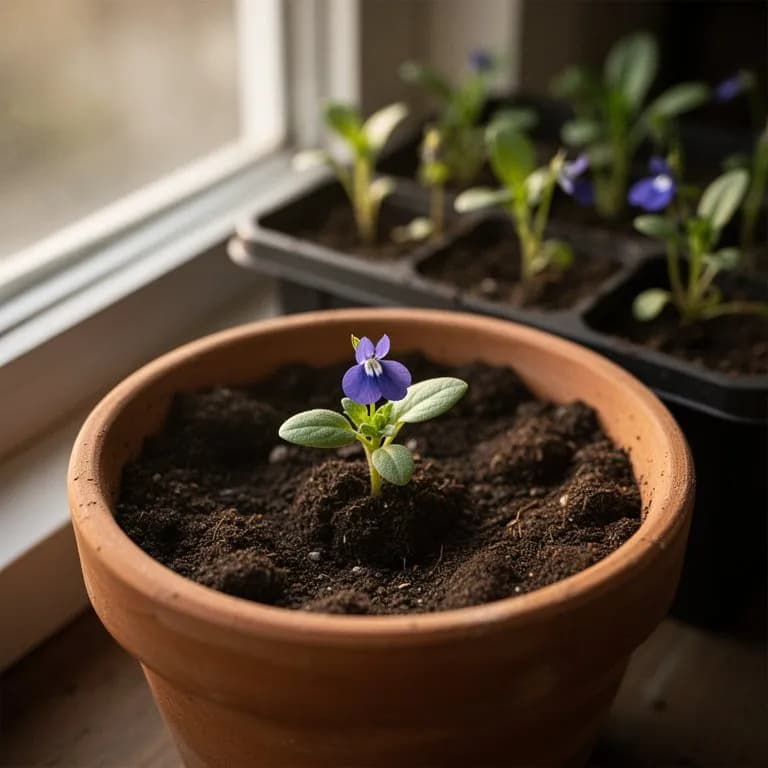
Siembre las semillas en superficie sobre sustrato de siembra húmedo y bien preparado, y presione suavemente sin cubrir: las semillas de lobelia necesitan luz para germinar. Use un pulverizador de niebla en lugar de regar desde arriba para evitar desplazar las minúsculas semillas. Cubra las bandejas con plástico transparente o vidrio para mantener la humedad hasta que se produzca la germinación.
Cuidar Lobelia mes a mes
Qué hacer cada mes para tu Lobelia
Octubre
Mes actualLas cápsulas de semillas han madurado hasta adquirir un color paja papiráceo y están listas para la recolección. Sacuda las cápsulas maduras en sobres de papel y etiquete con la fecha y la procedencia. Almacene las semillas en un lugar fresco y seco para la siembra de primavera. Retire del jardín las plantas anuales agotadas, compostando los tallos después de extraer las cápsulas de semillas restantes para su almacenamiento.
Ten claro qué hacer en tu huerto, cada mes
Un correo al empezar cada mes: qué sembrar, plantar y hacer ahora mismo — para tu Lobelia y todo lo que crece alrededor. Más un breve curso inicial para esquivar los errores clásicos.
- Qué hacer ahora mismo
- Ajustado a tu temporada
- Curso inicial incluido
Cosechar Lobelia
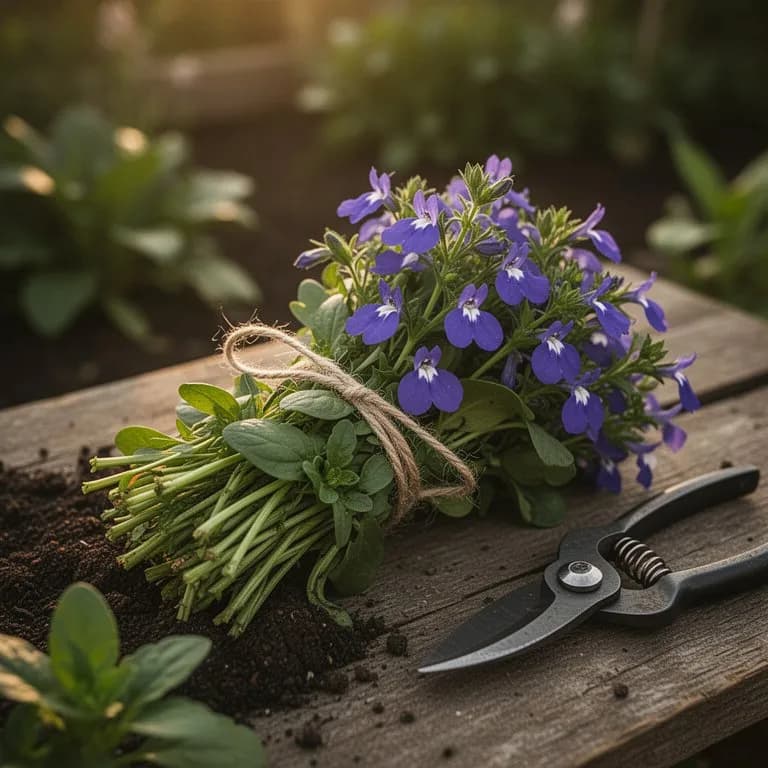
Coseche toda la parte aérea de la lobelia cuando esté en plena floración y las cápsulas de semillas infladas estén comenzando a desarrollarse; es entonces cuando el contenido en alcaloides alcanza su máximo. Corte las plantas a nivel del suelo. Manipule con cuidado, ya que la planta puede causar irritación cutánea en personas sensibles. Seque rápidamente en un lugar bien ventilado y alejado de la luz directa. Debido al potente contenido en alcaloides, los preparados de lobelia solo deben utilizarse bajo la supervisión de un herborista cualificado o profesional sanitario.
se supone que plantas al comenzar el periodo — indica tu fecha real
Cosecha Lobelia a tiempo y la planta sigue produciendo.
Almacenamiento y conservación
Seque la hierba entera extendiéndola sobre rejillas en un lugar cálido, oscuro y bien ventilado durante 1-2 semanas. Guarde la lobelia seca en frascos herméticos alejados de la luz durante un máximo de un año. Etiquete claramente como hierba potente no apta para uso ocasional. Prepare tintura en alcohol para una concentración mayor; este es el método de preparación profesional más habitual. Mantenga todos los preparados fuera del alcance de los niños. La hierba seca y la tintura son utilizadas principalmente por herboristas profesionales, no para el autocuidado doméstico.
Qué falla — y cómo solucionarlo
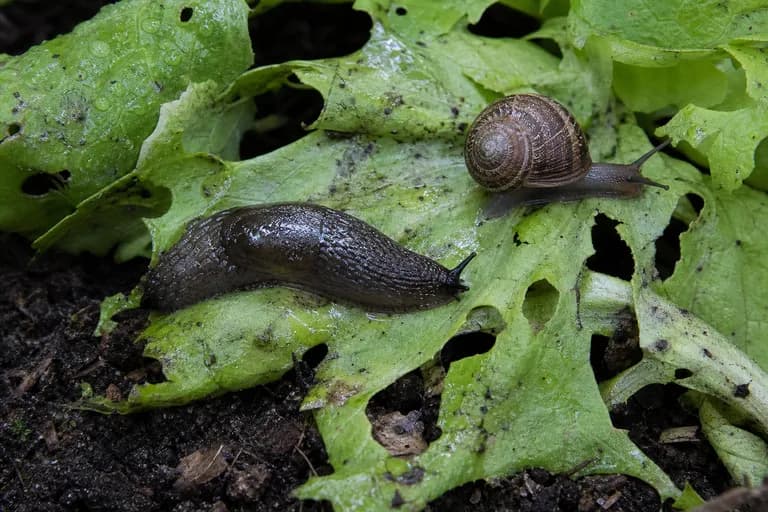
Babosas y caracoles
PlagaDaños en plantas jóvenes en condiciones húmedas y sombreadas. Los plantones son especialmente vulnerables.
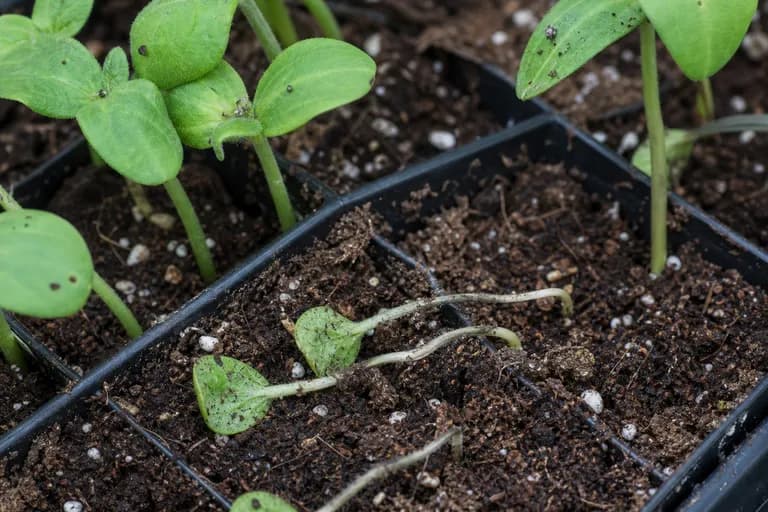
Mal del vivero (damping off)
EnfermedadLos plantones se derrumban a nivel del suelo, generalmente por infección fúngica en condiciones de exceso de humedad y poca ventilación.
Solución de problemas comunes
El potente contenido en alcaloides (especialmente la lobelina) provoca náuseas, vómitos y efectos potencialmente peligrosos en dosis elevadas; no es un remedio herbal de uso casual. La orientación profesional es imprescindible para cualquier uso medicinal. Al ser una planta anual, debe resembrarse cada año o dejarse resembrar por sí sola. Con demasiado sol o suelo seco, las plantas se atrofian y sufren estrés. Las cápsulas infladas son atractivas, pero pueden explotar al apretarlas, esparciendo las semillas.
Consejos de cultivo
- Las semillas de Lobelia inflata son finísimas como polvo y necesitan luz para germinar: no las cubra nunca con tierra. Siémbrelas en superficie sobre sustrato de siembra previamente humedecido, presione suavemente para asegurar el contacto semilla-suelo y mantenga la humedad constante con un pulverizador de niebla. Cubrir las bandejas con plástico transparente ayuda a mantener la alta humedad que estas diminutas semillas necesitan para una germinación fiable.
- Comience la siembra en interior 8-10 semanas antes de la fecha de la última helada para obtener la cosecha más temprana posible. La lobelia tarda en establecerse a partir de semilla, y el inicio en interior da a las plantas una ventaja significativa. Proporcione luz indirecta brillante o lámparas de cultivo durante 14-16 horas diarias una vez que emerjan los plantones, ya que la poca luz produce un crecimiento débil y estirado.
- Elija un lugar de plantación con sombra parcial a pleno sol y suelo consistentemente húmedo y bien drenado. En su hábitat nativo, la lobelia prefiere los bordes de bosque y los claros parcialmente sombreados: replicar estas condiciones con sol de mañana y sombra de tarde produce las plantas más sanas con los perfiles de alcaloides más robustos.
- Separe las plantas 20-25 cm en el jardín. Lobelia inflata tiene un porte relativamente compacto en comparación con las especies de lobelia ornamental, pero un espaciado adecuado garantiza una buena circulación de aire que reduce el riesgo de enfermedades fúngicas en el follaje pubescente durante el tiempo húmedo.
- Mantenga una humedad del suelo constante durante toda la temporada de crecimiento: la lobelia no tolera la sequía y espigará prematuramente o producirá un crecimiento atrofiado si se seca. Una capa de 5-7 cm de mantillo orgánico alrededor de las plantas ayuda a retener la humedad, suprimir las malas hierbas y mantener las raíces frescas durante el calor estival.
- Use siempre guantes al manipular las plantas de lobelia, especialmente durante la cosecha y el procesado. Los alcaloides, en particular la lobelina, pueden absorberse a través de la piel y causar náuseas, mareos o irritación cutánea en personas sensibles. Lávese las manos a fondo después de cualquier contacto con el material vegetal.
- Coseche las partes aéreas durante la floración máxima, cuando aproximadamente la mitad de las flores de cada racimo estén abiertas. Corte los tallos limpiamente con tijeras de podar afiladas a 10 cm del nivel del suelo. Seque el material cosechado rápidamente en un lugar cálido y bien ventilado alejado de la luz solar directa: el secado rápido conserva mejor el contenido en alcaloides que el secado lento al aire.
- Permita que algunas plantas completen su ciclo de semillas completo para asegurar una población autosembrada en años sucesivos. La lobelia produce enormes cantidades de semillas diminutas en sus características cápsulas infladas, y unas pocas plantas dejadas a semilla pueden establecer un parche anual fiable que regresa cada primavera sin necesidad de resembrar.
- La lobelia crece bien junto a otras hierbas y flores silvestres nativas tolerantes a la sombra, como la cohosh azul, la sanguinaria, el sello de oro y el jengibre silvestre. Estas plantaciones compañeras crean una estética naturalista de jardín de hierbas de bosque y proporcionan las condiciones de sombra parcial que la lobelia prefiere en climas más cálidos.
- Tenga en cuenta que la lobelia es tóxica para el ganado y las mascotas si se ingiere en cantidades significativas. Plántela en zonas no accesibles para animales de pastoreo o mascotas curiosas. Guarde las reservas de hierba seca y los preparados de tintura de forma segura fuera del alcance de los niños, etiquetados claramente con avisos de precaución adecuados.
Cultiva tu mejor Lobelia — y todo lo que la rodea.
Empieza un plan gratis hoy. Diseña tus bancales, coloca tu Lobelia y deja que PlotMyGarden gestione el momento, el espaciado, las asociaciones y los recordatorios de la semilla a la cesta.
Elige tu Lobelia
Lobelia inflata (Tabaco indio)
La principal especie medicinal, con flores de color azul pálido y cápsulas de semillas infladas. Originaria del este de América del Norte.
Lobelia siphilitica (Gran lobelia azul)
Una especie perenne relacionada con grandes flores azules. De uso principalmente ornamental. Tiene un perfil de alcaloides diferente.
Lobelia cardinalis (Flor del cardenal)
Un impresionante pariente de flores rojas y porte perenne. De uso principalmente ornamental. Contiene alcaloides distintos.
La hierba seca de lobelia se vende a entre 15 y 30 € por 100 g en proveedores herbolarios especializados, y las tinturas de lobelia preparadas profesionalmente suelen costar entre 12 y 20 € por un frasco de 30 ml. Cultivar lobelia a partir de un sobre de semillas de 4-6 € puede proporcionar suficiente hierba seca para preparar varios frascos de tintura, lo que representa un ahorro potencial de 40-80 € por temporada. Dado que la lobelia se autosembra fácilmente, los años siguientes no requieren nuevas adquisiciones de semillas. Sin embargo, el valor principal de cultivar lobelia radica en garantizar un suministro de hierba fresca, correctamente identificada y de alta calidad: los suministros comerciales pueden variar significativamente en contenido de alcaloides y autenticidad, lo que hace especialmente valioso el cultivo propio para los herboristas que utilizan lobelia de forma habitual en su práctica.
Recetas rápidas
Tintura tradicional de lobelia (uso profesional)
30 min + 4-6 semanas de maceraciónUna extracción alcohólica de hierba de lobelia dosificada con precisión, utilizada históricamente por herboristas especializados como antiespasmódico respiratorio y apoyo para el abandono del tabaco. Es un preparado potente que debe usarse únicamente en dosis muy pequeñas bajo la supervisión de un profesional cualificado. La tintura de lobelia tiene una larga historia en las tradiciones medicinales Thomsoniana y Ecléctica de la América del Norte del siglo XIX.
5 ingredientesLinimento externo de lobelia
20 min + 2 semanas de infusiónUn linimento herbal de uso exclusivamente externo que combina lobelia con aceites base, aplicado tradicionalmente en el pecho y la espalda superior para aliviar la tensión muscular y favorecer el confort respiratorio durante molestias estacionales. Este preparado es solo para aplicación tópica y nunca debe ingerirse. Realice una prueba en la piel antes del primer uso para verificar posibles sensibilidades.
5 ingredientesMezcla fumable histórica de lobelia (referencia educativa)
15 minUna mezcla fumable de hierbas históricamente documentada en la literatura médica Ecléctica del siglo XIX como ayuda para quienes intentaban reducir la dependencia del tabaco. La interacción de la lobelina con los receptores nicotínicos constituyó la base de este enfoque tradicional. Esta receta se ofrece únicamente con fines históricos y educativos. Fumar cualquier sustancia conlleva riesgos para la salud. Consulte a un profesional sanitario antes de usar lobelia en cualquier forma para dejar de fumar.
5 ingredientesQué contiene
Beneficios para la salud
- Contiene lobelina, un alcaloide piperidínico que actúa como antiespasmódico respiratorio: utilizado tradicionalmente por herboristas para ayudar a relajar el músculo liso bronquial durante episodios de asma, bronquitis y tos espasmódica, aunque debe emplearse en dosis muy pequeñas bajo supervisión profesional.
- Históricamente estudiada como auxiliar para dejar de fumar debido a la interacción de la lobelina con los receptores nicotínicos de acetilcolina del cerebro: aunque los productos comerciales fueron finalmente retirados del mercado, la investigación farmacológica continúa explorando el potencial de la lobelina en la ciencia de las adicciones.
- Utilizada externamente como linimento o cataplasma para ayudar a aliviar la tensión muscular, la rigidez y los espasmos: los alcaloides antiespasmódicos pueden absorberse a través de la piel, proporcionando relajación localizada de los músculos tensos o contracturados sin ingestión sistémica.
- Los médicos eclécticos tradicionales valoraban la lobelia como potente emético a dosis altas, usándola para inducir el vómito terapéutico en casos de envenenamiento o dificultad respiratoria aguda: una práctica actualmente histórica pero importante para comprender el rango farmacológico de la hierba.
- Contiene compuestos antiinflamatorios, incluyendo flavonoides y ácido quelidónico, que pueden complementar la actividad primaria de los alcaloides y contribuir al uso tradicional de la lobelia en el manejo de afecciones inflamatorias del tracto respiratorio y del sistema musculoesquelético.
- Investigaciones farmacológicas recientes han estudiado la lobelina y alcaloides relacionados por sus posibles efectos neuroprotectores y aplicaciones en enfermedades neurodegenerativas, lo que representa un área de interés científico creciente que va mucho más allá de los usos respiratorios y antiespasmódicos tradicionales de la hierba.
De dónde viene Lobelia
Lobelia inflata es originaria del este de América del Norte, con un área de distribución que va desde Nova Scotia y el sur de Quebec hasta Minnesota y hacia el sur hasta Georgia, Alabama y Arkansas. Crece de forma natural en bosques abiertos, bordes de praderas, márgenes de caminos alterados, pastizales abandonados y claros parcialmente sombreados, generalmente en suelos de acidez neutra con humedad moderada. El género Lobelia fue nombrado por Carl Linneo en honor a Matthias de Lobel (1538-1616), botánico y médico flamenco del rey Jacobo I de Inglaterra.
Los pueblos indígenas del este de América del Norte utilizaron Lobelia inflata medicinalmente durante siglos antes del contacto europeo. Los Penobscot, Iroqueses, Cherokee y otras naciones fumaban o masticaban las hojas para tratar afecciones respiratorias, asma y dolor de garganta. La planta también se usaba de forma ceremonial y como cataplasma contrairritante para el dolor y la rigidez muscular.
La lobelia alcanzó una enorme prominencia en la medicina herbal americana a través de Samuel Thomson (1769-1843), un autodidacta granjero-herborista de New Hampshire que construyó todo un sistema médico en torno a esta planta. Thomson consideraba la lobelia su remedio más esencial, usándola como emético, antiespasmódico respiratorio y 'correctivo' de propósito general para prácticamente cualquier dolencia. El movimiento Thomsoniano atrajo a millones de seguidores en la América del siglo XIX y generó una feroz oposición de la clase médica establecida, lo que llevó al arresto y juicio de Thomson por asesinato en 1809. Su absolución solo aumentó el interés público en la medicina botánica.
Los médicos Eclécticos de finales del siglo XIX y principios del XX adoptaron la lobelia como piedra angular de su práctica, usando tinturas refinadas y extractos fluidos en dosis cuidadosamente controladas para el asma, la bronquitis, la tos ferina y los espasmos musculares. Desarrollaron sofisticados protocolos de dosificación que distinguían entre los efectos antiespasmódicos de la hierba a dosis bajas y su acción emética a dosis más elevadas.
En el siglo XX, la lobelina fue aislada y estudiada por su similitud estructural con la nicotina, lo que llevó a su uso comercial en productos para dejar de fumar. Si bien la FDA retiró posteriormente la aprobación para esta indicación específica por falta de evidencia clínica suficiente, la investigación sobre la farmacología de la lobelina continúa. Hoy en día, la lobelia sigue siendo una hierba importante en la fitoterapia occidental profesional, aunque su potencia exige respeto y un uso informado.
Lobelia: ¿sabías que?
Datos fascinantes sobre Lobelia
Lobelia inflata recibió su nombre vulgar 'tabaco indio' porque los pueblos indígenas del este de América del Norte, especialmente las naciones Penobscot y Cherokee, fumaban y masticaban tradicionalmente las hojas para tratar dolencias respiratorias mucho antes de que llegaran los colonizadores europeos al continente.
Lobelia: preguntas frecuentes
¿Cuándo debo plantar Lobelia?
¿Cuáles son buenas plantas acompañantes para Lobelia?
¿En qué zonas de rusticidad puede crecer Lobelia?
¿Cuánto sol necesita Lobelia?
¿A qué distancia debo espaciar Lobelia?
¿Qué plagas y enfermedades afectan a Lobelia?
¿Cómo almaceno Lobelia después de la cosecha?
¿Cuáles son las mejores variedades de Lobelia para cultivar?
¿Qué suelo necesita Lobelia?
¿Es segura Lobelia inflata para su uso?
¿Puede la lobelia ayudar realmente a dejar de fumar?
¿En qué se diferencia Lobelia inflata de la lobelia ornamental?
¿Cuándo y cómo debo cosechar la lobelia para uso medicinal?
¿Se autosembra Lobelia inflata en el jardín?
¿Qué condiciones de suelo y luz prefiere Lobelia inflata?
Acabas de leer la teoría. Ahora cultívala en piloto automático.
Todo lo que hace que Lobelia sea delicado — el momento, el espaciado, las asociaciones, la ventana de cosecha — es justo lo que PlotMyGarden resuelve por ti, para cada planta de tu huerto.
Un plan que conoce tu clima
Indica tu ubicación una vez. Recibe fechas de siembra, abonado y cosecha basadas en tu última helada real y el pronóstico en vivo — sin adivinar con un sobre genérico.
De la sección “Cuándo plantar”Planificador de bancales de arrastrar y soltar
Diseña bancales sobre una cuadrícula. Cada planta encaja con su espaciado correcto y ves toda la temporada antes de gastar un céntimo en semillas.
De la sección “Cultivo”Conflictos de asociación, detectados a tiempo
Más de 200 buenas y malas combinaciones comprobadas en vivo mientras plantas — para que un error que arruine la temporada nunca llegue a la tierra.
De la sección “Asociaciones”Recordatorios que sí vas a seguir
“Riega las judías.” “Recoge hoy antes de que se pase.” Oportunos, concretos y ligados a las plantas que de verdad cultivas.
De la sección “Cosecha”Escalonado, programado
¿Quieres cosechar seis semanas en vez de seis días? Reparte tus siembras automáticamente y te avisa cuando toca el siguiente lote.
De la sección “Cuándo plantar”Un registro que se vuelve más listo
Cada cosecha que registras le enseña tu huerto. El plan del año que viene parte de lo que de verdad funcionó en tu suelo, no en un manual.
De la sección “Resumen”Planta estos junto a Lobelia
Más Hierbas medicinales
Cultiva tu mejor Lobelia — y todo lo que la rodea.
Empieza un plan gratis hoy. Diseña tus bancales, coloca tu Lobelia y deja que PlotMyGarden gestione el momento, el espaciado, las asociaciones y los recordatorios de la semilla a la cesta.