Japanese Knotweed
An invasive plant whose young spring shoots are edible and taste like tart rhubarb, best harvested when under 12 inches tall.





On this pageOverview
Meet Japanese Knotweed
An invasive plant whose young spring shoots are edible and taste like tart rhubarb, best harvested when under 12 inches tall. Where this aggressive spreader has already established, harvesting shoots for food is an excellent control strategy. Young stalks can be used in jams, pies, and chutneys as a rhubarb substitute. Do not plant intentionally as it is classified as an invasive species in most regions and extremely difficult to eradicate once established.
When to plant Japanese Knotweed
Do not propagate Japanese knotweed under any circumstances. It is illegal to plant or cause this species to grow in many jurisdictions. The plant spreads primarily through root fragments and stem pieces rather than seed in most temperate climates. If you have an existing infestation you wish to manage for harvest, contact your local invasive species authority for guidance. Professional eradication typically involves years of repeated herbicide treatment or excavation of the entire root mass to a depth of several feet.
Your Japanese Knotweed Year
Composed for Zone 7 · typical seasons · frost passes Apr 2, returns Nov 1
Plant Japanese Knotweed Mar – Apr, pick Apr – May. Check the planting methods below and set your climate to personalize these windows.
How to grow Japanese Knotweed
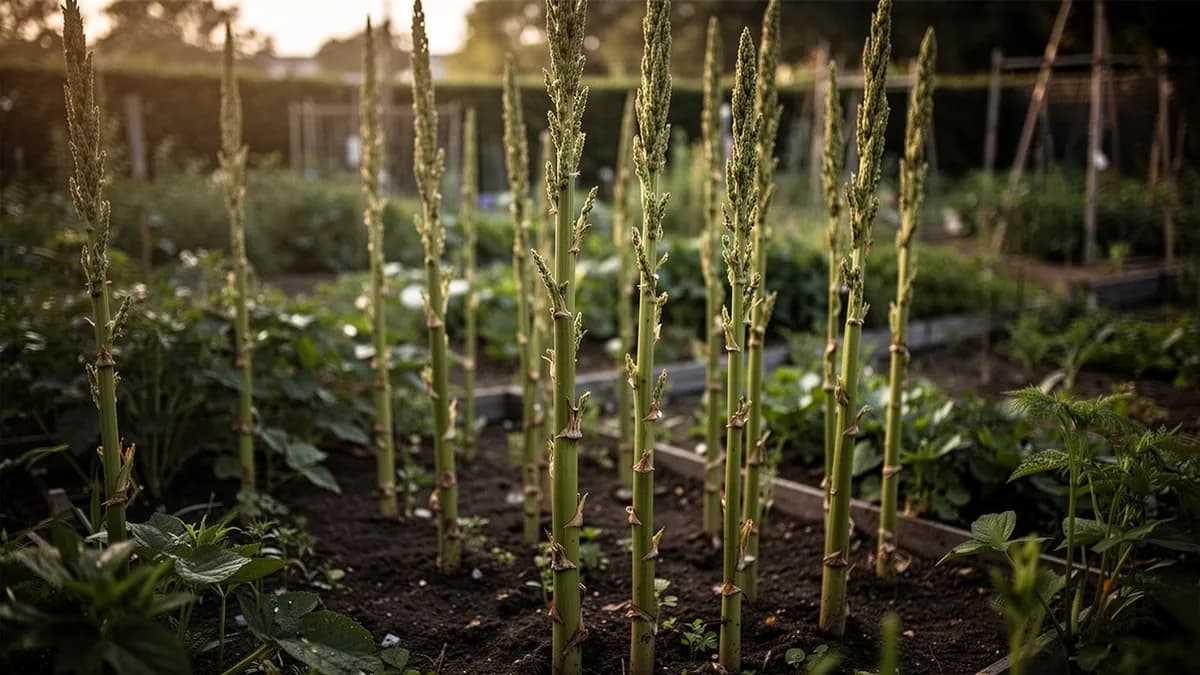
Japanese knotweed should never be intentionally planted as it is one of the most destructive invasive species in the world, capable of damaging foundations, roads, and flood defenses. However, where it has already established, harvesting young shoots for food is an environmentally responsible control strategy. Identify established patches in early spring when reddish-purple shoots emerge from the ground resembling thick asparagus spears.
Harvest shoots when they are six to twelve inches tall by snapping or cutting them at ground level. At this stage they are tender and have the best flavor. Shoots grow extremely rapidly, sometimes several inches per day, so check patches frequently during the brief spring harvest window. Regular harvesting weakens the plant over time and can be part of an integrated management strategy.
Never compost knotweed material or discard it where fragments could take root, as even tiny pieces of stem or root can regenerate into new plants. Bag harvested material carefully and dispose of it through municipal green waste programs that use high-temperature composting. If you discover knotweed on your property, contact local invasive species authorities for guidance on eradication programs.
8 plants fit a 4 × 8 ft bed
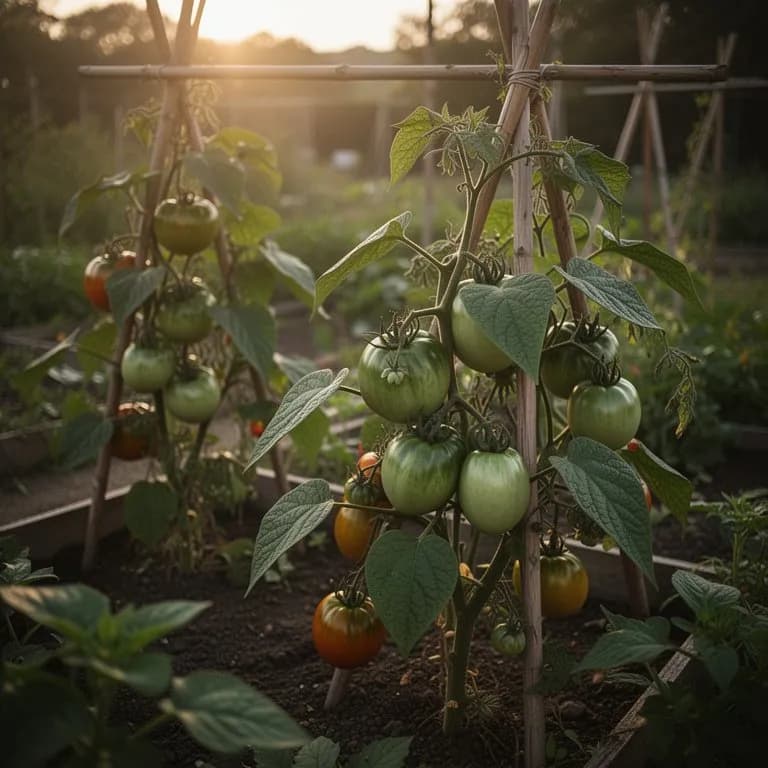
Each Japanese Knotweed wants 60 cm of elbow room. The planner keeps that spacing for you — every plant, every bed.
Related growing guides
Feed it well
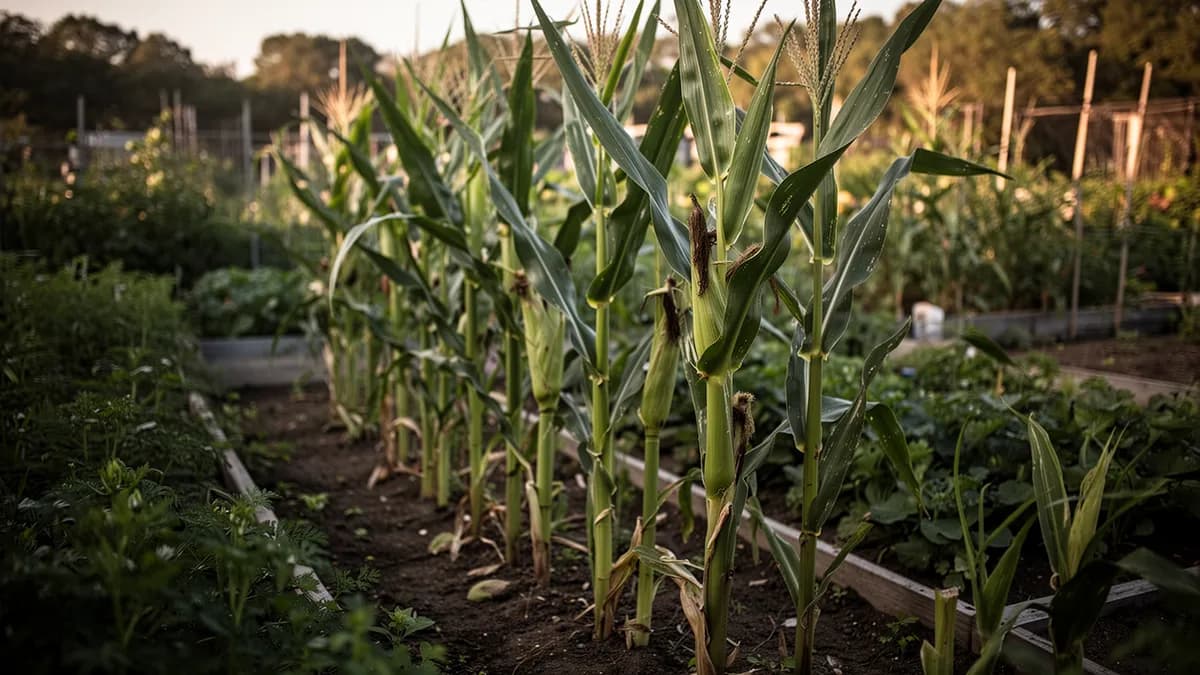
Japanese knotweed is remarkably adaptable and grows in virtually any soil type, from sandy coastal soils to heavy clay and even through asphalt. It thrives in disturbed sites, riverbanks, roadsides, and waste ground. The plant requires no fertilization and actually benefits from poor soil conditions that stress it and slow its growth. If managing an existing patch for harvest, do not add any fertilizer as this only encourages more aggressive spreading. The extensive root system can extend over twenty feet from the visible plant.
Ideal Temperature
Hardiness Zone Compatibility
From seed to harvest, stage by stage
Spring Emergence
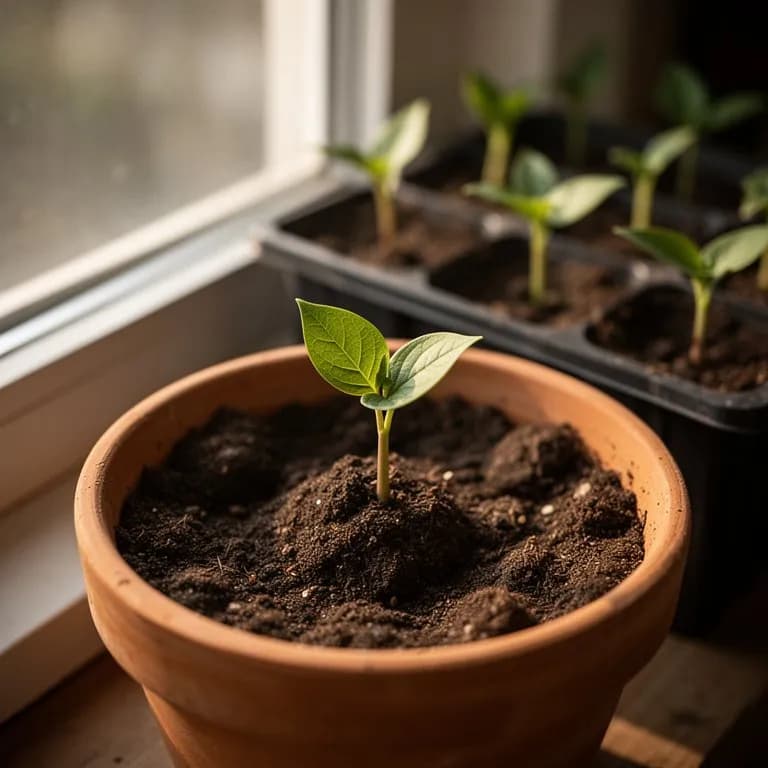
Shoots push through the soil in early spring as soil temperatures rise above 5°C (41°F), emerging as thick, red-purple speckled asparagus-like spears. These fleshy crowns grow from the massive underground rhizome network that has stored energy over winter. Shoots can grow 5-8 cm per day under favorable conditions.
Rapid Vegetative Growth
Stems elongate explosively, growing up to 10 cm per day in warm weather. The hollow, jointed stems develop a distinctive bamboo-like appearance with clearly defined nodes. Large shield-shaped leaves unfurl alternately along the stem, each 7-15 cm long with a flat base and pointed tip.
Mature Canopy
Plants reach full height of 2-4 meters, forming dense thickets that shade out virtually all competing vegetation. The hollow stems are woody and strong, with a diameter of 2-4 cm. The broad leaf canopy creates deep shade beneath the stand.
Flowering
In late summer to early autumn, cascading sprays of tiny creamy-white flowers appear in dense panicles from the leaf axils. Individual flowers are only 2-3 mm across but the sheer volume creates a striking display. The flowers are rich in nectar and heavily visited by bees, hoverflies, and butterflies.
Senescence and Dormancy
Leaves yellow and drop after the first hard frosts. The woody stems die back to the ground, turning brown and persisting as hollow canes through winter. Below ground, the rhizome network remains fully alive, storing carbohydrates and resveratrol for the next spring's explosive growth.
This is the prime harvest window. Cut shoots when they are 15-30 cm tall and the leaves are still tightly furled. Use a sharp knife to cut at ground level. Harvesting aggressively at this stage also helps control spread.
Caring for Japanese Knotweed month by month
What to do each month for your Japanese Knotweed
October
You are hereLeaves begin yellowing after first frosts. This is a good time for herbicide treatment of stumps if you are pursuing eradication, as the plant is actively translocating nutrients to its rhizomes. Always follow local regulations for chemical control.
Know exactly what to do in your garden — every month
One email at the start of each month: what to sow, plant, and tackle right now — for your Japanese Knotweed and everything growing around it. Plus a short starter course that helps you dodge the classic mistakes.
- What to do, right now
- Matched to your season
- Starter course included
Harvesting Japanese Knotweed
Harvest Japanese knotweed shoots in early to mid-spring when they are six to twelve inches tall and still tender enough to snap cleanly. The shoots resemble thick asparagus with reddish-purple skin and tightly rolled leaves at the tip. Cut or snap at ground level. Peel the outer skin from thicker shoots as it can be tough and stringy. Younger, thinner shoots can be used whole. The harvest window lasts approximately two to three weeks. Once shoots exceed twelve inches, they become woody and fibrous. Always positively identify the plant before consuming.
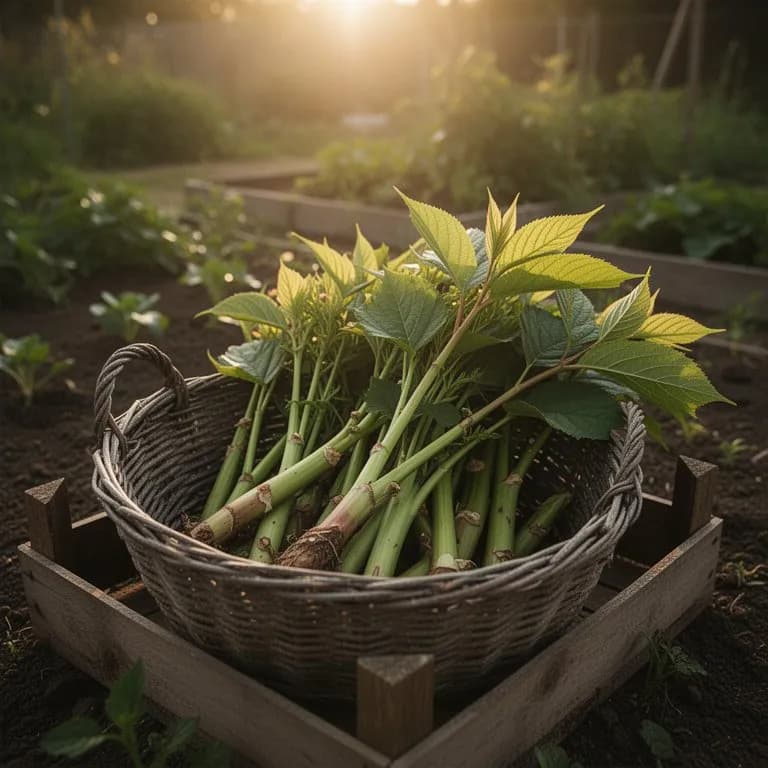
assuming you plant when the window opens — set your real date
Pick Japanese Knotweed promptly and the plant keeps producing.
Storage & Preservation
Fresh knotweed shoots will keep in the refrigerator for up to a week stored in a plastic bag or wrapped in damp paper towels. For longer preservation, chop shoots into one-inch pieces, blanch for two minutes, cool in ice water, and freeze in airtight containers for up to six months. Knotweed makes excellent jam, chutney, and compote when cooked with sugar, similar to rhubarb preserves. The shoots can also be pickled in a sweet vinegar brine. Dehydrating sliced shoots creates a tart snack or cooking ingredient.
What goes wrong — and the fix
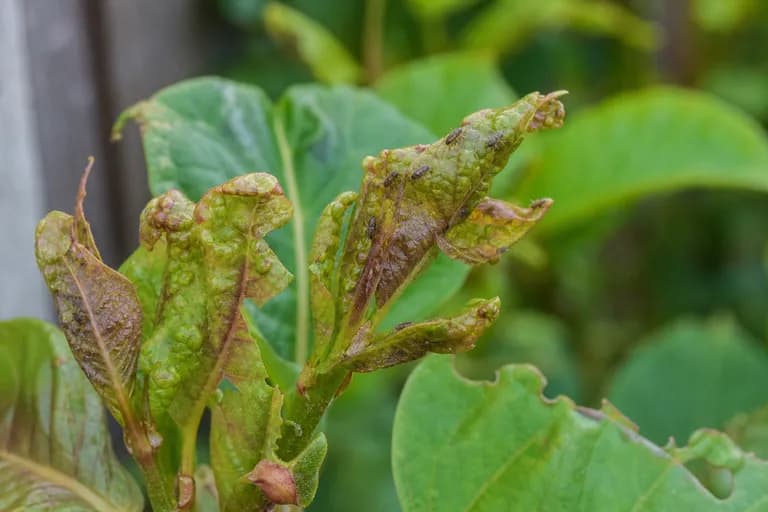
Japanese Knotweed Psyllid
PestCurled and distorted leaves with small sap-sucking insects visible on shoot tips and leaf undersides.
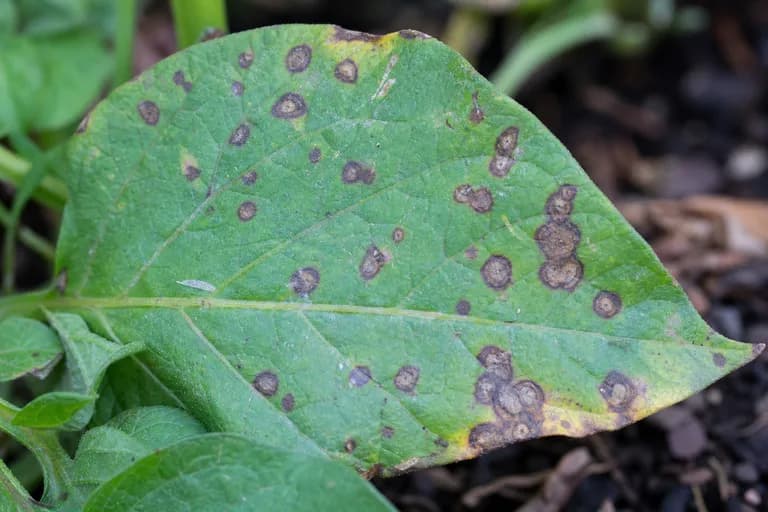
Leaf Spot
DiseaseBrown or tan spots on mature leaves, sometimes with yellow halos. Generally cosmetic and does not affect young edible shoots.
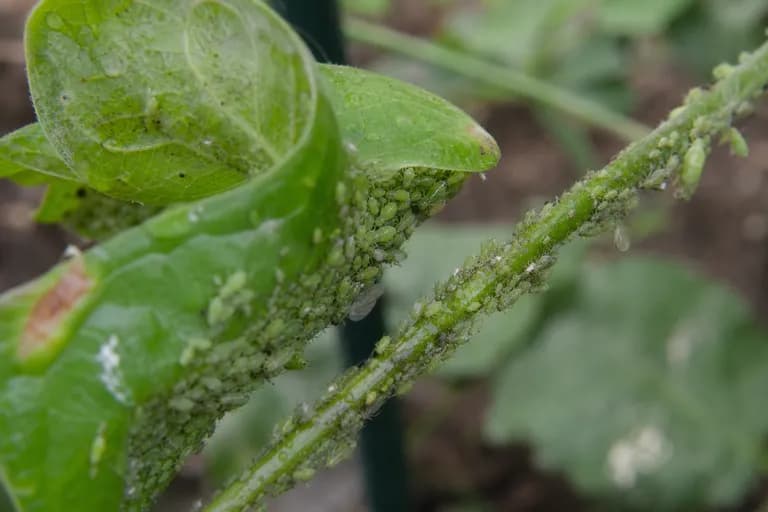
Aphids
PestClusters of small insects on tender shoot tips, potentially affecting the quality of edible shoots.
Troubleshooting Common Problems
The primary problem with Japanese knotweed is the plant itself. It is classified as an invasive species in most temperate regions and is illegal to plant in many jurisdictions. Root fragments as small as half an inch can regenerate into new plants, making eradication extremely difficult. The plant can grow through concrete, asphalt, and building foundations. Attempting to dig it out often spreads root fragments and worsens infestations. Property values can be significantly reduced by knotweed presence.
Growing Tips
- Do NOT plant Japanese knotweed intentionally. It is classified as an invasive species in most of Europe, North America, and Australasia. In the UK, it is illegal to cause it to grow in the wild under the Wildlife and Countryside Act 1981. Forage only from existing wild or feral populations.
- Learn to identify knotweed with absolute certainty before harvesting. The key features are: hollow bamboo-like stems with distinct nodes, broad shield-shaped leaves with a flat (truncated) base, and red-purple speckled young shoots resembling asparagus. Avoid confusion with giant knotweed (larger leaves with heart-shaped bases) or bindweed.
- Harvest shoots early and often. The ideal window is just 3-4 weeks in spring when shoots are 15-30 cm tall with tightly furled leaves. Once stems become woody and hollow, the eating quality drops to zero. Check productive patches every 2-3 days during peak emergence.
- Use a sharp knife to cut shoots cleanly at soil level. Snapping or pulling can damage emerging buds and reduce subsequent flushes. Treat it like cutting asparagus — a clean, low cut encourages more shoots from the same crown.
- Process shoots within hours of harvesting. They wilt and lose their crisp texture rapidly. Peel any shoots thicker than a finger — the outer skin becomes stringy when cooked. Thinner shoots can be used whole without peeling.
- Blanch and freeze surplus shoots for year-round use. Cut into 3 cm pieces, blanch for 60 seconds, ice-bath, drain, and freeze flat on trays before bagging. Frozen knotweed works perfectly in crumbles, compotes, and sauces.
- Never compost any part of Japanese knotweed — stems, leaves, roots, or rhizome fragments. Even tiny pieces can regenerate into new plants. All plant waste must be bagged and sent to landfill or incinerated through municipal waste programs.
- If foraging near waterways, never leave cut stems on the ground near the bank. Knotweed fragments that wash into streams can root downstream and establish new colonies. Carry a bag and remove all material from the site.
Grow your best Japanese Knotweed yet — and everything around it.
Start a free plan today. Lay out your beds, drop in your Japanese Knotweed, and let PlotMyGarden handle the timing, spacing, companions and reminders from seed to harvest basket.
Pick your Japanese Knotweed
Japanese Knotweed
The standard species found throughout temperate regions, producing thick reddish shoots with a tart rhubarb-like flavor when young.
Giant Knotweed
A larger relative with shoots that can grow even more vigorously. Edible when young but coarser in texture than standard Japanese knotweed.
Bohemian Knotweed
A hybrid between Japanese and giant knotweed, increasingly common in some regions. Young shoots are similarly edible with comparable flavor.
Japanese knotweed is an entirely free wild food — no seeds, soil amendments, or watering required. In regions where it grows invasively, it provides an abundant spring harvest that substitutes directly for rhubarb (which sells for $4-8 per pound at markets). A single productive stand can yield enough shoots for dozens of jars of pickles, compotes, and crumbles at zero cost. Foraging knotweed also contributes to invasive species management, making it one of the rare crops where harvesting is an ecological benefit rather than a cost.
Quick recipes
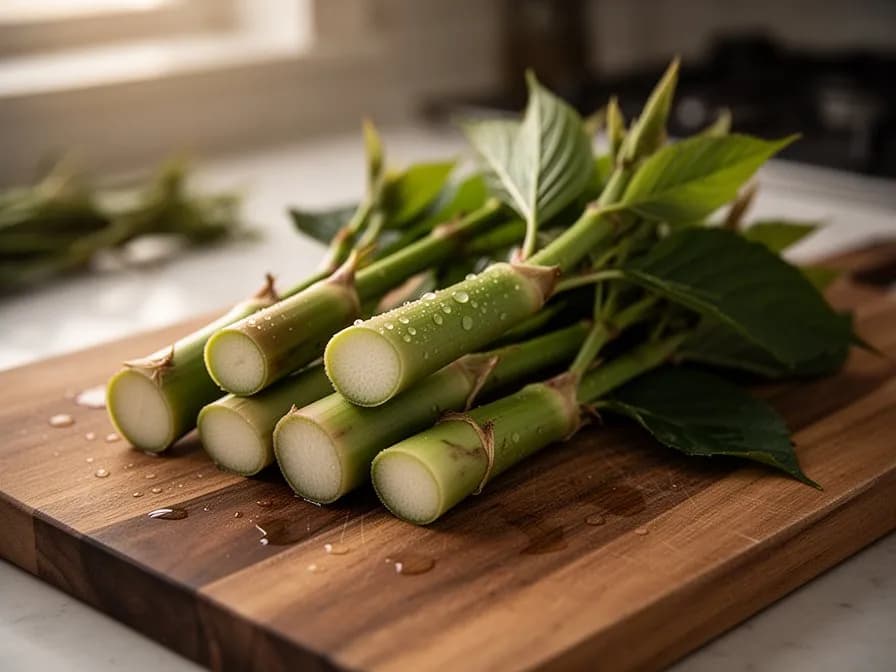
Knotweed Crumble
45 minYoung knotweed shoots baked with sugar under a buttery oat crumble topping — tastes remarkably like traditional rhubarb crumble. The natural tartness of knotweed balances perfectly with the sweet, crunchy topping.
9 ingredients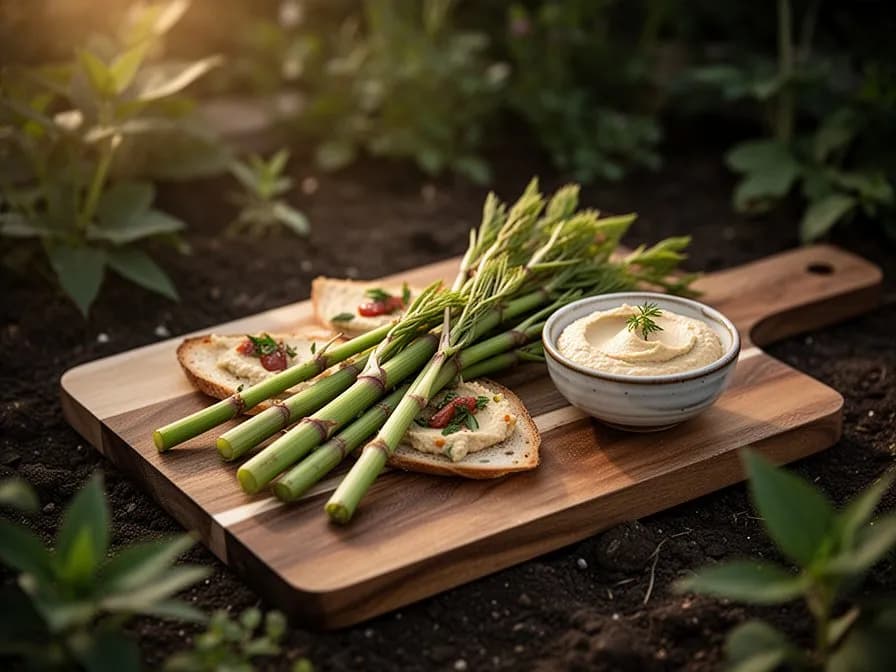
Quick-Pickled Knotweed
15 minTender young shoots pickled in a sweet-sour brine that enhances their natural tartness. Ready to eat in just a few hours, these pickles are superb on cheese boards, in salads, or alongside grilled fish.
8 ingredientsKnotweed and Ginger Compote
25 minA simple stovetop compote where knotweed shoots break down into a smooth, tart sauce similar to stewed rhubarb. Fresh ginger adds warmth and depth. Serve over yogurt, ice cream, or pancakes.
7 ingredientsCulinary Uses
Young knotweed shoots taste remarkably like rhubarb with a bright, tart flavor and crisp texture. They can be used as a direct rhubarb substitute in pies, crumbles, jams, and compotes. Shoots can be stewed with sugar and strawberries for a classic spring dessert. They work well in savory preparations too, sauteed with garlic and soy sauce or added to stir-fries. Knotweed juice makes a refreshing tart drink when sweetened.
What's inside
Health Benefits
- One of the richest natural dietary sources of resveratrol, a polyphenol antioxidant extensively studied for its potential anti-inflammatory, cardioprotective, and anti-aging properties.
- Contains vitamin C in young shoots at levels comparable to citrus fruits, supporting immune function and collagen synthesis during the spring season when fresh produce is scarce.
- Traditional East Asian medicine (Kampo) has used knotweed root for centuries to treat inflammatory conditions, circulatory issues, and as a gentle digestive aid.
- The anthraquinone compounds emodin and physcion found in knotweed rhizomes have demonstrated anti-inflammatory and antimicrobial activity in laboratory studies.
- Low calorie density (approximately 20 kcal per 100g) combined with good fiber content makes young knotweed shoots a nutrient-dense addition to spring diets.
- The oxalic acid content, while requiring moderation for those with kidney stone susceptibility, contributes to the plant's tart flavor and provides the same culinary benefits as rhubarb and sorrel.
Where Japanese Knotweed comes from
Japanese knotweed (Reynoutria japonica, syn. Fallopia japonica) is native to Japan, Korea, and parts of northern China, where it naturally colonizes volcanic slopes, stream banks, and disturbed mountain terrain. In its homeland, knotweed's growth is held in check by a complex web of natural enemies including the psyllid Aphalara itadori, various fungal pathogens, and intense competition from the diverse East Asian flora. The plant thrives on volcanic soils and is among the first colonizers after eruptions, earning it a reputation as a pioneer species.
The plant was first brought to Europe in 1849 by Philipp von Siebold, a German physician and botanist who collected specimens on the volcanic slopes of Mount Unzen in Nagasaki Prefecture. He sent material to the Royal Botanic Gardens at Kew in London, and the plant was subsequently distributed to gardens across Britain and continental Europe as an ornamental curiosity and livestock fodder. The Royal Horticultural Society even awarded it a gold medal for its vigorous growth and attractive foliage. By the 1880s, escaped populations were establishing along railways, riverbanks, and roadsides throughout the British Isles.
In North America, Japanese knotweed arrived as a garden ornamental in the late 1800s and was also planted for erosion control along stream banks and highway embankments. Without its natural predators, the plant spread explosively through riparian corridors, road margins, and urban wasteland. Today it is present in at least 42 U.S. states and most Canadian provinces. The annual economic cost of knotweed damage and control in the UK alone is estimated at 166 million pounds, and the plant remains one of the most challenging invasive species to eradicate worldwide. Despite its invasive status, foraging communities have increasingly embraced knotweed as a free, abundant, and genuinely delicious wild food — turning ecological harm into culinary opportunity.
Japanese Knotweed: did you know?
Fascinating facts about Japanese Knotweed
Japanese knotweed was deliberately introduced to Europe in the 1840s by the Bavarian-born botanist Philipp von Siebold, who brought it from a volcanic slope in Japan to a garden in Leiden, Netherlands. Nearly every knotweed plant in Europe and North America descends from that single female clone.
Japanese Knotweed questions, answered
When should I plant Japanese Knotweed?
What hardiness zones can Japanese Knotweed grow in?
How much sun does Japanese Knotweed need?
How far apart should I space Japanese Knotweed?
What pests and diseases affect Japanese Knotweed?
How do I store Japanese Knotweed after harvest?
What are the best Japanese Knotweed varieties to grow?
What soil does Japanese Knotweed need?
Is Japanese knotweed really edible — is it safe to eat?
When is the best time to harvest Japanese knotweed for eating?
Can I grow Japanese knotweed in my garden for food?
What does Japanese knotweed taste like?
How do I get rid of Japanese knotweed on my property?
Is Japanese knotweed the same as the source of resveratrol supplements?
You just read the theory. Now grow it on autopilot.
Everything that makes Japanese Knotweed fiddly — the timing, the spacing, the companions, the harvest window — is exactly what PlotMyGarden handles for you, for every plant in your garden.
A plan that knows your weather
Set your location once. Get sow, feed and harvest dates built around your real last-frost date and live forecast — no more guessing from a generic seed packet.
From the “When to plant” sectionDrag-and-drop bed planner
Design beds on a grid. Every plant snaps to its proper spacing, and you can see your whole season laid out before you spend a cent on seed.
From the “Growing guide” sectionCompanion conflicts, caught early
200+ good-and-bad pairings checked live as you plant — so a season-wrecking mistake never makes it into the ground.
From the “Companions” sectionReminders you'll actually act on
“Water the beans.” “Pick today before it turns.” Timely, specific, and tied to the plants you're really growing.
From the “Harvest” sectionSuccession, scheduled
Want a harvest for six weeks, not six days? It spaces your sowings automatically and reminds you when each new block is due.
From the “When to plant” sectionA record that gets smarter
Every harvest you log teaches it your garden. Next year's plan starts from what actually worked in your soil, not a textbook's.
From the “Overview” sectionMore Stalks & Stems
Grow your best Japanese Knotweed yet — and everything around it.
Start a free plan today. Lay out your beds, drop in your Japanese Knotweed, and let PlotMyGarden handle the timing, spacing, companions and reminders from seed to harvest basket.