Jabuticaba
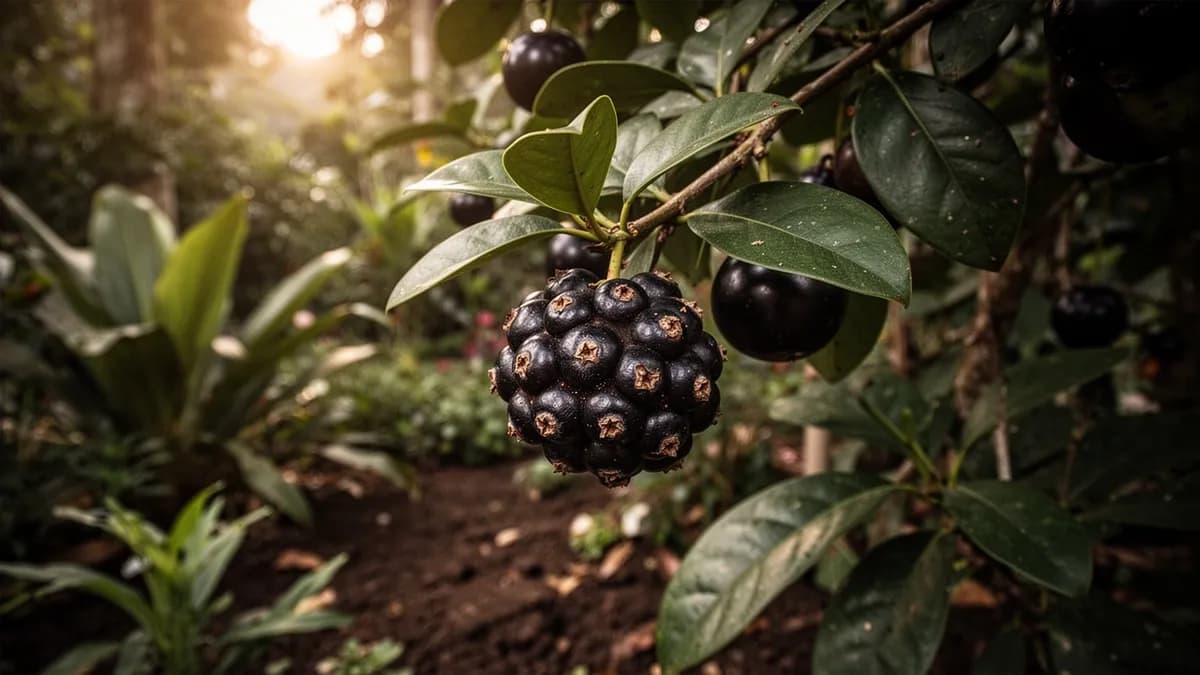
A remarkable Brazilian tree that produces grape-like dark purple fruits directly on its trunk and branches in a phenomenon called cauliflory.





On this pageOverview
Meet Jabuticaba
A remarkable Brazilian tree that produces grape-like dark purple fruits directly on its trunk and branches in a phenomenon called cauliflory. The sweet, musky-flavored flesh surrounds one to four seeds and must be eaten within days of harvest as the fruits ferment rapidly. Jabuticaba is slow-growing but can fruit multiple times per year in tropical climates.
When to plant Jabuticaba
Jabuticaba seeds must be planted fresh, as they lose viability within a week of extraction. Clean the gelatinous pulp from seeds and plant immediately, half an inch deep in acidic, well-drained potting mix. Keep moist at 75 to 85 degrees Fahrenheit. Germination takes two to four weeks. Seedlings grow very slowly and may take eight to fifteen years to produce fruit. Grafted trees are strongly preferred, fruiting in three to five years. Air layering is another effective propagation method for faster results.
Your Jabuticaba Year
Composed for Zone 7 · typical seasons · frost passes Apr 2, returns Nov 1
Plant Jabuticaba Mar – May, pick Mar – May, Sep – Nov. Check the planting methods below and set your climate to personalize these windows.
How to grow Jabuticaba
Plant jabuticaba in a location with full sun to light shade and well-drained, acidic soil. The tree is slow-growing, reaching only 10 to 15 feet in most garden settings, making it suitable for large containers or small yards. Dig a hole twice the width of the root ball, amend with compost and peat moss, and plant at the original soil line. Young trees benefit from partial afternoon shade in very hot climates.
Water regularly and consistently, as jabuticaba is sensitive to drought stress. Provide deep watering two to three times per week during the growing season and reduce slightly in cooler months. The tree is surprisingly cold-tolerant for a tropical species, handling brief frosts to about 26 degrees Fahrenheit once mature. Protect young trees with frost cloth during cold snaps.
Fertilize monthly during the growing season with an acidic fertilizer formulated for azaleas or blueberries, as jabuticaba prefers a soil pH of 5.5 to 6.5. Iron chlorosis is common in alkaline soils. The tree requires minimal pruning beyond removing dead or crossing branches. Patience is essential, as seedling trees may take eight to fifteen years to fruit, though grafted specimens can bear in three to five years.
Jabuticaba needs more room than a 4 × 8 ft bed gives
Each Jabuticaba wants 400 cm of elbow room. The planner keeps that spacing for you — every plant, every bed.
Related growing guides
Feed it well
Jabuticaba requires acidic, well-drained soil with a pH of 5.5 to 6.5, similar to blueberries. Amend alkaline soils with sulfur, peat moss, and acidic compost before planting. Apply an azalea or citrus fertilizer monthly during the growing season, as the tree is a heavy feeder. Iron deficiency is the most common nutritional problem, appearing as interveinal yellowing on new leaves. Apply chelated iron and manganese as foliar sprays or soil drenches in alkaline conditions.
Ideal Temperature
Hardiness Zone Compatibility
From seed to harvest, stage by stage
Seedling and Establishment
Jabuticaba is notoriously slow-growing in its early years. Fresh seeds germinate in 20-40 days when kept warm and moist, producing tiny seedlings with delicate coppery-pink new leaves. During the first two years, the seedling focuses on developing a strong taproot system and building its characteristic smooth, mottled bark. Growth may be only 15-30 cm per year during this stage, requiring patience from the grower.
Juvenile Growth
Between years two and seven, the jabuticaba tree gradually accelerates its growth rate, developing a dense bushy canopy of glossy dark green leaves. The trunk begins to show the attractive salmon-and-grey mottled bark characteristic of Plinia cauliflora. New leaf flushes emerge in a striking coppery-pink color before maturing to deep green. The tree may reach 1.5-3 meters in height during this phase, with a compact rounded crown.
Pre-Fruiting Maturity
From roughly year seven onward, the tree develops thicker trunk bark and its growth habit becomes more tree-like. The smooth bark on older wood begins to flake in patches, revealing lighter layers beneath. The tree may start producing its first sparse flowers directly on the trunk and major branches, a phenomenon called cauliflory. These early blooms may or may not set fruit successfully as the tree tests its reproductive capacity.
First Flowering and Fruiting
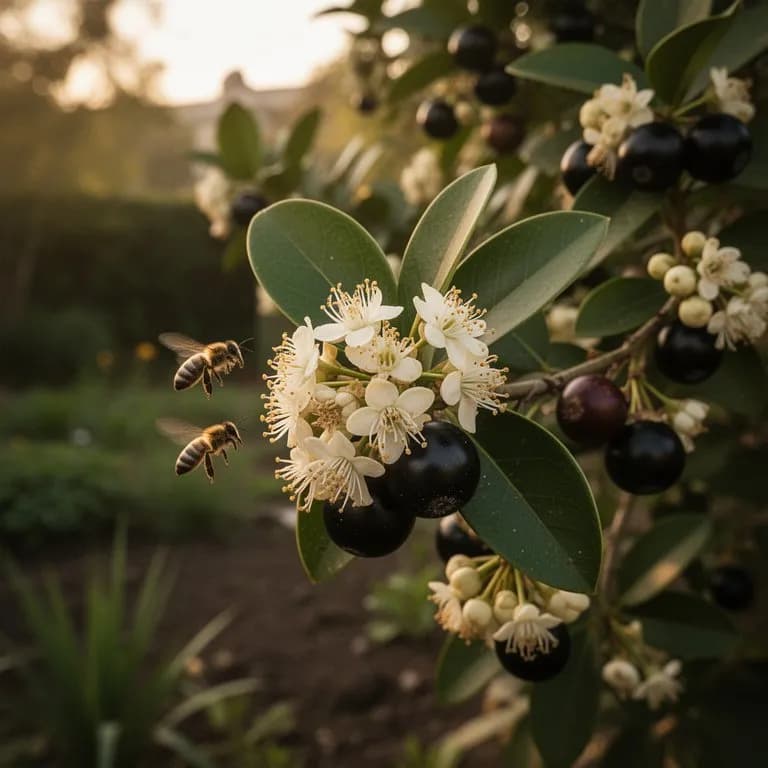
Mature jabuticaba trees produce a remarkable spectacle when they flower. Thousands of tiny white fuzzy blossoms burst directly from the bark of the trunk and main branches over just a few days, giving the tree a ghostly frosted appearance. Each flower consists of four white petals surrounding a prominent cluster of stamens. Pollination is primarily achieved by small bees and other insects attracted to the fragrant blooms. Fruit set begins within days of successful pollination.
Fruit Development and Ripening
After pollination, the small green fruitlets swell rapidly over approximately 20-25 days, transitioning from light green to deep purple-black at full maturity. The fruit grows to 2-3 cm in diameter, resembling a large dark grape. The thick skin turns from green to reddish-purple to nearly black, enclosing the sweet, fragrant, translucent white pulp and one to four seeds. Ripe fruit detaches easily from the bark with a gentle tug.
Post-Harvest and Reflush
After fruiting, the tree enters a brief recovery period before producing a flush of new coppery-pink leaves. In tropical climates with warm temperatures year-round, a mature jabuticaba tree can flower and fruit multiple times per year, sometimes producing four to six crops annually if conditions are favorable. Each fruiting cycle is typically triggered by a stress-and-recovery watering pattern or seasonal rainfall changes.
Start seeds within a few days of extraction from fresh fruit, as viability drops rapidly once seeds dry out. Plant in a well-draining acidic potting mix at 1 cm depth. Keep consistently moist at 24-30°C. Provide bright indirect light and protect from direct midday sun. Feed monthly with a dilute acidic fertilizer once the first true leaves appear.
Caring for Jabuticaba month by month
What to do each month for your Jabuticaba
October
You are hereBring container trees indoors before nighttime temperatures drop below 5°C. Place in the brightest available location with temperatures between 15-25°C. Reduce watering for indoor trees but never allow the root ball to dry out completely. In tropical regions, continue standard care and harvest any fruit from ongoing production cycles.
Know exactly what to do in your garden — every month
One email at the start of each month: what to sow, plant, and tackle right now — for your Jabuticaba and everything growing around it. Plus a short starter course that helps you dodge the classic mistakes.
- What to do, right now
- Matched to your season
- Starter course included
Harvesting Jabuticaba
Jabuticaba fruits ripen directly on the trunk and branches, turning from green to dark purple-black when ready. Harvest by gently twisting ripe fruits from the bark. The skin should be fully colored and the fruit should give slightly to pressure. Harvest daily during fruiting flushes, as ripe fruits begin to ferment within two to three days on the tree. The entire crop may ripen over a period of two to three weeks. Multiple fruiting flushes per year are common in tropical climates.
assuming you plant when the window opens — set your real date
Pick Jabuticaba promptly and the plant keeps producing.
Storage & Preservation
Fresh jabuticaba fruits are extremely perishable and should be eaten or processed within two to three days of harvest. Refrigeration extends freshness to about five days. The fruits make excellent jelly, jam, and wine due to their high sugar and tannin content. Freeze whole fruits for up to three months for later processing. Jabuticaba wine and liqueur are traditional Brazilian products. The fruit can also be dehydrated, though this is less common.
What goes wrong — and the fix
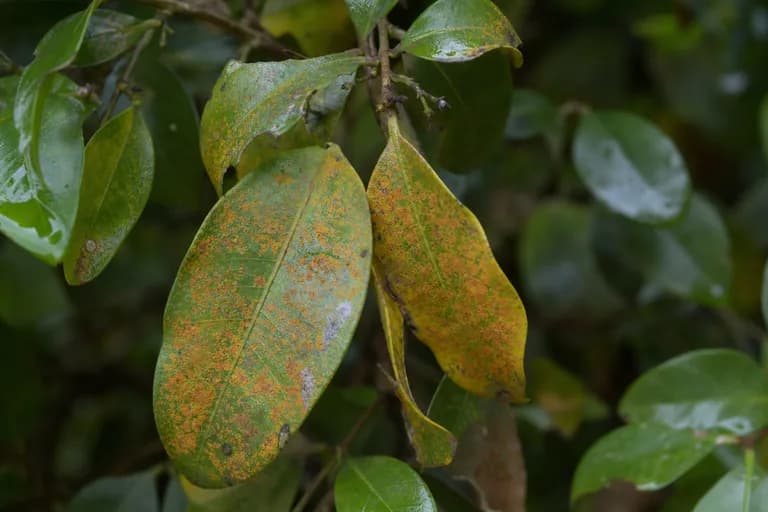
Rust (Austropuccinia)
DiseaseOrange-brown powdery pustules on leaf undersides; affected leaves yellow and drop prematurely, reducing tree vigor.
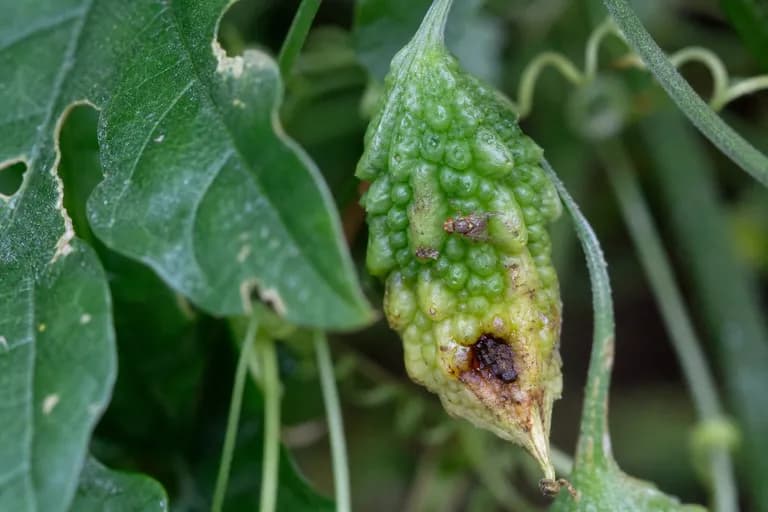
Fruit Fly
PestSmall puncture marks on ripe fruit; larvae develop inside the flesh causing rapid fermentation and soft rot.
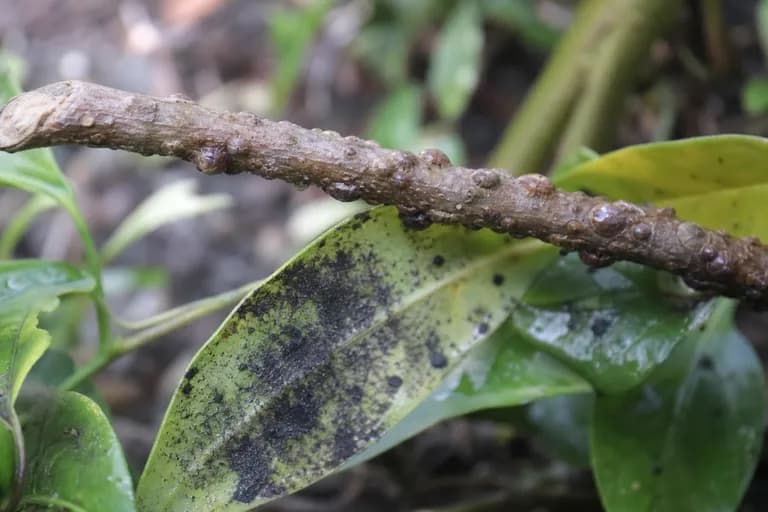
Scale Insects
PestSmall, round brown bumps on bark and stems; sticky honeydew secretion and sooty mold on affected branches.
Troubleshooting Common Problems
Extremely slow growth is the primary frustration for most growers, but this cannot be accelerated significantly. Over-fertilizing young trees can burn roots and slow establishment. Poor fruiting usually indicates the tree is simply not mature enough. Leaf chlorosis from iron deficiency in alkaline soil is very common and must be addressed with acidifying amendments. Bark splitting can occur from sudden heavy irrigation after drought periods.
Growing Tips
- Plant jabuticaba in acidic, well-draining soil with a pH between 5.5 and 6.5 for optimal nutrient uptake. Amend alkaline soils generously with sulfur, peat moss, and pine bark to lower pH before planting, and use acidic mulches such as pine needles to maintain soil acidity over time.
- Purchase grafted jabuticaba trees rather than seed-grown specimens whenever possible, as grafted trees can begin fruiting in five to eight years compared to ten to fifteen years or more for seedlings. Grafted trees also produce fruit identical to the parent variety.
- Water consistently and deeply throughout the growing season, providing 25-50 mm of water per week. While jabuticaba is somewhat drought-tolerant once established, consistent moisture dramatically improves fruit production. Conversely, a brief deliberate dry period of one to two weeks followed by heavy watering can trigger synchronized flowering.
- Mulch heavily with pine bark, wood chips, or leaf litter to a depth of 7-10 cm around the tree, extending to the drip line. This conserves moisture, suppresses weeds, maintains cool root temperatures, and gradually acidifies the soil as it decomposes. Keep mulch 10 cm away from the trunk.
- Feed every three to four months with a slow-release fertilizer formulated for acid-loving plants such as azalea or blueberry fertilizer. Supplement with chelated iron and manganese if leaves develop interveinal chlorosis, a common symptom when soil pH is too high for this acid-loving species.
- Prune minimally, as jabuticaba naturally develops an attractive dense rounded canopy. Limit pruning to removing dead, diseased, or inward-crossing branches. Avoid heavy pruning of the trunk and main branches, as these are the surfaces where flowers and fruit develop through cauliflory.
- Protect from frost when temperatures drop below 2°C by wrapping the trunk with frost cloth, mounding mulch around the base, and covering the canopy with horticultural fleece. In climates where freezing temperatures are common, grow in large containers that can be moved indoors for the winter months.
- Provide full sun exposure of at least six to eight hours daily for best fruit production. Jabuticaba will tolerate partial shade but flowers and fruits far more prolifically in full sun. In extremely hot climates above 35°C, light afternoon shade can prevent heat stress and leaf scorch.
- When growing in containers, use pots of at least 75-100 liters for mature fruiting trees, with a well-draining acidic potting mix composed of pine bark, perlite, and peat moss. Repot every three to four years, root-pruning the outer third of the root ball if the tree has become rootbound.
- Monitor for scale insects and mealybugs, which are the most common pests affecting jabuticaba. These sap-sucking insects congregate in bark crevices and on the undersides of leaves. Treat infestations with horticultural oil or neem oil, applying thoroughly to bark surfaces where pests hide.
Grow your best Jabuticaba yet — and everything around it.
Start a free plan today. Lay out your beds, drop in your Jabuticaba, and let PlotMyGarden handle the timing, spacing, companions and reminders from seed to harvest basket.
Pick your Jabuticaba
Sabara
The most commonly cultivated variety, producing abundant small to medium dark purple fruits with sweet flesh and relatively quick fruiting from grafts.
Paulista
A large-fruited selection with thick skin and sweet-tart flavor, popular in Brazilian markets and gardens.
Red Jabuticaba
Produces reddish-purple fruits larger than Sabara with a slightly more tart flavor, good for both fresh eating and processing.
Grimal
A Florida selection known for larger fruit size, good flavor, and better adaptation to subtropical conditions outside Brazil.
A single mature jabuticaba tree can produce 50-100 kg of fruit per year across multiple harvests, with exceptional specimens yielding even more. Given that fresh jabuticaba fruit is extremely rare outside of Brazil and commands premium prices of $15-$30 per kg when available at specialty tropical fruit vendors, a productive tree can provide $750-$3,000 worth of fruit annually. While the initial investment in a grafted tree ($30-$80) and the long wait to first fruiting (5-8 years for grafted trees, 10-15 for seedlings) require patience, the tree is virtually pest-free, requires minimal inputs once established, and produces fruit for decades with increasing yields as it matures.
Quick recipes
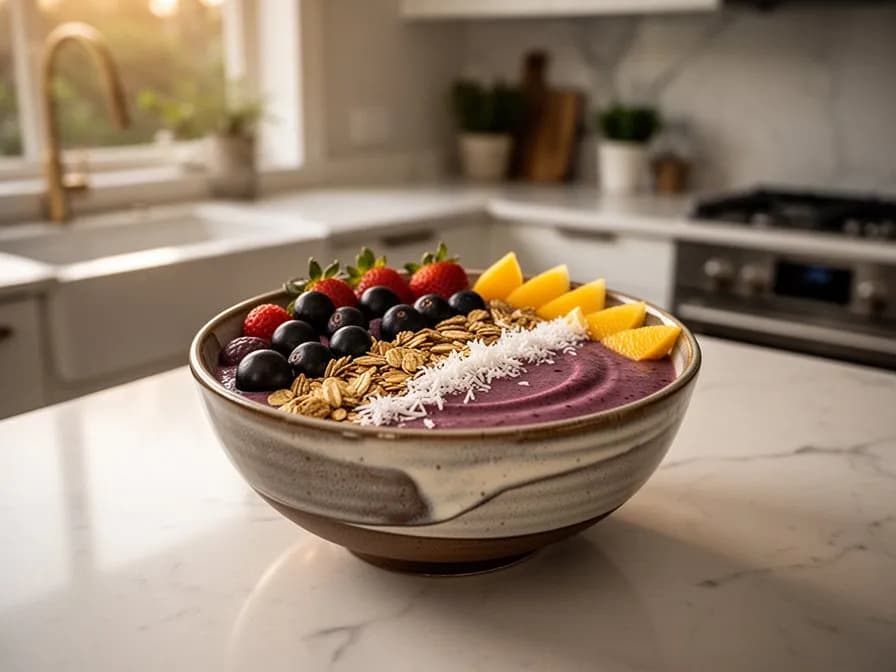
Jabuticaba Jelly Preserve
40 minutesA deeply colored, intensely flavored jelly that captures the unique grape-lychee flavor of fresh jabuticaba in a form that lasts for months. The dark purple skin releases rich anthocyanin pigments and natural pectin during cooking, creating a beautiful preserve without the need for commercial pectin. This recipe is the most popular way to preserve the famously perishable fruit in Brazilian households.
5 ingredients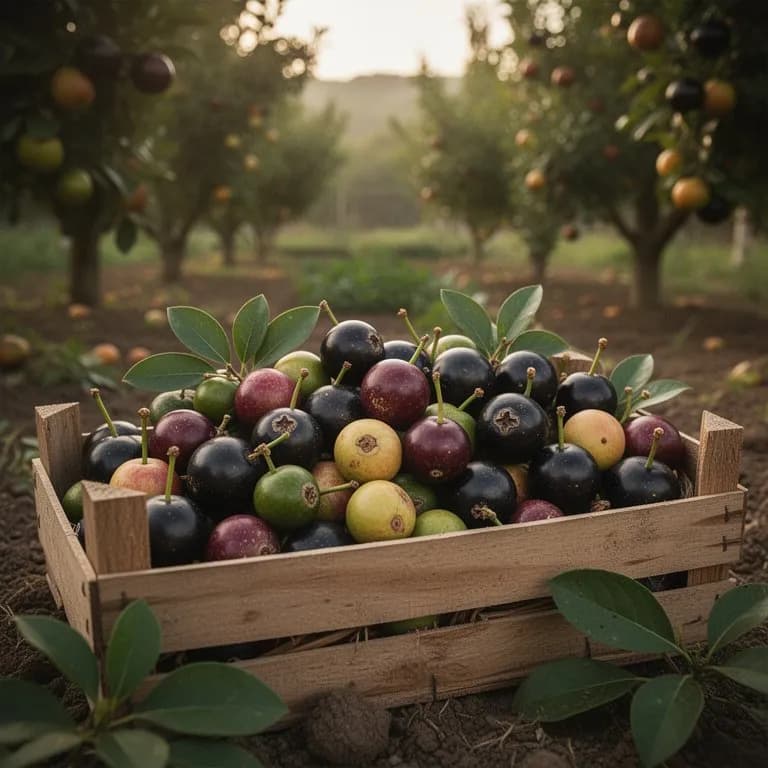
Jabuticaba Caipirinha
5 minutesA vibrant tropical twist on the classic Brazilian cocktail, using fresh muddled jabuticaba berries in place of the traditional lime. The crushed fruit releases its sweet pulp and deeply pigmented skin, creating a stunning purple drink with layers of grape-like sweetness balanced by the brightness of lime and the warmth of cachaca. Best enjoyed immediately after preparation.
6 ingredients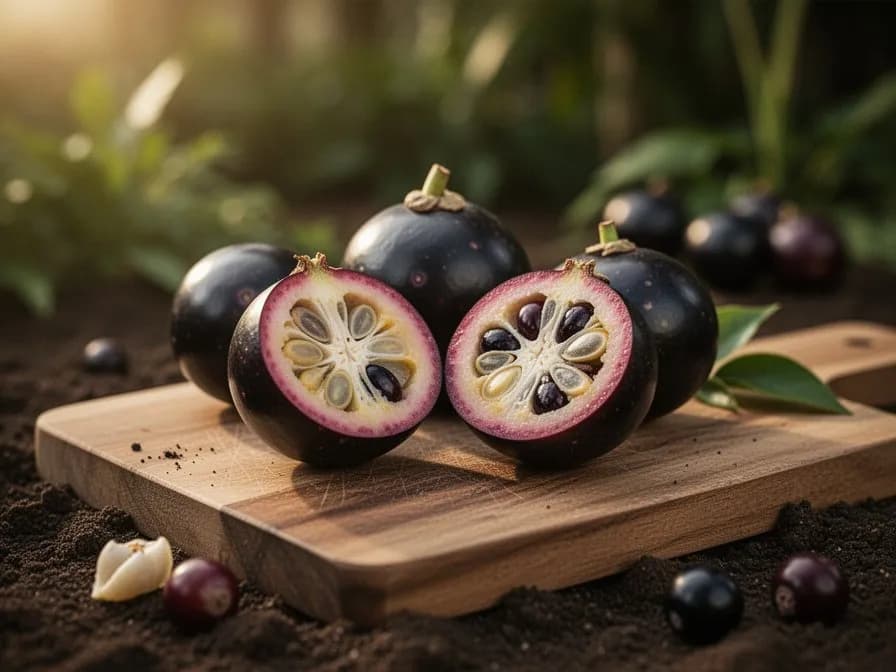
Jabuticaba Coulis with Vanilla Panna Cotta
20 minutes plus 4 hours chillingA stunning dessert pairing silky vanilla panna cotta with a vivid purple jabuticaba coulis that showcases the fruit's unique flavor. The sauce is made by simmering whole berries with sugar and straining out the seeds and skin, producing a glossy reduction with complex fruity notes that complement the delicate cream perfectly.
8 ingredientsCulinary Uses
Jabuticaba is most often eaten fresh, popping the whole fruit into the mouth and discarding the skin and seeds. The juice makes outstanding jelly with a flavor similar to grape but more complex. Traditional Brazilian jabuticaba wine and liqueur are prized regional specialties. The fruit works well in smoothies, sorbets, and as a topping for acai bowls and desserts.
What's inside
Health Benefits
- Exceptionally rich in anthocyanin antioxidants found in the dark purple skin, which have been shown in clinical studies to support cardiovascular health by improving blood vessel elasticity and reducing oxidative stress on arterial walls
- Contains high levels of ellagic acid and gallic acid, polyphenolic compounds that have demonstrated anti-inflammatory properties in laboratory research and may help modulate chronic low-grade inflammation associated with metabolic disease
- Provides significant vitamin C content that supports immune system function, enhances the absorption of non-heme iron from plant foods, and plays a critical role in collagen production for healthy skin, joints, and connective tissue
- Traditional Brazilian medicine has long used jabuticaba skin preparations to support respiratory health, with modern research confirming the presence of bronchodilatory compounds that may ease symptoms of asthma and chronic bronchitis
- Rich in tannins and phenolic compounds that possess natural antimicrobial properties, with studies showing jabuticaba extracts can inhibit the growth of several pathogenic bacteria and fungi in laboratory settings
- Contains compounds that may support healthy blood sugar regulation, with animal studies suggesting jabuticaba skin extract can improve insulin sensitivity and reduce glucose absorption in the digestive tract
Where Jabuticaba comes from
Jabuticaba (Plinia cauliflora, formerly classified as Myrciaria cauliflora) is native to the Atlantic Forest region of southeastern Brazil, where it grows naturally in the states of Minas Gerais, Sao Paulo, Rio de Janeiro, Espirito Santo, and Parana. The tree belongs to the Myrtaceae family, making it a distant relative of guava, eucalyptus, and clove. Indigenous Tupi peoples were the first to cultivate and name this remarkable fruit, and it has been an integral part of Brazilian culture and cuisine for centuries. Portuguese colonizers quickly recognized the value of jabuticaba after arriving in Brazil in the 1500s, and the fruit became a staple in colonial gardens and estates throughout the southeastern highlands. By the 19th century, jabuticaba trees were planted as prized ornamental and fruit trees in the gardens of wealthy Brazilian fazendas, and the tradition of harvesting fruit directly from the trunk became a beloved cultural ritual. The city of Sabara in Minas Gerais holds an annual Festival da Jabuticaba each year, celebrating the fruit with traditional foods, wines, and preserves that have been produced for generations. Despite its popularity within Brazil, jabuticaba remained virtually unknown internationally until the late 20th century, largely because the fruit ferments within days of harvest and cannot withstand commercial shipping. In recent decades, increased interest in tropical fruit cultivation has led to jabuticaba being planted in subtropical regions around the world, including Florida, Hawaii, California, Australia, and parts of Southeast Asia. Modern research has focused on the exceptional antioxidant content of jabuticaba skin and its potential health applications, bringing new international attention to this ancient Brazilian fruit tree.
Jabuticaba: did you know?
Fascinating facts about Jabuticaba
Jabuticaba is one of the few fruit trees that exhibits cauliflory, meaning its flowers and fruit grow directly from the trunk and main branches rather than from new growth at branch tips. This unusual trait is shared with cacao and jackfruit but is exceptionally dramatic in jabuticaba, where the entire trunk can be covered in clusters of dark berries.
Jabuticaba questions, answered
When should I plant Jabuticaba?
What hardiness zones can Jabuticaba grow in?
How much sun does Jabuticaba need?
How far apart should I space Jabuticaba?
What pests and diseases affect Jabuticaba?
How do I store Jabuticaba after harvest?
What are the best Jabuticaba varieties to grow?
What soil does Jabuticaba need?
How long does it take for a jabuticaba tree to produce fruit?
Can I grow jabuticaba in a container in a cold climate?
Why does my jabuticaba tree have yellow leaves with green veins?
How do I trigger my jabuticaba tree to flower and fruit?
How should I store jabuticaba fruit after harvest?
Is jabuticaba self-pollinating or do I need multiple trees?
You just read the theory. Now grow it on autopilot.
Everything that makes Jabuticaba fiddly — the timing, the spacing, the companions, the harvest window — is exactly what PlotMyGarden handles for you, for every plant in your garden.
A plan that knows your weather
Set your location once. Get sow, feed and harvest dates built around your real last-frost date and live forecast — no more guessing from a generic seed packet.
From the “When to plant” sectionDrag-and-drop bed planner
Design beds on a grid. Every plant snaps to its proper spacing, and you can see your whole season laid out before you spend a cent on seed.
From the “Growing guide” sectionCompanion conflicts, caught early
200+ good-and-bad pairings checked live as you plant — so a season-wrecking mistake never makes it into the ground.
From the “Companions” sectionReminders you'll actually act on
“Water the beans.” “Pick today before it turns.” Timely, specific, and tied to the plants you're really growing.
From the “Harvest” sectionSuccession, scheduled
Want a harvest for six weeks, not six days? It spaces your sowings automatically and reminds you when each new block is due.
From the “When to plant” sectionA record that gets smarter
Every harvest you log teaches it your garden. Next year's plan starts from what actually worked in your soil, not a textbook's.
From the “Overview” sectionMore Tropical Fruits
Grow your best Jabuticaba yet — and everything around it.
Start a free plan today. Lay out your beds, drop in your Jabuticaba, and let PlotMyGarden handle the timing, spacing, companions and reminders from seed to harvest basket.