Jaboticaba
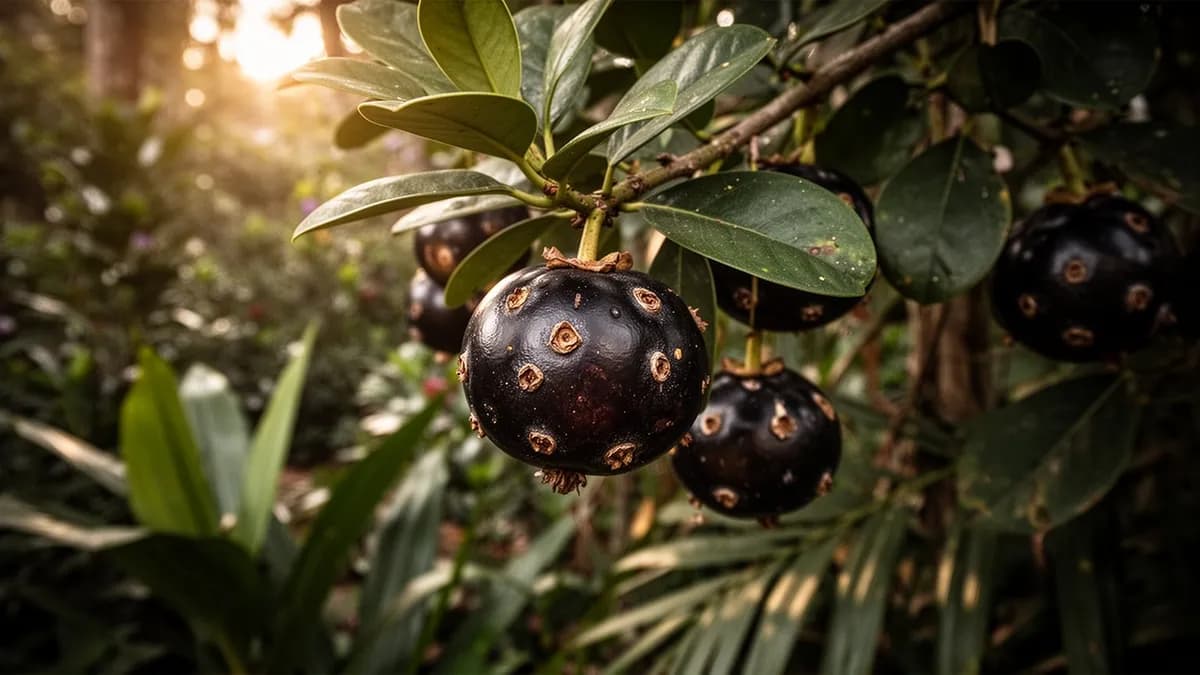
A Brazilian tree that produces grape-like fruits directly on its trunk and branches in a striking cauliflorous display.





On this pageOverview
Meet Jaboticaba
A Brazilian tree that produces grape-like fruits directly on its trunk and branches in a striking cauliflorous display. Jaboticaba fruits taste like a combination of grape and lychee with a thick, astringent skin and sweet, gelatinous flesh. The trees are slow-growing but long-lived and surprisingly cold-tolerant for a tropical species, handling brief freezes.
When to plant Jaboticaba
Jaboticaba seeds germinate best when planted fresh, within a few days of extraction from the fruit. Clean seeds and plant a quarter inch deep in moist, acidic potting mix. Keep warm at 75 to 85 degrees Fahrenheit with consistent moisture. Germination takes one to two months. Seedlings grow extremely slowly and may take eight to fifteen years to fruit. Grafted trees from selected cultivars are strongly preferred, fruiting in three to five years with known fruit quality.
Your Jaboticaba Year
Composed for Zone 7 · typical seasons · frost passes Apr 2, returns Nov 1
Plant Jaboticaba Mar – May, pick Mar – May, Sep – Nov. Check the planting methods below and set your climate to personalize these windows.
How to grow Jaboticaba
Jaboticaba is a slow-growing, densely branched evergreen tree reaching fifteen to forty feet tall over many decades. Plant in full sun to partial shade with rich, slightly acidic, well-draining soil. The tree adapts well to container culture due to its slow growth rate and compact habit. Water regularly and deeply, as jaboticaba prefers consistently moist but not waterlogged conditions.
Despite its tropical origin, jaboticaba is surprisingly cold-hardy, tolerating brief freezes down to about 26 degrees Fahrenheit once mature. Young trees should be protected from frost. Fertilize every two months during the growing season with an acidifying fertilizer, similar to what azaleas and blueberries receive. The tree's shallow root system benefits from organic mulch that maintains soil moisture and acidity.
Jaboticaba requires patience, as seedling trees can take eight to fifteen years to begin fruiting. Grafted trees from selected cultivars fruit in three to five years. Once mature, the tree produces multiple flushes of fruit per year, with the remarkable cauliflorous habit of flowering and fruiting directly on the bark of the trunk and major branches. Minimal pruning is needed beyond removing dead branches and maintaining desired shape.
Jaboticaba needs more room than a 4 × 8 ft bed gives
Each Jaboticaba wants 300 cm of elbow room. The planner keeps that spacing for you — every plant, every bed.
Related growing guides
Feed it well
Jaboticaba prefers rich, acidic soil with a pH of 5.5 to 6.5 and high organic matter content. It does not tolerate alkaline conditions, which cause iron deficiency and chlorosis. Apply an acidifying fertilizer formulated for acid-loving plants every two months during the growing season. Supplement with chelated iron if leaf yellowing occurs. Organic mulch maintains soil acidity, moisture, and feeds the shallow root system.
Ideal Temperature
Hardiness Zone Compatibility
From seed to harvest, stage by stage
Seed Germination
Fresh jaboticaba seeds germinate within 2–4 weeks when kept warm and moist. The seedling emerges with a single taproot and two small seed leaves before producing its first true leaves.
Seedling Establishment
Growth is notoriously slow during the first year. The seedling gradually produces pairs of lance-shaped leaves with a bronze-pink flush when young. Root development takes priority over top growth at this stage.
Juvenile Tree
Over years two through five, the tree builds a branching canopy and thickens its main trunk. Bark becomes smooth and attractive, occasionally peeling in thin flakes. No flowering occurs during this phase.
First Flowering and Fruiting
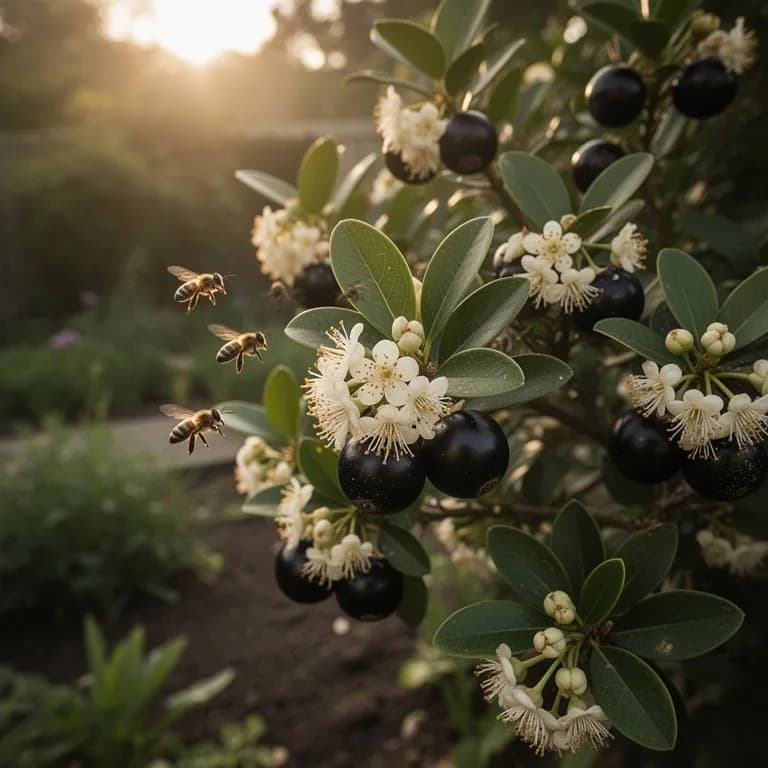
Mature wood triggers the first flowering flush, where tiny white flowers appear directly on the trunk and main branches. Pollination is primarily self-fertile. Small green fruit sets within days and swells over 3–4 weeks to reach full size.
Mature Productive Tree
Established trees can produce multiple fruiting flushes each year, especially after rain events or deliberate irrigation cycles. Yields increase progressively for decades. Fruit ripens to deep purple-black and is ready to pick within 3–4 days of full coloring.
Use fresh seeds — jaboticaba seeds lose viability rapidly. Keep the germination medium evenly moist at 22–28°C and provide indirect light once sprouts emerge.
Caring for Jaboticaba month by month
What to do each month for your Jaboticaba
October
You are hereFlowering flushes may begin on mature trees. Avoid overhead irrigation during bloom to protect flowers. Ensure the tree is not drought-stressed as fruit sets — consistent moisture is critical at this stage.
Know exactly what to do in your garden — every month
One email at the start of each month: what to sow, plant, and tackle right now — for your Jaboticaba and everything growing around it. Plus a short starter course that helps you dodge the classic mistakes.
- What to do, right now
- Matched to your season
- Starter course included
Harvesting Jaboticaba
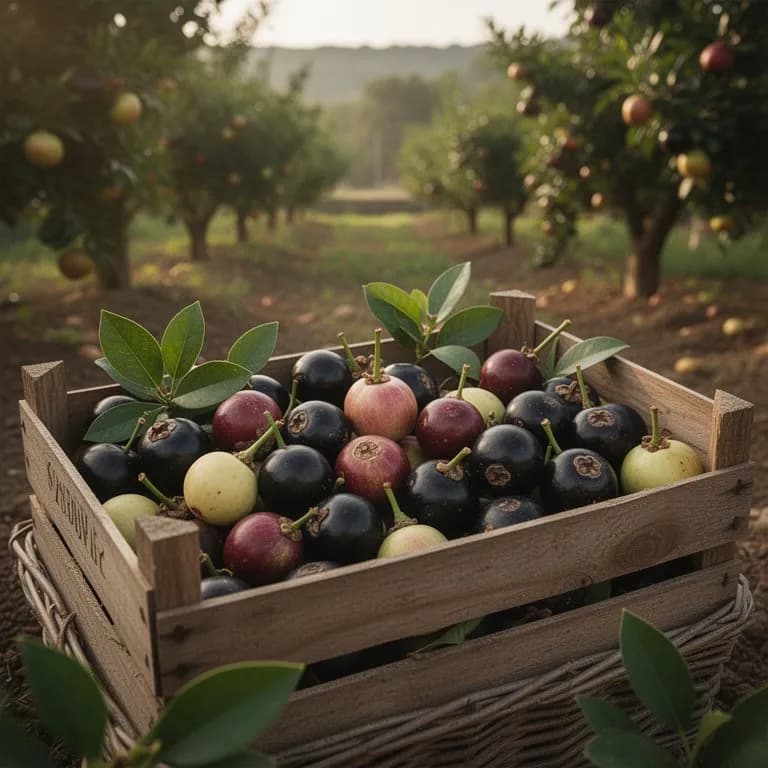
Jaboticaba fruit is ready to harvest when the berries turn from green to dark purple-black and feel slightly soft to the touch. Ripe fruit detaches easily from the bark with a gentle twist. Harvest daily during fruiting flushes, as the fruit is highly perishable and ferments within two to three days of ripening. The thick skin is usually not eaten, though some varieties have thinner, palatable skins. Squeeze the fruit to pop the flesh into your mouth.
assuming you plant when the window opens — set your real date
Pick Jaboticaba promptly and the plant keeps producing.
Storage & Preservation
Fresh jaboticaba is extremely perishable, beginning to ferment within two to three days of harvest. Refrigerate immediately and consume within three to five days. The flesh can be separated from the skin and frozen for up to three months. Jaboticaba makes excellent wine, jelly, jam, and liqueur due to its grape-like qualities. The fruit can also be dried or processed into vinegar. The brief shelf life is the primary reason jaboticaba is rarely seen in markets outside Brazil.
What goes wrong — and the fix
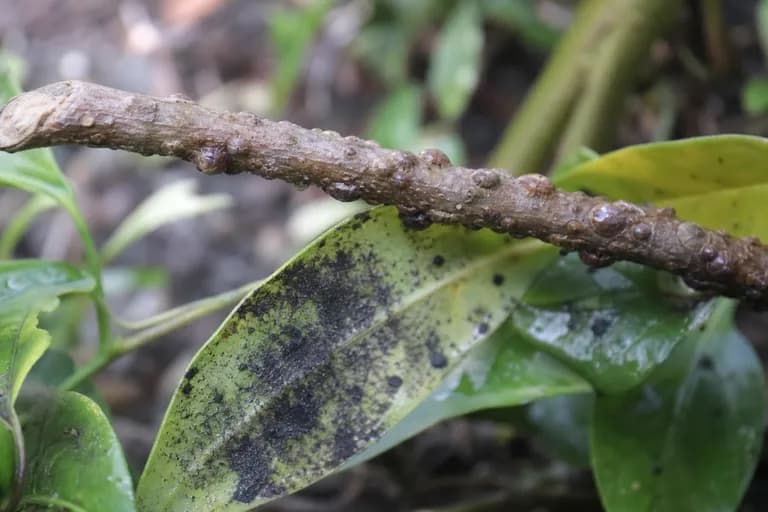
Scale Insects
PestBrown or white bumps on branches and leaves, honeydew secretion, sooty mold, reduced vigor in severe cases.
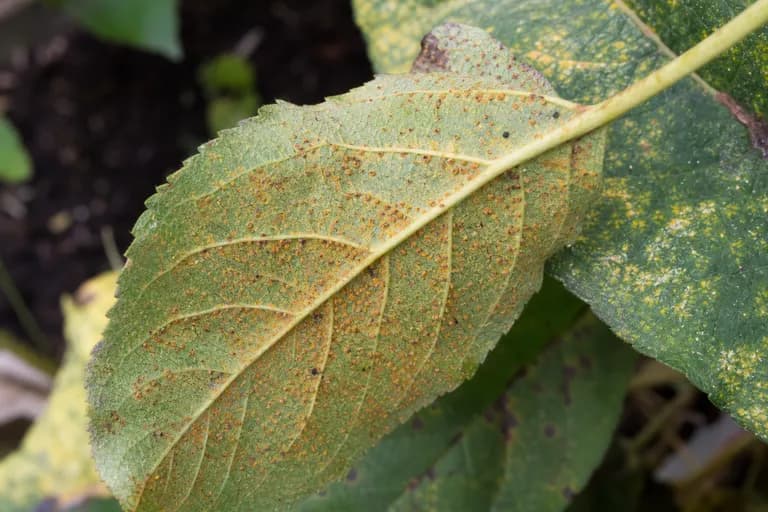
Rust
DiseaseOrange-brown pustules on the underside of leaves, premature leaf drop, reduced tree vigor during humid weather.
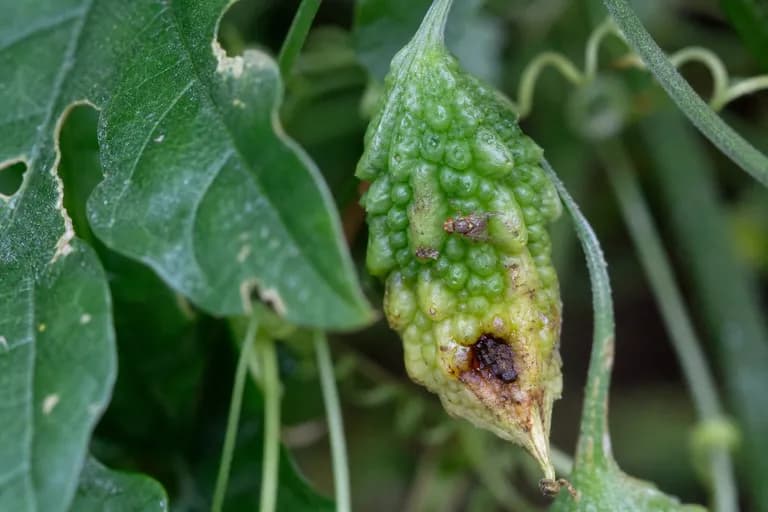
Fruit Fly
PestLarvae inside ripe fruit, soft spots and premature fruit drop, secondary fungal infections at feeding sites.
Troubleshooting Common Problems
The primary frustration is the extremely slow growth rate and long time to fruiting from seed. Grafted trees significantly reduce the waiting period. The fruit is so perishable that it cannot be shipped to markets, limiting commercial potential. In alkaline soils, the tree develops severe chlorosis and grows poorly. The shallow root system makes the tree susceptible to drought stress. Birds readily consume the ripe fruit.
Growing Tips
- Purchase a grafted specimen rather than growing from seed — grafted trees begin fruiting in 3–5 years compared to the 8–15 years typically needed for seedling trees, and the investment is well worth it for most home growers.
- Jaboticaba strongly prefers acidic soil with a pH between 5.5 and 6.5. Test your soil before planting and amend with sulfur or acidifying fertilizers if needed — alkaline soils cause persistent yellowing and poor growth that is difficult to reverse.
- Trigger fruiting flushes on mature trees by withholding irrigation for 2–3 weeks until the tree shows very mild stress, then applying a deep, thorough watering. This mimics the onset of the rainy season and is one of the most reliable ways to induce flowering outside of natural weather cycles.
- Mulch generously and permanently. Jaboticaba has shallow, fibrous roots that benefit enormously from a 8–12 cm layer of organic mulch extending to the drip line. This regulates soil temperature, conserves moisture, suppresses weeds, and feeds soil biology as it breaks down.
- Avoid deep cultivation or hoeing around the base of the tree — the shallow root system is easily damaged by even gentle soil disturbance, and root injury can set back growth significantly and invite disease.
- In cooler or temperate climates, grow jaboticaba in a large container (at least 60–80 liters) using a high-quality, free-draining acidic potting mix. Container culture allows the tree to be moved under cover during cold snaps and extends its growing range well beyond its natural subtropical zone.
- Feed regularly but gently — jaboticaba responds well to frequent light applications of balanced fertilizer during the growing season rather than infrequent heavy doses. A monthly diluted liquid feed supplemented by a slow-release granular fertilizer twice yearly produces the best results.
- Harvest ripe fruit every single day during a fruiting flush. Ripe jaboticaba deteriorates within 2–4 days at room temperature and 5–7 days under refrigeration. If the harvest exceeds what you can eat fresh, freeze berries whole or immediately process them into jam, wine, or juice to capture their flavor at peak quality.
- Jaboticaba is largely self-fertile and does not require a pollination partner, but planting two trees in proximity can increase fruit set and overall yields, particularly in areas where native pollinators are less abundant.
- Prune lightly and infrequently — jaboticaba forms fruit on mature wood, so aggressive pruning removes productive branches and delays fruiting. Limit pruning to the removal of crossing, dead, or damaged wood and allow the tree to develop its natural multi-branched, rounded canopy.
Grow your best Jaboticaba yet — and everything around it.
Start a free plan today. Lay out your beds, drop in your Jaboticaba, and let PlotMyGarden handle the timing, spacing, companions and reminders from seed to harvest basket.
Pick your Jaboticaba
Sabara
The most commonly grown variety with small, sweet fruit and prolific production. Fruits multiple times per year in tropical climates.
Paulista
Produces larger fruit than Sabara with a thinner skin. Slightly sweeter flavor and better for fresh eating.
Red Hybrid
A variety with reddish-colored fruit and very sweet, aromatic flesh. The thin skin is edible, unlike most jaboticaba varieties.
Fresh jaboticaba is virtually impossible to find in supermarkets outside of Brazil due to its extremely short shelf life, and specialty markets or online sellers that occasionally offer it typically charge $20–$40 USD per kilogram or more. A single mature jaboticaba tree in a subtropical garden can yield 20–50 kg of fruit per year across multiple flushes, representing a potential saving of $400–$2,000 annually at retail equivalent pricing. Beyond fresh fruit, home-produced jaboticaba jam, wine, and liqueur — which are entirely inaccessible to most consumers outside South America — add further significant value. The tree's longevity of 50–100+ productive years means the upfront cost of purchasing a grafted specimen typically pays for itself many times over across a lifetime of harvests.
Quick recipes
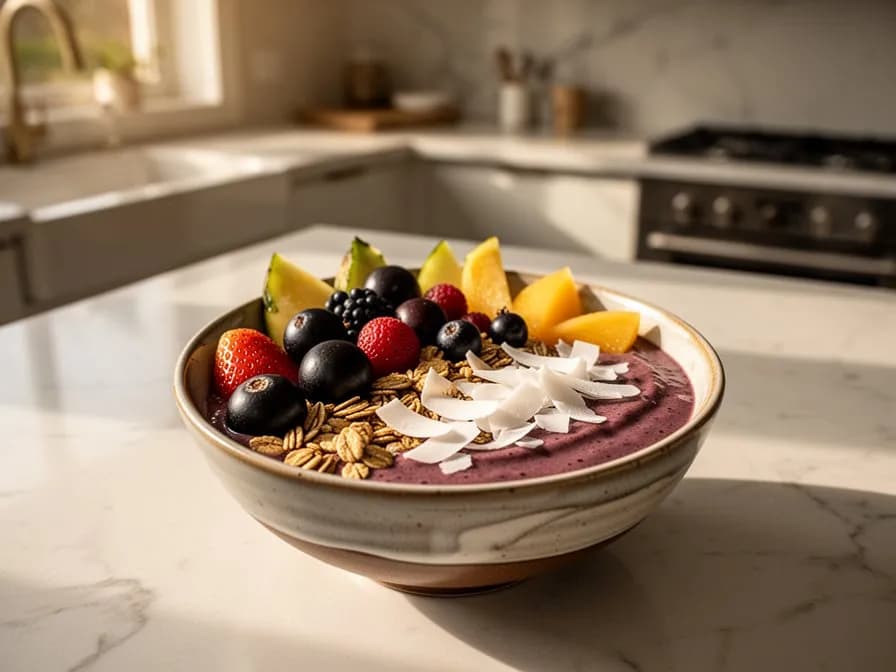
Jaboticaba Jam
45 minutesA rich, deeply flavored jam that captures the berry's unique balance of sweetness and astringency. The thick skins dissolve into the jam during cooking, contributing body and a beautiful jewel-toned color. Spread on toast, swirl through yogurt, or serve alongside strong cheeses.
4 ingredients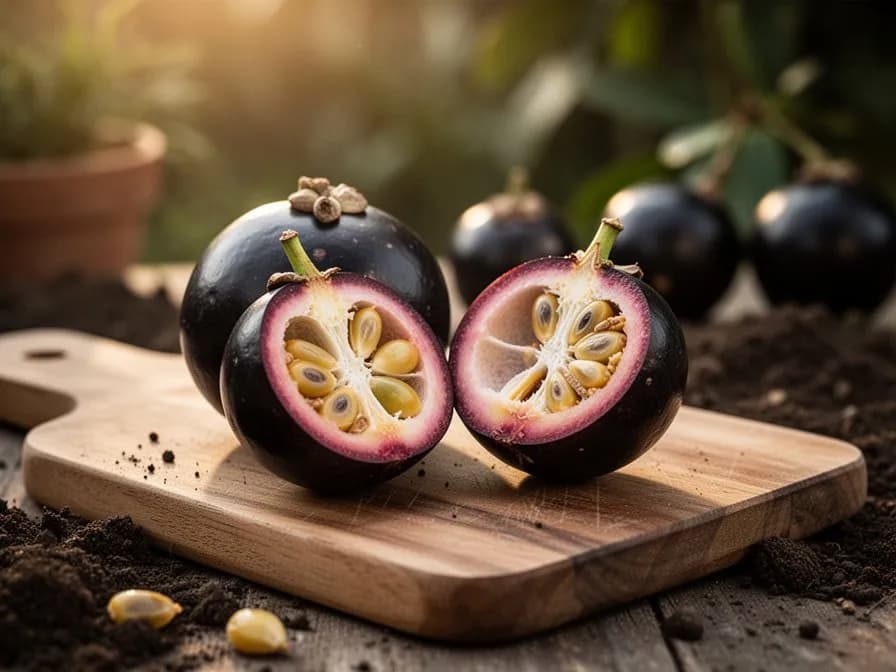
Jaboticaba Caipirinha
10 minutesA Brazilian-inspired twist on the classic caipirinha that uses jaboticaba instead of lime. The berries muddle into a luscious purple base that pairs beautifully with cachaça and adds a fruity depth that makes this cocktail truly unique.
5 ingredientsJaboticaba and Dark Chocolate Tart
1 hour (plus chilling)The tartness and berry complexity of jaboticaba makes it a natural partner for dark chocolate. A simple ganache tart topped with a spoonful of lightly sweetened jaboticaba compote elevates this dessert into something extraordinary.
6 ingredientsCulinary Uses
Jaboticaba is eaten fresh by squeezing the fruit to pop the sweet, gelatinous flesh from the thick skin. The fruit is widely used in Brazil to make wine, liqueur, jelly, and jam. The flavor profile is similar to grape with hints of lychee and plum. The juice is fermented into vinegar or distilled into spirits. Jaboticaba sorbet and ice cream are popular desserts. The skins can be dried and used to make tea.
What's inside
Health Benefits
- Jaboticaba skin is one of the richest plant sources of anthocyanins — powerful antioxidants that help neutralize free radicals, reduce oxidative stress, and have been associated with lower risk of cardiovascular disease and certain cancers in population studies.
- Traditional Brazilian medicine has long used dried jaboticaba skin as a remedy for diarrhea and gastrointestinal inflammation, and preliminary laboratory research supports its antimicrobial and anti-inflammatory activity in the gut.
- The fruit provides a meaningful contribution of vitamin C per serving, supporting immune system function, collagen production, and the absorption of non-heme iron from plant foods consumed in the same meal.
- Research published in peer-reviewed journals has identified novel phenolic compounds in jaboticaba, including jaboticabin and a range of ellagic acid derivatives, which exhibit anti-inflammatory properties in in vitro and animal studies.
- The dietary fiber in jaboticaba — present in both the skin and pulp — supports healthy digestion, feeds beneficial gut bacteria, and contributes to satiety, helping to moderate blood sugar spikes after eating.
- Early-stage research has explored jaboticaba extracts for potential anti-diabetic effects, finding that certain compounds may inhibit alpha-glucosidase activity, an enzyme involved in carbohydrate digestion, suggesting a possible role in blood sugar management.
Where Jaboticaba comes from
Jaboticaba (Plinia cauliflora) is a fruit tree of South American origin, native to the Atlantic Forest biome of southeastern Brazil, where it grows naturally in the states of Minas Gerais, São Paulo, Rio de Janeiro, and Goiás. Indigenous peoples of Brazil have gathered and eaten the fruit for centuries, valuing it as a wild food source long before European colonization. The Tupi people are believed to have given the fruit its name, derived from words meaning 'place of the jabuti' — the Brazilian land tortoise — as the fruit resembles the tortoise's spotted shell when covering the bark of the tree.
Portuguese colonists encountered jaboticaba in the sixteenth century and quickly adopted it into domestic cultivation. By the nineteenth century, jaboticaba orchards were common throughout the Brazilian highlands, and the fruit had earned a central place in regional cuisine and folk medicine. Brazilian healers traditionally used the dried skin of the fruit to treat diarrhea, asthma, and inflammatory conditions of the throat, a use that modern phytochemical research has begun to investigate with promising results.
The tree was introduced to other subtropical regions during the late nineteenth and early twentieth centuries. Specimens were planted in California, Florida, and Hawaii in the United States, as well as in Israel, India, Sri Lanka, and parts of Southeast Asia. In Australia, jaboticaba found enthusiastic growers among subtropical fruit enthusiasts in Queensland and coastal New South Wales, where its tolerance for periodic drought and its ornamental value made it a desirable garden plant.
Despite its exceptional flavor and nutritional profile, jaboticaba has remained largely unknown outside of Brazil and specialist fruit-growing communities. Its extremely short shelf life — ripe fruit begins to ferment within 72 to 96 hours of harvest — makes commercial export all but impossible, effectively confining the fresh fruit to local markets and home gardens. This limitation has, paradoxically, made the tree highly desirable among home growers who prize access to fruit that simply cannot be purchased in supermarkets. Today, jaboticaba enjoys a devoted following among permaculture practitioners, subtropical fruit collectors, and culinary adventurers worldwide.
Jaboticaba: did you know?
Fascinating facts about Jaboticaba
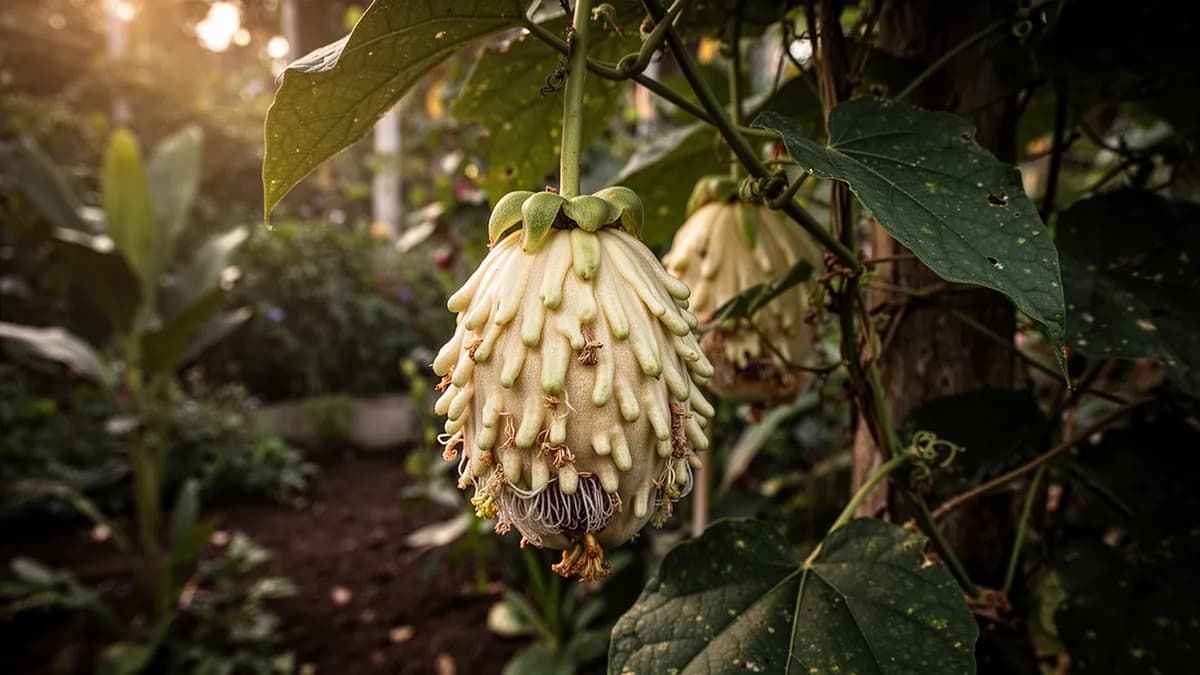
Jaboticaba is one of the few fruit trees in the world that practices cauliflory — producing its flowers and fruit directly on the trunk and main branches rather than at the tips of new shoots, creating an almost otherworldly appearance.
Jaboticaba questions, answered
When should I plant Jaboticaba?
What hardiness zones can Jaboticaba grow in?
How much sun does Jaboticaba need?
How far apart should I space Jaboticaba?
What pests and diseases affect Jaboticaba?
How do I store Jaboticaba after harvest?
What are the best Jaboticaba varieties to grow?
What soil does Jaboticaba need?
Why is my jaboticaba tree not fruiting after several years?
How do I store fresh jaboticaba berries?
Can jaboticaba be grown in a pot indoors or in a cool climate?
Is the skin of jaboticaba edible?
How often does jaboticaba fruit in a year?
What pests and diseases commonly affect jaboticaba?
You just read the theory. Now grow it on autopilot.
Everything that makes Jaboticaba fiddly — the timing, the spacing, the companions, the harvest window — is exactly what PlotMyGarden handles for you, for every plant in your garden.
A plan that knows your weather
Set your location once. Get sow, feed and harvest dates built around your real last-frost date and live forecast — no more guessing from a generic seed packet.
From the “When to plant” sectionDrag-and-drop bed planner
Design beds on a grid. Every plant snaps to its proper spacing, and you can see your whole season laid out before you spend a cent on seed.
From the “Growing guide” sectionCompanion conflicts, caught early
200+ good-and-bad pairings checked live as you plant — so a season-wrecking mistake never makes it into the ground.
From the “Companions” sectionReminders you'll actually act on
“Water the beans.” “Pick today before it turns.” Timely, specific, and tied to the plants you're really growing.
From the “Harvest” sectionSuccession, scheduled
Want a harvest for six weeks, not six days? It spaces your sowings automatically and reminds you when each new block is due.
From the “When to plant” sectionA record that gets smarter
Every harvest you log teaches it your garden. Next year's plan starts from what actually worked in your soil, not a textbook's.
From the “Overview” sectionMore Tropical Fruits
Grow your best Jaboticaba yet — and everything around it.
Start a free plan today. Lay out your beds, drop in your Jaboticaba, and let PlotMyGarden handle the timing, spacing, companions and reminders from seed to harvest basket.