Indian Snakeroot
A tropical shrub with small white flowers whose root was the original source of the alkaloid reserpine, historically used in Ayurvedic medicine.





On this pageOverview
Meet Indian Snakeroot
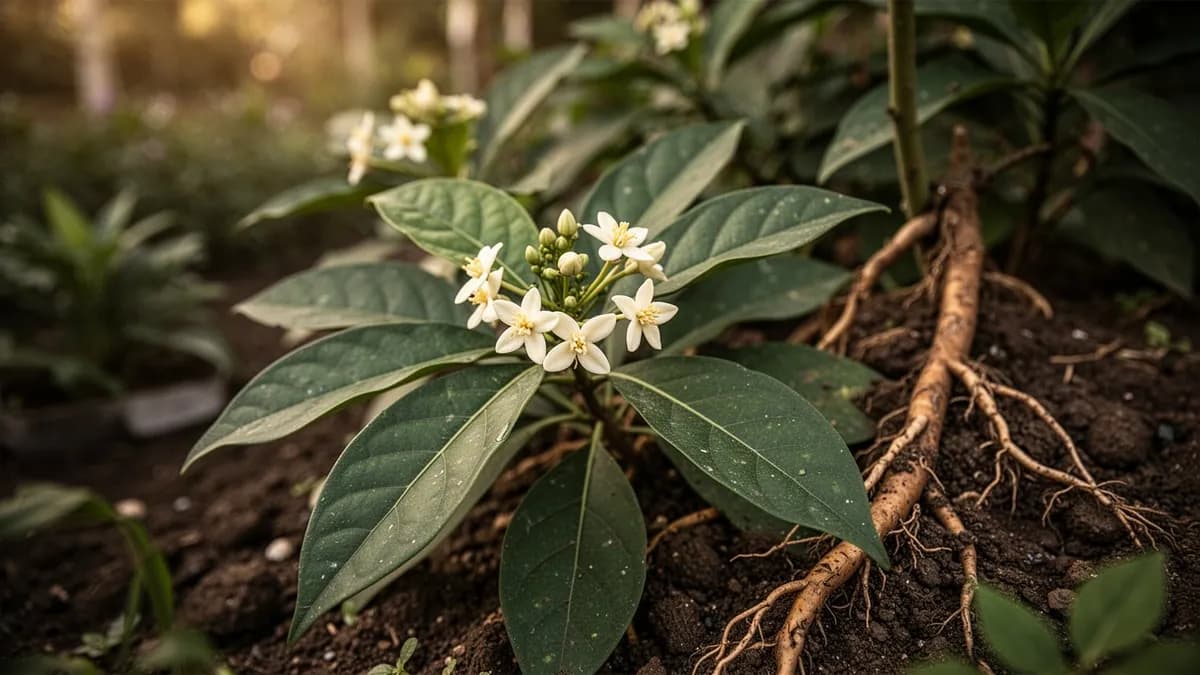
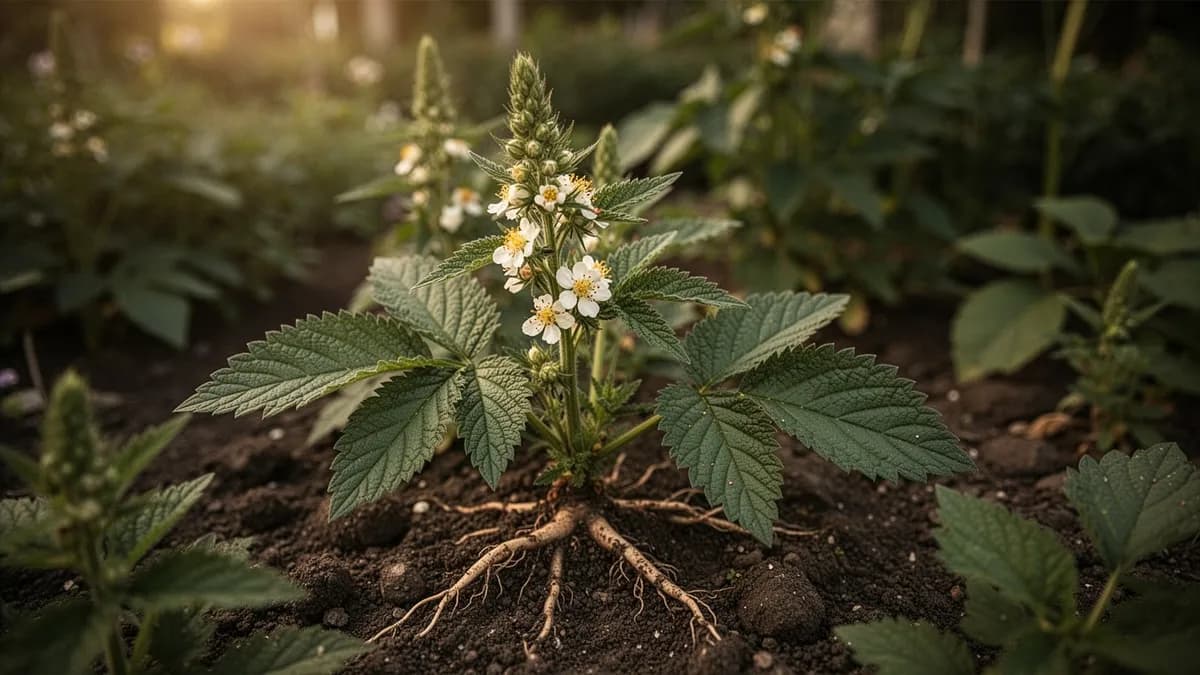
A tropical shrub with small white flowers whose root was the original source of the alkaloid reserpine, historically used in Ayurvedic medicine. Indian snakeroot has been used for centuries in traditional practices and is now a rare and protected species in the wild. Grow in tropical conditions with partial shade, rich soil, and consistent moisture.
When to plant Indian Snakeroot
Indian snakeroot seeds require fresh seed for the best germination. Sow on moist tropical seed-starting mix at 25-30°C. Germination is slow and erratic, taking 3-8 weeks. Maintain high humidity and consistent warmth. Semi-ripe stem cuttings root with bottom heat and rooting hormone, providing a more reliable propagation method. Root cuttings from established plants can also be successful. Due to the rarity and conservation status, purchasing nursery-propagated plants from specialist suppliers is recommended.
Your Indian Snakeroot Year
Composed for Zone 7 · typical seasons · frost passes Apr 2, returns Nov 1
Plant Indian Snakeroot Apr – Jun, pick Oct – Dec. Check the planting methods below and set your climate to personalize these windows.
How to grow Indian Snakeroot
Indian snakeroot is a small tropical evergreen shrub growing 30-60cm tall, with glossy dark green leaves and clusters of small white to pinkish flowers. Native to the Indian subcontinent and Southeast Asia, it was the original source of the alkaloid reserpine, which revolutionized hypertension treatment in the 1950s. It has been used in Ayurvedic medicine for thousands of years. Grow only in tropical conditions (zones 10-12) or in a heated greenhouse.
Provide partial shade with rich, moist, well-drained soil. In its native habitat, Indian snakeroot grows as an understory shrub in moist tropical and subtropical forests. Consistent warmth (20-30°C), high humidity, and protection from direct scorching sun are essential. The plant grows slowly and may take 2-3 years to reach flowering size.
Indian snakeroot is now rare and protected in the wild due to over-collection for the pharmaceutical industry. Growing it in cultivation helps conserve the species while providing an educational garden specimen. The roots contain powerful alkaloids and should never be used for self-medication—this is a plant for conservation, education, and professional use only.
10 plants fit a 4 × 8 ft bed
Each Indian Snakeroot wants 45 cm of elbow room. The planner keeps that spacing for you — every plant, every bed.
Indian Snakeroot's best neighbours
In tropical gardens, grow alongside other Ayurvedic medicinal plants like ashwagandha, holy basil, and turmeric. In greenhouse settings, pair with other tropical medicinals that share similar warmth and humidity requirements. Indian snakeroot grows as an understory shrub and benefits from the dappled shade of taller tropical plants. Its conservation status makes it a valuable addition to botanical collections and medicinal plant conservation gardens.
Ashwagandha belongs beside it.
Old growers' knowledge, checked against Indian Snakeroot's real companion table below — test any plant you're growing.
Try Indian Snakeroot in a bed — right here
A real planner bed with Indian Snakeroot already in it. Tap a companion to place it and watch the pairing checks answer — green for good neighbours, red for a clash.


Related growing guides
Feed it well
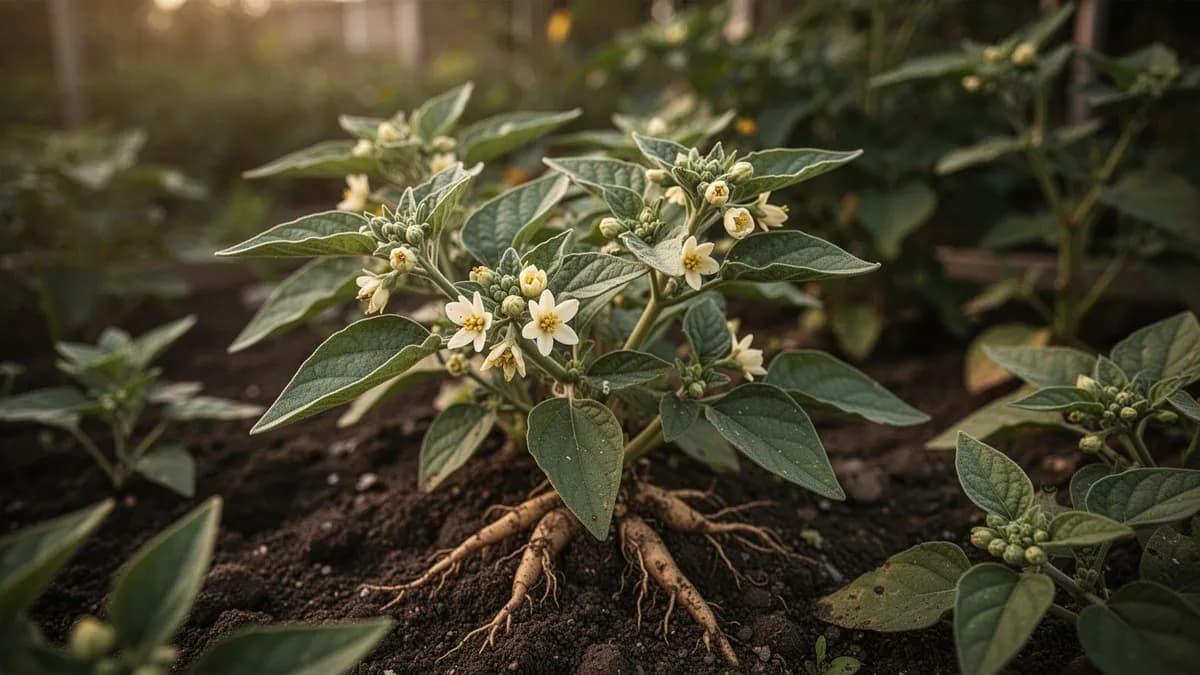
Grow in rich, well-drained, humus-laden tropical soil with pH 5.5-6.5. Use a high-quality tropical potting mix in containers. Feed monthly with balanced liquid fertilizer during the growing season. Maintain consistent moisture without waterlogging. In greenhouse culture, add perlite to potting mix for drainage and maintain tropical humidity levels (60-80%). The plant responds well to regular feeding for steady, healthy growth.
Ideal Temperature
Hardiness Zone Compatibility
From seed to harvest, stage by stage
Seed Germination
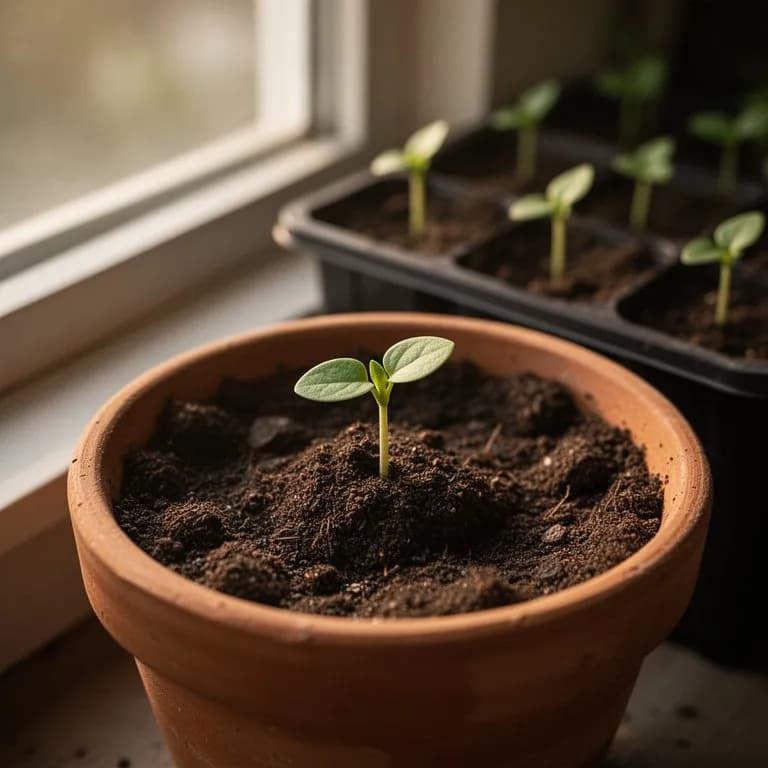
Indian snakeroot seeds have a notoriously slow and irregular germination pattern. Fresh seeds perform best, as viability drops sharply after six months. Seeds require warm, consistently moist conditions at 25-30°C (77-86°F) and may take 3-6 weeks to sprout. The small seedling emerges with a pair of simple cotyledon leaves and a thin, delicate stem.
Seedling Establishment
Seedlings grow slowly, developing their first true leaves which are glossy, dark green, and arranged in opposite pairs or whorls of three. The young stem begins to thicken and the taproot system starts developing below the soil surface. Seedlings are highly sensitive to direct sun, drought, and temperature fluctuations during this vulnerable stage.
Vegetative Growth
The plant grows into a small woody shrub reaching 30-60 cm in the first year. Leaves become larger, glossier, and develop their characteristic elliptical shape with prominent veination. The stem begins to lignify and branching increases. Below ground, the medicinally valuable taproot thickens substantially, accumulating alkaloids over time.
Flowering
Indian snakeroot typically begins flowering in its second or third year. Cymes of small, white to pink tubular flowers emerge at stem terminals and leaf axils. Each flower is roughly 1-2 cm long with five fused petals forming a delicate tube. Flowering may occur in intermittent flushes during the warm months. Pollination is achieved by insects, particularly small bees and butterflies.
Fruiting and Seed Set
Pollinated flowers develop into small, round drupes that transition from green to dark purple and finally glossy black when ripe. Each drupe contains one or two seeds. Fruits ripen unevenly over several weeks. Birds are attracted to the ripe fruit and serve as natural seed dispersers in the wild.
Root Maturation and Harvest
The medicinally valuable root system reaches harvestable maturity after 3-4 years of growth. The thick, serpentine taproot — which gives the plant its common name — may extend 30-50 cm deep and contains the highest concentration of reserpine and other indole alkaloids. The root bark is pale brown externally and yellowish-white internally. WARNING: All parts of this plant contain potent pharmacologically active alkaloids.
Soak seeds in warm water for 24 hours before sowing to soften the hard seed coat. Sow in a sterile, well-draining seed-starting mix at 1 cm depth. Maintain high humidity with a clear cover and keep soil temperature above 25°C. Use only fresh seed — germination rates decline rapidly after harvest.
Caring for Indian Snakeroot month by month
What to do each month for your Indian Snakeroot
October
You are hereIn temperate climates, move container plants to a warm, well-lit indoor location. Reduce watering but do not allow soil to dry out completely. Root harvest from mature plants (3-4+ years) is traditionally performed in late autumn when alkaloid concentrations are highest — this is a destructive harvest requiring complete plant removal.
Know exactly what to do in your garden — every month
One email at the start of each month: what to sow, plant, and tackle right now — for your Indian Snakeroot and everything growing around it. Plus a short starter course that helps you dodge the classic mistakes.
- What to do, right now
- Matched to your season
- Starter course included
Harvesting Indian Snakeroot
Indian snakeroot roots are the primary medicinal harvest, requiring 3-5 years of growth. The roots contain powerful alkaloids (reserpine, ajmaline, serpentine) that require professional processing and standardization. This is not a plant for home herbal remedies—the alkaloids are pharmacologically potent and potentially dangerous without proper dosing. Harvest roots from mature plants by carefully lifting, washing, and drying. Leave only to qualified practitioners and researchers.
assuming you plant when the window opens — set your real date
Pick Indian Snakeroot promptly and the plant keeps producing.
Storage & Preservation
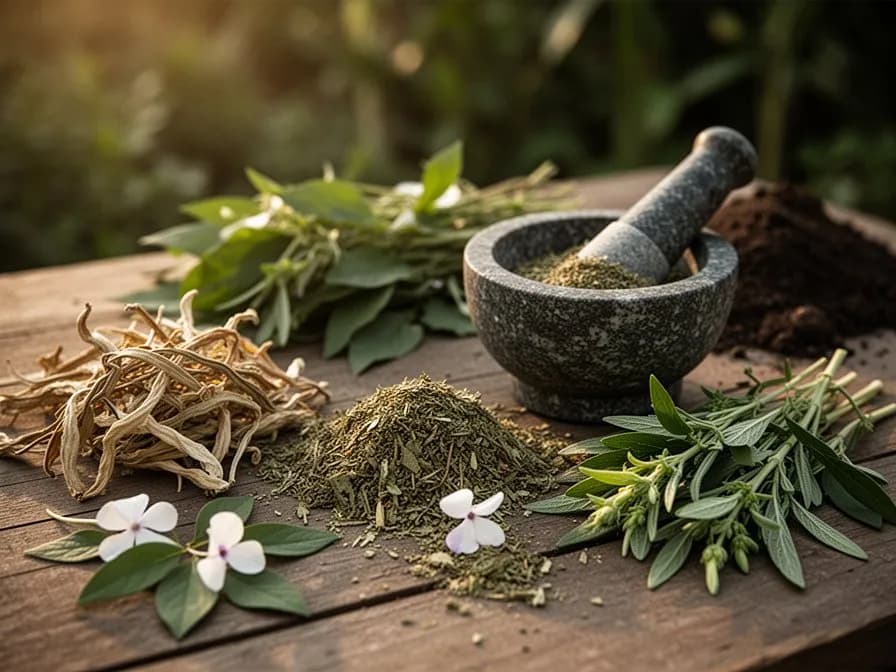
Clean and slice roots before drying at low temperature. Store dried root material in airtight jars away from light for up to 2 years. All preparations from Indian snakeroot should be handled by qualified herbalists or pharmaceutical researchers due to the potent alkaloid content. The dried root is the starting material for reserpine extraction used in conventional medicine. This plant is included for educational and conservation purposes rather than home herbal use.
What goes wrong — and the fix
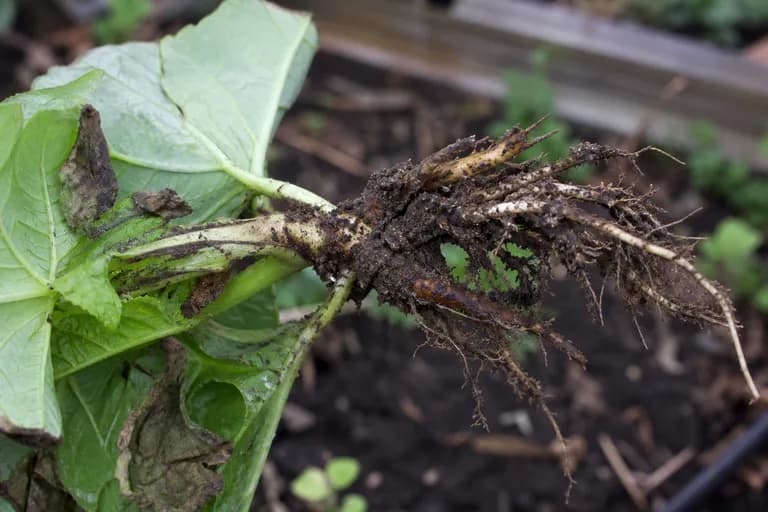
Root Rot
DiseaseYellowing leaves, wilting, soft mushy roots. Usually from waterlogged soil in containers.
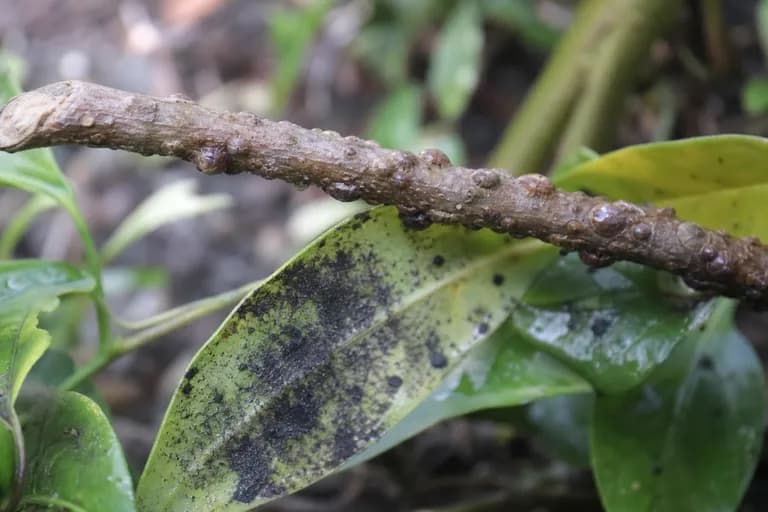
Scale Insects
PestBrown bumps on stems, sticky honeydew, sooty mold. Common on greenhouse-grown plants.
Troubleshooting Common Problems
Strictly tropical—cannot survive temperatures below 10°C. Slow growth means several years to reach harvestable size. Wild populations are severely depleted due to over-collection—always source nursery-propagated plants, never wild-collected. The potent alkaloid content makes this unsuitable for amateur herbal use. Difficult to find commercially outside specialist tropical plant nurseries. Requires heated greenhouse facilities in temperate climates.
Growing Tips
- Use only fresh seed for propagation — Indian snakeroot seeds lose viability rapidly and germination rates drop dramatically after 3-6 months of storage. Sow seeds as soon as possible after collection from ripe fruit for the best chance of successful germination.
- Provide warm, humid conditions throughout the entire growth cycle. This tropical species requires temperatures consistently above 20°C and humidity above 60% for vigorous growth. In temperate climates, a heated greenhouse or warm indoor windowsill with supplemental humidity is essential.
- Plant in rich, well-draining soil with high organic matter content. A mix of quality potting compost, perlite, and composted bark in roughly equal parts mimics the humus-rich forest floor soils where Indian snakeroot grows naturally. Ensure containers have ample drainage holes.
- Provide partial shade to replicate the understory conditions of its native tropical forest habitat. Direct midday sun can scorch the leaves and stress the plant. Morning sun with afternoon shade, or bright filtered light throughout the day, produces the healthiest growth.
- Water consistently to maintain even soil moisture, but never allow the plant to sit in standing water. Indian snakeroot is sensitive to both drought stress and waterlogged conditions. A regular watering schedule with well-draining soil achieves the right balance.
- Grow in deep containers to accommodate the long taproot that is the primary site of alkaloid accumulation. Pots should be at least 30 cm deep for young plants and deeper for mature specimens. Avoid shallow, wide containers that restrict taproot development.
- Propagation by stem cuttings is possible and produces plants faster than seed. Take semi-hardwood cuttings in late summer, dip in rooting hormone, and root in a warm propagation chamber with bottom heat and high humidity. Expect rooting in 6-8 weeks.
- Check local and national regulations before cultivating Indian snakeroot. As a CITES-listed endangered species, trade in Rauvolfia serpentina plant material may be restricted or require permits in many countries. Cultivation for personal conservation and education is generally permitted.
- Protect from all frost — even brief exposure to temperatures below 5°C can cause severe damage or plant death. In temperate zones, move container plants indoors well before the first autumn frost and do not return them outdoors until nighttime temperatures reliably exceed 12°C in spring.
- Handle all plant parts with care and wash hands after contact. While skin absorption of alkaloids from casual handling is minimal, it is good practice to wear gloves when pruning, harvesting, or processing any part of the plant, especially the root material which contains the highest alkaloid concentrations.
Grow your best Indian Snakeroot yet — and everything around it.
Start a free plan today. Lay out your beds, drop in your Indian Snakeroot, and let PlotMyGarden handle the timing, spacing, companions and reminders from seed to harvest basket.
Pick your Indian Snakeroot
Rauvolfia serpentina (Indian Snakeroot)
The primary medicinal species. Small tropical shrub with white flowers. Source of reserpine. Now rare in the wild.
Rauvolfia vomitoria (African Rauwolfia)
An African relative with similar alkaloid profile. Used in West African traditional medicine. Larger growing plant.
Indian snakeroot is not a typical cost-savings garden crop. It is an endangered medicinal species grown primarily for conservation, botanical education, and ethnobotanical research. Commercial reserpine is now largely produced synthetically, and raw plant material requires professional pharmaceutical processing to extract and standardize alkaloids safely. Growing this plant at home is most valuable as a contribution to ex-situ conservation of an endangered species, as a living teaching specimen for studying ethnobotany and pharmacognosy, and for producing fresh seed to support conservation propagation programs. Never attempt to self-medicate with homegrown plant material — the alkaloids have narrow therapeutic indices and can cause serious harm.
Quick recipes
Traditional Ayurvedic Root Decoction (Historical Reference Only)
Educational — not for preparationSAFETY WARNING: This recipe is provided for historical and educational purposes ONLY. Do NOT prepare or consume without supervision from a qualified Ayurvedic practitioner or medical herbalist. In traditional Ayurveda, small measured quantities of dried sarpagandha root were simmered in water to create a decoction (kashaya) historically used for hypertension and insomnia. Dosage was strictly controlled by experienced practitioners who understood the potent pharmacological effects.
3 ingredientsSarpagandha Churna Powder (Traditional Formulation Reference)
Educational — not for preparationSAFETY WARNING: Provided for ethnobotanical education ONLY. In classical Ayurvedic pharmacy, dried roots were ground into a fine powder (churna) and administered in precisely measured doses, typically 250-500 mg, mixed with honey or warm water. This preparation was traditionally prescribed for conditions including high blood pressure, anxiety, and snake bite. Modern pharmacological research has validated the hypotensive action but also documented serious risks including depression, sedation, and Parkinsonian symptoms with prolonged use.
3 ingredientsEthnobotanical Study Specimen Preservation
30 minA safe, educational activity for botanical study: pressing and preserving Indian snakeroot specimens for herbarium collections, teaching, and ethnobotanical documentation. This is a non-consumable preparation that allows study of the plant's morphological features without any risk of alkaloid exposure through ingestion. Proper herbarium specimens contribute to scientific knowledge and conservation efforts for this endangered species.
6 ingredientsWhat's inside
Health Benefits
- Contains reserpine, a clinically validated antihypertensive alkaloid that was the first effective drug treatment for high blood pressure — CRITICAL WARNING: medicinal use requires strict professional medical supervision due to serious potential side effects including severe depression, sedation, and gastrointestinal complications.
- Ajmaline, another root alkaloid, is used in modern cardiology for diagnosing Brugada syndrome and treating certain cardiac arrhythmias — this alkaloid requires hospital-grade preparation and medical administration only.
- Traditional Ayurvedic use for insomnia and anxiety is supported by the sedative properties of reserpine and related alkaloids, though modern medicine offers safer alternatives — historical use does not imply safety for self-medication.
- Ethnobotanical records document use of root preparations for reducing fever and managing intestinal disorders across traditional medicine systems in India, Sri Lanka, and Southeast Asia — these uses require validation by qualified practitioners before any application.
- Research has identified potential antioxidant and anti-inflammatory properties in certain Rauvolfia alkaloids, though these findings remain preliminary and do not support use as a dietary supplement — all research applications require institutional oversight.
- The historical study of Indian snakeroot alkaloids directly contributed to the development of the monoamine hypothesis of depression, which underpins modern antidepressant pharmacology — the plant's greatest health benefit may be its foundational contribution to neuroscience and psychiatric medicine rather than direct therapeutic use.
Where Indian Snakeroot comes from
Indian snakeroot (Rauvolfia serpentina) is native to the Indian subcontinent and Southeast Asia, with a natural range extending from India, Bangladesh, and Sri Lanka through Myanmar, Thailand, and Indonesia. The plant has been a cornerstone of Ayurvedic medicine for over 3,000 years, referenced in ancient Sanskrit texts including the Charaka Samhita and Sushruta Samhita under the name 'sarpagandha,' meaning 'smelling like a serpent.' Traditional practitioners prescribed root preparations for an extraordinary range of conditions including snake bite, insomnia, hypertension, mental illness, and intestinal disorders.
The plant's global significance dramatically expanded in the 1930s and 1940s when Indian physicians, notably Dr. Rustom Jal Vakil of Bombay, published clinical studies demonstrating that Rauvolfia root extracts effectively lowered blood pressure. These findings sparked intense Western pharmaceutical interest. In 1952, the Swiss chemist Emil Schlittler working at Ciba Laboratories isolated reserpine from the root — a breakthrough that earned widespread recognition and transformed cardiovascular medicine. Reserpine became the first widely used antihypertensive drug, and its mechanism of action (depleting catecholamine stores from sympathetic nerve terminals) opened entirely new fields of neuropharmacology research.
The discovery of reserpine's psychiatric effects was equally revolutionary. Observations that reserpine caused sedation and sometimes depression in hypertensive patients led directly to the monoamine hypothesis of mood disorders — the foundational theory behind modern antidepressant drug development. Nathan Kline's use of reserpine in treating psychosis in the 1950s earned him the Lasker Award and helped establish biological psychiatry as a discipline.
However, the enormous pharmaceutical demand for reserpine triggered catastrophic overharvesting of wild Rauvolfia populations across India and Southeast Asia. By the late 20th century, the species was classified as Endangered by IUCN. India banned the export of wild-harvested roots and established cultivation programs, though illegal wild collection persists. Today, Indian snakeroot stands as both a triumph of ethnobotanical drug discovery and a cautionary tale about sustainable use of medicinal plant resources.
Indian Snakeroot: did you know?
Fascinating facts about Indian Snakeroot
Indian snakeroot contains reserpine, which became one of the most important drugs of the 20th century. Isolated in 1952 by Swiss chemists, reserpine was the first effective treatment for high blood pressure and revolutionized the management of hypertension before newer drugs eventually replaced it.
Indian Snakeroot questions, answered
When should I plant Indian Snakeroot?
What are good companion plants for Indian Snakeroot?
What hardiness zones can Indian Snakeroot grow in?
How much sun does Indian Snakeroot need?
How far apart should I space Indian Snakeroot?
What pests and diseases affect Indian Snakeroot?
How do I store Indian Snakeroot after harvest?
What are the best Indian Snakeroot varieties to grow?
What soil does Indian Snakeroot need?
Is Indian snakeroot safe to grow at home?
Why is Indian snakeroot listed as endangered?
Can I use Indian snakeroot to treat high blood pressure?
How long does it take for Indian snakeroot to reach harvestable maturity?
Can Indian snakeroot be grown in a cold climate?
What is the difference between Indian snakeroot and other Rauvolfia species?
You just read the theory. Now grow it on autopilot.
Everything that makes Indian Snakeroot fiddly — the timing, the spacing, the companions, the harvest window — is exactly what PlotMyGarden handles for you, for every plant in your garden.
A plan that knows your weather
Set your location once. Get sow, feed and harvest dates built around your real last-frost date and live forecast — no more guessing from a generic seed packet.
From the “When to plant” sectionDrag-and-drop bed planner
Design beds on a grid. Every plant snaps to its proper spacing, and you can see your whole season laid out before you spend a cent on seed.
From the “Growing guide” sectionCompanion conflicts, caught early
200+ good-and-bad pairings checked live as you plant — so a season-wrecking mistake never makes it into the ground.
From the “Companions” sectionReminders you'll actually act on
“Water the beans.” “Pick today before it turns.” Timely, specific, and tied to the plants you're really growing.
From the “Harvest” sectionSuccession, scheduled
Want a harvest for six weeks, not six days? It spaces your sowings automatically and reminds you when each new block is due.
From the “When to plant” sectionA record that gets smarter
Every harvest you log teaches it your garden. Next year's plan starts from what actually worked in your soil, not a textbook's.
From the “Overview” sectionPlant these alongside Indian Snakeroot
More Medicinal Herbs
Grow your best Indian Snakeroot yet — and everything around it.
Start a free plan today. Lay out your beds, drop in your Indian Snakeroot, and let PlotMyGarden handle the timing, spacing, companions and reminders from seed to harvest basket.