Calabaza Hubbard
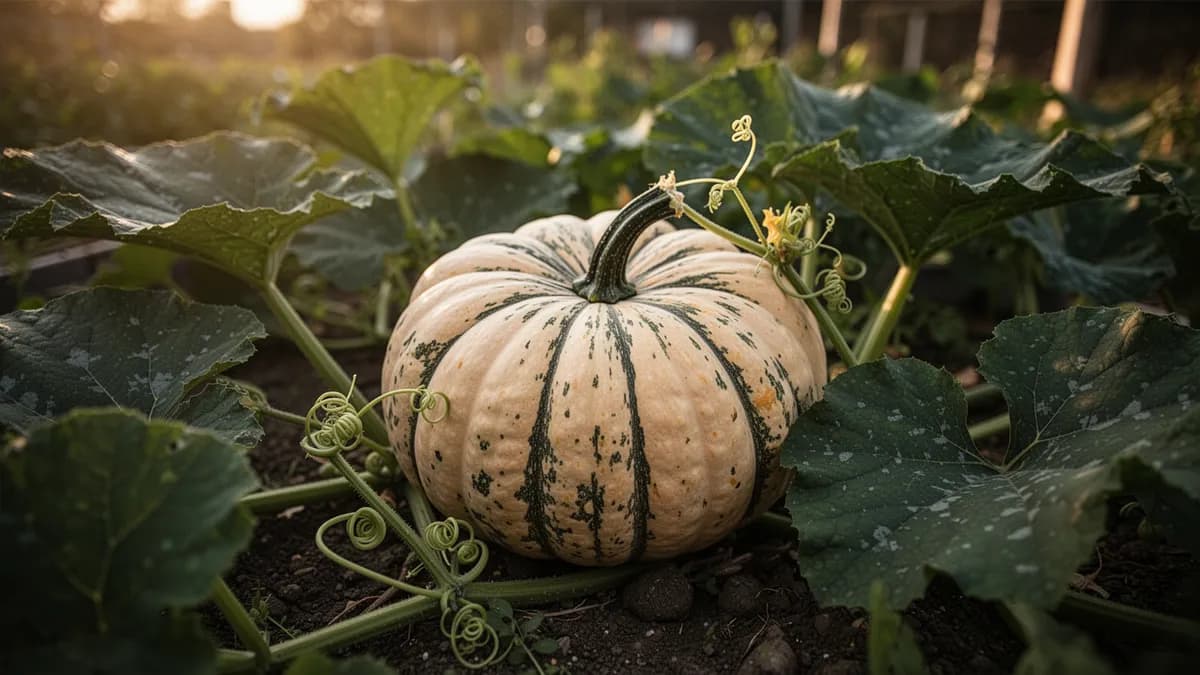
La calabaza Hubbard (Cucurbita maxima) es una de las calabazas de invierno más grandes y antiguas de América del Norte, apreciada por su pulpa densa, seca y excepcionalmente dulce.





En esta páginaResumen
Conoce Calabaza Hubbard
La calabaza Hubbard (Cucurbita maxima) es una de las calabazas de invierno más grandes y antiguas de América del Norte, apreciada por su pulpa densa, seca y excepcionalmente dulce. Con su característica forma de lágrima y cáscara extremadamente dura y verrugosa, puede almacenarse durante meses, proporcionando alimento nutritivo durante todo el invierno.
Cuándo plantar Calabaza Hubbard
Inicia semillas en interior 3-4 semanas antes de la última helada en macetas biodegradables de 8-10 cm, sembrando a 2-3 cm de profundidad. Germina en 7-10 días a 24-27°C. Trasplanta con extremo cuidado sin disturbar el cepellón. También puede sembrarse directamente cuando el suelo alcance 18°C, lo cual es preferible si la temporada lo permite.
Tu año de Calabaza Hubbard
Ajustado a Zona 7 · temporada típica · la helada se va hacia el 2 abr y vuelve hacia el 1 nov
Planta Calabaza Hubbard May – Jun y cosecha Sep – Oct. Consulta los métodos de plantación y elige tu clima para adaptar los periodos.
Cómo cultivar Calabaza Hubbard
La calabaza Hubbard necesita una temporada cálida larga de 100-120 días y un espacio considerable, ya que sus enredaderas pueden extenderse 4-6 metros en todas las direcciones. Siembra 2-3 semillas en montículos generosamente enmendados con compost, espaciados al menos 1,5-2 metros entre sí, después de que el suelo alcance 18°C.
Riega profundamente proporcionando 2,5-5 cm de agua por semana, preferiblemente con riego por goteo en la base. El acolchado grueso de paja es esencial para conservar humedad, suprimir malezas y mantener los frutos limpios. Coloca los frutos en desarrollo sobre tablas para evitar pudrición por contacto con suelo húmedo.
Fertiliza abundantemente, ya que estas plantas son grandes consumidoras de nutrientes. Aplica compost y un fertilizante rico en fósforo al inicio de la floración. Para obtener frutos de mayor tamaño, limita cada planta a 2-3 calabazas. Poda las guías secundarias a 3 metros de longitud para concentrar la energía en los frutos en desarrollo.
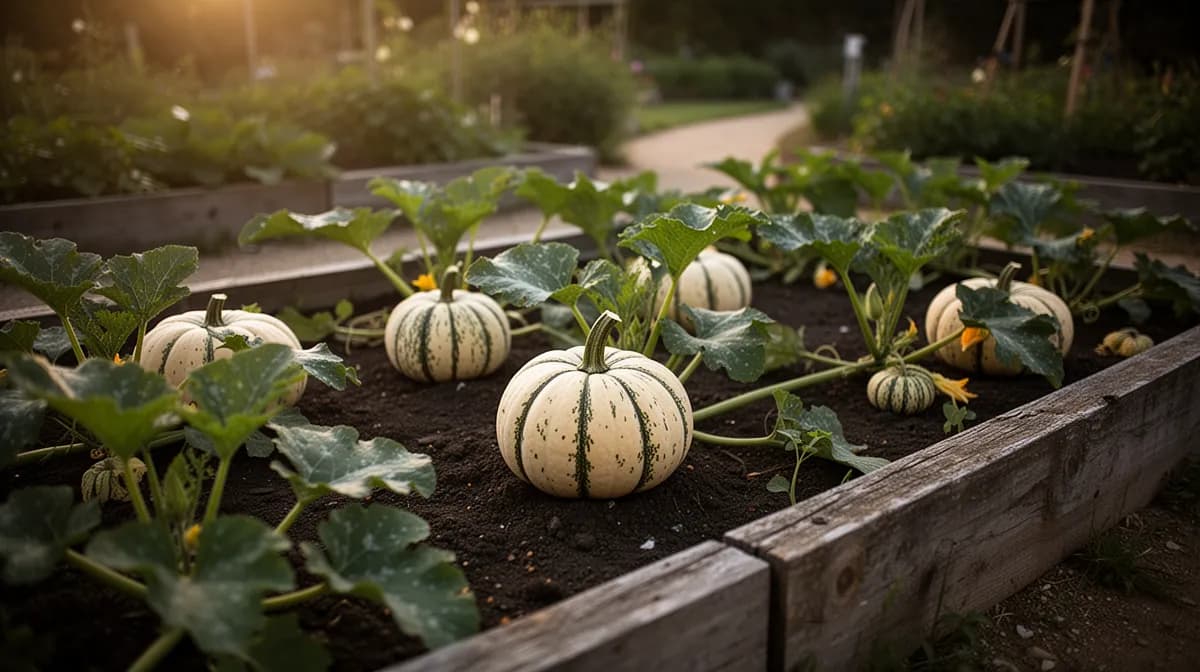
Para Calabaza Hubbard un bancal de 120 × 240 cm se queda corto
Cada Calabaza Hubbard pide 150 cm de margen. El planificador guarda ese marco por ti — cada planta, cada bancal.
Los mejores vecinos de Calabaza Hubbard
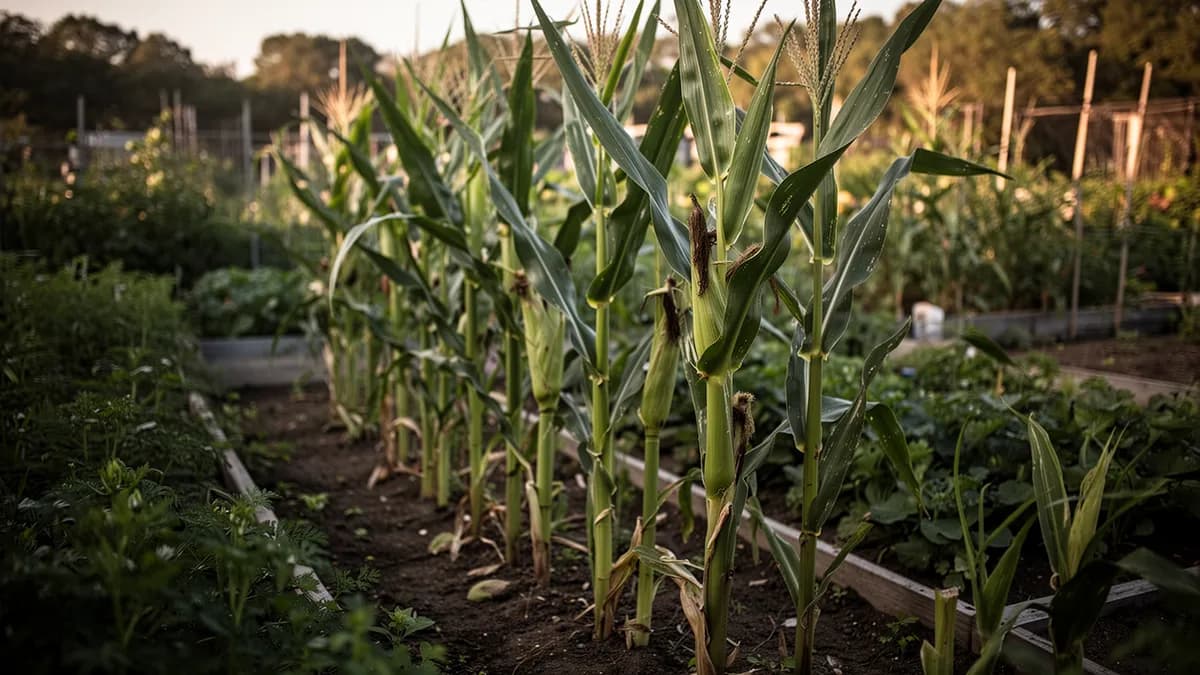
La calabaza Hubbard es famosa como cultivo trampa, especialmente la variedad Blue Hubbard, que atrae escarabajos del pepino y chinches alejándolos de otras cucurbitáceas más valiosas. Se integra perfectamente en el sistema de las Tres Hermanas con maíz y frijoles. Las flores de borraja y girasol atraen polinizadores esenciales.
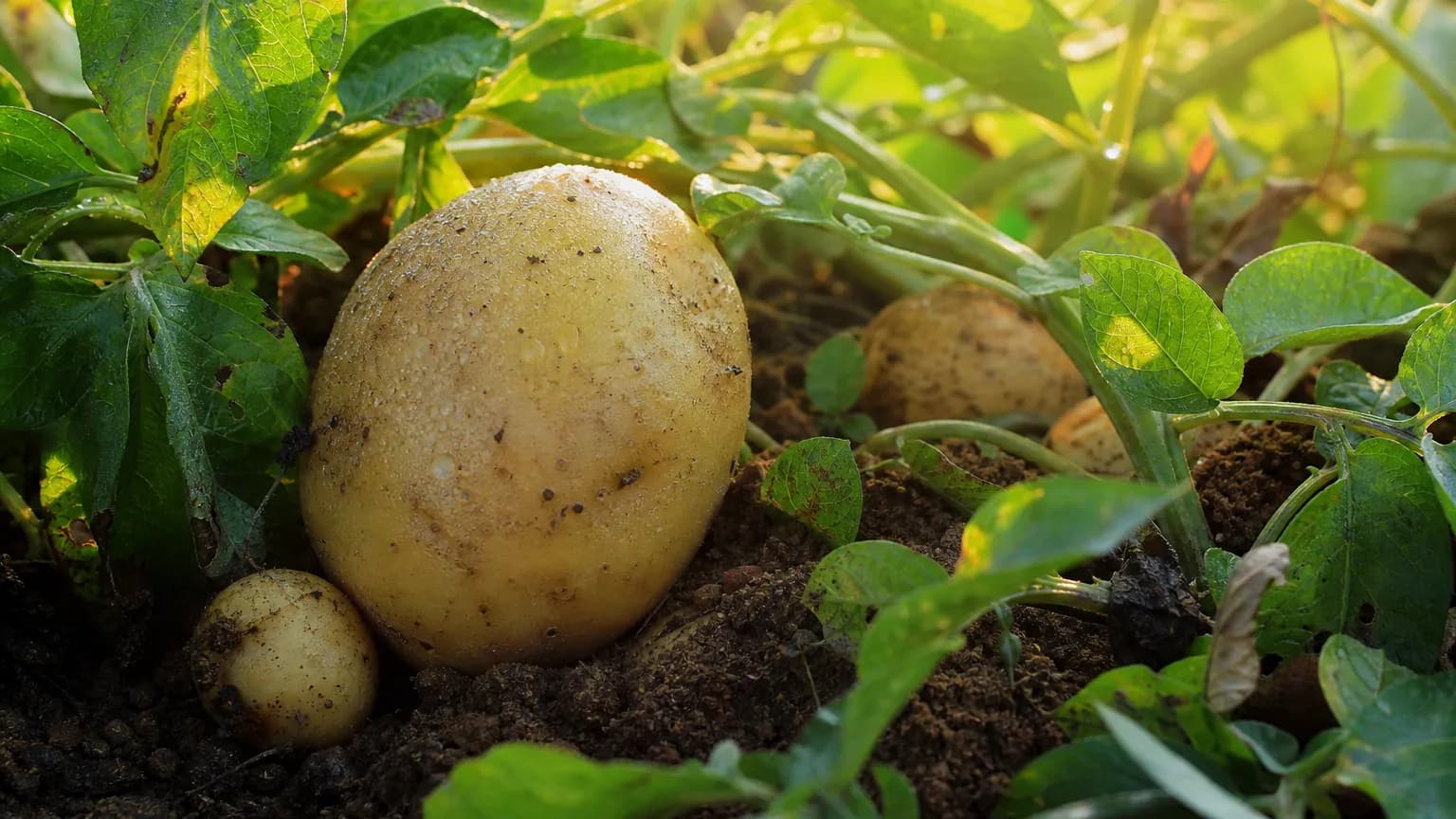
Maíz va a su lado. Papa no.
Saber de huerto de siempre, cotejado con la tabla real de Calabaza Hubbard — prueba cualquier planta que cultives.
Prueba Calabaza Hubbard en un bancal, aquí mismo
Un bancal real del planificador con Calabaza Hubbard ya plantado. Toca una planta compañera para colocarla y mira cómo responde la comprobación de vecinos: verde para buenos vecinos, rojo si hay conflicto.


Guías de cultivo relacionadas
Abónalo bien
La calabaza Hubbard es una gran consumidora de nutrientes que requiere suelo profundo, fértil y bien drenado con pH entre 6,0 y 7,0. Incorpora abundante compost o estiércol bien descompuesto en los montículos de siembra. Fertiliza con abono rico en fósforo y potasio al inicio de la floración, y complementa con compost líquido cada 2-3 semanas durante el desarrollo de los frutos.
Temperatura ideal
Compatibilidad de zonas de rusticidad
De la semilla a la cosecha, etapa por etapa
Siembra
Las semillas germinan en suelo cálido o en macetas interiores después de 7-14 días. Las semillas grandes producen cotiledones gruesos y firmes. La temperatura del suelo debe alcanzar al menos 21 °C para una germinación fiable, y 27 °C es lo ideal.
Establecimiento de plántulas
Se desarrollan las hojas verdaderas con la textura característica, lobulada y algo rugosa. El sistema radicular se expande rápidamente en el suelo circundante. Las plántulas crecen lentamente con temperaturas frescas, pero se aceleran cuando superan los 24 °C.
Expansión de las enredaderas
Las enredaderas comienzan su crecimiento vigoroso y se extienden 15-30 cm por día con clima cálido. Las hojas grandes y de textura áspera sombrean las malezas y la planta produce raíces suplementarias en los nudos a lo largo de la vid.
Floración y polinización
Primero aparecen flores masculinas grandes de color naranja dorado, seguidas de flores femeninas con un pequeño ovario hinchado en la base. Las abejas deben transferir el polen de las flores masculinas a las femeninas para que se formen frutos. Cada vid produce muchas más flores masculinas que femeninas.
Desarrollo del fruto
Los frutos polinizados se hinchan rápidamente y ganan varias libras por semana. La calabaza en desarrollo pasa de verde a su color maduro y la cáscara empieza a endurecerse. Cada vid suele sostener 2-4 frutos que compiten por la energía de la planta.
Maduración y cosecha
Los frutos alcanzan su tamaño completo de 10-20 libras o más. La cáscara se vuelve extremadamente dura y no se puede hundir con la uña del pulgar. El tallo se seca y se vuelve corchoso. El follaje empieza a amarillear y a marchitarse de forma natural mientras la planta dirige toda su energía restante a los frutos.
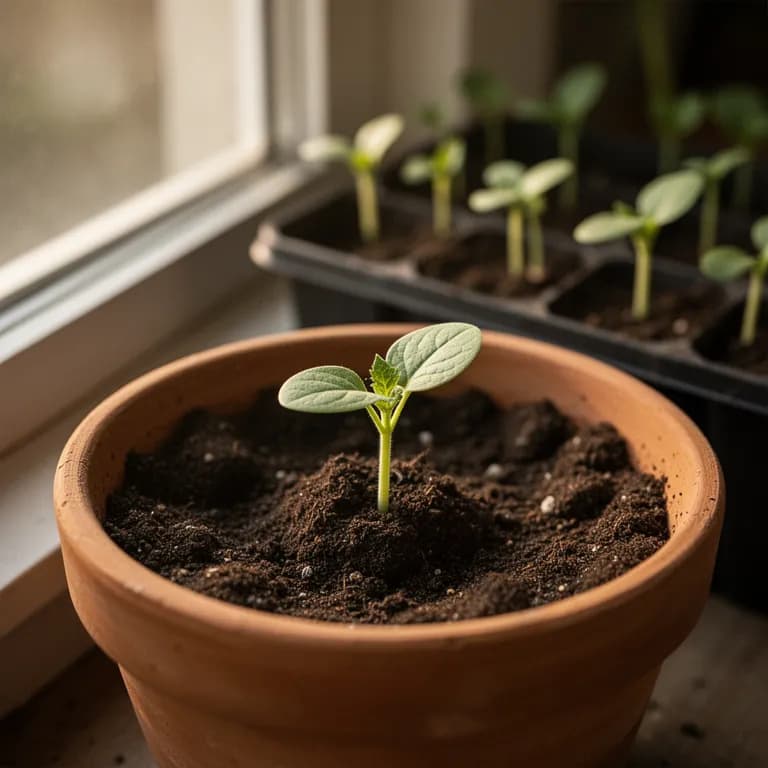
Empieza las semillas en interiores 4-5 semanas antes de la última helada en macetas grandes de turba para adelantar la larga temporada. Planta a 2,5 cm de profundidad y mantén el suelo constantemente cálido con una manta térmica.
Cuidar Calabaza Hubbard mes a mes
Qué hacer cada mes para tu Calabaza Hubbard
Octubre
Mes actualHarvest mature fruits before hard frost, cutting stems with loppers and leaving 3-4 inches attached. Cure in warm sun or a greenhouse at 27-29°C (80-85°F) for 2 full weeks. Handle gently despite the hard shell.
Ten claro qué hacer en tu huerto, cada mes
Un correo al empezar cada mes: qué sembrar, plantar y hacer ahora mismo — para tu Calabaza Hubbard y todo lo que crece alrededor. Más un breve curso inicial para esquivar los errores clásicos.
- Qué hacer ahora mismo
- Ajustado a tu temporada
- Curso inicial incluido
Cosechar Calabaza Hubbard
Cosecha la calabaza Hubbard cuando la cáscara esté completamente dura (no pueda marcarse con la uña), el color sea uniforme y el pedúnculo esté seco y corchoso, generalmente entre 100 y 120 días. Corta con tijeras de podar resistentes dejando 8-10 cm de pedúnculo. Maneja los frutos con cuidado ya que las caídas pueden causar grietas internas que reducen la conservación.
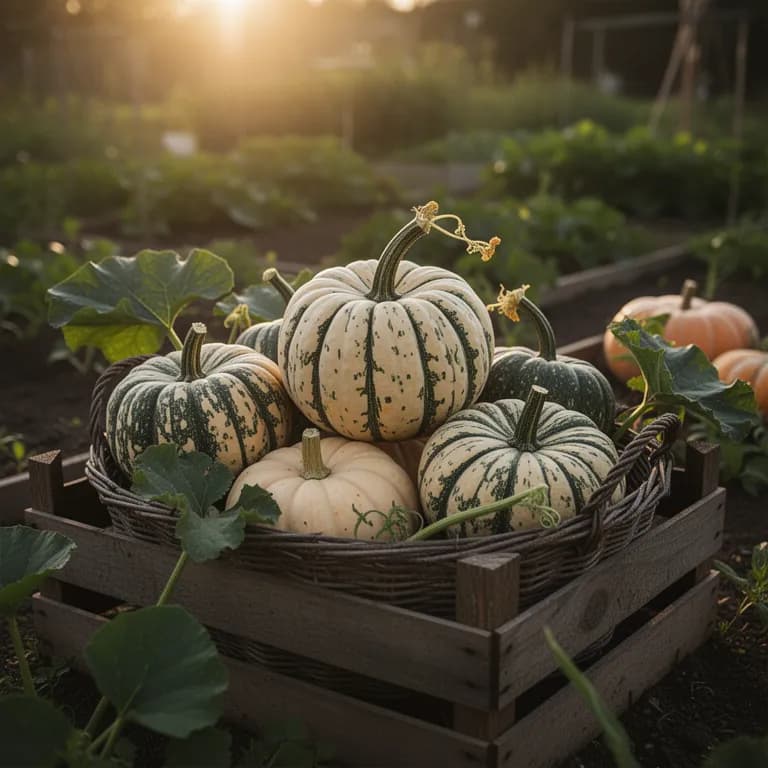
se supone que plantas al comenzar el periodo — indica tu fecha real
Coloca una tabla o una capa de paja bajo los frutos en desarrollo para evitar que se pudran por el contacto con el suelo. Reduce la frecuencia de riego a medida que engordan los frutos para favorecer el endurecimiento de la cáscara. Cambia a un fertilizante rico en potasio para apoyar el desarrollo de la cáscara.
Almacenamiento y conservación
Cura las calabazas al sol durante 10-14 días para endurecer la piel, luego almacénalas a 10-13°C con 50-70% de humedad relativa. En condiciones óptimas se conservan hasta 6 meses o más. La pulpa cocida se congela excelentemente en porciones. También puede deshidratarse en cubos o convertirse en mantequilla de calabaza para conservas caseras.
Qué falla — y cómo solucionarlo
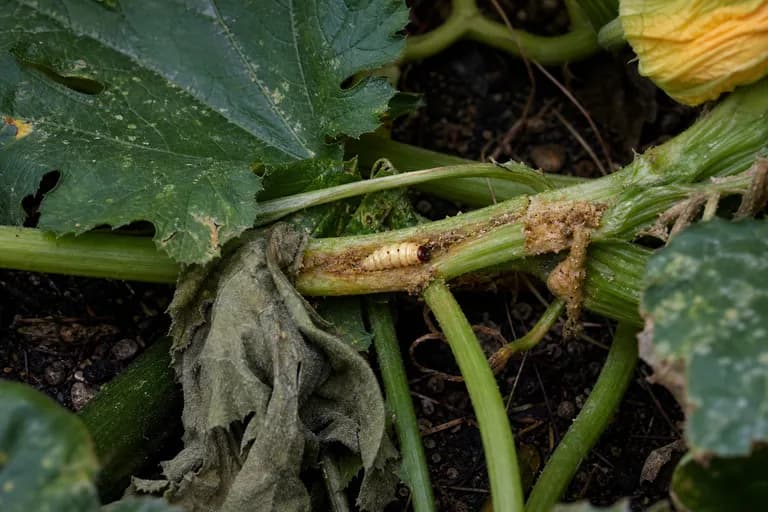
Escarabajo rayado del pepino
PlagaEscarabajos amarillos con rayas negras que devoran hojas jóvenes y flores, y transmiten la marchitez bacteriana que puede matar plantas enteras en pocos días.
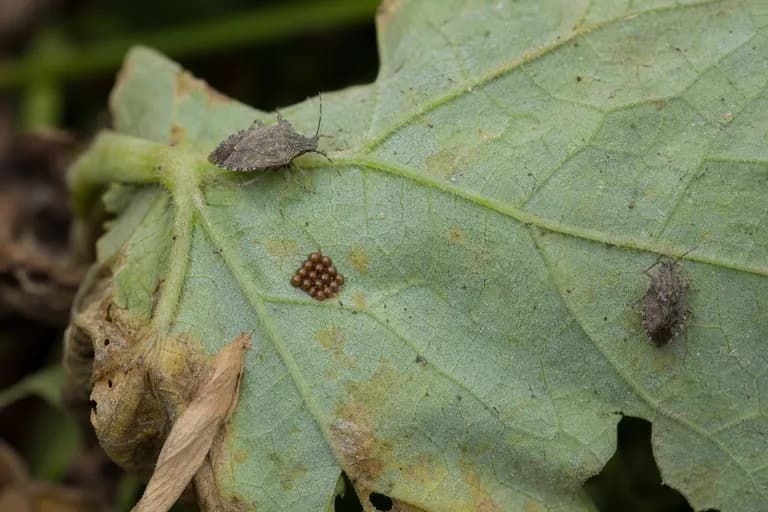
Chinche de la calabaza (Anasa tristis)
PlagaInsectos grandes de color gris-marrón que succionan savia de hojas y tallos, causando marchitez localizada que progresa rápidamente. Las hojas se vuelven marrones y crujientes desde los bordes.
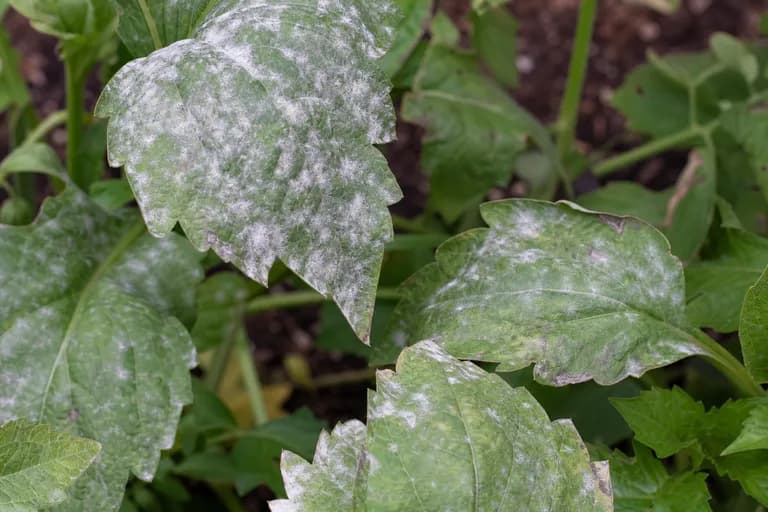
Pudrición apical del fruto
EnfermedadManchas oscuras y hundidas en el extremo floral del fruto en desarrollo que se expanden y ablandan, permitiendo la entrada de hongos secundarios y bacterias.
Solución de problemas comunes
El tamaño masivo de las plantas es el mayor desafío para jardines pequeños, ya que una sola planta puede cubrir 10-15 metros cuadrados. Las calabazas grandes son pesadas y pueden romper sus propios pedúnculos si cuelgan de enrejados; cultívalas siempre en el suelo. La polinización deficiente resulta en frutos abortados; mantén abundancia de flores cercanas para atraer abejas.
Consejos de cultivo
- Build your planting hills large and rich — Hubbard squash are among the heaviest feeders in the garden. Amend each hill with a full wheelbarrow of compost mixed with aged manure, and work in a generous handful of balanced granular fertilizer before planting.
- Start seeds indoors in all but the warmest climates. With 100-120 days to maturity, Hubbard squash needs every possible day of warm growing weather. Starting indoors 4-5 weeks early can make the difference between ripe fruits and green ones when frost arrives.
- Limit each vine to 2-3 fruits for the largest, best-quality squash. Once 2-3 fruits are well established and growing, pinch off additional female flowers and trim vine tips to direct all the plant's energy into fewer, larger fruits.
- Use Blue Hubbard as a trap crop by planting it on the perimeter of your garden. Squash bugs and cucumber beetles prefer Blue Hubbard over most other cucurbits, protecting your zucchini, melons, and cucumbers from pest pressure.
- Wrap the base of each vine stem with aluminum foil from soil level to 6 inches high to prevent squash vine borers from laying eggs at the stem base — this simple trick can save your entire crop from the most destructive squash pest.
- Water deeply and consistently during vine growth and fruit development, then gradually reduce irrigation as fruits approach maturity. This intentional drying-off period toughens the rind and concentrates the sugars in the flesh.
- Cure harvested fruits for a full 2 weeks in warm, sunny conditions before moving to cool storage. Inadequate curing is the number one cause of storage rot in Hubbard squash — the curing process seals micro-wounds and hardens the shell.
- Place a flat stone, board, or thick straw pad under each developing fruit to prevent contact with damp soil, which causes bottom rot. Rotate fruits occasionally so they color evenly and do not develop flat, discolored spots.
Cultiva tu mejor Calabaza Hubbard — y todo lo que la rodea.
Empieza un plan gratis hoy. Diseña tus bancales, coloca tu Calabaza Hubbard y deja que PlotMyGarden gestione el momento, el espaciado, las asociaciones y los recordatorios de la semilla a la cesta.
Elige tu Calabaza Hubbard
Blue Hubbard
La variedad más icónica, con piel azul-gris verrugosa y forma de lágrima. Frutos de 5-15 kg con pulpa naranja densa, dulce y seca, perfecta para tartas y sopas. Excelente como cultivo trampa para escarabajos. 100-110 días.
Golden Hubbard
Variedad con piel naranja-rojiza brillante y textura verrugosa. Frutos más pequeños (3-5 kg) que la Blue, con pulpa igualmente dulce y de color naranja intenso. Madura ligeramente más rápido. 95-105 días.
Green Hubbard
La forma original con piel verde oscura y cáscara extremadamente dura. Frutos grandes de 5-8 kg con excepcional capacidad de almacenamiento, conservándose hasta 8 meses en condiciones ideales. 105-115 días.
Baby Blue Hubbard
Versión miniatura de la Blue Hubbard con frutos de 2-3 kg, ideales para familias pequeñas. Mantiene el sabor dulce y la textura densa del tipo grande en un tamaño más manejable. 90-100 días.
Chicago Warted Hubbard
Variedad con piel verde oscura extremadamente verrugosa y rugosa que le otorga una apariencia única. La textura de la cáscara protege los frutos durante el almacenamiento prolongado. 105-115 días.
A single Hubbard squash plant costing $3-5 (or pennies from seed) can produce 2-4 massive fruits totaling 20-60 pounds of dense, sweet flesh. With winter squash selling for $1.50-3.00 per pound at farmers markets and organic grocery stores, one plant can yield $30-180 worth of squash. The exceptional storage life of 5-6 months means no waste — you eat the harvest gradually through winter, replacing expensive store-bought squash and canned pumpkin for months. A single large Hubbard squash provides enough puree for 4-6 pies, saving $15-30 compared to buying canned pumpkin.
Recetas rápidas
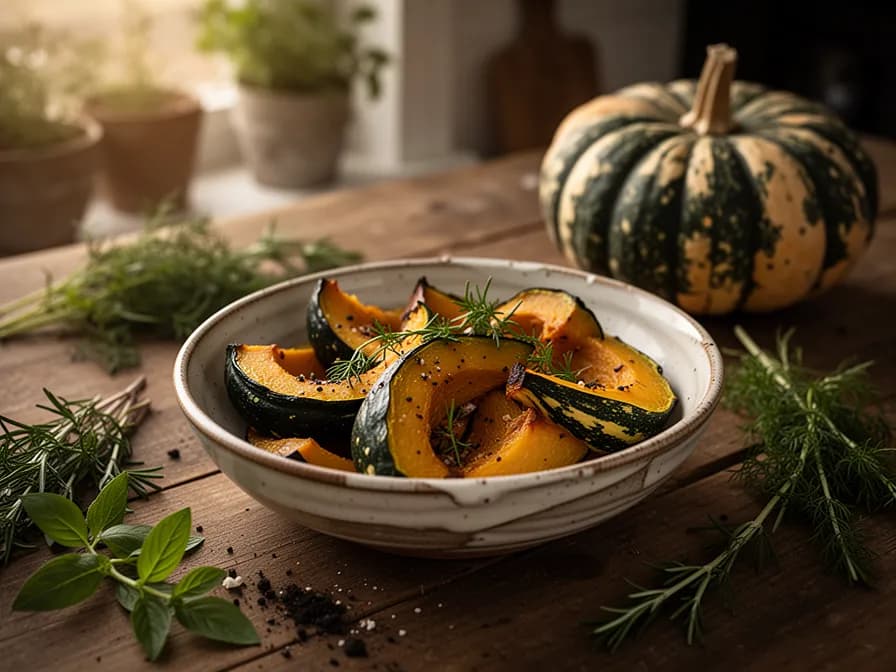
Roasted Hubbard Squash Wedges
45 minThick wedges of Hubbard squash roasted at high heat until deeply caramelized and tender. The natural sugars concentrate and the edges crisp beautifully, creating a side dish that converts even squash skeptics.
7 ingredientesCreamy Hubbard Squash Soup
50 minA velvety, deeply flavored soup that showcases the rich sweetness of Hubbard squash. The dense flesh purees into an exceptionally smooth texture without the wateriness of lesser winter squash varieties.
8 ingredientesHubbard Squash Pie
75 minA rich, custard-style pie using Hubbard squash puree that many old-time bakers consider superior to standard pumpkin pie. The dense, dry flesh produces a smoother filling with deeper flavor and better texture.
10 ingredientesUsos culinarios
La pulpa densa y seca de la Hubbard es considerada la mejor entre las calabazas de invierno para pasteles, tartas y postres por su consistencia y dulzura natural. Es perfecta para sopas cremosas, purés, gratinados y ñoquis de calabaza. Cortada en trozos gruesos y asada al horno con aceite de oliva y hierbas desarrolla un sabor profundamente caramelizado.
Qué contiene
Beneficios para la salud
- Exceptionally rich in beta-carotene, which the body converts to vitamin A — essential for eye health, immune function, and maintaining healthy skin and mucous membranes. One cup of cooked Hubbard squash provides well over 100% of the daily recommended intake.
- High in vitamin C, an antioxidant that supports immune defense, collagen production for wound healing, and enhanced iron absorption from plant-based foods.
- Good source of potassium, a mineral critical for maintaining healthy blood pressure, proper muscle contraction, and nerve signal transmission throughout the body.
- Contains significant dietary fiber that promotes digestive health, feeds beneficial gut bacteria, and may help regulate cholesterol levels when consumed regularly.
- Provides manganese, a trace mineral involved in bone formation, blood clotting, and metabolism of amino acids, carbohydrates, and cholesterol.
- Low glycemic index despite its sweet flavor, making Hubbard squash a suitable carbohydrate source for people managing blood sugar levels — the fiber content slows glucose absorption effectively.
De dónde viene Calabaza Hubbard
Hubbard squash (Cucurbita maxima) traces its ancestry to South America, where the species was domesticated thousands of years ago by indigenous peoples in the region around modern-day Peru, Bolivia, and Argentina. Archaeological evidence shows Cucurbita maxima cultivation dating back at least 4,000 years in the Andes. The species was carried northward through trade routes long before European contact, reaching Central America and eventually North America.
The variety known today as Hubbard squash entered American horticulture through a specific and well-documented path. In the early 1840s, a sea captain brought squash seeds from the Caribbean to Marblehead, Massachusetts. These seeds were given to a local gardener named Elizabeth Hubbard, who grew them successfully and recognized their exceptional flavor and storage quality. She shared seeds with her neighbor, James J. H. Gregory, who was a prominent seedsman and publisher of seed catalogs. Gregory introduced the squash commercially in 1856, naming it after Elizabeth Hubbard, and it quickly became one of the most popular winter squash varieties in New England.
Throughout the 19th and early 20th centuries, Hubbard squash was a staple winter food across the northeastern United States and Canada, prized for its ability to store in root cellars for months without refrigeration. The Blue Hubbard variety, developed later, became particularly valued both for eating and as an organic pest management tool. Though Hubbard squash has been somewhat overshadowed by butternut squash in modern grocery stores due to its challenging size and hard shell, it remains beloved by serious gardeners, heritage food enthusiasts, and bakers who insist its dense, sweet flesh makes the finest squash pies. Seed companies continue to offer multiple Hubbard varieties, ensuring this historic squash endures for future generations.
Calabaza Hubbard: ¿sabías que?
Datos fascinantes sobre Calabaza Hubbard
Hubbard squash was introduced to New England in the 1840s by a woman named Elizabeth Hubbard of Marblehead, Massachusetts, who shared seeds with seedsman James J. H. Gregory — he named the variety after her and popularized it across America.
Calabaza Hubbard: preguntas frecuentes
¿Cuándo debo plantar Calabaza Hubbard?
¿Cuáles son buenas plantas acompañantes para Calabaza Hubbard?
¿En qué zonas de rusticidad puede crecer Calabaza Hubbard?
¿Cuánto sol necesita Calabaza Hubbard?
¿A qué distancia debo espaciar Calabaza Hubbard?
¿Qué plagas y enfermedades afectan a Calabaza Hubbard?
¿Cómo almaceno Calabaza Hubbard después de la cosecha?
¿Cuáles son las mejores variedades de Calabaza Hubbard para cultivar?
¿Qué suelo necesita Calabaza Hubbard?
How do I cut open a Hubbard squash safely?
How long can I store Hubbard squash and what conditions does it need?
Can I use Hubbard squash as a substitute for pumpkin in recipes?
Why did my Hubbard squash vines produce flowers but no fruit?
Do I need a huge garden to grow Hubbard squash?
Acabas de leer la teoría. Ahora cultívala en piloto automático.
Todo lo que hace que Calabaza Hubbard sea delicado — el momento, el espaciado, las asociaciones, la ventana de cosecha — es justo lo que PlotMyGarden resuelve por ti, para cada planta de tu huerto.
Un plan que conoce tu clima
Indica tu ubicación una vez. Recibe fechas de siembra, abonado y cosecha basadas en tu última helada real y el pronóstico en vivo — sin adivinar con un sobre genérico.
De la sección “Cuándo plantar”Planificador de bancales de arrastrar y soltar
Diseña bancales sobre una cuadrícula. Cada planta encaja con su espaciado correcto y ves toda la temporada antes de gastar un céntimo en semillas.
De la sección “Cultivo”Conflictos de asociación, detectados a tiempo
Más de 200 buenas y malas combinaciones comprobadas en vivo mientras plantas — para que un error que arruine la temporada nunca llegue a la tierra.
De la sección “Asociaciones”Recordatorios que sí vas a seguir
“Riega las judías.” “Recoge hoy antes de que se pase.” Oportunos, concretos y ligados a las plantas que de verdad cultivas.
De la sección “Cosecha”Escalonado, programado
¿Quieres cosechar seis semanas en vez de seis días? Reparte tus siembras automáticamente y te avisa cuando toca el siguiente lote.
De la sección “Cuándo plantar”Un registro que se vuelve más listo
Cada cosecha que registras le enseña tu huerto. El plan del año que viene parte de lo que de verdad funcionó en tu suelo, no en un manual.
De la sección “Resumen”Planta estos junto a Calabaza Hubbard
Más Cucurbitáceas
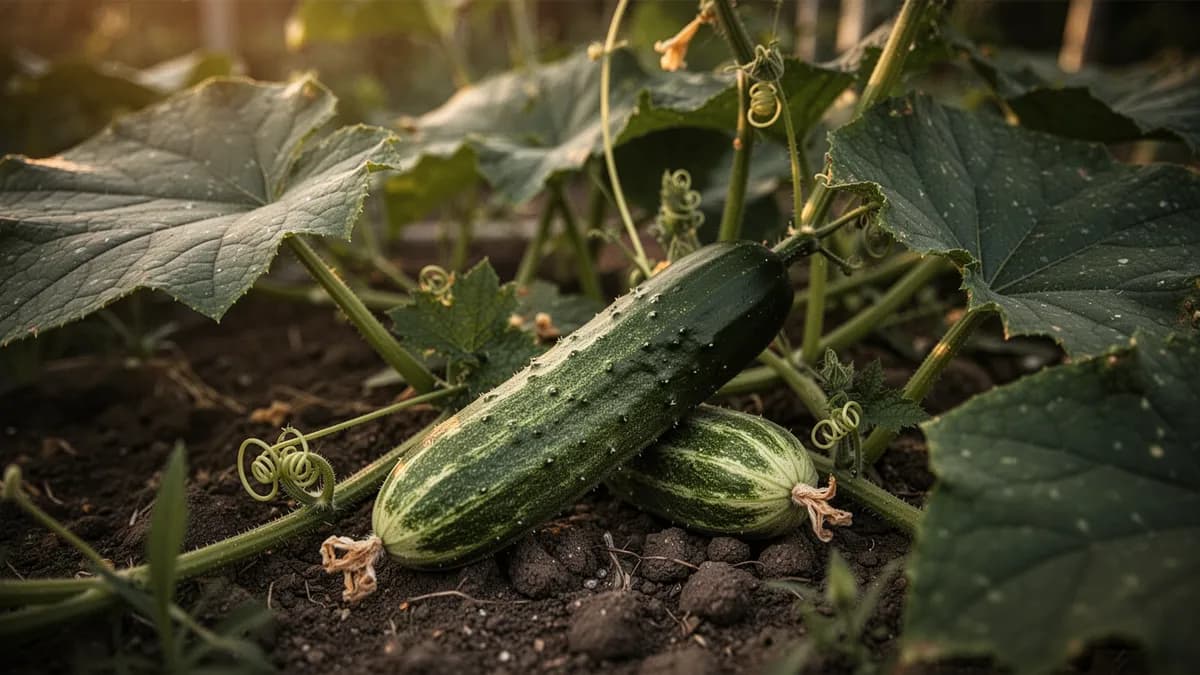
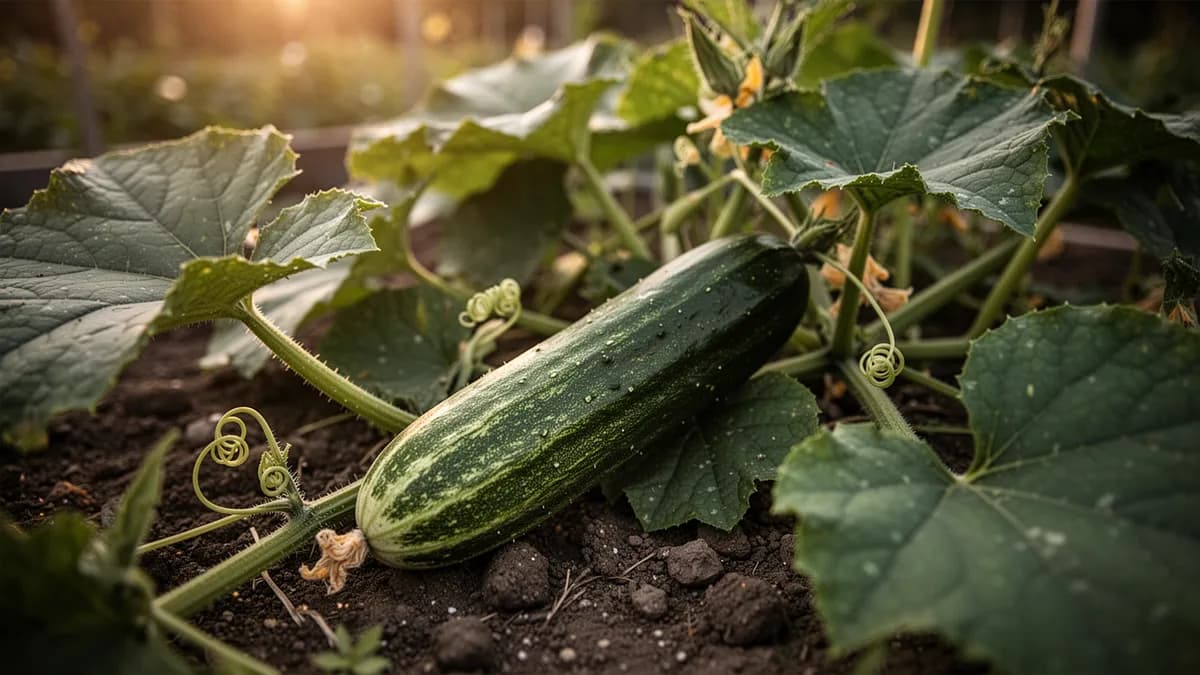
Mantén Calabaza Hubbard lejos de estos
Cultiva tu mejor Calabaza Hubbard — y todo lo que la rodea.
Empieza un plan gratis hoy. Diseña tus bancales, coloca tu Calabaza Hubbard y deja que PlotMyGarden gestione el momento, el espaciado, las asociaciones y los recordatorios de la semilla a la cesta.