Honeynut-Kürbis
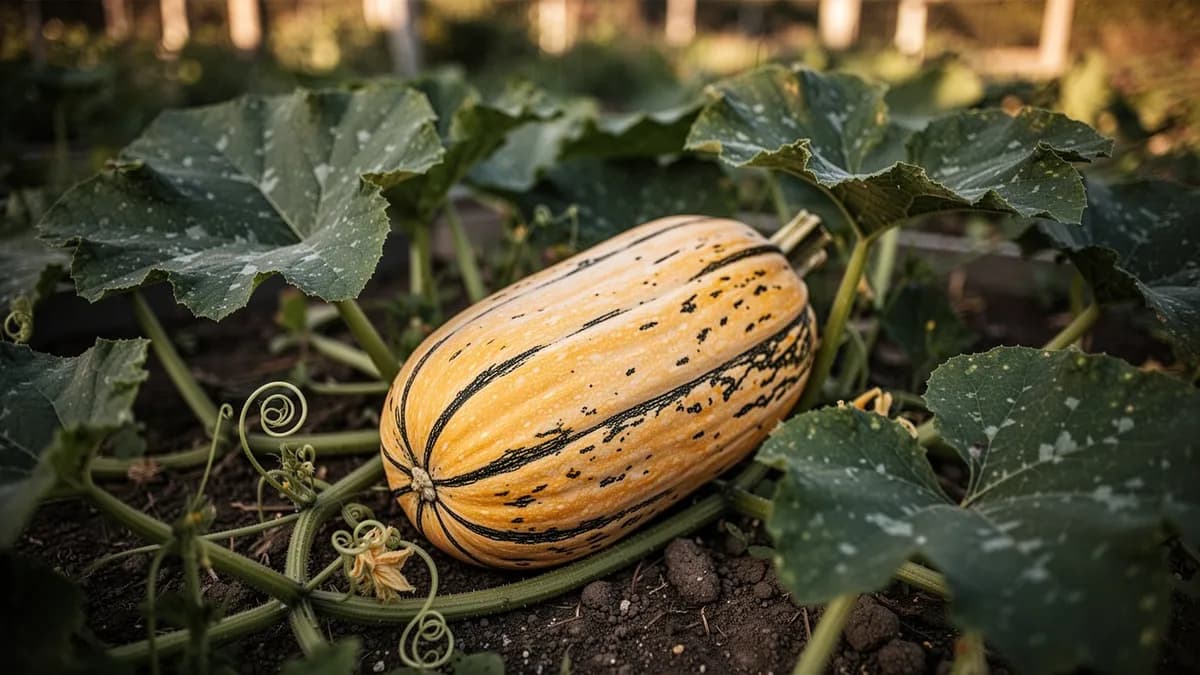
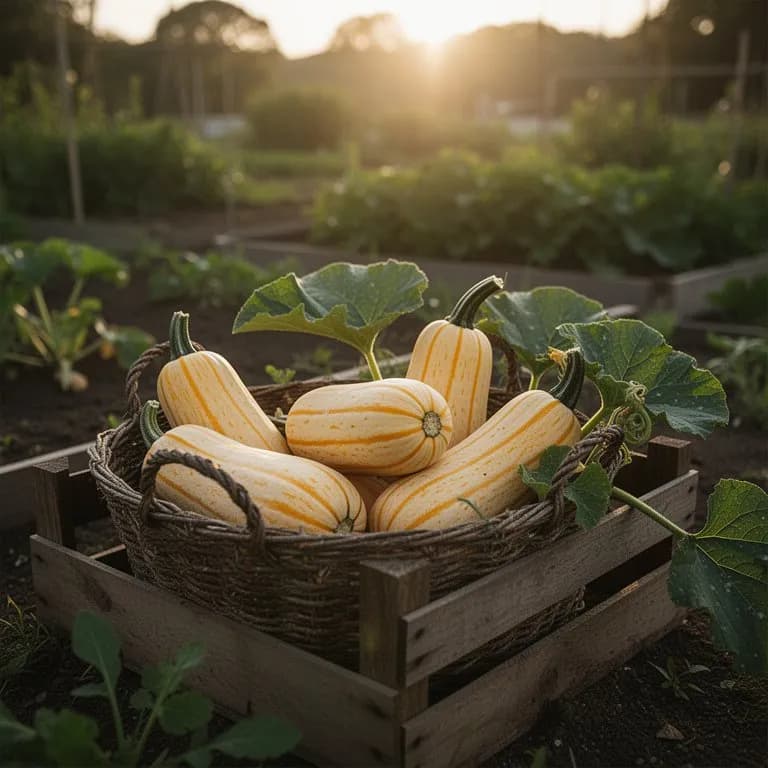
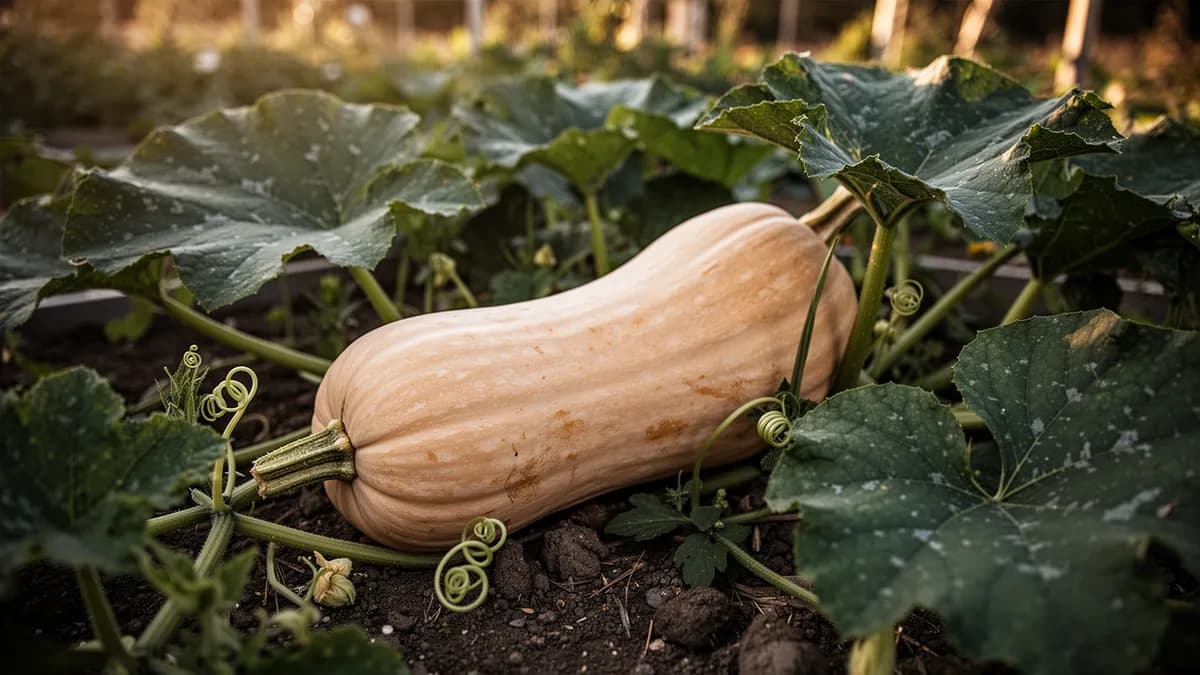
Ein Miniatur-Butternusskürbis, der von Dan Barber und der Cornell University entwickelt wurde, etwa so groß wie ein Eichelkürbis mit süßerem, tiefem orangefarbenem Fruchtfleisch.





Auf dieser SeiteÜberblick
Honeynut-Kürbis im Überblick
Ein Miniatur-Butternusskürbis, der von Dan Barber und der Cornell University entwickelt wurde, etwa so groß wie ein Eichelkürbis mit süßerem, tiefem orangefarbenem Fruchtfleisch. Die konzentrierte Süße und die kleinere Samenhöhle ergeben mehr essbares Fruchtfleisch pro Pfund als herkömmlicher Butternusskürbis. Jede Frucht ist eine perfekte Einzelportion, die Reste und Verschwendung in der Küche eliminiert. Die Pflanzen produzieren mehr Früchte pro Ranke als großfrüchtige Butternusskürbisse und entwickeln besseren Geschmack in kürzeren Anbauperioden.
Wann Honeynut-Kürbis pflanzen
Starten Sie die Samen drei bis vier Wochen vor dem letzten Frosttermin in Innenräumen, indem Sie einen Samen 2 cm tief in einzelne 9-cm-Töpfe mit reichhaltiger Anzuchterde säen. Die Samen keimen in fünf bis zehn Tagen bei 21 bis 27 Grad Celsius. Halten Sie die Setzlinge in hellem Licht und verpflanzen Sie sie in den Garten, sobald die Nachttemperaturen dauerhaft über 10 Grad Celsius liegen. Für die Direktsaat warten Sie, bis der Boden mindestens 18 Grad Celsius erreicht hat, und pflanzen Sie zwei bis drei Samen pro Hügel, wobei Sie auf den stärksten Setzling ausdünnen. Behandeln Sie Setzlinge vorsichtig, da Kürbiswurzeln empfindlich auf Störungen reagieren.
Dein Honeynut-Kürbis-Jahr
Abgestimmt auf Zone 7 · typische Saison · Frost geht um den 2. Apr. und kehrt um den 1. Nov. zurück
Honeynut-Kürbis Mai – Jun pflanzen, Sep – Okt ernten. Beachte die Pflanzmethoden unten und wähle dein Klima für passende Zeiträume.
So baust du Honeynut-Kürbis an
Der Honeynut-Kürbis ist ein kompakter Winterkürbis, der reichlich kleine Früchte mit außergewöhnlicher Süße und dichtem, tief orangefarbenem Fruchtfleisch hervorbringt. Starten Sie die Samen drei bis vier Wochen vor dem letzten Frost in Innenräumen, indem Sie sie 2 cm tief in große Töpfe oder Zellschalen säen. Verpflanzen Sie abgehärtete Setzlinge in den Garten, nachdem jede Frostgefahr vorüber ist, mit einem Abstand von 90 cm in Reihen von 150 cm. Alternativ können Sie nach dem Aufwärmen des Bodens auf mindestens 18 Grad Celsius zwei bis drei Samen pro Hügel direkt aussäen und auf den stärksten Setzling ausdünnen.
Die Honeynut-Ranken sind kompakter als beim Standard-Butternusskürbis, schätzen aber dennoch Platz zum Ausbreiten. Leiten Sie die Ranken in eine Richtung, um Platz zu sparen, oder ziehen Sie sie an einem stabilen Spalier, an dem die kleinen Früchte frei hängen können, ohne Stütze zu benötigen. Sorgen Sie für gleichmäßige, tiefe Bewässerung, besonders während des Fruchtansatzes und der Entwicklung. Reduzieren Sie die Bewässerung, wenn die Früchte sich der Reife nähern, um die Zucker zu konzentrieren und die Lagerfähigkeit zu verbessern. Bringen Sie eine dicke Schicht Stroh- oder Blattmulch auf, um Unkraut zu unterdrücken, Feuchtigkeit zu halten und die sich entwickelnden Früchte vom feuchten Boden fernzuhalten.
Die Früchte sind etwa 95 bis 100 Tage nach der Pflanzung erntereif, wenn die Schale von Grün zu einem tiefen Braun wechselt und der Stiel zu trocknen und zu reißen beginnt. Die kleine Fruchtgröße bedeutet, dass jede Ranke acht bis zwölf Früchte produziert, weit mehr als Standard-Butternusskürbis. Lagern Sie die geernteten Früchte an einem warmen, trockenen Ort für zehn bis vierzehn Tage, um die Schale auszuhärten und maximale Süße zu entwickeln, bevor Sie sie einlagern.
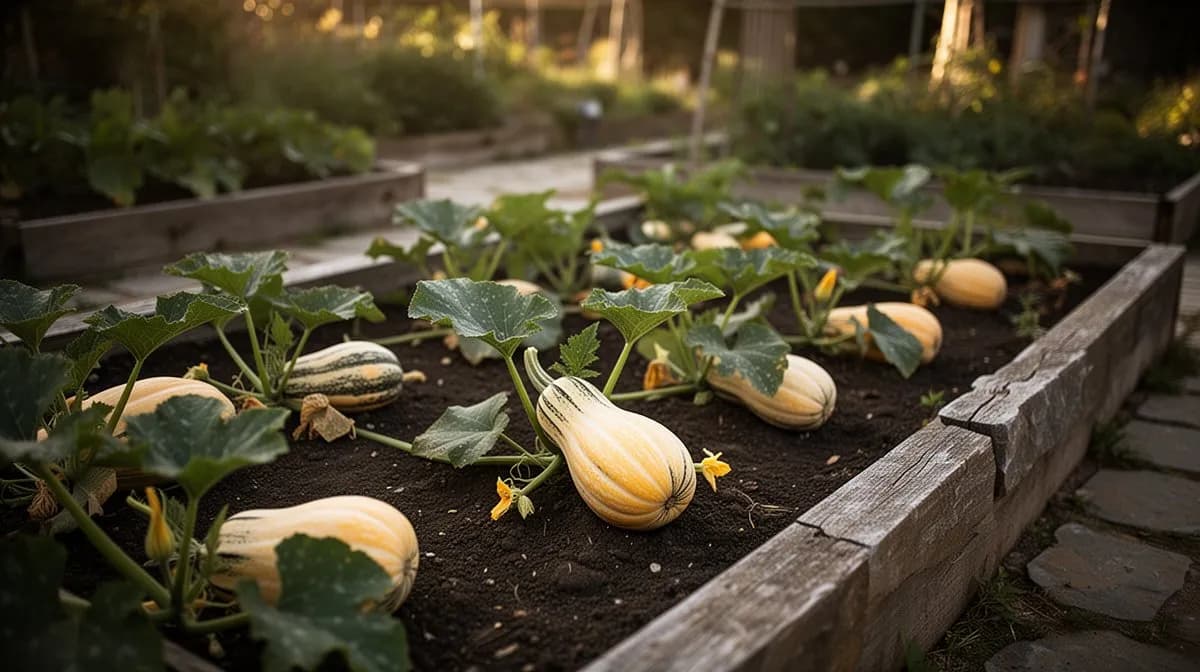
2 Pflanzen passen in ein Beet von 120 × 240 cm
Honeynut-Kürbis braucht 90 cm Platz pro Pflanze. Der Planer hält diesen Abstand für dich ein — jede Pflanze, jedes Beet.
Die besten Nachbarn für Honeynut-Kürbis
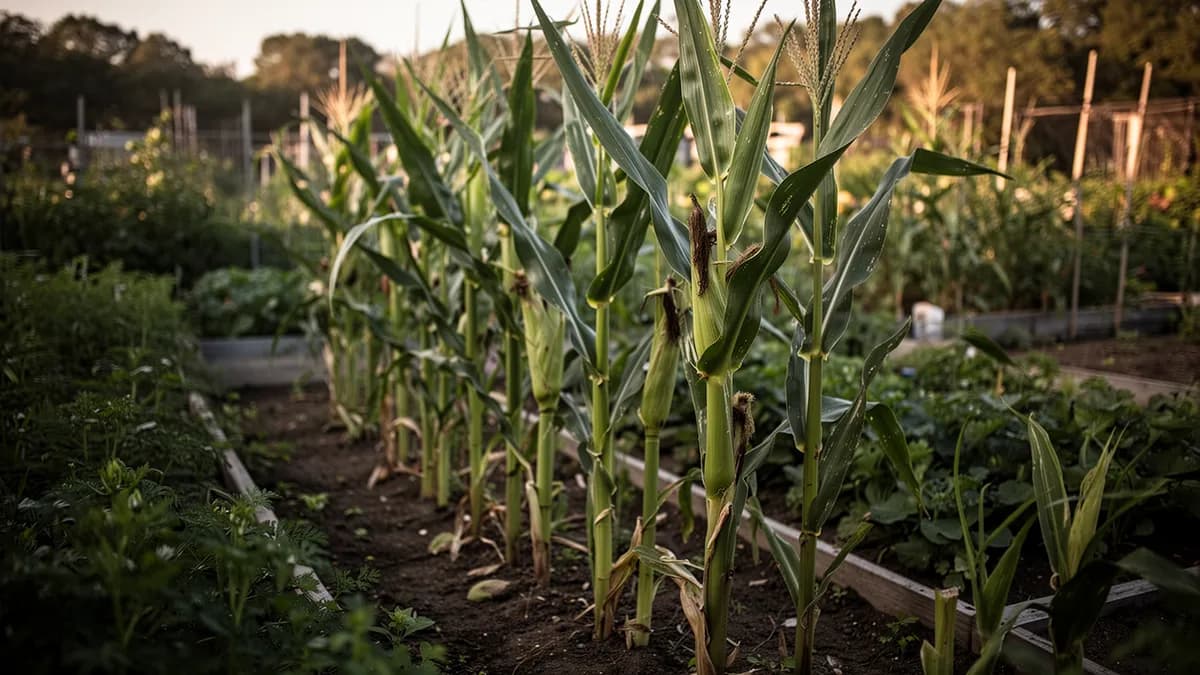
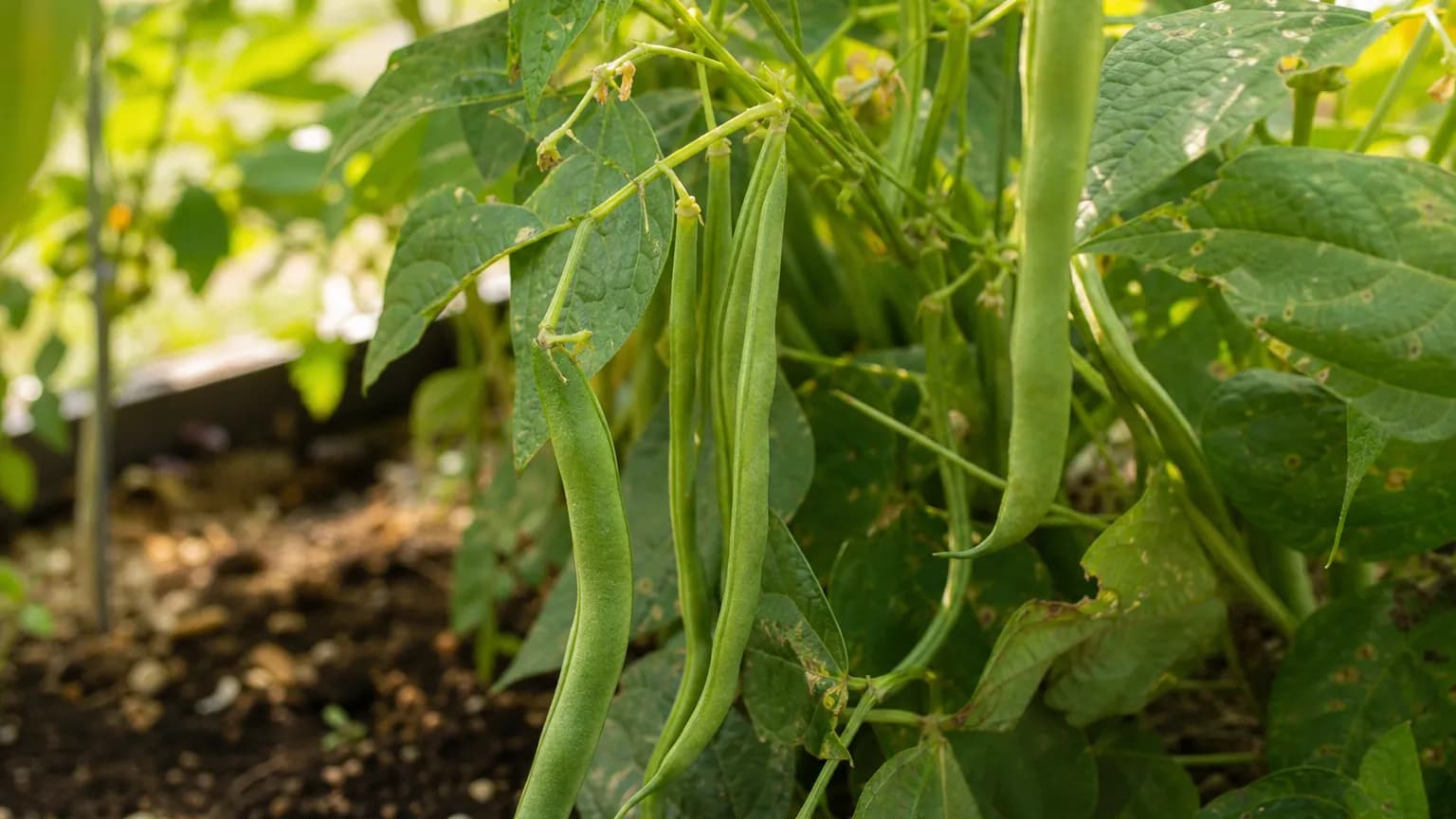
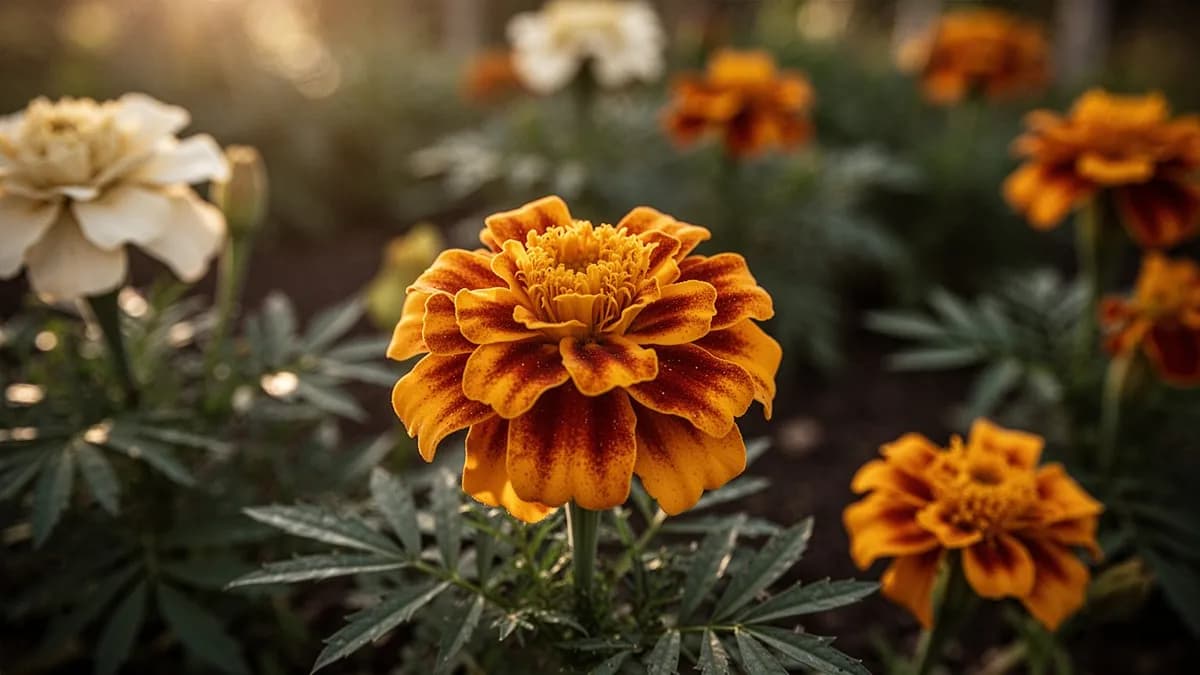
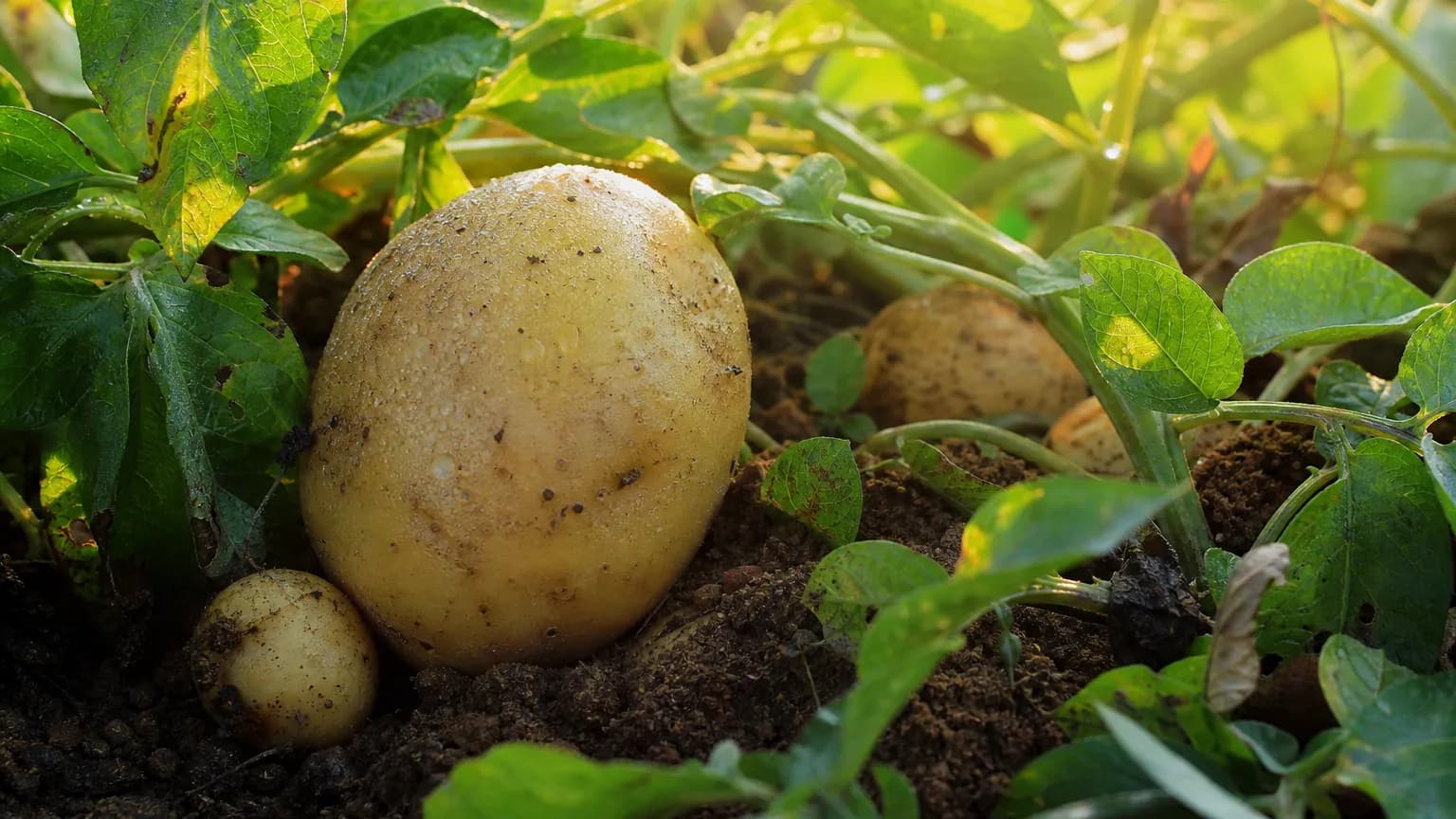
Der Honeynut-Kürbis profitiert von der klassischen Drei-Schwestern-Pflanzung zusammen mit Mais und Bohnen. Mais bietet Windschutz und strukturelle Unterstützung, während Bohnen Stickstoff fixieren, der den starkzehrenden Kürbis ernährt. In der Nähe gepflanzte Tagetes vertreiben Kürbiswanzen und locken Bestäuber an, die für den Fruchtansatz unerlässlich sind. Radieschen und Kapuzinerkresse dienen als Fangpflanzen für Erdflöhe und Kürbiswanzen. Vermeiden Sie das Pflanzen in der Nähe von Kartoffeln, die um Nährstoffe konkurrieren und möglicherweise die gleiche Krankheitsanfälligkeit teilen. Sonnenblumen locken Bestäuber an und bieten in heißen Klimazonen nützlichen Nachmittagsschatten.
Mais gehört daneben. Kartoffel nicht.
Altes Gärtnerwissen, geprüft an der echten Nachbartabelle von Honeynut-Kürbis — teste jede Pflanze, die du anbaust.
Probiere Honeynut-Kürbis direkt hier im Beet
Ein echtes Planer-Beet, Honeynut-Kürbis steht schon drin. Tippe einen Begleiter an, platziere ihn und sieh, wie die Nachbarschaftsprüfung antwortet — grün für gute Nachbarn, rot bei Streit.


Passende Anbau-Ratgeber
Richtig düngen
Der Honeynut-Kürbis gedeiht in reichhaltiger, gut durchlässiger Erde mit einem pH-Wert von 6,0 bis 7,0. Bereiten Sie die Pflanzstellen vor, indem Sie großzügige Mengen gut verrotteten Kompost oder abgelagerten Mist einarbeiten, da Kürbisse Starkzehrer sind. Bringen Sie zur Pflanzzeit einen ausgewogenen Granulatdünger auf und düngen Sie alle drei Wochen während der Wachstumsperiode mit Komposttee oder Flüssigdünger nach. Wechseln Sie zu einem stickstoffarmen, kaliumreichen Dünger, sobald die Fruchtbildung einsetzt, was die Fruchtentwicklung und Süße gegenüber dem Rankenwachstum fördert. Halten Sie eine gleichmäßige Bodenfeuchtigkeit aufrecht, vermeiden Sie jedoch Staunässe, die Wurzelfäule begünstigt.
Ideale Temperatur
Winterhärtezone-Kompatibilität
Von der Saat zur Ernte, Schritt für Schritt
Aussaat
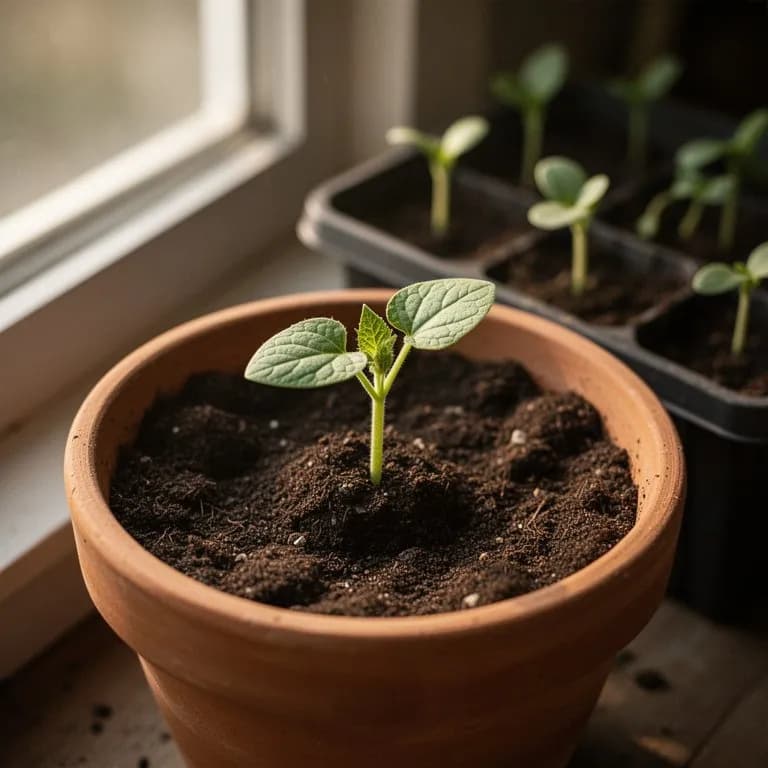
Samen keimen in 5–10 Tagen in warmer Erde bei 21–30 °C (70–85 °F). Die großen, flachen Samen produzieren kräftige Setzlinge mit breiten Keimblättern. Honeynut-Kürbis kann direkt gesät oder 3–4 Wochen vor dem letzten Frosttermin für eine frühere Ernte in Innenräumen vorgezogen werden.
Setzlingswachstum
Echte Blätter entwickeln sich schnell mit der charakteristischen gelappten, leicht stacheligen Form von Kürbisgewächs-Setzlingen. Der Stängel verdickt sich und das Wurzelsystem vertieft sich. Setzlinge wachsen bei warmen Bedingungen schnell und beginnen am Ende dieser Phase kurze Ausläufer zu bilden.
Rankenwachstum
Kompakte Ranken erstrecken sich 1,5–2,5 Meter von der Basis, viel kürzer als traditioneller Butternusskürbis. Große, gelappte Blätter bilden ein dichtes Blätterdach, das den Boden beschattet und Unkraut unterdrückt. Ranken greifen nach nahegelegenen Stützen, wenn ein Spalier bereitgestellt wird.
Blüte
Große goldgelbe Blüten öffnen sich morgens, wobei männliche Blüten zuerst erscheinen, gefolgt von weiblichen Blüten etwa eine Woche später. Weibliche Blüten sind an der kleinen Verdickung (Miniaturfrucht) an ihrer Basis erkennbar. Bestäubung durch Bienen ist unerlässlich – jede weibliche Blüte muss mehrfach besucht werden, damit sich die Frucht richtig entwickelt.
Fruchtentwicklung
Bestäubte Früchte schwellen innerhalb von 3–4 Wochen schnell an, beginnen dunkelgrün und wechseln allmählich über Hellgrün zu ihrer endgültigen tief braun-orangefarbenen Farbe. Jede Frucht erreicht bei Reife 15–20 cm Länge und 300–500 g. Das Fruchtfleisch vertieft sich zu einem satten Orange, während sich die Zucker konzentrieren.
Ernte und Aushärtung
Die Früchte sind reif, wenn die Schale gleichmäßig tief braun-orange wird, der Stiel trocknet und braun wird und die Schale nicht mit einem Fingernagel eingedrückt werden kann. Anders als bei vielen Winterkürbissen härtet der Honeynut dank seiner kleinen Größe schnell aus. Nach der Ernte an einem warmen, trockenen Ort für 7–14 Tage aushärten, um die Schale zu festigen und die Süße durch Stärke-zu-Zucker-Umwandlung zu verbessern.
Säen Sie die Samen 2,5 cm tief in warme, feuchte Erde. Wenn Sie drinnen starten, verwenden Sie große Torftöpfe oder Erdpresstöpfe, um die Wurzelstörung beim Umpflanzen zu minimieren – Kürbisse reagieren empfindlich auf Wurzelstörungen. Eine Heizmatte beschleunigt die Keimung bei kühlen Frühlingsbedingungen erheblich.
Honeynut-Kürbis Monat für Monat pflegen
Was du jeden Monat für deine Honeynut-Kürbis tun solltest
Oktober
Aktueller MonatSchließen Sie die Ernte vor starkem Frost ab. Alle Früchte sollten von der Ranke entfernt sein, bevor die Temperaturen unter -2 °C (28 °F) fallen. Beenden Sie die Aushärtung und lagern Sie die Kürbisse kühl und trocken bei 10–15 °C (50–60 °F). Entfernen Sie abgestorbene Ranken und kompostieren Sie gesundes Pflanzenmaterial.
Immer wissen, was jetzt im Garten zu tun ist
Eine E-Mail zum Monatsanfang: was du jetzt säen, pflanzen und anpacken solltest — für deine Honeynut-Kürbis und alles, was drumherum wächst. Dazu ein kurzer Startkurs, der dich vor den klassischen Fehlern bewahrt.
- Was jetzt zu tun ist
- Passend zu deiner Saison
- Startkurs inklusive
Honeynut-Kürbis ernten
Ernten Sie Honeynut-Kürbis, wenn die Schale vollständig von Grün zu einem gleichmäßigen, tiefen Braun oder Honigton gewechselt hat und der Stiel zu trocknen begonnen hat, typischerweise 95 bis 110 Tage nach der Pflanzung. Die Schale sollte hart genug sein, um einem Fingernagel-Kratztest zu widerstehen. Schneiden Sie die Früchte mit einer Gartenschere von der Ranke und lassen Sie 5 bis 7 cm Stiel übrig, da Früchte ohne Stiel schnell im Lager verderben. Behandeln Sie sie vorsichtig, um Druckstellen zu vermeiden. Lagern Sie sie an einem warmen, sonnigen Ort bei etwa 25 Grad Celsius für zehn bis vierzehn Tage, um die Schale auszuhärten, kleine Wunden zu heilen und die Zucker zu konzentrieren, die dem Honeynut seine bemerkenswerte Süße verleihen.
angenommen, du pflanzt zu Beginn des Zeitraums — trage dein tatsächliches Datum ein
Ernte Honeynut-Kürbis zügig, dann trägt die Pflanze weiter.
Lagerung & Konservierung
Lagern Sie Honeynut-Kürbis nach dem Aushärten an einem kühlen, trockenen Ort bei 10 bis 15 Grad Celsius mit guter Luftzirkulation. Richtig ausgehärtete Früchte halten drei bis sechs Monate. Die kleine Größe macht sie ideal zum Ganzrösten. Zum Einfrieren halbieren, rösten bis sie weich sind, das Fruchtfleisch herausschöpfen und portionsweise einfrieren. Honeynut-Püree eignet sich hervorragend für Suppen, Kuchenfüllungen und Babynahrung. Das Fruchtfleisch kann auch zu Chips oder Fruchtleder getrocknet werden. Anders als bei größeren Butternuss-Sorten bedeutet die kompakte Größe, dass jede Frucht in einer einzigen Mahlzeit verbraucht wird, was das Problem des halb verwendeten Kürbisses im Kühlschrank beseitigt.
Was schiefgeht — und die Lösung
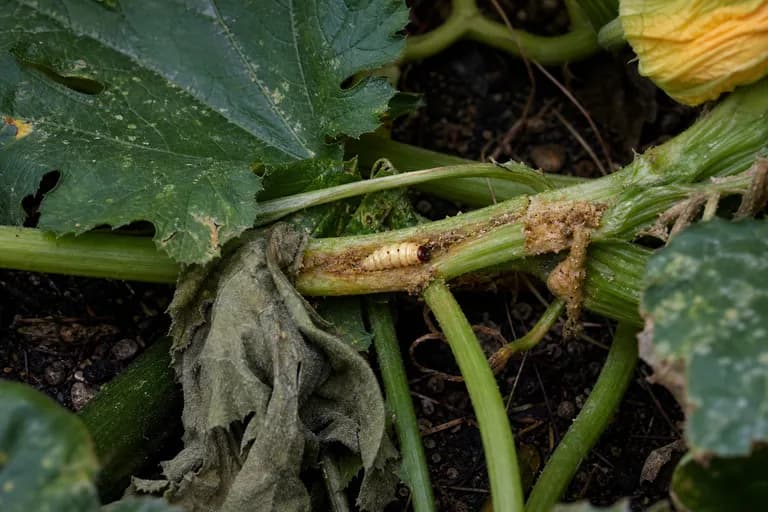
Kürbisrankenbohrer
SchädlingPlötzliches Welken der Ranken, sägemehlartiger Fraß an der Basis der Stängel, dicke weiße Larven im Inneren hohler Stängel beim Aufschneiden.
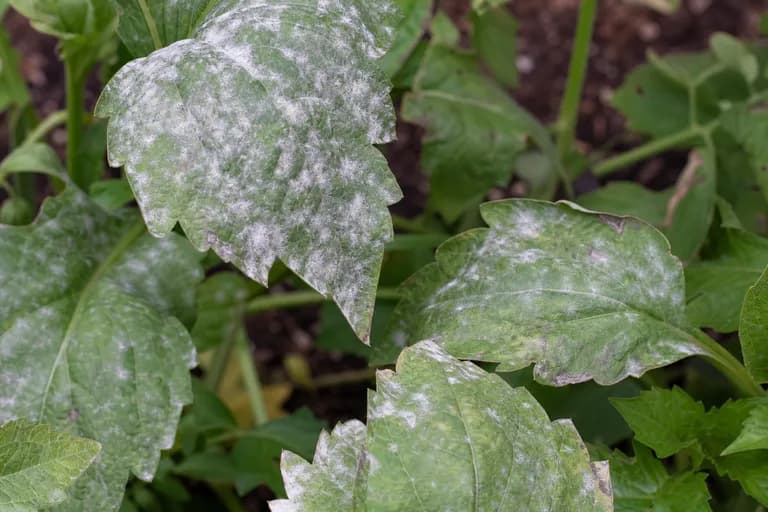
Echter Mehltau
KrankheitWeißer, pudriger Belag, der sich über die Blattoberflächen ausbreitet und an älteren Blättern beginnt. Befallene Blätter vergilben und sterben ab, was die Fruchtqualität mindert.
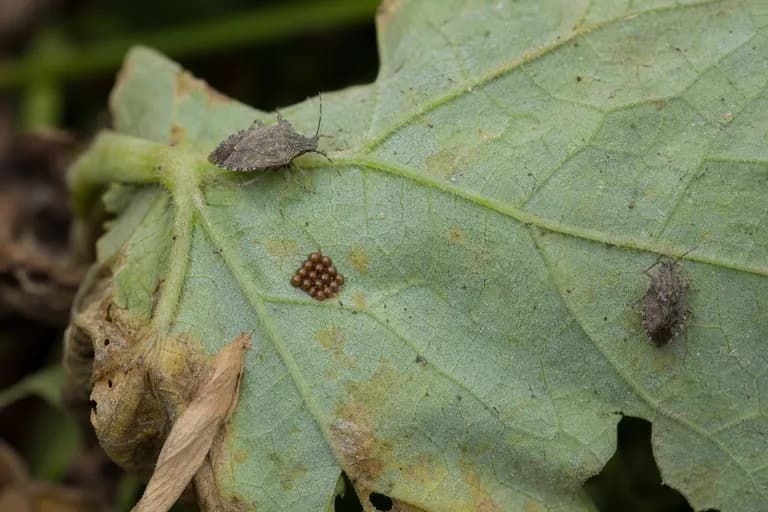
Kürbiswanze
SchädlingWelkende Blätter und Stängel, Gruppen von bronzefarbenen Eiern auf Blattunterseiten, graubraune schildförmige Adulte, die sich an Stängeln sammeln.
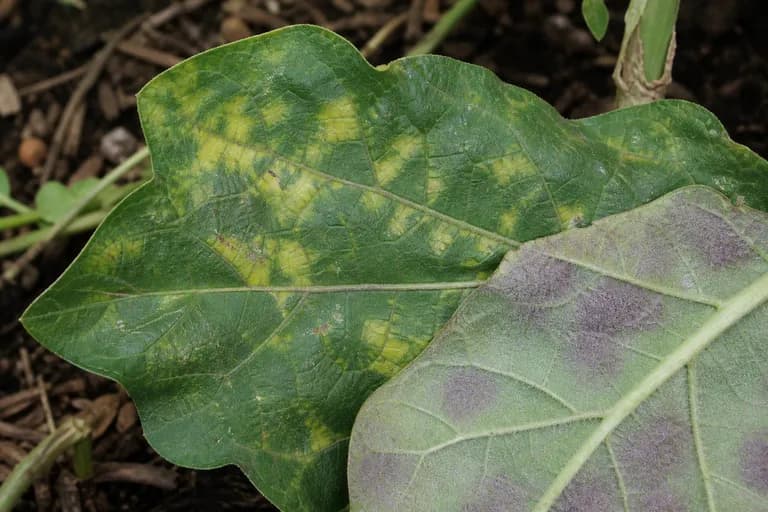
Falscher Mehltau
KrankheitEckige gelbe Flecken auf den oberen Blattoberflächen mit lila-grauem, flaumigem Wachstum auf der Unterseite. Blätter rollen sich ein und werden schnell braun.
Fehlerbehebung bei häufigen Problemen
Schlechter Fruchtansatz wird oft durch unzureichende Bestäubung verursacht; bestäuben Sie von Hand, indem Sie mit einem kleinen Pinsel Pollen von männlichen auf weibliche Blüten übertragen, wenn die Bienenaktivität gering ist. Grüne Früchte am Ende der Saison reifen möglicherweise nicht vollständig; bringen Sie sie an einen warmen Ort in Innenräumen, wo sie weiter Farbe entwickeln können. Echter Mehltau ist bei Kürbissen spät in der Saison fast universell, tötet aber selten Pflanzen, bevor die Früchte reifen. Kürbisrankenbohrer können Ranken plötzlich zerstören; überprüfen Sie regelmäßig die Stängelbasis und handeln Sie schnell, wenn Fraßmehl entdeckt wird. Bitter schmeckende Früchte treten gelegentlich durch Kreuzbestäubung mit Zierkürbissen auf.
Anbautipps
- Überstürzen Sie die Pflanzung nicht – Honeynut-Kürbis ist sehr frostempfindlich und Samen verfaulen in kalter Erde. Warten Sie, bis die Bodentemperaturen mindestens 18 °C (65 °F) erreichen und alle Frostgefahr vorüber ist. Das Erwärmen der Beete mit schwarzer Plastikfolie für 2 Wochen vor der Pflanzung verschafft einen deutlichen Vorsprung.
- Verbessern Sie den Boden vor der Pflanzung großzügig. Honeynut-Kürbis ist ein Starkzehrer, der am besten in reichhaltiger, gut durchlässiger Erde mit einem pH-Wert von 6,0–7,0 gedeiht. Arbeiten Sie 5–10 cm Kompost und einen ausgewogenen organischen Dünger ein. Manche Gärtner pflanzen direkt in Komposthügel für maximale Fruchtbarkeit.
- Honeynuts kompakter Rankenwuchs macht ihn zu einem hervorragenden Kandidaten für vertikalen Anbau an einem stabilen Spalier, Zaun oder Weidefeld-Bogen. Das spart Gartenplatz, verbessert die Luftzirkulation zur Krankheitsreduzierung und hält die Früchte sauber. Verwenden Sie Stoffschlingen, um sich entwickelnde Früchte an vertikalen Strukturen zu stützen.
- Bestäubung ist der häufigste Fehlerpunkt für Kürbiszüchter. Wenn Sie sehen, dass sich Früchte bilden und dann schrumpfen, ist schlechte Bestäubung wahrscheinlich die Ursache. Locken Sie Bienen mit Begleitblumen an, vermeiden Sie Pestizidsprühungen während der Blüte oder bestäuben Sie am frühen Morgen von Hand, wenn die Blüten geöffnet sind.
- Achten Sie auf Kürbisrankenbohrer, den zerstörerischsten Schädling von Cucurbita moschata im östlichen Nordamerika. Wickeln Sie die Stängelbasis mit Aluminiumfolie oder schwimmendem Vlies ein, um die Eiablage zu verhindern. Kontrollieren Sie die Stängel wöchentlich auf Fraßmehl (sägemehlartigen Kot) und entfernen Sie Bohrer chirurgisch, wenn sie gefunden werden.
- Reduzieren Sie die Bewässerung, wenn die Früchte sich im Spätsommer der Reife nähern. Überschüssiges Wasser in dieser Phase verdünnt die Zucker und kann zu Rissbildung oder Fäulnis führen. Das Ziel ist, die Pflanze leicht zu stressen, um die Süße zu konzentrieren, die den Honeynut so besonders macht.
- Bestimmen Sie die Erntebereitschaft an drei Zeichen: Die Schale wird gleichmäßig tief braun-orange (keine verbleibenden grünen Stellen), der Stiel trocknet und wird braun, und Sie können die Schale nicht mit dem Daumennagel eindrücken. Zu frühes Ernten ergibt fades, stärkehaltiges Fruchtfleisch, das seine Stärke noch nicht in Zucker umgewandelt hat.
- Richtiges Aushärten ist sowohl für den Geschmack als auch für die Lagerfähigkeit unerlässlich. Legen Sie die Früchte nach der Ernte an einen warmen (24–29 °C), trockenen, gut belüfteten Ort für 7–14 Tage. Dies festigt die Schale, heilt kleine Wunden und löst die Stärke-zu-Zucker-Umwandlung aus, die dem Honeynut seine legendäre Süße verleiht.
Bau deine beste Honeynut-Kürbis an — und alles drumherum.
Starte heute kostenlos. Lege deine Beete an, setze deine Honeynut-Kürbis ein und lass PlotMyGarden Timing, Abstände, Begleiter und Erinnerungen von der Saat bis zum Erntekorb übernehmen.
Finde deine Honeynut-Kürbis
Honeynut
Die Originalsorte, entwickelt an der Cornell University. Miniatur-Butternussform mit außergewöhnlich süßem, tief orangefarbenem Fruchtfleisch und kompakten Ranken.
898 Squash
Eine eng verwandte Selektion mit ähnlicher Größe und Süße. Leicht unterschiedlicher Wuchshabitus und sehr zuverlässige Produktion.
Butterscotch
Ein Mini-Butternusskürbis ähnlich dem Honeynut-Konzept, mit brauner Schale und reichem, süßem orangefarbenem Fruchtfleisch. Gute Krankheitsresistenz und hohe Erträge.
Honeynut-Kürbis erzielt Premiumpreise von 3–5 $ pro Pfund auf Wochenmärkten und in Feinkostgeschäften, wobei einzelne Früchte oft für 2–4 $ pro Stück verkauft werden. Der Anbau von 4–6 Pflanzen aus einer 3–5 $ teuren Samenpackung kann 20–48 Früchte im Einzelhandelswert von 40–150 $ ergeben. Die lange Lagerfähigkeit (3–4 Monate bei richtiger Aushärtung) bedeutet, dass Sie bis weit in den Winter hinein selbst angebaute Kürbisse genießen können, ohne welche kaufen zu müssen. Samen können auch von freiabblühenden Pflanzen aufbewahrt werden, was sogar die Saatgutkosten in zukünftigen Jahren eliminiert.
Schnelle Rezepte
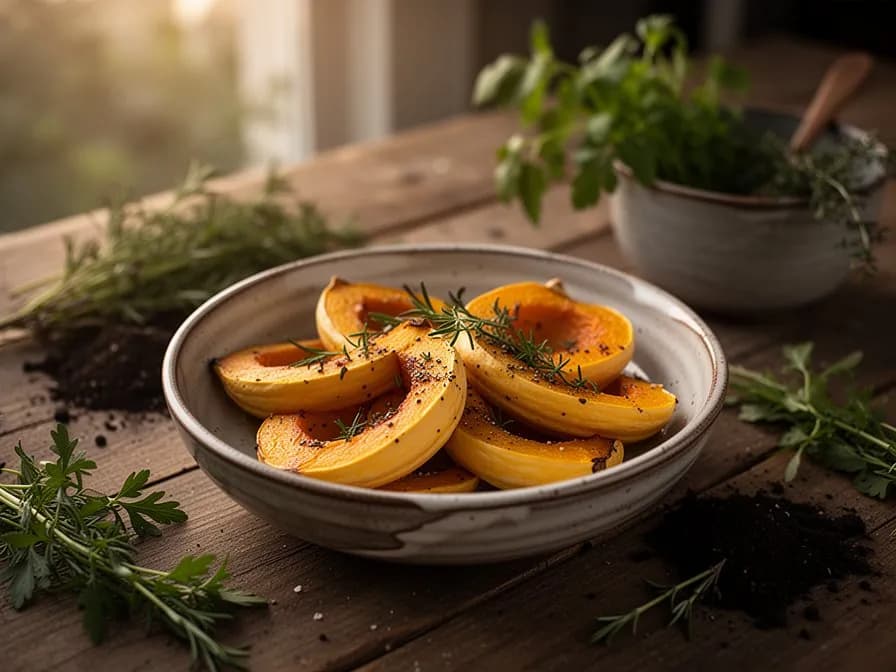
Einfach geröstete Honeynut-Kürbis-Hälften
35 Min.Die einfachste und beliebteste Zubereitung – halbiert und geröstet bis zur Karamellisierung. Honeynuts kleine Größe macht ihn zur perfekten Einzelportion, und die konzentrierte Süße braucht kaum Ergänzung. Die Schale wird beim Rösten weich genug zum Mitessen.
7 ZutatenHoneynut-Kürbis-Suppe mit Salbei-Nussbutter
45 Min.Eine samtige, intensiv aromatische Suppe, die Honeynuts natürlich süßes, nussiges Fruchtfleisch zur Geltung bringt. Der hohe Zuckergehalt karamellisiert beim vorherigen Rösten wunderbar und erzeugt eine Geschmackstiefe, die Standard-Butternusskürbis nicht erreicht.
9 ZutatenGefüllter Honeynut-Kürbis mit Wildreis und Cranberries
50 Min.Honeynut-Hälften bilden von Natur aus elegante Einzelportions-Schälchen. Gefüllt mit einer herzhaft-süßen Wildreis-Füllung sind sie eine beeindruckende Beilage oder vegetarisches Hauptgericht, das bei herbstlichen Zusammenkünften Eindruck macht.
9 ZutatenKulinarische Verwendung
Der Honeynut-Kürbis ist einer der süßesten Winterkürbisse überhaupt. Einfach halbieren, Kerne entfernen und mit der Schnittfläche nach unten rösten, bis er karamellisiert und zart ist. Die konzentrierte Süße braucht kaum mehr als Butter, Salz und einen Hauch Ahornsirup oder braunen Zucker. Die kleine Größe macht jede Frucht zu einer perfekten Einzelportion. Pürieren Sie geröstetes Fruchtfleisch für samtige Suppen, Risotto oder Pastasauce. Verwenden Sie es als Füllung für Ravioli oder Empanadas. Die essbare Schale wird beim Rösten zart, wodurch das Schälen entfällt.
Was drinsteckt
Gesundheitsvorteile
- Außerordentlich reich an Beta-Carotin, das der Körper in Vitamin A umwandelt – essentiell für die Sehgesundheit, die Immunfunktion und die Erhaltung gesunder Haut und Schleimhäute. Eine einzige Portion liefert über das Doppelte der täglich empfohlenen Aufnahme.
- Enthält Alpha-Carotin und Lutein, Carotinoid-Antioxidantien, die mit einem verringerten Risiko für altersbedingte Makuladegeneration und verbesserter langfristiger Augengesundheit in Verbindung gebracht werden.
- Gute Vitamin-C-Quelle, die die Immunabwehr, die Kollagenproduktion und die Aufnahme von Eisen aus pflanzlichen Lebensmitteln unterstützt.
- Liefert Kalium, das zur Regulierung des Blutdrucks beiträgt und die kardiovaskuläre Gesundheit unterstützt – besonders wertvoll für Menschen, die eine natriumreduzierte Diät einhalten.
- Die komplexen Kohlenhydrate im Winterkürbis liefern nachhaltige Energie ohne die schnellen Blutzuckerspitzen, die mit raffinierten Getreideprodukten verbunden sind, was ihn zu einer klugen Wahl für das Blutzuckermanagement macht.
- Enthält entzündungshemmende Verbindungen einschließlich Cucurbitacine und Phenolsäuren, die dazu beitragen können, chronische Entzündungen im Zusammenhang mit Herzkrankheiten, Arthritis und dem metabolischen Syndrom zu reduzieren.
Woher Honeynut-Kürbis stammt
Der Honeynut-Kürbis ist eine moderne Züchtung von Cucurbita moschata, derselben Art wie der Butternusskürbis, die durch eine gezielte Zusammenarbeit zwischen Pflanzenwissenschaft und Kochkunst entwickelt wurde. Die Sorte wurde von Dr. Michael Mazourek, einem Gemüsezüchter an der Cornell University, in Partnerschaft mit Küchenchef Dan Barber vom renommierten Blue Hill Restaurant in New York geschaffen. Ihr Ziel war es, einen Winterkürbis zu züchten, der Geschmack, Nährwert und Komfort gegenüber den typischerweise in der kommerziellen Landwirtschaft ausgewählten Eigenschaften priorisiert – große Größe, dicke Schale für den Transport und lange Haltbarkeit.
Das Projekt begann in den frühen 2000er Jahren, als Barber Mazourek herausforderte, einen Kürbis zu schaffen, der besser schmeckt als alles, was kommerziell erhältlich ist. Durch Jahre selektiver Kreuzung und Bewertung entwickelte Mazourek einen Miniatur-Butternusskürbis mit konzentrierter Süße, tief orangefarbenem Fruchtfleisch voller Beta-Carotin und einer kompakten Größe, perfekt für Einzelportionen. Die Züchtung umfasste die Kreuzung verschiedener Cucurbita-moschata-Linien aus der ganzen Welt, wobei in jeder Generation auf kleinere Größe, tiefere Farbe, höheren Zuckergehalt und intensiveren Geschmack selektiert wurde.
Der Honeynut wurde erstmals um 2015 Anbauern zur Verfügung gestellt und gewann rasch eine treue Anhängerschaft. Köche liebten seine intensive Süße und praktische Portionsgröße. Hobbygärtner schätzten seine kompakten Ranken, hohen Erträge und handliche Fruchtgröße. Ernährungswissenschaftler bemerkten seinen dramatisch höheren Beta-Carotin-Gehalt im Vergleich zu Standard-Butternusskürbis. Die Sorte wurde zum Aushängeschild der wachsenden Bewegung, Gemüse für Geschmack und Nährwert statt rein kommerzieller Eigenschaften zu züchten. Heute ist der Honeynut-Kürbis als Saatgut in großen Katalogen weit verbreitet, wird kommerziell für Wochenmärkte und Feinkostgeschäfte angebaut und hat eine breitere Diskussion darüber angeregt, wie moderne Pflanzenzüchtung den Interessen geschmacksbewusster Verbraucher und gesundheitsorientierter Esser dienen kann.
Honeynut-Kürbis: Schon gewusst?
Faszinierende Fakten über Honeynut-Kürbis
Der Honeynut-Kürbis wurde vom Gemüsezüchter Michael Mazourek an der Cornell University in Zusammenarbeit mit Küchenchef Dan Barber vom Blue Hill Restaurant entwickelt – eines der seltenen modernen Gemüse, das gezielt für überlegenen Geschmack statt für Haltbarkeit oder Ertrag gezüchtet wurde.
Honeynut-Kürbis: Fragen & Antworten
Wann sollte ich Honeynut-Kürbis pflanzen?
Was sind gute Begleitpflanzen für Honeynut-Kürbis?
In welchen Winterhärtezonen kann Honeynut-Kürbis wachsen?
Wie viel Sonne braucht Honeynut-Kürbis?
Welchen Abstand sollte ich zwischen Honeynut-Kürbis lassen?
Welche Schädlinge und Krankheiten befallen Honeynut-Kürbis?
Wie lagere ich Honeynut-Kürbis nach der Ernte?
Was sind die besten Honeynut-Kürbis-Sorten zum Anbauen?
Welchen Boden braucht Honeynut-Kürbis?
Was ist der Unterschied zwischen Honeynut-Kürbis und Butternusskürbis?
Woran erkenne ich, dass der Honeynut-Kürbis reif und erntereif ist?
Kann ich die Schale von Honeynut-Kürbis mitessen?
Wie lange lässt sich Honeynut-Kürbis nach der Ernte lagern?
Kann ich Honeynut-Kürbis im Kübel anbauen?
Kann ich Samen von Honeynut-Kürbis für das nächste Jahr aufbewahren?
Du hast die Theorie gelesen. Jetzt baue sie auf Autopilot an.
Alles, was Honeynut-Kürbis knifflig macht — das Timing, die Abstände, die Begleiter, das Erntefenster — genau das übernimmt PlotMyGarden für dich, für jede Pflanze im Garten.
Ein Plan, der dein Wetter kennt
Standort einmal festlegen. Aussaat-, Dünge- und Erntedaten rund um deinen echten letzten Frosttermin und die Live-Vorhersage — kein Raten mehr nach Saattüte.
Aus dem Abschnitt „Pflanzzeit“Beetplaner per Drag & Drop
Beete auf einem Raster gestalten. Jede Pflanze rastet im richtigen Abstand ein, und du siehst die ganze Saison, bevor du einen Cent für Saatgut ausgibst.
Aus dem Abschnitt „Anbau“Begleiter-Konflikte früh erkannt
Über 200 gute und schlechte Kombinationen werden beim Pflanzen live geprüft — so landet ein saisonruinierender Fehler nie in der Erde.
Aus dem Abschnitt „Begleiter“Erinnerungen, nach denen du wirklich handelst
„Gieß die Bohnen.“ „Heute ernten, bevor's umschlägt.“ Pünktlich, konkret und auf deine echten Pflanzen bezogen.
Aus dem Abschnitt „Ernte“Staffel-Aussaat, geplant
Sechs Wochen ernten statt sechs Tage? Die App verteilt deine Aussaaten automatisch und erinnert dich, wenn der nächste Satz fällig ist.
Aus dem Abschnitt „Pflanzzeit“Ein Verlauf, der schlauer wird
Jede protokollierte Ernte bringt der App deinen Garten bei. Der Plan fürs nächste Jahr startet bei dem, was in deinem Boden wirklich funktioniert hat.
Aus dem Abschnitt „Überblick“Pflanze diese neben Honeynut-Kürbis
Weitere Kürbisgewächse
Halte Honeynut-Kürbis von diesen fern
Bau deine beste Honeynut-Kürbis an — und alles drumherum.
Starte heute kostenlos. Lege deine Beete an, setze deine Honeynut-Kürbis ein und lass PlotMyGarden Timing, Abstände, Begleiter und Erinnerungen von der Saat bis zum Erntekorb übernehmen.