Hackberry Tree
An extremely tough and adaptable shade tree that thrives where other trees fail, tolerating drought, wind, poor soil, and urban pollution.





On this pageOverview
Meet Hackberry Tree
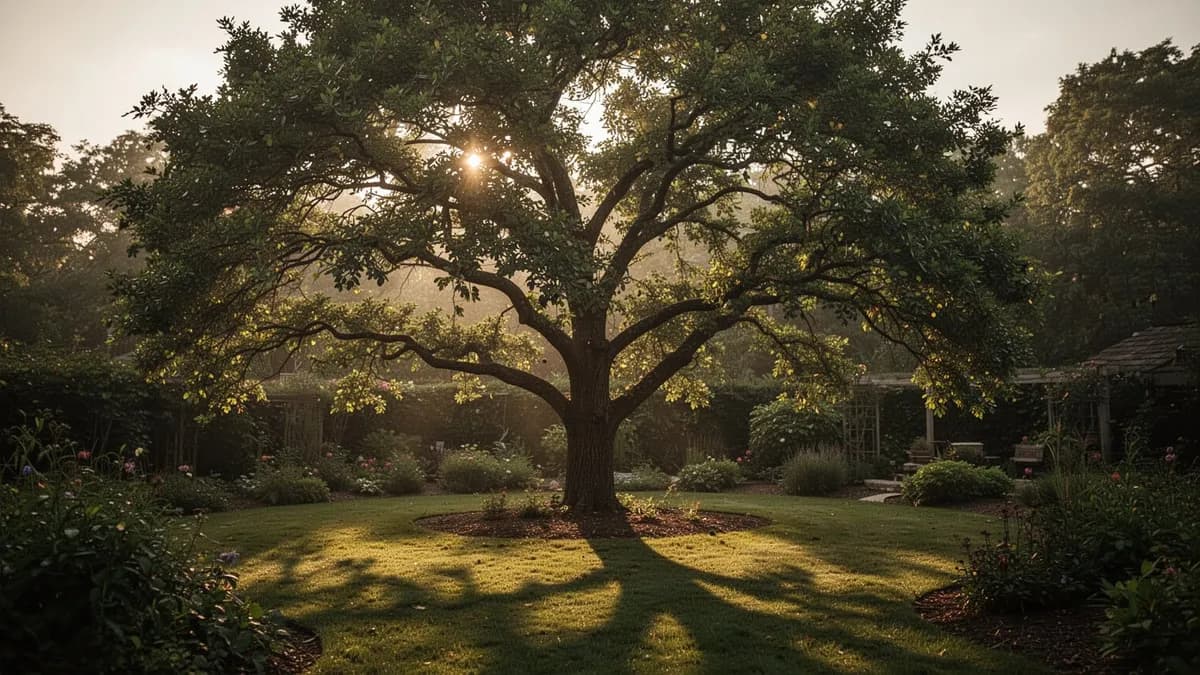
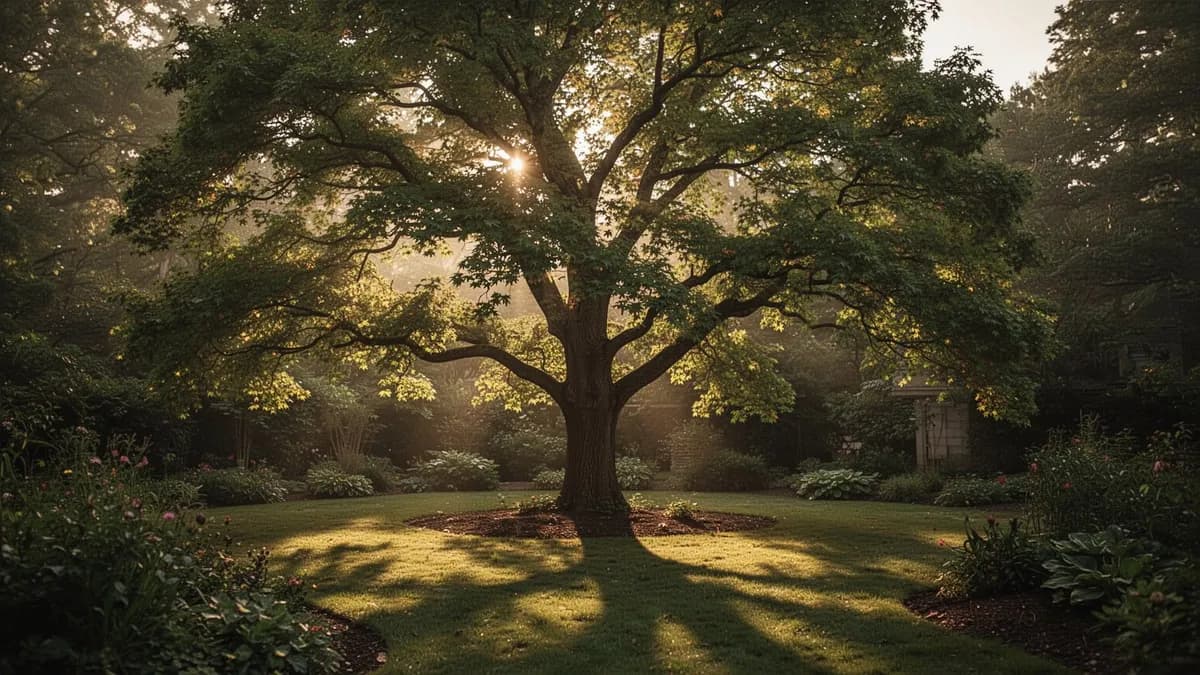
An extremely tough and adaptable shade tree that thrives where other trees fail, tolerating drought, wind, poor soil, and urban pollution. Hackberries produce small sweet berries in autumn that are eaten by dozens of bird species, making them excellent wildlife trees. The bark develops distinctive corky warts that give it a unique character. They are increasingly recommended as elm replacements due to their similar form, adaptability, and disease resistance.
When to plant Hackberry Tree
Hackberry seeds require cold stratification for 60 to 90 days to break dormancy. Collect ripe fruits in fall, clean the flesh from the seeds, and place them in moist sand in the refrigerator over winter. Sow stratified seeds outdoors in early spring, covering them with a quarter inch of soil. Germination takes two to four weeks. Seedlings grow rapidly in the first few years. Named cultivars must be propagated by grafting onto seedling rootstock, as they do not come true from seed.
Your Hackberry Tree Year
Composed for Zone 7 · typical seasons · frost passes Apr 2, returns Nov 1
Plant Hackberry Tree Mar – Apr, Oct – Nov, pick Sep – Oct. Check the planting methods below and set your climate to personalize these windows.
How to grow Hackberry Tree
Select a planting site with full sun to partial shade and deep, well-drained soil. Hackberries are remarkably adaptable and will grow in clay, sand, limestone, and even compacted urban soil, but they perform best in fertile loam with a pH between 6.0 and 8.0. Plant balled-and-burlapped or container-grown trees in early spring or fall, digging a hole two to three times the width of the root ball but no deeper than the root flare.
Water newly planted trees deeply once a week during the first two growing seasons. Once established, hackberries are exceptionally drought-tolerant and rarely need supplemental irrigation except during prolonged dry spells. Apply a 3-inch layer of organic mulch around the base, keeping it several inches away from the trunk to prevent bark decay.
Prune in late winter to remove dead, crossing, or rubbing branches and to establish a strong central leader when the tree is young. Hackberries naturally develop an attractive vase shape with minimal intervention. Avoid heavy pruning of mature trees, as they compartmentalize wounds slowly. Fertilize young trees with a balanced slow-release fertilizer in early spring until they are well established.
Hackberry Tree needs more room than a 4 × 8 ft bed gives
Each Hackberry Tree wants 900 cm of elbow room. The planner keeps that spacing for you — every plant, every bed.
Hackberry Tree's best neighbours
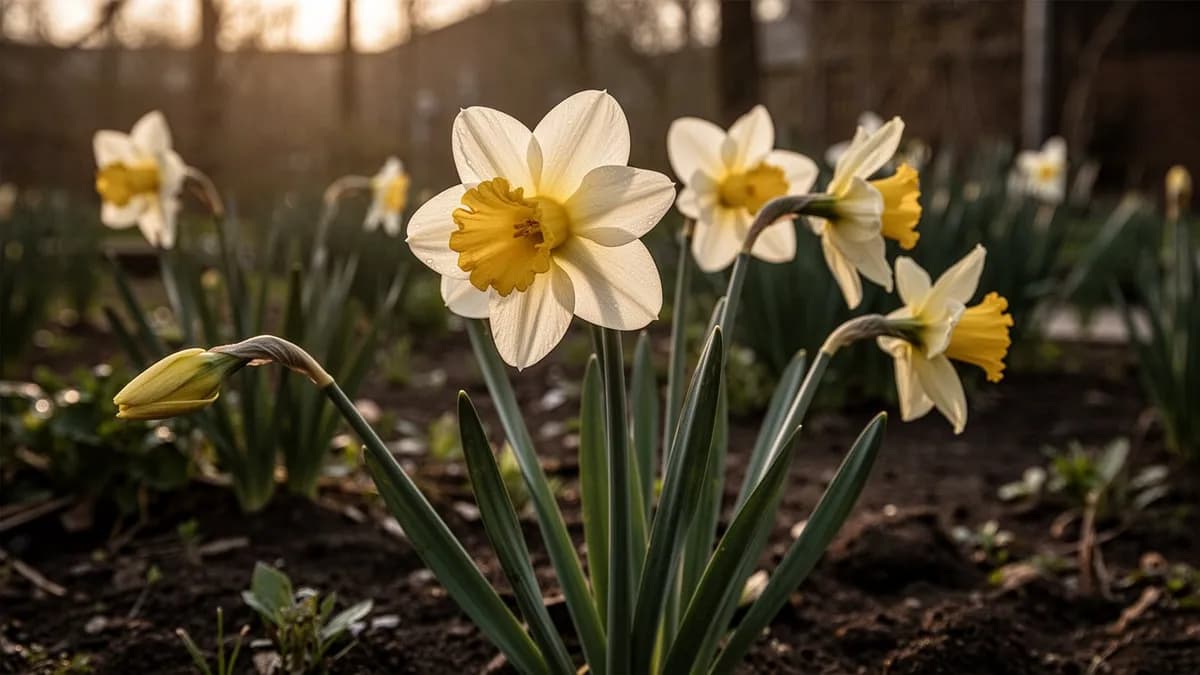
Hackberries cast moderate shade that allows many understory plants to thrive. Pair with shade-tolerant perennials like hostas, ferns, and astilbe beneath the canopy. Daffodils and other spring bulbs naturalize well under hackberries, blooming before the tree leafs out. Native wildflowers such as wild geranium and Solomon seal complement the hackberry in naturalistic plantings. Avoid planting shallow-rooted shrubs directly over the root zone where competition for moisture is intense.
Daffodil belongs beside it. Walnut Tree doesn't.
Old growers' knowledge, checked against Hackberry Tree's real companion table below — test any plant you're growing.
Try Hackberry Tree in a bed — right here
A real planner bed with Hackberry Tree already in it. Tap a companion to place it and watch the pairing checks answer — green for good neighbours, red for a clash.


Related growing guides
Feed it well
Hackberries thrive in a wide range of soils from heavy clay to sandy loam, tolerating pH levels from 5.5 to 8.5. They are one of the few shade trees that perform well in alkaline and limestone soils. Apply a balanced 10-10-10 fertilizer in early spring for the first five years after planting at a rate of 2 pounds per inch of trunk diameter. Mature trees rarely need fertilization unless growing in extremely poor soil. Avoid high-nitrogen fertilizers that promote soft, disease-susceptible growth.
Ideal Temperature
Hardiness Zone Compatibility
From seed to harvest, stage by stage
Dormancy and Planting
Hackberry trees are planted during winter dormancy when the tree is leafless and energy reserves are concentrated in the root system and woody tissues. Celtis occidentalis is remarkably adaptable and can be planted as bare-root whips or container-grown specimens. The species tolerates a wide range of soils from limestone bluffs to floodplains, reflecting its native range across eastern and central North America. Dormancy is the safest time for root disturbance and transplanting.
Bud Break and Flowering
As spring temperatures warm above 10°C consistently, buds swell and break to reveal clusters of small, elliptical leaves alongside inconspicuous greenish flowers. Hackberry flowers are wind-pollinated and appear in April to May, with both male and perfect (bisexual) flowers produced on the same tree. The flowers are small, lacking showy petals, and emerge from the axils of the newly expanding leaves. Pollination typically occurs without the need for a second tree, as hackberries are largely self-fertile.
Canopy Development and Fruit Set
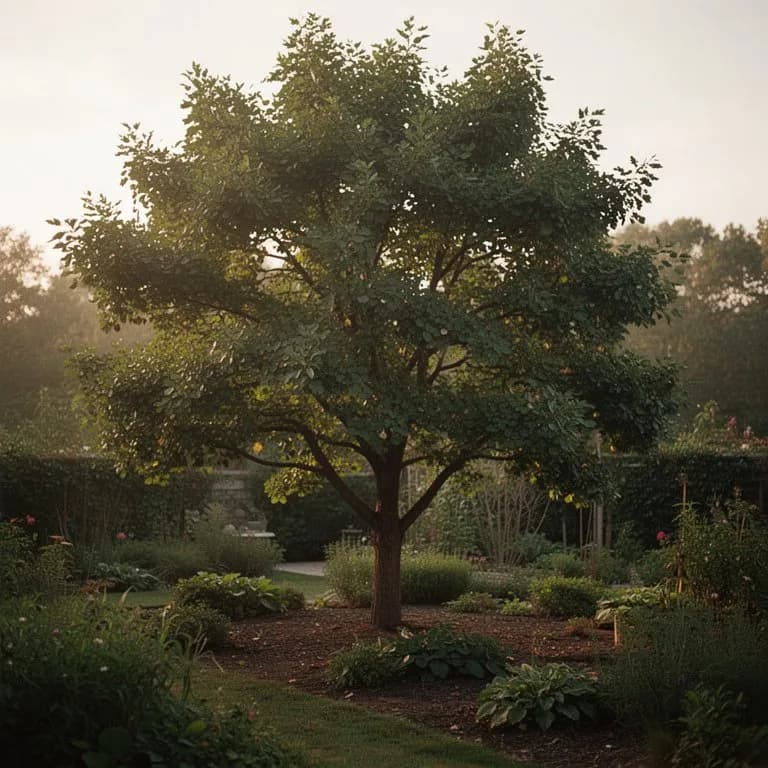
The canopy fills out rapidly with the full complement of dark green, elm-like leaves that are distinctively asymmetrical at their base. Pollinated flowers develop into tiny green drupes approximately 8-10 mm in diameter. The tree grows vigorously during this period, adding 30-60 cm of new shoot growth annually once established. The broad, arching branch structure that gives hackberry its characteristic vase shape becomes more defined with each growing season.
Fruit Development and Ripening
Green drupes gradually enlarge and undergo a color transformation through summer and into early autumn, progressing from green to yellow-orange and finally to dark purple-brown at full maturity. Each drupe contains a single large seed surrounded by a thin layer of sweet, dry flesh with a flavor reminiscent of dates or brown sugar. The fruits ripen unevenly over several weeks from September through October, providing an extended harvest window. Ripe berries cling to branches and can persist well into winter if not consumed by wildlife.
Autumn Color and Leaf Drop
Hackberry foliage turns a warm yellow to chartreuse in autumn, providing modest but pleasant fall color. Leaves drop over a two to three week period, revealing the tree's arching branch architecture and any witches broom clusters caused by the eriophyid mite Aceria celtis in combination with the powdery mildew fungus Sphaerotheca phytoptophila. Remaining fruits continue to attract flocks of birds, particularly cedar waxwings, American robins, and northern mockingbirds, making the tree a focal point for wildlife observation.
Winter Dormancy and Structural Pruning
The leafless hackberry enters full dormancy, revealing its elegant branch framework and any structural issues that need attention. The distinctive corky, warty bark remains an ornamental feature throughout winter. Root activity slows but does not cease entirely in milder winter conditions. Any remaining fruits that persist on the branches continue to provide vital food for overwintering birds during the leanest months. This is the ideal time for assessing tree structure and planning corrective pruning.
Plant bare-root hackberry trees in late winter to early spring before bud break. Dig the planting hole two to three times wider than the root ball but no deeper than the root flare. Ensure the root flare sits at or slightly above soil level. Water deeply at planting and apply a 7-10 cm mulch ring extending to the drip line, keeping mulch away from the trunk to prevent moisture-related bark disease.
Caring for Hackberry Tree month by month
What to do each month for your Hackberry Tree
October
You are hereComplete the hackberry harvest before heavy frosts arrive. Process and dry remaining fruit for winter storage or leave some on the tree for wildlife. Begin autumn cleanup by raking fallen leaves for composting. Reduce watering frequency as the tree transitions toward dormancy. Apply a final deep watering before the ground freezes.
Know exactly what to do in your garden — every month
One email at the start of each month: what to sow, plant, and tackle right now — for your Hackberry Tree and everything growing around it. Plus a short starter course that helps you dodge the classic mistakes.
- What to do, right now
- Matched to your season
- Starter course included
Harvesting Hackberry Tree
Hackberry fruits ripen in September and October, turning dark purple when mature. The small drupes have a thin sweet flesh surrounding a hard seed and can be gathered by shaking branches over a tarp. Birds compete vigorously for the fruit, so harvest promptly when ripe. The berries can be eaten fresh, dried, or ground into a paste that was historically used by Native Americans as a food source mixed with fat and corn.
assuming you plant when the window opens — set your real date
Pick Hackberry Tree promptly and the plant keeps producing.
Storage & Preservation
Fresh hackberries can be refrigerated for up to two weeks. For longer storage, dry the fruits in a single layer on screens in a warm, well-ventilated area until completely desiccated, which takes about one to two weeks. Dried hackberries store in airtight containers for up to a year. The dried fruits can be ground into a powder and used as a flavoring or nutrient supplement. Frozen berries maintain quality for six months.
What goes wrong — and the fix
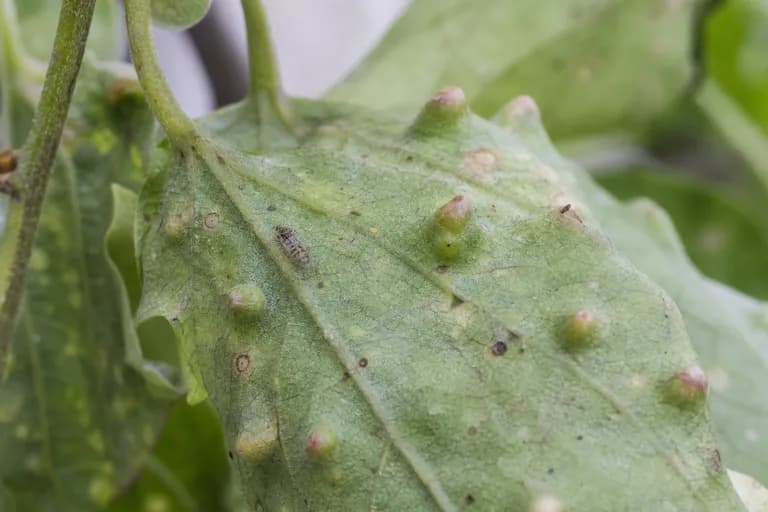
Hackberry Nipple Gall
PestSmall nipple-shaped projections on the undersides of leaves caused by psyllid insects. Leaves may appear bumpy and distorted but the tree is not seriously harmed.
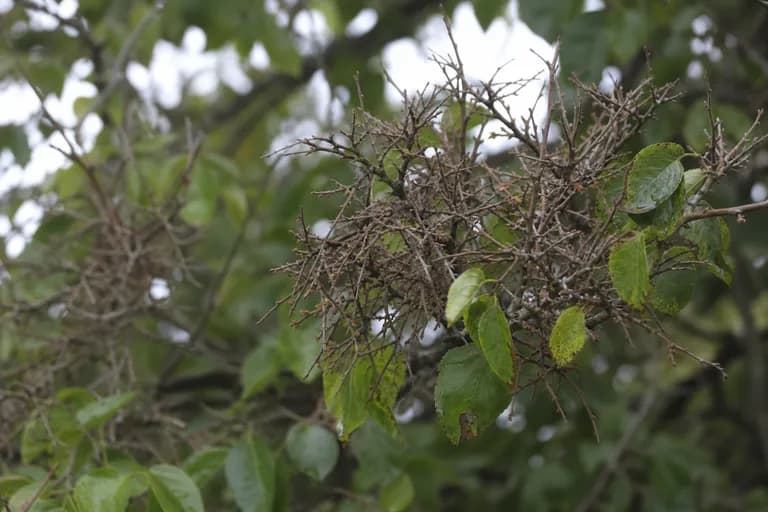
Witches Broom
DiseaseDense clusters of stunted, twiggy growth at branch tips caused by a combination of the hackberry bud mite and a powdery mildew fungus. Creates unsightly tufts that persist through winter.
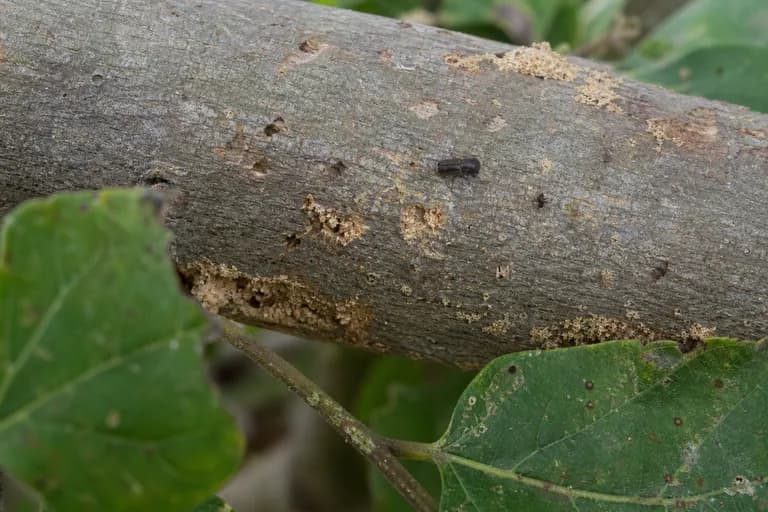
Hackberry Engraver Beetle
PestSmall bore holes in bark with fine sawdust frass. Branches may die back and bark may slough off on heavily infested limbs.
Troubleshooting Common Problems
The most frequent complaint about hackberries is the cosmetic nipple gall caused by psyllid insects, which disfigures leaves but does not harm the tree. Witches broom formations can make the tree look unkempt in winter. The abundant berry crop attracts birds, which can create mess on cars and walkways below the canopy. Surface roots may lift sidewalks in tight planting strips. Some gardeners find the tree too common or plain compared to showier shade trees, but its unmatched toughness compensates.
Growing Tips
- Select a planting site with full sun to partial shade and well-drained soil, though hackberry tolerates a remarkably wide range of conditions including clay, sand, limestone, and slightly alkaline soils with pH up to 8.0. Avoid only permanently waterlogged sites where root rot becomes a risk.
- Plant hackberry trees at least 10 meters from foundations, septic systems, and underground utilities, as the extensive root system can spread well beyond the drip line. Allow a mature canopy spread of 10-12 meters when planning spacing in the landscape.
- Water young trees deeply once per week during their first three growing seasons to establish a robust root system. Once established, hackberry is remarkably drought-tolerant and rarely needs supplemental irrigation even during extended dry periods in summer.
- Prune to a single central leader when the tree is young to develop strong branch architecture. Remove any competing co-dominant leaders early, as narrow crotch angles in hackberry are prone to splitting under ice and wind loads as the tree matures.
- Accept hackberry nipple gall as a cosmetic issue that does not threaten tree health. The small raised bumps on leaves caused by psyllid insects are virtually universal on hackberry and chemical treatment is neither necessary nor recommended for established trees.
- Harvest ripe berries when they turn dark purple-brown by placing a clean tarp beneath the tree and shaking branches or by hand-picking individual clusters. Berries can be eaten fresh, dried whole for storage, or ground into meal using a grain mill or heavy-duty blender.
- Dry hackberry fruits in a food dehydrator at 57°C (135°F) for 8-12 hours or spread them on screens in a warm, dry location with good air circulation for several days. Fully dried hackberries store for over a year in airtight containers at room temperature.
- Allow volunteer seedlings to establish in desired locations rather than fighting natural regeneration, as hackberry self-sows readily and seedlings transplant easily when small. Unwanted seedlings should be removed when young before the taproot becomes established.
- Mulch young trees generously with wood chips or shredded bark in a 7-10 cm layer extending to the drip line to suppress weeds, retain soil moisture, and moderate soil temperature. Avoid piling mulch against the trunk, which promotes bark decay and rodent damage.
- Consider planting hackberry as a replacement for American elms lost to Dutch elm disease, as hackberry provides a similar vase-shaped canopy, thrives in the same growing conditions, and is immune to the fungal pathogen that devastated the elm population across North America.
Grow your best Hackberry Tree yet — and everything around it.
Start a free plan today. Lay out your beds, drop in your Hackberry Tree, and let PlotMyGarden handle the timing, spacing, companions and reminders from seed to harvest basket.
Pick your Hackberry Tree
Prairie Pride
A superior cultivar with a uniform, compact oval crown, glossy dark green foliage, and strong resistance to witches broom. Excellent street tree reaching 40 to 50 feet.
Chicagoland
Selected for its straight trunk, dense canopy, and resistance to common hackberry problems. Features good yellow fall color and tolerates harsh urban conditions.
Magnifica
A large, vigorous selection with a broad spreading crown and larger leaves than the species. Provides excellent shade coverage and strong branch structure.
Common Hackberry
The straight species offers maximum wildlife value with heavy berry production. More variable in form than cultivars but extremely tough and long-lived in any soil.
A single mature hackberry tree produces thousands of edible drupes annually with zero input costs once established, as the tree requires no irrigation, fertilization, or pest control after the first few years. While hackberry fruits are not sold commercially and thus have no direct grocery-store equivalent, their nutritional density and caloric value compare favorably to dates, which retail for $8-$15 per kilogram. The dried, ground fruit can substitute for commercial date sugar or nut meals in baking. Beyond food value, a mature hackberry provides significant savings on cooling costs by shading structures, with studies showing that properly placed shade trees can reduce residential air conditioning expenses by 20-35% annually. The tree also eliminates the need to purchase bird feed during winter months, as its persistent fruits sustain wildlife through the cold season.
Quick recipes
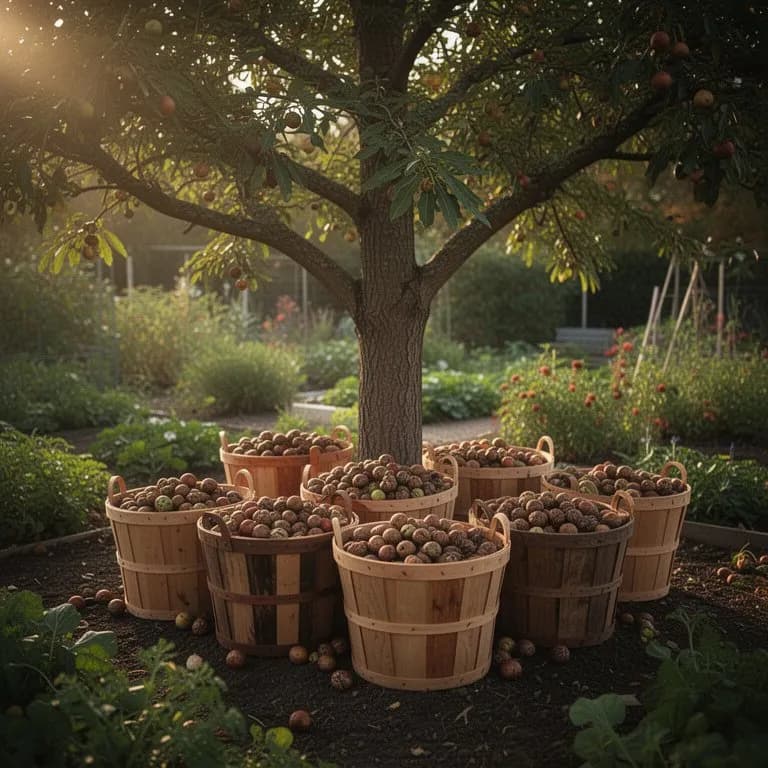
Hackberry Milk (Traditional Native Beverage)
15 minutesA traditional beverage made by crushing whole hackberry fruits, including the nutrient-rich shell, in water to create a sweet, creamy liquid resembling nut milk. This preparation has been used by indigenous peoples for millennia and extracts both the sugar from the flesh and calcium from the seed shell. The resulting drink can be consumed as-is or used as a base for porridge and sauces.
6 ingredientsHackberry Energy Bars
20 minutes plus 2 hours chillingInspired by the traditional pemmican preparations of Plains peoples, these no-bake energy bars combine ground hackberry fruits with nuts, seeds, and honey for a portable, nutrient-dense snack. The naturally sweet and crunchy hackberry meal provides a unique flavor reminiscent of dates and graham crackers that pairs well with chocolate, dried fruit, and nut butters.
8 ingredientsHackberry Fruit Butter
30 minutes active (1 hour total)A smooth, sweet spread made by simmering ripe hackberry fruits with water and straining out the hard seeds, resulting in a concentrated paste with a flavor reminiscent of date butter with notes of caramel and brown sugar. This versatile condiment works beautifully on toast, pancakes, and biscuits or as a filling for pastries and thumbprint cookies.
7 ingredientsWhat's inside
Health Benefits
- Rich in natural antioxidants including phenolic compounds and flavonoids that help neutralize free radicals and may reduce chronic inflammation associated with cardiovascular disease and metabolic disorders
- Provides a significant source of dietary calcium when the entire fruit including the thin shell is consumed in ground form, supporting bone density and dental health in a whole-food format
- High fiber content at over 5g per 100g of edible fruit supports healthy digestion, promotes regular bowel movements, and may help stabilize blood sugar levels by slowing glucose absorption after meals
- Contains potassium levels comparable to many cultivated fruits, contributing to healthy blood pressure regulation, proper nerve signaling, and balanced electrolyte function during physical activity
- Traditional indigenous medicine used hackberry bark and fruit preparations to treat sore throats, menstrual irregularities, and digestive complaints, reflecting bioactive compounds now being studied for anti-inflammatory and antimicrobial properties
- The combination of natural sugars, fiber, and minerals in hackberry fruit provides sustained energy without the rapid blood sugar spike associated with refined sweeteners, making it a beneficial whole-food sweetener alternative
Where Hackberry Tree comes from
The common hackberry (Celtis occidentalis) is native to a vast range across eastern and central North America, stretching from southern Ontario and Quebec south to Georgia and west to the Great Plains states including Kansas, Nebraska, and the Dakotas. The genus Celtis belongs to the family Cannabaceae and has a remarkably ancient lineage, with fossil evidence of Celtis fruits dating back over 65 million years to the late Cretaceous period, making it one of the oldest surviving tree genera on the continent. Archaeological excavations at sites across the American Midwest and Southeast have uncovered caches of hackberry seeds at human habitation sites dating back 8,000 years, confirming that indigenous peoples actively gathered and consumed the sweet, nutritious drupes long before European contact. The Pawnee, Dakota, and Omaha peoples pounded hackberry fruits into a paste mixed with animal fat and dried meat to create a calorie-dense food for winter and travel. The Comanche used hackberry wood for fuel and the berries both as food and in traditional medicine. European settlers initially overlooked the hackberry in favor of showier native species, though they soon recognized its exceptional toughness in harsh conditions including drought, wind, and poor soils. By the nineteenth century, hackberry was widely planted as a windbreak and shade tree across the Great Plains, where it thrived in conditions that killed less adaptable species. In modern urban forestry, hackberry has gained renewed appreciation as a resilient street tree capable of withstanding pollution, compacted soil, and heat island effects. Its ecological value is also increasingly recognized, as hackberry trees support a rich community of insects, birds, and mammals, serving as a keystone species in many woodland and savanna ecosystems across its range.
Hackberry Tree: did you know?
Fascinating facts about Hackberry Tree
Hackberry fruits have been consumed by humans for at least 8,000 years, with charred hackberry seeds found in archaeological sites across North America and fossilized drupes dating back to the Cretaceous period, making them one of the oldest continuously consumed wild foods on the planet.
Hackberry Tree questions, answered
When should I plant Hackberry Tree?
What are good companion plants for Hackberry Tree?
What hardiness zones can Hackberry Tree grow in?
How much sun does Hackberry Tree need?
How far apart should I space Hackberry Tree?
What pests and diseases affect Hackberry Tree?
How do I store Hackberry Tree after harvest?
What are the best Hackberry Tree varieties to grow?
What soil does Hackberry Tree need?
Are hackberry fruits really edible and safe to eat?
How do I deal with the witches broom growths on my hackberry tree?
How fast does a hackberry tree grow and how large does it get?
Does a hackberry tree need a pollination partner to produce fruit?
What pests and diseases affect hackberry trees?
How should I process and store hackberry fruits for eating?
You just read the theory. Now grow it on autopilot.
Everything that makes Hackberry Tree fiddly — the timing, the spacing, the companions, the harvest window — is exactly what PlotMyGarden handles for you, for every plant in your garden.
A plan that knows your weather
Set your location once. Get sow, feed and harvest dates built around your real last-frost date and live forecast — no more guessing from a generic seed packet.
From the “When to plant” sectionDrag-and-drop bed planner
Design beds on a grid. Every plant snaps to its proper spacing, and you can see your whole season laid out before you spend a cent on seed.
From the “Growing guide” sectionCompanion conflicts, caught early
200+ good-and-bad pairings checked live as you plant — so a season-wrecking mistake never makes it into the ground.
From the “Companions” sectionReminders you'll actually act on
“Water the beans.” “Pick today before it turns.” Timely, specific, and tied to the plants you're really growing.
From the “Harvest” sectionSuccession, scheduled
Want a harvest for six weeks, not six days? It spaces your sowings automatically and reminds you when each new block is due.
From the “When to plant” sectionA record that gets smarter
Every harvest you log teaches it your garden. Next year's plan starts from what actually worked in your soil, not a textbook's.
From the “Overview” sectionPlant these alongside Hackberry Tree
More Shade Trees
Keep Hackberry Tree away from these
Grow your best Hackberry Tree yet — and everything around it.
Start a free plan today. Lay out your beds, drop in your Hackberry Tree, and let PlotMyGarden handle the timing, spacing, companions and reminders from seed to harvest basket.