Guavenbaum
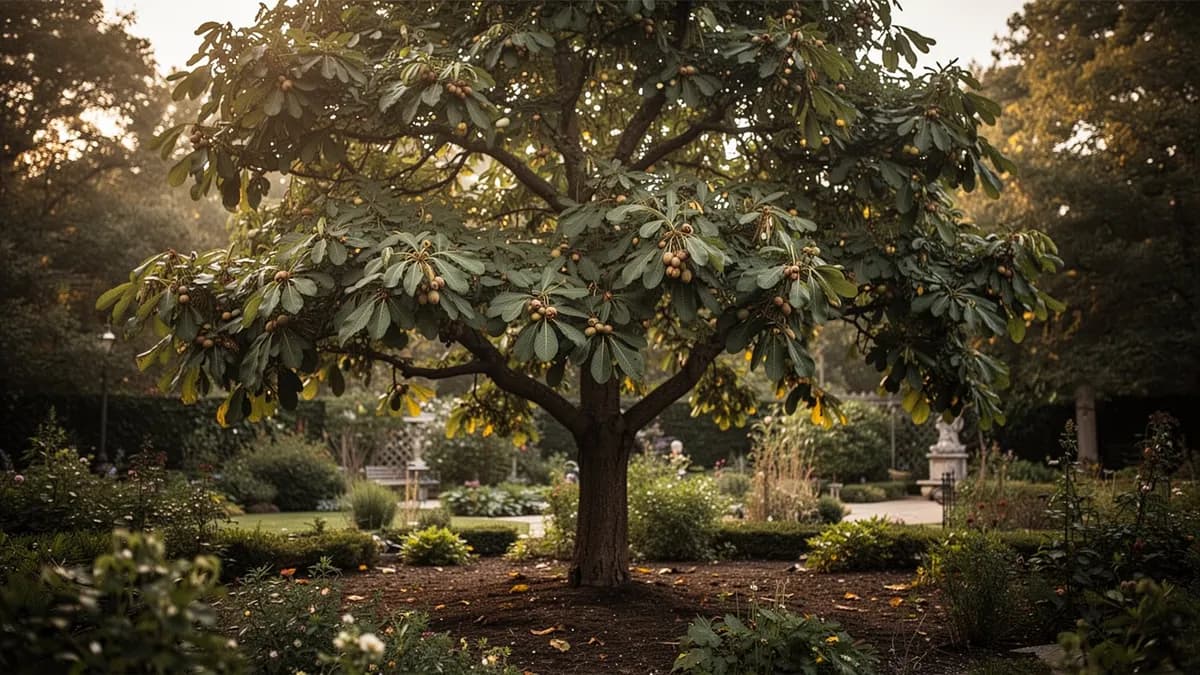
Ein schnell wachsender tropischer Baum, der bereits zwei Jahre nach der Pflanzung aromatische, vitamin-C-reiche Früchte trägt.





Auf dieser SeiteÜberblick
Guavenbaum im Überblick
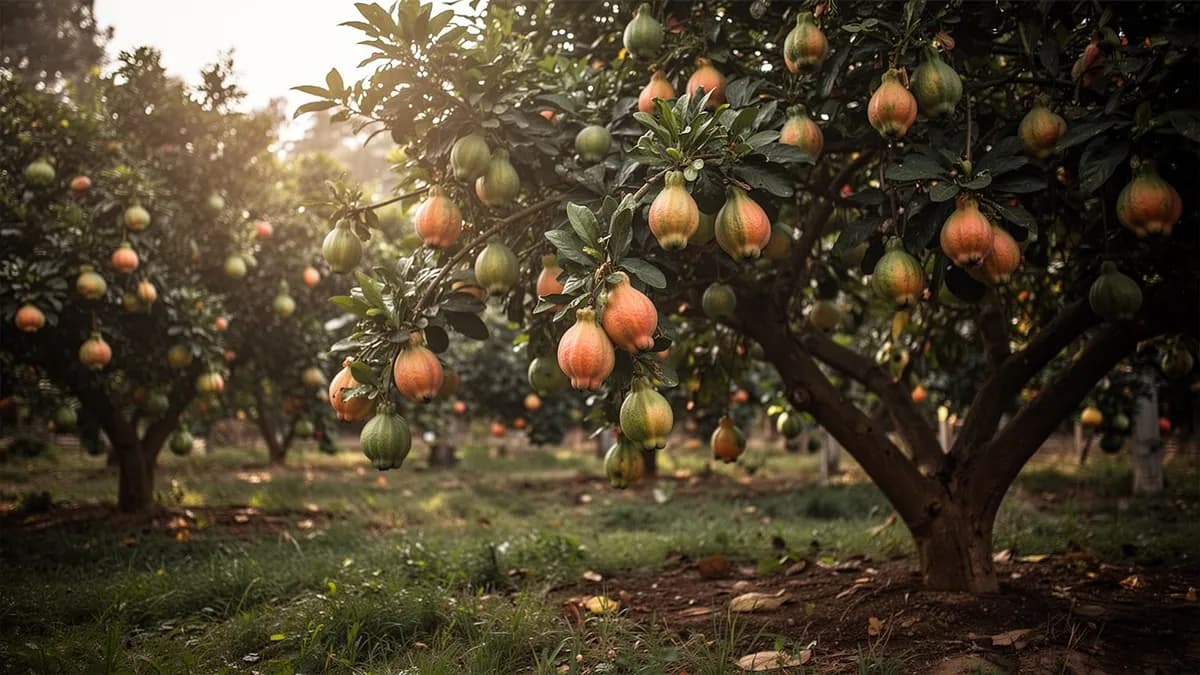
Ein schnell wachsender tropischer Baum, der bereits zwei Jahre nach der Pflanzung aromatische, vitamin-C-reiche Früchte trägt. Guavenbäume sind an verschiedene Bodenarten anpassungsfähig, benötigen jedoch frostfreie Bedingungen und regelmäßige Bewässerung während der Fruchtentwicklung. Schneiden Sie den Baum zurück, um eine handhabbare Höhe und eine offene Kronenform für eine leichtere Ernte zu erhalten. Die Früchte können frisch gegessen, zu Paste verarbeitet oder für Saft verwendet werden und sollten am besten geerntet werden, wenn sie bei sanftem Druck leicht nachgeben.
Wann Guavenbaum pflanzen
Guavenbäume können aus Samen gezogen werden, die bei warmem Pflanzsubstrat in feuchter Erde in 2 bis 8 Wochen keimen. Allerdings sind Sämlinge variabel und benötigen 3 bis 4 Jahre bis zur Fruchtbildung. Für eine schnellere Produktion und garantierte Sortenreinheit kaufen Sie veredelte oder luftgeschichtete Baumschulbäume, die innerhalb von 1 bis 2 Jahren fruchten. Guavenstecklinge bewurzeln sich leicht mit Bewurzelungshormon und Bodenwärme. Abmoosen ist die zuverlässigste Vermehrungsmethode für den Hausgarten und ergibt innerhalb einer Vegetationsperiode eine fruchttragende Pflanze.
Dein Guavenbaum-Jahr
Abgestimmt auf Zone 7 · typische Saison · Frost geht um den 2. Apr. und kehrt um den 1. Nov. zurück
Guavenbaum Mär – Mai pflanzen, Jul – Nov ernten. Beachte die Pflanzmethoden unten und wähle dein Klima für passende Zeiträume.
So baust du Guavenbaum an
Guavenbäume sind schnell wachsende tropische bis subtropische Bäume, die in den USDA-Zonen 9 bis 12 gedeihen. Sie vertragen eine breite Palette von Bodenarten von sandig bis tonig, sofern die Drainage ausreichend ist, und bevorzugen einen pH-Wert von 5,0 bis 7,0. Pflanzen Sie in voller Sonne mit einem Abstand von 3 bis 4,5 Metern zwischen den Bäumen. In frostgefährdeten Gebieten pflanzen Sie in der Nähe einer nach Süden ausgerichteten Wand für Strahlungswärmeschutz oder kultivieren Sie in großen Kübeln, die bei Kälteeinbrüchen in den Schutz gebracht werden können.
Bewässern Sie während der Fruchtentwicklung regelmäßig und geben Sie 2,5 bis 5 Zentimeter pro Woche. Guavenbäume sind nach dem Anwachsen mäßig trockenheitsresistent, tragen aber bei gleichmäßiger Feuchtigkeit bessere Früchte. Düngen Sie während der Wachstumsperiode monatlich mit einem ausgewogenen Dünger und erhöhen Sie den Kaliumanteil während der Fruchtbildung, um die Fruchtqualität und Süße zu verbessern. Junge Bäume profitieren im ersten Jahr vom Aufbinden, um gerade Stämme zu entwickeln.
Schneiden Sie Guavenbäume zurück, um eine handhabbare Höhe von 2,5 bis 3,5 Metern beizubehalten, indem Sie jährlich nach der Haupternte hohe Äste einkürzen. Entfernen Sie sich kreuzende und nach innen wachsende Äste, um die Krone für Lichtdurchlässigkeit und Luftzirkulation zu öffnen. Guaven fruchten am neuen Holz, daher regt regelmäßiger Schnitt produktives Holz an. Die meisten tropischen Guavensorten sind selbstfruchtbar, aber Fremdbestäubung durch einen zweiten Baum verbessert den Fruchtansatz und die Größe. Schützen Sie Bäume vor Frost, da Temperaturen unter minus 2 Grad Celsius schwere Schäden oder den Tod verursachen können.
Für Guavenbaum ist ein Beet von 120 × 240 cm zu klein
Guavenbaum braucht 500 cm Platz pro Pflanze. Der Planer hält diesen Abstand für dich ein — jede Pflanze, jedes Beet.
Die besten Nachbarn für Guavenbaum
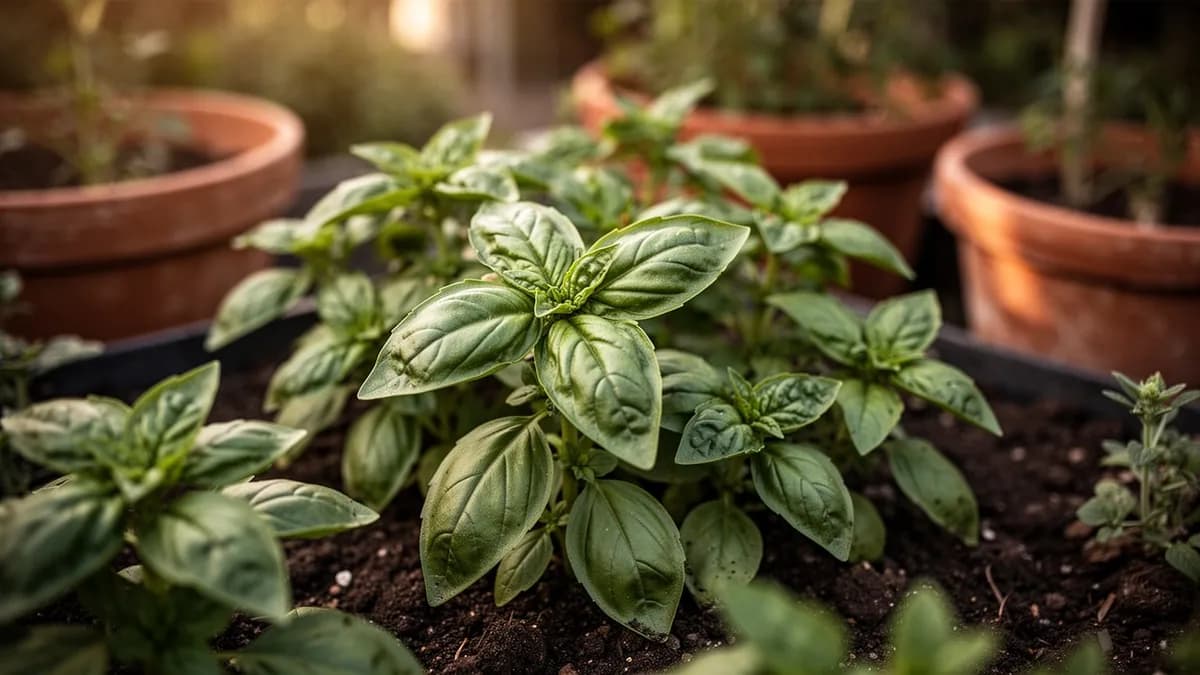
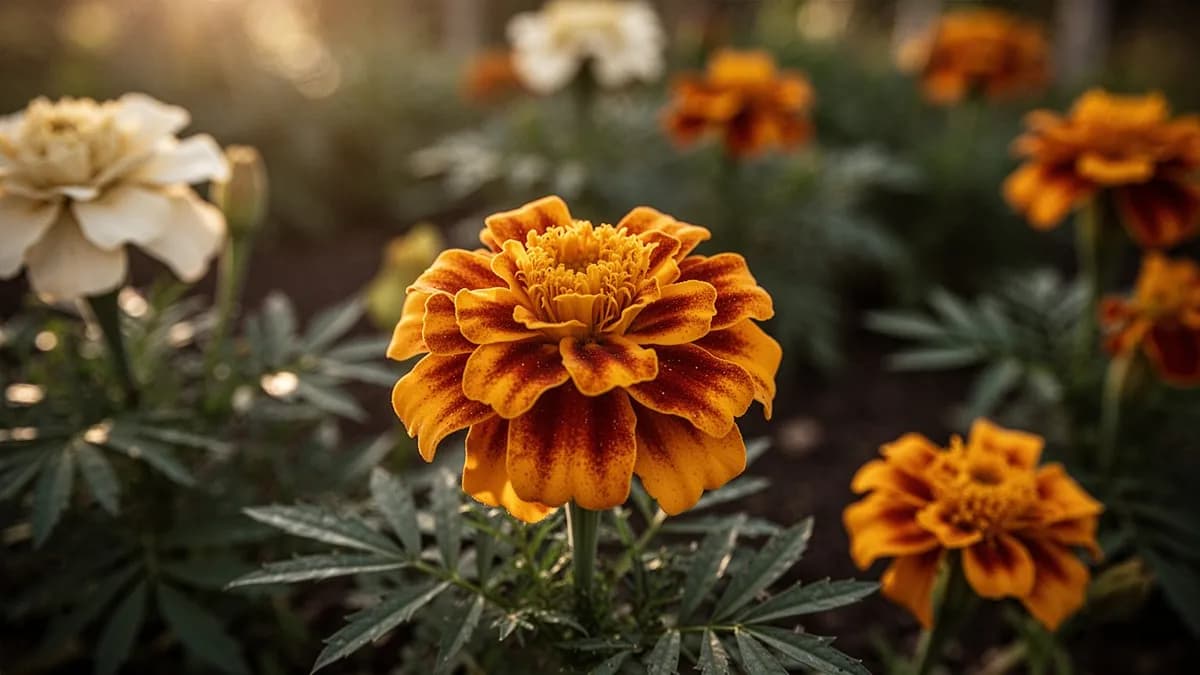
Pflanzen Sie zwischen Guavenbäumen stickstofffixierende Hülsenfrüchte wie Straucherbse und Augenbohne, um die Bodenfruchtbarkeit in tropischen Gartenanlagen zu verbessern. Basilikum und Zitronengras in der Nähe helfen, Fruchtfliegen und Mücken abzuwehren. Bananenpflanzen sind ausgezeichnete Begleitpflanzen, die Windschutz bieten und unter ähnlichen Wachstumsbedingungen gedeihen. Vermeiden Sie es, Guaven in der Nähe von Schwarzen Walnussbäumen zu pflanzen, die Juglon produzieren, das das Wachstum hemmt. Tagetes entlang der Trauflinie wehren Nematoden ab und locken Bestäuber an.
Basilikum gehört daneben. Walnussbaum nicht.
Altes Gärtnerwissen, geprüft an der echten Nachbartabelle von Guavenbaum — teste jede Pflanze, die du anbaust.
Probiere Guavenbaum direkt hier im Beet
Ein echtes Planer-Beet, Guavenbaum steht schon drin. Tippe einen Begleiter an, platziere ihn und sieh, wie die Nachbarschaftsprüfung antwortet — grün für gute Nachbarn, rot bei Streit.


Passende Anbau-Ratgeber
Richtig düngen
Guavenbäume sind bemerkenswert anpassungsfähig an verschiedene Bodenarten und gedeihen gut in sandigen, lehmigen oder tonigen Böden mit einem pH-Wert von 5,0 bis 7,0. Sie vertragen salzhaltige Bedingungen besser als die meisten Obstbäume. Düngen Sie während der Wachstumsperiode monatlich mit einem ausgewogenen Dünger wie 6-6-6 oder 8-3-9, zusammen mit Mikronährstoffergänzungen einschließlich Eisen, Mangan und Zink. Bio-Gärtner können kompostierten Mist und Fischemulsion verwenden. Übermäßiger Stickstoff erzeugt üppiges Wachstum auf Kosten der Fruchtproduktion.
Ideale Temperatur
Winterhärtezone-Kompatibilität
Von der Saat zur Ernte, Schritt für Schritt
Keimung
Guavensamen keimen langsam und benötigen je nach Bodentemperatur und Feuchtigkeit typischerweise zwei bis acht Wochen. Frische Samen haben eine höhere Keimrate als getrocknete. Eine gleichmäßige Bodentemperatur von 20 bis 25 Grad Celsius ist ideal für die Keimung.
Sämling
Junge Guavensämlinge entwickeln ihre ersten echten Blätter und beginnen, ein Wurzelsystem aufzubauen. Das Wachstum ist in dieser Phase relativ langsam. Sämlinge sind in diesem empfindlichen Stadium anfällig für Kälte und übermäßige Feuchtigkeit.
Vegetatives Wachstum
Der junge Baum entwickelt einen kräftigen Stamm, eine Verzweigungsstruktur und dichtes Laub. Guavenbäume wachsen in warmen Monaten schnell und können unter günstigen Bedingungen 30 bis 90 Zentimeter Höhe pro Jahr zulegen. Die charakteristische glatte, kupferfarbene Rinde wird sichtbar.
Blüte
Guavenbäume beginnen typischerweise zwei bis vier Jahre nach der Aussaat zu blühen, oder innerhalb von ein bis zwei Jahren bei veredelten Exemplaren. Die duftenden weißen Blüten erscheinen einzeln oder in kleinen Büscheln in den Blattachseln. Jede Blüte hat vier bis fünf Blütenblätter und zahlreiche Staubblätter.
Fruchtentwicklung
Nach der Bestäubung entwickeln sich die Früchte über 90 bis 150 Tage, abhängig von der Sorte und den Wachstumsbedingungen. Die Früchte beginnen als kleine grüne Kugeln und vergrößern sich allmählich. Die Fruchtfleischfarbe entwickelt sich in den letzten Wochen der Reifung und reicht je nach Sorte von Weiß bis Tiefrosa.
Ernte und Erneuerung
Reife Guaven werden leicht weicher und entwickeln ein starkes süßes Aroma. In tropischen Klimazonen können reife Bäume fast das ganze Jahr über Früchte tragen, mit Erntehöhepunkten im Sommer und Frühherbst. Ein einzelner reifer Baum kann 25 bis 50 Kilogramm Früchte pro Jahr liefern.
Weichen Sie die Samen vor der Aussaat 24 Stunden in warmem Wasser ein, um die harte Samenschale aufzuweichen und die Keimrate zu verbessern.
Guavenbaum Monat für Monat pflegen
Was du jeden Monat für deine Guavenbaum tun solltest
Oktober
Aktueller MonatLetzte Ernte der verbliebenen Früchte. Größeren Formschnitt nach Abschluss der Fruchtperiode durchführen. Vor dem Winter eine dicke Mulchschicht auftragen
Immer wissen, was jetzt im Garten zu tun ist
Eine E-Mail zum Monatsanfang: was du jetzt säen, pflanzen und anpacken solltest — für deine Guavenbaum und alles, was drumherum wächst. Dazu ein kurzer Startkurs, der dich vor den klassischen Fehlern bewahrt.
- Was jetzt zu tun ist
- Passend zu deiner Saison
- Startkurs inklusive
Guavenbaum ernten
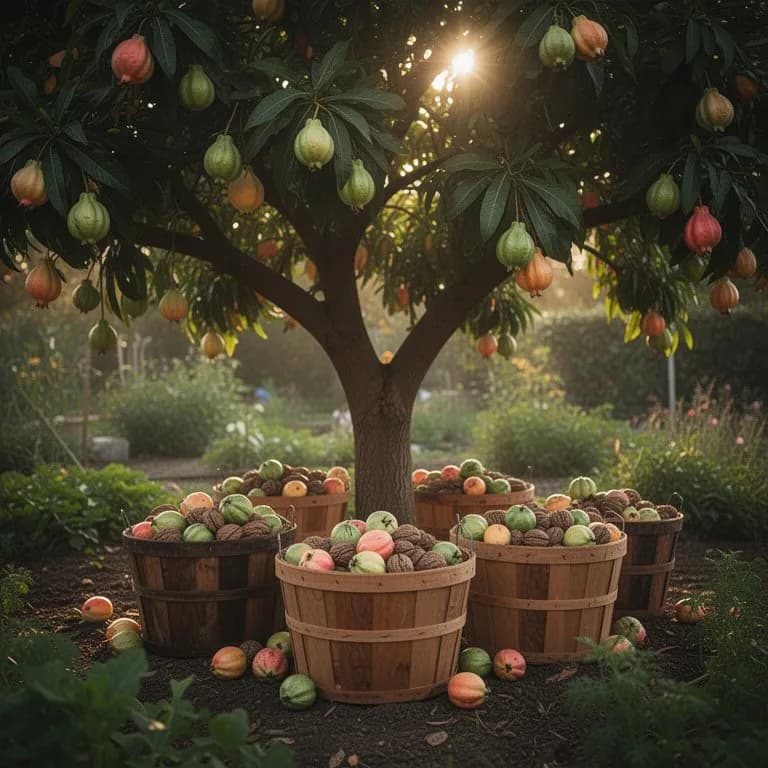
Ernten Sie Guaven, wenn die Schale von Dunkelgrün zu Hellgrün oder Gelb wechselt und die Frucht bei sanftem Druck leicht nachgibt. Reife Guaven verströmen einen kräftigen, süßen tropischen Duft. Zum Versand oder Lagern pflücken Sie, wenn die Frucht noch fest ist, und lassen Sie sie bei Zimmertemperatur über 2 bis 5 Tage nachreifen. Guaven bekommen leicht Druckstellen, daher vorsichtig handhaben. In tropischen Klimazonen können Bäume das ganze Jahr über Früchte tragen, mit Höhepunkten im Sommer und Frühherbst.
angenommen, du pflanzt zu Beginn des Zeitraums — trage dein tatsächliches Datum ein
Ernte Guavenbaum zügig, dann trägt die Pflanze weiter.
Lagerung & Konservierung
Reife Guaven halten sich bei Zimmertemperatur 2 bis 3 Tage und im Kühlschrank bis zu 2 Wochen. Die Frucht bekommt leicht Druckstellen, daher in einer einzigen Schicht lagern. Guavenpüree lässt sich hervorragend bis zu einem Jahr einfrieren und ist die Grundlage für unzählige Rezepte. Guavenpaste, in Brasilien als Goiabada bekannt, ist eine traditionelle Konservierungsform, die mit Käse kombiniert wird. Guaven eignen sich auch hervorragend für Marmelade, Gelee und getrocknetes Fruchtleder, und der Saft wird gerne frisch oder als Mischgetränk genossen.
Was schiefgeht — und die Lösung
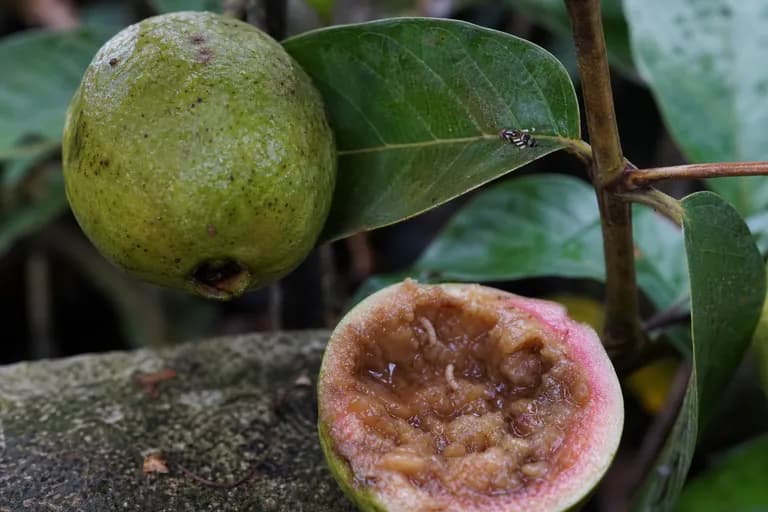
Guaven-Fruchtfliege
SchädlingKleine Einstichstellen auf der Fruchtoberfläche, an denen die Weibchen ihre Eier ablegen. Larven entwickeln sich im Inneren der Frucht und führen dazu, dass sie fault und vorzeitig abfällt.
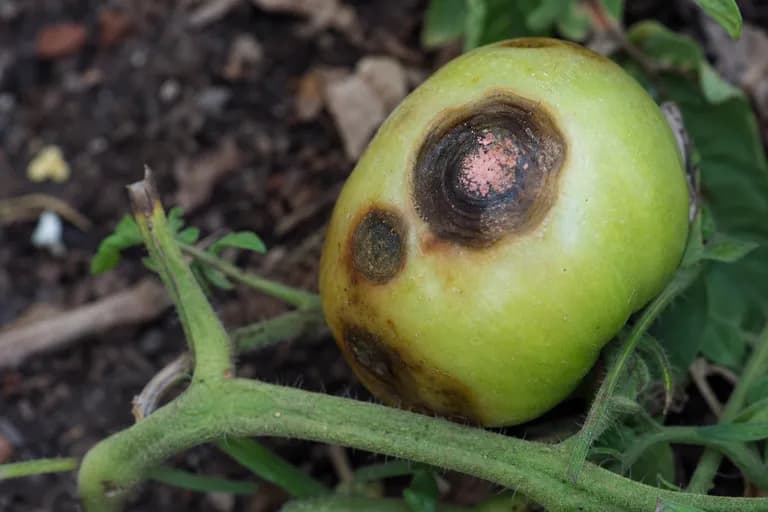
Anthraknose
KrankheitDunkle, eingesunkene Flecken auf reifenden Früchten, die sich vergrößern und rosa Sporenmassen entwickeln. Junge Triebe und Blüten können bei nassem Wetter ebenfalls dunkle Läsionen entwickeln.
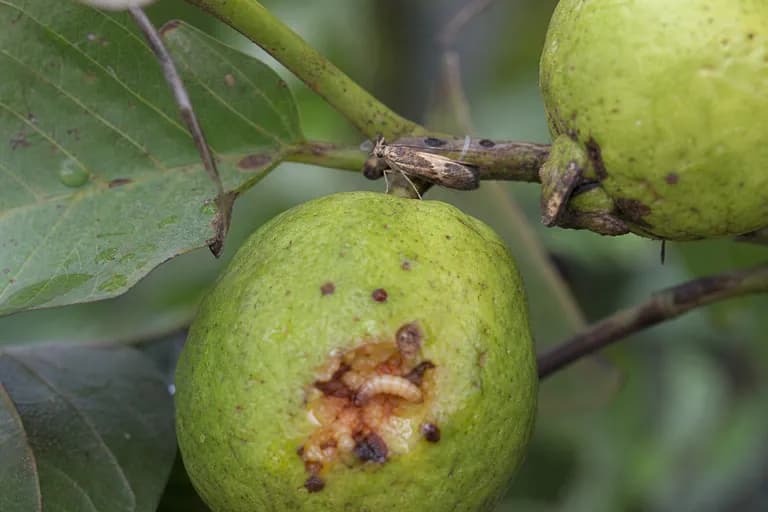
Guavenmotte
SchädlingLarven bohren sich in der Nähe des Stielendes in die Frucht und erzeugen Tunnel durch das Fruchtfleisch. Kotreste und Gespinste sind an den Eintrittslöchern sichtbar. Die Frucht kann um die Schadensstellen herum faulen.
Fehlerbehebung bei häufigen Problemen
Frostschäden sind die Haupteinschränkung für Guavenanbauer in subtropischen Gebieten, da Temperaturen unter minus 2 Grad Celsius junge Bäume töten und reife Bäume schwer schädigen können. Fruchtfliegenbefall ist das häufigste Schädlingsproblem in tropischen Regionen und kann ganze Ernten ungenießbar machen. Schlechte Fruchtqualität resultiert oft aus ungleichmäßiger Bewässerung während der Fruchtentwicklung. Guavenwelke, eine Pilzkrankheit, die die wasserführenden Gefäße blockiert, kann Bäume schnell abtöten und lässt sich nach Ausbruch nicht mehr wirksam chemisch behandeln.
Anbautipps
- Pflanzen Sie Guavenbäume in voller Sonne mit mindestens sechs bis acht Stunden direktem Sonnenlicht täglich für optimale Fruchtproduktion und Aromaentwicklung.
- Verwenden Sie gut durchlässigen Boden mit einem leicht sauren bis neutralen pH-Wert zwischen 5,0 und 7,0 und verbessern Sie schwere Tonböden mit organischem Material und grobem Sand für eine bessere Drainage.
- Bewässern Sie während der Wachstumsperiode zwei- bis dreimal pro Woche tiefgründig und lassen Sie die oberen Zentimeter des Bodens zwischen den Bewässerungen abtrocknen, um Wurzelfäule zu vermeiden.
- Düngen Sie alle zwei bis drei Monate während des aktiven Wachstums mit einem ausgewogenen Dünger wie 10-10-10 und wechseln Sie zu einer kaliumreichen Formulierung, wenn sich Blüten zu bilden beginnen.
- Schneiden Sie jährlich nach der Haupternte zurück, um sich kreuzende Äste zu entfernen, das Kroneninnere auszulichten und eine handhabbare Höhe von zwei bis drei Metern für eine leichtere Ernte beizubehalten.
- Schützen Sie junge Bäume vor Windschäden, indem Sie sie in den ersten zwei Jahren sicher aufbinden und an exponierten Standorten in der Nähe einer Wand oder eines Zauns pflanzen.
- In Regionen, in denen die Temperaturen unter 5 Grad Celsius fallen, kultivieren Sie Guaven in großen Kübeln, die in den Wintermonaten ins Haus oder an einen geschützten Ort gebracht werden können.
- Bekämpfen Sie häufige Schädlinge wie Fruchtfliegen durch den Einsatz von Köderfallen, das Einnetzen reifender Früchte und das umgehende Entfernen von Fallobst, um den Schädlingsvermehrungszyklus zu unterbrechen.
- Fördern Sie die Bestäubung und einen größeren Fruchtansatz, indem Sie zwei oder mehr Guavenbäume in unmittelbarer Nähe zueinander pflanzen, da Fremdbestäubung sowohl den Ertrag als auch die Fruchtqualität verbessert.
- Mulchen Sie die Wurzelzone mit einer 5 bis 10 Zentimeter dicken Schicht aus organischem Material wie Holzhäcksel oder Stroh und halten Sie den Mulch einige Zentimeter vom Stamm entfernt, um Fäulnis zu vermeiden.
Bau deine beste Guavenbaum an — und alles drumherum.
Starte heute kostenlos. Lege deine Beete an, setze deine Guavenbaum ein und lass PlotMyGarden Timing, Abstände, Begleiter und Erinnerungen von der Saat bis zum Erntekorb übernehmen.
Finde deine Guavenbaum
Ruby Supreme
Große Frucht mit pink-rotem Fruchtfleisch und außergewöhnlicher Süße. Sehr ertragreich in warmen Klimazonen und eine der besten Sorten für den Hausgarten.
White Indian
Knackiges weißes Fruchtfleisch mit mildem, süßem Geschmack und aromatischer Schale. In tropischen Regionen wegen der angenehmen Textur zum Frischverzehr bevorzugt.
Strawberry Guava
Eine kleinfrüchtige Art mit tiefroter Schale und erdbeerartigem Fruchtfleisch. Kältetoleranter als tropische Guave, überlebt mit Schutz bis in Zone 8b.
Tropical Pink
Reich tragende Sorte mit süßem rosa Fruchtfleisch und guter Krankheitsresistenz. Eine ausgezeichnete Allzweck-Guave zum Frischessen, Entsaften und für Konserven.
Ein einzelner etablierter Guavenbaum kann jährlich 25 bis 50 Kilogramm Früchte produzieren, und das über 30 oder mehr Jahre. Da frische Guaven im Lebensmittelhandel typischerweise 4 bis 8 Euro pro Kilogramm kosten, kann ein produktiver Baum jedes Jahr Früchte im Wert von 100 bis 400 Euro liefern. Über die produktive Lebensdauer des Baumes hinweg bedeutet dies potenzielle Einsparungen von mehreren tausend Euro im Vergleich zum Kauf von Obst aus dem Handel, bei gleichzeitig überlegener Frische und Geschmack von selbst angebautem Obst.
Schnelle Rezepte
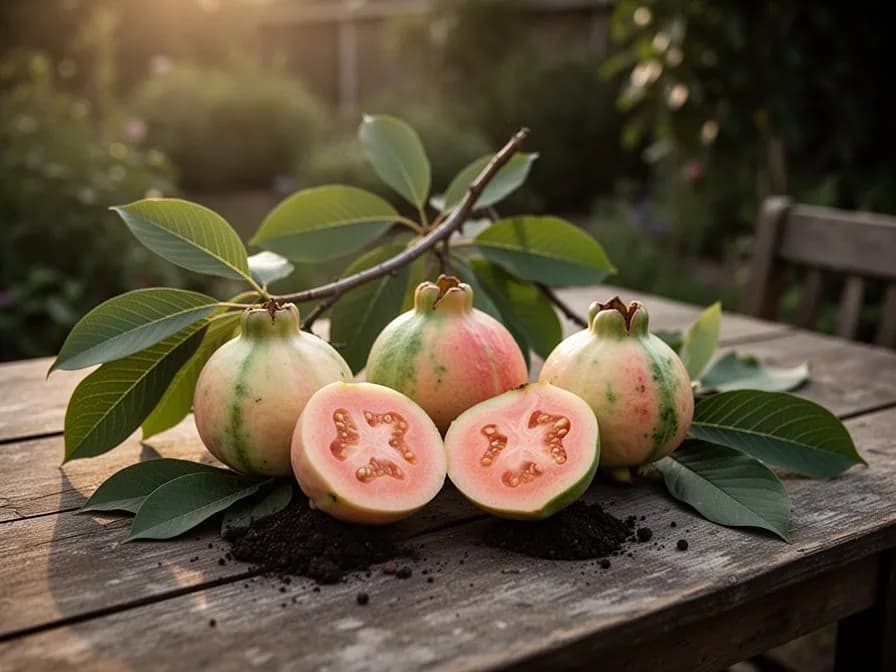
Tropischer Guaven-Smoothie
5 Min.Ein cremiger, erfrischender Smoothie, der die natürliche Süße und das Aroma reifer Guaven hervorhebt. Diese schnelle Frühstücks- oder Snack-Option liefert eine beachtliche Dosis Vitamin C und Ballaststoffe in jedem Glas.
6 Zutaten
Guavenpaste (Goiabada)
45 Min.Eine traditionelle brasilianische Konfitüre, die durch Kochen von Guavenfruchtfleisch mit Zucker hergestellt wird, bis sie zu einer festen, schneidbaren Paste erstarrt. Goiabada wird klassisch mit frischem weißem Käse in dem beliebten Dessert Romeo und Julia kombiniert.
5 ZutatenGuaven-Frischkäse-Empanadas
30 Min.Blätterteig-Taschen gefüllt mit süßer Guavenpaste und würzigem Frischkäse, ein beliebter Snack in ganz Lateinamerika und der Karibik. Diese können gebacken oder frittiert werden für einen köstlichen Genuss, der Süße mit herzhafter Reichhaltigkeit verbindet.
5 ZutatenKulinarische Verwendung
Guaven sind äußerst vielseitige tropische Früchte, die reif frisch gegessen oder umfangreich in der Küche verwendet werden. Guavenpaste mit weißem Käse ist ein beliebtes Dessert in ganz Lateinamerika. Die Frucht eignet sich hervorragend für Marmelade, Gelee und Saft. Guaven-Smoothies, Eiscreme und Sorbets zeigen das tropische Aroma der Frucht. In der asiatischen Küche wird grüne Guave als herzhafter Snack mit Salz und Chili gegessen. Guaven sind außergewöhnlich reich an Vitamin C.
Was drinsteckt
Gesundheitsvorteile
- Der außergewöhnlich hohe Vitamin-C-Gehalt unterstützt die Immunfunktion und die Kollagenproduktion für gesunde Haut und Gewebereparatur.
- Ballaststoffe in Guavenfrüchten fördern eine gesunde Verdauung, helfen bei der Regulierung des Stuhlgangs und können nützliche Darmbakterienpopulationen unterstützen.
- Lycopin und andere Antioxidantien in rosa Guavensorten helfen, freie Radikale zu neutralisieren und können oxidativen Stress im Körper reduzieren.
- Der Kaliumgehalt in Guaven trägt zur gesunden Blutdruckregulierung bei und unterstützt eine ordnungsgemäße Herz-Kreislauf-Funktion.
- Guavenblattextrakte wurden auf ihr Potenzial untersucht, den Blutzuckerspiegel zu regulieren, wobei einige Studien darauf hindeuten, dass sie Blutzuckerspitzen nach dem Essen reduzieren können.
- Die geringe Kaloriendichte in Kombination mit dem hohen Ballaststoffgehalt macht die Guave zu einer sättigenden Fruchtwahl, die gesunde Gewichtsmanagementziele unterstützen kann.
Woher Guavenbaum stammt
Der Guavenbaum (Psidium guajava) stammt aus Mittelamerika, dem südlichen Mexiko und dem nördlichen Südamerika, wo archäologische Funde darauf hindeuten, dass er seit über 4.000 Jahren kultiviert wird. Vorkolumbische Völker in ganz Mesoamerika und den Anden schätzten die Frucht als Grundnahrungsmittel lange vor dem europäischen Kontakt. Spanische und portugiesische Entdecker begegneten der Guave im 16. Jahrhundert und waren maßgeblich an der weltweiten Verbreitung der Frucht beteiligt. Die Portugiesen brachten Guavensamen in den 1500er Jahren zu ihren Handelsposten in Indien und Südostasien, wo sich der Baum im tropischen Klima schnell einbürgerte. Spanische Galeonen transportierten die Guave auf den Philippinen und andere Pazifikinseln entlang etablierter Handelsrouten. Bis zum 17. Jahrhundert hatte sich die Guave in weiten Teilen des tropischen Afrikas etabliert, dorthin gebracht sowohl von europäischen Kolonisten als auch von arabischen Händlern. Der Baum erwies sich als bemerkenswert anpassungsfähig und gedieh in einer Vielzahl tropischer und subtropischer Umgebungen vom Meeresspiegel bis in Höhenlagen über 1.500 Metern. Heute ist Indien der weltweit größte Guavenproduzent, gefolgt von China, Thailand, Pakistan und Mexiko. Brasilien, die Urheimat der Frucht, ist ebenfalls ein bedeutender Produzent. Weltweit wurden über 150 Sorten entwickelt, die von kleinfrüchtigen Wildvarietäten bis hin zu großen kommerziellen Sorten mit über 500 Gramm Einzelfruchtgewicht reichen. Die Frucht spielt in vielen Gesellschaften eine wichtige kulturelle Rolle; in Teilen Indiens und Südostasiens ist die Guave ein Symbol des Wohlstands und wird in religiöse Opfergaben und festliche Feierlichkeiten einbezogen. Moderne Zuchtprogramme entwickeln weiterhin verbesserte Sorten, die eine höhere Krankheitsresistenz, längere Haltbarkeit und einen höheren Nährwert bieten.
Guavenbaum: Schon gewusst?
Faszinierende Fakten über Guavenbaum
Eine einzelne Guavenfrucht enthält etwa viermal so viel Vitamin C wie eine durchschnittliche Orange und ist damit eine der reichhaltigsten natürlichen Quellen dieses essentiellen Nährstoffs.
Guavenbaum: Fragen & Antworten
Wann sollte ich Guavenbaum pflanzen?
Was sind gute Begleitpflanzen für Guavenbaum?
In welchen Winterhärtezonen kann Guavenbaum wachsen?
Wie viel Sonne braucht Guavenbaum?
Welchen Abstand sollte ich zwischen Guavenbaum lassen?
Welche Schädlinge und Krankheiten befallen Guavenbaum?
Wie lagere ich Guavenbaum nach der Ernte?
Was sind die besten Guavenbaum-Sorten zum Anbauen?
Welchen Boden braucht Guavenbaum?
Wie lange dauert es, bis ein Guavenbaum Früchte trägt?
Kann ich einen Guavenbaum drinnen oder im Kübel anbauen?
Woran erkenne ich, wann Guavenfrüchte reif und erntbereit sind?
Was sind die häufigsten Schädlinge und Krankheiten bei Guavenbäumen?
Brauchen Guavenbäume einen Bestäuber, um Früchte zu tragen?
Wie frosthart sind Guavenbäume und können sie Frost überleben?
Du hast die Theorie gelesen. Jetzt baue sie auf Autopilot an.
Alles, was Guavenbaum knifflig macht — das Timing, die Abstände, die Begleiter, das Erntefenster — genau das übernimmt PlotMyGarden für dich, für jede Pflanze im Garten.
Ein Plan, der dein Wetter kennt
Standort einmal festlegen. Aussaat-, Dünge- und Erntedaten rund um deinen echten letzten Frosttermin und die Live-Vorhersage — kein Raten mehr nach Saattüte.
Aus dem Abschnitt „Pflanzzeit“Beetplaner per Drag & Drop
Beete auf einem Raster gestalten. Jede Pflanze rastet im richtigen Abstand ein, und du siehst die ganze Saison, bevor du einen Cent für Saatgut ausgibst.
Aus dem Abschnitt „Anbau“Begleiter-Konflikte früh erkannt
Über 200 gute und schlechte Kombinationen werden beim Pflanzen live geprüft — so landet ein saisonruinierender Fehler nie in der Erde.
Aus dem Abschnitt „Begleiter“Erinnerungen, nach denen du wirklich handelst
„Gieß die Bohnen.“ „Heute ernten, bevor's umschlägt.“ Pünktlich, konkret und auf deine echten Pflanzen bezogen.
Aus dem Abschnitt „Ernte“Staffel-Aussaat, geplant
Sechs Wochen ernten statt sechs Tage? Die App verteilt deine Aussaaten automatisch und erinnert dich, wenn der nächste Satz fällig ist.
Aus dem Abschnitt „Pflanzzeit“Ein Verlauf, der schlauer wird
Jede protokollierte Ernte bringt der App deinen Garten bei. Der Plan fürs nächste Jahr startet bei dem, was in deinem Boden wirklich funktioniert hat.
Aus dem Abschnitt „Überblick“Pflanze diese neben Guavenbaum
Weitere Obstbäume
Halte Guavenbaum von diesen fern
Bau deine beste Guavenbaum an — und alles drumherum.
Starte heute kostenlos. Lege deine Beete an, setze deine Guavenbaum ein und lass PlotMyGarden Timing, Abstände, Begleiter und Erinnerungen von der Saat bis zum Erntekorb übernehmen.