Strawberry Guava
A smaller, hardier guava species producing cherry-sized fruits with a strawberry-guava flavor and deep red skin.





On this pageOverview
Meet Strawberry Guava
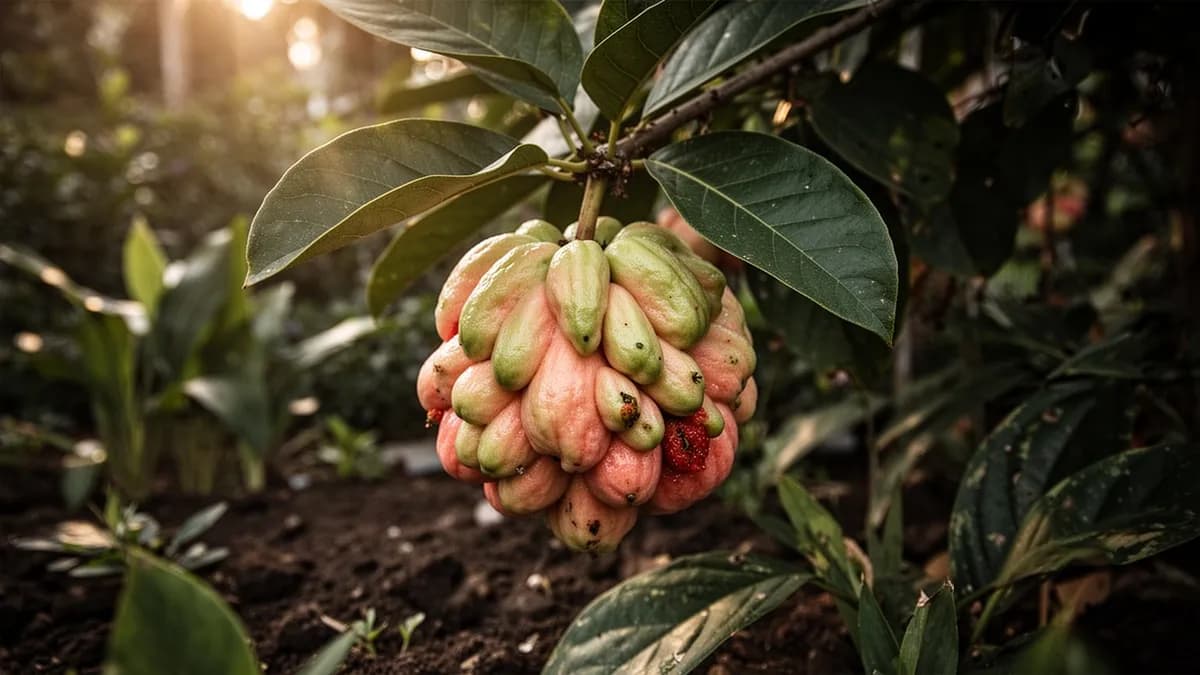
A smaller, hardier guava species producing cherry-sized fruits with a strawberry-guava flavor and deep red skin. More cold-tolerant than common guava, surviving brief freezes to 25 degrees Fahrenheit. Note that this species is invasive in Hawaii and some tropical regions, so check local regulations before planting.
When to plant Strawberry Guava
Strawberry guava seeds germinate easily from fresh fruit. Mash ripe fruit in water, let seeds settle to the bottom, and rinse clean. Sow immediately in a well-drained seed mix at a quarter-inch depth. Maintain temperatures of 70 to 80 degrees Fahrenheit with consistent moisture. Germination takes three to six weeks. Seedlings grow slowly for the first year, then accelerate. Plants typically begin fruiting in two to four years from seed. Propagation by cuttings is difficult, but air layering works well for cloning superior selections.
Your Strawberry Guava Year
Composed for Zone 7 · typical seasons · frost passes Apr 2, returns Nov 1
Plant Strawberry Guava Mar – May, pick Jul – Oct. Check the planting methods below and set your climate to personalize these windows.
How to grow Strawberry Guava
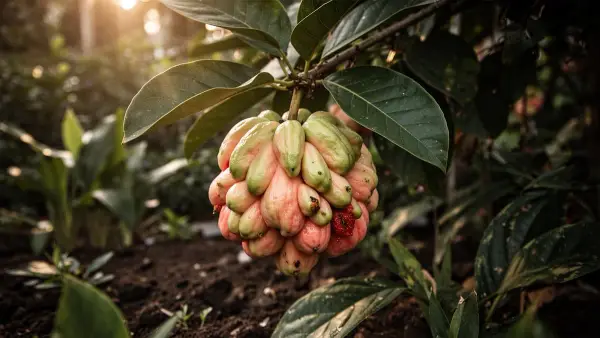
Strawberry guava is a hardy, adaptable small tree or large shrub that thrives in full sun to partial shade. Plant in spring in well-drained soil, spacing plants 8 to 10 feet apart. It naturally forms a dense, multi-stemmed shrub but can be trained to a single trunk. The glossy, dark green leaves and smooth, cinnamon-colored bark make it highly ornamental.
Water regularly during establishment, then moderately once roots are well developed. Strawberry guava is more drought-tolerant than common guava and handles brief dry spells without significant stress. It also tolerates more cold, surviving temperatures down to about 22 to 25 degrees Fahrenheit once mature.
Fertilize three times per year with a balanced fruit tree fertilizer in spring, summer, and early fall. Prune annually to maintain shape and size, removing interior crossing branches to improve air circulation. Be aware that this species is classified as invasive in Hawaii, parts of Florida, and other tropical regions due to prolific self-seeding. Check local regulations before planting and consider removing fallen fruit to prevent unwanted spread.
Strawberry Guava needs more room than a 4 × 8 ft bed gives
Each Strawberry Guava wants 300 cm of elbow room. The planner keeps that spacing for you — every plant, every bed.
Strawberry Guava's best neighbours
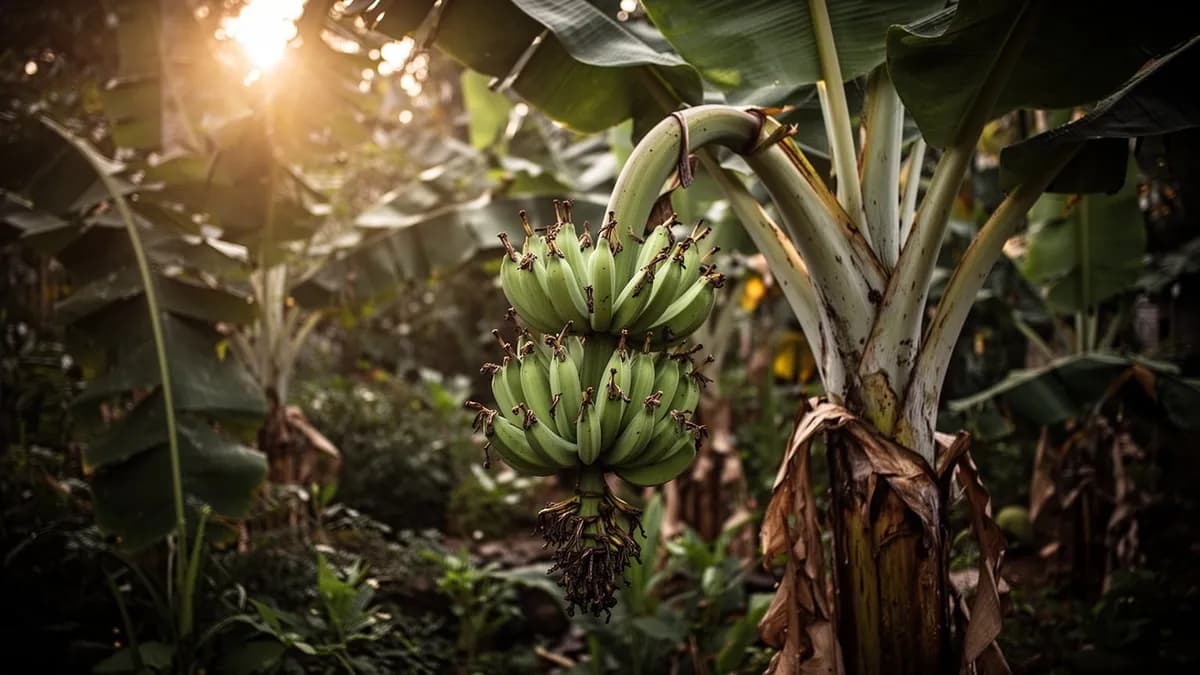
Strawberry guava works well as an understory plant beneath taller tropical trees like mango and avocado, as it tolerates partial shade. It can serve as a dense, fruiting hedge when planted in a row. Pair with other subtropical species like feijoa and loquat. Keep away from native plant areas in tropical regions where it could become invasive. Nitrogen-fixing ground covers like clover planted beneath help maintain soil fertility without competing for light.
Banana belongs beside it.
Old growers' knowledge, checked against Strawberry Guava's real companion table below — test any plant you're growing.
Try Strawberry Guava in a bed — right here
A real planner bed with Strawberry Guava already in it. Tap a companion to place it and watch the pairing checks answer — green for good neighbours, red for a clash.


Related growing guides
Feed it well
Strawberry guava is remarkably adaptable to soil conditions, growing well in sandy, clay, and rocky soils with a pH of 5.0 to 7.0. It tolerates poor soils better than most fruit trees. For best production, amend planting holes with compost and apply a balanced fertilizer (10-10-10) three times per year. Mature fruiting plants benefit from additional potassium to improve fruit quality. Mulch generously to conserve moisture and add organic matter. In alkaline soils, occasional applications of chelated iron prevent chlorosis.
Ideal Temperature
Hardiness Zone Compatibility
From seed to harvest, stage by stage
Germination
Seeds germinate in warm, moist conditions, sending up a thin taproot followed by a pair of oval cotyledons. Germination rate improves significantly when seeds are soaked for 24 hours before sowing.
Seedling
True leaves emerge with a glossy, dark green appearance. The seedling develops a sturdy central stem and begins to branch. Root development is vigorous, so pot up promptly to avoid root binding.
Juvenile Growth
The plant puts on rapid vegetative growth, establishing a framework of primary and secondary branches. Bark begins to develop its characteristic smooth, mottled appearance. No flowering occurs at this stage.
First Flowering
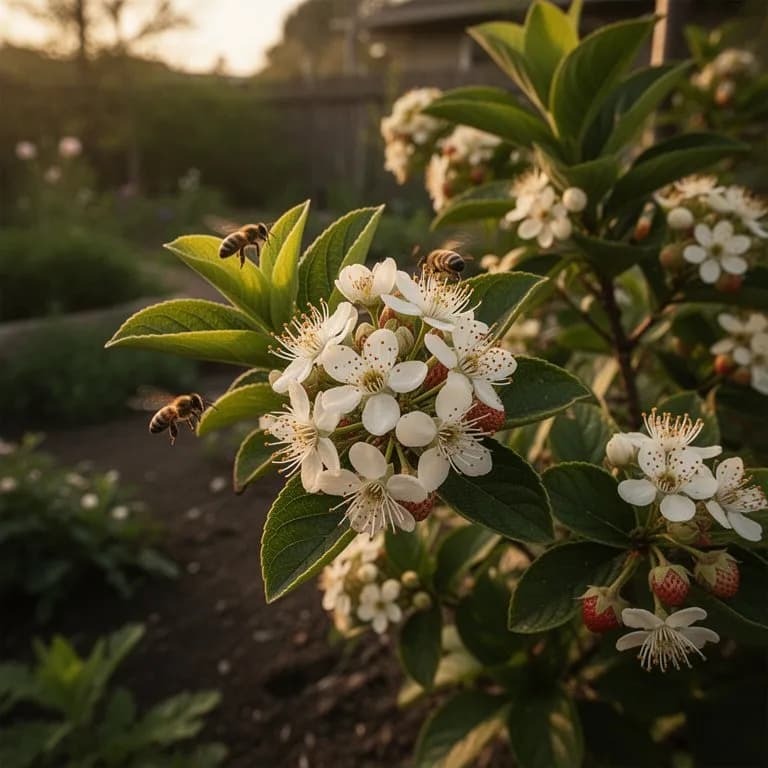
From the second year onward, white five-petaled flowers appear in the leaf axils from late spring through early summer. Each flower is self-fertile, though pollinator activity significantly increases fruit set.
Fruit Development
Small green fruits swell rapidly after pollination, gradually turning yellow and then deep red as they ripen. The strawberry-like fragrance intensifies as sugars accumulate in the flesh.
Harvest
Fruits are fully ripe when they turn deep red and yield slightly to gentle pressure. The aroma is pronounced and sweet. Ripe fruits can be harvested by hand or collected on a tarp by shaking branches.
Post-Harvest & Pruning
After the main harvest, the tree enters a period of reduced activity. This is the best time to shape the canopy, remove crossing branches, and apply compost to replenish soil nutrients.
Maintain soil temperature between 24–28°C and keep the growing medium consistently moist but never waterlogged. Use a propagation heat mat if ambient temperatures are below 22°C.
Caring for Strawberry Guava month by month
What to do each month for your Strawberry Guava
October
You are herePost-harvest pruning: remove dead wood, crossing branches, and any branches showing signs of disease. Apply compost mulch 5–10 cm deep around the root zone.
Know exactly what to do in your garden — every month
One email at the start of each month: what to sow, plant, and tackle right now — for your Strawberry Guava and everything growing around it. Plus a short starter course that helps you dodge the classic mistakes.
- What to do, right now
- Matched to your season
- Starter course included
Harvesting Strawberry Guava
Strawberry guavas ripen from green to deep burgundy-red and become slightly soft when ready to pick. The fruits emit a sweet, strawberry-like fragrance when fully ripe. Harvest by gently pulling or twisting the fruit from the branch. The entire fruit is edible including the thin skin. Fruits ripen over several weeks, so check trees daily during the harvest season. A mature tree can produce hundreds of small fruits per season. Taste a few to determine your preferred ripeness level, as some prefer them slightly firm while others enjoy them fully soft.
assuming you plant when the window opens — set your real date
Pick Strawberry Guava promptly and the plant keeps producing.
Storage & Preservation
Fresh strawberry guavas keep for two to three days at room temperature and up to a week in the refrigerator. Their small size and thin skin make them more perishable than common guava. For preservation, freeze whole fruits on a baking sheet then transfer to freezer bags. Strawberry guava makes excellent jam, jelly, and fruit paste due to its high pectin and natural sweetness. The fruits can be juiced, dehydrated, or used in fruit leather. Wine and vinegar can also be made from the fruit.
What goes wrong — and the fix
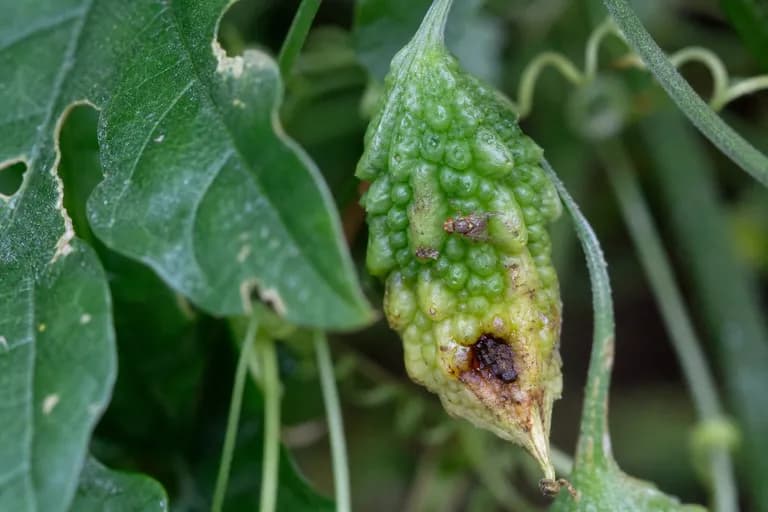
Fruit Fly
PestSmall puncture marks on ripe fruit; maggots in flesh; premature fruit drop; fruit decay.
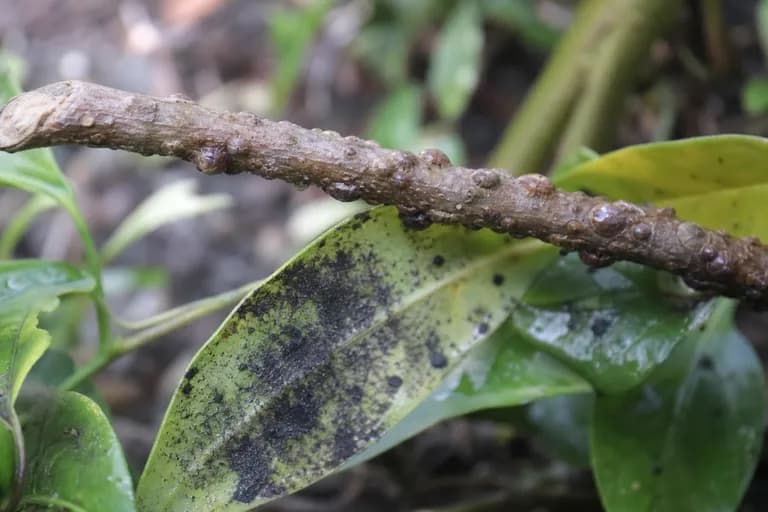
Scale Insects
PestSmall, brown or white bumps on stems and leaves; yellowing foliage; sticky honeydew; sooty mold.
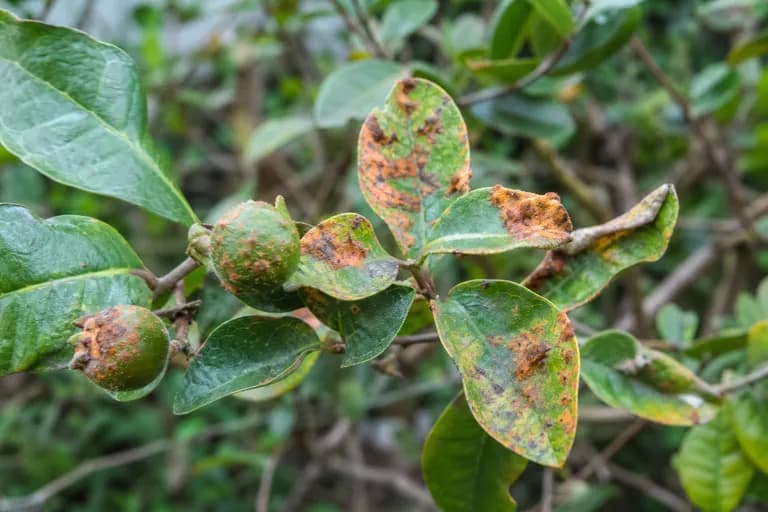
Guava Rust
DiseaseOrange-brown powdery spots on young leaves and fruit; leaf distortion; premature defoliation.
Troubleshooting Common Problems
The primary concern with strawberry guava is its invasive potential in tropical and subtropical regions, where it can form dense thickets that displace native vegetation. Fruit flies are the most common pest, especially in warm, humid climates. Birds compete heavily for the ripe fruit, often stripping trees before gardeners can harvest. The prolific self-seeding means volunteer seedlings appear throughout the garden. In cooler areas, young trees need winter protection until established. The small fruit size makes harvesting labor-intensive.
Growing Tips
- Choose a planting site with full sun exposure — at least 6 to 8 hours of direct sunlight per day — as strawberry guava produces significantly less fruit in shaded conditions.
- Improve drainage before planting by incorporating coarse sand or perlite into heavy clay soils; strawberry guava is highly susceptible to root rot in waterlogged ground.
- Water deeply and infrequently rather than shallowly and frequently — aim for soil moisture penetration to at least 30 cm to encourage deep, drought-resistant root development.
- Apply a 5–8 cm layer of organic mulch such as wood chips or straw around the base of the tree, keeping it 10 cm clear of the trunk, to conserve moisture and suppress competing weeds.
- Feed established trees three times per year — in early spring, midsummer, and after harvest — using a balanced slow-release fertilizer or an organic alternative such as well-rotted compost and blood meal.
- Prune lightly each year after the main harvest to maintain an open canopy that allows air circulation and light penetration, reducing the risk of fungal disease on the inner branches.
- In climates with cold winters, grow strawberry guava in a large 50–100 litre container using a well-draining tropical potting mix so it can be moved indoors to a bright, frost-free position when temperatures drop below 8°C.
- Propagate new plants from semi-hardwood cuttings taken in late spring or early summer — dip the cut end in rooting hormone powder and place in a humid propagation chamber at 26°C for best results.
- If growing from seed, stratification is not required, but soaking seeds for 24 hours in warm water before sowing improves germination rates and speeds up emergence.
- In regions where strawberry guava is listed as an invasive species, practice responsible cultivation by harvesting all fruit before it falls, disposing of seeds in sealed compost or waste bins, and never planting near natural reserves or native forest edges.
Grow your best Strawberry Guava yet — and everything around it.
Start a free plan today. Lay out your beds, drop in your Strawberry Guava, and let PlotMyGarden handle the timing, spacing, companions and reminders from seed to harvest basket.
Pick your Strawberry Guava
Psidium cattleianum var. cattleianum
The standard red strawberry guava with deep burgundy fruits and sweet, complex strawberry-guava flavor.
Psidium cattleianum var. lucidum
Yellow strawberry guava (lemon guava) with larger yellow fruits and a milder, sweeter flavor than the red form.
Waianae Beauty
A Hawaiian selection with larger-than-average fruits and exceptional sweetness, though still categorized as invasive in Hawaii.
A single established strawberry guava tree can yield 30–90 kg of fruit per season, which at typical farmers' market or specialty grocery prices of $6–$12 per kilogram represents a potential retail value of $180–$1,080 annually from one tree. Processing excess fruit into jams, frozen purees, or dried snacks extends the harvest value further and reduces food waste. With minimal input costs once established — primarily water and an annual compost application — the return on investment for a $20–$40 nursery plant is exceptional, typically recouped within the first or second fruiting season.
Quick recipes
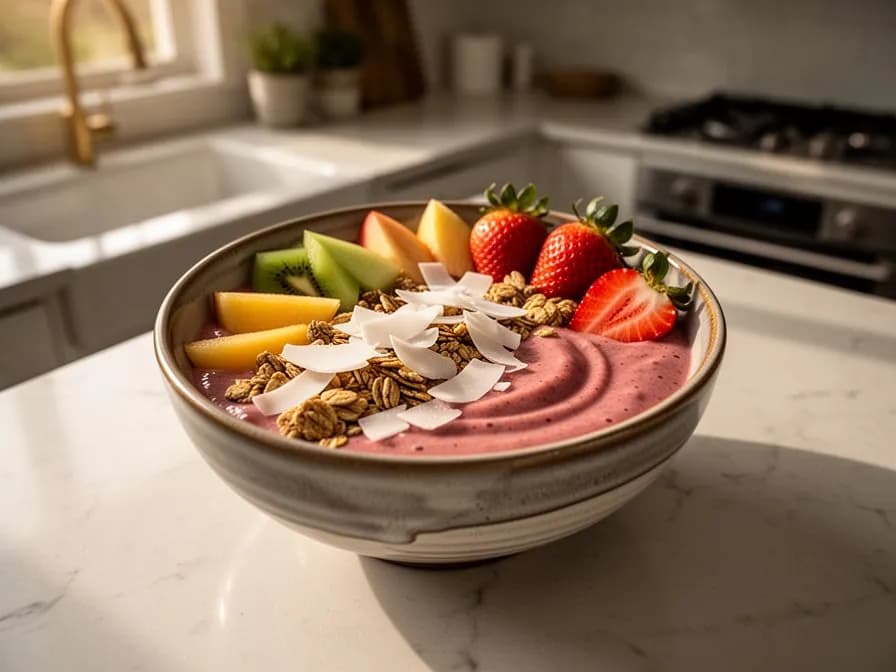
Strawberry Guava Jam
45 minutesA vibrant, jewel-colored jam that captures the tropical sweetness of fresh strawberry guava. The fruit's natural pectin content ensures a firm set without commercial pectin additives.
5 ingredients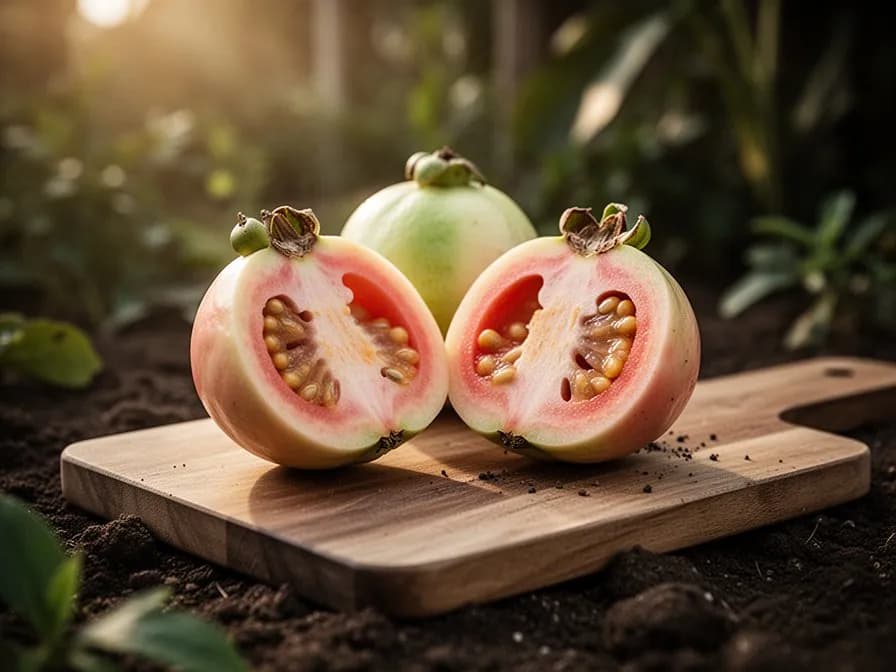
Guava Caipirinha Mocktail
10 minutesA refreshing non-alcoholic take on Brazil's national cocktail, using the natural sweetness and acidity of strawberry guava in place of lime. Perfect for garden parties on warm afternoons.
6 ingredientsStrawberry Guava Sorbet
20 minutes plus 4 hours freezingA silky, intensely flavored sorbet that showcases the fruit's natural aromatics. Requires no specialist equipment — just a blender, a sieve, and a freezer-safe container.
5 ingredientsCulinary Uses
Strawberry guavas are eaten fresh out of hand as a sweet snack, skin and all. They make exceptional jam, jelly, and fruit paste with a unique strawberry-guava flavor. The fruits are blended into smoothies, juices, and cocktails. They pair well with cream cheese, yogurt, and ice cream. In Brazilian cuisine, they are used in desserts and beverages similar to common guava preparations.
What's inside
Health Benefits
- Delivers over 100% of the recommended daily intake of vitamin C per 100 g serving, powerfully supporting immune function and collagen synthesis in skin, joints, and blood vessels.
- Contains lycopene and other carotenoids that act as free radical scavengers, potentially reducing the risk of chronic inflammation and associated diseases.
- The high soluble fiber content feeds beneficial gut bacteria, promotes regular bowel movements, and contributes to a feeling of fullness that can support healthy weight management.
- Provides meaningful amounts of folate (vitamin B9), which is essential for DNA replication and particularly important for women during the preconception period and first trimester of pregnancy.
- Natural polyphenols including quercetin and ellagic acid have been studied for their potential anti-diabetic effects, helping to moderate post-meal blood glucose spikes.
- The fruit's potassium content supports healthy blood pressure regulation by counteracting the effects of dietary sodium and helping to relax blood vessel walls.
Where Strawberry Guava comes from
Strawberry guava (Psidium cattleyanum) traces its origins to the coastal and inland Atlantic Forest regions of southeastern Brazil, particularly the states of Rio de Janeiro, São Paulo, and Minas Gerais. For indigenous communities of the region, the fruit was a seasonal forest food collected alongside dozens of other native plants. Its sweet, aromatic flesh and abundant production made it a reliable wild resource long before formal cultivation began.
European botanists first described the plant in the late eighteenth century, and it was introduced into formal botanical cultivation through the Royal Botanic Gardens at Kew, London, in the early nineteenth century. It was named in honor of William Cattley, a celebrated English horticulturist and patron of botanical exploration who maintained an extraordinary private collection of tropical plants at his estate in Barnet. The French naturalist Aimé Bonpland, who accompanied Alexander von Humboldt on his famous South American expeditions, also collected specimens and contributed to the early scientific documentation of the species.
Throughout the nineteenth century, strawberry guava was transported as a garden curiosity and fruit tree to colonial botanical gardens across the tropics, including those in Mauritius, Réunion, the Azores, Hawaii, and Florida. In many of these locations the tree found conditions so favorable — warm temperatures, high rainfall, and an absence of natural pest and disease pressure — that it escaped cultivation and naturalized aggressively in native forests.
In Hawaii in particular, strawberry guava became a serious conservation concern during the twentieth century, outcompeting native ohia lehua (Metrosideros polymorpha) forest over hundreds of thousands of acres. Biological control programs using the scale insect Tectococcus ovatus, a natural enemy from Brazil, have been implemented since the 2010s in an effort to slow its spread.
In Brazil, the tree retains its status as a cherished native fruit, commonly found in home gardens, smallholder orchards, and roadside stands. Its fruit is made into caipirinhas, ice creams, guava paste (goiabada), jellies, and refreshing juices. In recent decades, international interest in Amazonian and Atlantic Forest superfoods has brought renewed attention to strawberry guava as a nutritionally rich, sustainably grown alternative to imported exotic fruits.
Strawberry Guava: did you know?
Fascinating facts about Strawberry Guava
Strawberry guava (Psidium cattleyanum) is classified as one of the world's 100 worst invasive species in Hawaii, where birds distribute seeds widely across native forest ecosystems.
Strawberry Guava questions, answered
When should I plant Strawberry Guava?
What are good companion plants for Strawberry Guava?
What hardiness zones can Strawberry Guava grow in?
How much sun does Strawberry Guava need?
How far apart should I space Strawberry Guava?
What pests and diseases affect Strawberry Guava?
How do I store Strawberry Guava after harvest?
What are the best Strawberry Guava varieties to grow?
What soil does Strawberry Guava need?
How long does it take for a strawberry guava tree to produce fruit?
Is strawberry guava the same as regular guava?
Can I grow strawberry guava indoors or in a container?
Why is my strawberry guava dropping fruit before it is ripe?
How do I know when strawberry guava is ripe and ready to harvest?
Is strawberry guava invasive, and should I be concerned about planting it?
You just read the theory. Now grow it on autopilot.
Everything that makes Strawberry Guava fiddly — the timing, the spacing, the companions, the harvest window — is exactly what PlotMyGarden handles for you, for every plant in your garden.
A plan that knows your weather
Set your location once. Get sow, feed and harvest dates built around your real last-frost date and live forecast — no more guessing from a generic seed packet.
From the “When to plant” sectionDrag-and-drop bed planner
Design beds on a grid. Every plant snaps to its proper spacing, and you can see your whole season laid out before you spend a cent on seed.
From the “Growing guide” sectionCompanion conflicts, caught early
200+ good-and-bad pairings checked live as you plant — so a season-wrecking mistake never makes it into the ground.
From the “Companions” sectionReminders you'll actually act on
“Water the beans.” “Pick today before it turns.” Timely, specific, and tied to the plants you're really growing.
From the “Harvest” sectionSuccession, scheduled
Want a harvest for six weeks, not six days? It spaces your sowings automatically and reminds you when each new block is due.
From the “When to plant” sectionA record that gets smarter
Every harvest you log teaches it your garden. Next year's plan starts from what actually worked in your soil, not a textbook's.
From the “Overview” sectionPlant these alongside Strawberry Guava
More Tropical Fruits
Grow your best Strawberry Guava yet — and everything around it.
Start a free plan today. Lay out your beds, drop in your Strawberry Guava, and let PlotMyGarden handle the timing, spacing, companions and reminders from seed to harvest basket.