Raíz de Grava
Imponente perenne nativa que alcanza los 2 metros de altura con grandes racimos de flores rosadas y polvorientas, utilizada en la medicina herbaria tradicional para la salud urinaria.





En esta páginaResumen
Conoce Raíz de Grava
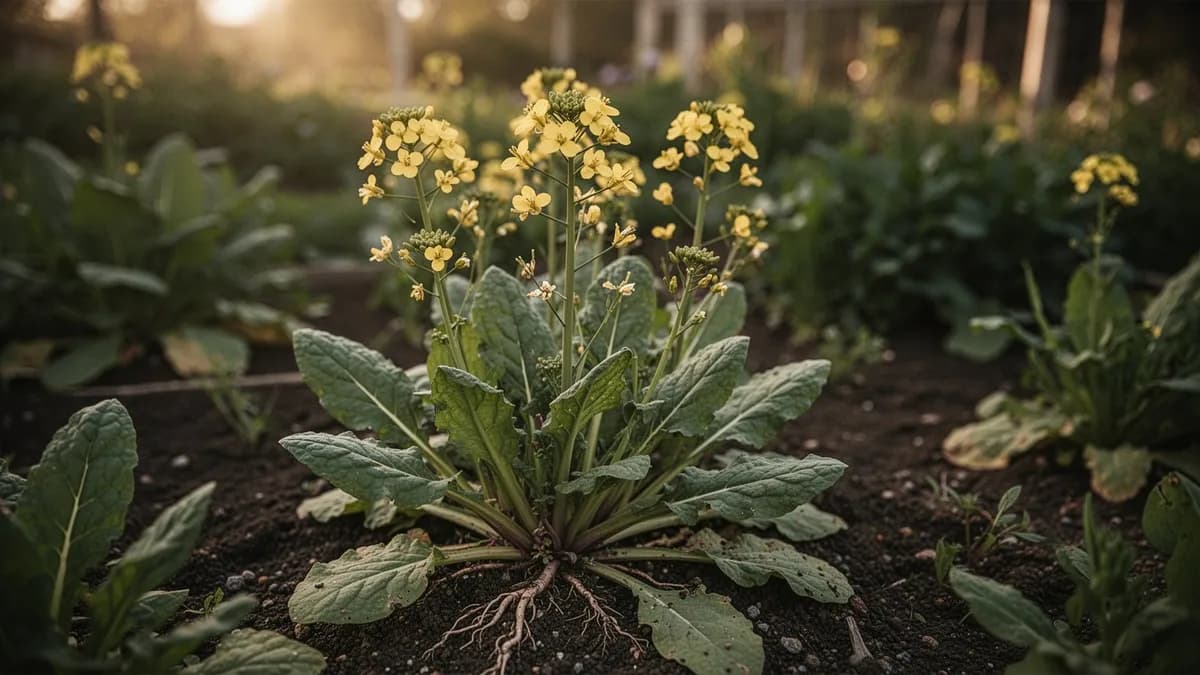
Imponente perenne nativa que alcanza los 2 metros de altura con grandes racimos de flores rosadas y polvorientas, utilizada en la medicina herbaria tradicional para la salud urinaria. También llamada hierba de Joe Pye, esta planta es un imán para los polinizadores y aporta una llamativa altura a los jardines de lluvia y a las praderas húmedas. Cultívela en suelo rico y húmedo donde sus flores con aroma a vainilla atraerán mariposas durante todo el verano.
Cuándo plantar Raíz de Grava
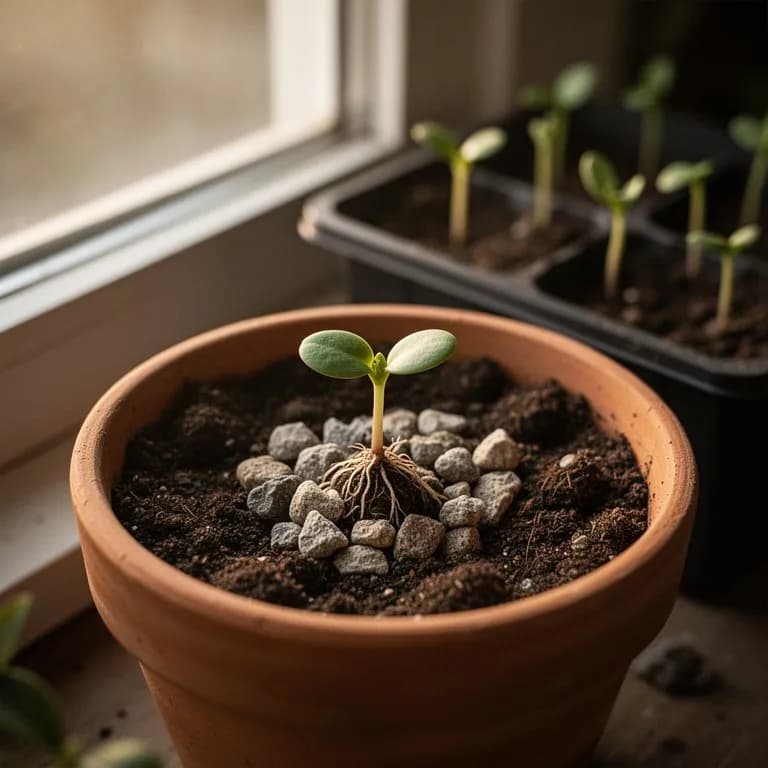
Siembre las semillas de raíz de grava sobre la superficie de una mezcla húmeda para semilleros en otoño o a principios de primavera: las semillas necesitan luz y estratificación en frío. Estratifique en frío durante 4-6 semanas en el refrigerador si siembra en primavera. La germinación tarda 2-4 semanas a 18-22 °C. Las plántulas crecen lentamente el primer año, pero se aceleran dramáticamente en temporadas sucesivas. La división de matas establecidas en primavera es más fácil y proporciona plantas de tamaño de floración de inmediato. Las plántulas autosembradas aparecen alrededor de las plantas maduras y pueden trasplantarse.
Tu año de Raíz de Grava
Ajustado a Zona 7 · temporada típica · la helada se va hacia el 2 abr y vuelve hacia el 1 nov
Planta Raíz de Grava Mar – May y cosecha Oct – Nov. Consulta los métodos de plantación y elige tu clima para adaptar los periodos.
Cómo cultivar Raíz de Grava
La raíz de grava, conocida comúnmente como hierba de Joe Pye, es una imponente perenne nativa que alcanza entre 1.5 y 2.1 metros de altura, con hojas verticiladas, tallos moteados de púrpura y enormes racimos en forma de cúpula de flores mauve-rosadas que desprenden una ligera fragancia a vainilla. Es una de las plantas nativas más espectaculares para jardines húmedos y praderas. Plántela a pleno sol o semisombra en suelo rico y húmedo, con un espaciado de 60 cm.
La raíz de grava es originaria de praderas húmedas, orillas de arroyos y bordes de bosques húmedos en el este de Norteamérica. Prospera en los suelos saturados de jardines de lluvia, márgenes de estanques y zonas bajas donde la mayoría de las plantas de jardín no podrían sobrevivir. Proporcione un suelo rico en materia orgánica y mantenga la humedad de forma constante, ya que esta planta no tolera la sequía. En jardines convencionales, el acolchado abundante y el riego regular mantienen la humedad adecuada.
La planta emerge a finales de primavera y crece rápidamente hasta alcanzar su impresionante altura total a mediados del verano. Los grandes racimos florales aparecen a finales del verano y persisten durante semanas, atrayendo nubes de mariposas, abejas e insectos beneficiosos. La raíz de grava debe su nombre a su uso tradicional en la medicina nativa americana para los problemas del tracto urinario, no a ninguna preferencia por suelos gravosos.
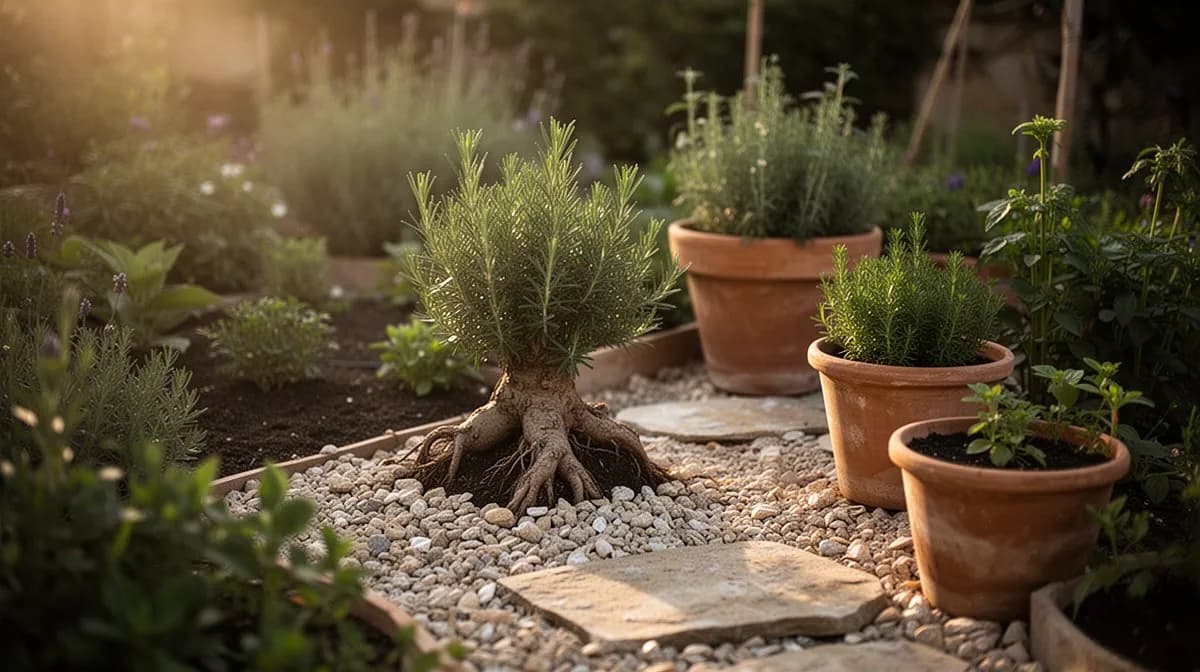
8 plantas caben en un bancal de 120 × 240 cm
Cada Raíz de Grava pide 60 cm de margen. El planificador guarda ese marco por ti — cada planta, cada bancal.
Los mejores vecinos de Raíz de Grava
La raíz de grava es una planta clave en las plantaciones nativas de praderas húmedas, creciendo junto a la boneset, ironweed, flor cardinal, asclepia de pantano y lobelia azul. Las flores de final de temporada se encuentran entre las mejores plantas para atraer mariposas en Norteamérica. Plántela en jardines de lluvia y a lo largo de los márgenes de estanques con otras especies nativas que amen la humedad. Su porte elevado proporciona un dramático telón de fondo para las plantas compañeras de menor altura. Es esencial para las estaciones de paso de la mariposa monarca.
Boneset va a su lado.
Saber de huerto de siempre, cotejado con la tabla real de Raíz de Grava — prueba cualquier planta que cultives.
Prueba Raíz de Grava en un bancal, aquí mismo
Un bancal real del planificador con Raíz de Grava ya plantado. Toca una planta compañera para colocarla y mira cómo responde la comprobación de vecinos: verde para buenos vecinos, rojo si hay conflicto.


Guías de cultivo relacionadas
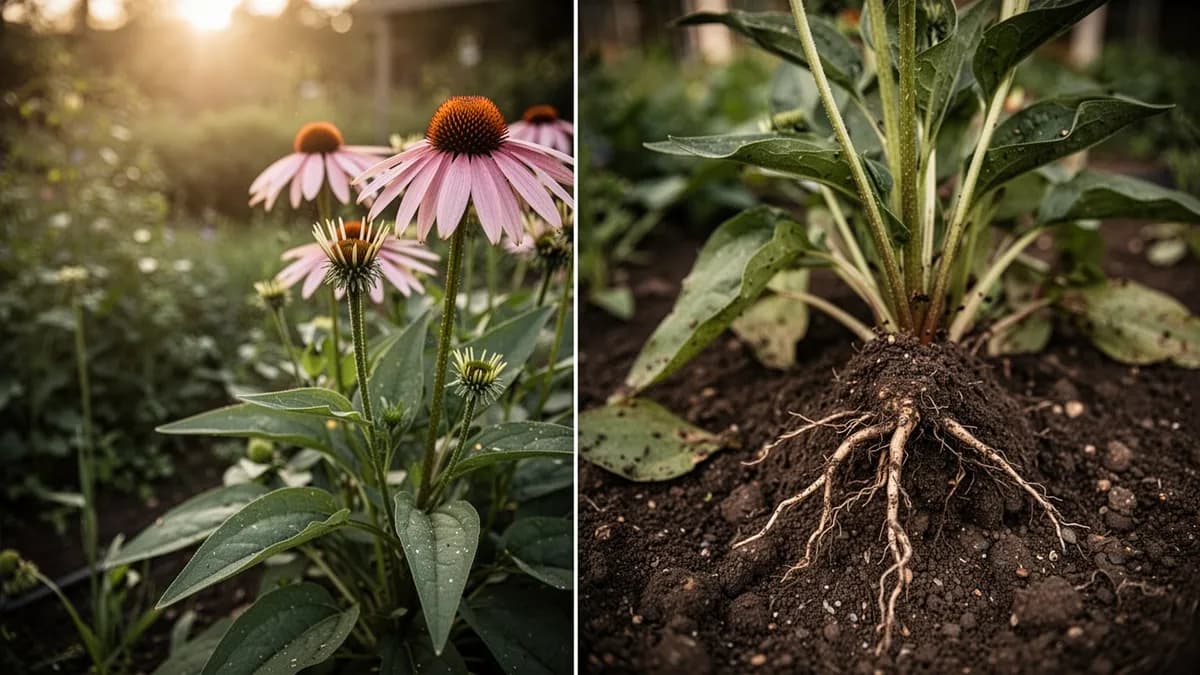
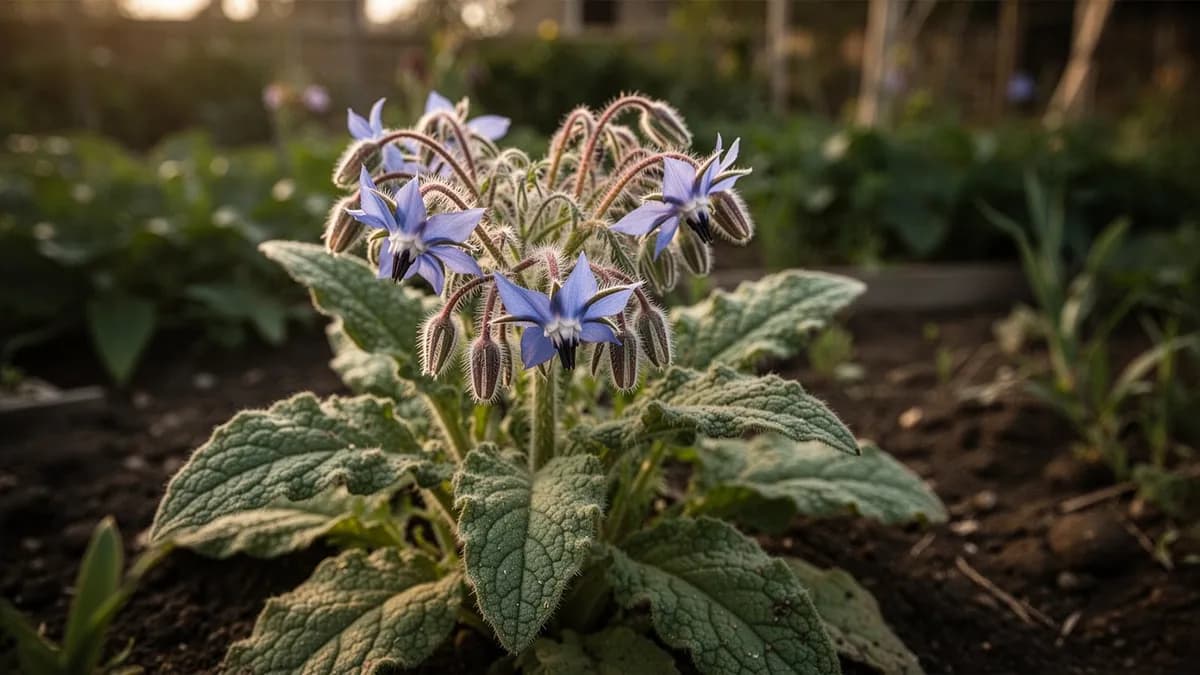
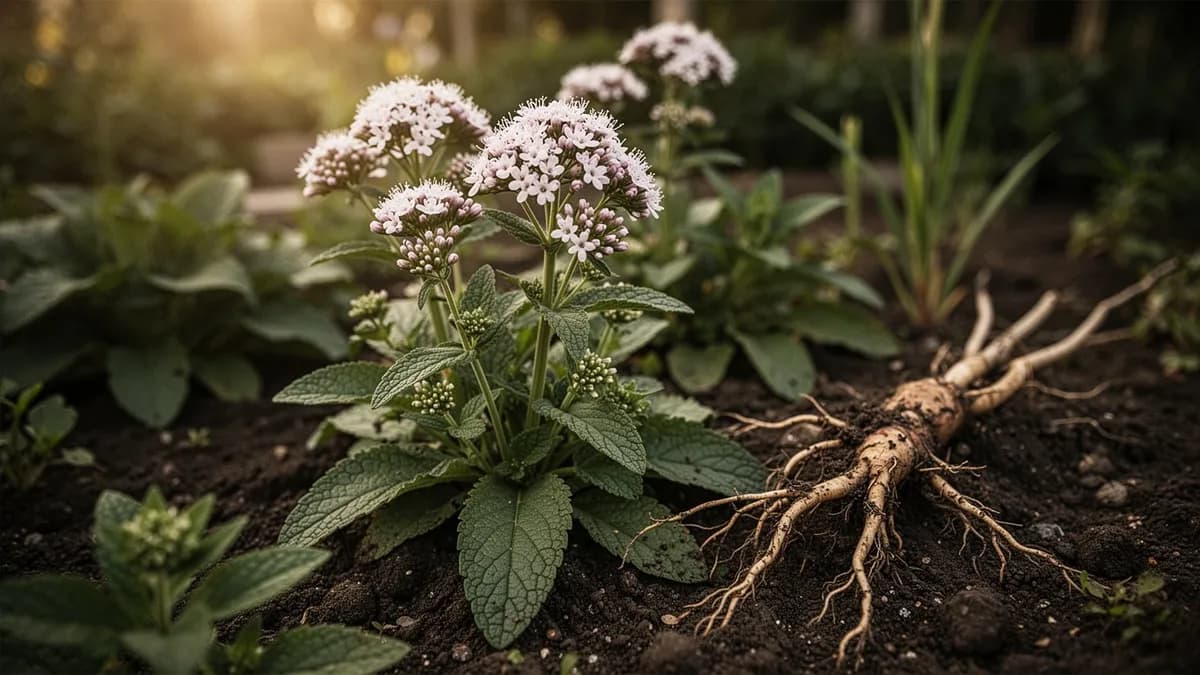
Abónalo bien
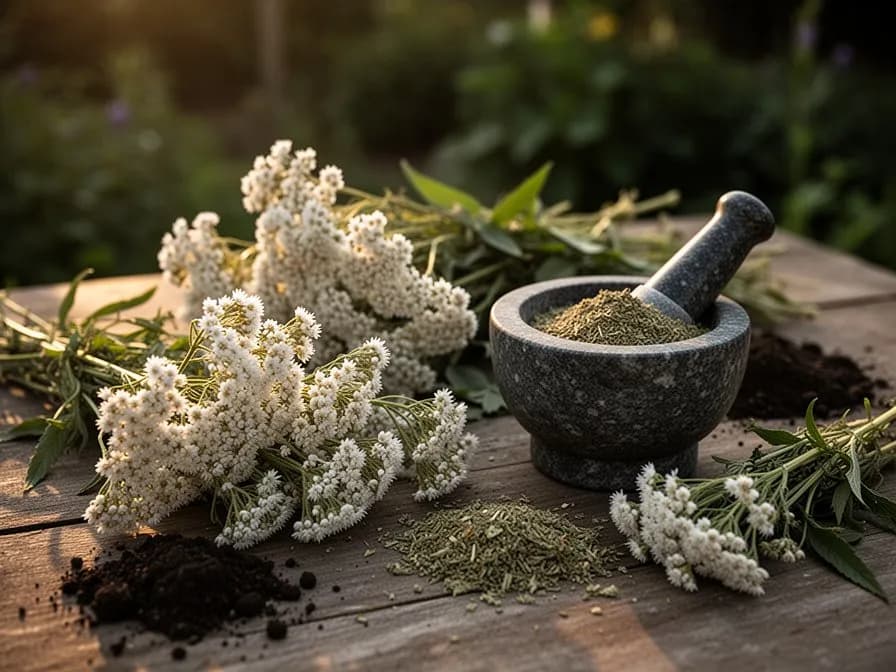
Cultívela en suelo rico, húmedo a muy húmedo con un pH de 5.0-7.0. Enmiende con abundante compost antes de plantar. La raíz de grava es una planta de alto consumo nutricional que se beneficia del abonado anual con compost en primavera. Mantenga el suelo constantemente húmedo, ya que esta planta evolucionó en condiciones de humedal. Es excelente para jardines de lluvia, donde absorbe y filtra el agua de escorrentía. En suelos de jardín convencionales, el acolchado profundo y el riego suplementario mantienen los niveles de humedad que esta planta necesita.
Temperatura ideal
Compatibilidad de zonas de rusticidad
De la semilla a la cosecha, etapa por etapa
Dormancia y Desarrollo de la Raíz
Durante el invierno, la raíz de grava existe completamente bajo tierra como un denso rizoma leñoso y una masa de raíces fibrosas. El sistema radicular continúa una lenta actividad metabólica incluso en suelo helado, almacenando almidones y compuestos bioactivos como la euparina y los flavonoides. Las semillas requieren entre 60 y 90 días de estratificación fría y húmeda para romper la dormancia, lo que hace que la siembra en otoño o el pretratamiento en refrigerador sean esenciales para la propagación.
Emergencia Primaveral y Crecimiento de Brotes
Cuando las temperaturas del suelo alcanzan los 10 °C a mediados o finales de primavera, robustos brotes de tono púrpura emergen a través de la superficie del suelo. El crecimiento es rápido una vez establecido: los brotes pueden ganar 3-5 cm por día en condiciones ideales. Los tallos emergentes muestran el característico moteado púrpura o la coloración púrpura sólida que le da a la especie su nombre purpureum. Las hojas se despliegan en pares opuestos, pasando posteriormente a verticilos de 3-5 en cada nudo.
Crecimiento Vegetativo y Elongación del Tallo
La planta entra en una dramática fase de crecimiento, construyendo rápidamente su imponente arquitectura. Los tallos pueden alcanzar entre 1.5 y 2.5 metros de altura con gruesos y robustos tallos que resisten el viento. Las hojas se disponen en distintivos verticilos de 3-5 por nudo, cada hoja de forma lanceolada con márgenes dentados y 10-25 cm de longitud. El follaje emite una tenue fragancia similar a la vainilla cuando se aplasta, característica distintiva que separa a Eutrochium purpureum de otras especies de la hierba de Joe Pye.
Floración y Apoyo a los Polinizadores
Grandes corimbos en forma de cúpula de flores rosadas a mauve-púrpura se abren en las puntas de los tallos desde mediados de julio hasta septiembre. Cada cabezuela floral está compuesta por 5-7 pequeñas flores, y una sola planta puede llevar simultáneamente entre 10 y 20 racimos florales. Las flores son una fuente crítica de néctar a finales del verano para monarcas, colas de golondrina, fritilarias, abejas nativas y docenas de otras especies de polinizadores. Las flores con aroma a vainilla también atraen avispas depredadoras beneficiosas.
Maduración de Semillas y Senescencia Otoñal
Tras la polinización, se desarrollan pequeños aquenios (semillas secas) con vilano plumoso que dan a las cabezuelas gastas una apariencia plateada y esponjosa. Las semillas se dispersan por el viento a corta distancia. El follaje pasa del verde al marrón dorado, y la planta transloca nutrientes y compuestos medicinales hacia la raíz para el almacenamiento invernal. Esta es la ventana de cosecha tradicional para la raíz medicinal.
Dormancia Invernal y Almacenamiento en la Raíz
El crecimiento aéreo muere por completo y toda la energía de la planta se almacena en el grueso rizoma subterráneo. El sistema radicular continúa expandiéndose lateralmente, aumentando lentamente el diámetro de la mata entre 5 y 10 cm por año. Los tallos muertos en pie proporcionan hábitat estructural para los insectos que hibernan y ofrecen interés visual en el jardín invernal. La potencia medicinal de la raíz alcanza su punto máximo durante la dormancia total.
Deje los tallos secos en pie durante el invierno: proporcionan hábitat de hibernación para abejas nativas e insectos beneficiosos. Marque la ubicación de la corona con una estaca para evitar daños accidentales durante las tareas de jardín en primavera. No disturbe la zona radicular.
Cuidar Raíz de Grava mes a mes
Qué hacer cada mes para tu Raíz de Grava
Octubre
Mes actualEl follaje se vuelve marrón dorado y las plantas comienzan la senescencia. Este es el momento ideal para la cosecha de la raíz medicinal: excave las raíces de matas establecidas de al menos 3 años de antigüedad, tomando no más de un tercio de la masa radicular. Limpie, pique y seque las raíces con prontitud para su almacenamiento.
Ten claro qué hacer en tu huerto, cada mes
Un correo al empezar cada mes: qué sembrar, plantar y hacer ahora mismo — para tu Raíz de Grava y todo lo que crece alrededor. Más un breve curso inicial para esquivar los errores clásicos.
- Qué hacer ahora mismo
- Ajustado a tu temporada
- Curso inicial incluido
Cosechar Raíz de Grava
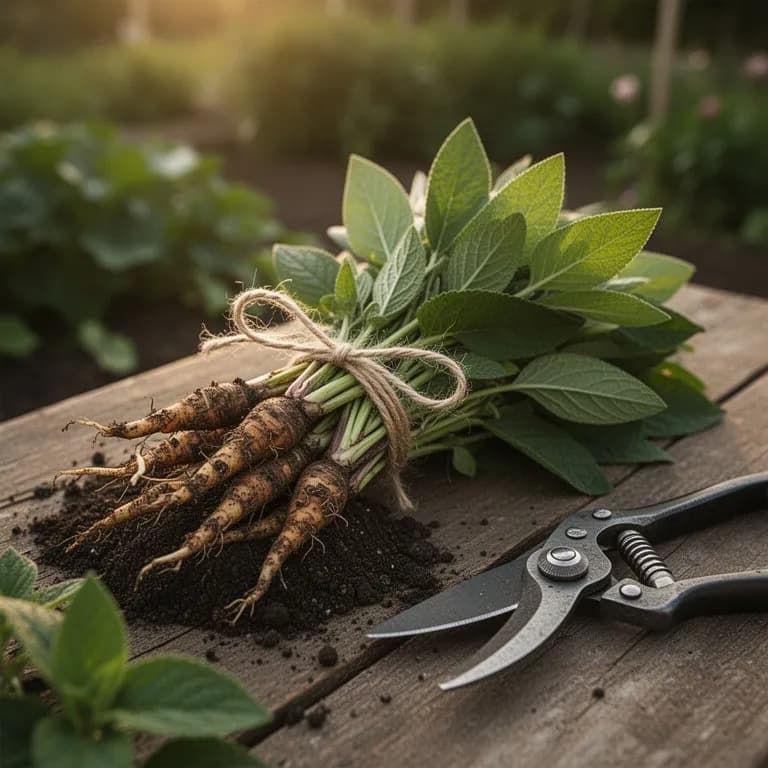
Coseche los rizomas de raíz de grava en otoño, después de que la parte aérea se seque, de plantas de al menos 2-3 años de antigüedad. Cave alrededor de la base y levante el grueso racimo de rizomas purpúreos. Las raíces huelen ligeramente a vainilla cuando están frescas. Lávelas a fondo, divida las raíces grandes y córtelas en trozos manejables. Seque a baja temperatura (35-40 °C) para preservar los compuestos aromáticos. Las puntas florales también pueden cosecharse para hacer infusiones durante la floración. La cosecha sostenible deja una parte de cada mata para que se regenere.
se supone que plantas al comenzar el periodo — indica tu fecha real
Cosecha Raíz de Grava a tiempo y la planta sigue produciendo.
Almacenamiento y conservación
Limpie, divida y seque bien las raíces a baja temperatura. La raíz de grava correctamente secada tiene un aroma ligeramente dulce y similar a la vainilla, y es de color púrpura pálido por dentro. Guárdela en tarros herméticos alejados de la luz durante un máximo de 2 años. La raíz seca se prepara tradicionalmente mediante decocción (a fuego lento durante 15-20 minutos). Prepare una tintura con la raíz fresca en alcohol para una preparación concentrada. Las puntas florales secas hacen una agradable infusión de sabor suave y pueden conservarse hasta un año.
Qué falla — y cómo solucionarlo
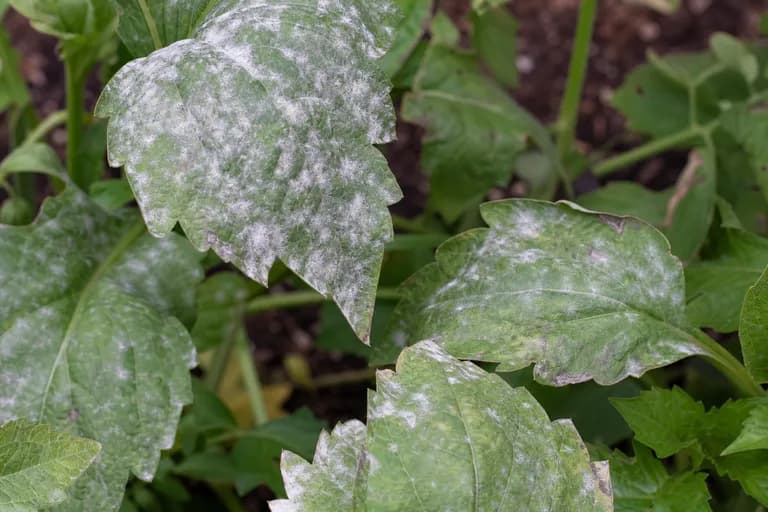
Oídio
EnfermedadRecubrimiento blanco en las hojas inferiores a finales del verano con oscurecimiento progresivo. Frecuente en condiciones de humedad y hacinamiento.
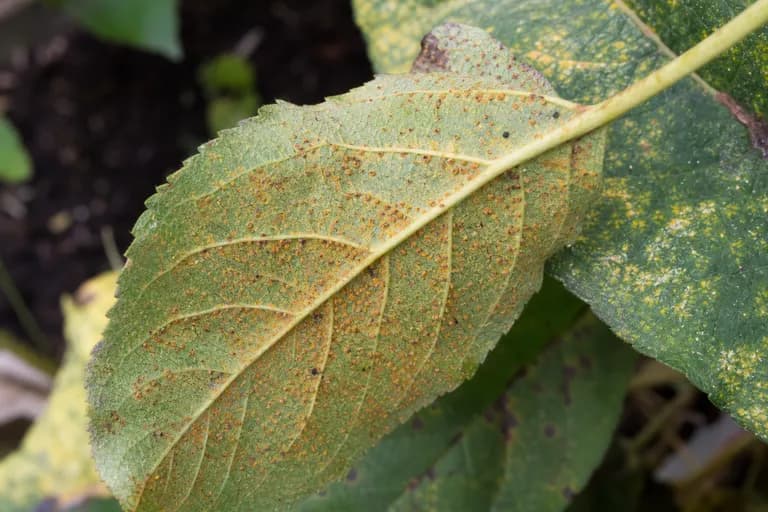
Roya
EnfermedadManchas marrón-anaranjadas en las hojas, amarillamiento progresivo y caída de hojas.
Solución de problemas comunes
No tolera el suelo seco: el estrés hídrico provoca un crecimiento atrofiado, marchitamiento y floración deficiente. Puede necesitar tutores en posiciones expuestas y ventosas debido a su porte elevado. El oídio en las hojas inferiores es frecuente en condiciones húmedas, pero rara vez afecta a la salud general de la planta o a la floración. Puede formar matas muy grandes con el tiempo: divídala cada 3-4 años si es necesario controlar su tamaño. La emergencia tardía en primavera significa que se debe marcar la ubicación para evitar daños accidentales.
Consejos de cultivo
- Elija un sitio con semisombra a pleno sol y suelo constantemente húmedo. La raíz de grava es una especie de borde de humedal que crece naturalmente a lo largo de arroyos, en praderas húmedas y en márgenes de bosques: replicar estas condiciones de humedad es el factor más importante para el éxito.
- Enmiende los sitios de plantación generosamente con compost, mantillo de hojas y estiércol maduro para crear el suelo rico y cargado de humus que prefiere la raíz de grava. Los suelos de arcilla pesada deben aflojarse con materia orgánica; los suelos arenosos necesitan enmienda para mejorar la retención de humedad.
- Comience con divisiones o plantas de vivero en lugar de semillas para un establecimiento más rápido. Las divisiones de matas maduras plantadas a principios de primavera florecerán en el segundo año, mientras que las plantas cultivadas a partir de semilla suelen tardar entre 3 y 4 años en alcanzar el tamaño de floración.
- Si comienza desde semilla, la estratificación en frío es esencial. Siembre las semillas en la superficie del suelo en otoño y deje que el invierno proporcione la estratificación natural, o mezcle las semillas con arena húmeda y refrigere durante 60-90 días antes de la siembra primaveral. Las semillas necesitan luz para germinar: no las entierre.
- Espacie las plantas entre 90 y 120 cm para acomodar su extensión madura. La raíz de grava forma matas en expansión con el tiempo, pero no es agresivamente invasora: permanece donde la planta y aumenta lentamente mediante el crecimiento del rizoma.
- Proporcione un riego profundo y constante durante la temporada de crecimiento, especialmente en ubicaciones de pleno sol. Una línea de riego por goteo o una manguera porosa es ideal. La raíz de grava tolerará breves períodos secos una vez establecida, pero mostrará marchitamiento de hojas y floración reducida bajo una sequía sostenida.
- Pince o corte los tallos un tercio a finales de mayo o principios de junio si desea plantas más bajas y frondosas. Las plantas sin pellizcar pueden alcanzar entre 2 y 2.5 metros, lo que puede resultar pesado en ubicaciones expuestas. La técnica de la poda Chelsea funciona bien y retrasa la floración 2-3 semanas.
- Divida las matas establecidas cada 4-5 años a principios de primavera para mantener el vigor de la planta y ampliar su plantación. Use una pala afilada para separar el rizoma leñoso en secciones con al menos 3-4 yemas de crecimiento cada una. Replante inmediatamente y riegue abundantemente.
- Combine la raíz de grava con perennes nativas complementarias para un jardín naturalista para polinizadores. La ironweed, la boneset, el aster de Nueva Inglaterra, las gramíneas nativas como el mijo de pradera y la flor cardinal comparten condiciones de cultivo similares y crean una sucesión de floraciones desde el verano hasta el otoño.
- Para la cosecha medicinal, espere hasta que las plantas tengan al menos 3 años y estén bien establecidas antes de excavar cualquier material de raíz. Coseche a finales del otoño, después de que la planta aérea haya muerto por completo, cuando la concentración de compuestos bioactivos de la raíz sea mayor. Nunca tome más de un tercio de la masa radicular de ninguna planta individual.
Cultiva tu mejor Raíz de Grava — y todo lo que la rodea.
Empieza un plan gratis hoy. Diseña tus bancales, coloca tu Raíz de Grava y deja que PlotMyGarden gestione el momento, el espaciado, las asociaciones y los recordatorios de la semilla a la cesta.
Elige tu Raíz de Grava
Eutrochium purpureum (Hierba de Joe Pye dulce)
La especie alta estándar con flores mauve de aroma a vainilla. Alcanza más de 2 m. Es la especie medicinal principal.
Eutrochium maculatum (Hierba de Joe Pye moteada)
Tiene tallos con manchas púrpuras y racimos de flores con la parte superior plana. Usos medicinales similares. Tolera suelos más húmedos.
Eutrochium dubium 'Little Joe'
Una selección compacta que crece solo hasta 120 cm. Más adecuada para jardines pequeños sin perder su valor ornamental y para la fauna silvestre.
La raíz de grava seca se vende entre 55 y 110 € por kilogramo en herboristerías y proveedores de hierbas en línea, y la raíz con certificación ecológica alcanza precios superiores. Las tinturas de raíz de grava prefabricadas se venden entre 12 y 20 € por frasco de 60 ml. Una sola planta bien establecida que produce 100 g de raíz seca al año proporciona aproximadamente un valor de 5-10 € en hierba seca, y un pequeño parche de 5-10 plantas en una rotación sostenible rinde entre 25 y 75 € anuales, cubriendo fácilmente las necesidades herbarias de un hogar. Dado que la raíz de grava es una perenne longeva que requiere un mínimo de insumos más allá del agua y el compost ocasional, el ahorro acumulado a lo largo de una década de cosecha es sustancial. El valor ecológico añadido como planta excepcional para los polinizadores la convierte en una de las hierbas medicinales más gratificantes para el jardín doméstico.
Recetas rápidas
Decocción de Raíz de Grava
45 minUna decocción de raíz tradicional es el método clásico para extraer los compuestos medicinales de la raíz de grava. La cocción lenta a fuego lento descompone las duras fibras de la raíz y libera la euparina, los flavonoides y los aceites volátiles en un líquido terroso-dulce de color ámbar oscuro. Utilizada históricamente por los médicos nativos americanos y eclécticos para apoyar la salud renal y del tracto urinario.
4 ingredientesTintura de Raíz de Grava
15 min activo (4-6 semanas de maceración)Una tintura en alcohol captura las propiedades medicinales de la raíz de grava en una forma concentrada y estable que se conserva 3-5 años. El método tradicional utiliza una simple maceración en licores de alta graduación, produciendo un extracto potente que se toma en dosis pequeñas. Esta es la forma más conveniente de usar la raíz de grava medicinalmente durante todo el año.
5 ingredientesInfusión de Apoyo Renal
20 minUna suave mezcla de infusión de hierbas que combina la raíz de grava con hierbas complementarias utilizadas tradicionalmente para apoyar la salud del tracto urinario y los riñones. La raíz de malvavisco aporta mucílago calmante, el estigma de maíz contribuye con propiedades diuréticas suaves y la menta redondea el sabor. Esta es una preparación más suave que una decocción directa, adecuada para uso regular en pequeñas cantidades.
6 ingredientesQué contiene
Beneficios para la salud
- Utilizada durante siglos de forma tradicional como hierba litotrípsica para ayudar a disolver y prevenir la gravilla urinaria (cálculos renales y vesicales), su aplicación histórica más documentada tanto en las tradiciones médicas indígenas como en las eclécticas.
- Actúa como un suave diurético que promueve el flujo de orina sin la dura depleción de electrolitos asociada a los diuréticos farmacéuticos, favoreciendo la salud general renal y del tracto urinario según la práctica herbaria tradicional.
- Contiene euparina y otros compuestos benzofuránicos que han demostrado actividad antiinflamatoria en estudios de laboratorio, lo que posiblemente explica el uso histórico de la raíz de grava para el dolor articular, la gota y las afecciones reumáticas.
- Rica en flavonoides, incluidos eupatórina y rutina, que proporcionan protección antioxidante y pueden favorecer la salud cardiovascular al fortalecer las paredes capilares y mejorar la circulación.
- Utilizada tradicionalmente como febrífugo (reductor de fiebre) por múltiples naciones indígenas y médicos eclécticos, administrándose la decocción de raíz para promover la sudoración y ayudar al cuerpo a gestionar la enfermedad febril.
- Los taninos astringentes y los aceites volátiles antimicrobianos de la raíz han sido utilizados en preparaciones tradicionales para tratar las infecciones del tracto urinario y apoyar la respuesta inmune natural del organismo ante las afecciones genitourinarias.
De dónde viene Raíz de Grava
La raíz de grava (Eutrochium purpureum, antes clasificada como Eupatorium purpureum) es una imponente hierba perenne originaria de los bosques húmedos, praderas y márgenes de arroyos del este de Norteamérica. Su rango natural se extiende desde el sur de Quebec y Ontario hacia el sur a través de los Montes Apalaches hasta Georgia y hacia el oeste hasta las Grandes Llanuras, prosperando en las zonas USDA 3-8. La planta prefiere ubicaciones parcialmente sombreadas con suelos ricos y constantemente húmedos: los bordes de bosques, los matorrales húmedos y las orillas de arroyos y ríos son sus hábitats característicos.
Los pueblos indígenas del este de Norteamérica reconocieron la raíz de grava como una planta medicinal poderosa mucho antes del contacto europeo. Las naciones cherokee, iroquois, potawatomi, mohegan y ojibwe utilizaban todas preparaciones de la raíz para diversas dolencias, siendo las afecciones renales y del tracto urinario la aplicación más consistente en todas las tradiciones tribales. Las decocciones de raíz se administraban para los cálculos urinarios, la dificultad para orinar, las fiebres, el dolor articular y como tónico general. Los Haudenosaunee (iroquois) valoraban un baño de raíz para fortalecer a los bebés y tratar las enfermedades infantiles, mientras que los potawatomi lo empleaban en ceremonias de cabaña de sudor para combatir las fiebres persistentes.
Los colonos europeos adoptaron rápidamente la raíz de grava de los maestros indígenas, y se convirtió en un elemento habitual de la medicina popular en los Apalaches y la frontera oriental. En el siglo XIX, la raíz de grava había sido adoptada por el movimiento médico ecléctico, una escuela de médicos americanos que integraban las plantas medicinales en la práctica clínica. Los médicos eclécticos la prescribían ampliamente para los cálculos renales, la gravilla vesical, la gota, el reumatismo y el edema, y aparecía en importantes farmacopeas como el Dispensatorio Americano del Rey y la Farmacopea de los Estados Unidos. El nombre común 'raíz de grava' se consolidó precisamente por su reputación en el tratamiento de la gravilla urinaria. Hoy en día, la raíz de grava está experimentando un renovado interés como hierba medicinal, ornamental para jardines nativos y planta crítica para los polinizadores. Los herbolarios modernos siguen usando preparaciones de la raíz para el apoyo urinario, mientras que los ecólogos la defienden como una de las mejores perennes nativas para jardines de mariposas y proyectos de restauración de hábitats.
Raíz de Grava: ¿sabías que?
Datos fascinantes sobre Raíz de Grava
El nombre común 'hierba de Joe Pye' se atribuye tradicionalmente a un herbolario mohicano o abenaki llamado Joe Pye (o Jopi), quien supuestamente utilizó la planta para tratar la fiebre tifoidea en la Nueva Inglaterra colonial, aunque los historiadores debaten si Joe Pye fue una persona real o una figura compuesta de la tradición popular.
Raíz de Grava: preguntas frecuentes
¿Cuándo debo plantar Raíz de Grava?
¿Cuáles son buenas plantas acompañantes para Raíz de Grava?
¿En qué zonas de rusticidad puede crecer Raíz de Grava?
¿Cuánto sol necesita Raíz de Grava?
¿A qué distancia debo espaciar Raíz de Grava?
¿Qué plagas y enfermedades afectan a Raíz de Grava?
¿Cómo almaceno Raíz de Grava después de la cosecha?
¿Cuáles son las mejores variedades de Raíz de Grava para cultivar?
¿Qué suelo necesita Raíz de Grava?
¿Es la raíz de grava lo mismo que la hierba de Joe Pye?
¿Es seguro tomar raíz de grava como remedio herbal?
¿Cómo se cosecha y seca la raíz de grava para uso medicinal?
¿Puede la raíz de grava crecer a pleno sol?
¿Se extiende la raíz de grava de forma agresiva?
¿Qué plagas y enfermedades afectan a la raíz de grava?
Acabas de leer la teoría. Ahora cultívala en piloto automático.
Todo lo que hace que Raíz de Grava sea delicado — el momento, el espaciado, las asociaciones, la ventana de cosecha — es justo lo que PlotMyGarden resuelve por ti, para cada planta de tu huerto.
Un plan que conoce tu clima
Indica tu ubicación una vez. Recibe fechas de siembra, abonado y cosecha basadas en tu última helada real y el pronóstico en vivo — sin adivinar con un sobre genérico.
De la sección “Cuándo plantar”Planificador de bancales de arrastrar y soltar
Diseña bancales sobre una cuadrícula. Cada planta encaja con su espaciado correcto y ves toda la temporada antes de gastar un céntimo en semillas.
De la sección “Cultivo”Conflictos de asociación, detectados a tiempo
Más de 200 buenas y malas combinaciones comprobadas en vivo mientras plantas — para que un error que arruine la temporada nunca llegue a la tierra.
De la sección “Asociaciones”Recordatorios que sí vas a seguir
“Riega las judías.” “Recoge hoy antes de que se pase.” Oportunos, concretos y ligados a las plantas que de verdad cultivas.
De la sección “Cosecha”Escalonado, programado
¿Quieres cosechar seis semanas en vez de seis días? Reparte tus siembras automáticamente y te avisa cuando toca el siguiente lote.
De la sección “Cuándo plantar”Un registro que se vuelve más listo
Cada cosecha que registras le enseña tu huerto. El plan del año que viene parte de lo que de verdad funcionó en tu suelo, no en un manual.
De la sección “Resumen”Planta estos junto a Raíz de Grava
Más Hierbas medicinales
Cultiva tu mejor Raíz de Grava — y todo lo que la rodea.
Empieza un plan gratis hoy. Diseña tus bancales, coloca tu Raíz de Grava y deja que PlotMyGarden gestione el momento, el espaciado, las asociaciones y los recordatorios de la semilla a la cesta.