Zinfandel Grape
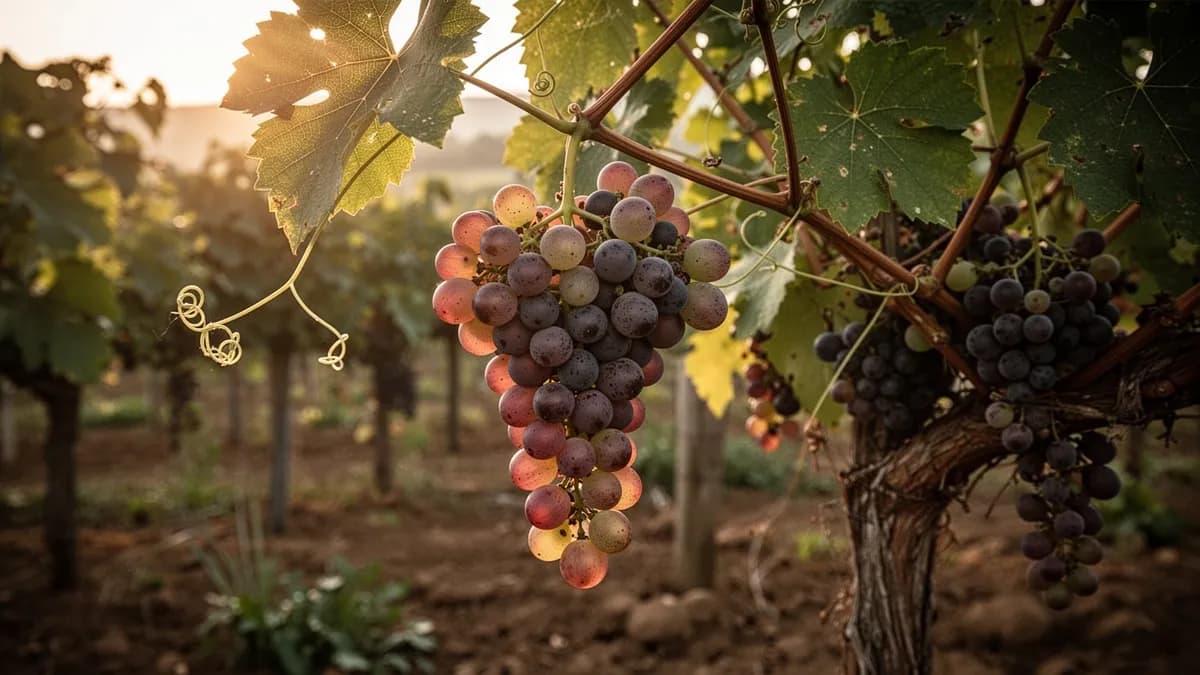
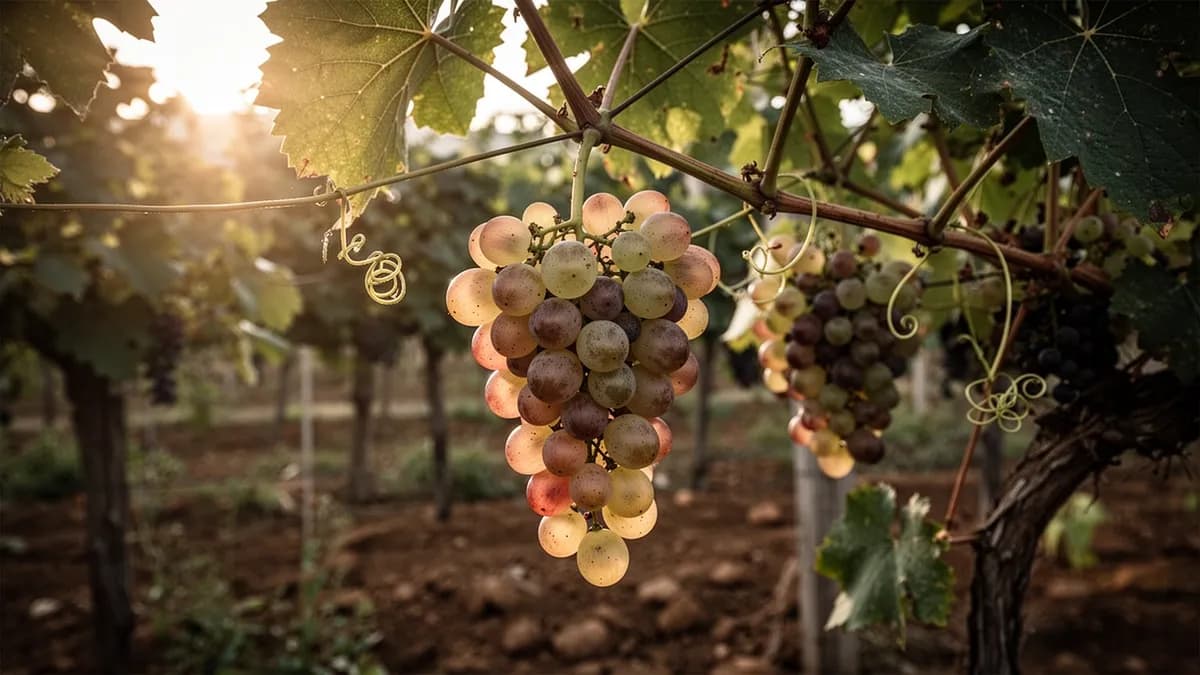
A versatile grape producing large, unevenly ripening clusters that can yield anything from blush wine to bold, jammy reds.





On this pageOverview
Meet Zinfandel Grape
A versatile grape producing large, unevenly ripening clusters that can yield anything from blush wine to bold, jammy reds. Zinfandel thrives in California's warm, dry climate and is genetically identical to the Italian Primitivo and Croatian Crljenak. The vines are vigorous and can produce extremely high sugar levels if left to hang.
When to plant Zinfandel Grape
Zinfandel is propagated by dormant hardwood cuttings grafted onto phylloxera-resistant rootstocks, never from seed. Take 25 to 30 cm cuttings with two to three nodes during winter pruning, selecting well-ripened wood from the middle of the cane. Bench grafting using omega or whip-and-tongue techniques is standard, with callusing at 25 to 27 degrees Celsius for three weeks. For old vine heritage plantings, field budding onto established rootstock using T-budding or chip budding preserves the genetic material from irreplaceable vineyard sources.
Your Zinfandel Grape Year
Composed for Zone 7 · typical seasons · frost passes Apr 2, returns Nov 1
Plant Zinfandel Grape Mar – Apr, pick Sep – Oct. Check the planting methods below and set your climate to personalize these windows.
How to grow Zinfandel Grape
Zinfandel performs best in warm, dry Mediterranean climates where hot days and cool nights allow the grapes to develop intense fruit flavors while retaining enough acidity for balanced wine. Select a site with full sun, excellent drainage, and good air movement to prevent bunch rot in the large, tightly packed clusters. Plant grafted vines in spring at 1.5 to 2 meter spacing, training to a bilateral cordon or head-trained spur system depending on regional tradition.
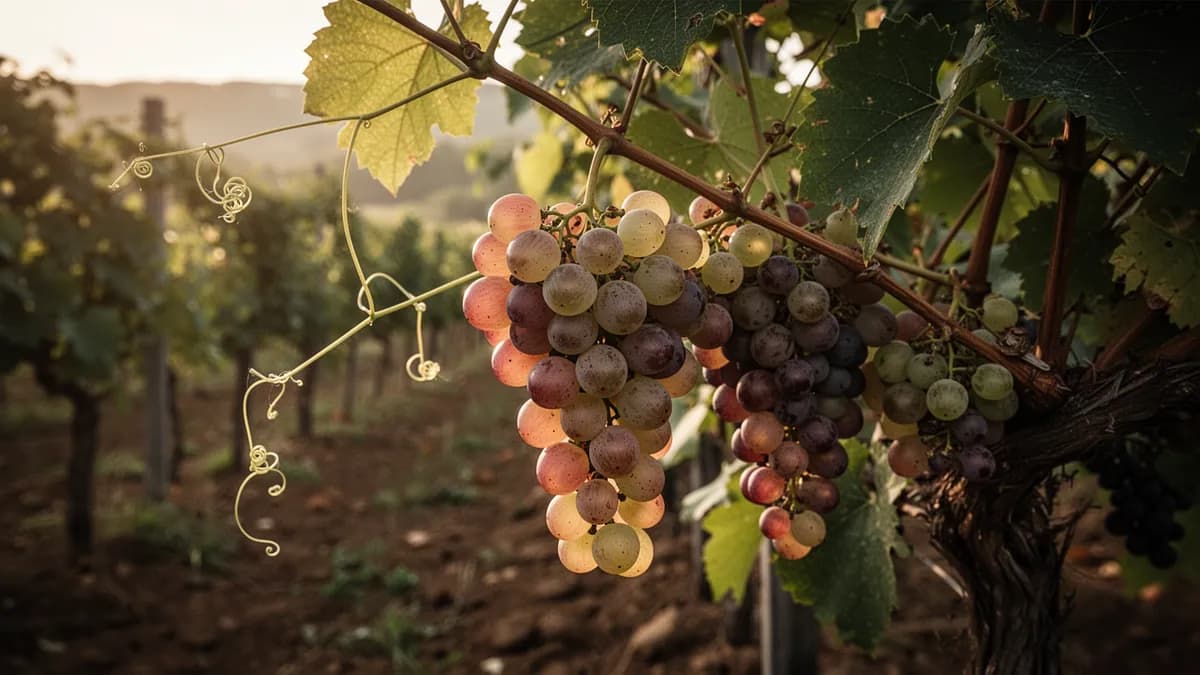
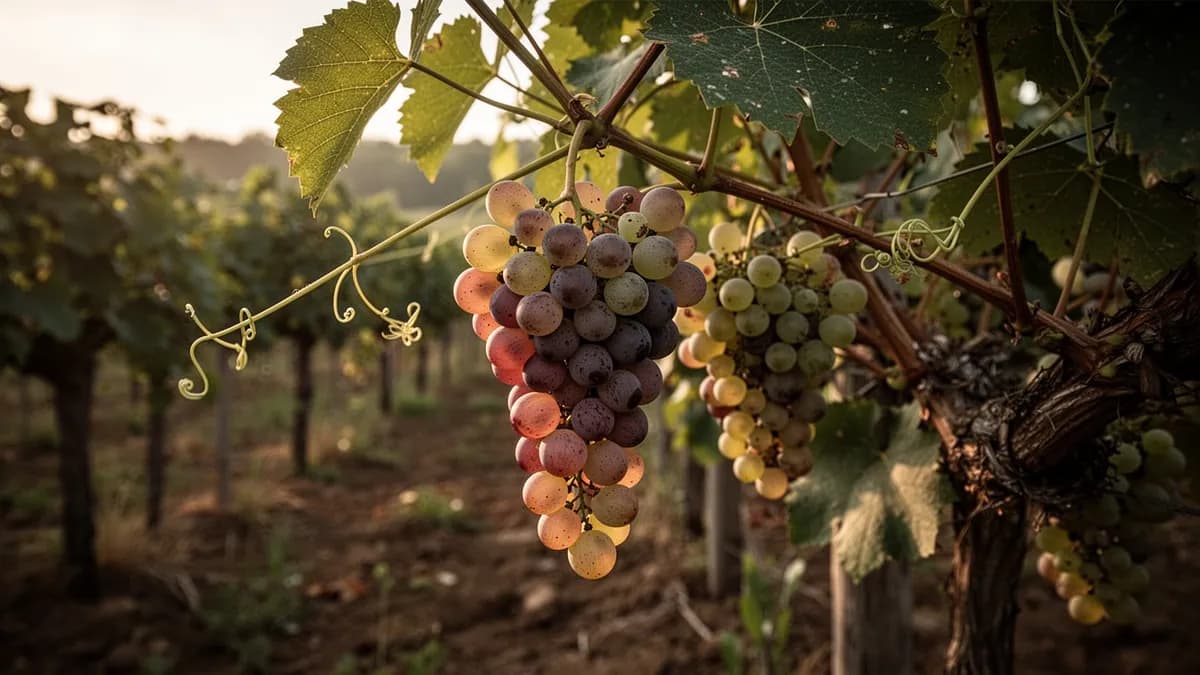
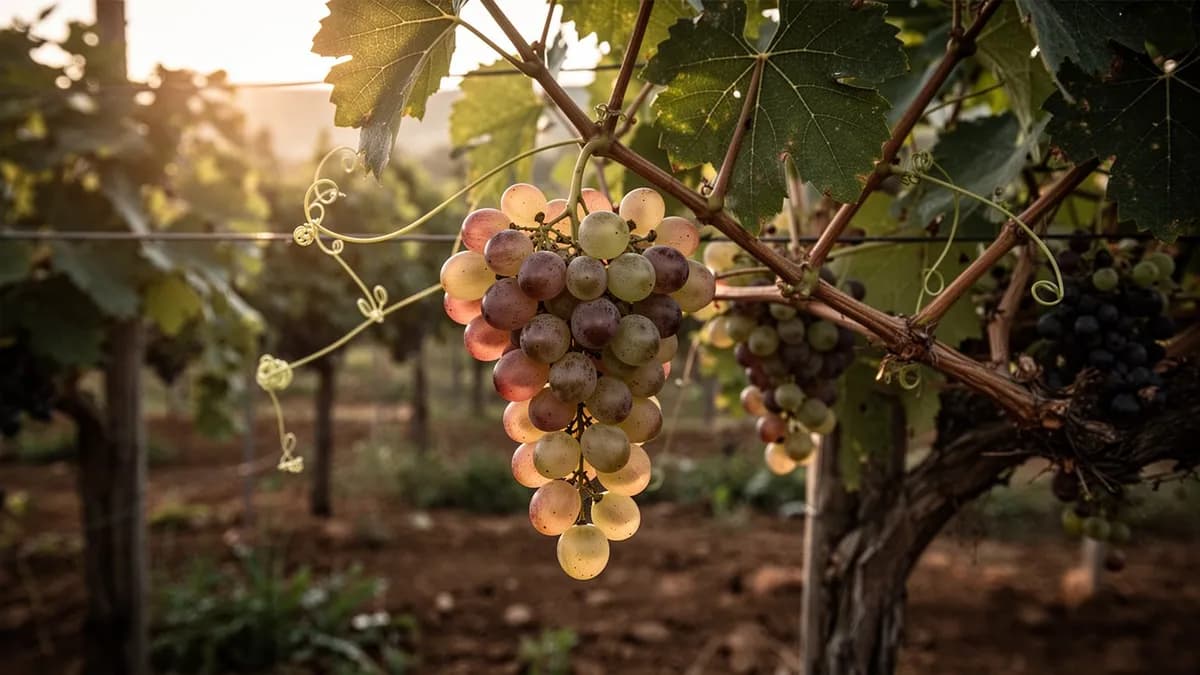
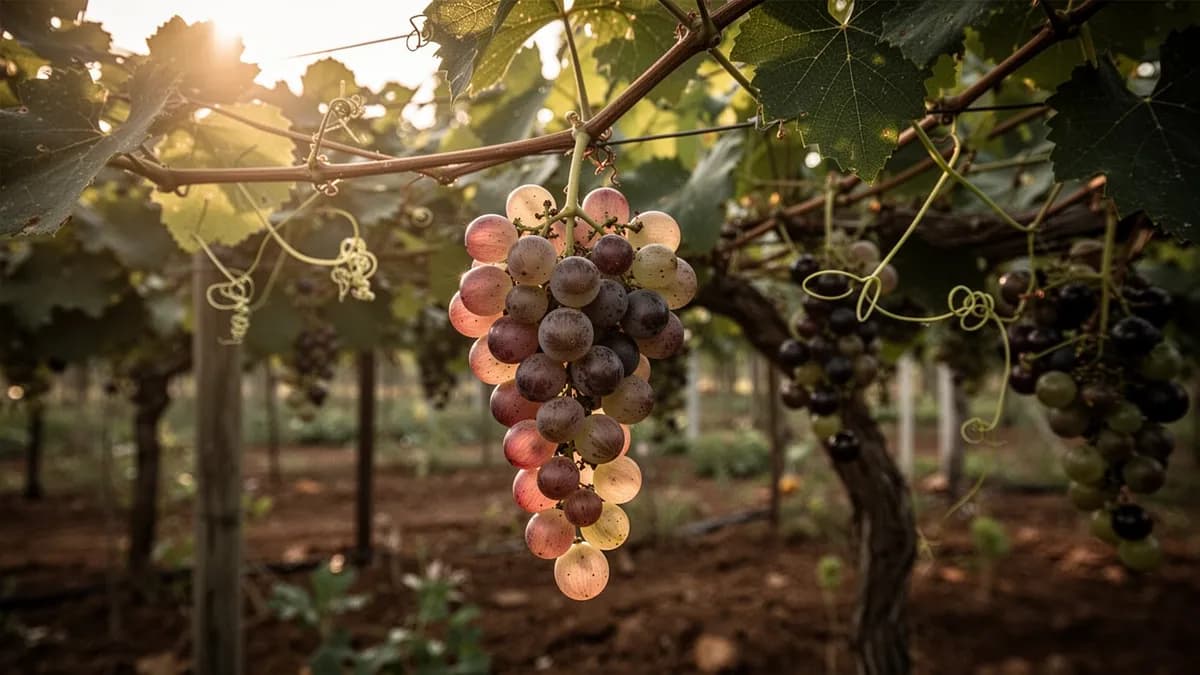
The vines are vigorous and productive, often requiring crop thinning to prevent overloading and uneven ripening. Zinfandel's signature challenge is that berries within each cluster ripen at different rates, with some turning to raisins while others remain green. Remove second crop clusters and any damaged or poorly set bunches after fruit set to promote more uniform ripening of the remaining fruit. Maintain an open canopy through regular shoot positioning and leaf removal.
Dry-farmed old-vine Zinfandel on deep-rooted, head-trained vines produces the most concentrated wines with naturally low yields. For irrigated plantings, apply moderate deficit irrigation and reduce water significantly after veraison to prevent berry splitting and excessive sugar accumulation. Prune to short spurs of two buds each in winter, retaining fewer buds on vigorous vines to balance crop load with vine capacity.
Zinfandel Grape needs more room than a 4 × 8 ft bed gives
Each Zinfandel Grape wants 180 cm of elbow room. The planner keeps that spacing for you — every plant, every bed.
Zinfandel Grape's best neighbours
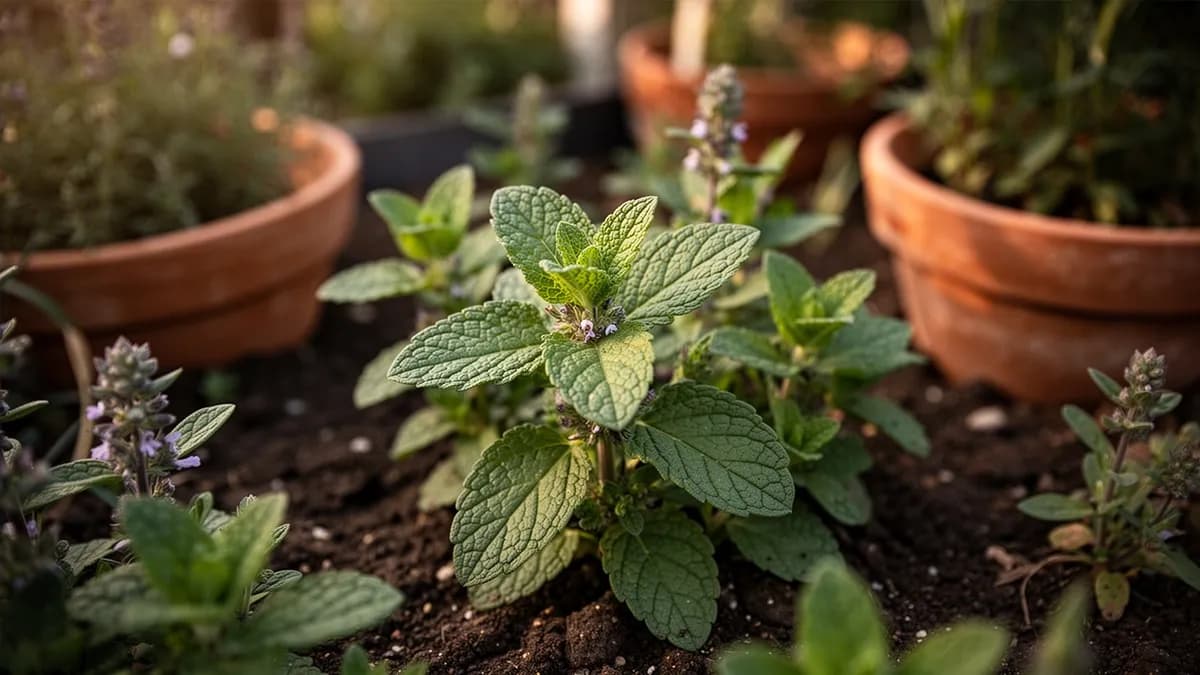
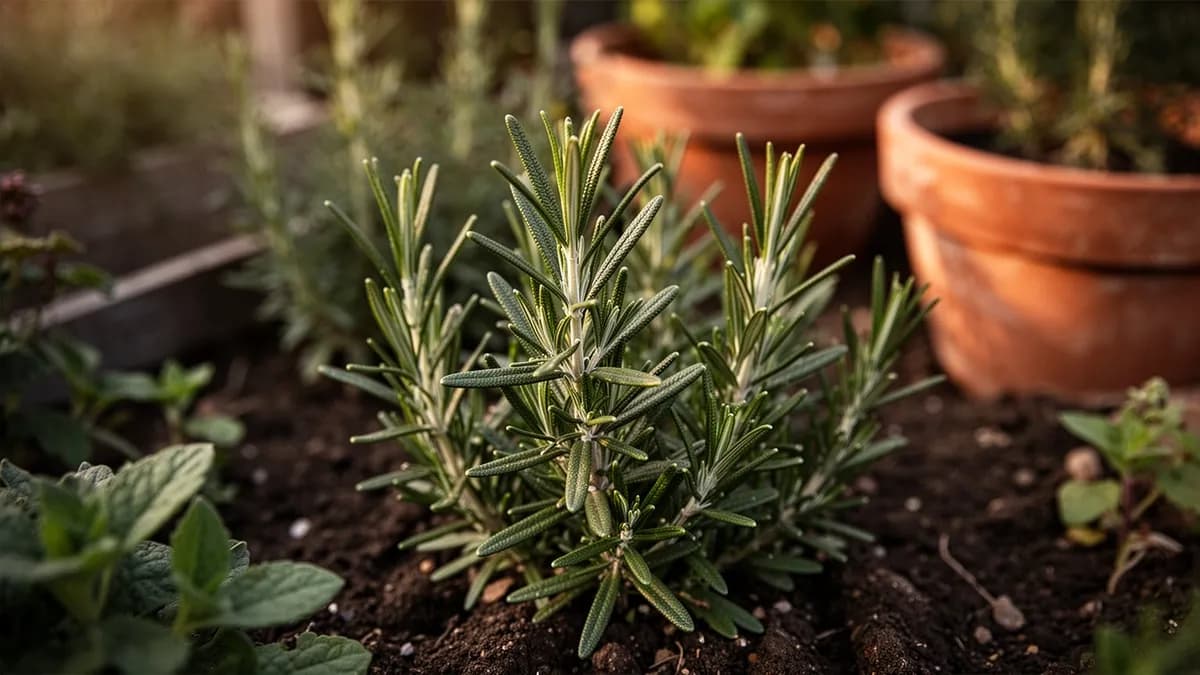
Rosemary and hyssop planted along vineyard rows provide aromatic deterrents to pest insects while attracting beneficial predatory wasps. Mediterranean herbs thrive in the same warm, dry conditions that suit Zinfandel. Buckwheat grown as a summer cover crop between rows attracts hoverflies and other beneficial insects. Avoid planting near areas with heavy weed pressure, as the dense canopy can create humidity problems if competing vegetation restricts airflow at ground level.
Hyssop belongs beside it.
Old growers' knowledge, checked against Zinfandel Grape's real companion table below — test any plant you're growing.
Try Zinfandel Grape in a bed — right here
A real planner bed with Zinfandel Grape already in it. Tap a companion to place it and watch the pairing checks answer — green for good neighbours, red for a clash.


Related growing guides
Feed it well
Zinfandel produces its best fruit on well-drained, moderately fertile soils that restrict excessive vigor. Deep sandy loam or gravelly soils encourage the deep root systems essential for dry-farmed old vine production. Maintain soil pH between 6.0 and 7.0. Apply compost conservatively in autumn, as excessive fertility promotes lush growth and even more uneven ripening. Potassium supplementation is important for this high-yielding variety, but avoid heavy nitrogen applications that exacerbate the natural tendency toward vigorous canopy growth.
Ideal Temperature
Hardiness Zone Compatibility
From seed to harvest, stage by stage
Dormancy and Winter Rest
Zinfandel enters dormancy after the first autumn frosts strip its leaves, with all energy stored in the trunk and roots as starch reserves that will fuel explosive spring growth. Unlike cold-hardy American varieties such as Concord, Zinfandel's dormant canes tolerate temperatures only down to about -12°C (10°F) — sufficient for most California coastal and inland valley climates but marginal in regions colder than USDA zone 7. During this period the vine's vascular system is fully shut down and canes can be cut or bent without harm. The fibrous, deeply penetrating root system remains alive, absorbing trace moisture from cool winter soils.
Bud Swell and Shoot Emergence
As soil temperatures climb above 10°C (50°F) in late winter to early spring, Zinfandel buds swell visibly and then push the woolly shoot tips characteristic of the variety. Initial shoot growth can be startlingly rapid — under warm California conditions, shoots may elongate 3–5 cm per day during warm spells. Young leaves emerge with a coppery-bronze tone before settling into the bright medium-green typical of the variety. Opposite the second, third, and sometimes fourth leaves, compact inflorescence primordia are visible as small, branching structures that will become fruit clusters. Zinfandel buds break slightly later than some varieties, which provides modest natural protection against early spring frosts.
Flowering and Fruit Set
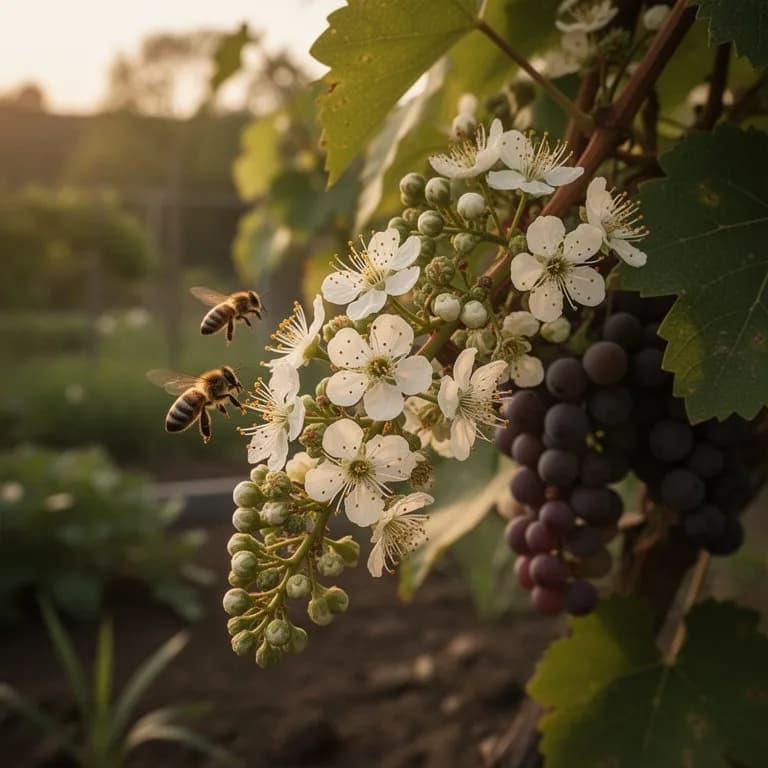
Zinfandel flower clusters open in late spring, revealing tiny, fragrant, yellowish-white blossoms that are self-fertile and do not require insect pollination — wind movement and the flower's own anther-cap-dropping mechanism transfers pollen to the stigma. Under optimal warm, calm conditions, fruit set is heavy, often producing a substantial crop load that must be managed carefully. Cool or rainy weather during the approximately 10-day bloom window significantly reduces fruit set and can lead to 'shatter' — clusters with many unfilled shot berries — and 'millerandage,' the presence of both large and tiny seedless berries in the same cluster, a phenomenon particularly common in Zinfandel.
Berry Development and Lag Phase
Following fruit set, Zinfandel berries enter a phase of rapid cell division, accumulating the cell layers that determine final berry size. Berries remain hard, green, and highly acidic through midsummer, with very high tartaric and malic acid content and minimal sugar. A brief 'lag phase' occurs in midsummer when berry growth temporarily slows and cells shift from dividing to enlarging. This is the period when the seed embryo matures inside each berry — when seeds turn fully brown at the end of the lag phase, veraison is typically two to three weeks away. Cluster shape and potential crop load are fully established during this window.
Veraison and Color Change
Zinfandel's veraison is one of the most visually dramatic and agronomically challenging events in the growing season. Unlike many varieties where veraison sweeps through a cluster relatively uniformly, Zinfandel berries color and soften asynchronously — even within a single cluster, some berries may be fully ripe, deep purple, and high in sugar while adjacent berries remain hard, green, and tart. This uneven ripening is a fundamental genetic characteristic of the variety and is the primary reason Zinfandel is harvested at higher average Brix than most other red varieties. Sugars rise rapidly at veraison while acids drop, and the characteristic jammy, brambly aroma compounds begin to develop in earnest.
Ripening and Harvest
Zinfandel typically reaches harvest in late September through October in California and similarly warm climates. Due to the variety's notorious asynchronous ripening, harvest decisions require balancing multiple signals: average Brix across many berries (typically 24–28°Bx at harvest), titratable acidity, pH, seed color (fully brown indicates physiological maturity), and the proportion of green versus ripe berries in each cluster. Experienced growers often accept some raisin-like overripe berries in exchange for ensuring the green berries have reached adequate sugar levels. The resulting wine includes a spectrum of flavors — from fresh blackberry and raspberry in berries taken at lower Brix to jammy raisin and dried fig notes from the overripe fraction.
Post-Harvest Recovery and Dormancy Entry
After harvest, Zinfandel vines continue active photosynthesis as long as green leaves remain, converting late-season sunlight into carbohydrate reserves stored in the permanent woody structure of the vine. This post-harvest carbohydrate accumulation directly fuels next spring's shoot growth and initial berry development before the vine's own leaf canopy can take over photosynthesis. Canes gradually lignify and harden from the base upward through autumn. The first killing frost triggers leaf drop, completing the vine's transition to dormancy. Vines that are defoliated prematurely — by late-season mildew epidemics or early frost — consistently show weaker growth and reduced crop load the following year.
Complete structural pruning in late January through mid-February before temperatures consistently exceed 10°C (50°F) and buds begin to swell. For head-trained spur-pruned Zinfandel, cut all laterals back to 2-bud spurs spaced evenly along the permanent cordon or head. Remove old, unproductive bark that can harbor overwintering grape mealybug egg masses and lecanium scale. Apply a dormant lime-sulfur spray on a dry, above-freezing day to suppress powdery mildew spores and scale populations on the bark.
Caring for Zinfandel Grape month by month
What to do each month for your Zinfandel Grape
October
You are hereAllow vines to continue photosynthesizing undisturbed through natural leaf fall. After leaf drop, rake up and remove all fallen leaves, spent clusters, and loose bark from the ground under each vine. Apply a 5–8 cm layer of composted mulch over the root zone, keeping it back 15 cm from the trunk. Review the season's performance — note vine vigor differences, disease pressure areas, and crop load — to inform next winter's pruning decisions.
Know exactly what to do in your garden — every month
One email at the start of each month: what to sow, plant, and tackle right now — for your Zinfandel Grape and everything growing around it. Plus a short starter course that helps you dodge the classic mistakes.
- What to do, right now
- Matched to your season
- Starter course included
Harvesting Zinfandel Grape
Zinfandel harvest timing is particularly challenging due to uneven ripening within clusters. Begin monitoring sugar in early September, but rely heavily on flavor tasting and visual assessment of raisin percentage. Ideal harvest occurs when most berries are deeply colored and flavorful, with less than 10 to 15 percent raisined berries in the cluster. Picking too early yields thin, tart wine, while waiting too long results in excessively alcoholic wine with jam-like flavors. Pick carefully and sort to remove green shoulders and excessively raisined sections.
assuming you plant when the window opens — set your real date
Pick Zinfandel Grape promptly and the plant keeps producing.
Storage & Preservation
Zinfandel grapes should be processed quickly after harvest, as the ripe berries are fragile and prone to oxidation and spoilage. For winemaking, destem and crush gently to avoid extracting harsh tannins from the raisined berries. Fermentation temperatures should be carefully controlled to avoid stuck ferments from the high sugar content. The fresh grapes make excellent raisins when sun-dried, and the high sugar content produces a particularly rich grape jelly. Surplus juice can be reduced into a thick grape syrup for culinary use.
What goes wrong — and the fix
Bunch Rot
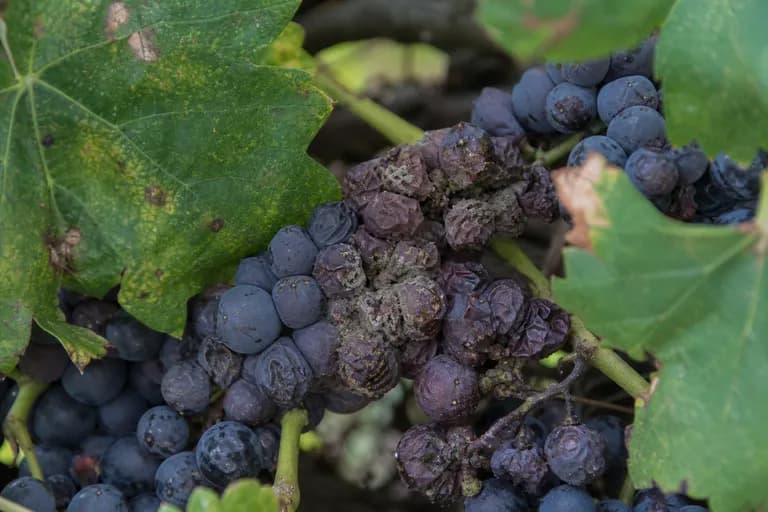
DiseaseGray or brown mold develops inside tight clusters, spreading outward. Berries become soft, leak juice, and emit a sour vinegar smell.
Leafroll Virus
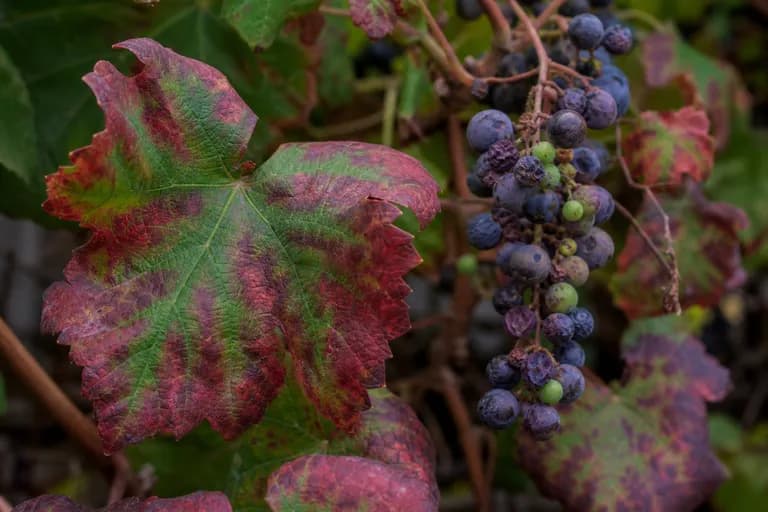
DiseaseLeaves roll downward and turn red between the veins in autumn while veins remain green. Fruit fails to ripen properly with reduced color and sugar.
Mealybugs
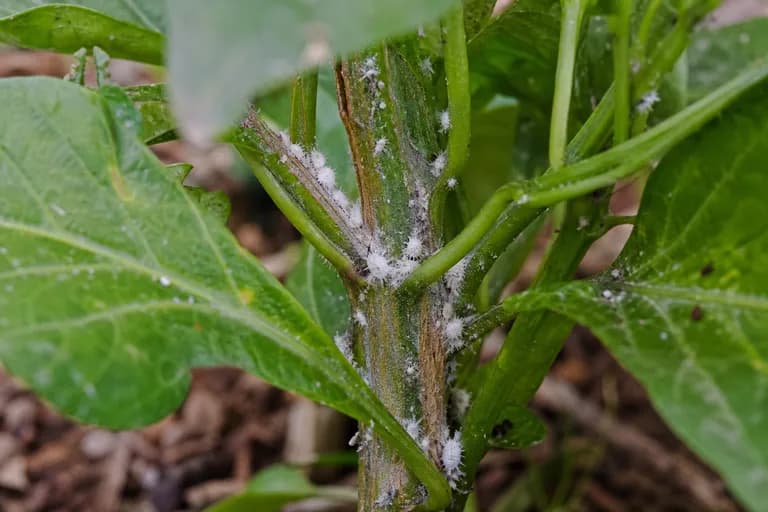
PestWhite cottony masses on bark, cordons, and inside clusters. Produce honeydew that promotes sooty mold growth and vector leafroll virus.
Troubleshooting Common Problems
Uneven ripening is the defining challenge of Zinfandel, with raisined berries, ripe berries, and green berries often present in the same cluster simultaneously. This makes harvest timing a compromise and complicates winemaking. The tight clusters are highly susceptible to bunch rot, especially in humid climates or during rain events near harvest. The variety's tendency to accumulate very high sugar levels can lead to stuck fermentations and excessively alcoholic wines. Bird and wasp damage is significant due to the sweet, exposed berries in the loose portions of the cluster.
Growing Tips
- Plant Zinfandel in the warmest, most sun-drenched location available — ideally a south- or southwest-facing slope or wall that absorbs and radiates heat — as the variety evolved in the Mediterranean climate of the Dalmatian coast and northern Italy and genuinely requires long, warm growing seasons to reach full flavor development before the autumn rains arrive.
- Zinfandel is notoriously susceptible to powdery mildew (Erysiphe necator) throughout the season — more so than almost any other commonly grown wine variety. Establish a preventive sulfur or potassium bicarbonate spray program beginning at 5–10 cm shoot growth and maintain it religiously every 10–14 days through the end of July. Never let the spray interval lapse during the post-bloom berry development stage, when the waxy cuticle is thin and the fungus can invade the berry skin directly.
- Train Zinfandel on a traditional head-trained spur-pruned system if growing a single vine in a home garden — this low-maintenance structure keeps the fruiting zone close to the permanent woody head, allows excellent air circulation, and produces the concentrated fruit the variety is known for. For trellis-trained rows, a simple vertical shoot positioning (VSP) system with one or two fruiting wires works well, but keep the cordon arms relatively short to manage the variety's natural vigor.
- Accept that Zinfandel's clusters will always include berries at different stages of ripeness — this is a fixed genetic characteristic, not a growing error. Rather than trying to eliminate it, manage for it: harvest when the majority of berries are fully ripe and the average cluster Brix reaches your target, and remove clusters with an excessive proportion of raisined or fully green berries by hand before processing.
- Zinfandel grows vigorously in well-drained, low-fertility soils and actually produces superior fruit quality under moderate drought stress. Avoid heavy clay soils or poorly drained low spots, which promote excessive vigor, thick canopies with poor light penetration, and increased disease pressure. Sandy loam or rocky, well-drained soils — similar to the alluvial benchlands of Dry Creek Valley or the volcanic red soils of Lodi — produce the best flavor concentration in home garden settings.
- Home winemakers should pick Zinfandel based on taste and refractometer readings rather than calendar date — the variety's ripening window can shift by two to four weeks between years depending on spring temperatures and summer heat accumulation. Target 24–26°Bx for a balanced dry red wine with fresh fruit character, or 27–29°Bx for the rich, jammy, high-alcohol style that defines the most celebrated Zinfandels from old-vine California vineyards.
- Manage bird pressure proactively — Zinfandel's deeply pigmented, aromatic berries attract birds at veraison far more aggressively than less aromatic varieties. Install bird netting over clusters (not just over the top of the vine) at the very first sign of color change, and inspect the netting daily for gaps near the ground where birds enter from below. A single unprotected cluster can attract enough birds to strip an entire vine in a morning.
- Propagate new Zinfandel vines by taking 30–35 cm hardwood cuttings from healthy, pencil-thick one-year-old canes during winter pruning. Make the basal cut just below a node and the top cut just above a node, bundle cuttings, and store them wrapped in moist burlap in a cool location through winter. Plant out in early spring with two buds above the soil surface, keeping the third bud below soil as a buried node for rooting. Zinfandel roots with moderate success from hardwood cuttings, with 50–70% take expected under good conditions.
- In regions receiving significant summer rainfall, position Zinfandel vines where they benefit from overhead protection or ensure excellent drainage, as the variety's loose to medium-compact cluster architecture makes it somewhat prone to berry splitting and subsequent botrytis bunch rot after rain events during ripening. Leaf removal in the fruit zone — removing one to two leaves on each side of each cluster — is the single most effective cultural practice for reducing botrytis risk in humid summer climates.
- Consider interplanting Zinfandel with cover crops such as clover, annual ryegrass, or phacelia between vine rows if your space allows. These covers fix nitrogen, attract beneficial predatory insects that suppress grape leafhopper and spider mite populations, and improve soil structure through root activity. Mow or crimp covers in spring before they compete with young vine shoots for water, and allow them to reseed naturally for low-maintenance soil management through the growing season.
Grow your best Zinfandel Grape yet — and everything around it.
Start a free plan today. Lay out your beds, drop in your Zinfandel Grape, and let PlotMyGarden handle the timing, spacing, companions and reminders from seed to harvest basket.
Pick your Zinfandel Grape
Primitivo
The Italian name for the same grape, producing wines that are typically more structured and less fruity than California Zinfandel. Widely grown in Puglia.
Old Vine Selections
Heritage vineyard selections from century-old California plantings, producing naturally low yields with intense concentration and complex spice character.
Crljenak Kastelanski
The original Croatian ancestor variety, recently rediscovered and now being planted in small quantities. Produces wines with a distinctly different character from California Zinfandel.
A bare-root Zinfandel grapevine costs $12–22 at most specialty nurseries and, once established in its third or fourth year, produces 6–12 kg (13–26 lbs) of fruit annually, increasing to 10–18 kg (22–40 lbs) on a mature, well-managed vine by year six or seven. At local farmers market prices for Zinfandel wine grapes ($3–6 per pound) or specialty table grapes ($5–8 per pound), a single mature vine can yield the equivalent of $65–200 in fresh fruit value per season. Home winemakers achieve even greater savings: a 14 kg (30 lb) harvest yields approximately 10 liters (roughly 13 bottles) of wine at a production cost of $0.50–1.50 per bottle in supplies — compared to $15–35 per bottle for artisan California Zinfandel at retail. Homemade Zinfandel grape jam retails at $8–12 per jar at specialty stores but costs under $0.50 per jar to produce from a home vine's harvest. Over a 25-year productive lifespan, a single well-pruned Zinfandel vine represents $1,500–3,000 in cumulative fruit, wine, and preserved product value from an initial $18 investment.
Quick recipes
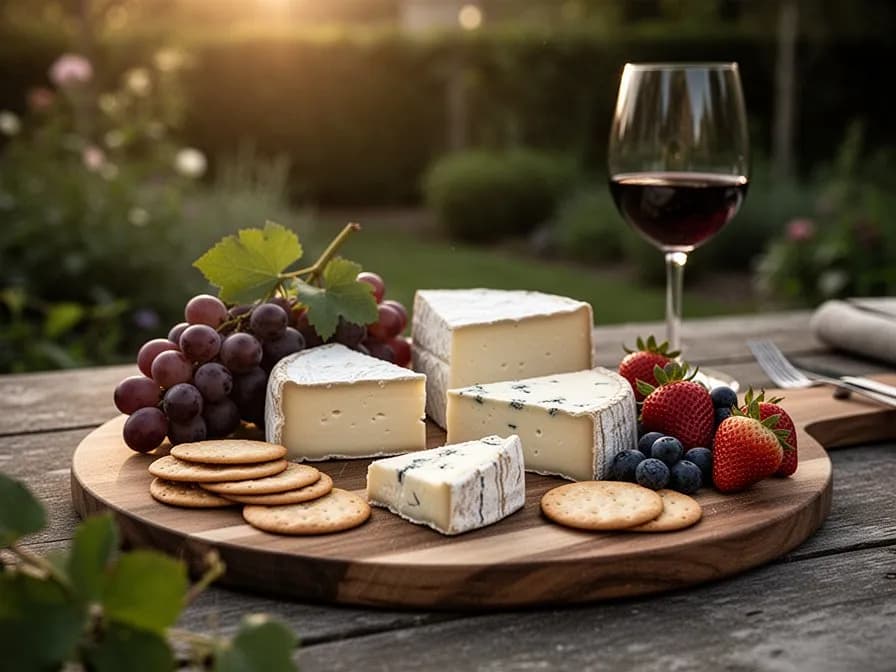
Zinfandel Grape Jam with Black Pepper and Vanilla
45 minutes plus overnight macerationA sophisticated, deeply flavored jam that highlights Zinfandel's natural complexity with warming spice and floral vanilla. The thick Zinfandel skins bring an almost wine-like depth to the finished preserve, making it equally at home on toast, paired with aged cheddar, or spooned over vanilla ice cream. A small amount of cracked black pepper plays off the variety's characteristic peppery quality.
6 ingredients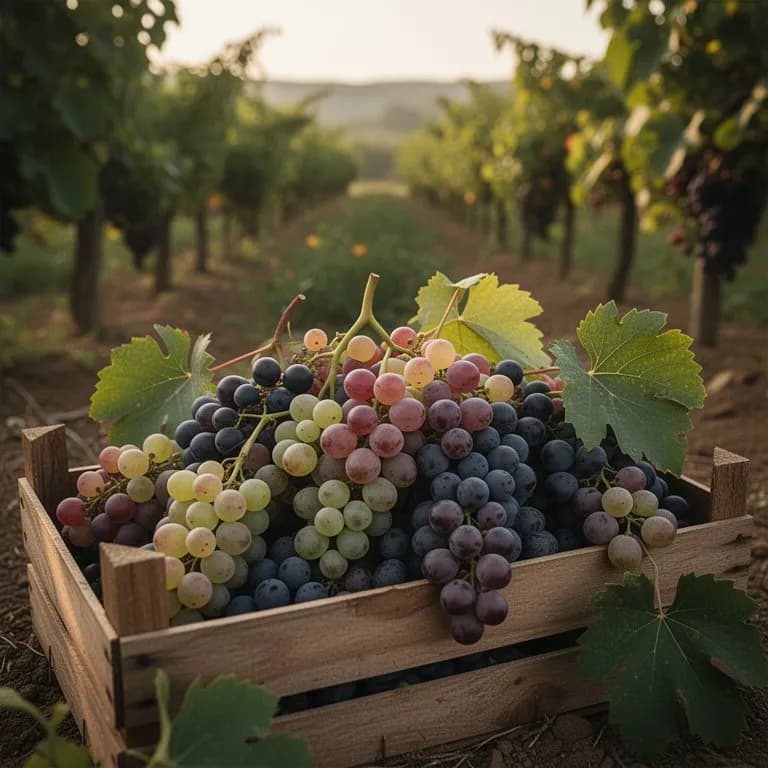
Roasted Zinfandel Grape and Rosemary Flatbread
20 minutes prep, 22 minutes bakingA stunning savory-sweet flatbread that showcases Zinfandel grapes roasted until they burst and caramelize into jewel-like pools of jammy sweetness against a backdrop of creamy ricotta, sharp gorgonzola, and fragrant fresh rosemary. This recipe is an ideal showcase for any slightly overripe clusters that would be too jammy for fresh eating but are perfect for the concentrated burst of flavor roasting delivers.
9 ingredients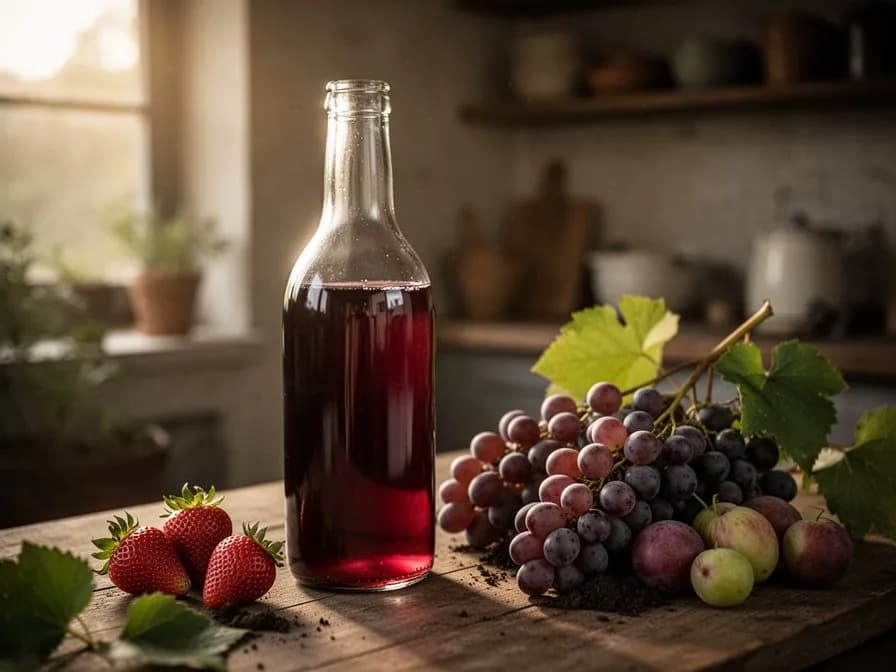
Homemade Zinfandel Grape Shrub (Drinking Vinegar)
15 minutes plus 48 hours steepingA shrub — a sweetened, vinegar-preserved fruit syrup with roots in 18th-century American culinary tradition — is one of the most versatile and long-keeping ways to preserve Zinfandel's bold berry flavors. Mixed with sparkling water, the resulting drinking vinegar is tart, complex, and refreshing; added in small quantities to cocktails or mocktails, it contributes the kind of layered fruit depth that takes a simple drink into sophisticated territory.
6 ingredientsCulinary Uses
Zinfandel produces bold, fruit-forward red wines with flavors of blackberry, pepper, and warm spice, ideal for pairing with barbecue, pizza, and spicy dishes. White Zinfandel, made by quickly pressing the juice off the skins, produces a popular sweet blush wine. The high-sugar grapes make outstanding raisins and a rich grape syrup. Zinfandel also produces excellent port-style fortified wines and grape vinegar.
What's inside
Health Benefits
- Zinfandel grapes' deep purple-black skins are among the most anthocyanin-dense of any cultivated grape variety, with these pigments providing potent antioxidant protection against the oxidative damage to LDL cholesterol and arterial walls that underlies cardiovascular disease development
- The resveratrol present in Zinfandel grape skins and seeds has been documented in clinical and laboratory research to activate SIRT1 — a longevity-associated gene regulator — and to inhibit inflammatory signaling pathways including COX-2, providing anti-inflammatory benefits that may support joint health and metabolic wellness
- Regular consumption of dark grape polyphenols from varieties such as Zinfandel has been associated in epidemiological studies with reduced risk of type 2 diabetes, partly attributed to the ability of anthocyanins to improve insulin sensitivity and glucose uptake in skeletal muscle cells
- The natural tartaric acid in Zinfandel grapes supports a healthy gut environment by acting as a prebiotic substrate for beneficial Bacteroidetes and Firmicutes species, contributing to a more diverse and resilient gut microbiome when grapes are consumed regularly as whole fruit
- Zinfandel grape seeds are a concentrated source of oligomeric proanthocyanidins (OPCs), compounds some research suggests are among the most potent natural antioxidants identified, with potential benefits for capillary integrity, blood pressure regulation, and skin collagen preservation
- The combination of potassium (approximately 191 mg per 100 g) and low sodium content in Zinfandel grapes supports healthy blood pressure balance by counteracting the vasoconstrictive effects of dietary sodium and promoting renal excretion of excess sodium through the urine
Where Zinfandel Grape comes from
Zinfandel's story is uniquely American in character — not because the vine originated here, but because it was transformed here into something entirely its own. The variety arrived in the United States from Europe in the late 1820s, carried in nursery collections shipped from the Imperial Nursery in Vienna, Austria, where vines from the Dalmatian coast of present-day Croatia had apparently been cultivated as novelties under the name 'Zierfandler' or similar variants. Early American nurseryman introduced it to Long Island glasshouses as an exotic table grape, where it attracted modest interest among affluent gardeners who prized unusual European varieties. It remained a greenhouse curiosity in the northeastern states for roughly two decades — too tender for outdoor cultivation in the cold northeast, not remarkable enough to displace established varieties in commerce.
Everything changed after 1849. The California Gold Rush drew hundreds of thousands of settlers to the Pacific Coast, creating an instant demand for wine and fresh fruit in a climate with long, warm, dry summers and mild winters that European wine grapes had never encountered in North America. Zinfandel cuttings reached California — exactly how and with whom remains disputed among historians — sometime in the early 1850s and proved transformative. The variety adapted to California's Mediterranean climate with remarkable vigor, ripening reliably where European Vitis vinifera varieties had historically failed, producing generous crops of thick-skinned, richly flavored berries that could make bold, hearty wines suited to the tastes of miners and laborers. Within a decade, Zinfandel was the most widely planted variety in the state.
The true botanical origins of Zinfandel puzzled scientists for most of the 20th century. The long-standing American mythology held it as a unique American variety. Italian ampelographers had noted its resemblance to Primitivo, the dominant variety of Puglia, since the late 19th century, but the connection remained circumstantial. DNA fingerprinting research conducted in 2002 by viticulture scientists at the University of California, Davis settled the matter definitively: Zinfandel, Primitivo, and the nearly forgotten Croatian variety Crljenak Kaštelanski share an identical genetic profile, confirming a common Adriatic origin for all three. Further research traced the lineage back to the Dalmatian coast, where the variety had been cultivated for centuries under multiple local names before spreading through Italian and Austrian horticultural networks into American nurseries.
Despite its Croatian and Italian relatives, Zinfandel's commercial and cultural identity is inseparably Californian. The style of bold, high-alcohol, intensely fruited red Zinfandel developed in California's Dry Creek Valley, Sonoma Valley, Lodi, and Sierra Foothills has no direct equivalent anywhere else in the world. The old-vine heritage — gnarled head-trained vines planted by immigrant Italian farmers in the 1880s and 1890s — produces wines of extraordinary complexity that have elevated Zinfandel from a workhorse variety to a prestige category. Today, California grows over 43,000 acres of Zinfandel, making it the third most widely planted red variety in the state and the standard-bearer for a distinctly American winemaking tradition built on European roots.
Zinfandel Grape: did you know?
Fascinating facts about Zinfandel Grape
Zinfandel's true genetic origin remained one of viticulture's great mysteries for over a century until DNA fingerprinting research in 2002 conclusively identified it as genetically identical to Primitivo from the Puglia region of southern Italy and Crljenak Kaštelanski, a nearly extinct Croatian variety from the Dalmatian coast — making Zinfandel's American identity a product of immigration rather than native origin.
Zinfandel Grape questions, answered
When should I plant Zinfandel Grape?
What are good companion plants for Zinfandel Grape?
What hardiness zones can Zinfandel Grape grow in?
How much sun does Zinfandel Grape need?
How far apart should I space Zinfandel Grape?
What pests and diseases affect Zinfandel Grape?
How do I store Zinfandel Grape after harvest?
What are the best Zinfandel Grape varieties to grow?
What soil does Zinfandel Grape need?
Why do Zinfandel clusters have raisins and green berries at the same time when I harvest?
Is Zinfandel the same grape as Primitivo?
Can I grow Zinfandel in a cold climate like the Pacific Northwest or the Midwest?
What is the best way to store Zinfandel grapes after harvest?
How much space does a Zinfandel vine need and what trellis system works best in a small garden?
My Zinfandel vine is producing lots of very small, seedless berries alongside the normal ones. Is something wrong?
You just read the theory. Now grow it on autopilot.
Everything that makes Zinfandel Grape fiddly — the timing, the spacing, the companions, the harvest window — is exactly what PlotMyGarden handles for you, for every plant in your garden.
A plan that knows your weather
Set your location once. Get sow, feed and harvest dates built around your real last-frost date and live forecast — no more guessing from a generic seed packet.
From the “When to plant” sectionDrag-and-drop bed planner
Design beds on a grid. Every plant snaps to its proper spacing, and you can see your whole season laid out before you spend a cent on seed.
From the “Growing guide” sectionCompanion conflicts, caught early
200+ good-and-bad pairings checked live as you plant — so a season-wrecking mistake never makes it into the ground.
From the “Companions” sectionReminders you'll actually act on
“Water the beans.” “Pick today before it turns.” Timely, specific, and tied to the plants you're really growing.
From the “Harvest” sectionSuccession, scheduled
Want a harvest for six weeks, not six days? It spaces your sowings automatically and reminds you when each new block is due.
From the “When to plant” sectionA record that gets smarter
Every harvest you log teaches it your garden. Next year's plan starts from what actually worked in your soil, not a textbook's.
From the “Overview” sectionPlant these alongside Zinfandel Grape
More Vine Fruits
Grow your best Zinfandel Grape yet — and everything around it.
Start a free plan today. Lay out your beds, drop in your Zinfandel Grape, and let PlotMyGarden handle the timing, spacing, companions and reminders from seed to harvest basket.