Uva Pinot Noir
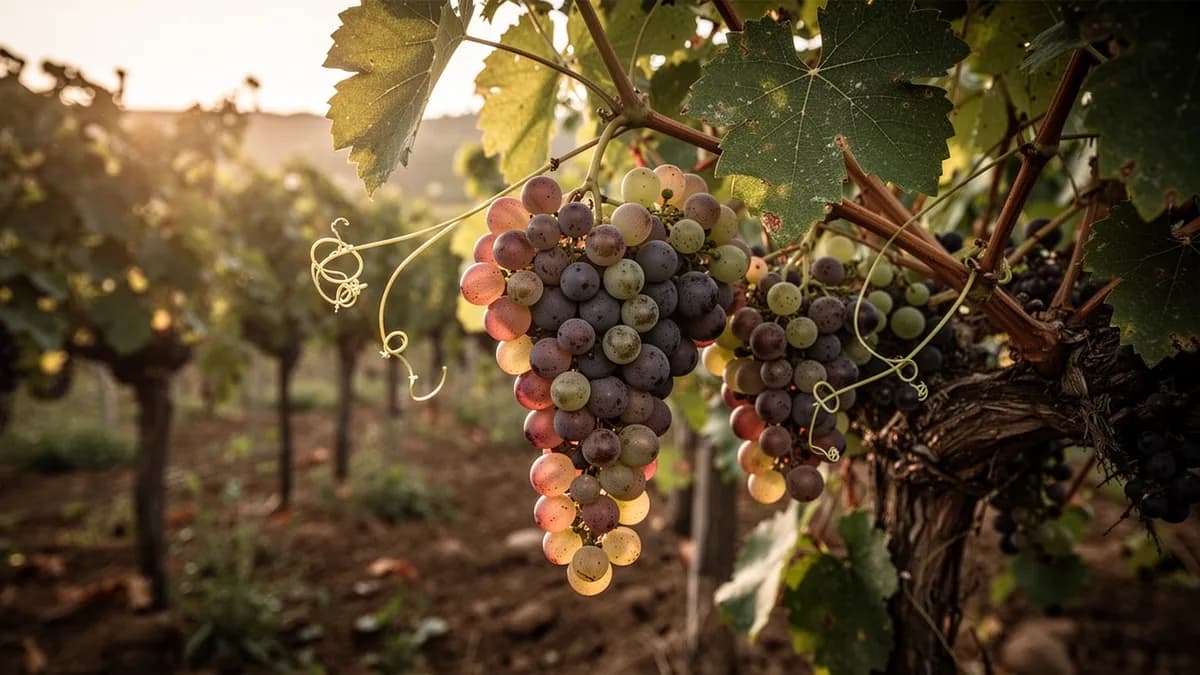
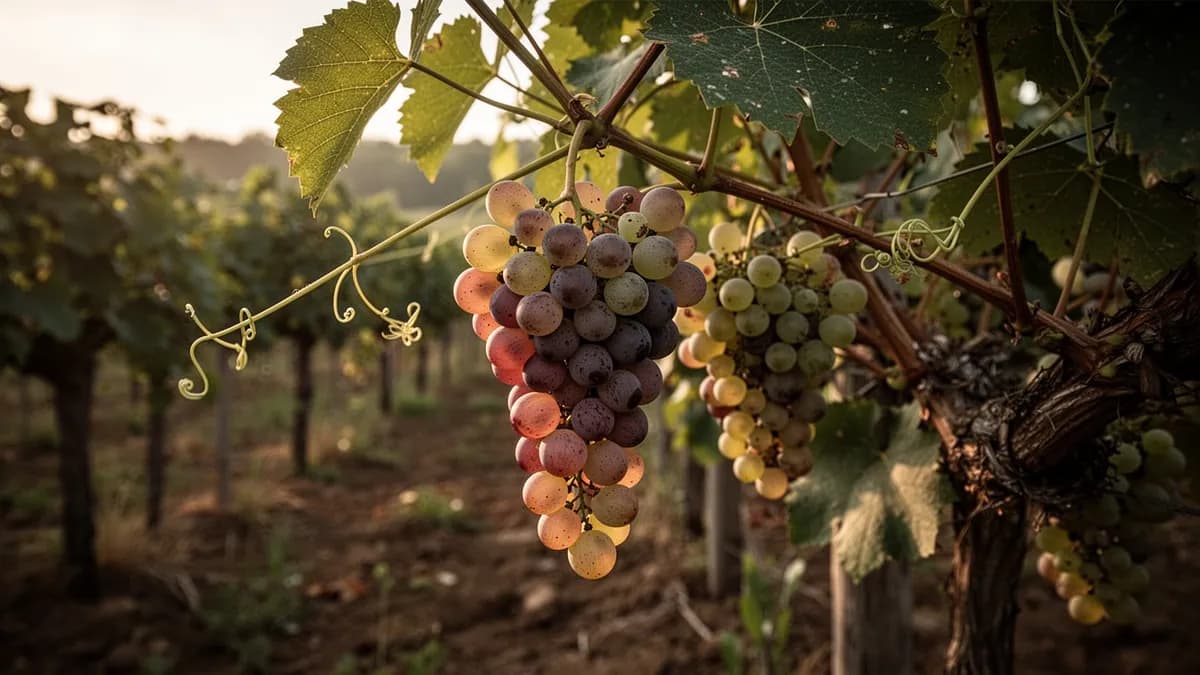
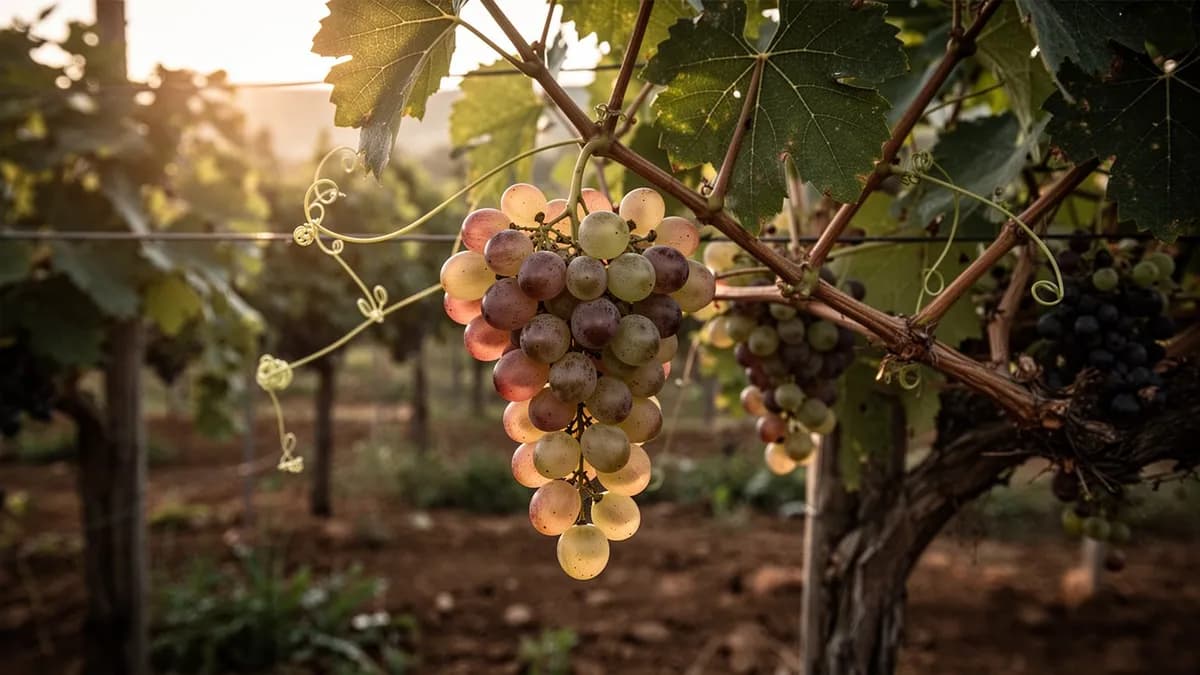
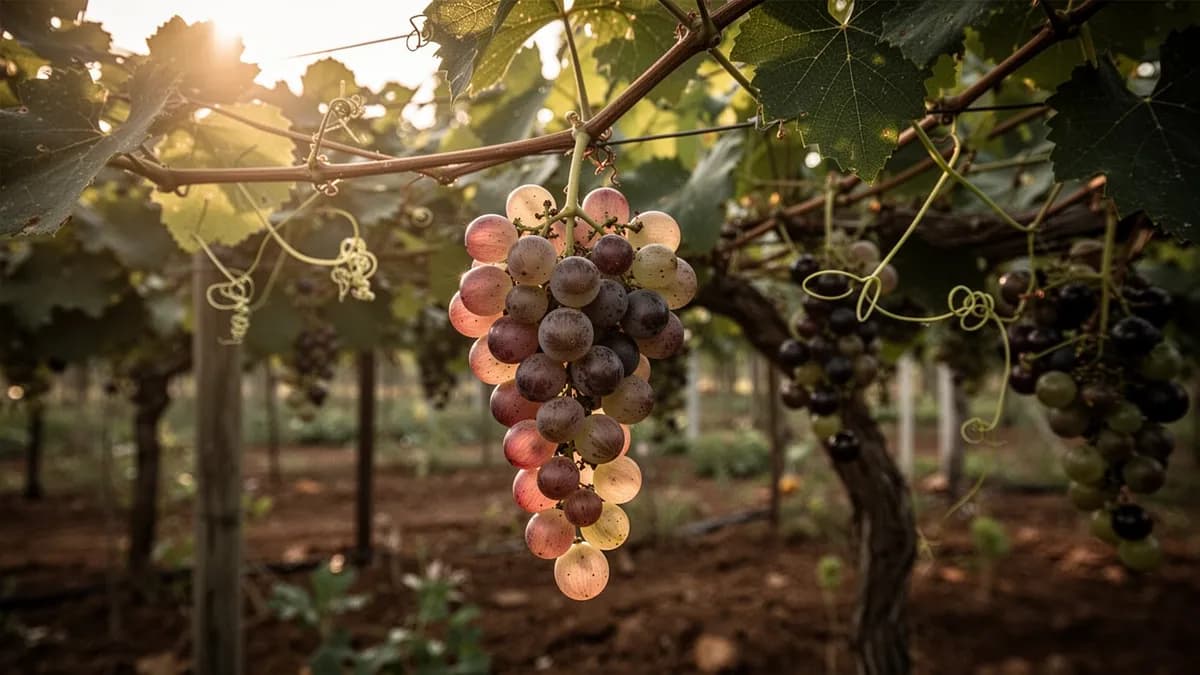
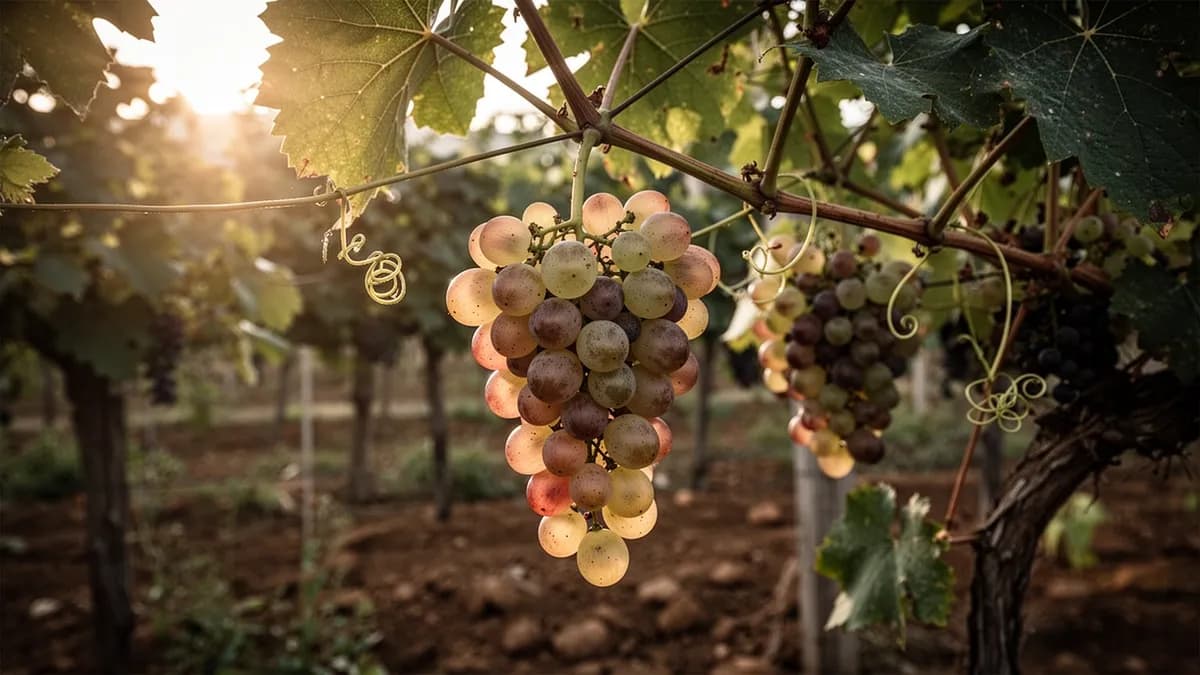
La noble uva de piel fina de Borgoña, que produce racimos pequeños y muy compactos con los que se elaboran algunos de los mejores vinos tintos del mundo.





En esta páginaResumen
Conoce Uva Pinot Noir
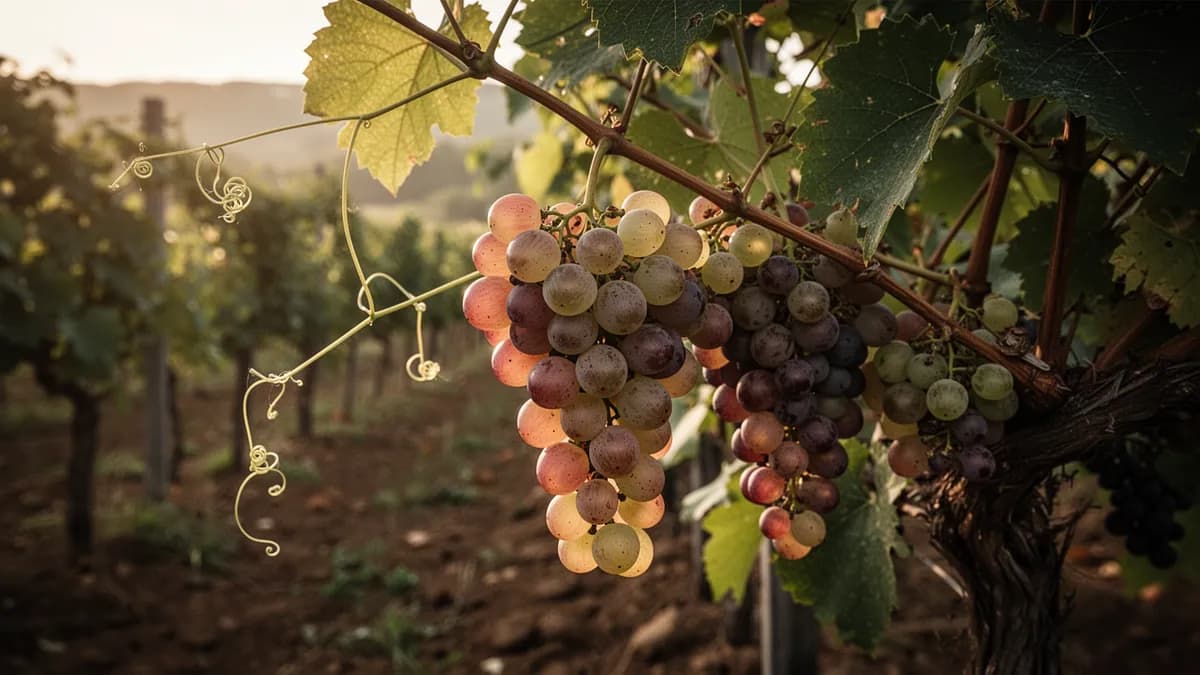
La noble uva de piel fina de Borgoña, que produce racimos pequeños y muy compactos con los que se elaboran algunos de los mejores vinos tintos del mundo. Pinot Noir es notoriamente difícil de cultivar y exige climas frescos, una excelente circulación de aire y una gestión meticulosa del dosel para prevenir enfermedades. Sus pieles delicadas y su maduración temprana hacen que la elección del lugar sea fundamental.
Cuándo plantar Uva Pinot Noir
Pinot Noir se propaga por esquejes de madera dura en reposo tomados a finales del invierno, no por semilla, ya que las plántulas no reproducen la variedad madre. Corte secciones de 30 cm de caña madura con tres o cuatro nudos y deje cicatrizar el extremo basal a 25 °C durante dos o tres semanas antes de plantar. En la práctica comercial, los esquejes se injertan en banco sobre portainjertos resistentes a la filoxera mediante injerto omega o de lengüeta. Las vides injertadas se cultivan en vivero durante un año antes del trasplante al campo. El injerto verde sobre portainjertos ya establecidos es una alternativa para reconvertir viñedos.
Tu año de Uva Pinot Noir
Ajustado a Zona 7 · temporada típica · la helada se va hacia el 2 abr y vuelve hacia el 1 nov
Planta Uva Pinot Noir Mar – Abr y cosecha Sep – Oct. Consulta los métodos de plantación y elige tu clima para adaptar los periodos.
Cómo cultivar Uva Pinot Noir
Pinot Noir exige una selección del lugar más cuidadosa que casi cualquier otra variedad de uva. Elija una ladera orientada al sur con suelo bien drenado de caliza o arcillo-calizo y un buen drenaje del aire frío para minimizar el riesgo de heladas durante la brotación. Las vides necesitan pleno sol, pero rinden mejor en climas más frescos, donde las temperaturas durante la maduración se mantengan moderadas, preservando los aromas delicados que definen esta variedad. Plante vides injertadas en primavera, separándolas entre 1.5 y 1.8 metros en filas de 2 metros de ancho.
Conduzca las vides en un sistema de posicionamiento vertical de brotes con cordón bilateral o con una sola vara Guyot. Los racimos compactos de Pinot Noir son muy susceptibles a la podredumbre del racimo, por lo que una gestión meticulosa del dosel es crucial. Retire hojas de la zona del fruto después del cuajado para mejorar la circulación de aire y la exposición al sol en los racimos. Aclare brotes a finales de la primavera para reducir la densidad del follaje y elimine los racimos secundarios para concentrar la maduración en la cosecha principal.
Pode por espuelas o por cañas durante la dormancia invernal, dejando de 6 a 8 yemas por caña en la formación Guyot. Pinot Noir es una variedad de vigor moderado que responde mal al exceso de nitrógeno, el cual favorece un follaje denso y aumenta la presión de enfermedades. Aplique compost en otoño y un fertilizante ligero rico en potasio a comienzos de la primavera. Controle los niveles de azúcar con un refractómetro a partir de finales de agosto, buscando una cosecha de 23 a 25 Brix para vinos equilibrados.
Para Uva Pinot Noir un bancal de 120 × 240 cm se queda corto
Cada Uva Pinot Noir pide 180 cm de margen. El planificador guarda ese marco por ti — cada planta, cada bancal.
Los mejores vecinos de Uva Pinot Noir
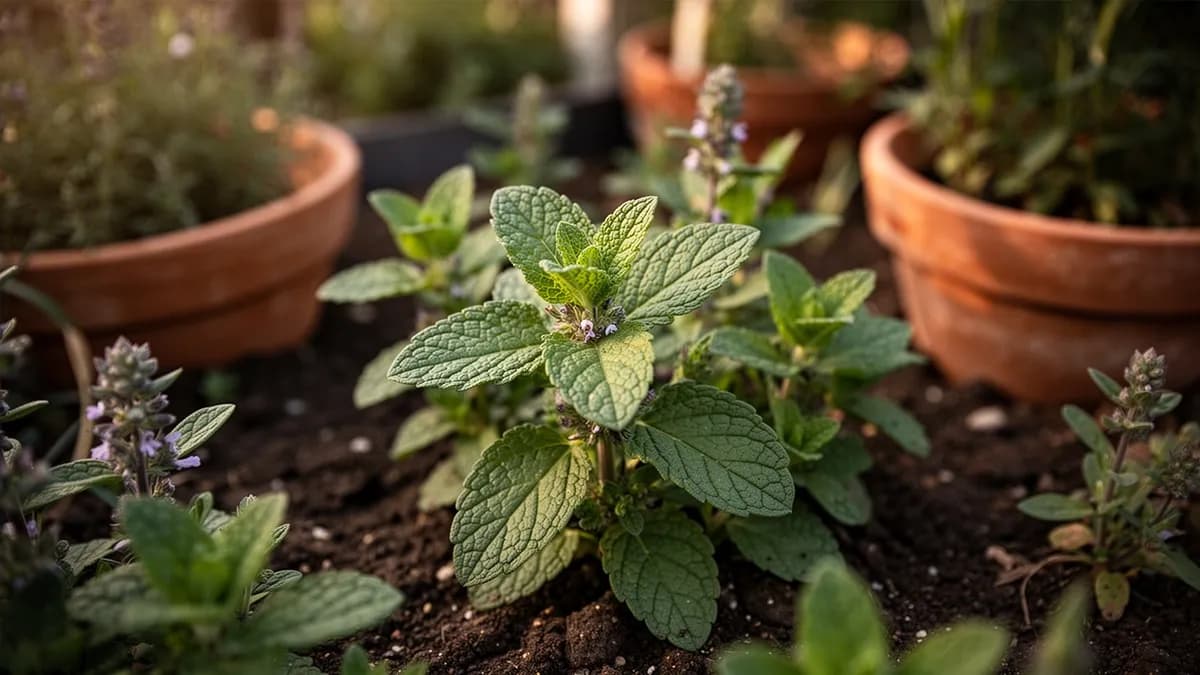
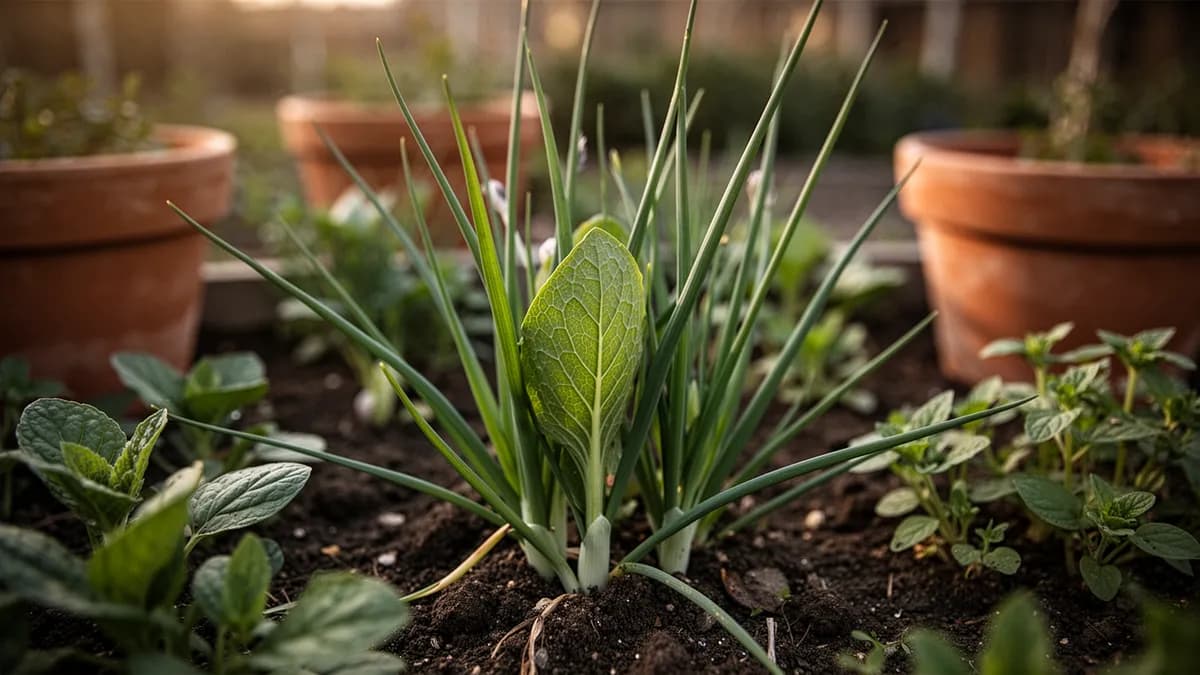
El hisopo y el cebollino plantados a lo largo de las filas del viñedo atraen insectos beneficiosos y pueden ayudar a disuadir escarabajos japoneses y cicadélidos. El trébol rojo o blanco cultivado entre las filas fija nitrógeno y proporciona un acolchado vivo que compite con el vigor de la vid en suelos fértiles. Las rosas plantadas en los extremos de las filas sirven como indicadores tempranos del oídio, mostrando síntomas antes que las vides. Evite plantar solanáceas cerca de los viñedos, ya que pueden albergar enfermedades víricas transmisibles a la vid.
Hisopo va a su lado.
Saber de huerto de siempre, cotejado con la tabla real de Uva Pinot Noir — prueba cualquier planta que cultives.
Prueba Uva Pinot Noir en un bancal, aquí mismo
Un bancal real del planificador con Uva Pinot Noir ya plantado. Toca una planta compañera para colocarla y mira cómo responde la comprobación de vecinos: verde para buenos vecinos, rojo si hay conflicto.


Guías de cultivo relacionadas
Abónalo bien
Pinot Noir produce sus mejores vinos en suelos bien drenados de arcilla calcárea o caliza que restringen de forma natural el vigor. Las vides rinden mal en suelos fértiles y profundos que favorecen un crecimiento vegetativo excesivo en detrimento de la calidad de la fruta. Mantenga el pH del suelo entre 6.0 y 7.5. Aplique compost o estiércol bien descompuesto en otoño en dosis moderadas para evitar el exceso de nitrógeno. Una aplicación ligera de sulfato potásico en primavera favorece el desarrollo del fruto sin promover el crecimiento del follaje. Los cultivos de cobertura entre filas ayudan a controlar el vigor y a mejorar la estructura del suelo.
Temperatura ideal
Compatibilidad de zonas de rusticidad
De la semilla a la cosecha, etapa por etapa
Reposo
Durante el invierno, la vid descansa y acumula energía antes de la siguiente brotación.
Brotación
A comienzos de la primavera aparecen los primeros brotes, momento crítico por el riesgo de heladas tardías.
Crecimiento vegetativo
Los brotes se alargan rápidamente y se forma la estructura de la copa y la futura cosecha.
Floración
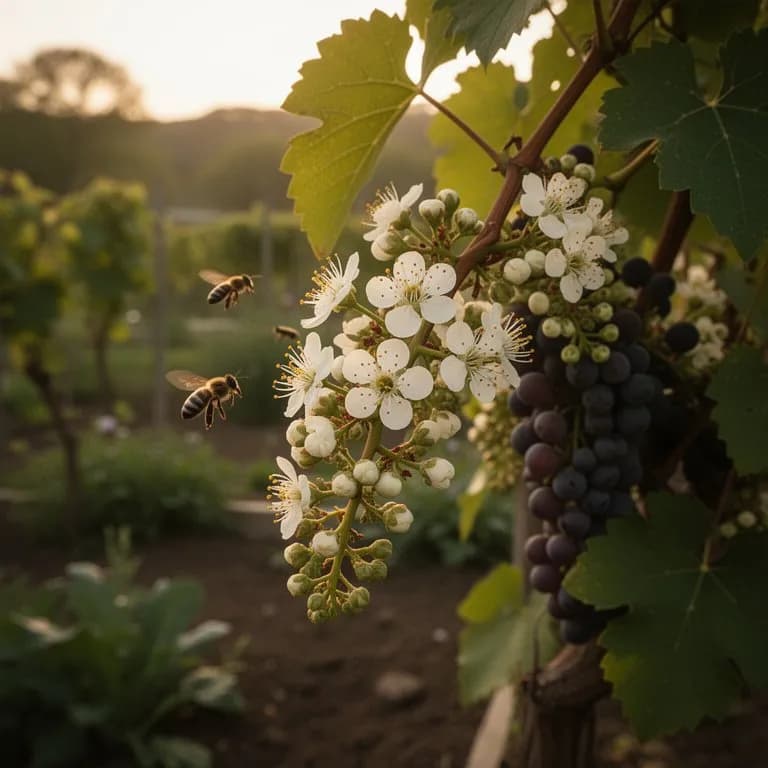
Las flores discretas se abren y preparan el terreno para los pequeños racimos compactos.
Cuajado y racimos
Las bayas cuajadas se agrupan con mucha compacidad, rasgo distintivo de Pinot Noir.
Véraison
Las bayas cambian de color y comienzan a ablandarse mientras se acumulan azúcares y aromas.
Cosecha
La fruta madura se recoge con cuidado para preservar su equilibrio aromático y su delicada piel.
Cuidar Uva Pinot Noir mes a mes
Qué hacer cada mes para tu Uva Pinot Noir
Octubre
Mes actualSiga cosechando en zonas más frescas y retire la fruta sobrante o dañada. Después de la vendimia, deje que la planta complete su ciclo de acumulación de reservas.
Ten claro qué hacer en tu huerto, cada mes
Un correo al empezar cada mes: qué sembrar, plantar y hacer ahora mismo — para tu Uva Pinot Noir y todo lo que crece alrededor. Más un breve curso inicial para esquivar los errores clásicos.
- Qué hacer ahora mismo
- Ajustado a tu temporada
- Curso inicial incluido
Cosechar Uva Pinot Noir
Pinot Noir madura temprano a mitad de temporada, normalmente de septiembre a principios de octubre, según el clima. Controle los niveles de azúcar desde finales de agosto y pruebe las bayas con regularidad para valorar la madurez de las semillas y el desarrollo del sabor. Coseche cuando las semillas estén marrones y crujientes, los tallos se hayan lignificado y el Brix alcance entre 23 y 25 grados. Recoja en las horas frescas de la mañana para conservar los aromas. Manipule los racimos con delicadeza para evitar romper las pieles finas, que se oxidan con rapidez. Clasifique con cuidado al cosechar, eliminando cualquier racimo afectado por Botrytis o inmaduro.
se supone que plantas al comenzar el periodo — indica tu fecha real
Cosecha Uva Pinot Noir a tiempo y la planta sigue produciendo.
Almacenamiento y conservación
Las uvas Pinot Noir no son una fruta de conservación y deben transformarse en vino a las pocas horas de la cosecha para preservar su calidad. Mantenga los racimos cosechados en bandejas poco profundas y frescas para evitar aplastamientos. Para la vinificación, la mayoría de productores despalilla y aplasta ligeramente antes de una maceración en frío de dos a cinco días para extraer color y sabor antes de la fermentación. Es posible comer Pinot Noir fresca, pero sus pieles finas y sus semillas la hacen menos deseable como uva de mesa. La fruta sobrante puede congelarse para vinificar más adelante o secarse para hacer pasas, aunque la piel fina dificulta el secado.
Qué falla — y cómo solucionarlo
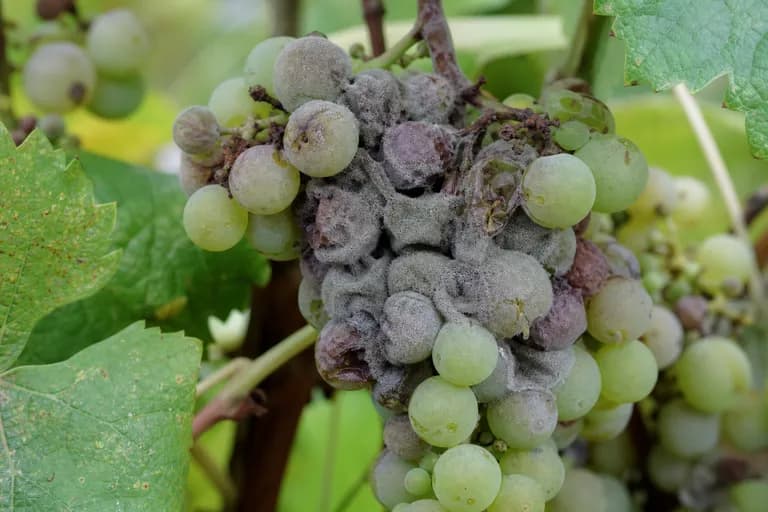
Podredumbre del racimo por Botrytis
EnfermedadSe desarrolla moho gris y algodonoso en los racimos compactos y se propaga rápidamente en condiciones húmedas. Las bayas se vuelven marrones y arrugadas.
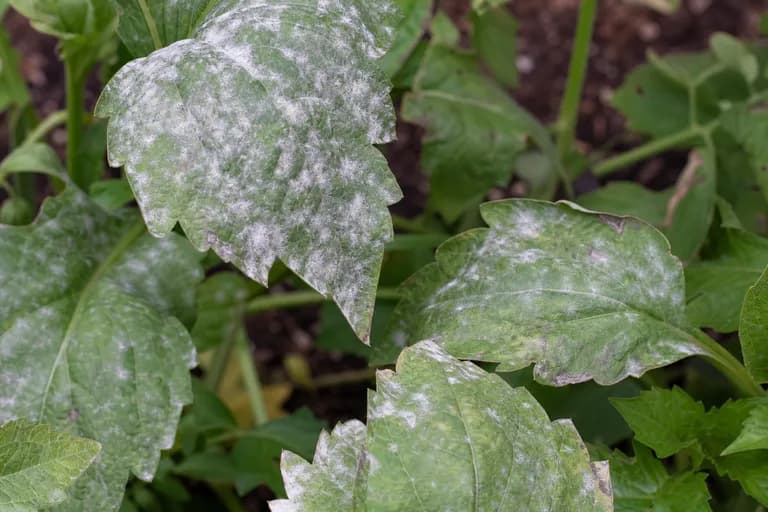
Oídio
EnfermedadCapa blanca y polvosa en hojas, brotes y bayas en desarrollo. Las bayas infectadas pueden agrietarse y volverse susceptibles a podredumbres secundarias.
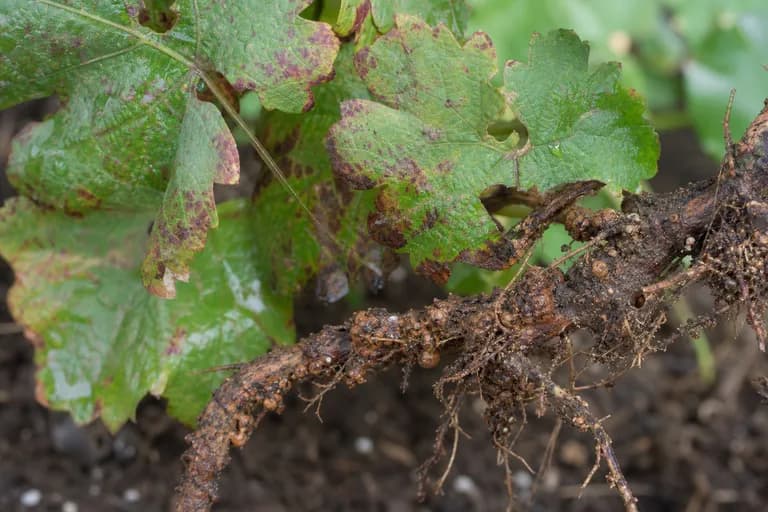
Filoxera de la vid
PlagaLa forma que se alimenta de raíces provoca agallas hinchadas en las raíces, lo que lleva al declive de la vid, menor vigor y muerte eventual en varios años.
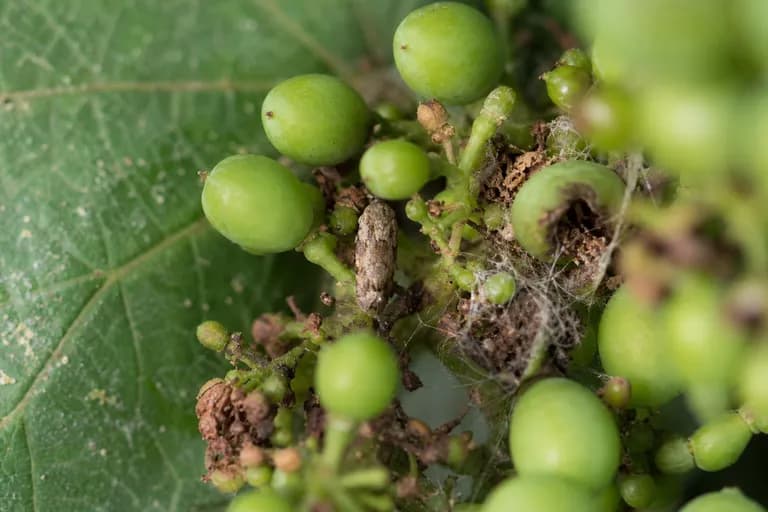
Polilla europea de la vid
PlagaLas larvas perforan las bayas en desarrollo y se alimentan dentro de los racimos, dejando excrementos y telarañas. Las bayas dañadas se convierten en puntos de entrada para Botrytis.
Solución de problemas comunes
La arquitectura compacta de los racimos es el principal desafío del Pinot Noir, ya que crea condiciones ideales para la podredumbre del racimo por Botrytis en climas húmedos. Las pieles finas se queman fácilmente al sol en regiones cálidas, lo que da lugar a sabores pasificados o cocidos. El millerandage, en el que las bayas dentro de un racimo se desarrollan de forma desigual debido a un mal tiempo durante la polinización, es común y reduce los rendimientos. El daño por heladas primaverales a yemas que brotan pronto puede arrasar las cosechas en lugares bajos. El daño de aves es importante porque las aves buscan la fruta de maduración temprana y piel fina. El vigor excesivo en suelos ricos produce copas densas con fruta sombreada e inmadura.
Consejos de cultivo
- Elija el lugar de plantación para Pinot Noir con especial cuidado: exige absolutamente una ubicación de clima fresco con buen drenaje de aire para minimizar el riesgo de heladas primaverales y una temporada de maduración larga y gradual. Evite bolsas de heladas, suelos arcillosos mal drenados y lugares con sombra por la tarde; lo ideal es sol por la mañana con frescor por la tarde.
- Seleccione un clon de Pinot Noir adaptado a su clima y a sus objetivos. Los clones de Dijon (113, 114, 115, 667, 777) están muy extendidos y ofrecen un excelente equilibrio entre intensidad frutal y complejidad aromática. El clon 115 se adapta especialmente bien a sitios frescos; los 667 y 777 producen cosechas más fiables en climas variables.
- Instale el sistema de espaldera antes de plantar. Para Pinot Noir, un sistema de posicionamiento vertical de brotes (VSP) con formación en cordón a 90 cm y 3 o 4 alambres de captura por encima es el estándar de oro: promueve una excelente ventilación del dosel, algo crucial para manejar esta variedad propensa a la botritis. Coloque postes cada 2.5 a 3 metros y use alambre de alta tensión de calibre 12 bien tenso.
- Nunca descuide la eliminación de hojas en la zona del fruto de Pinot Noir. Retire de 4 a 6 hojas alrededor de cada racimo en el lado de sol de la mañana del brote en cuanto los racimos sean visibles después del cuajado. Esta sola práctica reduce de forma drástica la infección por botritis al mejorar el movimiento de aire alrededor de los racimos compactos y mejora la tannicidad de la piel y el desarrollo del color gracias a la exposición a la luz.
- Retrase al máximo la poda de reposo, idealmente hasta las dos últimas semanas antes de la brotación esperada, para reducir el número de días en que las yemas podadas y vulnerables queden expuestas a posibles heladas tardías. Esto es especialmente importante en regiones propensas a heladas de abril y mayo.
- Mantenga un programa riguroso de fungicidas desde la emergencia de brotes hasta la véraison, alternando pulverizaciones a base de azufre, hidróxido de cobre y bicarbonato potásico en un calendario de 7 a 14 días. La botritis y el oídio son las amenazas principales; ambos son mucho más fáciles de prevenir que de curar una vez establecidos en la estructura compacta de racimos de Pinot Noir.
- Aclare la carga de cosecha de forma implacable en las vides jóvenes y en vendimias difíciles. La calidad de Pinot Noir es inversamente proporcional al tamaño de la cosecha: elimine un racimo por brote en vides menores de 5 años y, en cualquier año en que el vigor vegetativo parezca bajo o la temporada de crecimiento sea corta, reducir la carga asegura que los racimos restantes alcancen madurez fenólica plena.
- Coseche Pinot Noir por sabor y madurez aromática, no solo por Brix. Busque el momento en que las semillas se vuelvan marrones y crujientes, las pieles se sientan suaves y no tanínicas al masticarlas, y las bayas ofrezcan un equilibrio entre dulzor frutal y acidez refrescante. El Pinot Noir sobremaduro pierde su elegancia característica muy rápido: coseche con decisión cuando llegue la ventana.
- Después de la cosecha, resista la tentación de cortar la vid de inmediato. Deje todo el follaje intacto hasta la caída natural de las hojas para permitir la máxima fotosíntesis poscosecha y la reposición de carbohidratos en las raíces y el tejido leñoso; esa reserva alimenta el rápido crecimiento inicial de brotes de la temporada siguiente.
- Propague Pinot Noir a partir de esquejes de madera dura tomados durante la poda invernal si desea más vides de un clon probado. Seleccione segmentos de caña bien madura, del grosor de un lápiz y de 30 cm, con 3 o 4 yemas, sumerja el corte basal en hormona de enraizamiento y plante en un bancal de vivero bien drenante o en una maceta grande con dos yemas bajo la superficie del suelo. La mayoría de los esquejes enraízan con éxito durante la primera temporada de crecimiento.
Cultiva tu mejor Uva Pinot Noir — y todo lo que la rodea.
Empieza un plan gratis hoy. Diseña tus bancales, coloca tu Uva Pinot Noir y deja que PlotMyGarden gestione el momento, el espaciado, las asociaciones y los recordatorios de la semilla a la cesta.
Elige tu Uva Pinot Noir
Dijon 115
Un clon borgoñón muy plantado que produce racimos pequeños y sueltos con fruta concentrada. Excelente color y notas especiadas, muy adecuado para climas más fríos.
Dijon 777
Otra selección premium de Borgoña conocida por su color oscuro, sabores intensos a cereza y rendimientos menores. Funciona bien tanto en climas frescos como moderados.
Pommard
Un clon más antiguo que produce racimos más grandes, con una estructura tánica robusta y color profundo. Popular en Oregón y bien adaptado a regiones más cálidas de Pinot Noir.
Dijon 667
Produce racimos de tamaño medio con sabores complejos y buena conservación de la acidez. Suele mezclarse con 115 y 777 para añadir complejidad.
Swan
Una selección californiana de Joseph Swan Vineyards que produce vinos aromáticos con taninos suaves y carácter brillante de fruta roja.
Una sola vid de Pinot Noir a raíz desnuda, comprada por entre 15 y 25 dólares en un vivero de confianza, puede producir entre 3 y 7 kg de fruta al año una vez establecida, lo que, a precios habituales de mercado especializado de entre 8 y 15 dólares por kilo para uvas de calidad vinícola cultivadas de forma orgánica, representa un valor anual de entre 25 y 105 dólares por planta. Las uvas Pinot Noir premium de productores de calidad pueden alcanzar precios aún más altos en mercados de agricultores. Más allá del consumo fresco, el Pinot Noir cultivado en casa puede utilizarse para hacer vino en pequeños lotes: un lote de 5 litros a partir de zumo prensado en casa cuesta una fracción de un Pinot Noir comercial equivalente. El zumo de uva, los shrubs, las mermeladas y el vinagre elaborados con uvas Pinot Noir caseras también tienen precios premium en comercios minoristas, lo que amplía el rendimiento económico de una pequeña inversión en viñedo que, con buen cuidado, seguirá produciendo durante 30 a 50 años.
Recetas rápidas

Jalea de uva Pinot Noir
50 minutosUna jalea elegante y profundamente aromática que convierte la intensidad de la uva Pinot Noir en un condimento brillante para tostadas, quesos y platos de desayuno. El color es de un rubí intenso y el sabor tiene una profundidad muy superior a la de una jalea de uva corriente.
5 ingredientesShrub de uva Pinot Noir
15 minutos activos más 3 días de reposoUn vinagre para beber ácido y de sabor profundo que captura la esencia de las uvas Pinot Noir maduras en un jarabe concentrado. Mezclado con agua con gas se convierte en una bebida sin alcohol sofisticada; removido en cócteles añade una profundidad notable. Las antocianinas naturales de la piel producen un color rubí violáceo impresionante que se intensifica con el tiempo en el tarro.
6 ingredientes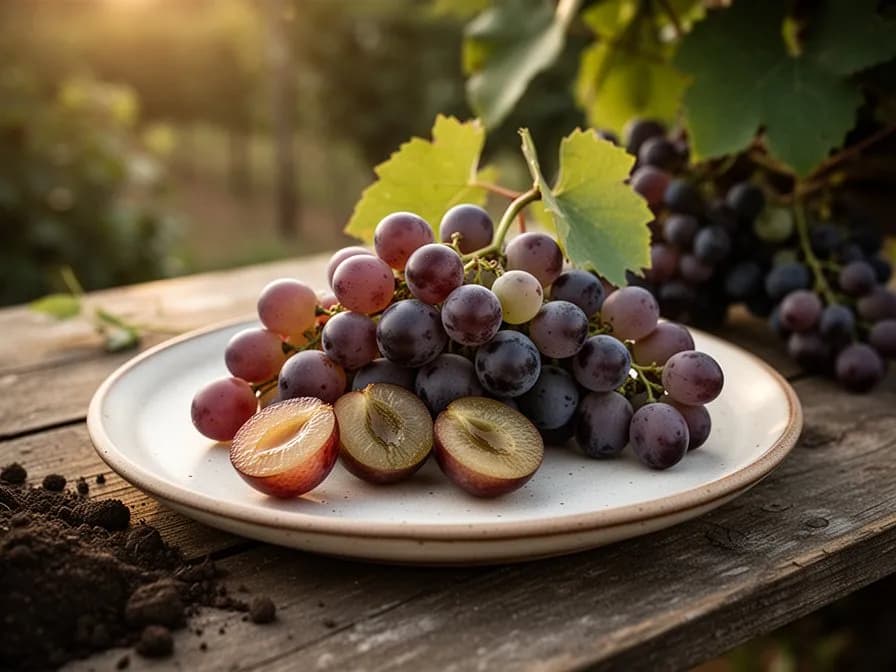
Salsa de uva Pinot Noir asada para pato o cerdo
30 minutosUna salsa de nivel restaurante construida a partir de los taninos naturales y la intensidad frutal de las uvas Pinot Noir. Las uvas se asan hasta que revientan y caramelizan, luego se desglasan con un chorrito de vino tinto y se terminan con mantequilla para crear una salsa brillante y de sabor profundo que eleva cualquier ave asada o carne de cerdo a territorio de alta cocina. Esta receta también aprovecha muy bien incluso las uvas ligeramente inmaduras del jardín.
8 ingredientesUsos culinarios
Aunque es principalmente una uva vinatera, Pinot Noir produce un vino tinto delicado y aromático, con sabores de cereza, frambuesa y un toque terroso a champiñón, que combina maravillosamente con salmón, pato y platos de setas. Las uvas también pueden dar lugar a un rosado excepcional y a un vino espumoso blanc de noirs. Las uvas Pinot Noir frescas hacen una excelente gelatina de uva con color rubí intenso. El zumo se utiliza para hacer verjus cuando se cosecha inmaduro.
Qué contiene
Beneficios para la salud
- Las uvas Pinot Noir están entre las fuentes dietéticas más ricas en resveratrol, un polifenol estilbenoide concentrado en la piel fina que se ha estudiado en numerosos ensayos clínicos por sus posibles beneficios, entre ellos la mejora de la función vascular, la reducción de la agregación plaquetaria y la protección frente a la oxidación del colesterol LDL.
- Las pieles de color púrpura oscuro contienen concentraciones excepcionalmente altas de antocianinas, en particular malvidina-3-glucósido, que actúan como potentes antioxidantes y neutralizan los radicales libres asociados al envejecimiento, la inflamación crónica y las enfermedades cardiovasculares.
- El consumo regular de uvas oscuras como Pinot Noir se ha relacionado en la investigación epidemiológica con una mejor función cognitiva y un menor riesgo de deterioro cognitivo relacionado con la edad, en parte por compuestos flavonoides que atraviesan la barrera hematoencefálica y ejercen efectos neuroprotectores.
- Los compuestos fenólicos abundantes en la piel y las semillas de Pinot Noir, como la quercetina, las catequinas y las epicatequinas, tienen propiedades antiinflamatorias documentadas y han demostrado en estudios de laboratorio inhibir vías inflamatorias implicadas en enfermedades crónicas.
- Las uvas Pinot Noir aportan cantidades significativas de vitamina K, importante para mantener una densidad ósea saludable y un metabolismo adecuado del calcio, así como cobre, que favorece la formación de colágeno y elastina en el tejido conectivo de todo el cuerpo.
- La fibra natural de las uvas Pinot Noir frescas favorece la salud digestiva al alimentar a la microbiota intestinal beneficiosa, mientras que los ácidos orgánicos, tartárico y málico, pueden apoyar una digestión saludable y contribuir a la baja respuesta glucémica de la uva en relación con su contenido de azúcar.
De dónde viene Uva Pinot Noir
Pinot Noir es una variedad histórica originaria de Borgoña y una de las más veneradas del mundo vitivinícola. Durante siglos se ha asociado con vinos de gran finura, profundidad aromática y un carácter muy ligado al lugar de cultivo. Su nombre y su fama se han extendido por regiones frías de todo el mundo, donde los productores buscan reproducir el equilibrio entre maduración lenta, acidez viva y aromas delicados que la variedad ofrece en sus mejores expresiones.
A lo largo de su historia, Pinot Noir se ganó una reputación de uva difícil, caprichosa y exigente, pero también de fruta incomparable cuando el clima y el manejo acompañan. Las selecciones clonales modernas, como las de Dijon, ayudaron a mejorar la adaptación y la consistencia, pero no cambiaron el hecho fundamental de que Pinot Noir sigue siendo una variedad que premia la paciencia, la observación y el trabajo minucioso en el viñedo. Es precisamente esa combinación de fragilidad y grandeza la que la ha convertido en una de las uvas más admiradas de la viticultura.
Uva Pinot Noir: ¿sabías que?
Datos fascinantes sobre Uva Pinot Noir
Pinot Noir es una de las uvas más antiguas y nobles de la viticultura europea, y su nombre está asociado a algunos de los vinos tintos más prestigiosos del mundo.
Uva Pinot Noir: preguntas frecuentes
¿Cuándo debo plantar Uva Pinot Noir?
¿Cuáles son buenas plantas acompañantes para Uva Pinot Noir?
¿En qué zonas de rusticidad puede crecer Uva Pinot Noir?
¿Cuánto sol necesita Uva Pinot Noir?
¿A qué distancia debo espaciar Uva Pinot Noir?
¿Qué plagas y enfermedades afectan a Uva Pinot Noir?
¿Cómo almaceno Uva Pinot Noir después de la cosecha?
¿Cuáles son las mejores variedades de Uva Pinot Noir para cultivar?
¿Qué suelo necesita Uva Pinot Noir?
¿Por qué se considera que Pinot Noir es tan difícil de cultivar comparada con otras uvas tintas?
¿Necesito un clima de tipo Borgoña para cultivar Pinot Noir bien?
¿Puedo comer las uvas Pinot Noir frescas?
¿Qué pasa si dejo demasiados racimos en una vid de Pinot Noir?
¿Es Pinot Noir una buena uva para un pequeño viñedo doméstico?
Acabas de leer la teoría. Ahora cultívala en piloto automático.
Todo lo que hace que Uva Pinot Noir sea delicado — el momento, el espaciado, las asociaciones, la ventana de cosecha — es justo lo que PlotMyGarden resuelve por ti, para cada planta de tu huerto.
Un plan que conoce tu clima
Indica tu ubicación una vez. Recibe fechas de siembra, abonado y cosecha basadas en tu última helada real y el pronóstico en vivo — sin adivinar con un sobre genérico.
De la sección “Cuándo plantar”Planificador de bancales de arrastrar y soltar
Diseña bancales sobre una cuadrícula. Cada planta encaja con su espaciado correcto y ves toda la temporada antes de gastar un céntimo en semillas.
De la sección “Cultivo”Conflictos de asociación, detectados a tiempo
Más de 200 buenas y malas combinaciones comprobadas en vivo mientras plantas — para que un error que arruine la temporada nunca llegue a la tierra.
De la sección “Asociaciones”Recordatorios que sí vas a seguir
“Riega las judías.” “Recoge hoy antes de que se pase.” Oportunos, concretos y ligados a las plantas que de verdad cultivas.
De la sección “Cosecha”Escalonado, programado
¿Quieres cosechar seis semanas en vez de seis días? Reparte tus siembras automáticamente y te avisa cuando toca el siguiente lote.
De la sección “Cuándo plantar”Un registro que se vuelve más listo
Cada cosecha que registras le enseña tu huerto. El plan del año que viene parte de lo que de verdad funcionó en tu suelo, no en un manual.
De la sección “Resumen”Planta estos junto a Uva Pinot Noir
Más Frutas de vid
Cultiva tu mejor Uva Pinot Noir — y todo lo que la rodea.
Empieza un plan gratis hoy. Diseña tus bancales, coloca tu Uva Pinot Noir y deja que PlotMyGarden gestione el momento, el espaciado, las asociaciones y los recordatorios de la semilla a la cesta.