Uva Cabernet Sauvignon
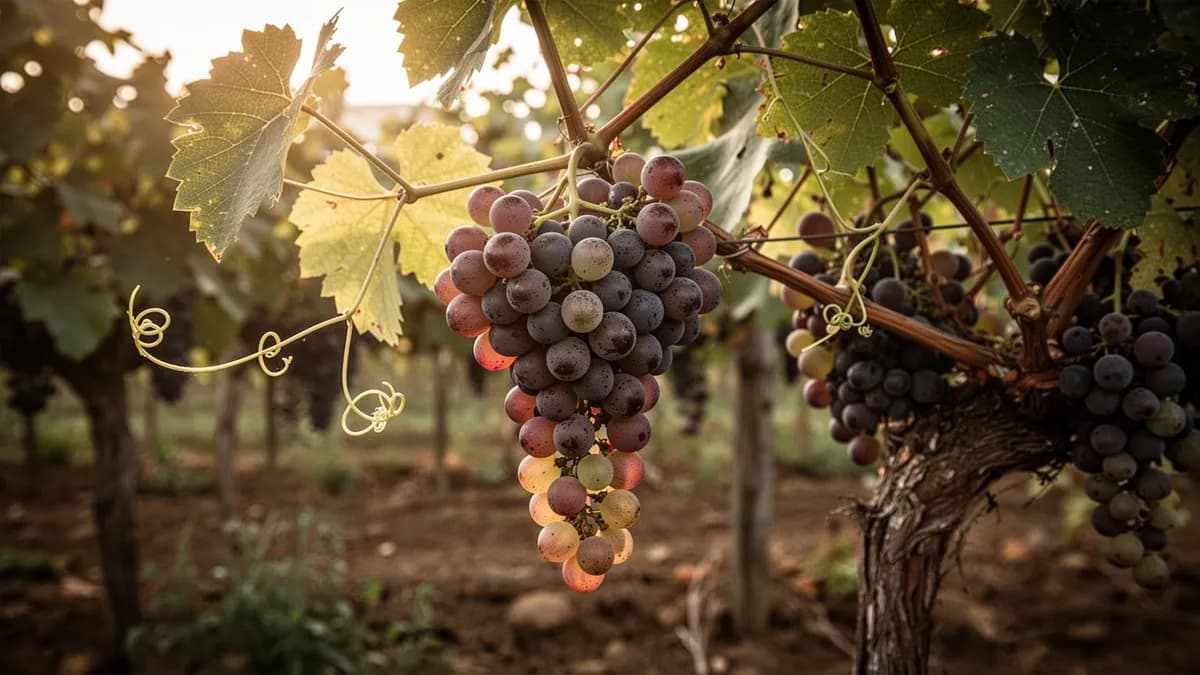
La reina de las uvas tintas de vinificación, que produce bayas pequeñas y de piel gruesa con color profundo y sabores concentrados de grosella negra y cedro.





En esta páginaResumen
Conoce Uva Cabernet Sauvignon
La reina de las uvas tintas de vinificación, que produce bayas pequeñas y de piel gruesa con color profundo y sabores concentrados de grosella negra y cedro. Cabernet Sauvignon es una variedad de maduración tardía que necesita una temporada de crecimiento larga y cálida para madurar por completo. Las vides son vigorosas y resistentes a las enfermedades, por lo que resultan más indulgentes que muchas otras uvas de vino.
Cuándo plantar Uva Cabernet Sauvignon
Cabernet Sauvignon se propaga exclusivamente por medios vegetativos, principalmente mediante el injerto de esquejes en reposo sobre patrones resistentes a la filoxera. Tome esquejes de madera dura de 25 a 30 cm con tres yemas durante la poda invernal. El método comercial más habitual es el injerto de banco con una máquina de injerto omega, uniendo el injerto al patrón antes de que se forme el callo en condiciones controladas de temperatura y humedad. Las vides injertadas listas para plantar están disponibles en viveros tras un año de crecimiento. Para replantar viñedos, el injerto de astilla sobre troncos de patrón ya establecidos a finales del verano ofrece una implantación más rápida.
Tu año de Uva Cabernet Sauvignon
Ajustado a Zona 7 · temporada típica · la helada se va hacia el 2 abr y vuelve hacia el 1 nov
Planta Uva Cabernet Sauvignon Mar – Abr y cosecha Sep – Oct. Consulta los métodos de plantación y elige tu clima para adaptar los periodos.
Cómo cultivar Uva Cabernet Sauvignon
Cabernet Sauvignon necesita un clima cálido con una temporada de crecimiento larga para alcanzar la madurez fenólica completa antes de que lleguen las lluvias otoñales o las heladas. Elija un lugar bien drenado y con pleno sol, idealmente en una ladera orientada al sur o al suroeste con buen drenaje de aire. La variedad brota tarde en primavera, lo que le da cierta protección natural frente a las heladas, pero también madura tarde, normalmente dos o tres semanas después que Pinot Noir. Plante vides injertadas en primavera con una separación de 1.5 a 2 metros dentro de las filas y de 2 a 2.5 metros entre filas.
Entrene la vid en un cordón bilateral con posicionamiento vertical de brotes para la mayoría de los climas, o use una espaldera de expansión en regiones muy cálidas donde algo de sombra en la zona de fruto puede evitar las quemaduras solares. Cabernet Sauvignon es vigorosa y requiere un aclareo cuidadoso de brotes y un recorte para mantener una copa abierta y equilibrada. Elimine los brotes laterales de la zona de fruto para mejorar la circulación del aire, aunque las pieles gruesas hacen que esta variedad tolere mejor la humedad que las uvas de piel fina.
La poda de invierno debe conservar dos o tres espolones de yemas a lo largo del cordón, apuntando a 20 a 30 yemas por vid según el nivel de cosecha deseado y el vigor de la planta. Aplique un riego deficitario moderado durante la temporada de crecimiento, reduciendo el agua después del envero para concentrar los sabores y animar a la vid a madurar en lugar de seguir creciendo vegetativamente. Las decisiones de vendimia deben equilibrar la acumulación de azúcares con la madurez del tanino, ya que los sabores verdes de pirazina persisten si se recoge demasiado pronto.
Para Uva Cabernet Sauvignon un bancal de 120 × 240 cm se queda corto
Cada Uva Cabernet Sauvignon pide 180 cm de margen. El planificador guarda ese marco por ti — cada planta, cada bancal.
Los mejores vecinos de Uva Cabernet Sauvignon
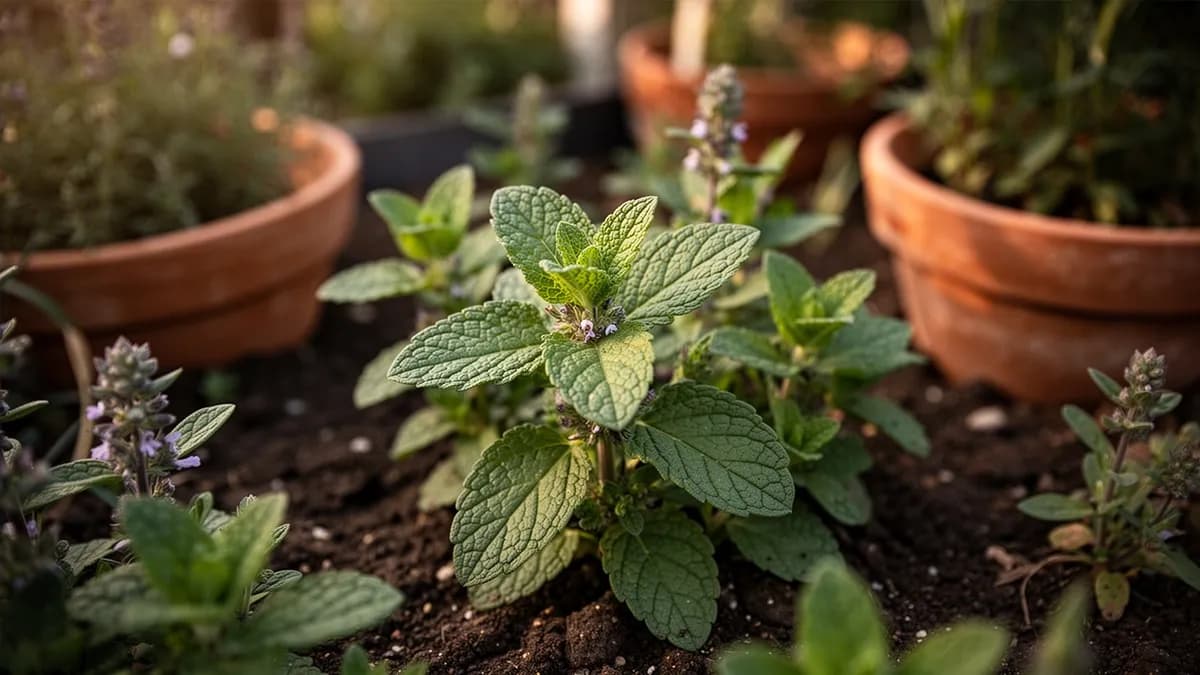
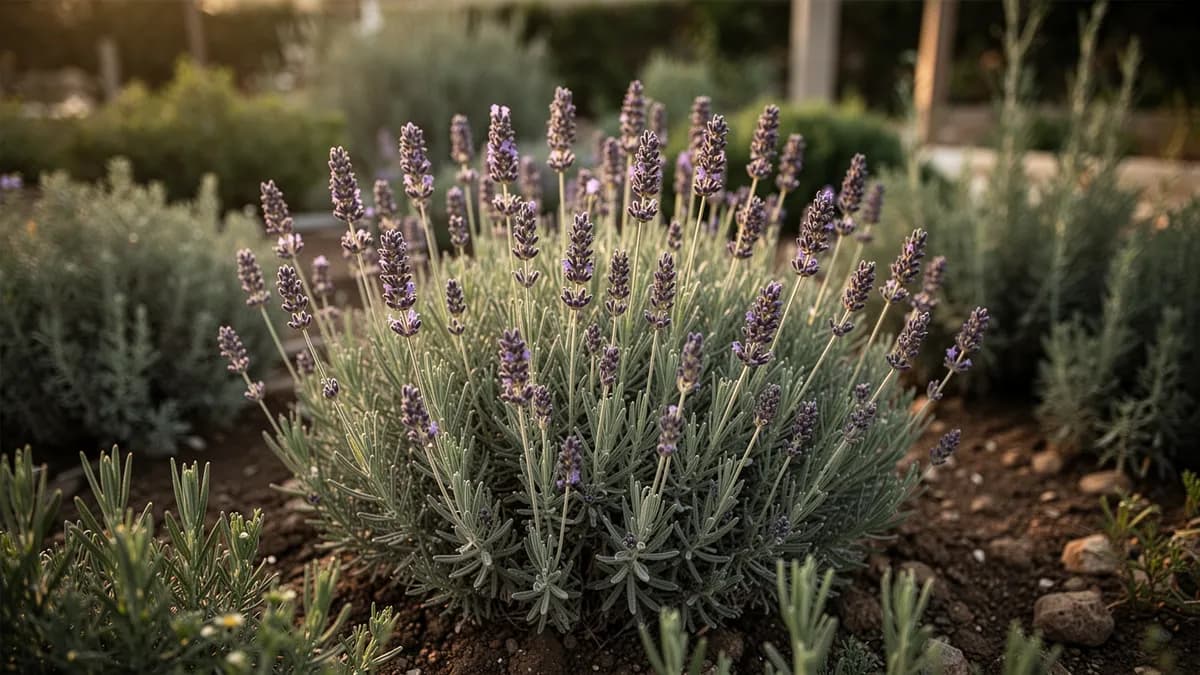
La lavanda y el hisopo plantados a lo largo de las filas del viñedo atraen polinizadores y avispas depredadoras beneficiosas, mientras que sus aceites aromáticos pueden ayudar a confundir a los insectos plaga. Los cultivos de cobertura de trébol carmesí o veza entre filas fijan nitrógeno y mejoran la estructura del suelo, a la vez que compiten con las vides naturalmente vigorosas. La mostaza cultivada como cobertura invernal puede ayudar a suprimir los nematodos del suelo. Evite plantar cerca de nogales, ya que su producción de juglona es tóxica para las vides.
Hisopo va a su lado.
Saber de huerto de siempre, cotejado con la tabla real de Uva Cabernet Sauvignon — prueba cualquier planta que cultives.
Prueba Uva Cabernet Sauvignon en un bancal, aquí mismo
Un bancal real del planificador con Uva Cabernet Sauvignon ya plantado. Toca una planta compañera para colocarla y mira cómo responde la comprobación de vecinos: verde para buenos vecinos, rojo si hay conflicto.


Guías de cultivo relacionadas
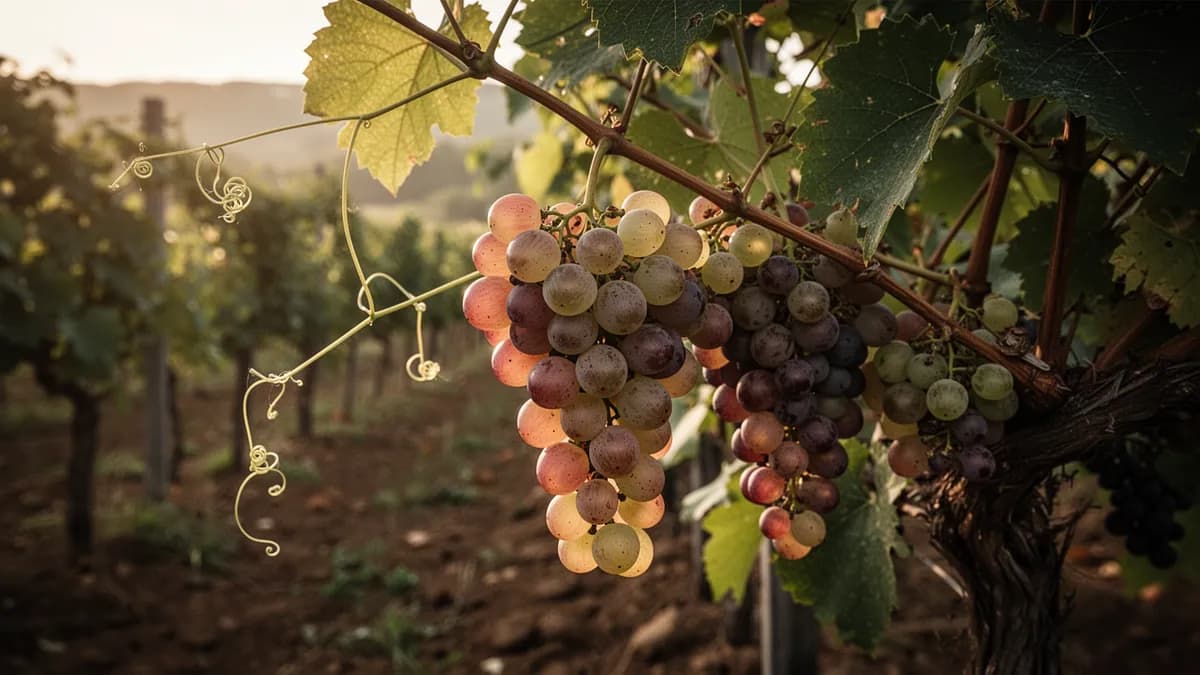
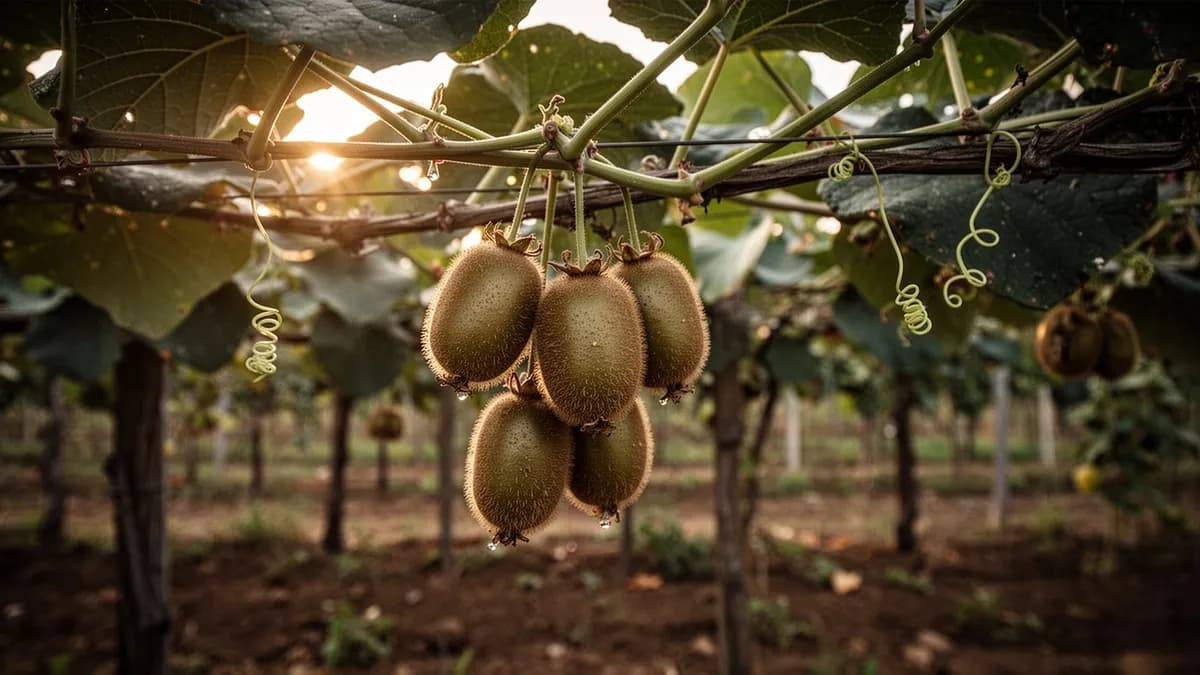
Abónalo bien
Cabernet Sauvignon prospera en suelos pedregosos o gravosos bien drenados, que limitan de forma natural el vigor de la vid y fomentan un desarrollo profundo de las raíces. Los suelos clásicos de Burdeos, con grava sobre arcilla, son ideales, pero la variedad se adapta bien a distintos tipos de suelo siempre que el drenaje sea excelente. Mantenga el pH del suelo entre 6.0 y 7.0. Aplique compost en otoño y un suplemento moderado de potasio en primavera, ya que la variedad tiene una alta demanda de potasio durante el desarrollo del fruto. Evite el exceso de nitrógeno, que promueve sabores herbáceos y retrasa la maduración en una variedad ya de por sí tardía.
Temperatura ideal
Compatibilidad de zonas de rusticidad
De la semilla a la cosecha, etapa por etapa
Reposo y descanso invernal
Cabernet Sauvignon entra en una profunda dormancia invernal después de la primera helada intensa de otoño, pierde sus hojas y dirige todos los carbohidratos restantes a la madera permanente — tronco, cordones y raíces — donde se almacenan como almidón para impulsar el crecimiento explosivo de la primavera. La variedad es moderadamente resistente al frío para una vid de Vitis vinifera, tolerando mínimas invernales de alrededor de -18°C (0°F) sin daños graves en troncos establecidos, aunque las plantas jóvenes y las puntas de las cañas son más vulnerables. La dormancia no es mera inactividad: la vid debe acumular suficientes horas de frío por debajo de 7°C (45°F) — normalmente 900–1.200 horas — para cumplir su requisito fisiológico de reposo y brotar de manera uniforme y vigorosa en primavera.
Hinchazón de yemas y emergencia de brotes
Cabernet Sauvignon es una de las últimas variedades importantes de Vitis vinifera en brotar en primavera, un rasgo heredado en parte de su progenitor Cabernet Franc. Este brote tardío es una de las cualidades agronómicas más valiosas de la variedad, ya que permite a la vid evitar las dañinas heladas tardías que amenazan a las variedades que despiertan antes en climas continentales. Cuando la temperatura del suelo sube de forma constante por encima de 10°C (50°F), las yemas se hinchan claramente y aparecen puntas de brote de color rojizo-bronce, que se alargan rápidamente con el calor. Los primordios de inflorescencia — precursores de los racimos florales y, finalmente, de los racimos de uva — son visibles como estructuras compactas y nudosas en el segundo y tercer nudo desde la base de cada brote.
Floración y cuajado
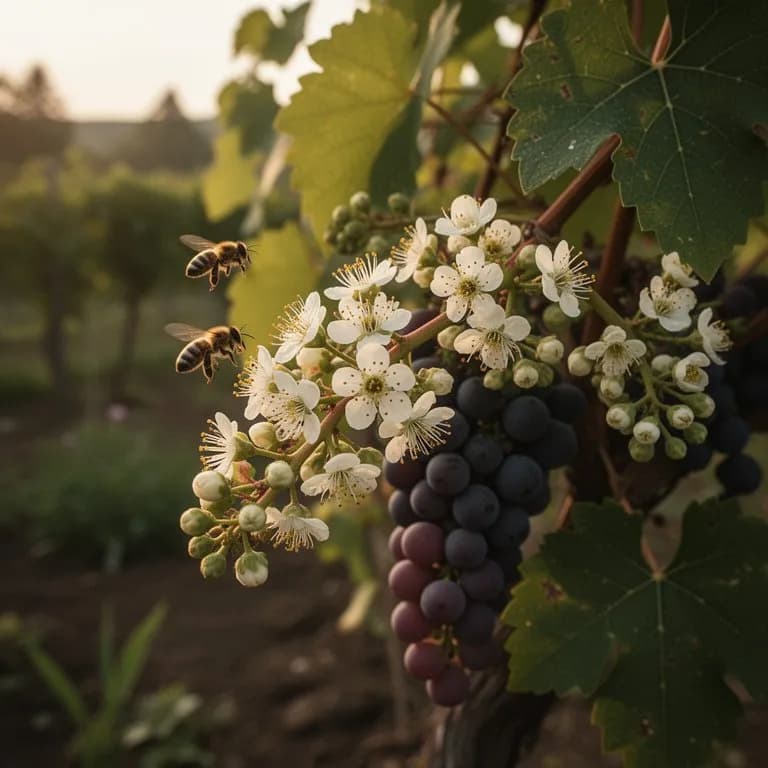
Las pequeñas flores amarillo verdosas de Cabernet Sauvignon se abren en racimos compactos durante finales de la primavera, normalmente cuando las temperaturas están de forma constante por encima de 18°C (65°F). Como todas las variedades de Vitis vinifera, es hermafrodita y autofértil: el polen pasa de las anteras al estigma receptivo de cada flor sin necesidad de insectos, aunque una ligera circulación de aire ayuda a la polinización. En buenas condiciones, entre el 30 y el 60 % de las flores cuajan fruto. La característica baya pequeña y de piel gruesa de Cabernet comienza a desarrollarse inmediatamente después de la fecundación. La coulure (mal cuajado debido a clima frío o húmedo durante la floración) es el principal riesgo durante esta ventana crítica de 10–14 días.
Desarrollo de la baya y envero
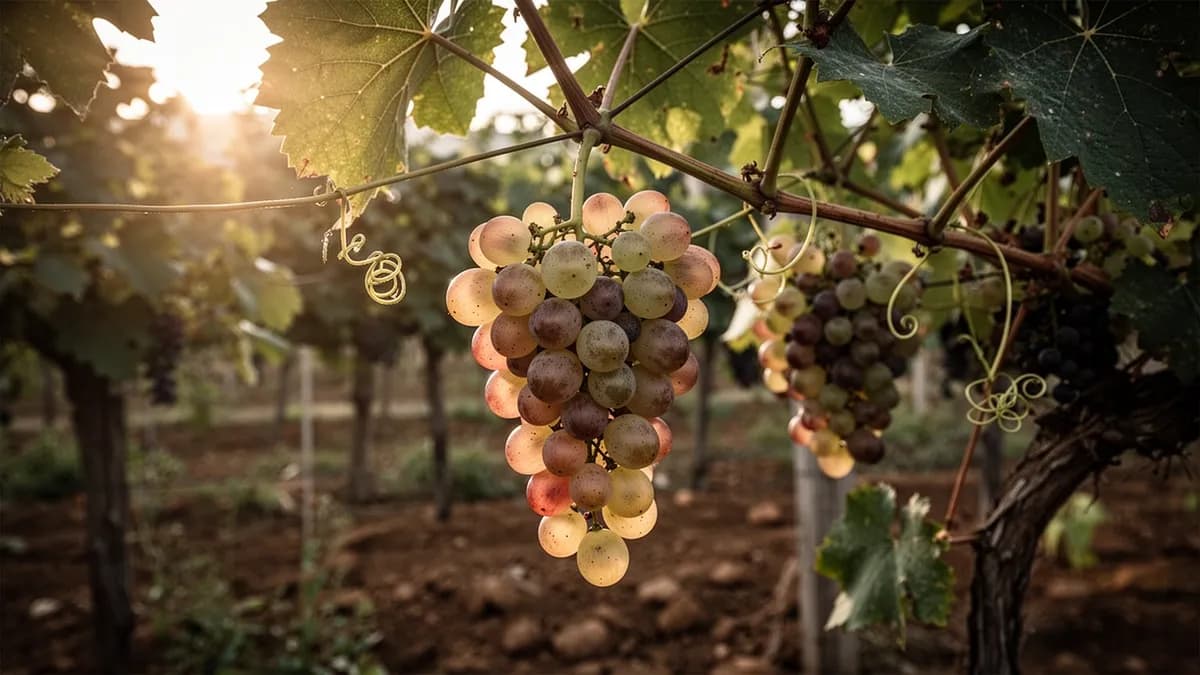
Las bayas de Cabernet Sauvignon se expanden de manera constante durante el verano, pero permanecen notablemente más pequeñas que las de la mayoría de las otras variedades de Vitis vinifera, un rasgo definitorio del cultivar que concentra compuestos de sabor, color y taninos en cada baya. Las bayas se mantienen duras, muy ácidas y ricas en pirazinas verdes y herbáceas (los compuestos responsables del característico matiz de “pimiento verde” en Cabernet inmaduro) hasta el envero, que normalmente ocurre entre 40 y 50 días después del cuajado. En el envero, las antocianinas inundan la piel de las bayas en pocos días, cambiándolas de verde brillante a azul negro intenso. Los azúcares aumentan rápidamente mientras los ácidos se suavizan gradualmente, y las pirazinas verdes intensas dan paso a los complejos aromas de fruta oscura — grosella negra, mora, cedro y tabaco — que definen al Cabernet Sauvignon maduro.
Maduración y cosecha
Cabernet Sauvignon es una variedad de maduración tardía y normalmente requiere entre 165 y 190 días desde la brotación hasta la cosecha, una de las duraciones más largas entre las variedades de Vitis vinifera cultivadas ampliamente. Este largo ciclo vegetativo explica por qué prospera en climas cálidos con otoños largos y secos. Las bayas de Cabernet plenamente maduras son de un azul negro intenso, con una piel tensa y relativamente gruesa que proporciona una resistencia excepcional a la podredumbre gris de los racimos causada por Botrytis durante las semanas críticas finales de maduración. En la madurez óptima, las semillas están completamente marrones, los aromas verdes de pirazina han desaparecido y han sido sustituidos por notas ricas de fruta oscura y especias, y el valor de Brix suele situarse entre 23 y 26°Bx con un pH entre 3,5 y 3,8. Para la elaboración de vino, la madurez fenólica (desarrollo de taninos en semillas y pieles) es tan importante como la madurez azucarada y puede ir varios días por detrás de la curva de azúcar.
Recuperación poscosecha y lignificación de las cañas
Después de la cosecha, la vid de Cabernet Sauvignon entra en un periodo crucial de seis a ocho semanas de fotosíntesis activa durante el cual reconstruye las reservas de carbohidratos en la madera permanente y las raíces. Las hojas pasan de verde intenso a tonos amarillos y anaranjados antes de caer tras la primera helada mortal. Las cañas se lignifican gradualmente desde la base hacia arriba, cambiando de verde a marrón rojizo a medida que desarrollan la resistencia al frío necesaria para sobrevivir al invierno. Esta fase poscosecha es biológicamente crítica: quitar las hojas demasiado pronto, aplicar exceso de nitrógeno o dejar a la vid con falta de agua durante sequías intensas de final de temporada comprometerá de forma significativa el vigor y la fertilidad de las yemas del año siguiente.
Poda de invierno y arquitectura de la vid
Durante la dormancia profunda, la arquitectura permanente de Cabernet Sauvignon se refina y se establece el armazón para la cosecha de la próxima temporada mediante una poda cuidadosa. Las vides establecidas suelen mantenerse en un emparrado de posicionamiento vertical de brotes (VSP) con un sistema Guyot simple o doble, o en un cordón alto con poda bilateral de pulgares. El objetivo es equilibrar el vigor de la vid con la calidad del fruto: las vides excesivamente vigorosas con un dosel demasiado denso producen de forma constante mayores rendimientos de fruta de menor calidad y menos concentrada. La poda anual en dormancia mantiene joven la madera fructífera, renueva la productividad de la vid y evita la acumulación progresiva de enfermedades de la madera como el decaimiento por Eutypa y la esca.
Realice toda la poda estructural a finales del invierno, cuando la vid esté completamente en reposo y antes de que las temperaturas superen de forma constante los 10°C (50°F). Cabernet Sauvignon responde bien tanto a la poda de cañas como a la poda de pulgares en un emparrado Guyot o VSP; en ambos casos, elimine el 85–90 % del crecimiento de la temporada anterior. Conserve solo la madera de un año más vigorosa y del grosor de un lápiz para la fructificación. Aplique una sola pulverización de cobre en dormancia en un día seco y sin heladas para suprimir el inóculo invernante de Botrytis y mildiu velloso sobre las cañas.
Cuidar Uva Cabernet Sauvignon mes a mes
Qué hacer cada mes para tu Uva Cabernet Sauvignon
Octubre
Mes actualMes de vendimia en el hemisferio norte. Recoja por la mañana temprano, cuando la fruta esté fresca, y procese lo antes posible. Tras la cosecha, planifique el abonado otoñal y revise el estado sanitario general de la vid.
Ten claro qué hacer en tu huerto, cada mes
Un correo al empezar cada mes: qué sembrar, plantar y hacer ahora mismo — para tu Uva Cabernet Sauvignon y todo lo que crece alrededor. Más un breve curso inicial para esquivar los errores clásicos.
- Qué hacer ahora mismo
- Ajustado a tu temporada
- Curso inicial incluido
Cosechar Uva Cabernet Sauvignon
Cabernet Sauvignon es una de las últimas variedades en cosecharse, normalmente en octubre en el hemisferio norte. Vigile las muestras de bayas para comprobar que el azúcar esté entre 24 y 26 Brix, pero dé prioridad a la madurez de los taninos y del sabor por encima del azúcar solo. Pruebe las semillas: deben presentar color marrón y sabor a fruto seco, lo que indica taninos lignificados. Los matices verdes de pimiento o herbáceos indican que las uvas necesitan más tiempo en la planta. Coseche a primera hora de la mañana, cuando la fruta esté fresca, y seleccione los racimos para retirar cualquier fruto excesivamente pasificado o con podredumbre antes del procesado.
se supone que plantas al comenzar el periodo — indica tu fecha real
Normalmente en octubre en el hemisferio norte, cuando las semillas son marrones y con sabor a nuez, las bayas son de un azul negro intenso y la madurez de los taninos coincide con el nivel de azúcar.
Almacenamiento y conservación
Las uvas Cabernet Sauvignon deben triturarse y fermentarse en las horas posteriores a la cosecha para lograr la mejor calidad de vino. Las pieles gruesas permiten una maceración prolongada de dos a cuatro semanas, extrayendo color intenso y taninos estructurados. Para los vinificadores caseros, las uvas Cabernet congeladas pueden dar un vino aceptable si se descongelan y procesan con rapidez. Los vinos resultantes se benefician enormemente de la crianza en roble y pueden guardar décadas. Las uvas frescas también pueden secarse para obtener pasas muy sabrosas, y el zumo da lugar a una gelatina de uva rica y de color intenso con fuerte carácter tánico.
Qué falla — y cómo solucionarlo
Oídio
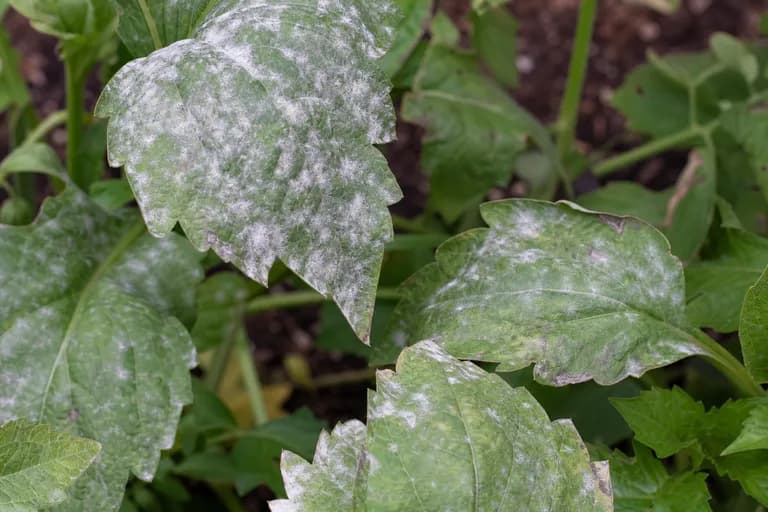
EnfermedadCrecimiento fúngico blanco y polvoriento sobre las hojas, los brotes y las bayas. Las bayas infectadas pueden agrietarse y desarrollar sabores defectuosos en el vino resultante.
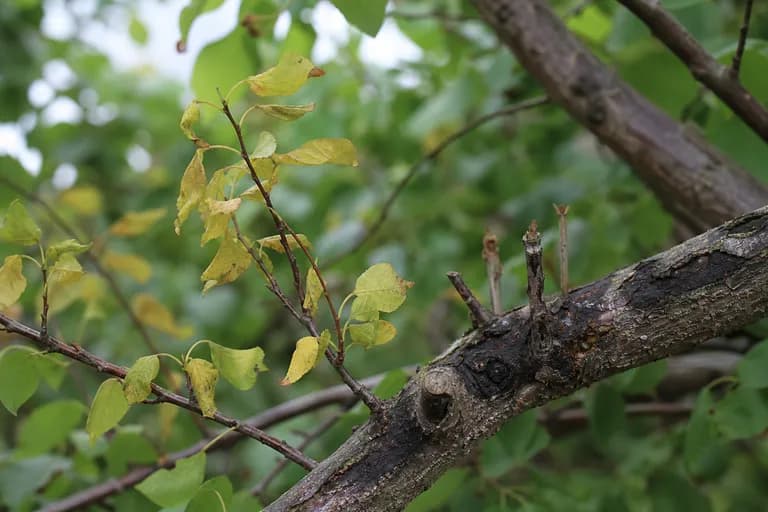
Marchitez por Eutypa
EnfermedadEn primavera brotan brotes atrofiados con hojas pequeñas, ahuecadas y cloróticas desde los espolones infectados. Los cortes transversales de los cordones revelan manchas en forma de cuña.
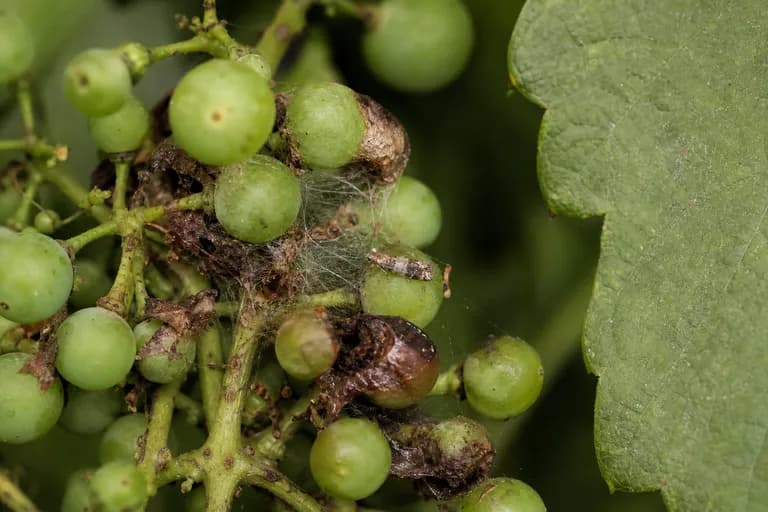
Polilla de la baya de la uva
PlagaLas larvas unen con hilos de seda y se alimentan de las bayas en desarrollo, creando heridas de entrada para infecciones secundarias. Se observa excremento oscuro en los racimos dañados.
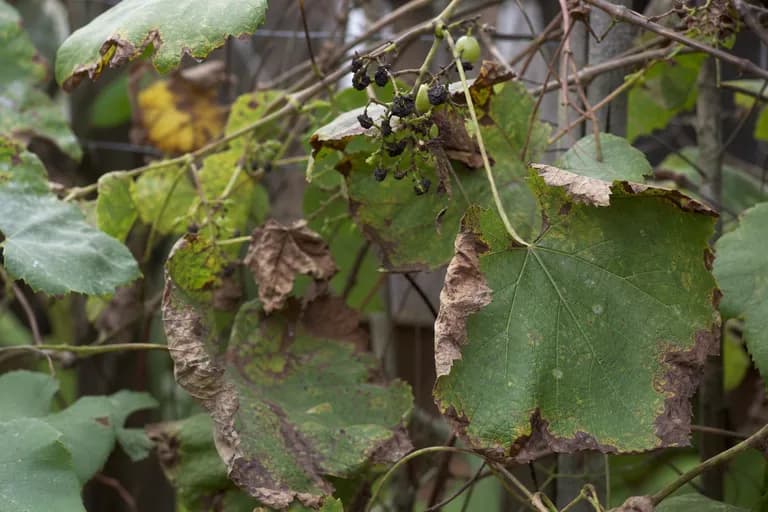
Enfermedad de Pierce
EnfermedadLos bordes de las hojas se queman progresivamente hacia el interior, los racimos se marchitan y las cañas no maduran correctamente. Las vides se debilitan y mueren en un plazo de dos a cinco años.
Solución de problemas comunes
El principal desafío con Cabernet Sauvignon es alcanzar la madurez completa en climas frescos o de temporada corta, donde las uvas desarrollan desagradables sabores a pimiento verde por las pirazinas inmaduras. El hábito de crecimiento vigoroso puede dar lugar a copas demasiado densas si no se controla con aclareo de brotes y recorte. Las enfermedades del tronco por Eutypa y Botryosphaeria son problemas cada vez más frecuentes en viñedos viejos, y provocan un deterioro progresivo de cordones y espolones. En climas muy cálidos, la acumulación excesiva de azúcar produce vinos con mucho alcohol y poca frescura y equilibrio.
Consejos de cultivo
- La elección del emplazamiento es la decisión más importante para lograr éxito con Cabernet Sauvignon. Elija el lugar más cálido y soleado de su jardín: las laderas orientadas al sur o al suroeste con excelente drenaje de aire son ideales. Cabernet Sauvignon necesita una temporada larga y cálida de al menos 180 días libres de heladas y 1.600 grados-día de crecimiento (base 10 °C) para madurar por completo. En climas marginales, plantarlo junto a una pared de mampostería orientada al sur que absorba y reemita calor puede ampliar la temporada efectiva de crecimiento en 2 a 3 semanas y marcar la diferencia entre un fruto totalmente maduro y uno herbáceo.
- Cabernet Sauvignon no negocia con el drenaje. Su debilidad más seria como planta de jardín es la susceptibilidad a la podredumbre de raíces, causada por Phytophthora cinnamomi y especies de Pythium, en suelos compactados y mal drenados. Nunca lo plante en zonas bajas donde el agua se acumule tras la lluvia. Eleve los bancales de plantación 20 a 30 cm por encima del nivel del suelo circundante si el drenaje es dudoso, y mezcle grava gruesa o perlita en los suelos arcillosos pesados. La vid tolerará la sequía mucho mejor que los pies mojados.
- El oídio (Erysiphe necator) es la amenaza de enfermedad más seria y persistente para Cabernet Sauvignon en la mayoría de los climas de cultivo. A diferencia del mildiu, que necesita lluvia, el oídio prospera en tiempo cálido y seco con noches frescas, justo el tipo de clima mediterráneo en el que Cabernet Sauvignon crece mejor. Empiece un programa preventivo de fungicidas a base de azufre en la brotación y continúe cada 10 a 14 días hasta el envero sin interrupción. No deje nunca pasar más de 14 días entre aplicaciones durante el periodo crítico de prefloración a cierre del racimo.
- Mantenga una arquitectura de copa abierta mediante una poda de verano constante y el posicionamiento de brotes en la espaldera VSP. Cabernet Sauvignon es una variedad naturalmente vigorosa que construirá con rapidez una copa densa y sombreada si no se maneja. Las copas densas favorecen el oídio, reducen la exposición solar de los racimos, frenan el desarrollo de antocianinas en las pieles y dan como resultado fruta con mucha acidez, sabores verdes y un carácter elevado de metoxipirazinas, justo lo contrario de lo que hace especial a Cabernet Sauvignon. Busque una copa a través de la cual pueda verse con claridad cada racimo desde el lateral de la fila.
- Cabernet Sauvignon rinde mejor en suelos de fertilidad baja a moderada. Evite aplicar fertilizantes ricos en nitrógeno después de la brotación, ya que el exceso de nitrógeno impulsa un vigor excesivo de los brotes, más sombreado y la producción de bayas grandes, de piel fina y sabor diluido. En su lugar, centre la fertilidad en una aplicación equilibrada de materia orgánica compostada en otoño y un suplemento modesto de potasio a comienzos del otoño para ayudar al endurecimiento de las cañas. Analice el suelo cada tres años y ajuste el pH hacia 6.0 a 6.5 con cal o azufre según sea necesario.
- El aclareo de racimos, es decir, retirar el exceso de racimos a comienzos del verano, idealmente en el cuajado, es la práctica aislada más eficaz para mejorar la calidad de Cabernet Sauvignon en un huerto doméstico. Las vides que llevan más de un racimo por brote reparten sus recursos fotosintéticos entre demasiadas bayas, dando lugar a frutos que nunca alcanzan los niveles de azúcar y fenoles necesarios para un sabor plenamente expresivo. Retire el menor de dos racimos por brote, eligiendo los más bien situados y mejor cuajados para conservar.
- Cuando haga vino casero con Cabernet Sauvignon, alargue el periodo de maceración, es decir, el tiempo que el mosto pasa en contacto con las pieles y las semillas después de triturarlo, hasta 10 a 21 días en lugar de los periodos más cortos que se usan en variedades más ligeras. Este contacto prolongado con las pieles es esencial para extraer todo el color, el tanino y la complejidad fenólica que dan a Cabernet Sauvignon su carácter distintivo y su potencial de envejecimiento. El manejo del sombrero, ya sea hundiéndolo o remontándolo dos veces al día durante la maceración, evita el deterioro y asegura una extracción completa.
- La protección de la unión del injerto es crítica en zonas 6 y más frías. Todas las vides comerciales de Cabernet Sauvignon vendidas en climas templados están injertadas sobre patrones de Vitis resistentes al frío, normalmente SO4, 5C Teleki o 3309 Couderc, porque el injerto de Cabernet Sauvignon en sí solo tiene una resistencia moderada al frío. La unión del injerto es el punto más vulnerable de la vid. Después de la primera helada fuerte de otoño, amontone 15 cm de paja o tierra sobre la unión y mantenga esta protección durante los meses más fríos del invierno, retirándola gradualmente a comienzos de primavera a medida que suben las temperaturas.
- Cabernet Sauvignon es un excelente compañero de Merlot en el viñedo doméstico si el espacio lo permite. Las dos variedades maduran en momentos distintos: Merlot aproximadamente 2 a 3 semanas antes, y mezclar pequeñas proporciones de Merlot prensado en casa con vino de Cabernet Sauvignon añade cuerpo, plenitud en el paladar medio y un carácter frutal accesible que suaviza la austeridad tánica juvenil del Cabernet, produciendo un vino más completo con ambas variedades que con cualquiera de ellas por separado.
- Aproveche tanto las cualidades ornamentales como la productividad de Cabernet Sauvignon. Las hojas profundamente lobuladas y de color verde oscuro de la variedad desarrollan un rico color otoñal rojo carmesí y naranja antes de caer, tan llamativo como el de cualquier vid ornamental dedicada. Guiada sobre un emparrado, una pérgola o una gran pantalla de espaldera, una vid madura de Cabernet Sauvignon ofrece sombra en verano, espectáculo en otoño y cosechas anuales de fruta desde una sola plantación que superará en longevidad a cualquier planta anual de flor o arbusto de vida corta en el mismo espacio.
Cultiva tu mejor Uva Cabernet Sauvignon — y todo lo que la rodea.
Empieza un plan gratis hoy. Diseña tus bancales, coloca tu Uva Cabernet Sauvignon y deja que PlotMyGarden gestione el momento, el espaciado, las asociaciones y los recordatorios de la semilla a la cesta.
Elige tu Uva Cabernet Sauvignon
Clon 8
El clon de Cabernet Sauvignon más plantado, con rendimientos constantes y los sabores clásicos de grosella negra y cedro. Fiable y bien adaptado a muchos climas.
Clon 337
Una selección ENTAV-INRA de Burdeos que produce bayas más pequeñas con color intenso y sabores concentrados. Muy apreciado para vinos de alta gama.
Clon 15
Una selección italiana conocida por producir vinos con taninos más suaves y un carácter de fruta madura. Muy adecuada para regiones de cultivo más cálidas.
Clon 169
Una selección de Burdeos que produce racimos pequeños y sueltos con excelente extracción de color. Muy valorada para vinos con capacidad de guarda y aromas complejos.
Una vid injertada de Cabernet Sauvignon cuesta entre 15 y 25 $ en la mayoría de viveros de calidad y, una vez establecida en su cuarto o quinto año, producirá de forma fiable entre 4 y 10 kg de fruta al año durante 30 a 50 años o más. Las uvas Cabernet Sauvignon ecológicas de primera calidad, cuando están disponibles en mercados agrícolas especializados o viñedos de auto-recolección, se venden a 5 a 10 $ por libra, lo que significa que una sola vid doméstica madura puede generar un valor equivalente de 45 a 220 $ en fruta fresca cada temporada. El ahorro se multiplica de forma notable para quienes elaboran vino en casa: una botella comercial de Cabernet Sauvignon de entrada cuesta 12 a 20 $, mientras que producir una cantidad equivalente en casa con sus propias uvas cuesta aproximadamente 0.50 a 1.50 $ por botella en amortización de equipo y suministros una vez que la vid produce. La reducción aromática, las jaleas de uva y otros productos de conserva especiales elaborados con uvas Cabernet Sauvignon se venden por 8 a 15 $ el tarro en mercados de alimentos artesanos, pero pueden hacerse en casa por menos de 1 $ el tarro en consumibles. A lo largo de una vida productiva de 20 años, una sola vid de Cabernet Sauvignon bien gestionada en un clima adecuado representa con creces más de 1.500 $ de valor acumulado de producto a partir de una inversión inicial de 20 $.
Recetas rápidas
Reducción de Cabernet Sauvignon
25 minutosUna reducción dulce y ácida que concentra el carácter más profundo de la uva Cabernet Sauvignon. Es perfecta para acompañar carnes asadas, tablas de queso o incluso postres con chocolate oscuro. El equilibrio entre fruta, acidez y un toque herbáceo la convierte en un condimento muy versátil.
7 ingredientes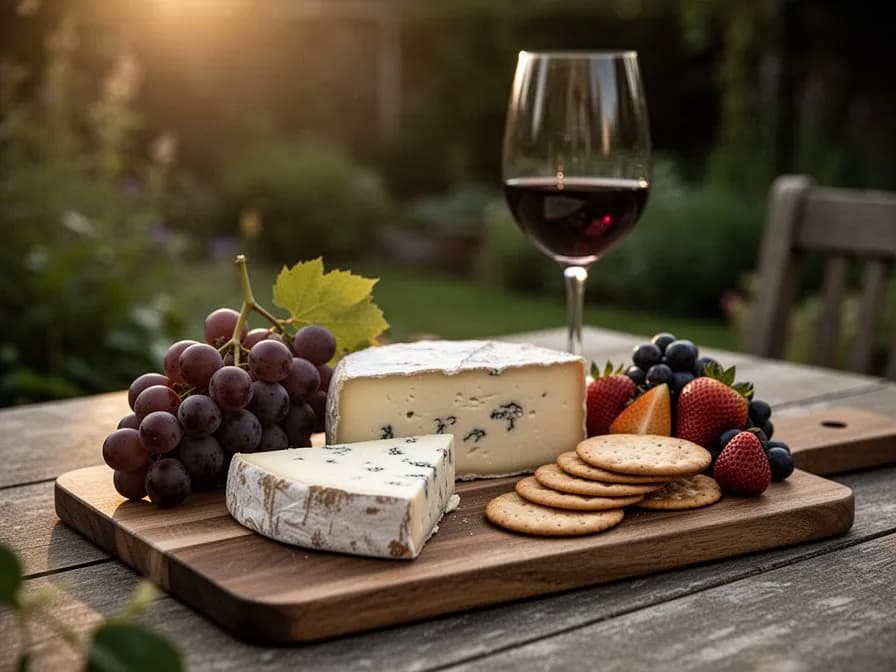
Zumo de Cabernet Sauvignon prensado en casa
45 minutosAntes de iniciar la vinificación, o como forma sin alcohol de disfrutar toda la profundidad de las uvas Cabernet Sauvignon, un sencillo zumo prensado en caliente captura en cada vaso la fruta oscura, la firmeza tánica y el color intenso característicos de la variedad. Mucho más rico y complejo que cualquier zumo de uva comercial, esta versión casera merece la pena solo por comprobar lo distinta que sabe una uva Vitis vinifera auténtica frente a los zumos comerciales de uvas tipo americano.
6 ingredientes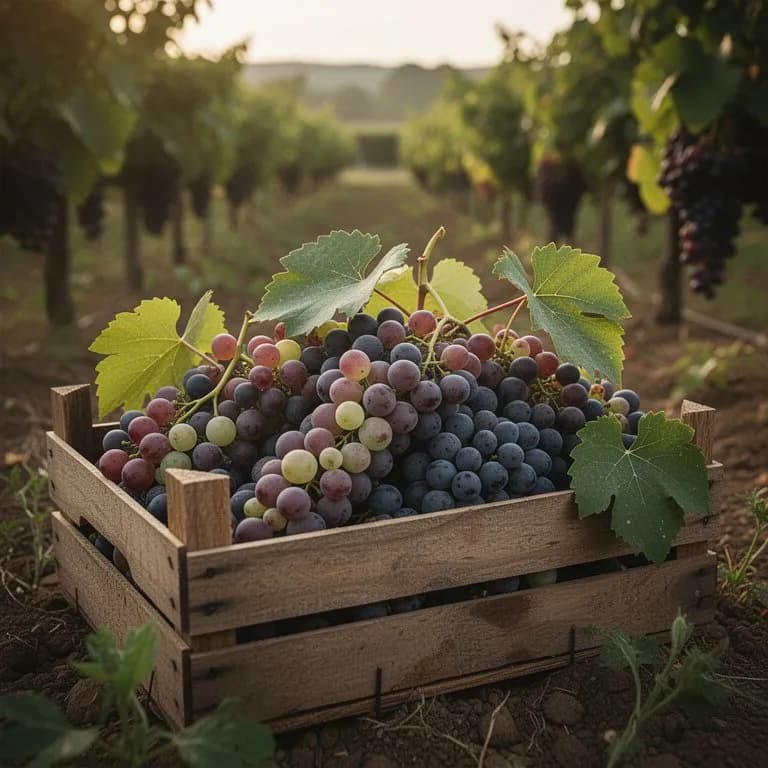
Bruschetta de racimo asado de Cabernet Sauvignon
15 minutos de preparación, 20 minutos de asadoAsar el racimo entero concentra los sabores de fruta oscura del Cabernet Sauvignon, suaviza los taninos de la piel y carameliza los azúcares naturales hasta convertirlos en una cobertura melosa e intensamente sabrosa que combina de maravilla con queso cremoso y pan crujiente. Es un aperitivo llamativo que permite que el carácter único de las uvas de vino de cultivo casero ocupe el centro de atención con muy poco esfuerzo.
8 ingredientesUsos culinarios
Cabernet Sauvignon produce vinos tintos de mucho cuerpo, con taninos firmes y sabores de grosella negra, cedro y chocolate negro, que maridan de maravilla con carnes rojas a la parrilla, quesos curados y guisos contundentes. Las uvas dan una gelatina excepcionalmente rica y un vinagre de color profundo cuando se deja que pasen por fermentación acética. El verjus elaborado con bayas de Cabernet inmaduras es muy apreciado por los cocineros como ácido suave para desglasar y para vinagretas.
Qué contiene
Beneficios para la salud
- Las uvas Cabernet Sauvignon contienen una de las concentraciones más altas de antocianinas entre las variedades Vitis vinifera, algo directamente atribuible a sus pieles gruesas y muy pigmentadas; estos pigmentos flavonoides actúan como potentes antioxidantes que ayudan a neutralizar radicales libres implicados en enfermedades cardiovasculares, trastornos neurodegenerativos y envejecimiento celular
- Las semillas de la uva son excepcionalmente ricas en proantocianidinas oligoméricas, una clase de antioxidantes tánicos condensados que la investigación ha relacionado con una mejor integridad vascular, menor fragilidad capilar, menor oxidación del colesterol LDL y una agregación plaquetaria modulada cuando se consumen con regularidad dentro de una dieta variada
- El resveratrol, concentrado en las pieles gruesas del Cabernet Sauvignon en niveles de los más altos entre las uvas cultivadas, se ha estudiado por su potencial para activar sirtuinas, proteínas asociadas a la resistencia al estrés celular y a la regulación metabólica, lo que sugiere un papel en vías biológicas relacionadas con la longevidad
- Las bayas frescas de Cabernet Sauvignon aportan quercetina y miricetina, dos flavonoles con actividad antiinflamatoria bien documentada que puede ayudar a reducir la producción de citocinas proinflamatorias, beneficiando potencialmente a personas con enfermedades inflamatorias crónicas como artritis reumatoide, síndrome metabólico y enfermedad inflamatoria intestinal
- El consumo regular de uvas de Vitis vinifera de piel oscura, como Cabernet Sauvignon, se ha asociado en estudios epidemiológicos con un menor riesgo de enfermedad cardiovascular mediante varios mecanismos: mejora de la función endotelial, menor presión arterial, reducción de la agregación plaquetaria y relaciones HDL-LDL más favorables
- El perfil rico en polifenoles de las uvas Cabernet Sauvignon, especialmente sus proantocianidinas y estilbenos, ha demostrado actividad prebiótica en investigaciones sobre el microbioma intestinal, estimulando selectivamente el crecimiento de especies beneficiosas de Lactobacillus y Bifidobacterium mientras se suprimen bacterias patógenas, lo que sugiere un papel positivo en la salud intestinal y la función inmunitaria
De dónde viene Uva Cabernet Sauvignon
Cabernet Sauvignon nació en Burdeos a partir de un cruce natural entre Cabernet Franc y Sauvignon Blanc, un descubrimiento que no se identificó hasta finales del siglo XX gracias al análisis genético. Durante mucho tiempo se pensó que la variedad era muy antigua e incluso se la relacionó con nombres históricos diferentes, pero la genética aclaró su verdadero origen y la convirtió en un ejemplo emblemático de cómo el azar puede crear una cepa extraordinaria.
Desde Burdeos, Cabernet Sauvignon se extendió por Europa y, más tarde, por las grandes regiones vitivinícolas del mundo. Su éxito se debió a una combinación de vigor, adaptabilidad y una capacidad notable para producir vinos estructurados, intensos y aptos para la crianza. En los siglos XIX y XX se consolidó como una de las variedades internacionales por excelencia, especialmente en climas cálidos y con estaciones de maduración largas.
Su ascenso también estuvo ligado a la expansión de los vinos de estilo bordelés, donde el Cabernet Sauvignon suele aportar estructura, color y longevidad a los ensamblajes. Con el tiempo se convirtió en la referencia frente a la cual se miden muchas otras variedades tintas. Hoy es una cepa global, plantada desde California y Chile hasta Australia, Sudáfrica y el Mediterráneo, y sigue siendo un símbolo de vinos con profundidad, firmeza y capacidad de envejecimiento.
Uva Cabernet Sauvignon: ¿sabías que?
Datos fascinantes sobre Uva Cabernet Sauvignon
Cabernet Sauvignon procede de un cruce natural entre Cabernet Franc y Sauvignon Blanc que se produjo en Burdeos, probablemente en el siglo XVII, y de ahí surgió una de las variedades de uva más influyentes del mundo.
Uva Cabernet Sauvignon: preguntas frecuentes
¿Cuándo debo plantar Uva Cabernet Sauvignon?
¿Cuáles son buenas plantas acompañantes para Uva Cabernet Sauvignon?
¿En qué zonas de rusticidad puede crecer Uva Cabernet Sauvignon?
¿Cuánto sol necesita Uva Cabernet Sauvignon?
¿A qué distancia debo espaciar Uva Cabernet Sauvignon?
¿Qué plagas y enfermedades afectan a Uva Cabernet Sauvignon?
¿Cómo almaceno Uva Cabernet Sauvignon después de la cosecha?
¿Cuáles son las mejores variedades de Uva Cabernet Sauvignon para cultivar?
¿Qué suelo necesita Uva Cabernet Sauvignon?
¿Puedo cultivar Cabernet Sauvignon con éxito en un clima fresco o marítimo?
¿Por qué mis uvas Cabernet Sauvignon huelen y saben a pimiento verde en lugar de grosella negra y fruta oscura?
¿Cuánto tarda una vid de Cabernet Sauvignon en dar una cosecha relevante?
¿Necesito injertar Cabernet Sauvignon sobre un patrón o puedo cultivarlo sobre sus propias raíces?
¿Puedo usar uvas Cabernet Sauvignon de cultivo casero para hacer vino bebible sin equipo profesional?
¿Cuáles son las mejores plantas compañeras para cultivar cerca de las vides Cabernet Sauvignon?
Acabas de leer la teoría. Ahora cultívala en piloto automático.
Todo lo que hace que Uva Cabernet Sauvignon sea delicado — el momento, el espaciado, las asociaciones, la ventana de cosecha — es justo lo que PlotMyGarden resuelve por ti, para cada planta de tu huerto.
Un plan que conoce tu clima
Indica tu ubicación una vez. Recibe fechas de siembra, abonado y cosecha basadas en tu última helada real y el pronóstico en vivo — sin adivinar con un sobre genérico.
De la sección “Cuándo plantar”Planificador de bancales de arrastrar y soltar
Diseña bancales sobre una cuadrícula. Cada planta encaja con su espaciado correcto y ves toda la temporada antes de gastar un céntimo en semillas.
De la sección “Cultivo”Conflictos de asociación, detectados a tiempo
Más de 200 buenas y malas combinaciones comprobadas en vivo mientras plantas — para que un error que arruine la temporada nunca llegue a la tierra.
De la sección “Asociaciones”Recordatorios que sí vas a seguir
“Riega las judías.” “Recoge hoy antes de que se pase.” Oportunos, concretos y ligados a las plantas que de verdad cultivas.
De la sección “Cosecha”Escalonado, programado
¿Quieres cosechar seis semanas en vez de seis días? Reparte tus siembras automáticamente y te avisa cuando toca el siguiente lote.
De la sección “Cuándo plantar”Un registro que se vuelve más listo
Cada cosecha que registras le enseña tu huerto. El plan del año que viene parte de lo que de verdad funcionó en tu suelo, no en un manual.
De la sección “Resumen”Planta estos junto a Uva Cabernet Sauvignon
Más Frutas de vid
Cultiva tu mejor Uva Cabernet Sauvignon — y todo lo que la rodea.
Empieza un plan gratis hoy. Diseña tus bancales, coloca tu Uva Cabernet Sauvignon y deja que PlotMyGarden gestione el momento, el espaciado, las asociaciones y los recordatorios de la semilla a la cesta.