Geisterkürbis
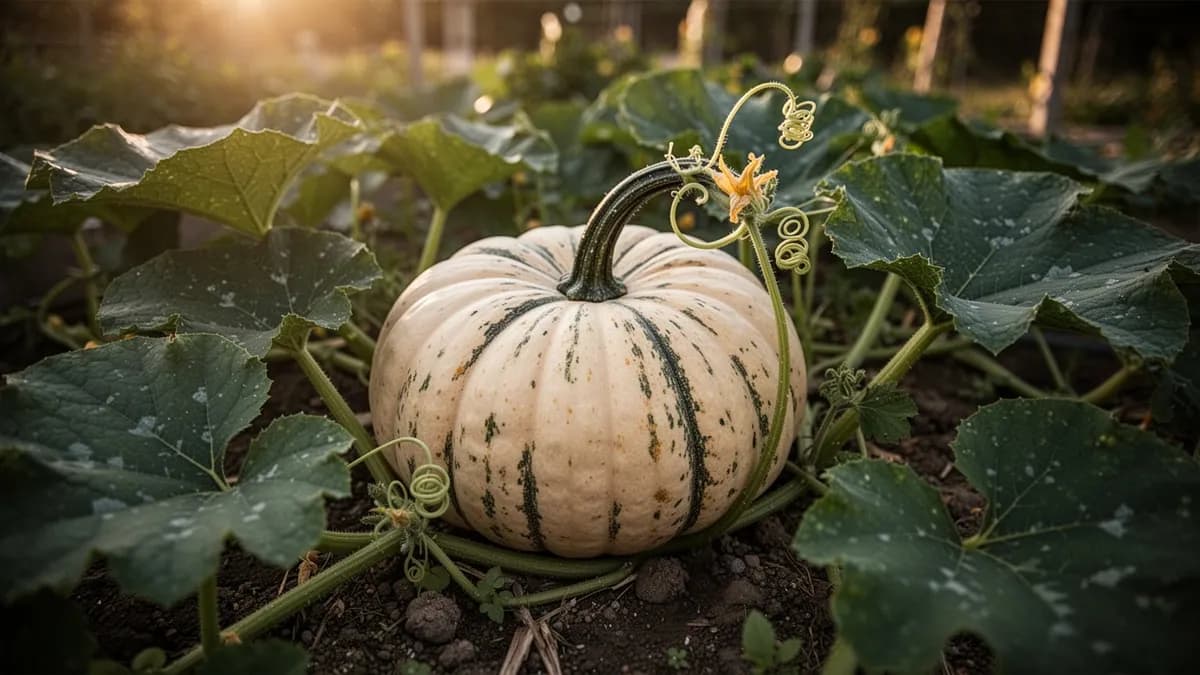
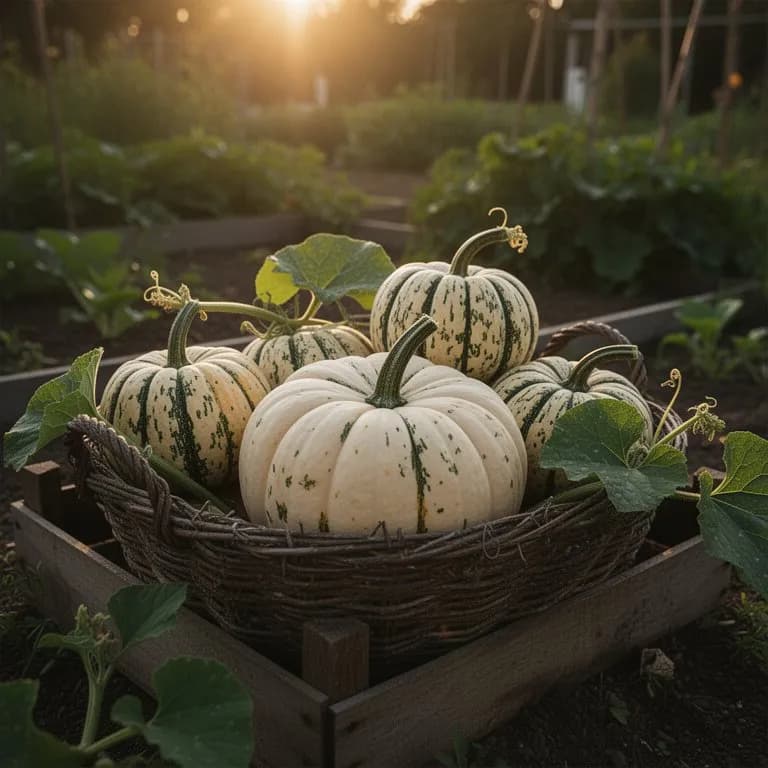
Eine auffällige Kürbissorte mit weißer Schale, auch bekannt als Lumina, die glatte, gespenstisch helle Früchte hervorbringt, die perfekt für die Herbstdekoration geeignet sind.





Auf dieser SeiteÜberblick
Geisterkürbis im Überblick
Eine auffällige Kürbissorte mit weißer Schale, auch bekannt als Lumina, die glatte, gespenstisch helle Früchte hervorbringt, die perfekt für die Herbstdekoration geeignet sind. Das Fruchtfleisch ist trotz der weißen Außenhaut leuchtend orange und eignet sich hervorragend für Kuchen, Suppen und Pürees. Die Früchte wiegen 4,5 bis 7 Kilogramm und lassen sich an einem kühlen, trockenen Ort mehrere Monate gut lagern. Die strahlend weiße Oberfläche ist außerdem eine ideale Leinwand zum Bemalen oder Schnitzen einzigartiger Halloween-Dekorationen.
Wann Geisterkürbis pflanzen
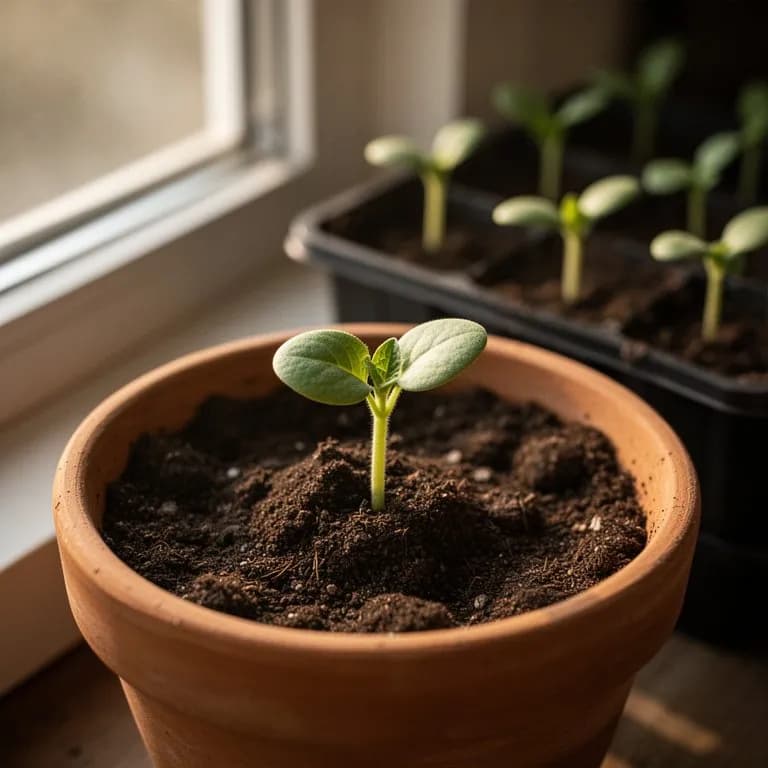
Starten Sie Geisterkürbis-Samen 3–4 Wochen vor dem letzten Frost drinnen in einzelnen biologisch abbaubaren Töpfen, da Kürbisse empfindlich auf Wurzelstörungen reagieren. Pflanzen Sie die Samen 2,5 cm tief in warme Anzuchterde bei 24–29 °C. Die Keimung erfolgt in 7–10 Tagen. Härten Sie die Sämlinge eine Woche lang ab, bevor Sie sie nach dem Ende der Frostgefahr ins Freie pflanzen. Für die Direktsaat warten Sie, bis der Boden 18 °C oder wärmer ist, und pflanzen Sie 2,5 cm tief mit 3–4 Samen pro Hügel. Dünnen Sie auf die 2 stärksten Sämlinge aus. Die Samen bleiben bei kühler, trockener Lagerung 4–6 Jahre keimfähig.
Dein Geisterkürbis-Jahr
Abgestimmt auf Zone 7 · typische Saison · Frost geht um den 2. Apr. und kehrt um den 1. Nov. zurück
Geisterkürbis Mai – Jun pflanzen, Sep – Okt ernten. Beachte die Pflanzmethoden unten und wähle dein Klima für passende Zeiträume.
So baust du Geisterkürbis an
Geisterkürbisse (Lumina) benötigen eine lange, warme Vegetationsperiode von 100–115 Tagen und viel Platz für ihre ausladenden Ranken. Starten Sie die Samen 3–4 Wochen vor dem letzten Frost drinnen, oder säen Sie direkt aus, sobald die Bodentemperatur 18 °C erreicht hat. Pflanzen Sie die Samen 2,5 cm tief in Hügel mit einem Abstand von 1,8–2,4 m, setzen Sie 3–4 Samen pro Hügel und dünnen Sie auf die 2 stärksten aus. Die Ranken breiten sich 4,5–6 m aus und brauchen großzügig Platz zum Wachsen.
Sorgen Sie für gleichmäßige Feuchtigkeit mit 2,5–5 cm Wasser pro Woche, wobei Tropfbewässerung oder Perlschläuche verwendet werden sollten, um das Laub trocken zu halten. Düngen Sie bei der Pflanzung mit einem ausgewogenen Dünger und wechseln Sie zu einer phosphor- und kaliumreicheren Mischung, sobald die Blüte beginnt. Geben Sie während der Vegetationsperiode monatlich Kompost als Seitendüngung. Mulchen Sie großzügig um die Pflanzen herum, um Unkraut zu unterdrücken und Feuchtigkeit zu speichern.
Für die beste weiße Farbe legen Sie ein Brett oder ein dickes Strohpolster unter die sich entwickelnden Früchte, um den Kontakt mit dem Boden zu vermeiden, der zu Vergilbung oder Fleckenbildung auf der makellosen weißen Schale führen kann. Handbestäubung am frühen Morgen verbessert den Fruchtansatz. Begrenzen Sie jede Ranke auf 2–3 Früchte für die größten, gleichmäßigsten Kürbisse. Reduzieren Sie die Bewässerung schrittweise, wenn die Früchte reifen, um den Zucker im Fruchtfleisch zu konzentrieren und die Schale für die Lagerung zu härten.
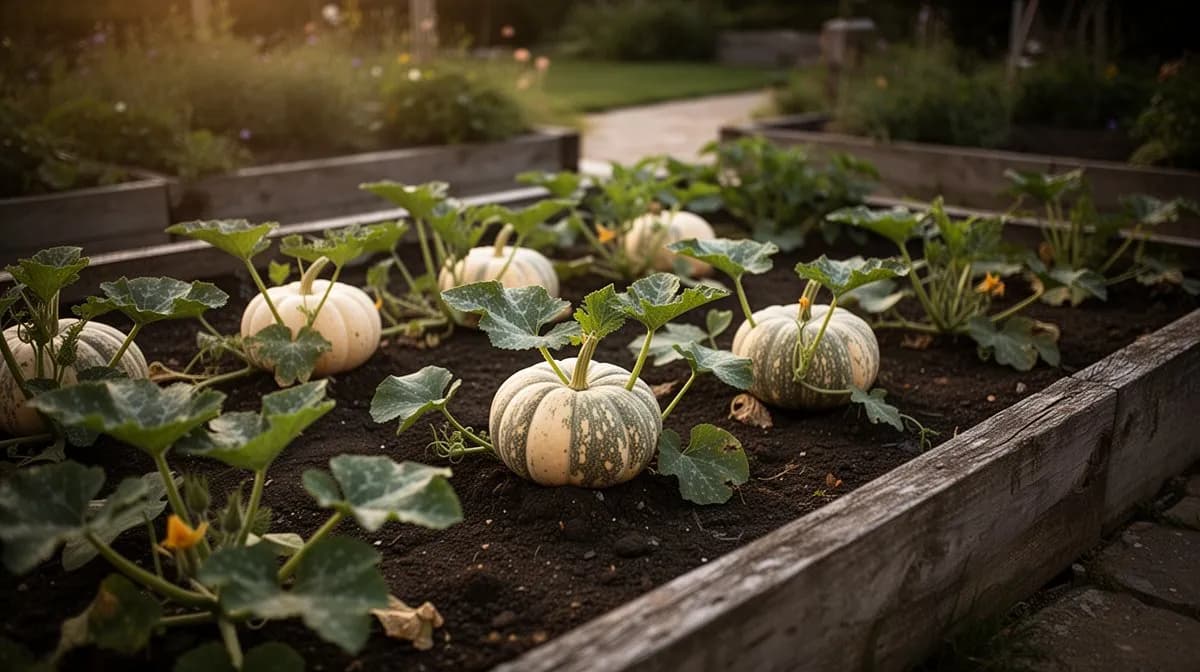
2 Pflanzen passen in ein Beet von 120 × 240 cm
Geisterkürbis braucht 120 cm Platz pro Pflanze. Der Planer hält diesen Abstand für dich ein — jede Pflanze, jedes Beet.
Die besten Nachbarn für Geisterkürbis
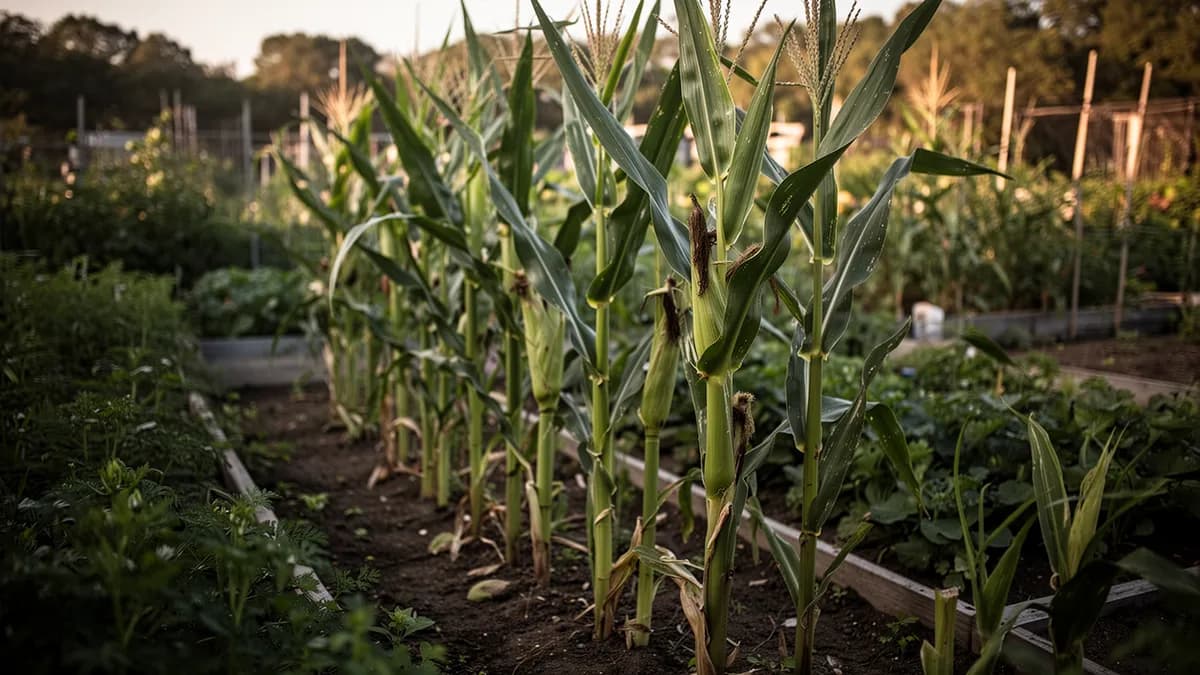
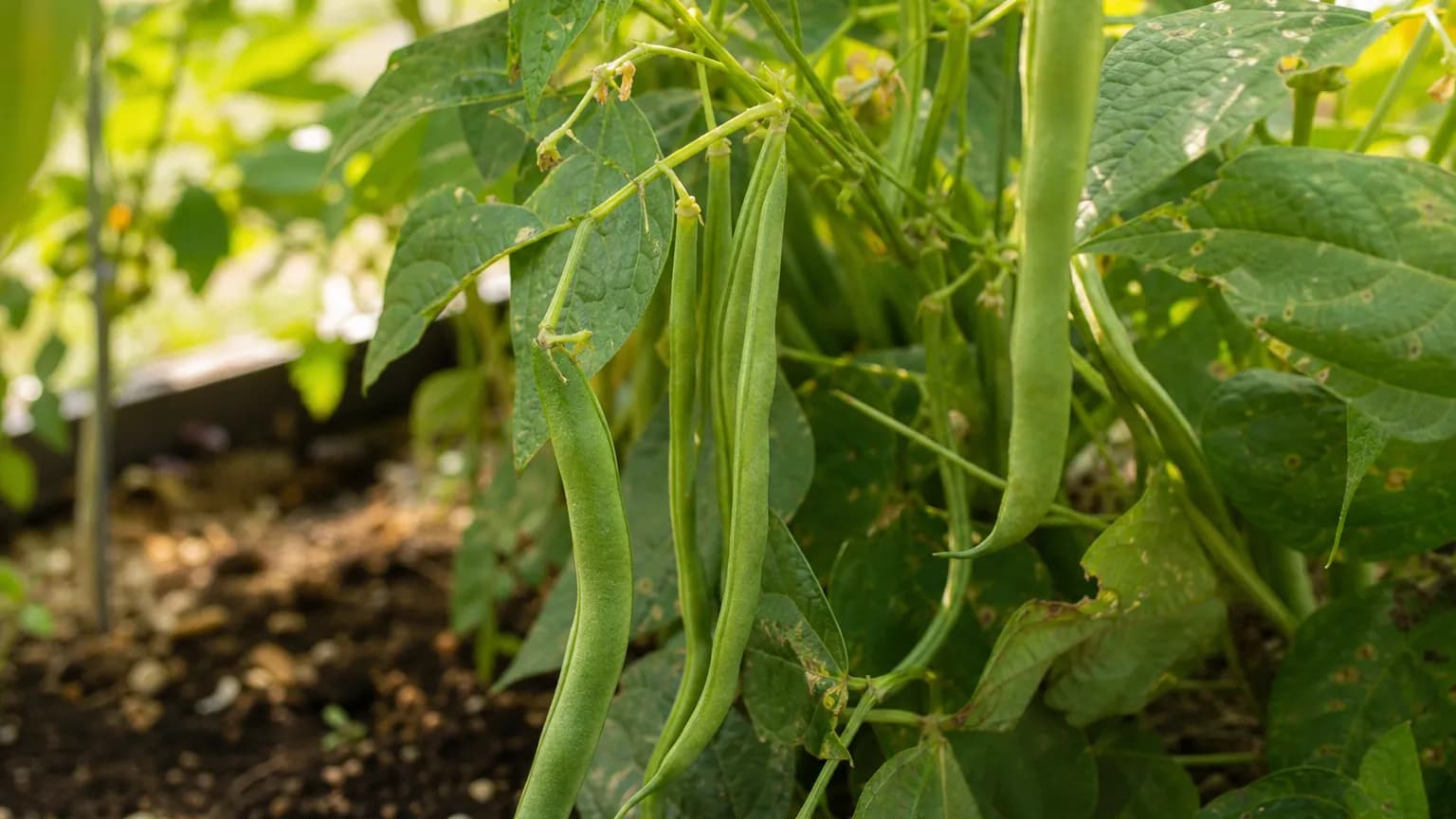
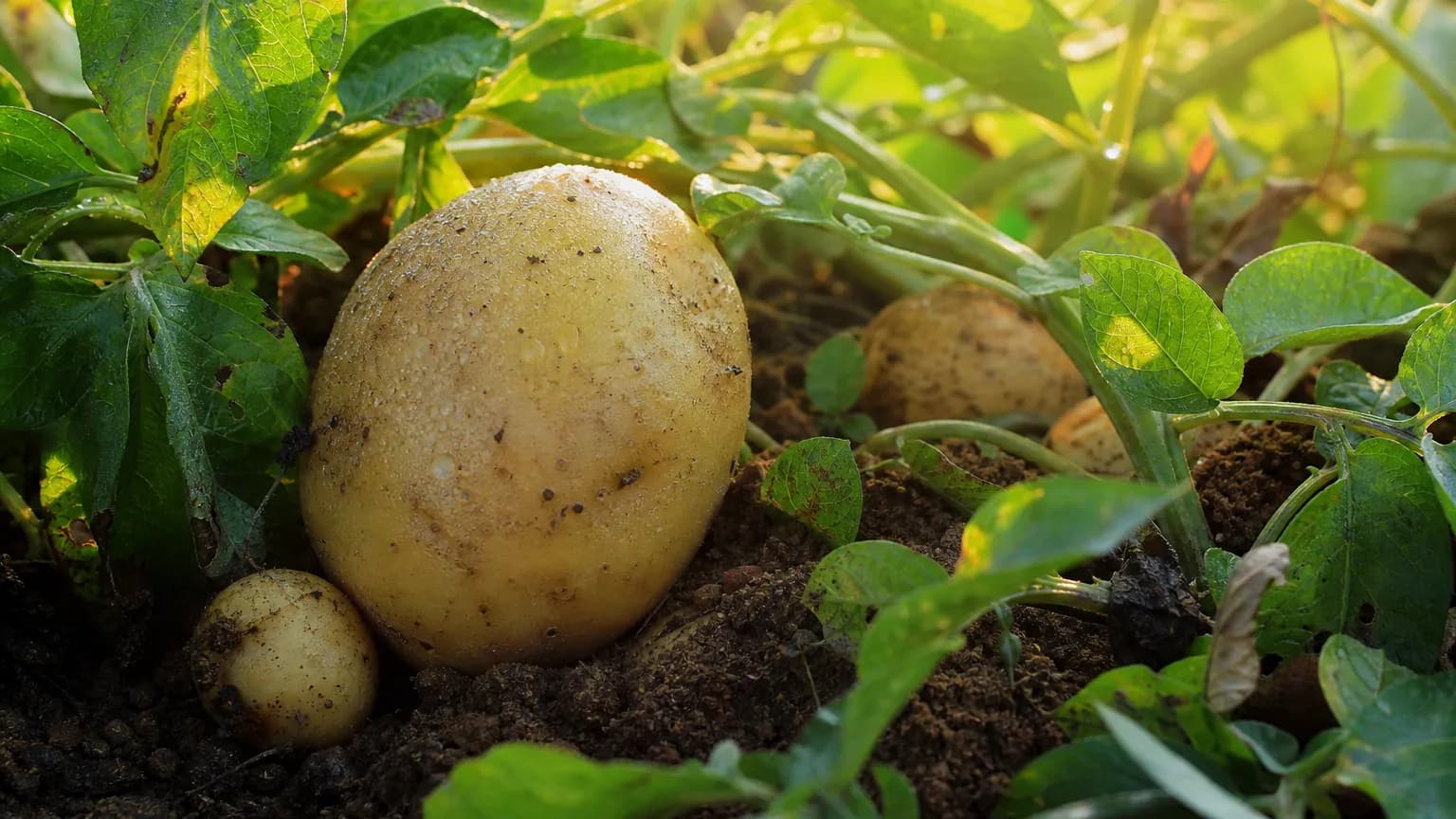
Geisterkürbisse profitieren von der Drei-Schwestern-Methode mit Mais und Bohnen. Mais bietet Windschutz, Bohnen fixieren Stickstoff, und die großen Kürbisblätter beschatten den Boden, um Feuchtigkeit zu bewahren und Unkraut zu unterdrücken. Tagetes und Kapuzinerkresse, die am Rand gepflanzt werden, halten Kürbis-Stinkwanzen und Gurkenkäfer fern. Radieschen, die in der Nähe der Hügel gepflanzt werden, können Kürbiszünsler abschrecken. Vermeiden Sie die Pflanzung in der Nähe von Kartoffeln oder anderen starkzehrenden Wurzelgemüsen. Sonnenblumen locken Bestäuber an, die den Fruchtansatz verbessern.
Mais gehört daneben. Kartoffel nicht.
Altes Gärtnerwissen, geprüft an der echten Nachbartabelle von Geisterkürbis — teste jede Pflanze, die du anbaust.
Probiere Geisterkürbis direkt hier im Beet
Ein echtes Planer-Beet, Geisterkürbis steht schon drin. Tippe einen Begleiter an, platziere ihn und sieh, wie die Nachbarschaftsprüfung antwortet — grün für gute Nachbarn, rot bei Streit.


Passende Anbau-Ratgeber
Richtig düngen
Geisterkürbisse sind Starkzehrer und benötigen nährstoffreichen, gut durchlässigen Boden mit einem pH-Wert von 6,0–7,0. Bereiten Sie Hügel mit großzügigen Mengen Kompost oder abgelagertem Mist vor, idealerweise 3–4 Schaufeln pro Hügel. Düngen Sie bei der Pflanzung mit einem ausgewogenen 10-10-10-Dünger und wechseln Sie dann bei der Blüte zu einer phosphor- und kaliumbetonten Mischung (5-10-10). Geben Sie alle 3–4 Wochen Kompost als Seitendüngung. Kürbisse reagieren besonders gut auf Blattdüngung mit Fischemulsion oder Seetangextrakt. Sorgen Sie für ausreichend Kalzium, um Blütenendfäule zu verhindern.
Ideale Temperatur
Winterhärtezone-Kompatibilität
Von der Saat zur Ernte, Schritt für Schritt
Aussaat
Große, flache Samen keimen in warmer Erde und senden einen dicken Hypokotyl nach oben, der zwei breite Keimblätter über die Oberfläche schiebt. Die Keimung erfordert Bodentemperaturen von mindestens 16 °C und dauert 5–10 Tage. Samen, die in kalte, nasse Erde gepflanzt werden, neigen dazu, vor dem Auflaufen zu verfaulen.
Sämlingswachstum
Die ersten echten Blätter erscheinen mit der charakteristisch tief gelappten Kürbisform. Der Stängel verdickt sich schnell und die ersten Ranken zeigen sich, was darauf hindeutet, dass die Pflanze sich auf das Klettern vorbereitet. Das Wurzelsystem entwickelt sich in dieser Phase umfassend und legt das Fundament für eine kräftige Pflanze.
Rankenausbreitung
Die Ranken beginnen ihre aggressive Ausbreitung und wachsen bei warmen Bedingungen 15–30 cm pro Tag. Seitenranken zweigen von den Haupttrieben ab, und die großen, rau strukturierten Blätter bilden ein dichtes Blätterdach, das Unkraut unterdrückt. Ranken greifen nach allem, was sie berühren, um Halt zu finden.
Blüte
Zuerst erscheinen männliche Blüten in Gruppen, gefolgt von weiblichen Blüten 7–10 Tage später. Weibliche Blüten sind leicht an der kleinen runden Schwellung (dem Fruchtknoten) an ihrer Basis zu erkennen, die blassgrün bis weiß erscheint. Jede große goldgelbe Blüte öffnet sich bei Morgengrauen und schließt sich bis Mittag, wodurch Bestäuber ein enges Zeitfenster haben.
Fruchtentwicklung
Erfolgreich bestäubte Früchte schwellen rasch an und werden von Tag zu Tag sichtbar größer. Die Schale wechselt von blassgrün zu cremeweiß, während die Frucht reift. Jede Ranke trägt typischerweise 2–4 große Früchte. Die Schale härtet zunehmend aus und entwickelt die glatte, porzellanartige Oberfläche, die diese Sorte auszeichnet.
Ernte
Die Früchte sind erntereif, wenn die Schale gleichmäßig elfenbeinweiß ist, hart genug, um einem Fingernagel-Kratztest zu widerstehen, und der Stiel trocken und korkig geworden ist. Die Ranke beginnt auf natürliche Weise zu vergilben und abzusterben. Reife Geisterkürbisse wiegen 4–7 kg und fühlen sich im Verhältnis zu ihrer Größe fest und schwer an.
Säen Sie die Samen 2,5 cm tief in warme Erde oder starten Sie 3–4 Wochen vor dem letzten Frost drinnen in großen Töpfen. Halten Sie die Bodentemperatur bei 21–27 °C für die schnellste Keimung. Vermeiden Sie in dieser Phase übermäßiges Gießen.
Geisterkürbis Monat für Monat pflegen
Was du jeden Monat für deine Geisterkürbis tun solltest
Oktober
Aktueller MonatSchließen Sie die Ernte vor dem ersten Frost ab. Schneiden Sie die Stiele mit einer scharfen Gartenschere ab und lassen Sie einen 7–10 cm langen Stielansatz stehen. Härten Sie die Früchte 10–14 Tage an einem warmen, trockenen Ort bei 27 °C nach. Bewahren Sie Samen der besten Früchte für das nächste Jahr auf.
Immer wissen, was jetzt im Garten zu tun ist
Eine E-Mail zum Monatsanfang: was du jetzt säen, pflanzen und anpacken solltest — für deine Geisterkürbis und alles, was drumherum wächst. Dazu ein kurzer Startkurs, der dich vor den klassischen Fehlern bewahrt.
- Was jetzt zu tun ist
- Passend zu deiner Saison
- Startkurs inklusive
Geisterkürbis ernten
Ernten Sie Geisterkürbisse, wenn die Schale vollständig weiß und hart ist, der Stiel braun und korkig geworden ist und die nächstgelegene Ranke an der Frucht trocken und braun ist. Dies geschieht in der Regel 100–115 Tage nach der Pflanzung. Prüfen Sie die Reife, indem Sie einen Fingernagel in die Schale drücken; reife Kürbisse widerstehen dem Eindrücken. Schneiden Sie die Frucht mit einem scharfen Messer von der Ranke, wobei 7–10 cm Stiel stehen bleiben sollten, da stiellose Kürbisse schneller faulen. Tragen Sie die Frucht nicht am Stiel, da dieser abbrechen kann. Härten Sie die Früchte an einem warmen, sonnigen Platz 10–14 Tage lang nach, um die Schale vor der Langzeitlagerung zu festigen.
angenommen, du pflanzt zu Beginn des Zeitraums — trage dein tatsächliches Datum ein
Ernte Geisterkürbis zügig, dann trägt die Pflanze weiter.
Lagerung & Konservierung
Ordnungsgemäß nachgehärtete Geisterkürbisse halten sich 3–6 Monate an einem kühlen, trockenen Ort bei 10–13 °C. Die weiße Schale sollte für die beste Lagerfähigkeit sauber und makellos bleiben. Nach dem Anschneiden wickeln Sie die verbleibenden Stücke in Folie und lagern sie bis zu einer Woche im Kühlschrank. Gekochtes Kürbispüree lässt sich bis zu 12 Monate einfrieren und eignet sich hervorragend als Kuchenfüllung. Kürbis kann auch gewürfelt, geröstet und portionsweise eingefroren werden. Die Kerne sind geröstet mit Öl und Salz essbar. Für dekorative Zwecke können versiegelte und lackierte Geisterkürbisse mehrere Monate als Dekoration halten.
Was schiefgeht — und die Lösung
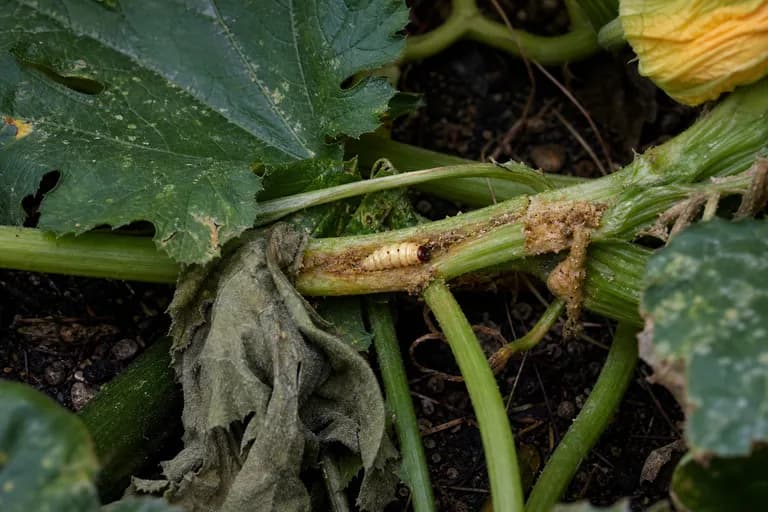
Kürbiszünsler
SchädlingPlötzliches Welken der Ranken, sägemehlartiger Fraßkot an der Stielbasis, dicke weiße Larven, die in hohlen Stängeln tunneln.
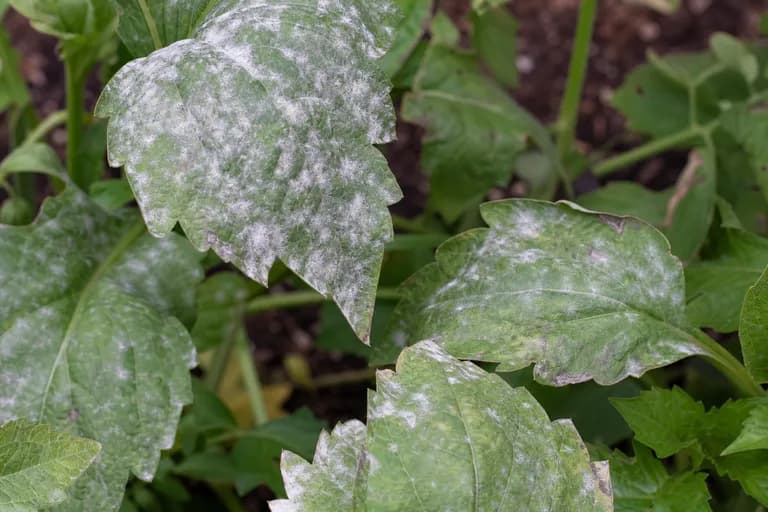
Echter Mehltau
KrankheitWeiße, pudrige Beläge auf Blättern und Stängeln, vorzeitiges Absterben der Blätter, reduzierte Fruchtgröße und Süße.
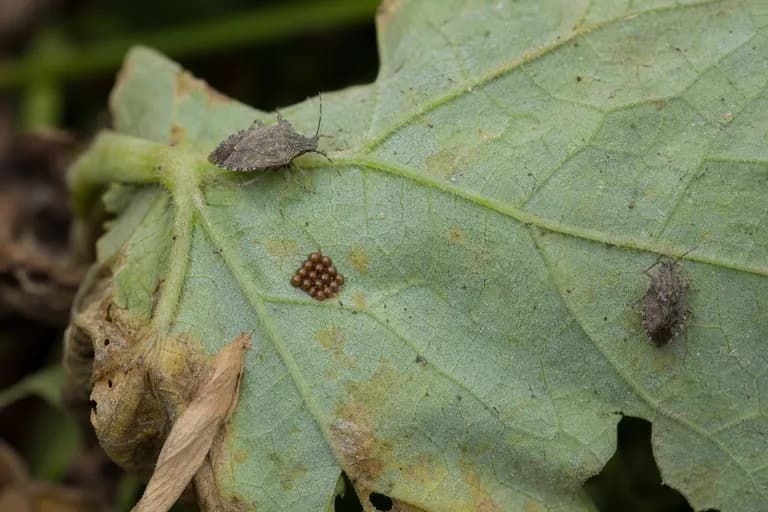
Kürbis-Stinkwanze
SchädlingBraune, schildförmige Wanzen, die sich unter Blättern sammeln, welkendes Laub, kupferfarbene Eigelege auf Blattunterseiten.
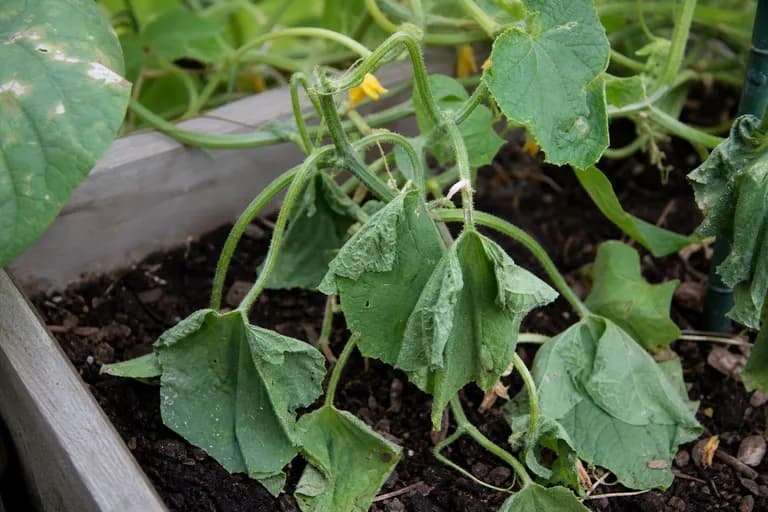
Bakterielle Welke
KrankheitSchnelles Welken einzelner Ranken, klebriger bakterieller Ausfluss beim Anschneiden der Stängel, vollständiges Absterben der Pflanze innerhalb von Tagen.
Fehlerbehebung bei häufigen Problemen
Die weiße Schale zeigt zwar wunderschön aus, macht aber jeden Makel, Erdfleck und Kratzer deutlicher sichtbar als bei orangefarbenen Kürbissen. Das Auflegen der Früchte auf sauberes Stroh oder Bretter verhindert Verfärbungen durch Bodenkontakt. Der Kürbiszünsler ist in den Gärten Ostneordamerikas verheerend. Unzureichende Bestäubung verursacht kleine, schiefe Früchte. Echter Mehltau tritt typischerweise im Spätsommer auf und verkürzt die Lebensdauer der Ranken. Übermäßiges Gießen nahe der Erntezeit verwässert den Geschmack und verringert die Lagerqualität. Frosteinwirkung vor der Ernte beschädigt die weiße Schale mit braunen Flecken.
Anbautipps
- Bauen Sie mit Kompost angereicherte Hügel zum Pflanzen – Geisterkürbisse sind Starkzehrer, die nährstoffreichen, gut durchlässigen Boden benötigen. Arbeiten Sie eine volle Schubkarre Kompost pro Pflanzhügel ein und geben Sie als Topdressing abgelagerten Mist für die besten Ergebnisse hinzu.
- Geben Sie großzügig Platz. Jede Geisterkürbis-Pflanze benötigt 3–5 Quadratmeter Wachstumsfläche. Zu eng stehende Pflanzen produzieren weniger und kleinere Früchte und sind deutlich anfälliger für Echten Mehltau durch schlechte Luftzirkulation.
- Bestäubung ist die Ursache Nummer eins für Ernteausfälle. Wenn Bienen in Ihrem Garten rar sind, bestäuben Sie jeden Morgen zwischen 6 und 10 Uhr von Hand, indem Sie mit einem kleinen Pinsel in männliche Blüten tupfen und den Pollen auf die klebrige Mitte der weiblichen Blüten übertragen.
- Begrenzen Sie jede Ranke auf 2–3 Früchte für die größten, eindrucksvollsten Kürbisse. Sobald die gewünschte Anzahl Früchte angesetzt hat, knipsen Sie neue weibliche Blüten ab und stutzen Sie die Rankenspitzen, um die gesamte Energie der Pflanze in die vorhandenen Früchte umzulenken.
- Heben Sie sich entwickelnde Früchte vom Boden ab, indem Sie Fliesen, Bretter oder Strohpolster unterlegen. Direkter Bodenkontakt begünstigt Fäulnis, Schnecken und Verfärbungen an der Fruchtunterseite – besonders problematisch bei weißschaligen Sorten, bei denen Makel gut sichtbar sind.
- Gießen Sie tief an der Basis mit Tropfbewässerung oder Perlschläuchen, niemals von oben. Nasses Laub ist eine offene Einladung für Echten Mehltau, die häufigste Krankheit bei Geisterkürbissen. Gießen Sie morgens, damit Spritzwasser schnell trocknet.
- Sprühen Sie wöchentlich eine vorbeugende Lösung aus verdünnter Milch (1 Teil Milch auf 9 Teile Wasser) auf das Laub, um Echten Mehltau zu unterdrücken. Dieses Hausmittel wurde durch Forschung bestätigt und ist bemerkenswert wirksam, wenn es vor dem Auftreten von Symptomen begonnen wird.
- Der richtige Erntezeitpunkt ist entscheidend für die Lagerfähigkeit. Warten Sie, bis die Schale steinhart und der Stiel vollständig trocken und korkig ist. Zu frühe Ernte führt zu weichen Stellen und einer drastisch kürzeren Lagerdauer.
Bau deine beste Geisterkürbis an — und alles drumherum.
Starte heute kostenlos. Lege deine Beete an, setze deine Geisterkürbis ein und lass PlotMyGarden Timing, Abstände, Begleiter und Erinnerungen von der Saat bis zum Erntekorb übernehmen.
Finde deine Geisterkürbis
Lumina
Der originale weiße Kürbis, 4,5–7 kg mit leuchtend orangem Fruchtfleisch und glatter weißer Schale, hervorragend sowohl zum Kochen als auch zur Dekoration.
Casper
Etwas kleinerer weißer Kürbis mit flacherer Form, glatterer Schale und süßem orangem Fruchtfleisch, reift in 100 Tagen.
Cotton Candy
Reinweiße Schale mit klassischer runder Kürbisform, 2–5,5 kg, speziell für dekorative und kulinarische Zwecke gezüchtet.
Polar Bear
Großer weißer Kürbis mit bis zu 11–18 kg, ideal für eindrucksvolle Herbstdekorationen und Wettbewerbe im Riesenkürbisanbau.
Geisterkürbisse werden auf Bauernmärkten und in Spezialgeschäften während der Herbstsaison für 5–15 € pro Stück verkauft, wobei weiße Premiumsorten für Dekorationszwecke sogar noch höhere Preise erzielen. Der Anbau von 3–4 Pflanzen aus einer 3–5 € teuren Samentüte kann 8–16 Kürbisse im Wert von 40–240 € zum Einzelhandelspreis liefern. Der doppelte Nutzen ist erheblich – verwenden Sie sie im Oktober und November als Dekoration und verarbeiten Sie dann das Fruchtfleisch zu Suppen, Kuchen und Röstgerichten, die andernfalls 4–8 € pro Dose Kürbispüree kosten würden.
Schnelle Rezepte
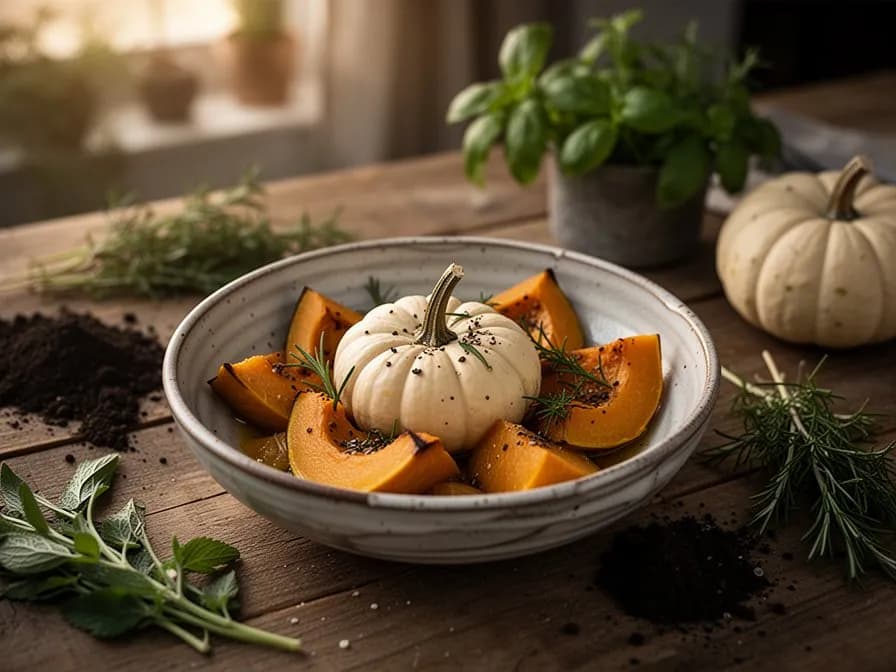
Geröstete Geisterkürbis-Suppe
45 Min.Eine seidige, goldene Suppe aus gerösteten Geisterkürbis-Spalten, die bis zur Karamellisierung geröstet und dann mit Aromaten püriert werden. Das Rösten konzentriert die natürliche Süße und erzeugt eine Geschmackstiefe, die durch bloßes Kochen nicht erreicht werden kann.
9 ZutatenGeisterkürbis-Risotto
40 Min.Cremiger Arborio-Reis, angereichert mit geröstetem Geisterkürbis-Püree, verfeinert mit Parmesan und Salbeibutter. Das dichte, süße Fruchtfleisch des Kürbisses schmilzt in den Reis und erzeugt ein natürlich goldenes, samtiges Risotto ohne Lebensmittelfarbe.
9 ZutatenGewürzter Geisterkürbis-Kuchen
75 Min.Ein klassischer Herbstkuchen mit frischem Geisterkürbis-Püree anstelle von Konservenpüree. Das dichte, süße Fruchtfleisch ergibt eine glattere, geschmackvollere Füllung als die meisten handelsüblichen Sorten, mit einer natürlichen Cremigkeit, die weniger Zuckerzusatz benötigt.
10 ZutatenKulinarische Verwendung
Trotz der weißen Außenseite ist das Fruchtfleisch des Geisterkürbisses leuchtend orange, süß und von glatter Textur, was ihn hervorragend für Kuchen, Suppen und Pürees macht. Der Geschmack ist mit traditionellen Kuchenkürbissen vergleichbar, mit einer leicht nussigeren Note. Geröstete Würfel karamellisieren wunderschön als Beilage. Aus Geisterkürbis lässt sich hervorragend Kürbisbutter, Brot und Muffins herstellen. Das Fruchtfleisch lässt sich für cremige Suppen, die mit Sahne und Herbstgewürzen verfeinert werden, wunderbar pürieren. Die Kerne sind groß und schmackhaft, wenn sie geröstet werden. Die dekorativen weißen Schalen können als einzigartige Servierschalen für Suppen und Eintöpfe verwendet werden.
Was drinsteckt
Gesundheitsvorteile
- Äußerst reich an Beta-Carotin, das der Körper in Vitamin A umwandelt – essentiell für die Augengesundheit, die Immunfunktion und die Erhaltung gesunder Haut und Schleimhäute. Das leuchtend orange Fruchtfleisch liefert 170 % des Tageswerts pro 100 g.
- Enthält Lutein und Zeaxanthin, Carotinoid-Verbindungen, die sich in der Netzhaut ansammeln und vor altersbedingter Makuladegeneration und grauem Star schützen.
- Der Kaliumgehalt (340 mg pro 100 g) unterstützt die kardiovaskuläre Gesundheit, indem er zur Regulierung des Blutdrucks beiträgt und den Auswirkungen von Natrium in der Ernährung entgegenwirkt.
- Sehr kalorienarm (26 pro 100 g) bei gleichzeitig hohem Volumen und Ballaststoffgehalt, was den Geisterkürbis zu einem hervorragenden Lebensmittel für das Gewichtsmanagement macht – er sorgt für Sättigung ohne kalorische Dichte.
- Kürbiskerne enthalten Magnesium, Zink und pflanzliche Omega-Fettsäuren, die die Herzgesundheit, die Prostatafunktion und die Immunantwort unterstützen.
- Die entzündungshemmenden Verbindungen im Kürbisfruchtfleisch, darunter Beta-Carotin und Vitamin C, können dazu beitragen, chronische Entzündungen zu reduzieren, die mit Erkrankungen wie Arthritis und Herzkrankheiten verbunden sind.
Woher Geisterkürbis stammt
Weiße Kürbisse haben eine lange Geschichte, die eng mit der umfassenderen Geschichte von Cucurbita maxima verwoben ist, der Art, zu der die meisten Geisterkürbis-Sorten gehören. Kürbisse und Squash gehörten zu den frühesten domestizierten Nutzpflanzen Amerikas, wobei archäologische Belege für den Anbau in Mexiko über 7.000 Jahre zurückreichen. Indigene Völker in Nord- und Mittelamerika entwickelten über Jahrtausende eine außerordentliche Vielfalt an Kürbissorten, darunter auch helle und weißschalige Formen, die sowohl als Nahrungsmittel als auch für zeremonielle Zwecke geschätzt wurden.
Der moderne Geisterkürbis als eigenständige Zier- und Kochkürbissorte gewann im späten 20. Jahrhundert an Beliebtheit. Die Sorte Lumina, die in den 1990er Jahren gezüchtet und eingeführt wurde, war einer der ersten weitverbreiteten reinweißen Kürbisse, die speziell zur Dekoration vermarktet wurden. Ihre glatte, porzellanartige Schale und die zuverlässige weiße Farbe machten sie sofort zum Hit für Herbstdekorationen und Halloween-Gestaltung. Weitere weiße Sorten wie Casper, Cotton Candy und Snowball folgten, die jeweils leichte Variationen in Größe, Form und Fruchtfleischqualität boten.
Heute sind Geisterkürbisse weit über die Dekoration hinausgewachsen. Köche und Hobbyköche haben entdeckt, dass viele weiße Sorten dichtes, süßes, leuchtend oranges Fruchtfleisch haben, das herkömmlichen Schnitzkürbissen beim Kochen überlegen ist. Der Kontrast zwischen der gespenstisch weißen Außenseite und dem satten orangen Inneren hat sie zu einem Favoriten auf Bauernmärkten und in Farm-to-Table-Restaurants gemacht. Die kommerzielle Produktion hat sich in Nordamerika und Europa deutlich ausgeweitet, wo sie sowohl als Dekorationsartikel als auch als Kochkürbisse Premiumpreise erzielen. Saatgutunternehmen bieten inzwischen Dutzende weißer Kürbissorten an, die von miniatur Zierkürbissen bis hin zu großen Kochsorten reichen, was die wachsende Wertschätzung für diese auffälligen Früchte widerspiegelt.
Geisterkürbis: Schon gewusst?
Faszinierende Fakten über Geisterkürbis
Geisterkürbisse bekommen ihre auffällige weiße Farbe durch das Fehlen von Carotinoid-Pigmenten in der Schale – aber schneiden Sie einen auf, und das Fruchtfleisch ist leuchtend orange, vollgepackt mit dem gleichen Beta-Carotin wie orangeschalige Sorten. Die weiße Außenseite ist rein oberflächlich.
Geisterkürbis: Fragen & Antworten
Wann sollte ich Geisterkürbis pflanzen?
Was sind gute Begleitpflanzen für Geisterkürbis?
In welchen Winterhärtezonen kann Geisterkürbis wachsen?
Wie viel Sonne braucht Geisterkürbis?
Welchen Abstand sollte ich zwischen Geisterkürbis lassen?
Welche Schädlinge und Krankheiten befallen Geisterkürbis?
Wie lagere ich Geisterkürbis nach der Ernte?
Was sind die besten Geisterkürbis-Sorten zum Anbauen?
Welchen Boden braucht Geisterkürbis?
Sind Geisterkürbisse zum Essen geeignet oder nur zur Dekoration?
Warum werden meine Geisterkürbisse gelb oder orange statt weiß zu bleiben?
Wie lange halten Geisterkürbisse nach der Ernte?
Wie viele Geisterkürbisse bringt eine Pflanze hervor?
Kann ich Samen von meinen Geisterkürbissen für das nächste Jahr aufbewahren?
Brauchen Geisterkürbisse viel Platz zum Wachsen?
Du hast die Theorie gelesen. Jetzt baue sie auf Autopilot an.
Alles, was Geisterkürbis knifflig macht — das Timing, die Abstände, die Begleiter, das Erntefenster — genau das übernimmt PlotMyGarden für dich, für jede Pflanze im Garten.
Ein Plan, der dein Wetter kennt
Standort einmal festlegen. Aussaat-, Dünge- und Erntedaten rund um deinen echten letzten Frosttermin und die Live-Vorhersage — kein Raten mehr nach Saattüte.
Aus dem Abschnitt „Pflanzzeit“Beetplaner per Drag & Drop
Beete auf einem Raster gestalten. Jede Pflanze rastet im richtigen Abstand ein, und du siehst die ganze Saison, bevor du einen Cent für Saatgut ausgibst.
Aus dem Abschnitt „Anbau“Begleiter-Konflikte früh erkannt
Über 200 gute und schlechte Kombinationen werden beim Pflanzen live geprüft — so landet ein saisonruinierender Fehler nie in der Erde.
Aus dem Abschnitt „Begleiter“Erinnerungen, nach denen du wirklich handelst
„Gieß die Bohnen.“ „Heute ernten, bevor's umschlägt.“ Pünktlich, konkret und auf deine echten Pflanzen bezogen.
Aus dem Abschnitt „Ernte“Staffel-Aussaat, geplant
Sechs Wochen ernten statt sechs Tage? Die App verteilt deine Aussaaten automatisch und erinnert dich, wenn der nächste Satz fällig ist.
Aus dem Abschnitt „Pflanzzeit“Ein Verlauf, der schlauer wird
Jede protokollierte Ernte bringt der App deinen Garten bei. Der Plan fürs nächste Jahr startet bei dem, was in deinem Boden wirklich funktioniert hat.
Aus dem Abschnitt „Überblick“Pflanze diese neben Geisterkürbis
Weitere Kürbisgewächse
Halte Geisterkürbis von diesen fern
Bau deine beste Geisterkürbis an — und alles drumherum.
Starte heute kostenlos. Lege deine Beete an, setze deine Geisterkürbis ein und lass PlotMyGarden Timing, Abstände, Begleiter und Erinnerungen von der Saat bis zum Erntekorb übernehmen.