Genciana
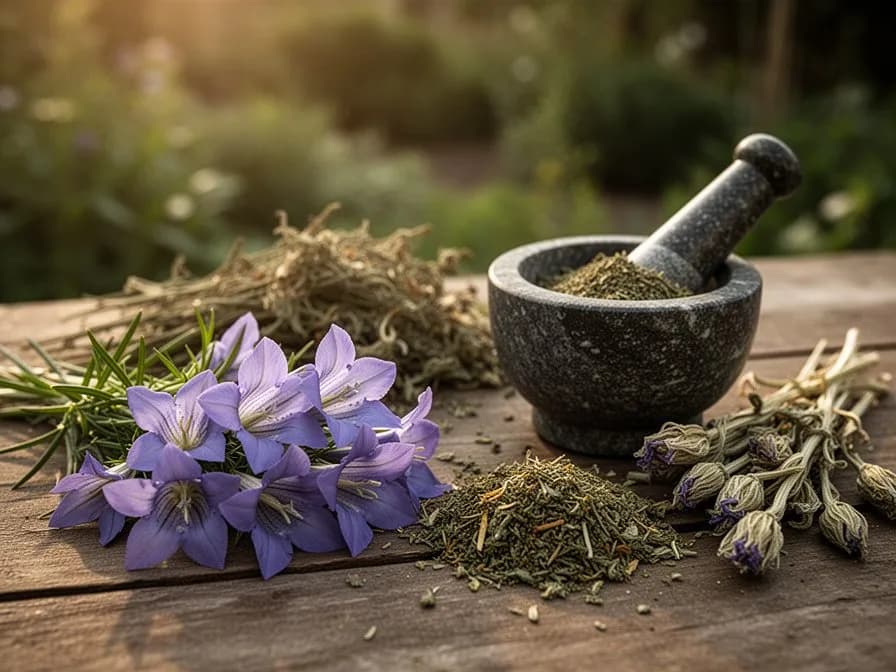
Una perenne alpina de larga vida con vistosas espigas de flores amarillas, cuya raíz intensamente amarga se emplea en los amargos digestivos y aperitivos.





En esta páginaResumen
Conoce Genciana
Una perenne alpina de larga vida con vistosas espigas de flores amarillas, cuya raíz intensamente amarga se emplea en los amargos digestivos y aperitivos. La raíz de genciana es una de las sustancias más amargas del reino vegetal y es un ingrediente clave en numerosos licores europeos. La planta requiere varios años de crecimiento antes de que las raíces alcancen el tamaño óptimo para la cosecha, en condiciones frescas y húmedas de montaña.
Cuándo plantar Genciana
Las semillas de genciana requieren una estratificación en frío de 4 a 8 semanas antes de la siembra. Siembre en superficie sobre sustrato de germinación húmedo y rico: las semillas necesitan luz. La germinación es lenta e irregular, y puede tardar de 2 a 8 semanas a 15-18 °C. Las plántulas son diminutas y de crecimiento muy lento durante los dos o tres primeros años. Trasplante con cuidado a su posición definitiva, ya que la raíz pivotante en desarrollo no tolera bien los trasplantes. La división de matas establecidas (tras 5 o más años) es posible, pero conlleva el riesgo de dañar el valioso sistema radical. Las plantas de vivero proporcionan una ventaja de 2 a 3 años frente al cultivo desde semilla.
Tu año de Genciana
Ajustado a Zona 7 · temporada típica · la helada se va hacia el 2 abr y vuelve hacia el 1 nov
Planta Genciana Mar – Abr, Oct y cosecha Sep – Oct. Consulta los métodos de plantación y elige tu clima para adaptar los periodos.
Cómo cultivar Genciana
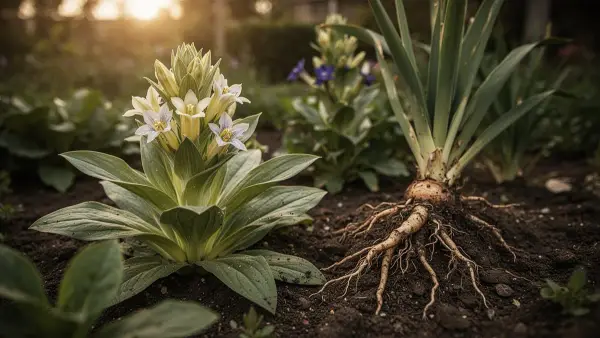
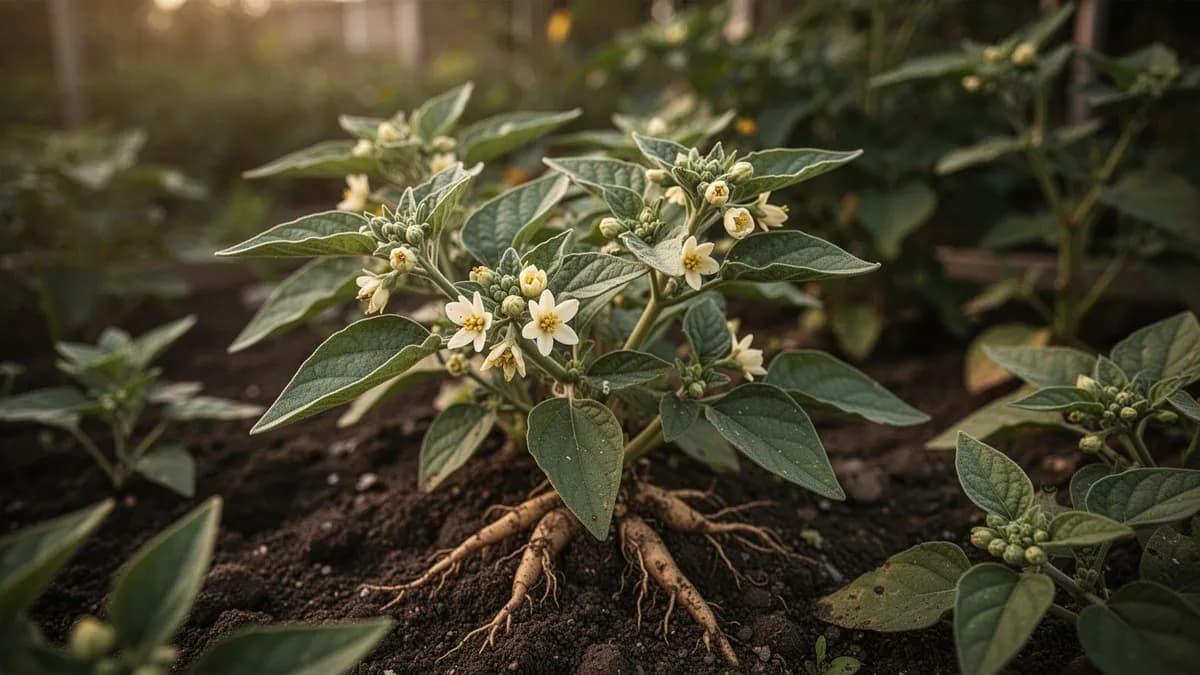
La genciana amarilla es una magnífica perenne alpina de larga vida cuya raíz intensamente amarga es la base de los amargos digestivos y aperitivos europeos, incluidos el Angostura, el Suze y los licores de genciana. La planta alcanza entre 90 y 120 cm de altura, con hojas ovaladas, robustas y nerviadas, y verticilos de flores amarillas en forma de estrella a lo largo del tallo superior. Plántela en semisombra, en suelo fresco, húmedo y bien drenado, con un espaciado de 45 cm.
La genciana requiere condiciones frescas y montañosas similares a las de su hábitat natural en los prados alpinos. Exige veranos frescos, suelo húmedo pero bien drenado y una excelente circulación de aire. En jardines de tierras bajas, elija la posición más fresca, elevada y orientada al norte que esté disponible. Un suelo rico en humus que se mantenga húmedo sin encharcarse es el ideal.
Esta es una hierba de crecimiento extraordinariamente lento: las raíces tardan entre 5 y 10 años en alcanzar el tamaño medicinal adecuado para la cosecha, y las plantas pueden necesitar de 3 a 5 años desde la semilla hasta la primera floración. La genciana se encuentra entre las plantas herbáceas de mayor longevidad conocidas, con ejemplares que persisten más de 50 años en estado silvestre. La inversión de tiempo se recompensa con una de las raíces medicinales más valiosas y de mayor tradición histórica en la herbolaria europea.
10 plantas caben en un bancal de 120 × 240 cm
Cada Genciana pide 45 cm de margen. El planificador guarda ese marco por ti — cada planta, cada bancal.
Los mejores vecinos de Genciana
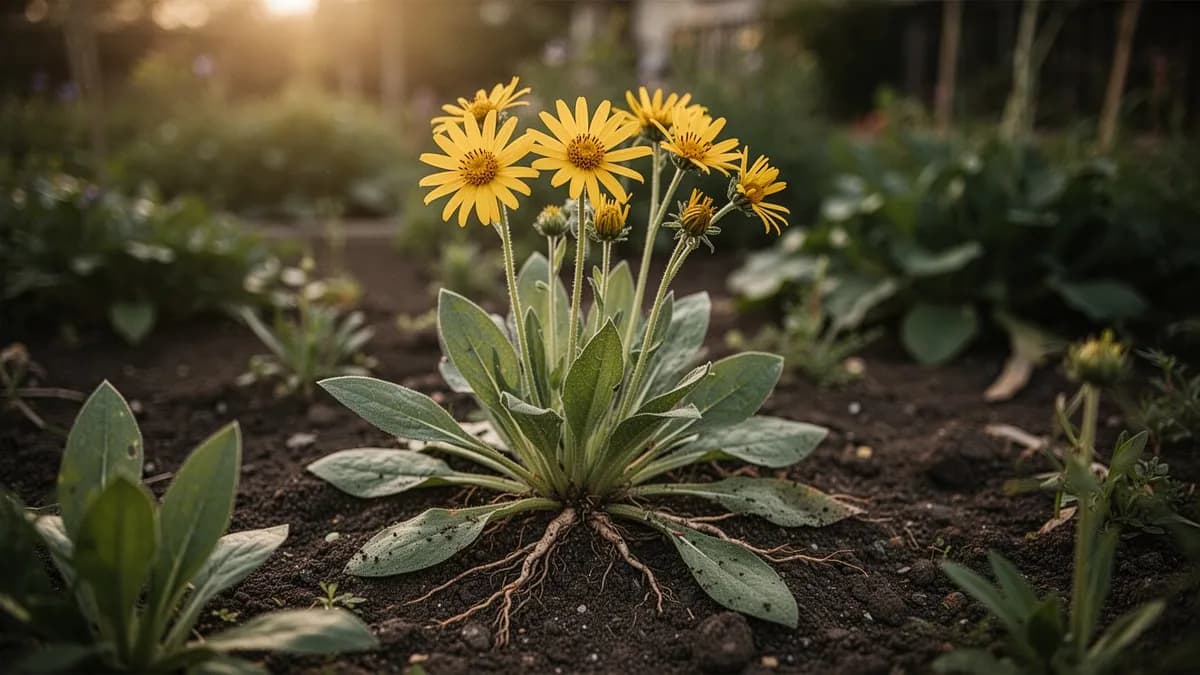
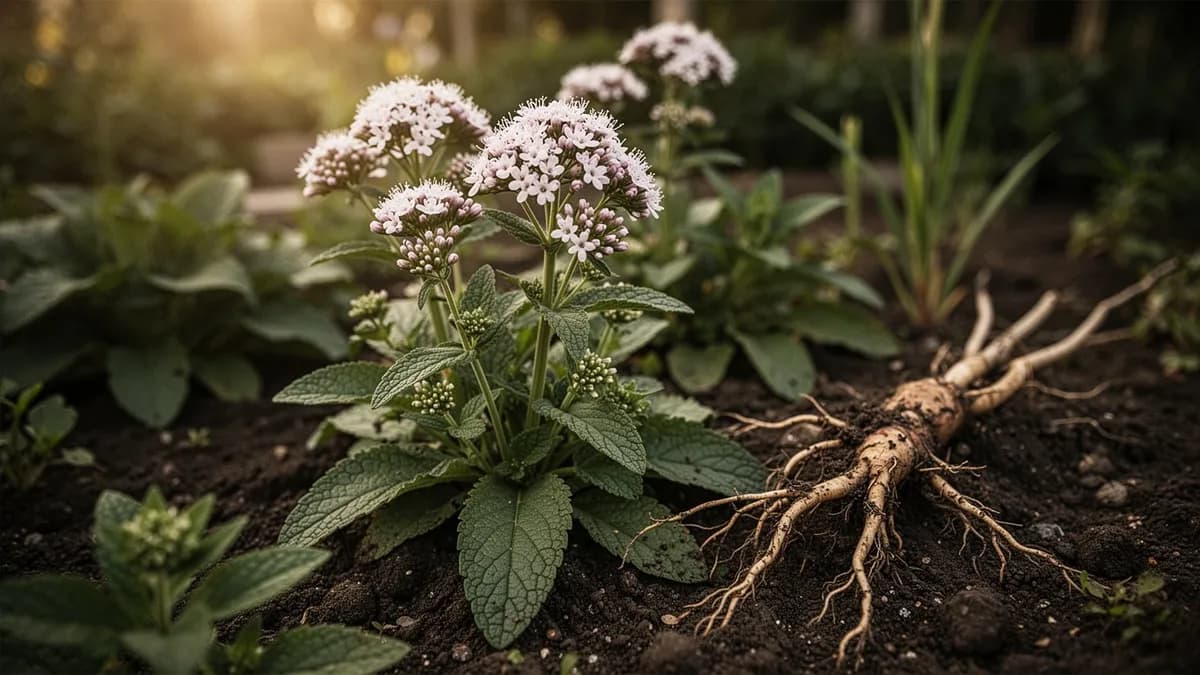
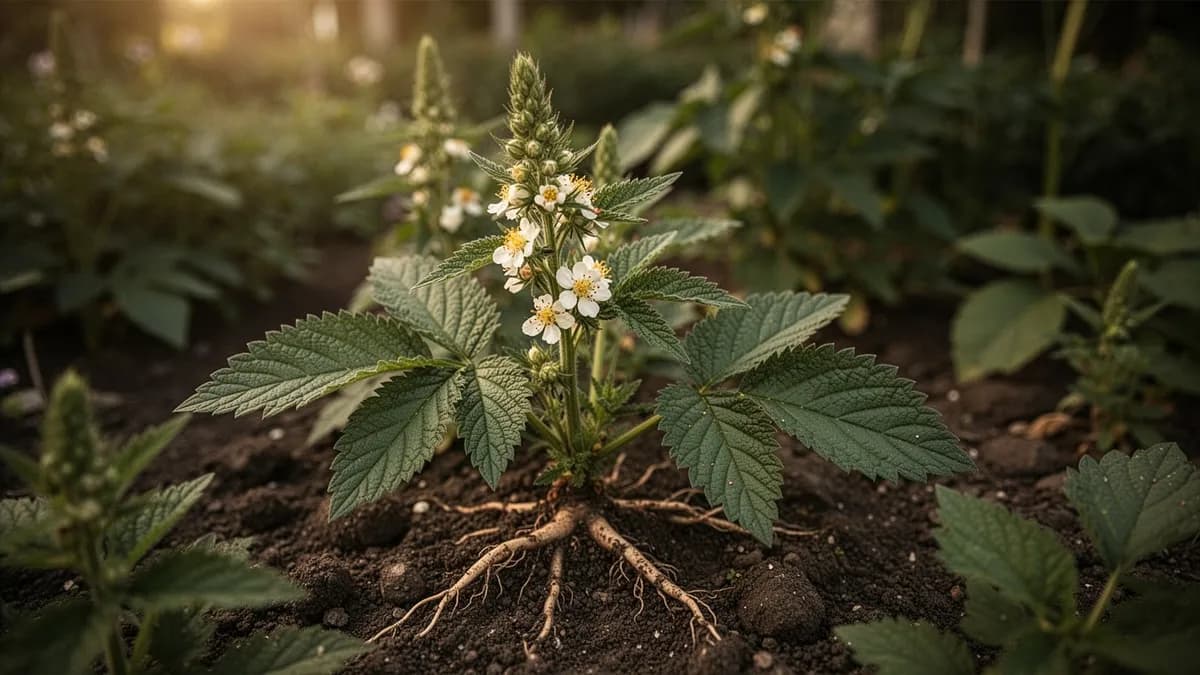
La genciana amarilla crece de forma natural en prados alpinos junto a la árnica, la valeriana y otras flores silvestres de montaña. En el jardín, plántela junto a otras hierbas medicinales tolerantes a la sombra y amantes de la humedad. El follaje robusto aporta un contraste estructural atractivo frente a las plantas compañeras de hoja más fina. Dado el crecimiento extremadamente lento y el largo plazo hasta la cosecha, plante la genciana como elemento permanente del jardín en lugar de un cultivo de rotación. Las flores amarillas atraen a los polinizadores alpinos durante la floración.
Árnica va a su lado.
Saber de huerto de siempre, cotejado con la tabla real de Genciana — prueba cualquier planta que cultives.
Prueba Genciana en un bancal, aquí mismo
Un bancal real del planificador con Genciana ya plantado. Toca una planta compañera para colocarla y mira cómo responde la comprobación de vecinos: verde para buenos vecinos, rojo si hay conflicto.


Guías de cultivo relacionadas
Abónalo bien
Cultívela en suelo profundo, rico y cargado de humus, bien drenado, con un pH entre 5.5 y 7.0. Prepare los bancales en profundidad incorporando compost generoso y mantillo de hojas, pero asegure siempre un drenaje excelente. No es necesaria una fertilización intensa: un acolchado superficial de compost en primavera es suficiente para sostener el crecimiento lento y constante. El sistema radical extremadamente profundo y longevo de la planta extrae nutrientes de las capas inferiores del suelo. En contenedores (opción no ideal), use macetas muy grandes y profundas con sustrato rico pero de drenaje libre.
Temperatura ideal
Compatibilidad de zonas de rusticidad
De la semilla a la cosecha, etapa por etapa
Estratificación de semillas
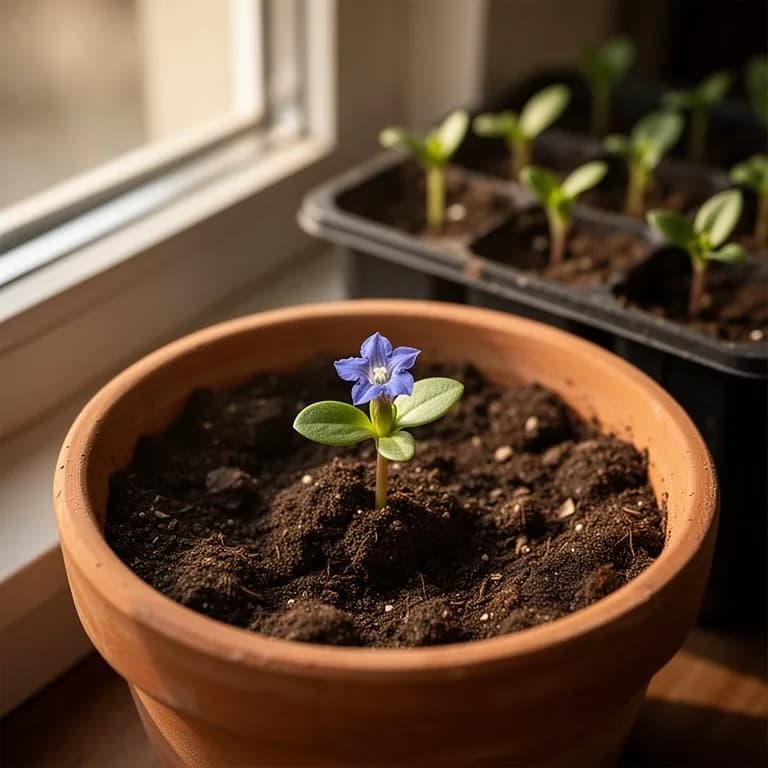
Las semillas de genciana requieren una estratificación en frío de 4 a 8 semanas para romper la dormancia. Siembre en superficie sobre sustrato de germinación húmedo y coloque en el frigorífico.
Germinación
Tras la estratificación, las plántulas emergen lentamente y de forma irregular a lo largo de varias semanas. Las primeras hojas verdaderas aparecen como pequeñas formas ovaladas.
Formación de roseta
La planta joven desarrolla una roseta basal de hojas grandes y nerviadas durante su primer año. La energía se dirige hacia el desarrollo de la raíz más que hacia el crecimiento en altura.
Crecimiento vegetativo
Durante el segundo y tercer año, la roseta se expande considerablemente y la raíz pivotante se engrosa. La planta acumula importantes reservas subterráneas de compuestos amargos.
Floración
La genciana amarilla suele florecer entre su tercer y quinto año, enviando un tallo alto con verticilos de vistosas flores amarillas en cada nudo foliar.
Cosecha de raíz
Las raíces se cosechan habitualmente en otoño, tras al menos cuatro o cinco años de crecimiento, cuando la concentración de compuestos amargos es máxima. La gruesa raíz pivotante amarilla puede pesar varios kilogramos.
No cubra las semillas en profundidad, ya que necesitan luz para germinar. Mantenga el sustrato constantemente húmedo, pero nunca encharcado.
Cuidar Genciana mes a mes
Qué hacer cada mes para tu Genciana
Octubre
Mes actualOctubre: Complete la cosecha de raíces antes de que el suelo se hiele. Divida las matas establecidas y replante las divisiones en bancales preparados.
Ten claro qué hacer en tu huerto, cada mes
Un correo al empezar cada mes: qué sembrar, plantar y hacer ahora mismo — para tu Genciana y todo lo que crece alrededor. Más un breve curso inicial para esquivar los errores clásicos.
- Qué hacer ahora mismo
- Ajustado a tu temporada
- Curso inicial incluido
Cosechar Genciana
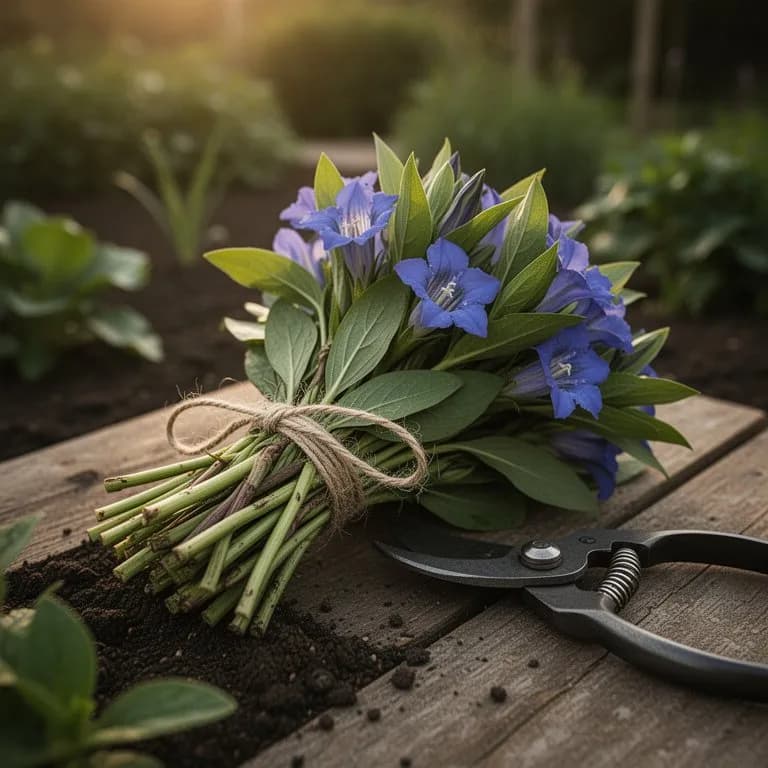
Las raíces de genciana requieren entre 5 y 10 años de crecimiento antes de la cosecha, lo que convierte a esta planta en uno de los cultivos que exigen mayor paciencia en la herbolaria. Cave las raíces en otoño, cuando los tallos aéreos se han secado y los compuestos activos se encuentran concentrados en la raíz. Las raíces gruesas y ramificadas pueden pesar varios kilogramos en plantas maduras. Córtelas en lonchas inmediatamente tras la cosecha, ya que se vuelven extremadamente duras al secarse enteras. La raíz fresca es amarilla por dentro y tiene un sabor intensamente, casi abrumadoramente amargo. Esta amargor es la cualidad definitoria que se busca en la medicina herbal.
se supone que plantas al comenzar el periodo — indica tu fecha real
Cosecha Genciana a tiempo y la planta sigue produciendo.
Almacenamiento y conservación
Corte las raíces frescas en lonchas o tiras finas inmediatamente tras la cosecha, ya que una vez secas resultan demasiado duras para cortarlas. Seque entre 35 y 45 °C en un deshidratador o en un lugar cálido y ventilado. La raíz de genciana correctamente seca es dura, de color marrón amarillento oscuro, y conserva su amargor extremo de forma indefinida. Guárdela en tarros herméticos hasta 3 años. Prepare tintura en alcohol para obtener una preparación amarga concentrada. La raíz seca es la materia prima de numerosos licores amargos y tónicos digestivos europeos. La raíz de genciana es uno de los productos medicinales herbales más valiosos en el mercado.
Qué falla — y cómo solucionarlo
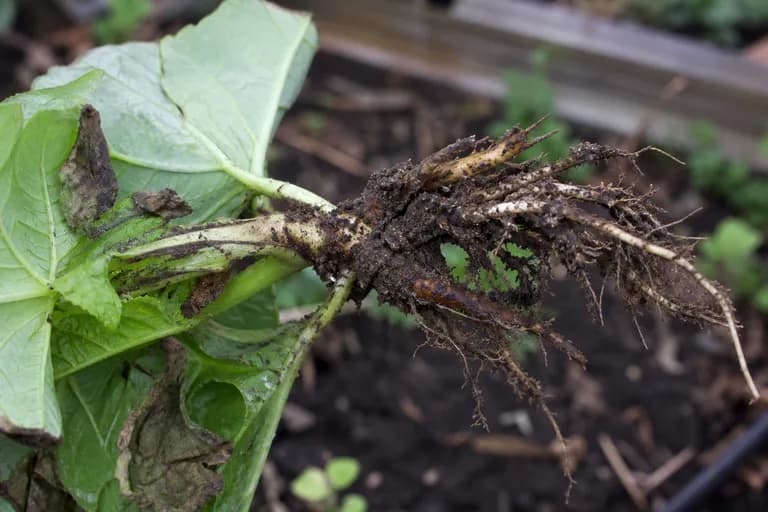
Podredumbre de raíz
EnfermedadAmarillamiento de hojas, marchitamiento y raíces blandas y esponjosas. Es la causa más común de fracaso en el cultivo.
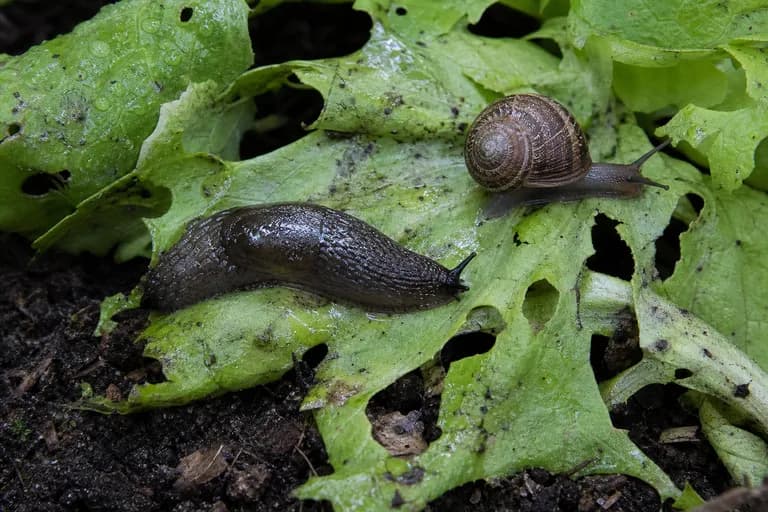
Babosas y caracoles
PlagaDaños en los brotes tiernos de primavera y en las hojas jóvenes. Pueden ser devastadores para las plantas jóvenes.
Solución de problemas comunes
La espera de 5 a 10 años para obtener raíces cosechables es el mayor desafío: se trata de un cultivo a largo plazo que requiere una paciencia extraordinaria. La intolerancia al calor limita el cultivo a climas frescos o posiciones elevadas. Las plantas se establecen lentamente a partir de semilla y pueden tardar años en formar una corona robusta. El sabor intensamente amargo de la raíz sorprende a quienes no están familiarizados con las hierbas amargas tradicionales. En el campo puede confundirse con el tóxico vedegambre blanco (Veratrum album): cultívela siempre a partir de fuentes verificadas.
Consejos de cultivo
- Inicie las semillas con un período obligatorio de estratificación en frío de al menos 4 a 8 semanas en el frigorífico antes de intentar la germinación.
- Siembre las semillas en la superficie del sustrato y presione suavemente sin cubrirlas, ya que las semillas de genciana necesitan luz para germinar.
- Elija un emplazamiento con sol matutino y sombra vespertina, imitando la luz filtrada de los bordes de los prados de montaña.
- Proporcione un suelo bien drenado, rico en materia orgánica, con un pH ligeramente ácido a neutro entre 5.5 y 7.0.
- Mantenga una humedad constante del suelo durante toda la temporada de crecimiento, ya que la genciana no tolera la sequía prolongada a pesar de necesitar buen drenaje.
- Evite la fertilización nitrogenada intensa, que promueve un crecimiento exuberante de las hojas en detrimento del desarrollo de la raíz, que es la parte con valor medicinal.
- Tenga paciencia, ya que la genciana es una perenne de crecimiento lento que normalmente requiere de 3 a 5 años antes de la primera floración y cosecha de raíz.
- Proteja las plantas jóvenes de las babosas y los caracoles, que son las principales plagas atraídas por las tiernas hojas emergentes en primavera.
- Aplique un acolchado invernal de paja o mantillo de hojas en regiones donde las temperaturas desciendan muy por debajo del punto de congelación, para aislar la corona.
- Coseche las raíces en otoño, una vez que las partes aéreas se hayan secado, cuando la concentración de compuestos amargos en la raíz se encuentra en su punto álgido estacional.
Cultiva tu mejor Genciana — y todo lo que la rodea.
Empieza un plan gratis hoy. Diseña tus bancales, coloca tu Genciana y deja que PlotMyGarden gestione el momento, el espaciado, las asociaciones y los recordatorios de la semilla a la cesta.
Elige tu Genciana
Gentiana lutea (Genciana amarilla)
La especie medicinal principal, con flores amarillas y raíces intensamente amargas. El referente para los amargos digestivos.
Gentiana acaulis (Genciana trompeta)
Una especie alpina de porte bajo con espectaculares flores trompeta de color azul intenso. Principalmente ornamental, aunque también cuenta con tradición medicinal.
Gentiana scabra (Genciana japonesa)
Una especie asiática utilizada en la medicina tradicional china y japonesa. Flores azules. Perfil químico diferente pero relacionado.
Una sola planta de genciana bien establecida puede producir una raíz grande tras cinco años que proporciona suficiente material seco para cientos de dosis de tintura o tónico. La raíz de genciana comercial se vende entre 40 y 80 dólares el kilogramo, y las tinturas de calidad se comercializan entre 15 y 25 dólares por frasco pequeño. Una planta cultivada en casa puede suministrar fácilmente amargos digestivos para varios años a una fracción del coste.
Recetas rápidas
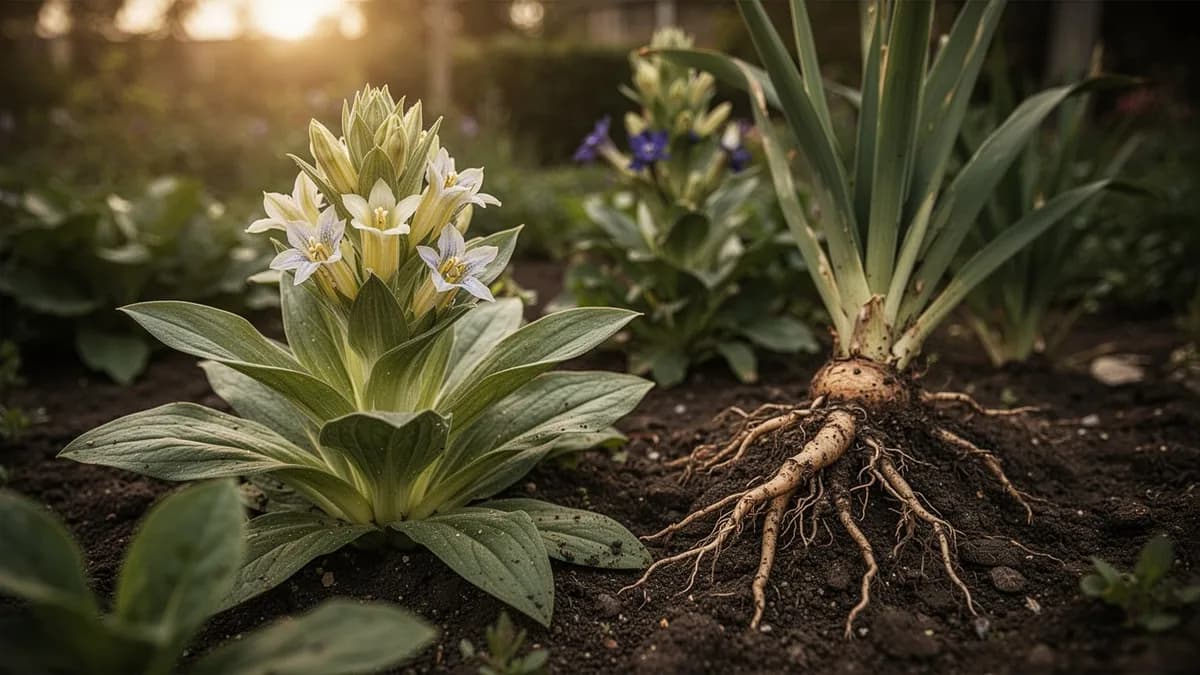
Tónico amargo de genciana clásico
15 minutos más 2 semanas de maceraciónUn tónico amargo de estilo europeo tradicional elaborado mediante la infusión de raíz de genciana seca en agua y miel. Tome una pequeña cucharada antes de las comidas para estimular el apetito y favorecer una digestión saludable.
5 ingredientesTintura de raíz de genciana
20 minutos más 4 a 6 semanas de extracciónUna potente tintura herbal extraída en alcohol de alta graduación. Esta preparación concentrada captura el espectro completo de compuestos amargos y se conserva durante años si se almacena correctamente en un lugar fresco y oscuro.
5 ingredientesMezcla digestiva herbal
10 minutos más 3 semanas de infusiónUn digestivo de sobremesa equilibrado que combina la raíz de genciana con hierbas complementarias y cítricos. La mezcla suaviza el amargor intenso de la genciana al tiempo que crea una bebida compleja y aromática para saborear a pequeños sorbos.
6 ingredientesQué contiene
Beneficios para la salud
- Estimula de forma potente las secreciones digestivas, incluidas la saliva, el ácido gástrico y la bilis, lo que la convierte en uno de los tónicos amargos naturales más eficaces disponibles.
- Favorece el apetito saludable y puede ayudar a combatir la inapetencia asociada a la convalecencia, el estrés o el envejecimiento.
- Contiene amarogentina y gentiopicroside, compuestos secoiridoides estudiados por sus posibles efectos antiinflamatorios y hepatoprotectores.
- Rica en antioxidantes de xantona que pueden contribuir a proteger las células del estrés oxidativo y a mantener la salud celular en general.
- Utilizada tradicionalmente para aliviar la hinchazón ocasional, los gases y la sensación de pesadez tras las comidas, al promover una función digestiva eficiente.
- Puede favorecer una regulación saludable del azúcar en sangre a través de sus efectos sobre la secreción de enzimas digestivas y la motilidad intestinal.
De dónde viene Genciana
La genciana amarilla (Gentiana lutea) es originaria de los pastos de montaña y los prados subalpinos del centro y el sur de Europa, donde prospera a altitudes de entre 800 y 2.500 metros en los Alpes, el Pirineo, los Apeninos y los Cárpatos. Durante más de dos mil años, ha sido una de las hierbas medicinales más apreciadas de las tradiciones herbolarias europeas. Su uso como tónico digestivo amargo se remonta a los médicos de la Antigua Grecia y Roma, como Dioscórides y Plinio el Viejo, quienes documentaron su capacidad para favorecer la digestión y estimular el apetito. El nombre del género rinde homenaje al rey Gentio de la antigua Iliria, quien según la leyenda fue el primero en reconocer las notables propiedades curativas de la raíz. Durante la Edad Media, la genciana ocupó un lugar destacado en los jardines de hierbas de los monasterios europeos, donde los monjes la cultivaban junto a otras plantas medicinales y la empleaban para elaborar tónicos y elixires curativos. La planta se integró profundamente en las tradiciones de la medicina popular alpina, donde el schnapps y los amargos de genciana eran remedios caseros cotidianos para los trastornos digestivos y el malestar general. En los siglos XVIII y XIX, la raíz de genciana se convirtió en un producto comercial de gran demanda, lo que provocó una recolección masiva de las poblaciones silvestres que acabó por amenazar las existencias naturales y motivó legislación protectora en varios países europeos. Hoy en día, la raíz de genciana sigue siendo un ingrediente fundamental en la industria europea de licores amargos y aperitivos, con marcas como Suze, Averna y Angostura que dependen de su característico amargor intenso. La herbolaria moderna continúa valorando la genciana como una de las principales hierbas digestivas amargas, y la investigación científica ha confirmado su capacidad para estimular la secreción gástrica y favorecer la función digestiva gracias a su rica concentración de glucósidos secoiridoides, en particular amargo gentiana (amarogentina) y gentiopicroside.
Genciana: ¿sabías que?
Datos fascinantes sobre Genciana
La genciana es una de las sustancias más amargas del reino vegetal: su amargor es detectable incluso cuando se diluye hasta 1 parte en 12.000.
Genciana: preguntas frecuentes
¿Cuándo debo plantar Genciana?
¿Cuáles son buenas plantas acompañantes para Genciana?
¿En qué zonas de rusticidad puede crecer Genciana?
¿Cuánto sol necesita Genciana?
¿A qué distancia debo espaciar Genciana?
¿Qué plagas y enfermedades afectan a Genciana?
¿Cómo almaceno Genciana después de la cosecha?
¿Cuáles son las mejores variedades de Genciana para cultivar?
¿Qué suelo necesita Genciana?
¿Cuánto tiempo hay que esperar antes de poder cosechar la raíz de genciana?
¿Es la genciana amarilla la misma planta que se utiliza en el violeta de genciana?
¿Puedo cultivar genciana en un clima cálido?
¿Cómo debo tomar la raíz de genciana para favorecer la digestión?
¿Existen precauciones de seguridad al usar raíz de genciana?
¿Puede confundirse la genciana con alguna planta tóxica similar?
Acabas de leer la teoría. Ahora cultívala en piloto automático.
Todo lo que hace que Genciana sea delicado — el momento, el espaciado, las asociaciones, la ventana de cosecha — es justo lo que PlotMyGarden resuelve por ti, para cada planta de tu huerto.
Un plan que conoce tu clima
Indica tu ubicación una vez. Recibe fechas de siembra, abonado y cosecha basadas en tu última helada real y el pronóstico en vivo — sin adivinar con un sobre genérico.
De la sección “Cuándo plantar”Planificador de bancales de arrastrar y soltar
Diseña bancales sobre una cuadrícula. Cada planta encaja con su espaciado correcto y ves toda la temporada antes de gastar un céntimo en semillas.
De la sección “Cultivo”Conflictos de asociación, detectados a tiempo
Más de 200 buenas y malas combinaciones comprobadas en vivo mientras plantas — para que un error que arruine la temporada nunca llegue a la tierra.
De la sección “Asociaciones”Recordatorios que sí vas a seguir
“Riega las judías.” “Recoge hoy antes de que se pase.” Oportunos, concretos y ligados a las plantas que de verdad cultivas.
De la sección “Cosecha”Escalonado, programado
¿Quieres cosechar seis semanas en vez de seis días? Reparte tus siembras automáticamente y te avisa cuando toca el siguiente lote.
De la sección “Cuándo plantar”Un registro que se vuelve más listo
Cada cosecha que registras le enseña tu huerto. El plan del año que viene parte de lo que de verdad funcionó en tu suelo, no en un manual.
De la sección “Resumen”Planta estos junto a Genciana
Más Hierbas medicinales
Cultiva tu mejor Genciana — y todo lo que la rodea.
Empieza un plan gratis hoy. Diseña tus bancales, coloca tu Genciana y deja que PlotMyGarden gestione el momento, el espaciado, las asociaciones y los recordatorios de la semilla a la cesta.