Galgant
Ein rhizombildender Verwandter des Ingwers, der in der thailändischen und indonesischen Küche unverzichtbar ist und einen schärferen, kiefernartigen Geschmack als gewöhnlicher Ingwer hat.





Auf dieser SeiteÜberblick
Galgant im Überblick
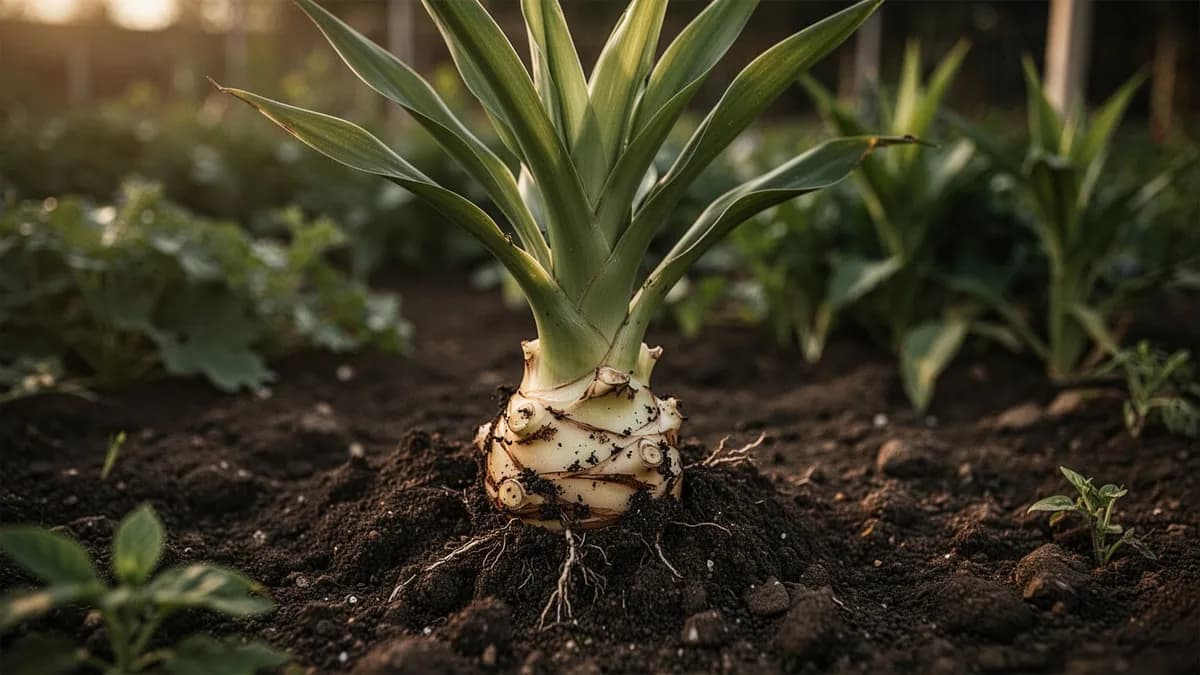
Ein rhizombildender Verwandter des Ingwers, der in der thailändischen und indonesischen Küche unverzichtbar ist und einen schärferen, kiefernartigen Geschmack als gewöhnlicher Ingwer hat. Die Pflanzen werden ein bis anderthalb Meter hoch, haben elegante, glänzende Blätter und gedeihen in nährstoffreicher, feuchter Erde bei Halbschatten. Die Rhizome benötigen eine volle Saison zur Entwicklung und werden geerntet, wenn die Blätter im Herbst zu vergilben beginnen. In kühlen Klimazonen in großen Töpfen kultivieren und an einem warmen, feuchten Standort drinnen überwintern.
Wann Galgant pflanzen
Galgant wird durch Rhizomteilung und nicht durch Samen vermehrt. Beschaffen Sie sich frische, feste Rhizomstücke mit sichtbaren Wachstumsknospen von Speziallieferanten oder asiatischen Lebensmittelgeschäften. Wählen Sie Stücke von mindestens 5 cm Länge mit zwei oder mehr Knospen. Rhizome vor dem Pflanzen 12 Stunden in warmem Wasser einweichen, um das Wachstum anzuregen. 5 cm tief in warme, feuchte Komposterde bei einer Mindestbodentemperatur von 20 °C pflanzen. Das Keimen dauert zwei bis vier Wochen. Drinnen im Spätwinter oder Frühjahr starten. Das Platzieren der Töpfe auf einer Heizmatte beschleunigt die Keimung erheblich.
Dein Galgant-Jahr
Abgestimmt auf Zone 7 · typische Saison · Frost geht um den 2. Apr. und kehrt um den 1. Nov. zurück
Galgant Apr – Mai pflanzen, Okt – Nov ernten. Beachte die Pflanzmethoden unten und wähle dein Klima für passende Zeiträume.
So baust du Galgant an
Galgant ist ein tropisches Rhizom, eng verwandt mit Ingwer, aber mit einem charakteristisch scharfen, kiefernartigen, zitrusartigen Geschmack, der in der südostasiatischen Küche unverzichtbar ist. Beginnen Sie mit frischen, festen Rhizomstücken aus einem asiatischen Lebensmittelgeschäft oder einem Spezialitätenlieferanten. Pflanzen Sie die Stücke 5 cm tief mit den Wachstumsknospen nach oben in nährstoffreiche, feuchte Komposterde. In tropischen Zonen direkt im Garten mit einem Abstand von 45 cm pflanzen. In gemäßigten Klimazonen im Frühjahr in großen Töpfen drinnen starten.
Galgant benötigt warme Temperaturen über 18 °C, hohe Luftfeuchtigkeit und gleichmäßige Feuchtigkeit zum Gedeihen. Stellen Sie helles, indirektes Licht oder lichten Schatten bereit, da direkte Mittagssonne die Blätter verbrennen kann. Die Pflanzen werden 1–1,5 Meter hoch mit breiten, glänzend grünen Blättern an schilfartigen Stängeln und schaffen ein üppiges tropisches Erscheinungsbild. Halten Sie die Erde gleichmäßig feucht, aber nicht staunass. Besprühen Sie das Laub in trockenen Innenräumen regelmäßig, um die Luftfeuchtigkeit aufrechtzuerhalten.
In frostfreien Zonen wächst Galgant als Staude und breitet sich langsam über unterirdische Rhizome aus. In kühleren Klimazonen in großen Behältern mit mindestens 40 cm Durchmesser kultivieren und vor dem ersten Frost ins Haus holen. An einem warmen, hellen Standort bei mindestens 15 °C überwintern und die Bewässerung reduzieren, aber die Erde nicht vollständig austrocknen lassen. Im Frühjahr bei neuem Wachstum die regelmäßige Bewässerung und Düngung wieder aufnehmen. Die Rhizome sind in der Regel nach 8–10 Monaten Wachstum erntereif.
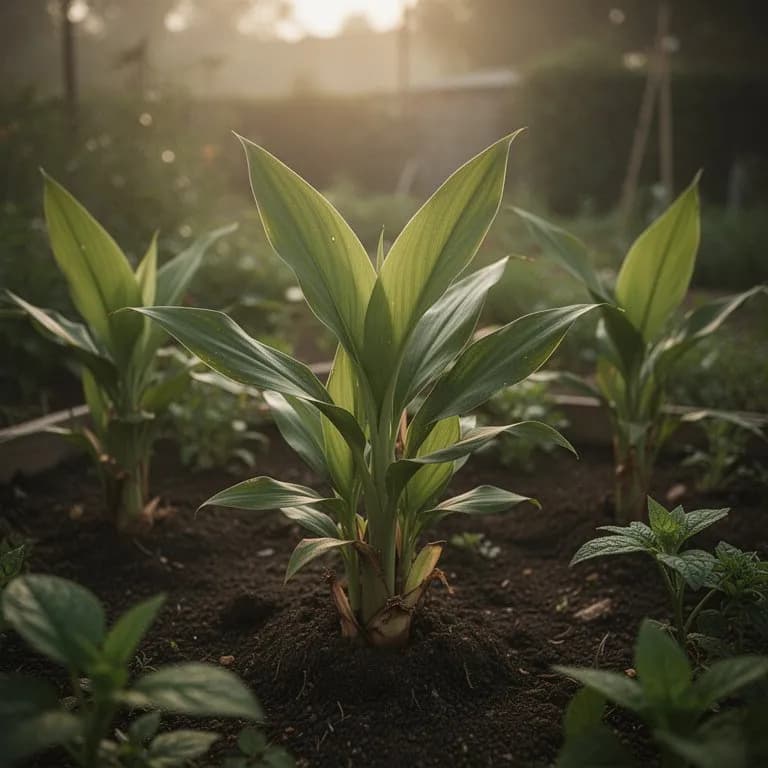
10 Pflanzen passen in ein Beet von 120 × 240 cm
Galgant braucht 45 cm Platz pro Pflanze. Der Planer hält diesen Abstand für dich ein — jede Pflanze, jedes Beet.
Die besten Nachbarn für Galgant
Galgant wächst gut neben anderen tropischen Rhizomen wie Ingwer und Kurkuma, die ähnliche Anforderungen an Wärme, Feuchtigkeit und Halbschatten haben. Diese Pflanzen bilden eine üppige, tropisch aussehende Gruppe in Behältern oder Beeten. Zitronengras ist ein weiterer guter Begleitpflanzen, der die gleichen Wachstumsbedingungen schätzt. In tropischen Gärten unter dem Blätterdach höherer Obstbäume anbauen, die lichten Schatten spenden. Nicht in der Nähe von trockenheitstoleranten oder mediterranen Kräutern pflanzen, die trockene Bedingungen benötigen.
Ingwer gehört daneben.
Altes Gärtnerwissen, geprüft an der echten Nachbartabelle von Galgant — teste jede Pflanze, die du anbaust.
Probiere Galgant direkt hier im Beet
Ein echtes Planer-Beet, Galgant steht schon drin. Tippe einen Begleiter an, platziere ihn und sieh, wie die Nachbarschaftsprüfung antwortet — grün für gute Nachbarn, rot bei Streit.


Passende Anbau-Ratgeber
Richtig düngen
Galgant gedeiht in nährstoffreicher, humusreicher Erde, die Feuchtigkeit speichert und gleichzeitig gut abfließt. Mischen Sie zu gleichen Teilen hochwertigen Kompost, Perlit und Kokosfasern für ein ideales Behältersubstrat. Der bevorzugte pH-Wert liegt bei 5,5–7,0. Während der aktiven Wachstumszeit vom Frühjahr bis zum Frühherbst alle zwei Wochen mit einem ausgewogenen Flüssigdünger düngen. Bei überwinternden Pflanzen die Düngung auf monatlich reduzieren. Eine Deckschicht aus gut verrottetem Kompost im Frühjahr liefert langsam freisetzende Nährstoffe. Kaliumreiche Dünger fördern die Rhizomentwicklung.
Ideale Temperatur
Winterhärtezone-Kompatibilität
Von der Saat zur Ernte, Schritt für Schritt
Rhizompflanzung
Frische Rhizomabschnitte mit 2–3 Wachstumsknospen (Augen) werden waagerecht 5–8 cm tief in warme, gut durchlässige Erde mit reichlich organischer Substanz gepflanzt. Die Schnittflächen werden mit Fungizid bestäubt oder dürfen 24 Stunden lang abtrocknen, bevor sie gepflanzt werden. Die anfängliche Wurzelentwicklung findet unterirdisch statt, ohne sichtbares Wachstum über der Oberfläche für 2–3 Wochen.
Triebentwicklung
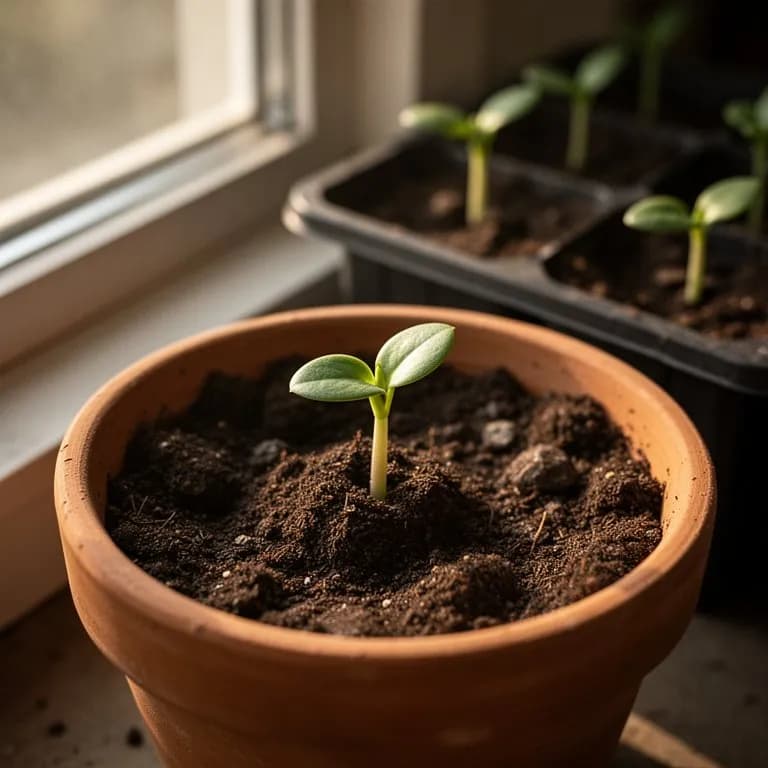
Blassgrüne Triebe erscheinen als eng eingerollte Blattspitzen aus der Erde, ähnlich kleinen Bambussprossen. Jede Wachstumsknospe bildet einen einzelnen Trieb, der sich langsam zu den ersten Blättern entfaltet. Die Wurzelsysteme expandieren unterirdisch schnell und bilden die Grundlage für das Rhizomnetzwerk, das sich in den kommenden Monaten entwickeln wird.
Vegetatives Wachstum
Die Pflanzen wachsen bei warmen Bedingungen kräftig und bilden mehrere Stängel mit langen, lanzettenförmigen Blättern in einem eleganten Fächermuster. Jeder Stängel kann in dieser Phase 1–1,5 Meter erreichen. Unterirdisch expandiert das Rhizomsystem nach außen, entwickelt neue Seitenverzweigungen und nimmt an Masse zu. Das Wachstum beschleunigt sich dramatisch bei hoher Luftfeuchtigkeit und Temperaturen über 28 °C.
Rhizomreifung
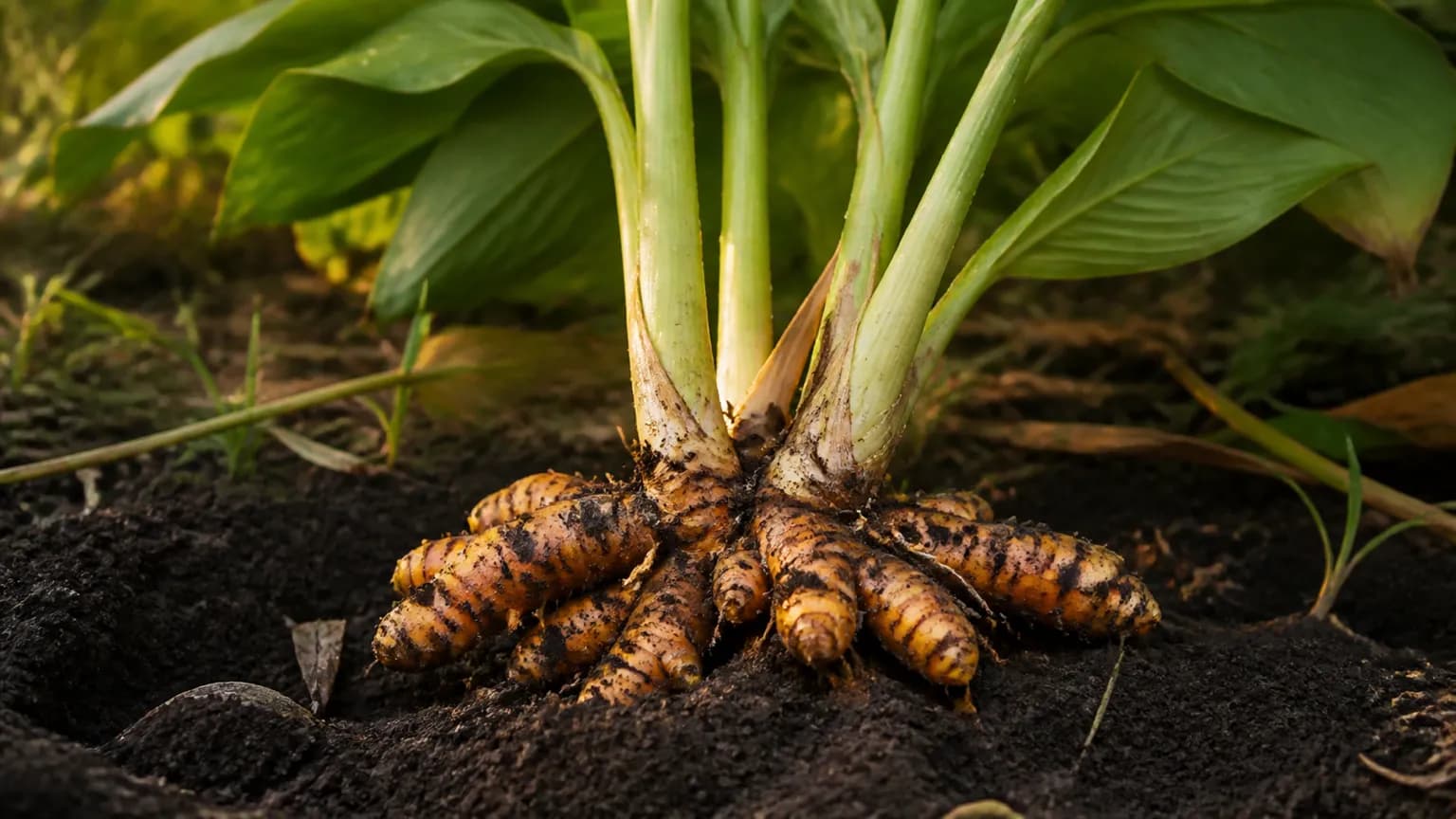
Das unterirdische Rhizomsystem erreicht eine beachtliche Größe, wobei einzelne Finger fest, dicht und hocharomatisch werden. Die Haut entwickelt ihre charakteristische blassrosa-weiße Farbe mit deutlichen gebänderten Ringen. Ältere Teile des Rhizoms werden holzig und faserig, während neuere Wachstumsspitzen zart bleiben. Pflanzen können ihre volle Höhe von 1,5–2 Metern erreichen.
Blüte
Ausgewachsene Pflanzen bilden Blütenstände mit Trauben kleiner orchideenartiger Blüten mit weißen Blütenblättern und charakteristischer tiefroter oder kastanienbrauner Äderung. Die Blüten erscheinen an separaten Stängeln abseits der Blattstängel und können mehrere Wochen bestehen bleiben. In gemäßigten Klimazonen als Kübelpflanzen kultiviert, kann es sein, dass die Blüte ausbleibt. Samen entwickeln sich selten außerhalb tropischer Bedingungen.
Ernte und Teilung
Die Rhizome sind 10–14 Monate nach der Pflanzung erntereif. Der gesamte Horst kann gehoben oder Teile abgeschnitten werden, während die Hauptpflanze intakt weiter wächst. Junge Rhizomspitzen sind zarter und weniger faserig, während ältere Abschnitte den stärksten Geschmack haben, aber sehr hart sind. Bewahren Sie gesunde Stücke mit Wachstumsknospen zum Wiedereinpflanzen auf.
Wählen Sie feste, pralle Rhizomstücke von mindestens 5–8 cm Länge mit sichtbaren Wachstumsknospen. Pflanzen Sie im Frühjahr, wenn die Bodentemperaturen konstant über 22 °C liegen. Halten Sie die Erde feucht, aber niemals staunass, um Rhizomfäule zu verhindern.
Galgant Monat für Monat pflegen
Was du jeden Monat für deine Galgant tun solltest
Oktober
Aktueller MonatIn gemäßigten Zonen Rhizome vor dem ersten Frost ernten, indem Sie den gesamten Horst heben oder Teile abschneiden. Gesunde Stücke mit Wachstumsknospen zum Überwintern und Wiedereinpflanzen aufbewahren. In den Zonen 10–12 kann die Teilernte den Winter über fortgesetzt werden.
Immer wissen, was jetzt im Garten zu tun ist
Eine E-Mail zum Monatsanfang: was du jetzt säen, pflanzen und anpacken solltest — für deine Galgant und alles, was drumherum wächst. Dazu ein kurzer Startkurs, der dich vor den klassischen Fehlern bewahrt.
- Was jetzt zu tun ist
- Passend zu deiner Saison
- Startkurs inklusive
Galgant ernten
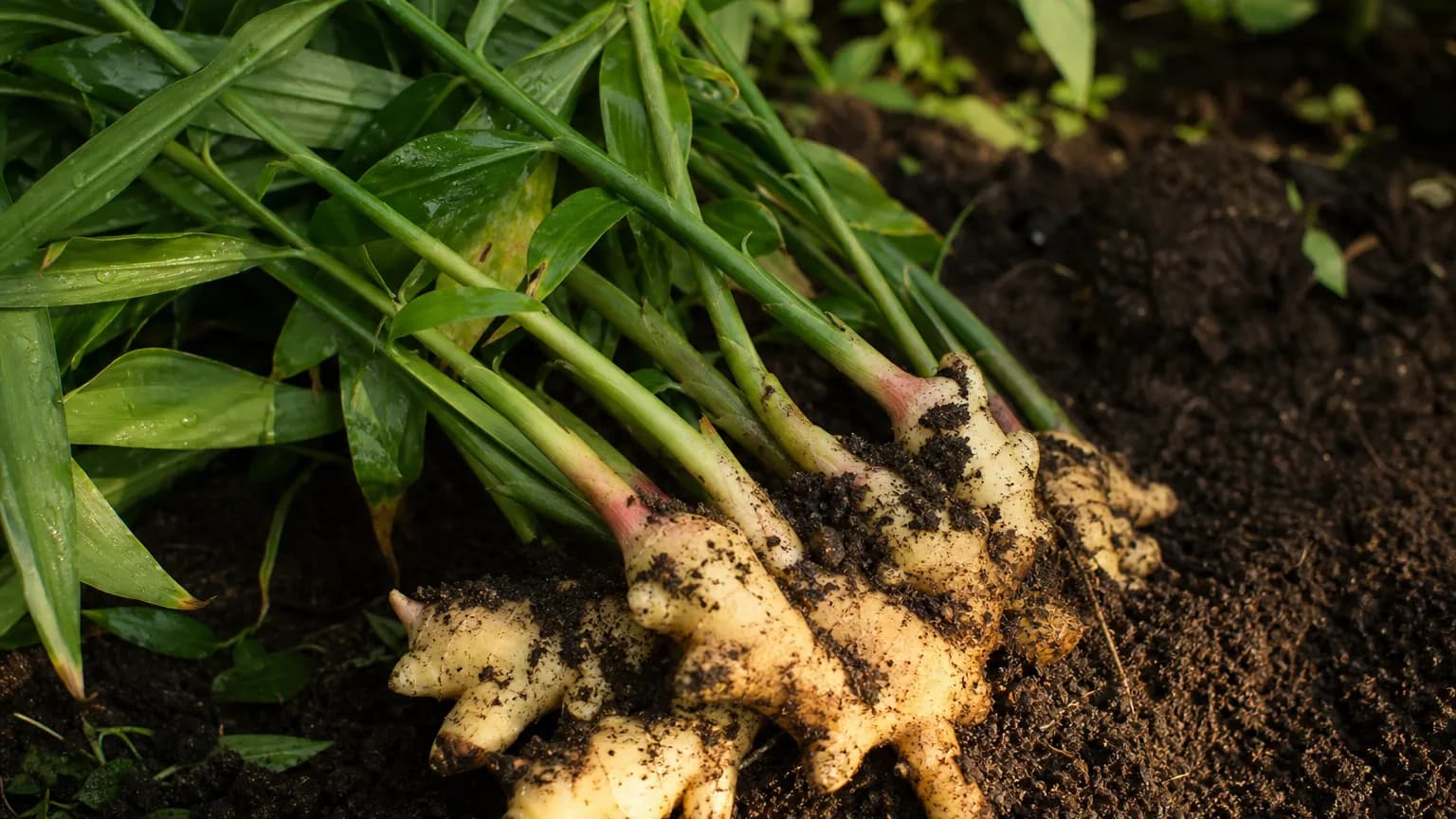
Ernten Sie die Galgant-Rhizome 8–10 Monate nach der Pflanzung, wenn das Laub im Herbst beginnt zu vergilben und abzusterben. Kippen Sie den Behälter vorsichtig oder graben Sie um die Pflanze herum, um die Rhizome freizulegen. Schneiden Sie mit einem scharfen Messer ab, was Sie benötigen, und lassen Sie mindestens einen gesunden Abschnitt mit Wachstumsknospen zum Wiedereinpflanzen übrig. Junge, rosafarbene Rhizome haben einen milderen Geschmack, während reife, holzige Rhizome schärfer und faseriger sind. Zum Kochen lassen sich junge Rhizome leicht schneiden und werden für frische Zubereitungen bevorzugt.
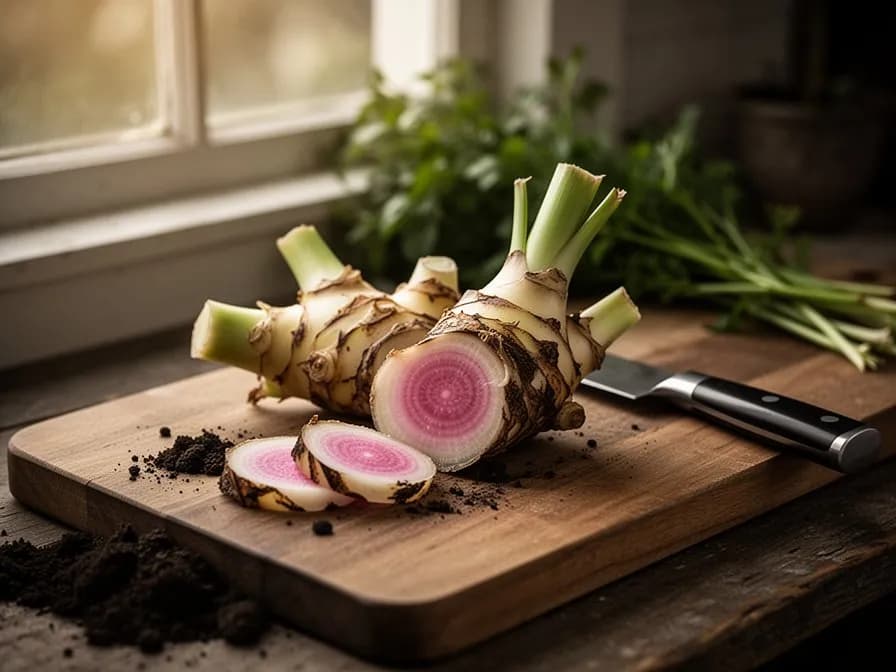
angenommen, du pflanzt zu Beginn des Zeitraums — trage dein tatsächliches Datum ein
Ernte Galgant zügig, dann trägt die Pflanze weiter.
Lagerung & Konservierung
Frischer Galgant hält sich im Kühlschrank bis zu drei Wochen, wenn er in Küchenpapier eingewickelt in einem Plastikbeutel aufbewahrt wird. Für längere Lagerung dünn schneiden und bis zu sechs Monate einfrieren; gefrorener Galgant behält seinen Geschmack gut zum Kochen. Alternativ in Scheiben schneiden und trocknen, um getrockneten Galgant herzustellen, der sich über ein Jahr in einem luftdichten Behälter hält. Galgant kann auch in Salzlake oder Essig konserviert werden. Ganze Rhizome im Gefrierschrank aufbewahren und bei Bedarf direkt gefroren in Gerichte reiben.
Was schiefgeht — und die Lösung
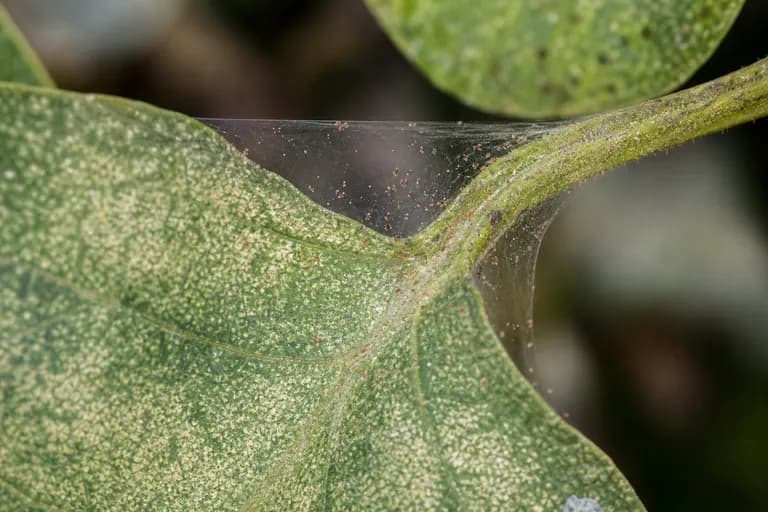
Spinnmilben
SchädlingFeine Gespinste an den Blattunterseiten, winzige sich bewegende Punkte auf Blattoberflächen, Blätter entwickeln ein fleckiges, vergilbtes Erscheinungsbild.
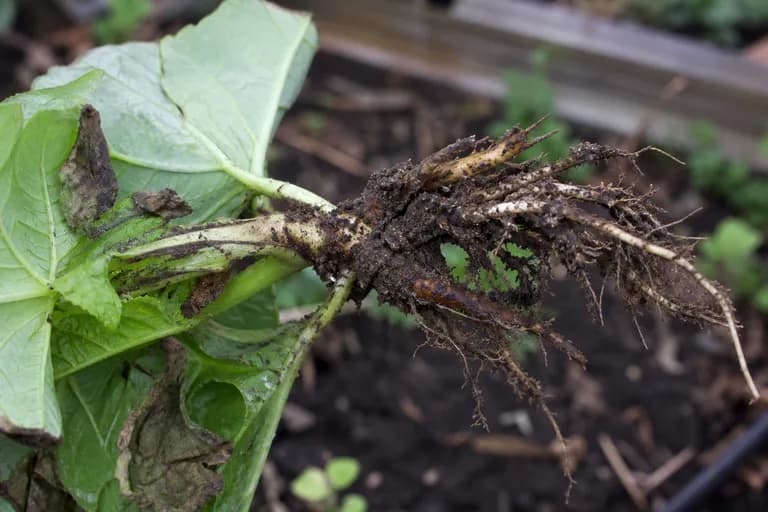
Wurzelfäule
KrankheitRhizome werden weich, dunkel und matschig. Blätter vergilben und welken. Fauliger Geruch aus der Erde. Verursacht durch Staunässe.
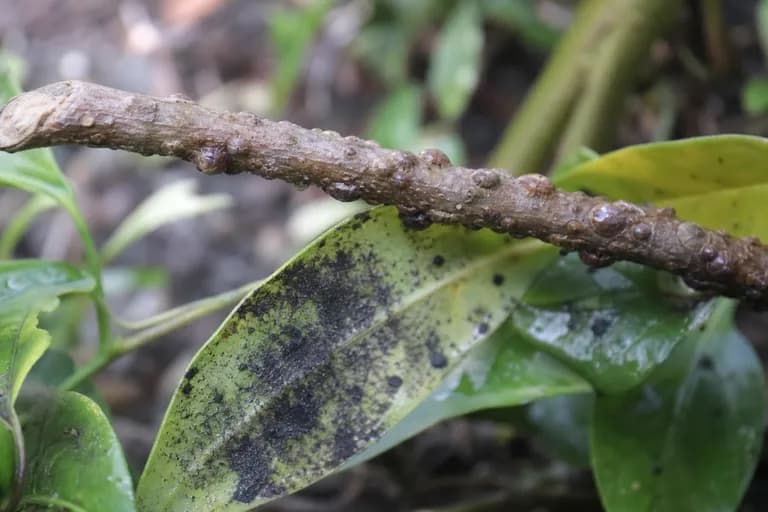
Schildläuse
SchädlingKleine, braune, schildartige Erhebungen an Stängeln und Blattunterseiten. Klebrige Honigtau-Ablagerungen und vergilbende Blätter.
Fehlerbehebung bei häufigen Problemen
Die größte Herausforderung in gemäßigten Klimazonen ist die Bereitstellung ausreichender Wärme und Luftfeuchtigkeit. Pflanzen stocken oder sterben ab, wenn die Temperaturen über längere Zeiträume unter 15 °C fallen. Niedrige Luftfeuchtigkeit, wie sie in beheizten Wohnungen im Winter üblich ist, verursacht braune Blattspitzen und begünstigt Spinnmilben. Wurzelfäule tritt in schlecht entwässerten Behältern oder bei überwässerten Pflanzen auf. Galgant wächst langsamer als Ingwer und erfordert Geduld. Rhizomstücke können faulen statt zu keimen, wenn sie in kalte, nasse Erde gepflanzt werden – sorgen Sie daher beim Pflanzen für warme Bedingungen.
Anbautipps
- Besorgen Sie sich frische, feste Rhizome in asiatischen Lebensmittelgeschäften, wenn Sie keine Gärtnereipflanzen finden. Achten Sie auf pralle, aromatische Stücke mit sichtbaren rosafarbenen Wachstumsknospen. Vermeiden Sie verschrumpelte, weiche oder schimmelige Rhizome – sie keimen wahrscheinlich nicht zuverlässig.
- Galgant braucht vor allem Wärme. In gemäßigten Klimazonen als Kübelpflanze in mindestens einem 40-Liter-Topf behandeln, damit er im Winter nach drinnen gebracht werden kann. Eine Heizmatte zum Starten von Rhizomen verwenden und niemals im Freien pflanzen, bis die Nachttemperaturen dauerhaft über 15 °C bleiben.
- Verwenden Sie nährstoffreiche, gut durchlässige Erde mit reichlich organischer Substanz. Mischen Sie zu gleichen Teilen hochwertigen Kompost, Perlit und gealterte Rinde oder Kokosfasern. Galgant ist in seiner tropischen Heimat ein Starkzehrer, wo er in reichhaltiger, sich ständig zersetzender Waldbodenhumuserde wächst.
- Im Gegensatz zu Ingwer bevorzugt Galgant Halbschatten bis lichtes Licht statt voller Sonne und ahmt damit seinen natürlichen Waldboden-Lebensraum nach. In heißen Klimazonen Nachmittagsschatten bieten, um Blattverbrennungen zu verhindern. Zimmerpflanzen profitieren von einem hellen Ostfenster oder gefiltertem Licht.
- Luftfeuchtigkeit ist entscheidend für gesundes Wachstum. Das Laub in trockenen Klimazonen regelmäßig besprühen, Kübelpflanzen auf mit Wasser gefüllte Kieselschalen stellen oder tropische Pflanzen gruppieren, um ein feuchtes Mikroklima zu schaffen. Braune Blattspitzen sind das erste Anzeichen unzureichender Luftfeuchtigkeit.
- Haben Sie Geduld – Galgant ist langsamer im Anwachsen als Ingwer und braucht typischerweise 10–14 Monate bis zur Erntereife. Graben Sie die Rhizome nicht zu früh aus. Die erste Saison dient dem Aufbau des Wurzelsystems; die besten Ernten kommen ab dem zweiten Jahr.
- Teilen und pflanzen Sie die Horste alle 2–3 Jahre um, um kräftiges Wachstum zu erhalten. Heben Sie den gesamten Horst im Frühjahr, teilen Sie ihn in Abschnitte mit 2–3 Wachstumsknospen, entsorgen Sie alte holzige Zentren und pflanzen Sie die Teilungen in aufgefrischte Erde mit zusätzlichem Kompost.
- Lagern Sie geernteten Galgant im Kühlschrank, in feuchtes Küchenpapier eingewickelt in einem verschlossenen Plastikbeutel, bis zu 3 Wochen. Für die Langzeitlagerung frischen Galgant in Scheiben schneiden oder reiben und in kleinen Portionen einfrieren – er behält seine aromatischen Verbindungen beim Einfrieren gut und kann direkt vom Gefrierschrank in den Topf gegeben werden.
Bau deine beste Galgant an — und alles drumherum.
Starte heute kostenlos. Lege deine Beete an, setze deine Galgant ein und lass PlotMyGarden Timing, Abstände, Begleiter und Erinnerungen von der Saat bis zum Erntekorb übernehmen.
Finde deine Galgant
Großer Galgant
Alpinia galanga, die größere Art, die in der thailändischen und indonesischen Küche verwendet wird, mit scharfem, kiefernartigem, zitrusartigem Geschmack.
Kleiner Galgant
Alpinia officinarum, eine kleinere Art mit schärferem, pfeffrigem Geschmack, die in der chinesischen und vietnamesischen Küche verwendet wird.
Kencur
Kaempferia galanga, eine niedrig wachsende Art, auch Sandingwer genannt, mit einem einzigartigen kampferartigen Aroma, das in der javanischen Küche verwendet wird.
Frischer Galgant wird in asiatischen Lebensmittelgeschäften für 15–30 € pro Kilogramm und in westlichen Spezialitätengeschäften für 30–50 € pro Kilogramm verkauft, bei begrenzter Verfügbarkeit und oft fragwürdiger Frische. Ein einzelnes Rhizomstück, das 5–10 € kostet, kann in einer Anbausaison 0,5–2 kg frischen Galgant produzieren und so jährlich 15–50 € einsparen. Die Einsparungen summieren sich dramatisch im Laufe der Zeit, da Galgant eine Staude ist – eine einzige Anfangspflanzung kann mit einfacher Teilung und Wiedereinpflanzung jahrelang frische Rhizome liefern und so die wiederkehrenden Kosten für diese Premium-Zutat effektiv eliminieren.
Schnelle Rezepte
Tom Kha Gai (Thailändische Kokos-Galgant-Suppe)
30 Min.Thailands beliebte Kokossuppe, in der Galgant der unersetzliche aromatische Star ist. Dünne Scheiben frischen Galgants durchziehen die reichhaltige Kokosbrühe mit seiner unverwechselbaren kiefernartigen, zitrusartigen Wärme – ein Geschmack, den Ingwer einfach nicht ersetzen kann.
11 ZutatenThailändische Rote Currypaste mit frischem Galgant
25 Min.Eine lebendige hausgemachte rote Currypaste, in der frischer Galgant das aromatische Rückgrat bildet. Das Zerstoßen der Zutaten im Mörser setzt die ätherischen Öle frei und ergibt eine Paste, die weitaus komplexer und duftender ist als jede gekaufte Version.
11 ZutatenIndonesisches Soto Ayam mit Galgant
45 Min.Eine duftende indonesische Hühnersuppe auf Basis einer Gewürzpaste aus Galgant, Kurkuma und Zitronengras. Die goldene Brühe wird über Reisnudeln, zerzupftes Hähnchen und eine bunte Auswahl an Beilagen gegossen – ein endlos variierbares Gericht.
11 ZutatenKulinarische Verwendung
Galgant ist in der thailändischen Küche unverzichtbar und kommt prominent in Tom Kha Gai-Suppe, grünen und roten Currypasten und Tom Yum vor. Er verleiht eine scharfe, kiefernartige Wärme, die sich deutlich von Ingwer unterscheidet. Dünn schneiden oder im Mörser für Currypasten zerstoßen. Im Gegensatz zu Ingwer ist reifer Galgant sehr faserig und wird typischerweise in Scheiben geschnitten, um Geschmack zu verleihen, und dann vor dem Servieren entfernt. In der indonesischen Küche kommt er in Rendang und anderen Gewürzpasten vor. Junge Rhizome können direkt in Salaten und Sambals gegessen werden.
Was drinsteckt
Gesundheitsvorteile
- Enthält Acetoxychavicol-Acetat (ACA), eine potente bioaktive Verbindung, die umfassend auf ihre starken entzündungshemmenden Wirkungen untersucht wurde – Forschungsergebnisse deuten darauf hin, dass sie entzündliche Signalwege hemmen kann, die an Arthritis und anderen chronischen Erkrankungen beteiligt sind.
- Traditionelles Mittel gegen Verdauungsbeschwerden in ganz Südostasien – Galgant regt die Produktion von Verdauungsenzymen an, lindert Übelkeit und Blähungen und hat nachgewiesene karminative Eigenschaften, die helfen, Gase auszutreiben und Magenbeschwerden zu lindern.
- Reich an Galangin und anderen Flavonoid-Antioxidantien, die freie Radikale neutralisieren und Zellen vor oxidativem Schaden schützen, der mit Alterung und chronischen Krankheiten in Verbindung steht.
- Nachgewiesene antimikrobielle und antimykotische Eigenschaften in Laborstudien – Galgant-Extrakte haben Wirksamkeit gegen mehrere lebensmittelbedingte Krankheitserreger gezeigt, darunter bestimmte Stämme von E. coli, Staphylococcus und Candida.
- Wird in der traditionellen chinesischen Medizin als wärmendes Kraut zur Verbesserung der Durchblutung und Behandlung kältebedingter Beschwerden eingesetzt – moderne Forschung unterstützt milde gefäßerweiternde Effekte, die die periphere Durchblutung verbessern können.
- Enthält Verbindungen, die die Atemwegsgesundheit unterstützen können – Galgant wird seit Jahrhunderten in der ayurvedischen und südostasiatischen Volksmedizin zur Behandlung von Husten, Bronchitis und Nasenverstopfung eingesetzt, wobei vorläufige Forschungsergebnisse auf schleimlösende und bronchienerweiternde Wirkung hindeuten.
Woher Galgant stammt
Galgant (Alpinia galanga) stammt ursprünglich aus den tropischen Wäldern Indonesiens, wahrscheinlich von der Insel Java, wo noch heute wilde Populationen in feuchten Tiefland- und Bergwäldern wachsen. Die Pflanze wurde vor Tausenden von Jahren im Malaiischen Archipel domestiziert und wurde zu einem grundlegenden Aromat in den Küchen und traditionellen Medizinsystemen Südostasiens. Der Große Galgant verbreitete sich über alte maritime Handelsrouten in der gesamten Region und wurde lange vor schriftlichen Aufzeichnungen fester Bestandteil der Küche Thailands, Indonesiens, Malaysias, Kambodschas, Laos' und Vietnams.
Galgant erreichte China über Land- und Seehandelsrouten und wurde spätestens im 6. Jahrhundert in chinesischen Arzneibüchern aufgezeichnet, wo er als wärmendes Kraut zur Behandlung von Magenbeschwerden, Schluckauf und kältebedingten Leiden klassifiziert wurde. Aus China und der arabischen Handelswelt gelangte Galgant im Mittelalter nach Europa, wo er zu einem modischen und teuren Gewürz wurde. Mittelalterliche europäische Köche verwendeten ihn in Gewürzweinen (Hippocras), Fleischgerichten und Konfekt, während Ärzte ihn für ein breites Spektrum von Beschwerden verschrieben. Hildegard von Bingen, die deutsche Mystikerin und Kräuterkundige aus dem 12. Jahrhundert, betrachtete Galgant als ein Geschenk Gottes und empfahl ihn ausgiebig in ihren Schriften.
Als sich der europäische Handel auf Gewürze der Neuen Welt verlagerte und die Lieferketten für Galgant schwierig blieben, geriet das Rhizom in der westlichen Küche bis zum 17. Jahrhundert allmählich aus der Mode. Es überdauerte in der traditionellen Medizin und wurde in europäischen Küchen weitgehend vergessen, bis die weltweite Popularität der thailändischen und südostasiatischen Küche es im späten 20. Jahrhundert westlichen Gaumen erneut vorstellte. Heute wird Galgant kommerziell in Thailand, Indonesien, Malaysia, Indien und Südchina angebaut. Thailand ist der größte Exporteur, und frischer Galgant ist mittlerweile in asiatischen Lebensmittelgeschäften weltweit erhältlich – die Wiederbelebung eines Gewürzes, das im mittelalterlichen Europa einst ebenso begehrt war wie Safran und schwarzer Pfeffer.
Galgant: Schon gewusst?
Faszinierende Fakten über Galgant
Es gibt tatsächlich zwei verschiedene Arten, die gemeinhin als Galgant bezeichnet werden: den Großen Galgant (Alpinia galanga), der in der südostasiatischen Küche weit verbreitet ist, und den Kleinen Galgant (Alpinia officinarum), der kleiner und schärfer ist und traditionell in der chinesischen und mittelalterlichen europäischen Medizin bevorzugt wurde.
Galgant: Fragen & Antworten
Wann sollte ich Galgant pflanzen?
Was sind gute Begleitpflanzen für Galgant?
In welchen Winterhärtezonen kann Galgant wachsen?
Wie viel Sonne braucht Galgant?
Welchen Abstand sollte ich zwischen Galgant lassen?
Welche Schädlinge und Krankheiten befallen Galgant?
Wie lagere ich Galgant nach der Ernte?
Was sind die besten Galgant-Sorten zum Anbauen?
Welchen Boden braucht Galgant?
Kann ich Galgant aus im Lebensmittelgeschäft gekauften Rhizomen ziehen?
Was ist der Unterschied zwischen Galgant und Ingwer – kann ich das eine durch das andere ersetzen?
Kann Galgant den Winter im Freien in gemäßigten Klimazonen überstehen?
Woran erkenne ich, dass Galgant-Rhizome erntereif sind?
Warum werden die Blätter meines Galgants gelb oder braun an den Spitzen?
Kann man Galgant roh essen, oder muss er gekocht werden?
Du hast die Theorie gelesen. Jetzt baue sie auf Autopilot an.
Alles, was Galgant knifflig macht — das Timing, die Abstände, die Begleiter, das Erntefenster — genau das übernimmt PlotMyGarden für dich, für jede Pflanze im Garten.
Ein Plan, der dein Wetter kennt
Standort einmal festlegen. Aussaat-, Dünge- und Erntedaten rund um deinen echten letzten Frosttermin und die Live-Vorhersage — kein Raten mehr nach Saattüte.
Aus dem Abschnitt „Pflanzzeit“Beetplaner per Drag & Drop
Beete auf einem Raster gestalten. Jede Pflanze rastet im richtigen Abstand ein, und du siehst die ganze Saison, bevor du einen Cent für Saatgut ausgibst.
Aus dem Abschnitt „Anbau“Begleiter-Konflikte früh erkannt
Über 200 gute und schlechte Kombinationen werden beim Pflanzen live geprüft — so landet ein saisonruinierender Fehler nie in der Erde.
Aus dem Abschnitt „Begleiter“Erinnerungen, nach denen du wirklich handelst
„Gieß die Bohnen.“ „Heute ernten, bevor's umschlägt.“ Pünktlich, konkret und auf deine echten Pflanzen bezogen.
Aus dem Abschnitt „Ernte“Staffel-Aussaat, geplant
Sechs Wochen ernten statt sechs Tage? Die App verteilt deine Aussaaten automatisch und erinnert dich, wenn der nächste Satz fällig ist.
Aus dem Abschnitt „Pflanzzeit“Ein Verlauf, der schlauer wird
Jede protokollierte Ernte bringt der App deinen Garten bei. Der Plan fürs nächste Jahr startet bei dem, was in deinem Boden wirklich funktioniert hat.
Aus dem Abschnitt „Überblick“Pflanze diese neben Galgant
Weitere Wurzelgemüse
Bau deine beste Galgant an — und alles drumherum.
Starte heute kostenlos. Lege deine Beete an, setze deine Galgant ein und lass PlotMyGarden Timing, Abstände, Begleiter und Erinnerungen von der Saat bis zum Erntekorb übernehmen.