Gac Fruit
A Southeast Asian vine producing spiny, bright red fruits with extraordinarily high levels of lycopene and beta-carotene.





On this pageOverview
Meet Gac Fruit
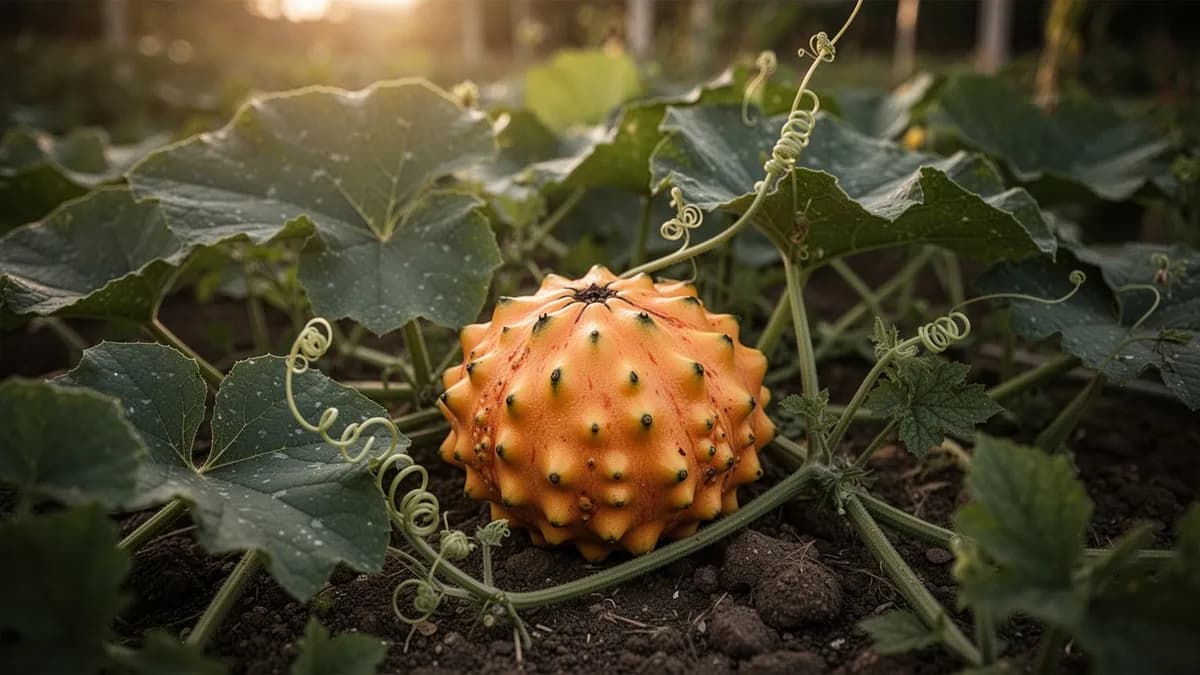
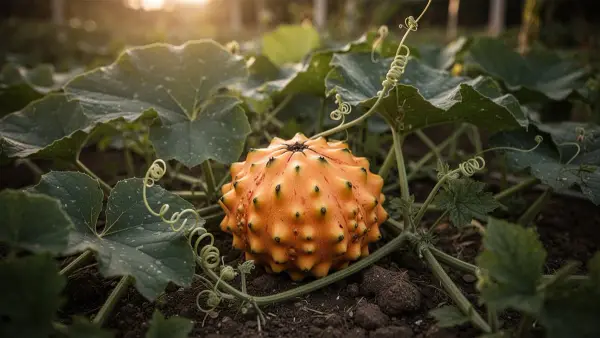
A Southeast Asian vine producing spiny, bright red fruits with extraordinarily high levels of lycopene and beta-carotene. The red seed membrane is used to color and flavor glutinous rice in traditional Vietnamese New Year celebrations. Male and female plants are needed for pollination, or hand-pollinate flowers for reliable fruit set. In temperate zones, grow on a warm south-facing wall or in a greenhouse with a long growing season.
When to plant Gac Fruit
Gac fruit can be propagated from seeds or root cuttings. Seeds have a hard coat and require scarification by nicking with a file or soaking in warm water for 48 hours. Plant seeds 1 inch deep in warm, moist potting mix at 80-85°F. Germination is slow, taking 2-4 weeks. Root cuttings from established plants are more reliable and produce fruiting-age plants faster. Plant 6-8 inch root sections horizontally 2 inches deep in warm, moist soil. Start all propagation indoors in temperate climates, at least 8-10 weeks before transplanting outdoors.
Your Gac Fruit Year
Composed for Zone 7 · typical seasons · frost passes Apr 2, returns Nov 1
Plant Gac Fruit Apr – May, pick Sep – Nov. Check the planting methods below and set your climate to personalize these windows.
How to grow Gac Fruit
Gac fruit is a perennial tropical vine that requires a long, hot growing season and is dioecious, meaning separate male and female plants are needed for fruit production. Plant both sexes from root cuttings or seeds, spacing plants 8-10 feet apart along a sturdy fence or trellis system. Vines can grow 30-50 feet in a single season in tropical conditions. In temperate climates, grow in large containers in a heated greenhouse or against a warm south-facing wall.
Provide consistent moisture but excellent drainage, as gac fruit is susceptible to root rot in waterlogged conditions. The vines grow vigorously from tuberous roots that can survive mild winters and resprout in spring in zones 9-10. Apply balanced fertilizer monthly during the growing season and increase potassium when flowering begins. Train vines along overhead structures for easy fruit harvesting.
Hand pollination significantly increases fruit set. Transfer pollen from male flowers to female flowers early in the morning when flowers are freshly opened. Each vine can produce 30-60 fruits per season in ideal conditions. Fruits take approximately 4-5 months from pollination to full maturity, changing from green to bright orange-red. In areas with short growing seasons, start tubers indoors 2 months before the last frost.
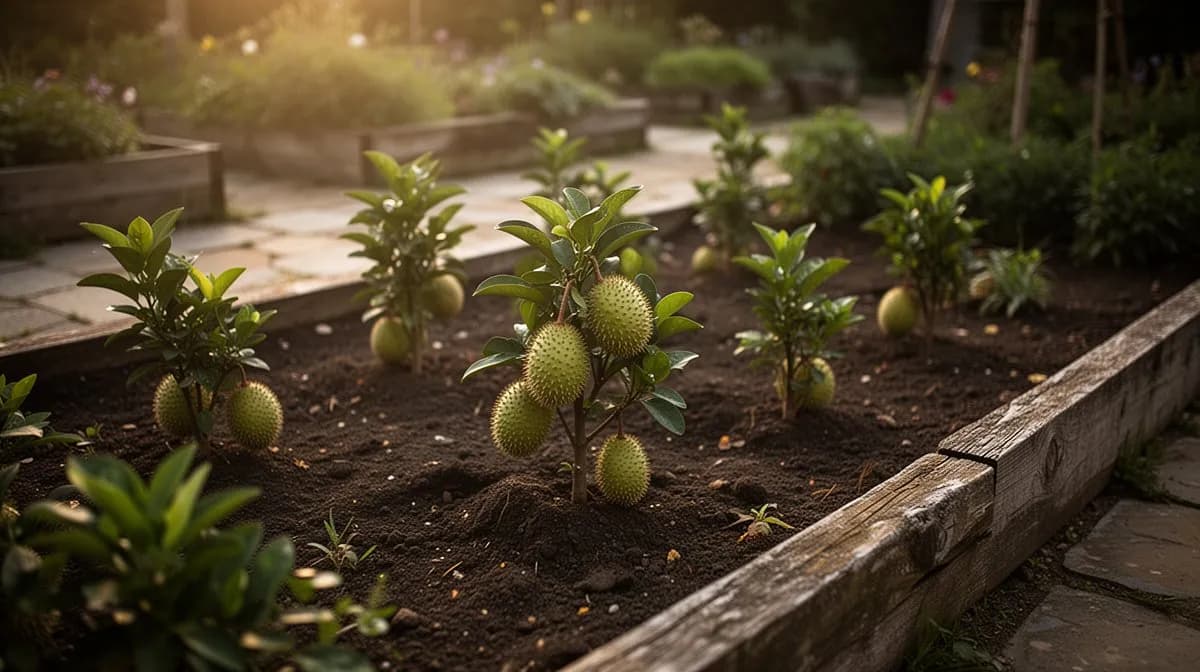
Gac Fruit needs more room than a 4 × 8 ft bed gives
Each Gac Fruit wants 150 cm of elbow room. The planner keeps that spacing for you — every plant, every bed.
Related growing guides
Feed it well
Gac fruit requires well-drained, fertile soil rich in organic matter with a pH of 6.0-7.0. The tuberous root system needs loose, deep soil to develop properly. Amend planting areas with generous compost and ensure drainage is excellent. Apply balanced fertilizer monthly and increase potassium and phosphorus during flowering and fruiting. In containers, use a rich potting mix with added perlite for drainage. Avoid high-nitrogen fertilizers which promote excessive vine growth at the expense of fruit production.
Ideal Temperature
Hardiness Zone Compatibility
From seed to harvest, stage by stage
Seed Germination
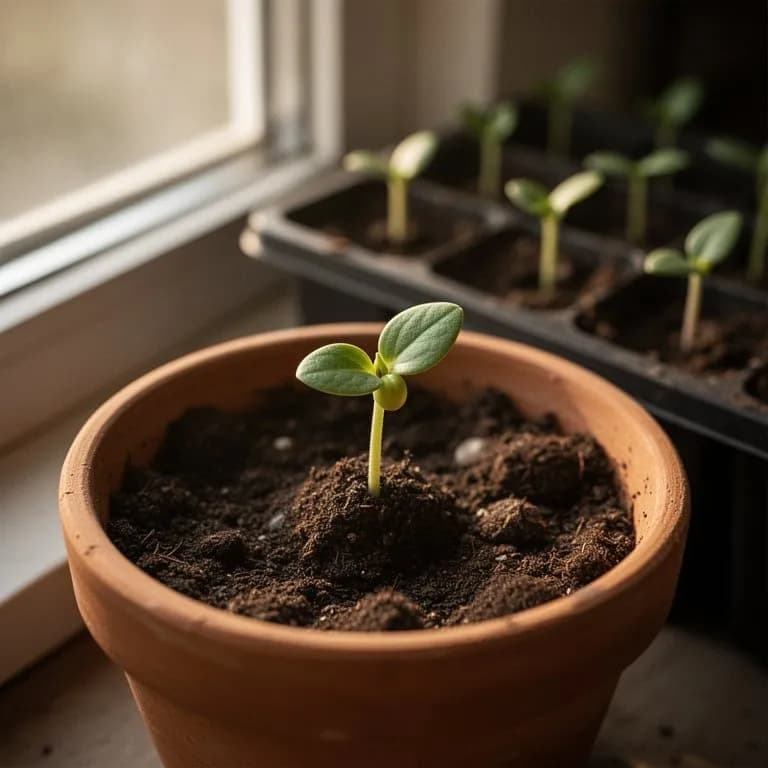
Gac seeds have an extremely hard, flat seed coat that requires scarification or soaking before planting. Seeds are soaked in warm water for 24-48 hours or the outer shell is carefully filed to allow moisture penetration. Germination occurs in 10-21 days in warm soil at 25-30°C (77-86°F). The first rounded cotyledon leaves push through the soil surface.
Seedling and Vine Establishment
True leaves develop with the characteristic deeply lobed, palmate shape with three to five pointed lobes. Tendrils appear quickly as the plant seeks support. The vine grows rapidly in warm conditions, establishing a strong root system that includes a large underground tuber for energy storage.
Rapid Vine Growth
The vine enters an explosive growth phase, extending several metres in all directions and covering its support structure with dense, lush foliage. Large palmate leaves provide a canopy effect. The underground tuber enlarges significantly, storing energy for fruiting. In tropical conditions the vine can grow 10-15 cm per day.
Flowering
Pale yellow flowers appear in the leaf axils — male and female flowers are borne on separate plants (dioecious). Male flowers are smaller and appear in clusters, while female flowers are solitary with a visible swollen ovary at the base. Pollination is carried out by insects, primarily bees, and can be assisted by hand-pollination.
Fruit Development
Pollinated female flowers develop into round to oblong fruits covered in soft spines. Fruits start green and grow to 10-15 cm in diameter over 8-10 weeks. The interior develops a thick orange mesocarp (flesh) surrounding seeds wrapped in brilliant red arils rich in carotenoids. Fruits ripen from green to deep orange-red.
Harvest
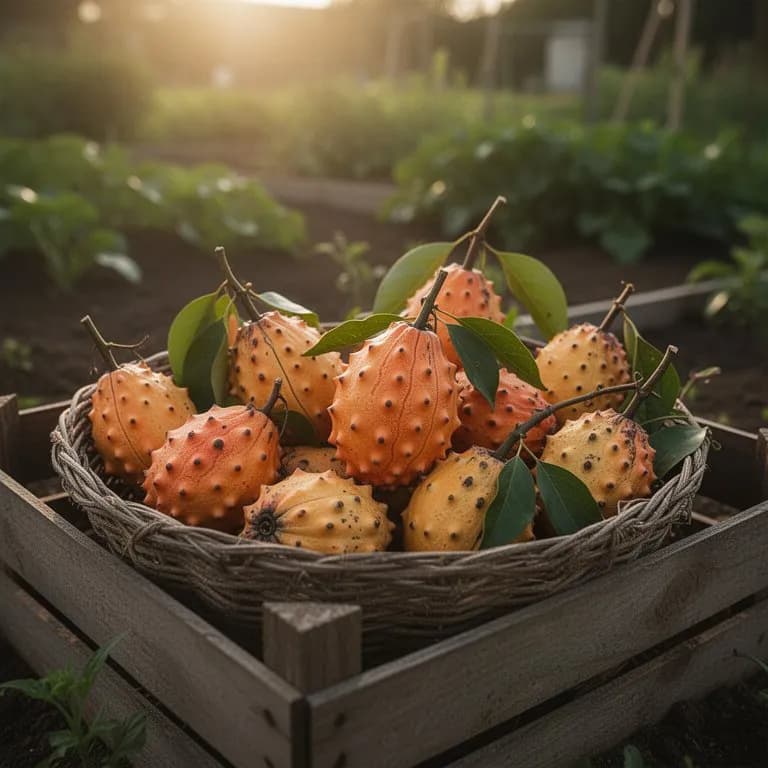
Fruits are ready to harvest when the skin turns fully orange-red and the spines soften. A ripe gac fruit yields slightly to gentle pressure and may begin to crack at the blossom end. Fruits ripen sequentially over several weeks, allowing for an extended harvest period. Cut fruits from the vine with a sharp knife, leaving a short stem attached.
Scarify one edge of the hard seed coat with a file or sandpaper before soaking for 24-48 hours in warm water. Plant 2-3 cm deep in warm, well-draining soil. Use a heat mat to maintain 28°C (82°F) for the fastest germination.
Caring for Gac Fruit month by month
What to do each month for your Gac Fruit
October
You are hereContinue harvesting ripening fruits. Late-season fruits may be smaller. Begin reducing fertilizer as the vine starts its natural decline. Save seeds from the best fruits for next season — clean, dry, and store in a cool place.
Know exactly what to do in your garden — every month
One email at the start of each month: what to sow, plant, and tackle right now — for your Gac Fruit and everything growing around it. Plus a short starter course that helps you dodge the classic mistakes.
- What to do, right now
- Matched to your season
- Starter course included
Harvesting Gac Fruit
Harvest gac fruit when the skin turns from green to bright orange-red and the spines soften slightly, typically 4-5 months after pollination. The fruit should give slightly when pressed. Cut from the vine with a sharp knife, wearing gloves as the spines can irritate skin. Open fruits carefully to access the bright red aril (seed membrane) that surrounds the seeds, which is the primary edible and most nutritious part. Each fruit yields approximately 2-4 tablespoons of aril. Handle cut fruits over a bowl as the aril stains surfaces intensely.
assuming you plant when the window opens — set your real date
Pick Gac Fruit promptly and the plant keeps producing.
Storage & Preservation
Whole gac fruit stores at room temperature for 1-2 weeks or refrigerated for up to a month. Once opened, the aril should be used immediately or frozen for long-term storage. Frozen aril maintains its nutritional value and color for up to 12 months. The aril can be oil-extracted to make gac oil, which is extremely rich in beta-carotene and lycopene and stores refrigerated for months. Seeds can be dried and stored for planting. In Vietnamese tradition, aril is mixed with glutinous rice and cooked immediately for the bright red ceremonial dish xoi gac.
What goes wrong — and the fix
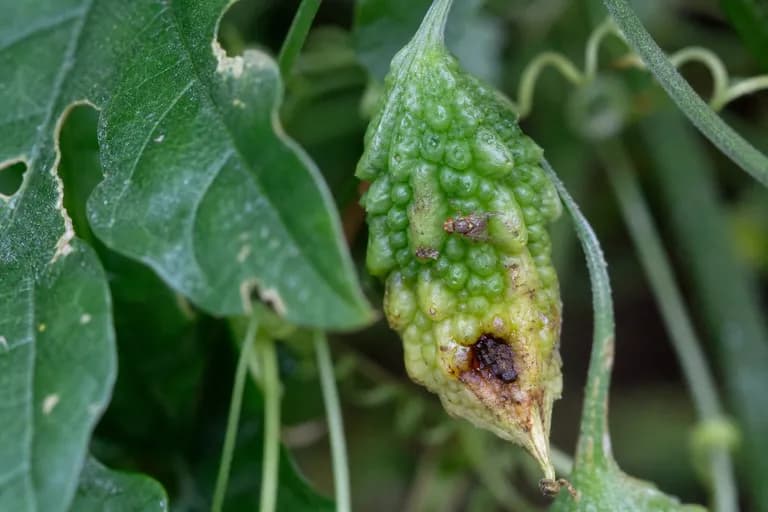
Fruit Fly
PestPuncture marks on developing fruits, larvae inside fruit flesh, premature fruit rot.
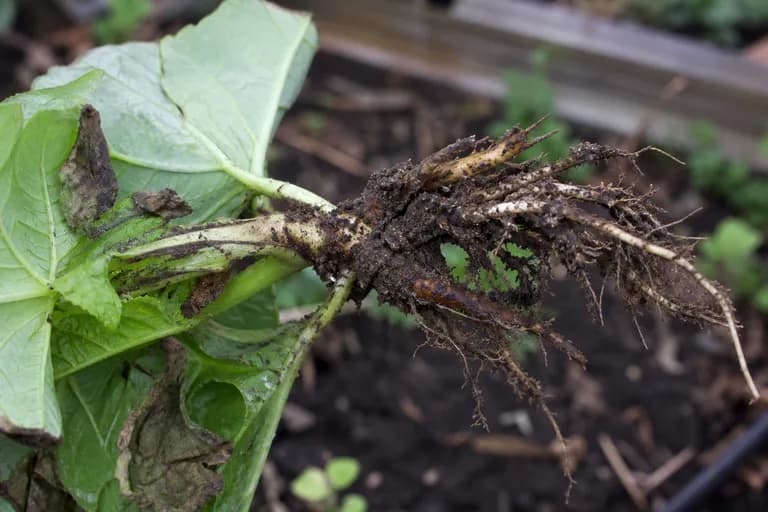
Root Rot
DiseaseYellowing leaves, wilting despite adequate moisture, brown mushy roots when excavated, stunted growth.
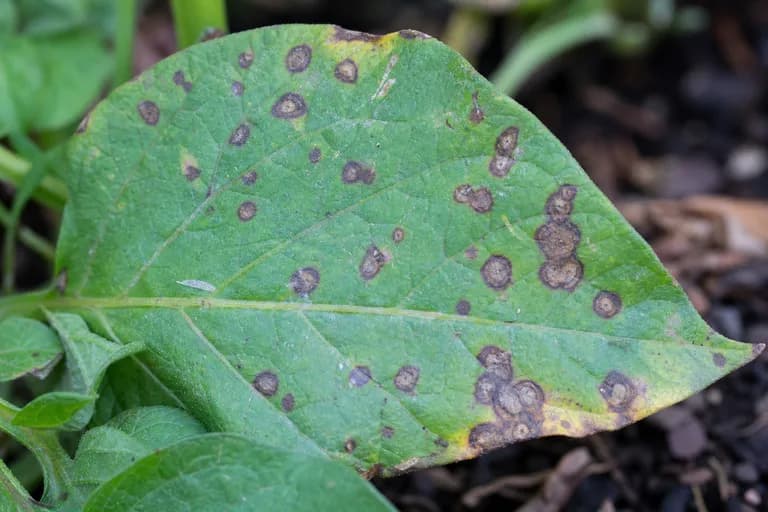
Leaf Spot
DiseaseDark brown circular spots on leaves, yellow halos around spots, premature leaf drop in severe cases.
Troubleshooting Common Problems
The primary challenge is the dioecious nature of the plant, requiring both male and female plants for fruit set. Without reliable identification of plant sex before flowering, gardeners may end up with all one gender. In temperate climates, the long maturity period of 150+ days makes outdoor cultivation difficult without greenhouse protection. Fruits are highly attractive to fruit flies in tropical regions. The tuberous roots can rot in cold, wet winter soil. The intense red aril permanently stains clothing, hands, and surfaces.
Growing Tips
- Gac is dioecious — you must grow both male and female plants to get fruit. Since sex cannot be determined until flowering (often in the second year), plant at least 3-5 seeds to ensure you get both sexes. One male can pollinate 8-10 female plants.
- Build a very strong trellis, arbor, or pergola before planting. A mature gac vine can cover 20-30 square metres and the combined weight of foliage and dozens of heavy fruits is substantial. Weak structures will collapse mid-season.
- Scarify seeds before planting — the hard, flat seed coat is nearly impervious to water. Nick one edge with a file or sandpaper, then soak in warm water for 24-48 hours. Without scarification, germination rates drop below 20%.
- In subtropical zones where frost occurs, grow gac in a protected microclimate against a south-facing wall. The underground tuber can survive brief cold if buried deep and covered with 15-20 cm of mulch, but the vine will die back seasonally.
- Provide rich, well-draining soil amended heavily with compost. Gac is a heavy feeder and the large tuber requires loose, fertile soil to develop properly. Raised beds or mounds work well in areas with heavy clay.
- Water consistently and deeply — gac needs 3-5 cm of water per week during active growth and fruiting. The large leaf area transpires enormous amounts of water in hot weather. Drought stress during fruiting causes premature fruit drop.
- Hand-pollinate for the best fruit set. Use a small paintbrush to transfer pollen from a freshly opened male flower to the centre of a female flower (identified by the small swelling at its base) in the early morning hours.
- Process ripe gac fruit immediately after harvest. The arils and flesh oxidise and lose potency quickly. Scoop arils from the fruit, remove seeds, and freeze the aril in portions for year-round use in smoothies, rice dishes, and sauces.
Grow your best Gac Fruit yet — and everything around it.
Start a free plan today. Lay out your beds, drop in your Gac Fruit, and let PlotMyGarden handle the timing, spacing, companions and reminders from seed to harvest basket.
Pick your Gac Fruit
Vietnamese
The most common cultivar, producing large spiny fruits up to 6 inches in diameter with thick, deeply colored aril.
Thai
Slightly smaller fruits with thinner aril layer but more vigorous vine growth, adapted to a range of tropical climates.
Indian (Kakrol)
Smaller-fruited variety harvested immature as a vegetable, common in Bengali and Assamese cuisine.
Fresh gac fruit is exceptionally rare and expensive outside Southeast Asia, typically selling for $15-30 per fruit at specialty Asian markets when available at all. Gac aril powder and supplements sell for $30-60 per 100g online. A single mature vine producing 30-60 fruits per season represents $450-1800 in equivalent market value. Since gac is a perennial that regrows from its tuber year after year, the initial investment in a plant pays for itself many times over. Growing your own gac is essentially the only way to access fresh fruit in most Western countries.
Quick recipes
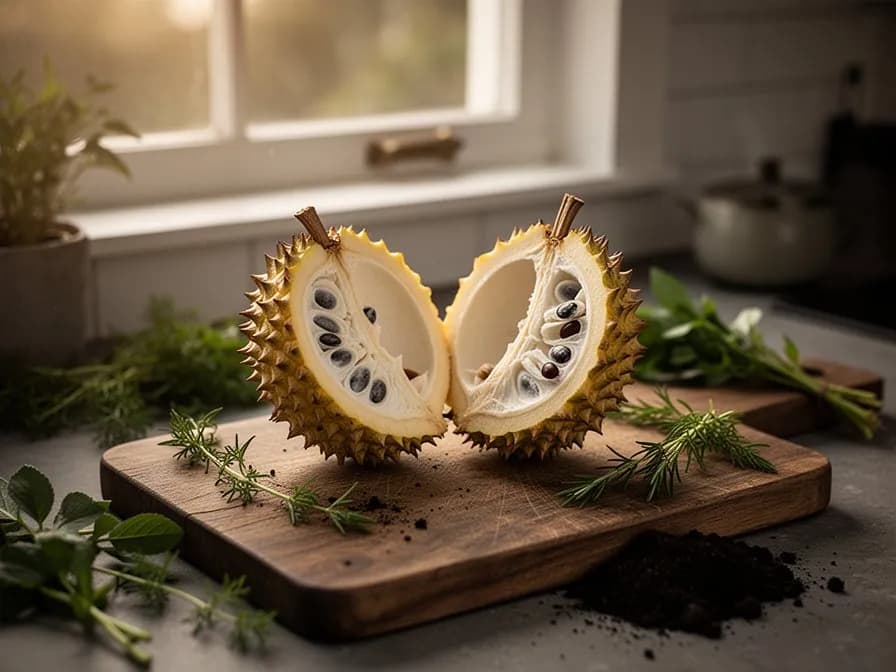
Xoi Gac (Vietnamese Gac Sticky Rice)
45 minThe most iconic gac fruit dish — glutinous rice is mixed with gac aril and coconut milk, then steamed until it turns a stunning red-orange. This celebratory dish is served at Vietnamese New Year (Tet) and weddings, symbolizing good luck and prosperity.
7 ingredientsGac Fruit Smoothie
10 minA vibrant, nutrient-packed tropical smoothie that delivers an extraordinary dose of beta-carotene and lycopene. The natural fats in gac help absorb all the carotenoids, making this one of the most nutritious smoothies possible.
7 ingredientsGac Fruit Seed Oil Dressing
15 minA brilliant red-orange dressing made by blending gac aril with oil and citrus. The intense colour and mild, slightly sweet flavour make it a stunning and highly nutritious addition to salads and grain bowls.
7 ingredientsCulinary Uses
Gac fruit is most famous for xoi gac, the brilliant red glutinous rice prepared for Vietnamese Tet (New Year) celebrations and weddings. The aril is mixed into the rice before cooking, imparting both color and a mildly sweet, nutty flavor. Gac oil extracted from the aril is used as a natural food colorant and nutritional supplement due to its extraordinarily high beta-carotene and lycopene content. In India, young fruits of the related variety (kakrol) are sliced and stir-fried as a vegetable. Seeds are roasted and eaten in some regions.
What's inside
Health Benefits
- Contains the highest known concentration of beta-carotene of any fruit or vegetable — the body converts this to vitamin A, essential for vision health, immune function, and skin integrity. A single serving of gac aril provides many times the daily requirement.
- Extraordinarily rich in lycopene (70 times the concentration found in tomatoes), a powerful antioxidant associated with reduced risk of prostate cancer, heart disease, and age-related macular degeneration in numerous epidemiological studies.
- The natural fatty acids in gac seeds and arils (oleic and linoleic acid) dramatically enhance the bioavailability of the fat-soluble carotenoids, making the nutrients far more absorbable than from supplements alone.
- High levels of vitamin E (alpha-tocopherol) work synergistically with the carotenoids to provide exceptional antioxidant protection against cellular damage from free radicals.
- Traditional use for promoting eye health is supported by modern research — the combination of beta-carotene, lycopene, and lutein in gac may help prevent age-related macular degeneration and cataracts.
- Contains zeaxanthin, another carotenoid that accumulates in the retina and acts as a natural blue-light filter, further supporting long-term eye health and vision preservation.
Where Gac Fruit comes from
Gac fruit (Momordica cochinchinensis) is native to the tropical regions of Southeast Asia, ranging from southern China through Vietnam, Laos, Cambodia, Thailand, and into northeastern India and Bangladesh. The plant grows wild in forests and along riverbanks, climbing over trees and shrubs with its vigorous tendrils. Its species name 'cochinchinensis' refers to Cochinchina, the historic name for southern Vietnam, where the fruit has been cultivated and revered for centuries.
In Vietnam, gac holds a uniquely important cultural position. Xoi gac, the brilliant red-orange sticky rice coloured and flavoured with gac aril, is considered essential at Tet (Lunar New Year) celebrations, weddings, and other auspicious occasions. The vivid red colour symbolises luck, prosperity, and happiness in Vietnamese culture. Historical records suggest gac has been cultivated in Vietnam for at least 500 years, and it is mentioned in traditional Vietnamese medical texts as a remedy for eye ailments, dry skin, and childhood nutritional deficiencies.
In traditional Chinese medicine, gac seeds (known as 'mu bie zi') have been used for over a thousand years, primarily as a topical treatment for skin conditions, wounds, and swelling. The fruit flesh and arils gained prominence as a food only in the last few centuries as their extraordinary nutritional properties became better understood. In recent decades, scientific analysis revealed that gac arils contain the highest known concentrations of beta-carotene and lycopene of any fruit or vegetable, sparking intense international interest. Today, gac is cultivated commercially in Vietnam, Thailand, and Australia, and gac-derived supplements, oils, and powders are exported worldwide. Despite this growing global awareness, gac remains largely unknown outside of Southeast Asian communities, making it one of the great undiscovered superfruits of the tropical world.
Gac Fruit: did you know?
Fascinating facts about Gac Fruit
Gac fruit (Momordica cochinchinensis) contains the highest concentration of beta-carotene of any known fruit or vegetable — the red arils surrounding its seeds have up to 10 times more beta-carotene per gram than carrots and 70 times more lycopene than tomatoes.
Gac Fruit questions, answered
When should I plant Gac Fruit?
What hardiness zones can Gac Fruit grow in?
How much sun does Gac Fruit need?
How far apart should I space Gac Fruit?
What pests and diseases affect Gac Fruit?
How do I store Gac Fruit after harvest?
What are the best Gac Fruit varieties to grow?
What soil does Gac Fruit need?
Can I grow gac fruit in a temperate climate?
How do I tell male and female gac plants apart?
Why is my gac vine growing vigorously but not producing fruit?
What parts of the gac fruit are edible?
How do I store and preserve gac fruit?
Is gac fruit safe for everyone to eat?
You just read the theory. Now grow it on autopilot.
Everything that makes Gac Fruit fiddly — the timing, the spacing, the companions, the harvest window — is exactly what PlotMyGarden handles for you, for every plant in your garden.
A plan that knows your weather
Set your location once. Get sow, feed and harvest dates built around your real last-frost date and live forecast — no more guessing from a generic seed packet.
From the “When to plant” sectionDrag-and-drop bed planner
Design beds on a grid. Every plant snaps to its proper spacing, and you can see your whole season laid out before you spend a cent on seed.
From the “Growing guide” sectionCompanion conflicts, caught early
200+ good-and-bad pairings checked live as you plant — so a season-wrecking mistake never makes it into the ground.
From the “Companions” sectionReminders you'll actually act on
“Water the beans.” “Pick today before it turns.” Timely, specific, and tied to the plants you're really growing.
From the “Harvest” sectionSuccession, scheduled
Want a harvest for six weeks, not six days? It spaces your sowings automatically and reminds you when each new block is due.
From the “When to plant” sectionA record that gets smarter
Every harvest you log teaches it your garden. Next year's plan starts from what actually worked in your soil, not a textbook's.
From the “Overview” sectionMore Cucurbits
Grow your best Gac Fruit yet — and everything around it.
Start a free plan today. Lay out your beds, drop in your Gac Fruit, and let PlotMyGarden handle the timing, spacing, companions and reminders from seed to harvest basket.