Frisee
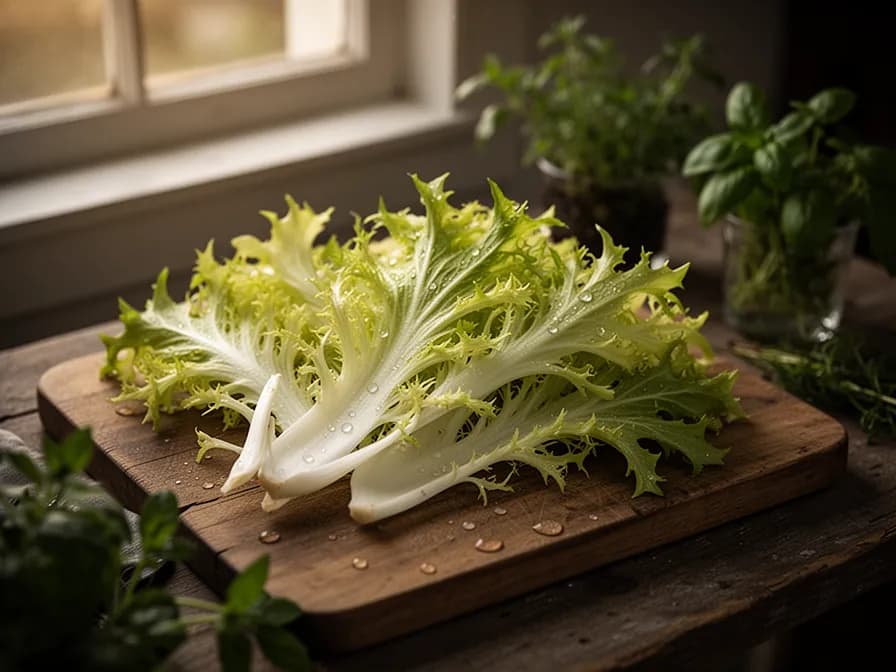
A finely cut, curly endive with a pale heart and delicate bitter flavor that is a classic component of French bistro salads.





On this pageOverview
Meet Frisee
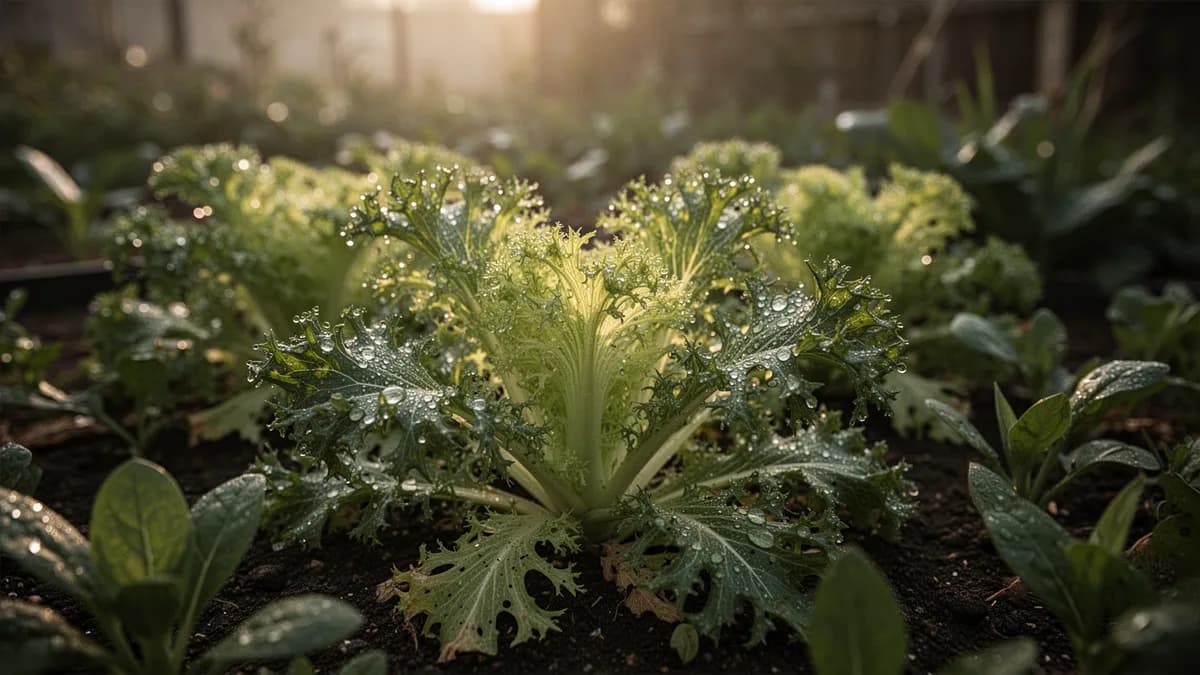
A finely cut, curly endive with a pale heart and delicate bitter flavor that is a classic component of French bistro salads. Blanch the center by covering it to create the prized pale yellow inner leaves that are milder and more tender. Frisee adds wonderful texture to salads and pairs beautifully with warm vinaigrettes, poached eggs, and bacon. Grow in cool weather and harvest before the plant sends up its flowering stalk.
When to plant Frisee
Sow seeds 1/4 inch deep indoors 6-8 weeks before last frost or direct sow in spring or late summer. Seeds germinate in 5-7 days at 55-65°F. Thin or transplant to 10-12 inches apart. Frisee benefits from transplanting, which gives it a head start before warm weather arrives. For fall crops, sow in late summer to mature in cool autumn weather. Seeds stay viable for 4-5 years when stored in cool, dry conditions.
Your Frisee Year
Composed for Zone 7 · typical seasons · frost passes Apr 2, returns Nov 1
Plant Frisee Mar – Apr, Aug – Sep, pick May – Jun, Oct – Nov. Check the planting methods below and set your climate to personalize these windows.
How to grow Frisee
Start frisee seeds indoors 6-8 weeks before last frost or direct sow in early spring or late summer. Sow seeds 1/4 inch deep and thin to 10-12 inches apart in rows 12-18 inches apart. Seeds germinate in 5-7 days at 55-65°F. Frisee grows quickly and is ready in about 45 days.
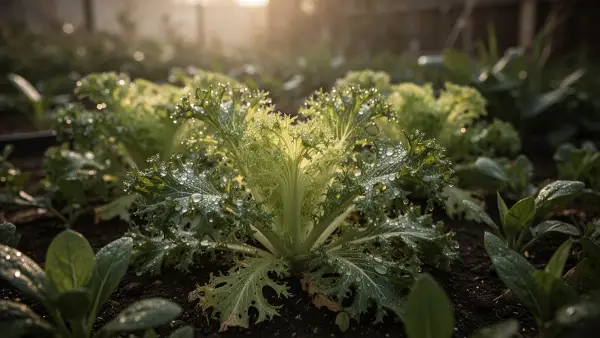
Frisee prefers cool temperatures between 55-65°F and bolts in sustained heat. Provide partial shade in warm weather and consistent moisture. Feed lightly with balanced fertilizer every 3 weeks. The plant forms a rosette of finely cut, curly leaves that can be quite wide, so allow adequate spacing.
To create the prized pale heart, blanch the center 10-14 days before harvest by gathering the outer leaves and tying them together with string or placing an inverted pot over the center. This excludes light from the inner leaves, producing creamy yellow, tender, milder-flavored leaves. Ensure the plant is dry when blanching to prevent rot. Blanching transforms frisee from a somewhat bitter green into a refined salad ingredient.
36 plants fit a 4 × 8 ft bed
Each Frisee wants 25 cm of elbow room. The planner keeps that spacing for you — every plant, every bed.
Frisee's best neighbours
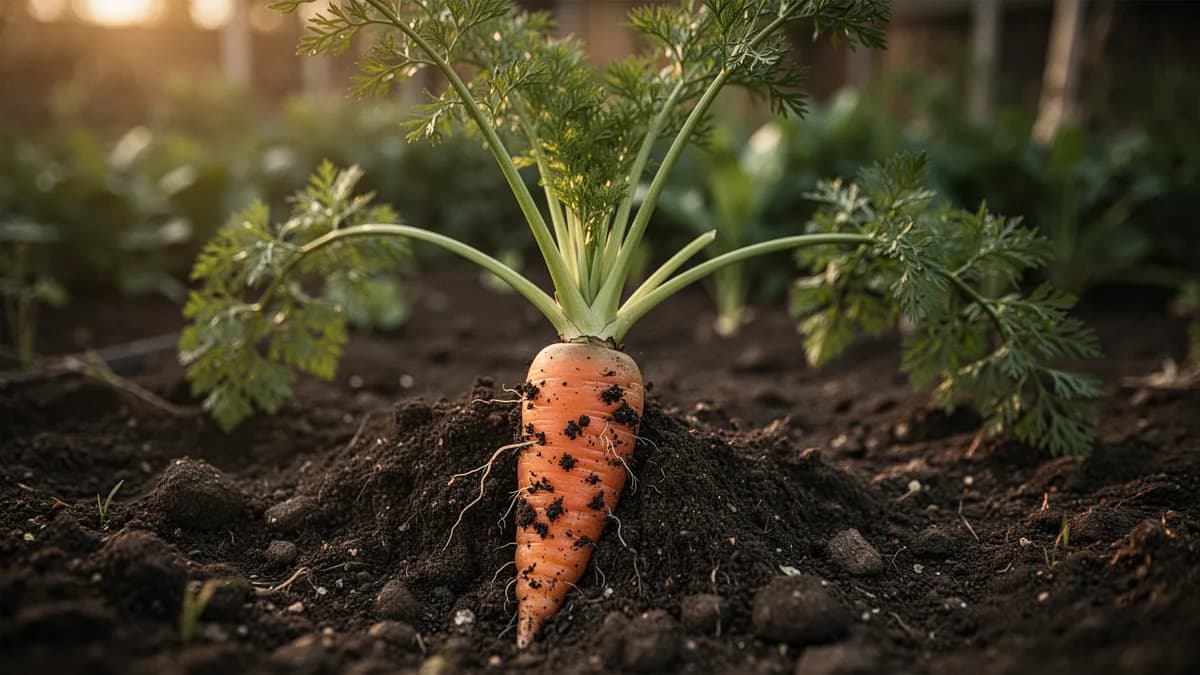
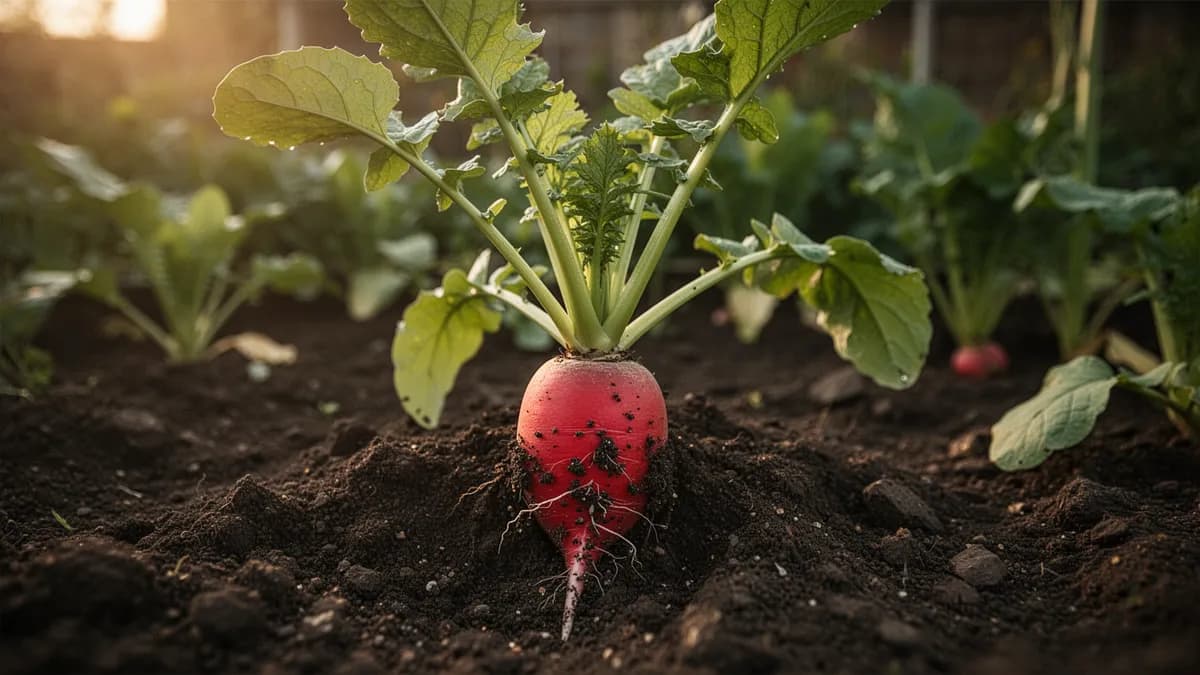
Frisee grows well with carrots, radishes, and lettuce in cool-season salad gardens. Taller crops provide valuable shade during warm spells. Quick-growing radishes mark rows and are harvested before frisee needs the space. Herbs like chervil and chives are complementary companions in both the garden and kitchen. Avoid planting near other chicory family members to reduce disease pressure.
Carrot belongs beside it.
Old growers' knowledge, checked against Frisee's real companion table below — test any plant you're growing.
Try Frisee in a bed — right here
A real planner bed with Frisee already in it. Tap a companion to place it and watch the pairing checks answer — green for good neighbours, red for a clash.


Related growing guides
Feed it well
Frisee grows best in fertile, well-drained soil with a pH of 6.0-7.0. Incorporate compost before planting for moisture retention. Apply a light balanced fertilizer at planting and once during growth. Avoid excessive nitrogen, which produces lush growth prone to rot during blanching. Consistent soil moisture is critical for mild flavor and crisp texture. Good drainage prevents root and crown rot, especially during the blanching period.
Ideal Temperature
Hardiness Zone Compatibility
From seed to harvest, stage by stage
Germination
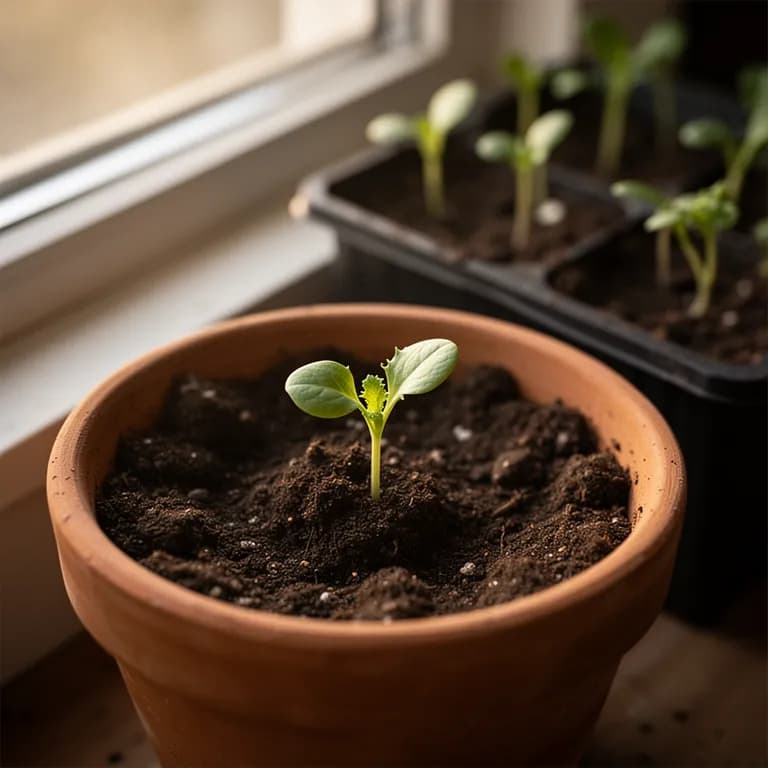
Seeds germinate rapidly in cool soil at 13-18°C (55-65°F), producing small, slightly toothed cotyledon leaves. Frisee seeds are tiny and should be sown shallowly at only 6mm depth. Germination is reliable in cool conditions but slows significantly in warm soil above 24°C (75°F).
Seedling Development
True leaves emerge with the characteristic finely cut, curly edges that distinguish frisee from other endive types. Seedlings develop a small rosette pattern early, and the root system establishes quickly in cool, moist soil.
Rosette Formation
The plant develops its full rosette of deeply cut, lacy leaves that can spread 30-40 cm wide. Outer leaves are dark green and more bitter, while inner leaves begin to curl inward, naturally shading the center slightly. The rosette fills out rapidly in cool weather with adequate moisture.
Blanching Period
This is the critical stage that transforms frisee from an ordinary bitter green into a refined salad ingredient. By excluding light from the heart for 10-14 days, the inner leaves turn creamy yellow, become more tender, and develop a significantly milder, slightly nutty flavor with only a pleasant hint of bitterness.
Harvest
The blanched heart is ready when inner leaves are pale yellow to cream-colored. Cut the entire rosette at the base with a sharp knife. Alternatively, harvest outer leaves progressively and allow the center to continue growing for a second, smaller harvest. In cool conditions, plants hold well in the garden for 1-2 weeks past maturity.
Keep soil consistently moist but not waterlogged during germination. A light covering of vermiculite helps retain moisture without burying the tiny seeds too deeply.
Caring for Frisee month by month
What to do each month for your Frisee
October
You are hereFall frisee reaches maturity. Begin blanching hearts for harvest. The cooling temperatures slow growth but improve quality significantly. Protect from early frosts with row cover if needed — frisee tolerates light frost.
Know exactly what to do in your garden — every month
One email at the start of each month: what to sow, plant, and tackle right now — for your Frisee and everything growing around it. Plus a short starter course that helps you dodge the classic mistakes.
- What to do, right now
- Matched to your season
- Starter course included
Harvesting Frisee
Harvest frisee at 45-50 days from sowing, or 10-14 days after blanching the heart. Cut the entire rosette at the base with a sharp knife. The blanched center leaves should be pale yellow to cream-colored and significantly milder than the green outer leaves. Without blanching, harvest when the rosette is full-sized and use the more intensely bitter leaves in warm preparations. Morning harvest ensures maximum crispness.
assuming you plant when the window opens — set your real date
Pick Frisee promptly and the plant keeps producing.
Storage & Preservation
Store whole frisee heads in a plastic bag in the refrigerator for 5-7 days. The curly leaves hold up better than flat salad greens. Keep dry until ready to use. Blanched hearts are more perishable and should be used within 3-4 days. Frisee does not freeze well for salad use. For best results, wash and spin dry just before serving to maintain the characteristic light, airy texture of the finely cut leaves.
What goes wrong — and the fix
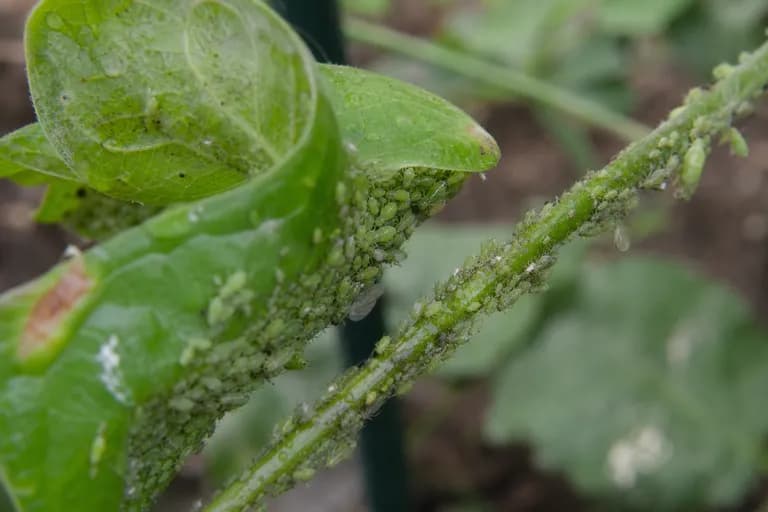
Aphids
PestSmall insects in leaf folds, sticky residue, curled or distorted new growth.
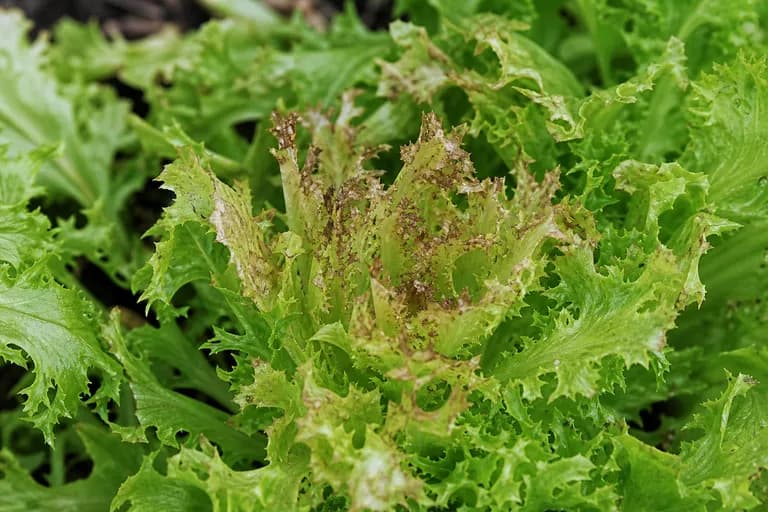
Tip Burn
DiseaseBrown, dried edges on inner leaves, especially during warm weather or after erratic watering.
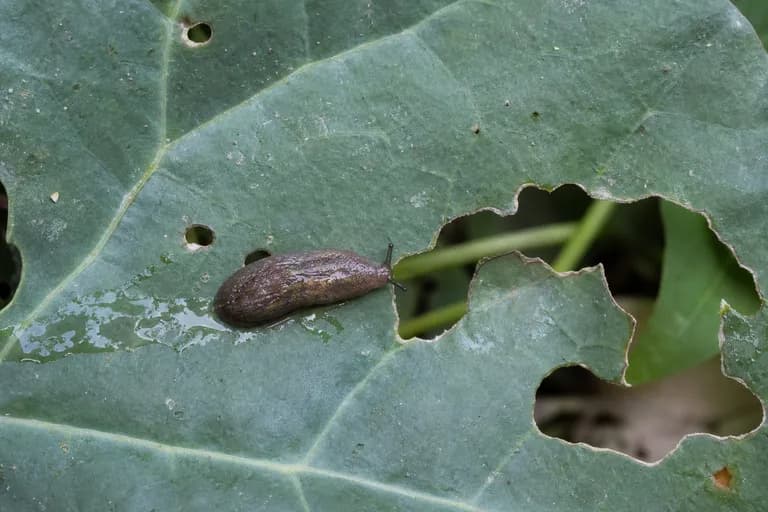
Slugs
PestHoles in tender inner leaves, slimy trails, damage to blanching hearts.
Troubleshooting Common Problems
Bitterness is the most common complaint; blanch hearts and grow in cool weather for mildest flavor. Rot during blanching occurs when plants are covered while wet; always blanch dry plants and check regularly. Bolting in heat produces very bitter, tough leaves. The finely cut leaves can trap soil from rain splash; mulch well to prevent dirty hearts. Tip burn on inner leaves indicates calcium deficiency or erratic watering.
Growing Tips
- Timing is everything with frisee. Plan your sowing so that the 45-day growing period falls entirely within cool weather — temperatures consistently above 24°C (75°F) cause rapid bolting and intense bitterness that blanching cannot fully correct.
- Blanching is not optional if you want quality frisee. Unblanched frisee is extremely bitter and tough. Tie the outer leaves loosely with soft string or cover the center with an inverted dinner plate 10-14 days before harvest. The result is transformative.
- Never blanch wet plants. Moisture trapped under the cover creates ideal conditions for bacterial and fungal rot, which can destroy the heart in days. Blanch on a dry day and check every 2-3 days for signs of decay.
- Fall crops consistently outperform spring crops for flavor and quality. Sow in August for harvest in October — the gradually cooling temperatures produce milder, more tender leaves and reduce bolting risk compared to spring plantings that race toward summer heat.
- Provide afternoon shade in transitional weather. Even a simple shade cloth reducing light by 30% can extend the frisee season by 2-3 weeks in spring and allow earlier planting in fall by keeping soil and air temperatures cooler.
- Water consistently and never let plants stress from drought. Water stress is the second most common cause of excessive bitterness after heat. Drip irrigation on a timer ensures the even moisture that frisee demands.
- Succession sow every 2-3 weeks during the appropriate season to maintain a continuous supply. Frisee does not hold long in the garden once mature — it bolts quickly, especially in spring — so staggered plantings are essential for an extended harvest.
- Grow frisee in raised beds or containers if your garden soil is heavy clay. Frisee needs excellent drainage to prevent crown rot, particularly during the blanching period when moisture is trapped against the heart of the plant.
Grow your best Frisee yet — and everything around it.
Start a free plan today. Lay out your beds, drop in your Frisee, and let PlotMyGarden handle the timing, spacing, companions and reminders from seed to harvest basket.
Pick your Frisee
Fine Maraichere
Classic French variety with extremely fine, deeply cut leaves. Forms a large rosette with excellent blanching response.
Tres Fine Endive
Delicate, lacy leaves with a pale heart even without blanching. Quick-growing and mild-flavored.
Rhodos
Modern variety with good bolt resistance and self-blanching tendency. Compact growth ideal for small gardens.
A packet of frisee seeds costs $2-4 and contains enough seeds for 100+ plants. A single head of frisee sells for $3-5 at grocery stores and $4-7 at farmers markets, making it one of the most expensive salad greens per head. Growing just 10 plants from a single seed packet can save $30-70 per season. The savings are even more significant for restaurants, where frisee is a premium ingredient that commands high prices year-round.
Quick recipes
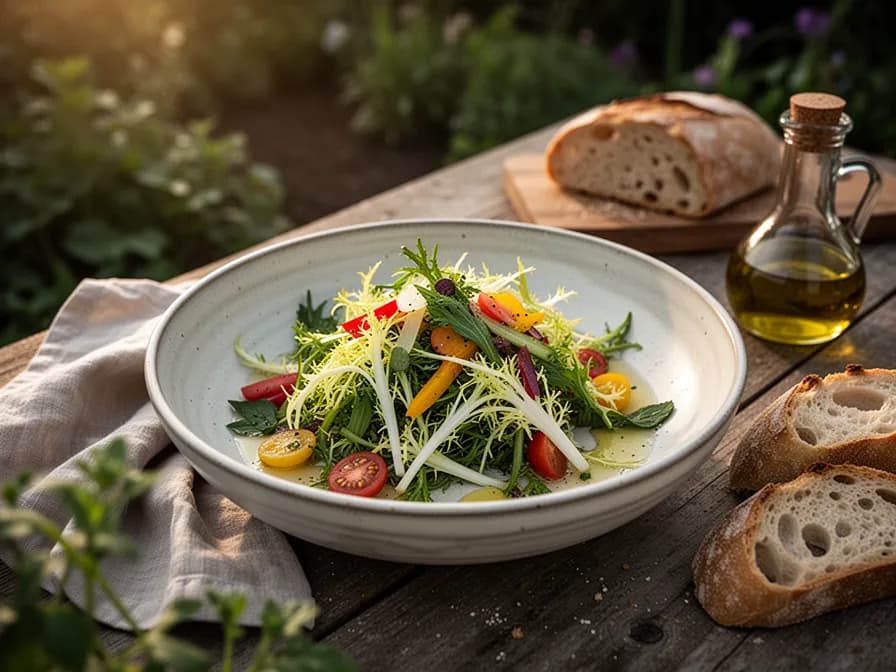
Classic Salade Lyonnaise
25 minThe quintessential French bistro salad — a warm bacon vinaigrette wilts tender frisee just slightly, and a perfectly poached egg breaks over the top to create a rich, silky dressing. The gentle bitterness of frisee is essential to balance the richness of egg and bacon.
8 ingredientsFrisee and Warm Goat Cheese Salad
20 minRounds of goat cheese are breaded and pan-fried until golden, then served over a bed of frisee with toasted walnuts and a honey-sherry vinaigrette. The creamy, tangy cheese and sweet dressing complement the bitter leaves perfectly.
9 ingredientsFrisee with Roasted Beets and Citrus
45 minSweet roasted beets and bright citrus segments provide a perfect counterpoint to the pleasant bitterness of frisee. A simple orange vinaigrette ties everything together in this colorful, nutritious salad.
9 ingredientsCulinary Uses
Frisee is the star of the classic French salad lyonnaise, topped with a warm bacon vinaigrette and poached egg. The delicate, lacy leaves provide wonderful texture in mixed green salads. Pair with goat cheese, walnuts, and fruit for an elegant appetizer. Use as a bed for seared scallops or grilled proteins. The slightly bitter flavor balances rich, fatty ingredients beautifully. Toss with citrus segments and shaved Parmesan.
What's inside
Health Benefits
- Exceptionally high in vitamin K, providing approximately 190% of the daily value per 100g — essential for blood clotting, bone metabolism, and emerging research links to cardiovascular health.
- Rich in vitamin A as beta-carotene (43% DV per 100g), supporting eye health, immune function, and the maintenance of healthy skin and mucous membranes.
- Contains prebiotic inulin fiber that selectively feeds beneficial Bifidobacteria and Lactobacillus species in the gut, promoting a healthy microbiome and improved mineral absorption.
- The bitter compounds (sesquiterpene lactones) stimulate digestive secretions including bile and gastric acid, supporting efficient digestion and nutrient absorption — the traditional European practice of eating bitter greens before meals has a genuine physiological basis.
- Good source of folate (36% DV per 100g), critical for DNA synthesis, cell division, and particularly important for preventing neural tube defects during pregnancy.
- Low glycemic impact with high nutrient density — only 17 calories per 100g but packed with vitamins, minerals, and phytochemicals, making frisee an excellent choice for nutrient-dense, calorie-controlled diets.
Where Frisee comes from
Frisee (Cichorium endivia var. crispum) is the curly-leaved variety of endive, a plant with roots tracing back to the eastern Mediterranean and western Asia. Wild endive species still grow in parts of Egypt, Greece, Turkey, and the Indian subcontinent. Ancient Egyptians cultivated endive as both a food and medicinal plant, and the Greek physician Galen recommended it for liver ailments in the 2nd century AD. The Romans grew endive extensively and were likely the first to practice blanching, tying leaves together to produce the pale, mild hearts that remain the hallmark of fine endive culture today.
Endive cultivation spread throughout medieval Europe, where monasteries maintained kitchen gardens growing both curly (frisee) and broad-leaved (escarole) types. France became the epicenter of frisee culture, and by the 18th and 19th centuries, French market gardeners (maraichers) in the outskirts of Paris had developed sophisticated techniques for producing perfectly blanched frisee for the city's restaurants and markets. The variety 'Fine Maraichere' — literally 'fine market gardener's endive' — remains a standard cultivar today and reflects this heritage.
Frisee arrived in North America with European immigrants but never achieved the same popularity as lettuce. It remained largely a specialty crop grown by French and Italian market gardeners for ethnic communities. In the late 20th century, the rise of upscale dining and the influence of French bistro cuisine brought frisee to wider American attention, particularly through the iconic salade lyonnaise. Today, frisee is grown commercially in California, Florida, and throughout Europe, primarily for the restaurant trade and specialty produce markets. Hydroponic production has expanded year-round availability, though connoisseurs insist that field-grown, properly blanched frisee from cool-climate gardens delivers the finest flavor and texture.
Frisee: did you know?
Fascinating facts about Frisee
Frisee is actually a type of endive (Cichorium endivia), not lettuce — it belongs to the chicory family alongside radicchio, escarole, and Belgian endive. All share the characteristic bitter compounds that define the family's flavor.
Frisee questions, answered
When should I plant Frisee?
What are good companion plants for Frisee?
What hardiness zones can Frisee grow in?
How much sun does Frisee need?
How far apart should I space Frisee?
What pests and diseases affect Frisee?
How do I store Frisee after harvest?
What are the best Frisee varieties to grow?
What soil does Frisee need?
What is the difference between frisee and endive?
Why is my frisee so bitter and how can I reduce the bitterness?
How do I blanch frisee and when should I start?
Can I grow frisee in summer or is it strictly a cool-season crop?
Is frisee worth growing or should I just buy it?
You just read the theory. Now grow it on autopilot.
Everything that makes Frisee fiddly — the timing, the spacing, the companions, the harvest window — is exactly what PlotMyGarden handles for you, for every plant in your garden.
A plan that knows your weather
Set your location once. Get sow, feed and harvest dates built around your real last-frost date and live forecast — no more guessing from a generic seed packet.
From the “When to plant” sectionDrag-and-drop bed planner
Design beds on a grid. Every plant snaps to its proper spacing, and you can see your whole season laid out before you spend a cent on seed.
From the “Growing guide” sectionCompanion conflicts, caught early
200+ good-and-bad pairings checked live as you plant — so a season-wrecking mistake never makes it into the ground.
From the “Companions” sectionReminders you'll actually act on
“Water the beans.” “Pick today before it turns.” Timely, specific, and tied to the plants you're really growing.
From the “Harvest” sectionSuccession, scheduled
Want a harvest for six weeks, not six days? It spaces your sowings automatically and reminds you when each new block is due.
From the “When to plant” sectionA record that gets smarter
Every harvest you log teaches it your garden. Next year's plan starts from what actually worked in your soil, not a textbook's.
From the “Overview” sectionPlant these alongside Frisee
More Leafy Greens
Grow your best Frisee yet — and everything around it.
Start a free plan today. Lay out your beds, drop in your Frisee, and let PlotMyGarden handle the timing, spacing, companions and reminders from seed to harvest basket.