Pineapple Lily
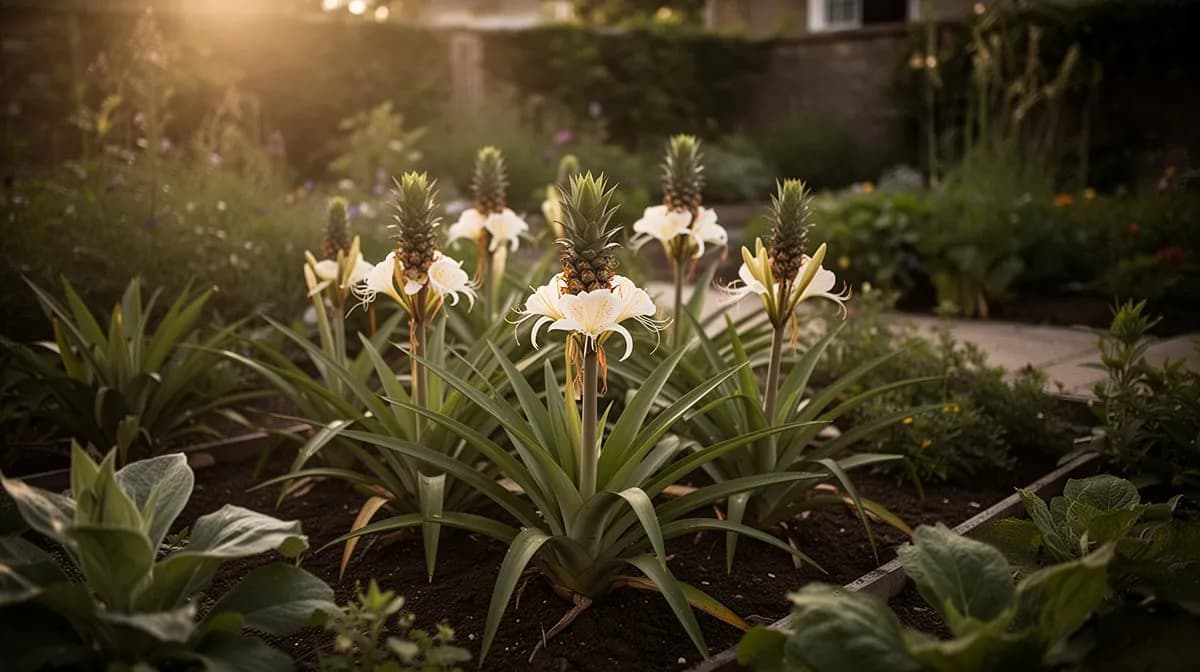
An exotic South African bulb with dense spikes of star-shaped flowers topped by a rosette of leaves, resembling a pineapple.





On this pageOverview
Meet Pineapple Lily
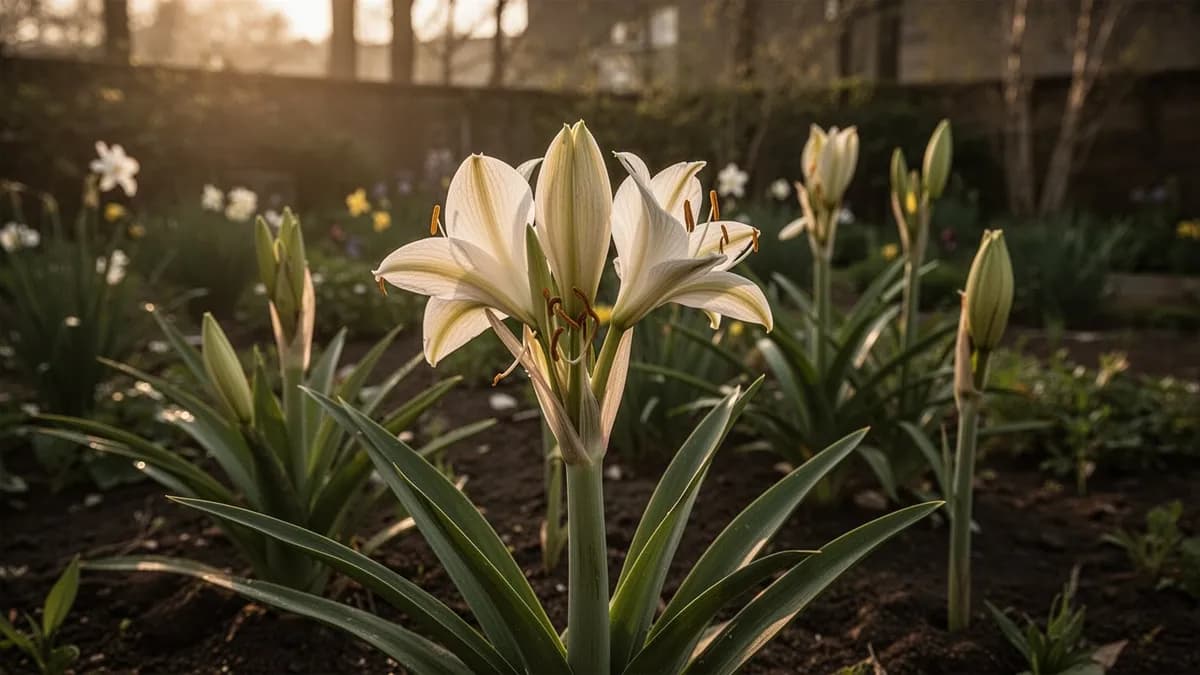
An exotic South African bulb with dense spikes of star-shaped flowers topped by a rosette of leaves, resembling a pineapple. Pineapple lily is surprisingly hardy in well-drained soil with a thick winter mulch, and makes a striking container plant. The unusual flower spikes last for weeks and are excellent conversation starters in the garden.
When to plant Pineapple Lily
Eucomis grows readily from fresh seed sown in spring in pots of moist, well-drained seed compost. Surface sow and cover lightly with vermiculite. Maintain temperatures of 65 to 75 degrees Fahrenheit for germination, which typically occurs within three to six weeks. Grow seedlings on in individual pots, feeding regularly with dilute liquid fertilizer. Plants from seed typically reach flowering size in three to four years. Bulb offsets can be separated from mature plants in spring for faster propagation.
Your Pineapple Lily Year
Composed for Zone 7 · typical seasons · frost passes Apr 2, returns Nov 1
Plant Pineapple Lily Apr – May, pick Jul – Sep. Check the planting methods below and set your climate to personalize these windows.
How to grow Pineapple Lily
Plant eucomis bulbs in spring after the last frost, setting them four to six inches deep with the neck of the bulb just below the soil surface, spacing them ten to twelve inches apart. Choose a warm, sunny location with rich, well-drained soil. In zones 6 and 7, plant in a sheltered spot against a south-facing wall and apply a thick winter mulch of six inches of straw or leaves to protect the bulbs from freezing.
Water regularly during the growing season, keeping the soil consistently moist but not waterlogged. Feed every two weeks with a high-potassium liquid fertilizer from the time the flower spike begins to emerge until the flowers fade. The exotic pineapple-like flower spikes are long lasting in the garden, remaining attractive for six to eight weeks.
In zones below 6, grow eucomis in large containers that can be brought indoors before frost. Use a rich, loam-based potting mix with added perlite for drainage. Container-grown plants need more frequent watering and feeding during active growth. Reduce watering as foliage yellows in autumn and store dry containers in a frost-free garage or basement over winter.
36 plants fit a 4 × 8 ft bed
Each Pineapple Lily wants 25 cm of elbow room. The planner keeps that spacing for you — every plant, every bed.
Pineapple Lily's best neighbours
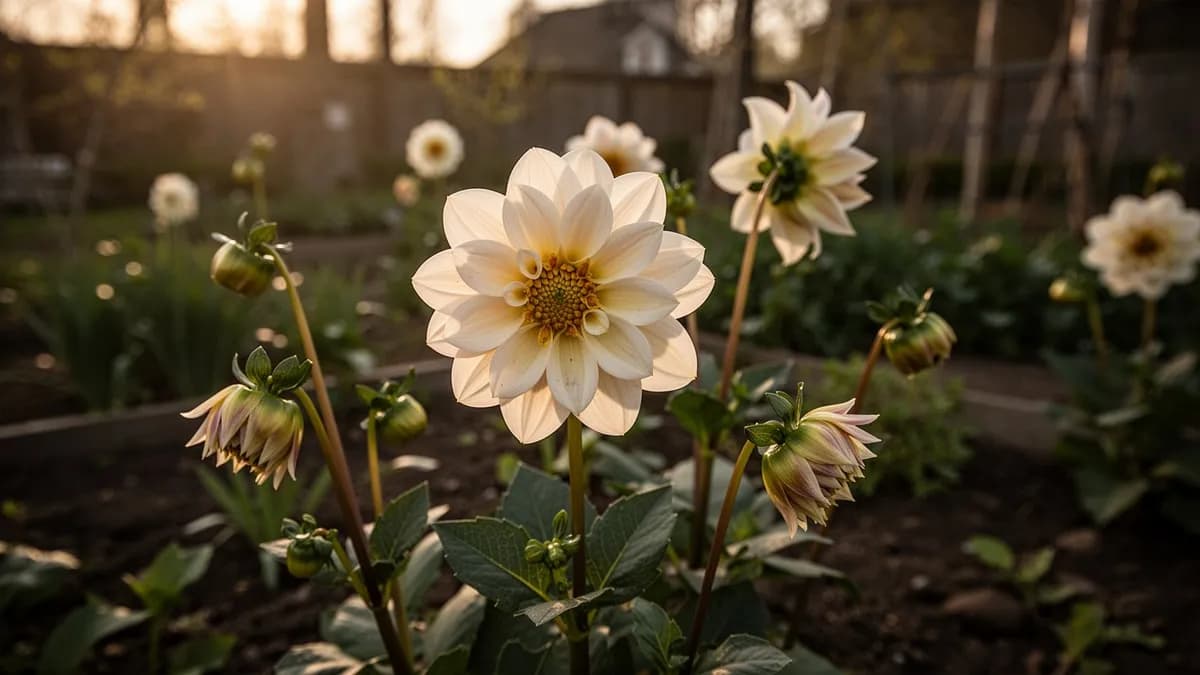
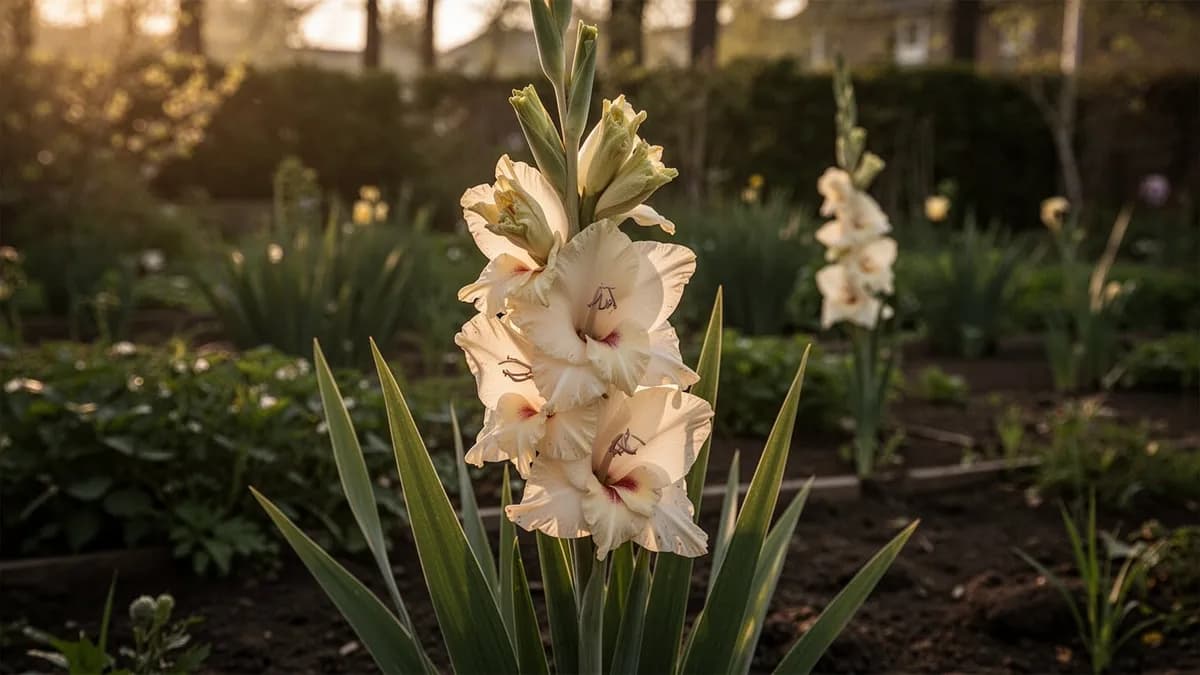
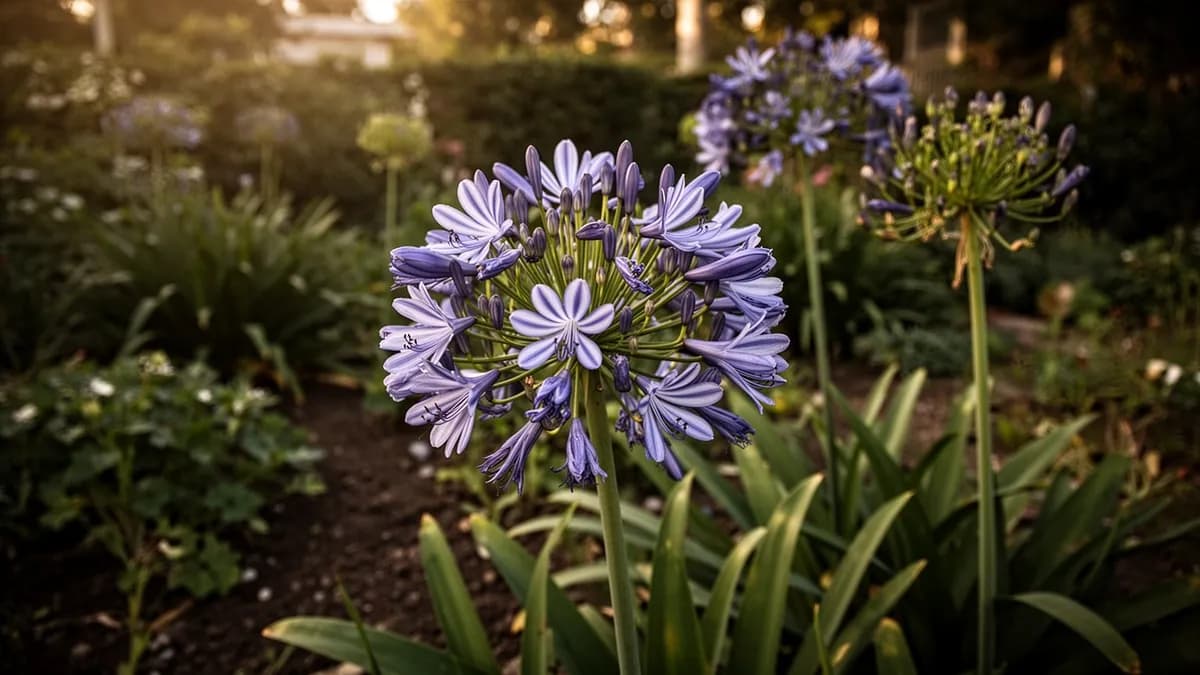
Eucomis creates stunning tropical-looking displays alongside cannas, dahlias, agapanthus, and ornamental grasses. The architectural flower spikes provide excellent textural contrast with billowy perennials. Plant in containers grouped with other South African bulbs like nerines and gladiolus for a cohesive summer display. The purple-leaved varieties pair dramatically with silver-foliaged plants like artemisia and dusty miller.
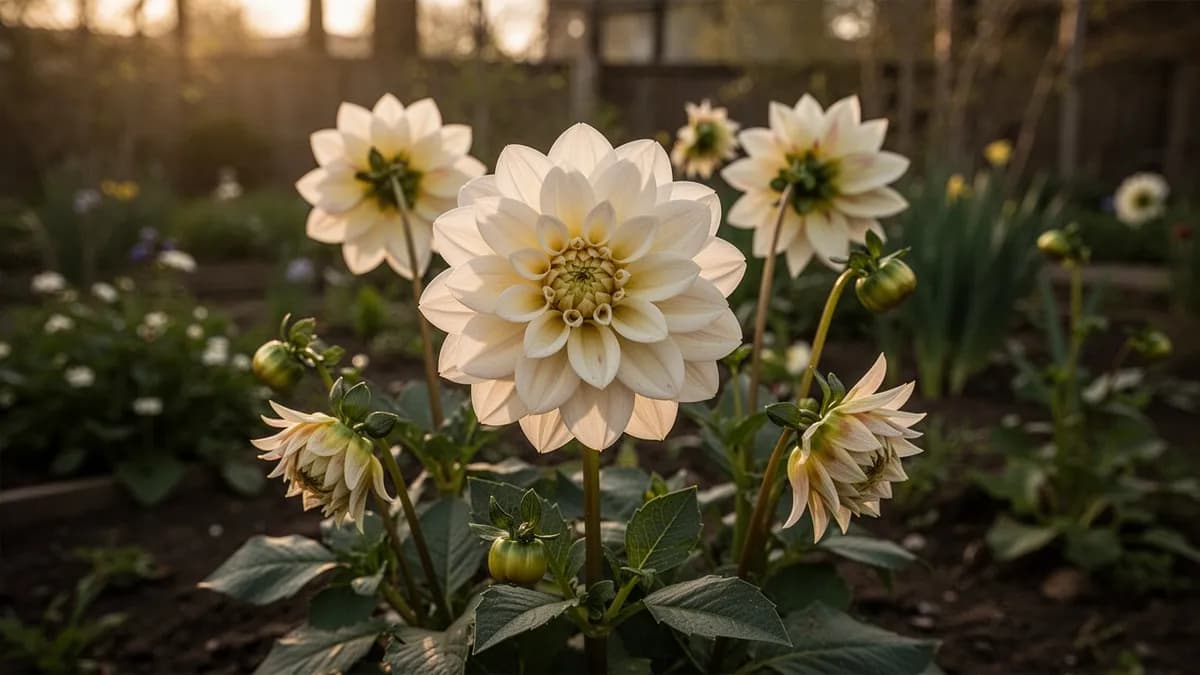
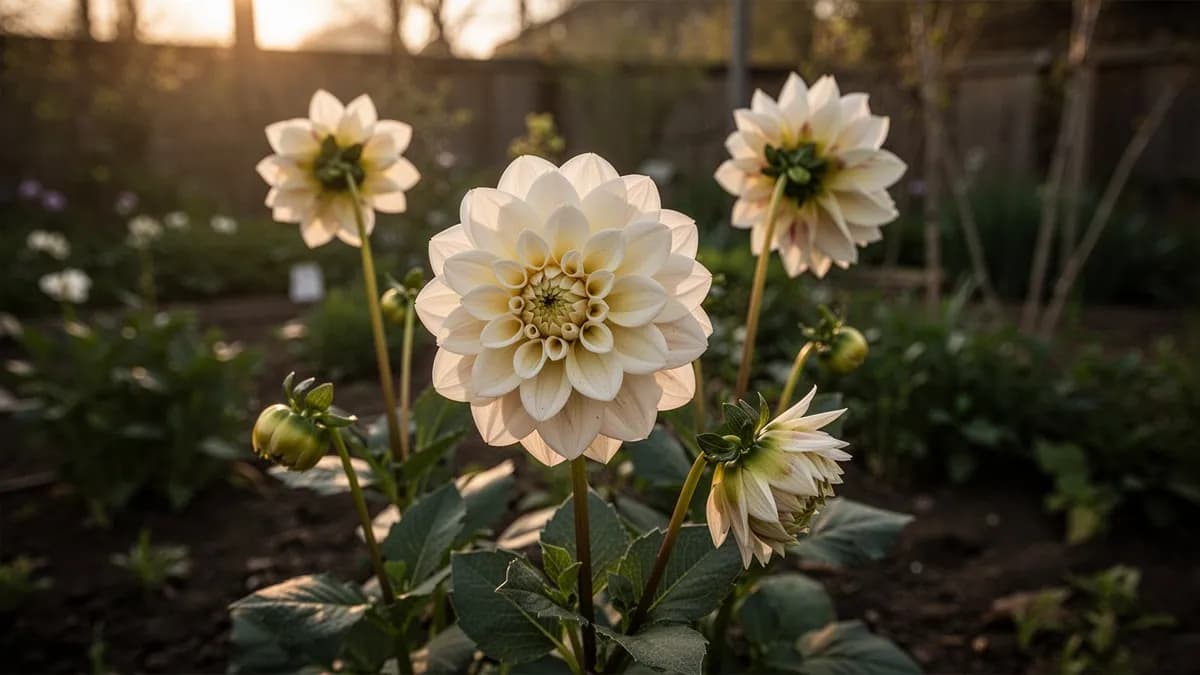
Dahlia belongs beside it.
Old growers' knowledge, checked against Pineapple Lily's real companion table below — test any plant you're growing.
Try Pineapple Lily in a bed — right here
A real planner bed with Pineapple Lily already in it. Tap a companion to place it and watch the pairing checks answer — green for good neighbours, red for a clash.


Related growing guides
Feed it well
Eucomis thrives in rich, fertile, well-drained soil with a pH of 6.0 to 7.0. Amend the planting area with generous compost and ensure drainage is excellent to prevent bulb rot. Apply a balanced slow-release fertilizer at planting time and supplement with fortnightly liquid feeds of high-potassium fertilizer during the growing season. In containers, use a rich potting mix with added perlite and feed weekly during active growth.
Ideal Temperature
Hardiness Zone Compatibility
From seed to harvest, stage by stage
Dormancy and Bulb Storage
During winter, Eucomis bulbs enter full dormancy. The foliage dies back completely and the large, fleshy bulb rests underground or in storage. In climates colder than USDA zone 8, bulbs should be lifted after the first frost blackens the foliage and stored in a cool, dry, frost-free location at around 10°C. The bulb is conserving energy reserves built up during the previous growing season, and its internal flower bud is already differentiated and ready to develop once temperatures rise.
Spring Emergence and Leaf Rosette
As soil temperatures reach 13-15°C, the bulb breaks dormancy and sends up tightly rolled leaves from its centre. These unfurl into a broad rosette of glossy, strap-shaped leaves that can reach 30-60 cm in length depending on the species. The leaves often have wavy or crisped margins and may show purple spotting at the base. The root system is re-establishing rapidly during this phase, anchoring the bulb and beginning to absorb nutrients.
Flower Spike Development
A thick, sturdy flower stem emerges from the centre of the leaf rosette, growing steadily at 2-3 cm per day. The developing inflorescence is a dense cylindrical raceme packed with dozens to hundreds of small buds, topped by a distinctive tuft of leaf-like bracts that gives the plant its common name of pineapple lily. The spike typically reaches 30-75 cm in height depending on species and growing conditions. During this stage the bulb is drawing heavily on its stored carbohydrate reserves.
Flowering and Pollination
The star-shaped florets open progressively from the base of the spike upwards over a period of three to four weeks, creating an extended flowering display from mid to late summer. Each individual flower has six tepals, often white, green, or purple-pink depending on species, with a prominent ovary at the centre. The flowers produce a musky fragrance that attracts a wide range of pollinators including bees, flies, and wasps. Eucomis flowers are also notable for attracting carrion beetles and blowflies in some species due to their slightly foetid scent.
Seed Set and Capsule Development
Pollinated flowers develop into fleshy, three-chambered seed capsules that swell along the spike. These capsules are initially bright green and become increasingly decorative as they mature, sometimes turning purple or bronze. Each capsule contains numerous small, round, black seeds. The spike remains structurally sound and visually interesting during this phase, making it valuable for dried flower arrangements. The bulb is simultaneously beginning to replenish its energy stores for the following year.
Foliage Decline and Bulb Ripening
As autumn temperatures drop and day length shortens, the foliage begins to yellow and gradually dies back. This is a critical period during which the bulb is storing sugars and starches synthesised by the declining leaves. The bulb increases in size and may produce small offset bulblets around its base. Roots begin to contract, pulling the bulb slightly deeper into the soil for winter protection. In frost-free areas the leaves may persist longer, but the plant still enters a rest phase with reduced metabolic activity.
If lifting bulbs for winter storage, allow them to dry for a few days in a shaded, well-ventilated area before placing them in slightly damp peat moss or vermiculite. Check stored bulbs monthly for signs of rot or desiccation. In mild climates where bulbs remain in the ground, apply a 10-15 cm layer of dry mulch over the planting area for insulation.
Caring for Pineapple Lily month by month
What to do each month for your Pineapple Lily
October
You are hereFoliage begins to yellow and decline naturally. Reduce watering gradually. In cold climates (zones 7 and below), prepare to lift bulbs after the first frost — have storage containers and packing material ready.
Know exactly what to do in your garden — every month
One email at the start of each month: what to sow, plant, and tackle right now — for your Pineapple Lily and everything growing around it. Plus a short starter course that helps you dodge the classic mistakes.
- What to do, right now
- Matched to your season
- Starter course included
Harvesting Pineapple Lily
Cut eucomis flower spikes for arrangements when the star-shaped florets along the lower half of the spike have opened. The unusual pineapple-like form with its leafy topknot makes a dramatic conversation piece in large arrangements. Cut stems last up to two weeks in a vase with regular water changes. Note that the flowers have a somewhat musky scent that some people find unpleasant indoors, so place vases in well-ventilated areas.
assuming you plant when the window opens — set your real date
From bulbs, tubers or cloves
Pick Pineapple Lily promptly and the plant keeps producing.
Storage & Preservation
In cold climates, lift eucomis bulbs after frost blackens the foliage. Cut stems to two inches, shake off excess soil, and cure in a warm, dry location for a week. Store bulbs in dry peat moss or vermiculite at 45 to 55 degrees Fahrenheit. Check monthly for signs of rot or excessive drying. Container-grown bulbs can simply be stored in their dry pots in a frost-free location. Replant in spring after the last frost date.
What goes wrong — and the fix
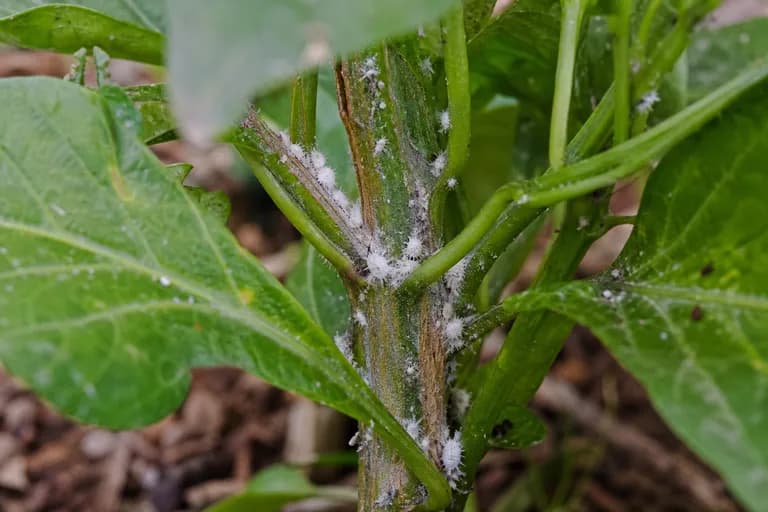
Mealybugs
PestWhite, cottony masses at leaf bases and between tightly packed leaves. Sticky honeydew and sooty mold may follow heavy infestations.
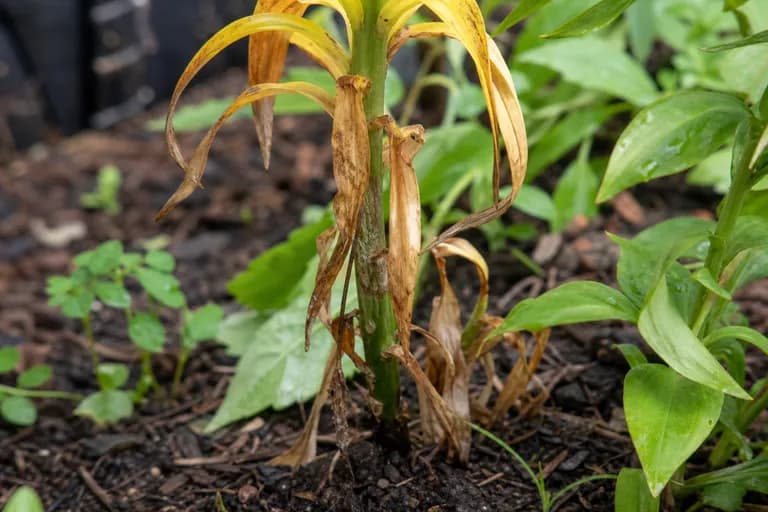
Bulb Rot
DiseaseMushy, discolored bulbs with a sour smell. Foliage turns yellow and collapses, flower spikes fail to develop or emerge stunted.
Troubleshooting Common Problems
The most frequent issue in cold climates is losing bulbs to winter cold and wet. Apply deep mulch and ensure excellent drainage for in-ground plantings, or grow in containers that can be overwintered indoors. Overwatering during cool weather is a common cause of bulb rot. Flower spikes may lean if the plant does not receive enough sunlight. The musky flower scent attracts flies, which while natural pollinators, may be considered a nuisance.
Growing Tips
- Plant Eucomis bulbs with the nose of the bulb approximately 15 cm below the soil surface — deeper planting provides better frost protection in borderline-hardy areas and anchors the heavy flower spikes more securely against wind.
- Choose a planting site that receives full sun for at least six hours per day. Eucomis tolerates light afternoon shade in hot climates, but too much shade results in floppy foliage and weak flower spikes that fail to stand upright.
- Excellent drainage is non-negotiable for Eucomis — the bulbs will rot in waterlogged soil during their winter dormancy. Amend heavy clay soils generously with coarse grit, perlite, or sharp sand before planting to create the free-draining conditions these South African natives demand.
- When growing Eucomis in containers, use pots at least 25 cm in diameter and ensure multiple drainage holes. A single bulb per 25 cm pot or three bulbs per 35-40 cm pot creates a lush, full display with room for bulbs to multiply over several seasons.
- Water actively growing plants deeply once or twice per week during the summer growing season, allowing the top few centimetres of soil to dry between waterings. Overwatering is more dangerous than slight underwatering — Eucomis is adapted to summer-rainfall regions with periodic dry spells.
- Feed with a high-potassium liquid fertilizer (such as tomato feed) every two weeks from the emergence of the flower spike until flowering finishes. This encourages strong flower development and helps the bulb build up reserves for the following year.
- After flowering, allow the foliage to die back naturally — resist the temptation to cut it off prematurely. The leaves continue photosynthesising and channelling energy back into the bulb for four to eight weeks after the flowers fade, which directly affects next year's performance.
- In regions colder than USDA zone 8, lift bulbs after the first autumn frost blackens the foliage. Allow them to dry in a shaded, ventilated spot for a week, then store in barely damp vermiculite or peat at 7-10°C until spring replanting.
- Propagate Eucomis by separating offset bulblets during the dormant season — detach them from the mother bulb with a clean, sharp knife and plant separately. Most offsets reach flowering size within one to two growing seasons.
- Eucomis is remarkably pest-free in most gardens, but watch for mealybugs sheltering between the leaf bases and aphids clustering on developing flower buds. A strong jet of water or an application of insecticidal soap will control these occasional visitors without harming beneficial insects.
Grow your best Pineapple Lily yet — and everything around it.
Start a free plan today. Lay out your beds, drop in your Pineapple Lily, and let PlotMyGarden handle the timing, spacing, companions and reminders from seed to harvest basket.
Pick your Pineapple Lily
Sparkling Burgundy
A dramatic cultivar with deep burgundy-purple foliage and pinkish-green flower spikes, adding rich color to containers and borders.
Autumnalis
A compact species reaching twelve inches with purplish flower spikes in late summer, one of the hardiest pineapple lilies for garden use.
Pole-Evansii
The giant of the genus reaching five feet with massive green-white flower spikes, spectacular as a container focal point.
Tugela Ruby
A striking hybrid with ruby-red leaves and pink flower spikes, compact enough for smaller containers.
A single Eucomis bulb typically costs between $6 and $12 depending on species and size, but each bulb produces multiple offsets annually. Within four to five years, one original bulb can generate a clump of 15-20 flowering-sized bulbs — an investment return of over 1,500%. Division of these offsets provides free plants for expanding your own garden or sharing with fellow gardeners. Additionally, Eucomis can be grown from seed collected from your own plants, reaching flowering size in two to three years, making it one of the most economical exotic bulbs available for long-term garden displays.
Quick recipes
Eucomis Cut Flower Arrangement
15 minutesCreate a stunning long-lasting floral arrangement featuring Eucomis flower spikes as dramatic focal points. The pineapple-shaped blooms last up to three weeks in a vase and pair beautifully with complementary summer flowers and foliage for a truly exotic display.
5 ingredients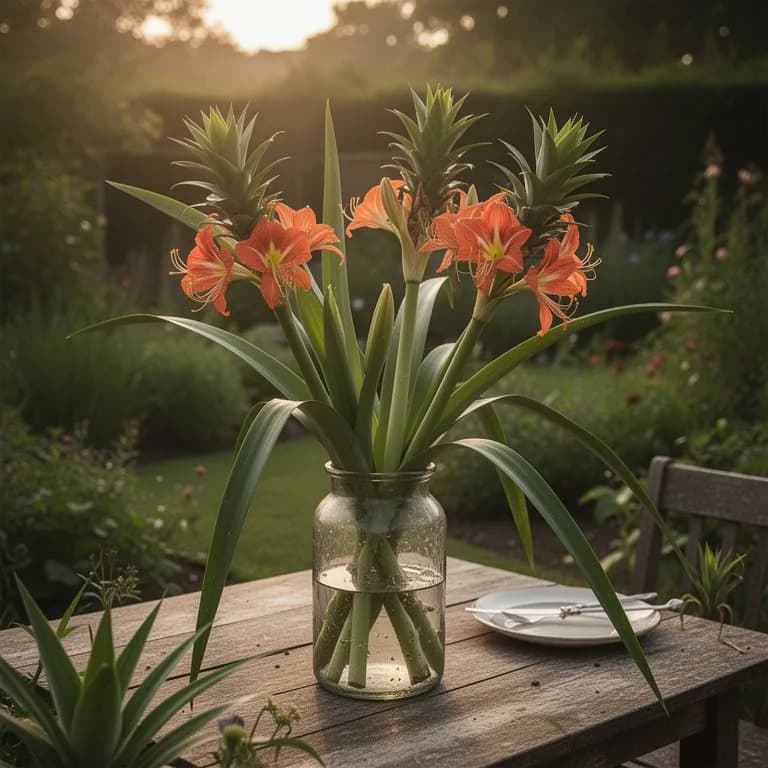
Dried Eucomis Seed Head Wreath
45 minutes plus drying timeHarvest mature Eucomis seed spikes in late autumn and dry them to create a striking natural wreath for autumn and winter decoration. The architectural seed capsules retain their shape beautifully when dried and can be displayed for months or spray-painted for a festive touch.
5 ingredientsEucomis Bulb Propagation Potting Mix
10 minutesPrepare the ideal potting medium for starting Eucomis bulbs and offsets in containers, ensuring the sharp drainage and balanced nutrition these South African bulbs require to establish strong root systems and produce vigorous flower spikes in their first season.
5 ingredientsWhat's inside
Health Benefits
- Eucomis is a purely ornamental plant and is not consumed as food, but its presence in the garden provides significant mental health benefits — studies show that tending flowering plants reduces cortisol levels and promotes relaxation
- The extended flowering period of Eucomis from midsummer to early autumn provides a reliable nectar and pollen source that supports bees, hoverflies, and other beneficial insects critical to garden ecosystem health
- Growing Eucomis in containers encourages regular gentle physical activity through seasonal planting, watering, and bulb management tasks that keep gardeners mobile and engaged
- The dramatic architectural flower spikes make outstanding cut flowers that bring nature indoors — exposure to fresh flowers in living spaces has been shown to improve mood and reduce anxiety
- Eucomis bulbs contain bioactive homoisoflavonoid compounds that are being investigated for potential anti-inflammatory and antimicrobial pharmaceutical applications
- The seasonal rhythm of planting, growing, harvesting, and storing Eucomis bulbs connects gardeners to natural cycles and provides a satisfying sense of accomplishment and continuity across the gardening year
Where Pineapple Lily comes from
Eucomis is a genus of bulbous perennials belonging to the family Asparagaceae (subfamily Scilloideae), comprising approximately 10-12 recognised species, all native to southern and eastern Africa. The genus ranges from the Western Cape of South Africa northwards through the eastern highlands of Zimbabwe, Malawi, and into tropical East Africa. The greatest species diversity occurs in the summer-rainfall grasslands and montane habitats of KwaZulu-Natal and the Eastern Cape, where plants grow in seasonally moist meadows, rocky outcrops, and forest margins at elevations from near sea level to over 2,500 metres in the Drakensberg escarpment.
The first Eucomis species to reach Europe was Eucomis regia, collected by Dutch botanists at the Cape of Good Hope in the early 18th century. Carl Peter Thunberg, the Swedish naturalist who studied the Cape flora extensively, described several species during his travels in the 1770s. The genus was formally established by Charles Louis L'Héritier de Brutelle in 1789. By the early 19th century, Eucomis comosa and Eucomis autumnalis had become popular conservatory subjects in Britain and the Netherlands, valued for their exotic appearance and surprisingly easy cultivation.
In their native habitat, Eucomis species play an important ecological role. Their nectar-rich flowers sustain diverse pollinator communities, while the fleshy seed capsules are consumed by birds that disperse the seeds across the landscape. Several species, particularly Eucomis autumnalis, have been heavily harvested from wild populations for use in traditional medicine, leading to conservation concerns. The South African National Biodiversity Institute now monitors wild populations and encourages sustainable cultivation. Modern breeding programmes, notably those led by plantsman Gary Hammer in California and the late Terry Jones at the Royal Horticultural Society, have produced numerous garden-worthy hybrids with improved hardiness, compact growth, and an expanded colour palette ranging from deep burgundy through salmon-pink to bicoloured forms.
Pineapple Lily: did you know?
Fascinating facts about Pineapple Lily
The name Eucomis comes from the Greek word 'eukomos' meaning 'beautiful-haired' or 'well-tufted,' referring to the distinctive crown of leaf-like bracts at the top of the flower spike that gives it its pineapple-like appearance.
Pineapple Lily questions, answered
When should I plant Pineapple Lily?
What are good companion plants for Pineapple Lily?
What hardiness zones can Pineapple Lily grow in?
How much sun does Pineapple Lily need?
How far apart should I space Pineapple Lily?
What pests and diseases affect Pineapple Lily?
How do I store Pineapple Lily after harvest?
What are the best Pineapple Lily varieties to grow?
What soil does Pineapple Lily need?
Is Eucomis (pineapple lily) winter hardy, and how cold can it tolerate?
When is the best time to plant Eucomis bulbs outdoors?
Why is my Eucomis producing leaves but no flowers?
Can Eucomis be grown successfully in containers?
How do I propagate Eucomis to increase my collection?
Is Eucomis toxic to pets or children?
You just read the theory. Now grow it on autopilot.
Everything that makes Pineapple Lily fiddly — the timing, the spacing, the companions, the harvest window — is exactly what PlotMyGarden handles for you, for every plant in your garden.
A plan that knows your weather
Set your location once. Get sow, feed and harvest dates built around your real last-frost date and live forecast — no more guessing from a generic seed packet.
From the “When to plant” sectionDrag-and-drop bed planner
Design beds on a grid. Every plant snaps to its proper spacing, and you can see your whole season laid out before you spend a cent on seed.
From the “Growing guide” sectionCompanion conflicts, caught early
200+ good-and-bad pairings checked live as you plant — so a season-wrecking mistake never makes it into the ground.
From the “Companions” sectionReminders you'll actually act on
“Water the beans.” “Pick today before it turns.” Timely, specific, and tied to the plants you're really growing.
From the “Harvest” sectionSuccession, scheduled
Want a harvest for six weeks, not six days? It spaces your sowings automatically and reminds you when each new block is due.
From the “When to plant” sectionA record that gets smarter
Every harvest you log teaches it your garden. Next year's plan starts from what actually worked in your soil, not a textbook's.
From the “Overview” sectionPlant these alongside Pineapple Lily
More Bulbs
Grow your best Pineapple Lily yet — and everything around it.
Start a free plan today. Lay out your beds, drop in your Pineapple Lily, and let PlotMyGarden handle the timing, spacing, companions and reminders from seed to harvest basket.