Dong Quai
La angélica china cuya raíz aromática es una de las hierbas más importantes de la medicina tradicional china, conocida a menudo como ginseng femenino.





En esta páginaResumen
Conoce Dong Quai
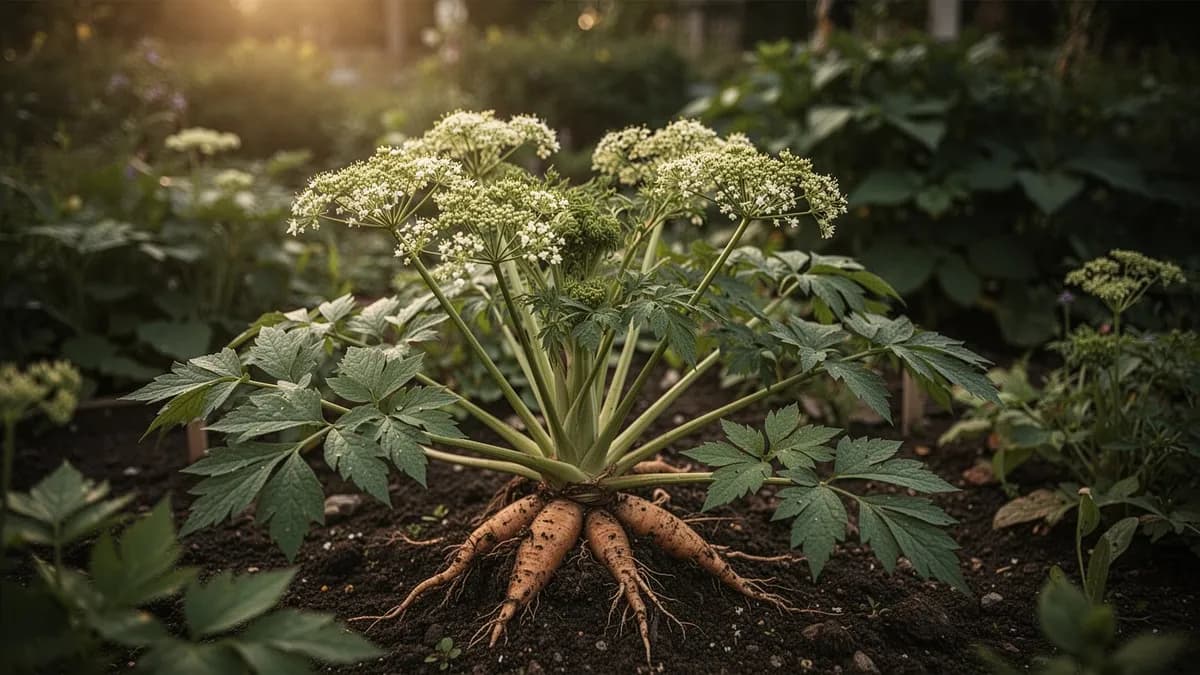
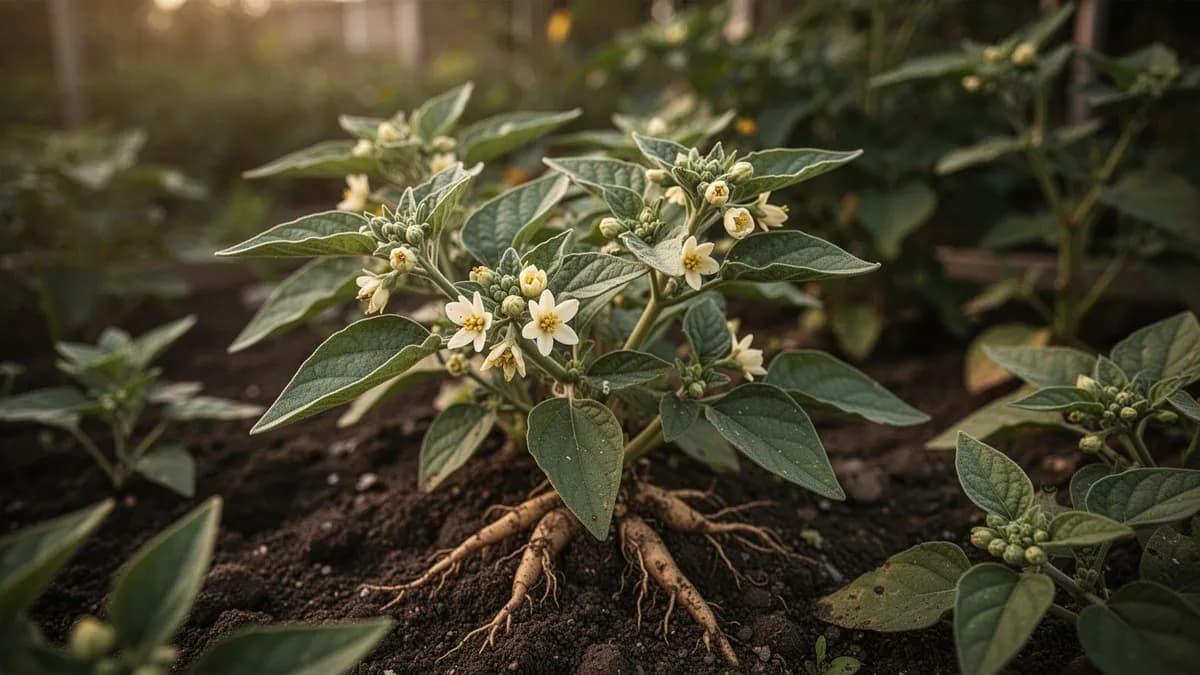
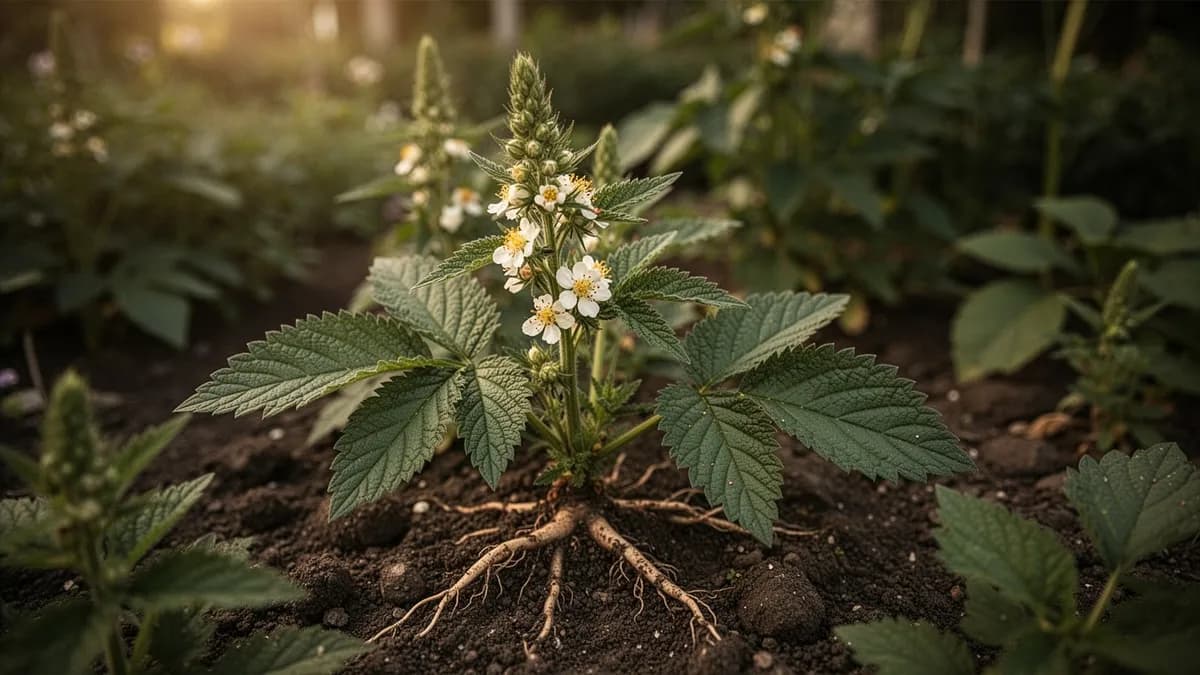
La angélica china cuya raíz aromática es una de las hierbas más importantes de la medicina tradicional china, conocida a menudo como ginseng femenino. El dong quai crece en condiciones frescas y húmedas de montaña, y requiere sombra parcial con un suelo rico y abundante en humus. Las raíces se cosechan en otoño del segundo o tercer año, se cortan en rodajas y se secan para preparar decocciones y sopas.
Cuándo plantar Dong Quai
Las semillas de dong quai requieren semilla fresca y estratificación en frío para germinar. Siembre semillas frescas en otoño y deje las macetas al exterior para que reciban el frío natural del invierno, o estratifíquelas en el frigorífico durante 6-8 semanas antes de la siembra primaveral. Presione las semillas sobre el sustrato de semillero húmedo y rico sin cubrirlas. La germinación es lenta e irregular. Las divisiones de raíz a principios de primavera son más fiables: plante secciones de raíces establecidas con yemas de crecimiento visibles. Las raíces compradas en tiendas de alimentación asiática a veces brotan si se plantan frescas.
Tu año de Dong Quai
Ajustado a Zona 7 · temporada típica · la helada se va hacia el 2 abr y vuelve hacia el 1 nov
Planta Dong Quai Mar – Abr y cosecha Sep – Oct. Consulta los métodos de plantación y elige tu clima para adaptar los periodos.
Cómo cultivar Dong Quai
El dong quai, o angélica china, es una de las hierbas más importantes de la medicina tradicional china (MTC), conocida frecuentemente como 'ginseng femenino' por su uso histórico en formulaciones para la salud de la mujer. Esta perenne de porte alto (hasta 1 metro) posee hojas profundamente divididas y aromáticas, con umbelas de pequeñas flores blancas similares a su pariente europeo. Plántese en sombra parcial con un suelo rico, fresco y húmedo, espaciando las plantas 45 cm entre sí.
El dong quai requiere condiciones de montaña fresca similares a su hábitat nativo en las tierras altas de China, Japón y Corea. La planta sufre en jardines calurosos, secos o a baja altitud. Proporcione un suelo rico en humus mantenido constantemente húmedo pero sin encharcamiento. La sombra parcial es imprescindible, especialmente en climas más cálidos. Aplique un mulch abundante para mantener las raíces frescas y húmedas.
La planta se cultiva principalmente por su gruesa raíz aromática, que tarda de 2 a 3 años en alcanzar la madurez medicinal. Durante ese tiempo, elimine los tallos florales que puedan aparecer para dirigir la energía hacia el desarrollo de la raíz. La raíz del dong quai tiene un aroma dulce, cálido y parecido al apio, inconfundible. La planta es una perenne de vida corta que puede necesitar replantarse cada 3-4 años tras la cosecha.
10 plantas caben en un bancal de 120 × 240 cm
Cada Dong Quai pide 45 cm de margen. El planificador guarda ese marco por ti — cada planta, cada bancal.
Los mejores vecinos de Dong Quai
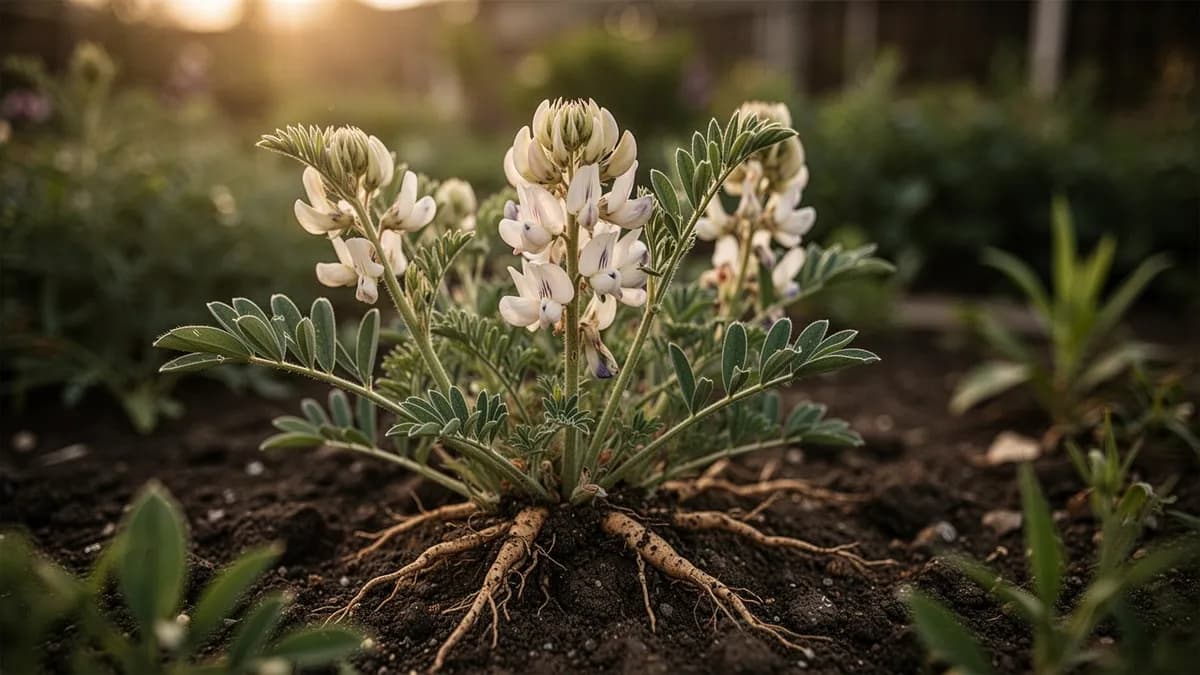
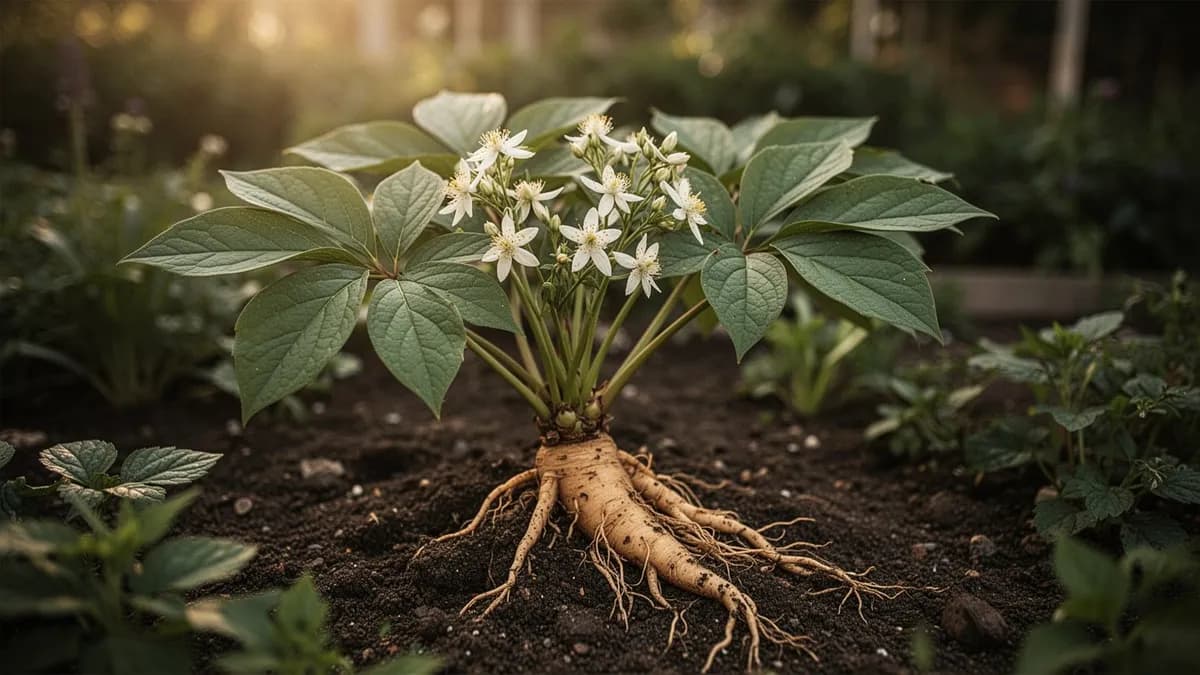
El dong quai crece bien junto a otras hierbas medicinales amantes de la sombra, como el ginseng, el astrágalo y el sello de oro, en un jardín de hierbas medicinales chinas. Plántese en posiciones frescas y sombreadas junto a otras especies que prefieran la humedad. Las umbelas florales atraen insectos beneficiosos cuando se permite que la planta florezca. En los jardines de hierbas tradicionales chinos, el dong quai suele cultivarse emparejado con el astrágalo, ya que comparten requisitos de cultivo muy similares.
Astrágalo va a su lado.
Saber de huerto de siempre, cotejado con la tabla real de Dong Quai — prueba cualquier planta que cultives.
Prueba Dong Quai en un bancal, aquí mismo
Un bancal real del planificador con Dong Quai ya plantado. Toca una planta compañera para colocarla y mira cómo responde la comprobación de vecinos: verde para buenos vecinos, rojo si hay conflicto.


Guías de cultivo relacionadas
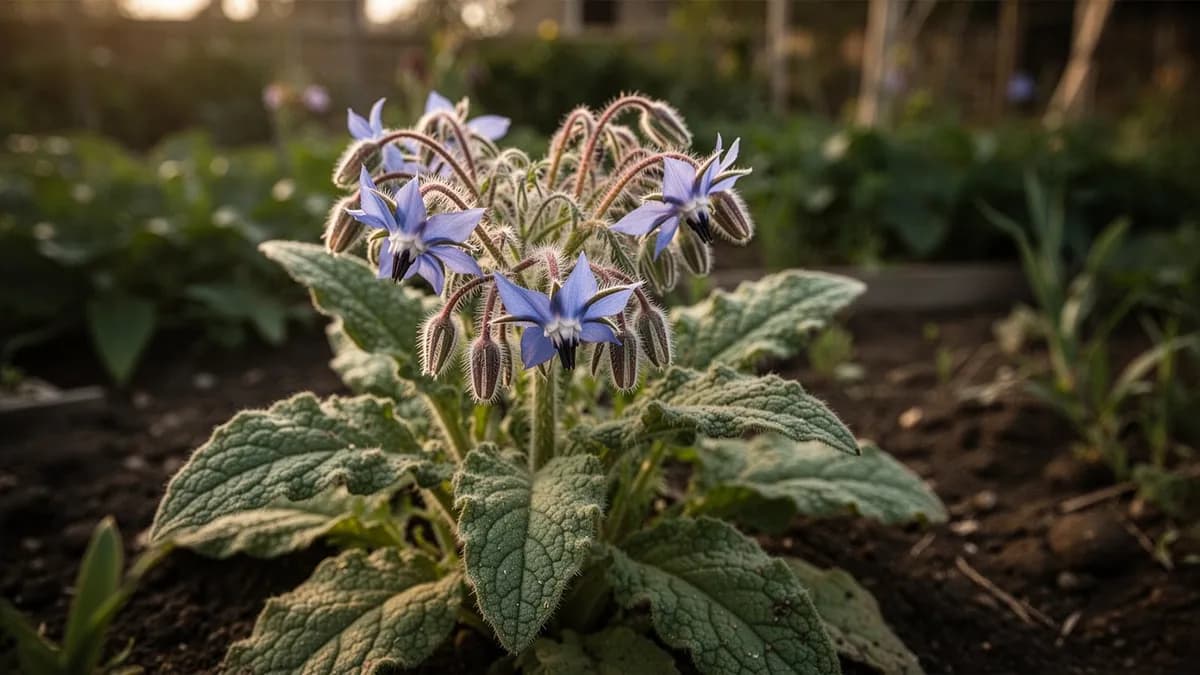
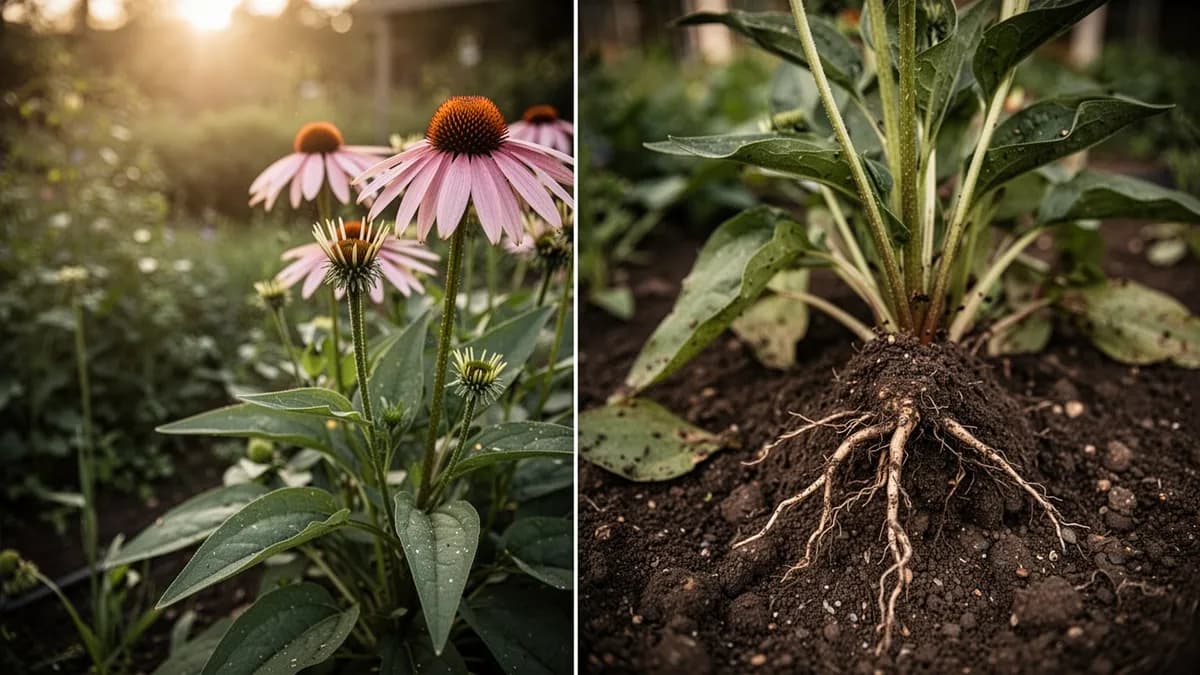
Abónalo bien
Cultívese en suelo profundo, rico y cargado de humus, con un pH de 5.5-7.0. Incorpore generosas cantidades de compost, mantillo de hojas y materia orgánica bien descompuesta. Abone con un fertilizante equilibrado en primavera y a mediados de temporada. La humedad constante es fundamental: las plantas evolucionaron en las riberas y praderas de montaña. Un suelo profundo y suelto permite que la raíz medicinal principal se desarrolle correctamente. En contenedores, use macetas grandes y profundas con sustrato rico y mantenga la humedad de forma constante.
Temperatura ideal
Compatibilidad de zonas de rusticidad
De la semilla a la cosecha, etapa por etapa
Germinación y emergencia de semillas
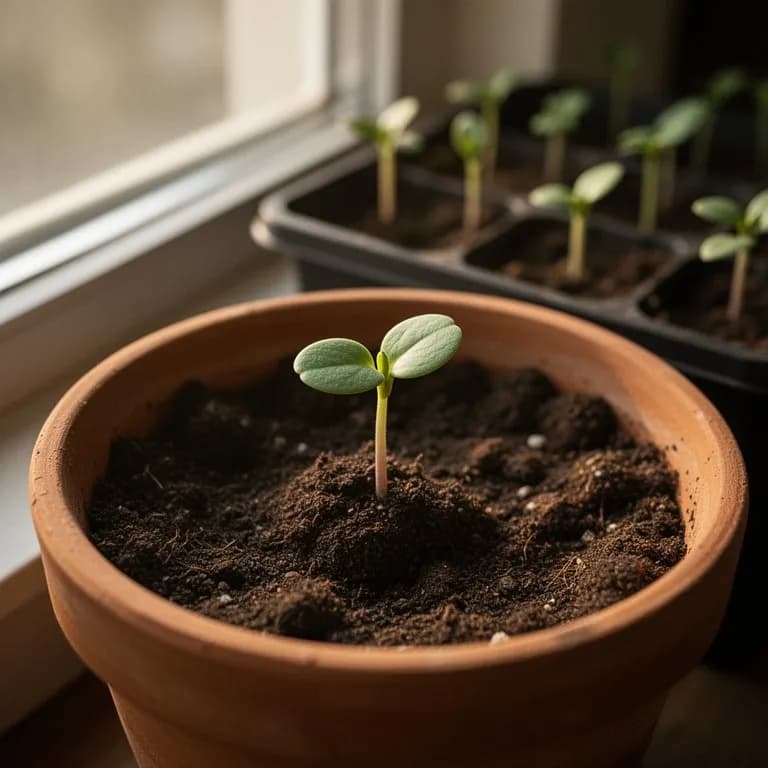
Las semillas de dong quai requieren una estratificación en frío de 4-6 semanas a 2-5 °C antes de la siembra. La semilla fresca es imprescindible, ya que la viabilidad cae drásticamente pasados seis meses. Las semillas se siembran en la superficie o apenas cubiertas, ya que la luz puede favorecer la germinación. En condiciones óptimas de humedad constante y temperaturas de unos 15-20 °C, el primer par de hojas verdaderas emerge entre 2 y 4 semanas después de la siembra.
Desarrollo de plántulas
Las plántulas desarrollan sus primeras hojas compuestas, pasando de los simples cotiledones al característico follaje profundamente dividido. El crecimiento es lento en esta fase, ya que la planta invierte energía en establecer una raíz pivotante robusta. Las plántulas son delicadas y sensibles al calor, la luz solar directa y los vientos desecantes.
Crecimiento vegetativo del primer año
La planta produce una roseta de hojas grandes y bipinnadas profundamente divididas que pueden alcanzar los 30-40 cm de longitud. Los tallos gruesos y huecos desarrollan un tono purpúreo cerca de la base. La raíz pivotante se engrosa progresivamente bajo tierra, acumulando los compuestos aromáticos y los principios activos que otorgan a la raíz su valor medicinal. Las plantas del primer año suelen alcanzar 40-60 cm de altura.
Invernación y crecimiento del segundo año
El follaje aéreo se seca tras las primeras heladas intensas. La raíz latente pasa el invierno en el suelo y necesita un período de frío por debajo de 5 °C durante al menos 8-10 semanas para romper la latencia y estimular el crecimiento del segundo año. En primavera emergen nuevos brotes vigorosos, antes y con más fuerza que en el primer año. Las plantas del segundo año crecen más altas (60-100 cm) con un follaje más robusto y raíces notablemente más gruesas.
Floración y producción de semillas
En el segundo o tercer año, el dong quai lanza tallos florales altos de 60-150 cm rematados por grandes umbelas compuestas de diminutas flores blancas a blanco-verdosas. Cada umbela puede medir 10-15 cm de diámetro y atrae a una gran variedad de polinizadores. La planta es típicamente bianual o perenne de corta vida, y puede morir tras florecer si se le permite fructificar. Las semillas maduran como frutos aplanados, alados y ovales a finales del verano.
Cosecha y procesado de la raíz
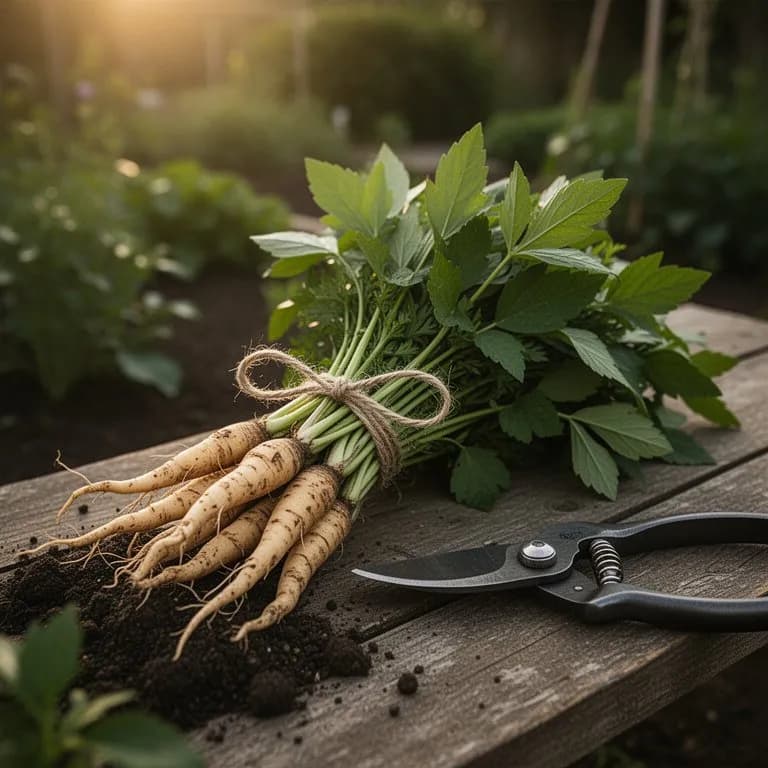
Las raíces se cosechan en otoño del segundo o tercer año, cuando la planta ha completado su ciclo activo de crecimiento. La gruesa raíz pivotante y sus ramificaciones se extraen con cuidado, se lavan y se utilizan frescas o se cortan en rodajas y se secan lentamente a baja temperatura. La raíz seca de alta calidad es de color marrón-amarillento por fuera y pálida por dentro, con un aroma fuerte, dulce y cálido. La raíz es la única parte utilizada medicinalmente en la práctica tradicional.
Utilice únicamente semilla fresca de menos de tres meses de antigüedad para obtener las mejores tasas de germinación. Estratifique en arena húmeda en el frigorífico durante 30-40 días antes de sembrar. Mantenga las bandejas de semillero uniformemente húmedas y bajo luz indirecta brillante: nunca deje que la superficie se seque durante la germinación.
Cuidar Dong Quai mes a mes
Qué hacer cada mes para tu Dong Quai
Octubre
Mes actualEl mes óptimo para la cosecha de raíces. Extraiga las raíces de plantas de dos a tres años tras el amarillamiento del follaje, usando una horca de jardín para preservar las ramificaciones de la raíz. Lávelas, córtelas en rodajas finas y séquelas a baja temperatura, por debajo de 40 °C. Aplique mulch de 8-10 cm de paja o hojas trituradas sobre las plantas que queden en el suelo.
Ten claro qué hacer en tu huerto, cada mes
Un correo al empezar cada mes: qué sembrar, plantar y hacer ahora mismo — para tu Dong Quai y todo lo que crece alrededor. Más un breve curso inicial para esquivar los errores clásicos.
- Qué hacer ahora mismo
- Ajustado a tu temporada
- Curso inicial incluido
Cosechar Dong Quai
Coseche las raíces de dong quai en otoño del segundo o tercer año, una vez que la parte aérea se haya secado. Cave con cuidado para extraer el grueso y ramificado sistema radicular sin dañarlo. Lávelo bien y córtelo en secciones. La raíz fresca desprende un aroma cálido, dulce y parecido al apio. En la medicina tradicional china, las diferentes partes de la raíz se utilizan con distintos fines: la cabeza, el cuerpo y la cola se separan a veces según el uso previsto. Seque las rodajas de raíz rápidamente a baja temperatura para preservar los compuestos aromáticos volátiles.
se supone que plantas al comenzar el periodo — indica tu fecha real
Cosecha Dong Quai a tiempo y la planta sigue produciendo.
Almacenamiento y conservación
Corte las raíces frescas en rodajas y séquelas a 35-45 °C en un deshidratador o en un lugar cálido y bien ventilado. El dong quai correctamente deshidratado debe ser de color marrón pálido y conservar su característico aroma dulce. Guárdelo en tarros herméticos alejados de la luz durante un máximo de 2 años. La raíz seca se cuece tradicionalmente en sopas, caldos y decocciones en la cocina y medicina chinas. También puede prepararse en tintura alcohólica para obtener preparaciones concentradas. La raíz en polvo se emplea en cápsulas y en fórmulas herbolarias tradicionales chinas.
Qué falla — y cómo solucionarlo
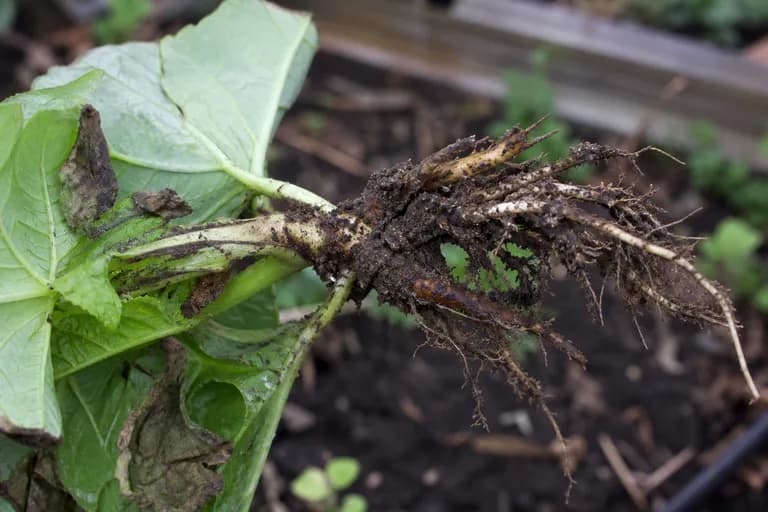
Podredumbre de raíz
EnfermedadMarchitamiento y amarillamiento pese a mantener el suelo húmedo, raíces blandas y viscosas, colapso de la corona. Frecuente en suelos con mal drenaje.
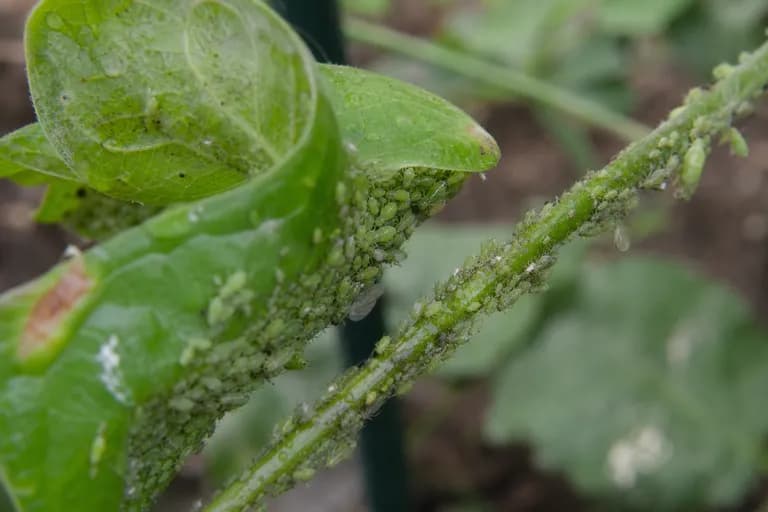
Pulgones
PlagaColonias en las umbelas florales y en los brotes tiernos, melaza pegajosa, hojas deformadas.
Solución de problemas comunes
La intolerancia al calor es la principal limitación: el dong quai no prospera en jardines cálidos y de tierras bajas. Requiere temperaturas estivales frescas (idealmente por debajo de 25 °C) para un buen desarrollo de la raíz. La floración prematura en el segundo año reduce la calidad de la raíz; elimine los tallos florales si cultiva la planta para la cosecha de raíces. El establecimiento a partir de semilla es lento: las raíces o divisiones compradas resultan más prácticas. Puede confundirse con umbelíferas tóxicas; cultívese siempre a partir de material vegetal verificado.
Consejos de cultivo
- La semilla fresca es absolutamente imprescindible para una germinación exitosa. La viabilidad de la semilla de dong quai cae por debajo del 30 % después de solo seis meses de almacenamiento. Compre semilla cosechada en la temporada en curso y siémbrela o estratifíquela de inmediato al recibirla: la semilla vieja de los expositores de liquidación en los centros de jardinería casi con toda seguridad fracasará.
- Estratifique las semillas en frío durante 4-6 semanas en arena húmeda a 2-5 °C antes de la siembra. Esto imita el período de latencia invernal natural que experimentan las semillas en las laderas montañosas de su área de distribución nativa y es esencial para romper la latencia de las semillas.
- La sombra parcial no es negociable en la mayoría de los jardines. El dong quai evolucionó bajo la luz filtrada de los bordes de los bosques y las praderas de montaña. Plante en el lado norte o este de cultivos más altos, bajo árboles caducifolios o detrás de una malla de sombreo que proporcione entre el 40 y el 60 % de sombra frente al intenso sol de la tarde.
- Un suelo rico y con buena retención de humedad es el requisito de cultivo más importante. Enmiende los bancales de siembra con generosas cantidades de compost envejecido, mantillo de hojas y estiércol bien descompuesto. El suelo debe retener la humedad sin encharcarse: incorpore perlita o arena gruesa si el drenaje es deficiente.
- No coseche las raíces antes del final de la segunda temporada de crecimiento. Los compuestos bioactivos responsables del valor medicinal del dong quai —en particular la ligustilida y el ácido ferúlico— se acumulan de forma progresiva y alcanzan su concentración máxima en las raíces de dos a tres años.
- Elimine los tallos florales de las plantas destinadas a la cosecha de raíces en cuanto aparezcan. La floración desvía una energía considerable del desarrollo de la raíz, y la calidad de esta disminuye notablemente en las plantas a las que se ha permitido florecer y fructificar.
- Aplique mulch abundante y constante con materiales orgánicos para mantener condiciones de zona radicular frescas y húmedas. Las raíces de dong quai crecen mejor cuando la temperatura del suelo se mantiene por debajo de 20 °C. Una capa de mulch de paja, hojas trituradas o astillas de madera de 5-8 cm de profundidad imita los suelos frescos de montaña de su hábitat nativo.
- Espacie las plantas 30-40 cm entre sí para garantizar una buena circulación del aire, lo que ayuda a prevenir el oídio y otras enfermedades fúngicas que pueden afectar el follaje denso en condiciones húmedas. Las plantaciones superpobladas son más susceptibles a enfermedades foliares.
- Rote las ubicaciones de siembra en un ciclo de tres años para evitar la acumulación de patógenos transmitidos por el suelo. El dong quai es susceptible a la podredumbre de raíz causada por especies de Fusarium, y plantar en el mismo suelo de forma repetida aumenta significativamente la presión de enfermedades.
- En las zonas 4-5, aplique 10-15 cm de paja o mulch de hojas sobre las coronas de las raíces tras las primeras heladas intensas para aislarlas durante el invierno. Retire el mulch gradualmente en primavera a medida que suban las temperaturas para evitar una emergencia prematura que pudiera resultar dañada por las heladas tardías.
Cultiva tu mejor Dong Quai — y todo lo que la rodea.
Empieza un plan gratis hoy. Diseña tus bancales, coloca tu Dong Quai y deja que PlotMyGarden gestione el momento, el espaciado, las asociaciones y los recordatorios de la semilla a la cesta.
Elige tu Dong Quai
Angelica sinensis (Dong Quai)
La especie medicinal china por excelencia. Su raíz es un pilar fundamental de las formulaciones de la medicina tradicional china.
Angelica archangelica (Angélica europea)
El pariente europeo, con usos distintos pero emparentados. Planta de mayor tamaño. Empleada en las tradiciones herbolarias occidentales y en la producción de licores.
Angelica acutiloba (Angélica japonesa)
La especie japonesa utilizada en la medicina Kampo. Propiedades similares al dong quai, con diferencias de preferencia según la región.
La raíz de dong quai seca de alta calidad se vende al público entre 25 y 60 dólares por libra (55-130 dólares por kilogramo) en boticas herbolarias y tiendas especializadas, con raíces de origen Gansu de primera categoría alcanzando precios aún más elevados. Las tinturas de dong quai ya elaboradas se venden entre 12 y 20 dólares por botella de 60 ml. Una modesta plantación doméstica de 20 plantas con una rotación de cosecha bianual puede producir entre 500 y 1.000 gramos de raíz seca al año, lo que representa entre 30 y 65 dólares de valor comercial anual. El ahorro real se acumula mediante la preparación casera de tinturas y tés: una sola cosecha puede proporcionar el suministro anual de té diario y varios frascos de tintura que costarían entre 100 y 200 dólares adquirirlos en el mercado. Las semillas y las plantas iniciales cuestan menos de 20 dólares para establecer el cultivo, lo que representa una excelente rentabilidad para quienes cultivan en climas frescos adecuados.
Recetas rápidas
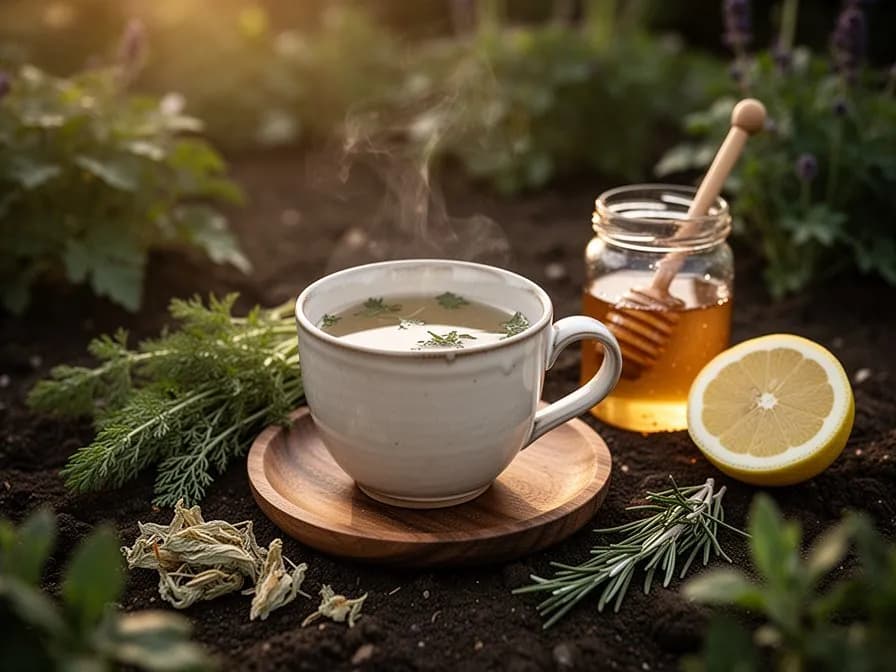
Sopa nutritiva de raíz de dong quai
2 horasUna sopa medicinal tradicional china clásica que combina la raíz de dong quai con pollo y hierbas reconfortantes. Este caldo profundamente nutritivo se prepara tradicionalmente durante los períodos de recuperación y en los fríos meses de invierno para fortalecer el organismo y apoyar la vitalidad. La raíz aporta un sutil sabor dulce y terroso al rico caldo dorado.
8 ingredientesTé sencillo de raíz de dong quai
20 minLa preparación tradicional más sencilla: finas rodajas de raíz de dong quai seca en infusión con agua caliente para obtener un té reconfortante y aromático con un perfil de sabor dulce y ligeramente amargo. Esta suave decocción se ha consumido a diario durante siglos en todo el este de Asia como tónico general de bienestar. Se disfruta mejor por la tarde o por la noche.
5 ingredientesTintura herbal de dong quai
15 min activos (4-6 semanas de maceración)Una extracción alcohólica tradicional que concentra los compuestos bioactivos de la raíz de dong quai en una forma líquida estable. Las tinturas permiten una dosificación precisa en pequeñas cantidades y son una de las preparaciones modernas más populares de esta antigua hierba. La tintura terminada tiene un color ámbar profundo con el característico aroma cálido y dulce del dong quai.
5 ingredientesQué contiene
Beneficios para la salud
- Contiene ácido ferúlico y Z-ligustilida, compuestos que han demostrado propiedades antioxidantes y antiinflamatorias en numerosos estudios preclínicos, con potencial apoyo a la salud cardiovascular y reducción del estrés oxidativo.
- Rico en polisacáridos que han mostrado efectos inmunomoduladores en investigaciones de laboratorio, respaldando el uso tradicional en MTC del dong quai como tónico adaptogénico para la resiliencia inmunitaria general.
- El alto contenido en hierro y ácido fólico de la raíz favorece la formación saludable de glóbulos rojos y la producción de hemoglobina, en consonancia con su uso tradicional milenario para nutrir y fortalecer la sangre.
- Contiene compuestos cumarínicos, incluido el ostol, que han demostrado efectos vasodilatadores en estudios preclínicos, con potencial apoyo a una circulación sanguínea saludable y a la función cardiovascular.
- La Z-ligustilida, principal compuesto volátil del aceite esencial de dong quai, ha mostrado propiedades relajantes del músculo liso en estudios de laboratorio, lo que puede contribuir al uso tradicional de la raíz para aliviar la tensión y el malestar.
- Aporta un complejo de vitaminas del grupo B, incluidas B12, biotina y ácido nicotínico, que actúan sinérgicamente con el contenido en hierro de la raíz para favorecer el metabolismo energético y reducir la fatiga, un aspecto clave de su clasificación tradicional como tónico.
De dónde viene Dong Quai
El dong quai (Angelica sinensis) es una hierba perenne originaria de las frescas y brumosas regiones montañosas del centro y oeste de China, donde crece en estado silvestre a altitudes de 2.000-3.000 metros en las provincias de Gansu, Sichuan, Yunnan, Hubei y Shaanxi. La planta prospera en praderas montañosas húmedas y ricas en humus, y en los bordes de los bosques, con veranos frescos e inviernos fríos, condiciones que reflejan los entornos de alta altitud de su área de distribución ancestral.
El dong quai se ha utilizado en la medicina tradicional china (MTC) durante al menos 2.000 años, lo que lo convierte en una de las plantas medicinales de uso continuo más antiguas de la historia humana. Aparece por primera vez en el Shennong Ben Cao Jing, el texto herbolario chino fundacional compilado hacia el año 200 d.C., donde se clasifica como hierba de grado medio para nutrir la sangre y armonizar la energía vital. A lo largo de los siglos siguientes, el dong quai se convirtió en un pilar de las prescripciones de la MTC y aparece en centenares de fórmulas herbolarias clásicas. Es el ingrediente clave del Si Wu Tang (Decocción de las Cuatro Sustancias), una de las fórmulas más recetadas en la historia de la MTC, recogida en el texto de la dinastía Song Taiping Huimin Heji Jufang del año 1107 d.C.
El cultivo del dong quai se practica en la provincia de Gansu desde hace siglos, y la región del condado de Min produce raíces de calidad legendaria. Los agricultores tradicionales desarrollaron técnicas sofisticadas para cultivar la planta en alta altitud, incluyendo una cuidadosa selección de semillas, el trasplante de plántulas a las laderas montañosas y la sincronización de la cosecha para maximizar los compuestos aromáticos de la raíz. Hoy en día, China cultiva aproximadamente 30.000 hectáreas de dong quai al año, lo que lo convierte en uno de los cultivos medicinales económicamente más importantes del país.
El dong quai llegó a Occidente a mediados del siglo XX, a medida que crecía el interés por la medicina asiática tradicional. En la década de 1990 se había convertido en uno de los suplementos herbolarios más vendidos en América del Norte y Europa. La investigación farmacológica moderna ha identificado más de 70 compuestos bioactivos en la raíz, siendo la Z-ligustilida, el ácido ferúlico y diversos polisacáridos los que han recibido mayor atención científica. La planta se cultiva hoy de forma experimental en climas adecuados de Europa, América del Norte y Nueva Zelanda, aunque las raíces cultivadas en China siguen siendo el estándar mundial de calidad.
Dong Quai: ¿sabías que?
Datos fascinantes sobre Dong Quai
El dong quai (Angelica sinensis) es conocido a menudo como 'ginseng femenino' en la medicina tradicional china y ha sido una de las hierbas más recetadas en China, Corea y Japón durante más de dos mil años; aparece en el texto herbolario chino más antiguo conocido, el Shennong Ben Cao Jing, que data de aproximadamente el año 200 d.C.
Dong Quai: preguntas frecuentes
¿Cuándo debo plantar Dong Quai?
¿Cuáles son buenas plantas acompañantes para Dong Quai?
¿En qué zonas de rusticidad puede crecer Dong Quai?
¿Cuánto sol necesita Dong Quai?
¿A qué distancia debo espaciar Dong Quai?
¿Qué plagas y enfermedades afectan a Dong Quai?
¿Cómo almaceno Dong Quai después de la cosecha?
¿Cuáles son las mejores variedades de Dong Quai para cultivar?
¿Qué suelo necesita Dong Quai?
¿Puedo cultivar dong quai fuera de China?
¿Cuánto tiempo tardaré en poder cosechar las raíces de dong quai?
¿Es seguro usar el dong quai como remedio herbolario?
¿Por qué mis semillas de dong quai no germinan?
¿Qué plagas y enfermedades afectan al dong quai?
¿Cómo debo secar y almacenar correctamente la raíz de dong quai?
Acabas de leer la teoría. Ahora cultívala en piloto automático.
Todo lo que hace que Dong Quai sea delicado — el momento, el espaciado, las asociaciones, la ventana de cosecha — es justo lo que PlotMyGarden resuelve por ti, para cada planta de tu huerto.
Un plan que conoce tu clima
Indica tu ubicación una vez. Recibe fechas de siembra, abonado y cosecha basadas en tu última helada real y el pronóstico en vivo — sin adivinar con un sobre genérico.
De la sección “Cuándo plantar”Planificador de bancales de arrastrar y soltar
Diseña bancales sobre una cuadrícula. Cada planta encaja con su espaciado correcto y ves toda la temporada antes de gastar un céntimo en semillas.
De la sección “Cultivo”Conflictos de asociación, detectados a tiempo
Más de 200 buenas y malas combinaciones comprobadas en vivo mientras plantas — para que un error que arruine la temporada nunca llegue a la tierra.
De la sección “Asociaciones”Recordatorios que sí vas a seguir
“Riega las judías.” “Recoge hoy antes de que se pase.” Oportunos, concretos y ligados a las plantas que de verdad cultivas.
De la sección “Cosecha”Escalonado, programado
¿Quieres cosechar seis semanas en vez de seis días? Reparte tus siembras automáticamente y te avisa cuando toca el siguiente lote.
De la sección “Cuándo plantar”Un registro que se vuelve más listo
Cada cosecha que registras le enseña tu huerto. El plan del año que viene parte de lo que de verdad funcionó en tu suelo, no en un manual.
De la sección “Resumen”Planta estos junto a Dong Quai
Más Hierbas medicinales
Cultiva tu mejor Dong Quai — y todo lo que la rodea.
Empieza un plan gratis hoy. Diseña tus bancales, coloca tu Dong Quai y deja que PlotMyGarden gestione el momento, el espaciado, las asociaciones y los recordatorios de la semilla a la cesta.