Calabaza Delicata
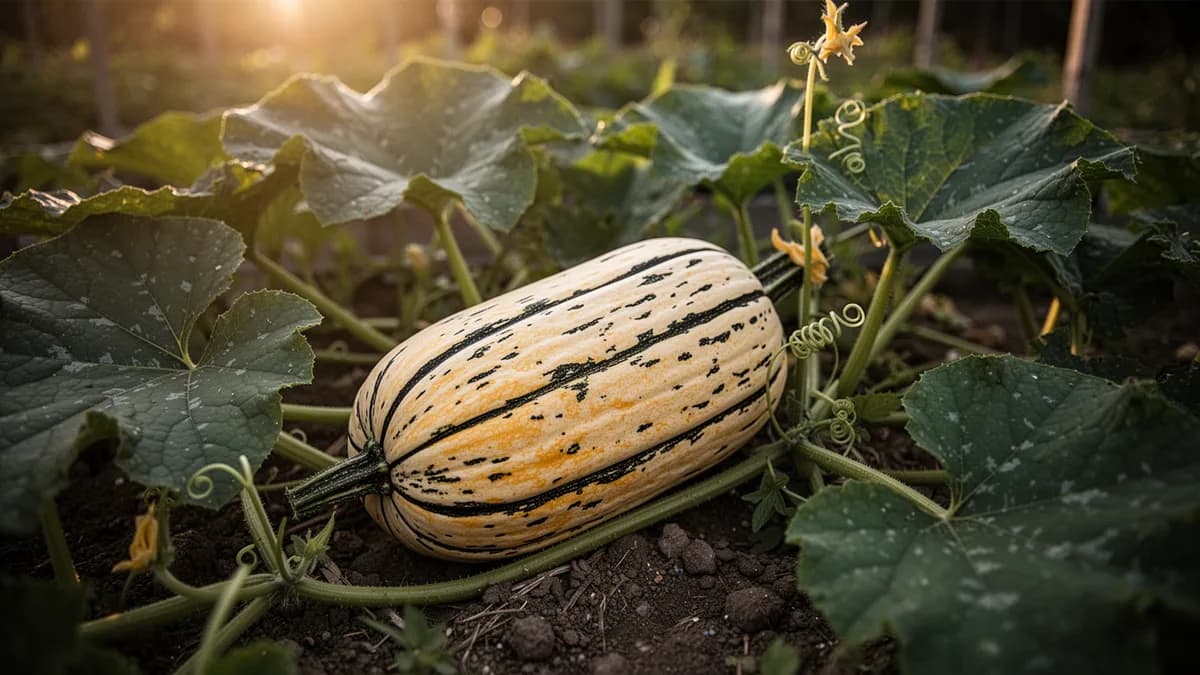
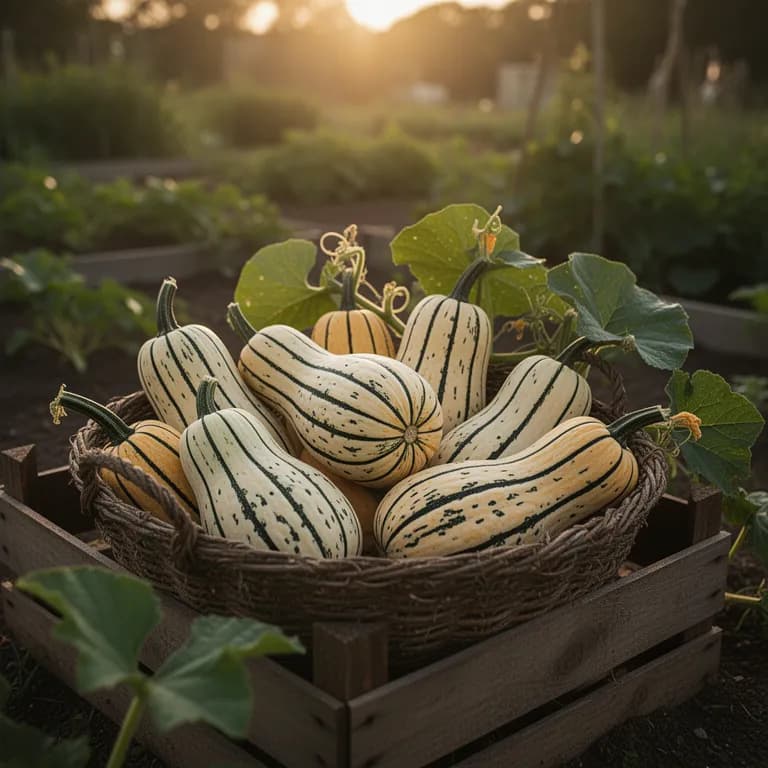
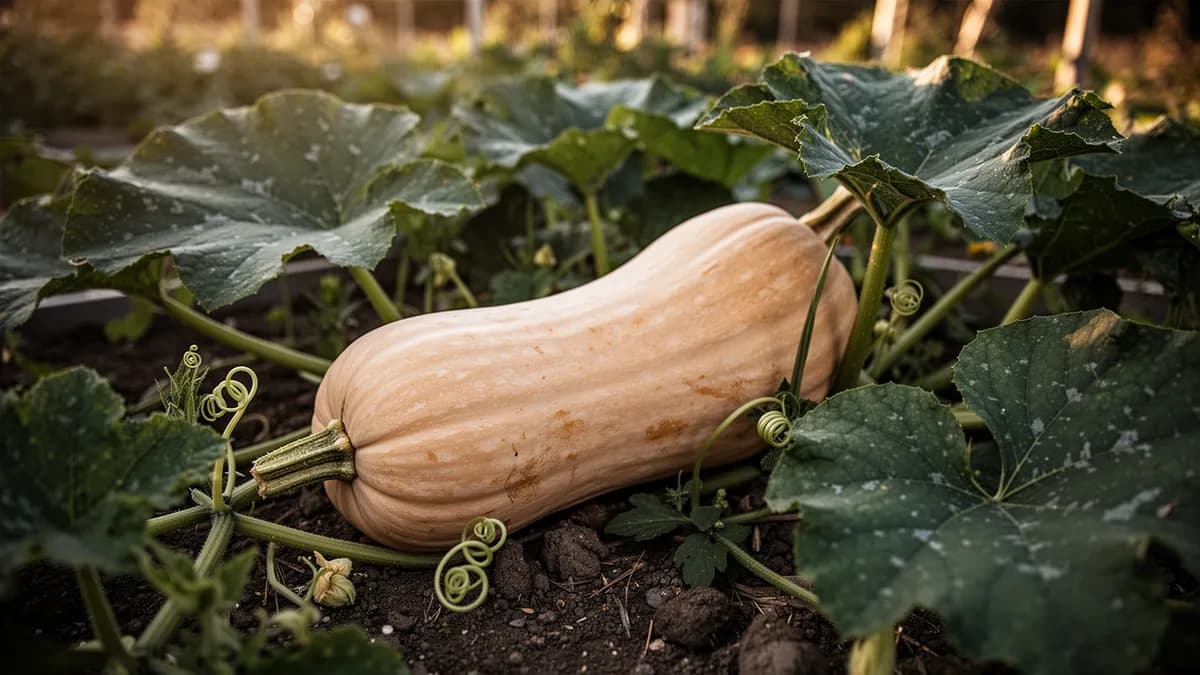
La calabaza delicata (Cucurbita pepo) es una calabaza de invierno de tamaño medio con forma cilíndrica alargada, caracterizada por su cáscara delgada de color crema con rayas verdes longitudinales que se torna dorada al madurar.





En esta páginaResumen
Conoce Calabaza Delicata
La calabaza delicata (Cucurbita pepo) es una calabaza de invierno de tamaño medio con forma cilíndrica alargada, caracterizada por su cáscara delgada de color crema con rayas verdes longitudinales que se torna dorada al madurar. Su pulpa es de textura cremosa y sabor dulce con notas de castaña y batata, y destaca por ser una de las pocas calabazas cuya piel es comestible sin necesidad de pelarla.
Cuándo plantar Calabaza Delicata
Siembre directamente en exterior 2-3 semanas después de la última helada, cuando la temperatura del suelo alcance al menos 18 °C. Para adelantar la temporada, inicie las semillas en interior 3-4 semanas antes del trasplante en macetas biodegradables de 8-10 cm, trasplantando con cuidado para no dañar las raíces sensibles. La germinación ocurre en 7-10 días a temperaturas de 21-30 °C y las semillas deben colocarse a 2-3 cm de profundidad.
Tu año de Calabaza Delicata
Ajustado a Zona 7 · temporada típica · la helada se va hacia el 2 abr y vuelve hacia el 1 nov
Planta Calabaza Delicata May – Jun y cosecha Sep – Oct. Consulta los métodos de plantación y elige tu clima para adaptar los periodos.
Cómo cultivar Calabaza Delicata
La calabaza delicata se siembra directamente en el terreno o se trasplanta al exterior una vez que haya pasado todo riesgo de helada y la temperatura del suelo supere los 18 °C. Prepare montículos de tierra enriquecida con compost de 30 cm de altura y siembre 3-4 semillas por montículo a 2-3 cm de profundidad, dejando 90-120 cm entre montículos. Aclare dejando las 2 plantas más vigorosas por montículo cuando tengan las primeras hojas verdaderas.
Durante el crecimiento, proporcione riego regular y profundo de 2-3 cm semanales, preferiblemente con riego por goteo para mantener el follaje seco y prevenir enfermedades fúngicas. Las plantas son vigorosas trepadoras que se benefician de un enrejado o estructura de soporte, lo que además mejora la circulación de aire y reduce problemas de pudrición de los frutos. Aplique un acolchado orgánico alrededor de las plantas para conservar la humedad y suprimir malas hierbas.
La polinización es crítica para la formación de frutos, por lo que conviene fomentar la presencia de abejas y otros polinizadores en el huerto. Si la polinización natural es insuficiente, puede realizarse manualmente transfiriendo polen de las flores masculinas a las femeninas con un pincel. Fertilice cada 3-4 semanas con un abono rico en fósforo y potasio una vez que aparezcan las primeras flores para favorecer la fructificación.
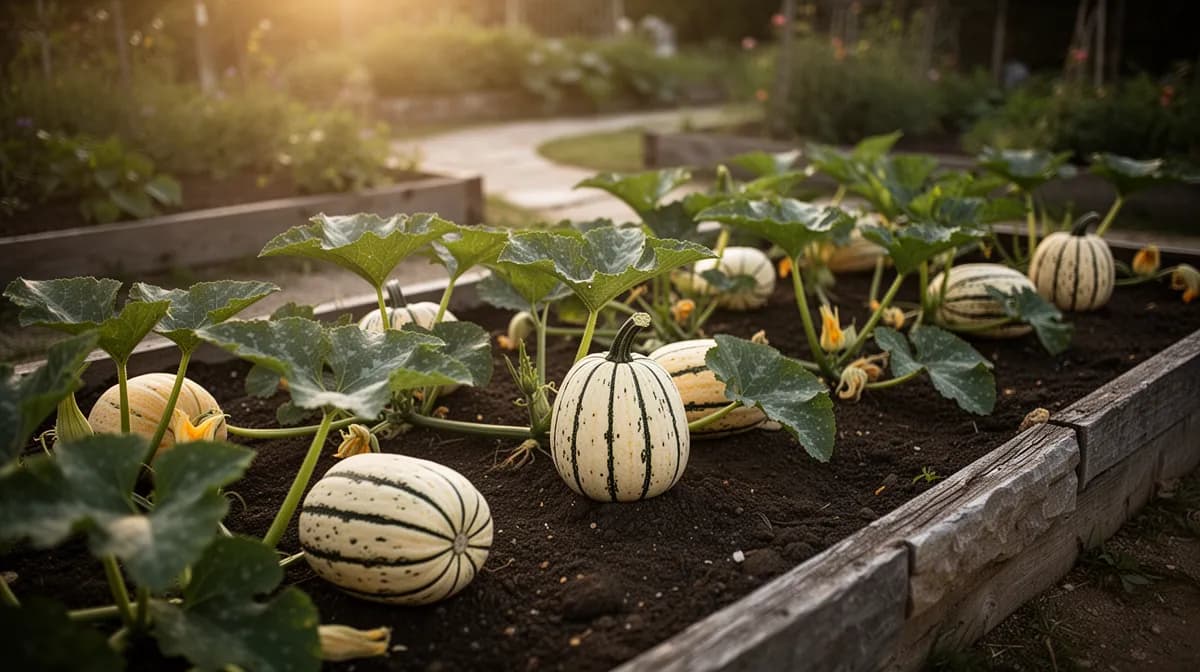
2 plantas caben en un bancal de 120 × 240 cm
Cada Calabaza Delicata pide 90 cm de margen. El planificador guarda ese marco por ti — cada planta, cada bancal.
Los mejores vecinos de Calabaza Delicata
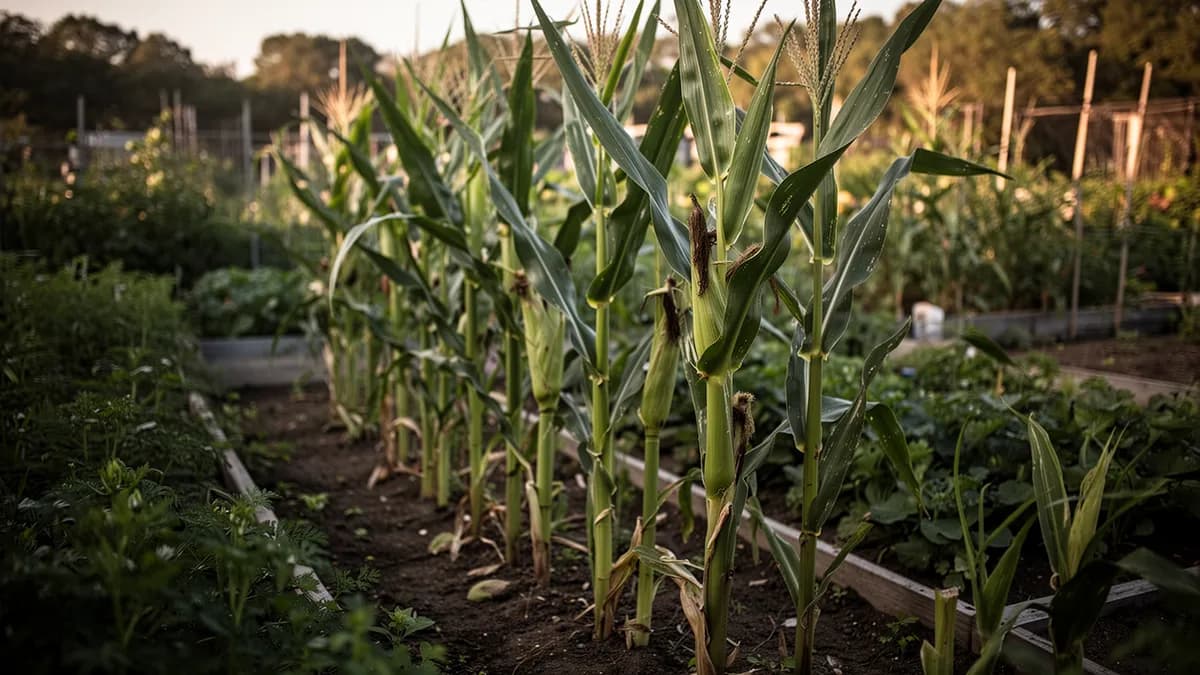
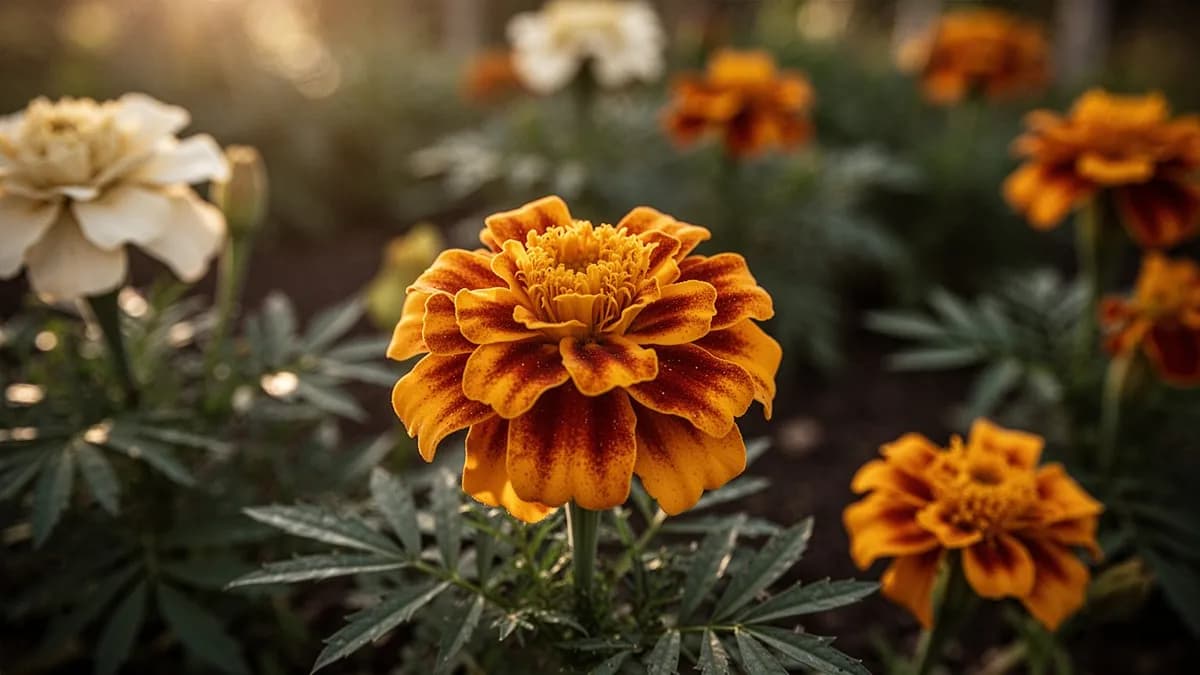
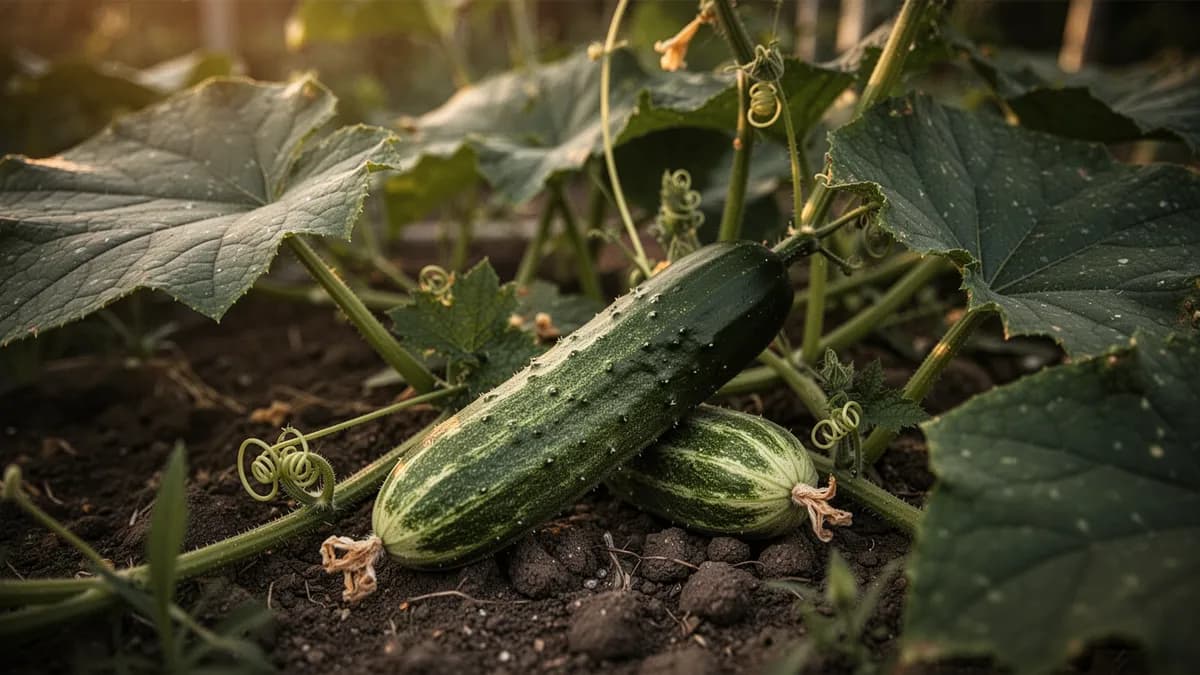
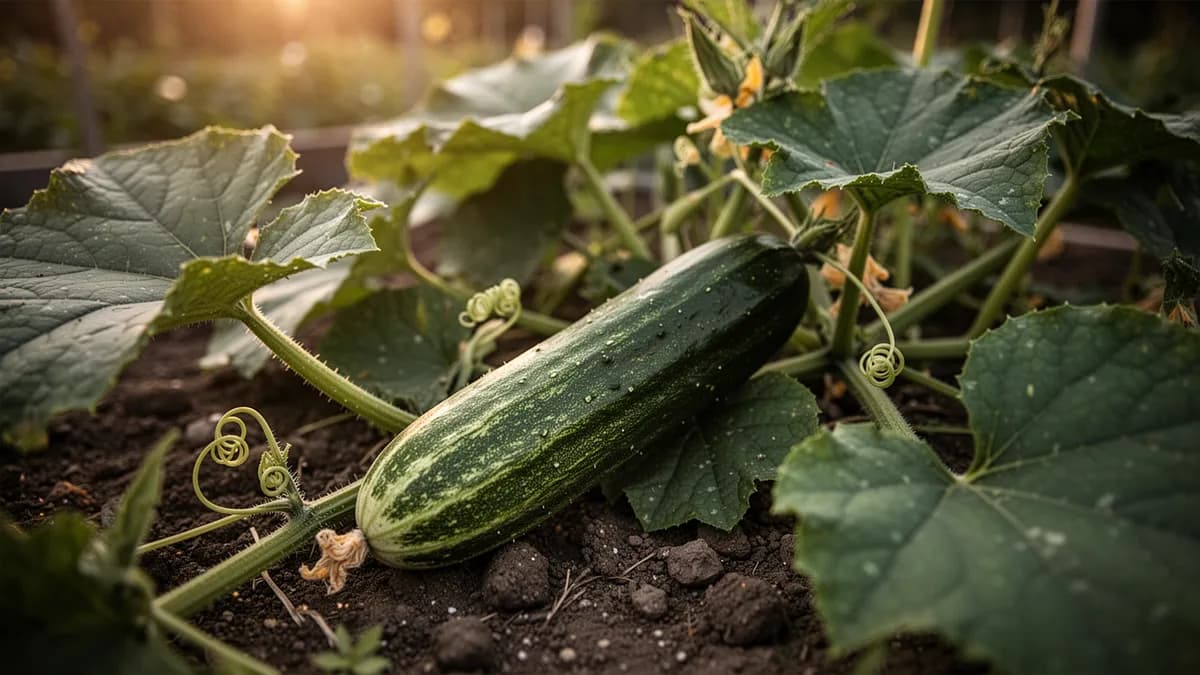
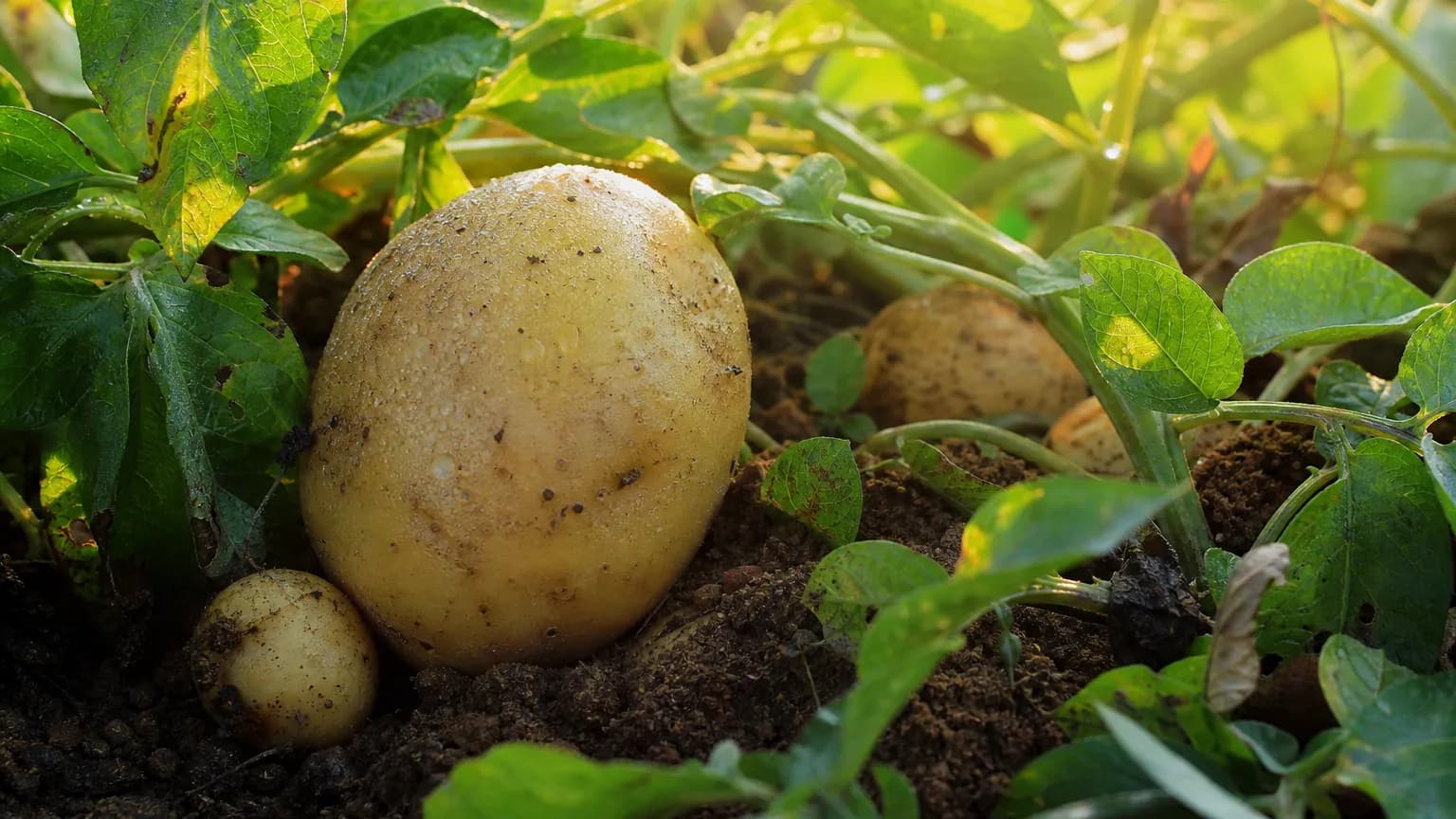
Se asocia bien con maíz y frijoles en la clásica combinación de las tres hermanas mesoamericanas, donde el maíz proporciona soporte, los frijoles fijan nitrógeno y la calabaza cubre el suelo. Las caléndulas y las capuchinas plantadas cerca repelen escarabajos y otros insectos plaga. Evitar plantar junto a patatas, ya que compiten por nutrientes y pueden favorecer plagas comunes.
Maíz va a su lado. Papa no.
Saber de huerto de siempre, cotejado con la tabla real de Calabaza Delicata — prueba cualquier planta que cultives.
Prueba Calabaza Delicata en un bancal, aquí mismo
Un bancal real del planificador con Calabaza Delicata ya plantado. Toca una planta compañera para colocarla y mira cómo responde la comprobación de vecinos: verde para buenos vecinos, rojo si hay conflicto.


Guías de cultivo relacionadas
Abónalo bien
Requiere suelos fértiles, bien drenados y ricos en materia orgánica con pH entre 6,0 y 7,0. Incorpore abundante compost o estiércol bien descompuesto antes de la siembra, creando montículos elevados que mejoran el drenaje y el calentamiento del suelo. Fertilice con un abono equilibrado al trasplante y cambie a una fórmula alta en fósforo y potasio cuando comience la floración para favorecer la fructificación.
Temperatura ideal
Compatibilidad de zonas de rusticidad
De la semilla a la cosecha, etapa por etapa
Germinación de la semilla
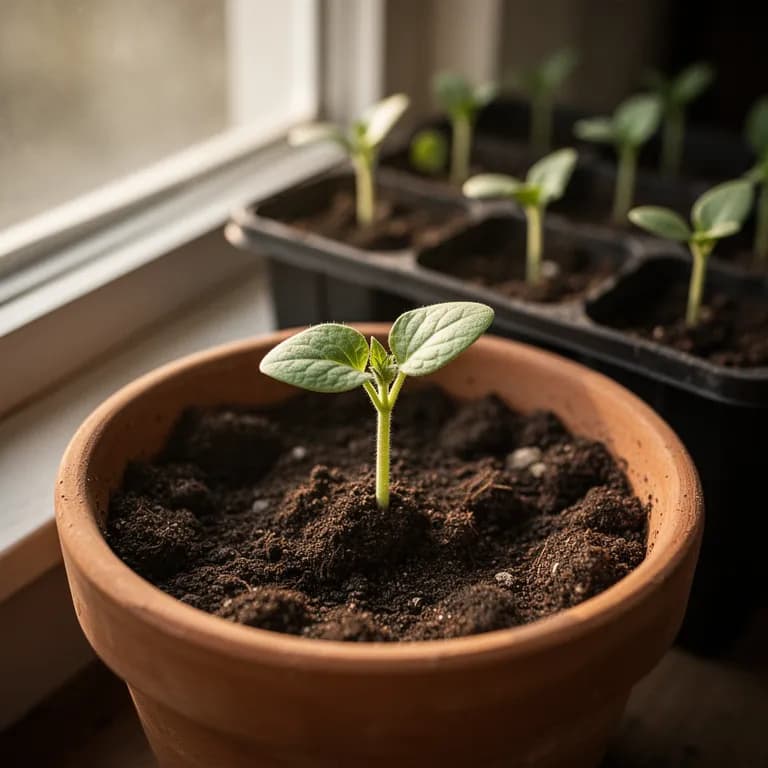
Las semillas grandes y planas germinan en suelo cálido, enviando un hipocótilo grueso que empuja los cotiledones anchos por encima de la superficie. La germinación requiere temperaturas del suelo de al menos 21 °C y tarda 7-10 días. Los suelos más fríos retrasan mucho la germinación y aumentan el riesgo de pudrición de la semilla.
Desarrollo de plántula
Aparecen las hojas verdaderas con la textura lobulada y ligeramente áspera característica de las cucurbitáceas. La plántula desarrolla un tallo central fuerte y empieza a extender sus primeras guías cortas. El desarrollo de las raíces es rápido en suelo cálido y fértil.
Crecimiento de la guía
Las guías semiarbustivas alcanzan 1,8-2,4 m y desarrollan hojas grandes que dan sombra al suelo y conservan la humedad. Los zarcillos se extienden para anclar las plantas que se dispersan. La planta construye el área foliar necesaria para alimentar el desarrollo de los frutos.
Maduración y cosecha
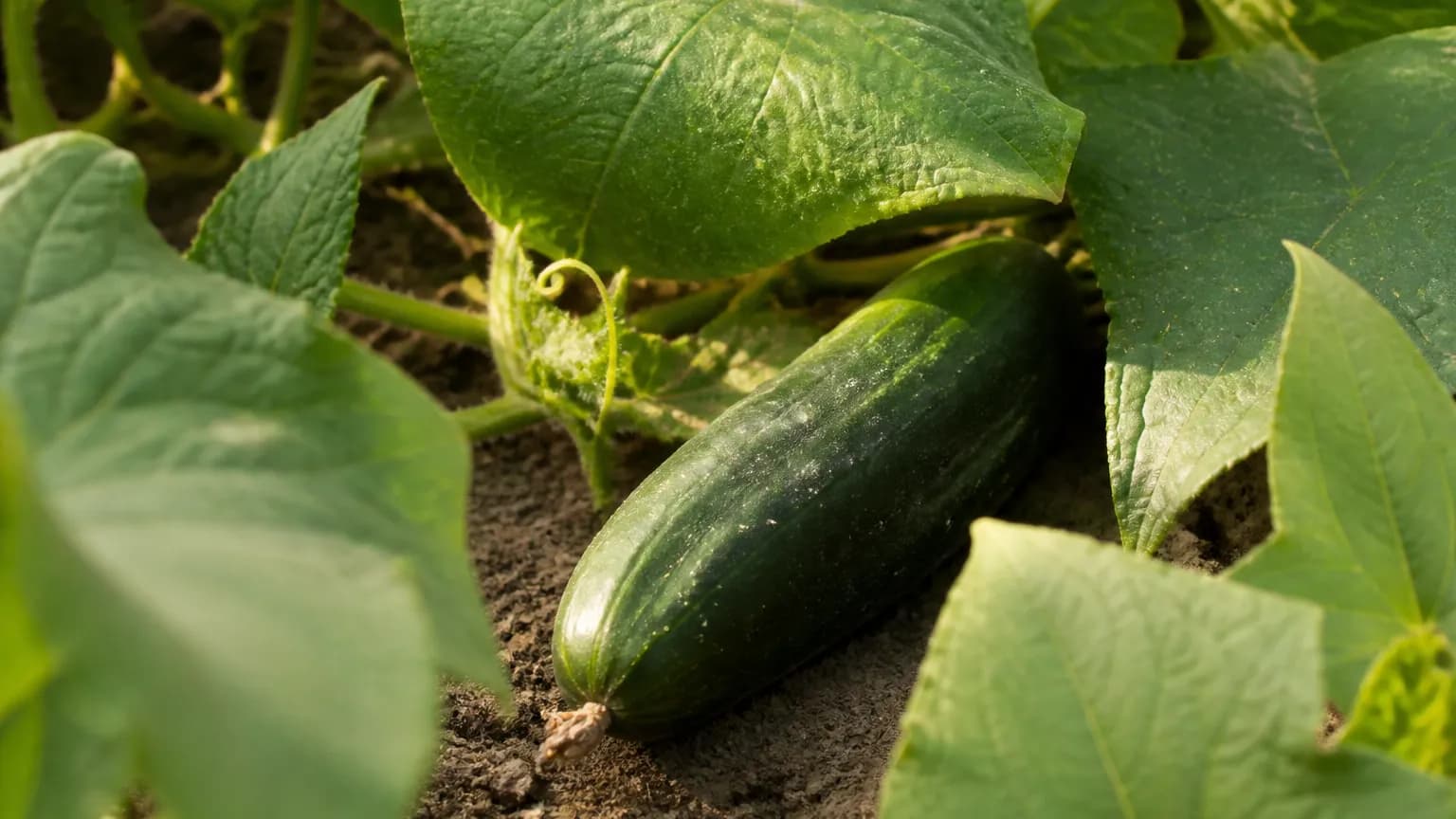
Los frutos alcanzan su tamaño completo y la piel pasa de verde rayado sobre fondo crema a un tono crema o beige más profundo con rayas teñidas de naranja. La cáscara se endurece, pero sigue siendo más delgada que la de otras calabazas de invierno. El tallo empieza a secarse y volverse corchoso, señal de madurez.
Poscosecha
Después de la cosecha, la calabaza delicata termina su ciclo de temporada. La planta no sigue produciendo una vez que se retiran los frutos al final de su ciclo anual.
Desarrollo del fruto
Las flores femeninas polinizadas se desarrollan en frutos pequeños y oblongos que crecen con rapidez durante varias semanas. El patrón rayado se vuelve cada vez más marcado a medida que los frutos aumentan de tamaño. Cada planta suele dar 5-8 frutos de 450-900 g (1-2 lb) cada uno.
Siembra las semillas a 2,5 cm (1 pulgada) de profundidad en un suelo que realmente haya alcanzado 21 °C. Usa un termómetro de suelo en lugar de adivinar. Una manta térmica ajustada a 27 °C acelera la germinación en los inicios en interior.
Cuidar Calabaza Delicata mes a mes
Qué hacer cada mes para tu Calabaza Delicata
Octubre
Mes actualComplete harvest before hard frost. Finish curing all fruits. Move cured squash to cool storage at 10-13°C (50-55°F). Pull spent vines and compost healthy material. Note variety performance for future seasons.
Ten claro qué hacer en tu huerto, cada mes
Un correo al empezar cada mes: qué sembrar, plantar y hacer ahora mismo — para tu Calabaza Delicata y todo lo que crece alrededor. Más un breve curso inicial para esquivar los errores clásicos.
- Qué hacer ahora mismo
- Ajustado a tu temporada
- Curso inicial incluido
Cosechar Calabaza Delicata
Las calabazas delicata están listas para cosechar entre 80 y 100 días después de la siembra, cuando las rayas verdes se tornan de color amarillo-anaranjado y la cáscara resiste la presión de la uña sin marcarse. Corte el fruto dejando un pedúnculo de al menos 5 cm para prolongar la vida de almacenamiento. A diferencia de otras calabazas de invierno, la delicata tiene una piel más fina y no requiere curado prolongado, aunque un reposo de 1-2 semanas en un lugar cálido y seco mejora la concentración de azúcares.
se supone que plantas al comenzar el periodo — indica tu fecha real
Cosecha cuando la piel pase de verde rayado a crema o beige con rayas matizadas de naranja y la cáscara esté dura.
Almacenamiento y conservación
La calabaza delicata tiene una vida de almacenamiento más corta que otras calabazas de invierno, conservándose entre 3 y 4 meses en un lugar fresco (10-15 °C), seco y bien ventilado. Inspeccione regularmente los frutos almacenados y retire aquellos que muestren signos de deterioro para evitar la propagación a los demás. La pulpa cocida se puede congelar en porciones durante 10-12 meses, y también se puede deshidratar en rodajas finas para conservas de larga duración.
Qué falla — y cómo solucionarlo
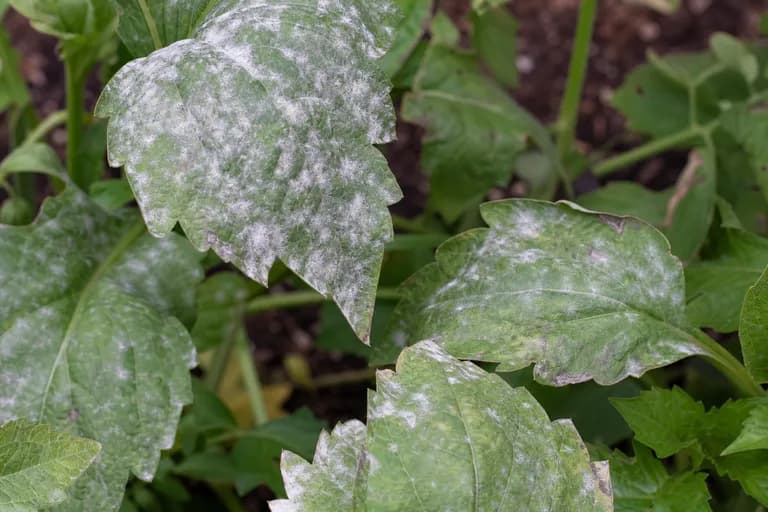
Escarabajo rayado del pepino (Acalymma vittatum)
PlagaAgujeros irregulares en hojas y flores, marchitamiento de plántulas jóvenes y transmisión de la marchitez bacteriana que causa el colapso súbito de plantas enteras.
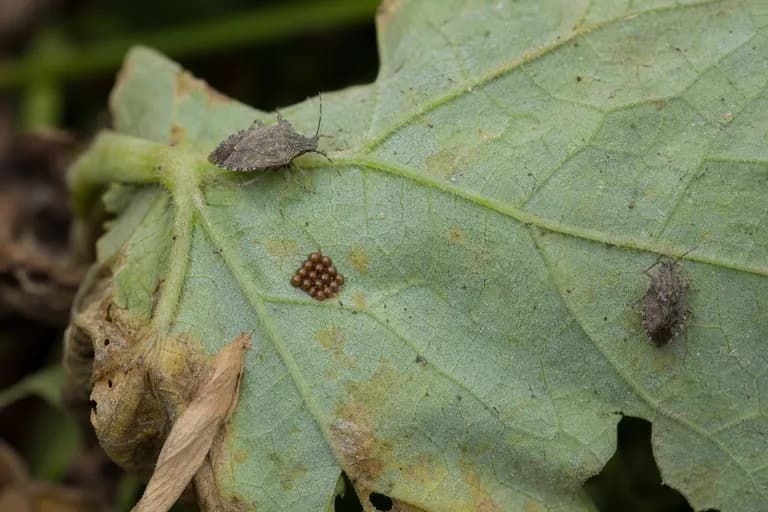
Oídio (Podosphaera xanthii)
EnfermedadManchas blancas polvorientas en el haz de las hojas que se extienden gradualmente cubriendo toda la superficie foliar, provocando amarillamiento, secado prematuro y reducción de la producción de frutos.
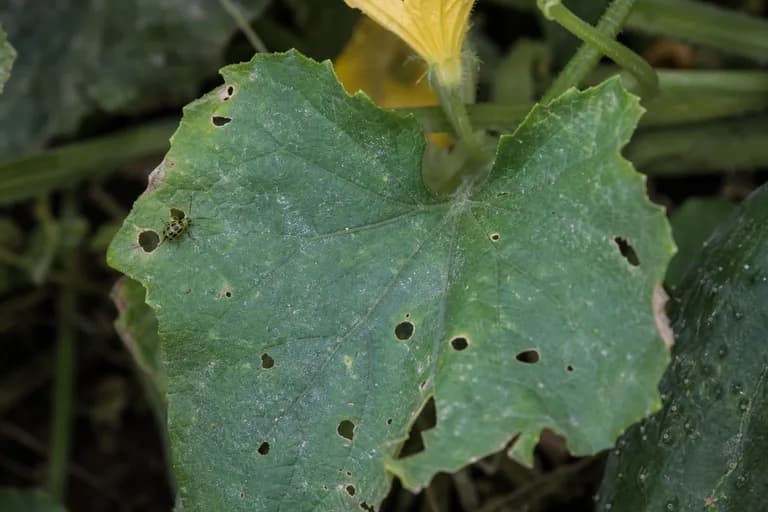
Barrenador de la calabaza (Melittia cucurbitae)
PlagaMarchitamiento súbito de secciones de la planta, presencia de excrementos granulares anaranjados en la base del tallo y galerías internas excavadas por las larvas que debilitan y matan la planta.
Solución de problemas comunes
La vida de almacenamiento relativamente corta (3-4 meses) comparada con otras calabazas de invierno es el principal inconveniente, requiriendo un consumo más temprano tras la cosecha. Las plantas son susceptibles al oídio en condiciones de humedad alta y temperaturas moderadas, especialmente al final de la temporada. Los frutos que tocan el suelo húmedo pueden desarrollar pudrición basal, por lo que se recomienda colocarlos sobre una superficie seca o elevarlos con paja.
Consejos de cultivo
- Do not peel delicata squash before cooking — the thin, edible skin is one of its best features. It softens completely when roasted and adds texture and nutrients. Simply wash, halve, scoop seeds, slice, and cook.
- Grow delicata vertically on a sturdy trellis to save space and produce cleaner, better-shaped fruits. Support developing fruits with fabric slings (old t-shirts or pantyhose work perfectly) tied to the trellis frame.
- Wait for genuinely warm soil before planting — 21°C (70°F) minimum. Squash seeds planted in cold soil rot rather than germinate. Use a soil thermometer and black plastic mulch to warm beds 2-3 weeks before sowing.
- Water consistently during vine growth and fruit development, but reduce irrigation as fruits approach maturity. This controlled dry-down concentrates natural sugars and develops the brown-sugar sweetness delicata is known for.
- Hand-pollinate for insurance. Male flowers open first and are on long thin stems; female flowers have a tiny fruit behind the bloom. Use a small brush to transfer pollen from male to female flowers early in the morning for best fruit set.
- Harvest at the right moment — when the background color shifts from green to cream or buff and the green stripes develop an orange tinge. The stem should be starting to dry. Immature fruits lack sweetness; overripe fruits become watery.
- Cure harvested fruits for 7-10 days in a warm (24-27°C / 75-80°F), dry location before moving to cool storage. Curing heals small skin wounds, hardens the rind, and begins the starch-to-sugar conversion that maximizes flavor.
- Store cured delicata at 10-13°C (50-55°F) in a dry spot with good air circulation. Unlike butternut or Hubbard squash that store for 4-6 months, delicata keeps for only 2-3 months, so plan to eat it first from your winter squash collection.
Cultiva tu mejor Calabaza Delicata — y todo lo que la rodea.
Empieza un plan gratis hoy. Diseña tus bancales, coloca tu Calabaza Delicata y deja que PlotMyGarden gestione el momento, el espaciado, las asociaciones y los recordatorios de la semilla a la cesta.
Elige tu Calabaza Delicata
Honey Boat
Variedad excepcionalmente dulce con pulpa color miel intenso y sabor a caramelo. Frutos de 15-20 cm con excelente calidad culinaria, maduración en 95-100 días.
Bush Delicata
Cultivar compacto de hábito arbustivo ideal para huertos pequeños y cultivo en contenedores. Produce frutos más pequeños pero igualmente sabrosos en 80-85 días.
Sugar Loaf
Variedad vigorosa con frutos alargados de pulpa firme y muy dulce, excelente para asar entera. Buena resistencia al oídio y maduración en 90-95 días.
Zeppelin
Cultivar moderno de alto rendimiento con frutos uniformes y buena resistencia a enfermedades foliares. Pulpa densa y cremosa ideal para rellenos, madura en 85-90 días.
Cornell's Bush Delicata
Variedad desarrollada por la Universidad de Cornell con resistencia mejorada a oídio y hábito compacto. Ideal para producción orgánica, cosecha en 90-100 días.
Delicata squash seeds cost $2-4 per packet (enough for 6-10 plants), while specialty delicata squash sells for $2-4 per pound at grocery stores and $3-5 per pound at farmers markets. A single plant producing 5-8 fruits yields roughly 5-12 lbs of squash, representing $10-48 in retail value from a single plant. Growing 4-6 plants can easily save $60-200 per season on fresh delicata squash alone, plus the home-grown advantage of harvesting at peak ripeness and curing for maximum sweetness — something store-bought squash rarely achieves.
Recetas rápidas
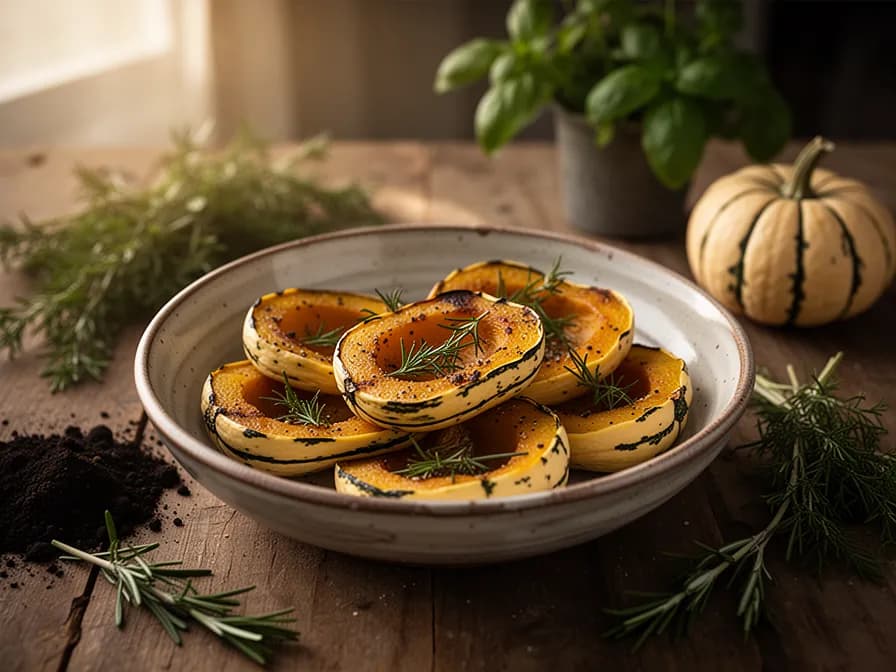
Maple-Roasted Delicata Rings
30 minThe simplest and most popular way to enjoy delicata squash — half-rings roasted until caramelized with a touch of maple syrup. The edible skin eliminates peeling, making this one of the easiest squash preparations in the kitchen.
7 ingredientes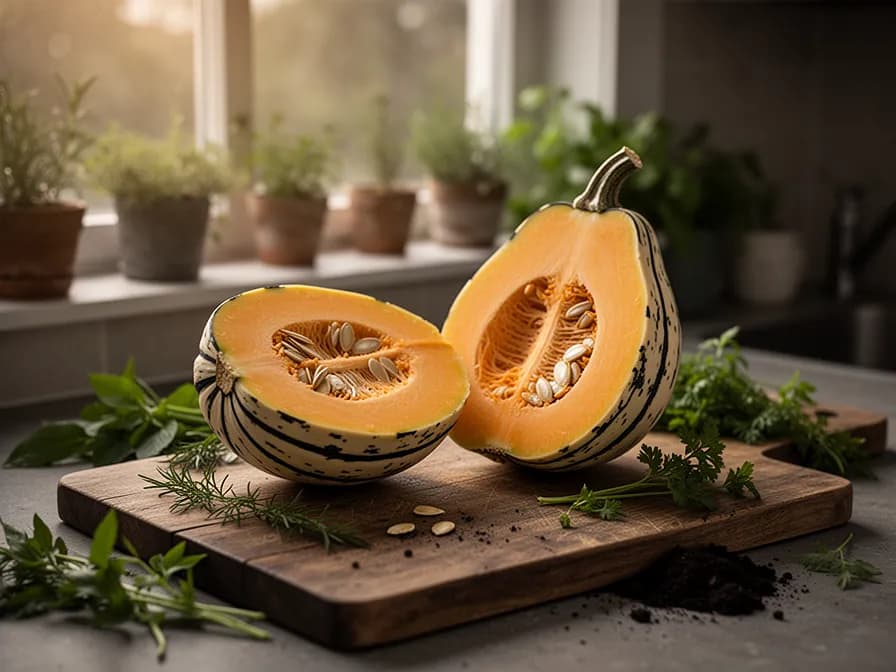
Stuffed Delicata Boats
45 minHalved delicata squash roasted until tender and filled with a savory mixture of wild rice, dried cranberries, pecans, and sage. An elegant autumn main course that showcases the squash as both vessel and star ingredient.
8 ingredientesDelicata Squash and Apple Soup
40 minA velvety autumn soup combining roasted delicata squash with tart apples, warming spices, and a swirl of cream. The natural sweetness of delicata pairs beautifully with apple and sage for a comforting seasonal bowl.
9 ingredientesUsos culinarios
La delicata es ideal para asar cortada en medias lunas o anillos con la piel incluida, caramelizándose maravillosamente con aceite de oliva y especias. Se puede rellenar con mezclas de granos, queso y hierbas para un plato principal vegetariano sustancioso. Su pulpa cremosa también es excelente para sopas, purés, risottos y gratinados de otoño.
Qué contiene
Beneficios para la salud
- Exceptionally rich in beta-carotene (provitamin A), providing over 50% of the daily value per serving — a potent antioxidant that supports vision, immune function, and healthy skin cell turnover.
- Good source of vitamin C (16% DV), which supports collagen production, immune defense, and enhances iron absorption from plant-based foods eaten at the same meal.
- Contains significant potassium that helps regulate blood pressure and supports proper muscle and nerve function — important for cardiovascular health.
- Rich in complex carbohydrates with a moderate glycemic index, providing sustained energy without the rapid blood sugar spikes associated with refined carbohydrates.
- Provides dietary fiber that supports digestive health, promotes satiety, and feeds beneficial gut bacteria — contributing to a healthy microbiome.
- Contains B vitamins including folate, thiamine, and niacin that play essential roles in energy metabolism, red blood cell formation, and nervous system function.
De dónde viene Calabaza Delicata
Delicata squash (Cucurbita pepo) traces its ancestry to the wild squash of Central America and Mexico, where the species was first domesticated at least 8,000-10,000 years ago — making squash one of the oldest cultivated crops in the Western Hemisphere. The specific cultivar known as delicata was developed and introduced to American gardeners by the Peter Henderson seed company of New York in 1894, marketed for its refined flavor and manageable size.
Delicata enjoyed moderate popularity through the early 20th century but gradually faded from commercial production and home gardens by the 1950s and 1960s. The variety lacked the thick, hard rind that made butternut and Hubbard squash commercially viable for long-distance shipping and extended storage. As industrial agriculture favored durability over flavor, delicata was quietly dropped from most seed catalogs.
The heirloom seed revival of the 1980s and 1990s brought delicata back from near-obscurity. Specialty farmers and heirloom seed companies recognized its exceptional eating quality — the edible skin, manageable size, and refined sweetness — as precisely the attributes that modern cooks and farmers market shoppers valued. By the 2000s, delicata had become one of the fastest-growing specialty squash varieties in North America. Today it appears regularly in grocery stores and farmers markets from September through December and has inspired new breeding work, including powdery-mildew-resistant selections and bush-type varieties for small-space gardening.
Calabaza Delicata: ¿sabías que?
Datos fascinantes sobre Calabaza Delicata
Delicata squash was first introduced to American gardens in 1894 by the Peter Henderson seed company, but nearly disappeared from cultivation by the mid-20th century before being rediscovered by heirloom seed enthusiasts in the 1990s.
Calabaza Delicata: preguntas frecuentes
¿Cuándo debo plantar Calabaza Delicata?
¿Cuáles son buenas plantas acompañantes para Calabaza Delicata?
¿En qué zonas de rusticidad puede crecer Calabaza Delicata?
¿Cuánto sol necesita Calabaza Delicata?
¿A qué distancia debo espaciar Calabaza Delicata?
¿Qué plagas y enfermedades afectan a Calabaza Delicata?
¿Cómo almaceno Calabaza Delicata después de la cosecha?
¿Cuáles son las mejores variedades de Calabaza Delicata para cultivar?
¿Qué suelo necesita Calabaza Delicata?
Do I need to peel delicata squash before eating it?
Why does my delicata squash not last as long in storage as butternut?
Can I grow delicata squash in a small garden or container?
How do I know when delicata squash is ripe and ready to harvest?
Why are my delicata squash not setting fruit despite having flowers?
Acabas de leer la teoría. Ahora cultívala en piloto automático.
Todo lo que hace que Calabaza Delicata sea delicado — el momento, el espaciado, las asociaciones, la ventana de cosecha — es justo lo que PlotMyGarden resuelve por ti, para cada planta de tu huerto.
Un plan que conoce tu clima
Indica tu ubicación una vez. Recibe fechas de siembra, abonado y cosecha basadas en tu última helada real y el pronóstico en vivo — sin adivinar con un sobre genérico.
De la sección “Cuándo plantar”Planificador de bancales de arrastrar y soltar
Diseña bancales sobre una cuadrícula. Cada planta encaja con su espaciado correcto y ves toda la temporada antes de gastar un céntimo en semillas.
De la sección “Cultivo”Conflictos de asociación, detectados a tiempo
Más de 200 buenas y malas combinaciones comprobadas en vivo mientras plantas — para que un error que arruine la temporada nunca llegue a la tierra.
De la sección “Asociaciones”Recordatorios que sí vas a seguir
“Riega las judías.” “Recoge hoy antes de que se pase.” Oportunos, concretos y ligados a las plantas que de verdad cultivas.
De la sección “Cosecha”Escalonado, programado
¿Quieres cosechar seis semanas en vez de seis días? Reparte tus siembras automáticamente y te avisa cuando toca el siguiente lote.
De la sección “Cuándo plantar”Un registro que se vuelve más listo
Cada cosecha que registras le enseña tu huerto. El plan del año que viene parte de lo que de verdad funcionó en tu suelo, no en un manual.
De la sección “Resumen”Planta estos junto a Calabaza Delicata
Más Cucurbitáceas
Mantén Calabaza Delicata lejos de estos
Cultiva tu mejor Calabaza Delicata — y todo lo que la rodea.
Empieza un plan gratis hoy. Diseña tus bancales, coloca tu Calabaza Delicata y deja que PlotMyGarden gestione el momento, el espaciado, las asociaciones y los recordatorios de la semilla a la cesta.