Damiana
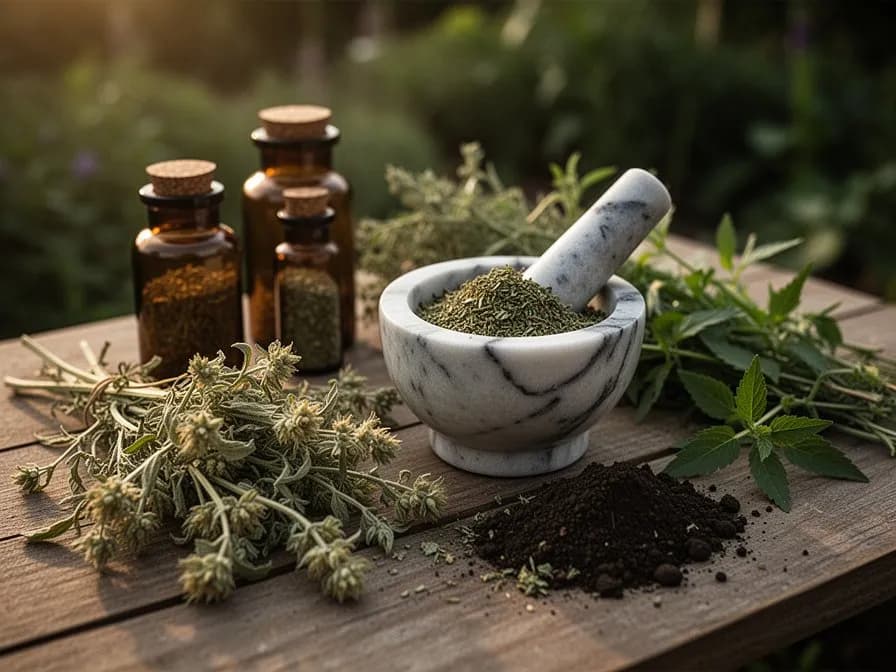
Ein kleiner aromatischer Strauch, der in Mexiko beheimatet ist und dessen duftende Blätter in der traditionellen Kräutermedizin als Tonikum und Stimmungsaufheller verwendet werden.





Auf dieser SeiteÜberblick
Damiana im Überblick
Ein kleiner aromatischer Strauch, der in Mexiko beheimatet ist und dessen duftende Blätter in der traditionellen Kräutermedizin als Tonikum und Stimmungsaufheller verwendet werden. Damiana bildet kleine gelbe Blüten und gedeiht unter heißen, trockenen Bedingungen in gut durchlässigem, sandigem Boden. Ernten Sie die Blätter während der Blütezeit für die höchste Konzentration an aromatischen Verbindungen und trocknen Sie sie für die Verwendung in Tees.
Wann Damiana pflanzen
Säen Sie Damiana-Samen unter warmen Bedingungen (22–28 °C) auf die Oberfläche einer sandigen, gut durchlässigen Aussaaterde – die Samen benötigen Licht zur Keimung. Die Keimung dauert 2–4 Wochen. Halten Sie die Erde kaum feucht, nicht nass. Sämlinge sind empfindlich und anfällig für Umfallkrankheit; verwenden Sie eine fungizidbehandelte Mischung oder streuen Sie Zimtpulver auf die Oberfläche. Pikieren Sie in einzelne Töpfe, sobald sie groß genug zum Handhaben sind. Halbreife Stängelstecklinge im Sommer bewurzeln sich ebenfalls mit Bodenwärme und Bewurzelungshormon.
Dein Damiana-Jahr
Abgestimmt auf Zone 7 · typische Saison · Frost geht um den 2. Apr. und kehrt um den 1. Nov. zurück
Damiana Apr – Jun pflanzen, Jul – Sep ernten. Beachte die Pflanzmethoden unten und wähle dein Klima für passende Zeiträume.
So baust du Damiana an
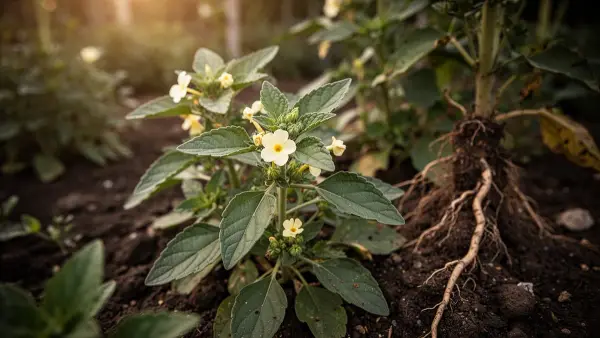
Damiana ist ein kleiner, aromatischer Strauch, der in den Wüstenregionen Mexikos, Mittelamerikas und der südlichen Vereinigten Staaten beheimatet ist, wo er seit Jahrhunderten als Tonikum-Kraut und Stimmungsaufheller verwendet wird. Mit einer Wuchshöhe von 30–60 cm, kleinen, gezähnten, duftenden Blättern gedeiht er unter den heißen, trockenen Bedingungen, die seinem natürlichen Wüstenlebensraum entsprechen. Pflanzen Sie ihn in voller Sonne in gut durchlässigem, sandigem Boden mit einem Abstand von 45 cm.
Stellen Sie den heißesten, trockensten und sonnigsten Platz im Garten zur Verfügung. Damiana hat sich unter trockenen Wüstenbedingungen entwickelt und verträgt weder Kälte noch Nässe oder schwere Böden. In gemäßigten Klimazonen kultivieren Sie die Pflanze in Kübeln, die drinnen überwintert werden können, oder behandeln Sie sie als einjährige Pflanze. Gut durchlässiger, sandiger Boden ist unerlässlich – verbessern Sie schwere Böden großzügig mit Sand und Kies oder kultivieren Sie ausschließlich in Kübeln.
Gießen Sie nach dem Anwachsen sparsam – dies ist eine echte Wüstenpflanze, die bei feuchten Bedingungen fault. Die aromatischen Blätter verströmen beim Berühren einen angenehmen, komplexen Duft, der Elemente von Kamille, Salbei und Minze vereint. Kleine gelbe Blüten erscheinen im Spätsommer, gefolgt von kleinen feigenartigen Früchten. In ihrem natürlichen Verbreitungsgebiet wächst Damiana als immergrüner, mehrjähriger Strauch; in Kultur kann sie unter kühleren Bedingungen laubabwerfend sein.
10 Pflanzen passen in ein Beet von 120 × 240 cm
Damiana braucht 45 cm Platz pro Pflanze. Der Planer hält diesen Abstand für dich ein — jede Pflanze, jedes Beet.
Die besten Nachbarn für Damiana
Damiana passt gut zu anderen wüsten- und trockenheitstoleranten Kräutern, die ihren Bedarf an Hitze, Sonne und magerem, trockenem Boden teilen. Pflanzen Sie sie zusammen mit Lavendel, Rosmarin und Heiligenkraut in einem mediterranen Trockengarten. In Kübelgruppen kombinieren Sie sie mit anderen empfindlichen Heilpflanzen wie Ashwagandha und Heiligem Basilikum. Das aromatische Laub hilft, einige Gartenschädlinge abzuschrecken, wenn es in der Nähe anderer Pflanzen platziert wird. Stellen Sie sicher, dass Begleitpflanzen Damianas Unverträglichkeit gegenüber übermäßiger Feuchtigkeit teilen.
Ashwagandha gehört daneben.
Altes Gärtnerwissen, geprüft an der echten Nachbartabelle von Damiana — teste jede Pflanze, die du anbaust.
Probiere Damiana direkt hier im Beet
Ein echtes Planer-Beet, Damiana steht schon drin. Tippe einen Begleiter an, platziere ihn und sieh, wie die Nachbarschaftsprüfung antwortet — grün für gute Nachbarn, rot bei Streit.


Passende Anbau-Ratgeber
Richtig düngen
Kultivieren Sie in magerem, perfekt durchlässigem, sandigem Boden mit einem pH-Wert von 6,0–8,0. Mischen Sie für Kübel 50 % groben Sand mit 50 % Blumenerde. Keine Düngung erforderlich – Damiana hat sich in nährstoffarmen Wüstenböden entwickelt und produziert ihr aromatischschtes Laub unter mageren, trockenen Bedingungen. Übermäßige Nährstoffe führen zu üppigem, aber schwach duftendem Wachstum. Bedecken Sie Kübel mit Kies, um den Wurzelhals trocken zu halten. Ahmen Sie Wüstenbedingungen so genau wie möglich nach.
Ideale Temperatur
Winterhärtezone-Kompatibilität
Von der Saat zur Ernte, Schritt für Schritt
Keimung
Damiana-Samen keimen langsam und benötigen gleichmäßige Wärme und Feuchtigkeit. Die Samen sollten oberflächlich ausgesät oder kaum bedeckt werden, da sie etwas Licht zum Keimen benötigen.
Sämlingsentwicklung
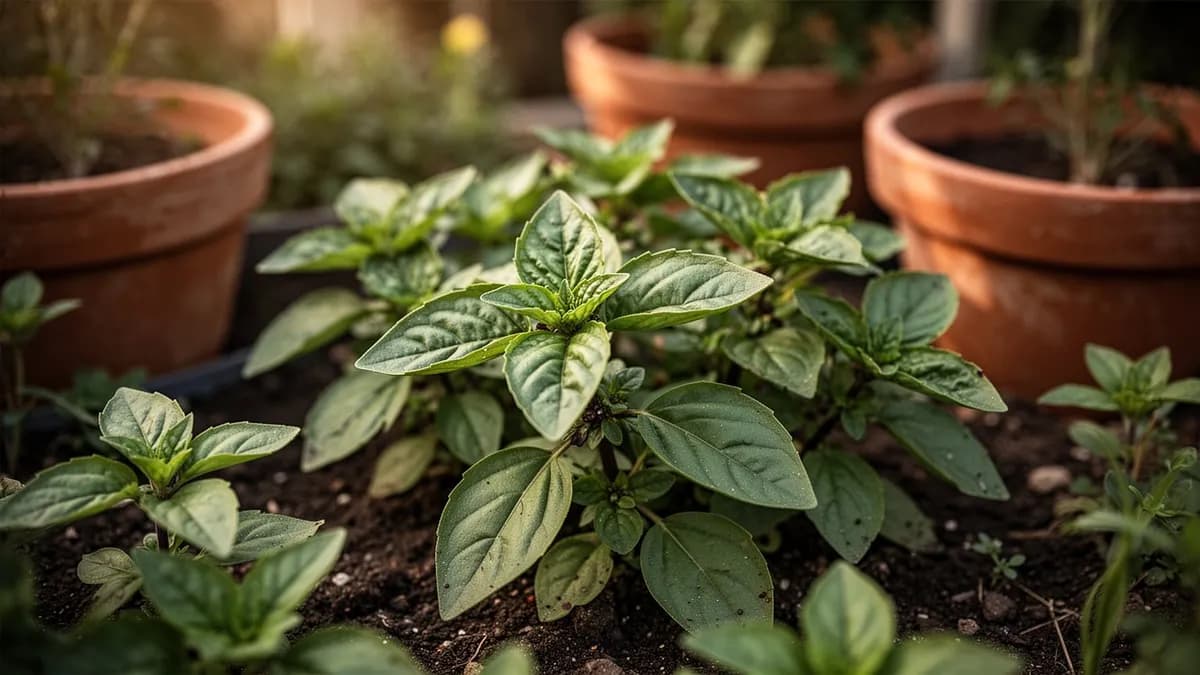
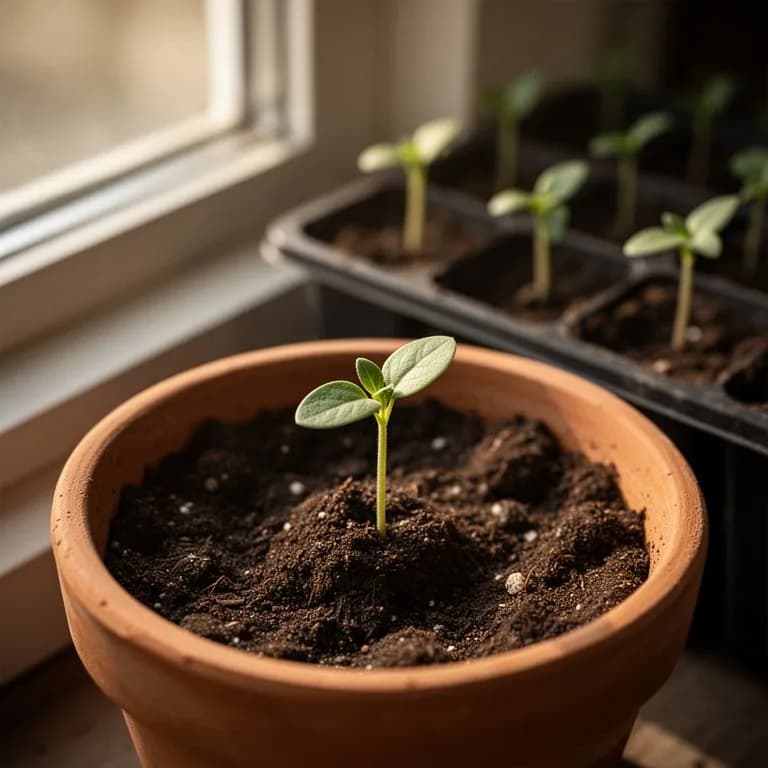
Junge Damiana-Sämlinge wachsen anfangs langsam und bilden kleine ovale Blätter mit gezähnten Rändern. Der aromatische Duft beginnt sich bereits in diesem frühen Stadium zu entwickeln.
Vegetatives Wachstum
Die Pflanze tritt in eine Phase kräftiger Verzweigung ein und entwickelt ihre charakteristische strauchartige Form. Die Blätter werden aromatischer, da die Produktion ätherischer Öle zunimmt.
Blüte
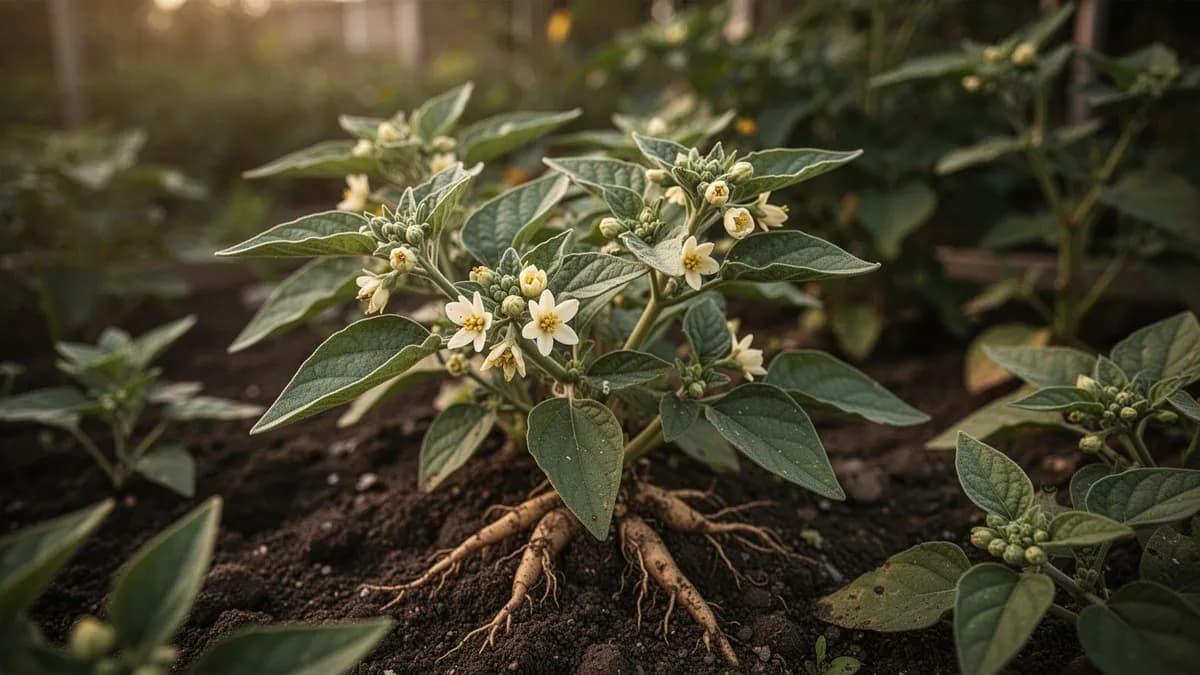
Kleine, duftende gelbe Blüten erscheinen entlang der Stängel, typischerweise im Spätsommer. Die Blüten locken Bestäuber an und verleihen dem Kräutergarten dekorativen Wert.
Reife Ernte
Die Pflanze erreicht als kleiner, verholzter Strauch die volle Reife. Blätter und Blütenspitzen sind auf dem Höhepunkt ihrer Wirksamkeit für die Ernte und enthalten die höchste Konzentration an ätherischen Ölen und Wirkstoffen.
Mehrjähriger Neuaustrieb
In frostfreien Klimazonen wächst Damiana als mehrjähriger Strauch weiter und treibt jeden Frühling aus den verholzten Stängeln neu aus. Pflanzen können bei richtiger Pflege fünf oder mehr Jahre produktiv bleiben.
Halten Sie die Bodentemperatur zwischen 22–28 °C und halten Sie die Erde gleichmäßig feucht, aber nicht staunass. Eine Heizmatte verbessert die Keimungsrate erheblich.
Damiana Monat für Monat pflegen
Was du jeden Monat für deine Damiana tun solltest
Oktober
Aktueller MonatOktober: Letzte große Ernte vor dem kühleren Wetter. Beginnen Sie mit dem Trocknen und Lagern der Blätter für die Winternutzung in Tees und Zubereitungen.
Immer wissen, was jetzt im Garten zu tun ist
Eine E-Mail zum Monatsanfang: was du jetzt säen, pflanzen und anpacken solltest — für deine Damiana und alles, was drumherum wächst. Dazu ein kurzer Startkurs, der dich vor den klassischen Fehlern bewahrt.
- Was jetzt zu tun ist
- Passend zu deiner Saison
- Startkurs inklusive
Damiana ernten
Ernten Sie Damiana-Blätter während oder kurz vor der Blüte im Spätsommer, wenn die Konzentration der aromatischen Verbindungen ihren Höhepunkt erreicht hat. Schneiden Sie Triebspitzen von 10–15 cm Länge ab und streifen Sie die Blätter von den Stängeln. Die duftenden Blätter sind die wichtigste Kräuterernte. Trocknen Sie sie umgehend, indem Sie sie in einer einzigen Schicht in einem warmen, gut belüfteten, dunklen Bereich ausbreiten. Richtig getrocknete Blätter sollten knusprig sein und ihren charakteristischen aromatischen Duft behalten. Die kleinen Blüten können ebenfalls geerntet und für Teemischungen getrocknet werden.
angenommen, du pflanzt zu Beginn des Zeitraums — trage dein tatsächliches Datum ein
Ernte Damiana zügig, dann trägt die Pflanze weiter.
Lagerung & Konservierung
Trocknen Sie Damiana-Blätter, indem Sie sie auf Sieben in einem warmen, dunklen Bereich 5–7 Tage lang ausbreiten, bis sie knusprig sind. Lagern Sie sie in luftdichten Gläsern, lichtgeschützt, bis zu einem Jahr. Die getrockneten Blätter ergeben einen angenehm schmeckenden, leicht anregenden Kräutertee mit kamillenartigem Geschmack. Setzen Sie sie in Alkohol als Tinktur für eine konzentriertere Zubereitung an. Historisch wurden sie zur Aromatisierung mexikanischer Kräuterliköre verwendet – der kommerzielle Likör Damiana wird seit dem 19. Jahrhundert in Mexiko hergestellt.
Was schiefgeht — und die Lösung
Wurzelfäule
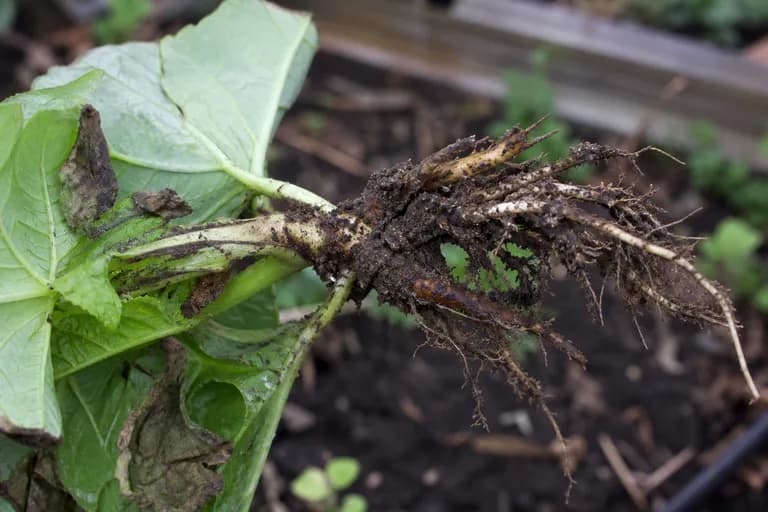
KrankheitWelken und Vergilben trotz trockener Bedingungen, weiche Stängelbasis, Zusammenbruch der Pflanze. In den meisten Fällen tödlich.
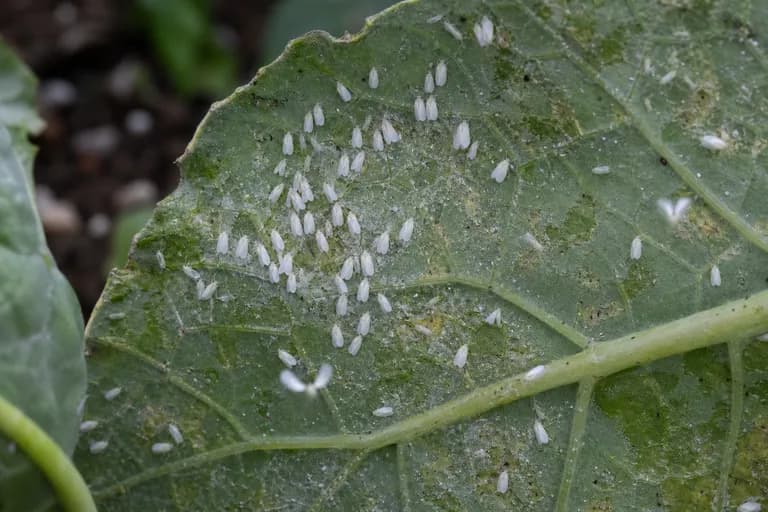
Weiße Fliegen
SchädlingKleine weiße fliegende Insekten unter den Blättern, klebriger Honigtau. Hauptsächlich ein Problem bei Gewächshauspflanzen.
Fehlerbehebung bei häufigen Problemen
Kälte ist die größte Einschränkung – Damiana stirbt bei Temperaturen unter 5 °C ab. In gemäßigten Klimazonen kultivieren Sie in Kübeln zur Überwinterung im Haus. Übergießen und schlechte Drainage töten mehr Pflanzen als jede andere Ursache; gießen Sie im Zweifelsfall deutlich zu wenig. Schwacher Duft deutet auf zu viel Wasser oder Dünger hin – setzen Sie die Pflanze leichtem Stress aus, um maximale aromatische Verbindungen zu erzielen. Kann bei unzureichendem Licht vergeilen; bieten Sie die sonnigste mögliche Position.
Anbautipps
- Beginnen Sie mit der Aussaat 8–10 Wochen vor dem letzten Frosttermin auf einer Heizmatte bei 25 °C, da Damiana gleichmäßige Wärme zur Keimung benötigt.
- Verwenden Sie eine sehr gut durchlässige Erdmischung mit mindestens 30 % Perlit oder grobem Sand, um Wurzelfäule zu verhindern, die häufigste Ursache für das Absterben von Damiana-Pflanzen.
- Gießen Sie nach dem Anwachsen gründlich, aber selten, und lassen Sie den Boden zwischen den Wassergaben fast vollständig austrocknen, um die natürlichen trockenen Bedingungen der Pflanze nachzuahmen.
- Bieten Sie mindestens 6–8 Stunden täglich volle Sonne. In extrem heißen Klimazonen über 38 °C kann etwas Nachmittagsschatten Blattverbrennungen verhindern.
- Schneiden Sie während der Vegetationsperiode regelmäßig Triebspitzen zurück, um eine kompakte, buschige Form zu fördern und die Blattproduktion zu maximieren.
- Düngen Sie sparsam mit einem verdünnten, ausgewogenen Dünger einmal im Monat während der Vegetationsperiode. Überdüngung verringert die Konzentration der aromatischen Verbindungen in den Blättern.
- Vermehren Sie leicht durch halbverholzte Stängelstecklinge im Spätsommer, die in einem feuchten, sandigen Substrat innerhalb von 3–4 Wochen leicht bewurzeln.
- Kultivieren Sie in Kübeln in Klimazonen mit Winterfrost, damit die Pflanzen an ein helles Fenster gebracht werden können, wenn die Temperaturen unter 10 °C fallen.
- Ernten Sie Blätter am Morgen, nachdem der Tau verdunstet ist, aber vor der Tageshitze, für den höchsten Gehalt an ätherischen Ölen.
- Trocknen Sie geerntete Blätter schnell in einem warmen, gut belüfteten Bereich ohne direkte Sonneneinstrahlung, um Farbe, Geschmack und Wirkstoffe zu erhalten.
Bau deine beste Damiana an — und alles drumherum.
Starte heute kostenlos. Lege deine Beete an, setze deine Damiana ein und lass PlotMyGarden Timing, Abstände, Begleiter und Erinnerungen von der Saat bis zum Erntekorb übernehmen.
Finde deine Damiana
Turnera diffusa (Gewöhnliche Damiana)
Die Standard-Heilpflanzenart aus Mexiko. Kleiner aromatischer Strauch mit gezähnten Blättern und gelben Blüten.
Turnera ulmifolia (Gelbe Erle)
Eine verwandte tropische Art, die manchmal mit der echten Damiana verwechselt wird. Größere Blüten. Anderes chemisches Profil.
Eine einzelne etablierte Damiana-Pflanze kann genug getrocknetes Blattmaterial für über 100 Tassen Kräutertee pro Jahr produzieren. Da getrocknete Damiana-Blätter im Handel etwa 60–100 € pro Kilogramm kosten und eine gesunde Pflanze jährlich 200–400 Gramm getrocknete Blätter liefert, können Sie durch den eigenen Anbau 20–40 € pro Jahr sparen und gleichzeitig die frischestmöglichen Kräuter für Tees, Tinkturen und Likör-Zubereitungen erhalten.
Schnelle Rezepte
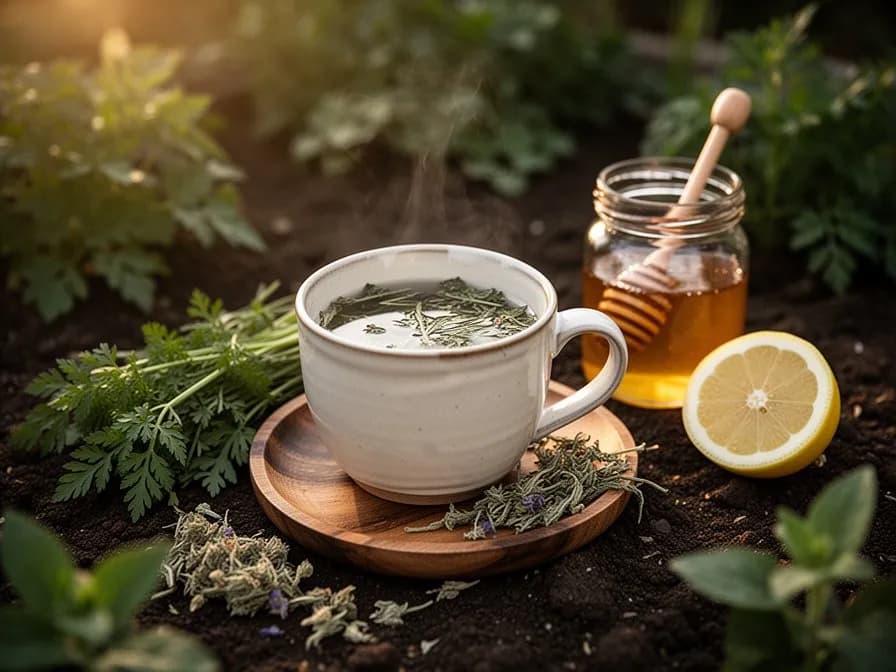
Klassischer Damiana-Kräutertee
10 Min.Ein wohltuender goldener Tee aus getrockneten Damiana-Blättern, warm oder als Eistee genossen. Diese traditionelle Zubereitung hebt den natürlich warmen, leicht bitteren Geschmack des Krauts mit subtilen süßen Untertönen hervor.
5 ZutatenDamiana-Kräutertinktur
15 Min. aktiv, 4–6 Wochen ZiehzeitEin konzentrierter Flüssigextrakt, der die wohltuenden Inhaltsstoffe der Damiana für die Langzeitanwendung bewahrt. Diese traditionelle Zubereitungsmethode ergibt eine potente Tinktur, die in kleinen Dosen zu Wasser oder Tee hinzugefügt werden kann.
5 Zutaten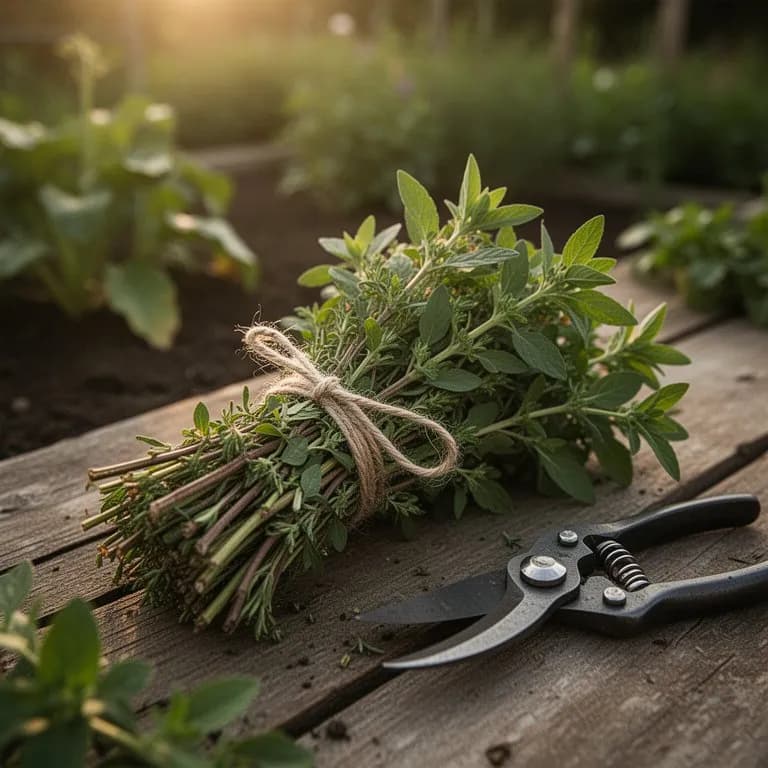
Damiana-Digestif-Likör
20 Min. aktiv, 2 Wochen ZiehzeitInspiriert vom berühmten Damiana-Likör aus Baja California kombiniert diese hausgemachte Version getrocknete Damiana mit wärmenden Gewürzen und Honig zu einem geschmeidigen, aromatischen Digestif mit einer goldenen Bernsteinfarbe.
7 ZutatenWas drinsteckt
Gesundheitsvorteile
- Traditionell als beruhigendes Nervenkraut verwendet, um Entspannung zu fördern und Gefühle von alltäglichem Stress und nervöser Anspannung zu reduzieren.
- In der Kräutermedizin geschätzt für sein Potenzial, eine gesunde Stimmung und emotionales Wohlbefinden bei regelmäßigem Konsum als Tee zu unterstützen.
- Enthält Flavonoide und Terpenoide mit antioxidativen Eigenschaften, die zum Schutz der Zellen vor oxidativem Stress beitragen können.
- Historisch als Verdauungstonikum verwendet, um leichte Magenbeschwerden und Blähungen zu lindern und einen gesunden Appetit zu fördern.
- Die aromatischen ätherischen Öle in Damiana-Blättern haben milde schleimlösende Eigenschaften, die traditionell zur Unterstützung des Atemkomforts verwendet werden.
- In der traditionellen Kräuterheilkunde als sanftes Tonikum eingesetzt, das die allgemeine Vitalität und das Energieniveau unterstützen soll, ohne übermäßig zu stimulieren.
Woher Damiana stammt
Damiana (Turnera diffusa) ist ein kleiner aromatischer Strauch, der in den subtropischen und tropischen Regionen des südlichen Texas, Mexikos, Mittelamerikas, der Karibik und Teilen Südamerikas beheimatet ist. Die Pflanze gedeiht in trockenen und halbtrockenen Landschaften und wächst oft wild an felsigen Hängen, Kalksteinaufschlüssen und trockenen Sandböden, wo ihr tiefes Wurzelsystem den Zugang zu Feuchtigkeit ermöglicht, die andere Pflanzen nicht erreichen können.
Die dokumentierte Geschichte der Damiana-Nutzung reicht bis zur antiken Maya-Zivilisation zurück, die sie „mizib-coc" nannte und als Tonikum-Kraut verwendete. Spanische Missionare dokumentierten ihre weit verbreitete Nutzung unter den indigenen Völkern während der Kolonialzeit und stellten fest, dass die getrockneten Blätter für verschiedene traditionelle Zwecke zu Tee aufgebrüht wurden. Im 19. Jahrhundert hatte Damiana sowohl in der mexikanischen Volksmedizin als auch in der frühen amerikanischen Kräuterpraxis erhebliche Aufmerksamkeit erlangt und erschien in den 1870er und 1880er Jahren in zahlreichen Pharmakopöen und Patentarzneimitteln.
In der mexikanischen Kultur nimmt Damiana einen besonders herausragenden Platz ein. Das Kraut ist eng mit dem Bundesstaat Baja California Sur verbunden, wo ein lokal hergestellter Damiana-Likör seit über einem Jahrhundert eine gefeierte regionale Spezialität ist. Dieser goldfarbene Likör wird traditionell als Digestif genossen und bei Festen und Feierlichkeiten oft als Geschenk überreicht.
Damiana wurde Ende des 19. Jahrhunderts in die europäischen Kräutertraditionen eingeführt, wo sie schnell an Beliebtheit bei Kräuterkundigen gewann. Heute wird sie kommerziell in Teilen Mexikos, Guatemalas und anderen lateinamerikanischen Ländern angebaut und von Hobbygärtnern in warmen Klimazonen auf der ganzen Welt kultiviert. Die Pflanze hat auch eine Nische in Permakultur- und Xeriscaping-Gärten gefunden, dank ihrer außergewöhnlichen Trockenheitstoleranz und ihres geringen Pflegebedarfs. Die moderne Forschung untersucht weiterhin die komplexe Phytochemie der Pflanze, zu der unter anderem Flavonoide, Terpenoide, Koffein und Arbutin gehören.
Damiana: Schon gewusst?
Faszinierende Fakten über Damiana
Damiana wird seit Jahrhunderten von den indigenen Völkern Mexikos und Mittelamerikas verwendet. Die Maya-Zivilisation soll sie sowohl als Heilkraut als auch als mildes Beruhigungsmittel genutzt haben.
Damiana: Fragen & Antworten
Wann sollte ich Damiana pflanzen?
Was sind gute Begleitpflanzen für Damiana?
In welchen Winterhärtezonen kann Damiana wachsen?
Wie viel Sonne braucht Damiana?
Welchen Abstand sollte ich zwischen Damiana lassen?
Welche Schädlinge und Krankheiten befallen Damiana?
Wie lagere ich Damiana nach der Ernte?
Was sind die besten Damiana-Sorten zum Anbauen?
Welchen Boden braucht Damiana?
Kann Damiana Frost oder kalte Winter überstehen?
Wie lange dauert es, bis Damiana für die erste Ernte bereit ist?
Wie trocknet und lagert man Damiana-Blätter am besten?
Benötigt Damiana spezielle Erde oder kann sie in normaler Gartenerde wachsen?
Kann ich Damiana als Zimmerpflanze anbauen?
Ist Damiana als Tee sicher zu konsumieren?
Du hast die Theorie gelesen. Jetzt baue sie auf Autopilot an.
Alles, was Damiana knifflig macht — das Timing, die Abstände, die Begleiter, das Erntefenster — genau das übernimmt PlotMyGarden für dich, für jede Pflanze im Garten.
Ein Plan, der dein Wetter kennt
Standort einmal festlegen. Aussaat-, Dünge- und Erntedaten rund um deinen echten letzten Frosttermin und die Live-Vorhersage — kein Raten mehr nach Saattüte.
Aus dem Abschnitt „Pflanzzeit“Beetplaner per Drag & Drop
Beete auf einem Raster gestalten. Jede Pflanze rastet im richtigen Abstand ein, und du siehst die ganze Saison, bevor du einen Cent für Saatgut ausgibst.
Aus dem Abschnitt „Anbau“Begleiter-Konflikte früh erkannt
Über 200 gute und schlechte Kombinationen werden beim Pflanzen live geprüft — so landet ein saisonruinierender Fehler nie in der Erde.
Aus dem Abschnitt „Begleiter“Erinnerungen, nach denen du wirklich handelst
„Gieß die Bohnen.“ „Heute ernten, bevor's umschlägt.“ Pünktlich, konkret und auf deine echten Pflanzen bezogen.
Aus dem Abschnitt „Ernte“Staffel-Aussaat, geplant
Sechs Wochen ernten statt sechs Tage? Die App verteilt deine Aussaaten automatisch und erinnert dich, wenn der nächste Satz fällig ist.
Aus dem Abschnitt „Pflanzzeit“Ein Verlauf, der schlauer wird
Jede protokollierte Ernte bringt der App deinen Garten bei. Der Plan fürs nächste Jahr startet bei dem, was in deinem Boden wirklich funktioniert hat.
Aus dem Abschnitt „Überblick“Pflanze diese neben Damiana
Weitere Heilkräuter
Bau deine beste Damiana an — und alles drumherum.
Starte heute kostenlos. Lege deine Beete an, setze deine Damiana ein und lass PlotMyGarden Timing, Abstände, Begleiter und Erinnerungen von der Saat bis zum Erntekorb übernehmen.