Rahmapfel
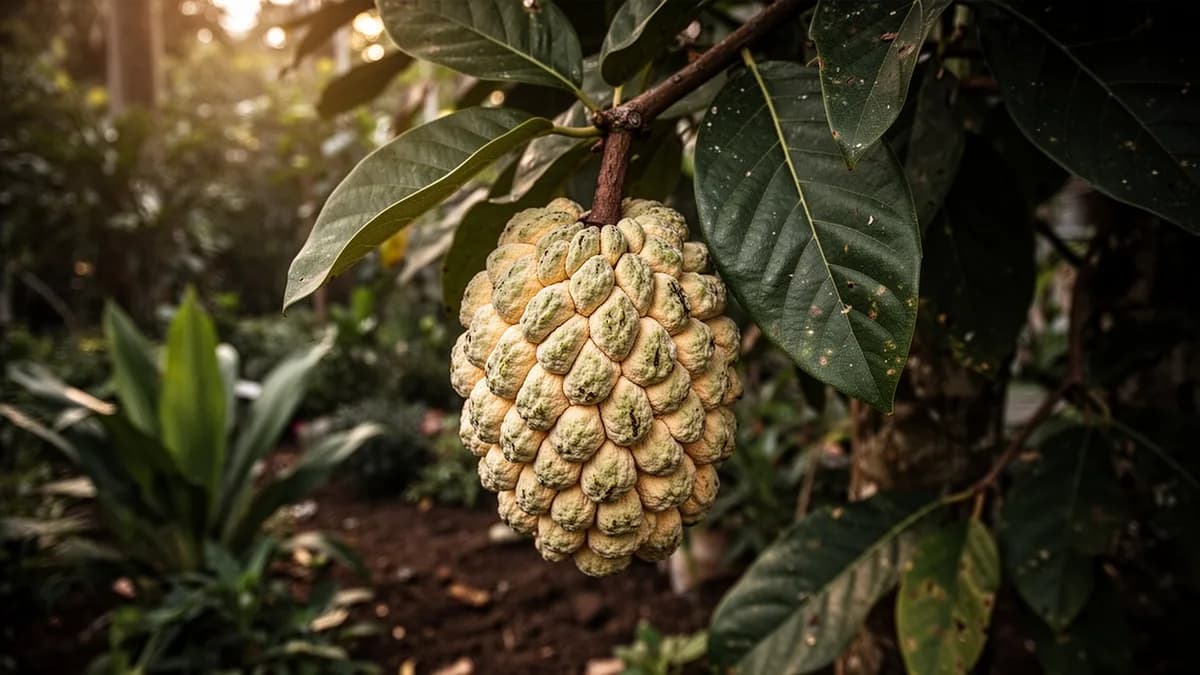
Eine tropische Annona-Art mit rötlich-brauner Schale und süßem, körnigem weißem Fruchtfleisch mit einem milden, angenehmen Puddingaroma.





Auf dieser SeiteÜberblick
Rahmapfel im Überblick
Eine tropische Annona-Art mit rötlich-brauner Schale und süßem, körnigem weißem Fruchtfleisch mit einem milden, angenehmen Puddingaroma. Rahmäpfel sind weniger aromatisch als Cherimoyas, lassen sich aber unter vollständig tropischen Bedingungen leichter anbauen. Die Bäume sind nach dem Anwachsen dürretolerant und erfordern im Allgemeinen weniger Pflege als andere Annona-Arten.
Wann Rahmapfel pflanzen
Rahmapfelsamen keimen im Vergleich zu anderen Annonas bereitwillig. Samen skarifizieren, indem die Samenschale mit einer Feile eingeritzt wird, und 24 Stunden einweichen. Einen Zentimeter tief in feuchtes, gut durchlässiges Anzuchtsubstrat pflanzen. Bei 24 bis 29 Grad Celsius warm halten und gleichmäßig feucht halten. Die Keimung dauert zwei bis vier Wochen. Sämlinge tragen nach drei bis fünf Jahren Früchte. Für verbesserte Fruchtqualität durch Aufpfropfen überlegener Kultivarsorten auf Sämlingsunterlagen veredeln.
Dein Rahmapfel-Jahr
Abgestimmt auf Zone 7 · typische Saison · Frost geht um den 2. Apr. und kehrt um den 1. Nov. zurück
Rahmapfel Mär – Mai pflanzen, Aug – Nov ernten. Beachte die Pflanzmethoden unten und wähle dein Klima für passende Zeiträume.
So baust du Rahmapfel an
Der Rahmapfel ist eine der am einfachsten zu kultivierenden Annona-Arten und verträgt ein breiteres Spektrum tropischer Bedingungen als seine anspruchsvolleren Verwandten. Pflanzen Sie ihn an einem vollsonnigen Standort in gut durchlässigem Boden, mit einem Abstand von sechs bis sieben Metern zwischen den Bäumen. Der Baum wächst sechs bis neun Meter hoch und entwickelt ein ausgebreitetes, unregelmäßiges Kronendach. Wässern Sie in den ersten zwei Jahren regelmäßig; danach ist der Baum mäßig dürretolerant.
Im Gegensatz zur Cherimoya benötigt der Rahmapfel keine kühle Winterperiode und gedeiht gut in der Hitze des tropischen Tieflands. Düngen Sie vierteljährlich mit einem ausgewogenen Dünger und geben Sie während der Fruchtperiode zusätzlich Kalium. Der Baum ist halbimmergrün und wirft während Trockenperioden Blätter ab, bevor er neues Wachstum und Blüten bildet. Organischer Mulch hilft, Feuchtigkeit zu erhalten und Unkraut im Bereich der flachen Wurzeln zu unterdrücken.
Der Rahmapfel ist im Allgemeinen selbstfruchtbar und bildet zuverlässiger Früchte als die Cherimoya ohne Handbestäubung, obwohl Handbestäubung den Ertrag dennoch verbessern kann. Schneiden Sie nach der Ernte, um eine handhabbare Größe und eine offene Kronenstruktur zu erhalten. Entfernen Sie abgestorbenes Holz, sich kreuzende Äste und Wurzelausläufer, die der Fruchtproduktion Energie entziehen. Der Baum verträgt mäßigen Rückschnitt gut und erholt sich schnell.
Für Rahmapfel ist ein Beet von 120 × 240 cm zu klein
Rahmapfel braucht 360 cm Platz pro Pflanze. Der Planer hält diesen Abstand für dich ein — jede Pflanze, jedes Beet.
Passende Anbau-Ratgeber
Richtig düngen
Der Rahmapfel ist an eine Vielzahl von Bodentypen angepasst, darunter sandige, lehmige und leichte Tonböden mit einem pH-Wert von 5,5 bis 7,5. Er ist toleranter gegenüber schlechten Böden als Cherimoya oder Sauersack. Vierteljährlich einen ausgewogenen Dünger auftragen, mit zusätzlichem Kalium während der Fruchtperiode. Organischer Mulch verbessert die Bodenfruchtbarkeit und Feuchtigkeitsspeicherung. In sehr sandigen Böden verhindert eine häufigere leichtere Düngung das Auswaschen von Nährstoffen. Der Baum verträgt leicht alkalische Bedingungen besser als andere Annonas.
Ideale Temperatur
Winterhärtezone-Kompatibilität
Von der Saat zur Ernte, Schritt für Schritt
Keimung
Samen keimen langsam in warmem Boden und treiben einen einzelnen Trieb aus. Die Keimung kann 2–4 Wochen dauern und erfordert gleichmäßige Feuchtigkeit und Temperaturen über 18 °C.
Sämling
Der Sämling bildet seine ersten echten Blätter und etabliert ein Wurzelsystem. Das Wachstum ist in diesem Stadium langsam, und die Pflanze ist empfindlich gegenüber Kälte und Trockenheit.
Vegetatives Wachstum
Der junge Baum bildet erhebliches Blattwachstum und entwickelt sein charakteristisches ausgebreitetes Kronendach. Die Verzweigung beginnt und der Stamm verdickt sich, während sich der Baum etabliert.
Blüte
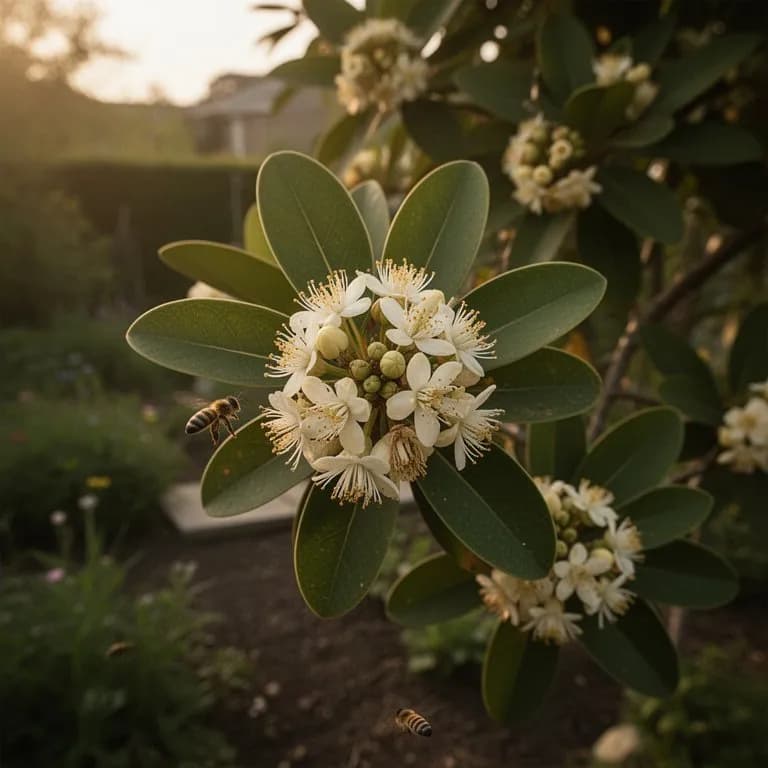
Kleine, hängende, dreiblättrige Blüten erscheinen am Neutrieb, gewöhnlich im späten Frühjahr. Blüten sind proterogyn, was bedeutet, dass Handbestäubung den Fruchtansatz erheblich verbessert.
Fruchtentwicklung
Bestäubte Blüten entwickeln sich zur charakteristischen höckerigen Sammelfrucht. Die Frucht schwillt über 20–25 Wochen an und wechselt von Hellgrün zu einem matten Gelbgrün, wenn sie sich der Reife nähert.
Reife und Ernte
Die Frucht wird beim Anfassen leicht weich, die Schale hellt auf und die Segmente beginnen sich zu trennen. Rahmäpfel reifen nicht am Baum – sie müssen im reifen-grünen Stadium gepflückt und bei Raumtemperatur nachreifen gelassen werden.
Samen 24 Stunden vor dem Pflanzen einweichen und das Anzuchtsubstrat gleichmäßig feucht, aber nicht staunass halten. Wenn möglich Bodenheizung verwenden.
Rahmapfel Monat für Monat pflegen
Was du jeden Monat für deine Rahmapfel tun solltest
Oktober
Aktueller MonatErnte abschließen und Nachernte-Beschneidung beginnen, um abgestorbenes Holz und sich kreuzende Äste zu entfernen und das Kronendach für die nächste Saison zu formen. Kalk auf den Boden auftragen, wenn pH-Tests saure Bedingungen anzeigen.
Immer wissen, was jetzt im Garten zu tun ist
Eine E-Mail zum Monatsanfang: was du jetzt säen, pflanzen und anpacken solltest — für deine Rahmapfel und alles, was drumherum wächst. Dazu ein kurzer Startkurs, der dich vor den klassischen Fehlern bewahrt.
- Was jetzt zu tun ist
- Passend zu deiner Saison
- Startkurs inklusive
Rahmapfel ernten
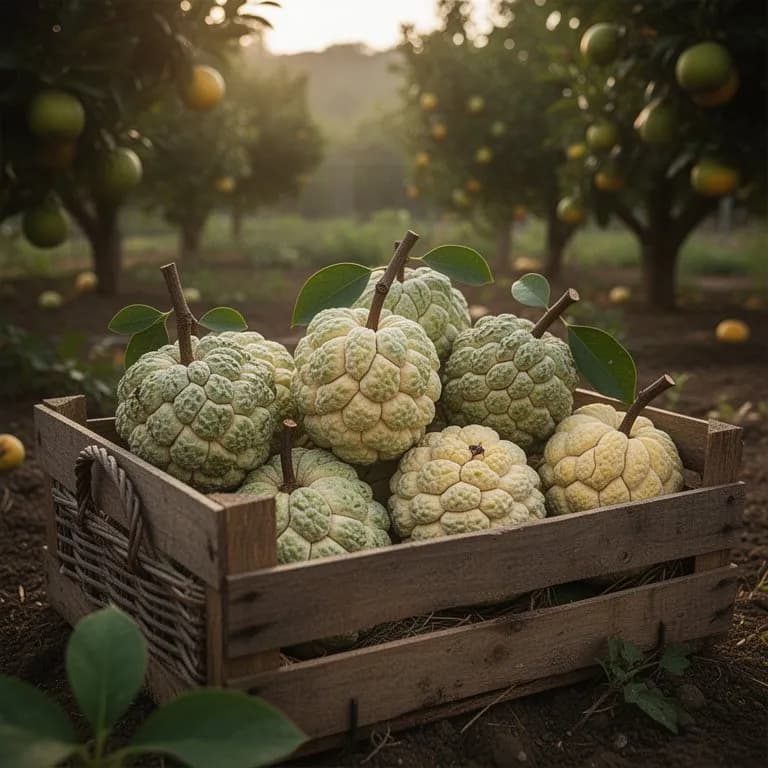
Der Rahmapfel ist erntereif, wenn die Schale von Grün zu Rötlich-Braun oder Rosa wechselt und sich die Segmente leicht voneinander trennen. Die Frucht gibt bei leichtem Druck nach, wenn sie reif ist. Ernten Sie, indem Sie den Stiel mit einer Gartenschere abschneiden, während die Frucht noch leicht fest ist, da sie bei vollständiger Weichheit leicht Druckstellen bekommt. Lassen Sie die geernteten Früchte zwei bis vier Tage bei Raumtemperatur nachreifen. Die Frucht hat ein süßes Aroma, und das Fruchtfleisch löst sich bei vollständiger Reife leicht von der Schale.
angenommen, du pflanzt zu Beginn des Zeitraums — trage dein tatsächliches Datum ein
Ernte Rahmapfel zügig, dann trägt die Pflanze weiter.
Lagerung & Konservierung
Reife Rahmäpfel sollten innerhalb von ein bis zwei Tagen verzehrt werden, da das Fruchtfleisch schnell nachdunkelt und gärt. Leicht unreife Früchte bis zu einer Woche im Kühlschrank aufbewahren. Das Fruchtfleisch kann herausgelöffelt, entkernt und bis zu drei Monate eingefroren werden. Gefrorenes Rahmapfelfruchtfleisch wird für Eiscreme und Smoothie-Basen verwendet. Die Frucht lässt sich aufgrund ihres hohen Feuchtigkeits- und Zuckergehalts nicht trocknen oder auf andere Weise gut konservieren.
Was schiefgeht — und die Lösung
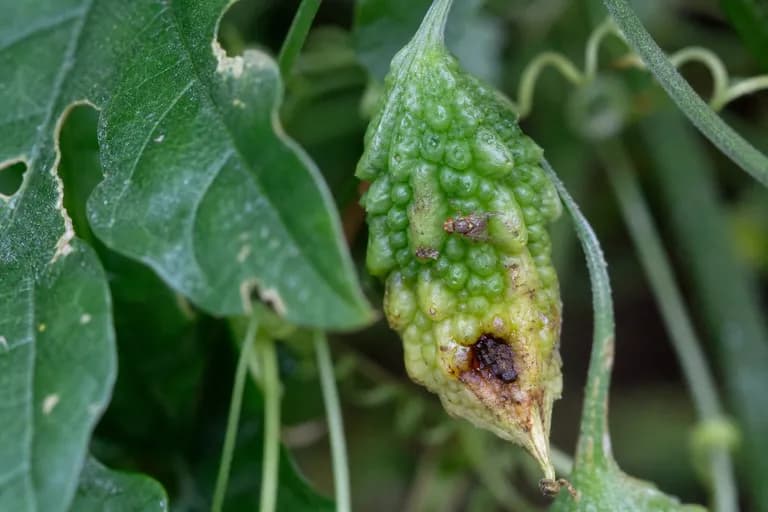
Fruchtfliege
SchädlingEinstichstellen an reifenden Früchten, Larven im Fruchtfleisch, die braune Gänge und weiche Stellen verursachen, vorzeitiger Fruchtfall.
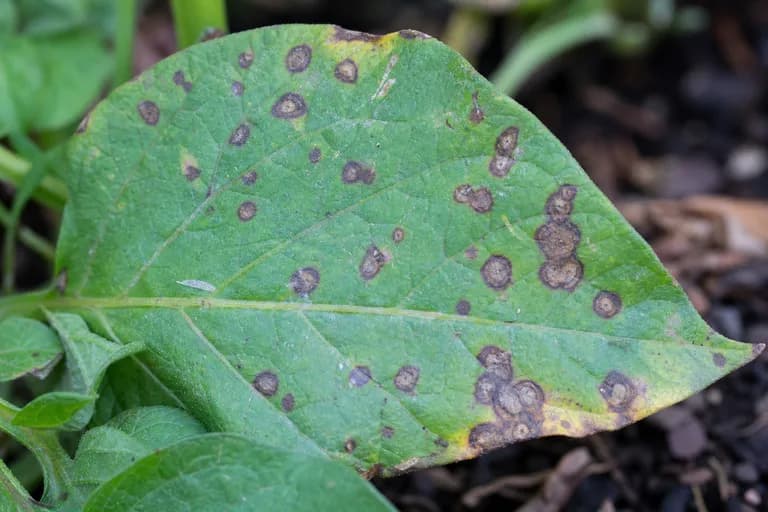
Blattfleckenkrankheit
KrankheitRunde braune oder schwarze Flecken auf Blättern, vorzeitiger Blattfall, verminderte Photosynthese und Baumschwäche während feuchter Jahreszeiten.
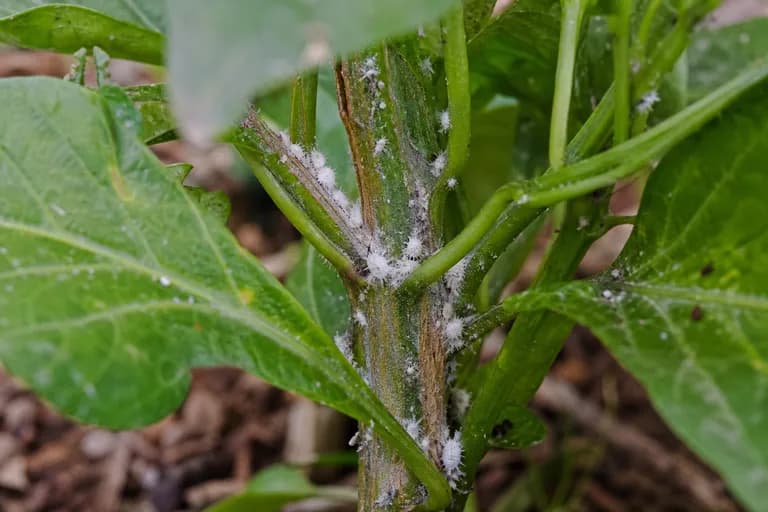
Schmierläuse
SchädlingWeiße watteartige Anhäufungen an Stängeln, Blättern und sich entwickelnden Früchten, Honigtauproduktion, Rußtauwachstum, verkümmerter Neutrieb.
Fehlerbehebung bei häufigen Problemen
Die Fruchtqualität des Rahmapfels gilt im Allgemeinen als minderwertig im Vergleich zur Cherimoya, mit einer körnigeren Textur und weniger komplexem Geschmack. Die Samen sind zahlreich und schwer vom Fruchtfleisch zu trennen. Fruchtfliegen werden von den süß reifenden Früchten angezogen und können ein anhaltendes Problem darstellen. Der Baum kann in einigen tropischen Regionen verwildern und sich durch Samenausbreitung verbreiten. Überwässerung führt zu Wurzelfäule, insbesondere in schweren Böden.
Anbautipps
- Rahmapfelblüten immer von Hand bestäuben, um den Fruchtansatz drastisch zu verbessern – einen kleinen, trockenen Pinsel verwenden, um Pollen von frisch geöffneten Blüten in der männlichen Phase (die lockeren, pulverförmigen Pollen abgeben) auf die klebrigen, empfänglichen Blüten in der weiblichen Phase zu übertragen, die sich gewöhnlich in einem früheren Öffnungsstadium am selben oder einem benachbarten Baum befinden.
- Den Rahmapfel an einem Standort pflanzen, der mindestens 6–8 Stunden täglich volle Sonne erhält, da unzureichendes Sonnenlicht direkt die Blütenbildung, den Fruchtansatz und die Fruchtqualität reduziert – eine nach Süden ausgerichtete Wand in gemäßigten Zonen bietet sowohl Sonne als auch Strahlungswärme.
- Rahmapfelbäume bevorzugen einen Boden-pH zwischen 6,0 und 7,0 und gedeihen schlecht in schwerem Lehmboden oder staunassem Boden – wenn die Drainage ein Problem darstellt, auf einem erhöhten Hügel oder in einem Hochbeet pflanzen, um die Wurzelzone gut belüftet zu halten.
- Eine dicke 10-cm-Mulchschicht aus Zuckerrohr oder Holzhäcksel um die Tropflinie des Baumes auftragen, dabei den Stamm freilassen, um Bodenfeuchtigkeit zu erhalten, Unkraut zu unterdrücken und die warmen, feuchten Wurzelzonenbedingungen aufrechtzuerhalten, die der Rahmapfel benötigt.
- Die Bewässerung während der natürlichen Trockenperioden-Dormanzzeit des Baumes (Winter in subtropischen Klimazonen) deutlich reduzieren, da die Überwässerung schlafender Bäume Wurzelfäule fördert – die normale Bewässerung mit dem Erscheinen des neuen Frühjahrsaustriebs wieder aufnehmen.
- Rahmapfelbäume jährlich nach der Ernte beschneiden, um eine offene Vasenform zu erhalten, abgestorbene und sich kreuzende Äste zu entfernen und übermäßig lange Triebe zurückzuschneiden, um dichtes, produktives Neuwachstum in der folgenden Saison zu fördern.
- In subtropischen und gemäßigten Gärten junge Bäume vor Frost schützen, indem sie mit Frostschutzvlies oder Jutesack bedeckt werden, wenn Temperaturen unter 10 °C prognostiziert werden – selbst ein leichter Frost kann junge Bäume töten und ausgewachsene Exemplare entlauben oder beschädigen.
- Der Rahmapfel ist besonders während warmer, feuchter Perioden anfällig für Schmierlausbefall – regelmäßig die Verbindung von Fruchtstielen und Astwinkeln inspizieren und beim ersten Anzeichen mit verdünntem Neemöl-Spray oder Hortikultur-Seifenlösung behandeln.
- Veredelte Bäume aus einer seriösen Baumschule sind aus Samen gezogenen Bäumen klar vorzuziehen, da veredelte Pflanzen 1–2 Jahre früher Früchte tragen, sortenechte Früchte produzieren und im Vergleich zu Sämlingen tendenziell überlegene Krankheitsresistenz und Ertrag aufweisen.
- Den Rahmapfel nicht in Frostlöchern, exponierten Küstenlagen oder Bereichen pflanzen, die starken Winden ausgesetzt sind, da die Äste etwas brüchig sind und der Baum kalte, trocknende Winde nicht verträgt, die Blattverbrennungen und Fruchtfall verursachen.
Bau deine beste Rahmapfel an — und alles drumherum.
Starte heute kostenlos. Lege deine Beete an, setze deine Rahmapfel ein und lass PlotMyGarden Timing, Abstände, Begleiter und Erinnerungen von der Saat bis zum Erntekorb übernehmen.
Finde deine Rahmapfel
African Pride
Eine australische Hybride zwischen Cherimoya und Rahmapfel mit überlegenem Aroma und großen, herzförmigen Früchten. Kombiniert den einfachen Anbau des Rahmapfels mit dem Geschmack der Cherimoya.
Pink's Mammoth
Produziert sehr große Früchte von bis zu eineinhalb Kilogramm mit süßem, cremigem Fruchtfleisch. Kräftiger Baum mit guter Produktivität in tropischen Klimazonen.
Hillary White
Eine Auslese mit hellerer Schale und süßem, glattgewebtem Fruchtfleisch. Zuverlässige Trägerin mit wenigen Samen im Vergleich zu Sämlingsbäumen.
Ein einzelner reifer Rahmapfel auf einem Bauernmarkt oder in einem Spezialitätengeschäft kostet je nach Größe und Saison typischerweise zwischen 4 und 8 Euro. Ein selbst gezogener ausgewachsener Baum kann 50 bis 100 Früchte pro Saison produzieren, was einer potenziellen Ersparnis von 200 bis 800 Euro oder mehr pro Jahr entspricht. Sämlinge kosten 15–30 Euro und veredelte Bäume 30–60 Euro, was bedeutet, dass sich der Baum typischerweise in seiner ersten produktiven Saison amortisiert.
Schnelle Rezepte
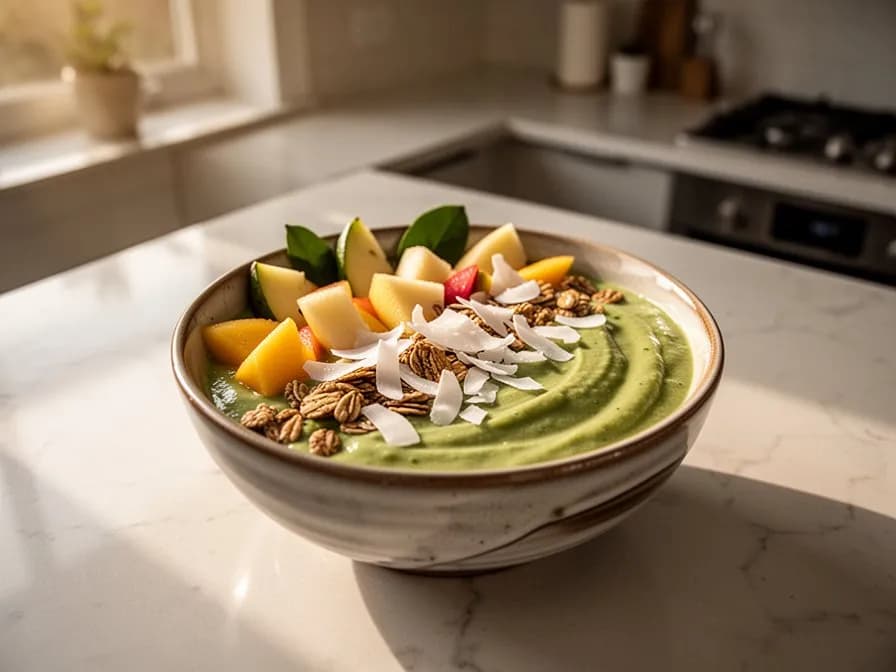
Rahmapfel-Smoothie
5 Min.Ein dicker, cremiger Tropensmoothie, der das natürliche vanilleartige Aroma des Rahmapfels hervorhebt. Natürlich süß und sättigend genug, um als Frühstück oder Dessert serviert zu werden.
6 ZutatenRahmapfel-Eiscreme
20 Min. (plus Gefrierzeit)Eine Eiscreme ohne Eismaschine, bei der die natürliche Cremigkeit des Rahmapfels die Hauptarbeit übernimmt. Das Ergebnis ist ein seidiges, tropisches gefrorenes Dessert mit minimalem Aufwand.
5 Zutaten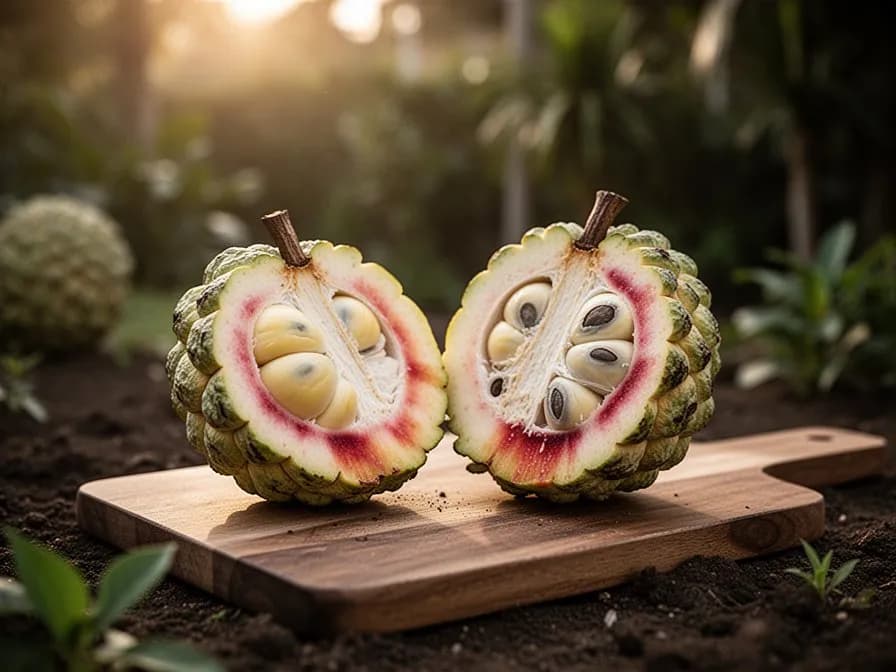
Rahmapfel-Lassi
10 Min.Ein traditionell südasiatisch inspiriertes Joghurtgetränk, das mit Rahmapfelpüree gemixt wird und ein erfrischendes, probiotikreiches Getränk ergibt, das sich perfekt für heiße Tage eignet.
7 ZutatenKulinarische Verwendung
Rahmäpfel werden frisch gegessen, indem das Fruchtfleisch aus der halbierten Frucht herausgelöffelt und die Samen entfernt werden. Das milde, süße Aroma passt gut zu Smoothies, Milchshakes und Eiscreme. Das Fruchtfleisch kann passiert werden, um Samen zu entfernen, und für Dessertgerichte verwendet werden. In tropischen Regionen wird die Frucht mit Milch und Zucker püriert, um ein erfrischendes Getränk zuzubereiten. Sie harmoniert gut mit Limettensaft und Kokosnusscreme.
Was drinsteckt
Gesundheitsvorteile
- Reich an Vitamin C, das die Immunfunktion und die Kollagensynthese unterstützt und als starkes Antioxidans wirkt, um freie Radikale im Körper zu neutralisieren.
- Liefert eine bedeutende Portion Ballaststoffe, die eine gesunde Verdauung fördern, nützliche Darmbakterien ernähren und helfen, die Darmbewegungen zu regulieren.
- Enthält erhebliche Mengen an Vitamin B6, das eine entscheidende Rolle für die Gehirngesundheit, die Produktion von Serotonin und Norepinephrin sowie die Regulierung der Homocysteinwerte spielt, die mit Herzerkrankungen in Verbindung gebracht werden.
- Eine gute Magnesiumquelle, ein essentielles Mineral, das an über 300 enzymatischen Reaktionen im Körper beteiligt ist, einschließlich Muskelentspannung, Nervenübertragung und Knochenbildung.
- Rahmapfelfruchtfleisch enthält natürlich vorkommende antioxidative Verbindungen, einschließlich Kaurensäure und verschiedene mehrfach ungesättigte Fette, die dazu beitragen können, oxidativen Stress und Entzündungen zu reduzieren.
- Traditionelle ayurvedische und volksheilkundliche Systeme verwenden Blatt- und Rindenextrakte des Rahmapfels als antidiabetische Mittel, und neue wissenschaftliche Forschungen untersuchen die Rolle spezifischer Alkaloide bei der Modulation des Blutzuckerspiegels.
Woher Rahmapfel stammt
Der Rahmapfel, botanisch als Annona squamosa bekannt, hat seinen Ursprung in den tropischen Tieflagen Amerikas, wobei sein natürliches Verbreitungsgebiet von Südmexiko und der Karibik über Mittelamerika bis in den nördlichen Teil Südamerikas reicht. Archäologische Belege und Sprachstudien deuten darauf hin, dass indigene Gemeinschaften in diesen Regionen die Frucht bereits vor mindestens 5.000 Jahren kultivierten und selektiv verbesserten, lange vor dem europäischen Kontakt.
Spanische und portugiesische Entdecker und Kolonisatoren des 16. Jahrhunderts erkannten schnell den Wert der Frucht und transportierten sie entlang ihrer Handelsrouten nach Westafrika, Tropasien und schließlich auf die Pazifikinseln. Im 17. Jahrhundert war der Rahmapfel in Indien gut etabliert, wo er große kulturelle und kulinarische Bedeutung erlangte und unter verschiedenen lokalen Namen bekannt wurde, darunter 'Sitaphal' (Frucht des Herrn Shiva) auf Hindi und 'Atta' in vielen südasiatischen Sprachen.
In Indien wurde der Baum so vollständig in die Landschaft und Esskultur integriert, dass viele frühe europäische Botaniker, die ihm in Asien begegneten, fälschlicherweise annahmen, er stamme aus Asien. Heute ist Indien der bei weitem größte Produzent und Verbraucher von Rahmäpfeln weltweit, gefolgt von anderen süd- und südostasiatischen Nationen wie Thailand, den Philippinen, Indonesien und Sri Lanka.
Die Frucht etablierte sich auch stark in den tropischen Teilen Afrikas, Australiens und des gesamten Pazifikraums, wo sie sich bereitwillig an ein breites Spektrum tropischer und subtropischer Bedingungen anpasste. In Australien hat der kommerzielle Anbau in Queensland und im nördlichen New South Wales erheblich zugenommen, wo verbesserte Hybridsorten wie 'African Pride' und 'Pinks Mammoth' entwickelt wurden, um größere Früchte, eine bessere Haltbarkeit und verbesserte Handbestäubungseigenschaften für kommerzielle Obstgärten zu bieten.
Trotz seiner weltweiten Verbreitung ist der Rahmapfel in westlichen Supermärkten aufgrund seiner empfindlichen Textur und kurzen Haltbarkeit nach der Ernte, was den Langstreckentransport erschwert, relativ wenig vertreten. Das wachsende Interesse an exotischen Tropenfrüchten, Heimgärtnerei und lokalen Bauernmärkten hat jedoch zu einer erneuten Wertschätzung dieser uralten, aromenreichen Frucht geführt.
Rahmapfel: Schon gewusst?
Faszinierende Fakten über Rahmapfel
Der Rahmapfel (Annona squamosa) gilt als einer der ersten Obstbäume, die in Amerika kultiviert wurden, mit Belegen für den Anbau durch indigene Völker der tropischen Tieflagen, die über 5.000 Jahre zurückreichen.
Rahmapfel: Fragen & Antworten
Wann sollte ich Rahmapfel pflanzen?
In welchen Winterhärtezonen kann Rahmapfel wachsen?
Wie viel Sonne braucht Rahmapfel?
Welchen Abstand sollte ich zwischen Rahmapfel lassen?
Welche Schädlinge und Krankheiten befallen Rahmapfel?
Wie lagere ich Rahmapfel nach der Ernte?
Was sind die besten Rahmapfel-Sorten zum Anbauen?
Welchen Boden braucht Rahmapfel?
Wie erkenne ich, wann ein Rahmapfel reif und verzehrfertig ist?
Warum blüht mein Rahmapfelbaum, setzt aber keine Früchte an?
Kann ich einen Rahmapfelbaum in einem Topf oder Behälter züchten?
Sind Rahmapfelsamen giftig, und ist es sicher, die ganze Frucht zu pürieren?
Wie lange dauert es, bis ein Rahmapfelbaum Früchte trägt?
Was ist der Unterschied zwischen einem Rahmapfel, einer Cherimoya und einem Zuckerapfel?
Du hast die Theorie gelesen. Jetzt baue sie auf Autopilot an.
Alles, was Rahmapfel knifflig macht — das Timing, die Abstände, die Begleiter, das Erntefenster — genau das übernimmt PlotMyGarden für dich, für jede Pflanze im Garten.
Ein Plan, der dein Wetter kennt
Standort einmal festlegen. Aussaat-, Dünge- und Erntedaten rund um deinen echten letzten Frosttermin und die Live-Vorhersage — kein Raten mehr nach Saattüte.
Aus dem Abschnitt „Pflanzzeit“Beetplaner per Drag & Drop
Beete auf einem Raster gestalten. Jede Pflanze rastet im richtigen Abstand ein, und du siehst die ganze Saison, bevor du einen Cent für Saatgut ausgibst.
Aus dem Abschnitt „Anbau“Begleiter-Konflikte früh erkannt
Über 200 gute und schlechte Kombinationen werden beim Pflanzen live geprüft — so landet ein saisonruinierender Fehler nie in der Erde.
Aus dem Abschnitt „Begleiter“Erinnerungen, nach denen du wirklich handelst
„Gieß die Bohnen.“ „Heute ernten, bevor's umschlägt.“ Pünktlich, konkret und auf deine echten Pflanzen bezogen.
Aus dem Abschnitt „Ernte“Staffel-Aussaat, geplant
Sechs Wochen ernten statt sechs Tage? Die App verteilt deine Aussaaten automatisch und erinnert dich, wenn der nächste Satz fällig ist.
Aus dem Abschnitt „Pflanzzeit“Ein Verlauf, der schlauer wird
Jede protokollierte Ernte bringt der App deinen Garten bei. Der Plan fürs nächste Jahr startet bei dem, was in deinem Boden wirklich funktioniert hat.
Aus dem Abschnitt „Überblick“Weitere Tropische Früchte
Bau deine beste Rahmapfel an — und alles drumherum.
Starte heute kostenlos. Lege deine Beete an, setze deine Rahmapfel ein und lass PlotMyGarden Timing, Abstände, Begleiter und Erinnerungen von der Saat bis zum Erntekorb übernehmen.