Gartenkresse
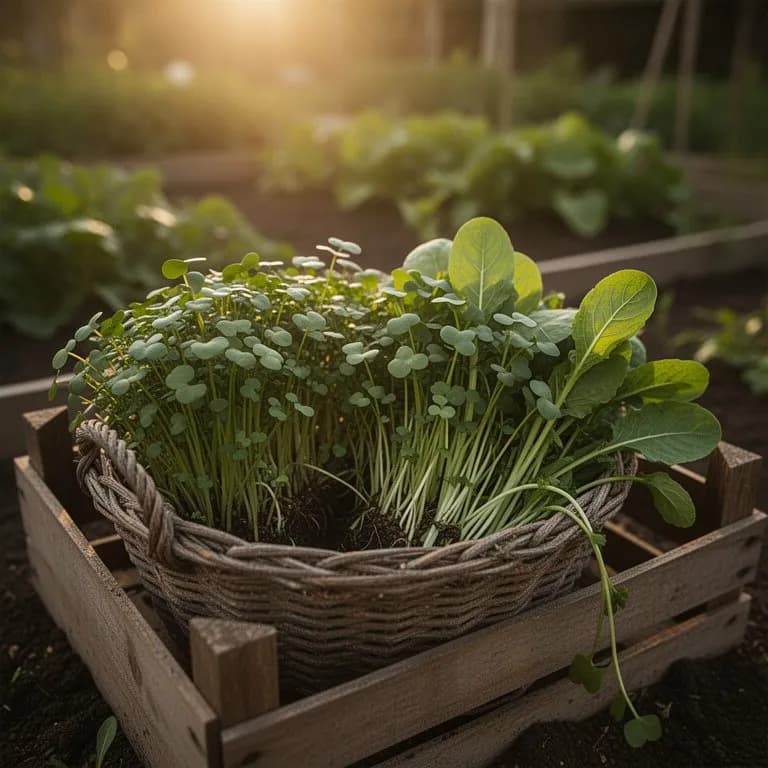
Eines der am schnellsten wachsenden Gemüse, bereit zur Ernte als Microgreens in nur 7 Tagen oder als ausgewachsene Blätter in zwei Wochen.





Auf dieser SeiteÜberblick
Gartenkresse im Überblick
Eines der am schnellsten wachsenden Gemüse, bereit zur Ernte als Microgreens in nur 7 Tagen oder als ausgewachsene Blätter in zwei Wochen. Die Blätter haben einen pfeffrigen, würzigen Geschmack, der an Senf und Brunnenkresse erinnert – hervorragend als Garnitur oder Sandwichgrün. Kann auf einer Fensterbank auf feuchten Papiertüchern ohne Erde angebaut werden – der einfachste Indoor-Garten überhaupt. Säen Sie jede Woche nach, um eine kontinuierliche Versorgung mit frischem, würzigem Grün zu gewährleisten.
Wann Gartenkresse pflanzen
Säen Sie die Samen direkt auf die Oberfläche eines feuchten Kultursubstrats und drücken Sie sie leicht an, ohne sie zu bedecken. Die Samen keimen in 2 bis 3 Tagen bei 13 bis 21 Grad Celsius. Für den Anbau auf der Fensterbank streuen Sie Samen auf ein feuchtes Papiertuch in einer flachen Schale. Besprühen Sie sie täglich, um sie feucht zu halten. Samen können auch in einem Glas wie Alfalfa-Sprossen gekeimt werden. Säen Sie alle 5 bis 7 Tage neue Chargen für eine kontinuierliche Versorgung.
Dein Gartenkresse-Jahr
Abgestimmt auf Zone 7 · typische Saison · Frost geht um den 2. Apr. und kehrt um den 1. Nov. zurück
Gartenkresse Mär – Apr, Sep – Okt pflanzen, Apr – Mai, Okt – Nov ernten. Beachte die Pflanzmethoden unten und wähle dein Klima für passende Zeiträume.
So baust du Gartenkresse an
Gartenkresse ist eine der am schnellsten wachsenden Salatkulturen, bereit zur Ernte in nur 7 bis 14 Tagen für Microgreens oder 15 bis 20 Tagen für Babyblätter. Säen Sie die Samen dicht auf der Oberfläche feuchter Erde oder eines Kultursubstrats aus und drücken Sie sie leicht an. Die Samen keimen in 2 bis 3 Tagen bei 13 bis 21 Grad Celsius und benötigen keine Abdeckung, da sie Licht zum Keimen brauchen.
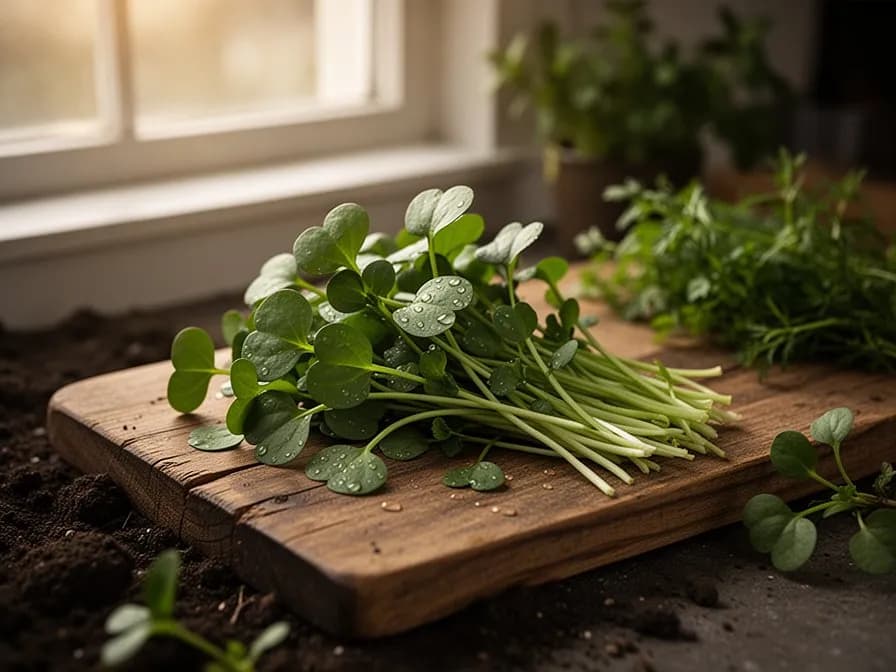
Für eine kontinuierliche Produktion säen Sie alle 5 bis 7 Tage eine neue Charge auf einer Fensterbank, in Schalen oder direkt im Garten aus. Gartenkresse kann das ganze Jahr über drinnen auf einem feuchten Papiertuch, einer Wattescheibe oder einer flachen Schale mit Kompost angebaut werden. Sie benötigt nur minimalen Platz und keine spezielle Ausrüstung.
Aussaaten im Freien funktionieren gut im Frühling und Herbst, wenn die Temperaturen kühl sind. Kresse schießt bei warmem Wetter über 24 Grad schnell in die Höhe, daher eignet sie sich im Sommer am besten für die schnelle Microgreen-Produktion. Halten Sie das Kultursubstrat gleichmäßig feucht, da Kresse welkt und bitter wird, wenn sie austrocknet. Für die Microgreen-Produktion ist keine Düngung erforderlich.
288 Pflanzen passen in ein Beet von 120 × 240 cm
Gartenkresse braucht 10 cm Platz pro Pflanze. Der Planer hält diesen Abstand für dich ein — jede Pflanze, jedes Beet.
Die besten Nachbarn für Gartenkresse
Gartenkresse wächst so schnell, dass Mischkultur weitgehend unnötig ist. Beim Anbau im Freien eignet sie sich gut als schnelle Zwischenkultur zwischen langsamer wachsendem Gemüse. Pflanzen Sie sie zwischen Reihen von Karotten, Zwiebeln oder Kohlgewächsen, die Monate bis zur Reife brauchen. Vermeiden Sie die Pflanzung neben anderen schnell schießenden Kohlgewächsen bei warmem Wetter.
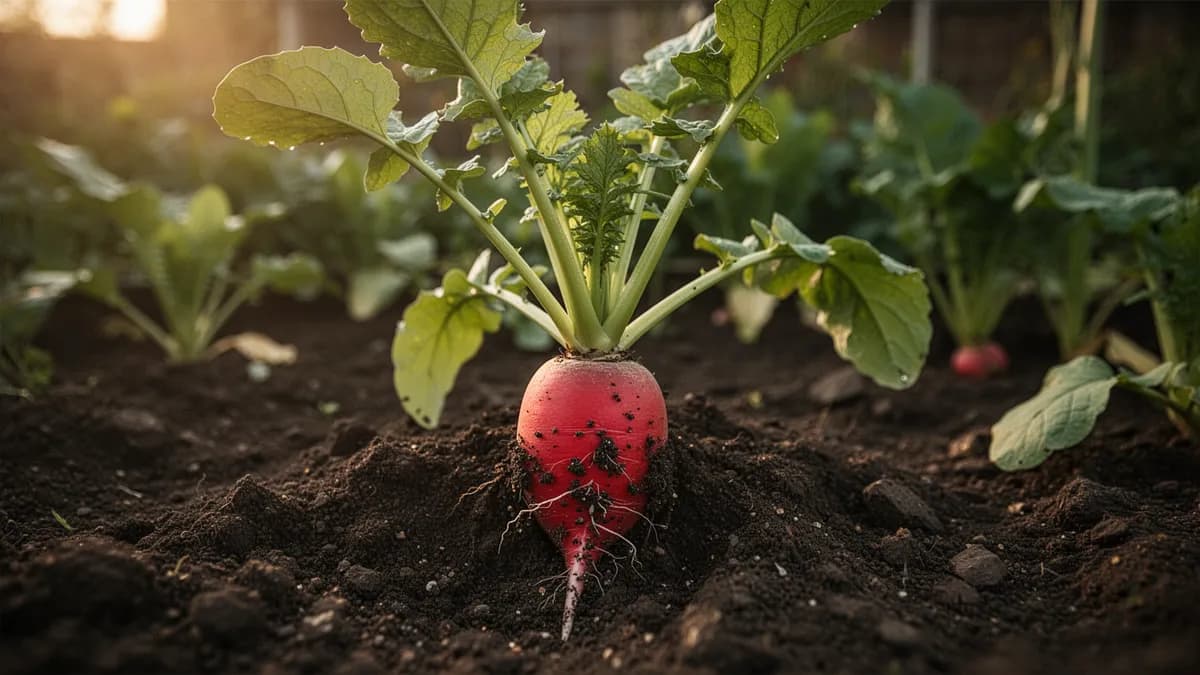
Radieschen gehört daneben.
Altes Gärtnerwissen, geprüft an der echten Nachbartabelle von Gartenkresse — teste jede Pflanze, die du anbaust.
Probiere Gartenkresse direkt hier im Beet
Ein echtes Planer-Beet, Gartenkresse steht schon drin. Tippe einen Begleiter an, platziere ihn und sieh, wie die Nachbarschaftsprüfung antwortet — grün für gute Nachbarn, rot bei Streit.


Passende Anbau-Ratgeber
Richtig düngen
Gartenkresse stellt aufgrund ihres schnellen Wachstumszyklus nur minimale Bodenansprüche. Für den Anbau im Freien ist jeder gut durchlässige Gartenboden geeignet. Für die Microgreen-Produktion im Haus verwenden Sie saubere Anzuchterde, Kokosfaser oder sogar feuchte Papiertücher. Für Microgreen- und Babyblatt-Produktion ist keine Düngung erforderlich. Für größere Pflanzen, die bis zur Reife wachsen, geben Sie bei der Aussaat einen leichten Volldünger.
Ideale Temperatur
Winterhärtezone-Kompatibilität
Von der Saat zur Ernte, Schritt für Schritt
Aussaat
Die Samen werden dicht auf feuchte Erde, Papiertücher oder Anzuchtmatten gestreut. Innerhalb weniger Stunden nach dem Kontakt mit Wasser entwickeln Gartenkresse-Samen eine schleimige Gelschicht, die sie an Ort und Stelle verankert und Feuchtigkeit speichert. Weiße Keimwurzeln erscheinen innerhalb von 24-48 Stunden, was Kresse zu einer der am schnellsten keimenden essbaren Pflanzen macht.
Keimung
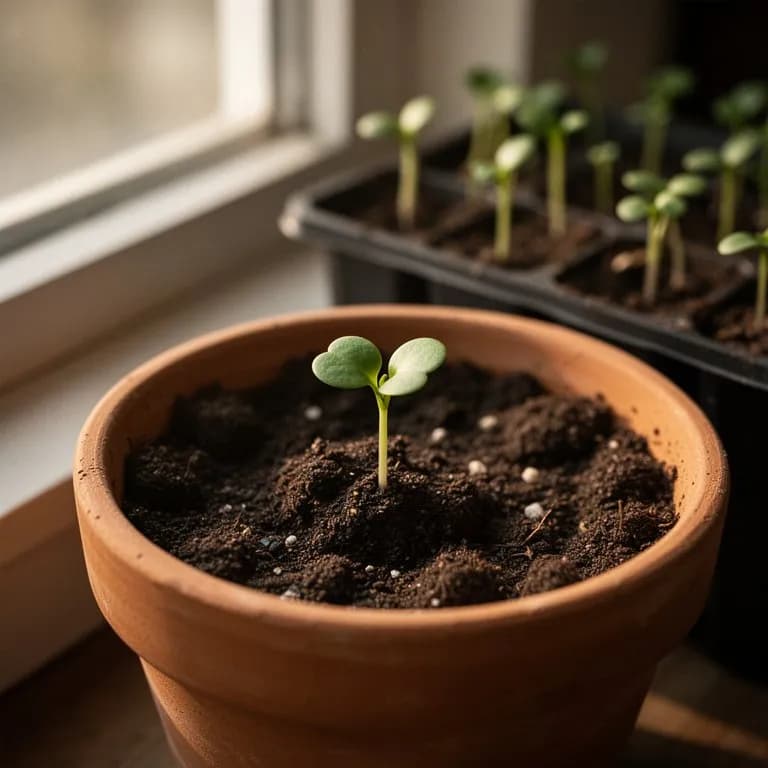
Blasse Stängel schieben sich nach oben und rundliche Keimblätter entfalten sich rasch. In diesem Stadium sind die Keimlinge 2-4 cm groß mit einem milden, leicht süßlichen Geschmack. Die Wurzelmatte etabliert sich fest, und die winzigen Pflanzen beginnen mit der Photosynthese, sobald sie dem Licht ausgesetzt werden, und entwickeln ihre charakteristische grüne Farbe.
Microgreen-Stadium
Die Keimblätter entfalten sich vollständig und die ersten echten Blätter beginnen zu erscheinen. Die Pflanzen erreichen 5-8 cm Höhe mit leuchtend grünen Blättern und schlanken weißen Stängeln. Dies ist das klassische Erntestadium der Kresse – der pfeffrige Geschmack intensiviert sich täglich mit zunehmender Reife. Die meiste kommerziell und privat angebaute Kresse wird in diesem Zeitfenster geerntet.
Blattwachstum
Wenn man die Kresse über das Microgreen-Stadium hinaus wachsen lässt, entwickelt sie ihre charakteristischen tief gelappten, federartigen echten Blätter. Die Pflanzen erreichen 15-25 cm Höhe und der Geschmack wird intensiv pfeffrig und senfartig. Der Stängel beginnt sich zu verdicken und die Pflanze bildet eine kleine Rosette aus zusammengesetzten Blättern.
Schießen und Blüte
Wenn die Tageslänge zunimmt oder die Temperaturen über 24°C steigen, bildet die Kresse einen zentralen Blütenstängel mit kleinen weißen oder blassrosa vierblättrigen Blüten, typisch für die Familie der Kreuzblütler (Brassicaceae). Die Blätter werden bitter, sobald das Schießen beginnt. Die winzigen Blüten sind attraktiv für Nützlinge und Bestäuber.
Samenernte
Kleine, flache Samenschoten entwickeln sich entlang des Blütenstängels, die jeweils zwei winzige rotbraune Samen enthalten. Die Schoten verfärben sich von grün zu hellbraun, wenn sie reifen und trocknen. Eine einzelne Pflanze kann Hunderte von Samen produzieren und so einen endlosen Vorrat für zukünftige Aussaaten sichern. Samen bleiben bei richtiger Lagerung 3-5 Jahre keimfähig.
Säen Sie die Samen dicht – etwa 1 Samen pro Quadratzentimeter – auf jede feuchte Oberfläche. Es ist nicht nötig, sie mit Erde zu bedecken; Kresse-Samen keimen am besten bei Lichteinfall. Besprühen Sie sie sanft, um sie gleichmäßig feucht, aber nicht staunass zu halten.
Gartenkresse Monat für Monat pflegen
Was du jeden Monat für deine Gartenkresse tun solltest
Oktober
Aktueller MonatErnten Sie im Herbst gesäte Freilandkresse im Microgreen- oder Vollblattstadium. In Zonen 7+ säen Sie eine letzte Freilandcharge unter Folientunneln oder Frühbeeten für späte Saisonblätter. Bringen Sie Kresse in Containern vor starkem Frost ins Haus.
Immer wissen, was jetzt im Garten zu tun ist
Eine E-Mail zum Monatsanfang: was du jetzt säen, pflanzen und anpacken solltest — für deine Gartenkresse und alles, was drumherum wächst. Dazu ein kurzer Startkurs, der dich vor den klassischen Fehlern bewahrt.
- Was jetzt zu tun ist
- Passend zu deiner Saison
- Startkurs inklusive
Gartenkresse ernten
Für Microgreens schneiden Sie die Kresse mit einer Schere, wenn die Sämlinge 2,5 bis 5 cm groß sind und ihre ersten echten Blätter haben, typischerweise 7 bis 10 Tage nach der Aussaat. Für Babyblätter lassen Sie die Pflanzen 8 bis 10 cm groß werden und ernten ganze Pflanzen oder schneiden einzelne Blätter. Der pfeffrige Geschmack intensiviert sich mit zunehmender Reife. Ernten Sie rechtzeitig vor der Blüte für die beste Textur und den mildesten Geschmack.
angenommen, du pflanzt zu Beginn des Zeitraums — trage dein tatsächliches Datum ein
Ernte Gartenkresse zügig, dann trägt die Pflanze weiter.
Lagerung & Konservierung
Gartenkresse ist sehr verderblich und wird am besten sofort nach dem Schneiden verwendet. Lagern Sie sie kurzzeitig im Kühlschrank für bis zu 3 Tage in einem verschlossenen Behälter mit feuchtem Papiertuch. Kresse lässt sich nicht gut einfrieren oder trocknen. Das Anbauen aufeinanderfolgender kleiner Chargen alle paar Tage gewährleistet eine konstante frische Versorgung. Kaufen Sie Samen in großen Mengen für die ganzjährige Microgreen-Produktion im Haus.
Was schiefgeht — und die Lösung
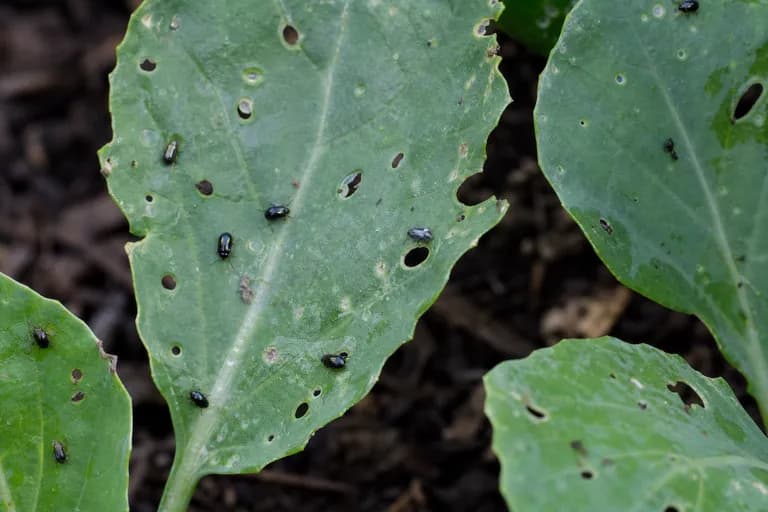
Erdflöhe
SchädlingWinzige runde Löcher in den Blättern, wobei der Schaden aufgrund des schnellen Erntezyklus selten bedeutend ist.
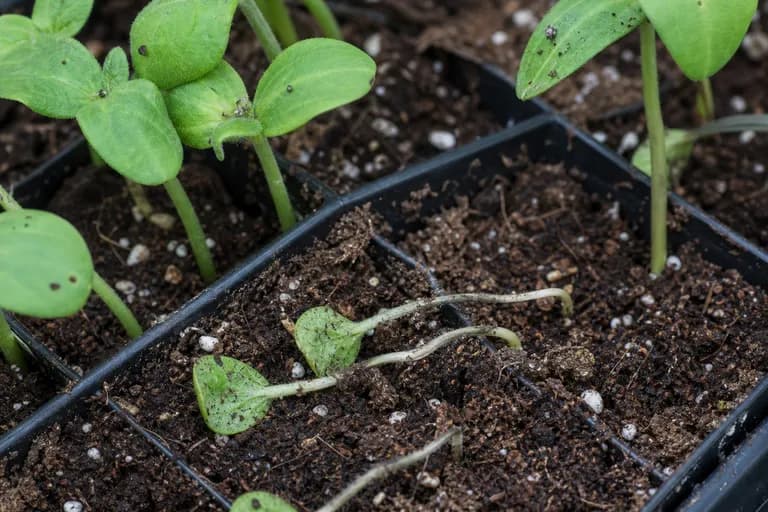
Umfallkrankheit
KrankheitSämlinge fallen kurz nach der Keimung an der Basis um, die Stängel werden weich und wässrig.
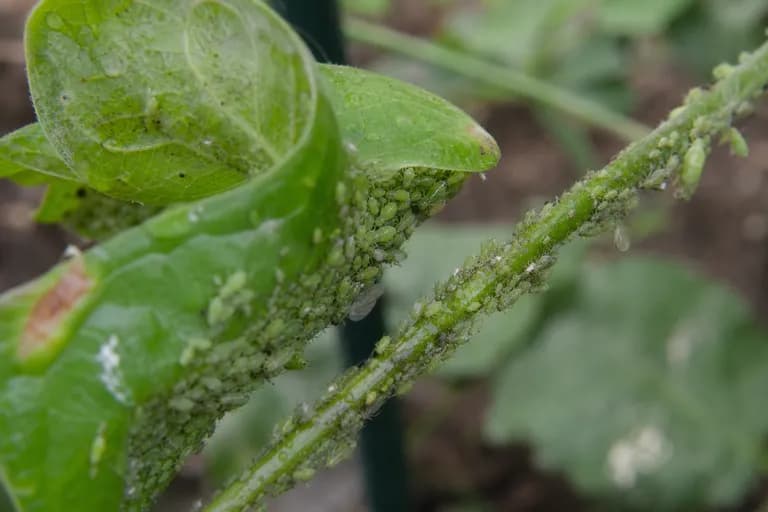
Blattläuse
SchädlingKleine Insekten an Stängeln und Blättern, am häufigsten bei Freilandpflanzungen, die über das Babystadium hinaus wachsen.
Fehlerbehebung bei häufigen Problemen
Die größte Herausforderung ist das Timing, da Kresse so schnell wächst, dass sie vor der Ernte in die Blüte schießen und bitter werden kann, wenn man nicht aufpasst. Austrocknung führt zu sofortigem Welken und Bitterkeit. Umfallkrankheit kann dichte Aussaaten unter feuchten, schlecht belüfteten Bedingungen zerstören. Die Samen keimen so bereitwillig, dass die Menge schwer zu kontrollieren sein kann.
Anbautipps
- Keine Erde für Microgreens nötig. Gartenkresse wächst perfekt auf feuchten Papiertüchern, Watte, Kokosmatten oder sogar einem nassen Schwamm. Das macht sie zur ultimativen Wohnungs- und Schulkultur – alles, was Sie brauchen, ist ein flacher Behälter, Feuchtigkeit und ein heller Standort.
- Säen Sie dicht für die beste Microgreen-Ernte. Anders als bei den meisten Gemüsesorten gedeiht Kresse am besten, wenn die Samen dicht beieinander liegen – etwa 1 Samen pro Quadratzentimeter. Die dichte Wurzelmatte hält alles zusammen und erleichtert das Schneiden bei der Ernte.
- Staffelaussaat alle 5-7 Tage für eine ununterbrochene Versorgung. Da Kresse so schnell wächst, ist eine einzelne Aussaat schnell verbraucht. Halten Sie 3-4 Schalen in verschiedenen Stadien bereit, damit Sie immer erntereife Kresse haben, während die nächste Charge heranwächst.
- Halten Sie die Kresse stets feucht, aber niemals staunass. Das flache Wurzelsystem trocknet schnell aus, besonders auf Papiertüchern oder in kleinen Behältern. Besprühen Sie ein- bis zweimal täglich oder bewässern Sie die Schalen von unten, indem Sie eine dünne Wasserschicht in die Unterschale gießen.
- Bauen Sie bei kühlen Bedingungen und im Halbschatten an für den besten Geschmack. Hitze über 24°C führt zu schnellem Schießen und Bitterkeit. Im Sommer bauen Sie drinnen in einem klimatisierten Raum an oder stellen Sie Behälter im Freien an Standorte mit nur Morgensonne.
- Ernten Sie im Microgreen-Stadium (7-10 Tage) für den süßesten, mildesten Geschmack. Der pfeffrige Biss intensiviert sich mit zunehmender Reife. Für einen stärkeren, senfartigen Kick lassen Sie die Pflanzen auf 10-15 cm wachsen, bevor Sie schneiden – aber beachten Sie, dass nach dem Erscheinen der echten Blätter das Schießen nicht mehr weit entfernt ist.
- Probieren Sie die Eierschalen-Methode für ein lustiges Projekt oder Geschenk. Füllen Sie saubere Eierschalenhälften mit feuchter Watte, säen Sie Kressesamen darauf und stellen Sie sie in einem Eierbecher auf die Fensterbank. Keimlinge erscheinen in wenigen Tagen und schaffen charmante Kresseköpfe – perfekt für Kinder und als lebende Tischdekoration.
- Sparen Sie ganz einfach Ihre eigenen Samen. Lassen Sie einige Pflanzen schießen, blühen und Samenschoten bilden. Sobald die Schoten hellbraun und trocken sind, zerdrücken Sie sie vorsichtig, um die winzigen Samen freizusetzen. Selbst geerntete Kressesamen bleiben 3-5 Jahre keimfähig, und eine blühende Pflanze produziert genug Samen für Hunderte zukünftiger Schalen.
Bau deine beste Gartenkresse an — und alles drumherum.
Starte heute kostenlos. Lege deine Beete an, setze deine Gartenkresse ein und lass PlotMyGarden Timing, Abstände, Begleiter und Erinnerungen von der Saat bis zum Erntekorb übernehmen.
Finde deine Gartenkresse
Krause Kresse
Die häufigste Sorte mit fein gekrausten, hellgrünen Blättern und einem scharfen pfeffrigen Geschmack.
Breitblättrige Kresse
Größere, flache Blätter mit milderem Geschmack als krause Sorten, besser geeignet für Salate und als Garnitur.
Persische Kresse
Eine in der nahöstlichen Küche beliebte Sorte mit kräftigem Geschmack und etwas größeren Blättern.
Ein einzelnes Päckchen Gartenkresse-Samen (typischerweise 5-10 g mit 2.000-5.000 Samen) kostet 2-4 € und kann über mehrere Monate Dutzende von Microgreen-Schalen produzieren. Frisch geschnittene Kresse und Microgreens werden für 3-6 € pro kleine Schale (25-50 g) in Supermärkten und auf Wochenmärkten verkauft. Der Anbau aus einem Samenpäckchen kann Kresse im Wert von 50-100 € zu Einzelhandelspreisen ergeben. Die Ersparnis ist noch dramatischer im Vergleich zu lebenden Kresse-Schalen (2-4 € pro Stück) – ein einzelnes Samenpäckchen ersetzt 20-40 dieser im Laden gekauften Schalen. Keine spezielle Ausrüstung wird benötigt: Eine flache Schale, ein Papiertuch und eine Fensterbank sind alles, was Sie brauchen.
Schnelle Rezepte
Klassische Ei-Kresse-Sandwiches
15 Min.Das klassische britische Nachmittagstee-Sandwich – cremiger Eiersalat gepaart mit dem scharfen, pfeffrigen Biss frischer Gartenkresse auf weichem Weißbrot. Einfach, elegant und unendlich befriedigend. Die Kresse muss für den besten Geschmack und Biss frisch geschnitten sein.
6 ZutatenGartenkresse-Kartoffel-Suppe
30 Min.Eine leuchtend grüne Suppe mit samtiger Textur und einer sanften pfeffrigen Wärme. Die Kresse wird ganz zum Schluss eingerührt und kaum gegart, um ihre leuchtende Farbe und ihren frischen, senfartigen Geschmack zu bewahren. Servieren Sie sie mit einem Klecks Sahne und extra Kresse obenauf.
8 ZutatenKresse-Pesto mit gerösteten Walnüssen
10 Min.Eine kräftige, pfeffrige Variante des traditionellen Basilikum-Pestos – Gartenkresse verleiht dieser Sauce einen senfigen Kick, der hervorragend zu Pasta, gegrilltem Fisch oder auf knusprigem Brot passt. Die Walnüsse fügen erdige Tiefe und gesunde Fette hinzu.
7 ZutatenKulinarische Verwendung
Gartenkresse hat einen scharfen, pfeffrigen Geschmack ähnlich wie Brunnenkresse. Klassische Verwendungen sind das traditionelle britische Ei-Kresse-Sandwich. Verwenden Sie sie als Garnitur für Suppen, Salate und Canapés. Mischen Sie sie in Frischkäse oder Butter für einen pfeffrigen Aufstrich. Fügen Sie sie grünen Salaten, Smoothies und Grain Bowls für eine würzige Note hinzu. Der Geschmack harmoniert gut mit Eiern, Räucherfisch und milden Käsesorten.
Was drinsteckt
Gesundheitsvorteile
- Außergewöhnlich reich an Vitamin A (138 % TW pro 100 g) als Beta-Carotin, unterstützt gesunde Sehkraft, Immunfunktion und Hautzellenerneuerung – Kresse enthält pro Gramm mehr Vitamin A als Karotten.
- Herausragender Vitamin-C-Gehalt (77 % TW pro 100 g) unterstützt die Immunabwehr, Kollagensynthese und verbessert dramatisch die Aufnahme von pflanzlichem Eisen aus der Kresse selbst und anderen gleichzeitig verzehrten Lebensmitteln.
- Enthält hohe Konzentrationen an Glucosinolaten – schwefelhaltige Verbindungen, die intensiv auf ihre potenziellen krebsschützenden Eigenschaften untersucht werden. Beim Kauen werden diese zu Isothiocyanaten abgebaut, die Zellen vor DNA-Schäden schützen können.
- Reich an Vitamin K (über 500 % TW pro 100 g), essenziell für die ordnungsgemäße Blutgerinnung und Kalziumregulierung in den Knochen. Regelmäßiger Verzehr von Kresse und anderem Blattgemüse unterstützt die Knochenmineraldichte und die Herz-Kreislauf-Gesundheit.
- Gartenkresse-Samen werden seit Jahrhunderten in der ayurvedischen und traditionellen persischen Medizin verwendet, um die Atemwegsgesundheit zu unterstützen, die Verdauung zu verbessern und den Eisenspiegel bei Menschen mit Blutarmut zu erhöhen – moderne Forschung hat ihre hohe Eisen-Bioverfügbarkeit bestätigt.
- Enthält bedeutende Mengen an Nahrungsnitraten, die die Herz-Kreislauf-Gesundheit unterstützen können, indem sie eine gesunde Blutgefäßfunktion fördern und zur Aufrechterhaltung eines normalen Blutdrucks beitragen – ähnlich den für Rote Bete und anderes Blattgemüse dokumentierten Vorteilen.
Woher Gartenkresse stammt
Gartenkresse (Lepidium sativum) stammt aus Westasien und Nordostafrika, wobei ihr wahrscheinliches Ursprungszentrum sich vom heutigen Iran und der Türkei bis nach Äthiopien und Eritrea erstreckt. Archäologische Funde deuten darauf hin, dass der Anbau im alten Persien vor mindestens 2.500 Jahren begann, wo Kresse sowohl als Küchenkraut als auch als Heilpflanze geschätzt wurde. Die alten Perser verwendeten Samen und Blätter in Heilmitteln gegen Verdauungsbeschwerden, Husten und Hauterkrankungen – Traditionen, die in frühen persischen Medizintexten dokumentiert sind.
Die alten Griechen und Römer übernahmen die Gartenkresse mit Begeisterung. Der griechische Arzt Dioskurides dokumentierte ihre medizinischen Verwendungen im ersten Jahrhundert n. Chr., und römische Soldaten aßen angeblich Kresse vor der Schlacht, da sie glaubten, sie verleihe Mut und Vitalität. Die Römer brachten die Gartenkresse wahrscheinlich während ihrer Eroberungen nach Britannien und Nordeuropa, wo sie ein ideales kühles, feuchtes Klima vorfand und sich über den gesamten Kontinent einbürgerte.
Im Mittelalter wurde Gartenkresse in Klosterkräutergärten in ganz Europa sowohl als Nahrungsmittel als auch als Medizin angebaut. Ihr schnelles Wachstum und ihre minimalen Anforderungen machten sie in mageren Wintermonaten wertvoll, wenn frisches Grün knapp war. In der viktorianischen Ära war die kommerzielle Kresseproduktion in England etabliert, insbesondere in den Kreidebachtal von Hampshire, und Straßenhändler verkauften Bündel frischer Kresse in ganz London. Das klassische Ei-Kresse-Sandwich wurde zum festen Bestandteil der englischen Teekultur.
Heute wird Gartenkresse weltweit als Salatgrün, Microgreen und Sprossensaat angebaut. Sie bleibt besonders beliebt in Großbritannien, Deutschland, den Niederlanden, Frankreich, Indien und dem Iran. Auf dem indischen Subkontinent werden Kressesamen (bekannt als Halim oder Aliv) in der traditionellen Medizin und Küche weit verbreitet verwendet, insbesondere in der Wochenbetternährung für junge Mütter. Das moderne Interesse an Microgreens und urbanem Gärtnern hat der Gartenkresse eine Renaissance beschert, da ihre Fähigkeit, auf kleinstem Raum mit minimaler Ausrüstung nahrhaftes Essen zu produzieren, sie ideal für Wohnungsgärtner, Schulprojekte und den ganzjährigen Innenanbau macht.
Gartenkresse: Schon gewusst?
Faszinierende Fakten über Gartenkresse
Gartenkresse (Lepidium sativum) ist eine der am schnellsten wachsenden essbaren Pflanzen der Erde – Samen keimen in 24-48 Stunden und produzieren erntereife Microgreens in nur 7-10 Tagen, was sie zur ultimativen Sofort-Belohnungs-Kultur für ungeduldige Gärtner macht.
Gartenkresse: Fragen & Antworten
Wann sollte ich Gartenkresse pflanzen?
Was sind gute Begleitpflanzen für Gartenkresse?
In welchen Winterhärtezonen kann Gartenkresse wachsen?
Wie viel Sonne braucht Gartenkresse?
Welchen Abstand sollte ich zwischen Gartenkresse lassen?
Welche Schädlinge und Krankheiten befallen Gartenkresse?
Wie lagere ich Gartenkresse nach der Ernte?
Was sind die besten Gartenkresse-Sorten zum Anbauen?
Welchen Boden braucht Gartenkresse?
Kann ich Gartenkresse ohne Erde oder Garten anbauen?
Warum ist meine Gartenkresse so schnell geschossen und bitter geworden?
Ist Gartenkresse dasselbe wie Brunnenkresse?
Wie oft kann ich Gartenkresse ernten, und wächst sie nach?
Sind Gartenkresse-Samen dieselben wie die Kressesamen, die in indischen Getränken und Desserts verwendet werden?
Kann ich Gartenkresse das ganze Jahr über im Freien anbauen?
Du hast die Theorie gelesen. Jetzt baue sie auf Autopilot an.
Alles, was Gartenkresse knifflig macht — das Timing, die Abstände, die Begleiter, das Erntefenster — genau das übernimmt PlotMyGarden für dich, für jede Pflanze im Garten.
Ein Plan, der dein Wetter kennt
Standort einmal festlegen. Aussaat-, Dünge- und Erntedaten rund um deinen echten letzten Frosttermin und die Live-Vorhersage — kein Raten mehr nach Saattüte.
Aus dem Abschnitt „Pflanzzeit“Beetplaner per Drag & Drop
Beete auf einem Raster gestalten. Jede Pflanze rastet im richtigen Abstand ein, und du siehst die ganze Saison, bevor du einen Cent für Saatgut ausgibst.
Aus dem Abschnitt „Anbau“Begleiter-Konflikte früh erkannt
Über 200 gute und schlechte Kombinationen werden beim Pflanzen live geprüft — so landet ein saisonruinierender Fehler nie in der Erde.
Aus dem Abschnitt „Begleiter“Erinnerungen, nach denen du wirklich handelst
„Gieß die Bohnen.“ „Heute ernten, bevor's umschlägt.“ Pünktlich, konkret und auf deine echten Pflanzen bezogen.
Aus dem Abschnitt „Ernte“Staffel-Aussaat, geplant
Sechs Wochen ernten statt sechs Tage? Die App verteilt deine Aussaaten automatisch und erinnert dich, wenn der nächste Satz fällig ist.
Aus dem Abschnitt „Pflanzzeit“Ein Verlauf, der schlauer wird
Jede protokollierte Ernte bringt der App deinen Garten bei. Der Plan fürs nächste Jahr startet bei dem, was in deinem Boden wirklich funktioniert hat.
Aus dem Abschnitt „Überblick“Pflanze diese neben Gartenkresse
Weitere Blattgemüse
Bau deine beste Gartenkresse an — und alles drumherum.
Starte heute kostenlos. Lege deine Beete an, setze deine Gartenkresse ein und lass PlotMyGarden Timing, Abstände, Begleiter und Erinnerungen von der Saat bis zum Erntekorb übernehmen.