Costmary
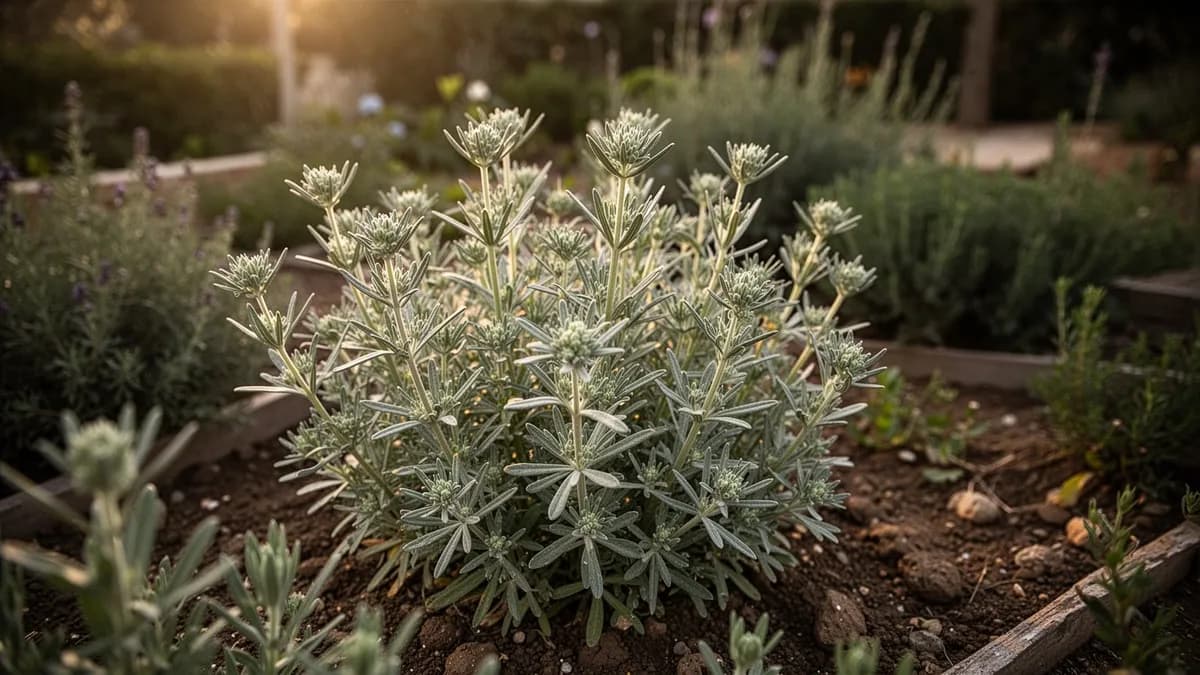
An old-fashioned cottage garden herb with long, balsam-scented leaves once used as bookmarks in Bibles, earning the name Bible leaf.





On this pageOverview
Meet Costmary
An old-fashioned cottage garden herb with long, balsam-scented leaves once used as bookmarks in Bibles, earning the name Bible leaf. Costmary has a pleasant mint-balsam fragrance that was historically used in brewing ale before hops became standard. Grow in full sun with average soil and divide clumps every few years to maintain vigor.
When to plant Costmary
Costmary rarely sets viable seed in cultivation and is almost exclusively propagated by division. Divide established clumps in spring or autumn, ensuring each division has several growing points and a good portion of roots. Replant immediately at the same depth. Root cuttings taken in autumn also work—cut 5cm sections of rhizome, lay horizontally in pots of moist compost, and keep warm until shoots emerge. New divisions establish quickly and are usually harvestable within their first growing season.
Your Costmary Year
Composed for Zone 7 · typical seasons · frost passes Apr 2, returns Nov 1
Plant Costmary Mar – May, pick May – Sep. Check the planting methods below and set your climate to personalize these windows.
How to grow Costmary
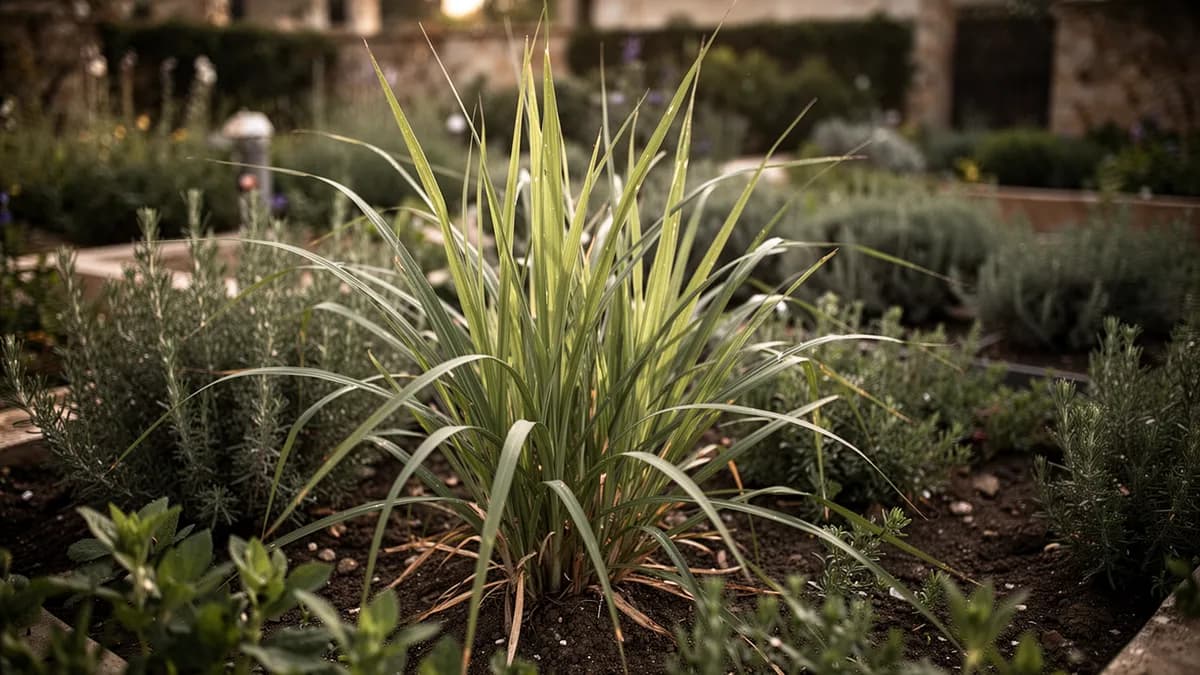
Costmary is a charming, nearly forgotten cottage garden herb that deserves wider cultivation. This rhizomatous perennial forms spreading clumps of long, tongue-shaped leaves 15-30cm long with a distinctive balsam-mint fragrance. In full sun, it produces small yellow button flowers on 90-120cm stems in late summer, though flowering is unreliable in shadier positions.
Plant in full sun to partial shade in average, well-drained garden soil. Space 45cm apart and be prepared for gradual spreading by underground rhizomes. Costmary tolerates a range of conditions but produces the most aromatic foliage in full sun with moderate moisture. Water during extended dry periods but avoid waterlogged soil.
Divide clumps every 3-4 years in spring or autumn to maintain vigor and control spread. Without division, the center of clumps can become bare and woody. Costmary is essentially pest-free and disease-resistant, making it one of the easiest aromatic herbs to grow. The large, fragrant leaves have been used for centuries as bookmarks, sachets, and in brewing.
10 plants fit a 4 × 8 ft bed
Each Costmary wants 45 cm of elbow room. The planner keeps that spacing for you — every plant, every bed.
Costmary's best neighbours
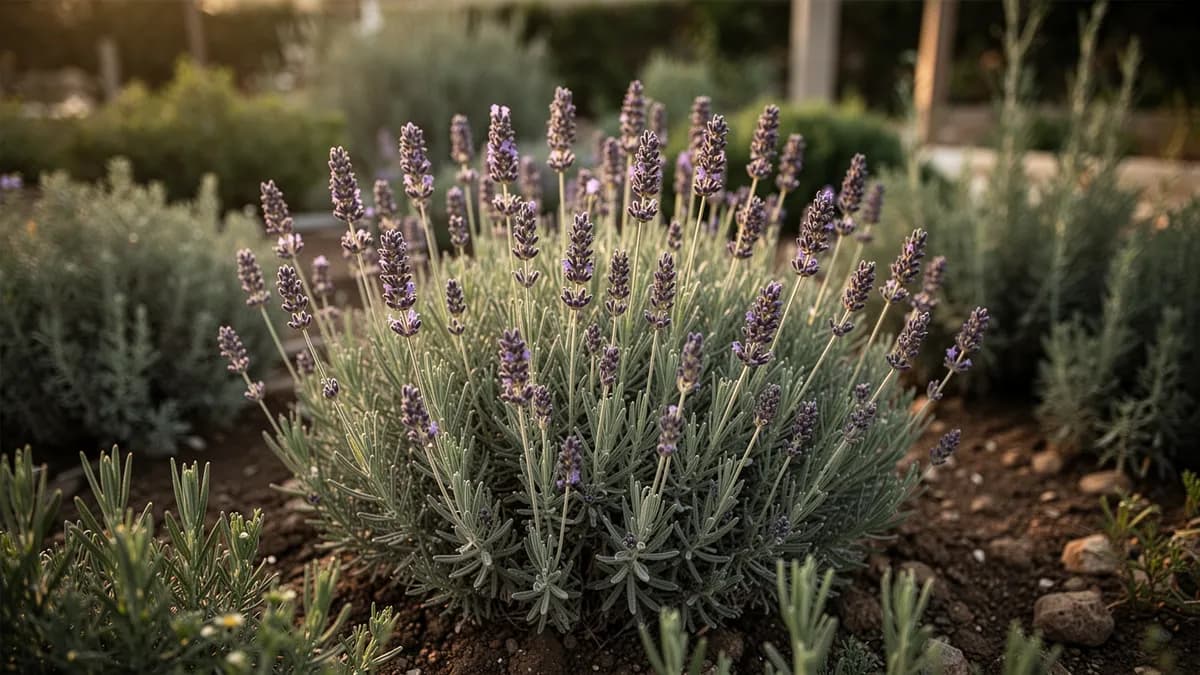
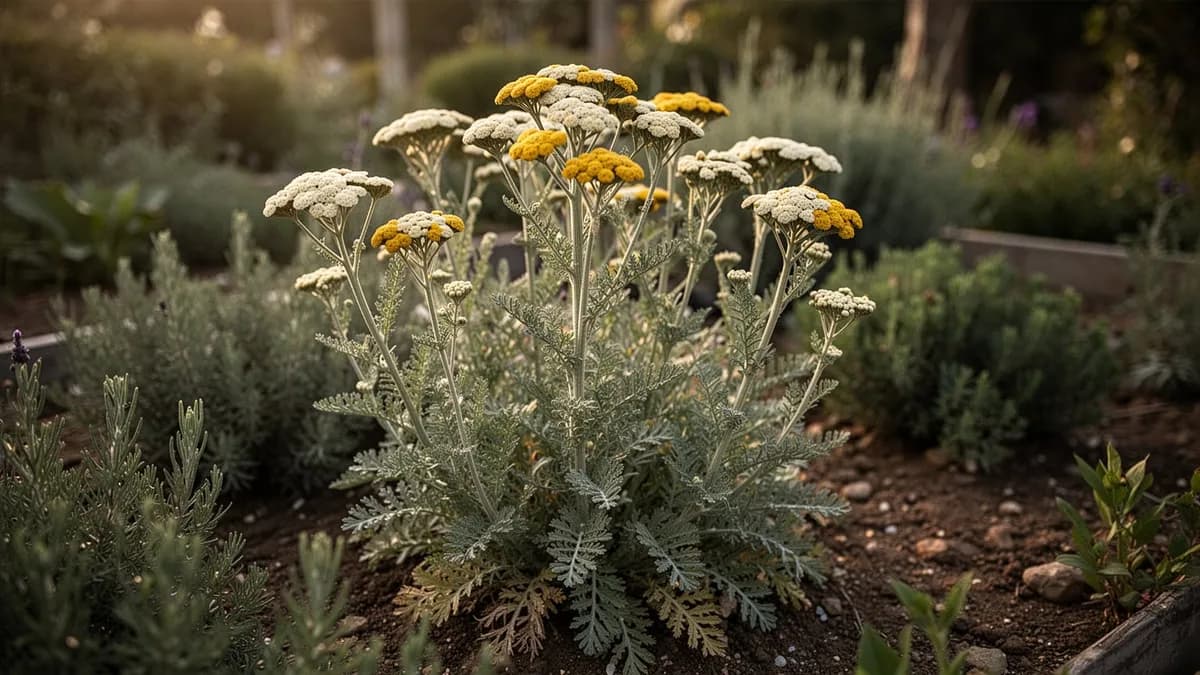
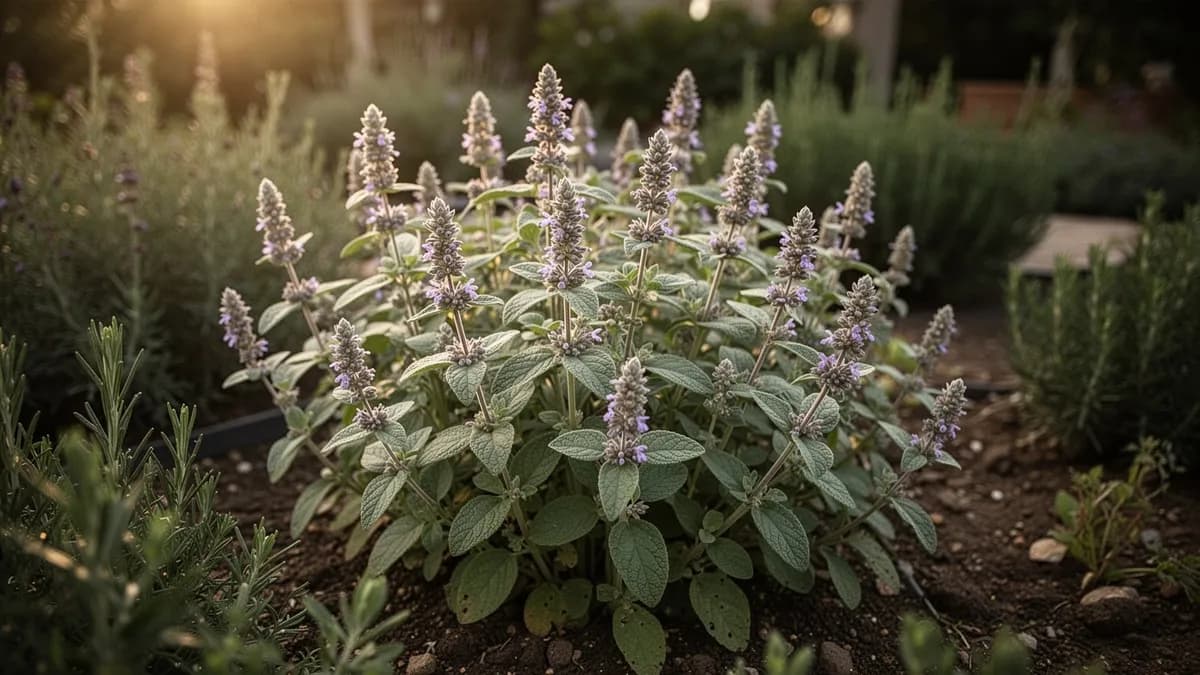
Costmary grows well alongside other traditional cottage garden herbs like tansy, feverfew, and southernwood. Its aromatic foliage may help confuse pests looking for host plants by scent. The late-season button flowers attract small beneficial insects. Plant along herb garden borders where the spreading habit is an advantage rather than a nuisance.
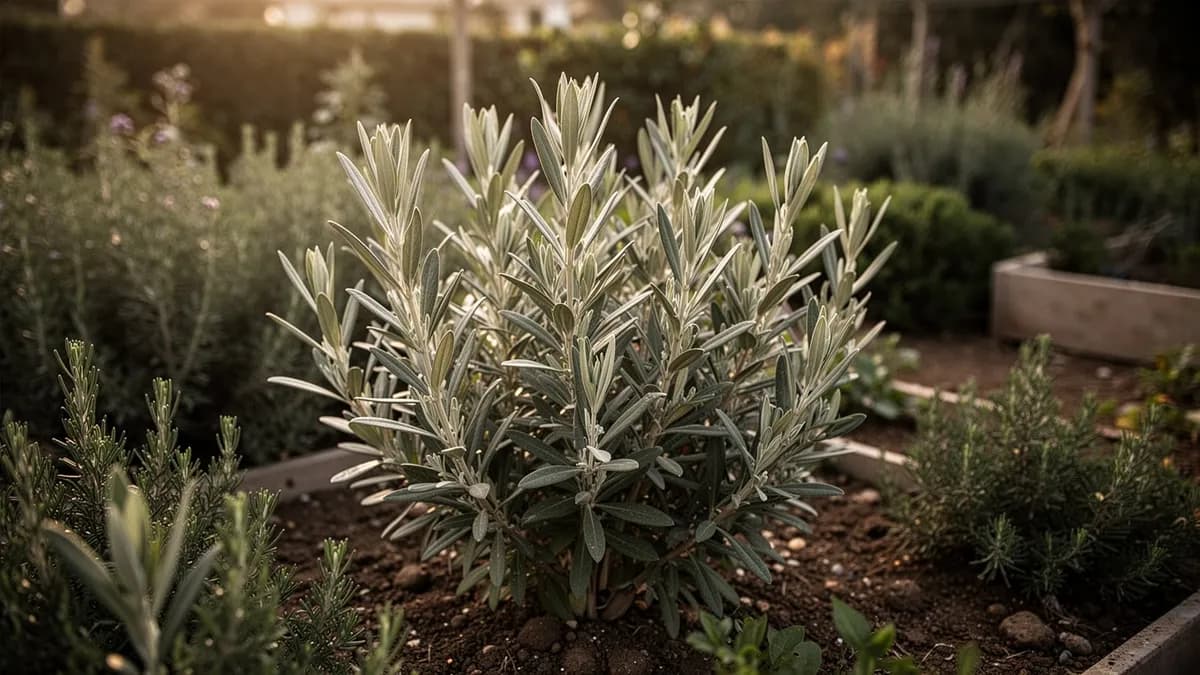
Lavender belongs beside it.
Old growers' knowledge, checked against Costmary's real companion table below — test any plant you're growing.
Try Costmary in a bed — right here
A real planner bed with Costmary already in it. Tap a companion to place it and watch the pairing checks answer — green for good neighbours, red for a clash.


Related growing guides
Feed it well
Costmary adapts to most garden soils with a pH of 6.0-7.5. Average fertility and moderate drainage are ideal. Avoid very poor, dry soils where growth is stunted, and very rich soils where the plant spreads too aggressively. A top-dressing of compost in spring provides adequate nutrition. No additional fertilizer is typically needed for healthy growth.
Ideal Temperature
Hardiness Zone Compatibility
From seed to harvest, stage by stage
Root Division and Planting
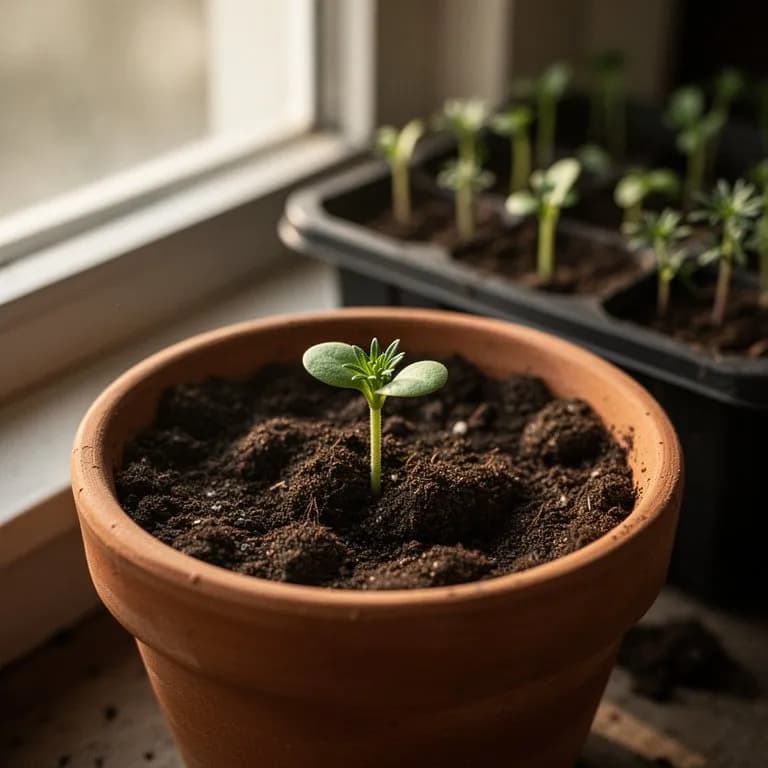
Costmary is rarely grown from seed as germination is unreliable. Instead, divide established clumps in spring or early autumn by separating sections of the rhizomatous root system, each with several growth buds. Plant divisions 5-8 cm deep in well-drained, moderately fertile soil.
Root Establishment
The root system expands and anchors into the surrounding soil. New shoots emerge from the rhizome as pale green rosettes of elongated basal leaves. Growth may appear slow above ground while the root network develops below.
Vegetative Rosette Growth
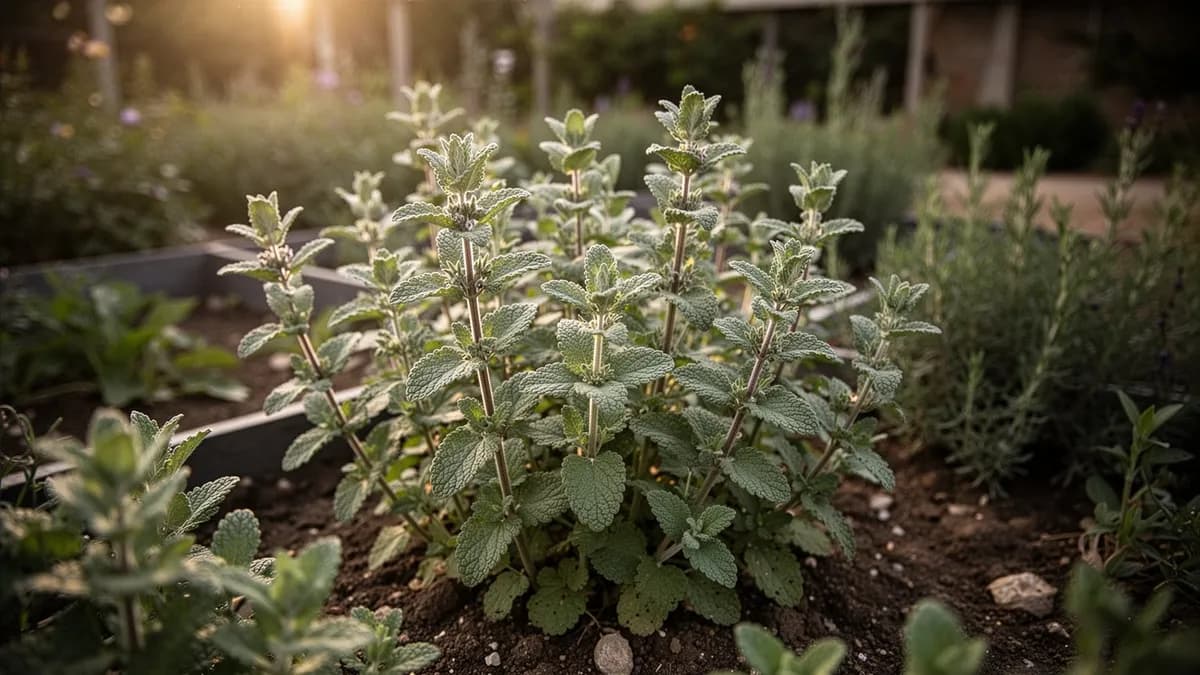
The plant develops its characteristic basal rosette of large, oblong, silvery-green leaves that can reach 15-30 cm in length. Foliage becomes increasingly aromatic with a distinctive balsamic-mint fragrance. The clump gradually expands as new leaves emerge from the center.
Stem Elongation
In midsummer, strong upright flowering stems emerge from the center of the rosette, growing rapidly to heights of 60-120 cm. The stem leaves are smaller and more sessile than the basal leaves. The plant takes on a more architectural appearance during this phase.
Flowering
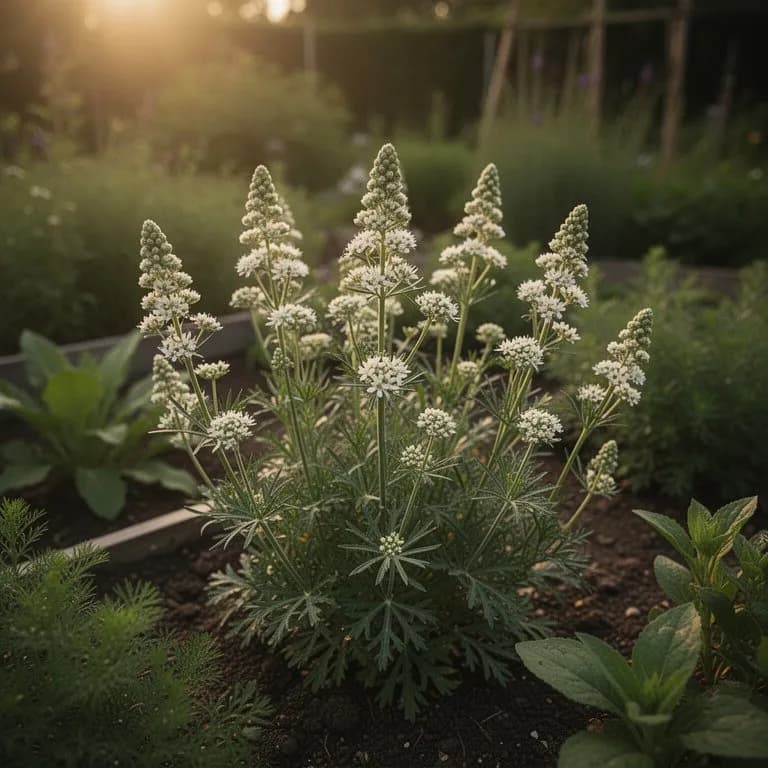
Clusters of small, flat-topped yellow button flowers appear at the tips of the tall stems. The flowers resemble those of the closely related tansy and attract a variety of pollinators including bees, hoverflies, and small butterflies. Some cultivars may occasionally produce short white ray petals.
Late Season and Dormancy
After flowering, the aerial parts begin to yellow and die back as the plant prepares for winter dormancy. The energy is redirected into the perennial rhizome underground. In mild climates, a few basal leaves may persist through winter.
Water newly planted divisions thoroughly and keep the soil consistently moist for the first two weeks to encourage root establishment. A light mulch of straw helps retain moisture.
Caring for Costmary month by month
What to do each month for your Costmary
October
You are hereCut back spent flower stems and any yellowing foliage to ground level. Apply a 5-8 cm layer of mulch over the root zone to protect the rhizomes from winter cold. Label the planting location so it is not accidentally disturbed.
Know exactly what to do in your garden — every month
One email at the start of each month: what to sow, plant, and tackle right now — for your Costmary and everything growing around it. Plus a short starter course that helps you dodge the classic mistakes.
- What to do, right now
- Matched to your season
- Starter course included
Harvesting Costmary
Harvest costmary leaves anytime during the growing season from spring through autumn. The most aromatic leaves are young to middle-aged foliage—very old leaves become tough and less fragrant. Pick individual leaves or cut small branches. For bookmarks, select the largest, flattest leaves and press between pages of heavy books. For brewing or sachets, harvest generously as the plant recovers quickly from cutting.
assuming you plant when the window opens — set your real date
Pick Costmary promptly and the plant keeps producing.
Storage & Preservation
Press individual leaves between book pages for use as fragrant bookmarks—they retain their balsam scent for years. For sachets and potpourri, dry leaves on screens in a warm, well-ventilated area or in a dehydrator at 35°C. Store dried leaves in paper bags or airtight jars. Costmary retains its pleasant fragrance remarkably well when dried, lasting 1-2 years in storage. Fresh leaves can be frozen for culinary use.
What goes wrong — and the fix
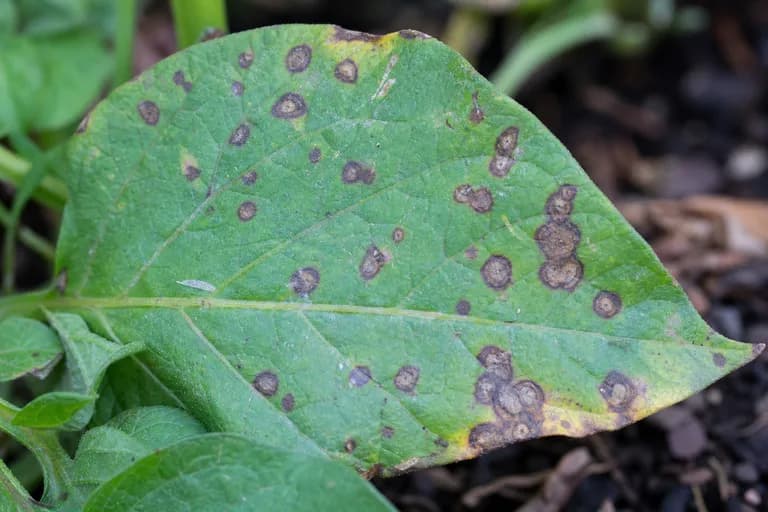
Leaf Spot
DiseaseBrown or black spots on older leaves, typically cosmetic and more common in humid conditions or when plants are overcrowded.
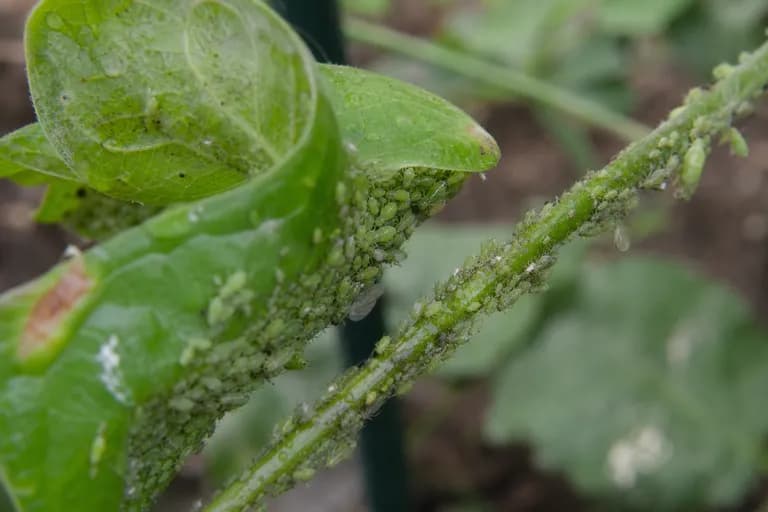
Aphids
PestClusters of small green insects on new growth and flower buds in spring, causing mild distortion.
Troubleshooting Common Problems
Failure to flower is common in partial shade—if flowers are desired, grow in full sun. Spreading rhizomes can colonize neighboring plants; install root barriers or grow in containers to control spread. Sparse, leggy growth indicates too much shade. Old, undivided clumps become hollow in the center; regular division every 3-4 years solves this. Costmary is otherwise a remarkably trouble-free herb.
Growing Tips
- Propagate costmary by root division in spring or early autumn rather than by seed, as seeds are rarely produced and germination is unreliable. Each division should include at least two or three growth buds and a section of healthy rhizome.
- Plant in full sun for the best leaf production and essential oil concentration. Costmary tolerates partial shade but may produce fewer leaves and develop leggier stems in low-light conditions.
- Provide well-drained, moderately fertile soil with a neutral to slightly alkaline pH of 6.5-7.5. Costmary is not fussy about soil type and grows well in average garden soil amended with a light application of compost.
- Space plants 45-60 cm apart to allow for the natural spreading habit of the rhizomatous root system. Install a root barrier or plant in a bottomless container sunk into the ground if spreading becomes a concern.
- Water regularly during the first growing season to establish the root system, then reduce to deep watering only during extended dry spells. Established costmary is moderately drought-tolerant and resents soggy, waterlogged soil.
- Harvest leaves in the morning after dew has dried for the highest concentration of volatile oils. Pick the large outer basal leaves first, leaving the central rosette intact to continue producing fresh growth.
- Remove flower stems as they emerge if your primary goal is leaf production. Allowing the plant to flower diverts energy away from foliage growth and can reduce the aromatic quality of the leaves.
- Divide established clumps every 3-4 years in spring or autumn to prevent overcrowding, maintain plant vigor, and generate new plants. Replant divisions immediately and water well.
- Dry harvested leaves on screens in a warm, well-ventilated area away from direct sunlight. Store dried leaves whole in airtight glass jars to preserve the balsamic fragrance for up to one year.
- Costmary has very few pest or disease problems. Watch for occasional slug damage on young growth in damp conditions and set out beer traps or use organic slug pellets if necessary.
Grow your best Costmary yet — and everything around it.
Start a free plan today. Lay out your beds, drop in your Costmary, and let PlotMyGarden handle the timing, spacing, companions and reminders from seed to harvest basket.
Pick your Costmary
Tanacetum balsamita (standard)
The classic costmary or Bible leaf with balsam-mint scented leaves. The most widely available form and the standard for herbal gardens.
Tanacetum balsamita var. camphoratum
Camphor-scented variety with a stronger, more medicinal fragrance. Sometimes sold as camphor plant.
Costmary is exceptionally cost-effective to grow because a single root division, often obtained free from a fellow gardener, can establish a permanent self-sustaining clump that produces for decades without replanting. One established plant yields hundreds of fragrant leaves per season for teas, sachets, and culinary use. Specialty dried costmary sells for $15-25 per 30 g at herbal apothecaries, and a single garden clump can produce 200-400 g of dried leaf per year. The plant requires minimal inputs beyond occasional watering and division every few years, making it one of the most economical perennial herbs for the home garden.
Quick recipes
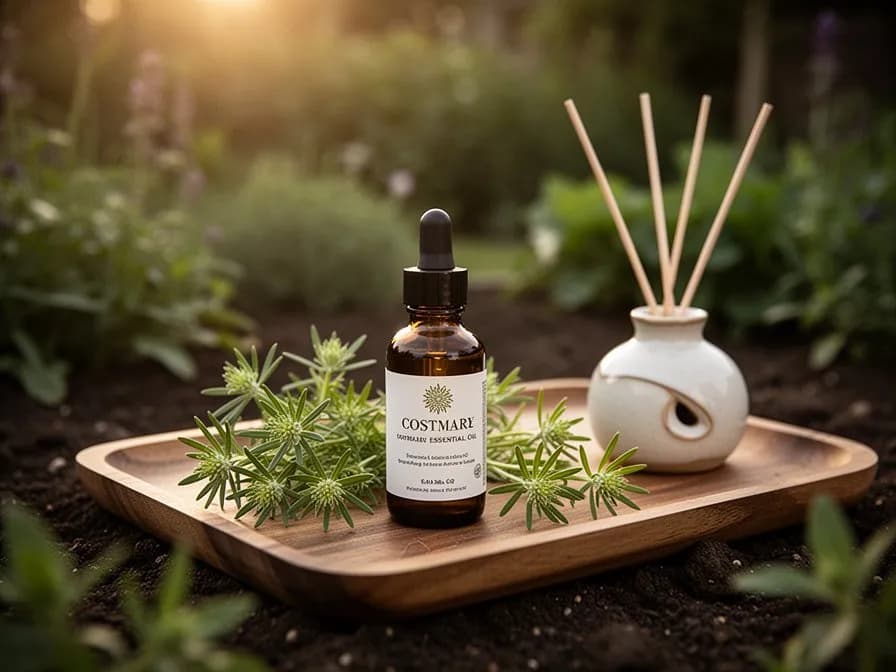
Costmary Herbal Tea (Bible Leaf Tea)
10 minutesA soothing golden-green tea with a gentle minty-balsamic flavor that was a favorite everyday beverage of colonial American homesteaders. The infusion has a calming, slightly sweet character that pairs well with honey. Traditionally used to ease headaches and settle the stomach.
5 ingredients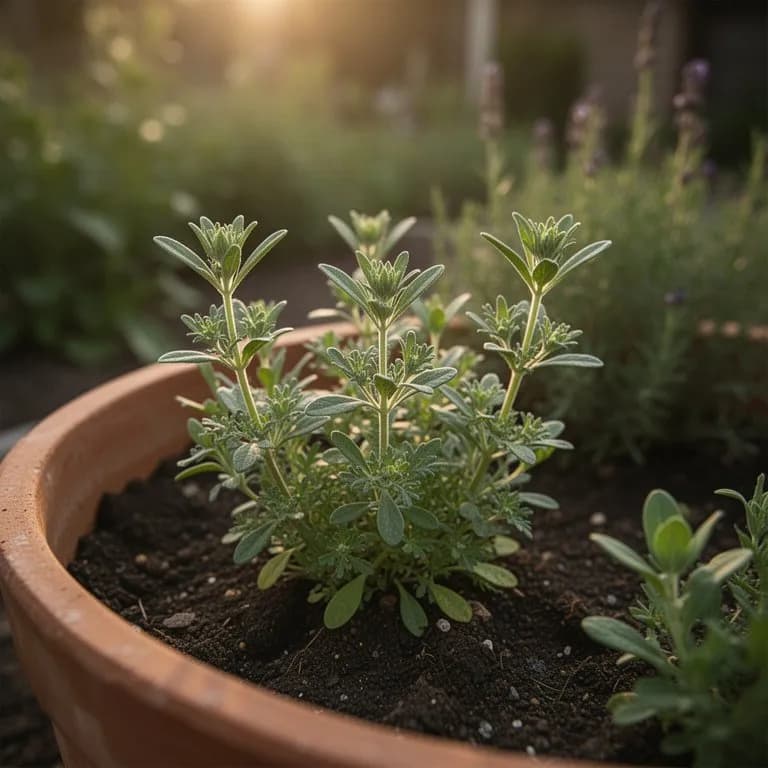
Costmary Herb Butter
15 minutes plus chillingA fragrant compound butter infused with finely chopped costmary leaves that adds an aromatic, slightly minty-balsamic flavor to roasted meats, grilled fish, steamed vegetables, and crusty bread. The flavor is reminiscent of a more complex sage butter with subtle camphor notes.
5 ingredientsCostmary and Lavender Sachets
20 minutesFragrant herbal sachets filled with dried costmary leaves and lavender buds, perfect for tucking into linen drawers, closets, or between book pages in the tradition of Bible leaf. The balsamic scent of costmary naturally repels moths and silverfish while freshening stored fabrics.
5 ingredientsCulinary Uses
Costmary was historically used as a bittering agent in beer before hops became dominant—hence its old name 'alecost.' The leaves add a mild balsam-mint flavor to salads, poultry stuffing, and omelets when used sparingly. Young leaves are milder and more palatable than mature ones. The fragrant leaves also make a pleasant herbal tea, either alone or blended with mint. Use sparingly as the flavor can be strong.
What's inside
Health Benefits
- Supports digestive health by stimulating appetite and easing mild indigestion, bloating, and stomach cramps through the action of its bitter compounds and volatile oils.
- Contains natural antimicrobial compounds including camphor and thujone that have traditionally been used to help the body resist minor infections and support immune function.
- May help relieve tension headaches and mild migraines when consumed as a tea, a use documented in European herbal medicine since the medieval period.
- Provides mild astringent and anti-inflammatory properties that can soothe irritated skin, minor insect bites, and small wounds when applied externally as a poultice or wash.
- Acts as a gentle liver tonic and cholagogue, traditionally used to support healthy bile flow and liver function in European folk medicine traditions.
- Contains antioxidant flavonoids and phenolic compounds that help protect cells from oxidative stress and may contribute to long-term cardiovascular and metabolic health.
Where Costmary comes from
Costmary (Tanacetum balsamita), also known as alecost, Bible leaf, and balsam herb, is a hardy perennial native to the Caucasus region and western Asia, with a natural range extending into parts of southern Europe and Iran. It belongs to the Asteraceae family and is closely related to tansy. The herb has been cultivated for well over two thousand years, with references appearing in ancient Greek and Roman texts. Dioscorides and Pliny both described its medicinal and aromatic properties, recommending it for digestive ailments and as a fragrant addition to ointments. The Romans are believed to have carried costmary throughout their empire, introducing it to northern Europe and Britain. During the medieval period, costmary became one of the most prized herbs in monastic and physic gardens across Europe. Benedictine monks cultivated it extensively for use in brewing, medicine, and as a strewing herb. The Emperor Charlemagne included it in his influential Capitulare de Villis decree of approximately 812 AD, mandating its cultivation on all imperial estates. In Elizabethan England, costmary enjoyed great popularity in kitchen gardens, where its leaves were used to flavor ales and meads before hops gained dominance. The fresh leaves were also added to salads, omelets, and stuffings. English colonists brought costmary to North America in the early 1600s, where it quickly became a staple of colonial herb gardens. It acquired the charming folk name Bible leaf from the practice of pressing its long, fragrant leaves between the pages of books and Bibles. Throughout the 18th and 19th centuries, costmary remained a valued garden herb in America, but by the 20th century it had largely fallen out of mainstream cultivation. Today there is renewed interest in this historic herb among heritage gardeners, permaculture practitioners, and those drawn to traditional herbal remedies.
Costmary: did you know?
Fascinating facts about Costmary
Costmary was commonly known as 'Bible leaf' because colonial churchgoers would tuck a fragrant leaf inside their Bibles and nibble on it during long sermons to stay alert.
Costmary questions, answered
When should I plant Costmary?
What are good companion plants for Costmary?
What hardiness zones can Costmary grow in?
How much sun does Costmary need?
How far apart should I space Costmary?
What pests and diseases affect Costmary?
How do I store Costmary after harvest?
What are the best Costmary varieties to grow?
What soil does Costmary need?
Why is costmary also called Bible leaf?
How do I propagate costmary if it rarely sets seed?
Will costmary spread aggressively in my garden?
Can I use costmary in cooking, or is it only for tea and sachets?
Is costmary safe to consume regularly?
What growing conditions does costmary need to thrive?
You just read the theory. Now grow it on autopilot.
Everything that makes Costmary fiddly — the timing, the spacing, the companions, the harvest window — is exactly what PlotMyGarden handles for you, for every plant in your garden.
A plan that knows your weather
Set your location once. Get sow, feed and harvest dates built around your real last-frost date and live forecast — no more guessing from a generic seed packet.
From the “When to plant” sectionDrag-and-drop bed planner
Design beds on a grid. Every plant snaps to its proper spacing, and you can see your whole season laid out before you spend a cent on seed.
From the “Growing guide” sectionCompanion conflicts, caught early
200+ good-and-bad pairings checked live as you plant — so a season-wrecking mistake never makes it into the ground.
From the “Companions” sectionReminders you'll actually act on
“Water the beans.” “Pick today before it turns.” Timely, specific, and tied to the plants you're really growing.
From the “Harvest” sectionSuccession, scheduled
Want a harvest for six weeks, not six days? It spaces your sowings automatically and reminds you when each new block is due.
From the “When to plant” sectionA record that gets smarter
Every harvest you log teaches it your garden. Next year's plan starts from what actually worked in your soil, not a textbook's.
From the “Overview” sectionPlant these alongside Costmary
More Aromatic Herbs
Grow your best Costmary yet — and everything around it.
Start a free plan today. Lay out your beds, drop in your Costmary, and let PlotMyGarden handle the timing, spacing, companions and reminders from seed to harvest basket.