Cólquico de otoño
Un bulbo sorprendente que en otoño produce grandes flores en forma de cáliz, rosadas o blancas, sin hojas, lo que le ha valido el nombre popular de 'dama desnuda'.





En esta páginaResumen
Conoce Cólquico de otoño
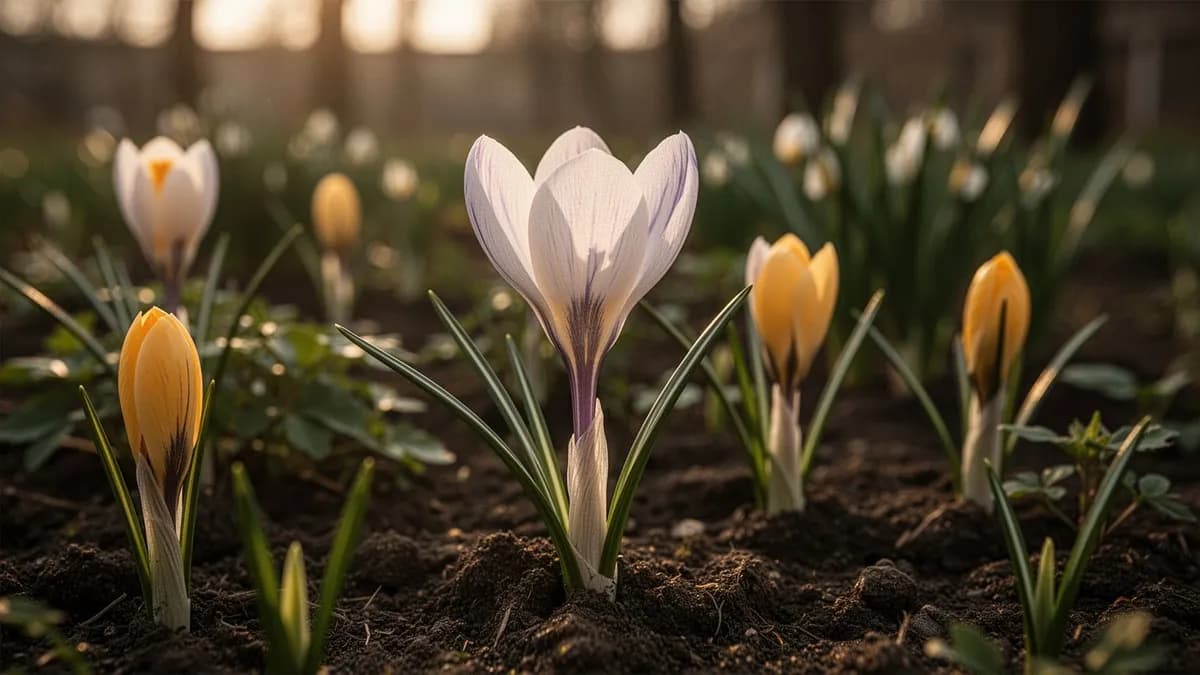
Un bulbo sorprendente que en otoño produce grandes flores en forma de cáliz, rosadas o blancas, sin hojas, lo que le ha valido el nombre popular de 'dama desnuda'. Las anchas hojas aparecen la primavera siguiente y se marchitan hacia el verano. Todas las partes de la planta son altamente tóxicas, por lo que debe manipularse con guantes y mantenerse alejada de niños y mascotas.
Cuándo plantar Cólquico de otoño
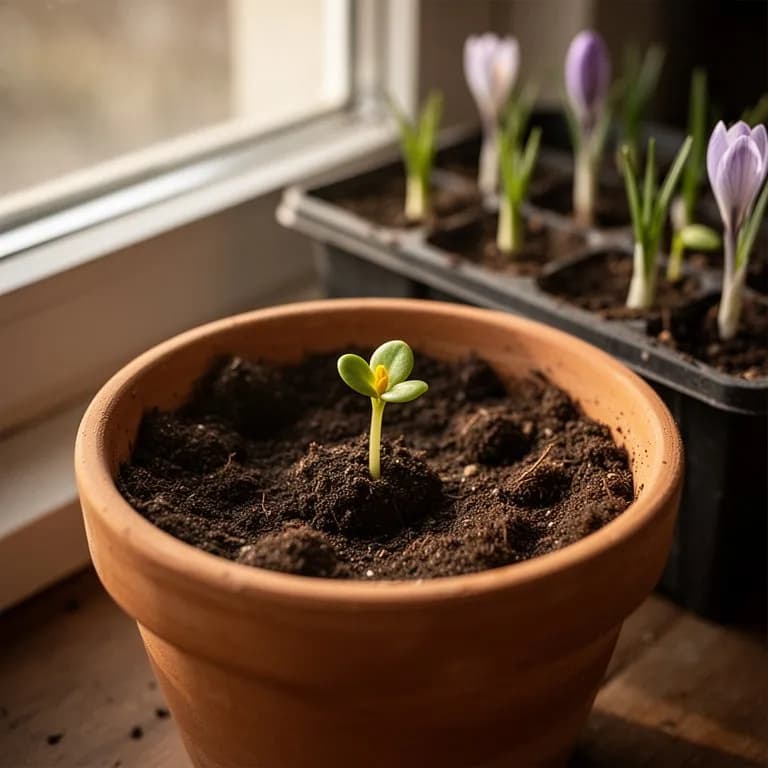
El cólquico puede cultivarse a partir de semilla, pero es un proceso lento. Recoja las cápsulas de semillas maduras a comienzos del verano, cuando se abran, y siémbrelas de inmediato en macetas de compost granuloso, cubriéndolas ligeramente. Las semillas pueden tardar uno o dos años en germinar, ya que requieren estratificación en frío. Desarrolle las plántulas en macetas durante tres o cuatro años antes de trasplantarlas al exterior. La floración a partir de semilla suele tardar entre cinco y siete años. Los hijuelos de cormo son un método de propagación más rápido, ya que producen cormos de tamaño floreciente en dos o tres años.
Tu año de Cólquico de otoño
Ajustado a Zona 7 · temporada típica · la helada se va hacia el 2 abr y vuelve hacia el 1 nov
Planta Cólquico de otoño Jul – Ago y cosecha Sep – Nov. Consulta los métodos de plantación y elige tu clima para adaptar los periodos.
Cómo cultivar Cólquico de otoño
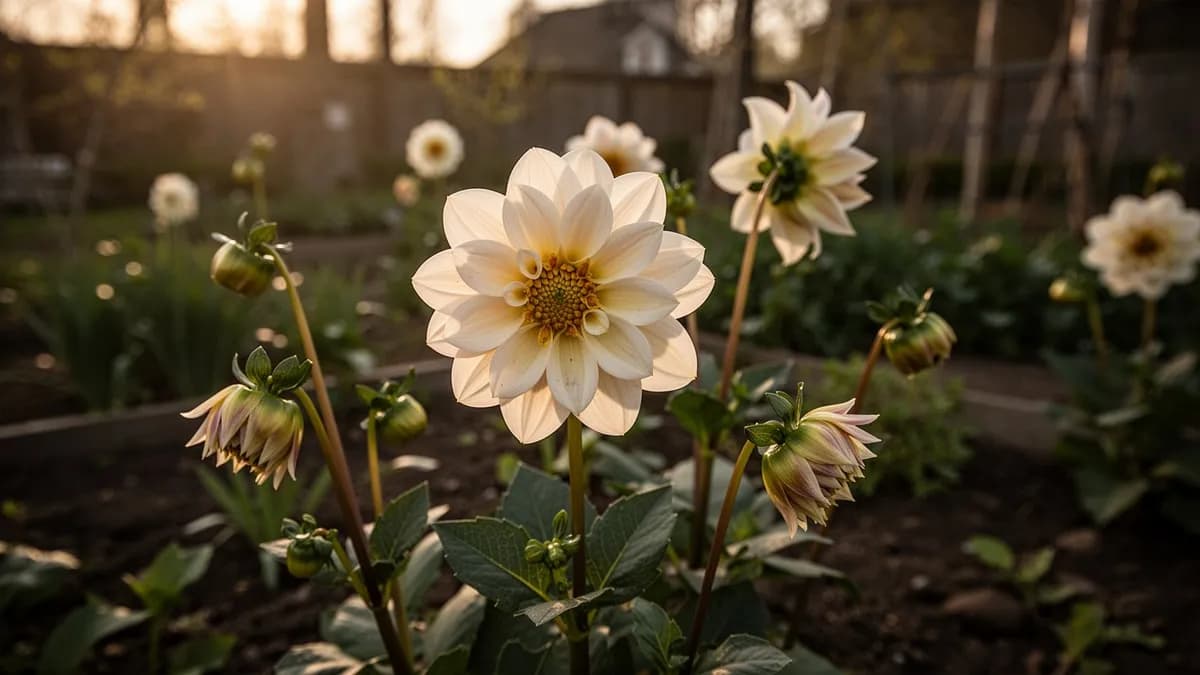
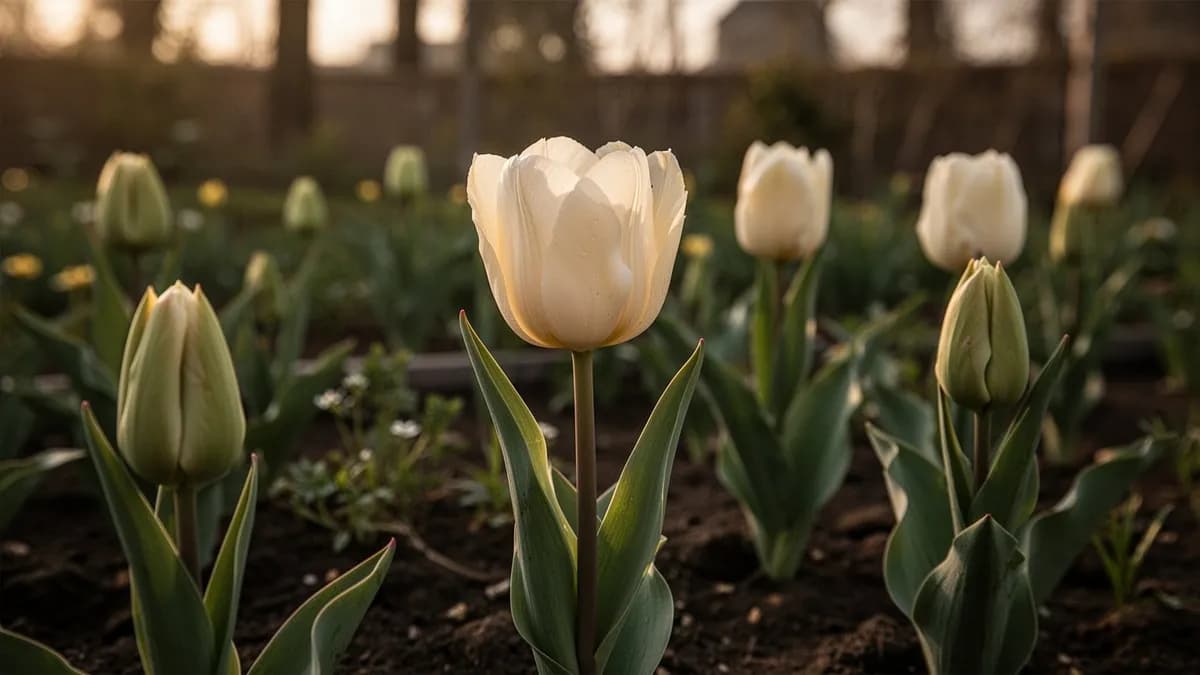
Plante los cormos de cólquico a finales del verano, en cuanto estén disponibles, ya que florecerán en pocas semanas incluso sin tierra. Coloque los cormos a una profundidad de 7-10 cm y separados 15-22 cm entre sí, en un suelo bien drenado, al sol o a semisombra. El cólquico es único porque sus grandes flores en forma de cáliz brotan en otoño sobre tallos desnudos, sin ningún follaje, que no aparece hasta la primavera siguiente.
Las amplias y brillantes hojas que emergen en primavera son considerables y pueden superar los 30 cm de longitud. Persisten durante toda la primavera y se marchitan a comienzos del verano, por lo que conviene intercalar vivaces o tapizantes que disimilen el follaje mientras madura. No corte las hojas antes de tiempo, ya que son imprescindibles para reponer las reservas del cormo de cara a la floración otoñal.
Todas las partes del cólquico son altamente tóxicas, pues contienen el alcaloide colchicina. Use siempre guantes al manipular cormos y material vegetal. Mantenga el cólquico alejado de los huertos, de las zonas de juego infantil y de cualquier lugar donde los animales domésticos puedan escarbar. A pesar de su nombre popular, el cólquico de otoño no está emparentado con los auténticos azafranes de primavera y pertenece a una familia botánica completamente diferente.
128 plantas caben en un bancal de 120 × 240 cm
Cada Cólquico de otoño pide 15 cm de margen. El planificador guarda ese marco por ti — cada planta, cada bancal.
Los mejores vecinos de Cólquico de otoño
Plante cólquicos entre tapizantes bajos como geranios resistentes, ajuga o vincapervinca, que proporcionan un fondo foliar para las flores otoñales desnudas. Las vivaces de emergencia primaveral, como hostas y lirios de día, ayudan a disimular el follaje marchito del cólquico a comienzos del verano. Combínelo con el auténtico azafrán otoñal (Crocus speciosus) y la cyclamino para conseguir una sucesión de floraciones en otoño. Las gramíneas ornamentales crean un entorno atractivo para las flores en forma de cáliz.
Crocus va a su lado.
Saber de huerto de siempre, cotejado con la tabla real de Cólquico de otoño — prueba cualquier planta que cultives.
Prueba Cólquico de otoño en un bancal, aquí mismo
Un bancal real del planificador con Cólquico de otoño ya plantado. Toca una planta compañera para colocarla y mira cómo responde la comprobación de vecinos: verde para buenos vecinos, rojo si hay conflicto.


Guías de cultivo relacionadas
Abónalo bien
El cólquico crece bien en cualquier suelo de jardín razonablemente bueno, con un drenaje decente y un pH de 6.0 a 7.5. Tolera tanto suelos arenosos como arcillosos, pero rinde mejor en terrenos fértiles y ricos en humus. Aplique una ligera dosis de harina de huesos al plantar y un fertilizante de uso general a comienzos de la primavera, cuando el follaje emerge. Evite el acolchado abundante directamente sobre los cormos, ya que puede retrasar la aparición de las flores. Las grandes hojas primaverales son grandes consumidoras de nutrientes y se benefician de un aporte rico en potasio.
Temperatura ideal
Compatibilidad de zonas de rusticidad
De la semilla a la cosecha, etapa por etapa
Dormancia del cormo
Durante el verano, el cormo del cólquico permanece en reposo bajo tierra sin ningún crecimiento visible sobre el suelo. El cormo es un tallo subterráneo engrosado envuelto en túnicas papiráceas marrones. En su interior, los botones florales ya se han formado durante la temporada de crecimiento anterior. Este es el momento ideal para comprar, dividir y replantar cormos. Incluso los cormos sin plantar que reposan en una repisa intentarán florecer en otoño, demostrando las notables reservas de energía autónoma del cormo. Todas las partes del cormo contienen el alcaloide tóxico colchicina, por lo que deben manipularse con guantes.
Floración otoñal
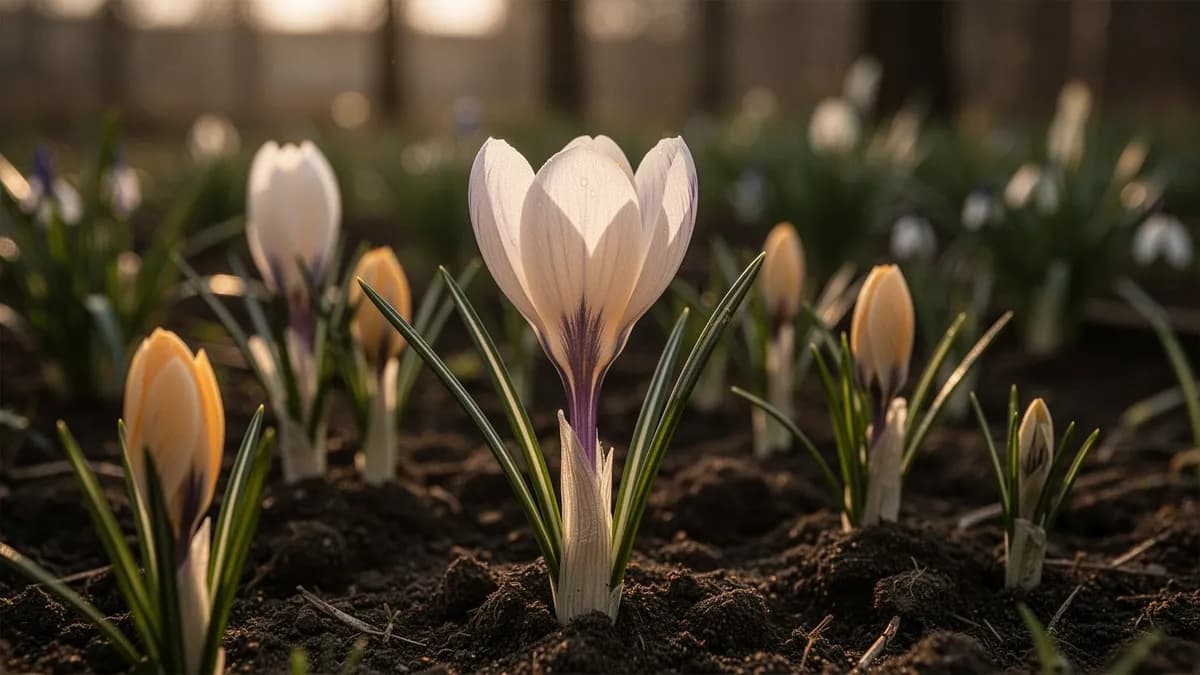
En septiembre u octubre, las flores en forma de cáliz emergen directamente del suelo sin ningún follaje que las acompañe, lo que ha dado a la planta el nombre popular de 'damas desnudas'. Cada cormo produce entre una y ocho flores según su tamaño y cultivar. Las flores suelen medir 4-8 cm de diámetro y van del lila-rosado pálido al morado-rosado intenso, con algunos cultivares blancos disponibles. Las flores son sostenidas por un largo tubo periantial que se extiende hacia abajo hasta el cormo bajo tierra. Cada flor dura aproximadamente una o dos semanas, y la colonia ofrece color durante tres o cuatro semanas en total a medida que van abriéndose las flores sucesivas.
Fecundación subterránea y formación de semillas
Después de que los pétalos se marchiten y colapsen, la polinización ya ha ocurrido y el ovario en desarrollo permanece bajo tierra o a ras del suelo durante todo el invierno. La cápsula embrionaria de semillas está protegida de las heladas y las condiciones adversas por su posición cerca o debajo de la superficie del suelo. Durante este período, el nuevo cormo de sustitución comienza a formarse junto al viejo, aprovechando las reservas de energía residuales. No hay ningún crecimiento visible sobre el suelo en esta fase, y la planta parece completamente ausente del jardín.
Follaje primaveral y maduración de semillas
En marzo o abril, hojas grandes, anchas y verde brillante emergen en vigorosos macollos, sorprendiendo a menudo a los jardineros que habían olvidado las flores otoñales. El follaje es exuberante y considerable, con hojas que alcanzan 20-35 cm de largo y 5-8 cm de ancho. Simultáneamente, la cápsula de semillas asciende al nivel del suelo y se hincha a medida que las semillas maduran en su interior. Esta fase de follaje es crítica porque las hojas fotosinterizan para reponer el cormo de cara al siguiente ciclo de floración. Las hojas se asemejan superficialmente a las del ajo silvestre (Allium ursinum), lo que ha causado trágicos envenenamientos accidentales cuando los buscadores de plantas silvestres confunden ambas especies.
Senescencia del follaje y maduración del cormo
A finales de mayo o en junio, el follaje amarillea y se desploma a medida que las hojas terminan de transferir energía al nuevo cormo de sustitución. El cormo viejo se va encogiendo gradualmente a medida que el nuevo cormo alcanza su tamaño definitivo, cargado de reservas de almidón y botones florales preformados para el próximo otoño. Las cápsulas de semillas se abren y liberan pequeñas semillas redondas y marrones que pueden ser dispersadas por hormigas atraídas por el elaiosoma (apéndice oleoso de la semilla). La parte aérea de la planta desaparece por completo y el ciclo regresa a la dormancia estival.
Plante los cormos a 7-10 cm de profundidad en suelo bien drenado durante julio o agosto. Manipule todos los cormos con guantes, ya que contienen colchicina que puede absorberse a través de la piel. Elija un lugar con sombra parcial o pleno sol y asegure un buen drenaje para evitar la podredumbre durante la dormancia.
Cuidar Cólquico de otoño mes a mes
Qué hacer cada mes para tu Cólquico de otoño
Octubre
Mes actualPeríodo de máxima floración para la mayoría de los cultivares. Elimine las flores marchitas solo si no desea la formación de semillas. Tome fotografías para planificar futuras combinaciones de plantación e identificar huecos para cormos adicionales.
Ten claro qué hacer en tu huerto, cada mes
Un correo al empezar cada mes: qué sembrar, plantar y hacer ahora mismo — para tu Cólquico de otoño y todo lo que crece alrededor. Más un breve curso inicial para esquivar los errores clásicos.
- Qué hacer ahora mismo
- Ajustado a tu temporada
- Curso inicial incluido
Cosechar Cólquico de otoño
Las flores del cólquico pueden cortarse para arreglos otoñales de corta duración, aguantando tres a cinco días en un jarrón. Corte los tallos cuando las flores estén apenas abriéndose y colóquelos en agua poco profunda. Manipule todas las partes con guantes debido a su toxicidad. Las flores se aprecian mejor en el jardín, donde su aparición repentina en tierra desnuda crea una mágica sorpresa otoñal. No corte el follaje en primavera, pues debe dejarse marchitar de forma natural para alimentar al cormo.
se supone que plantas al comenzar el periodo — indica tu fecha real
A partir de bulbos, tubérculos o dientes
Cosecha Cólquico de otoño a tiempo y la planta sigue produciendo.
Almacenamiento y conservación
Los cormos de cólquico se conservan mejor dejados en el suelo, donde se naturalizan y multiplican. Si necesita moverlos, extráigalos inmediatamente después de que el follaje se marchite a comienzos del verano y replántelos de inmediato, o guárdelos brevemente en un lugar fresco y seco en bandejas abiertas. Los cormos florecerán incluso posados sobre una repisa sin tierra ni agua. No los guarde en bolsas de plástico, donde pueden pudrirse. Manipule siempre con guantes debido a los alcaloides tóxicos presentes en todas las partes de la planta.
Qué falla — y cómo solucionarlo
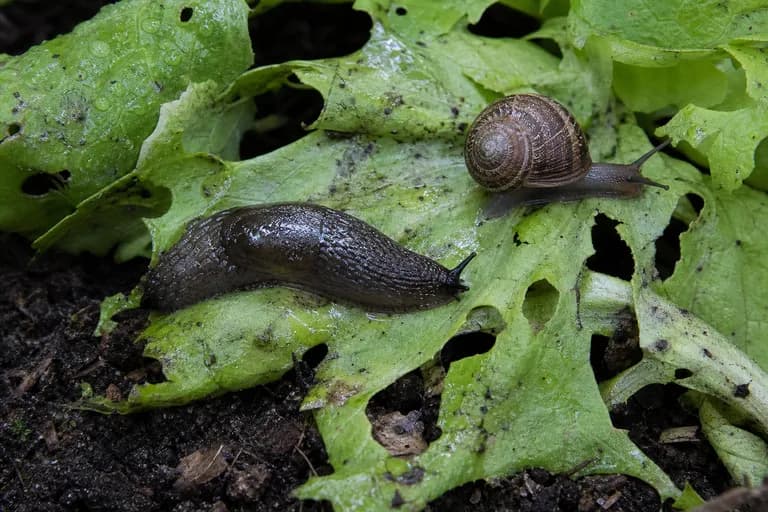
Babosas y caracoles
PlagaAgujeros y bordes irregulares en los pétalos de las flores que emergen, rastros de baba visibles sobre los capullos dañados; las flores jóvenes pueden llegar a ser devoradas por completo.
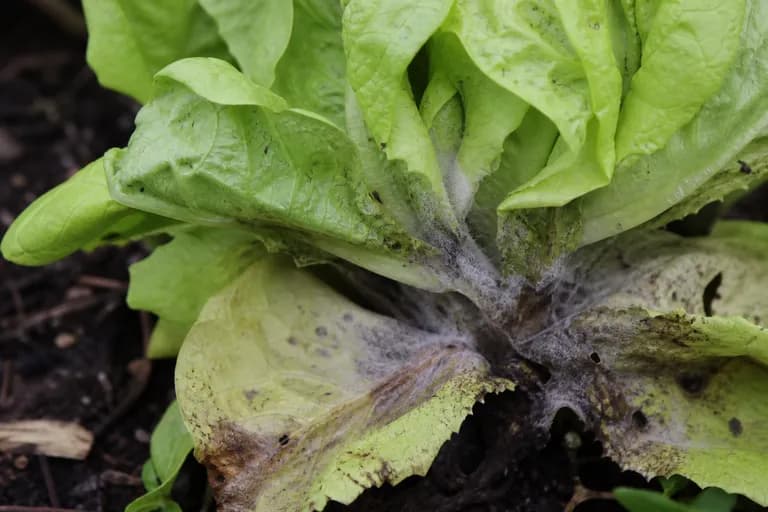
Moho gris (Botrytis)
EnfermedadManchas marrones y acuosas en los pétalos de las flores; moho gris difuso que se desarrolla sobre el tejido dañado durante el fresco y húmedo otoño.
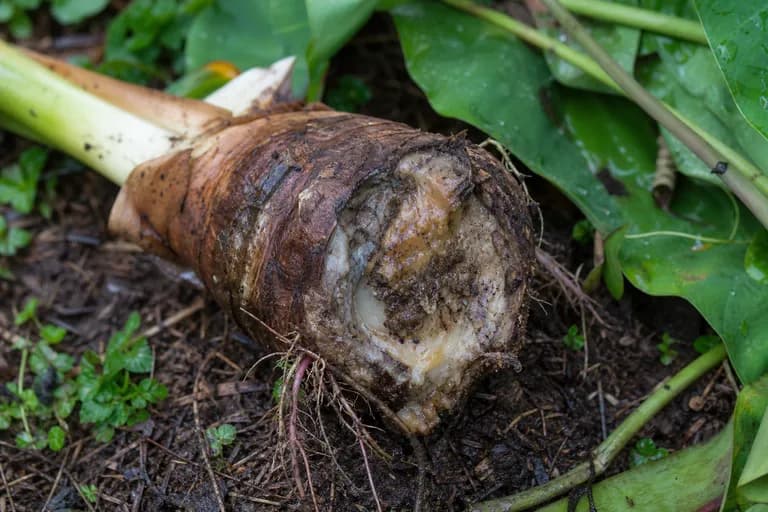
Podredumbre del cormo
EnfermedadLos cormos se ablandan y se vuelven pastosos con olor desagradable. Las plantas no brotan o producen un crecimiento débil y raquítico.
Solución de problemas comunes
El principal desafío es el follaje primaveral voluminoso y caído, que puede ahogar a las plantas pequeñas cercanas y ofrece un aspecto descuidado al marchitarse. Planifique cuidadosamente las combinaciones de plantación para disimularlo. Las flores pueden derribarse por las lluvias otoñales intensas, especialmente las formas dobles. La extrema toxicidad del cólquico hace que nunca deba plantarse cerca de cultivos comestibles donde exista riesgo de confusión con auténticos azafranes u otros bulbos culinarios.
Consejos de cultivo
- Use siempre guantes al manipular cualquier parte de Colchicum autumnale, incluidos cormos, follaje, flores y semillas, ya que el alcaloide tóxico colchicina puede absorberse a través de la piel y causar irritación o efectos sistémicos con una exposición prolongada.
- Plante los cormos en julio o agosto a una profundidad de 7-10 cm en suelo bien drenado enriquecido con compost. Separe los cormos 15-20 cm entre sí para dejar espacio al considerable follaje primaveral y a la producción natural de hijuelos en los años siguientes.
- Elija un lugar con pleno sol a semisombra. El cólquico prospera hermosamente bajo árboles caducifolios, donde recibe sol otoñal durante la floración y luz primaveral tamizada durante la fase foliar, imitando su hábitat natural de borde de bosque.
- Nunca corte, siegue ni retire el follaje primaveral hasta que haya amarilleado y se haya marchitado de forma natural en junio. Las amplias hojas son esenciales para la fotosíntesis que repone las reservas energéticas del cormo para la siguiente exhibición floral otoñal.
- Evite plantar cólquicos cerca de huertos, eras de hierbas aromáticas o zonas donde crezca ajo silvestre u otras plantas comestibles del género Allium. Las hojas primaverales del cólquico se parecen mucho a las del ajo silvestre (Allium ursinum) pero carecen de cualquier aroma a cebolla — este parecido ha causado envenenamientos mortales.
- Mejore el drenaje en suelos arcillosos pesados añadiendo grava gruesa o arena de río al hoyo de plantación. Los cormos de cólquico son susceptibles a la podredumbre si permanecen en suelos encharcados durante sus períodos de dormancia invernal y estival.
- Marque las ubicaciones de plantación con etiquetas discretas o cartografíelas en un diario de jardín. Dado que la planta no tiene presencia aérea durante la dormancia estival, es fácil desenterrar o dañar accidentalmente los cormos mientras se trabaja en el jardín.
- Divida los macollos congestionados cada 3-4 años en junio o julio, después de que el follaje se haya marchitado. La congestión provoca una reducción en la producción de flores, ya que los cormos hijos compiten por nutrientes y espacio. Replante las divisiones de inmediato a la profundidad original.
- Mantenga las plantaciones de cólquico bien alejadas de zonas accesibles para niños, mascotas o ganado. Los gatos, perros, caballos y bovinos son todos susceptibles al envenenamiento por colchicina, y incluso pequeñas cantidades de material vegetal ingerido pueden causar enfermedades graves o la muerte.
- Para las exposiciones en contenedores donde los cormos se cultivan sin tierra, deseche o plante los cormos gastados tras la floración. Los cormos que han florecido sin tierra han gastado reservas de energía considerables y necesitarán una temporada de crecimiento completa en el suelo para recuperarse antes de poder volver a florecer.
Cultiva tu mejor Cólquico de otoño — y todo lo que la rodea.
Empieza un plan gratis hoy. Diseña tus bancales, coloca tu Cólquico de otoño y deja que PlotMyGarden gestione el momento, el espaciado, las asociaciones y los recordatorios de la semilla a la cesta.
Elige tu Cólquico de otoño
Waterlily
Una impresionante forma doble con capas de pétalos rosa-lila que recuerdan a un nenúfar; uno de los bulbos de floración otoñal más populares y llamativos.
The Giant
Flores extragrandes en rosa-lila suave con la base blanca; uno de los híbridos de cólquico más vigorosos y floridos disponibles en el mercado.
Album
Una forma de blanco puro de excepcional belleza, que resplandece en el jardín otoñal y bajo las noches de luna.
Violet Queen
Flores de un violeta-morado intenso con un dibujo ajedrezado, que aportan un rico colorido al jardín en las últimas semanas de la temporada.
Colchicum autumnale se cultiva exclusivamente como planta ornamental y NO es comestible. Una inversión inicial de 3-5 € por cormo proporciona años de color otoñal, ya que los cormos establecidos se multiplican libremente y pueden dividirse cada 3-4 años. Una plantación de 10 cormos por 40-50 € en total puede expandirse a 30-50 cormos de tamaño floreciente en cinco años mediante división natural, reduciendo drásticamente el coste por flor de su exhibición otoñal. A diferencia de muchas flores otoñales que requieren replantación anual, el cólquico es completamente perenne y prácticamente no requiere mantenimiento una vez establecido.
Recetas rápidas
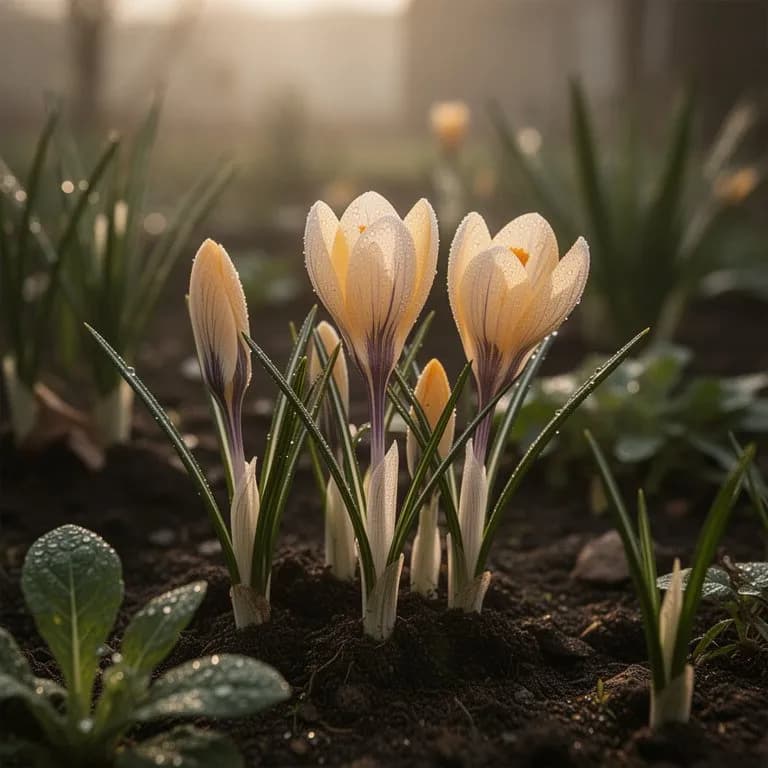
Cuenco decorativo otoñal con cólquico (solo ornamental)
10 minutosCree un espectacular centro de mesa colocando cormos secos de cólquico en un cuenco decorativo poco profundo relleno de piedras pulidas o piedras de cristal. Los cormos producirán flores de tamaño completo sin ninguna tierra ni agua, creando un mágico centro otoñal. Use guantes al manipular los cormos y mantenga la composición bien fuera del alcance de niños y mascotas. Deseche los cormos gastados de forma responsable después de la floración o plántelos en el exterior.
4 ingredientes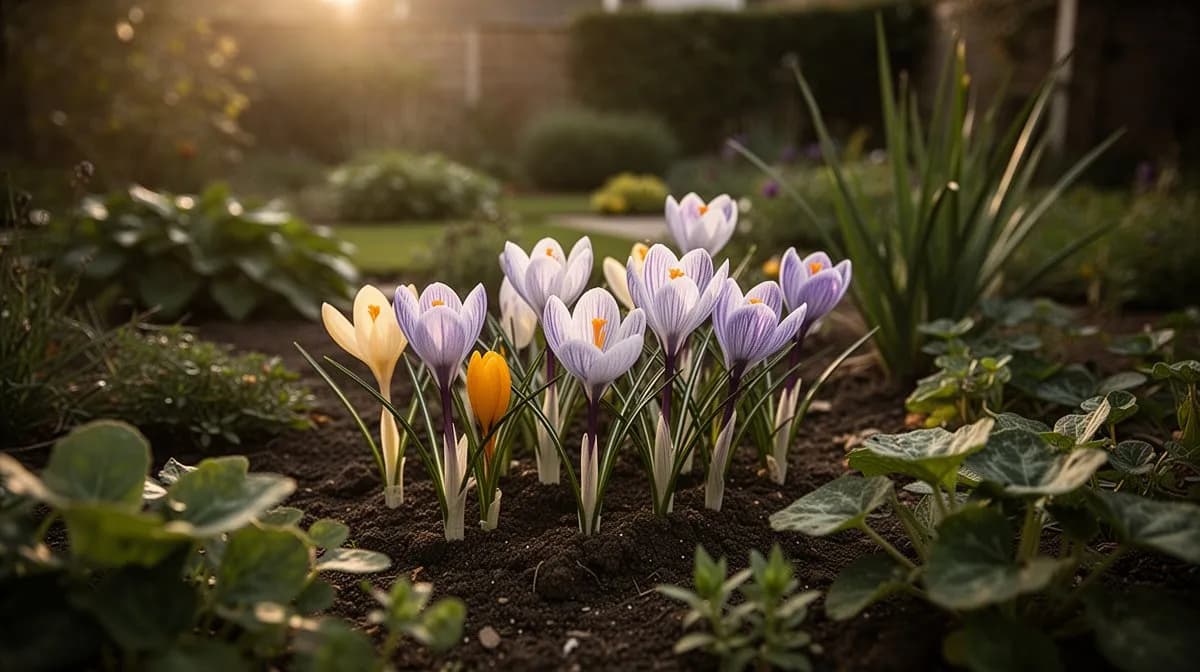
Diseño de plantación naturalizada en pradera (solo ornamental)
45 minutosDiseñe una exhibición otoñal naturalizada dispersando cormos de cólquico en grupos ondulantes a través de un césped o pradera establecida. Haga hoyos de plantación individuales de 7-10 cm de profundidad con un plantador de bulbos estrecho, introduzca un cormo y cubra de tierra. Las flores emergerán a través de la hierba cada otoño, y el follaje primaveral debe dejarse marchitar de forma natural antes del primer corte. Use siempre guantes durante la plantación y lávese bien las manos después.
4 ingredientesContenedor mixto de bulbos otoñales (solo ornamental)
30 minutosDisponga en capas cormos de cólquico junto con otros bulbos de floración otoñal en un contenedor grande para conseguir una exhibición prolongada de septiembre a noviembre. Coloque los cormos de cólquico en la capa más profunda, seguidos del azafrán otoñal Crocus speciosus y la Sternbergia lutea a profundidades más superficiales. Use una mezcla de compost de drenaje libre y coloque el contenedor donde reciba sol de mañana. Etiquete claramente el contenedor como planta tóxica y manténgalo inaccesible para niños y animales.
5 ingredientesQué contiene
Beneficios para la salud
- ADVERTENCIA CRÍTICA: Colchicum autumnale es una planta altamente tóxica y nunca debe ingerirse como alimento, infusión, suplemento o remedio casero bajo ninguna circunstancia
- La colchicina farmacéutica extraída del cólquico es prescrita por médicos para tratar los brotes agudos de gota, reduciendo la inflamación articular provocada por los cristales de ácido úrico
- Los medicamentos regulados a base de colchicina se utilizan para tratar la fiebre mediterránea familiar (FMF), una afección autoinflamatoria hereditaria que causa fiebres recurrentes y serositis
- Estudios clínicos han demostrado que la colchicina en dosis bajas puede reducir el riesgo de pericarditis recurrente, una inflamación del saco que rodea el corazón
- La investigación ha explorado las propiedades antiinflamatorias de la colchicina para posibles beneficios cardiovasculares, incluida la reducción del riesgo de eventos cardíacos adversos graves tras un infarto de miocardio
- Todos los usos medicinales de la colchicina requieren una estricta supervisión médica con una dosificación farmacéutica precisa — el margen entre una dosis terapéutica y una dosis tóxica es extremadamente estrecho, lo que hace que la automedicación sea potencialmente mortal
De dónde viene Cólquico de otoño
Colchicum autumnale lleva al menos tres mil años entrelazado con la historia humana, sirviendo simultáneamente como veneno temido y medicina valiosa. La planta es originaria de los húmedos prados y bosques abiertos de Europa, desde las Islas Británicas a través de Francia, Alemania y las regiones alpinas hasta Europa del Este y partes del Norte de África. Su nombre genérico deriva de la Cólquide, el legendario reino de la costa del Mar Negro asociado con la mítica hechicera Medea, considerada la más grande envenenadora del mundo antiguo. Los antiguos egipcios probablemente ya conocían la planta, y el médico griego Dioscórides la describió en su farmacopea del siglo I 'De Materia Medica', señalando tanto su toxicidad como su potencial medicinal. El compuesto activo colchicina fue aislado por primera vez por los químicos franceses Joseph Pelletier y Joseph Caventou en 1820. A lo largo del período medieval, los preparados de cólquico se utilizaron, a menudo de forma peligrosa, para tratar la inflamación articular y la gota, práctica que acabaría siendo validada por la farmacología moderna. Hoy en día, la colchicina farmacéutica sigue siendo un tratamiento de primera línea para los ataques agudos de gota y se prescribe para la fiebre mediterránea familiar y ciertos tipos de pericarditis. La capacidad del compuesto para detener la división celular en la metafase uniéndose a las proteínas de tubulina lo ha hecho indispensable en la citogenética y el fitomejoramiento, donde se usa para crear cultivares poliploides con características mejoradas. A pesar de su profunda importancia médica, Colchicum autumnale sigue siendo una de las plantas más peligrosas que se encuentran en los jardines y prados europeos, responsable de la muerte de animales de granja y ocasionales fallecimientos humanos cuando sus partes son confundidas con especies comestibles.
Cólquico de otoño: ¿sabías que?
Datos fascinantes sobre Cólquico de otoño
La colchicina, el alcaloide tóxico presente en todas las partes de Colchicum autumnale, se utiliza en la medicina moderna para tratar las crisis de gota y la fiebre mediterránea familiar, lo que convierte a esta planta mortal en, paradójicamente, uno de los medicamentos más antiguos que aún se usan clínicamente.
Cólquico de otoño: preguntas frecuentes
¿Cuándo debo plantar Cólquico de otoño?
¿Cuáles son buenas plantas acompañantes para Cólquico de otoño?
¿En qué zonas de rusticidad puede crecer Cólquico de otoño?
¿Cuánto sol necesita Cólquico de otoño?
¿A qué distancia debo espaciar Cólquico de otoño?
¿Qué plagas y enfermedades afectan a Cólquico de otoño?
¿Cómo almaceno Cólquico de otoño después de la cosecha?
¿Cuáles son las mejores variedades de Cólquico de otoño para cultivar?
¿Qué suelo necesita Cólquico de otoño?
¿Es Colchicum autumnale lo mismo que el azafrán verdadero (Crocus sativus)?
¿Cómo de tóxico es Colchicum autumnale y qué debo hacer si alguien lo ingiere?
¿Puedo cultivar cólquico con seguridad en un jardín con niños o mascotas?
¿Por qué mi cólquico produce hojas en primavera pero no florece en otoño?
¿Cuál es el mejor momento para comprar y plantar cormos de cólquico?
¿Cómo distingo las hojas del cólquico de las del ajo silvestre al recolectar en primavera?
Acabas de leer la teoría. Ahora cultívala en piloto automático.
Todo lo que hace que Cólquico de otoño sea delicado — el momento, el espaciado, las asociaciones, la ventana de cosecha — es justo lo que PlotMyGarden resuelve por ti, para cada planta de tu huerto.
Un plan que conoce tu clima
Indica tu ubicación una vez. Recibe fechas de siembra, abonado y cosecha basadas en tu última helada real y el pronóstico en vivo — sin adivinar con un sobre genérico.
De la sección “Cuándo plantar”Planificador de bancales de arrastrar y soltar
Diseña bancales sobre una cuadrícula. Cada planta encaja con su espaciado correcto y ves toda la temporada antes de gastar un céntimo en semillas.
De la sección “Cultivo”Conflictos de asociación, detectados a tiempo
Más de 200 buenas y malas combinaciones comprobadas en vivo mientras plantas — para que un error que arruine la temporada nunca llegue a la tierra.
De la sección “Asociaciones”Recordatorios que sí vas a seguir
“Riega las judías.” “Recoge hoy antes de que se pase.” Oportunos, concretos y ligados a las plantas que de verdad cultivas.
De la sección “Cosecha”Escalonado, programado
¿Quieres cosechar seis semanas en vez de seis días? Reparte tus siembras automáticamente y te avisa cuando toca el siguiente lote.
De la sección “Cuándo plantar”Un registro que se vuelve más listo
Cada cosecha que registras le enseña tu huerto. El plan del año que viene parte de lo que de verdad funcionó en tu suelo, no en un manual.
De la sección “Resumen”Planta estos junto a Cólquico de otoño
Más Bulbosas
Cultiva tu mejor Cólquico de otoño — y todo lo que la rodea.
Empieza un plan gratis hoy. Diseña tus bancales, coloca tu Cólquico de otoño y deja que PlotMyGarden gestione el momento, el espaciado, las asociaciones y los recordatorios de la semilla a la cesta.