Cleavers
A scrambling annual with tiny hook-covered leaves and stems that cling to everything, used herbally as a lymphatic tonic.





On this pageOverview
Meet Cleavers
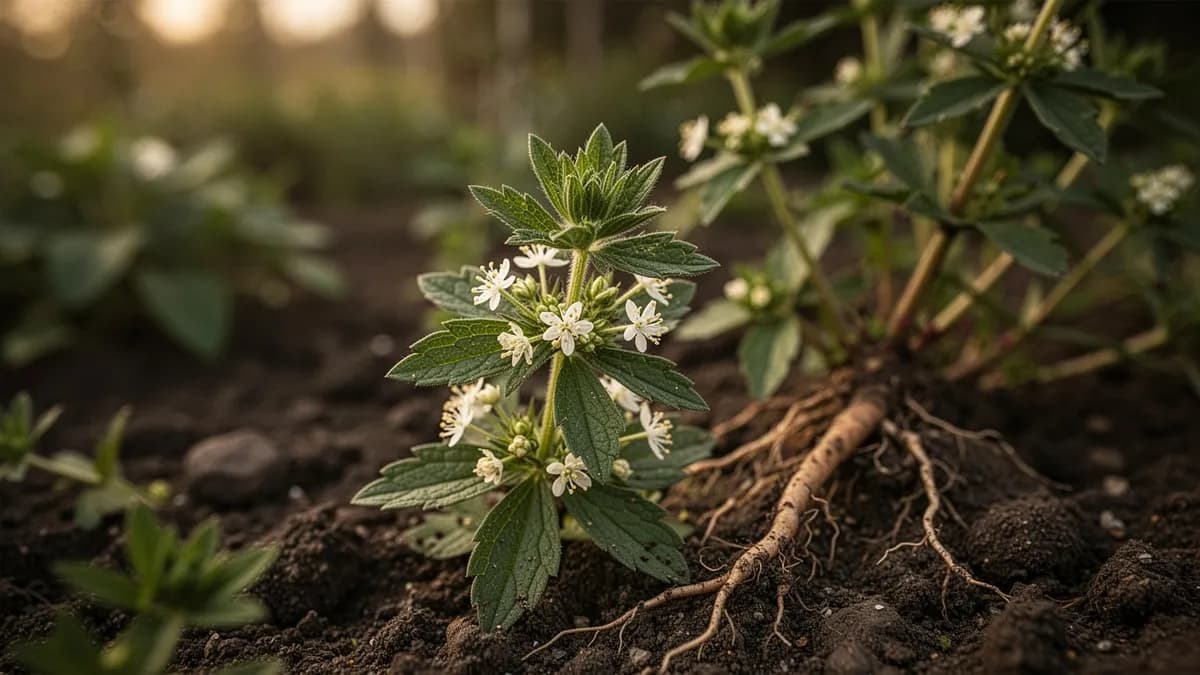
A scrambling annual with tiny hook-covered leaves and stems that cling to everything, used herbally as a lymphatic tonic. Cleavers is best used fresh in spring juices and teas when the young growth is most potent and least fibrous. The plant grows rapidly in cool weather and can be succession harvested before it becomes tough and stringy.
When to plant Cleavers
Sow cleavers seeds in early spring, pressing into moist soil surface. Seeds germinate readily in cool, moist conditions within 1-2 weeks. No special treatment is needed—this is one of the easiest herbs to grow. Seeds self-sow prolifically; once established, cleavers will return annually without replanting. Simply manage the population by harvesting heavily and removing excess plants before they set seed. Can also be autumn-sown for even earlier spring emergence.
Your Cleavers Year
Composed for Zone 7 · typical seasons · frost passes Apr 2, returns Nov 1
Plant Cleavers Mar – Apr, pick May – Jul. Check the planting methods below and set your climate to personalize these windows.
How to grow Cleavers
Cleavers, also known as goosegrass or sticky weed, is a scrambling annual that uses tiny hooked hairs on its leaves and stems to cling to everything it touches—clothing, animal fur, and neighboring plants. This vigorous spring herb grows 30-120cm long, scrambling over hedges and through garden borders. Sow in early spring in partial shade with moist soil, spacing 20cm apart.
Cleavers grows best in cool, moist conditions and is one of the first herbs to emerge in spring. It thrives in the partial shade of hedgerows and woodland edges, scrambling over shrubs and through gaps with its sticky, climbing stems. Provide fertile, moist soil for the lushest, most succulent growth—poor, dry soil produces tough, fibrous plants with less herbal value.
This herb is best used fresh in spring when the young growth is most tender and medicinally potent. As the season progresses, plants become increasingly tough, stringy, and difficult to use. In herbal practice, cleavers is valued as a spring tonic and lymphatic herb. The plant self-sows prolifically from tiny round seeds that are also covered in hooked hairs, so it can become weedy—manage by harvesting heavily and removing plants before seed set.
72 plants fit a 4 × 8 ft bed
Each Cleavers wants 20 cm of elbow room. The planner keeps that spacing for you — every plant, every bed.
Cleavers's best neighbours
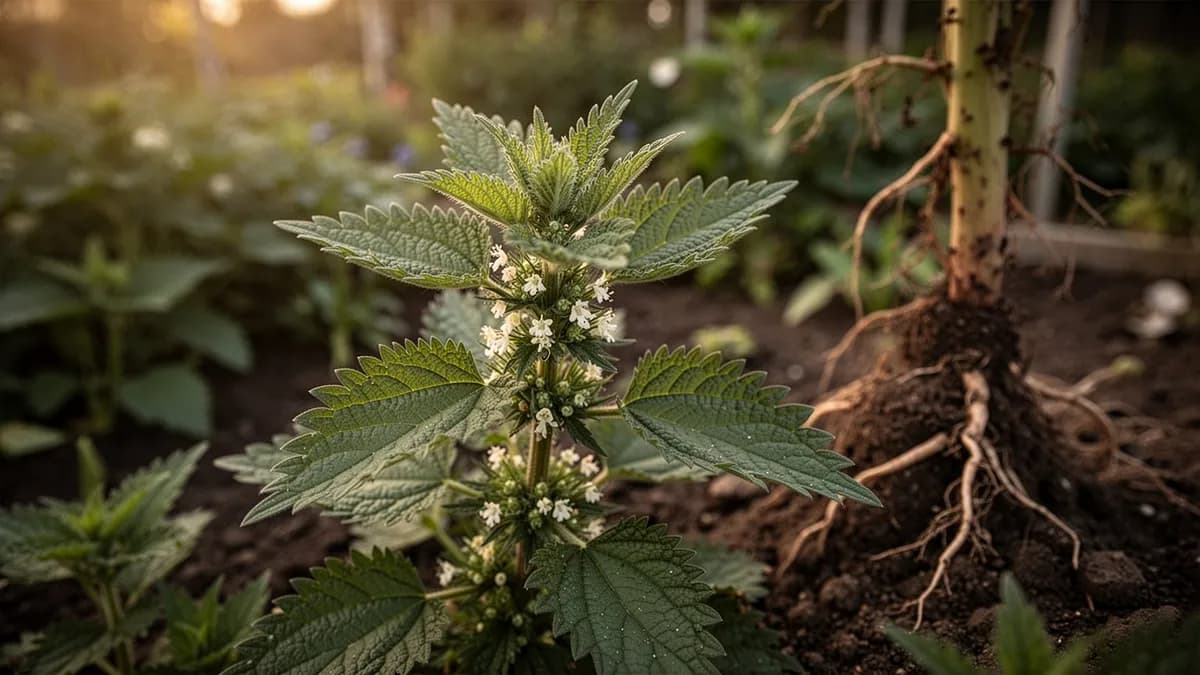
In its natural habitat, cleavers scrambles through hedgerows and over shrubs without causing significant harm to its supports. In the herbal garden, grow in a dedicated area where its scrambling habit is an asset rather than a nuisance. Plant alongside other spring-harvested herbs like nettles and dandelions for a traditional spring tonic garden. The early spring growth provides ground cover before later crops emerge.
Stinging Nettle belongs beside it.
Old growers' knowledge, checked against Cleavers's real companion table below — test any plant you're growing.
Try Cleavers in a bed — right here
A real planner bed with Cleavers already in it. Tap a companion to place it and watch the pairing checks answer — green for good neighbours, red for a clash.


Related growing guides
Feed it well
Grow in moist, fertile soil with pH 5.5-7.5. Cleavers is adapted to rich, humus-laden soil found naturally in hedgerows and woodland edges. Incorporate compost for the most succulent, tender growth. No additional fertilization is needed in reasonably fertile garden soil. The plant is a nitrogen-indicator species, thriving in nitrogen-rich soils. In containers, use standard potting mix kept consistently moist.
Ideal Temperature
Hardiness Zone Compatibility
From seed to harvest, stage by stage
Germination
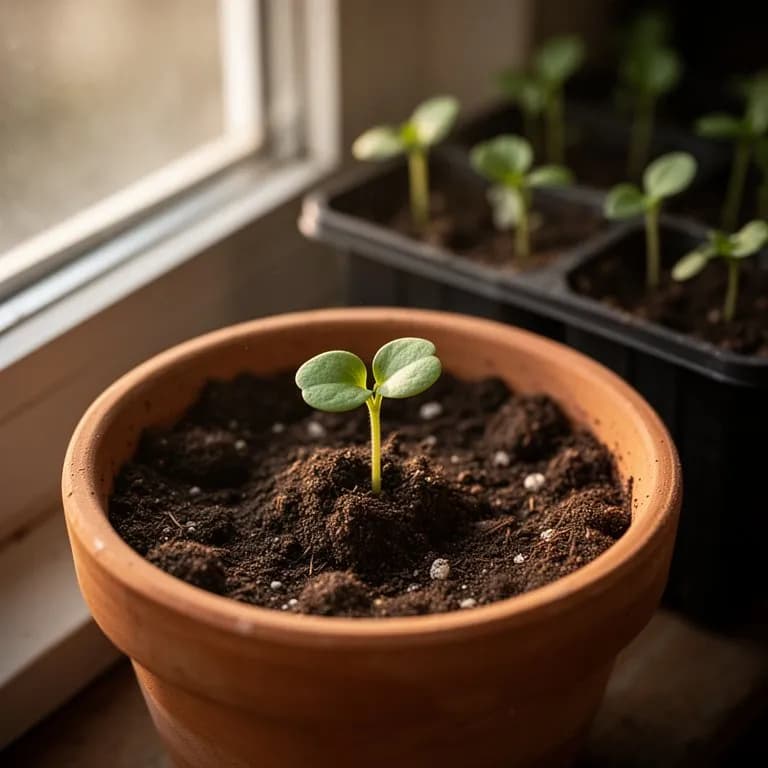
Cleavers seeds germinate readily in cool, moist soil, typically emerging within 7-14 days. The seeds require a period of cold stratification in nature, but freshly sown autumn or early spring seeds germinate without difficulty. Seedlings emerge with a pair of rounded cotyledons followed quickly by the first whorl of narrow, lance-shaped true leaves already bearing the characteristic tiny hooked hairs.
Early Vegetative Growth
The young plant develops its characteristic square stems and whorls of 6-8 narrow leaves at each node. The stems are weak and tend to sprawl along the ground initially. Tiny backward-pointing hooks on the stems and leaf margins begin to develop, enabling the plant to cling to surrounding vegetation, clothing, and animal fur. Growth is rapid in cool, moist conditions.
Vigorous Scrambling
Cleavers enters its most vigorous growth phase, with stems extending rapidly to 60-150 cm or more. The plant scrambles over neighboring vegetation using its hooked bristles as grappling hooks. Multiple stems branch freely from the base, creating dense tangled masses. This is the prime harvest window when the growing tips are most tender and flavorful for culinary and medicinal use.
Flowering
Tiny white or greenish-white flowers appear in loose clusters from the leaf axils along the upper stems. Each flower is only 2-3mm across with four pointed petals arranged in a star shape. Flowering typically occurs from late spring through midsummer. The plant continues to grow and produce new stems during flowering but leaf quality begins to decline as energy shifts to reproduction.
Seed Formation
After pollination, distinctive round seed pods develop in pairs, each about 3-5mm in diameter and densely covered in hooked bristles. These bristly fruits are perfectly adapted for dispersal by clinging to animal fur, bird feathers, and human clothing. The seeds were historically collected, dried, and lightly roasted as a coffee substitute. The plant begins to yellow and die back as seeds mature.
Die-Back and Dormancy
As an annual plant, cleavers completes its life cycle and the above-ground growth yellows, dries, and dies back after seed set. The dried stems with their hooked bristles persist for some time. Seeds that have fallen to the ground undergo natural cold stratification through winter, germinating the following spring to begin a new generation.
Sow seeds directly outdoors in autumn or very early spring, pressing them lightly into moist soil at a depth of about 5mm. Keep the soil consistently moist but not waterlogged. Cleavers benefits from cool temperatures for germination — soil between 5-15°C (41-59°F) is ideal.
Caring for Cleavers month by month
What to do each month for your Cleavers
October
You are hereSmall autumn seedlings continue to establish in mild regions, forming tiny rosettes that will overwinter. No active care needed — cleavers is largely self-managing. Note productive wild harvesting spots for next spring.
Know exactly what to do in your garden — every month
One email at the start of each month: what to sow, plant, and tackle right now — for your Cleavers and everything growing around it. Plus a short starter course that helps you dodge the classic mistakes.
- What to do, right now
- Matched to your season
- Starter course included
Harvesting Cleavers
Harvest cleavers in spring when stems are 15-30cm long and still tender—this is the only window for quality herbal use. Cut entire stems and use fresh within hours, as cleavers wilts rapidly and dries poorly. The freshly juiced plant is the most medicinally potent preparation. For tea, use fresh material chopped and steeped in hot water. The tiny hooked hairs are harmless but make handling messy. Harvest with scissors and place directly into a basket or bag.
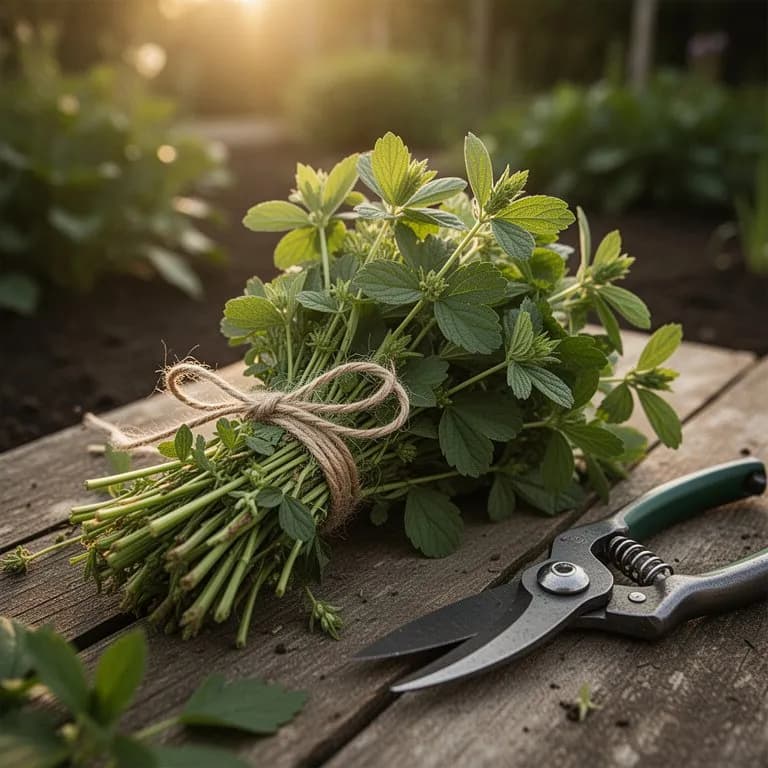
assuming you plant when the window opens — set your real date
Pick Cleavers promptly and the plant keeps producing.
Storage & Preservation
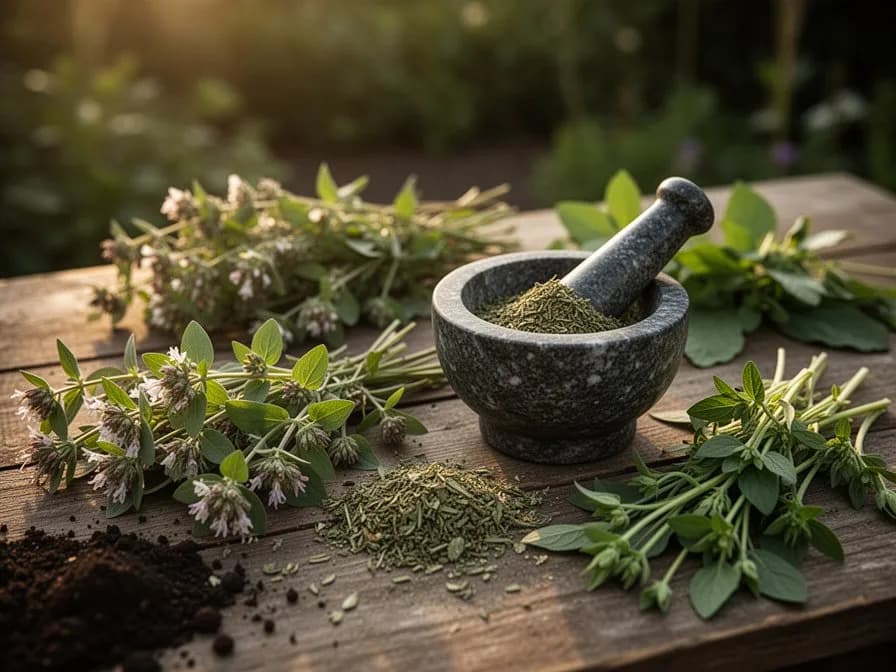
Cleavers is emphatically a fresh herb—its active compounds are volatile and degrade rapidly with drying. Juice the fresh plant immediately after harvest and freeze in ice cube trays for the most effective preservation. Fresh juice can be refrigerated for up to 3 days. Drying reduces potency significantly but dried cleavers can be stored in airtight jars for up to 6 months for mild tea. Tincture fresh plant material in alcohol within hours of harvest for the best preparation.
What goes wrong — and the fix
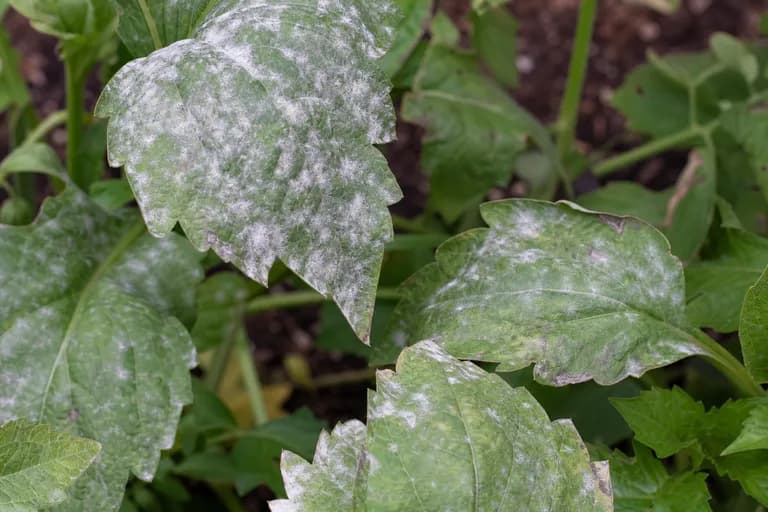
Powdery Mildew
DiseaseWhite coating on leaves and stems in late season when plants are stressed.
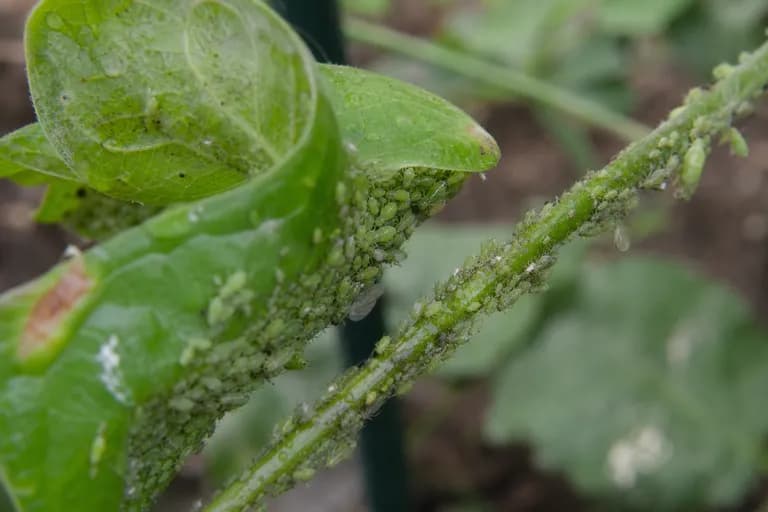
Aphids
PestColonies on growing tips, stunted growth, sticky honeydew.
Troubleshooting Common Problems
Aggressive self-seeding is the primary management issue—harvest heavily before seed set or the hooked seeds will spread everywhere. Plants become tough and unusable by midsummer; plan harvesting for the spring window only. The clingy habit makes cleavers difficult to remove from mixed borders once established. In some regions, it is considered an invasive weed. Start with a small contained patch and manage from there.
Growing Tips
- Sow cleavers seeds directly outdoors in autumn or very early spring — they require cool temperatures to germinate and benefit from natural cold stratification. Scatter seeds on moist soil and press lightly, as they need some light and soil contact to sprout.
- Choose a partially shaded location with consistently moist, humus-rich soil for the best results. Cleavers naturally grows along hedgerows and woodland edges, so it performs best in dappled shade rather than full sun or deep shade.
- Provide a support structure such as twiggy branches, netting, or a small trellis if you want cleavers to grow upright for easier harvesting. Without support, the weak stems will scramble along the ground and over neighboring plants.
- Harvest only the tender growing tips — the top 10-15 cm of each stem — and leave the lower portions intact to continue growing. Regular tip harvesting encourages branching and produces a longer harvest window of tender young growth.
- Gather your main harvest in spring before flowering for the best flavor and nutritional content. Once the tiny white flowers appear, leaves become coarser and the plant shifts energy toward seed production.
- Keep soil consistently moist throughout the growing season. Cleavers is not drought-tolerant and will become tough, stringy, and unpalatable if water-stressed. Mulch around plants to maintain soil moisture in warmer weather.
- Contain cleavers within a designated bed or area, as it self-sows prolifically and the hooked seeds disperse readily on clothing, animal fur, and garden tools. Remove seed heads before they mature if you want to prevent spreading.
- Grow cleavers alongside nettles, wild garlic, and other spring edibles for a dedicated foraging bed that provides a concentrated harvest area for seasonal wild food gathering.
- Process harvested cleavers promptly — the stems wilt quickly after cutting. For tea, dry the tips in a single layer in a warm, airy location out of direct sunlight. For culinary use, blanch briefly in boiling water to soften the hooked hairs before using in pesto, soup, or as a cooked green.
- Start a cleavers patch from wild-collected seeds in autumn. Gather the round, bristly seed pods when they are brown and dry, then scatter them in your chosen growing area. No further care is needed — seeds will germinate naturally the following spring.
Grow your best Cleavers yet — and everything around it.
Start a free plan today. Lay out your beds, drop in your Cleavers, and let PlotMyGarden handle the timing, spacing, companions and reminders from seed to harvest basket.
Pick your Cleavers
Galium aparine (Common Cleavers)
The standard species used in Western herbal medicine. A vigorous scrambling annual found throughout temperate regions worldwide.
Galium odoratum (Sweet Woodruff)
A related perennial species with sweet-scented leaves. Used differently in herbal practice. Less sticky than cleavers.
Cleavers is virtually never sold commercially as a fresh herb or green, making it impossible to purchase at grocery stores. Dried cleavers herb for tea retails for $8-15 per 100g at herbal apothecaries and online shops. Since cleavers grows abundantly in the wild across most temperate regions and self-sows prolifically when cultivated, foragers and growers can harvest unlimited quantities at no cost. A small cultivated patch or reliable wild foraging site provides a free supply of premium spring tonic tea, fresh greens, and herbal preparations worth $40-80 per season compared to purchasing dried herb.
Quick recipes
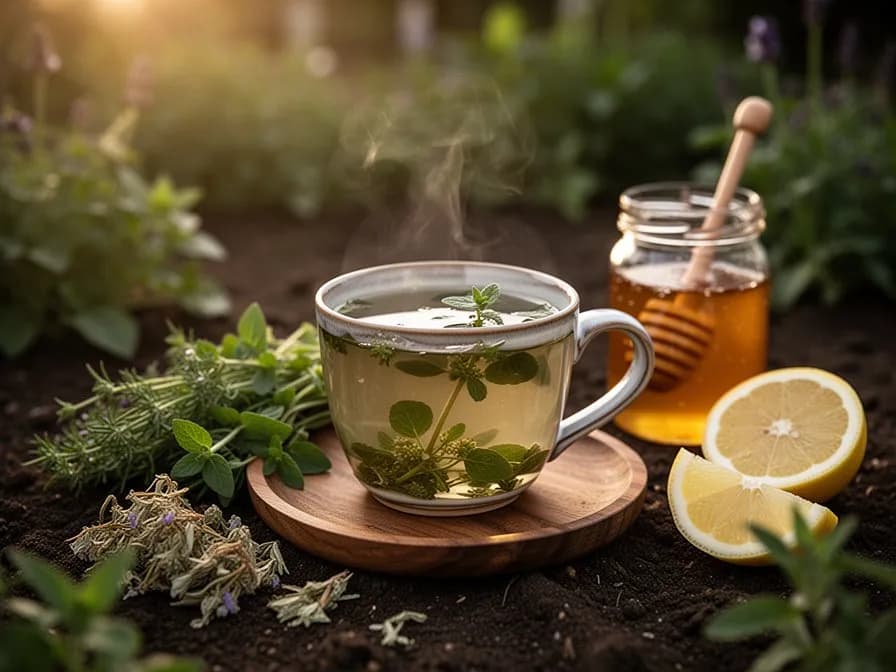
Spring Cleavers Detox Tea
10 minA gentle, cooling herbal tea traditionally consumed in spring as a cleansing tonic. Cleavers tea has a mild, pleasantly green flavor and has been used in European herbalism for centuries to support the lymphatic system and promote healthy skin. Best made with freshly gathered spring tips.
5 ingredientsCleavers Spring Pesto
15 minA vibrant green pesto made from tender young cleavers tips, similar in flavor to nettle pesto but without the sting. The mild, fresh green taste pairs beautifully with pasta, spread on toast, or stirred into risotto. Use only the youngest, most tender growing tips gathered before flowering.
7 ingredientsCleavers Seed Coffee
20 minA caffeine-free coffee alternative made from the roasted seeds of cleavers — a tradition dating back centuries in rural Europe. The roasted seeds produce a dark, earthy brew with a flavor reminiscent of weak coffee with hints of toasted grain. Galium aparine is a relative of true coffee (Coffea), making this a genuine botanical cousin.
4 ingredientsWhat's inside
Health Benefits
- Widely regarded in Western herbalism as the premier herb for supporting the lymphatic system — cleavers is traditionally used to reduce swollen lymph nodes, support lymphatic drainage, and promote the healthy flow of lymph fluid throughout the body.
- Contains natural diuretic compounds that gently promote kidney function and urinary output without depleting important electrolytes, making it a traditional remedy for urinary tract support and mild fluid retention.
- Rich in antioxidant phenolic compounds including chlorogenic acid and coumarins, which help protect cells from oxidative stress and may contribute to reduced inflammation throughout the body.
- Traditionally prized as a spring blood-cleansing herb — modern herbalists use cleavers to support the body's natural detoxification processes through the liver, kidneys, and lymphatic system after the sedentary winter months.
- Used topically and internally in herbal medicine for skin conditions including eczema, psoriasis, and acne — the herb's lymphatic and kidney-supporting properties are believed to help clear skin conditions by improving waste elimination.
- Contains silica and other trace minerals that support the health of connective tissues, hair, skin, and nails — cleavers was traditionally known as a beauty herb in European folk medicine for its skin-clarifying reputation.
Where Cleavers comes from
Cleavers (Galium aparine) is native to a vast range spanning Europe, North Africa, and temperate Asia, where it grows naturally in hedgerows, woodland edges, stream banks, and disturbed ground. It is one of the most widely distributed plants in the temperate world, having spread to North America, South America, Australia, and numerous oceanic islands — partly through natural dispersal by birds and animals, and partly as an inadvertent companion of human agriculture and settlement.
The use of cleavers as both food and medicine stretches deep into European prehistory. Archaeological evidence from Neolithic lakeside settlements in Switzerland includes cleavers seeds among stored plant remains, suggesting the seeds were gathered as food thousands of years ago. The ancient Greeks knew the plant well — Dioscorides described its medicinal uses in the first century CE, and the name 'aparine' derives from the Greek verb meaning 'to seize,' a reference to the plant's clinging habit.
Throughout the Middle Ages, cleavers occupied an important place in European herbalism and folk medicine. It was classified as a 'spring tonic' herb — one of the first fresh green plants available after winter — and was widely consumed as a cleansing tea, cooked green, or juice. Nicholas Culpeper wrote in his 1653 herbal that cleavers was ruled by the Moon and was an excellent remedy for clearing obstructions, reducing swellings, and treating skin conditions. The herb featured prominently in the spring rituals of rural communities across Britain, Germany, and Scandinavia.
Cleavers arrived in North America with European colonists and quickly naturalized across the continent. Native American peoples adopted it into their own herbal traditions after contact. Today, cleavers remains one of the most commonly used herbs in Western herbalism, valued particularly for its gentle support of the lymphatic system, kidneys, and skin. It is experiencing renewed interest among foragers, herbalists, and advocates of wild food who prize it as a nutritious and freely available spring green.
Cleavers: did you know?
Fascinating facts about Cleavers
Cleavers (Galium aparine) belongs to the same plant family (Rubiaceae) as coffee, and its round bristly seeds have been dried and roasted as a caffeine-free coffee substitute since at least the Middle Ages — making it one of the oldest known coffee alternatives in European history.
Cleavers questions, answered
When should I plant Cleavers?
What are good companion plants for Cleavers?
What hardiness zones can Cleavers grow in?
How much sun does Cleavers need?
How far apart should I space Cleavers?
What pests and diseases affect Cleavers?
How do I store Cleavers after harvest?
What are the best Cleavers varieties to grow?
What soil does Cleavers need?
Is cleavers safe to eat raw?
When is the best time to harvest cleavers?
Can I grow cleavers in a container or pot?
How do I make cleavers coffee from the seeds?
Is cleavers the same as goosegrass?
Will cleavers take over my garden if I plant it?
You just read the theory. Now grow it on autopilot.
Everything that makes Cleavers fiddly — the timing, the spacing, the companions, the harvest window — is exactly what PlotMyGarden handles for you, for every plant in your garden.
A plan that knows your weather
Set your location once. Get sow, feed and harvest dates built around your real last-frost date and live forecast — no more guessing from a generic seed packet.
From the “When to plant” sectionDrag-and-drop bed planner
Design beds on a grid. Every plant snaps to its proper spacing, and you can see your whole season laid out before you spend a cent on seed.
From the “Growing guide” sectionCompanion conflicts, caught early
200+ good-and-bad pairings checked live as you plant — so a season-wrecking mistake never makes it into the ground.
From the “Companions” sectionReminders you'll actually act on
“Water the beans.” “Pick today before it turns.” Timely, specific, and tied to the plants you're really growing.
From the “Harvest” sectionSuccession, scheduled
Want a harvest for six weeks, not six days? It spaces your sowings automatically and reminds you when each new block is due.
From the “When to plant” sectionA record that gets smarter
Every harvest you log teaches it your garden. Next year's plan starts from what actually worked in your soil, not a textbook's.
From the “Overview” sectionPlant these alongside Cleavers
More Medicinal Herbs
Grow your best Cleavers yet — and everything around it.
Start a free plan today. Lay out your beds, drop in your Cleavers, and let PlotMyGarden handle the timing, spacing, companions and reminders from seed to harvest basket.