Chinese Broccoli
A leafy brassica with thick, tender stems and small florets, prized in Cantonese cuisine served simply with oyster sauce.





On this pageOverview
Meet Chinese Broccoli
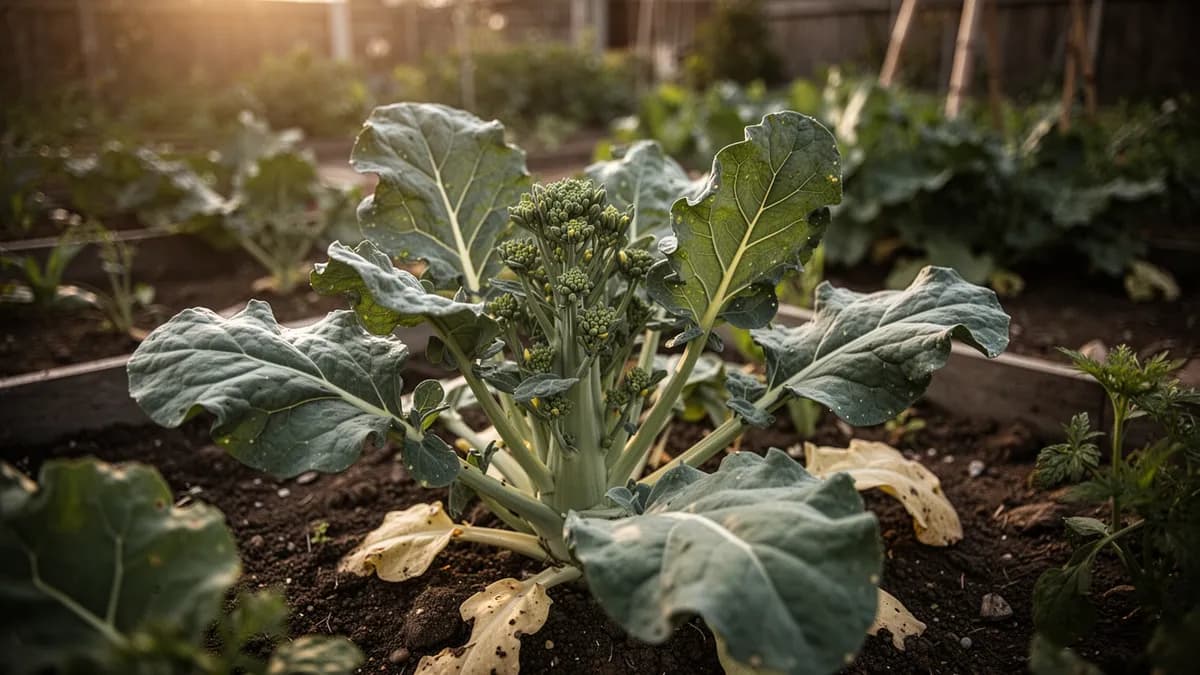
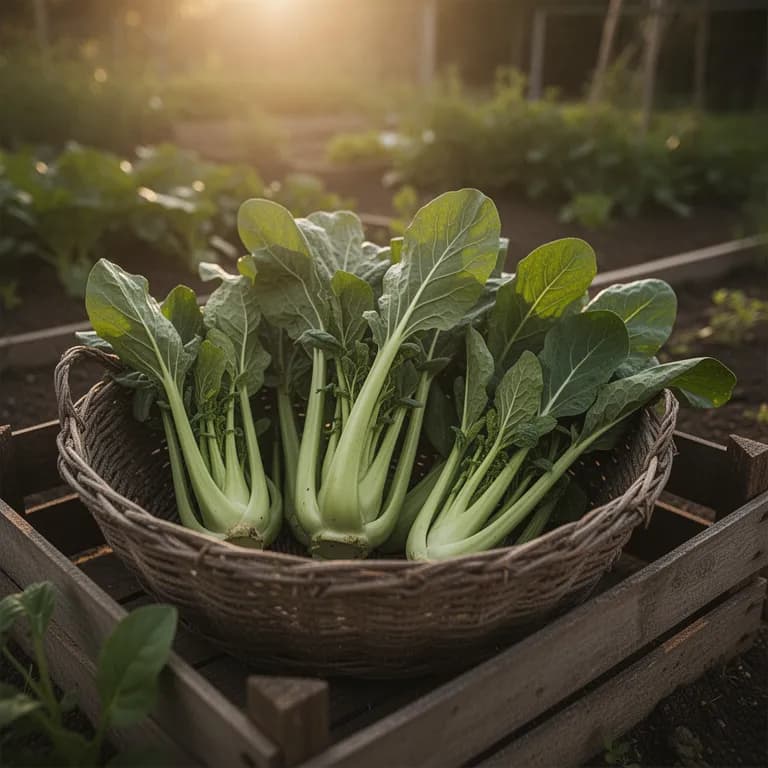
A leafy brassica with thick, tender stems and small florets, prized in Cantonese cuisine served simply with oyster sauce. Chinese broccoli grows quickly and can be succession planted every few weeks for a continuous supply. The entire plant is edible including leaves, stems, and flower buds, with the stems being the most prized part. Harvest when flower buds are just beginning to show but before they open for the most tender and sweet stalks.
When to plant Chinese Broccoli
Direct sow seeds outdoors 1/4 inch deep as soon as soil can be worked in spring. For an earlier start, sow indoors 4-6 weeks before last frost in cell trays. Seeds germinate in 4-7 days at 60-75°F. Thin seedlings to 6-8 inches apart. Chinese broccoli does not transplant as well as other brassicas, so direct sowing is preferred. For continuous harvest, succession sow every 2-3 weeks through spring and again in late summer for fall crops.
Your Chinese Broccoli Year
Composed for Zone 7 · typical seasons · frost passes Apr 2, returns Nov 1
Plant Chinese Broccoli Mar – Apr, Aug – Sep, pick May – Jun, Oct – Nov. Check the planting methods below and set your climate to personalize these windows.
How to grow Chinese Broccoli
Direct sow Chinese broccoli seeds 1/4 inch deep in prepared beds, spacing seeds 2-3 inches apart in rows 12-18 inches apart. Seeds germinate in 4-7 days at 60-75°F. Thin seedlings to 6-8 inches apart when they reach 2 inches tall. Succession plant every 2-3 weeks from early spring through fall for a continuous harvest.
Chinese broccoli prefers cool weather and grows best in temperatures between 50-70°F. In hot climates, grow as a fall or winter crop. Provide consistent moisture and mulch to keep roots cool. Side-dress with a balanced fertilizer every 3-4 weeks to support rapid growth. The plants bolt quickly in heat, so choose bolt-resistant varieties for warm-season planting.
Harvest the main stem when flower buds appear but before they open, cutting 6-8 inches of stem. Side shoots will develop for subsequent harvests over several weeks. Chinese broccoli is an excellent cut-and-come-again crop that rewards regular harvesting with continued production.
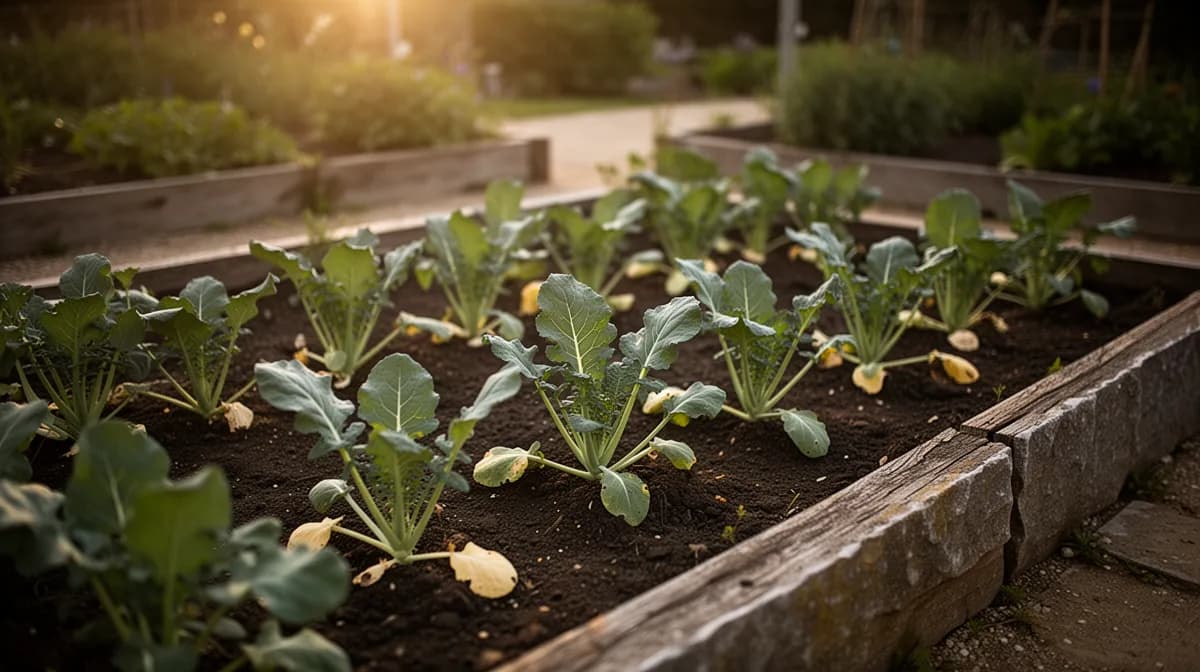
36 plants fit a 4 × 8 ft bed
Each Chinese Broccoli wants 25 cm of elbow room. The planner keeps that spacing for you — every plant, every bed.
Chinese Broccoli's best neighbours
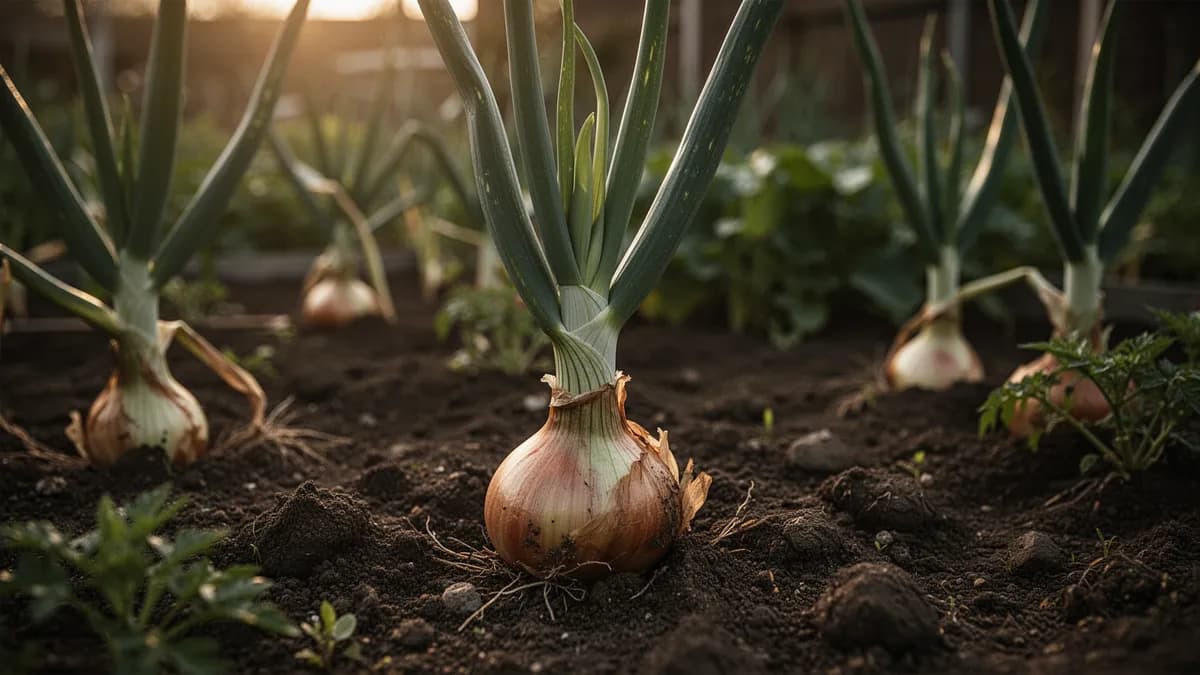
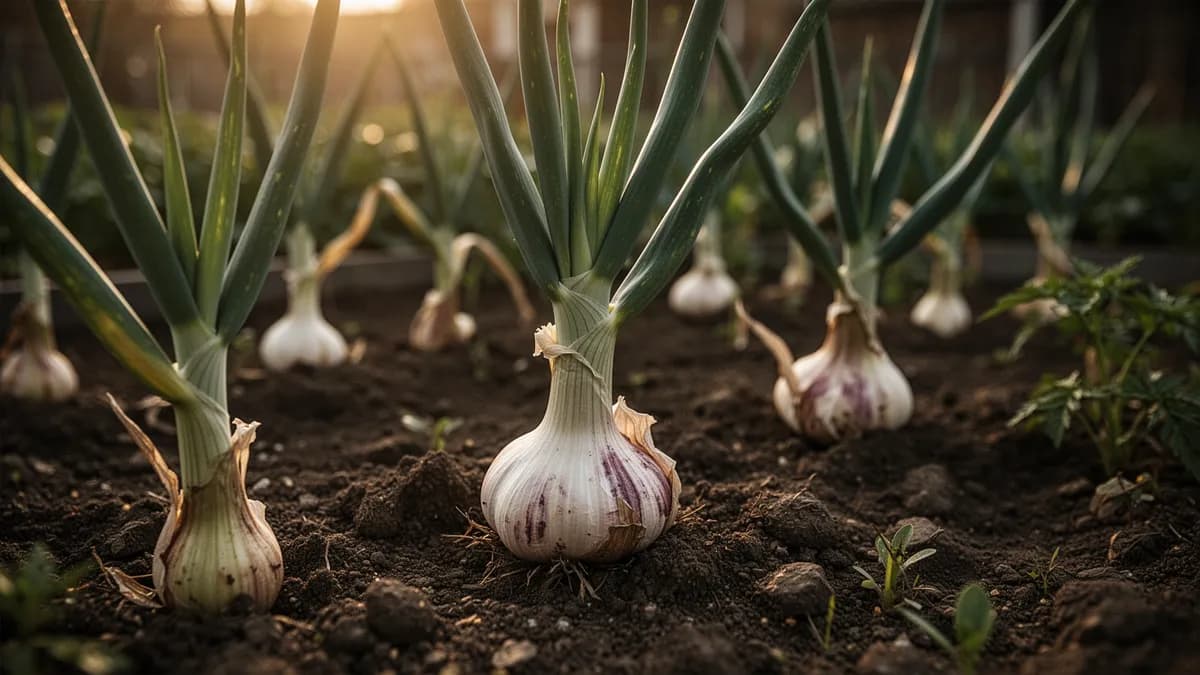
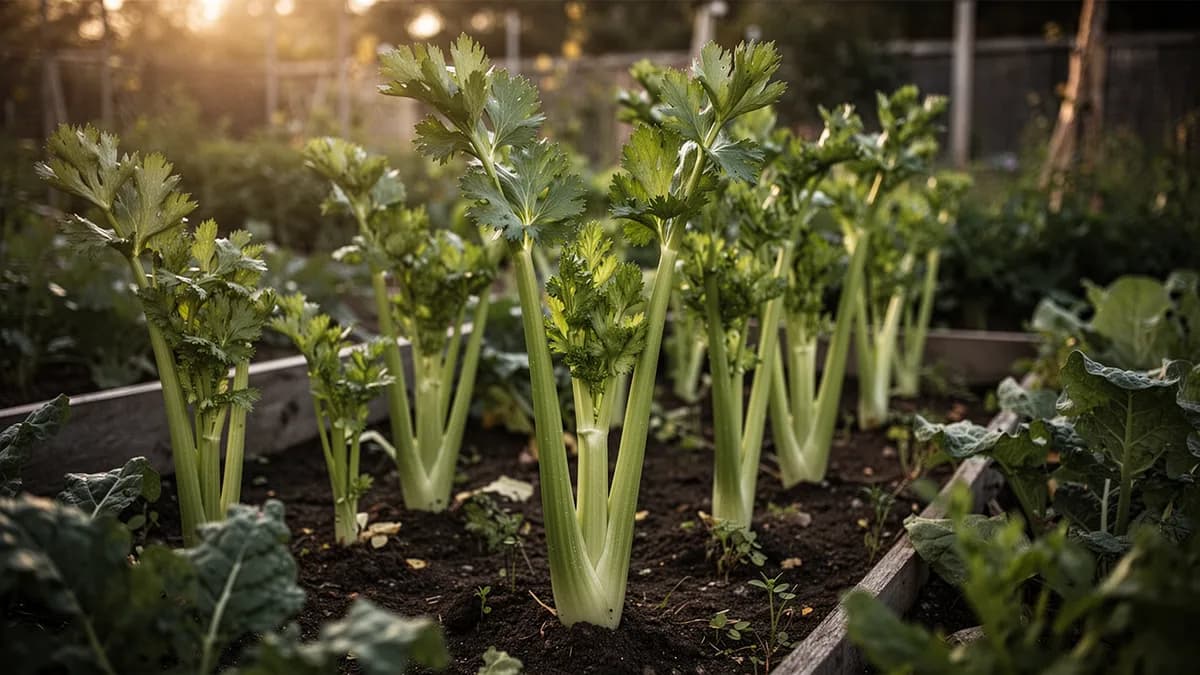
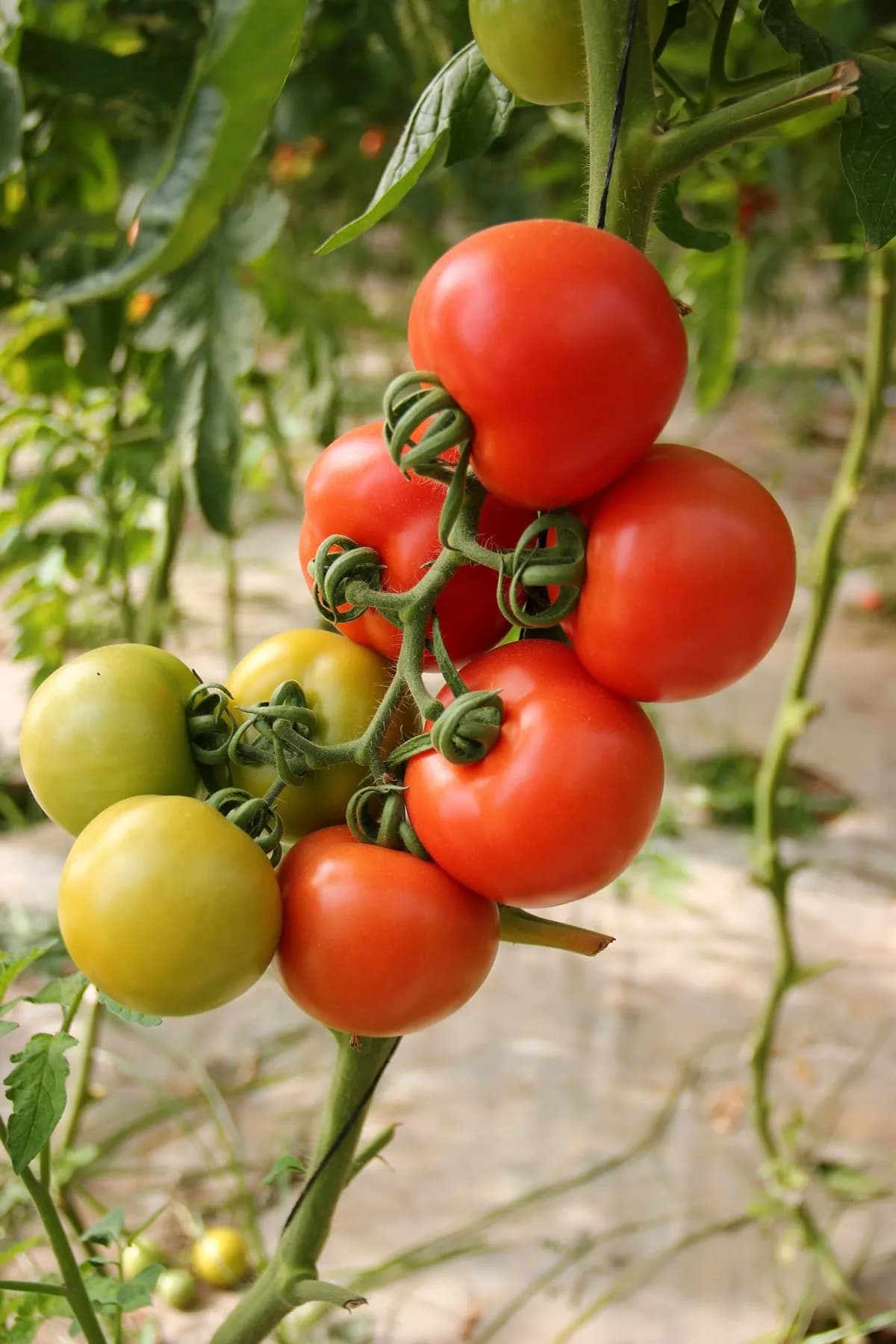
Plant alongside onions, garlic, and celery, which help deter cabbage pests with their strong aromas. Aromatic herbs like dill and sage attract beneficial predatory insects. Lettuce and spinach make good interplanting companions as they mature before the broccoli needs full space. Avoid planting near tomatoes, peppers, and strawberries. Nasturtiums serve as effective trap crops for aphids when planted nearby.
Onion belongs beside it. Tomato doesn't.
Old growers' knowledge, checked against Chinese Broccoli's real companion table below — test any plant you're growing.
Try Chinese Broccoli in a bed — right here
A real planner bed with Chinese Broccoli already in it. Tap a companion to place it and watch the pairing checks answer — green for good neighbours, red for a clash.


Related growing guides
Feed it well
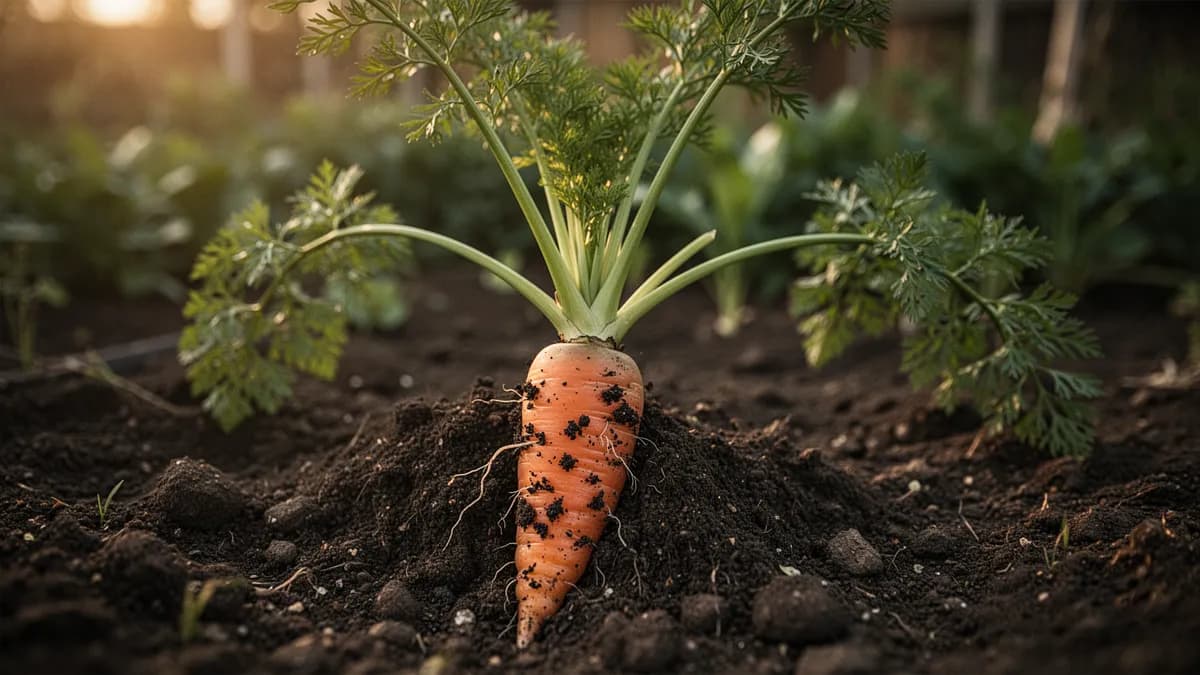
Chinese broccoli grows best in fertile, well-drained soil with a pH of 6.0-7.0. Work in generous amounts of compost before planting, as the rapid growth rate demands rich soil. Apply a balanced fertilizer at planting and side-dress every 3 weeks with nitrogen-rich fertilizer. Ensure adequate calcium to prevent hollow stems. Boron deficiency causes brown, corky stems, so consider adding borax to deficient soils. Maintain consistent moisture for tender, sweet stems.
Ideal Temperature
Hardiness Zone Compatibility
From seed to harvest, stage by stage
Seed Germination
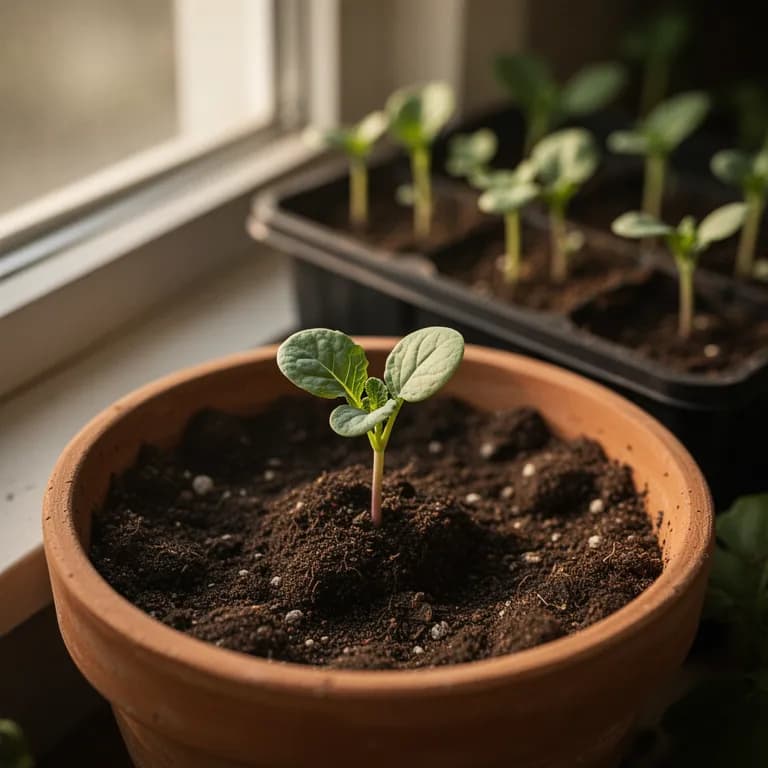
Chinese broccoli seeds germinate rapidly in cool, moist soil. Small rounded cotyledon leaves emerge within 4-7 days, typical of brassica family members. Seeds are tiny and dark brown, requiring only shallow planting at 6mm depth.
Seedling Development
True leaves develop with the characteristic broad, flat, blue-green appearance and slightly waxy coating. The stem begins to thicken noticeably. Root systems establish quickly in fertile, well-drained soil.
Vegetative Growth
The plant enters rapid growth, producing a rosette of large, thick, blue-green leaves on sturdy stems. The main stem thickens significantly during this phase, building the reserves needed for flowering. This is the fastest growth period.
Bud Formation
Small flower buds appear at the top of the main stem, clustered tightly together. The buds are green to slightly white and resemble miniature broccoli florets. This is the critical stage for timing the harvest — buds should be visible but still tightly closed.
Main Harvest
The main stem is at peak harvest quality with thick, crisp stems and tightly closed flower buds. Cut the main stem 15-20 cm from the base at an angle to encourage side shoot production. The entire cut portion — leaves, stem, and buds — is edible.
Side Shoot Production
After the main stem is harvested, multiple side shoots develop from leaf axils along the remaining stem. These smaller but equally tender shoots provide 2-4 additional harvests over several weeks, making Chinese broccoli an excellent cut-and-come-again crop.
Keep soil consistently moist but not waterlogged during germination. Optimal soil temperature is 15-24°C (60-75°F). Thin seedlings early to prevent overcrowding that leads to spindly growth.
Caring for Chinese Broccoli month by month
What to do each month for your Chinese Broccoli
October
You are hereHarvest fall-planted Chinese broccoli as stems thicken and buds form. Light frost improves flavor. Continue harvesting side shoots from earlier plantings. In mild zones, sow again for winter production.
Know exactly what to do in your garden — every month
One email at the start of each month: what to sow, plant, and tackle right now — for your Chinese Broccoli and everything growing around it. Plus a short starter course that helps you dodge the classic mistakes.
- What to do, right now
- Matched to your season
- Starter course included
Harvesting Chinese Broccoli
Harvest Chinese broccoli when stems are thick and flower buds are visible but still tightly closed, typically 50-60 days after sowing. Cut the main stem 6-8 inches from the base at an angle. Side shoots will develop over the next 2-4 weeks for subsequent harvests. The ideal stem diameter is about the width of a pencil. Harvest in the morning when stems are most crisp and hydrated. If flowers have opened, the stems become tougher but are still edible.
assuming you plant when the window opens — set your real date
Pick Chinese Broccoli promptly and the plant keeps producing.
Storage & Preservation
Store unwashed Chinese broccoli in a plastic bag in the refrigerator for up to 5-7 days. For best quality, stand stems upright in a glass of water covered with a plastic bag. To freeze, blanch stems for 2 minutes, cool in ice water, drain, and freeze in airtight bags for up to 8 months. Chinese broccoli can also be pickled in a rice vinegar brine for a tangy condiment that keeps for several weeks refrigerated.
What goes wrong — and the fix
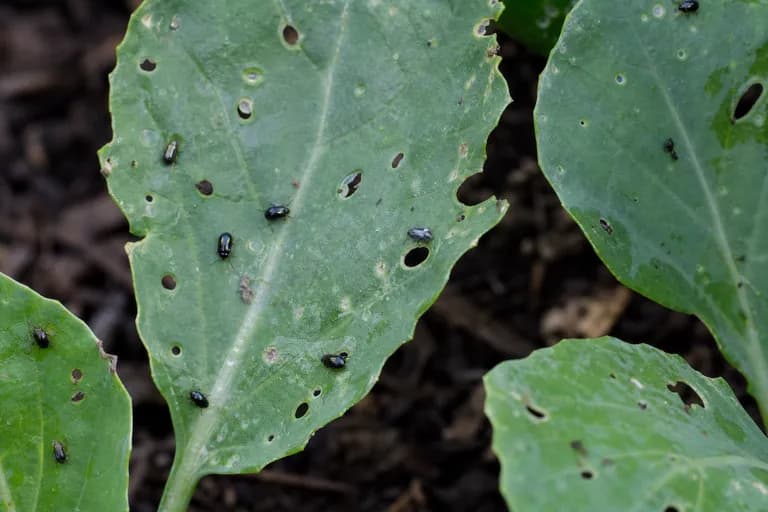
Flea Beetles
PestSmall round holes (shot-holes) in leaves, especially on young seedlings. Heavy infestations can kill seedlings.
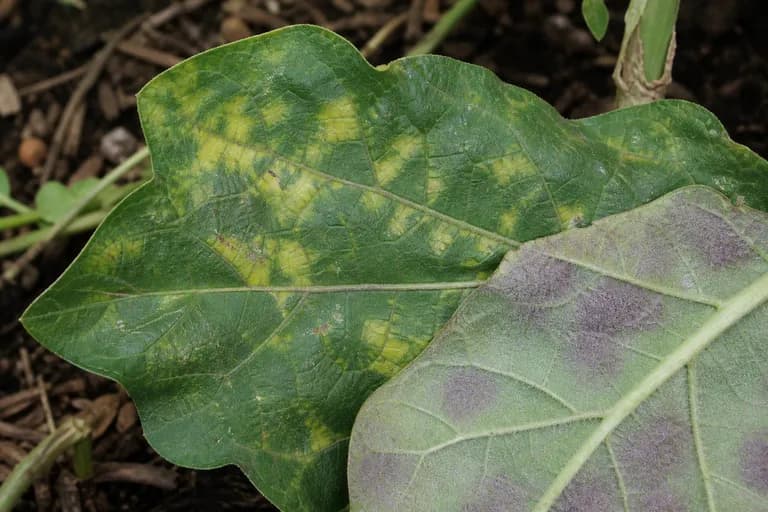
Downy Mildew
DiseaseYellow patches on upper leaf surfaces with grayish-purple fuzzy growth underneath. Leaves eventually brown and die.
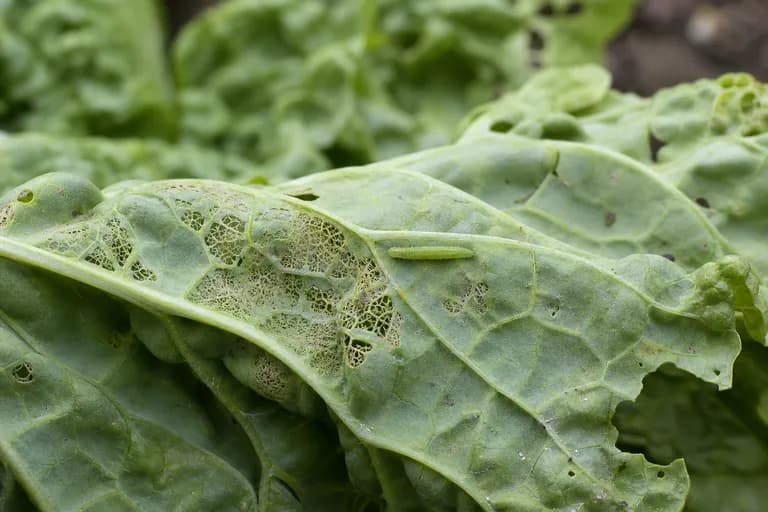
Diamondback Moth
PestSmall holes in leaves, tiny green caterpillars that wriggle vigorously when disturbed, windowpane damage on leaves.
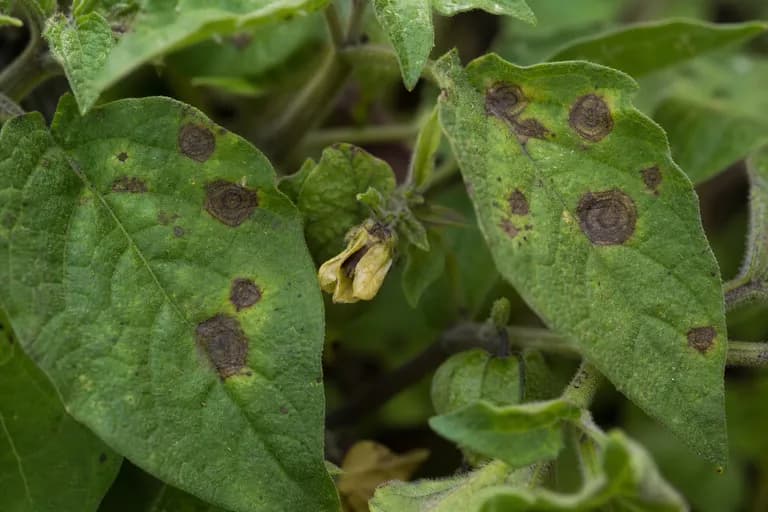
Alternaria Leaf Spot
DiseaseDark brown to black circular spots with concentric rings on leaves. Spots may merge and cause leaf drop.
Troubleshooting Common Problems
Bolting is the primary challenge, especially in warm weather above 75°F. Choose bolt-resistant varieties and plant during cool seasons. Hollow stems indicate boron deficiency or irregular watering. Tough, fibrous stems result from harvesting too late or growing in excessive heat. Yellowing lower leaves suggest nitrogen deficiency. Bitter flavor develops when plants are water-stressed or grown in hot conditions.
Growing Tips
- Succession planting is the single most important technique for Chinese broccoli. Sow a new batch every 2-3 weeks from early spring through mid-spring, then again from late summer through early fall, to maintain a continuous supply rather than a single glut.
- Direct sowing is preferred over transplanting. Chinese broccoli has a shallow, sensitive root system that resents disturbance, and transplant shock can trigger premature bolting. If you must start indoors, use biodegradable pots to minimize root disruption.
- Harvest timing is critical — check plants daily once you see the first hint of flower buds forming. The ideal harvest window is only 2-3 days between perfect and overblown. If you see open yellow or white flowers, you have waited too long for peak quality.
- Cut the main stem at an angle about 10 cm above soil level rather than pulling the entire plant. This angled cut prevents water from pooling and rotting the stem, and the remaining plant will produce 2-4 side shoots for subsequent harvests.
- Cool weather is non-negotiable for quality. In warm climates, grow Chinese broccoli exclusively as a fall, winter, or very early spring crop. Heat above 24°C (75°F) causes rapid bolting, thin stems, and bitter flavor.
- Consistent moisture produces the thickest, most tender stems. Irregular watering leads to tough, fibrous stalks. Apply 5-8 cm of organic mulch and water deeply 2-3 times per week rather than lightly every day.
- Interplant with lettuce, radishes, or spinach between rows. These fast-maturing crops are harvested before the Chinese broccoli needs the full space, maximizing garden productivity from the same bed.
- If flea beetles are a persistent problem, cover beds with lightweight floating row covers immediately after sowing. Chinese broccoli does not need insect pollination for the harvest we eat (stems and buds), so covers can remain on until harvest.
Grow your best Chinese Broccoli yet — and everything around it.
Start a free plan today. Lay out your beds, drop in your Chinese Broccoli, and let PlotMyGarden handle the timing, spacing, companions and reminders from seed to harvest basket.
Pick your Chinese Broccoli
Green Lance
Vigorous hybrid with thick, tender stems and excellent bolt resistance. Produces abundant side shoots after main harvest.
Kailaan
Traditional Chinese variety with blue-green leaves and sweet, crisp stems. Matures in about 50 days.
Big Boy
Large-stemmed variety prized for its especially thick, juicy stalks. Excellent for stir-frying and steaming.
Blue Star
Heat-tolerant variety with attractive blue-green foliage. Slower to bolt in warm weather than most varieties.
Chinese broccoli sells for $4-8 per bunch (about 300g) at Asian grocery stores and $6-12 per bunch at specialty markets. A single packet of seeds ($2-4) produces 50-100 plants, each yielding 200-400g of harvest. Growing just 10-15 plants per succession provides $20-60 worth of produce from pennies worth of seed. Over a full spring and fall season with 4-6 succession plantings, a small bed can easily save $100-200 on fresh Chinese broccoli alone.
Quick recipes
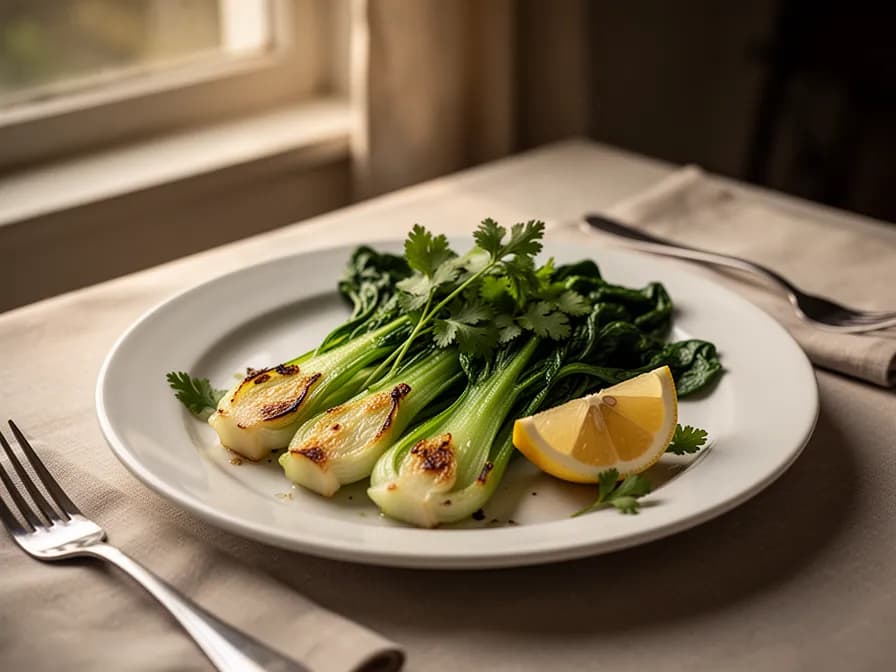
Cantonese Garlic Chinese Broccoli
10 minThe quintessential Chinese broccoli dish served in every Cantonese restaurant — blanched until bright green and tender-crisp, then drizzled with a savory oyster sauce and garlic mixture. Simple, elegant, and deeply satisfying.
7 ingredientsStir-Fried Chinese Broccoli with Fermented Black Beans
15 minA bold, umami-rich stir-fry where the slightly bitter greens are balanced by the pungent saltiness of fermented black beans and the heat of fresh chili. A staple of Cantonese home cooking.
8 ingredientsSteamed Chinese Broccoli with Ginger and Sesame
12 minA light, healthy preparation that showcases the natural sweetness of perfectly steamed Chinese broccoli. Fresh ginger and toasted sesame add aromatic depth without overwhelming the vegetable's delicate flavor.
7 ingredientsCulinary Uses
Chinese broccoli is essential in Cantonese cuisine, classically blanched and drizzled with oyster sauce. Stir-fry with garlic and ginger for a quick side dish. The stems and leaves can be added to noodle soups, fried rice, and dumpling fillings. Steam whole stems until just tender-crisp. Also excellent when charred in a hot wok with fermented black beans and chili.
What's inside
Health Benefits
- Exceptionally high in bioavailable calcium (105mg per 100g) with very low oxalate content, making it one of the most effective plant-based sources for bone health — the body absorbs nearly 50% of the calcium compared to only 5% from spinach.
- Rich in vitamin A and beta-carotene, supporting eye health, immune function, and the maintenance of healthy skin and mucous membranes that form the body's first line of defense against pathogens.
- Contains sulforaphane and other glucosinolates — powerful compounds that activate the body's own detoxification enzymes and have been extensively studied for their potential to inhibit cancer cell growth.
- Good source of vitamin C (31% DV per 100g), a water-soluble antioxidant that supports immune function, collagen synthesis, and enhances the absorption of iron from plant-based foods eaten in the same meal.
- High in dietary fiber that supports healthy digestion, promotes regular bowel movements, and feeds beneficial gut bacteria — contributing to a balanced microbiome and improved overall metabolic health.
- Provides vitamin K essential for proper blood clotting and bone metabolism, along with folate critical for DNA synthesis and particularly important during pregnancy for preventing neural tube defects.
Where Chinese Broccoli comes from
Chinese broccoli (Brassica oleracea var. alboglabra), known as gai lan in Cantonese and jie lan in Mandarin, originated in the coastal regions of southern China, where it has been cultivated for well over a thousand years. It is one of the oldest cultivated forms of Brassica oleracea in Asia, developed independently from the European brassica breeding traditions that produced heading broccoli, cauliflower, and cabbage. Historical records from the Song Dynasty (960-1279 CE) mention leafy brassicas matching the description of gai lan being grown in the fertile river deltas of Guangdong province.
The vegetable became a cornerstone of Cantonese cuisine, where its slightly bitter, robust flavor and thick, crisp stems were prized as the perfect complement to rich sauces — particularly oyster sauce, which was invented in the same region. As Cantonese emigrants established communities throughout Southeast Asia, North America, and Europe in the 19th and 20th centuries, they brought their culinary traditions and key ingredients with them. Chinese broccoli became a staple in Chinatown markets and Asian grocery stores worldwide, introducing it to diverse new audiences.
In 1993, a Japanese seed company crossed Chinese broccoli with conventional broccoli to create broccolini (marketed as Tenderstem in Europe), which has since become a mainstream supermarket vegetable in the West. This crossbreed brought renewed attention to its Chinese parent. Today, Chinese broccoli is commercially grown across southern China, Hong Kong, Taiwan, Thailand, and increasingly in California and Australia. It remains most popular in Cantonese and Southeast Asian cuisines but has gained a devoted following among Western chefs and home gardeners for its fast growth, productivity, and distinctive flavor that stands up beautifully to high-heat wok cooking.
Chinese Broccoli: did you know?
Fascinating facts about Chinese Broccoli
Chinese broccoli (gai lan) is one of the oldest cultivated brassicas in Asia, with records of its cultivation in southern China dating back over 1,000 years — far predating the European development of heading broccoli.
Chinese Broccoli questions, answered
When should I plant Chinese Broccoli?
What are good companion plants for Chinese Broccoli?
What hardiness zones can Chinese Broccoli grow in?
How much sun does Chinese Broccoli need?
How far apart should I space Chinese Broccoli?
What pests and diseases affect Chinese Broccoli?
How do I store Chinese Broccoli after harvest?
What are the best Chinese Broccoli varieties to grow?
What soil does Chinese Broccoli need?
Why does my Chinese broccoli bolt so quickly before the stems get thick?
How is Chinese broccoli different from regular broccoli and broccolini?
Can I eat Chinese broccoli after it flowers?
How do I get the thick stems I see at Chinese restaurants?
Can Chinese broccoli grow in containers?
Why are the stems of my Chinese broccoli bitter?
You just read the theory. Now grow it on autopilot.
Everything that makes Chinese Broccoli fiddly — the timing, the spacing, the companions, the harvest window — is exactly what PlotMyGarden handles for you, for every plant in your garden.
A plan that knows your weather
Set your location once. Get sow, feed and harvest dates built around your real last-frost date and live forecast — no more guessing from a generic seed packet.
From the “When to plant” sectionDrag-and-drop bed planner
Design beds on a grid. Every plant snaps to its proper spacing, and you can see your whole season laid out before you spend a cent on seed.
From the “Growing guide” sectionCompanion conflicts, caught early
200+ good-and-bad pairings checked live as you plant — so a season-wrecking mistake never makes it into the ground.
From the “Companions” sectionReminders you'll actually act on
“Water the beans.” “Pick today before it turns.” Timely, specific, and tied to the plants you're really growing.
From the “Harvest” sectionSuccession, scheduled
Want a harvest for six weeks, not six days? It spaces your sowings automatically and reminds you when each new block is due.
From the “When to plant” sectionA record that gets smarter
Every harvest you log teaches it your garden. Next year's plan starts from what actually worked in your soil, not a textbook's.
From the “Overview” sectionPlant these alongside Chinese Broccoli
More Cruciferous
Keep Chinese Broccoli away from these
Garden plans featuring Chinese Broccoli
Grow your best Chinese Broccoli yet — and everything around it.
Start a free plan today. Lay out your beds, drop in your Chinese Broccoli, and let PlotMyGarden handle the timing, spacing, companions and reminders from seed to harvest basket.