Chayote
A vigorous tropical vine producing pear-shaped, mild-flavored fruits that can be eaten raw or cooked in a variety of ways.





On this pageOverview
Meet Chayote
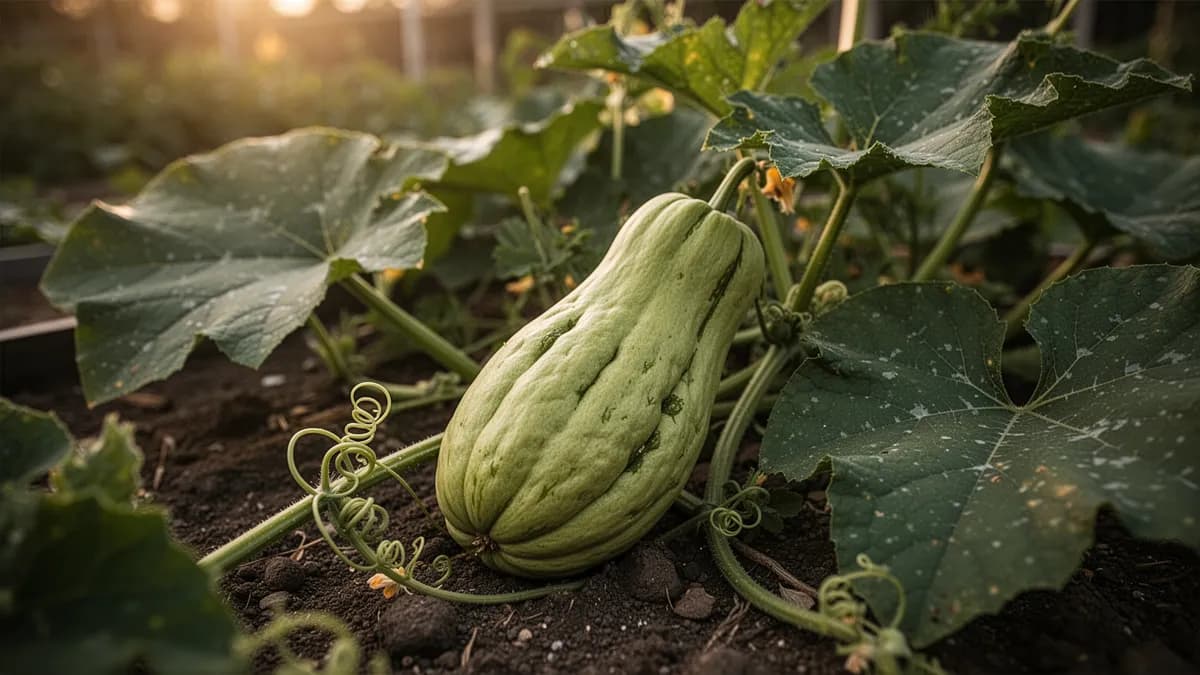
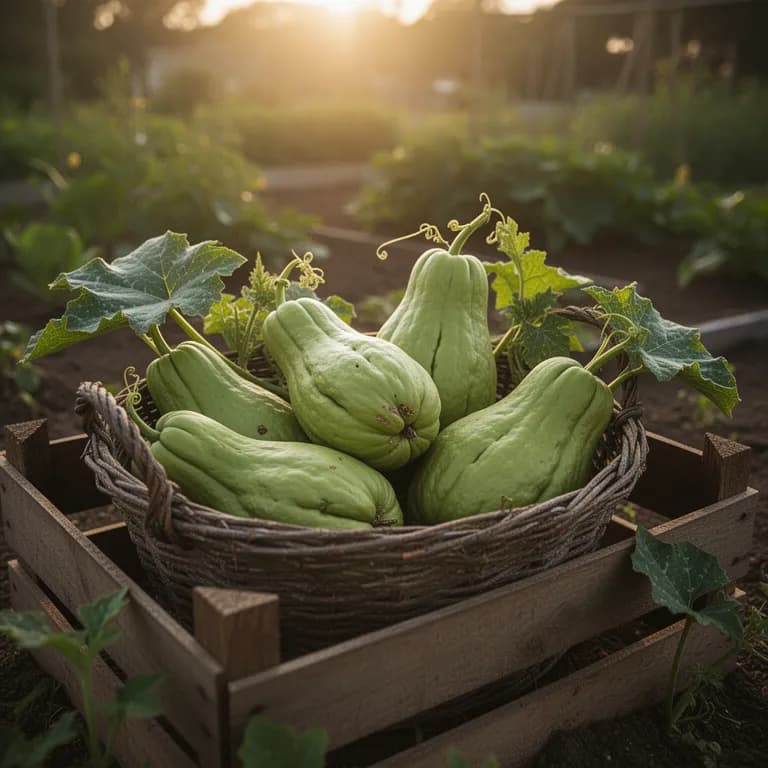
A vigorous tropical vine producing pear-shaped, mild-flavored fruits that can be eaten raw or cooked in a variety of ways. The entire chayote plant is edible, including the fruit, seed, shoots, leaves, and even the starchy tuberous root. Plant a whole sprouted fruit on its side with the stem end protruding slightly from the soil. In frost-free climates, a single vine can produce over one hundred fruits and will regrow from the perennial root system each year.
When to plant Chayote
Chayote is unique in that the entire fruit is planted rather than extracted seeds. Allow a fruit to begin sprouting by placing it in a warm, bright location until the seed sprouts from the stem end. Plant the sprouted fruit on its side at a 45-degree angle with the sprouted end exposed, half-buried in rich soil. Do this after all frost danger passes and soil is warm. In cooler climates, start the sprouting process indoors 4-6 weeks before planting out. Only one seed develops inside each fruit, so the entire fruit serves as the planting unit.
Your Chayote Year
Composed for Zone 7 · typical seasons · frost passes Apr 2, returns Nov 1
Plant Chayote Mar – May, pick Sep – Nov. Check the planting methods below and set your climate to personalize these windows.
How to grow Chayote
Chayote is a vigorous tropical perennial vine that produces pear-shaped, mild-flavored fruits widely used in Latin American and Asian cuisines. Unlike most vegetables, chayote is planted as a whole fruit rather than a seed. Place a sprouted fruit on its side, partially buried at a 45-degree angle with the stem end exposed, after frost danger has completely passed and soil is warm.
Chayote vines are extraordinarily vigorous, easily climbing 30-40 feet in a single season in warm climates. Provide a very strong trellis, arbor, or fence as the dense growth becomes extremely heavy. Water deeply and regularly with 1-2 inches per week as chayote requires consistent moisture for good fruit production. Mulch heavily to conserve soil moisture.
In frost-free areas (zones 8-12), chayote is a perennial that develops a massive tuberous root system and produces larger crops each successive year. In colder regions, it can be grown as an annual but may not produce fruit before frost. Each vine can produce 50-100 fruits in tropical conditions. The entire plant is edible including the fruit, young shoots and tendrils, leaves, and tuberous roots, making it an exceptionally productive crop for warm climates.
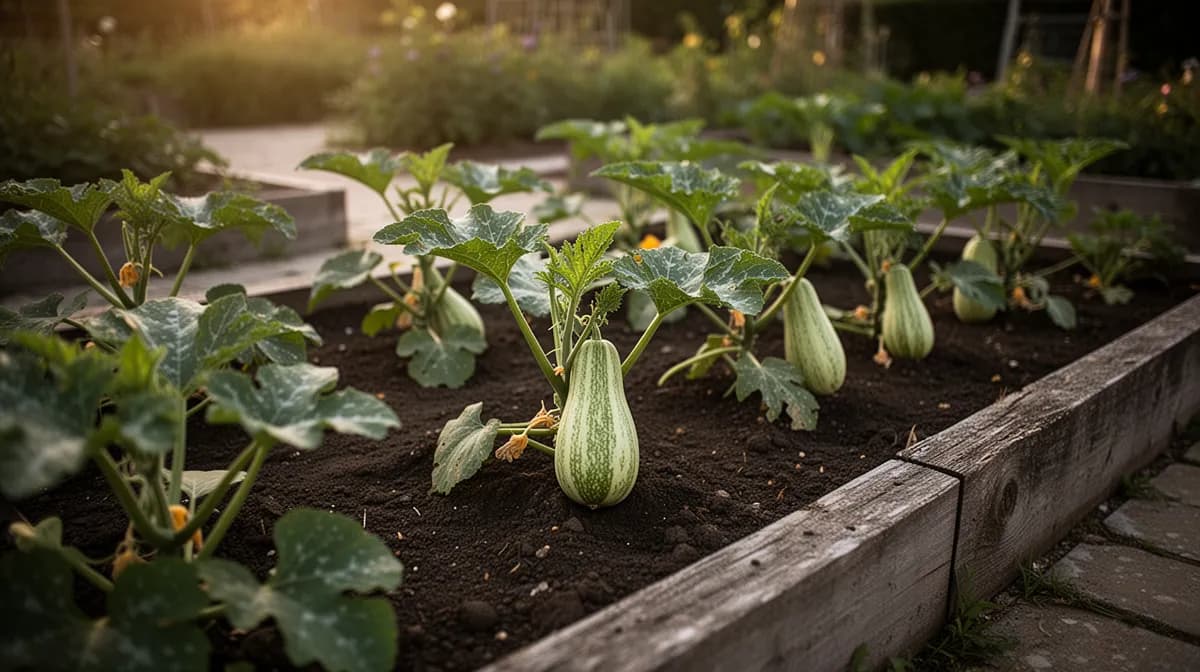
Chayote needs more room than a 4 × 8 ft bed gives
Each Chayote wants 150 cm of elbow room. The planner keeps that spacing for you — every plant, every bed.
Chayote's best neighbours
Chayote grows well alongside other tropical and heat-loving crops like taro, sweet potatoes, and tropical beans. Its dense vine growth provides shade for heat-sensitive understory plants like lettuce and cilantro. Nasturtiums and marigolds at the base deter pests. In permaculture systems, chayote is valued for its multi-use productivity and vigorous growth. Avoid planting where vines may shade out sun-loving neighbors. The enormous vine spread requires careful placement relative to other garden areas.
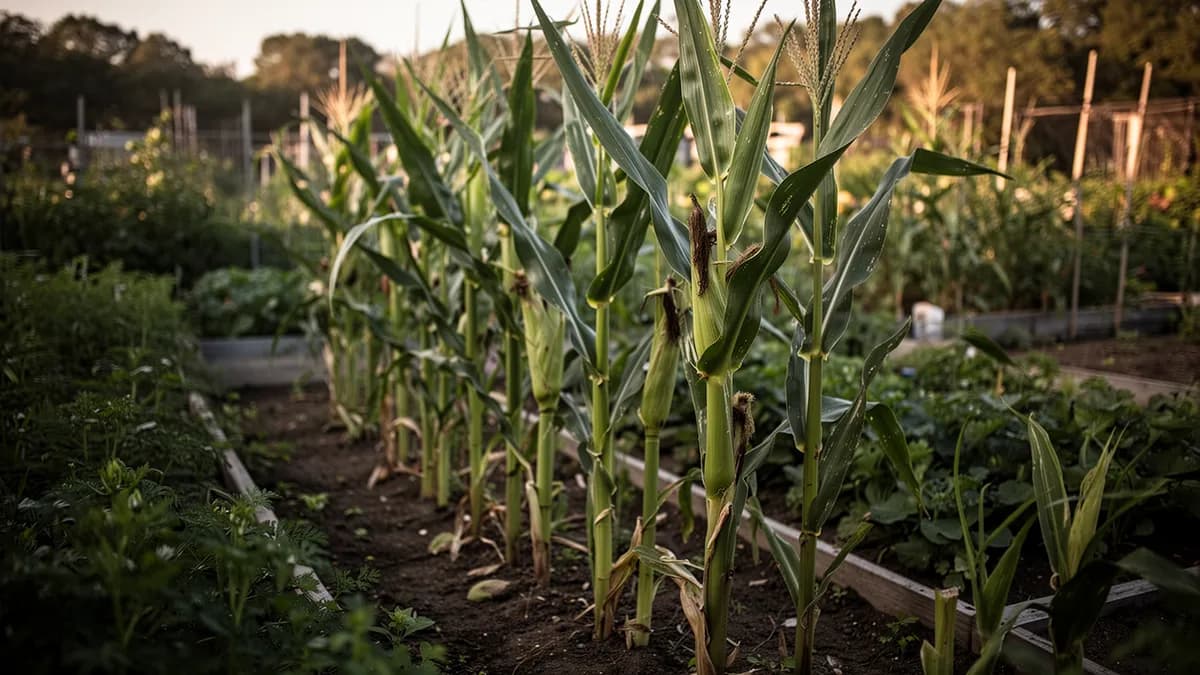
Corn belongs beside it.
Old growers' knowledge, checked against Chayote's real companion table below — test any plant you're growing.
Try Chayote in a bed — right here
A real planner bed with Chayote already in it. Tap a companion to place it and watch the pairing checks answer — green for good neighbours, red for a clash.


Related growing guides
Feed it well
Chayote grows best in rich, well-drained soil with a pH of 6.0-6.8. Good drainage is essential as root rot is a serious threat in waterlogged conditions. Amend with generous compost and ensure the planting site drains freely. Apply balanced fertilizer monthly during active growth. As a perennial, top-dress annually with compost and aged manure in spring. The developing tuberous root system benefits from deep, loose soil. Avoid standing water at the plant crown which invites rot.
Ideal Temperature
Hardiness Zone Compatibility
From seed to harvest, stage by stage
Fruit Sprouting
Unlike most vegetables, chayote is propagated by planting the entire fruit. The single large seed germinates inside the fruit, sending a shoot from the stem end. A root system develops from the base. The fruit itself provides nutrients to the emerging seedling during this critical establishment phase.
Vine Establishment
The young vine grows rapidly once established, producing heart-shaped leaves and strong tendrils that grip any available support. Root development is vigorous during this phase, building the tuberous root system that stores energy for years of future growth in perennial plantings.
Vigorous Vegetative Growth
The vine enters explosive growth, easily extending 30-40 feet in a single season under warm conditions. Dense foliage covers the support structure completely. The tuberous root system develops underground, storing carbohydrates for perennial regrowth. Lateral branches spread aggressively.
Flowering
Small greenish-white flowers appear in clusters in the leaf axils. Chayote is monoecious, with separate male and female flowers on the same plant. Male flowers appear in clusters while female flowers are solitary. Shorter day lengths in autumn typically trigger the heaviest flowering.
Fruit Development
Pear-shaped fruits develop rapidly from pollinated female flowers, reaching harvestable size in 25-30 days. Each fruit contains a single large, flat seed surrounded by crisp, mild-flavored flesh. In frost-free climates, production continues for weeks with dozens of fruits maturing in succession.
Peak Harvest and Perennial Dormancy
Production peaks in autumn as shorter days trigger heavy fruiting. A healthy vine can produce 50-100 or more fruits before frost. In perennial plantings, the vine dies back after frost but the massive tuberous root survives to resprout the following spring with even greater vigor.
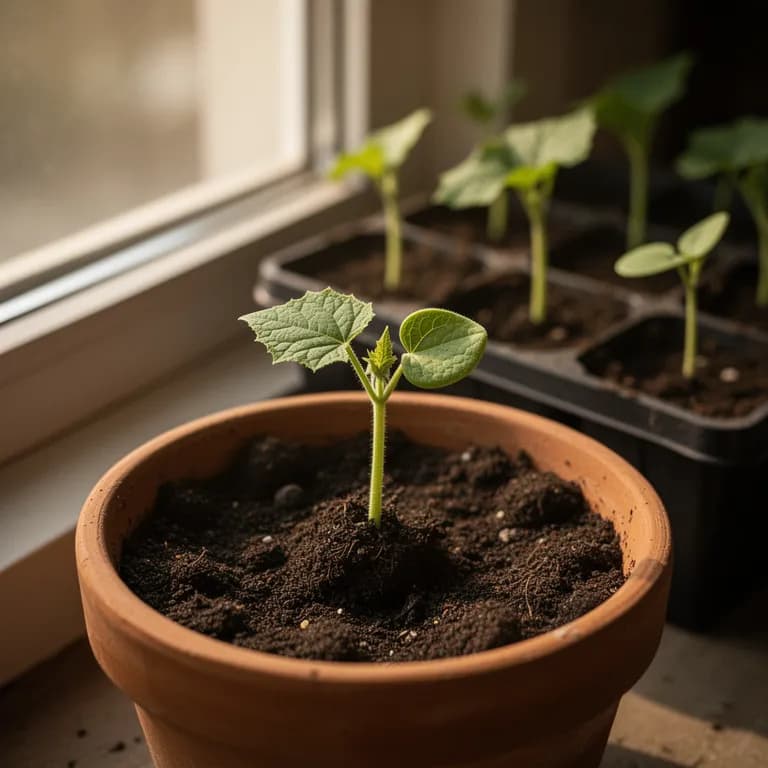
Place the fruit in a warm, bright location indoors to initiate sprouting. Once a 10-15 cm shoot emerges, plant the fruit on its side at a 45-degree angle with the shoot exposed. Keep soil consistently moist but not waterlogged.
Caring for Chayote month by month
What to do each month for your Chayote
October
You are herePeak harvest month in most regions. Check vines every 2-3 days and harvest fruits at 10-15 cm before the seed inside hardens. In frost-prone areas, harvest all remaining fruits before the first freeze. A single vine may produce dozens of fruits this month.
Know exactly what to do in your garden — every month
One email at the start of each month: what to sow, plant, and tackle right now — for your Chayote and everything growing around it. Plus a short starter course that helps you dodge the classic mistakes.
- What to do, right now
- Matched to your season
- Starter course included
Harvesting Chayote
Harvest chayote fruits when they are 4-6 inches long, light green, and firm to the touch, before the seed inside hardens. Younger fruits have more tender skin and flesh. In tropical areas, production is heaviest in fall as shorter day lengths trigger flowering. Cut fruits from the vine with a short stem attached. Young shoot tips can be harvested continuously as a green vegetable. The tuberous roots can be dug after the vine dies back in winter in perennial plantings. Each plant can produce dozens to over a hundred fruits per season.
assuming you plant when the window opens — set your real date
Pick Chayote promptly and the plant keeps producing.
Storage & Preservation
Fresh chayote keeps in the refrigerator for 2-4 weeks, much longer than most squash. Store unwashed in a perforated plastic bag in the crisper drawer. For freezing, peel, dice, and blanch for 2 minutes before freezing in airtight containers. Chayote can be pickled in vinegar brine with spices for a tangy preserved product. In Latin American markets, chayote is sometimes found dried for later use in soups. The tubers can be stored like potatoes in a cool, dark place for several weeks.
What goes wrong — and the fix
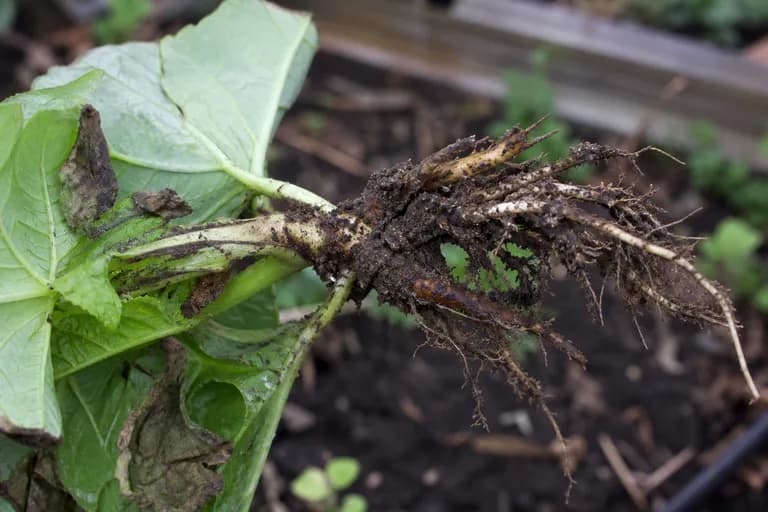
Root Rot
DiseaseYellowing leaves, wilting despite adequate water, mushy crown tissue, and eventual plant collapse in waterlogged conditions.
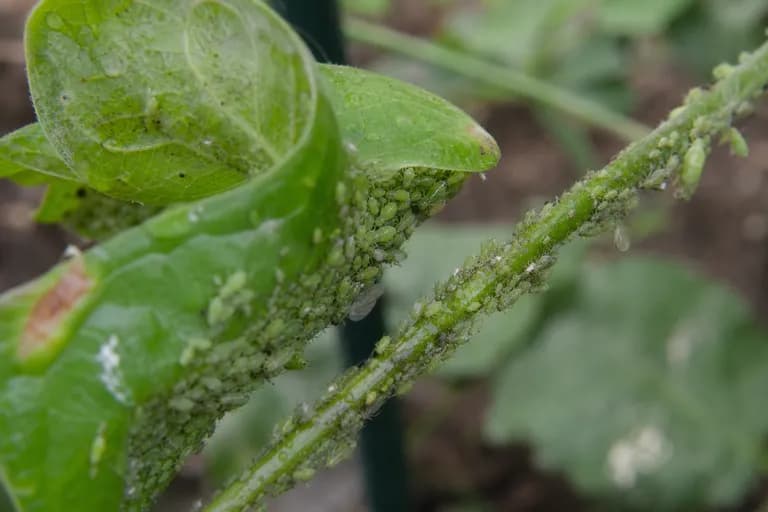
Aphids
PestClusters on growing shoot tips causing curled, distorted growth and sticky honeydew on foliage.
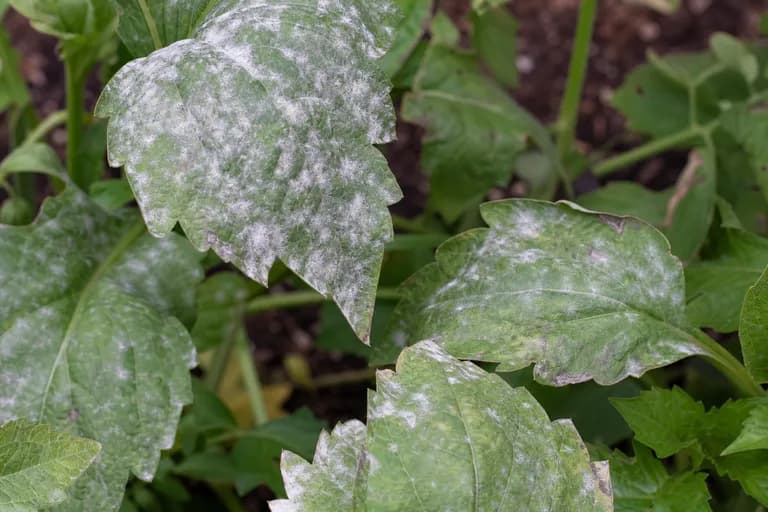
Powdery Mildew
DiseaseWhite powdery growth on leaf surfaces, reducing plant vigor in late season.
Troubleshooting Common Problems
The main challenge in temperate climates is insufficient growing season; chayote may not produce fruit before frost. In zones 7 and below, consider greenhouse growing. Root rot from poor drainage or overwatering is the most common killer. In perennial plantings, winter cold protection is critical for the root crown; mulch heavily. The extremely vigorous growth requires a very strong support structure. Chayote can become invasive in tropical climates where it self-seeds and spreads via dropped fruits.
Growing Tips
- Start with a grocery store chayote and be patient. Place the fruit in a warm, bright spot and wait for the shoot to emerge from the stem end — this can take 2-6 weeks. Do not remove the seed from the fruit; the entire fruit is the planting unit.
- Build your trellis before you plant, and make it much stronger than you think necessary. A mature chayote vine with fruit can weigh hundreds of pounds. Chain-link fencing, heavy-duty arbors, or reinforced pergolas work well. Lightweight garden trellises will collapse.
- Plant the sprouted fruit on its side at a 45-degree angle, half-buried with the sprouted end sticking up and out of the soil. Planting too deep or fully covering the fruit invites rot.
- Water deeply and consistently — chayote is a tropical plant that needs 2-3 inches of water per week during active growth. Drought stress dramatically reduces fruit production and can kill first-year plants.
- Be patient for fruit production in temperate climates. Chayote typically flowers in response to shortening day lengths in late summer and autumn, so fruits may not appear until September or October. Plan accordingly and ensure a long frost-free window.
- In zones 8-9, protect the root crown in winter with a heavy mulch mound of 15-20 cm of straw, leaves, or wood chips. The tuberous root can survive mild ground freezes if insulated, and the vine will resprout stronger the following spring.
- Harvest young shoots and tendrils throughout the growing season as a bonus green vegetable. They are delicious stir-fried with garlic and are considered a delicacy in many Asian cuisines.
- Save your best, most uniform fruits for next year's planting stock. Store them in a cool, dark place through winter, then move to warmth and light in late winter to initiate sprouting for the new season.
Grow your best Chayote yet — and everything around it.
Start a free plan today. Lay out your beds, drop in your Chayote, and let PlotMyGarden handle the timing, spacing, companions and reminders from seed to harvest basket.
Pick your Chayote
Green Smooth
Standard pale green variety with smooth skin and mild flavor. The most commonly grown type worldwide.
White
Ivory-skinned variety with slightly sweeter flesh. Spiny or smooth-skinned depending on selection.
Spiny Green
Covered in soft spines that are removed during peeling. Slightly more intense flavor than smooth types.
Perla
Light green, pear-shaped variety with tender skin and flesh. Compact growth habit suitable for smaller spaces.
A single chayote fruit from the grocery store costs $1-3 and can be sprouted to grow a vine producing 50-150 fruits per season. With chayote selling for $1-3 each at Latin American markets and specialty grocers, a single vine can yield $50-300 worth of produce. The plant is also perennial in warm climates, producing larger harvests each year with no replanting cost. The edible shoots, leaves, and tuberous root add further value that most gardeners never even realize they can harvest.
Quick recipes
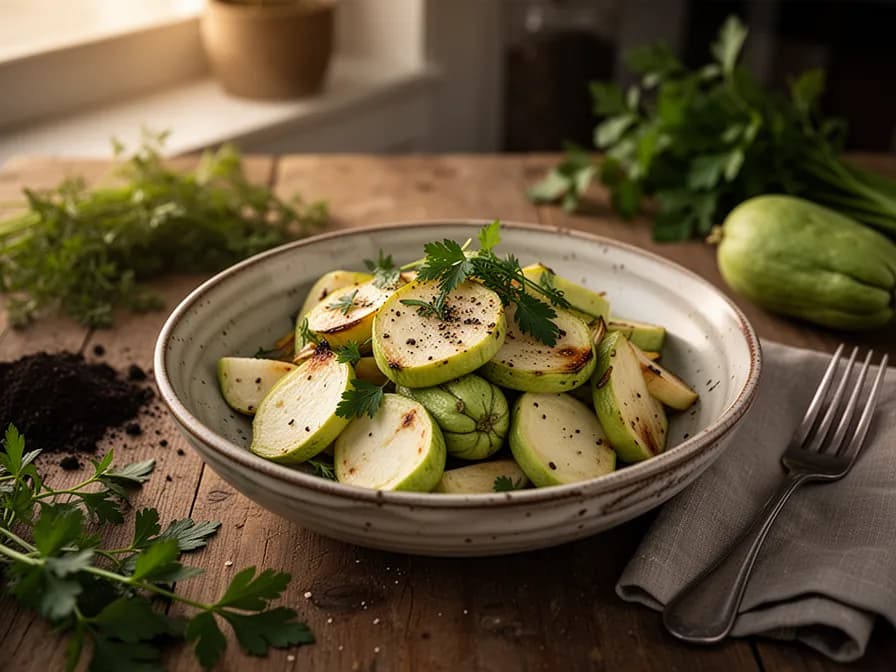
Chayote Stir-Fry with Garlic and Shrimp
20 minA quick, light stir-fry showcasing chayote's crisp-tender texture paired with succulent shrimp. The mild flesh absorbs garlic and soy sauce beautifully while maintaining a satisfying crunch similar to water chestnut.
8 ingredientsStuffed Baked Chayote
45 minHalved chayote boats filled with a savory mixture of cheese, breadcrumbs, and herbs then baked until golden — a classic Latin American preparation that transforms the mild squash into a satisfying main dish or hearty side.
7 ingredientsChayote and Lime Slaw
15 minA refreshing raw slaw that highlights chayote's crisp, cucumber-like quality. Julienned chayote dressed in lime and chili makes a vibrant side for grilled meats, tacos, or fish. No cooking required.
7 ingredientsCulinary Uses
Chayote has a mild, crisp flesh similar to a cross between cucumber and pear. In Mexican cuisine, it is used in soups, stews, and as a side dish sauteed with onions and chili. Stuff halved chayote with cheese and bake. In Asian cuisines, add to stir-fries and curries. The mild flavor absorbs seasonings well. Young shoots are cooked as a green vegetable similar to spinach. Raw chayote adds crunch to salads and slaws. The tuber can be prepared like potatoes. Slice and bread for frying, or add to gratins.
What's inside
Health Benefits
- Extremely low in calories at only 19 per 100g, making chayote one of the best vegetables for calorie-conscious diets while still providing satisfying bulk and fiber for fullness.
- Rich in folate (vitamin B9), providing about 23% of the daily value per cup — essential for DNA synthesis, cell division, and critically important during pregnancy for fetal neural development.
- Contains anti-inflammatory compounds, particularly flavonoids and polyphenols, that research suggests may help reduce chronic inflammation associated with heart disease and metabolic syndrome.
- The dietary fiber in chayote supports digestive health, promotes regular bowel movements, feeds beneficial gut bacteria, and helps maintain stable blood sugar levels after meals.
- Traditional medicinal use of chayote leaf tea for cardiovascular health is being validated by modern research — studies have identified diuretic and blood-pressure-lowering properties in chayote leaf extracts.
- Provides vitamin C, manganese, and zinc that collectively support immune function, wound healing, and the body's antioxidant defense systems.
Where Chayote comes from
Chayote (Sechium edule) originated in Mesoamerica, with its center of diversity in southern Mexico and Guatemala where wild relatives still grow in mountain cloud forests. Archaeological evidence and genetic studies indicate chayote was one of the earliest domesticated crops in the Americas, cultivated by pre-Columbian civilizations long before the arrival of Europeans. The Aztecs, Maya, and other Mesoamerican peoples grew chayote extensively, valuing it as a versatile food source where every part of the plant — fruit, seed, shoots, leaves, and tuberous root — could be eaten.
Spanish colonizers encountered chayote in Mexico in the 16th century and spread it throughout their colonial empire. The plant traveled to the Caribbean, South America, the Philippines, and eventually to Europe, Africa, and Asia. Its adaptability to tropical and subtropical climates made it an instant success wherever it was introduced. In Louisiana, chayote became known as 'mirliton' and was embraced by Creole cuisine — to this day, stuffed mirlitons are a beloved traditional dish in New Orleans.
Today, chayote is grown commercially across Latin America, Southeast Asia, India, and parts of Africa. Costa Rica and Mexico are the largest exporters. In the United States, it is cultivated commercially in Florida, California, and Louisiana, and is widely available in Latin American and Asian markets. The plant's extraordinary productivity, perennial nature in warm climates, and complete edibility make it increasingly attractive to permaculture practitioners and food security researchers. Modern interest has focused on the nutritional and medicinal properties of chayote, particularly compounds in the leaves and fruit that show promise for cardiovascular health and blood sugar regulation.
Chayote: did you know?
Fascinating facts about Chayote
The name 'chayote' comes from the Nahuatl (Aztec) word 'chayohtli,' and the plant has been cultivated in Mesoamerica for thousands of years — archaeological evidence suggests it was domesticated before maize and beans.
Chayote questions, answered
When should I plant Chayote?
What are good companion plants for Chayote?
What hardiness zones can Chayote grow in?
How much sun does Chayote need?
How far apart should I space Chayote?
What pests and diseases affect Chayote?
How do I store Chayote after harvest?
What are the best Chayote varieties to grow?
What soil does Chayote need?
Can I grow chayote from the seed inside the fruit?
Will chayote survive winter in my climate?
Why is my chayote vine huge but not producing any fruit?
Is the flat seed inside the chayote fruit edible?
How do I eat the other edible parts of the chayote plant?
You just read the theory. Now grow it on autopilot.
Everything that makes Chayote fiddly — the timing, the spacing, the companions, the harvest window — is exactly what PlotMyGarden handles for you, for every plant in your garden.
A plan that knows your weather
Set your location once. Get sow, feed and harvest dates built around your real last-frost date and live forecast — no more guessing from a generic seed packet.
From the “When to plant” sectionDrag-and-drop bed planner
Design beds on a grid. Every plant snaps to its proper spacing, and you can see your whole season laid out before you spend a cent on seed.
From the “Growing guide” sectionCompanion conflicts, caught early
200+ good-and-bad pairings checked live as you plant — so a season-wrecking mistake never makes it into the ground.
From the “Companions” sectionReminders you'll actually act on
“Water the beans.” “Pick today before it turns.” Timely, specific, and tied to the plants you're really growing.
From the “Harvest” sectionSuccession, scheduled
Want a harvest for six weeks, not six days? It spaces your sowings automatically and reminds you when each new block is due.
From the “When to plant” sectionA record that gets smarter
Every harvest you log teaches it your garden. Next year's plan starts from what actually worked in your soil, not a textbook's.
From the “Overview” sectionPlant these alongside Chayote
More Cucurbits
Grow your best Chayote yet — and everything around it.
Start a free plan today. Lay out your beds, drop in your Chayote, and let PlotMyGarden handle the timing, spacing, companions and reminders from seed to harvest basket.